Greenland challenges every modern instinct regarding travel logistics, distance, and human scale. Spanning more than eight hundred thousand square miles—over eighty percent of which is buried beneath an ice sheet miles thick—the world’s largest island possesses zero connecting roads between its towns and settlements. Every movement between communities requires an aircraft, a coastal passenger ferry, a private charter boat, or, in winter, a dogsled or snowmobile. To travel here is to submit entirely to the authority of Arctic weather, where dense sea fogs, polar gales, and shifting pack ice dictate whether planes fly or boats sail.
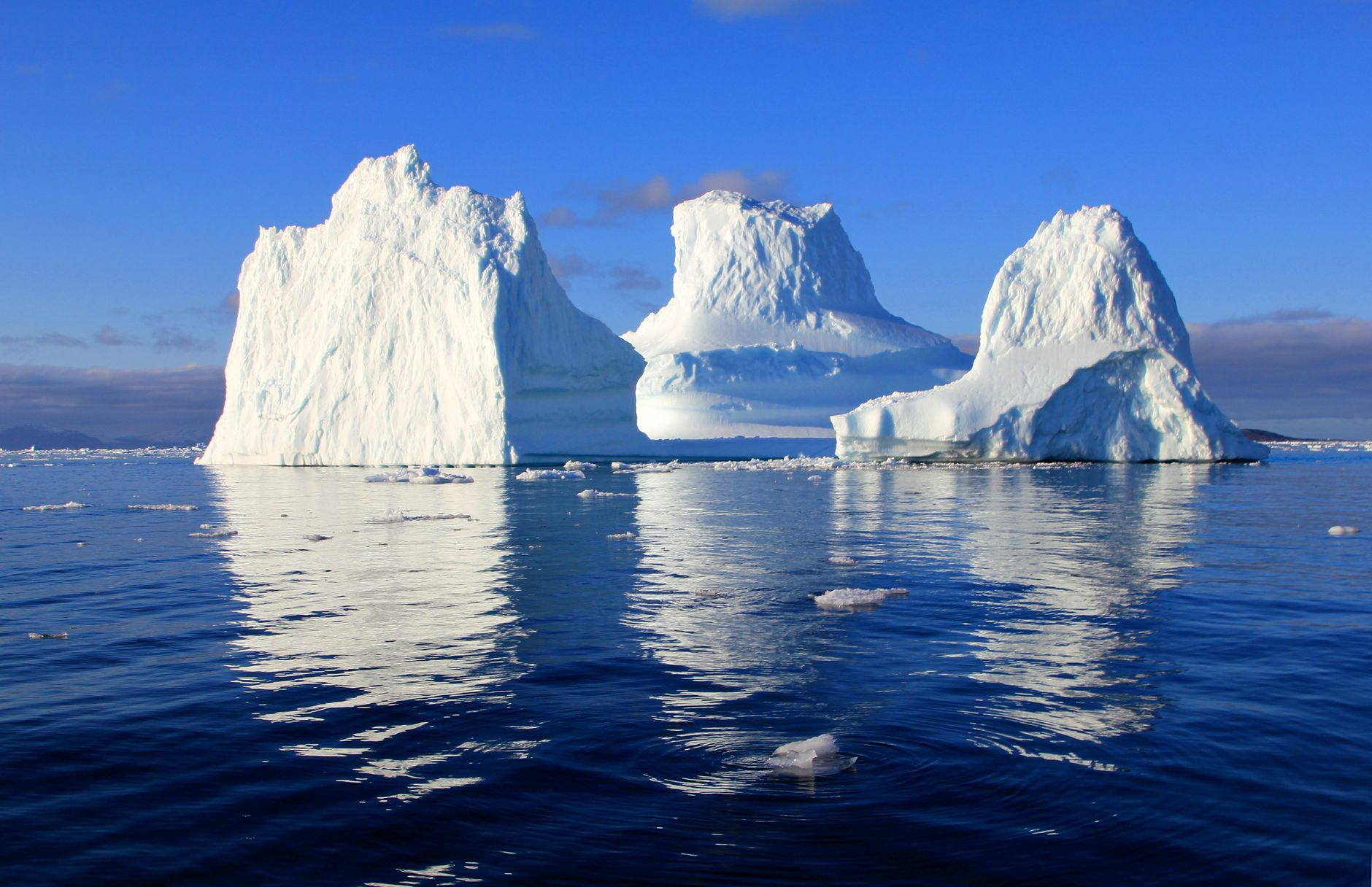
Most visitors concentrate their journey along the coastline of Disko Bay in Western Greenland, centered on the town of Ilulissat (meaning “Icebergs” in Kalaallisut). Here, the colossal Sermeq Kujalleq glacier calves billions of tons of ancient ice annually into the Kangia Icefjord, sending skyscraper-sized icebergs drifting out into the bay under the midnight sun. Structuring a feasible Arctic itinerary means building mandatory weather buffers, mastering regional maritime transfers, and understanding why a rigid trip schedule is a recipe for expensive disappointment.
Who This Trip Suits and How Long to Stay
A journey through Greenland suits self-reliant adventure travelers, wildlife photographers, polar history enthusiasts, and hikers who are comfortable with rugged conditions, remote isolation, and premium Arctic pricing. It is a transformative destination for travelers who want to hear the thunderous roar of calving glaciers, kayak across glassy fjords past house-sized icebergs, observe humpback whales surfacing beside traditional fishing boats, and experience contemporary Inuit culture. The country is safe, boasts virtually zero violent crime, and operates with Scandinavian order under home-rule self-government within the Kingdom of Denmark.
Conversely, Greenland is unsuited to budget backpackers or travelers requiring constant luxury pampering. There are no trains, no car rental road networks between towns, and hotels book out months ahead during the brief summer season. Danish Krone (DKK) is the official currency, and Arctic supply chains make dining, accommodation, and domestic transport among the most expensive in the world. A minimum of seven to eight days is required for a focused Disko Bay itinerary, while ten to twelve days provides the buffer time needed to combine Ilulissat with Disko Island and a remote glacier camp.
Never schedule a Greenland trip with same-day international flight connections on either end. Summer storms or coastal fog banks in Ilulissat or Nuuk can easily ground regional turboprops for twenty-four to thirty-six hours. Always build a full 24-hour buffer in your hub city (Reykjavik or Copenhagen) before your flight home.
The Zero-Road Reality: How Transit Actually Works
The single most important geographical fact about Greenland is that no two settlements are linked by roads. In Ilulissat, Nuuk, or Sisimiut, paved streets end abruptly at the town perimeter where granite bedrock and tundra begin. Navigating the country requires combining three distinct transport networks:
First, domestic aviation is operated almost exclusively by Air Greenland using a fleet of rugged Dash 8-200 turboprops and Sikorsky helicopters. These twin-engine turboprops land on short gravel or asphalt airstrips etched into coastal bluffs, connecting regional hubs with remarkable skill. Flights are scenic but heavily vulnerable to weather disruptions.
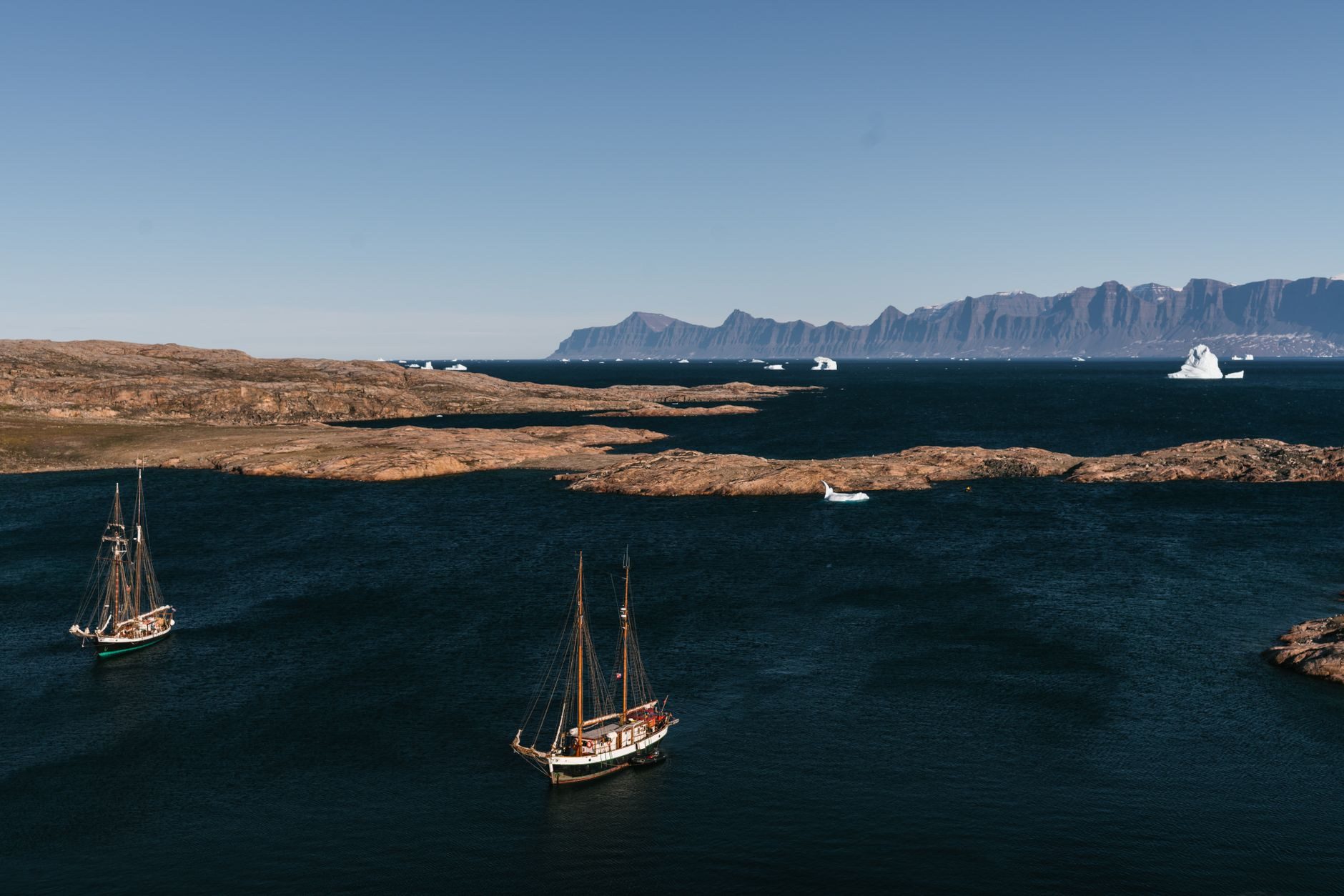
Second, coastal passenger ferries provide vital summer connections. The Arctic Umiaq Line operates the historic ferry Sarfaq Ittuk, which sails weekly along the western coastline between Ilulissat in the north and Qaqortoq in the south. Within Disko Bay, passenger vessels operated by Disko Line connect Ilulissat with outlying settlements like Oqaatsut, Qeqertarsuaq, and Ilimanaq.
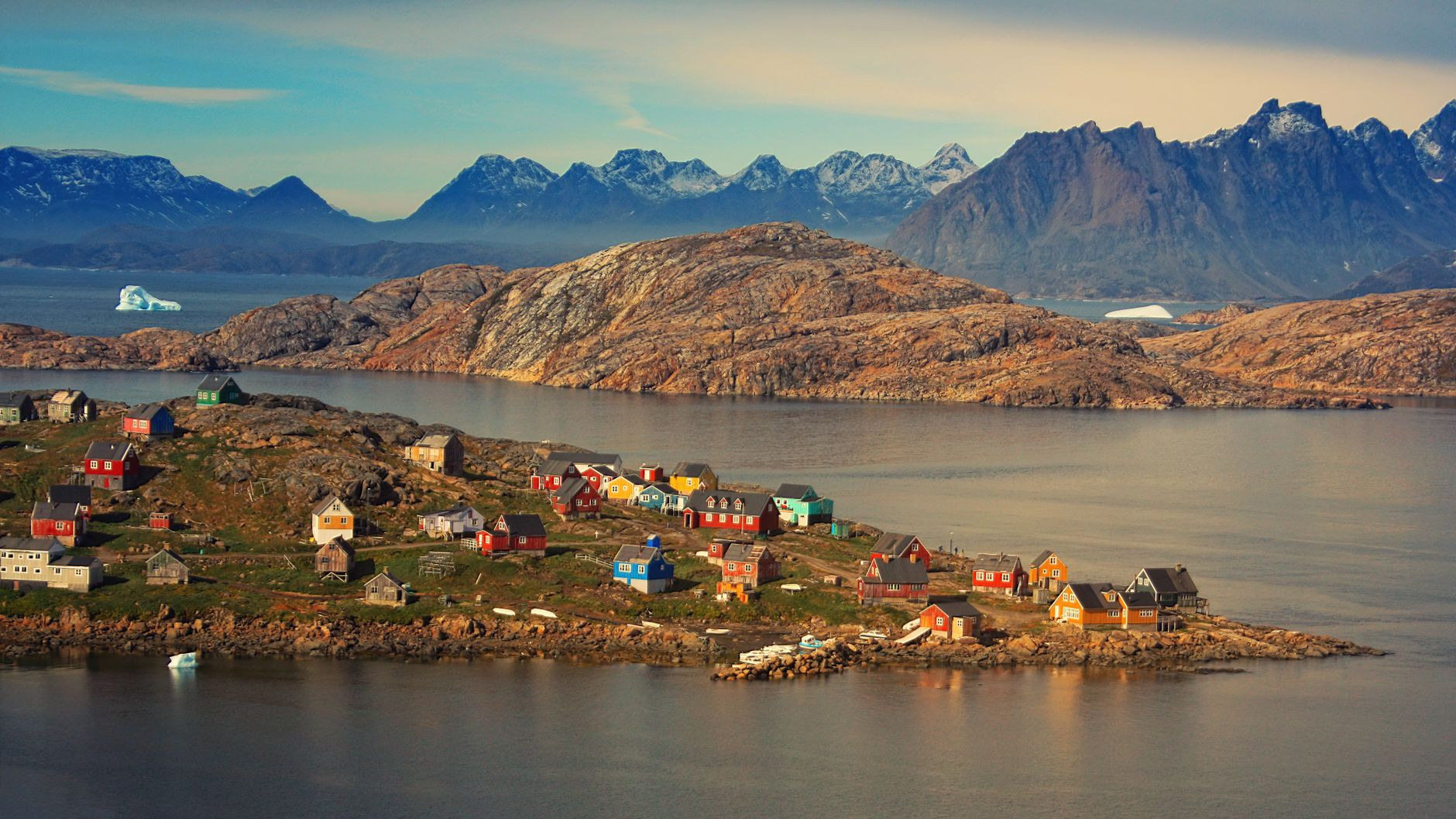
Third, local charter boats and rigid inflatable boats (RIBs) function as maritime water taxis, taking hikers to remote fjord drop-offs, glacier fronts, and whale-watching hotspots. Embracing these maritime transfers as integral adventures rather than mere transit legs is essential to enjoying the Arctic journey.
Day-by-Day Disko Bay Itinerary
This eight-day route focuses on the natural highlights of Disko Bay, incorporating mandatory weather buffers, glacier expeditions, and out-island exploration.
| Day / Stage | Base | Highlights | Transport Mode | Transit Time | Advance Booking Requirement |
|---|---|---|---|---|---|
| Day 1 | Ilulissat | Arrive Ilulissat (JAV), check into lodge, walk town bluffs, evening iceberg lookout | Airport Taxi / Foot | 15 mins | Lodge booked 4–6 months ahead |
| Day 2 | Ilulissat | Sermermiut boardwalk hike to Kangia Icefjord, Icefjord Centre, midnight sun boat cruise | Walking / Boat | 3 hrs hiking + 2.5 hrs cruise | Midnight sun boat tour online |
| Day 3 | Ilulissat | Full-day boat expedition to Eqi Glacier, observe active ice calving, fjord cruising | Excursion Boat | 6 hrs total boat run | Eqi boat tour booked 2 months ahead |
| Day 4 | Oqaatsut / Ilulissat | Disko Line boat to Oqaatsut (Rodebay), settlement walk, local fish lunch at H8, kayak | Passenger Ferry | 30 mins each way | Disko Line passenger ticket |
| Day 5 | Disko Island (Qeqertarsuaq) | Morning ferry across Disko Bay to Qeqertarsuaq, basalt cliffs, Kuannit coastal walk | Disko Line Ferry | 2.5 hrs ferry | Ferry & island guesthouse booked early |
| Day 6 | Disko Island / Ilulissat | Black Sand Beach whale watching, Lyngmark glacier lookout, evening ferry to Ilulissat | Walking / Ferry | 2.5 hrs return ferry | Return ferry ticket verified |
| Day 7 | Ilulissat | Mandatory weather buffer day: Knud Rasmussen Museum, craft workshops, Arctic dinner | Walking | Local exploration | Museum admission on arrival |
| Day 8 | Departure | Final morning walk along icefjord cliffs, transfer to JAV airport, domestic flight | Airport Shuttle / Flight | 20 mins to airport | Check-in 2 hrs prior to flight |
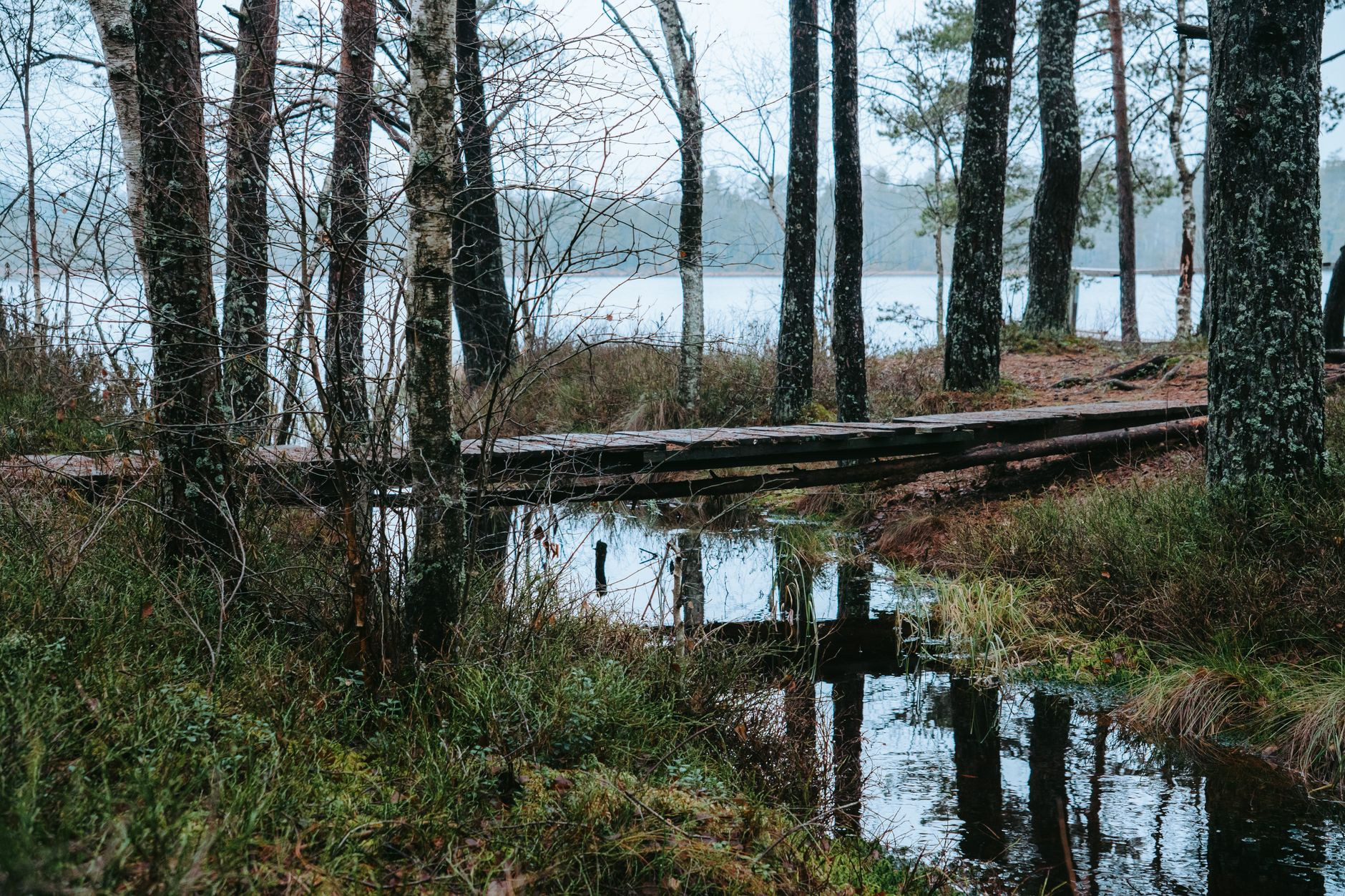
The Kangia Icefjord at Ilulissat is a designated UNESCO World Heritage site and one of the most active glacial valleys on Earth. Sermeq Kujalleq moves forward at roughly 130 feet per day, calving more than 46 cubic kilometers of ice into the fjord each year. From town, follow the wooden boardwalk through Sermermiut Valley—a historic Inuit settlement inhabited over four millennia. The boardwalk terminates at the cliffside lookout of Nakkaavik, where a staggering sea of sculpted icebergs stretches toward the horizon.
Glacier Expeditions: The Thunder of Eqi
Eighty kilometers north of Ilulissat lies Eqip Sermia, commonly known as Eqi Glacier. Unlike the icefjord, which is choked with grounded icebergs, Eqi Glacier terminates directly in open deep water along a four-kilometer-wide cliff face rising up to six hundred feet above the waterline.
Day tours aboard ice-strengthened boats motor north past rocky coastal bluffs before cutting engines several hundred yards from the glacier’s ice face. Visitors sit on open decks in reverent silence. Every few minutes, a sharp crack resembling artillery fire echoes across the water, followed by thousands of tons of ancient blue ice shearing off the wall and crashing into the sea, generating rolling waves and thunderous booms. The boat remains safely outside the wave zone while passengers sip coffee chilled with pristine glacier ice hauled straight from the bay.
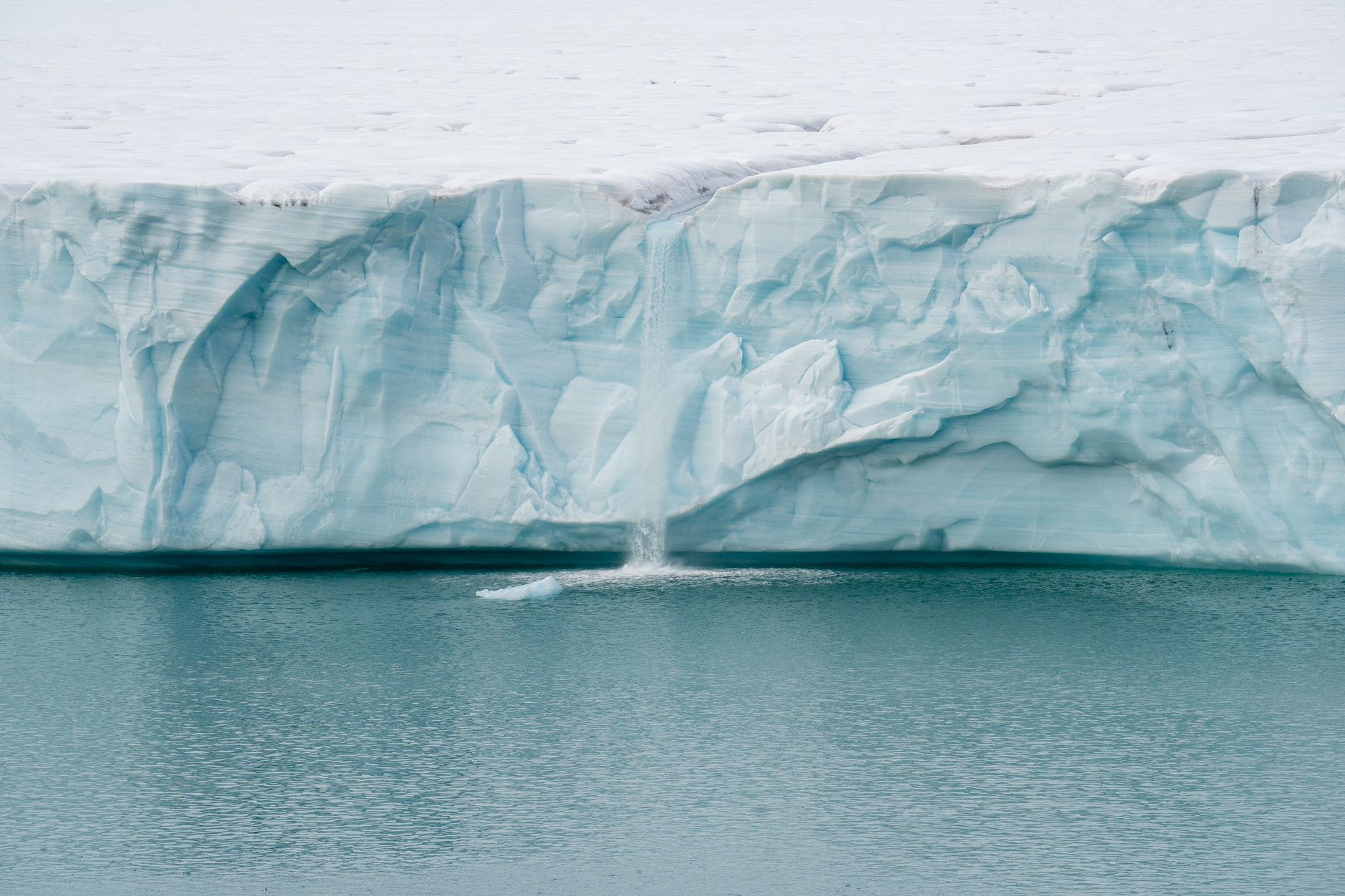
For adventurous travelers, Glacier Camp Eqi offers small eco-cabins perched on the rocky ridge overlooking the ice face. Staying overnight allows you to fall asleep to the rumbling detonations of calving ice and hike along the rim of the Greenland Ice Sheet without day-boat crowds.
Disko Island: Basalt Columns and Kuannit Springs
Crossing Disko Bay aboard a Disko Line passenger ferry brings you to Disko Island (Qeqertarsuaq), a striking volcanic realm that contrasts with the ancient granite geology of mainland Greenland. While Ilulissat is characterized by pale gneiss bedrock and tundra, Disko Island features towering, red-and-black tiered basalt mountains created by Tertiary volcanic eruptions millions of years ago.
Disko Island’s microclimate supports unusually lush Arctic vegetation. Hike the coastal trail eastward to Kuannit, a geological landscape of basalt columns reminiscent of Northern Ireland’s Giant’s Causeway, punctuated by natural spring waters rich in minerals where wild angelica (kuannit) grows waist-high. Further inland, Lyngmark Glacier crowns the mountains above town, offering summer dog sledding across high snowfields.
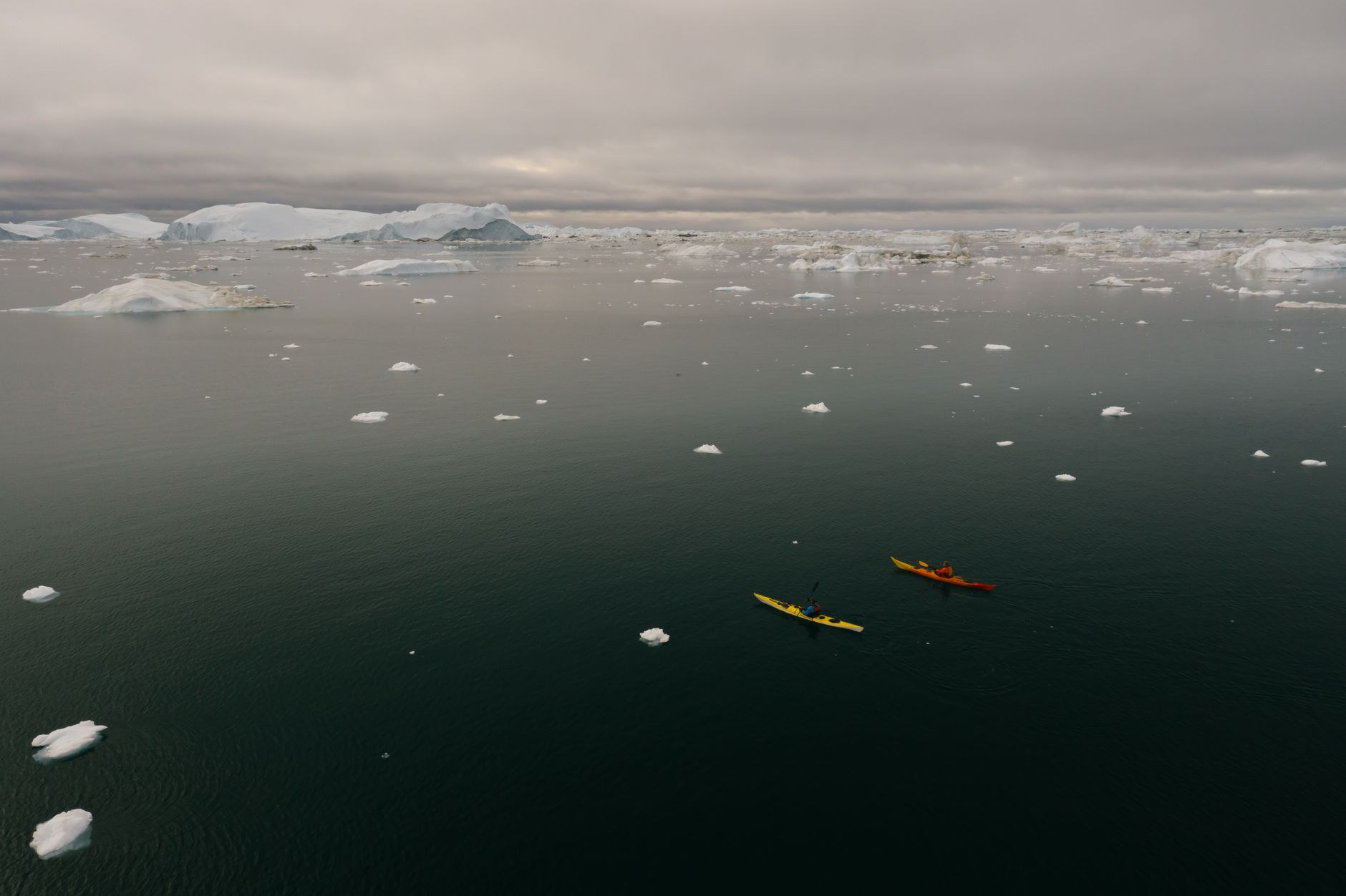
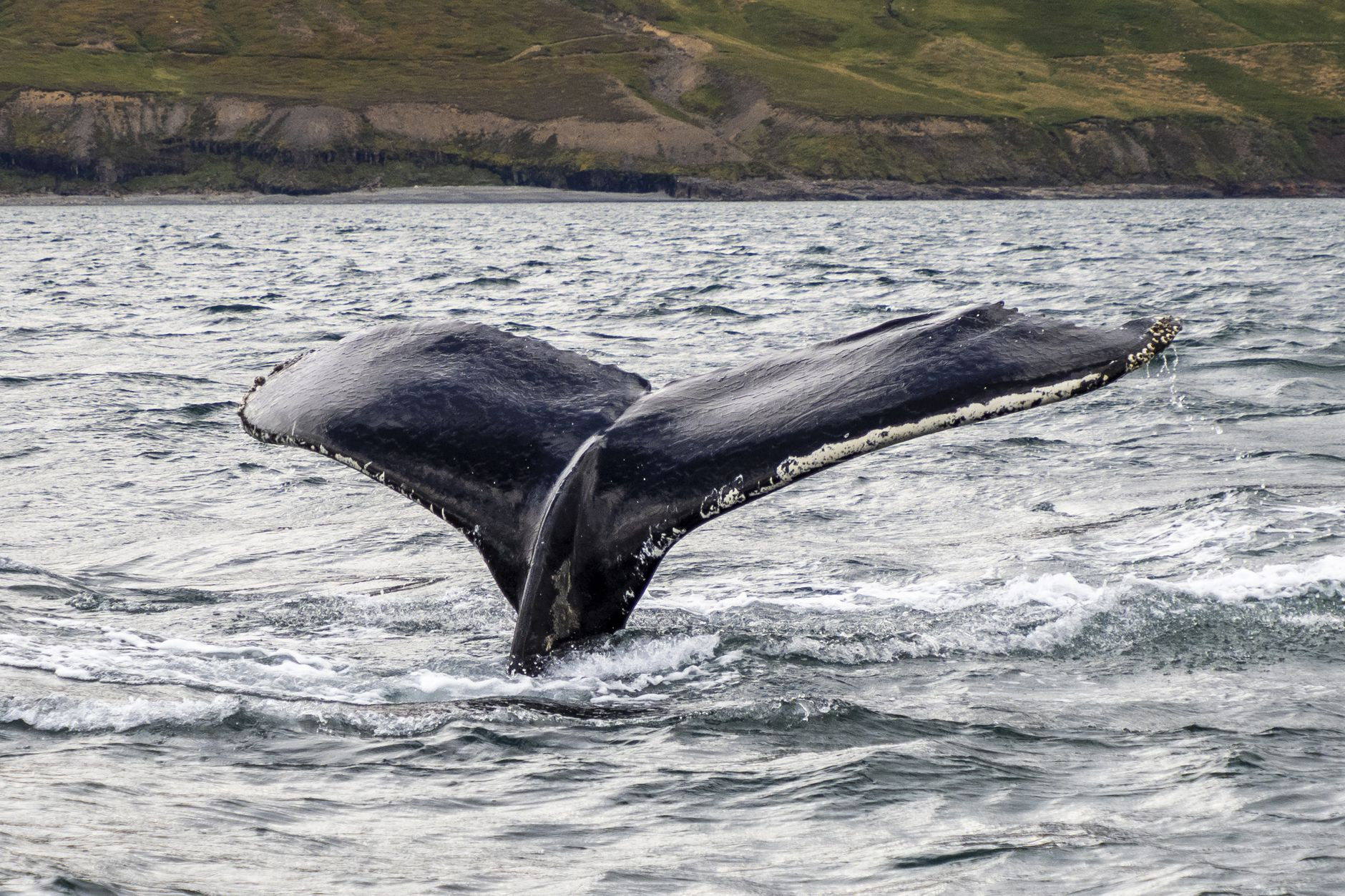
Along Qeqertarsuaq’s Black Sand Beach, volcanic basalt sand meets turquoise Arctic surf. Large chunks of transparent glacier ice wash up on the black sand like diamonds, while humpback whales frequently forage within thirty yards of shore, their loud exhalations echoing across the bay.
Marine Wildlife and Traditional Settlement Life
Disko Bay is a premier summer feeding ground for marine mammals. Nutrient-rich currents welling up around the mouth of the icefjord attract hundreds of humpback whales, fin whales, and minke whales between June and September. Whale-watching tours operate out of Ilulissat, but whales are routinely spotted directly from coastal walking paths and restaurant terraces.
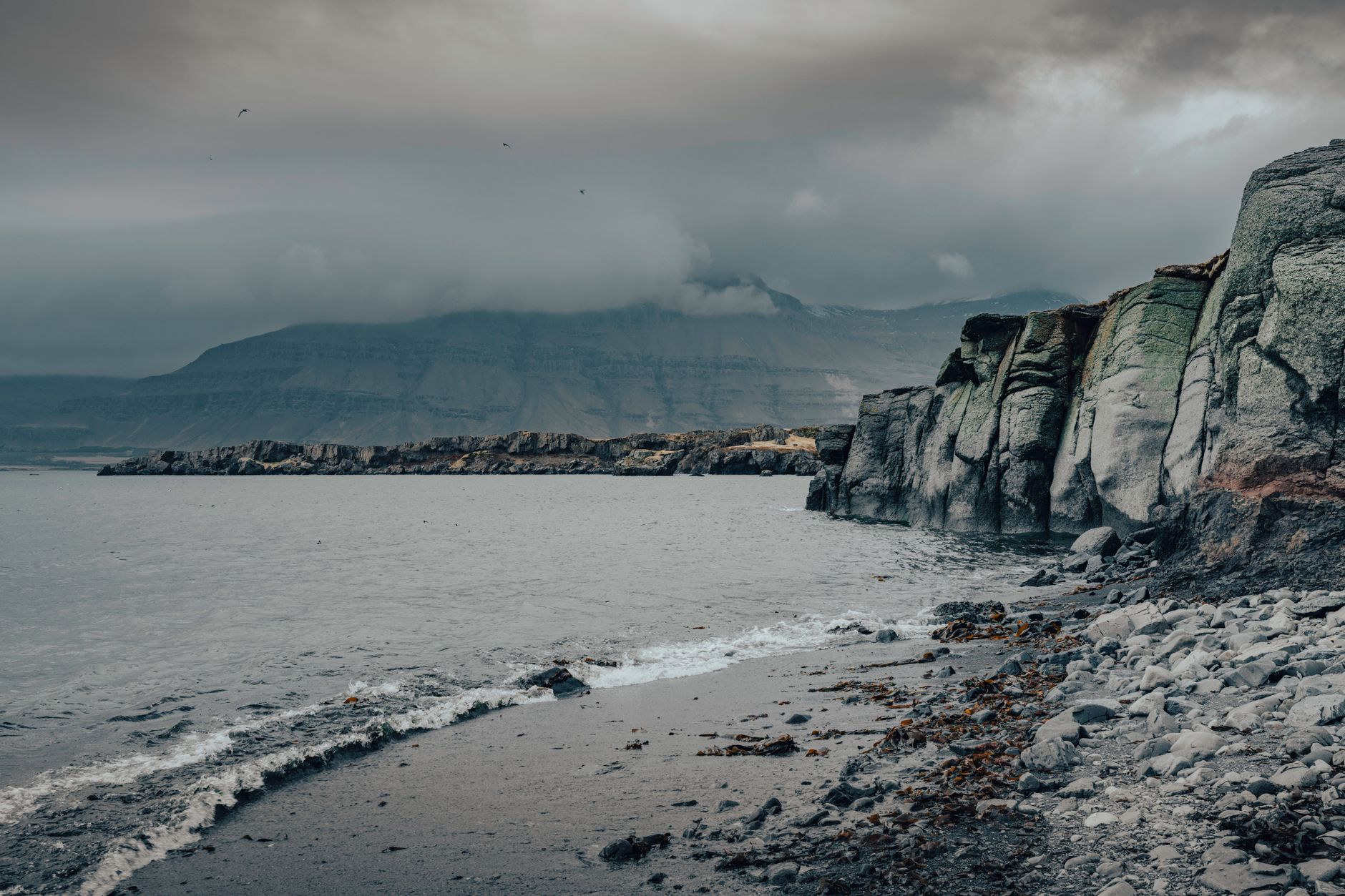
To experience authentic settlement life, take a passenger boat or hike to Oqaatsut (Rodebay), a quiet fishing hamlet of roughly thirty residents. Traditional timber houses painted in bold primary colors perch on bare granite rock. Sled dogs nap in the summer sunshine beside wooden drying racks where Atlantic cod cures in the sea breeze. Dine at Restaurant H8 Explorer, housed in an 18th-century former storehouse, for fresh Greenlandic halibut, snow crab, and reindeer carpaccio.
Domestic Flight Logistics and Weather Buffers
Understanding Arctic flight logistics is vital to planning a successful Greenland itinerary. Air Greenland operates scheduled flights into Ilulissat Airport (JAV) primarily from Kangerlussuaq (SFJ) or Nuuk (GOH). Because turboprops rely on visual flight rules and coastal airports have tight weather parameters, fog or high winds can halt air traffic without warning.
The golden rule of Greenland travel: never schedule an international flight home on the same day as your domestic flight from Ilulissat. Always spend your final night in your departure hub (Nuuk, Reykjavik, or Copenhagen). If an Arctic storm delays your flight by twenty-four hours, having a pre-built buffer prevents you from missing expensive transcontinental flights. Purchase flexible travel insurance that explicitly covers remote Arctic weather cancellations.
Connectivity and Mobile Data in the High Arctic
Staying connected in Greenland is critical for monitoring flight changes, checking ferry notices, following offline maps, and coordinating local boat pickups. However, because Greenland is outside the European Union, standard EU “Roam Like at Home” rules do NOT apply here. Using a standard European or North American phone plan in Greenland often triggers roaming charges exceeding 10 to 15 USD per megabyte.
Greenland’s telecommunications network is operated by Tusass (Tele Greenland A/S), providing robust LTE coverage within towns and settlements. Between settlements and deep inside fjords, terrestrial mobile coverage ceases, though satellite connectivity is increasingly available.
Rather than struggling to purchase local physical SIM cards with limited data quotas upon arrival, activate an eSIM before your trip. Using an international eSIM from NXTL’s Greenland eSIM, your smartphone connects to the local Tusass high-speed LTE network immediately upon landing. NXTL operates on a flexible pay-as-you-go model where purchased data balances never expire. Any remaining balance from your Arctic expedition stays in your account, ready for use on future travels across more than 180 supported international destinations.

An eSIM also keeps your domestic SIM active in your secondary slot, so you can continue receiving bank security SMS messages and stay connected on WhatsApp without paying expensive carrier roaming rates.
Budget Realities, Danish Krone, and High Arctic Costs
Greenland is one of the most expensive destinations in the world. Fresh food, fuel, machinery, and consumer goods must be shipped by sea from Denmark during summer or flown in on cargo flights. The official currency is the Danish Krone (DKK), pegged to the Euro at approximately 7.45 DKK = 1 EUR (roughly 1 USD = 6.80 DKK).
Credit cards are universally accepted in Greenland, from supermarket checkouts to small settlement cafes. Cash is rarely needed except for occasional direct purchases of artisan handicrafts. Plan for these realistic price ranges:
- Accommodations: Simple guesthouse rooms in Ilulissat cost 120 to 180 USD per night. Standard hotel rooms range from 280 to 450 USD per night, including breakfast. Glacier Camp Eqi cabins run 400 to 600 USD per night including meals.
- Dining: A simple cafe lunch costs 20 to 30 USD. A three-course dinner featuring Arctic ingredients (muskox, Greenlandic lamb, halibut) at a fine-dining restaurant runs 75 to 130 USD per person, plus drinks.
- Excursions & Transport: A 2.5-hour evening iceberg cruise in Ilulissat costs 95 to 130 USD. The full-day boat excursion to Eqi Glacier runs 320 to 420 USD per person. Return ferry tickets to Disko Island cost approximately 140 to 180 USD. Domestic Dash 8 flights between Nuuk and Ilulissat cost 250 to 450 USD one way.
To keep food costs manageable, utilize local supermarkets (such as Pilersuisoq or Brugseni) for picnic lunches. These stores stock bread, cheeses, smoked fish, and prepared salads, saving substantial money on long hiking days.
Five Pitfalls and Scams to Avoid in Greenland
While Greenland is exceptionally safe with negligible crime, environmental dangers and strict regulatory frameworks present real risks for unprepared visitors. Guard against these five critical pitfalls:
- The Missing Inter-Town Road Network: Many travelers book accommodations in different settlements assuming they can rent a car and drive between them. No roads connect towns in Greenland. If you book a night in Ilulissat and the next night in Qeqertarsuaq, you must book a passenger ferry or domestic flight to get there.
- Inflexible Tight Flight Connections: Booking a flight out of Ilulissat with a tight three-hour connection to your transcontinental flight in Copenhagen or Reykjavik is a major gamble. Summer sea fog frequently cancels flights for entire days. Always schedule a 24-hour buffer day in your departure hub city.
- Underestimating Hypothermia on Boat Tours: Summer air temperatures in Ilulissat hover around 45 to 55 degrees Fahrenheit (7 to 13 Celsius), but sitting stationary on an open boat deck near thousands of tons of ice drops the ambient temperature to near freezing. Windchill can cause rapid hypothermia. Always dress in full thermal layers, windproof shells, warm hats, and insulated gloves.
- Exporting Marine Bone or Wildlife Without CITES Permits: Local Inuit carvers sell handcrafted tupilaks made from whalebone, narwhal tusk, walrus ivory, or polar bear claws. However, international trade in marine mammal parts is strictly regulated under the CITES convention. Attempting to bring whalebone or ivory home without an official CITES export permit results in confiscation and heavy criminal fines at international customs. Look for items carved from reindeer antler, muskox horn, or soapstone, which do not require CITES documentation.
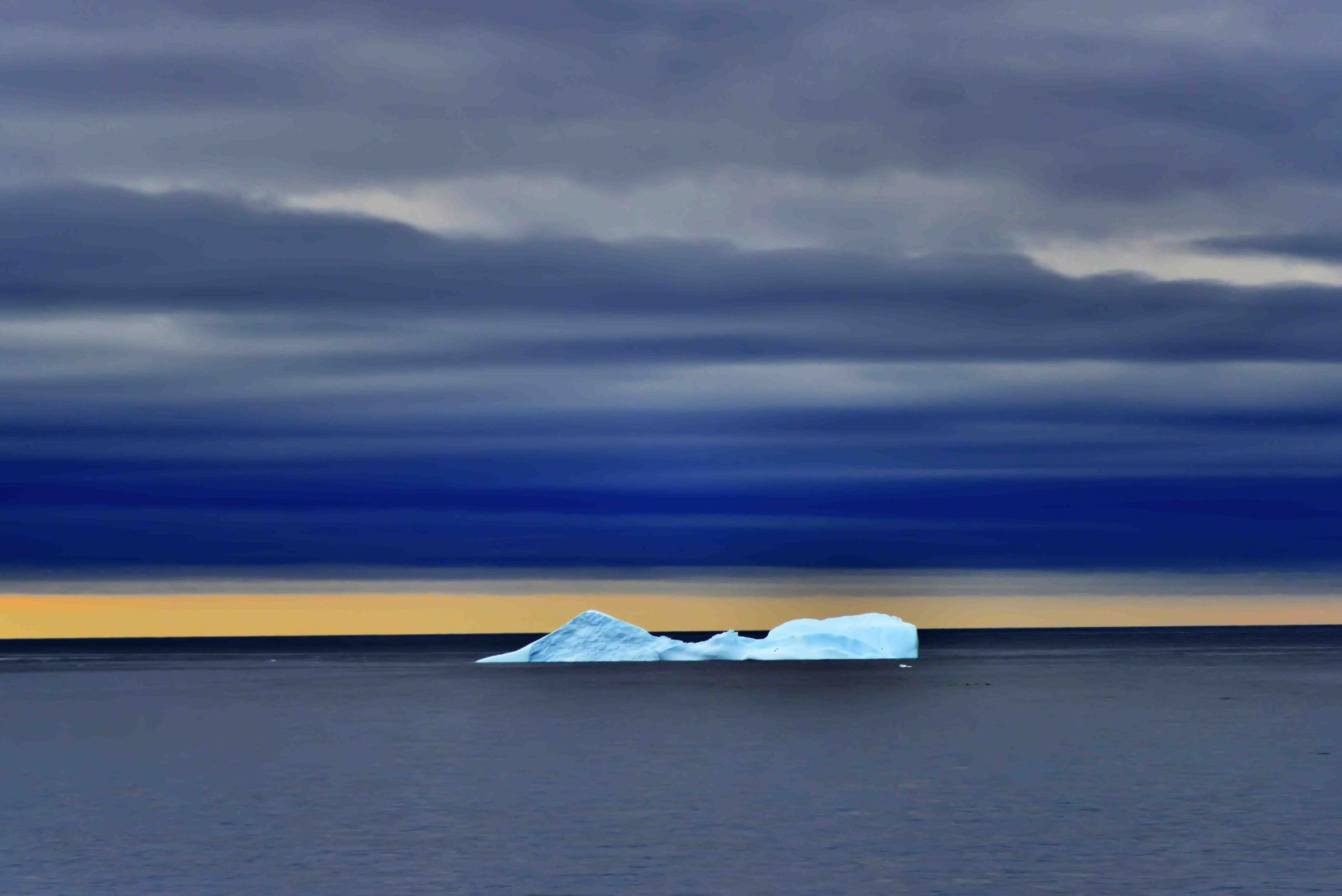
- Walking on Icebergs or Approaching Calving Edges: Icebergs are inherently unstable. An iceberg can roll over suddenly without warning, creating massive waves that sweep coastal rocks. Never walk on stranded icebergs on the beach, and stay behind warning signs when hiking near the mouth of the icefjord.
Approaching Greenland with humility, patience, and meticulous gear preparation ensures an extraordinary, safe expedition into the High Arctic.
Best Seasons, Weather Conditions, and Packing Essentials
Greenland’s travel year divides into two distinct experiences: summer under the midnight sun and winter under the northern lights. Summer spans from mid-June through August, bringing 24-hour daylight, open waters for whale watching, accessible hiking trails, and temperatures averaging 45 to 55 degrees Fahrenheit (7 to 13 Celsius). This is the premier season for first-time visitors seeking boat trips and iceberg exploration.
Winter and early spring (February through April) offer cold, crisp conditions ideal for dog sledding, snowshoeing, and witnessing the Aurora Borealis against snow-covered peaks, with temperatures often dropping between 0 and minus 20 degrees Fahrenheit (-18 to -28 Celsius). The shoulder months of May and September bring transitional ice conditions where boat traffic slows and flights can be disrupted by early snowfall.
Packing for Greenland requires strict technical layering. The foundation of Arctic comfort is three layers: a moisture-wicking merino wool base layer, an insulating mid-layer (fleece or down jacket), and a wind-and-waterproof Gore-Tex shell. Bring sturdy, ankle-supporting waterproof hiking boots with Vibram soles for navigating rocky tundra and scree. Pack a warm fleece beanie, windproof gloves, polarized sunglasses (to prevent snow blindness from glare off icebergs), high-UPF sunscreen, and a head net with insect repellent for summer tundra mosquitos. A compact dry bag will keep electronics protected from saltwater spray during open boat transfers.
By respecting the power of the Arctic elements, building flexibility into your schedule, and securing dependable mobile connectivity before departure, you will experience the staggering grandeur of Greenland: an awe-inspiring wilderness where nature commands absolute respect.