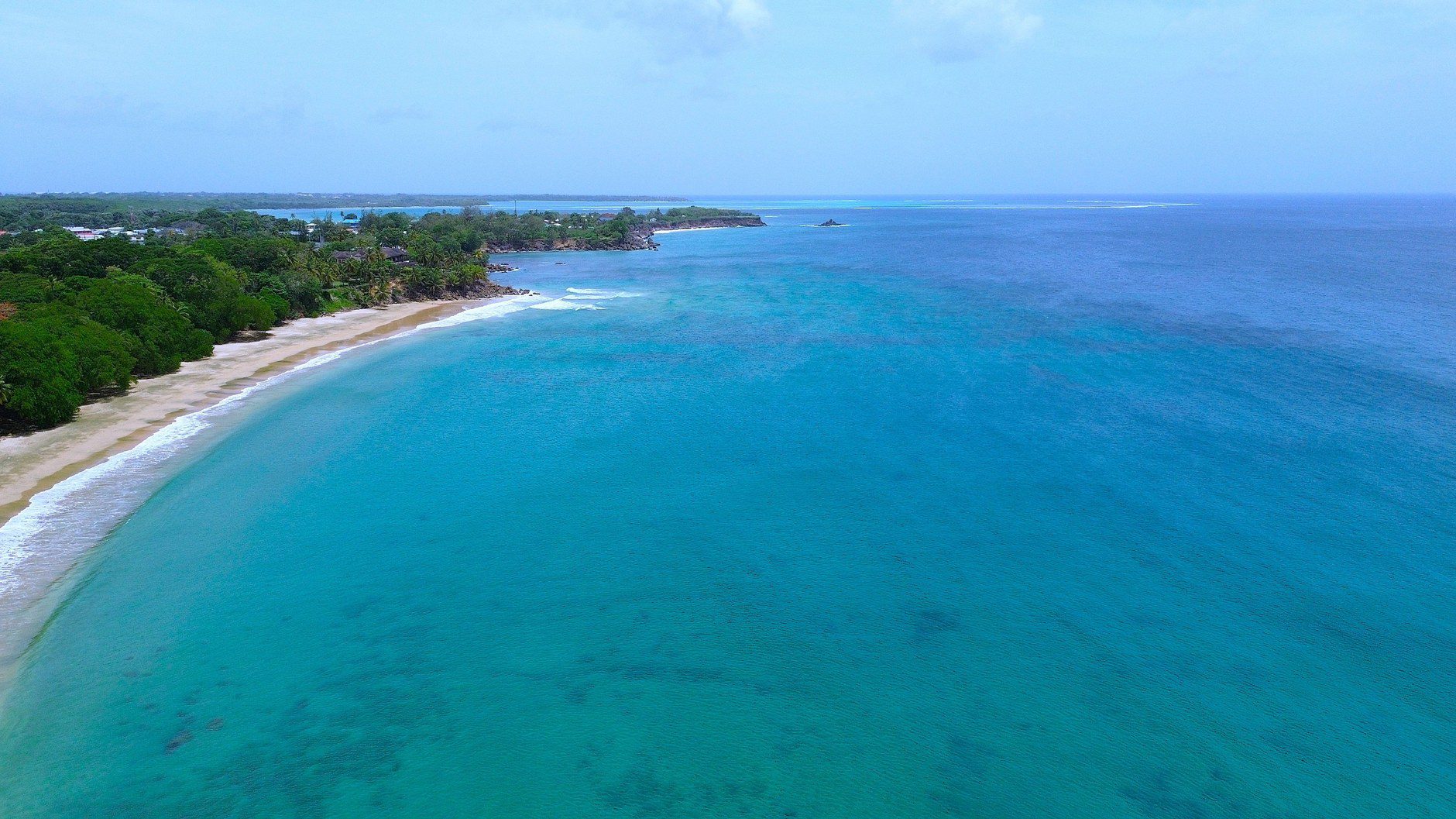
Trinidad and Tobago are often marketed under a single Caribbean banner, yet treating them as identical twins is the quickest way to misunderstand your journey. Trinidad is energetic, dense, and industrial—a land of calypso, complex Indo-Caribbean culinary traditions, vast mangrove reserves, and jagged cloud forests. Tobago, by contrast, is a classic Antillean sanctuary of placid turquoise shallows, quiet fishing hamlets, and the oldest protected rainforest reserve in the Western Hemisphere. A well-planned dual-island route balances Trinidad’s kinetic scale with Tobago’s coastal clarity.
Most travelers either rush frantically across both islands in four days or bypass Trinidad altogether for an all-inclusive resort on Crown Point. Eight days provides the ideal balance: four days in northern Trinidad exploring historic quarters, street gastronomy, and bird sanctuaries, followed by four days in Tobago divided between southwestern coral shallows and quiet leeward fishing settlements. This pacing allows you to sample regional specialties from doubles to curried crab and witness extraordinary wildlife spectacles without transit fatigue.
The Dual-Island Route Strategy
Begin your itinerary in Trinidad, arriving through Piarco International Airport (POS). Northern Trinidad provides deep cultural immersion centering around Port of Spain, the Northern Range, and Caroni Swamp. Basing yourself in Woodbrook, St. Clair, or Maraval places you near dining along Ariapita Avenue while avoiding highway bottlenecks during rush hours.
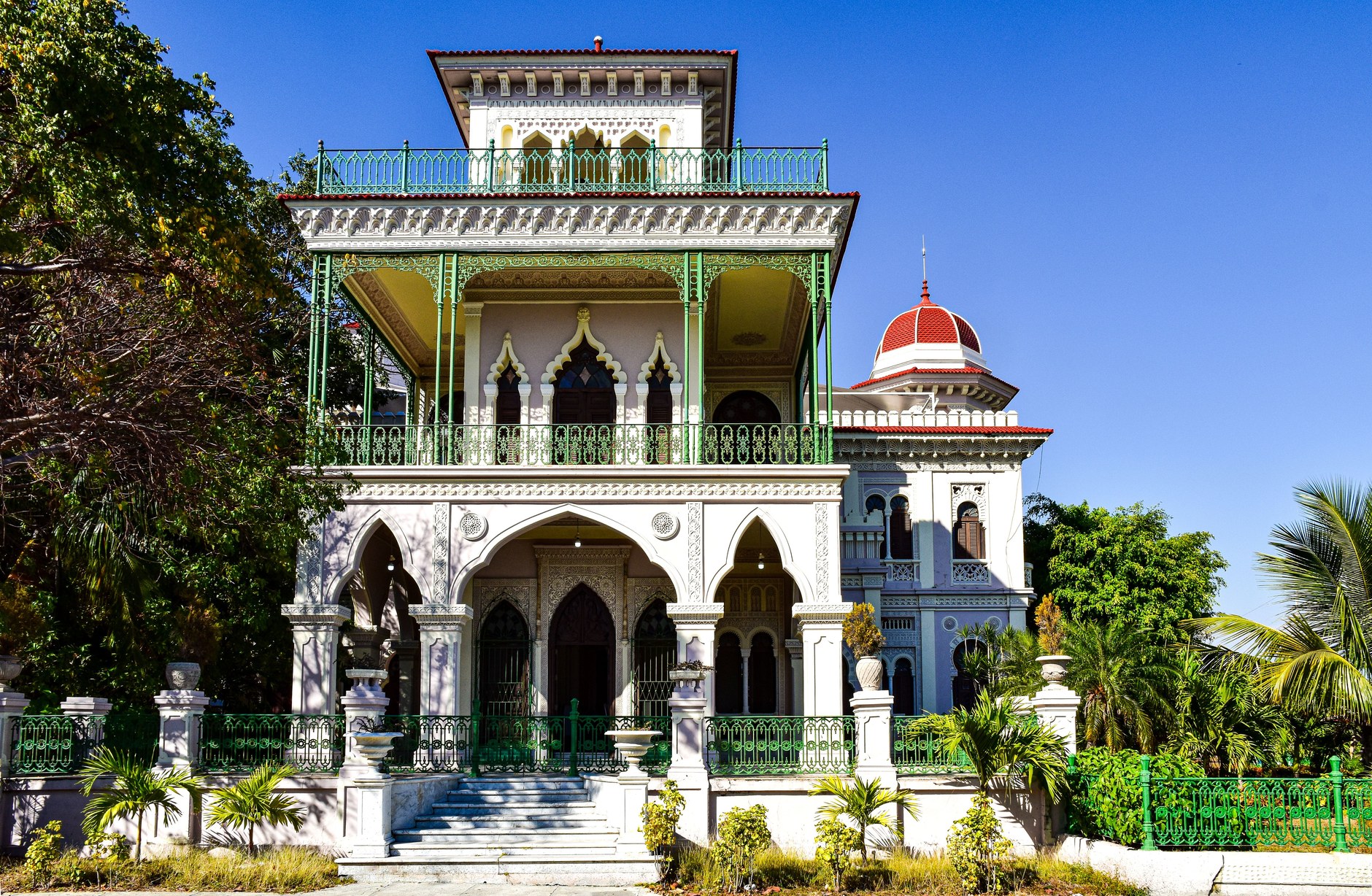
Spend your first morning encircling Queen’s Park Savannah, a 260-acre park regarded as the cultural heart of Port of Spain. Along its western perimeter stands the Magnificent Seven, a procession of early twentieth-century mansions showcasing Victorian, French Colonial, and Moorish revival designs, including Stollmeyer’s Castle and Archbishop’s Palace. Early mornings bring cool breezes, joggers, and street vendors selling fresh chilled coconut water directly from the husk.
Breakfast centers on doubles: two soft fried turmeric flatbreads (bara) filled with curried chickpeas (channa) and dressed with kuchela mango pickle, cucumber slaw, and hot pepper sauce. Join commuters beside vendors on George Street or the Savannah perimeter. Order concisely: ask for “two, slight pepper” or “two, sweet” if you prefer tamarind chutney over Scotch bonnet heat.
Crossing the Northern Range to Maracas Bay
On your second day, travel north across the Northern Range toward the Caribbean coastline. The North Coast Road climbs through montane rainforest before revealing panoramic views of breaking surf against jungle bluffs. The primary destination is Maracas Bay, a broad crescent of golden sand flanked by emerald mountain slopes and coconut palms.
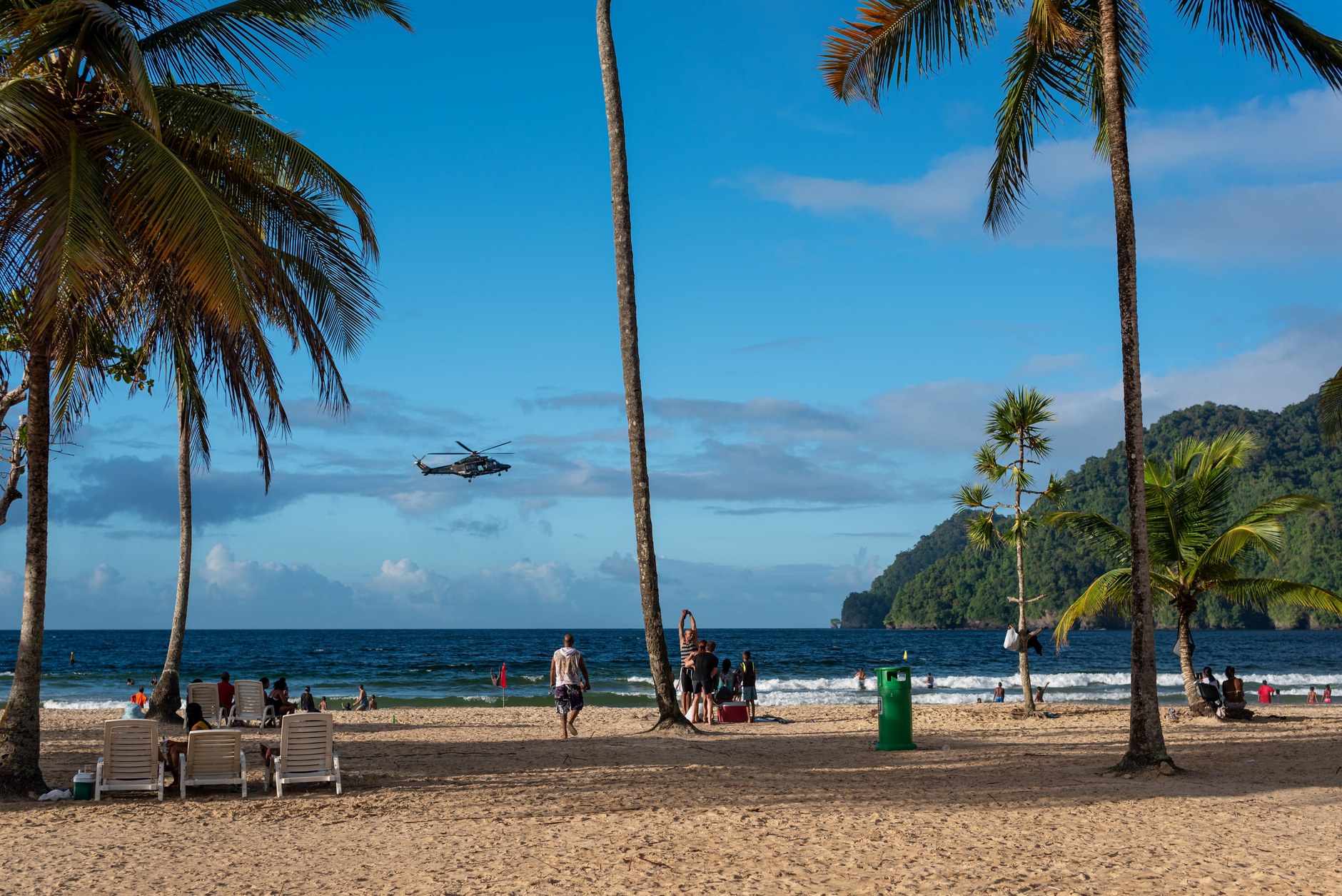
While swimming in the robust swells at Maracas is enjoyable, the primary pilgrimage is culinary: bake and shark. This iconic seaside sandwich features seasoned fried fish fillets served inside a crispy fried bake pocket. At stalls like Richard’s or Patsy’s, take your hot pocket to an extensive condiment counter loaded with shredded cabbage, chadon beni (culantro) sauce, garlic mayo, tamarind sauce, and spiced relish. Due to conservation concerns surrounding pelagic sharks, many stalls offer sustainable alternatives such as kingfish or flying fish, which hold the savory seasoning just as well.
Fifteen minutes further east lies Las Cuevas Bay. Far calmer and less commercial than Maracas, Las Cuevas features a wide beach sheltered by limestone caves hollowed out by marine erosion, making it the premier swimming location on Trinidad’s north coast. Return across the mountain pass before twilight settles to avoid tight hairpin turns in heavy mist or sudden downpours.
Rainforest Canopy and Montane Avian Life
Trinidad’s proximity to South America endows it with continental biological diversity unseen on volcanic Caribbean islands. Over 480 bird species and hundreds of butterflies inhabit its interior. Dedicate your third day to ascending into the Upper Arima Valley along the lush Northern Range.
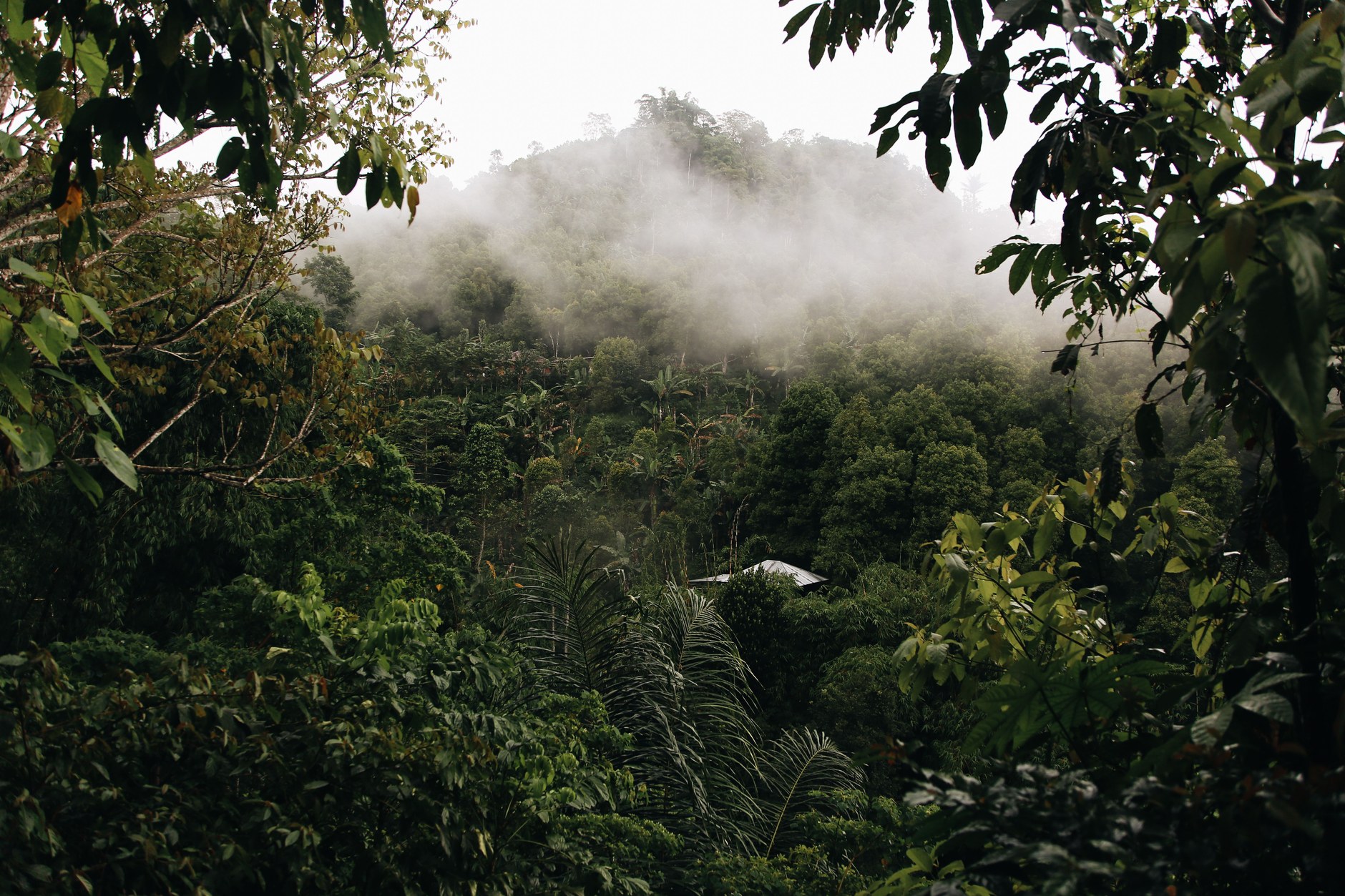
The crown jewel of Trinidadian ecological research is the Asa Wright Nature Centre, situated at 1,200 feet above sea level in a former cocoa and coffee estate. From its open-air verandah, visitors observe wildlife without binoculars: tufted coquette hummingbirds, violaceous trogons, and honeycreepers dart between trees and nectar feeders. Guided walks descend through primary rainforest beneath giant silk cotton trees, with naturalists guiding visitors toward Dunston Cave, home to a protected nesting colony of nocturnal oilbirds.
Heading back south toward the plains, stop in the historic market town of Tunapuna or Arima. Local stalls offer savory dhalpuri roti wrapped around curried pumpkin, bodi beans, and tender goat, reflecting the complex historical tapestry of European, West African, East Indian, and Indigenous heritage that forms modern Trinidadian identity.
The Crimson Spectacle of Caroni Swamp
Late afternoon on day four demands a journey to the Caroni Bird Sanctuary, an expansive 12,000-acre estuarine wetland system of tidal lagoons and mangrove swamps situated south of Port of Spain. This delicate habitat serves as the primary roosting territory for Trinidad’s national bird, the Scarlet Ibis.

Board a flat-bottom wooden tour boat operated by experienced guides, such as Nanan’s Caroni Bird Sanctuary Tours, at approximately 4:00 PM. Your boatman glides through mangrove tunnels draped in aerial roots, pointing out tree boas on branches, four-eyed fish skimming the water, and silky anteaters in high boughs before anchoring in an open lagoon facing an isolated islet.
Around 5:15 PM, squadrons of scarlet ibis begin arriving from feeding grounds along the Venezuelan coast. In groups of ten, thirty, and fifty, these brilliant red birds descend onto the canopy. Within thirty minutes, hundreds of birds paint the green mangrove island in striking red tones alongside snowy egrets against the dusk sky.
The Transit Decision: Air Bridge vs. Inter-Island Ferry
Transitioning between Trinidad and Tobago requires choosing between two transport modes: the inter-island air shuttle or the sea ferry. Understanding the trade-offs is crucial for preserving your schedule and comfort.
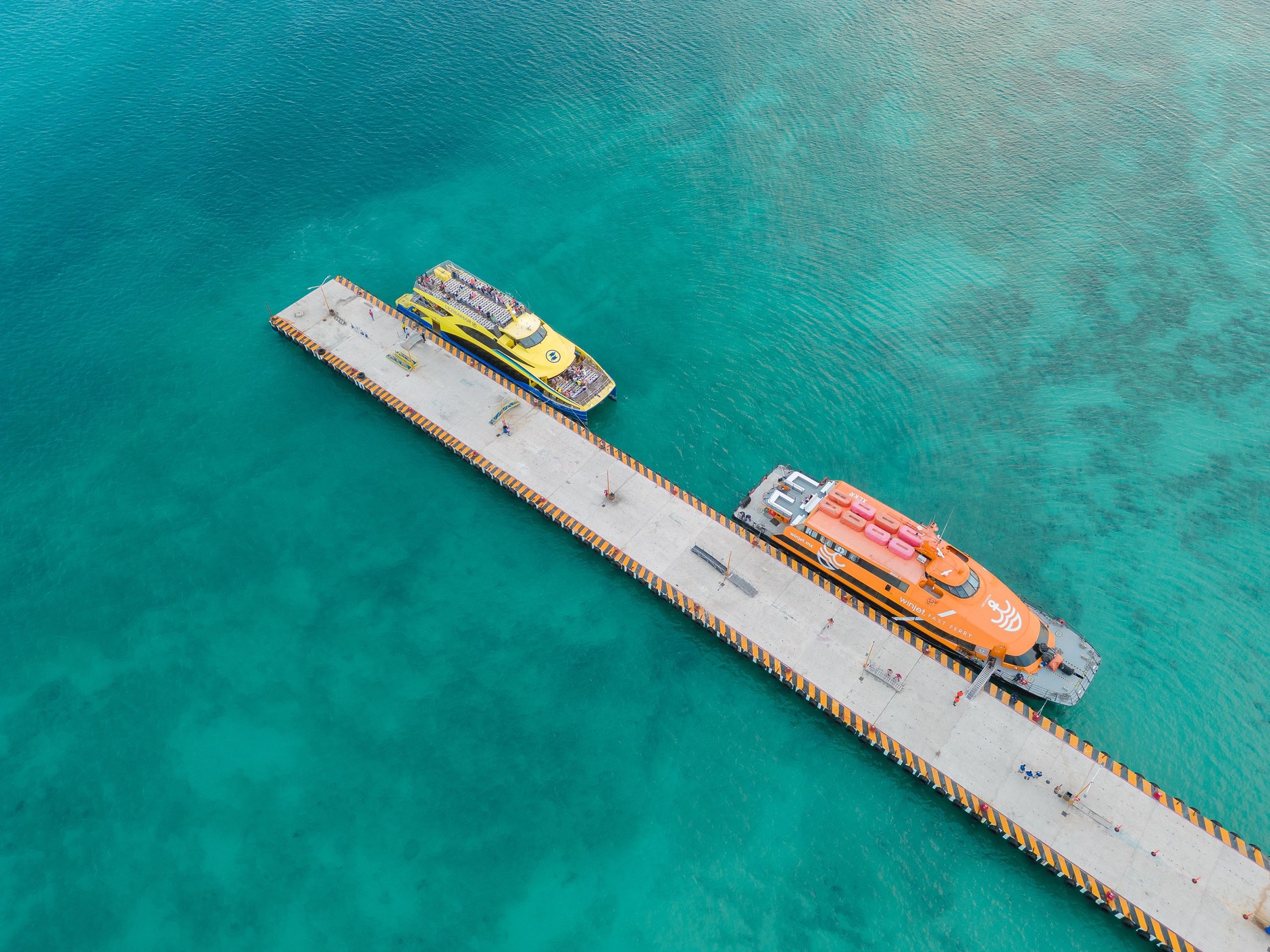
The Caribbean Airlines air bridge operates between Piarco (POS) and Tobago’s Crown Point (TAB). Utilizing ATR-72 turboprop aircraft, flight time is a mere twenty minutes. With departures almost hourly and tickets priced at thirty to fifty US dollars round-trip, this is overwhelmingly recommended for international visitors. Terminal facilities are air-conditioned and schedules remain reliable outside severe storms.
Conversely, the inter-island fast ferry departs from Port of Spain to Scarborough. Modern catamaran vessels cover the crossing in three to three and a half hours. While inexpensive (fifty Trinidadian dollars each way) and carrying vehicles, the open-ocean crossing through the Bocas del Dragón channel is notoriously rough. Passengers unaccustomed to Atlantic swells frequently face motion sickness, and port check-in requires arriving two hours early. Reserve the ferry strictly if transporting a vehicle; otherwise, fly.
Tobago: Southwest Shallows and Pigeon Point
Landing at Crown Point brings an immediate shift in tempo. Trinidad’s busy highway networks evaporate into low-rise coastal villages, coconut groves, and calm coral bays. Base yourself for your first two nights in Tobago around Crown Point, Store Bay, or Black Rock to access premier marine zones.
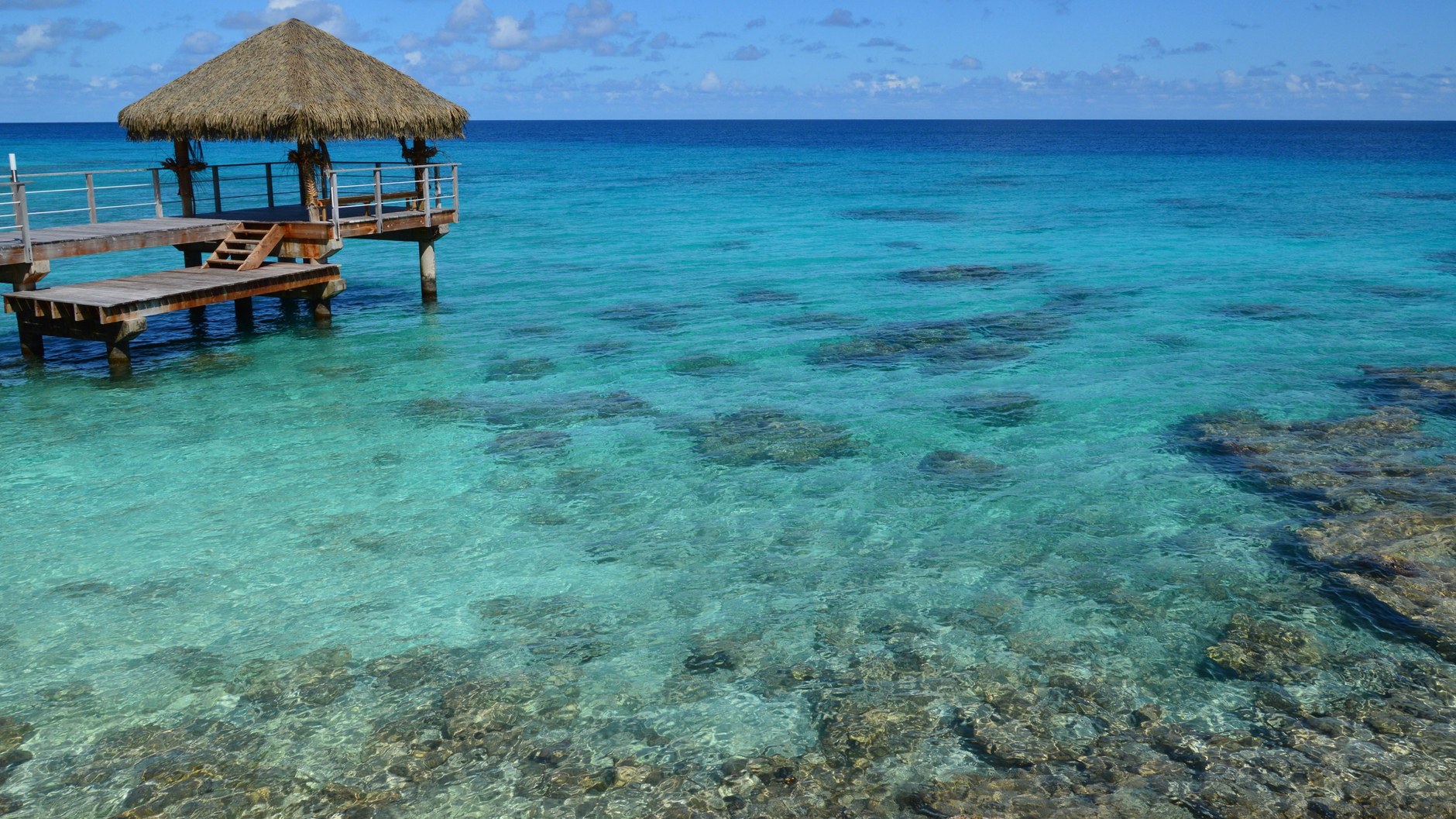
Pigeon Point Heritage Park represents Tobago’s most celebrated coastal landmark. A managed reserve charging a modest entrance fee, it features white coral sands, swaying palms, and its famous thatch-roofed wooden jetty jutting into clear turquoise water. The water here is calm, sheltered by Buccoo Reef, making it ideal for paddleboarding, kayaking, or swimming. Beachside kiosks serve cold Carib beers alongside grilled catch of the day.
Five minutes down the road lies Store Bay, a public beach renowned for authentic culinary kiosks. Here, visitors order Tobago’s defining gastronomic creation: curried crab and dumpling. Vendors such as Miss Trim and Miss Jean simmer local blue land crabs in fragrant curry paste infused with coconut milk and culantro, served alongside dense flour dumplings. Eating curried crab is an untamed, hands-on enterprise requiring nutcrackers, wooden skewers, and ample napkins.
Buccoo Reef and the Nylon Pool
On your sixth day, embark on a morning marine excursion from Store Bay or Pigeon Point to Buccoo Reef and the Nylon Pool. Certified marine guides operate glass-bottom boats that transport visitors across the coral lagoon.
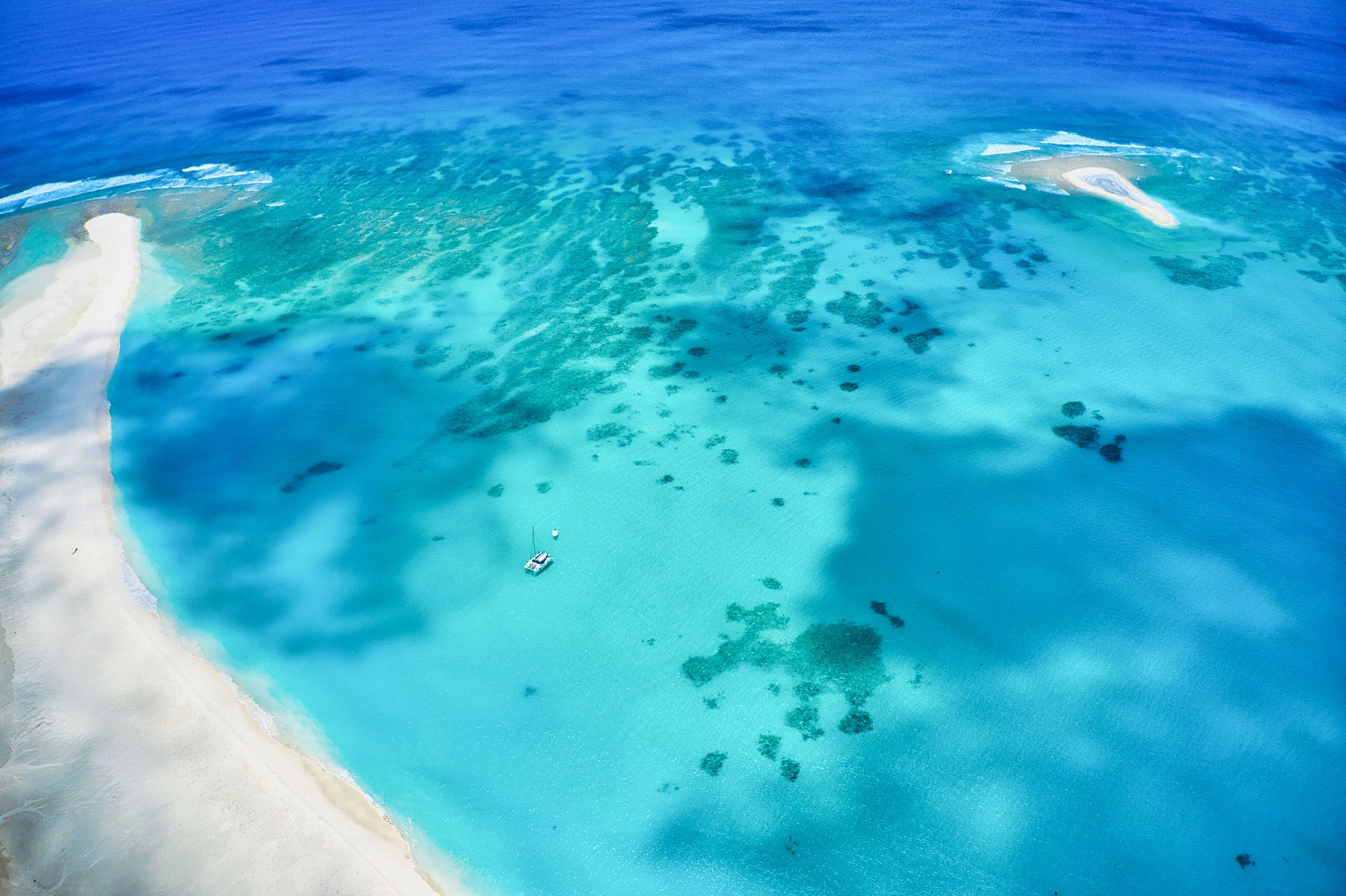
The Nylon Pool is a remarkable natural feature: an offshore sandbar situated nearly a mile out to sea where the water stands waist-deep over pure white crushed coral sand. Named by Princess Margaret in 1962 because the translucent water reminded her of sheer nylon fabric, the pool provides a calm swimming experience in the open ocean. Local lore asserts that bathing in these mineral-rich waters rejuvenates the skin.
Adjacent lies Buccoo Reef, a designated marine reserve supporting brain corals, sea fans, and schools of parrotfish and blue tang. Tour boats provide snorkeling gear. After swimming, excursions navigate toward No Man’s Land, an uninhabited sandy spit accessible only by boat, where operators host beach barbecues with grilled fish and sweet plantains.
The Leeward Coast and Main Ridge Forest
For your final two nights, transition north along the serpentine Leeward coastal road toward Castara. Leaving Crown Point reveals Tobago’s rural heartland, where steep forested mountains tumble into secluded rocky coves.
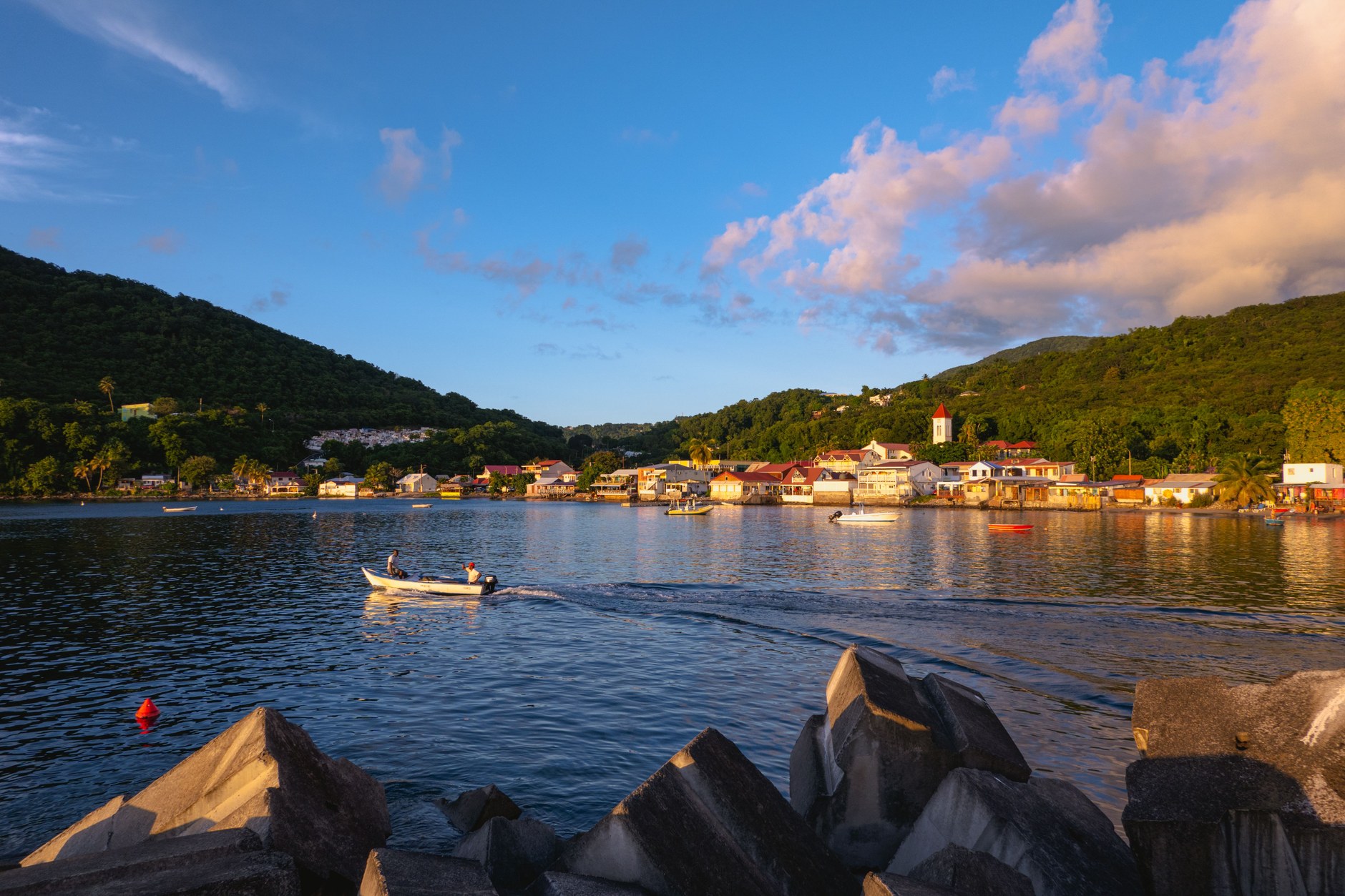
Castara is a working fishing village that has integrated community-based tourism with ease. Accommodations consist of wooden eco-cottages on cliff sides overlooking two golden beaches. In the mornings, watch fishermen haul seine nets onto shore, with visitors invited to join the pull. On Thursdays and Saturdays, bakers light a traditional dirt oven near the beach, producing pumpkin bread and coconut tarts that sell out quickly.
A short drive north brings you to Englishman’s Bay, an idyllic coastal haven enclosed by thick green headlands. This deep, U-shaped cove features clear emerald water dropping into calm swimming depths, with coral outcroppings on both flanks offering rich snorkeling. From Castara, ascend into the Main Ridge Forest Reserve, legally protected since 1776 as the oldest forest reserve in the Western Hemisphere. Spanning 10,000 acres of undisturbed montane rainforest, the reserve features hiking paths like Gilpin Trace, where certified guides help spot the endemic white-tailed sabrewing hummingbird.
8-Day Trinidad & Tobago Travel Itinerary
The following compact itinerary balances cultural immersion, wildlife excursions, and beach relaxation across both islands. All transit times reflect realistic speeds along winding island corridors.
| Day / Stage | Base | Highlights | Transport Mode | Transit Time | Advance Booking Requirement |
|---|---|---|---|---|---|
| Day 1 | Port of Spain | Savannah mansions, doubles tasting, National Museum | Ride-share / taxi | 45 mins from Piarco | Airport transfer or ride-share app |
| Day 2 | Port of Spain | North Coast Road, Maracas bake & shark, Las Cuevas | Rental car or private driver | 1.5 hours return | Reserve driver or rental car in advance |
| Day 3 | Port of Spain | Northern Range, Asa Wright Nature Centre, Arima market | Rental car or nature tour | 2.5 hours return | Book Asa Wright entry permit & guided walk |
| Day 4 | Port of Spain | Caroni Bird Sanctuary sunset scarlet ibis boat tour | Tour shuttle or taxi | 1 hour return | Book Nanan’s boat tour 3–5 days ahead |
| Day 5 | Crown Point | Air bridge shuttle, Store Bay, curried crab, sunset beach | Commercial flight & taxi | 20 mins flight + check-in | Book Caribbean Airlines flight weeks prior |
| Day 6 | Crown Point | Buccoo Reef glass bottom tour, Nylon Pool, No Man’s Land | Marine excursion boat | 4 hours on water | Book certified boat operator morning prior |
| Day 7 | Castara | Scenic coastal drive, Castara beach, dirt oven bread | Rental car | 1 hour scenic drive | Confirm 4WD or compact SUV rental |
| Day 8 | Castara | Englishman’s Bay, Main Ridge Gilpin Trace hike, return TAB | Rental car & flight | 1.5 hours total driving | Arrange certified forest guide at trail head |
Field Connectivity and Practical Logistics
Reliable mobile internet is essential when navigating between Trinidad’s urban corridors and Tobago’s mountainous interior. While public Wi-Fi is rare, cellular coverage powered by top networks like Digicel provides dependable LTE signal. Installing an NXTL Trinidad and Tobago eSIM before flying grants data access the moment you land at Piarco or Crown Point. Your balance never expires, and unused credit stays available for later trips across more than 180 countries.
Data connectivity lets you use TT RideShare in Port of Spain, verify ferry schedules online, coordinate boat departures at Store Bay, and load offline maps before entering the Main Ridge. Keeping your physical home SIM in a secondary slot ensures you receive banking SMS verification codes without roaming fees.
Seasonal Timing and the Carnival Factor
Understanding Trinidad and Tobago’s climate and festival calendar dictates your entire budget and travel experience. The twin islands operate on two seasons: the dry season from January through May, and the wet season from June through December. Because Trinidad lies south of the main hurricane corridor, direct cyclonic hits are rare, though wet season afternoons bring sudden tropical squalls that can temporarily flood low-lying highway sections.
Trinidad Carnival, held on the Monday and Tuesday before Ash Wednesday (February or early March), transforms the island into a street festival of soca fêtes, steelband competitions (Panorama), and costumed mas bands. However, Carnival requires booking six to nine months ahead: hotel rates triple, rental cars sell out, and road closures make sightseeing difficult. If your goal is wildlife observation, quiet beaches, and culinary touring, visit between late March and mid-May, when skies are clear and prices normalize.
Local Transport: Maxis, Ride-Shares, and Driving
Navigating Trinidad requires different transport tactics than navigating Tobago. In Trinidad, driving is on the left side of the road, and urban traffic around Port of Spain and Chaguanas can be brisk. For short hops around the capital, TT RideShare is the safest option, providing fixed upfront pricing and vetted drivers. Between major towns, route taxis operate along fixed corridors with set passenger fares, recognizable by license plates beginning with “H” (for Hire).
Trinidad also features maxi-taxis—white minibuses with color-coded stripes indicating their zone: yellow for Western Port of Spain, red for Eastern routes toward Arima, green for Central Trinidad, and blue for the south. While riding a maxi is an authentic local experience, visitors with heavy luggage should opt for ride-shares or private pre-arranged drivers.
In Tobago, renting a compact car or small SUV is recommended. Traffic is light outside of Scarborough ferry arrivals. Roads along the leeward coast toward Castara are narrow and winding, requiring defensive driving, cautious speeds, and horn taps around blind curves.
Currency and Financial Realities
The official currency is the Trinidad and Tobago Dollar (TTD). While hotels and restaurants accept cards, cash is essential for street food stalls, route taxis, and beach rentals. ATMs operated by Republic Bank, Scotiabank, and First Citizens are widely available in Port of Spain, Crown Point, and Scarborough.
Carry small denominations (tens and twenties) for doubles or route taxis, as vendors rarely have change for hundred-dollar bills early on. US dollars are accepted by some tour operators, but change is returned in local currency at unfavorable rates. Inform your bank before arrival to prevent card freezes.
Common Scams and Safety Realities
While Trinbagonians are exceptionally hospitable, maintaining situational awareness is critical. Understanding specific safety concerns ensures an untroubled journey across both islands.
- Unlicensed Airport Taxis at Piarco: Informal drivers outside the arrivals hall offer unmarked rides at inflated rates. Bypass curbside solicitations and use the official airport taxi dispatch desk or verified TT RideShare drivers.
- Aggressive Reef Tour Touts at Store Bay: Uncertified touts on the beach sell boat trips to Buccoo Reef, collecting cash deposits and steering visitors to overcrowded boats. Book exclusively through booths exhibiting Tobago House of Assembly credentials.
- Nighttime Walking in Sensitive Port of Spain Corridors: While Woodbrook and St. Clair are safe during evening dining hours, walking into adjacent areas like East Dry River, Belmont, or Laventille carries serious risks. Avoid walking after dusk; take verified ride-shares door-to-door.
- Overbooked Ferry Ticketing Standby Traps: Purchasing fast ferry tickets on departure day at Port of Spain or Scarborough terminals routinely results in standby delays. Always purchase passage online days ahead or take the 20-minute air shuttle.
- Vehicle Break-Ins at Remote Coastal Laybys: Parking along isolated trailheads or beaches like Englishman’s Bay can attract thieves targeting visible bags. Never leave luggage, electronics, or passports inside rental cars, even in the trunk.
Slower and Shorter Route Adjustments
If time is limited to five days, pick a single island base. If coral reefs and seaside relaxation are your focus, fly straight through to Tobago, dividing time between Crown Point and Castara. If biodiversity, culinary culture, and history matter more, spend all five days in northern Trinidad exploring the Northern Range, Caroni Swamp, and Port of Spain without the overhead of an inter-island transfer.
With ten to twelve days, expand the route. In Trinidad, add Grand Riviere between March and August to witness giant leatherback turtles nesting under community warden supervision. In Tobago, continue past Castara to Charlotteville on Man-o-War Bay, taking a day boat to Little Tobago Island to observe breeding colonies of frigatebirds and red-billed tropicbirds against dramatic sea stacks.