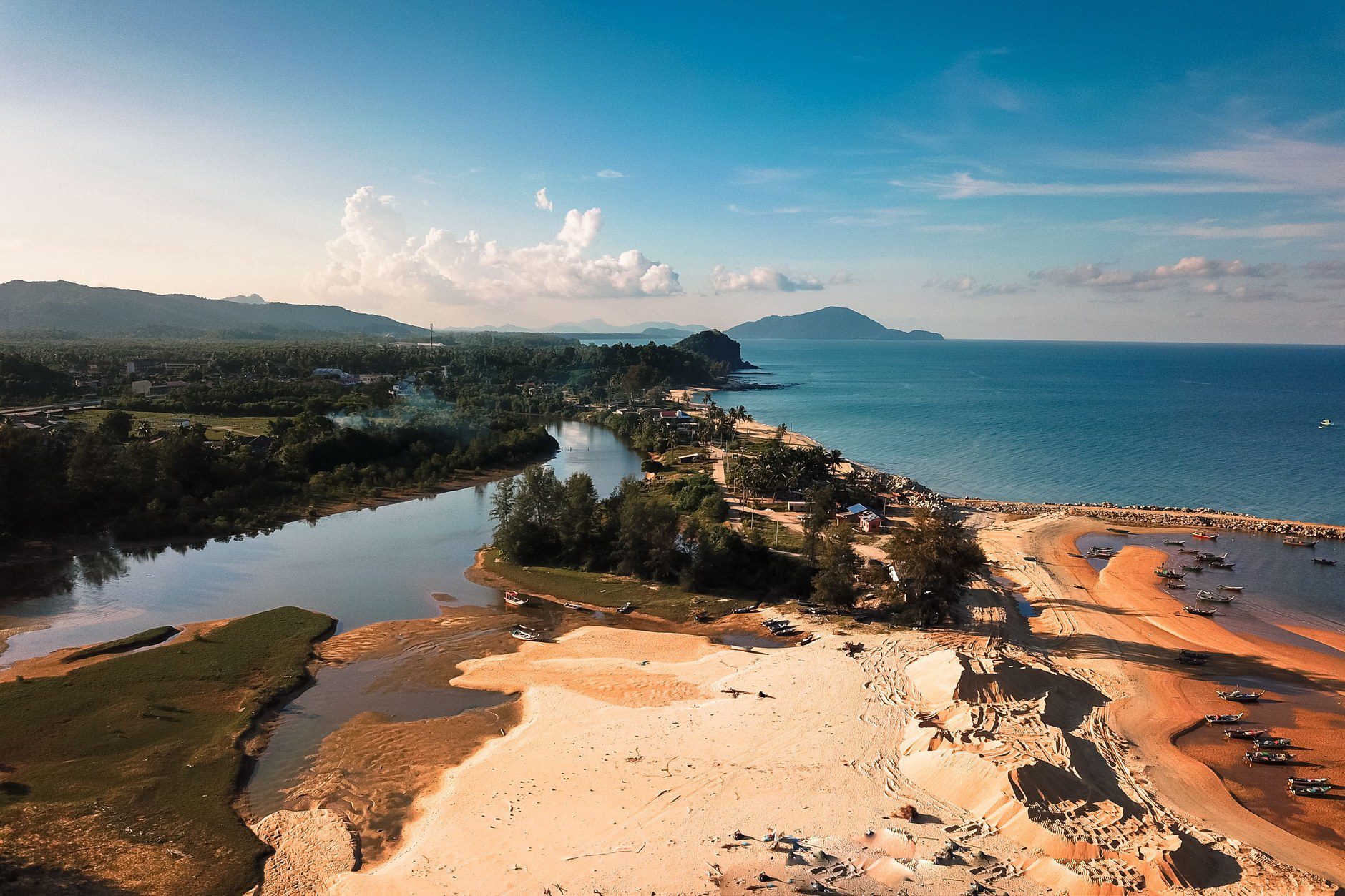
Sierra Leone possesses some of the most striking coastal topography in West Africa, where steep rainforest-covered mountains drop directly onto miles of empty, powdery Atlantic beaches. For decades, international perception of this small coastal republic remained tethered to its civil conflict of the 1990s and the 2014 Ebola outbreak. Today, Sierra Leone is peaceful, democratic, and welcoming, offering intrepid travelers an authentic blend of profound transatlantic history, community-led eco-tourism, and pristine natural sanctuaries largely untouched by mass commercial development.
A successful trip here requires sharp logistical preparation and an understanding of local infrastructure. Traveling across the interior provinces can be exhausting due to rough unpaved laterite roads and limited amenities. However, concentrating your journey along the Western Area Peninsula—a fifty-kilometer mountainous finger of land encompassing the capital of Freetown and an unbroken chain of world-class beaches—delivers a deeply rewarding, manageable seven- or eight-day itinerary. This allows you to explore the somber slave history of Bunce Island, support primate conservation at Tacugama Chimpanzee Sanctuary, and unwind along the brilliant white sands of River Number Two and Bureh Beach.
Arrival Logistics: The Lungi Estuary Crossing
Your journey begins at Freetown International Airport (FNA), located at Lungi on a low-lying peninsula north of the Sierra Leone River. The airport’s geographical location creates an immediate logistical hurdle: Freetown proper sits directly across a wide marine estuary. Driving around the estuary by road requires a grueling four-to-five-hour journey over potholed rural roads. Attempting this overland drive after a long international flight is a major travel mistake.
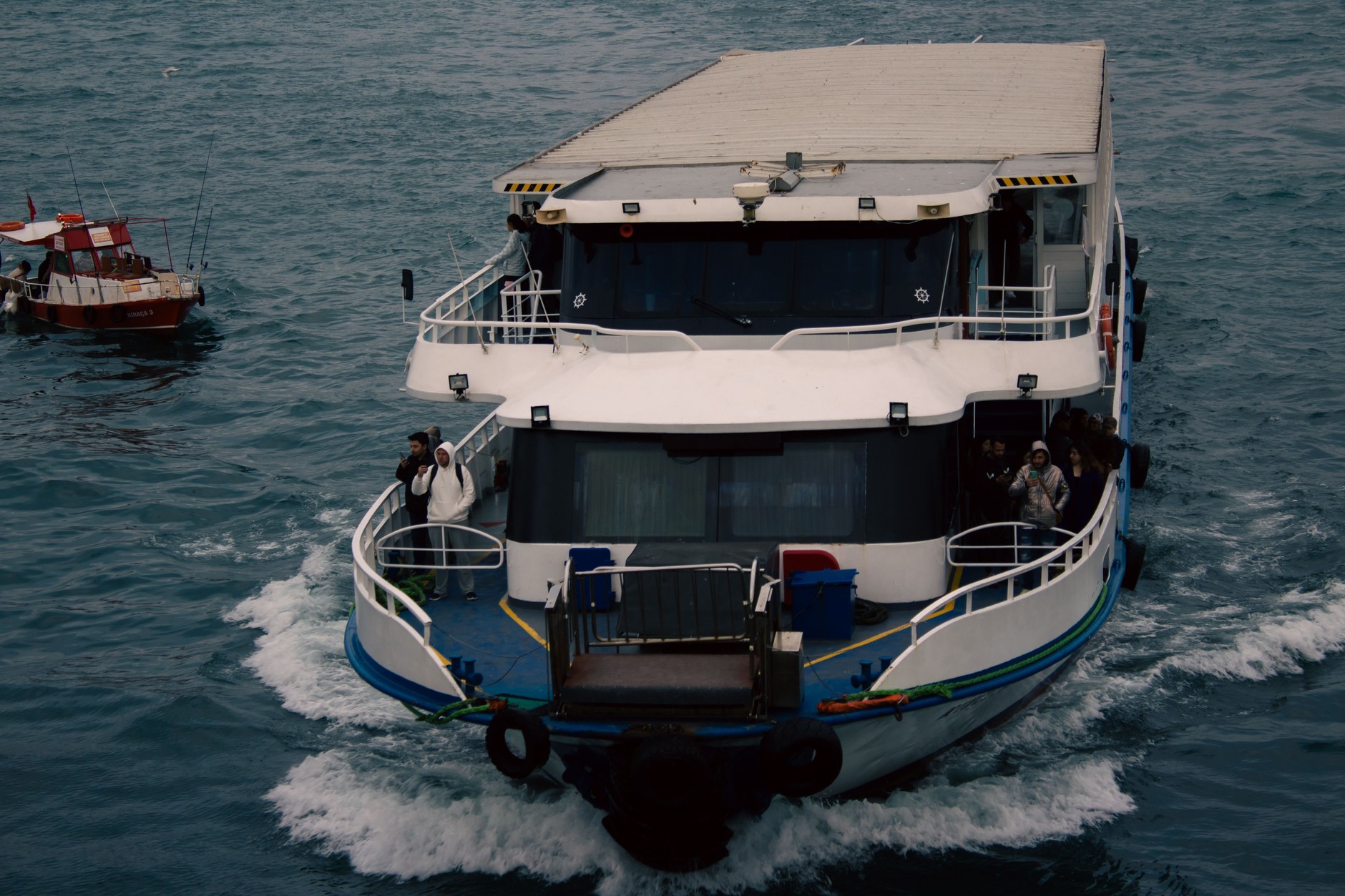
The standard, highly reliable method for reaching the capital is by fast water taxi. Established commercial operators, principally Sea Coach Express and SeaBird Express, operate fleets of modern, twin-engine passenger catamarans departing from dedicated terminals near the airport. Upon clearing customs, board the air-conditioned shuttle bus outside the arrivals terminal for a five-minute drive to the ferry wharf. The water taxi crossing to the Aberdeen terminal in western Freetown takes approximately twenty-five to thirty-five minutes across sheltered coastal waters, costing roughly forty-five US dollars one-way.
Advance booking via the operator’s online portal is recommended, although tickets can be purchased at the airport terminal desk upon arrival. Avoid informal, uninspected wooden speedboats offered by unlicensed touts outside the airport perimeter, which lack basic safety equipment and life jackets. Stepping off the boat at the Aberdeen dock places you directly in Freetown’s primary hotel and dining district, minutes from Lumley Beach.
Freetown: Krio Heritage and Coastal Promenades
Base yourself for your first two nights in the western districts of Aberdeen or Lumley. Freetown is a kinetic, topographically dramatic capital founded in 1792 by British abolitionists as a settlement for freed enslaved people from North America, Nova Scotia, and the Caribbean. This diverse group coalesced into the Krio people, whose distinctive English-based creole language (Krio) and Victorian-influenced architecture continue to define the capital’s cultural identity.
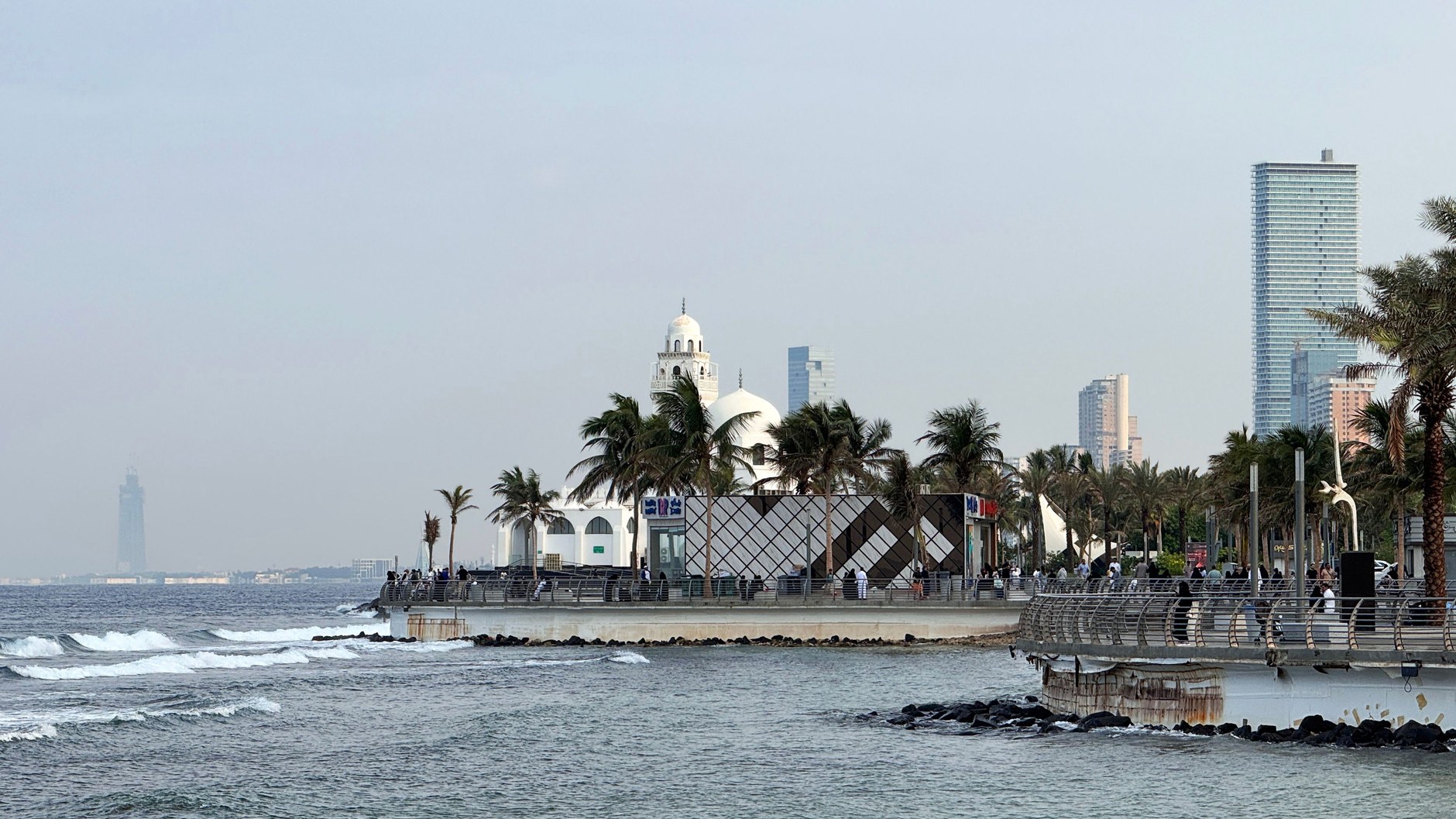
Spend your first full morning exploring central Freetown. Visit the National Museum near the historic center to examine ceremonial masks, stone Nomoli figurines dating back centuries, and artifacts from the 1792 settlement. Stroll through the historic streets of central Freetown to view traditional Krio “board houses”—two-story timber dwellings constructed on laterite stone foundations with steep corrugated roofs and ornate wooden fretwork reminiscent of maritime carpentry.
In the late afternoon, head to Lumley Beach, a three-mile stretch of golden sand that functions as the city’s open-air living room. As the tropical heat abates, thousands of residents gather along the paved promenade to jog, play beach football, and socialize. Line after line of informal beachside restaurants and bars serve chilled Star beer, fresh coconut water, and grilled barracuda seasoned with fiery Scotch bonnet pepper sauce. It provides an authentic, high-energy introduction to contemporary urban Sierra Leonean life.
Tacugama: Rainforest Primate Conservation
On your third morning, leave the coastal plain and ascend into the lush mountain spine of the Western Area Peninsula National Park toward the village of Bathurst. Here, tucked within dense equatorial cloud forest, lies the Tacugama Chimpanzee Sanctuary.
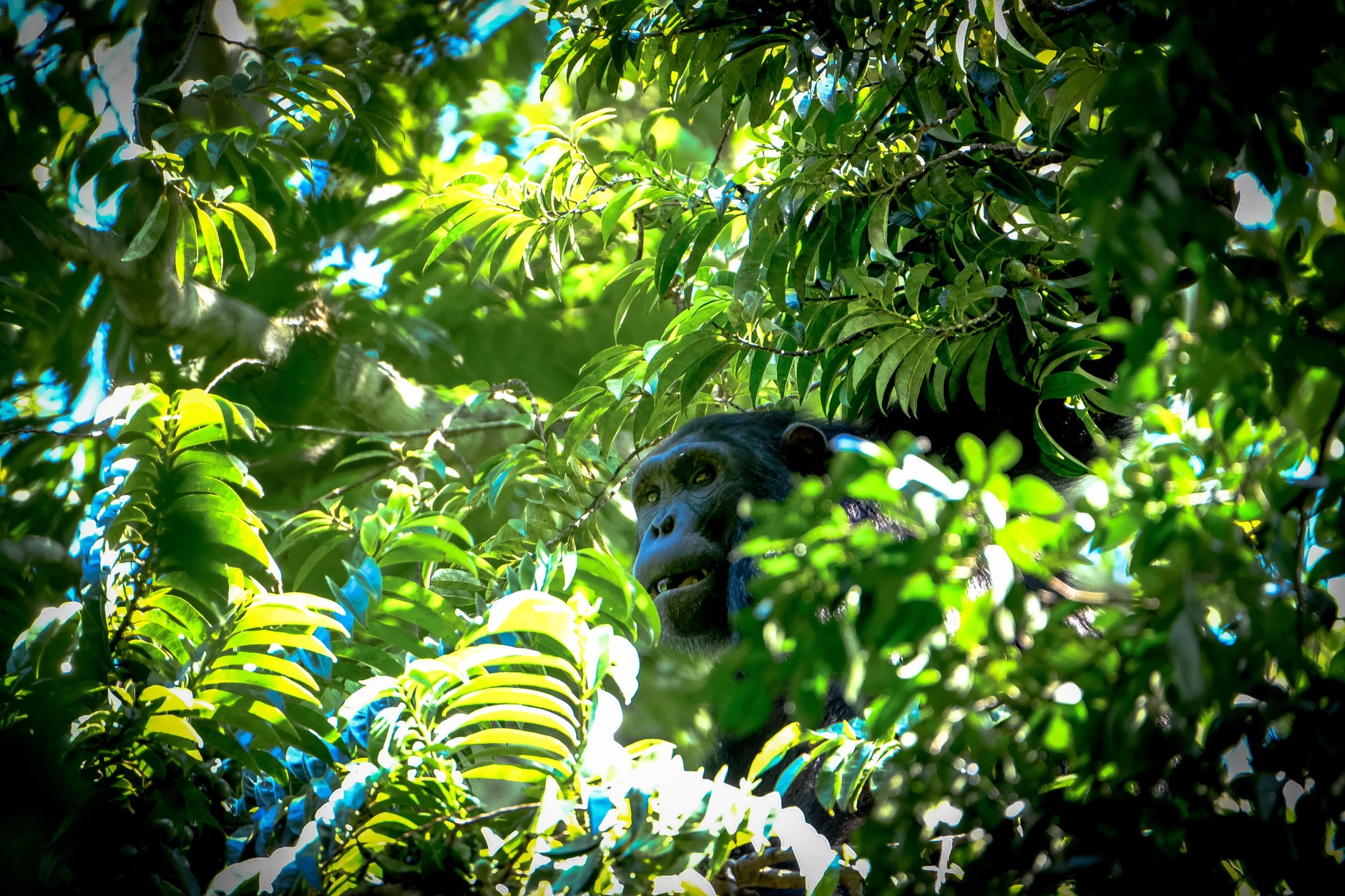
Established in 1995 by conservationist Bala Amarasekaran, Tacugama is an internationally acclaimed wildlife rescue facility dedicated to rehabilitating western chimpanzees (Pan troglodytes verus)—a critically endangered sub-species that serves as Sierra Leone’s national animal. The sanctuary provides safe haven for over one hundred chimpanzees rescued from the illegal pet trade, deforestation, and bushmeat poaching. Guided educational tours take visitors along shaded forest walkways overlooking large, forested semi-wild enclosures where chimpanzees socialize, forage, and climb high into primary canopy trees.
Beyond chimpanzee rehabilitation, Tacugama protects vital municipal watershed forests that supply clean drinking water to Freetown. The sanctuary operates excellent community eco-lodges constructed from local timber and stone, featuring open-air verandahs overlooking misty rainforest valleys. Staying overnight in a Tacugama forest lodge allows you to fall asleep to the symphony of tree frogs and awaken to the distant, reverberating morning calls of chimpanzee troops echoing across the forested canopy.
The Western Peninsula: River Number Two and Tokeh
From Tacugama, descend to the Western Peninsula Road, an excellent paved highway that traces the coastline south between towering emerald peaks and the Atlantic Ocean. Your destination is River Number Two Beach, widely considered one of the most stunning coastal landscapes on the African continent.
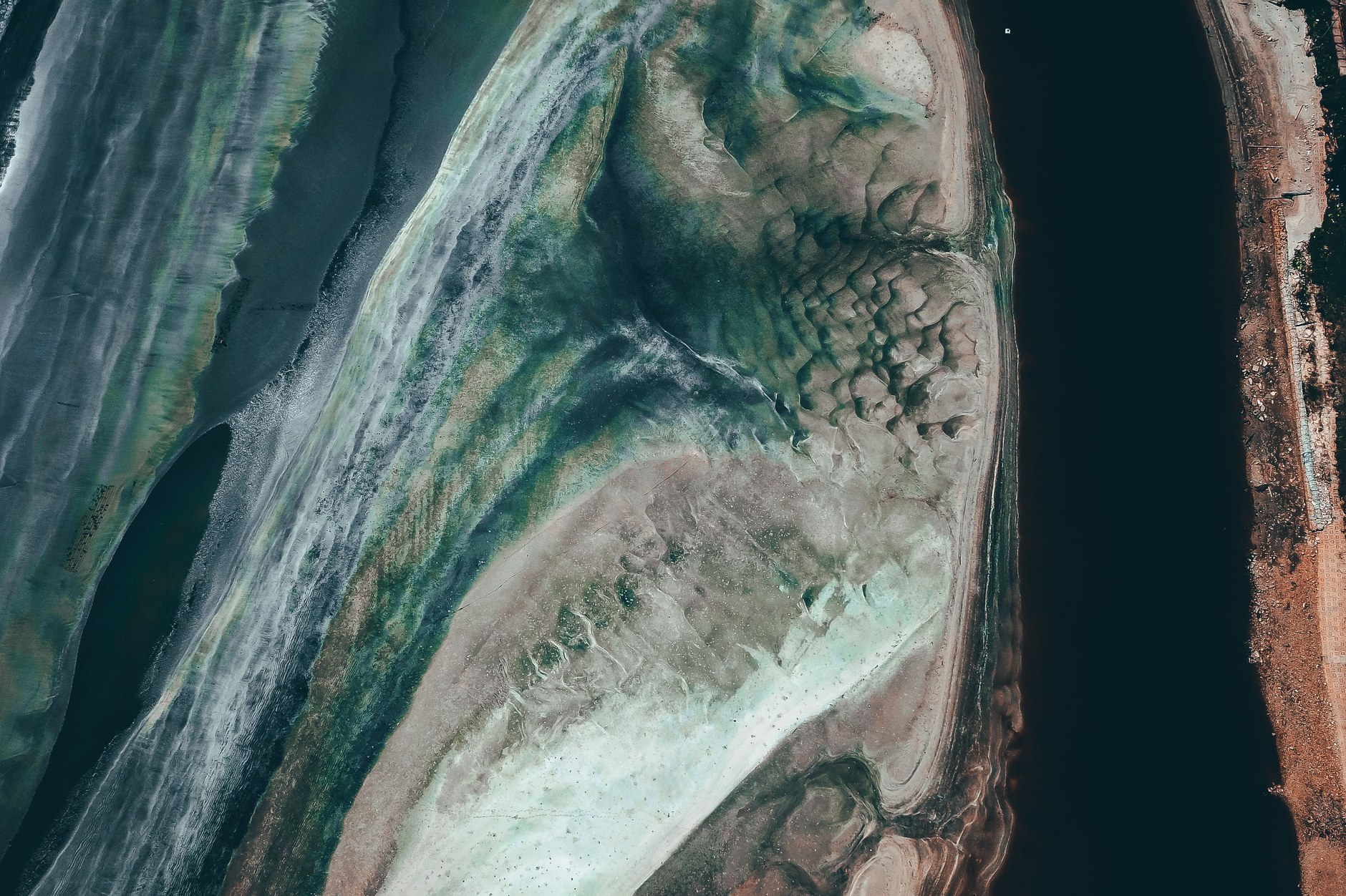
River Number Two Beach features a blinding white sandbar where a clear, slow-moving freshwater river empties into the turquoise ocean, flanked by high forested mountains. The beach is managed entirely by a local community development committee, which reinvests all tourism revenue directly into village schools, clean water wells, and community infrastructure. Visitors can rent basic wooden beach huts, swim in the calm freshwater river lagoon, or body-surf in gentle Atlantic waves.
Dining at River Number Two is a relaxed, open-air ritual. Order fresh seafood at the community kitchen upon arrival: local fishermen haul daily catches of lobster, barracuda, and cassava croaker directly onto the sand, which are marinated in garlic, ginger, and pimento before being grilled over charcoal and served with fried plantains and spicy jollof rice. Rent a wooden canoe with a local guide to paddle upstream into the mangrove forest to visit secluded freshwater swimming pools.
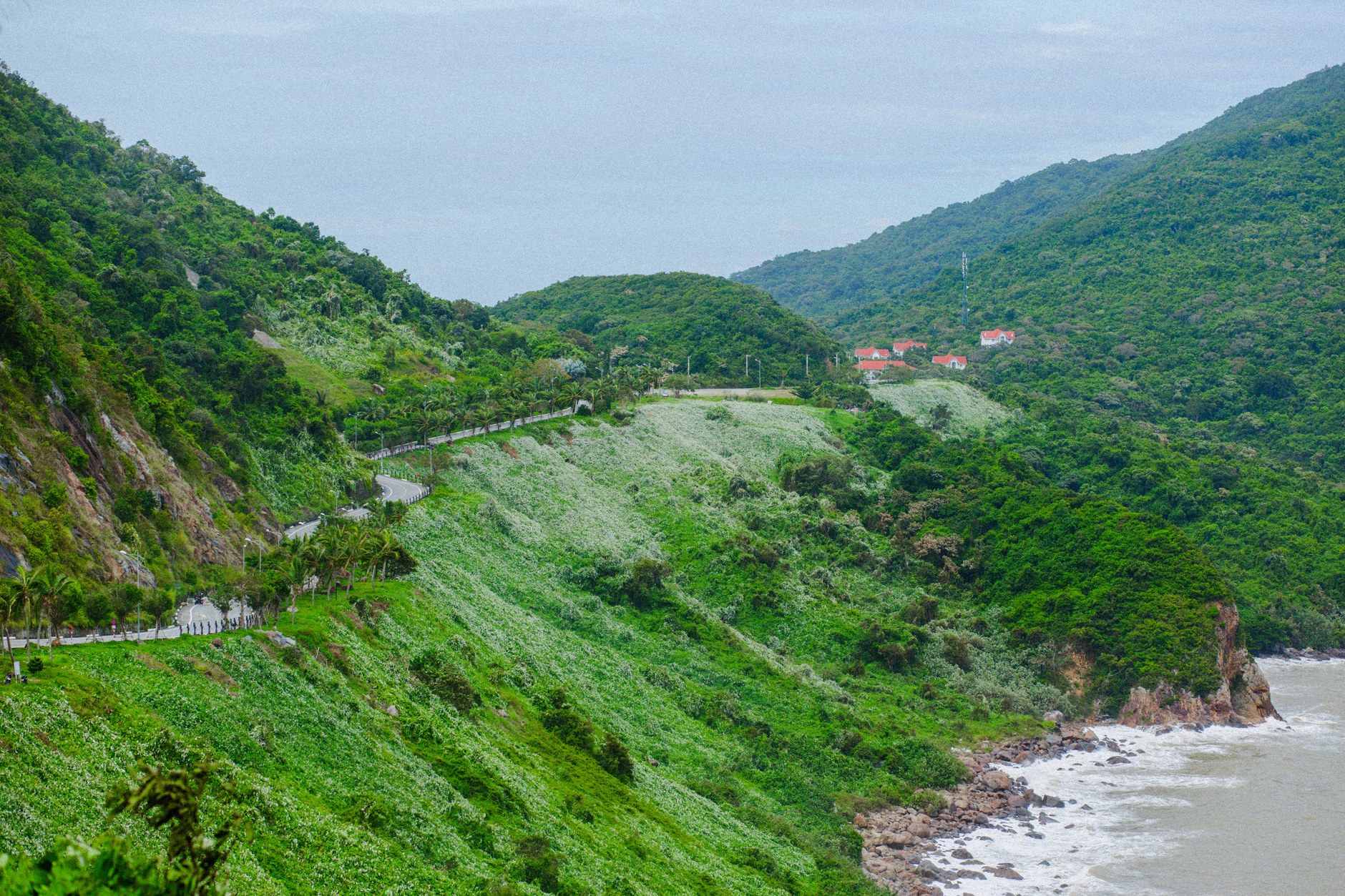
A ten-minute drive south leads to Tokeh Beach, historically the epicenter of Sierra Leone’s nascent 1980s luxury tourism. Tokeh features an expansive, five-mile crescent of pale golden sand fringed by tall casuarina pines and coconut groves. Unlike the communal bustle of River Number Two, Tokeh offers vast expanses of completely empty beach, with upmarket eco-resorts providing comfortable beachfront chalets and exceptional seafood dining.
Bureh Beach: Surf Culture and Community Life
Continue to the southern tip of the peninsula to reach Bureh Beach, an idyllic crescent cove framed by rocky green headlands where the open ocean generates consistent, beginner-friendly surf breaks.
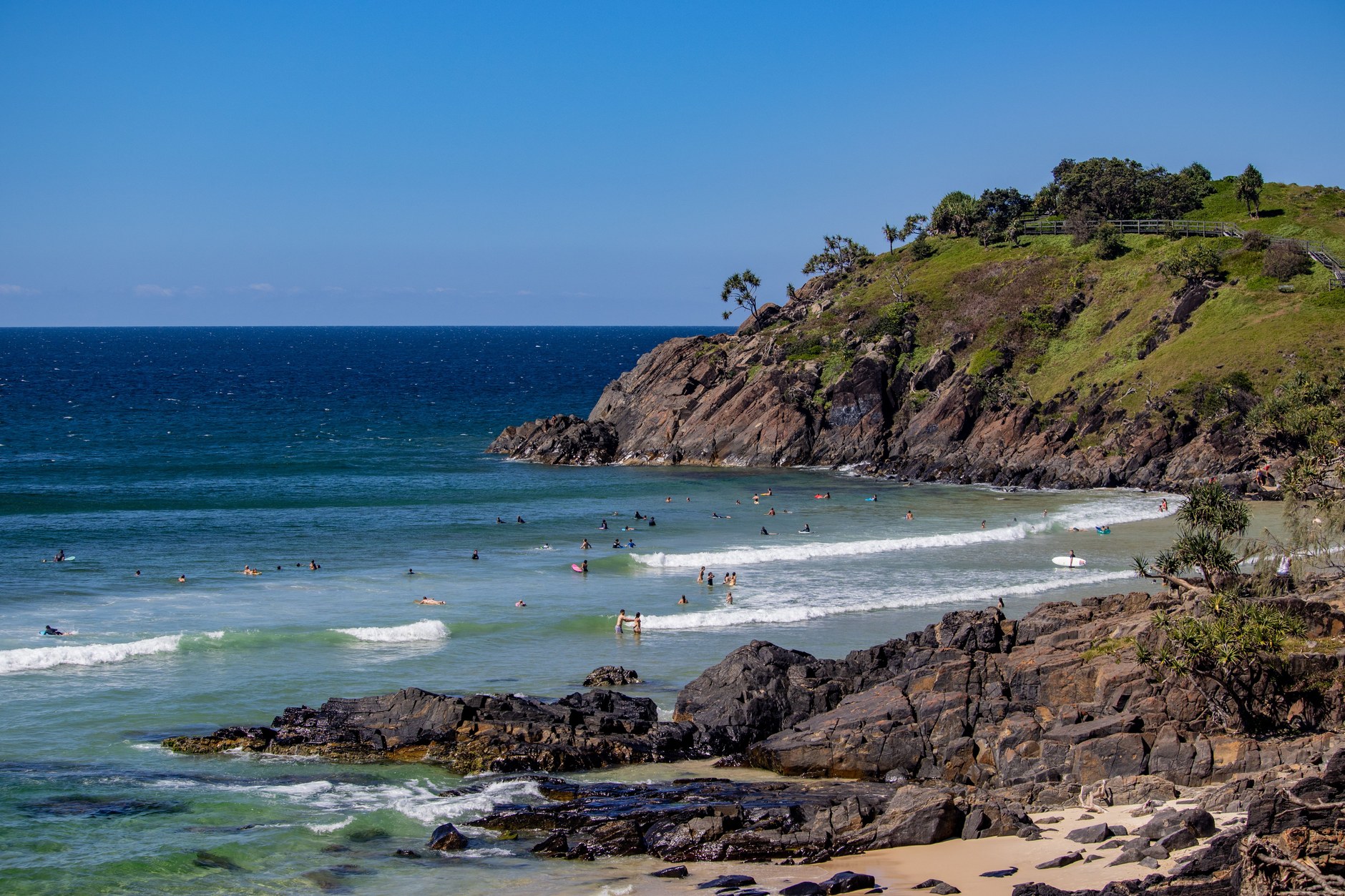
Bureh is home to the Bureh Beach Surf Club, a grassroots community organization founded in 2012 by local youths that has transformed the village into West Africa’s most relaxed surf destination. The surf club rents fiberglass boards, offers professional surf lessons in gentle beach breaks, and maintains beachfront budget accommodations. Even for non-surfers, Bureh’s laid-back atmosphere, roadside fish shacks, and tranquil swimming coves provide a welcome antidote to urban hustle.
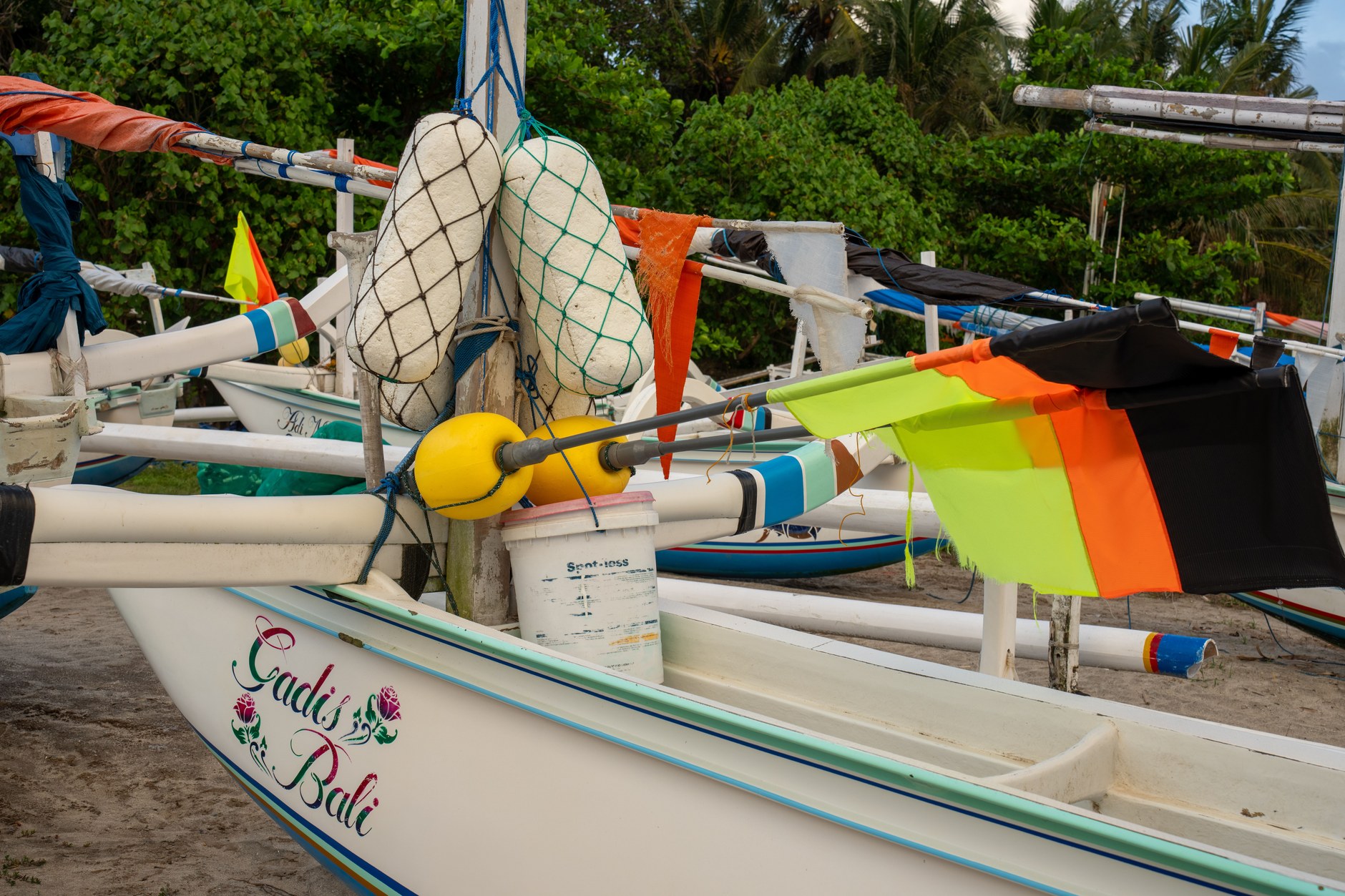
Take time to stroll through the adjacent fishing hamlet, where multi-colored wooden pirogues are pulled up onto the sand and women cure fresh bonga fish in traditional wood-fired smokehouses. The local community is remarkably friendly; greeting elders with a warm “Kusheh” (hello in Krio) opens conversations and offers authentic insight into rural coastal life.
Bunce Island: The Transatlantic Memory
On your sixth day, embark on a profound historical pilgrimage by chartering a motorized boat from Freetown up the Sierra Leone River to Bunce Island. Located twenty miles upriver, this tiny, isolated island measuring barely sixteen hundred feet in length served from 1670 to 1807 as one of the most commercially active British slave-trading castles in West Africa.
Tens of thousands of captured Africans were processed through Bunce Island, particularly rice-farming captives from the Windward Coast who were deliberately targeted by South Carolina and Georgia plantation owners for their agricultural expertise, establishing direct ancestral ties between Sierra Leone and the Gullah Geechee communities of the American South.
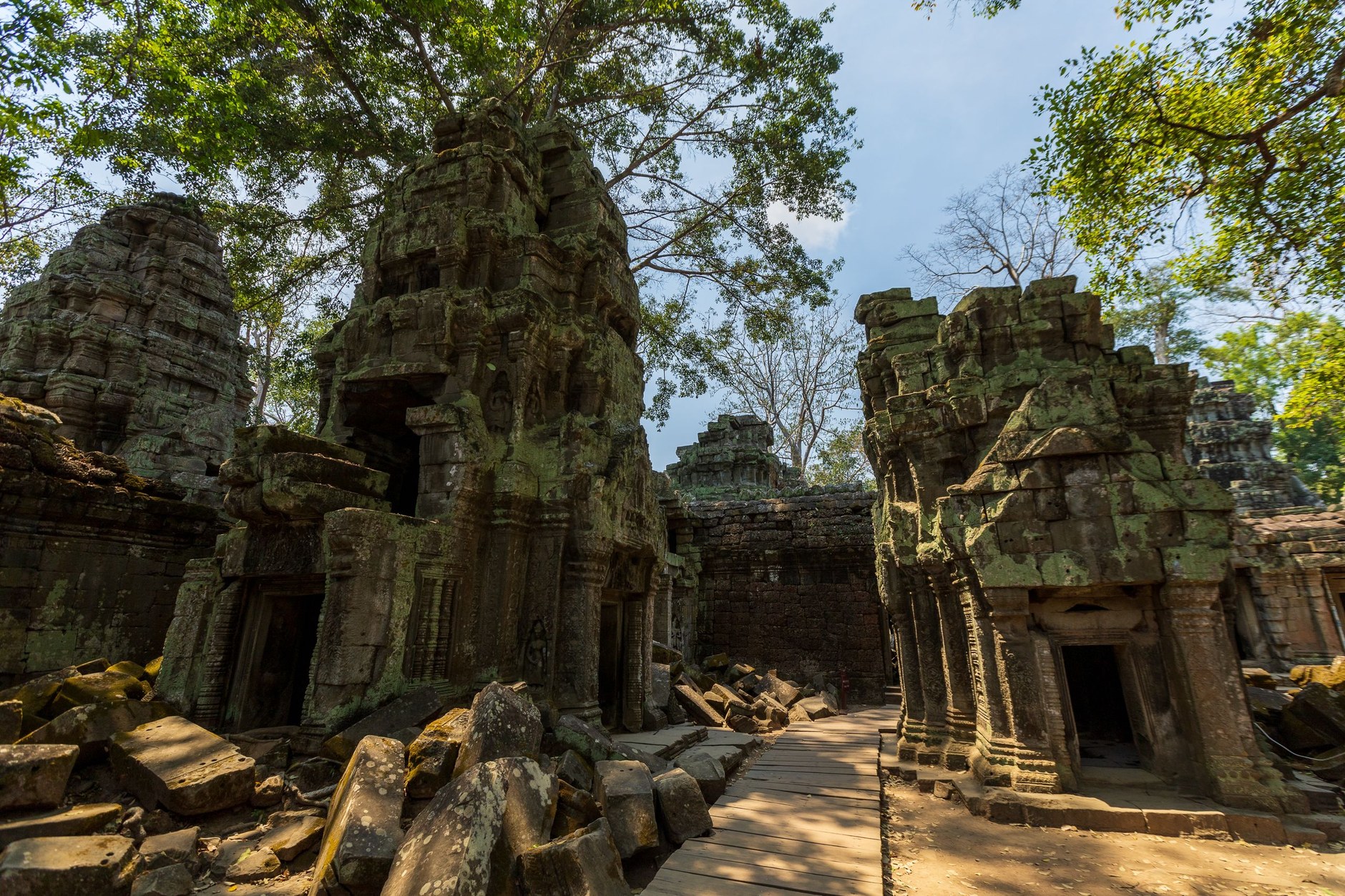
Unlike Ghana’s Cape Coast Castle or Senegal’s Gorée Island, Bunce Island has never been heavily sanitized or reconstructed. Today, it stands as an evocative, overgrown open-air ruin where massive silk cotton trees and climbing jungle vines envelop the two-story merchant quarters, slave dungeons, gun powder magazines, and defensive ramparts mounting intact eighteenth-century British cannons bearing royal cyphers. Walking through these silent stone ruins accompanied by an expert historian from the Monuments and Relics Commission is an unforgettable, deeply moving encounter with human resilience.
7-Day Sierra Leone Travel Itinerary
This compact itinerary balances Freetown’s historical landmarks with the wildlife conservation of Tacugama and the pristine beaches of the Western Area Peninsula. Transit times reflect realistic coastal road speeds.
| Day / Stage | Base | Highlights | Transport Mode | Transit Time | Advance Booking Requirement |
|---|---|---|---|---|---|
| Day 1 | Freetown (Aberdeen) | Lungi arrival, Sea Coach water taxi crossing, Lumley Beach sunset | Fast water taxi & taxi | 30 mins boat + 10 mins car | Book Sea Coach water taxi ticket online |
| Day 2 | Freetown (Aberdeen) | National Museum, Krio board houses, Big Market, local dining | Keke / taxi | Short urban transfers | Arrange trusted taxi driver for city touring |
| Day 3 | Tacugama (Bathurst) | Ascend peninsula hills, Tacugama chimpanzee tour, eco-lodge stay | Private 4WD | 45 mins mountain drive | Book Tacugama sanctuary tour & lodge stay |
| Day 4 | River Number Two | Scenic coastal drive, white sand spit, river canoe tour, lobster | Private car / taxi | 45 mins driving | Book community beach chalet in advance |
| Day 5 | Bureh Beach | Tokeh Beach walk, Bureh surf lessons, village smokehouse walk | Private car / taxi | 25 mins driving | Reserve surf board & lesson at surf club |
| Day 6 | Freetown (Aberdeen) | Charter boat to Bunce Island slave fort, historian guided walk | Charter boat & taxi | 1 hour boat each way | Book Bunce Island boat charter & guide |
| Day 7 | Lungi / Airport | Leicester Peak morning view, Sea Coach water taxi to Lungi | Taxi & water taxi | 30 mins car + 30 mins boat | Coordinate water taxi with departure flight |
Field Connectivity and Navigation Logistics
Telecommunications in Sierra Leone have expanded significantly across coastal population corridors. Domestic mobile operators Airtel, Zain, and Celtel (operating under brand partnerships with Orange and Africell) provide solid LTE cellular coverage throughout urban Freetown, Aberdeen, and along the entire paved coastal highway of the Western Area Peninsula. Coverage only thins when descending into deep mountain gorges or traveling upriver toward Bunce Island. Installing an NXTL Sierra Leone eSIM before your arrival flight ensures immediate cellular data access the moment your plane touches down at Lungi. Your balance never expires, and unused credit stays available for later trips across more than 180 countries.
Active mobile internet is vital for navigating local logistics: you will need data to verify Sea Coach water taxi departure schedules, hail verified city rides, communicate via WhatsApp with beach guesthouse managers and Bunce Island boat captains, and navigate winding peninsula roads using GPS. Retaining your primary domestic physical SIM in a dual-SIM smartphone ensures you continue receiving essential two-factor banking SMS authentication codes while using your eSIM profile for all local data traffic without expensive international roaming surcharges.
Currency and Financial Realities
Navigating currency in Sierra Leone requires understanding the recent monetary redenomination. In July 2022, the Bank of Sierra Leone introduced the “New Leone” (currency code SLE), revaluing the national currency by removing three zeros (1 new SLE equals 1,000 old SLL). While new banknotes (SLE 2, 5, 10, 20) are the legal standard, local merchants and taxi drivers routinely quote prices in “thousands” of old Leones in conversation. For instance, an item priced at twenty new Leones will often be described as “twenty thousand.” Always clarify whether a quoted figure is in new SLE or old SLL before paying.
Sierra Leone remains an overwhelmingly cash-based economy. Credit cards (Visa is far more widely recognized than Mastercard) are accepted only at international business hotels and established water taxi offices in Freetown. ATMs operated by major commercial banks such as Ecobank, Rokel Commercial Bank, and Zenith Bank are accessible in Aberdeen and central Freetown, dispensing local banknotes. ATMs do not exist on the southern beaches like Bureh or River Number Two. Always withdraw adequate local currency in Freetown before heading down the peninsula.
Local Transport: Kekes, Taxis, and Coastal Driving
Urban transport in Freetown is characterized by three primary options: shared route taxis, motorized three-wheelers known as “kekes,” and motorbike taxis known as “okadas.” Kekes are inexpensive, maneuver easily through congested market streets, and provide far greater safety and weather protection than motorbikes. Okadas are fast but carry severe accident risks and are legally restricted from entering central commercial zones; foreign visitors should avoid motorbikes entirely.
For exploring the Western Area Peninsula, hiring a private vehicle with an experienced driver for the day is the safest and most efficient choice. While the main coastal highway is smooth asphalt, steep access tracks leading down to beaches like River Number Two and Sussex can be rutted and rocky. Agree on a fixed daily rate with your driver in advance, ensuring fuel costs and driver waiting times are explicitly included.
Common Scams and Safety Precautions
Sierra Leoneans are renowned for their extraordinary hospitality and gentleness toward foreign visitors. Violent street crime directed at tourists is exceedingly rare. However, understanding local bureaucratic norms and common traveler pitfalls ensures a completely smooth journey.
- Aggressive Porter Solicitations at Lungi Airport: Informal baggage handlers frequently attempt to snatch luggage from incoming passengers in the arrivals hall, demanding extortionate US dollar tips for walking ten yards. Firmly decline assistance with a polite “No thank you,” keep physical hold of your bags, and proceed directly to your pre-booked water taxi counter.
- Unlicensed Open Boat Crossings Across the Estuary: Unscrupulous boatmen at Lungi sometimes offer cheap wooden speedboat rides across the bay, claiming the official ferry is canceled. These vessels lack radar, basic life vests, and emergency marine communications; open estuary waters can become violently choppy during squalls. Always use licensed commercial operators like Sea Coach.
- Currency Redenomination Price Exploitation: Unscrupulous street vendors occasionally exploit visitor confusion between new SLE and old SLL banknotes, accepting a twenty-Leone note as if it were a twenty-thousand old note without returning change. Familiarize yourself with the physical notes immediately upon arrival and confirm prices explicitly.
- Strict Photography Bans Around Sensitive Government Infrastructure: Photographing military installations, police checkpoints, government ministries, port facilities, or the State House is strictly illegal and will lead to camera confiscation, aggressive questioning, and heavy fines. Always ask permission before photographing people or civic structures.
- Nighttime Walking in Isolated Lumley Beach Corridors: While Lumley Beach is bustling and safe during evening dining hours near major restaurants, poorly lit stretches of the sand and unpaved back alleys can attract opportunistic pickpockets late at night. Stick to populated, well-lit venues and take verified taxis directly door-to-door after midnight.
Slower and Shorter Route Adjustments
If your schedule allows for only four or five days, do not attempt to travel down the entire peninsula. Base yourself in Freetown’s Aberdeen district for your entire stay: spend two days exploring the National Museum, Krio architecture, and Lumley Beach, take a morning half-day excursion up to Tacugama Chimpanzee Sanctuary, and spend one full day on a chartered boat expedition to Bunce Island before returning via the Sea Coach to Lungi.
Travelers with ten to twelve days can expand their journey into the southern provinces. From the Western Peninsula, travel east to the Banana Islands (Dublin and Ricketts), accessible by boat from Kent, to explore historic eighteenth-century Anglican church ruins, snorkel pristine coral reefs, and stay in eco-camps. Alternatively, venture inland to Tiwai Island Wildlife Sanctuary on the Moa River to observe rare pygmy hippos and eleven distinct primate species in primary lowland tropical rainforest.