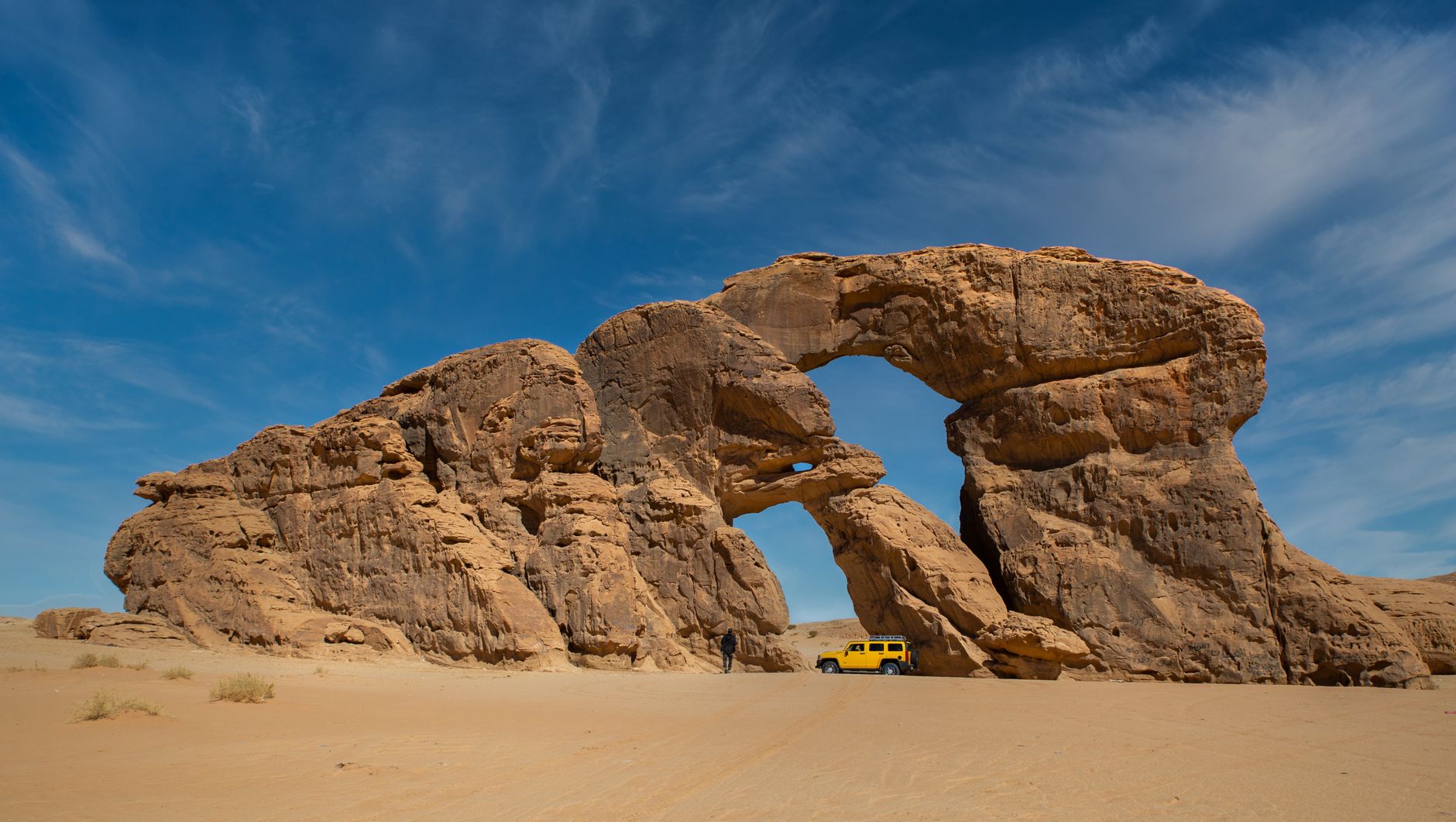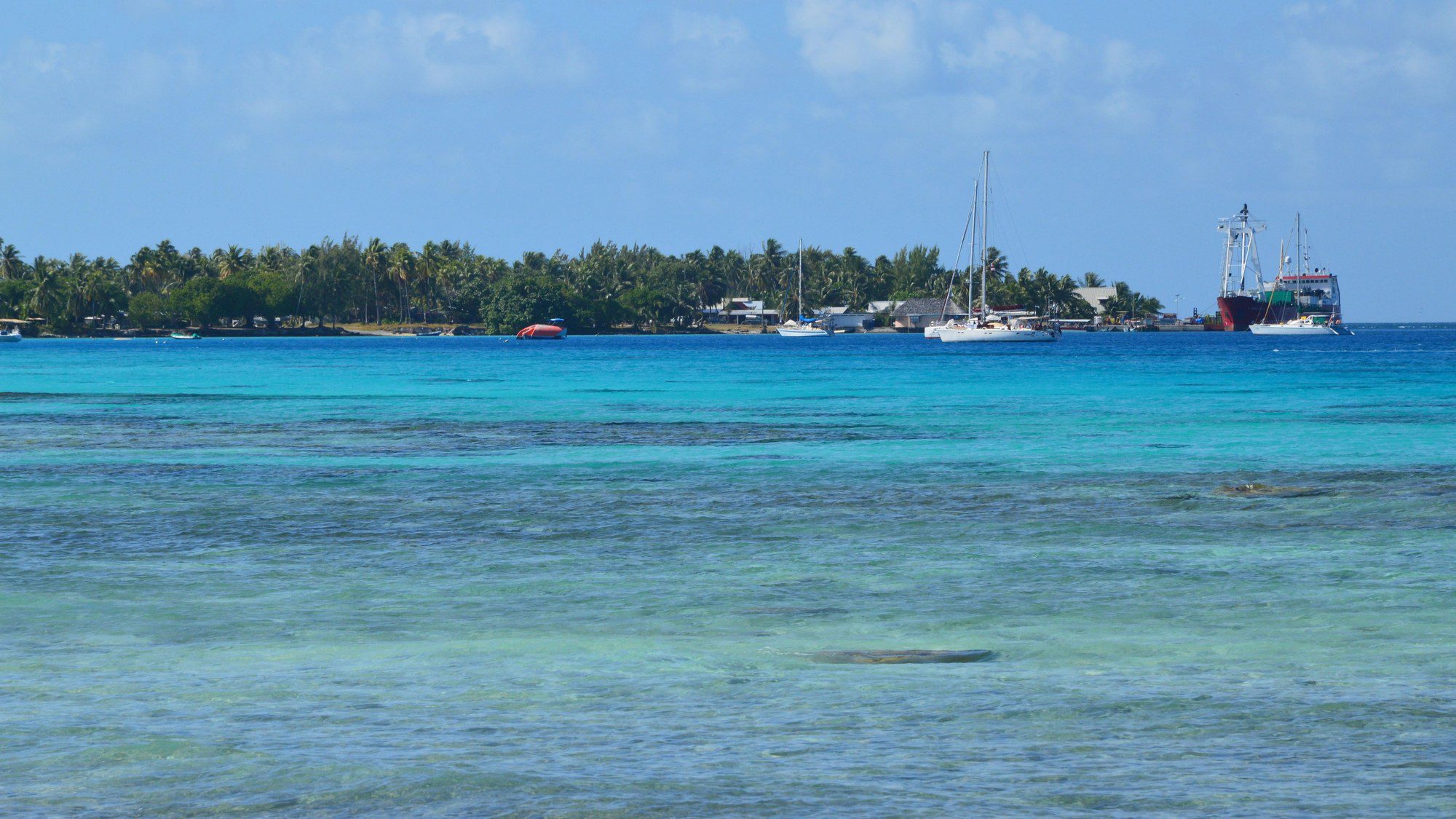
Travelling through the Kingdom of Tonga requires adapting to Polynesian rhythm rather than resort commercialism. As the only Pacific nation never formally colonized, Tonga retains a monarchical structure, communal land tenure, and strict constitutional devotion to the Sabbath that directly shape how an independent visitor moves. You will not find manicured mass-resort strips here. Instead, you encounter raw limestone blowholes, ancient megalithic trilithons, pristine coral atolls, and ethical, highly regulated humpback whale swimming.
This journey suits self-reliant travellers, wildlife observers, and cultural enthusiasts who understand that remote island logistics demand patience. If you expect synchronized public transit, commercial nightlife, or hotel room service on a Sunday morning, Tonga will frustrate you. If you respect local customs and plan inter-island transits deliberately, Tonga offers one of the Pacific’s most authentic island journeys.
Pacing is critical across Tonga’s 171 islands. The Kingdom divides into three main clusters: Tongatapu and neighboring ‘Eua in the south, the flat coral atolls of Ha’apai in the center, and the volcanic waterways of Vava’u in the north. Attempting more than two island groups in under ten days invites transit breakdown. An 11-day route focusing on Tongatapu and Vava’u provides an ideal balance between mainland history and world-class marine expeditions.
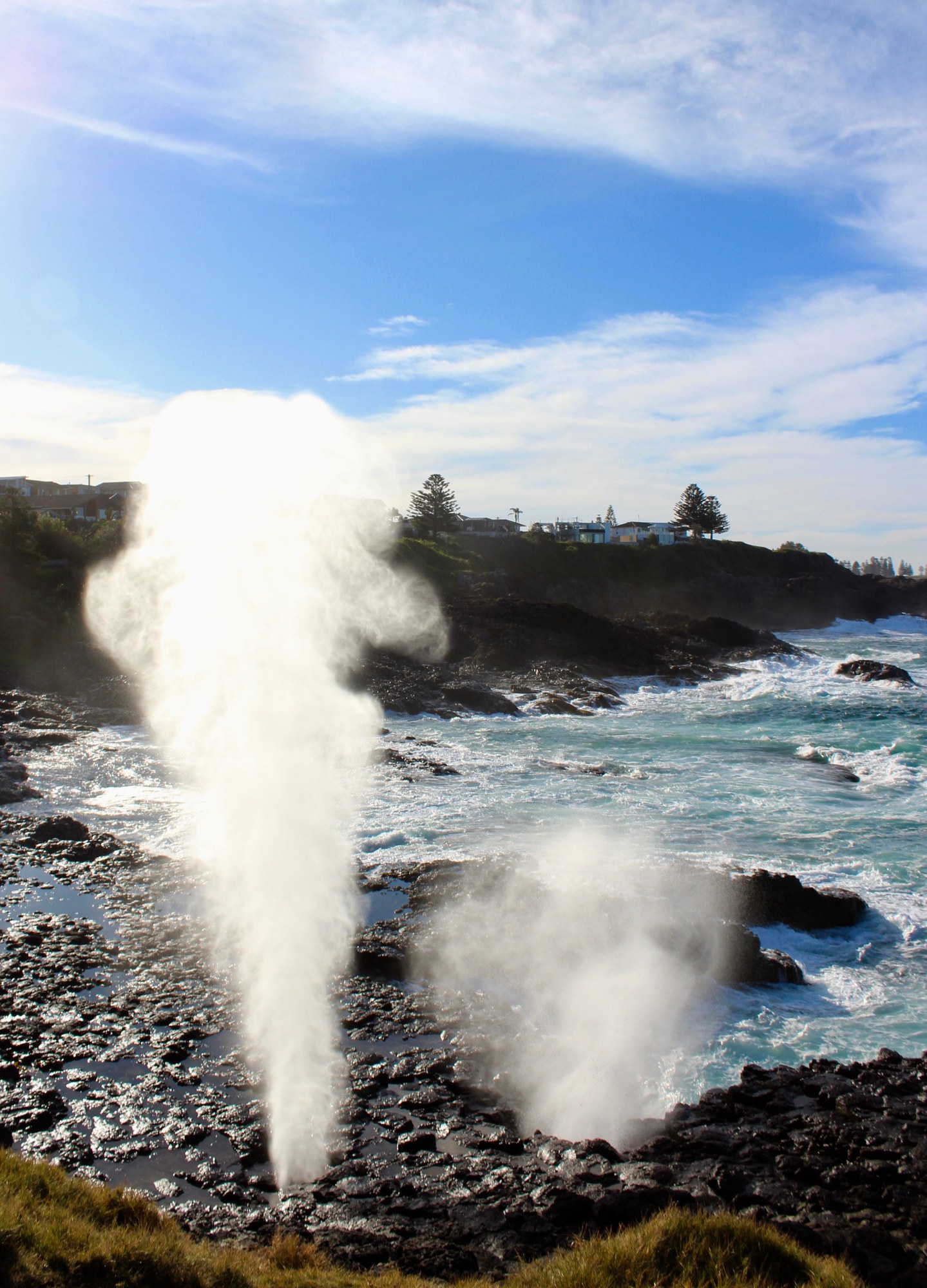
Tongatapu hosts the capital, Nuku’alofa, and serves as your arrival hub. Its southwestern coastline around Houma features the Mapu’a ‘a Vaca blowholes, where heavy southern ocean swells drive seawater plumes thirty meters high through natural limestone fissures. Stretching for five continuous kilometers, these maritime geysers demonstrate the Pacific’s raw hydraulic power.
Navigating the Kingdom: Aviation Logistics, Sea Crossings, and Sunday Laws
Domestic aviation is operated by Lulutai Airlines, linking Tongatapu’s Fua’amotu Airport (TBU) with Vava’u (Lupepau’u Airport, VAV) and Ha’apai (Lifuka Airport, HPA). Flight schedules are limited and vulnerable to weather disruptions or maintenance delays. Domestic turboprops enforce strict luggage limits: checked bags are capped at 15 to 20 kilograms, and cabin luggage is routinely weighed at check-in.
The core rule of Tongan air travel is building in mandatory buffer days. Crucially, Tonga’s Constitution legally prohibits domestic commercial flights on Sundays. If your international flight departs Nuku’alofa on Monday or Tuesday, you must fly back from Vava’u to Tongatapu by Saturday afternoon. Relying on a Monday morning domestic flight to connect with an international departure is a dangerous gamble.
Inter-island passenger ferries operated by the Friendly Islands Shipping Agency, such as the MV ‘Otuanga’ofa, carry essential cargo and locals between Nuku’alofa and outer groups. However, the voyage to Vava’u takes 14 to 24 hours across open Pacific swells, with departures frequently postponed by sea conditions. For short leisure holidays, maritime ferries should only serve as an adventurous fallback.
On Tongatapu, independent driving is straightforward. Local agencies in Nuku’alofa rent compact sedans and small SUVs. Driving is on the left, with speed limits capped at 50 km/h in towns and 70 km/h on open roads. Paved highways link major villages, but potholes, wandering pigs, and free-roaming dogs require alertness. Foreign drivers need an International Driving Permit or a local licence endorsement.
In Vava’u, transportation shifts from roads to sheltered marine waterways. While small cars and scooters navigate the main island of ‘Utu Vava’u, the archipelago’s highlights lie across its outer islands and hidden bays. Licensed water taxis from Neiafu harbor handle lodge transfers, while commercial catamarans run daily whale-watching excursions during the winter migration.
The 11-Day Island-Hopping Itinerary: Tongatapu, Vava’u, and Heritage Coasts
This 11-day route connects Tongatapu’s historical monuments with Vava’u’s marine channels, incorporating domestic flight buffers and Sunday Sabbath stillness. Basing in Nuku’alofa and Neiafu minimizes transfer friction while showcasing the Kingdom’s geographical breadth.
| Day / Stage | Base | Highlights | Transport Mode | Transit Time | Advance Booking Requirement |
|---|---|---|---|---|---|
| Days 1–2 | Nuku’alofa, Tongatapu | Arrival, Talamahu Market, Royal Palace waterfront, Anahulu Cave pool | Rental car or taxi | 45 min airport drive; local hops | Reserve rental car 3 weeks ahead |
| Day 3 | Nuku’alofa, Tongatapu | Mapu’a ‘a Vaca blowholes, ancient Ha’amonga ‘a Maui trilithon | Rental car | 2.5 hours round-island circuit | Self-guided; modest site fees on arrival |
| Day 4 | Nuku’alofa, Tongatapu | Sunday Sabbath choral service, traditional umu feast, seaside walk | On foot or resort van | Walking only (no commercial transit) | Reserve resort Sunday lunch in advance |
| Day 5 | Neiafu, Vava’u | Morning flight to Vava’u, Mount Talau trail, Neiafu harbor exploration | Domestic flight & shuttle | 50 min flight; 20 min road transfer | Book Lulutai Airlines ticket 2 to 4 months ahead |
| Days 6–7 | Neiafu, Vava’u | Humpback whale swimming expeditions, Port of Refuge navigation | Licensed whale vessel | Full-day marine charter (6 to 7 hours) | Mandatory advance booking 6 to 10 months ahead |
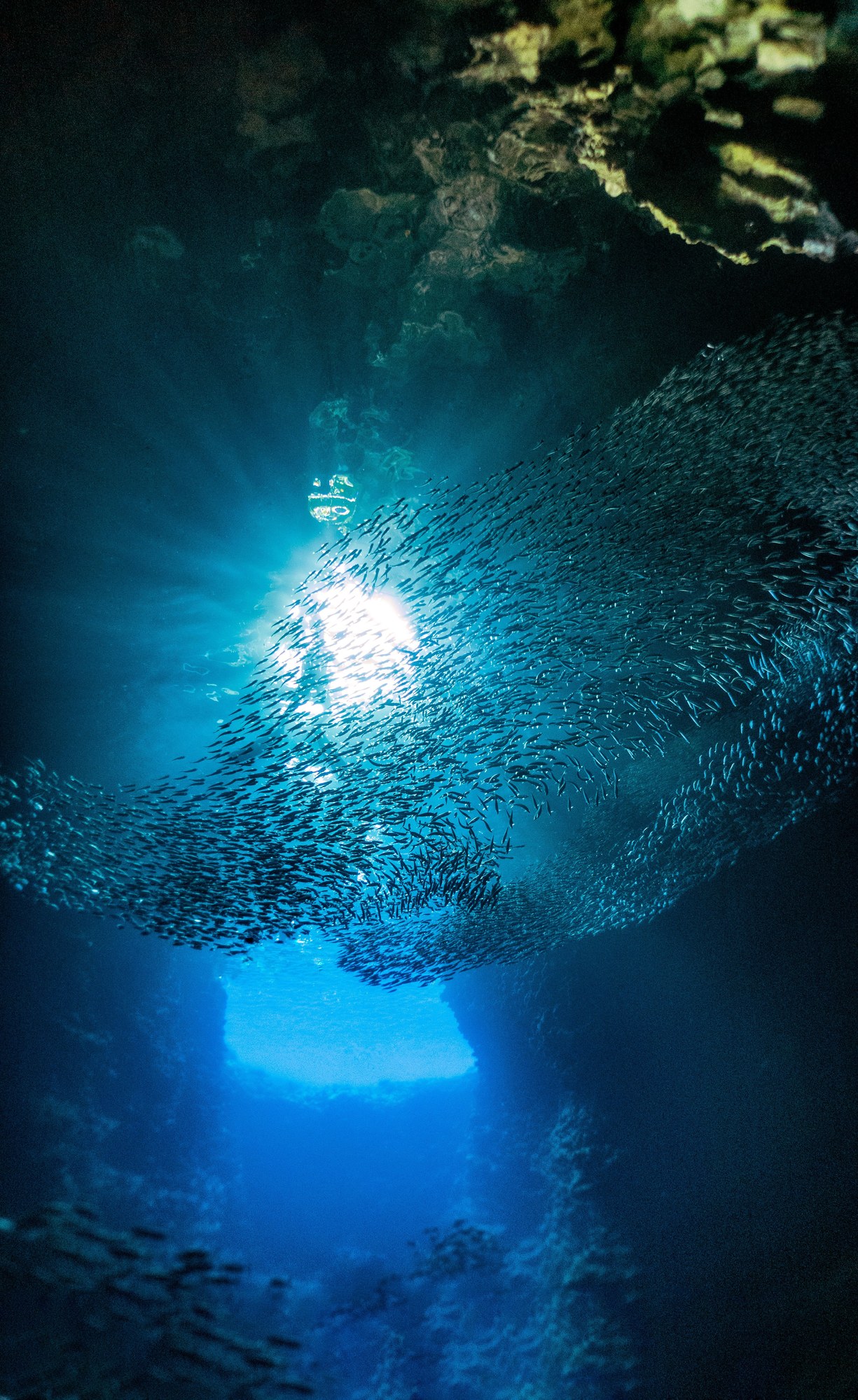
| Day 8 | Neiafu or Outer Islet | Swallows Cave snorkelling, Mariner’s Cave dive, outer islet kayaking | Day boat or water taxi | 1 to 2 hours marine transit | Book boat charter in Neiafu 2 days prior |
| Day 9 | Neiafu, Vava’u | Reserve weather buffer day for whale swims; artisan vanilla farm tour | Local taxi or rented scooter | 30 min local driving | Flexible weather buffer; arrange on site |
| Day 10 | Nuku’alofa, Tongatapu | Afternoon flight back to Tongatapu; pre-departure international buffer | Domestic flight & taxi | 50 min flight; 30 min road transfer | Mandatory buffer flight booked concurrently |
| Day 11 | Nuku’alofa, Tongatapu | Langafonua Handicrafts Centre, waterfront dining, airport departure | Airport taxi or rental drop-off | 45 min drive to Fua’amotu Airport | Pre-arrange airport taxi with hotel desk |
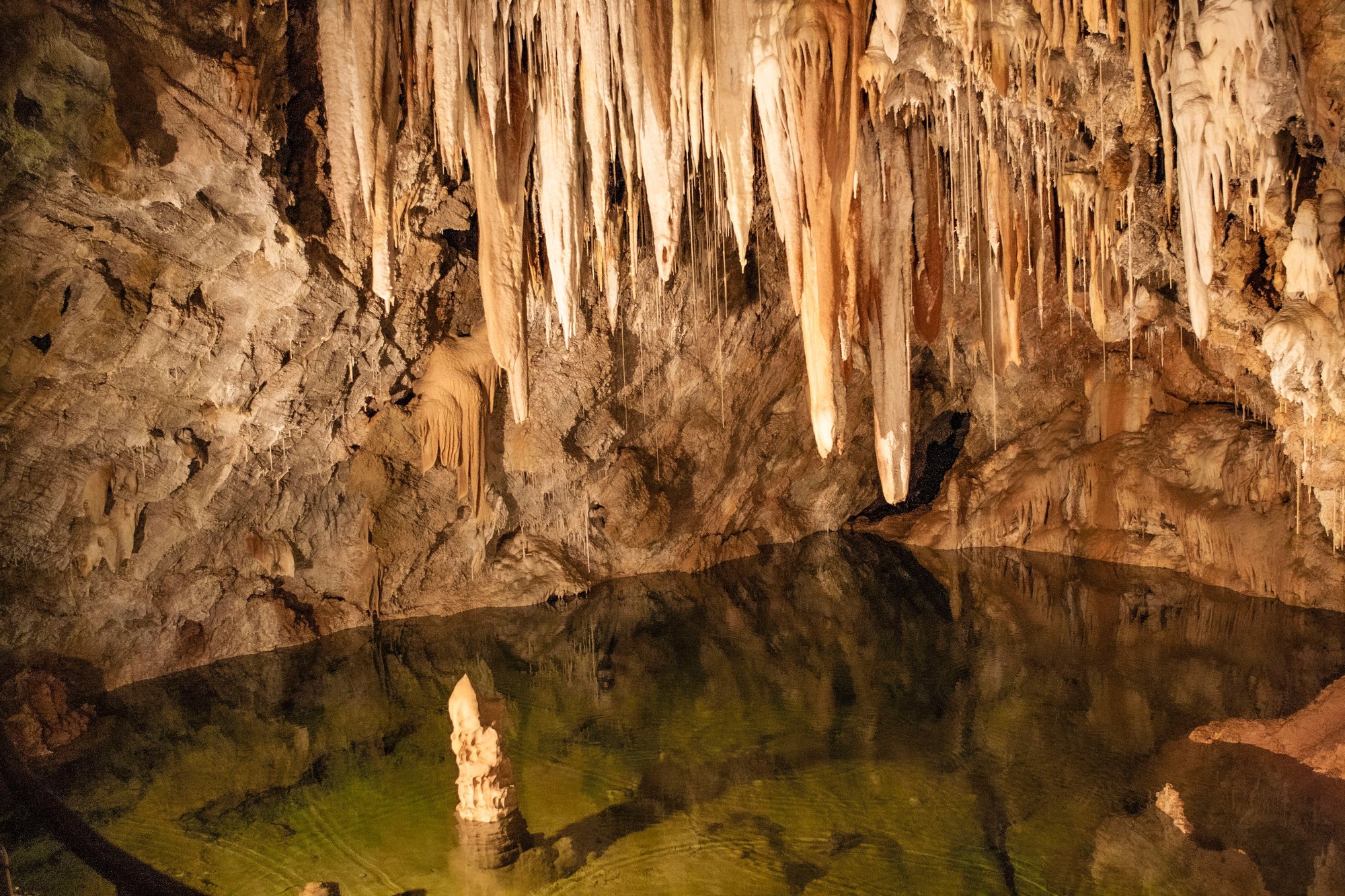
Days 1 to 3 explore Tongatapu’s historical monuments. In Nuku’alofa, visit Talamahu Market to see mounds of taro, sweet yams, and hand-woven pandanus mats. On the eastern shore near Haveluliku, descend into Anahulu Cave, a dramatic limestone cavern with ancient stalactites and a clear freshwater subterranean pool that provides an atmospheric swim.
A short drive north sits Ha’amonga ‘a Maui, a megalithic trilithon built around 1200 AD under King Tu’itatui. Consisting of three massive coralline limestone slabs weighing up to 40 tons each, this ancient monument served as a solar calendar aligned with solstices. It testifies to the engineering sophistication of the Tu’i Tonga empire centuries before European arrival.
Whale Swimming in Vava’u: Regulations, Ethics, and Seasonality
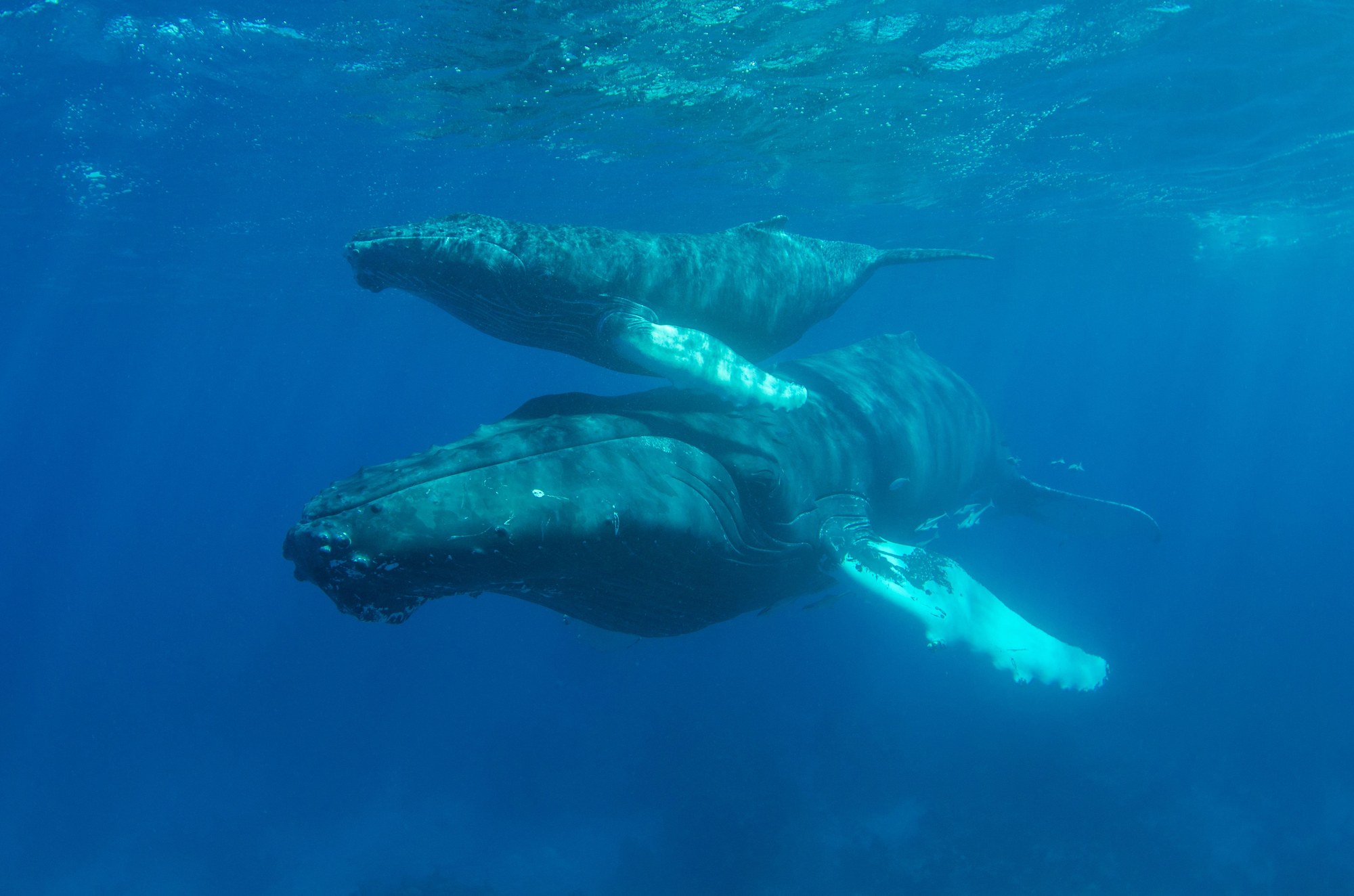
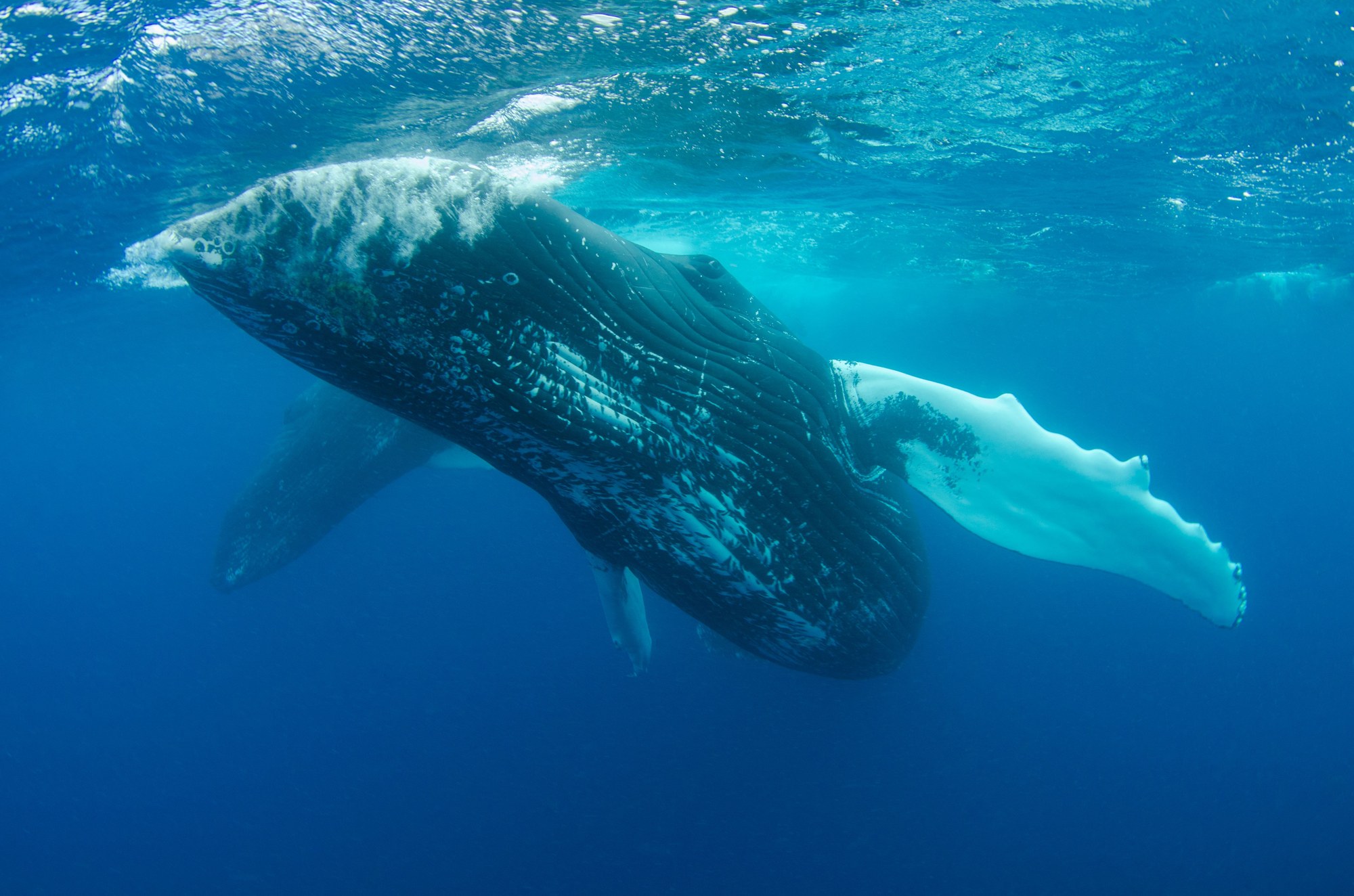
Vava’u is among the rare places globally where humans can legally swim alongside wild humpback whales. Between July and late October, hundreds of humpbacks migrate 5,000 kilometers from Antarctic waters to Tonga’s sheltered bays to calve, nurse newborn young, and mate in warm Pacific shallows.
The industry operates under strict Ministry of Tourism statutory codes. Commercial boats require official permits and enforce passenger caps. Swimmers enter the water in groups of at most four, accompanied by a certified local guide. Scuba tanks, motorized scooters, and flash strobes are prohibited; encounters happen entirely on snorkel.
Tours depart early from Neiafu harbor. Skippers scan channels for blows and breaches. When finding a calm pair—often a resting mother and calf—the skipper assesses their behavior. Swimmers slide quietly into the ocean, trailing the guide. Floating above a 30-ton marine mammal rising through 30 meters of clear water is an encounter of unforgettable scale.
Securing an ethical operator requires advance booking. Peak season runs through August and September when encounters are reliable. Top operators sell out months ahead. Always reserve at least three excursion days in Vava’u: weather shifts, ocean swells, and whale movements make multi-day buffers necessary to ensure calm encounters.
Cultural Protocol and Daily Life: Anga Faka-Tonga and Sunday Sabbath
Tongan life revolves around Anga Faka-Tonga—the traditional code emphasizing mutual respect, humility, and family loyalty. Hospitality is warm, but social etiquette is conservative. Modest clothing is expected in public. Outside private resorts, keep shoulders and knees covered. Walking through villages or towns in swimwear is offensive and infringes public decency laws.
The central cultural experience is the Sunday Sabbath (Lao Faka-Sāpate). Guaranteed by Tonga’s Constitution, Sunday is a legally enforced day of rest. Commercial shops, bakeries, tour desks, rental counters, and domestic flights close completely. Public sports, manual labor, and loud music are prohibited across the country.
Embrace Sunday as an intimate cultural window. Dress conservatively—collared shirt and trousers for men, modest dress for women—and attend a morning service at the Centenary Church or Free Wesleyan Church. The multi-part choral harmonies and brass bands filling the chapel offer a powerful vocal tradition.
After church, families gather for the Sunday ‘umu, an underground earth oven where food roasts over hot volcanic stones beneath banana leaves. Dishes feature lu pulu (corned beef or mutton in coconut cream wrapped in taro leaves), roast pork, and sweet kumala. Several resorts host licensed Sunday buffet feasts for international visitors.
Where to Base Yourself: Accommodation from Nuku’alofa to Remote Fales
Accommodation across Tonga is unhurried and independent, spanning family guesthouses, modest waterfront hotels, boutique dive lodges, and beachfront eco-fales. Choosing your base shapes how easily you access boats, dining, and island transport.
On Tongatapu, staying in Nuku’alofa is practical. Hotels along Vuna Road place you within walking distance of the Royal Palace, harbor ferry piers, and cafes. For quiet coastal scenery, western Tongatapu around Ha’atafu Beach offers beachfront bungalows near surf breaks and coral reefs, 35 minutes by car from the capital.
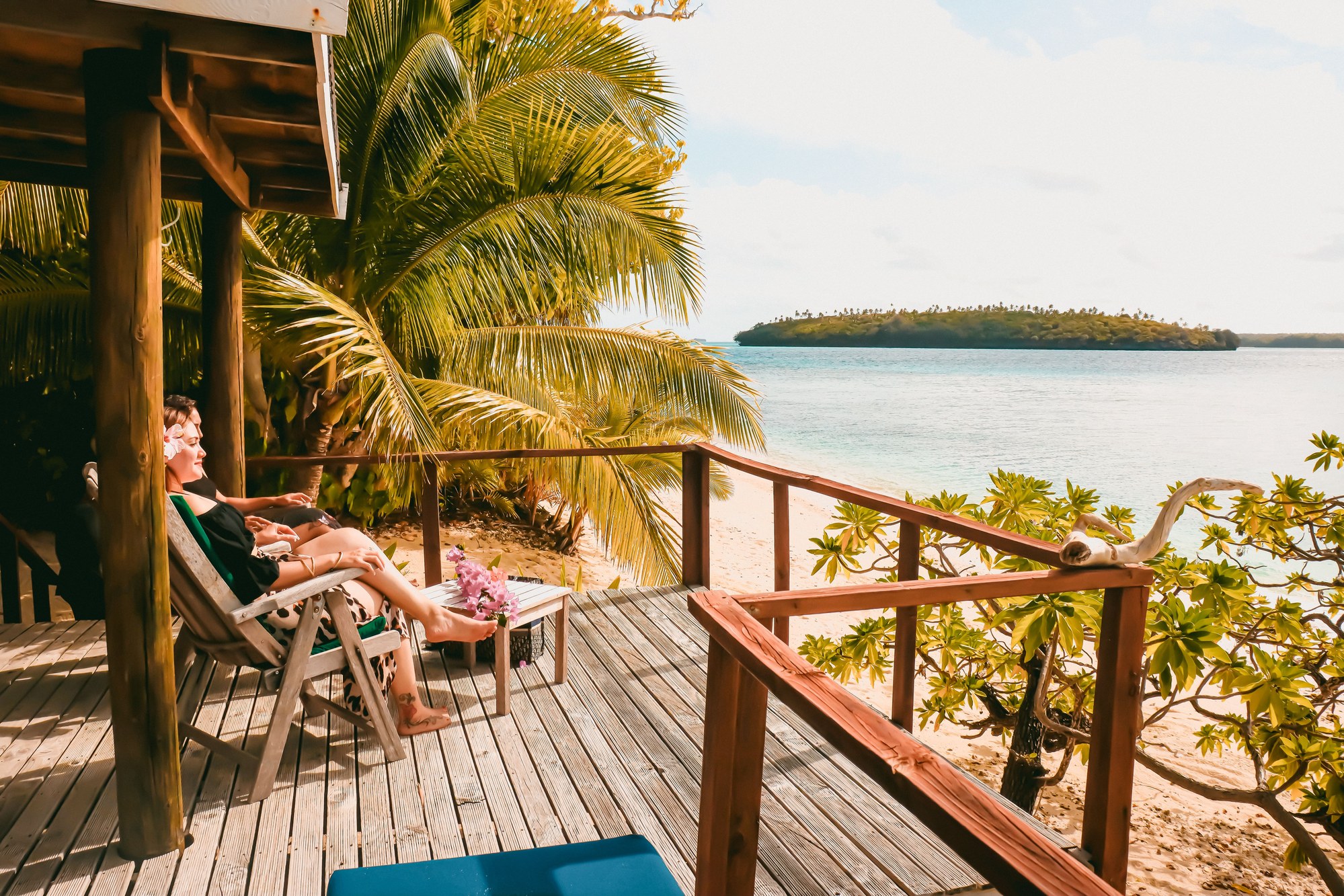
In Vava’u, lodging divides between Neiafu guesthouses and secluded outer island lodges. Neiafu bases provide direct access to marina piers, dive centers, grocery stores, and restaurants. Outer island retreats on islets like ‘Ofu or Kapa offer tranquil lagoon fales, but require scheduled boat transfers for every town excursion.
Adapting Your Route: 7-Day Express vs. 14-Day Outer Archipelago Exploration
With limited vacation time, prioritize ruthlessly. On a 7-day schedule, spend two nights on Tongatapu, fly to Vava’u for four nights of whale excursions, and return to Tongatapu for your final night. Skip Ha’apai and ‘Eua entirely; adding extra flights into a single week leaves zero safety margin.
With 14 days or more, expand across archipelagos. Add three to four nights in Ha’apai, flying into Lifuka Airport to explore low coral atolls, barrier reefs, and empty beaches. Bases on Foa or Uoleva Island offer kite-surfing and uncrowded reef snorkelling in peaceful beachfront fales.
Hikers can add a three-day detour to ‘Eua, 40 kilometers southeast of Tongatapu. Reachable via an eight-minute flight or two-hour ferry, ‘Eua offers towering coastal cliffs, rainforest sinkholes, and highland trails in ‘Eua National Park, contrasting sharply with coral atolls.
Field Connectivity, Navigation, and Banking Across the Kingdom
Mobile telecommunications are delivered by Digicel Tonga and Tonga Communications Corporation (TCC / U-Call). Both carriers provide 4G/LTE coverage in central Nuku’alofa and Neiafu, sufficient for email, navigation, and messaging.
In outer villages or remote lagoons, cellular coverage drops to basic 2G or fades entirely. Setting up an electronic SIM before touchdown ensures immediate service. The Tonga eSIM from NXTL connects to the local Digicel LTE network at $99.61 per gigabyte. Because island data relies on costly satellite links, download offline regional maps and disable background data sync before leaving urban centers. Unused credit stays available for later trips across more than 180 countries.
The local currency is the Tongan Pa’anga (TOP). ATMs operate in Nuku’alofa and Neiafu, but do not exist on outer atolls like Uoleva or remote ‘Eua. Cash is essential for village stores, fruit stands, taxis, and craft purchases. Major hotels and dive operators accept credit cards, but carry standard 3% to 5% card surcharges.
Power runs at 240V and 50Hz with Australian and New Zealand three-pin sockets (Type I). Outer island fales rely on solar arrays and generators, with electricity often restricted to evening hours. Bring a portable power bank and dry bag for open boat excursions.
Five Essential Precautions: Scams, Road Hazards, and Booking Traps
While violent crime is exceptionally rare in Tonga and hospitality is genuine, practical travel pitfalls and logistical hazards can disrupt your journey without proper foresight.
- Unlicensed Whale Boat Operators: Beware of informal private boat owners offering discounted, unlicensed whale swimming trips in Vava’u or Tongatapu. Swimming with whales without an official Ministry of Tourism commercial permit is illegal, unsafe, and harmful to the animals. Unlicensed skippers lack trained guides, safety gear, and knowledge of mandatory interaction distances. Only book with accredited tour companies displaying current Ministry licences.
- Sunday Stranding and Zero-Service Trap: Visitors frequently arrive on Saturday afternoon without cash, groceries, or rental vehicle reservations, only to find the entire nation completely locked down on Sunday. Taxis do not operate, petrol stations are shuttered, and grocery markets are closed by law. Always stock up on water, snacks, essential medicines, and fuel on Friday or Saturday, and confirm your accommodation’s dining arrangements beforehand.
- Dangerous Blowhole Rims and Pacific Rip Tides: The limestone shelves at Mapu’a ‘a Vaca and along southern Tongatapu are slick, razor-sharp, and exposed to unpredictable rogue Pacific swells. Never stand close to the edge of blowhole vents or rocky blowhole shelves; rogue waves can sweep spectators into deep ocean surges where rescue is impossible. Swim only in sheltered lagoons or verified calm sandy coves.
- Livestock Collisions and Unlit Night Driving: Free-roaming pigs, stray dogs, and horses frequently wander onto unlit rural roads across Tongatapu and Vava’u, especially around dusk and dawn. Street lighting is sparse outside central Nuku’alofa. Keep driving speeds strictly below 50 km/h at night, stay alert for animal crossings, and avoid renting low-clearance vehicles that can suffer chassis damage on rough coral tracks.
- Missing Inter-Island Domestic Aviation Buffers: Failing to budget a minimum 24-hour buffer in Tongatapu before an international departure is the most common and costly tourist error in Tonga. If bad weather, mechanical inspection, or pilot shortages delay your Lulutai Airlines flight from Vava’u or Ha’apai, you will miss your long-haul flight back home. Always schedule your domestic return flight for at least one full day prior to your international departure.
Frequently Asked Questions About Travelling in Tonga
When is the best time to visit Tonga for swimming with humpback whales?
The optimal window for humpback whale encounters is between mid-July and late October, with peak sightings occurring throughout August and September. During this period, southern humpbacks calve, nurse, and mate in the sheltered bays of Vava’u and Tongatapu. Water temperatures hover around 23 to 25 degrees Celsius, making a 3mm to 5mm wetsuit recommended for extended snorkeling sessions.
Can I drive or rent a car on Sunday in Tonga?
You can legally drive a vehicle that you already have in your possession on Sunday, provided you are driving for personal transport, such as travelling to church or your resort. However, rental car offices, petrol stations, and public taxi services are completely closed by law. You must secure your vehicle, inspect fuel levels, and arrange all logistics on Friday or Saturday before the Sabbath begins.
Do I need a special driver’s licence to rent a car in Tonga?
Yes. To legally drive a rental vehicle on Tongatapu, foreign visitors must present a valid national driver’s licence along with an International Driving Permit, or visit the Ministry of Infrastructure in Nuku’alofa to obtain a local temporary driving endorsement. Most established car rental agencies assist visitors in completing this simple administrative paperwork upon vehicle collection.
Is English widely spoken throughout the Kingdom of Tonga?
Yes. English is an official national language alongside Tongan and is taught in schools across the country. While Tongan is the primary language spoken in homes, markets, and churches, staff at hotels, tour agencies, restaurants, and transport hubs communicate clearly in English. Learning a few polite Tongan phrases, such as malo e lelei (hello) and malo ‘aupito (thank you very much), is warmly appreciated by locals.
What currency should I bring, and are credit cards accepted?
The local currency is the Tongan Pa’anga (TOP). You should carry cash for markets, small cafes, outer island transfers, and handicraft shopping. Automated teller machines are available in Nuku’alofa and Neiafu, dispensing Pa’anga with international debit cards. Major hotels, dive shops, and whale operators accept Visa and Mastercard, but standard merchant surcharges of 3% to 5% apply to credit card transactions.