Travelling to Montserrat reveals one of the planet’s most dramatic natural transformations. Often termed the modern Pompeii of the Caribbean, this British Overseas Territory in the Leeward Islands was reshaped between 1995 and 1997 when the Soufrière Hills volcano erupted after centuries of dormancy. Catastrophic pyroclastic flows and ash clouds buried the historic Georgian capital of Plymouth, devastated the southern two-thirds of the island, and forced over half the population to evacuate abroad.
Today, Montserrat exists in a compelling dual reality. The southern exclusion zone remains an off-limits volcanic wasteland monitored continuously by vulcanologists, while the northern third—the designated Safe Zone—thrives as a tranquil haven of emerald rainforest ridges, black sand beaches, quiet residential villas, and authentic West Indian hospitality. You will find no mega-resorts, cruise ship piers, or crowded entertainment strips here.
This guide suits independent explorers, geology enthusiasts, naturalists, and mindful travellers who value quiet Caribbean character over packaged tourism. A successful visit requires careful logistics with neighboring Antigua, an understanding of volcanic hazard zones, and respect for safety protocols. Spending four to six days allows you to explore both the archaeological ruins of Plymouth and the rich biodiversity of northern rainforests without rushing.
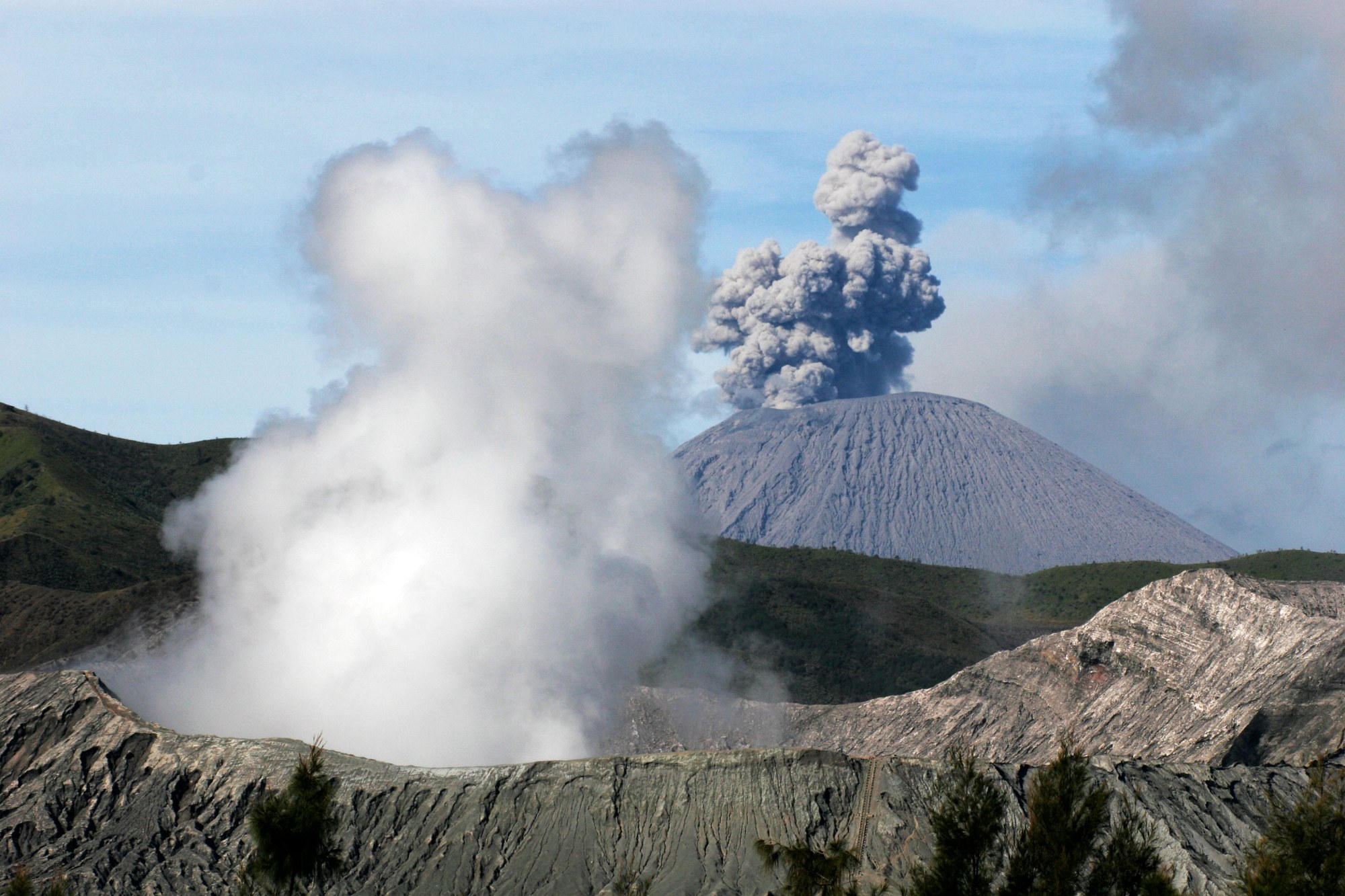
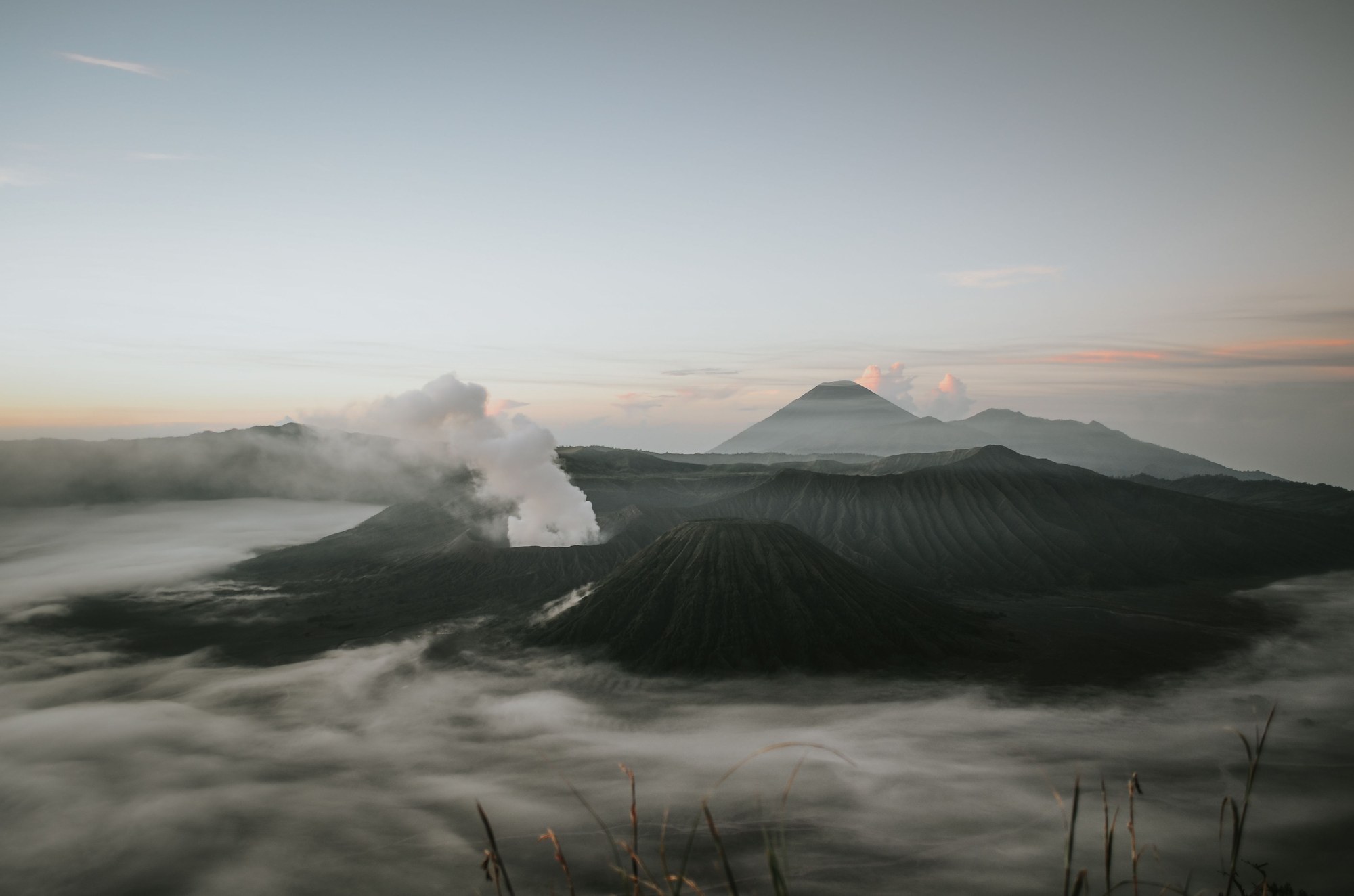
The Soufrière Hills volcanic complex dominates the island’s southern skyline. Standing over 900 meters before erupting, the summit now features a massive lava dome venting sulfurous plumes into trade winds. From designated viewpoints outside the restricted perimeter, visitors observe enormous deposition fans where volcanic sediment cascaded into the sea, permanently expanding the island’s coastline.
Access and Island Transit: Antigua Gateways, Ferries, and Small Aircraft
Montserrat has no direct long-haul international flights. Every journey begins with a transit through Antigua’s V.C. Bird International Airport (ANU), which receives regular commercial flights from North America and Europe. From Antigua, travellers choose between a short commercial flight or a passenger sea ferry.
Air transfers are operated by regional carriers such as FlyMontserrat and SVG Air, flying nine-passenger Britten-Norman Islander aircraft from Antigua directly into John A. Osborne Airport (MNI) in Gerald’s. The flight takes approximately 15 to 20 minutes, offering aerial views of the Caribbean Sea and the steaming dome. Because aircraft capacity is small, booking weeks in advance is critical. Strict luggage limits—typically 10 to 15 kilograms per passenger—are enforced.
The maritime passenger ferry, typically operated by vessels like the Jaden Sun, connects Heritage Quay in St. John’s, Antigua, with Little Bay in northern Montserrat. The crossing takes roughly 90 minutes. While the ferry offers scenic travel and generous luggage limits, services are seasonal and subject to cancellations when winter Atlantic swells create rough seas. Travellers should always reconfirm sailings 24 hours prior.
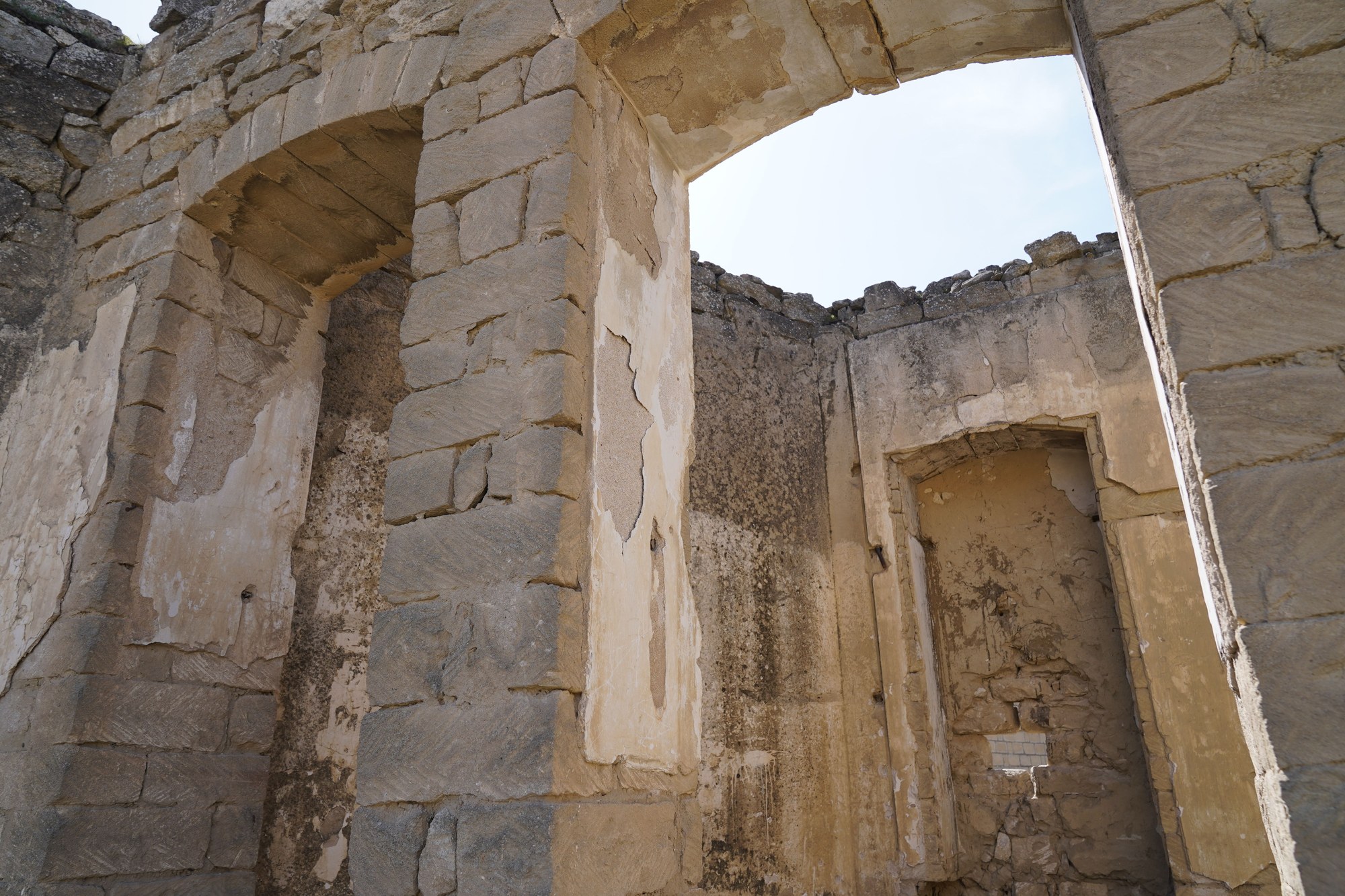
Getting around Montserrat’s northern Safe Zone requires a rental car or an arranged local driver. Independent rental agencies operate out of Gerald’s and Little Bay, providing sturdy compact SUVs and sedans. Driving is on the left. Roads across the northern hills are narrow, winding, and steep, requiring low gearing and defensive driving around blind corners.
To legally drive on Montserrat, foreign visitors must obtain a temporary local driving permit. This permit is issued on arrival by rental agencies or at the police station in Brades for 50 Eastern Caribbean Dollars (approximately 18 to 20 US Dollars), presented alongside a valid driver’s licence. Taxis operate on fixed standard fares between the airport, ferry dock, and villa communities.
The 5-Day Volcanic and Eco-Explorer Itinerary
This five-day route provides a balanced, realistic exploration of Montserrat. It combines certified volcanic zone expeditions with mountain hiking, secluded beach visits, and local cultural interactions, maintaining flexible buffers for inter-island transport schedules.
| Day / Stage | Base | Highlights | Transport Mode | Transit Time | Advance Booking Requirement |
|---|---|---|---|---|---|
| Day 1 | Woodlands or Salem | Arrival from Antigua, villa check-in, orientation at Montserrat Volcano Observatory | Rental car or taxi | 25 min airport/ferry drive; local hops | Book flight/ferry and car rental 1 month ahead |
| Day 2 | Woodlands or Salem | Certified guided expedition into Zone V Plymouth ruins, police escort, Garibaldi Hill view | 4WD tour vehicle with certified guide | 4 to 5 hours guided tour circuit | Mandatory advance booking with licensed guide 2 weeks prior |
| Day 3 | Woodlands or Salem | Centre Hills hiking (Oriole Walkway), rainforest birding, afternoon swim at Woodlands Beach | Rental car & hiking trail | 20 min driving; 2.5 hours moderate hike | Hire certified Forestry guide for birdwatching |
| Day 4 | Woodlands or Salem | Hike or boat charter to golden-sand Rendezvous Bay, Little Bay dining, Carr’s Bay battery | Rental car & trail/boat | 15 min driving; 35 min coastal hike or water taxi | Coordinate local water taxi at Little Bay dock |
| Day 5 | Woodlands or Salem | Jack Boy Hill morning volcano view, Brades artisan market, departure to Antigua | Rental car or taxi | 30 min driving to airport/port | Confirm departure check-in 24 hours prior |
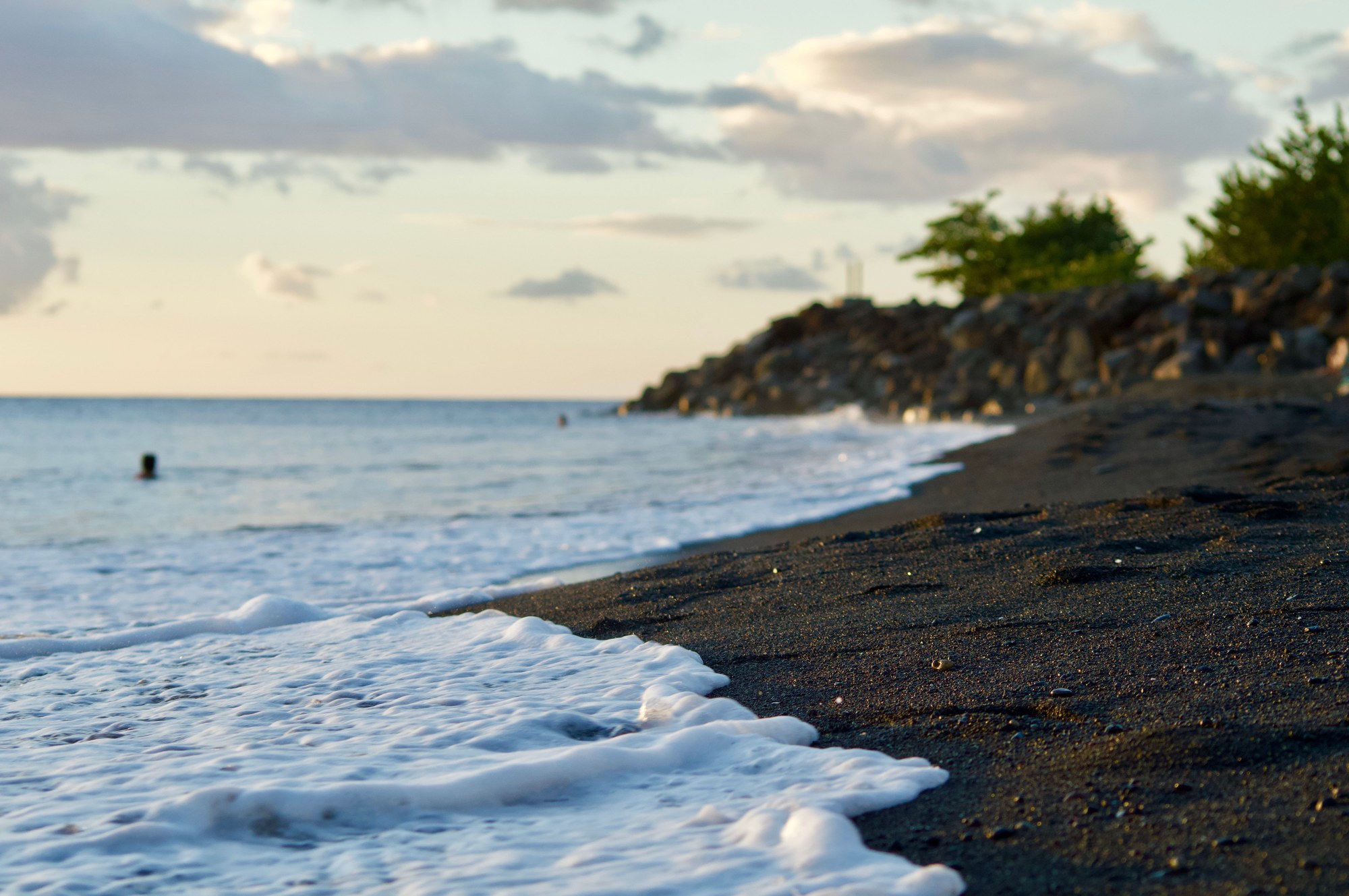
Day 1 focuses on arrival logistics and scientific context. After collecting your rental vehicle, drive to the Montserrat Volcano Observatory (MVO) in Flemmings. Perched on a ridge overlooking the Belham Valley, the MVO is the scientific nerve center of the island. Staff geologists monitor continuous seismographs, gas emissions, and ground deformation. The visitor center features educational exhibits and a documentary explaining the eruption timeline.
Day 2 delivers the journey’s most profound experience: entering the Exclusion Zone to witness the buried capital of Plymouth. Accompanied by an authorized guide and police clearance, you cross the Belham River valley—now a broad lahar channel—and enter the silent streets of the former Georgian city, where government edifices, stone churches, and storefronts sit submerged in meters of hardened volcanic ash.
Entering the Exclusion Zone: Hazard Levels, Permitting, and Guide Protocols
The southern two-thirds of Montserrat is designated as the volcanic Exclusion Zone (Zone V), governed by strict legal access limits. The Montserrat Volcano Observatory establishes a Hazard Level System ranging from Level 1 (lowest activity) to Level 5 (extreme activity). Under current baseline conditions (typically Level 1), daytime access into Zone V is permitted only under controlled protocols, while overnight stays remain forbidden.
Independent, unguided entry into Zone V is illegal and punishable under emergency legislation. The terrain holds serious hazards, including unstable ash banks that collapse without warning, high-temperature steam vents, and the risk of sudden lahars (volcanic mudflows) triggered by heavy rain in the upper hills. Shifting winds can also carry dangerous concentrations of sulfur dioxide gas down the slopes.
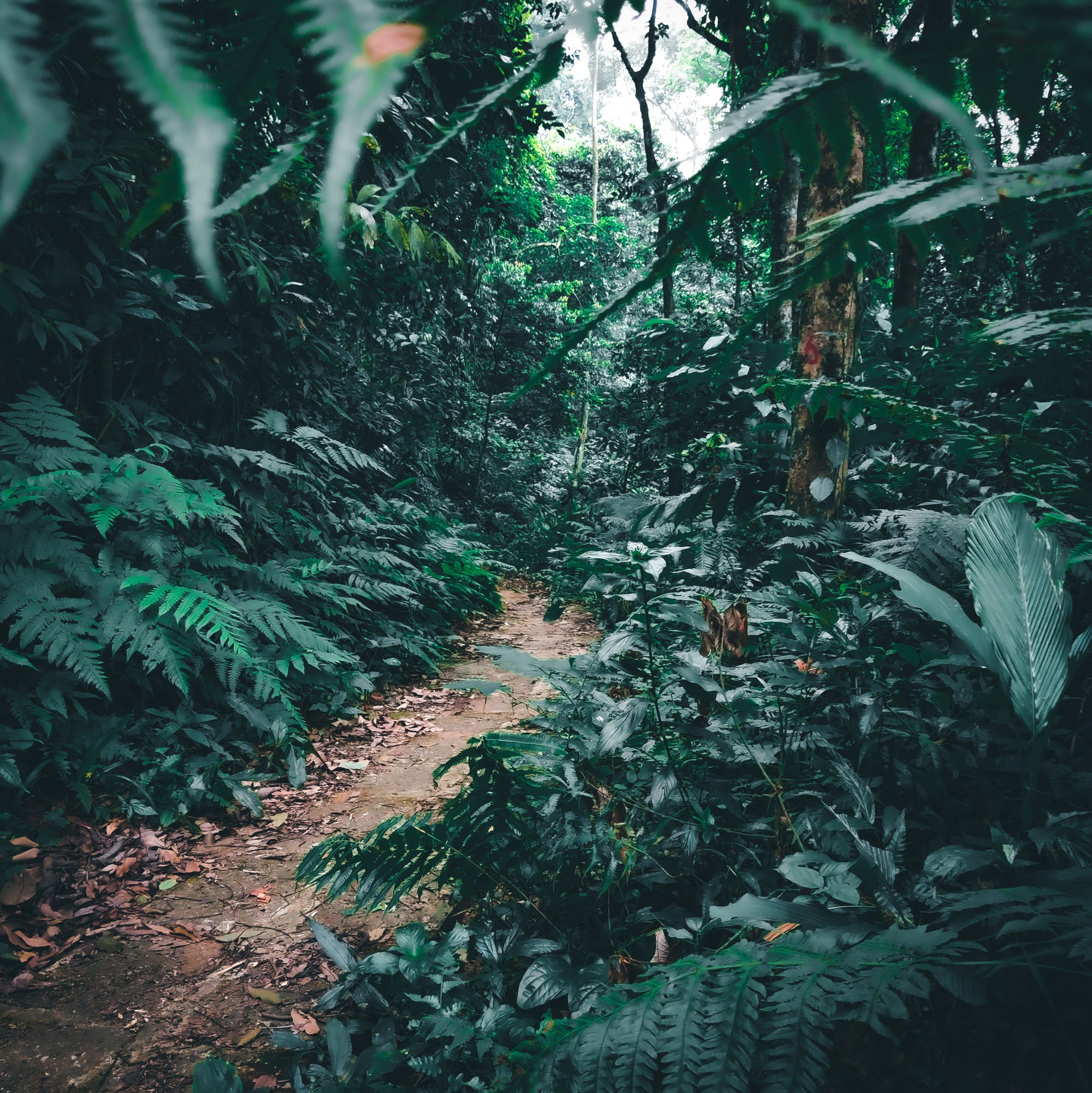
To visit Plymouth, you must hire an authorized local guide registered with the Montserrat Tourism Division and the Royal Montserrat Police Force. Established guides maintain direct VHF radio communication with the MVO during the tour. Before entering, the guide contacts police dispatch to log the vehicle and entry time. If seismic activity increases, an immediate evacuation order is broadcast over the radio network.
Standing in the center of Plymouth is an extraordinary encounter with modern archaeology. You walk past the upper stories of buildings whose ground floors are buried under twelve meters of ash. The remnants of Government House, the clock tower, banks with collapsed vaults, and the Anglican church surrounded by encroaching vegetation present a poignant monument to planetary geology.
The Safe North: Hiking, Endemic Wildlife, and Solitary Beaches
In total contrast to the desolate volcanic south, northern Montserrat—centered on the Centre Hills reserve—is verdant and ecologically rich. Covering over 1,000 hectares of primary tropical rainforest, the Centre Hills serve as the island’s water catchment and provide sanctuary for an array of rare and endemic wildlife.
The crown jewel of the island’s birdlife is the Montserrat Oriole (Icterus oberi), a striking yellow-and-black bird found nowhere else on earth. Severely threatened when ash destroyed two-thirds of its forest habitat, the species has made an inspiring recovery through active conservation. Walking the Oriole Walkway trail with an experienced guide offers excellent chances of observing this rare bird, alongside the endemic Montserrat galliwasp lizard.
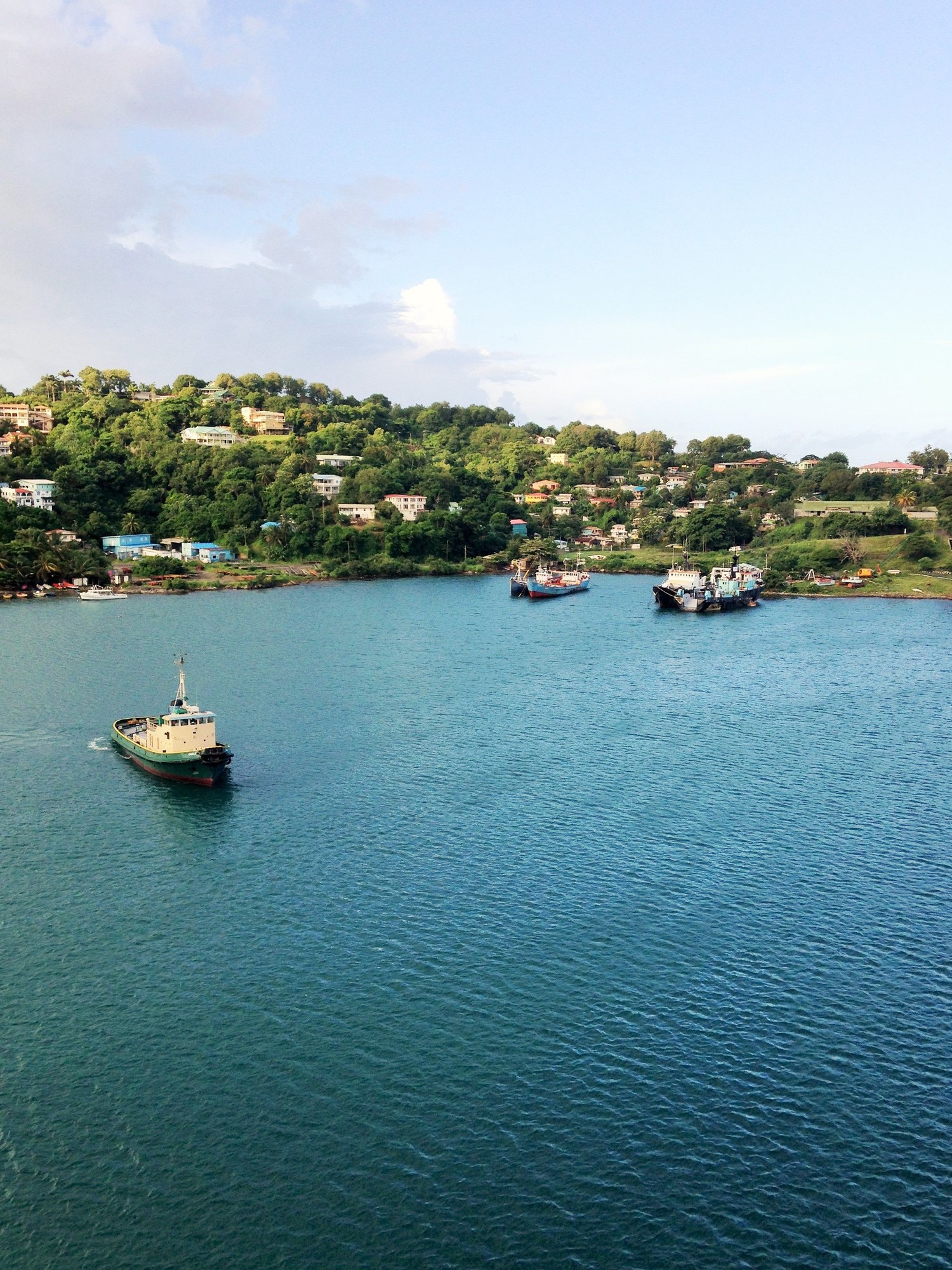
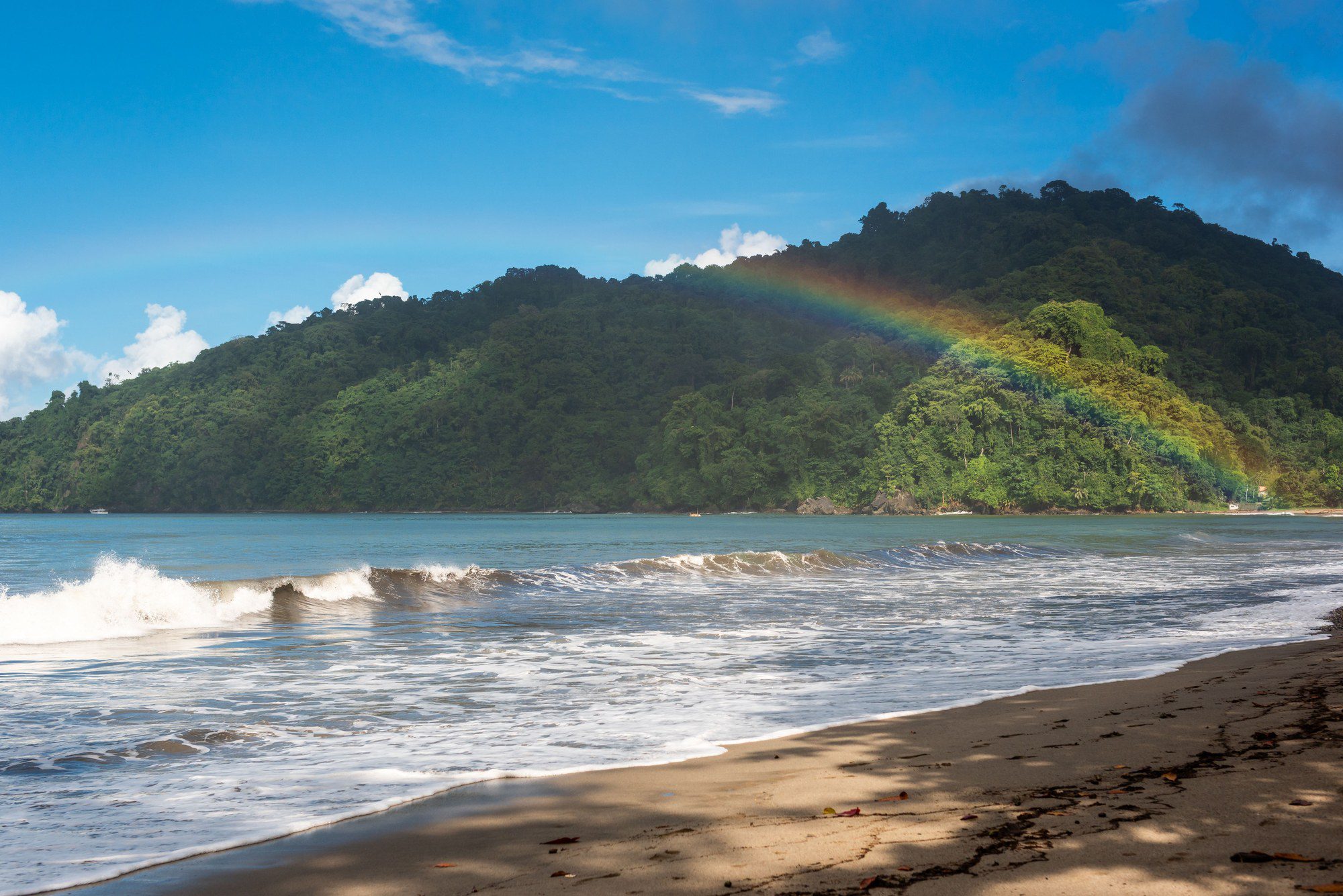
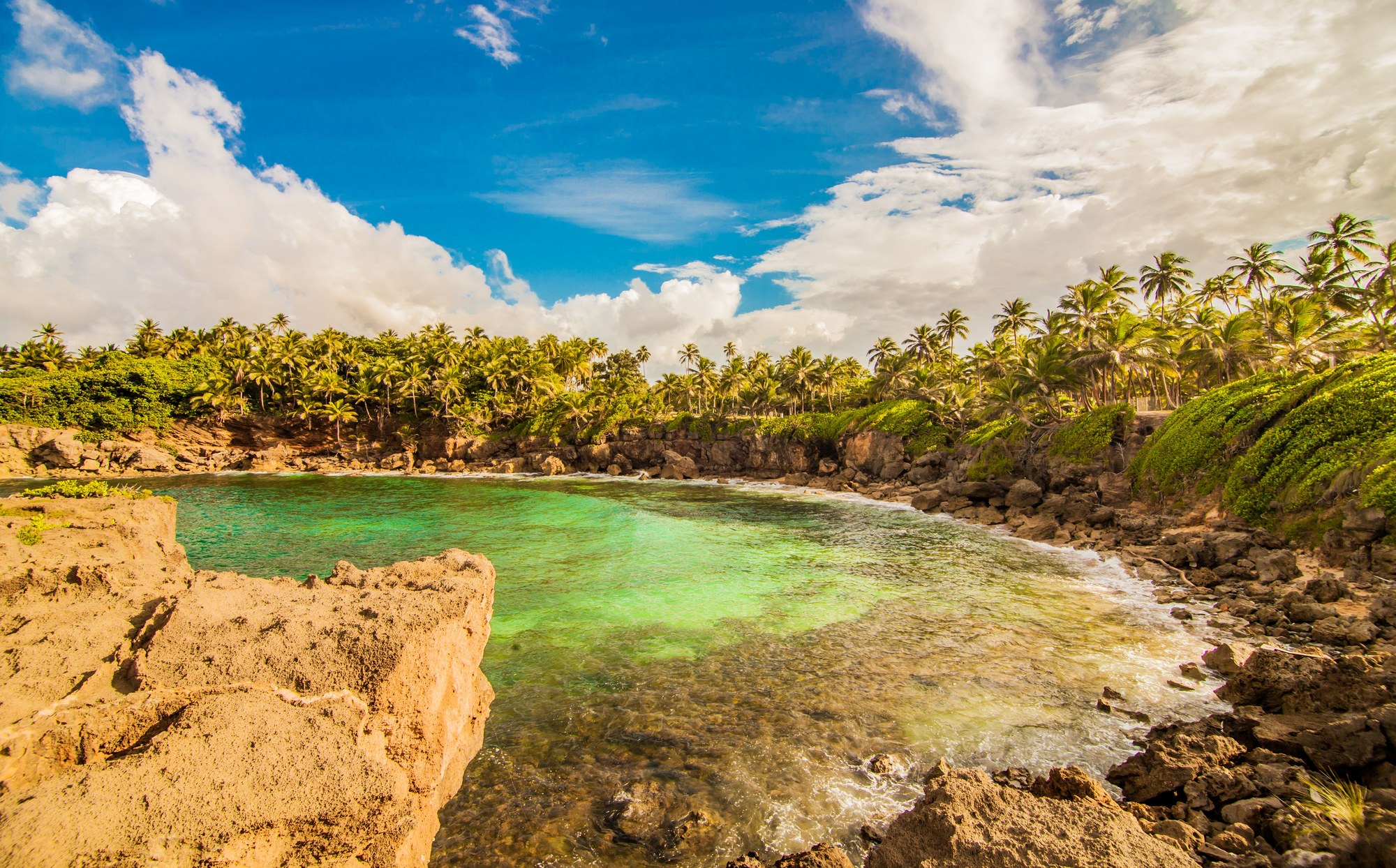
Montserrat’s coastline features striking volcanic beaches framed by coastal bluffs. Woodlands Beach is the most accessible, known for fine black volcanic sand, shaded picnic pavilions, and gentle surf suitable for swimming and snorkelling around rocky points. During summer and autumn months, green and hawksbill sea turtles haul ashore on Woodlands Beach to lay eggs, monitored by conservation wardens.
For travellers seeking classic golden sand, Rendezvous Bay in the far north is the island’s sole non-volcanic blonde beach. Surrounded by scrub-covered bluffs, Rendezvous Bay cannot be reached by road. Visitors reach it via a scenic 35-minute hiking trail from Little Bay over a coastal ridge, or by arranging a five-minute water taxi charter from Little Bay marina, rewarding them with calm turquoise swimming.
Where to Base Yourself: Guest Villas, Cottages, and Guesthouses
Montserrat offers a distinctive accommodation model centered on private rental villas, self-catering cottages, and intimate family guesthouses rather than commercial chain resorts. This setup encourages visitors to live like temporary residents, buying fresh fish from local harbors and shopping at community markets.
The residential enclaves of Woodlands and Old Towne are the most popular bases. Situated along ridges in the central-western Safe Zone, properties frequently feature covered verandas, private swimming pools, and views over the Caribbean Sea toward Redonda and Nevis. Staying in Woodlands places you five minutes from Woodlands Beach and ten minutes from grocery markets in Salem.
For travellers who prefer walking to cafes and harbor amenities, Little Bay and nearby Brades provide convenient apartment lodging. Brades serves as the temporary administrative capital, hosting bank branches, government offices, and postal services. Little Bay is developing as the permanent future port town, offering waterfront dining where you can enjoy grilled snapper and the national dish, goat water—a rich, spiced meat stew flavored with cloves and rum.
Trip Adaptations: Day Trip vs. Extended Scientific and Eco-Stay
Many tourists contemplate visiting Montserrat on a single day excursion from Antigua via morning ferry or flight. While possible, day trips are physically taxing, leave no margin for ferry delays, and compress the experience into a rushed three-hour driving loop. You spend more time in customs lines than absorbing the landscape, missing the quiet evening ambiance when trade winds rustle the palms.
A dedicated four-to-six-day stay provides the proper temporal space to experience Montserrat’s diverse layers. You can dedicate an entire morning to Plymouth with a vulcanologist guide, spend an afternoon tracking orioles along mountain trails, and spend quiet days swimming at Rendezvous Bay. A longer stay ensures you do not get stranded if ocean swells cancel a return ferry crossing.
For travellers planning an extended seven-to-ten-day itinerary, Montserrat offers extraordinary scuba diving along pristine, uncrowded volcanic reefs. The island’s underwater topography features dramatic drop-offs, massive barrel sponges, and healthy coral heads that have benefited from decades of low fishing pressure and the absence of cruise ship pollution. Local dive charters in Little Bay take small groups to northern reefs and the Belham River delta.
Field Connectivity, Banking, and Island Practicalities
Telecommunications across Montserrat’s northern Safe Zone are reliable, supported by Cable & Wireless (operating locally under Flow) and Digicel. Mobile towers on high ridges deliver dependable 4G/LTE mobile broadband across residential communities, commercial hubs, and paved roads.
For visitors requiring immediate data access for navigation, communication, and ferry updates, setting up an eSIM before arrival is highly advantageous. The Montserrat eSIM from NXTL connects automatically to the local Cable & Wireless LTE network at $7.03 per gigabyte. This low-cost cellular connection enables you to check live MVO hazard reports, consult offline GPS maps, and coordinate pickups with local guides. Unused credit stays available for later trips across more than 180 countries. In deep river valleys or parts of Zone V, cellular reception may drop due to rugged terrain masking.
The official currency is the Eastern Caribbean Dollar (XCD), pegged to the US Dollar at 2.70 XCD to 1 USD. US Dollars are universally accepted across the island, with change typically given in Eastern Caribbean Dollars. The Bank of Montserrat in Brades operates an international ATM dispensing local currency. Credit cards (Visa and Mastercard) are accepted at established rental agencies, grocery stores, and restaurants, though carrying cash is advisable for beach bars, small food stalls, and taxi fares.
Electricity runs at 230V and 60Hz, using North American three-pin grounded plugs (Type B) alongside British three-pin outlets (Type G). Most rental villas provide dual-voltage outlets or plug adapters, but carrying a universal travel adapter is recommended. Tap water throughout the northern Safe Zone is piped from natural mountain springs in the Centre Hills and is completely safe and pleasant to drink.
Five Essential Precautions: Exclusion Zone Hazards, Ferry Traps, and Road Rules
Montserrat is one of the safest islands in the Caribbean with virtually zero street crime. However, natural hazards, volcanic safety laws, and island transit limitations require sensible precautions.
- Illegal Entry into Volcanic Zone V: Never bypass checkpoints into Zone V or Plymouth without authorization. Trespassing into the Exclusion Zone without a certified guide, police clearance, and MVO VHF radio contact is illegal and punishable by heavy fines. It exposes you to lethal hazards including ground collapses, flash lahars, and toxic volcanic gas venting.
- Antigua Ferry Swell Disruptions: Winter Atlantic swells frequently cause passenger ferries between Antigua and Montserrat to cancel sailings on short notice. Never book a return ferry to Antigua on the morning of your international flight home. Maintain a minimum 24-hour buffer in Antigua before departing for North America or Europe.
- Flash Lahars in the Belham Valley: The Belham River bed drains volcanic sediment from the Soufrière Hills. Heavy rainfall in the highlands can trigger rapid flash lahars—torrents of liquid mud, sand, and boulders—that make the river crossing impassable within minutes. Never cross the Belham Valley during heavy rains.
- Narrow Mountain Curves and Roaming Cattle: Driving through northern hills involves blind hairpin corners, steep grades, and narrow single-lane sections. Cattle, feral donkeys, and goats frequently wander into the road at dawn and dusk. Sound your horn gently at blind corners and keep speeds strictly below 40 km/h.
- Strict Islander Aircraft Baggage Limits: Aircraft servicing John A. Osborne Airport are small nine-seat Britten-Norman Islanders with strict weight caps. Luggage exceeding the 15-kilogram limit may be held in Antigua for subsequent flights. Pack light, soft-sided duffel bags to ensure your luggage travels with you.
Frequently Asked Questions About Travelling in Montserrat
Is it safe to visit Montserrat with an active volcano on the island?
Yes. The inhabited northern Safe Zone is shielded from volcanic fallout by the Centre Hills mountain range. The volcano is monitored continuously by the Montserrat Volcano Observatory (MVO). Access to the southern Exclusion Zone is regulated and permitted only when hazard conditions are verified safe by authorities.
Can I visit the buried capital of Plymouth on my own?
No. Independent, unescorted entry into Plymouth and Zone V is strictly prohibited by law. You must hire an authorized local licensed guide who secures police permission and carries a VHF radio linked directly to the MVO, ensuring safety in case of seismic changes.
How do I travel between Antigua and Montserrat?
Travellers choose between a 20-minute flight aboard a nine-seat Islander aircraft operated by FlyMontserrat or SVG Air, or a 90-minute passenger ferry ride aboard the Jaden Sun from St. John’s, Antigua. Advance reservations are essential for both transit methods.
What currency is used on Montserrat, and can I spend US Dollars?
The official currency is the Eastern Caribbean Dollar (XCD), pegged to the US Dollar at 2.70 XCD to 1 USD. US Dollars are widely accepted for dining, car rentals, and excursions, with change given in local currency. Carrying cash is advisable for small vendors.
What is Montserrat’s St. Patrick’s Festival?
Montserrat is the only country outside Ireland where St. Patrick’s Day is a public holiday. Celebrated over ten days in mid-March, the festival commemorates the island’s Irish heritage and an important 1768 slave uprising, featuring street masquerades, calypso contests, and feasts.