Travelling through Angola means entering one of Africa’s most compelling overland frontiers. Closed to casual tourism for decades by a devastating civil war that ended in 2002, and historically shielded by a notoriously arduous visa process, Angola enacted a historic visa policy shift in late 2023. Under Presidential Decree 189/23, citizens of roughly 98 nations—including the European Union, United States, Canada, Australia, and the United Kingdom—can enter Angola visa-free for tourism stays of up to 90 days.
This landmark reform has opened a vast territory twice the size of France or Texas. Angola is not a polished safari destination like Kenya or South Africa. You will not find fleets of synchronized tour vans, English-speaking safari lodges, or manicured rest stops. Instead, you encounter raw Atlantic coastlines, thunderous cataracts like Kalandula Falls, ancient baobab savannas, vertigo-inducing mountain passes like Serra da Leba, and the northern reaches of the Namib Desert.
This journey suits self-reliant overland travellers, 4WD expedition drivers, and cultural explorers who speak basic Portuguese or travel with translation tools. Navigating Angola requires careful logistical preparation: you must manage the country’s domestic Multicaixa electronic banking barrier, carry substantial cash reserves, secure a properly equipped four-wheel-drive vehicle, and understand checkpoint protocols. An 11-day itinerary connecting Luanda, Malanje, and the southern escarpment provides an ideal balance between road adventure and monumental landscapes.
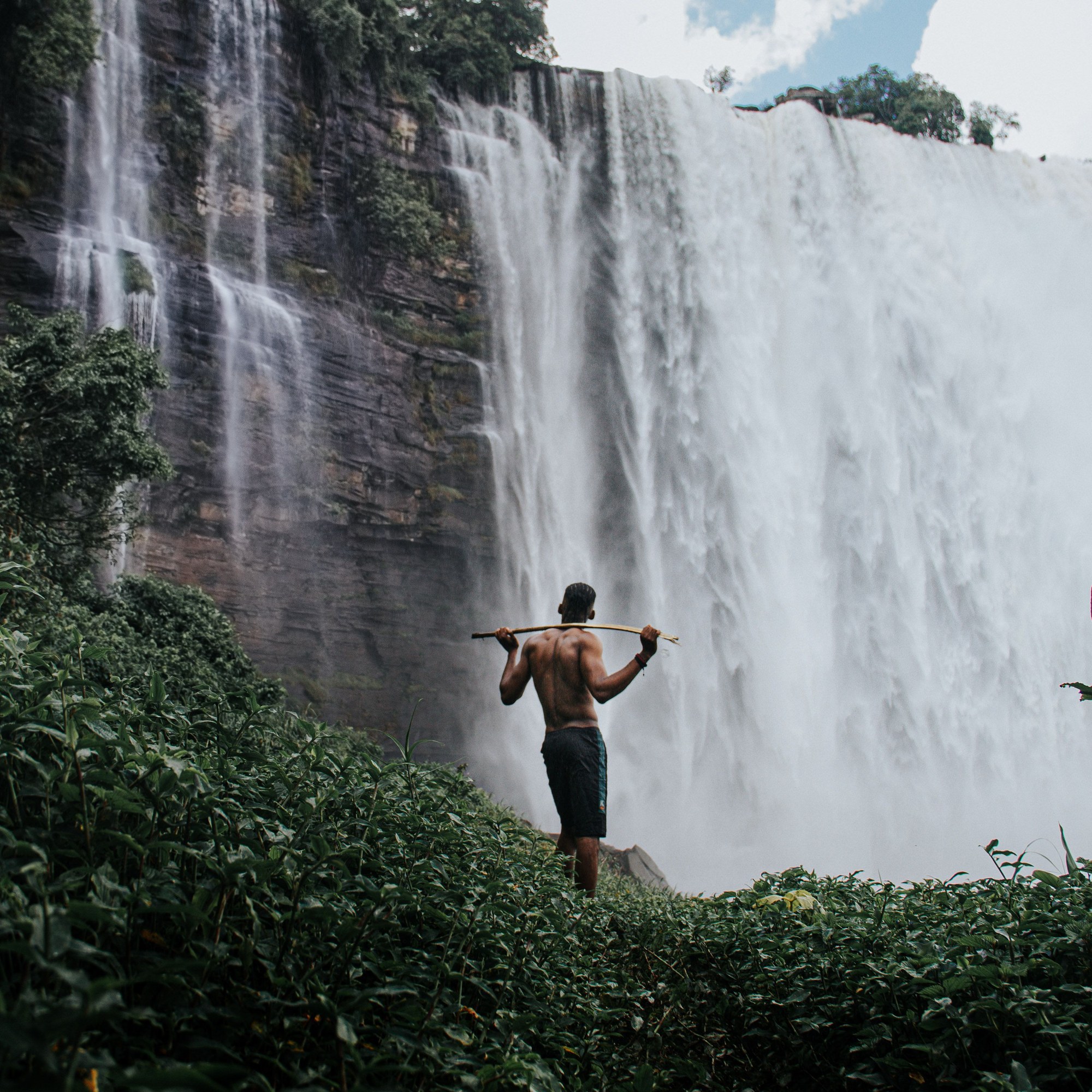
Malanje province in the northern interior hosts Kalandula Falls, one of Africa’s most colossal natural spectacles. Fed by the Lucala River, the falls span a horseshoe crest four hundred meters wide, plunging into a mist-filled canyon. Unlike commercialized waterfalls elsewhere on the continent, Kalandula remains largely undeveloped, allowing visitors to walk right to the precipice and hike down into the forested gorge in relative solitude.
Navigating the Vast Territory: 4WD Expeditions, Police Checkpoints, and Fuel Logistics
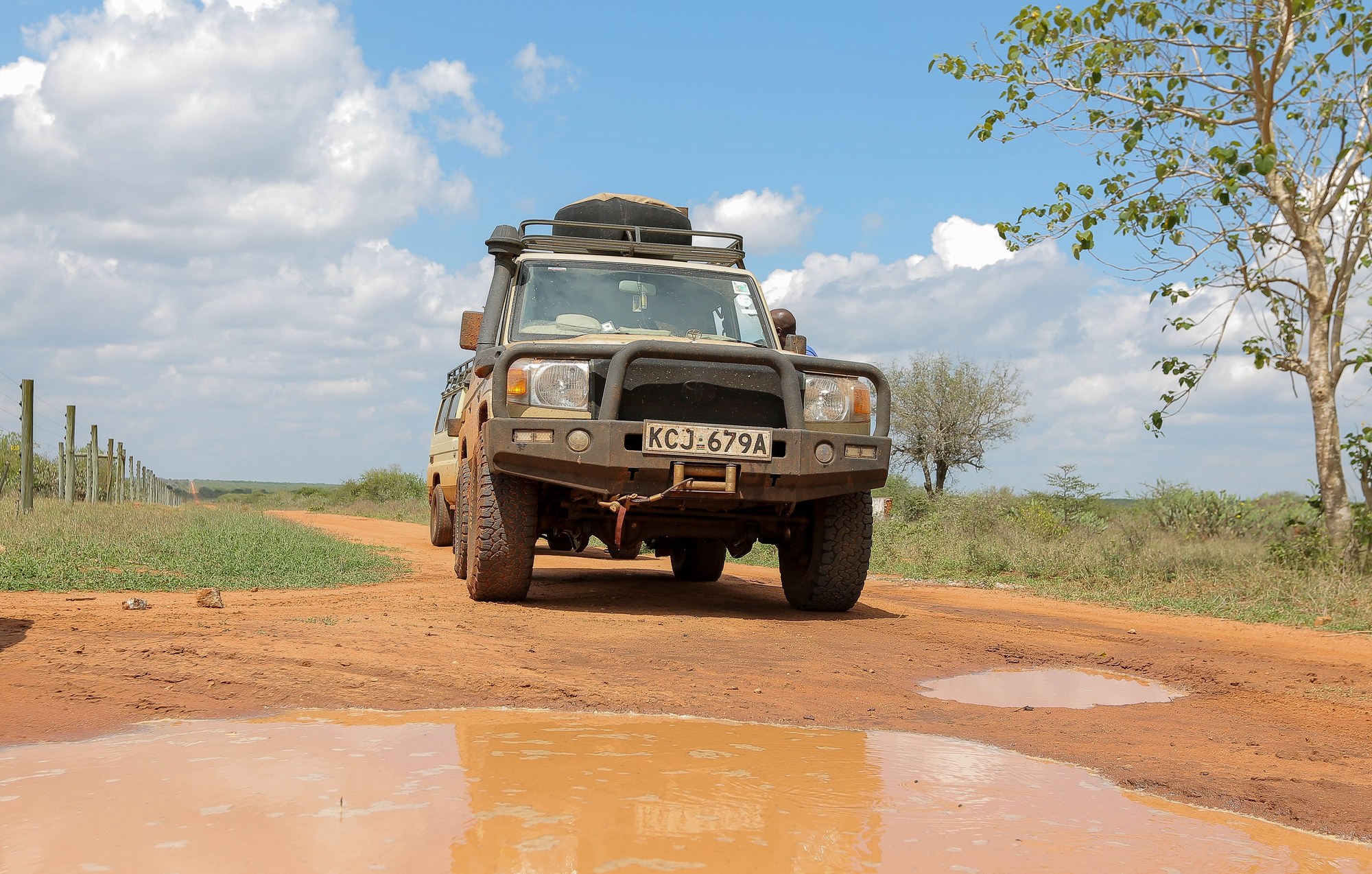
Independent overland travel across Angola requires a heavy-duty 4WD vehicle, like a Toyota Land Cruiser or Hilux. While primary transit arteries—such as the EN230 to Malanje and the coastal EN100 to Benguela—have been repaved, surfaces deteriorate quickly. Deep potholes, missing bridge spans, erosion gullies, and heavy freight traffic demand defensive driving and robust suspension.
Police checkpoints (postos de controlo) are frequent along highways. Located at provincial borders and town approaches, they involve national police, military personnel, and customs wardens. Slow down before the barrier, switch off high beams, roll down your window, and greet officers politely in Portuguese with ‘Bom dia’ or ‘Boa tarde.’
Keep vehicle papers organized in a clear folder: your passport with entry stamp, International Driving Permit, vehicle registration (livrete), and insurance. Officers may verify safety gear: two warning triangles, a reflective vest, an unexpired fire extinguisher, and a first-aid kit. Remaining patient and respectful resolves inspections quickly.
Fuel logistics require constant vigilance. State-owned Sonangol service stations operate in major towns, but fuel supplies can be erratic in rural districts. A provincial station may run out of diesel or gasoline for days at a time. The fundamental rule of Angolan road travel is never to pass an operational fuel station without filling your main tank, regardless of fuel levels. For long-distance interior journeys, carry at least two sturdy 20-liter metal jerry cans of extra fuel.
Driving at night outside Luanda should be avoided under all circumstances. Unlit roads, pedestrians walking along dark shoulders, broken-down heavy trucks left without warning triangles, and livestock wandering onto the tarmac create extreme hazards after sunset. Schedule your daily travel to reach your evening destination before darkness falls at approximately 18:00.
The 11-Day Malanje and Southern Coast Overland Itinerary
This 11-day route connects the Atlantic capital of Luanda with the geological wonders of Malanje province and the dramatic mountain escarpments of the south. It combines overland 4WD driving with a regional flight to maximize time across Angola’s colossal landscapes.
| Day / Stage | Base | Highlights | Transport Mode | Transit Time | Advance Booking Requirement |
|---|---|---|---|---|---|
| Day 1 | Luanda | Arrival, airport currency exchange, 4WD vehicle collection, Marginal sunset | Airport taxi or rental 4WD | 45 min city drive | Reserve 4WD expedition vehicle 1 month ahead |
| Day 2 | Kwanza River / Cabo Ledo | Fortaleza de São Miguel, Slavery Museum, Miradouro da Lua cliffs | 4WD vehicle | 2.5 hours coastal highway driving | Book Cabo Ledo surf lodge or river camp |
| Day 3 | Ndalatando, Kwanza Norte | Kissama National Park wildlife drive among baobabs, drive up Kwanza corridor | 4WD vehicle | 4.5 hours highway & park tracks | Confirm park ranger at Kissama entrance |
| Day 4 | Kalandula, Malanje | Scenic climb into Malanje plateau, arrival at Kalandula Falls, gorge walk | 4WD vehicle | 4 hours paved highway driving | Reserve Pousada Calandula 2 months ahead |
| Day 5 | Malanje Town | Sunrise over Kalandula Falls, giant monoliths of Pedras Negras de Pungo Andongo | 4WD vehicle | 3.5 hours rural gravel & tarmac | Engage local guide at Pungo Andongo village |
| Day 6 | Luanda | Return overland drive to Luanda, vehicle inspection, Ilha do Cabo dining | 4WD vehicle | 6.5 hours highway driving (400 km) | Schedule vehicle maintenance check |
| Day 7 | Lubango, Huíla | Morning domestic flight to Lubango, Cristo Rei statue, Tundavala volcanic abyss | Domestic flight & rental 4WD | 1.5 hours flight; 2 hours local drive | Book TAAG Angola domestic flight early |
| Day 8 | Namibe (Moçâmedes) | Descent down Serra da Leba pass switchbacks, drive into coastal Namib Desert | 4WD vehicle | 3 hours mountain & desert drive | Book coastal lodge in Moçâmedes |
| Day 9 | Iona National Park / Namibe | Welwitschia mirabilis plants, coastal desert dunes meeting ocean, Tombua harbor | 4WD vehicle | 6 hours off-road desert expedition | Hire experienced local desert tracker/driver |
| Day 10 | Lubango | Morning drive back up Serra da Leba pass to Lubango plateau, artisan market | 4WD vehicle | 3 hours mountain ascent | Check weather on pass before driving |
| Day 11 | Luanda & Departure | Morning flight to Luanda, Benfica craft market, international departure | Domestic flight & airport transfer | 1.5 hours flight; city transit | Reconfirm international flight check-in |
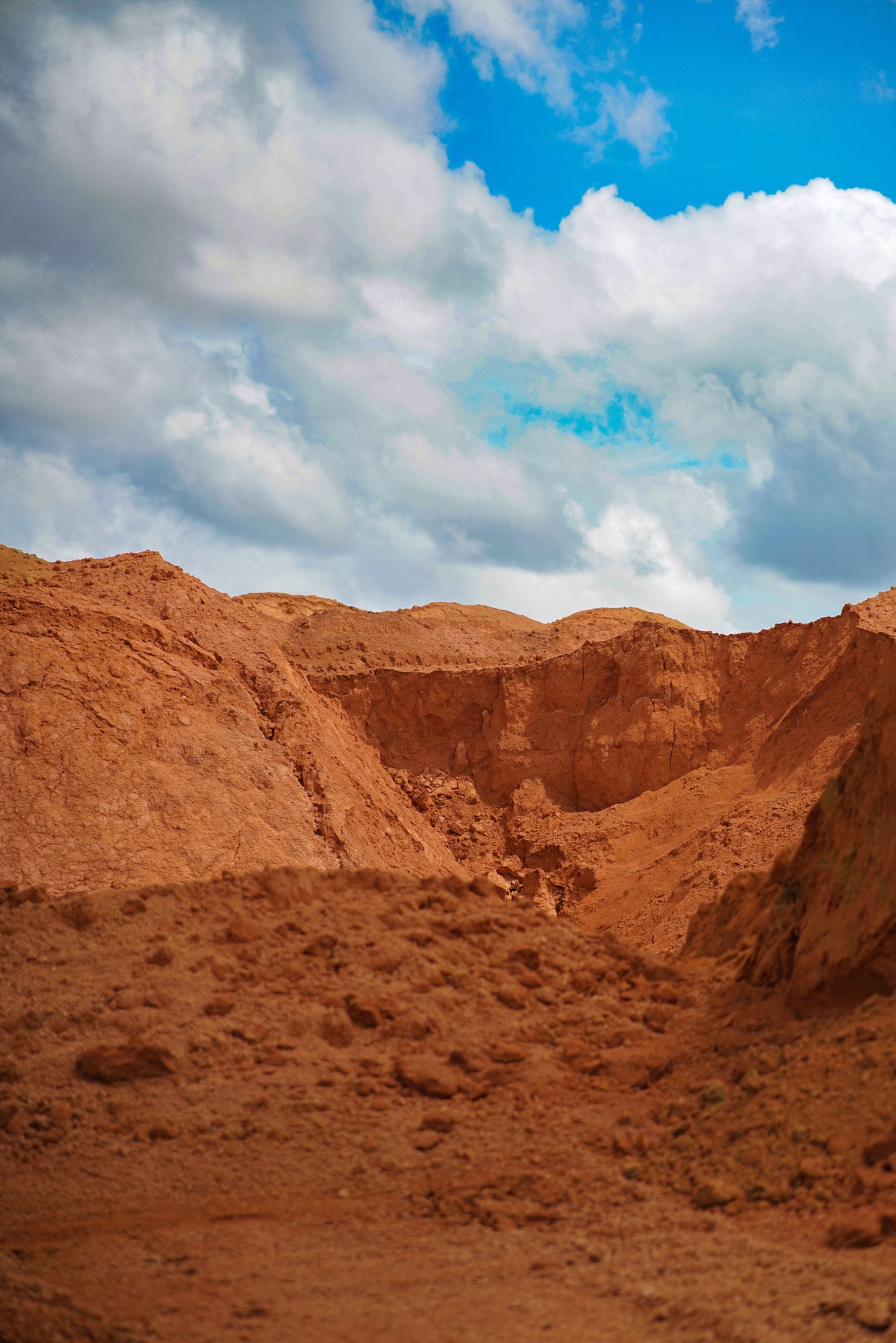
Days 1 through 3 travel from Luanda down the Atlantic coast to the eroded moonscape of Miradouro da Lua. Located sixty kilometers south of the capital, these red clay cliffs and white chalk canyons have been carved by centuries of Atlantic rainfall and winds. The clifftop viewing deck at sunset reveals striking color shifts as the clay turns deep crimson.
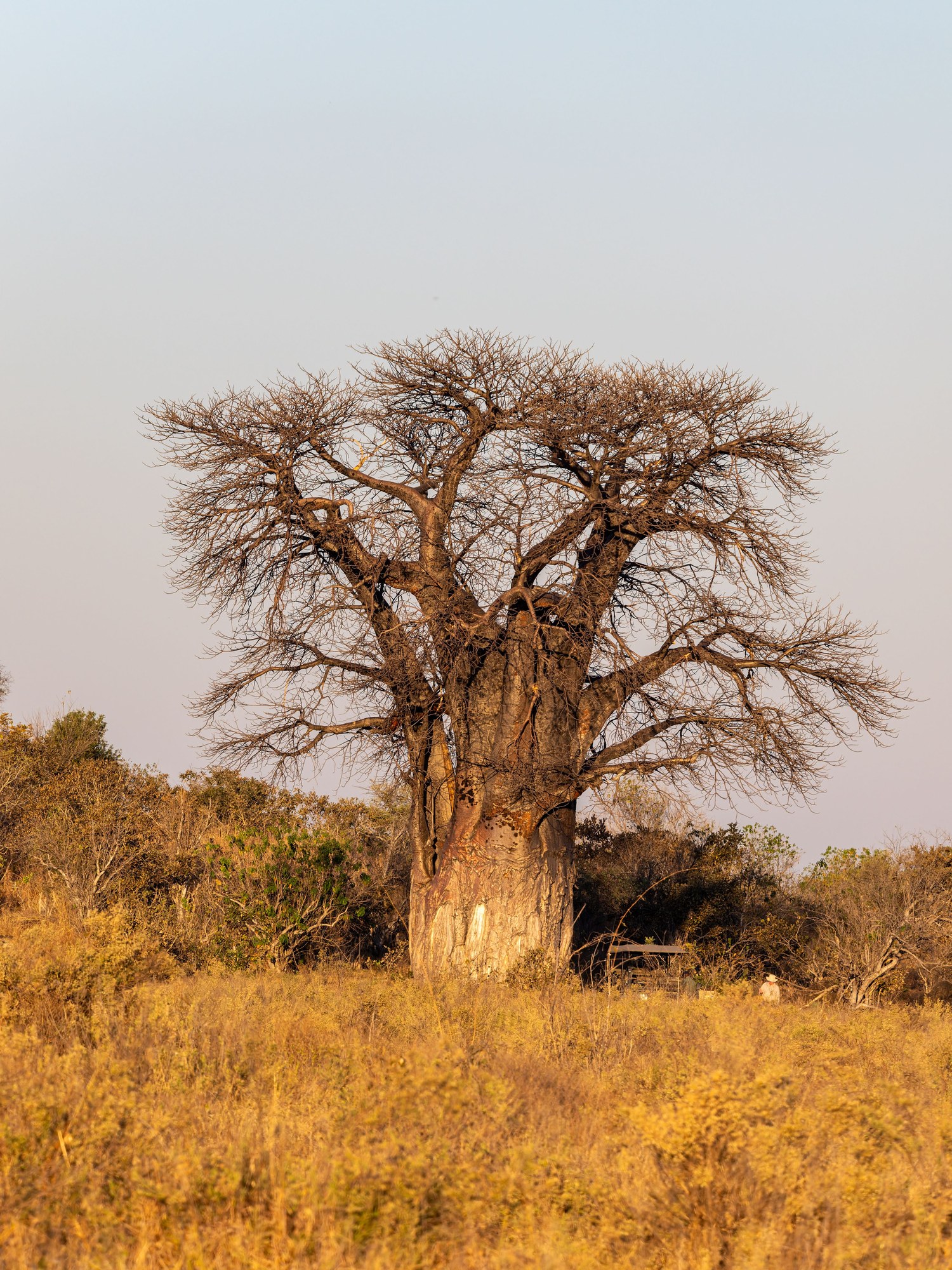
Continue inland into Kissama (Quiçama) National Park along the Kwanza River. While wildlife numbers dropped during the civil war, Operation Noah’s Ark airlifted breeding herds of elephants, zebras, and giraffes from South Africa and Botswana. Today, game drives take you across grassy plains studded with colossal baobabs (Adansonia digitata) that are centuries old.
Malanje Province: The Splendor of Kalandula and Pedras Negras
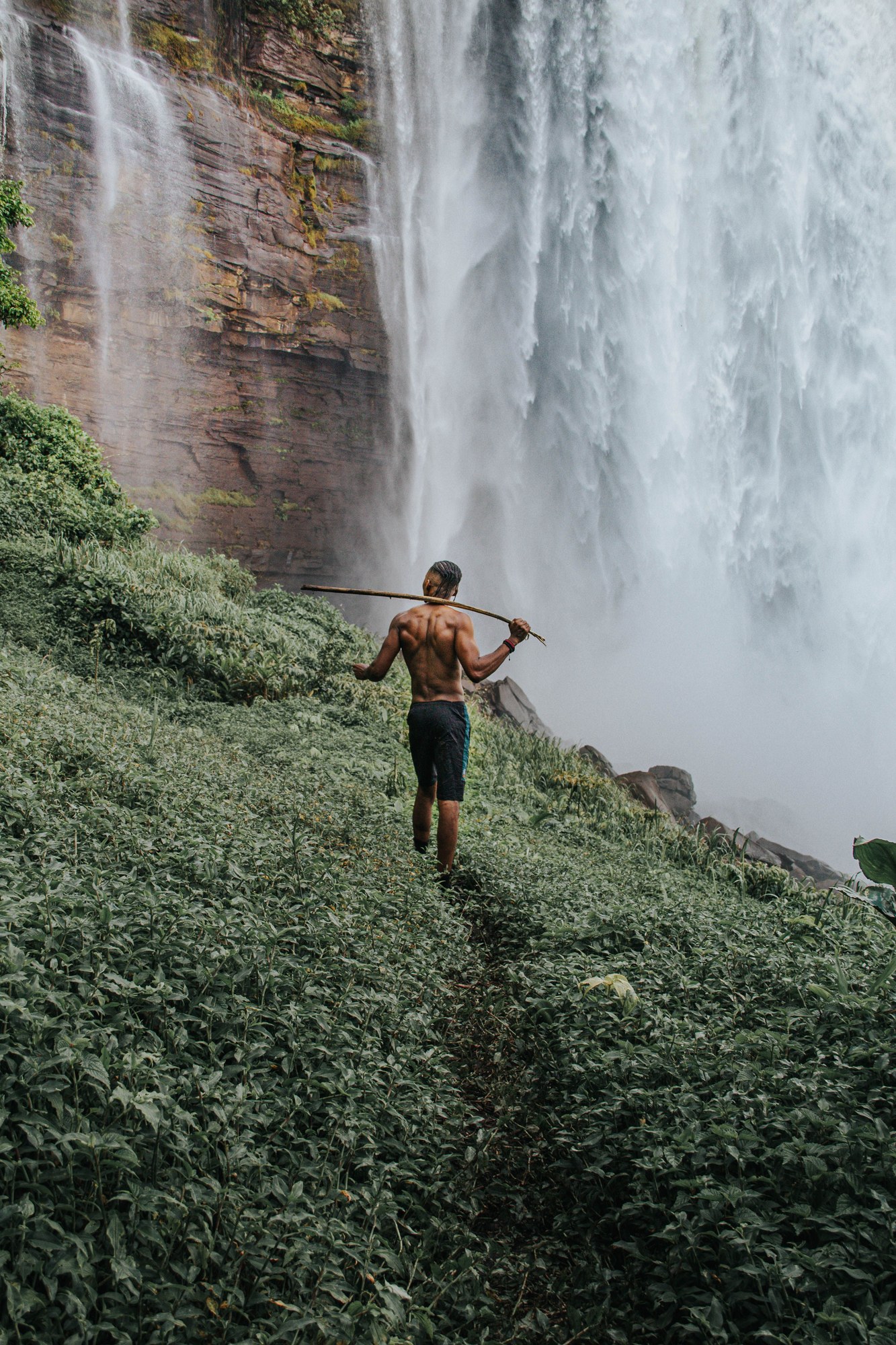
Heading east along the EN230 brings you into the agricultural highlands of Malanje province. Kalandula Falls on the Lucala River is a spectacle of immense geological power. The river pours over a 105-meter cliff face in a wide arc, sending rising mist clouds into the surrounding forest, with zero commercial development or guardrails.
Visitors can admire the view from the upper rim near the historic pousada, or hire a local village guide to lead the steep descent down through rainforest to the base of the cataract. Standing at river level amid the thunderous roar and spray is a humbling encounter. Wear sturdy shoes with aggressive tread, as rocks are slick with algae.
A two-hour drive south of Kalandula lies Pedras Negras de Pungo Andongo (the Black Rocks of Pungo Andongo). These gigantic, rounded quartz-diorite monoliths rise abruptly out of the flat savanna like ancient sentinels. The stone fortress is steeped in historical legend: it served as the royal stronghold of Queen Nzinga Mbande, the seventeenth-century warrior monarch of the Ndongo and Matamba kingdoms who resisted Portuguese colonial expansion. A local guide can show you Queen Nzinga’s legendary footprint carved into the solid rock.
The Dramatic South: Serra da Leba, Tundavala, and the Namib Desert
Southwestern Angola offers dramatic geological transitions. A domestic flight with TAAG Angola Airlines from Luanda to Lubango brings you to the elevated Huíla plateau at 1,800 meters. Here, the climate is crisp, temperate, and agricultural. Above Lubango stands the white Cristo Rei statue, offering panoramic views across the city valley.
A short drive west brings you to the Tundavala Gap, an astonishing geological abyss where the mountain escarpment terminates abruptly. The cliff drops vertically for more than 1,200 meters down to the shimmering coastal plain. Standing on the edge of this sheer drop with raptors soaring on thermal updrafts is an exhilarating experience.
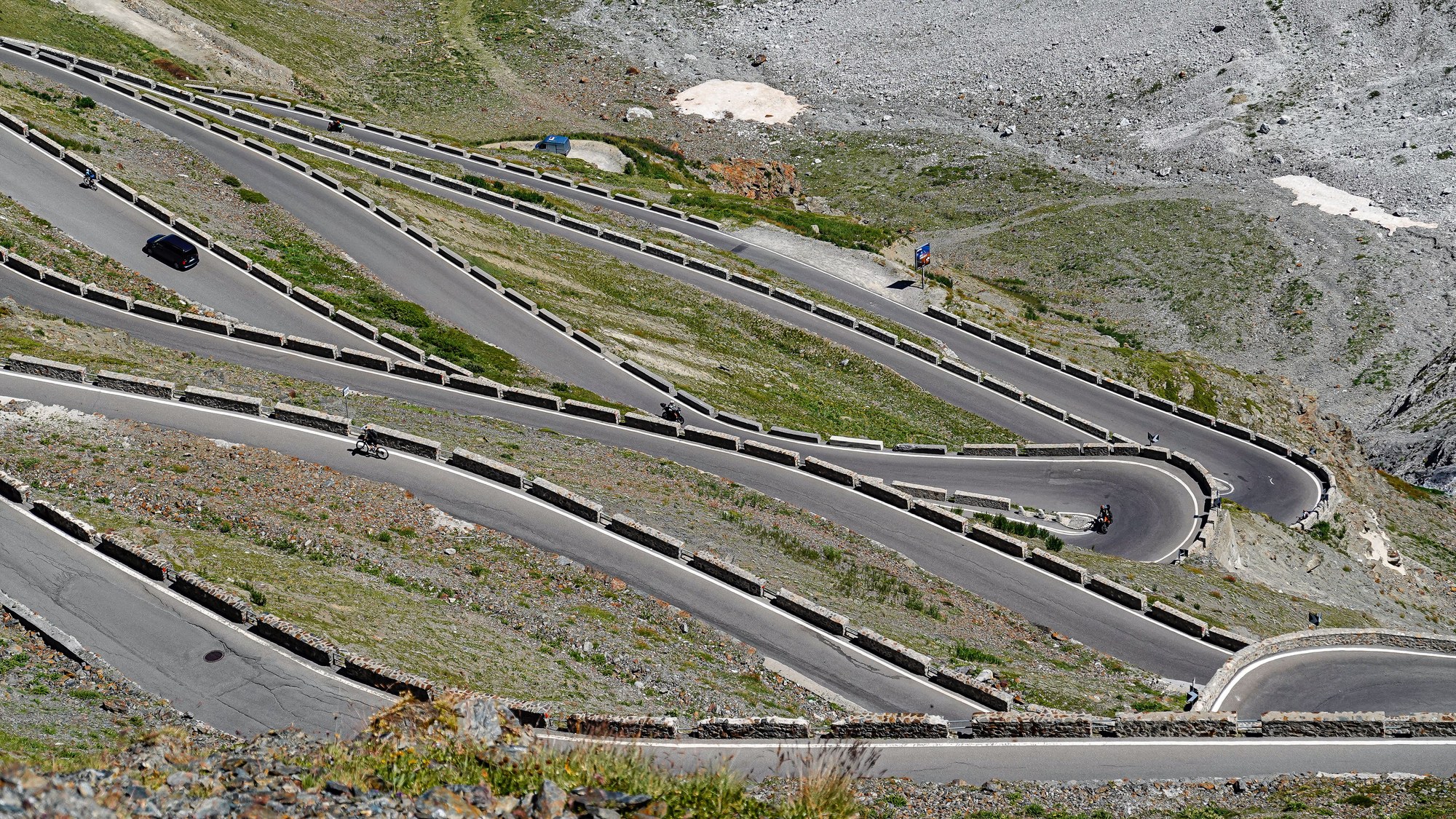
From Lubango, drive west down the legendary Serra da Leba mountain pass. Engineered in the late 1960s, this highway drops over 1,000 vertical meters down the escarpment face through a series of seven perfectly engineered hairpin switchbacks. As you descend, the lush mountain flora rapidly gives way to arid acacia scrub, and finally to the stark sand plains of the Namib Desert.
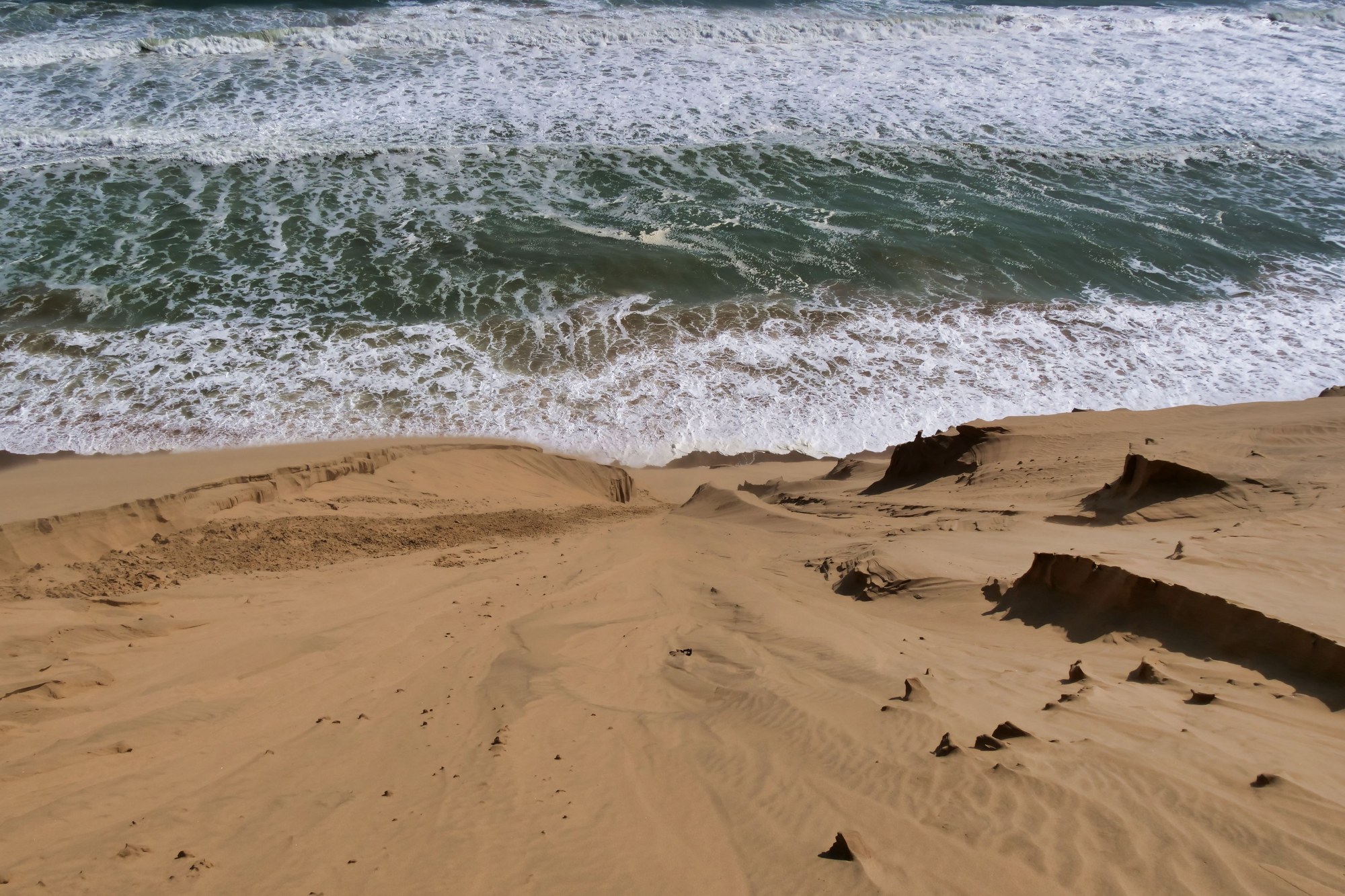
The coastal province of Namibe (formerly Moçâmedes) is the northern frontier of the ancient Namib Desert. In Iona National Park, vast sand dunes meet the pounding cold Atlantic surf. The gravel plains are home to the remarkable Welwitschia mirabilis, a prehistoric desert plant with only two leaves that grow continuously throughout its lifespan, with individual specimens surviving for well over a thousand years in extreme arid conditions.
Where to Base Yourself: Luanda Hotels to Bush Camps
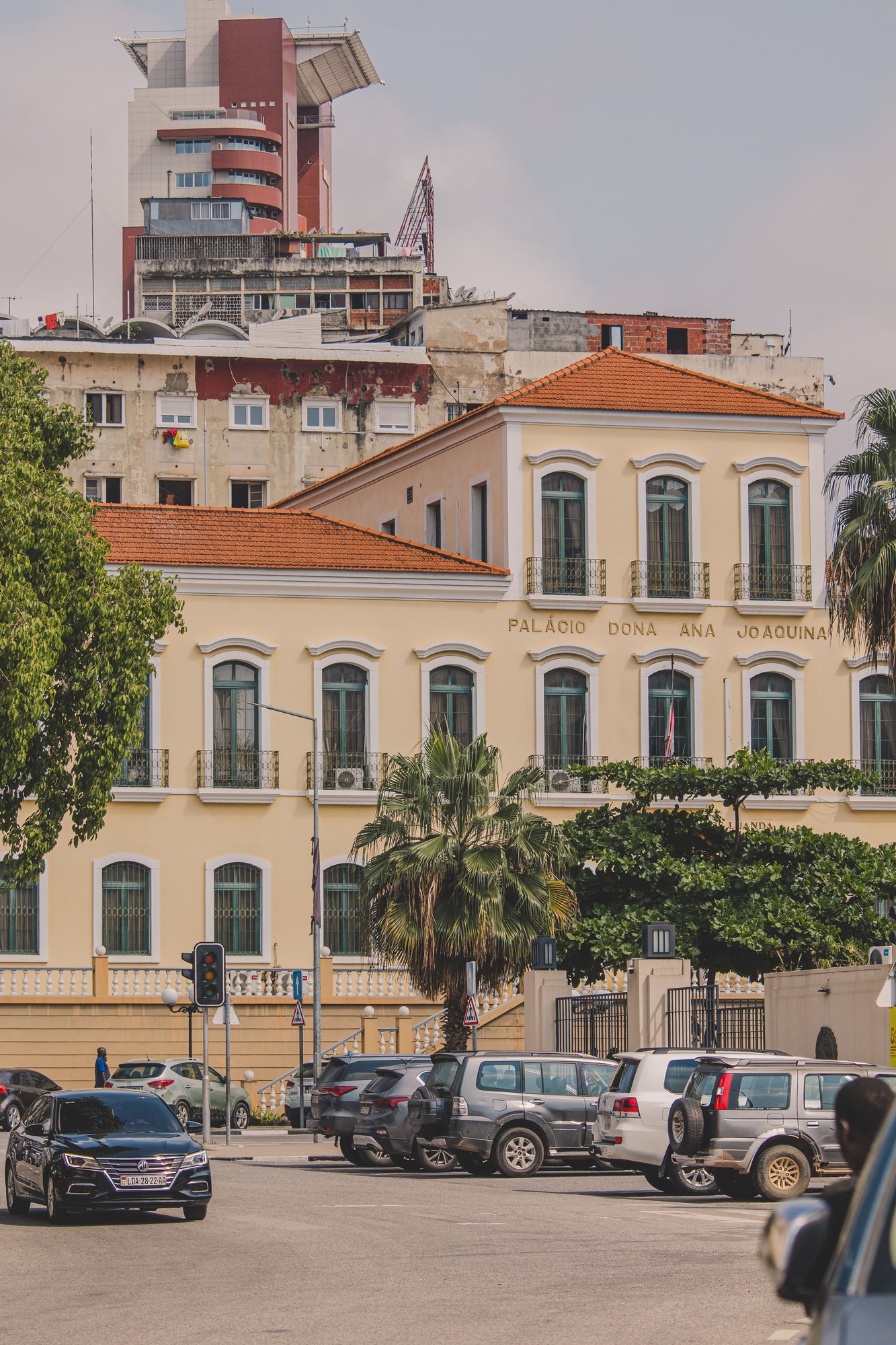
Accommodation in Angola reflects developing tourism infrastructure. Luanda features high-end international business hotels catering to petroleum sector executives, alongside boutique beachfront guesthouses on Ilha do Cabo. City hotels can be exceptionally expensive, while offering dependable amenities, security, and restaurant dining.
Outside the capital, accommodation is simpler and more authentic. At Kalandula Falls, Pousada Calandula offers rustic charm with private balconies directly facing the waterfall. In Lubango, mountain hotels provide fireplaces, while in Namibe, coastal guesthouses provide fresh Atlantic seafood. When venturing into Iona National Park, rooftop tent camping with your 4WD is the standard.
Cash Economics: The Multicaixa Barrier and Foreign Exchange Rules
Understanding Angola’s financial landscape is critical for independent travellers. The national currency is the Angolan Kwanza (AOA). The country operates a sophisticated domestic electronic payment network known as Multicaixa, which locals use for everything from supermarket groceries to fuel purchases via domestic debit cards and mobile apps.
However, foreign international credit cards (Visa and Mastercard) are rarely accepted outside high-end international hotels in Luanda and major airline counters. Street ATMs connected to Multicaixa frequently reject international cards, and those that do accept them often run out of cash (sem notas). You cannot rely on plastic cards for daily road travel, fuel stations, park entry fees, or dining outside Luanda.
Travellers must bring physical cash in US Dollars or Euros. Crucially, US Dollar bills must be uncreased, unmarked, and printed in 2013 or later (featuring the blue security ribbon). Banks and bureaus will reject older or stamped notes. Exchange foreign currency upon arrival at licensed exchange bureaus (casas de câmbio) or commercial bank branches (BFA, BAI, Banco BIC) in Luanda.
Field Connectivity, Navigation, and Health Protocols
Telecommunications across Angola are led by Unitel, the dominant nationwide cellular provider, alongside Africell and Movicel. Unitel operates solid 4G/LTE mobile coverage throughout Luanda, provincial capitals, and along primary paved highway corridors. Data connections are fast enough for messaging, email, and travel logistics.
To ensure instant digital connectivity upon touching down at Luanda’s 4 de Fevereiro International Airport, install an eSIM before departure. The Angola eSIM from NXTL connects automatically to the local Unitel LTE network at $139.70 per gigabyte. Because satellite backhaul tariffs in developing markets carry premium rates, exercise strict bandwidth discipline: download comprehensive offline maps through Google Maps, cache Portuguese translation files, and disable background app refresh. Unused credit stays available for later trips across more than 180 countries.
In remote desert expanses like Iona National Park or isolated mountain valleys, cellular signal drops out entirely. For off-road expeditions, carrying a satellite communicator (such as a Garmin inReach) is essential for emergency safety.
Health protocols require careful preparation. An international certificate of vaccination against Yellow Fever is legally mandatory for entry and will be inspected by health officials. Malaria is endemic throughout the country, including in Luanda; taking prescription antimalarials and using insect repellent are essential health measures.
Five Essential Precautions: Scams, Road Hazards, and Police Checkpoints
While the Angolan people are welcoming and curious about foreign visitors, travel in an emerging post-conflict country requires strict situational awareness.
- Unofficial Checkpoint Demands: Police checkpoints are frequent along provincial highways. Occasionally, officers may attempt to solicit informal ‘gasolina’ payments (bribes) for alleged infractions. Always remain calm, polite, and respectful. Never offer cash bribes. Speak polite Portuguese, present your official documents, and ask for an official fine receipt (auto de notícia).
- Multicaixa ATM Failure and Cash Shortages: Never expect to withdraw cash from rural ATMs outside Luanda. Most regional ATMs only service domestic cards or run completely out of banknotes. If you run out of cash in Malanje or Namibe, you cannot buy fuel or food. Carry sufficient US Dollars or Euros for your entire trip, exchanging in major towns.
- Severe Potholes and Night Driving Hazards: Potholes on national highways can be half a meter deep, capable of shattering rims and puncturing tires. Unlit heavy transport trucks frequently break down in travel lanes without warning triangles. Avoid driving after dark, and carry two full-sized spare tires and an electric tire compressor.
- Landmine and UXO Caution in Remote Areas: While major roads and towns have been cleared of civil war landmines, uncleared ordnance may still exist in unmapped rural bushveld. Never drive off established tracks, do not walk past painted red danger stones, and avoid wandering into abandoned military trenches or ruined colonial structures.
- Fuel Shortages in Provincial Stations: Sonangol fuel stations in provincial towns frequently experience delivery delays. Arriving at a remote outpost on an empty tank to find yellow tape across pumps can strand you for days. Top up your vehicle at every operational station and carry two 20-liter jerry cans on all interior legs.
Frequently Asked Questions About Travelling in Angola
Do I need a visa to travel to Angola for tourism?
Citizens of roughly 98 countries—including European Union member states, the United States, Canada, the United Kingdom, Australia, and Brazil—can enter Angola without an advance visa for tourism stays of up to 30 days per visit (up to 90 days per calendar year) under Presidential Decree 189/23. You must present a valid passport with six months validity, proof of accommodation, return flight, and a yellow fever vaccination card on arrival.
Can I use international credit cards in Angola?
International credit cards (Visa and Mastercard) are accepted only at luxury hotels in Luanda and select airline offices. The vast majority of businesses, restaurants, fuel stations, and provincial guesthouses operate exclusively on domestic Multicaixa debit cards or physical cash. You must bring sufficient cash in US Dollars or Euros to exchange into Kwanzas.
Is it safe to drive independently across Angola?
Yes, provided you are an experienced 4WD driver who adheres to daylight travel. Violent crime against overland travellers is rare outside certain urban quarters in Luanda. The primary dangers are road infrastructure hazards: deep potholes, livestock, and unlit vehicles at night. Maintain safety equipment and obey checkpoint protocols.
What language is spoken, and is English understood?
Portuguese is the official language of Angola, spoken across all provinces alongside national languages like Umbundu and Kimbundu. English is rarely understood outside multinational corporate offices and luxury hotels. Having a working knowledge of basic Portuguese phrases or an offline translation app is essential for road travel.
When is the best time of year to visit Angola?
The optimal time for overland exploration is during the dry winter season (cacimbo), which runs from mid-May to September. During this period, rainfall is minimal, temperatures are pleasant (20 to 28 degrees Celsius), and unpaved roads remain passable. The rainy season from October to April can cause flooding and wash out gravel tracks.