Planning a journey to Israel requires a clear-eyed understanding of the operational environment, cultural sensitivities, and security realities. As of late 2026, the region continues to experience heightened security vigilance, dynamic official travel advisories, and active defense protocols. Presenting a conventional leisure itinerary would be misleading. Instead, travellers need an authoritative planning framework that explains how to navigate transportation, civil defense alerts, religious protocols, and regional zoning safely.
This guide is designed for independent visitors, cultural researchers, pilgrims, and family travellers who require practical, actionable advice. Travel within the central corridor—encompassing Tel Aviv, Jerusalem, the Dead Sea basin, and the central Negev Desert—remains accessible with careful preparation. Conversely, border sectors in the far north adjacent to Lebanon and Syria, as well as the southern perimeter bordering Gaza, remain active military zones subject to strict civilian travel restrictions and official warnings.
Successful travel demands situational awareness, flexibility, and technological readiness. You must know how to respond to civil defense sirens, understand the total public transit freeze during the Jewish Sabbath (Shabbat), navigate digital transit payments, and respect the cultural protocols governing holy sites across multiple faiths. An eight-day route focusing on Tel Aviv, Jerusalem, and the Dead Sea provides a well-buffered introduction to the country.
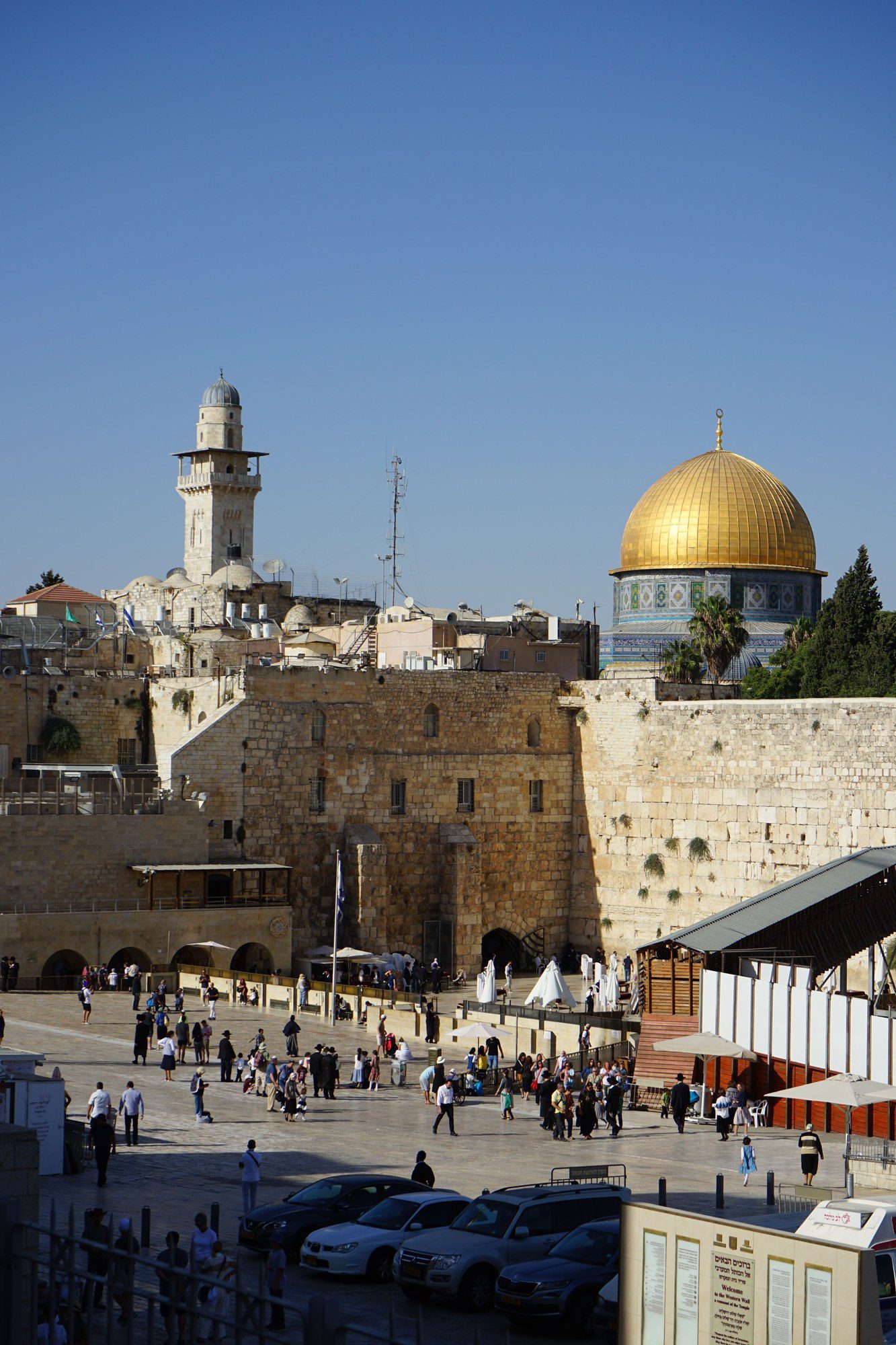
Jerusalem’s Old City represents the spiritual epicenter of the country, where centuries of Jewish, Christian, Muslim, and Armenian heritage overlap within one square kilometer of stone ramparts. Navigating this quarter requires modest dress, patience at security checkpoints, and respect for living religious traditions that shape daily community life.
Security Infrastructure and Essential Preparedness: Alerts, Shelters, and Airport Protocols
The foundational rule of contemporary travel in Israel is installing the official Home Front Command (Pikud HaOref) smartphone application before or immediately upon arrival. This application delivers real-time, location-based civil defense alerts for rocket fire and aerial threats. Ensure the app has location access and that audio notifications override silent mode. Familiarize yourself with the alert sound (Tzeva Adom) and local shelter response procedures.
Shelter infrastructure is advanced and ubiquitous. Depending on location, warning times between an alert and potential impact range from immediate near borders to 90 seconds in Tel Aviv and Jerusalem. Three primary shelter types exist: public underground shelters (miklat), marked on streets with civil defense signs; reinforced security rooms (mamad) built into modern apartments and hotels with heavy steel shutters; and internal building stairwells. Always identify the nearest shelter upon checking in.
Arrival and departure take place through Ben Gurion International Airport (TLV). Flight schedules can change, so monitor airline bookings closely. Airport security questioning is thorough and rigorous; arrive at Terminal 3 at least three hours before international departures. Automated border kiosks issue an electronic entry slip (blue paper B2 card) rather than a passport stamp. Keep this slip inside your passport until departure, as hotels require it for the 17% VAT exemption.

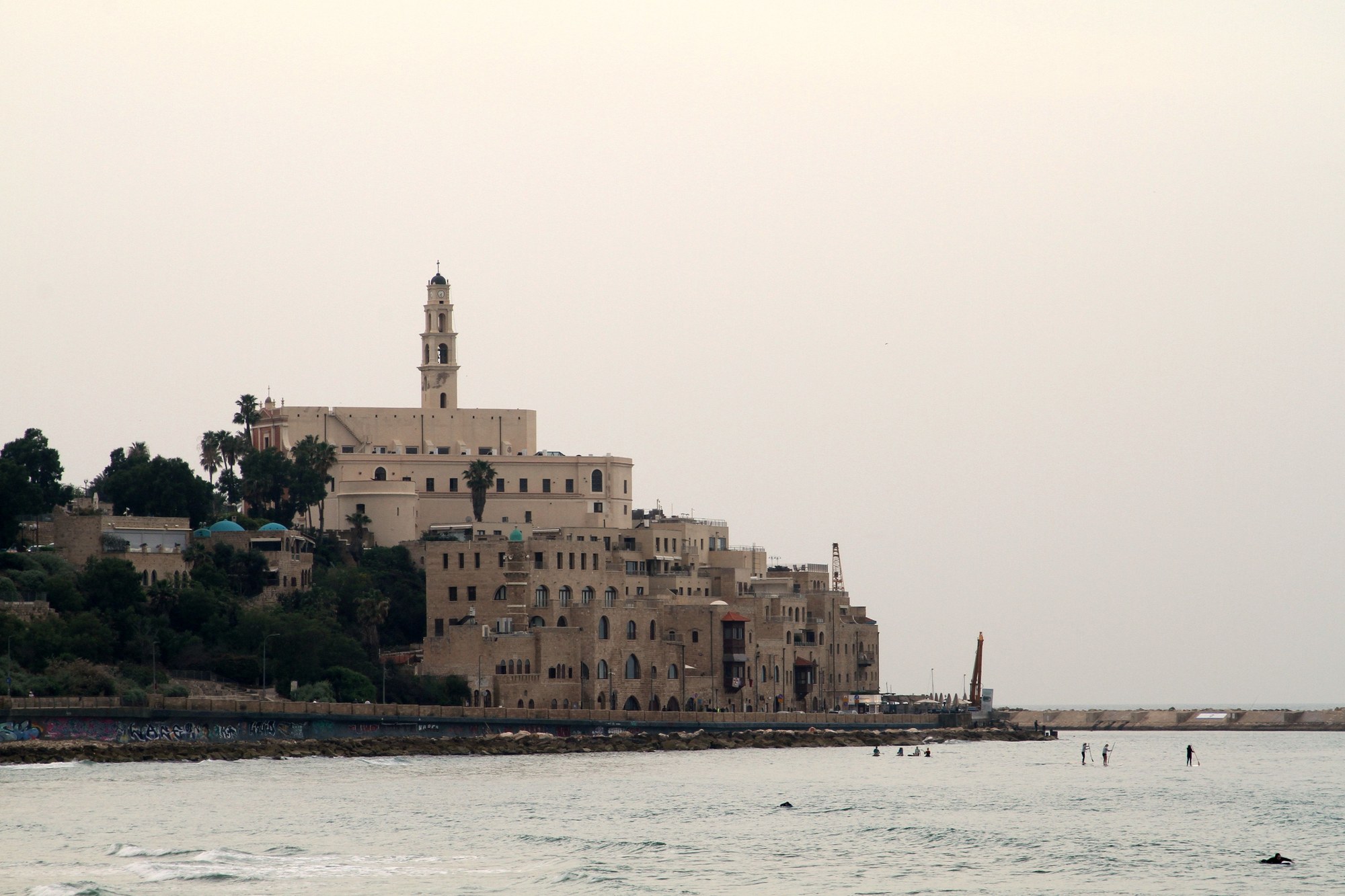
Urban life in Tel Aviv contrasts sharply with Jerusalem’s historical solemnity. Spanning fourteen kilometers of Mediterranean coastline, Tel Aviv is a modern commercial and culinary hub. The beachfront promenade links the northern marina with ancient Jaffa, while inland boulevards showcase the world’s largest concentration of 1930s Bauhaus architecture, designated as a UNESCO World Heritage site.
Personal safety regarding street crime is favorable across major Israeli cities; violent street crime against tourists is rare. The primary considerations are situational security awareness, observing military directions, avoiding political protests or spontaneous demonstrations in city squares, and adhering strictly to marked trails in national parks.
The 8-Day Central Corridor Route: Tel Aviv, Jerusalem, and the Dead Sea
This eight-day itinerary focuses strictly on the secure central corridor and southern desert, avoiding volatile northern and southern border perimeters. It incorporates realistic transport buffers, public transit realities, and the weekly Shabbat shutdown.
| Day / Stage | Base | Highlights | Transport Mode | Transit Time | Advance Booking Requirement |
|---|---|---|---|---|---|
| Days 1–2 | Tel Aviv | Arrival, Mediterranean promenade, Old Jaffa port, Carmel Market, Bauhaus walk | Airport train & walking | 15 min train from TLV; local walking | Book central hotel; install Home Front app |
| Day 3 | Jerusalem | Express train to Jerusalem, Western Wall plaza, Church of the Holy Sepulchre, Via Dolorosa | High-speed train & light rail | 25 min train (Tel Aviv to Navon) | Load Rav-Kav card or transit app before boarding |
| Day 4 | Jerusalem | Yad Vashem memorial, Israel Museum (Dead Sea Scrolls), Mahane Yehuda market | Jerusalem Light Rail & bus | 20 min light rail transit | Reserve Yad Vashem free entry time slot online |
| Day 5 | Jerusalem | Mount of Olives viewpoint, Garden of Gethsemane, pre-Shabbat afternoon market walk | On foot & city bus | Walking & short bus hops | Verify Friday transport shutdown times (15:00) |
| Day 6 | Dead Sea (Ein Bokek) | Rental car drive via Judean Desert, Ein Gedi oasis hike, floating at Ein Bokek beach | Rental car | 1.5 hours highway driving | Pick up rental car Thursday or Friday morning |
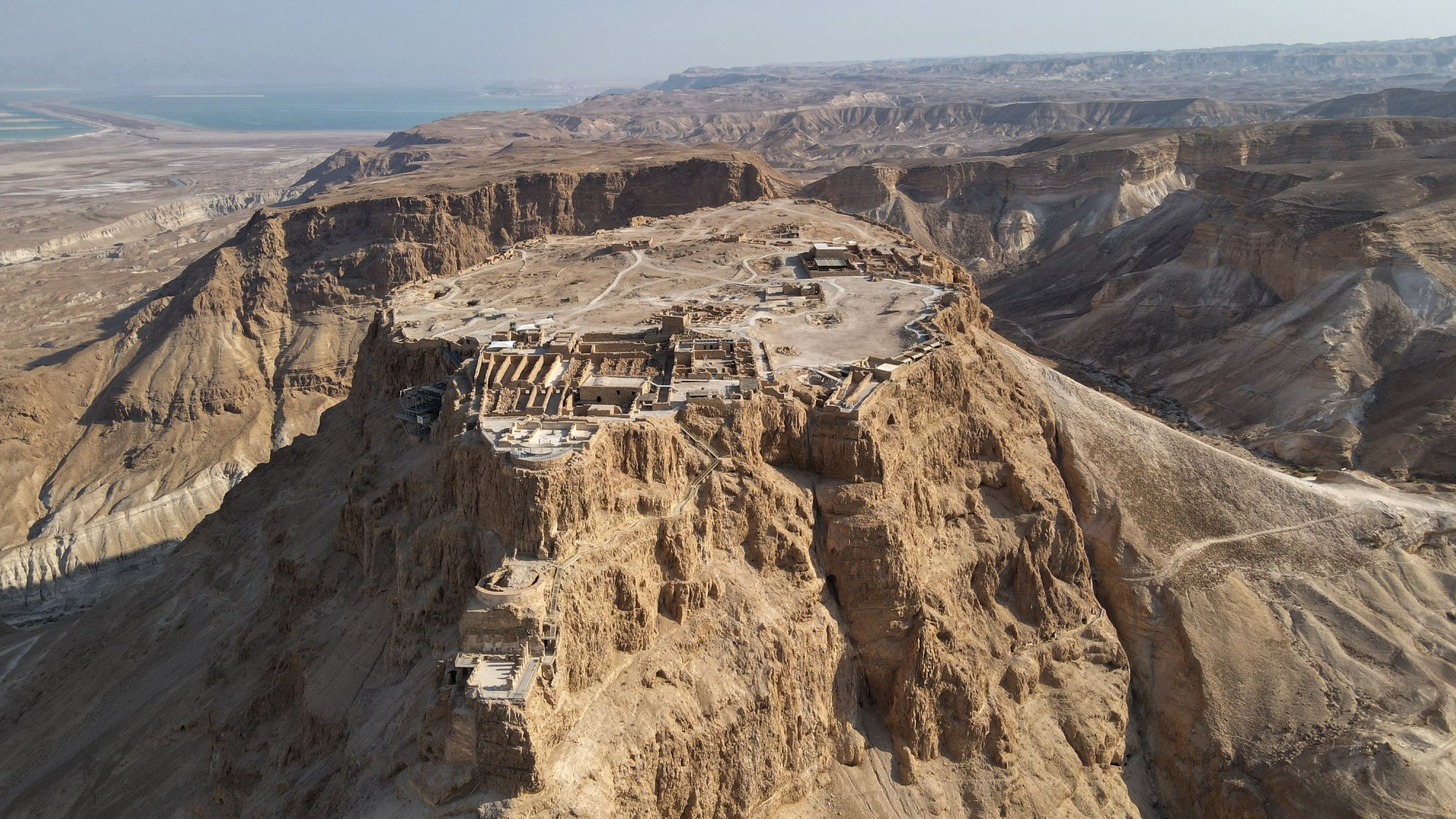
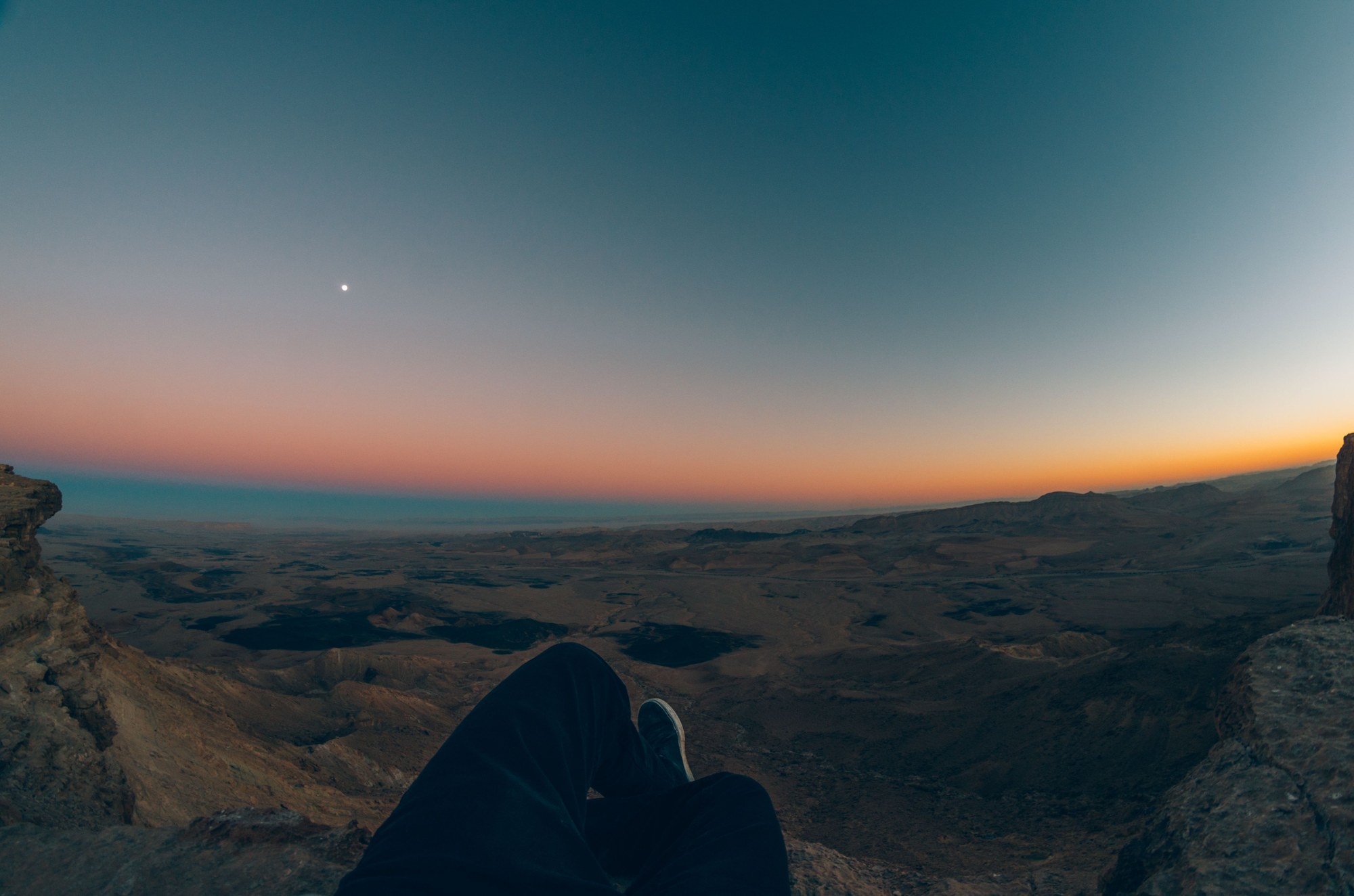
| Day 7 | Dead Sea or Mitzpe Ramon | Masada fortress plateau (cable car), desert vistas, optional Makhtesh Ramon crater | Rental car | 20 min drive to Masada; 1.5 hours to Ramon | Book Masada national park entry online |
| Day 8 | Departure Transit | Return drive via central highway, vehicle drop-off at Ben Gurion Airport, departure | Rental car or airport train | 1.5 hours drive to TLV Airport | Arrive at Terminal 3 at least 3 hours before flight |

Days 1 and 2 introduce you to Mediterranean urban culture in Tel Aviv-Yafo. Begin with a walking tour of Old Jaffa, exploring its four-thousand-year-old stone harbor, flea market, and waterfront views stretching toward modern towers. Move inland along tree-lined Rothschild Boulevard to view protected Bauhaus buildings, and sample fresh pomegranate juice and warm pita at bustling Carmel Market (Shuk HaCarmel).
On Day 3, take the high-speed electric train from Tel Aviv to Jerusalem’s Yitzhak Navon Station, travelling from sea level up through the Judean Mountains in twenty-five minutes. Transfer to the Jerusalem Light Rail to reach Jaffa Gate. Spend the afternoon exploring the four historic quarters, walking along the Via Dolorosa to the Church of the Holy Sepulchre, and descending to the Western Wall plaza.
Navigating Public Transport and the Shabbat Shutdown
Public transportation in Israel is modern, clean, and extensive, encompassing high-speed intercity trains, the Jerusalem Light Rail, the Tel Aviv light rail system (Dankal), and comprehensive bus networks. However, independent travellers must plan around digital transit ticketing and the Shabbat shutdown.
Cash is completely phased out on Israeli public buses. To travel on trains, buses, and light rail, you must use a Rav-Kav transit smartcard or install a verified mobile transport app such as Moovit, HopOn Rav-Pass, or Cello. These apps require an active internet connection to scan QR codes on vehicles and calculate multi-transit fare caps.
The defining operational factor of Israeli weekly life is Shabbat. Beginning shortly before sunset on Friday afternoon (around 15:00 to 16:00) and lasting until after dark on Saturday evening, all nationwide public transport shuts down. Trains cease running, intercity buses cancel departures, and municipal light rail systems stop in Jewish-majority municipalities. Most retail shops and local businesses shutter.
To avoid becoming stranded on Friday afternoon, structure travel deliberately. Complete intercity journeys before 14:00 on Friday. During Shabbat, transportation is limited to walking, private taxis via the Gett app, shared intercity yellow minibuses (sherut), or driving a rental car collected prior to Friday midday. Note that driving through ultra-Orthodox neighborhoods (such as Mea She’arim in Jerusalem) on Shabbat is offensive and roads are barricaded.
Jerusalem: Cultural Nuance, Sacred Sites, and Quarter Protocols
Jerusalem demands the highest degree of cultural sensitivity from foreign visitors. The Old City is divided into four historical sectors: the Jewish, Christian, Muslim, and Armenian quarters. Each quarter maintains its own community customs, dress expectations, and religious calendar. Dress conservatively when exploring holy sites: cover shoulders, upper arms, and knees.
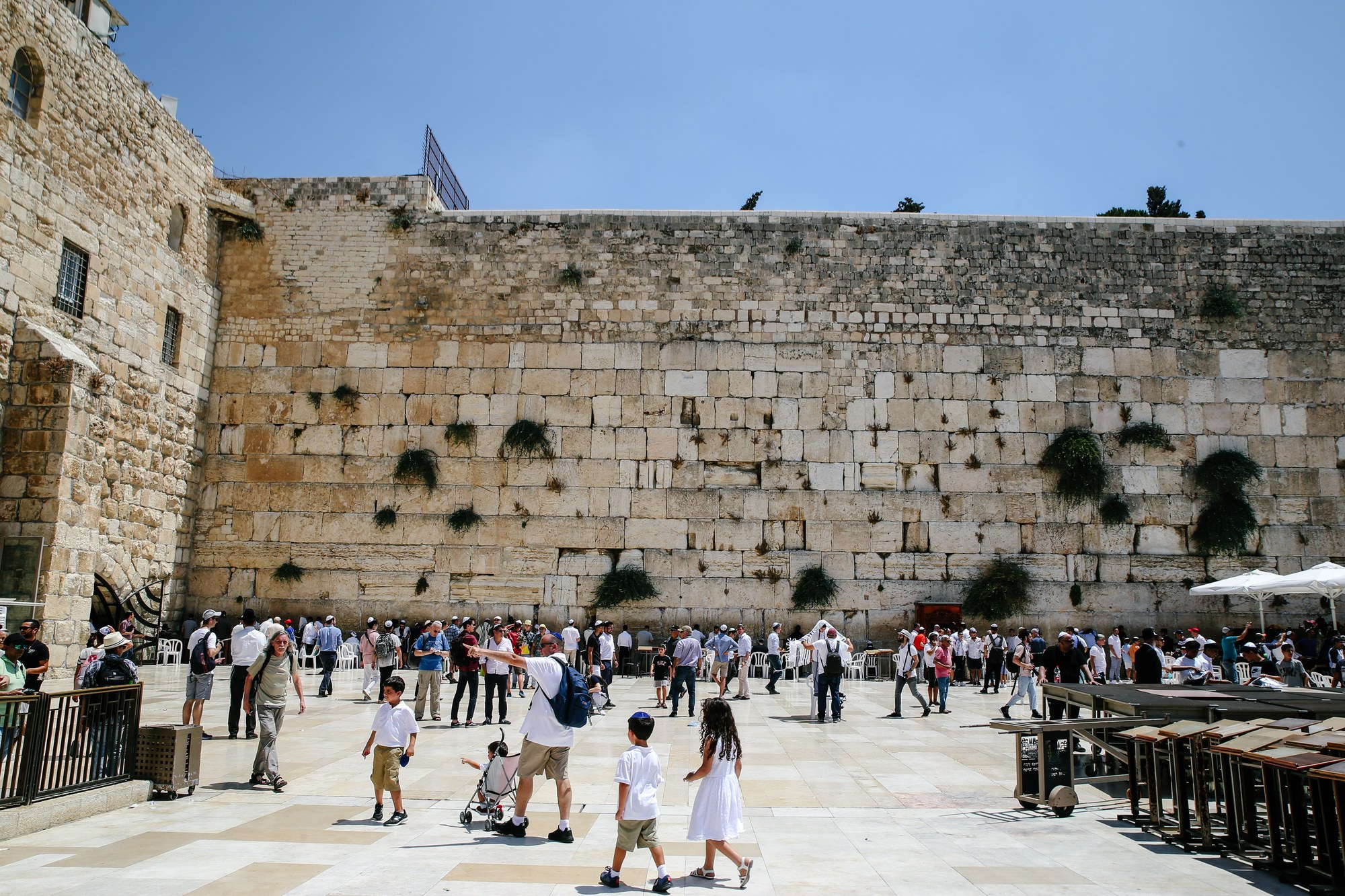
Access to the Western Wall plaza involves airport-style magnetometer security checks. Inside the open-air prayer area, the plaza divides into separate male and female sections; men must wear a head covering (kippah or hat), and modest attire is strictly enforced. On Friday evenings at sunset, the plaza fills with singing congregations welcoming Shabbat; photography and phone calls are forbidden within the prayer precinct during Shabbat hours.
Non-Muslim visitors wishing to visit the Temple Mount (Haram al-Sharif) can do so only during restricted visiting windows via the wooden Mughrabi Bridge near the Western Wall. Access is strictly controlled, lines can be lengthy, and carrying non-Islamic religious books, symbols, or prayer items onto the esplanade is prohibited by police regulation.
The Dead Sea and Negev: Geology, Climate, and Sinkhole Hazards
Descending eastward from Jerusalem toward the Dead Sea basin takes you from 800 meters above sea level to 430 meters below sea level in under an hour. Air pressure increases, humidity plummets, and ambient temperatures rise significantly. The hypersaline waters of the Dead Sea—with a mineral salt concentration exceeding 34%—make sinking impossible, creating a buoyant floating experience.
However, visiting the Dead Sea carries serious geological risks. Decades of upstream water diversion have caused water levels to drop by over one meter per year, leading to subterranean sinkhole (bolan) collapses along the shoreline. Never attempt to walk down to wild, unmonitored shorelines or ignore red hazard warning signs. Swim only at maintained resort beaches in Ein Bokek, where ground stability is monitored by engineers.
A short drive south stands the fortress plateau of Masada, an imposing natural rock mesa towering over the Judean Desert. Built by King Herod the Great as a fortified palace, Masada became the final refuge of Jewish Zealots during the First Jewish-Roman War. Visitors ascend via modern cable car or hike the Snake Path at dawn. When hiking in the desert, carry three liters of water and walk before midday heat.
Where to Base Yourself: Urban Quarters, Desert Resorts, and Enclaves
Accommodation across Israel ranges from international beachfront hotels and boutique urban apartments to desert kibbutz guesthouses. Basing yourself strategically helps manage transport logistics and weekend shutdowns.
In Tel Aviv, choosing a hotel along the central coast or near Rothschild Boulevard provides easy walking access to beaches, restaurants, and cultural avenues. In Jerusalem, basing in West Jerusalem near Jaffa Road, King George Street, or the Mamilla district places you within walking distance of Old City gates while keeping you connected to the light rail system.

For the Dead Sea segment, stay directly in the resort enclave of Ein Bokek on the southern basin. Hotels maintain direct boardwalk access to certified safe swimming beaches, freshwater showers, and wellness spas. Alternatively, travellers extending into the southern desert can stay at a kibbutz guesthouse in Ein Gedi or lodge on the crater rim at Mitzpe Ramon, where nighttime stargazing is pristine.
Field Connectivity, Navigation, and Banking Realities
Israel possesses one of the world’s most technologically advanced digital ecosystems. Telecommunications infrastructure is exceptionally robust, led by major carriers including Hot Mobile, Pelephone, Partner, and Cellcom. High-speed 5G and 4G/LTE mobile coverage is nearly universal across cities, highways, and rural communities.
Having reliable mobile cellular data is a critical safety tool in Israel. You require real-time connectivity to receive Home Front Command emergency civil defense alerts, monitor transit schedules via Moovit, and navigate road traffic via Waze. The Israel eSIM from NXTL connects across Hot Mobile, Pelephone, and Partner networks on 5G/LTE at $0.99 per gigabyte, delivering instant, high-speed mobile data upon arrival. Unused credit stays available for later trips across more than 180 countries.

Israel is an overwhelmingly cashless economy. The official currency is the Israeli New Shekel (ILS / ₪). Contactless payment methods—including Apple Pay, Google Pay, and chip credit cards—are accepted universally, from supermarkets and hotels to espresso bars, market stalls, and taxis. Carrying large amounts of physical cash is unnecessary, though holding 100 to 200 Shekels in banknotes is helpful for tipping.

Electrical current runs at 230V and 50Hz. Israel uses unique Type H three-pin sockets alongside standard European Type C two-pin round plugs. Most modern hotel outlets accommodate standard European two-pin plugs without an adapter, but carrying a universal travel adapter ensures compatibility with grounded three-pin plugs.
Five Essential Precautions: Security Alerts, Shabbat Traps, and Scams
While personal street crime is low in Israel, specific travel traps, seasonal closures, and regional safety protocols require careful attention.
- Ignoring Home Front Command Alerts and Sirens: Never treat emergency sirens or phone alerts casually. If sirens sound or your app alerts you, move immediately to the nearest designated shelter (mamad, miklat, or stairwell). Remain inside the shelter for a full ten minutes following the siren to protect against falling interception fragments.
- Shabbat Transport Freeze and Inappropriate Driving: Arriving on Friday afternoon without a transport plan can leave you stranded until Saturday night. Never drive through ultra-Orthodox neighborhoods like Mea She’arim in Jerusalem during Shabbat; doing so is offensive and causes vehicles to be blocked. Plan Friday intercity transit before midday.
- Dead Sea Wild Shorelines and Lethal Sinkholes: Avoid pulling off Highway 90 onto unmonitored shorelines to touch the Dead Sea. Subterranean sinkholes (bolanim) form silently when freshwater dissolves subsurface salt, causing ground to collapse underfoot. Swim exclusively at maintained resort beaches in Ein Bokek with lifeguards.
- Aggressive Old City “Free Guides” and Overpriced Shops: Men near Jaffa Gate or the Holy Sepulchre frequently offer ‘free’ tours or rooftop access, only to demand aggressive tips or steer tourists into high-pressure souvenir shops. Politely decline unsolicited offers and hire licensed Ministry of Tourism guides through official centers.
- Losing the Blue B2 Electronic Entry Slip: Border control issues a small blue paper slip (Form B2) at automated immigration gates instead of stamping your passport. Hotels must scan this slip to exempt foreign tourists from the 17% Value Added Tax (VAT). If lost, hotels charge full domestic VAT, and airport exit requires manual checks. Keep it inside your passport.
Frequently Asked Questions About Travelling in Israel
What is the current official travel advice for visiting Israel?
As of late 2026, foreign ministries advise exercising increased caution due to regional tensions. Travel to northern border sectors (Lebanon and Syria borders) and areas bordering Gaza is strongly advised against. Travellers must monitor local news, comply with Home Front Command directives, and maintain comprehensive travel insurance covering political and medical contingencies.
Will travelling to Israel result in a passport stamp that affects other travel?
No. Israeli border authorities do not stamp physical passports. At Ben Gurion Airport, automated kiosks issue a small blue paper entry slip (Form B2) containing your photo and details. Because your passport receives no physical ink stamp, visiting Israel will not create passport conflicts when travelling to countries that restrict entry based on Israeli border stamps.
How do I travel between cities on Friday afternoon and Saturday?
From Friday afternoon until Saturday nightfall, all public trains and municipal buses cease operations for Shabbat. To travel during this window, you must book private taxis using the Gett app, ride shared yellow minibuses (sherut) on major routes, or drive a rental vehicle collected before Friday noon.
Are international credit cards widely accepted across Israel?
Yes. Israel is an almost entirely cashless society. Contactless payment via chip credit cards (Visa and Mastercard), Apple Pay, and Google Pay is accepted at virtually all businesses, restaurants, ticket kiosks, and taxis. Carrying large cash reserves is unnecessary, though holding 100 Shekels in cash is helpful for small tips.
How early should I arrive at Ben Gurion Airport for departure?
You should arrive at Ben Gurion International Airport (Terminal 3) at least three full hours prior to your scheduled international flight departure. Security procedures involve multi-stage baggage screening and individual passenger interviews. Arriving early ensures ample time to navigate checkpoints calmly.