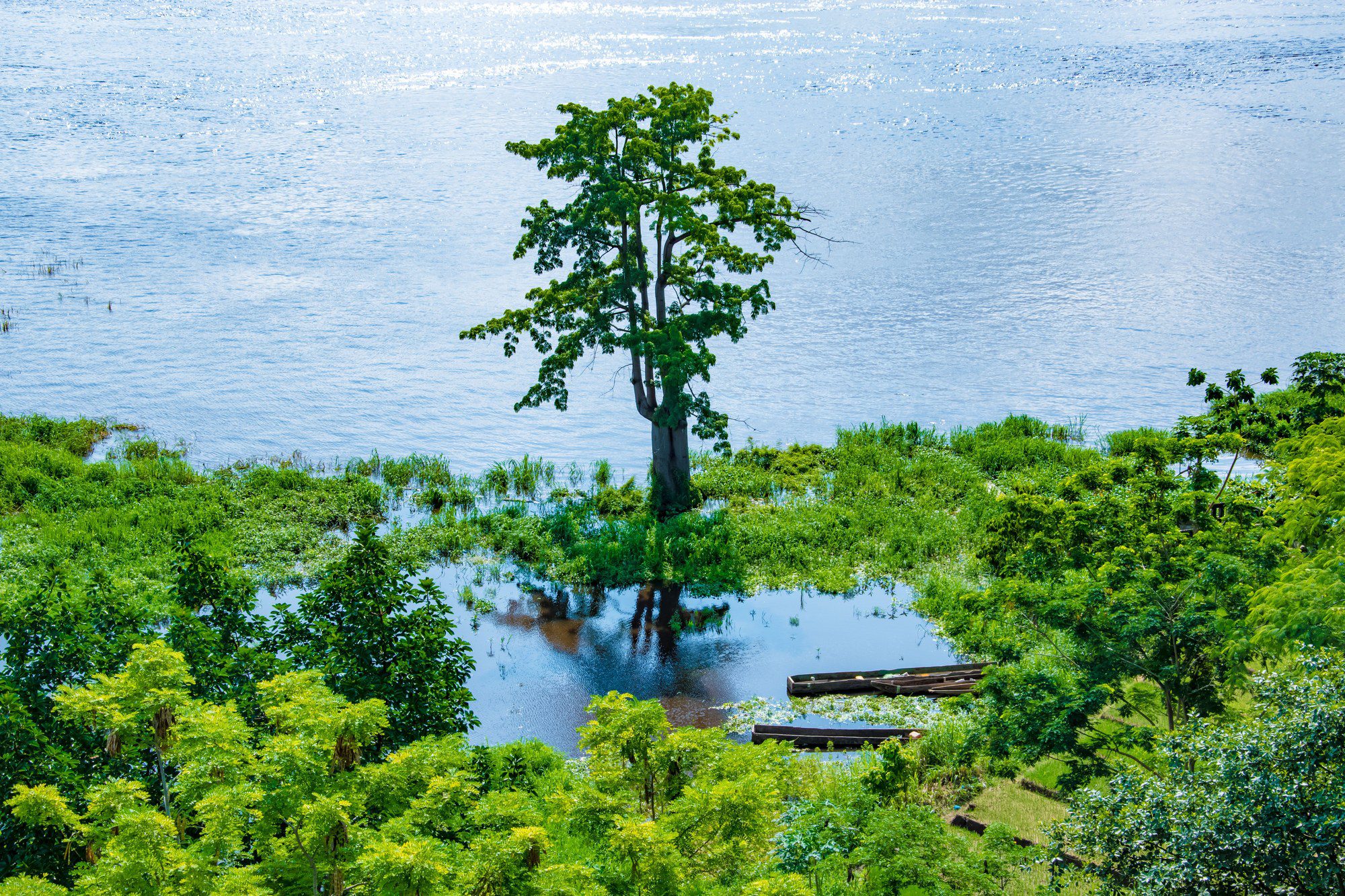
The Republic of the Congo offers one of equatorial Africa’s most extraordinary wilderness journeys, connecting the tranquil, leafy riverfront boulevards of Brazzaville with the untamed rainforest canopies and wild gorilla bais of Odzala-Kokoua National Park. Planning travel here requires clear geographic clarity: distinguishing this peaceful Francophone nation from its massive eastern neighbor, organizing bush charter logistics, understanding cash CFA Franc transactions, and managing mobile connectivity across dense Congo Basin river ecosystems.
A vital distinction must be established before planning: the Republic of the Congo (often called Congo-Brazzaville) is an independent nation situated along the northern and western bank of the Congo River. It is entirely separate from the larger Democratic Republic of the Congo (Congo-Kinshasa), which lies across the water. While Kinshasa is a sprawling, high-tempo megacity, Brazzaville is widely recognized as one of Central Africa’s calmest, most secure, and most walkable capitals, characterized by shaded colonial mango trees, modernist ecclesiastical architecture, and a flourishing cafe society.
This comprehensive guide details a proven nine-day itinerary linking Brazzaville’s urban culture with the deep equatorial wilderness of Odzala-Kokoua and the Atlantic port of Pointe-Noire. We walk through critical decisions: how to access remote rainforest concessions via bush aircraft, what health regulations govern western lowland gorilla tracking, how cash drives daily commerce, and how to maintain essential communication via the MTN LTE network at remarkably accessible local rates.
Who This Route Suits and Key Trip Considerations
This itinerary is tailored for passionate wildlife enthusiasts, conservation-minded travelers, and cultural explorers who prioritize authentic rainforest immersion over predictable mass tourism circuits. It requires moderate physical fitness for navigating dense swamp forests, comfort with tropical humidity, and an appreciation for the subtle rhythms of primary equatorial wilderness.
The primary planning consideration is logistical access to the north. Odzala-Kokoua National Park lies approximately 700 kilometers north of Brazzaville. While a paved highway (Route Nationale 2) reaches the regional outpost of Makoua, driving to the park gates requires twelve to fourteen grueling hours over remote tracks prone to seasonal washouts. The preferred and most efficient method of travel is taking a twice-weekly private charter flight aboard a Cessna Grand Caravan from Brazzaville’s Maya-Maya International Airport (BZV) directly to the bush airstrip at Mboko. While charter flights add cost, they compress two exhausting travel days into a scenic two-hour aerial journey over unbroken rainforest canopies.
Seasonality in the Congo Basin follows equatorial weather patterns. The drier months from June through September and December through February provide the most comfortable walking conditions, with firmer trails and reduced mosquito activity. The rainy seasons from March to May and October to November bring dramatic afternoon thunderstorms, swelling forest streams and filling the marshy clearings known as bais, where forest elephants, western lowland gorillas, and sitatungas gather in spectacular numbers.

Lodging format also involves deliberate choices. Within Odzala-Kokoua, premier ecotourism camps (such as Ngaga, Lango, and Mboko) provide exceptional guiding standards, scientific research access, and comfortable tented rooms, but operate at luxury rates that fund vital anti-poaching patrols. Budget independent travelers can coordinate with park headquarters at Mbomo for basic guesthouse accommodations and day permits, though vehicle logistics must be arranged well in advance.
Nine-Day Republic of the Congo Itinerary: River to Rainforest
The following nine-day itinerary connects Brazzaville’s cultural landmarks with intensive primate tracking in Odzala-Kokoua, concluding along the Atlantic shores of Pointe-Noire.
| Day / Stage | Base | Highlights | Transport Mode | Transit Time | Advance Booking Requirement |
|---|---|---|---|---|---|
| Days 1–2 | Brazzaville | Basilique Sainte-Anne, Nabemba Tower, riverside promenade overlooking Kinshasa, La Sape cultural encounters | Airport taxi / walking | 20 mins (BZV to center) | Medium: reserve riverfront hotel and architectural city tour 1 month ahead |
| Days 3–4 | Ngaga Camp, Odzala-Kokoua | Dense Marantaceae forest tracking, wild western lowland gorilla family habituation vigils, night walks | Charter flight to Mboko + 4×4 | 2 hours flight + 2 hours drive | High: gorilla tracking permits and camp chalets require 6 months advance clearance |
| Days 5–6 | Lango & Mboko, Odzala-Kokoua | Lango Bai swamp walking, forest elephant and sitatunga sightings, Lekoli River boat safaris | Open 4×4 transfer / river skiff | 2.5 hours bush track | High: integrated conservation camp itineraries book well in advance |
| Days 7–8 | Pointe-Noire & Côte Sauvage | Scenic coastal drive, spectacular red cliffs of Diosso Gorge, fresh Atlantic crab and sole on the beach | Domestic scheduled flight (Equaflight) | 1 hour flight | Medium: book coastal lodging and domestic air connections 4 weeks ahead |
| Day 9 | Brazzaville Departure | Marché Total artisanal crafts, Poto-Poto School of Painting, evening international departures | Domestic flight to BZV | 1 hour flight | Standard: allow 3.5 hours transfer buffer before international departure |
This sequence flows logically from urban colonial heritage into world-class primatology and ends with Atlantic coastal scenery, balancing physical activity with relaxed coastal dining.
If you have only six days, drop the coastal extension to Pointe-Noire and allocate all your time to Brazzaville and Odzala-Kokoua. That condensed route maximizes wildlife observation hours and eliminates an extra domestic flight segment.
Brazzaville: Architecture, Art, and the Elegance of La Sape
Situated on the wide northern bank of the Malebo Pool, Brazzaville was founded in 1880 by the Franco-Italian explorer Pierre Savorgnan de Brazza. Serving as the capital of Free France under Charles de Gaulle during World War II, the city retains a distinctive historical poise, visible in its wide tree-lined boulevards and monumental public buildings.
Begin your morning at the Basilique Sainte-Anne du Congo, designed in 1943 by French architect Roger Erell. This architectural gem blends European Gothic structural arches with indigenous Congolese aesthetic forms, featuring an emerald-green tiled roof inspired by the scales of a python and bell towers evoking traditional spears. Nearby stands the 30-story Nabemba Tower, the tallest skyscraper in Central Africa, overlooking the surging rapids of the Congo River.
A stroll along the riverfront Corniche reveals the striking Pont du 15 Août 1960, a dramatic cable-stayed bridge spanning the Djoué River. Looking across the four-kilometer-wide Malebo Pool, the sprawling skyline of Kinshasa is clearly visible—making these the two closest national capitals on earth. In the historic Poto-Poto district, visit the famous Poto-Poto School of Painting, founded in 1951, where generations of Congolese artists have created dynamic, stylized gouache depictions of traditional village life and modernist urban expressions.
No exploration of Brazzaville is complete without experiencing the spectacle of La Sape (Société des Ambianceurs et des Personnes Élégantes). The Sapeurs are Congolese dandies who transform dressing into a philosophy of peace, dignity, and flamboyant artistic expression. On weekend afternoons in Poto-Poto or Bacongo, Sapeurs gather in custom three-piece designer suits—pairing bright silks, bespoke pocket squares, polished leather brogues, and carved walking canes—performing rhythmic struts to the applause of neighborhood crowds.
Odzala-Kokoua: Primates and Bais in the Congo Basin
Covering more than 13,500 square kilometers in the remote Cuvette-Ouest Department, Odzala-Kokoua National Park is one of Africa’s oldest protected areas, established in 1935. Today managed through a joint partnership between the Congolese government and African Parks, Odzala protects an expansive tract of intact equatorial rainforest, savanna transitions, and meandering river corridors.
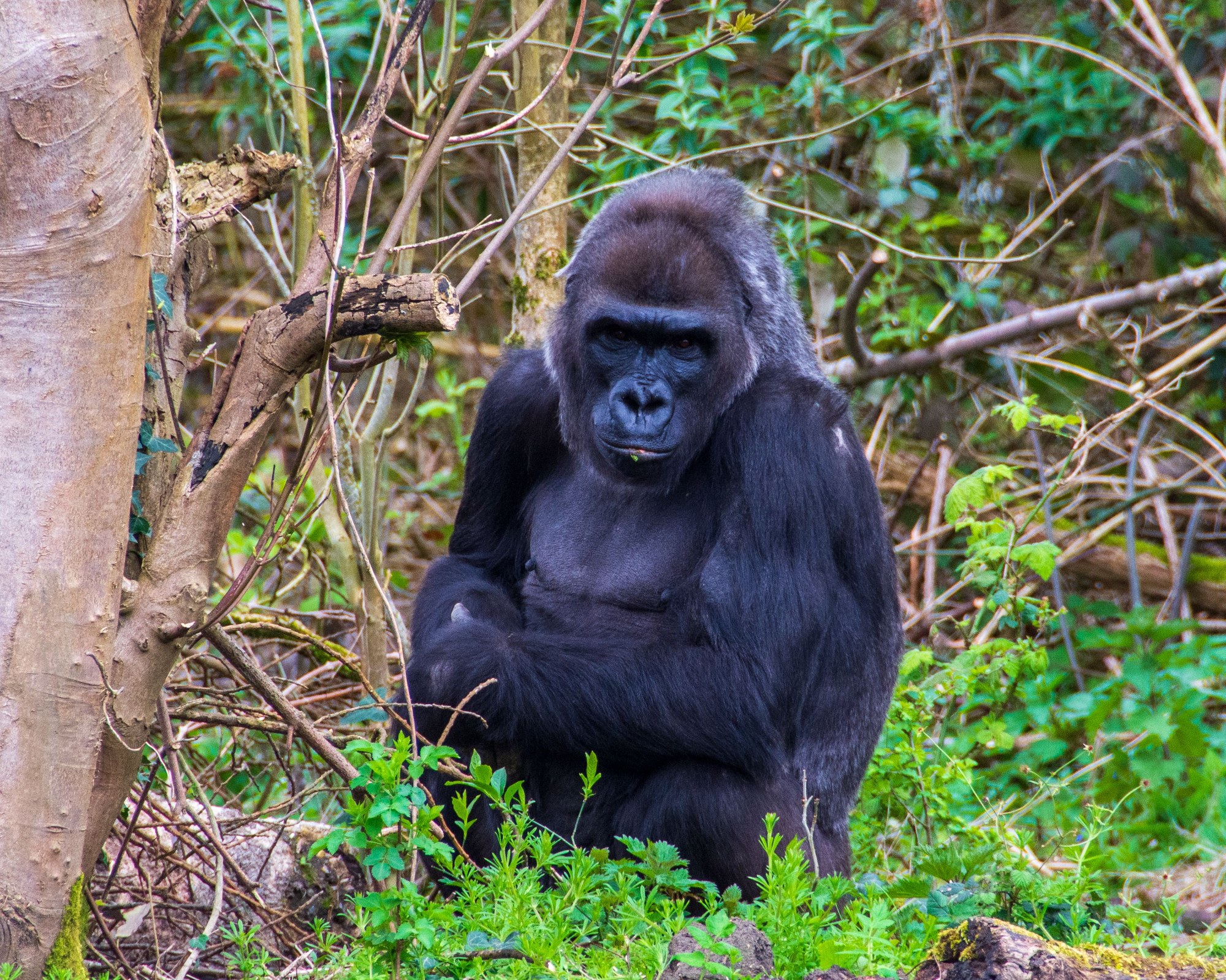
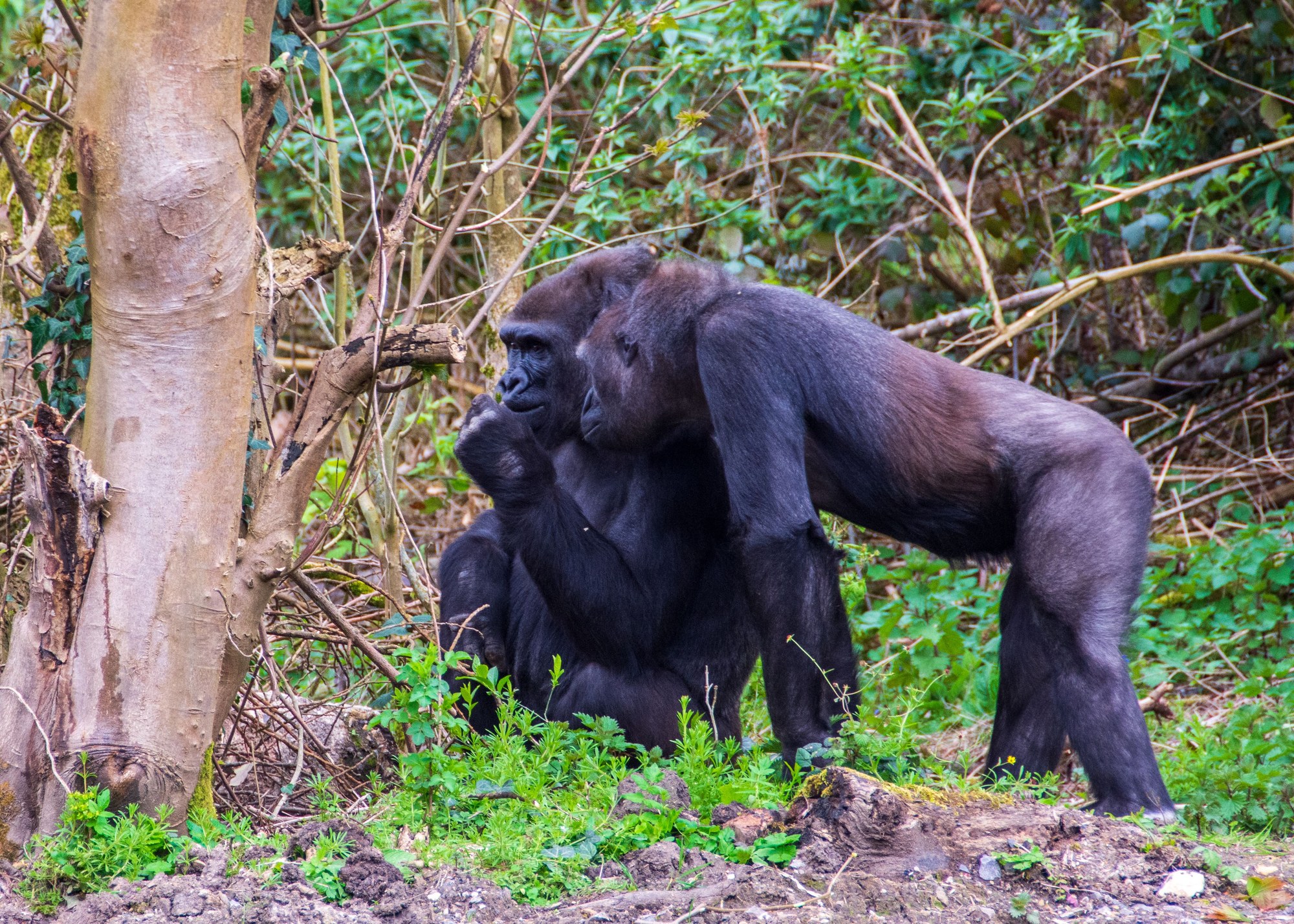
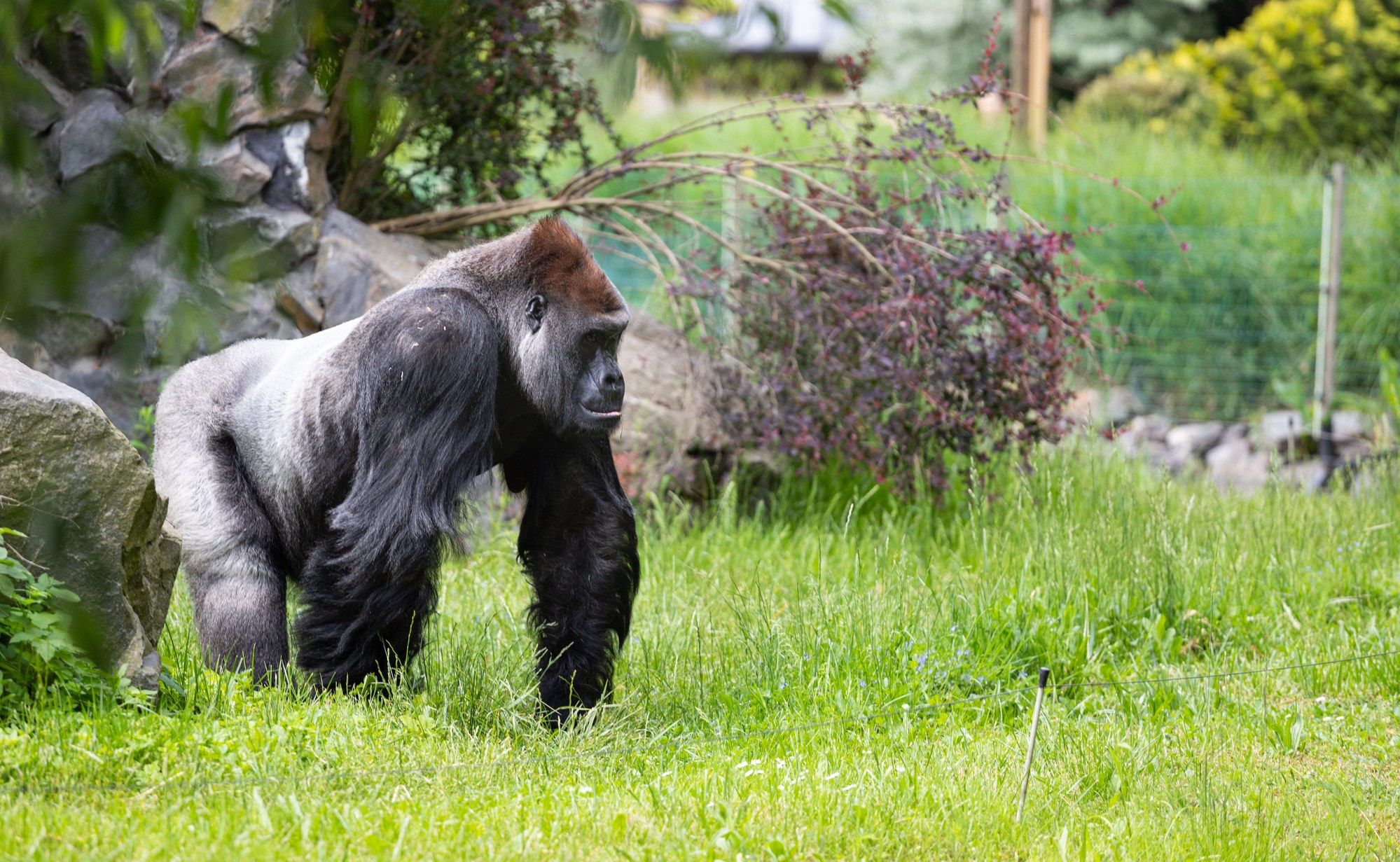
The park is world-renowned for its scientific research and habituation of western lowland gorillas (Gorilla gorilla gorilla). Unlike mountain gorillas, which inhabit steep volcanic slopes, western lowland gorillas dwell in dense lowland jungle dominated by Marantaceae vegetation—broad-leafed ginger plants that reach head height. Tracking them from Ngaga Camp involves following skilled tracker teams who read subtle signs in the undergrowth: snapped stems, knuckle impressions in damp soil, and fresh food remnants.
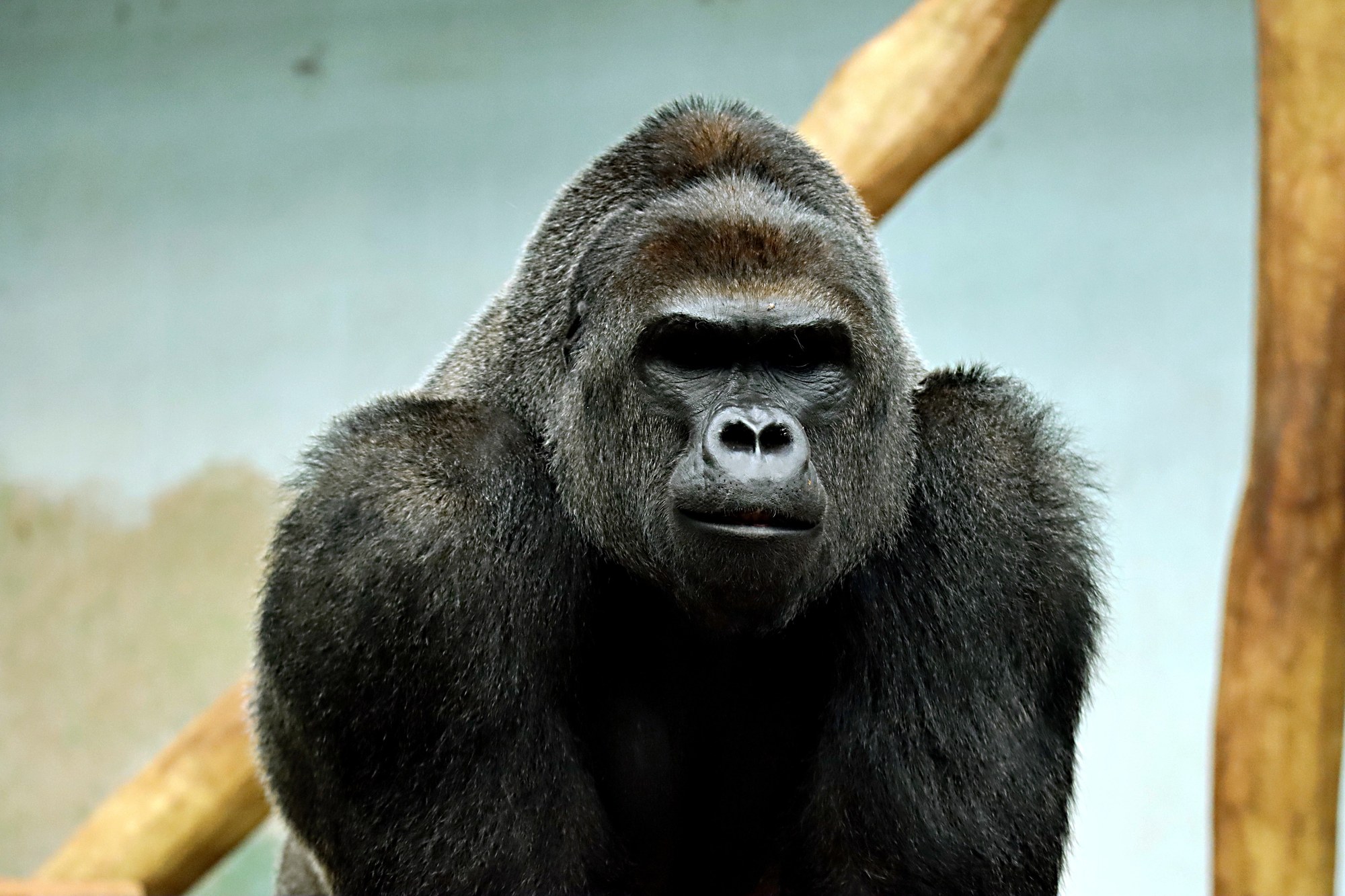
When you encounter a habituated family troop led by an imposing silverback, the experience is deeply intimate. Strict conservation rules mandate wearing surgical face masks to prevent transmitting human pathogens to the gorillas, maintaining a minimum ten-meter observation distance, and limiting visits to exactly one hour. Watching young gorillas tumble through low branches while females forage on wild fruits beneath the watchful eye of a 200-kilogram silverback is an unforgettable highlight of African wildlife travel.
Beyond gorillas, Odzala’s landscape is defined by bais—natural, mineral-rich marsh clearings carved out by forest elephants over centuries. At Lango Bai, raised wooden observation decks allow visitors to watch herds of African forest elephants wade through knee-deep mud, alongside red river hogs, bongo antelopes, and flocks of African green pigeons. Excursions along the Lekoli River in motorized skiffs reveal colobus monkeys leaping through riverine trees and dwarf crocodiles basking on half-submerged logs.
Pointe-Noire and the Atlantic Coast: Diosso Gorge and Surf
Pointe-Noire, situated on a sandy peninsula 500 kilometers southwest of Brazzaville, serves as the economic lungs and commercial maritime gateway of the country. Fueled by offshore petroleum production, Pointe-Noire has an energetic coastal character, with palm-lined boulevards, busy Atlantic docks, and expansive sandy beaches along the Côte Sauvage.
The standout day excursion from Pointe-Noire is the Gorges de Diosso (Diosso Gorge), located thirty kilometers north along the coastal road. Often called the Grand Canyon of the Congo, this geological wonder features striking amphitheaters of deep red sandstone cliffs, weathered by centuries of rain into fluted spires and ridges that drop precipitously into dense emerald rainforest below. The contrast between the rust-red earth and the deep green jungle canopy is visually stunning.
In nearby Diosso village, the Musée Mâ Loango preserves the history of the ancient Kingdom of Loango, which dominated the coastal region for centuries prior to European contact. The museum displays royal regalia, ceremonial ironwork, carved ivory pipes, and archival documents detailing the transatlantic trade routes that operated along this coast.
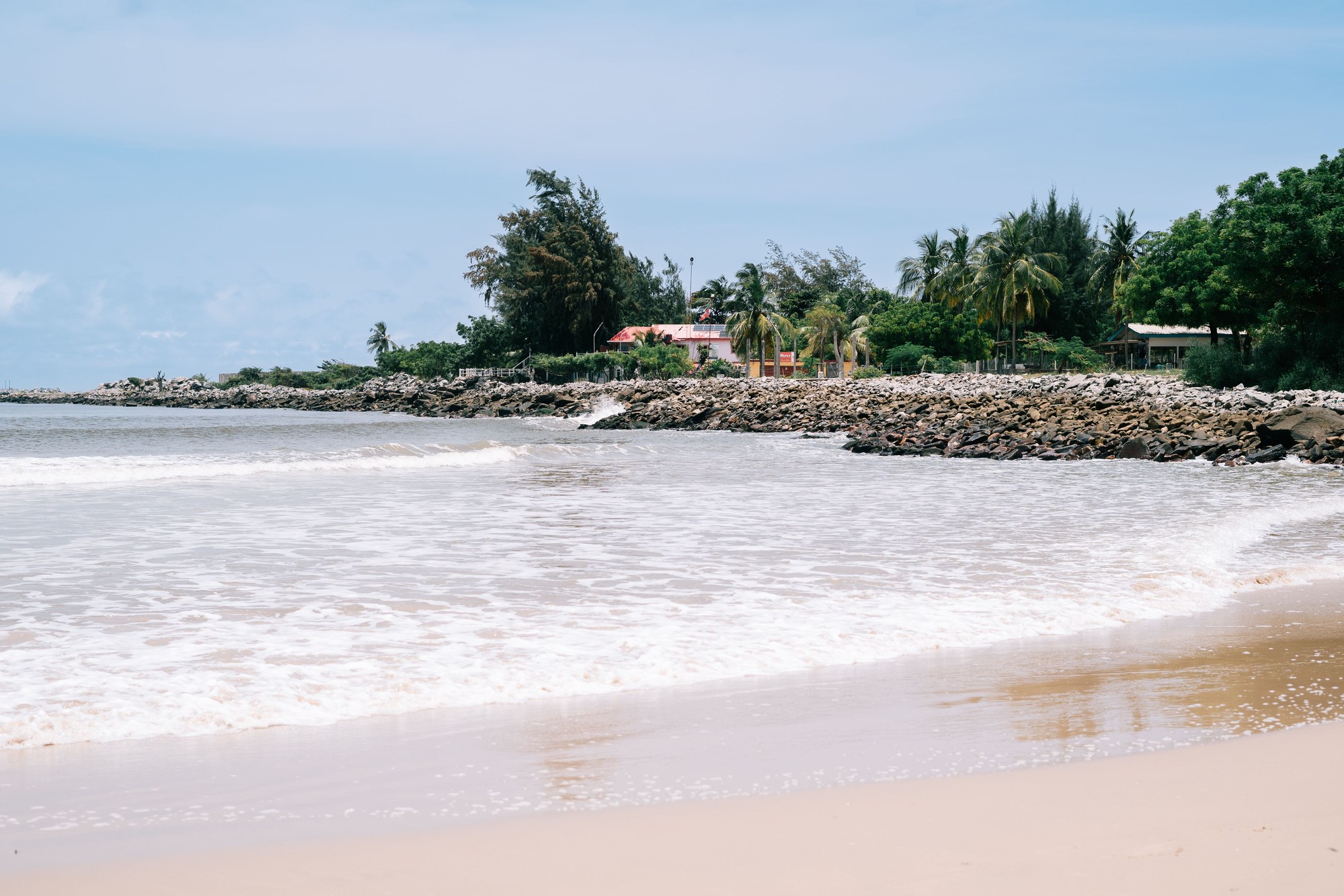
Back in Pointe-Noire, spend the late afternoon at the beachside restaurants of Côte Sauvage. Open-air beach shacks serve grilled capitaine (Nile perch), giant sea prawns, and stuffed sea crabs baked with chili and manioc flour, paired with chilled local Ngok beer while watching Atlantic rollers break along the shore.
Ground Transport, Rail Corridors, and Bush Aviation
Navigating the Republic of the Congo requires matching your transport mode to the country’s geographical layout. The modern, paved Route Nationale 1 (N1) connects Brazzaville to Pointe-Noire over a distance of 540 kilometers, winding through the scenic Mayombe mountains. The road is fully paved, making the overland drive between the two major cities a feasible six-to-seven-hour journey by private car or express coach.
The historic Chemin de Fer Congo-Océan (CFCO), constructed between 1921 and 1934, also connects Brazzaville with Pointe-Noire. While passenger train services (La Gazelle) operate between the two cities, departures can be irregular and journey times unpredictable due to single-track delays. For international travelers with tight schedules, scheduled one-hour domestic flights between Brazzaville and Pointe-Noire operated by carriers such as Equaflight or TAC provide the most dependable connection.
For journeys into the northern wilderness, private air charters are the gold standard. Wilderness and African Parks coordinate charter flights from Brazzaville’s Maya-Maya Airport directly to the Mboko airstrip in Odzala-Kokoua. Strict baggage limits (typically 15 kilograms per passenger in soft-sided duffel bags) are enforced on these light aircraft due to weight and balance constraints on grass runways.
Within Brazzaville and Pointe-Noire, shared green (in Brazzaville) or blue (in Pointe-Noire) city taxis are plentiful. Negotiate a private ride (course or course directe) for approximately 1,500 to 2,500 XAF for trips across town. Taxis do not use meters, so agreeing on the fare before entering the vehicle is standard etiquette.
Currency Realities: Managing the Central African CFA Franc
The Republic of the Congo uses the Central African CFA Franc (XAF), which is pegged to the Euro (1 EUR = 655.957 XAF). As with neighboring CEMAC nations, cash is the primary medium of exchange for daily purchases, market goods, taxi fares, and small restaurant bills.
Credit card processing is restricted to international hotel chains (such as the Radisson Blu in Brazzaville or Atlantic Palace in Pointe-Noire), upscale safari operators, and major airline offices. Visa is widely accepted at these establishments, while Mastercard acceptance is less consistent. ATMs linked to international networks (Ecobank, Société Générale, and BGFIBank) operate reliably in Brazzaville and Pointe-Noire, dispensing cash in denominations of 5,000 and 10,000 XAF.
Small change is vital when traveling through rural communities or dining at local maquis. Always keep a supply of 500, 1,000, and 2,000 XAF banknotes, as breaking a 10,000 XAF note with a street vendor or taxi driver is often impossible. In remote safari camps such as those in Odzala, park fees and boutique purchases can usually be settled in advance or via credit card, but carrying cash CFA Francs or Euros is recommended for staff gratuities.
Tipping is appreciated across the hospitality sector. A gratuity of five to ten percent is appropriate in sit-down restaurants, while rounding up taxi fares is common practice. For park trackers and professional safari guides who make remote wildlife encounters possible, generous cash tips are deeply valued.
Field Connectivity: MTN LTE and Remote Congo Basin Coverage
Maintaining digital communication across the Republic of the Congo is straightforward in urban areas but requires preparation in the wilderness. The country’s telecommunications landscape is dominated by MTN Congo and Airtel Congo, both of which operate robust 4G/LTE mobile networks across Brazzaville, Pointe-Noire, and along the paved N1 highway corridor.
Travelers using digital roaming can connect to high-speed data on the MTN network through NXTL at an exceptionally competitive rate of $6.32 per gigabyte. This low tariff allows travelers to comfortably utilize mobile data for navigation, messaging, social media updates, and photo sharing while exploring Brazzaville and Pointe-Noire, without the anxiety of high roaming charges. Unused credit stays available for later trips across more than 180 countries.
However, when flying north into Odzala-Kokoua National Park, terrestrial cellular coverage ceases. In the deep rainforest, mobile phones enter no-service mode. High-end safari lodges provide satellite Wi-Fi connections in main dining pavilions for basic email and WhatsApp messaging, though bandwidth is limited and subject to weather interruptions. Prepare for this digital detox by pre-downloading offline mapping files on Maps.me and Google Maps, as well as electronic flight confirmations, before leaving Brazzaville.
Having an active eSIM profile configured on your smartphone ensures instant cellular connectivity upon landing at Maya-Maya Airport, allowing you to hail rides, confirm hotel bookings, and coordinate transfers without having to navigate local SIM card registration kiosks.
Five Critical Pitfalls and Scams to Avoid in Congo-Brazzaville
The Republic of the Congo is a remarkably peaceful and secure destination, but bureaucratic regulations and cross-border confusion can pose challenges. Keep these five practical cautions in mind:
- Conflating the Two Congos at Booking: Confusing the Republic of the Congo (capital: Brazzaville, airport code: BZV) with the Democratic Republic of the Congo (capital: Kinshasa, airport code: FIH) is a frequent and costly mistake. Always double-check flight codes, embassy visa portals, and hotel locations to ensure you are booking for the correct nation.
- Unauthorized Photography of Strategic Infrastructure: Taking photographs of government ministries, military installations, presidential residences, police checkpoints, or the 15th August Bridge in Brazzaville is strictly forbidden. Security personnel will confiscate memory cards or demand fines; always ask permission before photographing public scenes.
- Unregulated Congo River Crossings: Informal boatmen along the Brazzaville riverbank may offer to ferry travelers across the Congo River to Kinshasa in a wooden pirogue. Crossing the river outside the official Beach de Brazzaville ferry terminal without an exit stamp and valid DRC visa constitutes illegal entry and leads to immediate arrest.
- Primate Tracking Health Violations: Attempting to track gorillas while showing signs of a common cold, flu, or respiratory infection is strictly prohibited by park rangers in Odzala-Kokoua. Gorillas share over 98% of human DNA and lack immunity to common human viruses; travelers must wear surgical masks and report any illness honestly.
- Unofficial Road Tolls on Rural Byways: When driving outside major national highways, unofficial checkpoints erected by local youths or village committees may demand “passage fees” or “bière.” Always travel with a reputable local driver who understands protocol and can present official paperwork without paying unauthorized bribes.
With thorough planning, respectful cultural curiosity, and proper health precautions, the Republic of the Congo delivers an unparalleled African adventure: an intimate window into ancient rainforests, wild gorilla encounters, and the enduring poise of Central African river life.