Venezuela possesses some of South America’s most magnificent natural landscapes, from the tabletop tepuis and thundering torrents of Angel Falls in Canaima National Park to the crystalline coral lagoons of Los Roques Archipelago. Yet traveling through this complex nation requires clear-eyed, dated security realism: understanding urban safety zoning in Caracas, navigating the de facto US Dollar cash economy, managing fly-in logistics that bypass overland fuel bottlenecks, and maintaining dependable digital communication on the Digitel LTE mobile network.
Planning travel to Venezuela in late 2026 requires understanding current operational realities. While international governmental travel advisories highlight political tensions and economic challenges, specialized ecotourism corridors remain open and operational. Independent overland exploration across remote highways is complicated by persistent domestic fuel shortages, extensive military checkpoints (alcabalas), and regional infrastructure strains. In contrast, fly-in expedition travel—connecting Caracas directly to protected national park airstrips in Canaima and Los Roques—allows travelers to experience the country’s peerless natural wonders securely and reliably.
This comprehensive guide details a proven ten-day expedition framework centered on Venezuela’s premier ecological destinations: the modern cultural enclaves of Caracas, the ancient sandstone plateaus of Canaima, and the white sand cays of the Caribbean. We break down practical travel decisions: when river water levels permit riverboat journeys to the foot of Angel Falls, how the cash currency system operates, why authorized airport transfers are essential, and how to stay connected via Digitel LTE data without interruption.
Who This Expedition Suits and Realistic Travel Constraints
This itinerary is tailored for experienced nature lovers, adventure photographers, and seasoned global travelers who are comfortable with the nuances of Latin American travel. It requires adaptability, patience with domestic flight scheduling shifts, and an appreciation for raw wilderness. It is not suitable for casual tourists expecting resort-style convenience or unsupervised self-drive exploration.
The primary logistical constraint centers on domestic transport. Long-distance road travel between Caracas and the southern Guiana Shield (a distance exceeding 1,200 kilometers) is heavily impacted by chronic gasoline rationing, potholed highway surfaces, and frequent police inspections. Consequently, the optimal and safest travel strategy is air-charter routing. Commercial and chartered flights operated by carriers like Conviasa and Rutaca link Maiquetía Airport (CCS) directly to the remote jungle runway at Canaima and the coral airstrip at Gran Roque, eliminating thousands of kilometers of difficult highway travel.
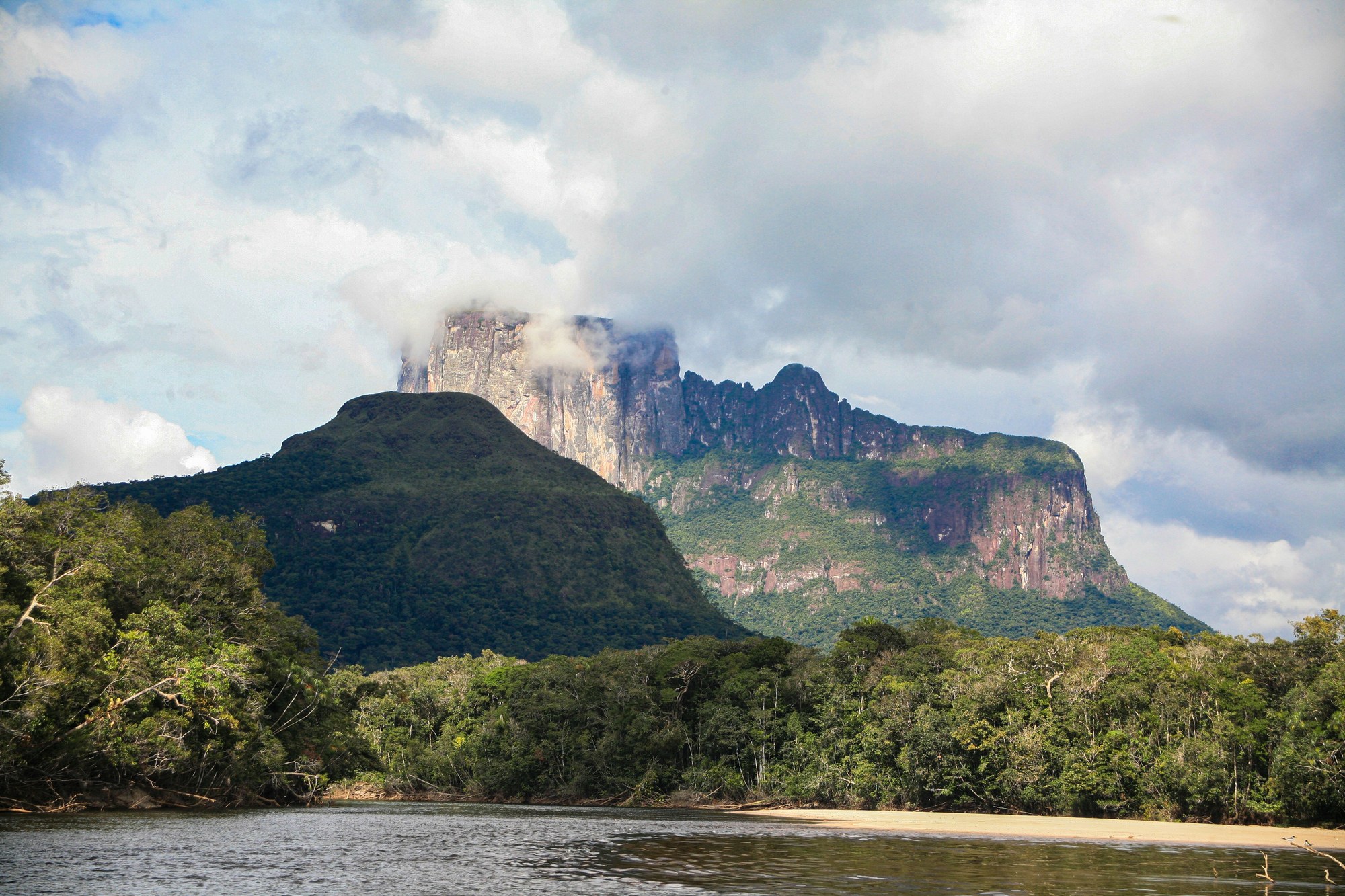
Seasonality dictates whether you can reach the base of Angel Falls (Kerepakupai Merú). The waterfall plunges 979 meters from the summit plateau of Auyán-tepui into Devil’s Canyon. Navigating upstream via motorized indigenous wooden canoes (curiaras) on the Carrao and Churún rivers requires sufficient river depth. The high-water season from June through November provides the necessary water volume for riverboats to navigate rocky rapids. During the dry season from January through April, river water drops significantly; while flights over the falls continue, boat access to the base becomes impossible.
Lodging format also demands thoughtful selection. In Canaima, indigenous Pemón-operated and high-end private eco-lodges (such as Waku Lodge, Campamento Canaima, and Ucaima) provide comfortable accommodations, generators, and coordinated river expeditions. In Los Roques, historic fishing village houses on Gran Roque have been converted into charming boutique posadas offering fresh seafood and daily boat transfers to outer coral cays.
Ten-Day Venezuela Itinerary: Capital, Tepuis & Coral Cays
The following ten-day itinerary connects Caracas’s secure cultural quarters with the prehistoric landscapes of Canaima and the Caribbean waters of Los Roques.
| Day / Stage | Base | Highlights | Transport Mode | Transit Time | Advance Booking Requirement |
|---|---|---|---|---|---|
| Days 1–2 | Caracas (Chacao / Altamira) | Mount Ávila cable car panoramas, secure dining in Las Mercedes, colonial Plaza Bolívar historical tour | Authorized airport taxi / private driver | 45 mins (CCS to Chacao) | High: book secure hotel and official airport driver in advance |
| Days 3–5 | Canaima National Park | Canaima Lagoon waterfalls (Hacha, Golondrina), curiara boat voyage through Devil’s Canyon to Angel Falls | Charter flight from Caracas (CCS to CAJ) | 1 hour flight | Essential: lodge packages, river permits, and flights book months ahead |
| Day 6 | Transit via Caracas to Los Roques | Aerial views of Auyán-tepui, domestic flight transfer at Maiquetía, arrival on Gran Roque | Charter flights via CCS | 2 x 45 mins flights | High: coordinate tightly timed inter-island flight connections |
| Days 7–9 | Los Roques Archipelago | Coral reef snorkeling at Cayo de Agua, sandbar drifts at Francisquí, kite surfing, fresh spiny lobster | Local boat transfers (peñeros) | 15 to 45 mins boat ride | High: reserve boutique posada and daily boat excursions ahead |
| Day 10 | Maiquetía Departure | Morning swim on Gran Roque, return flight to CCS, evening international homeward departures | Domestic flight to CCS | 45 mins flight | Standard: allow 4 hours buffer before international departure |
This air-linked itinerary bypasses overland transport bottlenecks entirely, ensuring that your travel days are spent exploring world-class natural environments rather than waiting at rural fuel depots.
If you have only seven days, drop the Los Roques beach extension and dedicate the trip entirely to Caracas and Canaima. That combination guarantees ample time for the multi-day riverboat expedition to Angel Falls without feeling rushed.
Caracas: Mountain Backdrops and Urban Zoning
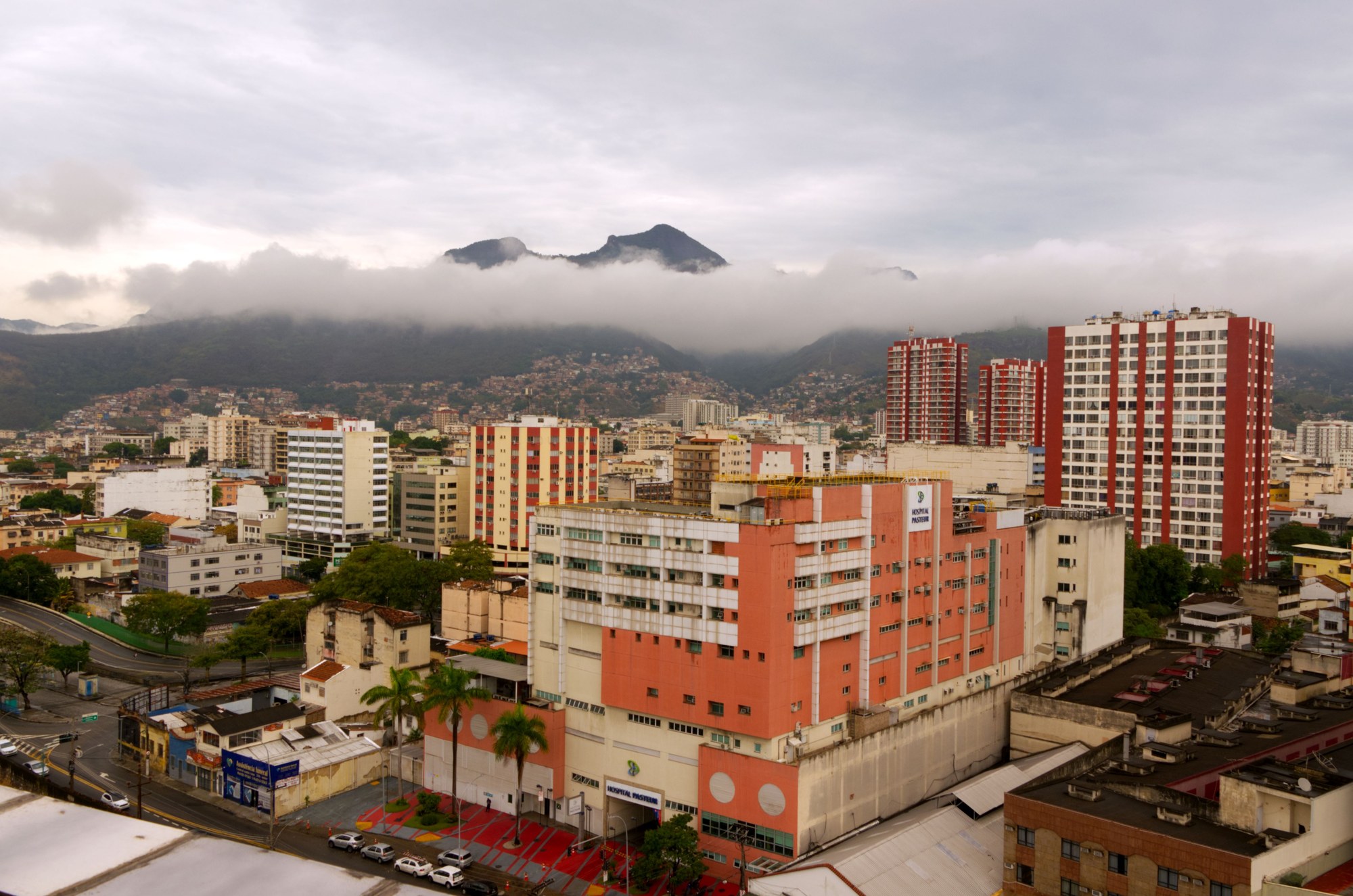
Situated in a verdant mountain valley at an elevation of 900 meters, Caracas is separated from the Caribbean coast by the towering green wall of El Ávila (Waraira Repano). While international media often depicts the city in monolithic terms, Caracas is a patchwork of distinct neighborhoods that require careful navigation.
Visitors should base themselves in the eastern municipalities of Chacao, Altamira, and Las Mercedes. These affluent districts feature tree-lined residential avenues, private security patrols, and an energetic gastronomic scene. Las Mercedes is the culinary capital of Venezuela, filled with upscale restaurants serving wood-fired steaks, modern arepas, and international cuisine. In Altamira, pleasant public plazas and cafes offer safe environments for daytime walking and relaxation.
To experience the city’s natural setting, take the Teleférico Waraira Repano (cable car) from Maripérez up to the crest of Mount Ávila at 2,100 meters. The ascent provides sweeping views across the entire Caracas valley on one side and the shimmering Caribbean Sea on the other. At the summit, walk through misty cloud-forest paths, sample hot chocolate and fresh strawberries with cream, and explore the exterior of the historic mid-century Hotel Humboldt.
For cultural history, visit the historic downtown center (El Centro) around Plaza Bolívar during morning daylight hours, accompanied by a registered local guide. The area preserves significant landmarks, including the Casa Natal del Libertador (the birthplace of Simón Bolívar), the 17th-century Caracas Cathedral, and the neoclassical Palacio Federal Legislativo.
Canaima National Park: Angel Falls and the Ancient Tepuis
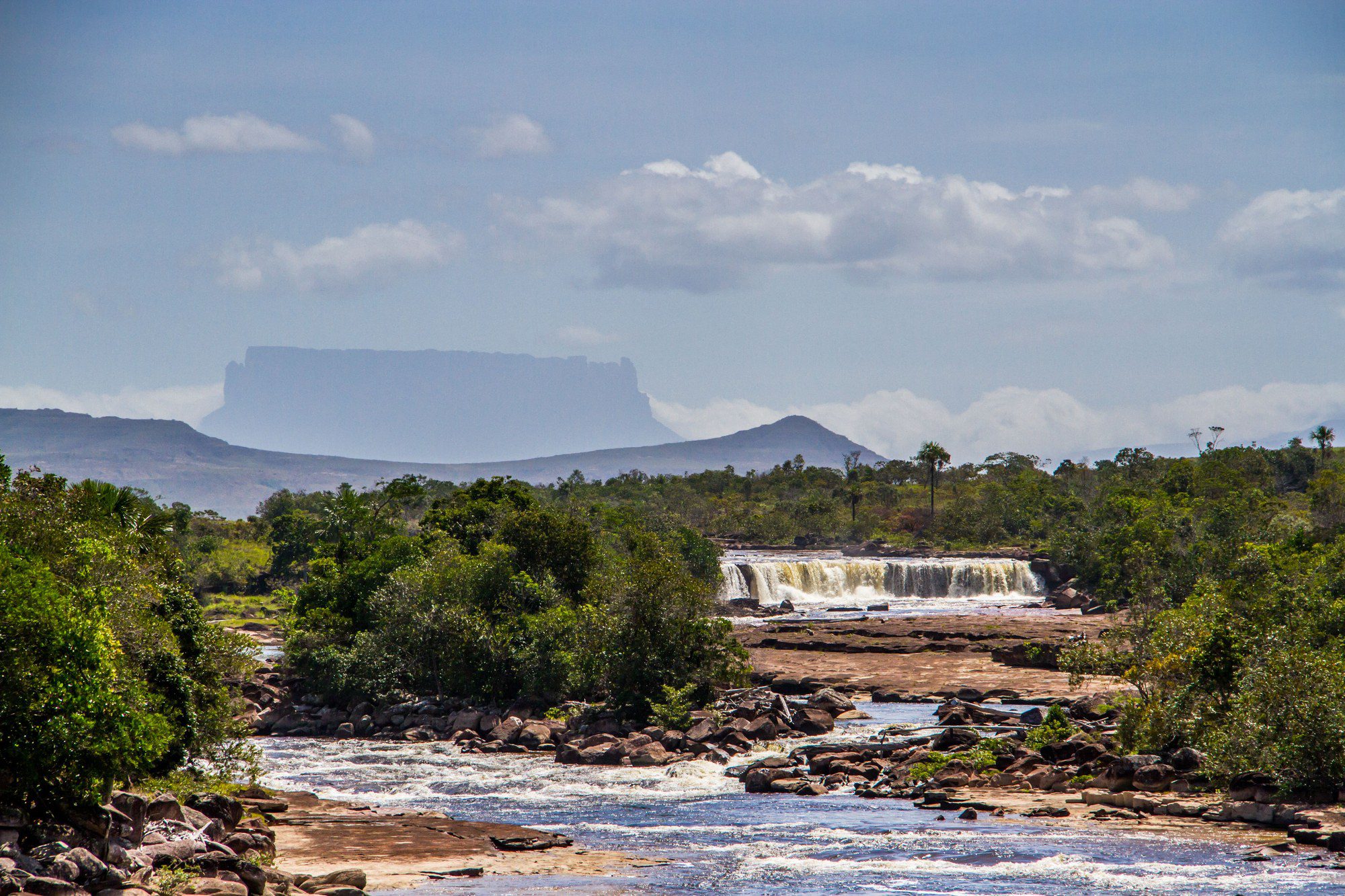
Covering 30,000 square kilometers in Bolívar State, Canaima National Park is a UNESCO World Heritage site of extraordinary antiquity. Its defining features are tepuis—sheer-sided sandstone mesas that rise thousands of meters above surrounding savannas. Because these plateaus have been isolated from the forest floor for millions of years, their summits harbor unique micro-climates and endemic carnivorous plant species.
Your journey begins at Canaima Lagoon, a magnificent blackwater lake stained reddish-amber by decomposing rainforest tannins, fed by seven roaring cascades including Salto Hacha, Wadaima, and Golondrina. A classic excursion involves walking behind the thundering water curtain of Salto Sapo, where a narrow rock ledge passes directly beneath the deafening torrent—a sensory experience of raw hydraulic power that leaves visitors thoroughly soaked and exhilarated.
The ultimate highlight is the expedition to Angel Falls. Boarding motorized wooden curiaras handled by indigenous Pemón boatmen, you travel four to five hours upstream against rushing rapids along the Carrao and Churún rivers. The riverbanks are framed by vertical canyon walls and dense primary jungle. Rounding a bend in Devil’s Canyon, the full magnitude of Auyán-tepui emerges, with Angel Falls plunging uninterrupted from the clouds into the rocky basin below.
After reaching the river landing at Isla Ratón, an hour-long hike through moss-draped forest brings you to the Mirador Laime viewpoint directly beneath the falls. The sensation of standing in the cool, vaporous downdraft of the world’s tallest waterfall is deeply humbling. Most travelers spend the night in open-sided river camps, sleeping in hammocks with mosquito netting while listening to the distant roar of the falls.
Los Roques: Caribbean Coral Atolls and Shallow Lagoons
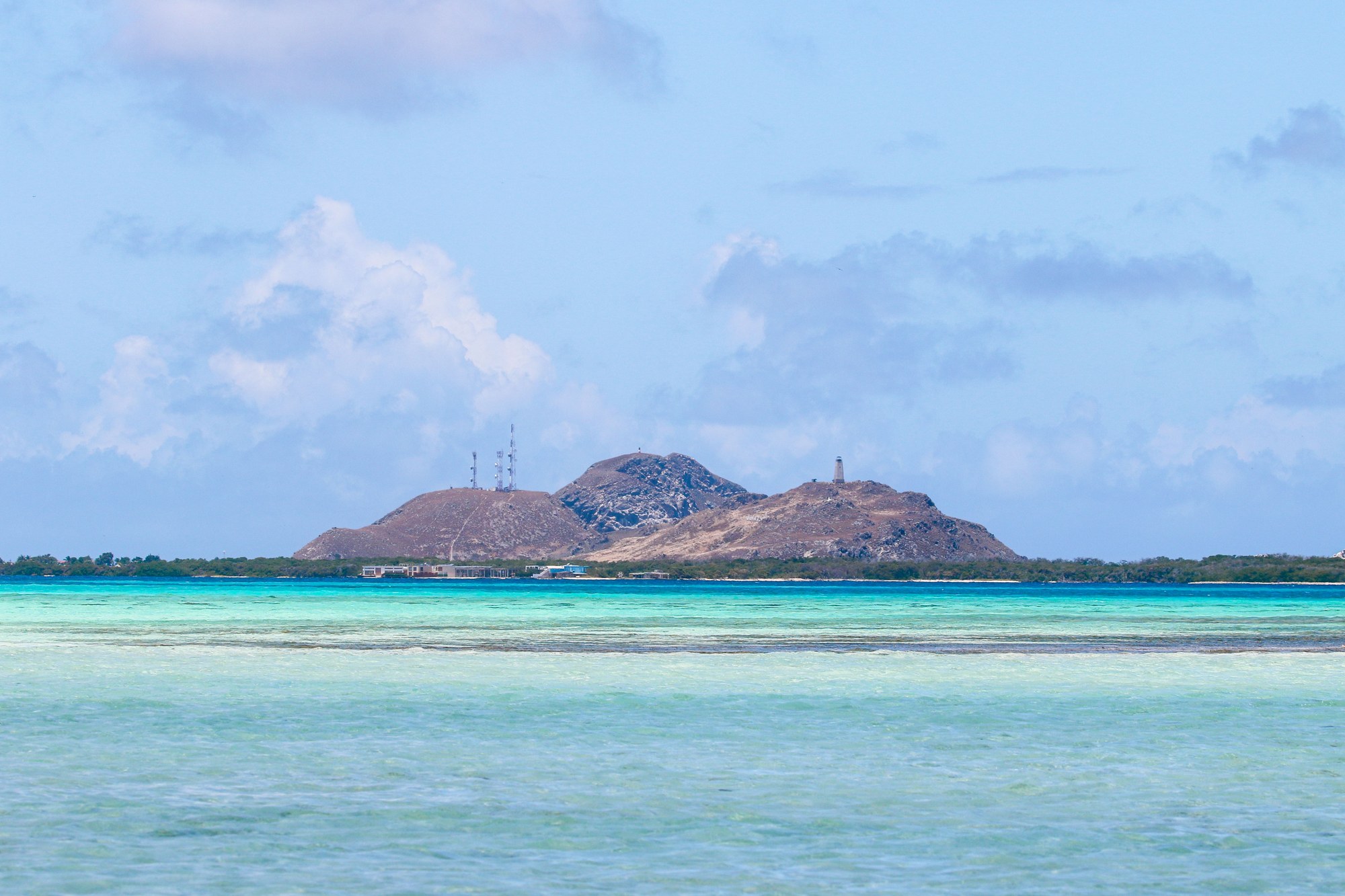
Located 160 kilometers north of the mainland in the Caribbean Sea, the Archipelago of Los Roques was designated a national park in 1972. Comprising roughly 350 islands, cays, and islets encircling an immense central lagoon, Los Roques is one of the best-preserved marine ecosystems in the Caribbean basin.
All visitors arrive at the airstrip on Gran Roque, the only inhabited island in the archipelago. Gran Roque is a vehicle-free sanctuary where unpaved sand streets are walked barefoot. Colorful wooden fishing houses have been transformed into intimate posadas. Life moves at an unhurried, gentle rhythm governed by the tides and the wind.
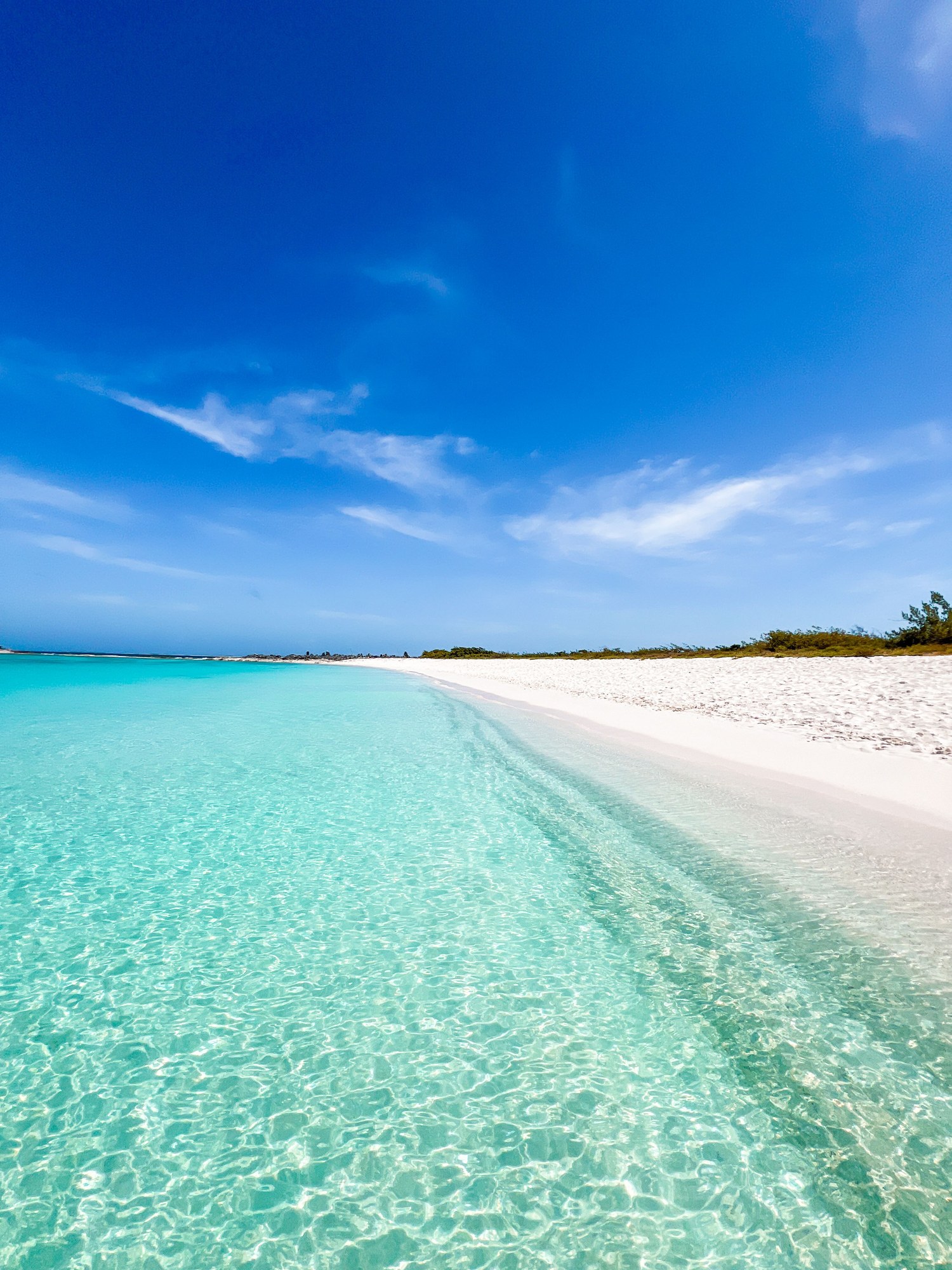
Each morning, small open wooden boats (peñeros) ferry travelers to outer coral cays. Francisquí offers sheltered coral reefs teeming with parrotfish, angelfish, and spotted eagle rays, alongside a natural seawater pool known as La Piscina. Madrisquí features expansive shallow flats ideal for swimming. The crown jewel is Cayo de Agua, a pristine sandbar connected by a narrow spit of blindingly white coral sand, washed by turquoise waters on both sides.
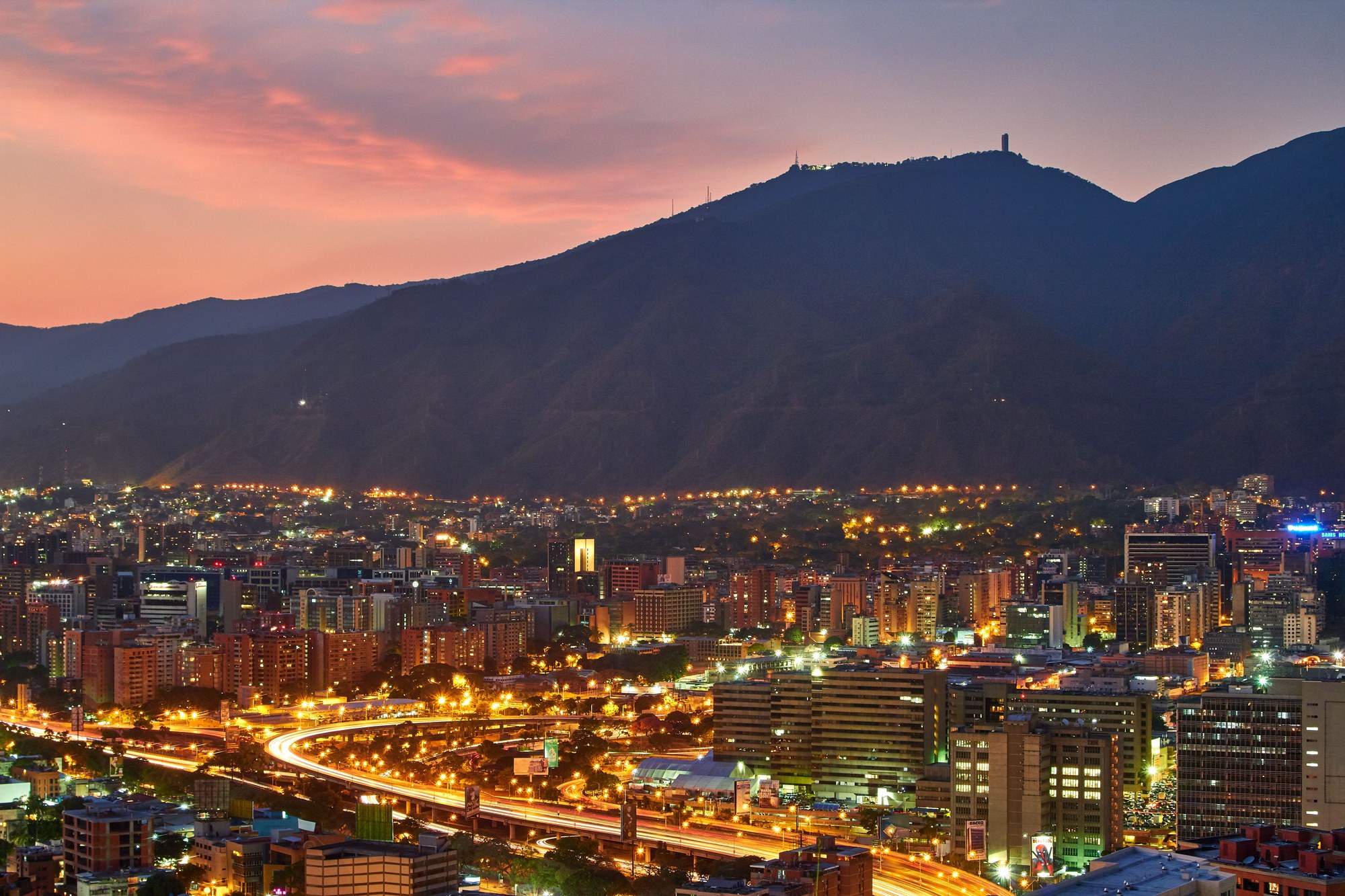
Los Roques is also celebrated globally as a premier kitesurfing and bonefishing destination. Constant trade winds and shallow flat-water bays provide flawless conditions for kitesurfers, while the mangrove flats support catch-and-release fly fishing for elusive bonefish and tarpon.
Ground Transport, Checkpoints, and Aviation Tactics
Transport logistics in Venezuela require careful coordination. The main international gateway is Simón Bolívar International Airport (CCS) in Maiquetía, located on the coast twenty-five kilometers northwest of Caracas. Never accept rides from informal “pirate” taxi solicitations inside or outside the arrivals terminal. Use only authorized airport taxi services (such as Taxi Tour, easily recognized by their official kiosks and branded vehicles) or arrange a pre-booked private driver through your hotel.
The winding mountain highway connecting Maiquetía to Caracas features multiple tunnels cutting through the coastal cordillera. Travel during daylight hours is strongly advised. While in Caracas, rely on pre-arranged hotel drivers or app-based ride services (such as Ridery or Yummy Rides), which operate reliably across the eastern municipalities and allow cashless payment.
For domestic travel to Canaima and Los Roques, flights depart from the national terminal at Maiquetía. Strictly adhere to domestic baggage allowances: light commuter aircraft enforcing strict weight limits typically permit only 10 to 15 kilograms of checked baggage per passenger. Pack in soft duffel bags, leaving excess luggage in secure storage at your Caracas hotel.
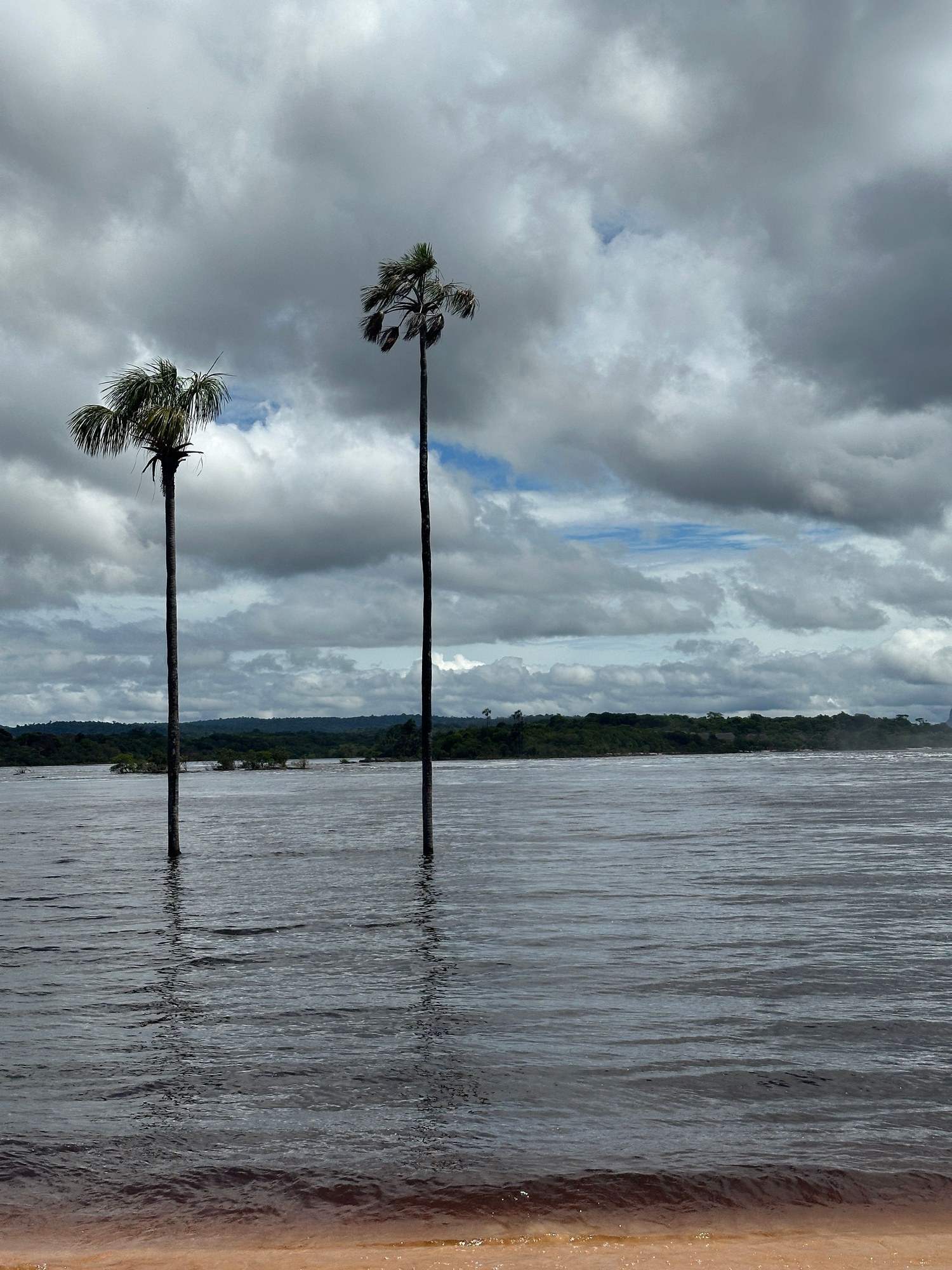
Security checkpoints operated by the Guardia Nacional Bolivariana (GNB) and state police (alcabalas) are common throughout the country. When encountering checkpoints, remain polite, keep hands visible, and present your original passport and entry stamp. Professional drivers understand standard inspection routines, ensuring smooth passage without unnecessary complications.
Currency Realities: The US Dollar and the Bolívar Economy
Venezuela operates under a de facto dual-currency economy where the United States Dollar (USD) functions as the principal medium of exchange alongside the Venezuelan Bolívar (VES or VED).
Almost all tourism services—including accommodations, domestic flights, guided tours, and dining in upscale restaurants—are quoted and paid directly in cash US Dollars. Physical banknote quality is critical: local cashiers and merchants systematically reject banknotes that have tears, pen marks, heavy creases, or pre-2013 dates. Carry clean, crisp $1, $5, $10, and $20 bills, as small change is in short supply across the country.
Prices quoted in Venezuelan Bolívares are converted based on the official exchange rate published daily by the Banco Central de Venezuela (BCV). Digital mobile payments (such as Pago Móvil) are ubiquitous among locals, but foreign visitors cannot easily access these domestic platforms. Foreign credit cards are accepted in major supermarkets and hotels in Caracas, but transactions are processed at official exchange rates and may face foreign transaction surcharges.
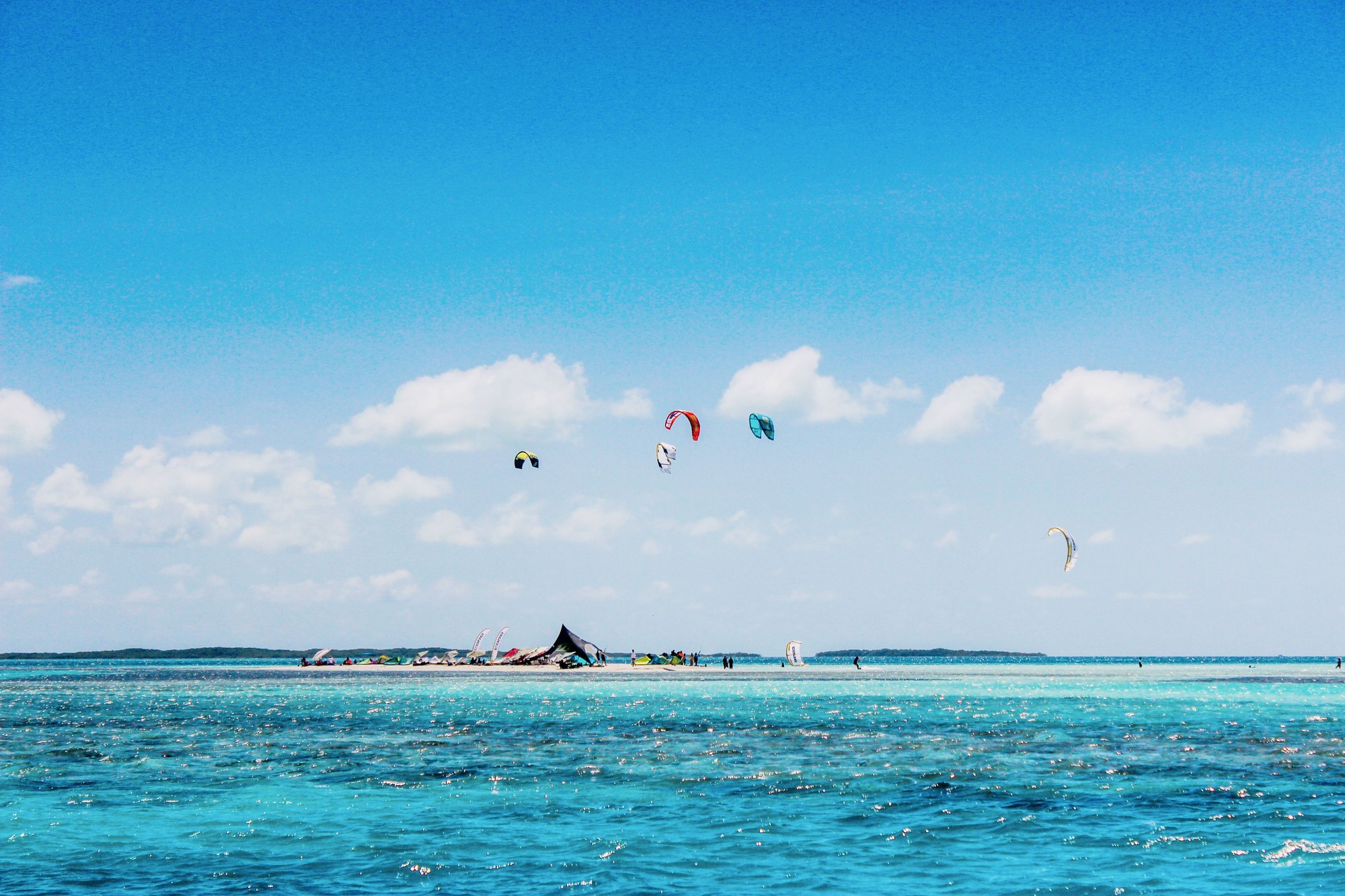
Automated Teller Machines (ATMs) should not be relied upon for obtaining cash. Machines dispense only local Bolívares in restricted daily amounts and frequently suffer from cash shortages. Arrive in Venezuela carrying your entire anticipated travel budget in physical US Dollar cash.
Field Connectivity: Digitel LTE and Wilderness Coverage
Maintaining reliable mobile internet across Venezuela is essential for ride hailing, route navigation, and family communication. Telecommunications in the country are led by Digitel, Movistar, and state-owned Movilnet. Digitel is widely regarded as the top provider for 4G/LTE data coverage and connection speed in urban centers and key tourism corridors.
Travelers using digital roaming can connect to high-speed data on the Digitel LTE network through NXTL at an affordable rate of $10.20 per gigabyte. Digitel provides reliable LTE coverage throughout Caracas, along the Maiquetía coastal strip, and across the island of Gran Roque in Los Roques. Unused credit stays available for later trips across more than 180 countries. This allows you to effortlessly book local transport via Ridery, communicate via WhatsApp, and access online travel documents without worrying about excessive data charges.
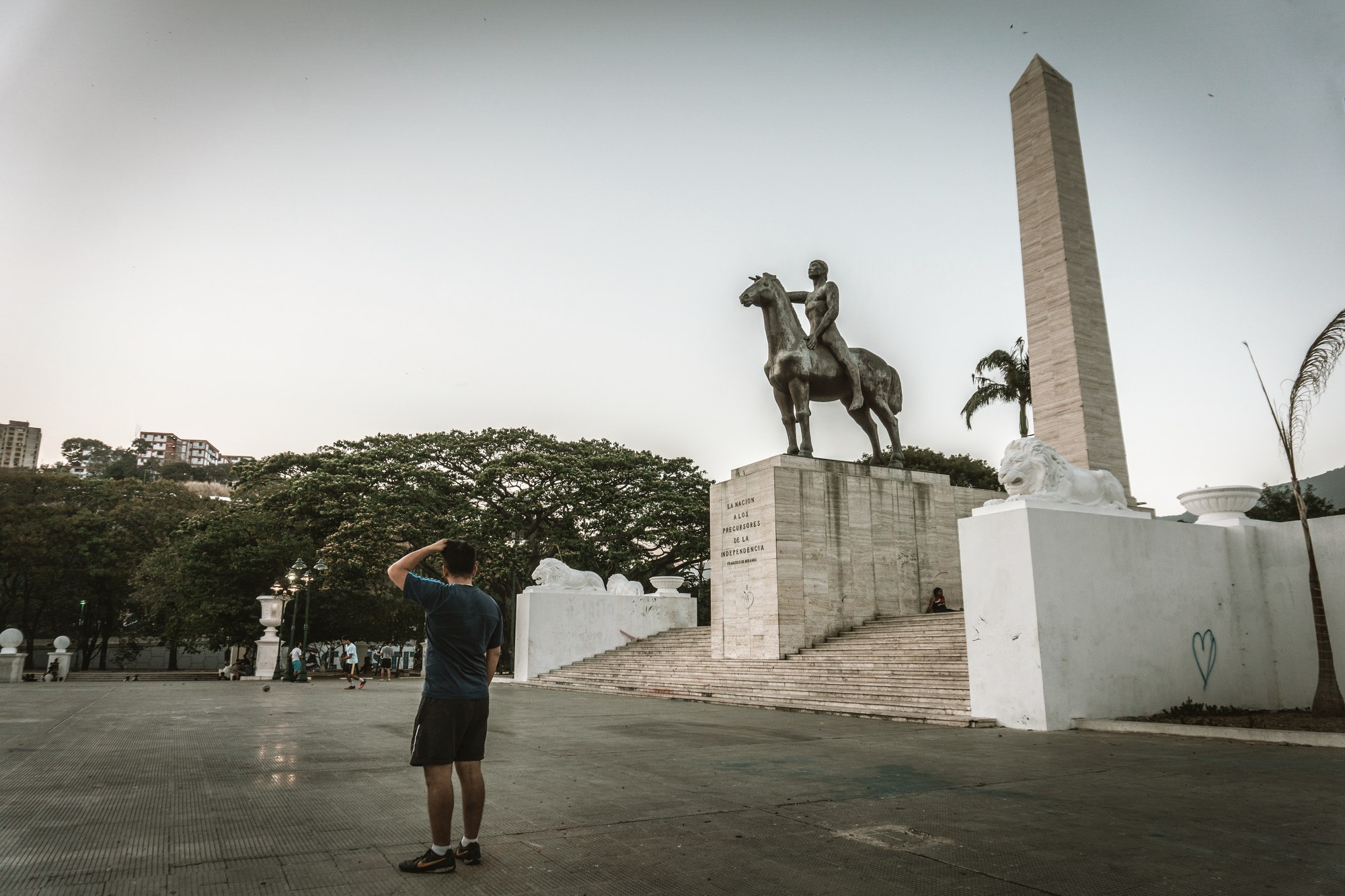
However, when you fly south into Canaima National Park, terrestrial cellular reception drops away completely. In the deep jungle around Angel Falls and along the Carrao River, mobile devices enter no-service mode. Premier eco-lodges in Canaima provide satellite Wi-Fi (such as Starlink terminals) in common dining areas, though speeds vary with cloud cover. Prepare for wilderness travel by pre-downloading offline maps on Google Maps and Maps.me before leaving Caracas.
Configuring an active eSIM profile on your phone prior to departure ensures that you have instantaneous mobile data connectivity the moment you land at Maiquetía Airport, eliminating the need to search for physical SIM card kiosks during arrival formalities.
Five Critical Pitfalls and Scams to Avoid in Venezuela
While Venezuelans are celebrated for their warmth, humor, and hospitality, navigating the country’s unique operating environment requires adherence to sound safety practices. Keep these five practical cautions in mind:
- Unlicensed “Pirate” Taxis at Maiquetía Airport: Informal drivers approaching passengers inside the arrivals terminal at CCS often charge inflated rates or pose serious security risks. Use exclusively the official Taxi Tour desks inside the terminal or pre-arrange a driver through your hotel.
- Attempting Overland Road Travel to Canaima: Independent travelers who attempt to drive overland from Caracas to southern Bolívar State frequently encounter severe fuel shortages, days-long gasoline queues, and road hazards. Rely strictly on commercial or chartered flights directly into Canaima.
- Photographing Military and Government Sites: Taking photographs or drone footage of police checkpoints, military bases, the Presidential Palace of Miraflores, or ministerial buildings is strictly illegal. Security officers will confiscate cameras and smartphones; always exercise discretion when photographing urban scenes.
- Visiting Angel Falls During the Late Dry Season: Traveling to Canaima between February and April expecting to reach the foot of Angel Falls by boat leads to disappointment. Low water levels prevent curiaras from navigating the river; visit between June and November for full water flow and boat access.
- Wandering Outside Designated Zones in Caracas After Dark: Venturing on foot outside secure eastern districts (such as Chacao, Altamira, and Las Mercedes) after sunset carries significant robbery risks. Always use registered radio taxis or verified ride apps for nighttime travel across the capital.
With respectful cultural awareness, verified fly-in logistics, and proper cash preparation, Venezuela rewards visitors with some of the most awe-inspiring landscapes on the planet: ancient sandstone plateaus, thundering jungle waterfalls, and the tranquil turquoise waters of the Caribbean.