Iraq represents the cradle of human civilization, where the fertile floodplains between the Tigris and Euphrates rivers gave rise to the world’s earliest cities, written law, and agricultural engineering. Traveling through this historic land in late 2026 offers profound archaeological encounters—from the Great Ziggurat of Ur and the ruins of Babylon to the ancient citadel of Erbil and the reed architecture of the Mesopotamian Marshes. Yet organizing a successful journey demands nuanced regional awareness: distinguishing Federal Iraq from the Kurdistan Region, understanding visa jurisdictions, managing cash Dinar logistics, and maintaining reliable mobile connectivity on Asia Cell and Korek Telecom LTE networks.
Travelers must immediately understand the fundamental administrative distinction between Federal Iraq (governed from Baghdad) and the autonomous Kurdistan Region of Iraq (KRI, governed from Erbil). While both regions form part of the sovereign Iraqi state, they maintain separate border controls, security apparatuses, and entry visa regimes. Obtaining a Federal Iraqi visa on arrival (available to citizens of the European Union, United Kingdom, United States, Canada, and other designated nations at Baghdad, Najaf, and Basra airports) permits travel throughout the entire country, including Iraqi Kurdistan. Conversely, an entry stamp obtained at Erbil or Sulaymaniyah airports is valid strictly within the Kurdistan Region and does not permit overland transit south into Federal Iraq without an independent federal visa.
This comprehensive guide details a tested ten-day cultural and historical itinerary connecting Baghdad, the ruins of ancient Babylon, the Sumerian temple city of Ur, the southern marshes of Chibayish, and the northern citadel of Erbil. We explain the essential travel choices: how to navigate highway security checkpoints, why crisp US Dollar banknotes are required for visa fees and high-value payments, what rules govern photography, and how to utilize high-speed local mobile data at highly competitive rates.
Who This Expedition Suits and Current Security Realities
This travel framework is designed for cultural historians, archaeology enthusiasts, and experienced independent travelers who possess sound situational awareness and an appreciation for Middle Eastern hospitality. It is not suitable for novice travelers seeking self-drive leisure tours or unguided explorations. Engaging an experienced local guide or accredited tour operator is strongly advised for navigating checkpoints, translating Arabic and Kurdish, and coordinating entry to sensitive archaeological reserves.
Dated security intelligence for late 2026 highlights clear regional variations. Security conditions across central and southern Federal Iraq (Baghdad, Babylon, Karbala, Najaf, Nasiriyah, and Basra) have stabilized significantly compared to previous decades, allowing thousands of international cultural tourists and religious pilgrims to visit routine circuits safely. The Kurdistan Region of Iraq (Erbil, Sulaymaniyah, and Dohuk) remains modern, peaceful, and well-policed. However, border zones adjacent to Syria, desert wilderness tracts in western Anbar, and remote mountainous sectors in northern Dohuk (subject to regional cross-border military operations) remain hazardous and must be strictly avoided.
Security checkpoints operated by the Federal Police, the Iraqi Army, and Popular Mobilization Units (Hashd al-Shaabi) are regular features along primary transit arteries such as Highway 1. Passing through checkpoints is routine and safe when approached professionally: travelers should carry original passports with valid entry stamps, maintain multiple printed photocopies of their passport and visa, dress conservatively, and remain courteous while security officers review documentation.
Seasonality strongly influences travel comfort. The optimal window for traveling through central and southern Iraq spans from November through March, when daytime temperatures range between fifteen and twenty-five degrees Celsius. In contrast, the scorching summer months from June through August bring extreme desert heat regularly exceeding fifty degrees Celsius, making midday exploration of unshaded archaeological ruins physically perilous.
Ten-Day Mesopotamia Itinerary: Baghdad to Kurdistan
The following ten-day itinerary connects the political and intellectual capital with ancient Mesopotamian archaeological monuments, southern wetland ecosystems, and the historic citadel of Iraqi Kurdistan.
| Day / Stage | Base | Highlights | Transport Mode | Transit Time | Advance Booking Requirement |
|---|---|---|---|---|---|
| Days 1–2 | Baghdad | Iraq Museum Mesopotamian galleries, Al-Mutanabbi Street book market, Shabandar Cafe, Al-Mustansiriya Madrasah | Airport transfer / private car | 45 mins (BGW to center) | High: book secure central hotel and accredited city guide 3 weeks ahead |
| Day 3 | Babylon & Karbala | Ancient Babylon ruins (Ishtar Gate foundations, Processional Way), Saddam’s palace overlook, holy shrines | Private vehicle via Highway 1 | 2 hours each way | Medium: coordinate archaeological site entry and conservative dress for shrine visits |
| Days 4–5 | Nasiriyah & Mesopotamian Marshes | Great Ziggurat of Ur, Chibayish marshland canoe tour, traditional Mudhif reed house cultural dinner | Overland private transfer | 3.5 hours | High: reserve local marshland boatman and heritage guesthouse in advance |
| Day 6 | Transit to Erbil (Kurdistan) | Domestic scheduled flight to Erbil International Airport (EBL), check-in at historic city hotel | Domestic flight (Iraqi Airways / Fly Baghdad) | 1 hour flight | High: book domestic flight connection 2 weeks prior to travel |
| Days 7–8 | Erbil & Citadel | UNESCO-listed Erbil Citadel, Kurdish textile museum, Qaysari Bazaar spices, Jalil Khayat Mosque | Walking / local taxi | 15 mins | Medium: reserve Citadel guided walking tour and traditional tea tastings |
| Days 9–10 | Sulaymaniyah or Gali Ali Bag | Hamilton Road mountain gorge drive, Red Security Building museum in Sulaymaniyah, departure via EBL | Private 4×4 mountain transfer | 2.5 hours | Standard: allow 3.5 hours buffer for airport security screening at EBL |
This sequence flows logically from the ancient biblical heartland of southern Mesopotamia into the cool mountain foothills of Iraqi Kurdistan, using domestic aviation to bypass volatile highway corridors.
If you have only six days, restrict your journey to either Federal Iraq (Baghdad, Babylon, and Ur) or Iraqi Kurdistan (Erbil, Sulaymaniyah, and Rawanduz). Splitting six days between both regions creates excessive airport transit and diminishes time at premier archaeological sites.
Baghdad: Intellectual Heritage and the River Tigris
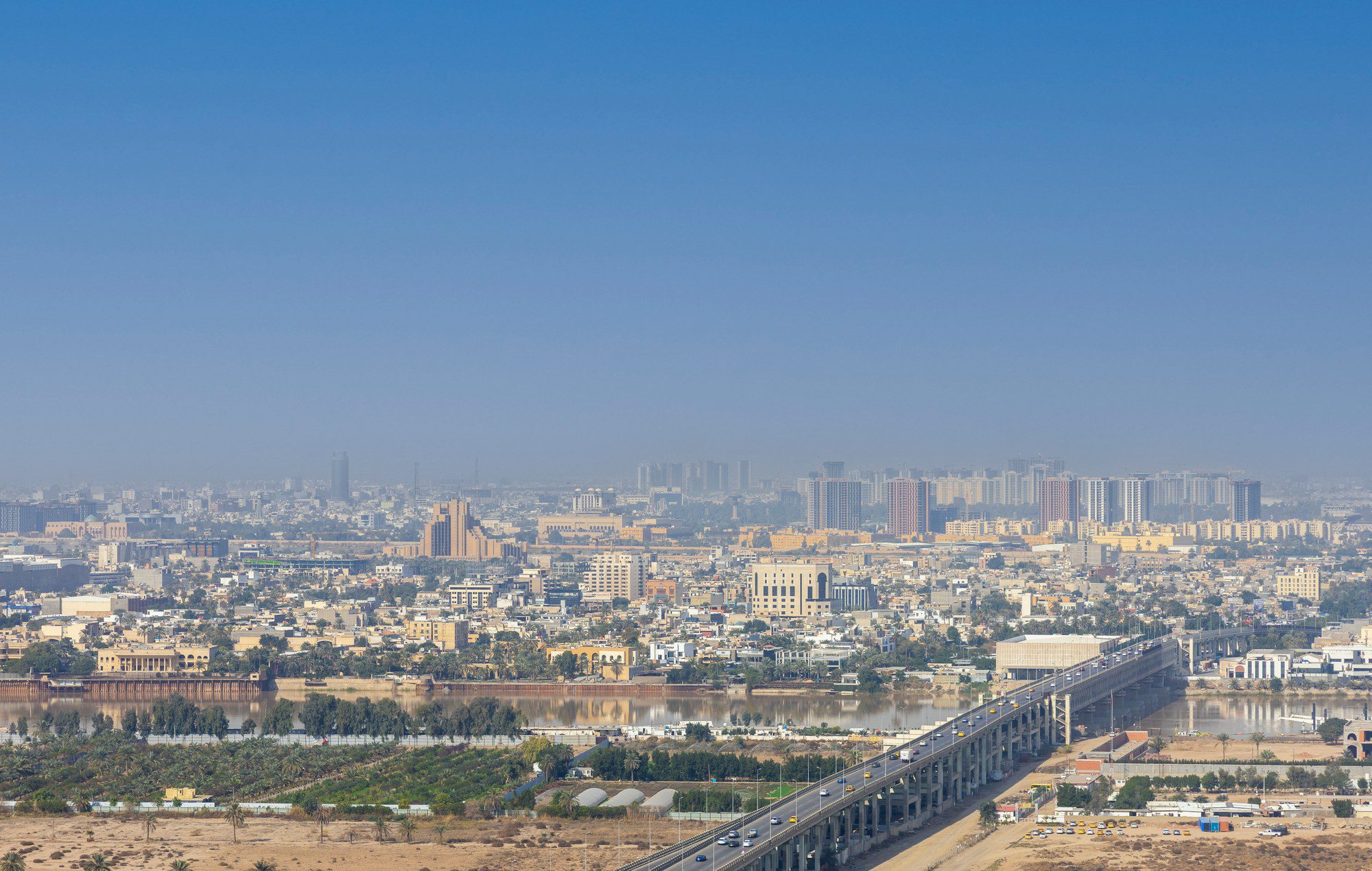
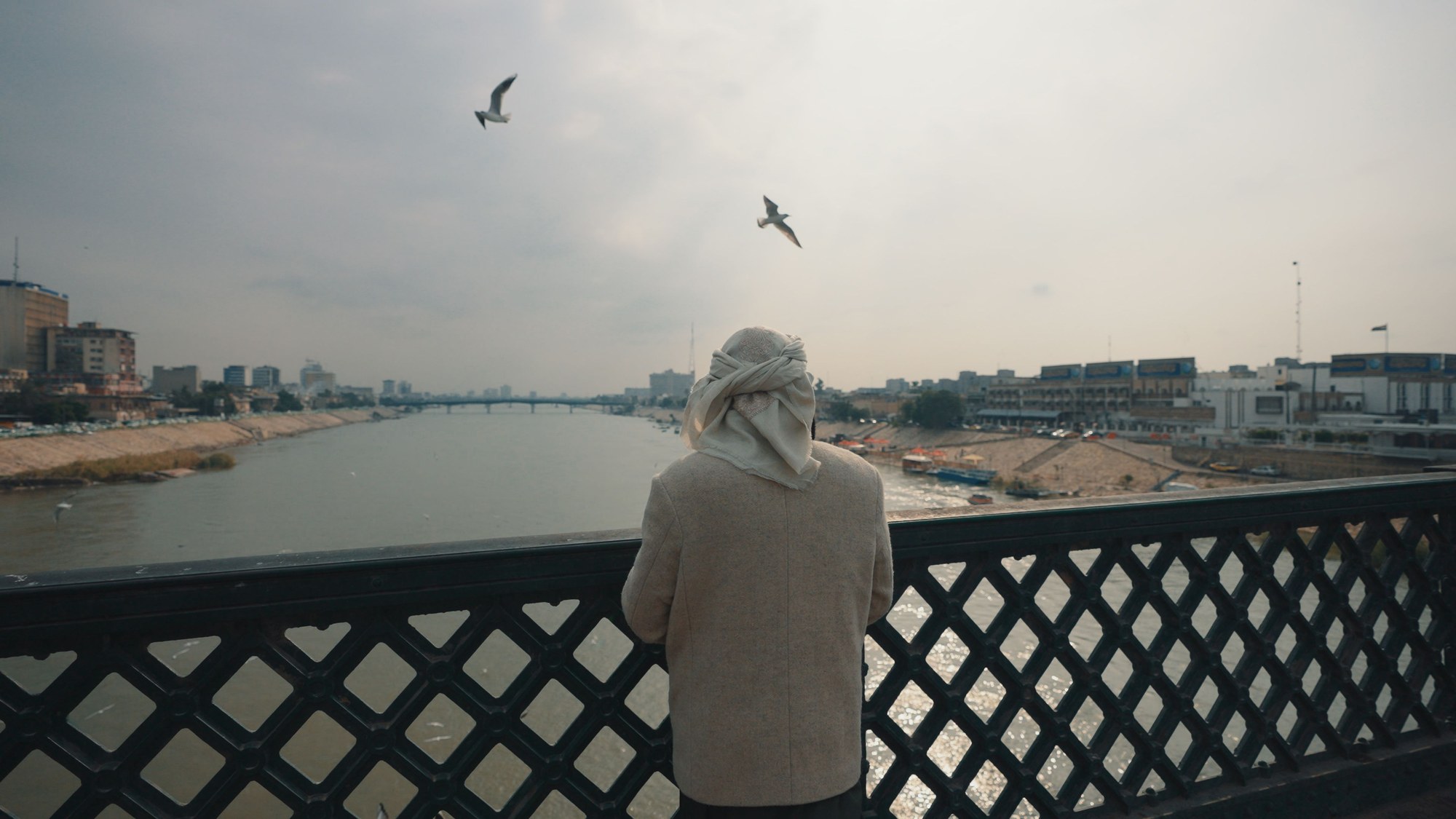
Baghdad, founded in 762 CE by the Abbasid caliph Al-Mansur as the “City of Peace,” was once the intellectual center of the Islamic Golden Age. Today, the Iraqi capital is experiencing a profound cultural revival, with lively cafes, renovated riverside esplanades, and crowded book markets welcoming foreign visitors.
Begin at the Iraq Museum in Al-Karkh. Restored following the recovery of thousands of antiquities, its galleries house humanity’s earliest treasures: Neanderthal tools from Shanidar Cave, Sumerian limestone statues, Nimrud ivories, and colossal Assyrian winged bull statues (Lamassu) from Khorsabad.
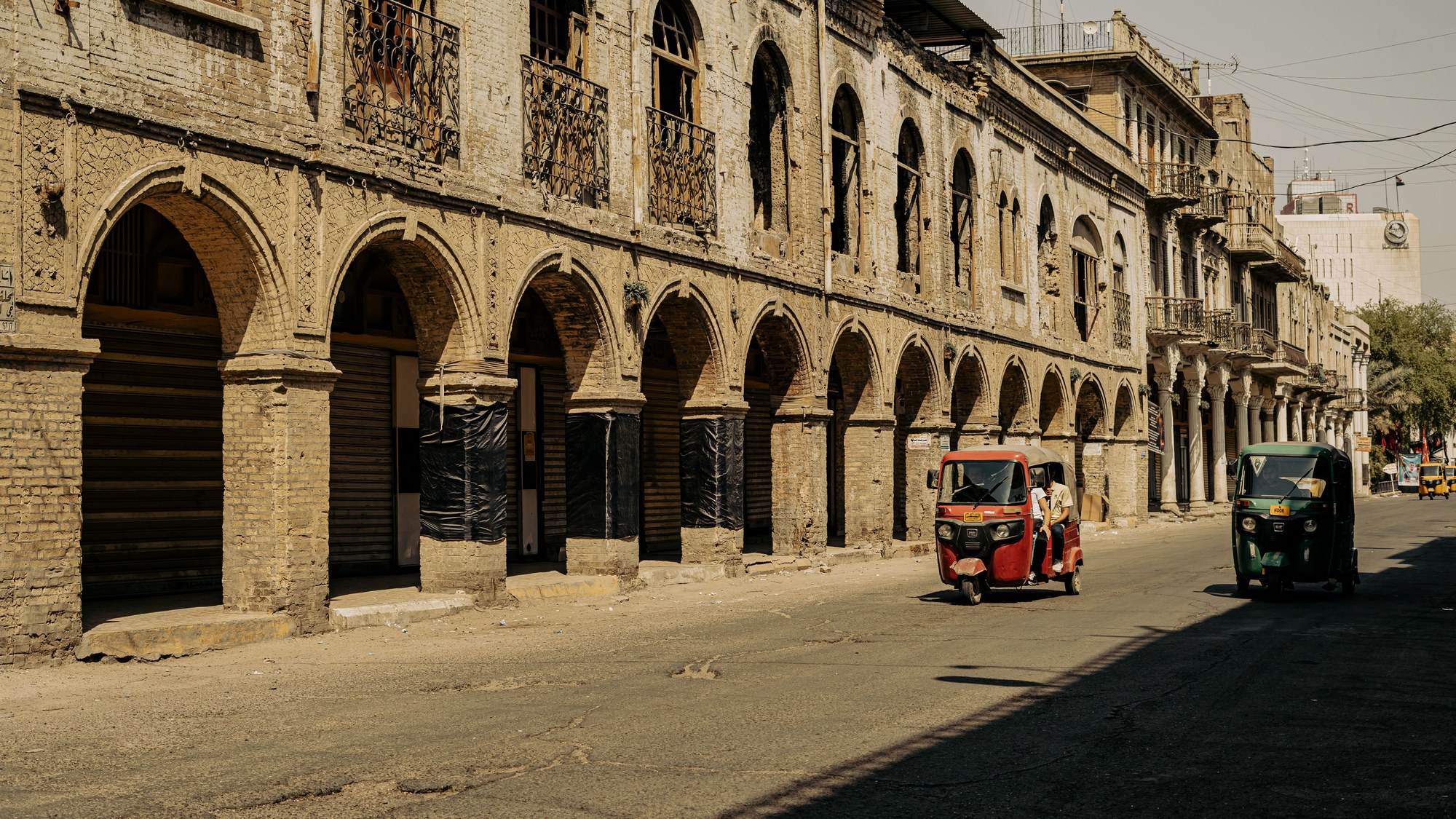
On Friday mornings, head to Al-Mutanabbi Street, the historic literary heart of Baghdad running down to the Tigris River. The street is lined with hundreds of outdoor bookstalls selling literature in Arabic, English, and French. Stop at the legendary Shabandar Cafe, established in 1917, where writers, artists, and intellectuals gather on wooden benches beneath historic photographs to sip sweet cardamom-infused black tea. Nearby, the 13th-century Al-Mustansiriya Madrasah stands as an architectural masterpiece of Abbasid Islamic brickwork and geometric ornamentation.
In the evening, dine at riverside open-air restaurants along Abu Nuwas Street overlooking the Tigris. Feast on traditional Masgouf—fresh carp caught from the river, butterflied, seasoned with rock salt and turmeric, and slow-roasted on wooden stakes over an open wood fire of fruitwood, served with fresh tanoor flatbread, raw onions, and pickled amba mango chutney.
Ancient Mesopotamia: Babylon, Ur, and the Marshes
South of Baghdad lies the fertile Mesopotamian cradle where human civilization first recorded its laws and literature. Located eighty-five kilometers south of the capital, the ancient city of Babylon served as the imperial capital of Hammurabi and later Nebuchadnezzar II (605–562 BCE).
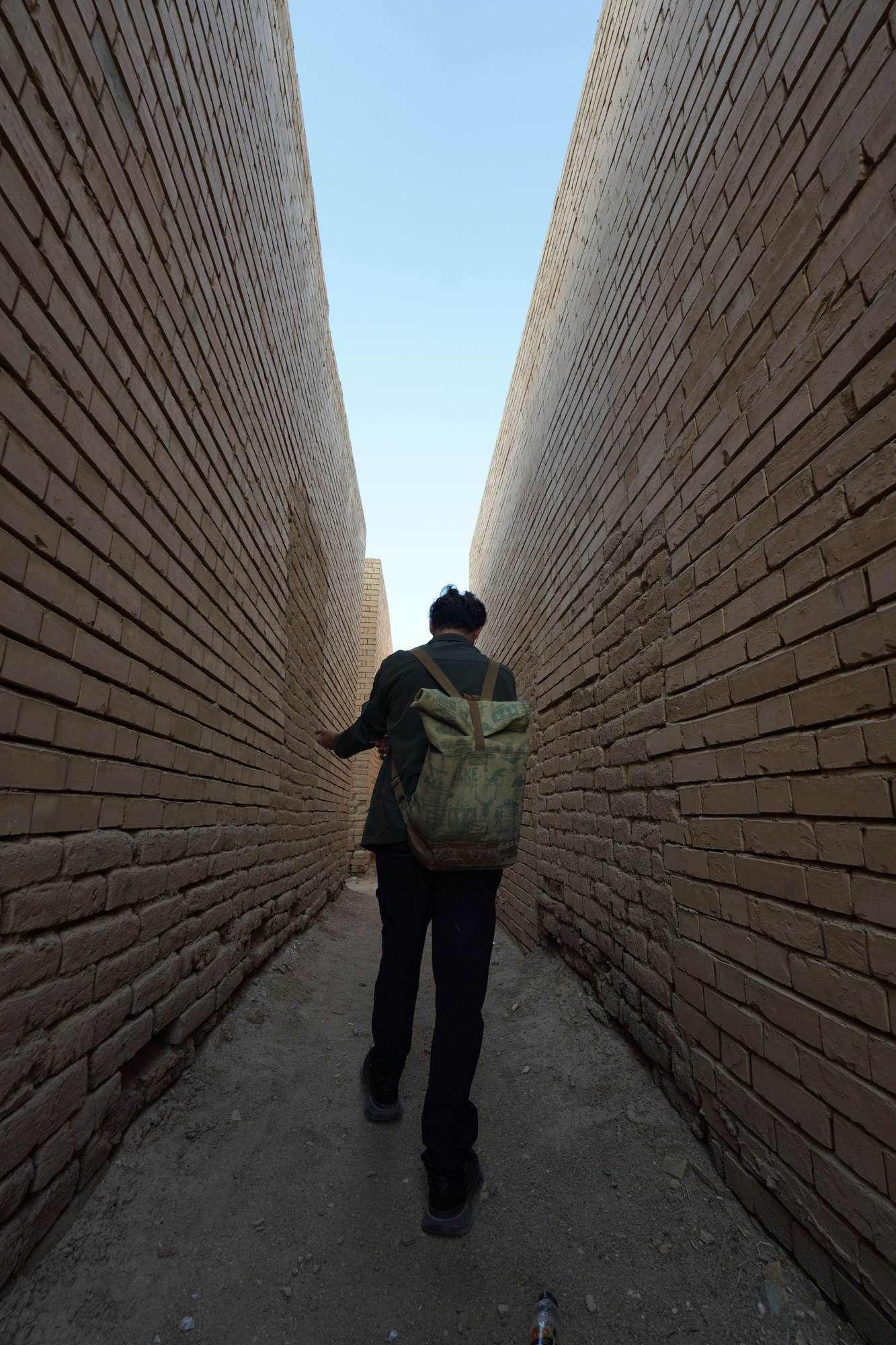
In Babylon, walk the Processional Way paved with original limestone slabs, flanked by mud-brick walls with bas-reliefs of dragons (mushkhushu) and lions sacred to Ishtar. Although the original glazed tiles of the Ishtar Gate are in Berlin’s Pergamon Museum, standing before the reconstructed gateway evokes the Neo-Babylonian Empire. Overlooking the ruins, Saddam Hussein’s former palace stands open as an eerie historical monument.
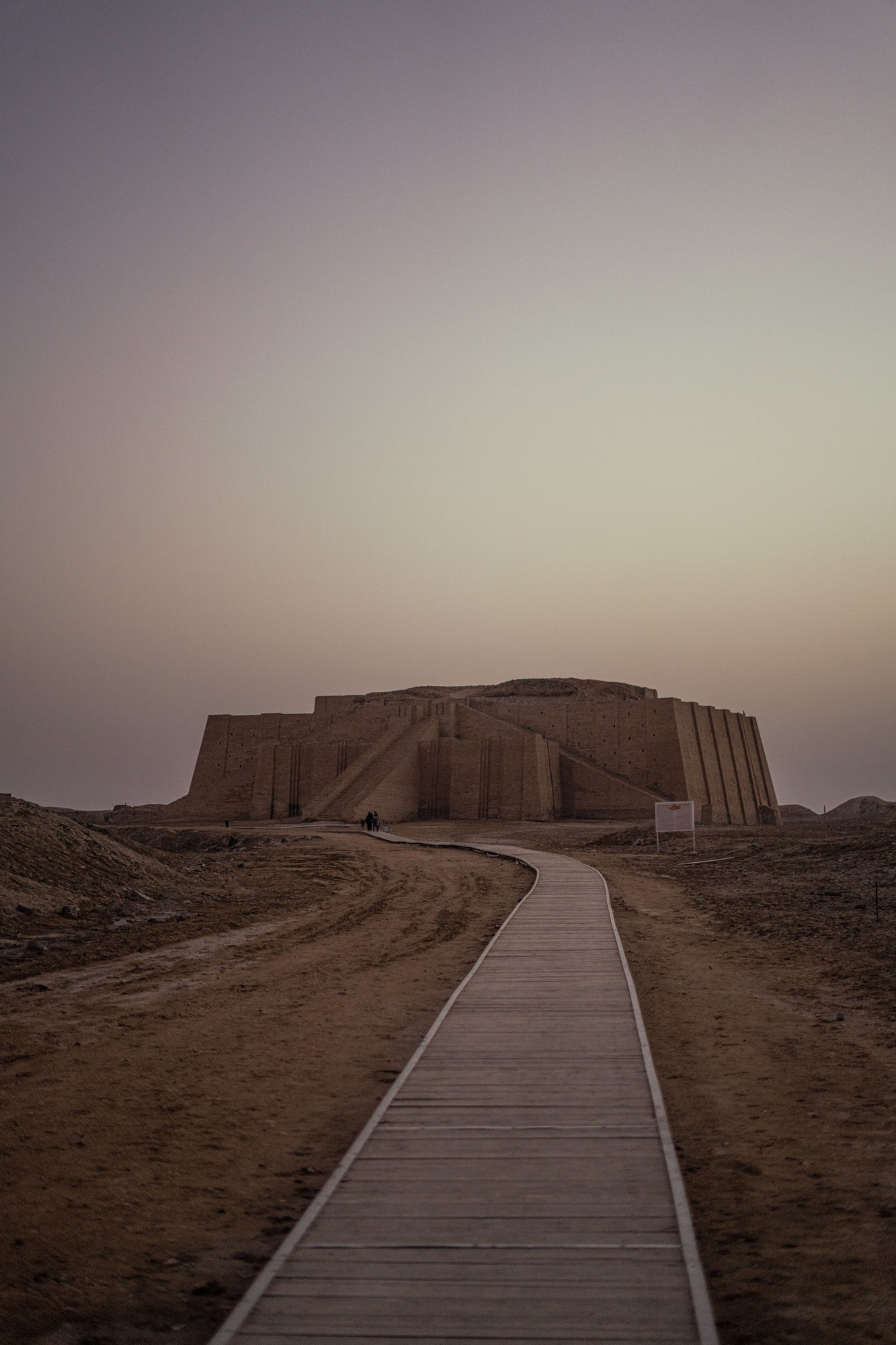
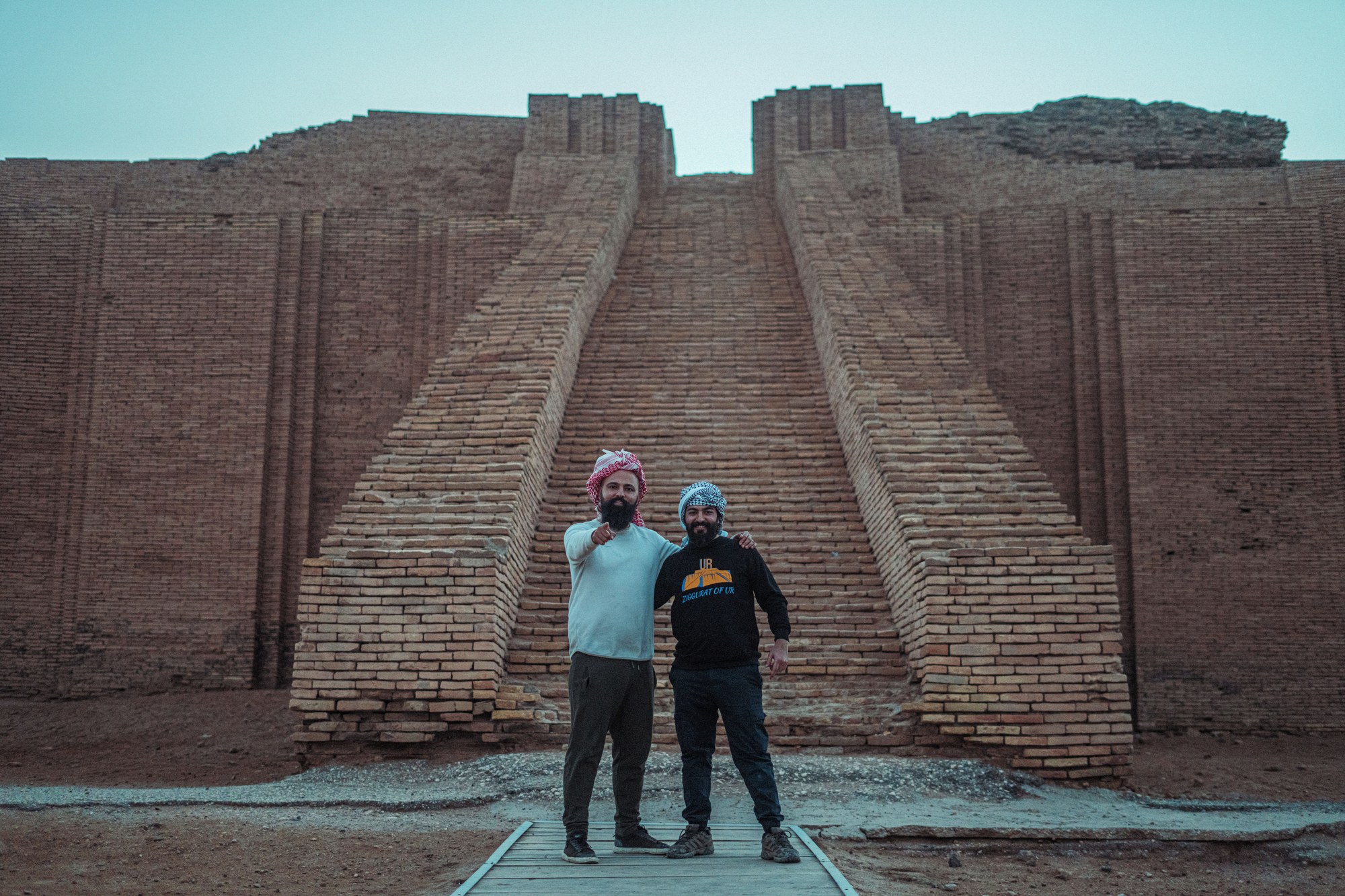
Further south near Nasiriyah rises the Great Ziggurat of Ur. Built around 2100 BCE by King Ur-Nammu for the moon god Nanna, this three-tiered mud-brick temple is one of earth’s best-preserved ziggurats. Climbing the central staircase where the patriarch Abraham lived provides a direct connection to the dawn of urban society.
East of Nasiriyah lies the Ahwar of Southern Iraq, also known as the Mesopotamian Marshes. Formed by the delta of the Tigris and Euphrates, these vast freshwater wetlands are home to the Ma’dan (Marsh Arabs), who have preserved an unbroken aquatic lifestyle for five millennia. Boarding traditional wooden canoes (mashhoofs) in Chibayish, you glide through narrow water channels flanked by towering papyrus reeds, watching herds of water buffalo swim across lagoons. You sleep in arched communal meeting halls (mudhifs) constructed entirely from woven reeds without a single nail or rope—a sustainable architectural marvel recognized by UNESCO.
Erbil and Iraqi Kurdistan: Mountain Canyons and Citadels
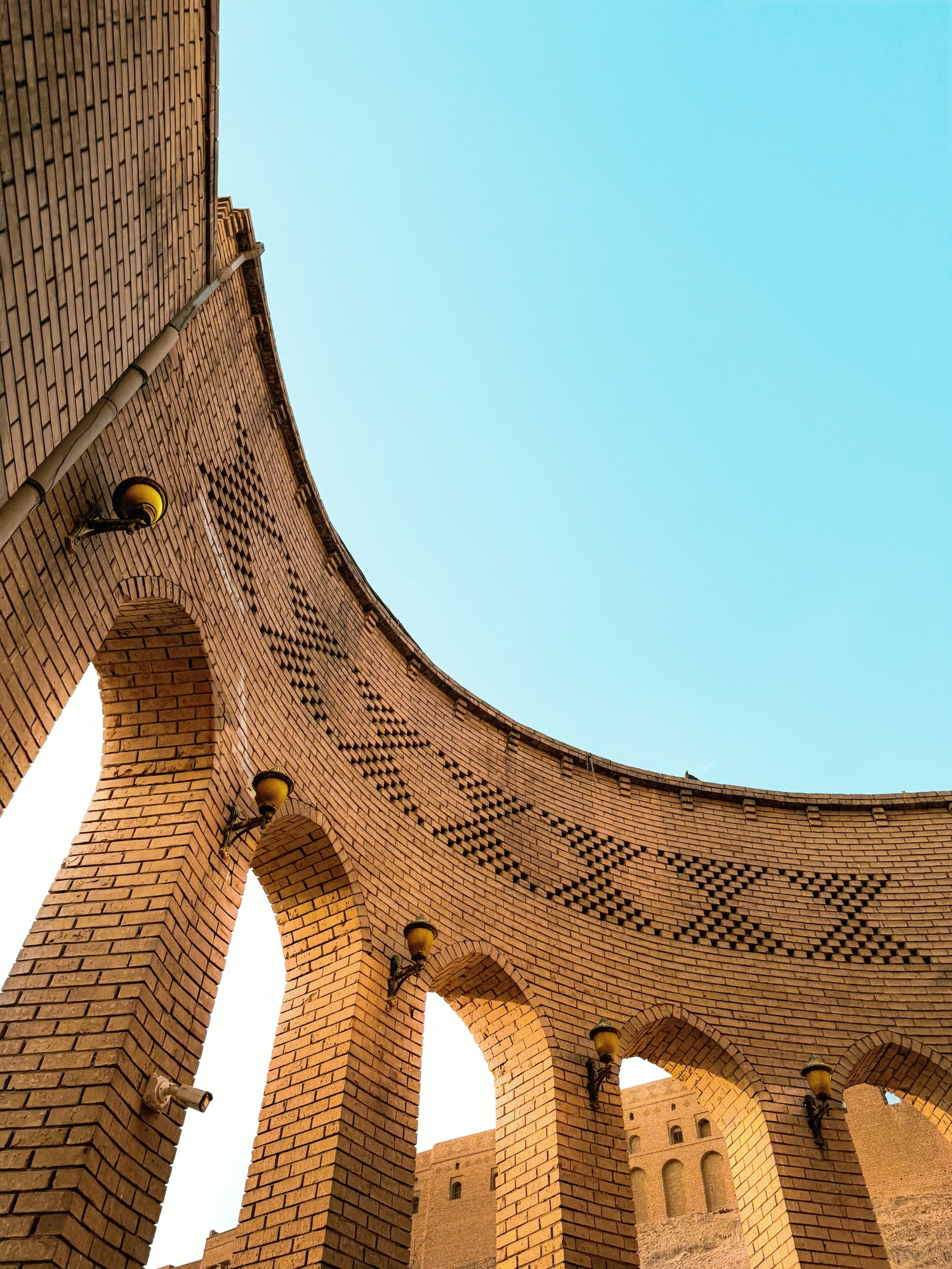
The Kurdistan Region of Iraq presents a striking topographical and cultural contrast to the southern plains. The regional capital, Erbil (Hewlêr in Kurdish), is centered around the UNESCO-listed Erbil Citadel, an imposing oval-shaped fortified tell rising thirty meters above the surrounding modern city. Archaeologists believe the mound has been continuously inhabited for over six thousand years, having witnessed the rise and fall of Assyrian, Persian, Hellenistic, and Ottoman rule.
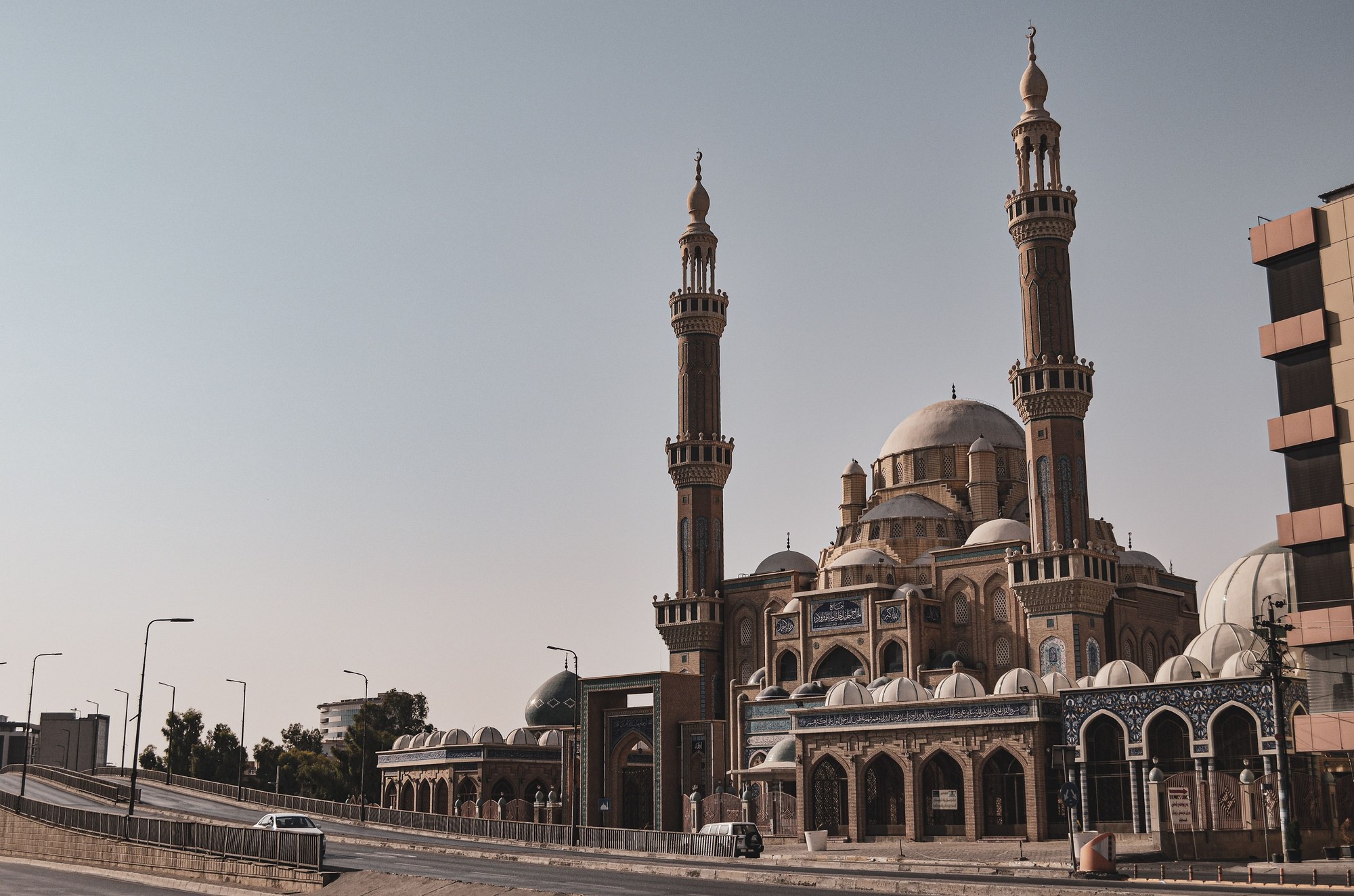
Inside the Citadel, explore restored mansions housing the Kurdish Textile Museum. Below spreads the Qaysari Bazaar, a labyrinth of vaulted brick alleys scented with sumac, wild thyme, and cardamom coffee. Nearby, the Jalil Khayat Mosque showcases Ottoman-style blue ceramic domes and soaring 65-meter minarets.
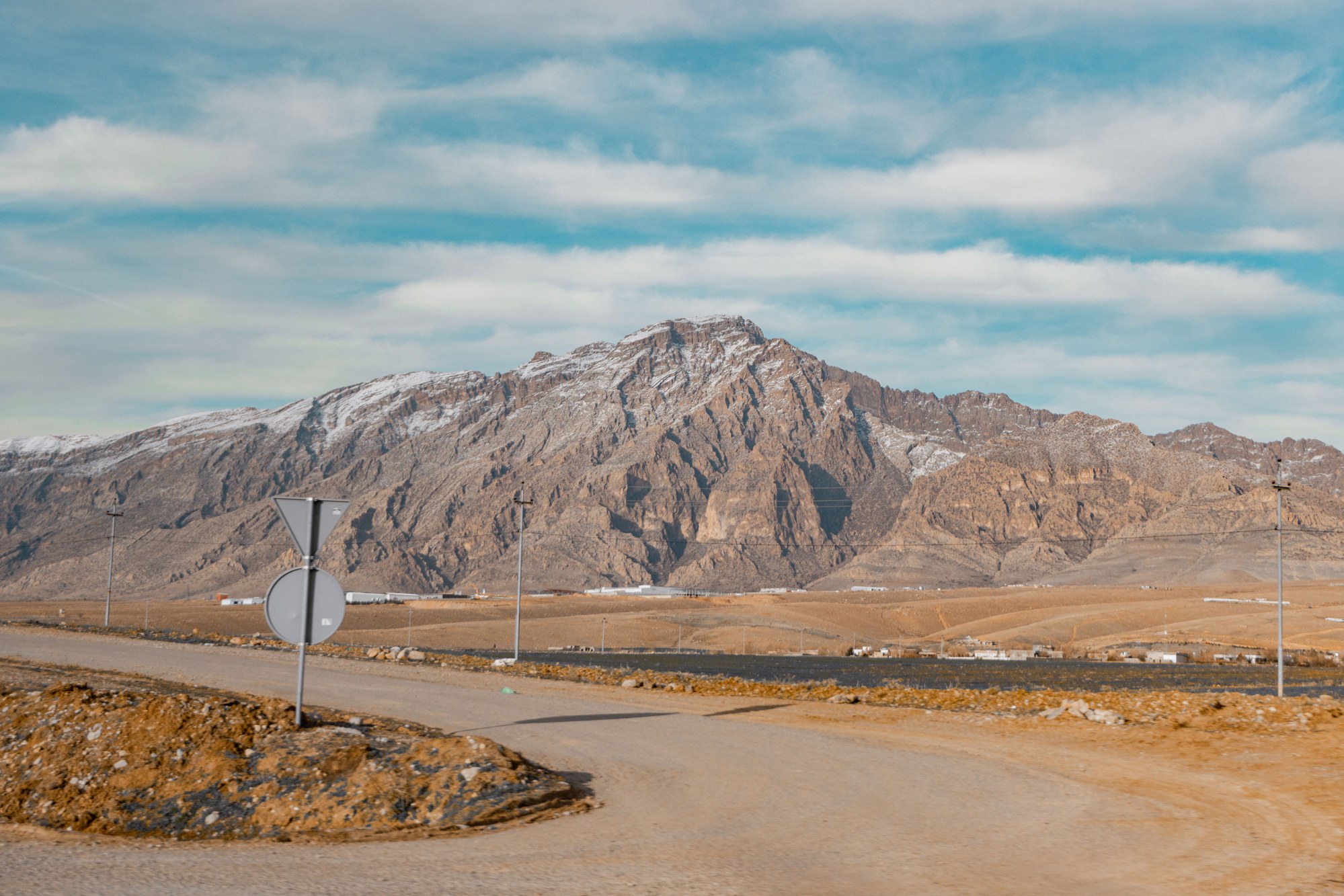
A short drive into the Zagros Mountains north of Erbil reveals dramatic alpine topography. The historic Hamilton Road winds through the sheer limestone cliffs of the Gali Ali Bag gorge and past the waterfalls of Bekhal. In nearby Rawanduz, deep river canyons offer refreshing escapes from summer heat, hiking trails, and cliffside restaurants serving grilled lamb kebabs and fresh mountain pomegranate juice.
Further east lies Sulaymaniyah, regarded as the cultural and artistic heart of Iraqi Kurdistan. Visit the Amna Suraka (Red Security Building), a former Ba’athist intelligence prison transformed into a powerful museum documenting Kurdish resistance, and explore bustling pedestrian bazaars filled with traditional tailoring shops and bookstalls.
Ground Transport, Highway Checkpoints, and Security Logistics
Transport logistics across Iraq require careful organization. Arriving at Baghdad International Airport (BGW), travelers must navigate airport security zoning. Private vehicles and standard city taxis are not permitted into the airport terminal grounds. Arriving passengers must take official airport terminal shuttle taxis (such as the authorized Al-Mumtaz taxi service) from the arrivals gate to the outer Baghdad Airport Square (Saha), where pre-arranged hotel drivers or city taxis can meet you.
Inside Baghdad and Erbil, yellow city taxis are ubiquitous. In Erbil and Baghdad, app-based ride-hailing services (such as Careem and Baly) operate reliably, offering upfront pricing in Iraqi Dinars and GPS route monitoring. For intercity journeys between Baghdad, Babylon, and Nasiriyah, hiring a private vehicle with an experienced local driver is the standard, safest practice. Vehicles should be well-maintained air-conditioned SUVs.
When traveling between cities, expect checkpoints every twenty to forty kilometers. Keep your passport and visa paperwork immediately accessible in your lap, not stowed away in the trunk. When your driver approaches a checkpoint, lower rear passenger windows, remove sunglasses, and offer a polite Arabic greeting (“Salam Alaykum”). Checkpoint officers are generally welcoming toward international tourists, often offering tea and warm welcomes (“Welcome to Iraq”).
Currency Realities: Managing the Cash Dinar Economy
Iraq operates overwhelmingly as a cash economy. The official national currency is the Iraqi Dinar (IQD), which circulates alongside the United States Dollar (USD). Understanding how these two currencies interact is essential for managing daily travel expenses.
Visa on arrival fees at Baghdad, Najaf, and Basra airports ($75 to $80 USD depending on nationality) must be paid in exact, physical cash US Dollars. Banknotes must be crisp, unblemished, free of ink marks or tears, and dated series 2013 or newer. Old or damaged foreign notes are strictly rejected by airport immigration and commercial bank cashiers.
Inside the country, everyday transactions—including food, museum entrance tickets, taxis, and market souvenirs—are settled in Iraqi Dinars. Banknotes circulate in denominations of 250, 500, 1,000, 5,000, 10,000, 25,000, and 50,000 IQD. Official exchange kiosks (sayrafa) are widespread in Baghdad, Erbil, and Nasiriyah, offering transparent conversions based on the Central Bank of Iraq (CBI) benchmark rate. Always exchange foreign cash at licensed exchange kiosks rather than informal street touts.
Credit card acceptance is extremely limited. Only major international hotel chains in Baghdad (such as the Babylon Rotana) and Erbil (such as the Erbil Rotana and Divan Erbil) process foreign Visa and Mastercard payments. ATMs linked to international networks exist in high-end hotels and central bank branches, but machines frequently run out of cash or charge high withdrawal fees. Arrive in Iraq carrying your anticipated budget in clean US Dollar cash, converting funds into Dinars as needed.
Field Connectivity: Asia Cell, Korek LTE & Roaming Setup
Telecommunications in Iraq are highly advanced, robust, and cost-effective. Cellular mobile infrastructure is dominated by two national market leaders: Asia Cell and Korek Telecom, alongside Zain Iraq. Asia Cell maintains exceptional nationwide 4G/LTE coverage across both Federal Iraq and the Kurdistan Region, while Korek provides particularly dense high-speed coverage throughout the northern Kurdish governorates.
Travelers using digital roaming can connect to high-speed data on the Asia Cell and Korek Telecom LTE networks through NXTL at an attractive, affordable rate of $2.87 per gigabyte. This low tariff ensures continuous connectivity for translation tools, Google Maps navigation, WhatsApp communication with local fixers and drivers, and sharing travel moments without the fear of excessive billing. Unused credit stays available for later trips across more than 180 countries.
While cellular signals are strong across Baghdad, Erbil, Babylon, and highway transit corridors, coverage can become intermittent when deep inside the Mesopotamian Marshes around Chibayish. Prepare for shallow-water boat excursions by pre-downloading offline mapping files on Maps.me and Google Maps. Pre-save digital copies of your passport, visa confirmation, hotel vouchers, and emergency contacts on your smartphone.
Having an active eSIM profile pre-installed on your device ensures instant connectivity upon landing at Baghdad International Airport or Erbil Airport, allowing you to hail rides, confirm driver pickups, and coordinate hotel check-ins without having to navigate crowded airport SIM card registration kiosks.
Five Critical Pitfalls and Scams to Avoid in Iraq
While Iraqi people are renowned across the world for their legendary warmth, hospitality, and generosity toward foreign visitors, travelers must observe strict safety protocols and cultural norms. Guard against these five critical pitfalls:
- Kurdistan vs. Federal Iraq Visa Discrepancy: Entering Iraq via Erbil or Sulaymaniyah grants a regional Kurdistan visa that is legally invalid for travel into Federal Iraq. Attempting to pass south through federal checkpoints (such as Kirkuk or Altun Kupri) toward Baghdad without a Federal Iraqi visa leads to immediate detention and deportation back to the KRI.
- Unregulated Taxis at Baghdad International Airport: Unofficial drivers outside the BGW arrivals terminal quote extortionate fares to unsuspecting travelers. Avoid freelance touts and take exclusively the official Al-Mumtaz airport terminal taxi service to the outer airport square or arrange a verified driver through your hotel.
- Photography Violations at Military Checkpoints and Shrines: Photographing security checkpoints, military vehicles, police officers, government ministries in Baghdad’s Green Zone, or religious shrine interiors without explicit permission is strictly illegal. Security officers will confiscate cameras or memory cards; always ask permission before taking photos.
- Navigating the Mesopotamian Marshes Without Local Boatmen: The reed channels of the Ahwar marshes are an intricate, unmapped labyrinth. Venturing into the marshlands with inexperienced tour operators risks grounding on shallow mud banks or running out of fuel in remote waterways; hire registered local boatmen in Chibayish.
- Accepting Damaged or Pre-2013 US Dollar Banknotes: Currency exchangers, hotels, and airport immigration desks reject US Dollar bills with minor tears, stamps, pinholes, or pre-2013 dates. Inspect every banknote in your wallet prior to travel and refuse any damaged bills given as change.
With respectful cultural awareness, verified transport coordination, and proper documentation, a journey through Iraq stands as an unforgettable encounter with the deep foundations of human history: from the dawn of writing at ancient Sumerian temples to the timeless warmth of Mesopotamian hospitality.