Travel to Iran occupies a singular position in international travel planning. Home to over five millennia of continuous civilization, twenty-seven UNESCO World Heritage sites, and an extraordinary tradition of architectural and artistic refinement, Iran offers encounters with ancient history unmatched almost anywhere on Earth. Yet traveling here requires navigating profound geopolitical complexities, severe economic sanctions, complete banking isolation, strict legal codes, and state internet censorship.
Foreign ministries across Western nations—including the British Foreign, Commonwealth & Development Office, the United States Department of State, and European diplomatic corps—maintain strict advisories against all travel to Iran due to regional military tensions, the risk of arbitrary detention of foreign and dual nationals, and limited consular assistance. Conventional leisure tourism must be evaluated against these serious realities.
For independent cultural researchers, visiting diaspora families, regional travelers, and experienced expeditioners whose nationalities permit travel, success depends on meticulous advance planning. Every aspect of a journey—from nationality-specific visa rules and cash management to offline communications and cultural etiquette—demands operational clarity. This guide delivers grounded intelligence on navigating Iran’s classic cultural corridor from Tehran through Kashan, Isfahan, and Yazd to Shiraz and Persepolis.
Before booking any flight, travelers must understand that entry requirements, legal freedoms, and movement restrictions vary dramatically depending on the passport you hold. What is an independent road trip for an EU citizen is legally restricted for a British, American, or Canadian traveler.
Nationality-Specific Regulations: Escorted Tours vs. Independent Travel
Iran enforces strict passport-based travel regulations. Travelers holding United States, United Kingdom, or Canadian citizenship are legally barred from independent travel. By Iranian law, citizens of these three nations must be accompanied by an accredited, government-licensed Iranian tour guide for the entire duration of their stay, from airport arrival to departure. Every overnight hotel, transfer, and daily itinerary must be submitted weeks in advance to the Ministry of Foreign Affairs (MFA) to secure an official visa authorization code.
In contrast, citizens of European Union nations, Australia, New Zealand, and numerous Asian and Latin American countries can travel independently throughout the country. Travelers from eligible nations can apply online through the official Iranian e-Visa portal or engage a licensed local travel agency to sponsor an MFA authorization code. To prevent complications with United States visa waiver programs (ESTA), Iranian immigration authorities do not affix physical visa stickers or ink entry and exit stamps inside foreign passports; visas are issued on separate paper slips, and border crossings are recorded digitally.
Holders of Israeli passports are strictly barred from entering Iran under any circumstances. Furthermore, foreign travelers whose passports contain any evidence of travel to Israel—including Israeli border stamps, land-border exit stamps from Jordan or Egypt, or security barcode stickers—will be denied boarding or refused entry at Iranian immigration checkpoints.
Once your visa authorization code is approved by the MFA, you collect your visa at your designated Iranian embassy abroad or upon landing at Tehran’s Imam Khomeini International Airport (IKA). Ensure your passport has at least six months of validity remaining from your planned date of departure.
Financial Realities: Cash Reliance, Tomans vs. Rials & Tourist Cards
Navigating money in Iran requires adapting to total electronic isolation from international banking. Due to comprehensive international sanctions, foreign Visa, Mastercard, American Express, Maestro, and UnionPay cards do not function anywhere in the country. International ATMs do not exist, and foreign wire transfers cannot be processed through commercial banks.
Travelers must carry sufficient physical cash to fund their entire itinerary from start to finish. The preferred foreign currencies are Euros (EUR) and US Dollars (USD). Bring clean, crisp banknotes free of tears, creases, or markings. US Dollars must be modern series (post-2013 “blue” hundred-dollar bills). Currency exchange should be conducted at licensed exchange shops (*Sarrafi*), prominently clustered along Ferdowsi Street in central Tehran and around major bazaars in Isfahan and Shiraz.
Exchanging cash requires understanding Iran’s dual currency denomination system. The official legal currency is the Iranian Rial (IRR). However, in everyday conversation, retail commerce, restaurant menus, and taxi fares, Iranians calculate prices in Tomans. One Toman equals ten Rials. For example, if a taxi driver quotes a fare of “fifty thousand,” they mean fifty thousand Tomans, which equals five hundred thousand Rials. Always clarify whether a quoted price is in Tomans or Rials before concluding a transaction.
Carrying large bricks of paper banknotes can be cumbersome. To solve this, travelers can obtain an Iranian tourist debit card (such as MahCard or Daric Card). These prepaid cards can be ordered online before arrival or obtained at major hotels in Tehran. You hand over physical Euro or US Dollar cash, which is converted at the competitive free-market exchange rate (*Bonbast* rate) and deposited onto a local Iranian Shetab debit card, allowing you to swipe smoothly at shops, cafes, and ticket booths nationwide.
The Classic Persian Cultural Route: An 11-Day Blueprint
For travelers exploring Iran’s cultural heartland, the classic overland corridor connecting Tehran, Kashan, Isfahan, Yazd, and Shiraz offers an extraordinary progression of imperial architecture, desert oases, and ancient Silk Road heritage. An eleven-day itinerary provides balanced pacing without excessive transit fatigue.
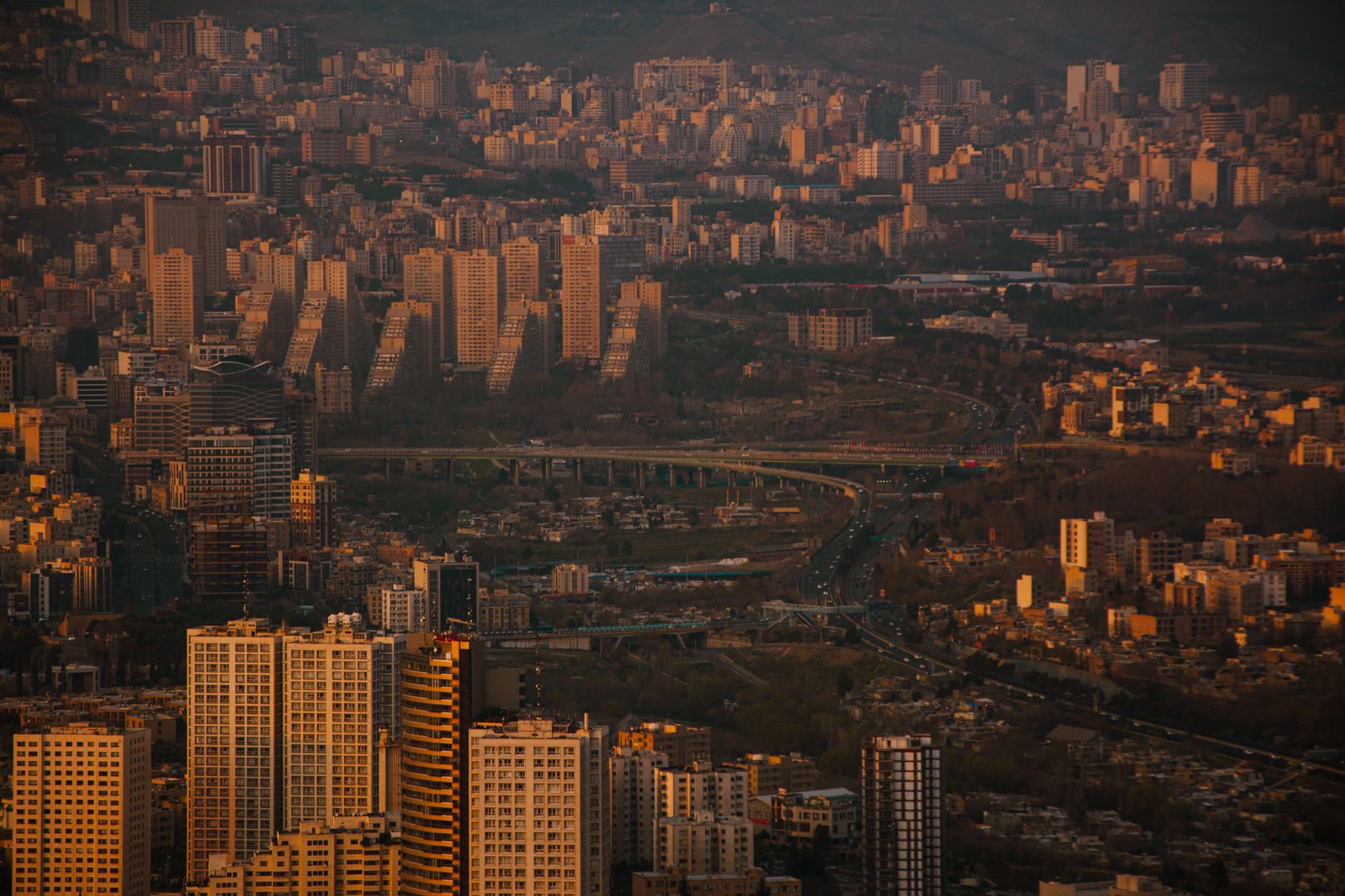
Begin with two nights in Tehran. The sprawling capital situated against the snow-capped Alborz mountains houses Iran’s greatest national treasures. Tour the UNESCO-listed Golestan Palace, an opulent Qajar-era royal complex featuring mirror-lined reception halls and painted tilework. In the vaults of the Central Bank, inspect the National Jewelry Treasury, which displays the Peacock Throne and the Daria-i-Noor (“Sea of Light”), a pale pink diamond weighing one hundred and eighty-two carats. Stroll through the labyrinthine alleys of the Grand Bazaar and walk across the multi-tiered Tabiat Bridge at sunset.
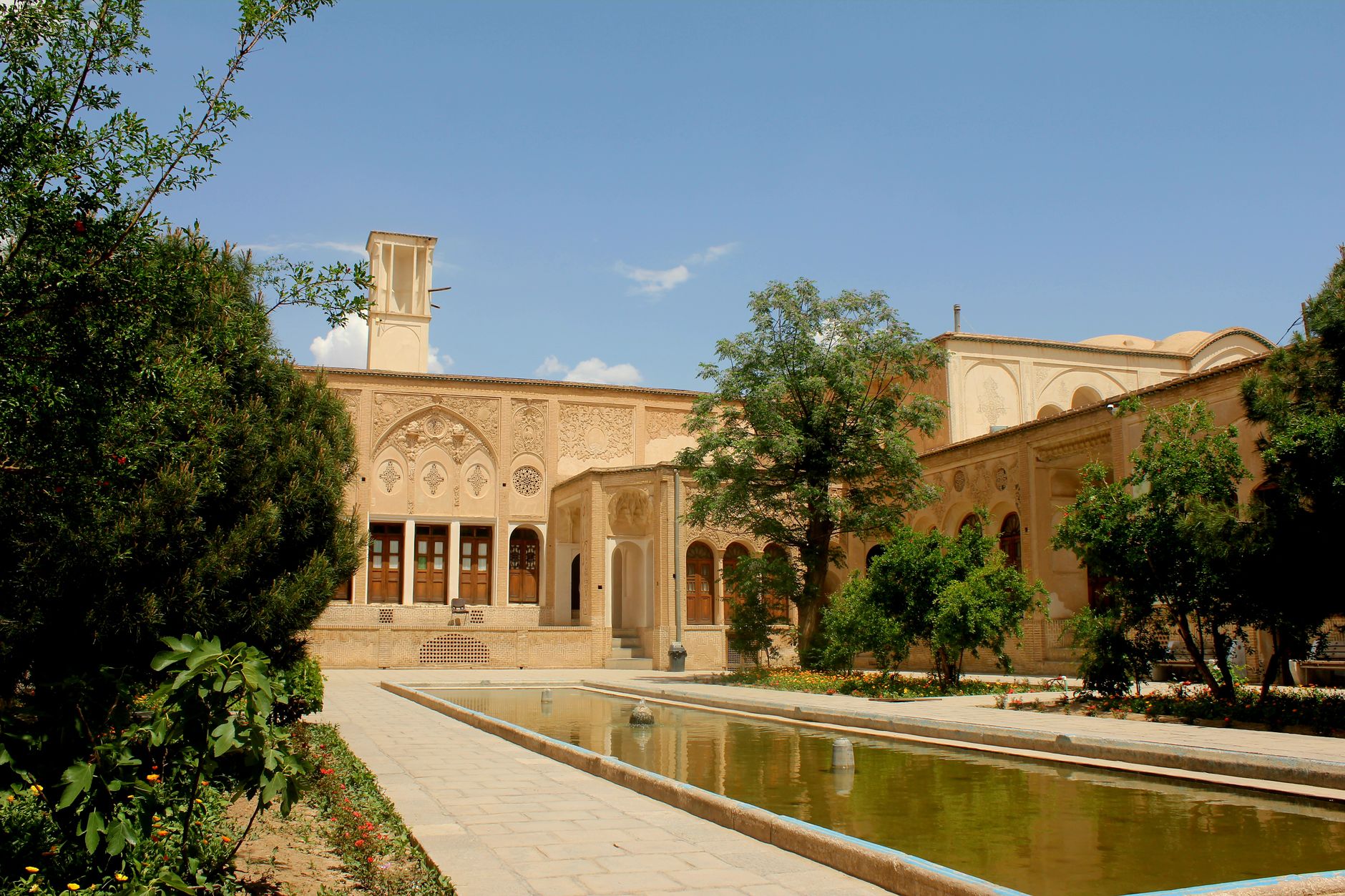
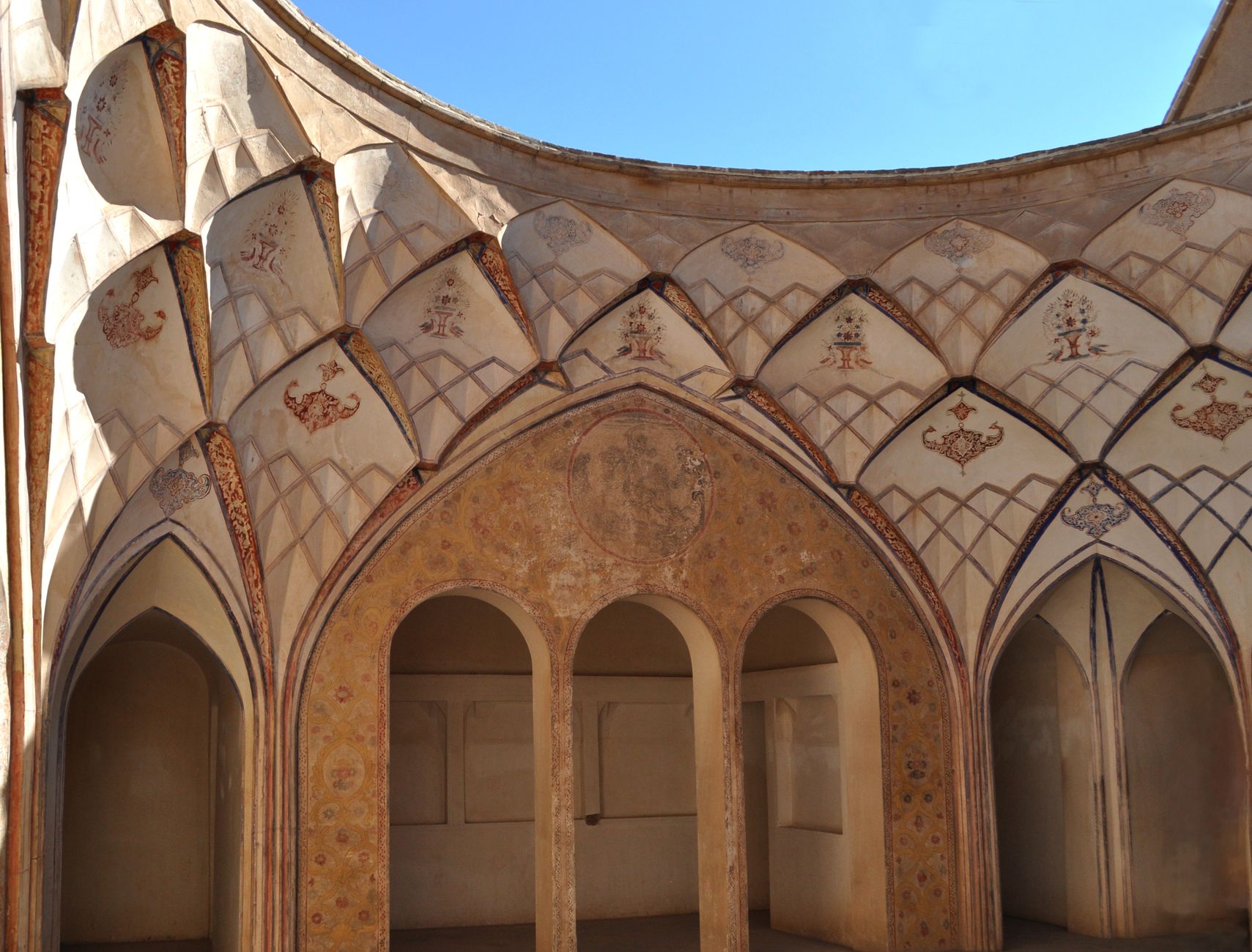
On day three, travel south toward Kashan, an ancient desert oasis celebrated for its nineteenth-century merchant mansions. Tour the Borujerdi House and Tabatabaei House, marveling at intricate plaster relief ceilings, stained glass courtyards, and subterranean cooling chambers. Climb to the undulating domed roof of the Sultan Amir Ahmad Bathhouse for panoramic views over Kashan’s mud-brick skyline, and stroll through the UNESCO-listed Fin Garden, a classical Persian paradise garden fed by natural mountain springs.
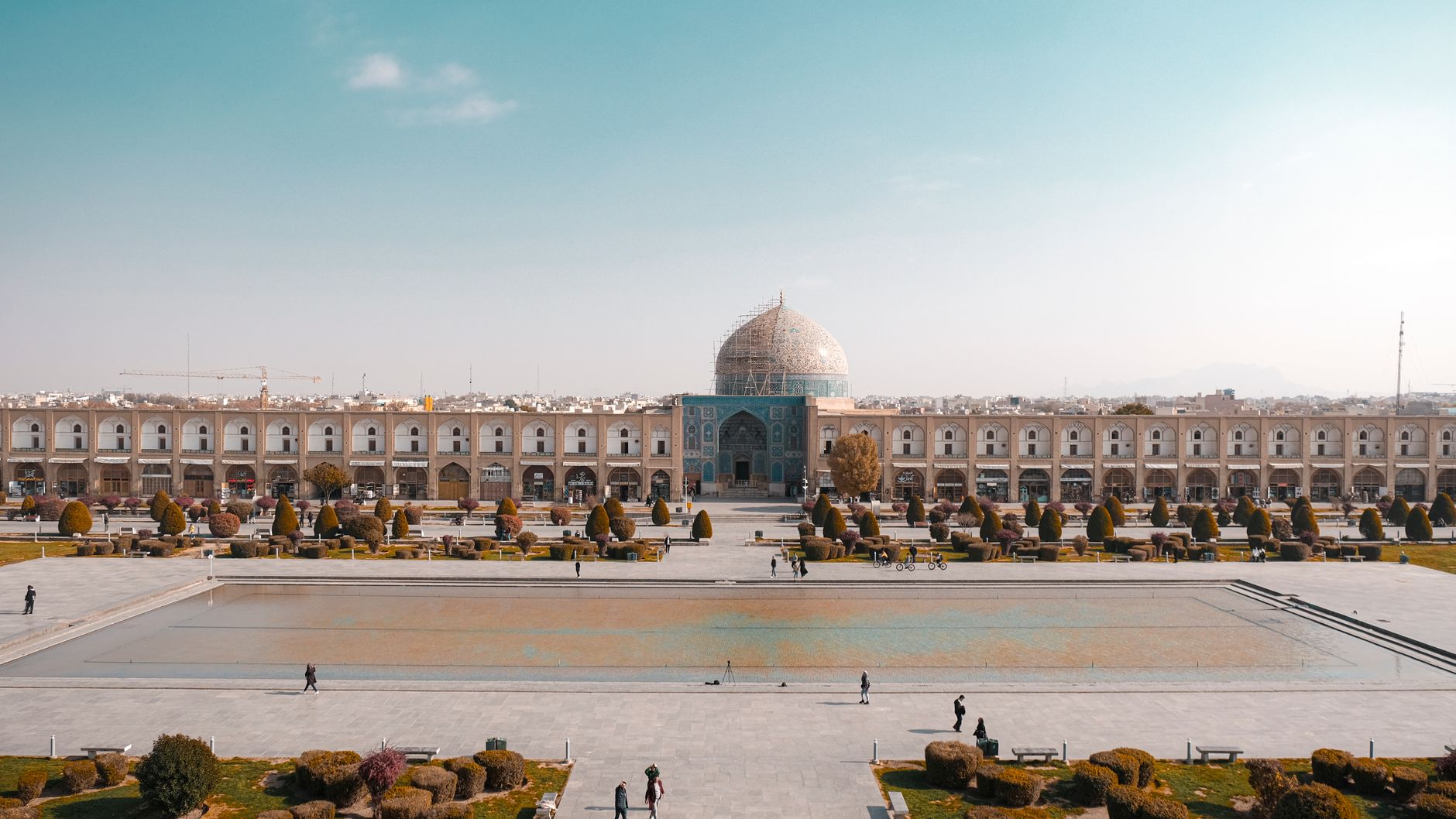
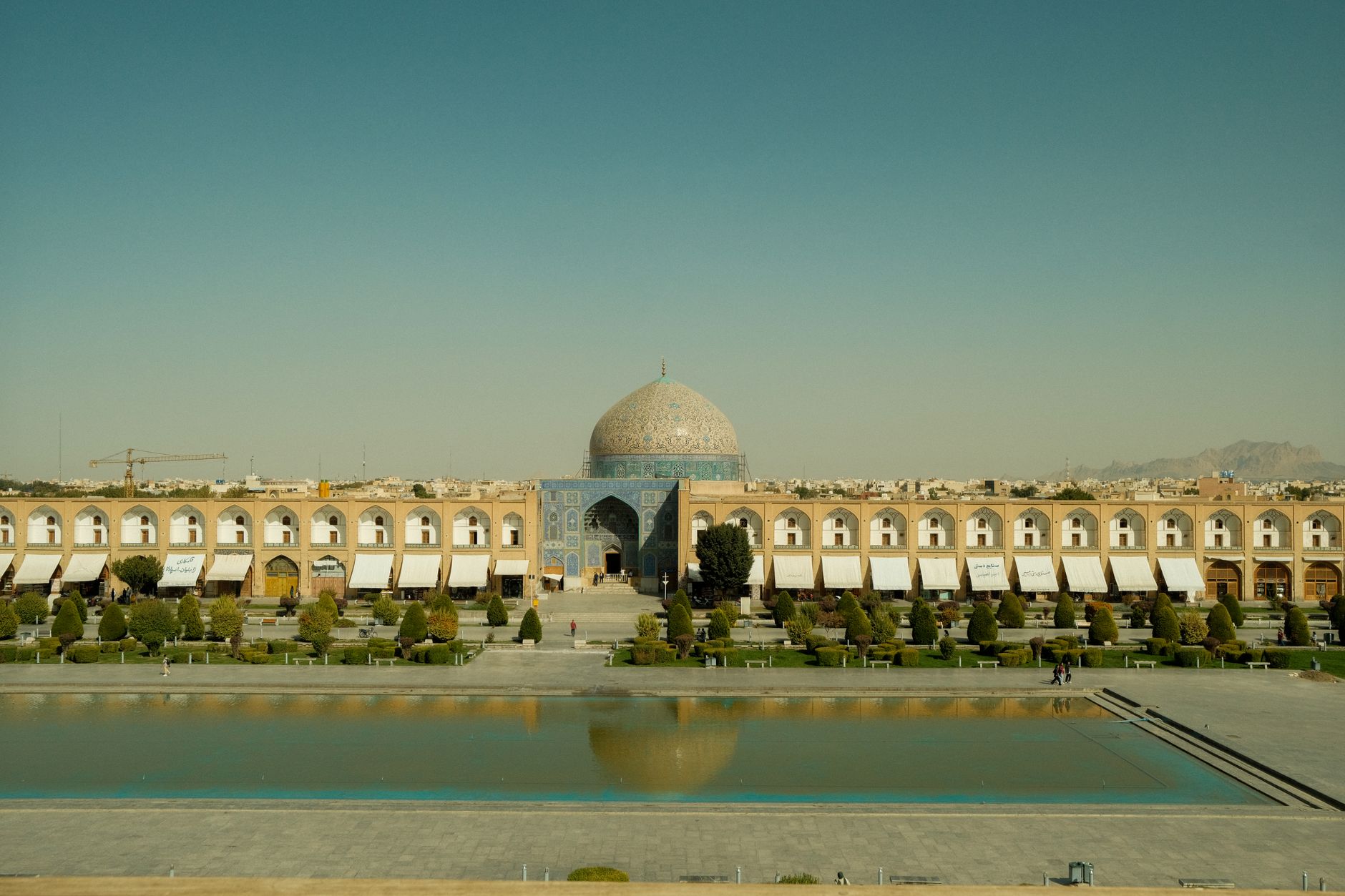
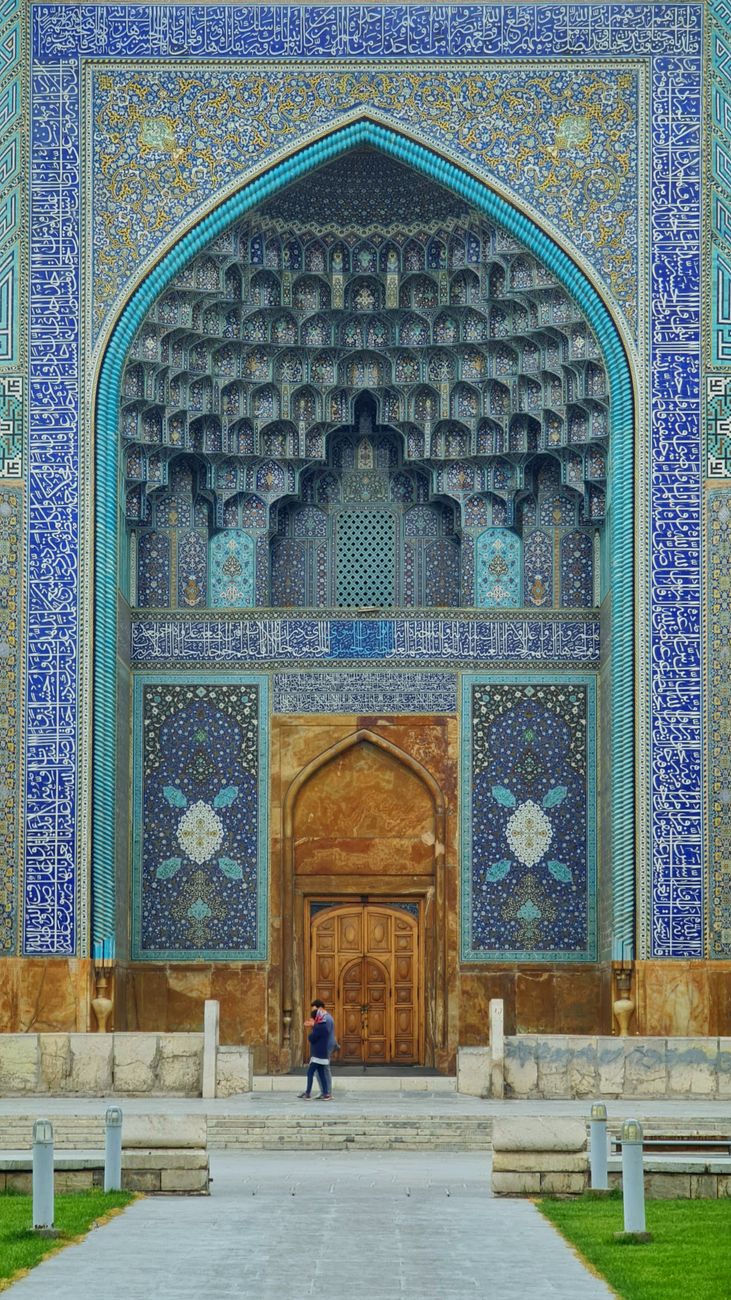
Continue to Isfahan for three nights. Known historically as “Half the World” (*Esfahan Nesf-e Jahan*), Isfahan reached its zenith under Safavid Shah Abbas I in the seventeenth century. The city revolves around Naqsh-e Jahan Square, one of the largest public squares on Earth. Flanking the square are the monumental Shah Mosque with its cobalt mosaic entrance portal, the intimate Sheikh Lotfollah Mosque with its cream arabesque dome, and the six-story Ali Qapu Palace. In the evening, join local families strolling across the historic arched bridges of Si-o-se-pol and Khaju spanning the Zayandeh River, and explore the historic Armenian quarter of New Julfa with its frescoed Vank Cathedral.
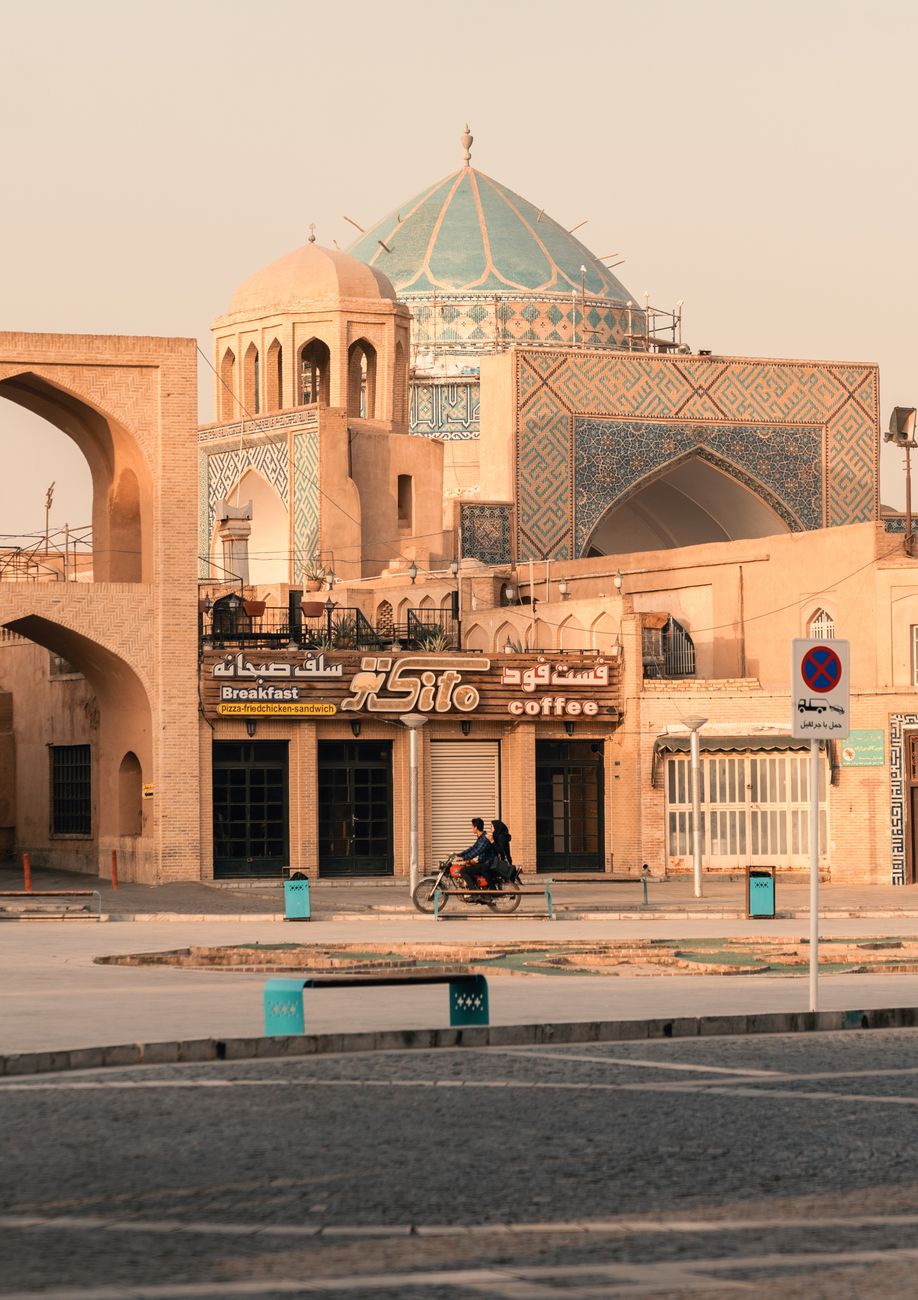
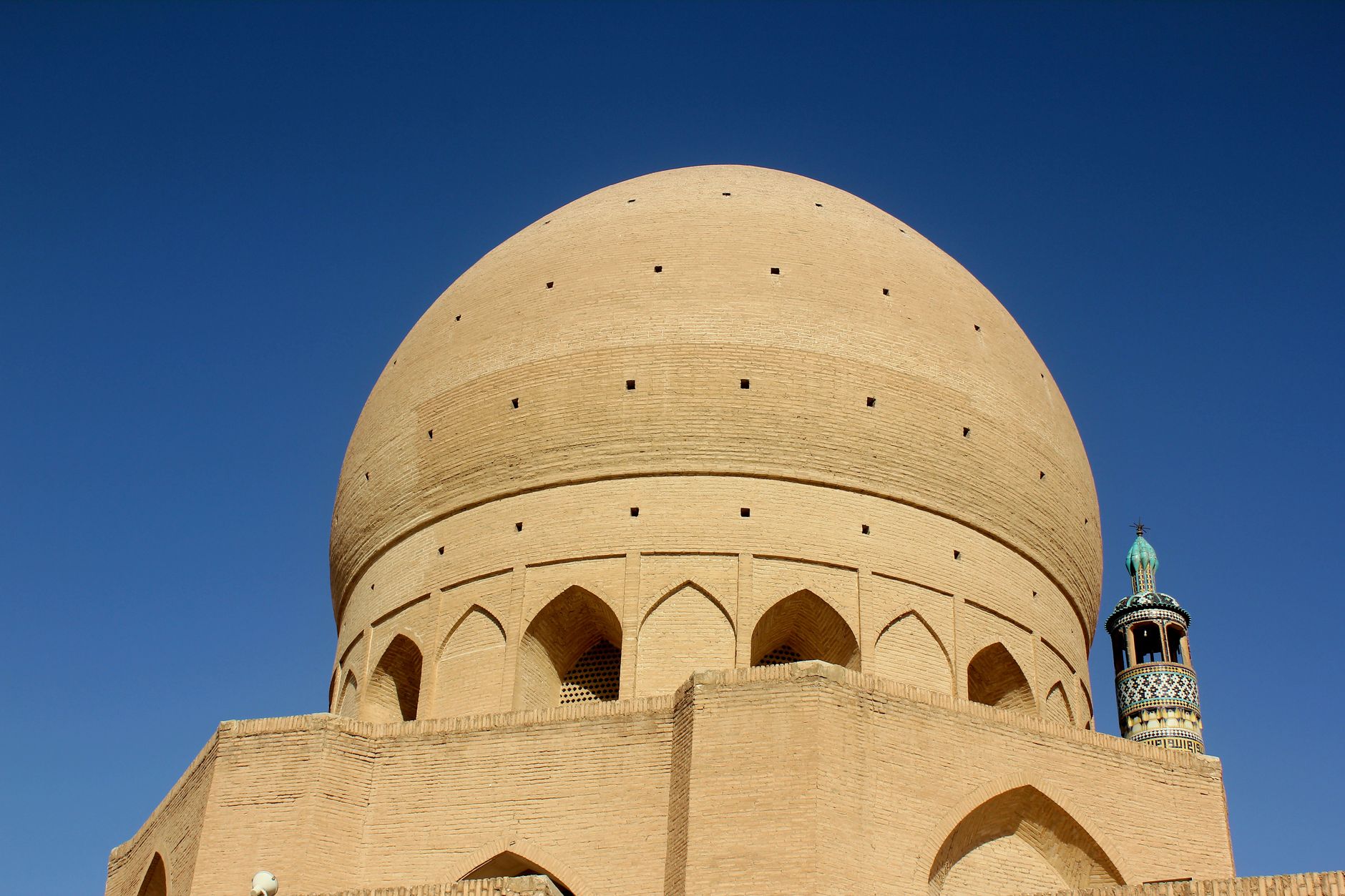
On day seven, drive east into the desert to Yazd for two nights. Recognized as a UNESCO World Heritage site, Yazd is an ancient mud-brick city famous for its windcatchers (*badgirs*)—ingenious earthen cooling towers that capture desert breezes to cool domestic interiors. Explore the Jameh Mosque of Yazd, walk through the historic clay alleys of Fahadan, and visit ancient Zoroastrian sites, including the Towers of Silence (*Dakhmeh*) and the Zoroastrian Fire Temple (*Atashkadeh*), where a sacred flame has burned continuously since 470 CE.
Conclude your journey with three nights in Shiraz, the historic capital of Persian poetry, wine, and gardens. Visit the tomb of revered fourteenth-century poet Hafez (*Hafezieh*), stroll through the tranquil orange groves of Eram Garden, and admire the Vakil Mosque and Bazaar. On day ten, take an unforgettable day excursion to Persepolis (*Takht-e Jamshid*), fifty kilometers northeast. Founded by Darius the Great in 518 BCE as the ceremonial capital of the Achaemenid Empire, Persepolis showcases colossal stone staircases, winged bull colossi at the Gate of All Nations, and bas-relief carvings depicting tribute-bearers from across twenty-three subject nations. Nearby, the cliff-face royal tombs of Naqsh-e Rustam showcase rock-cut monumentality.
From Shiraz, travelers can catch a domestic flight back to Tehran’s Mehrabad Airport (THR) to connect with international departures from Imam Khomeini International Airport (IKA).
Eleven-Day Classic Persian Route Overview
| Stage / Destination | Overnight Base | Historic Cultural Focus | Recommended Transport | Realistic Transit Window | Advance Reservation Mandate |
|---|---|---|---|---|---|
| Days 1–2: Capital Heritage | Tehran Central | Golestan Palace, National Jewelry Treasury, Grand Bazaar, Tabiat Bridge | Metro / Snapp ride-hailing | 30–45 min urban transfers | Pre-book hotel; verify Jewelry Treasury opening days |
| Day 3: Desert Oasis | Kashan Old Town | Borujerdi & Tabatabaei mansions, Fin Garden, Sultan Amir Ahmad roof | VIP Coach / Private car | 2.5–3 hours from Tehran | Reserve traditional boutique courtyard hotel |
| Days 4–6: Safavid Wonder | Isfahan Center | Naqsh-e Jahan Square, Shah Mosque, Sheikh Lotfollah, New Julfa Vank | VIP Coach / Intercity rail | 2.5 hours from Kashan | Book central hotel near square 4–6 weeks ahead |
| Days 7–8: Mud-Brick City | Yazd Old Quarter | Fahadan clay alleys, windcatchers, Zoroastrian Fire Temple, Amir Chakhmaq | VIP Coach (2+1 luxury) | 4 hours from Isfahan | Reserve historic converted caravanserai lodging |
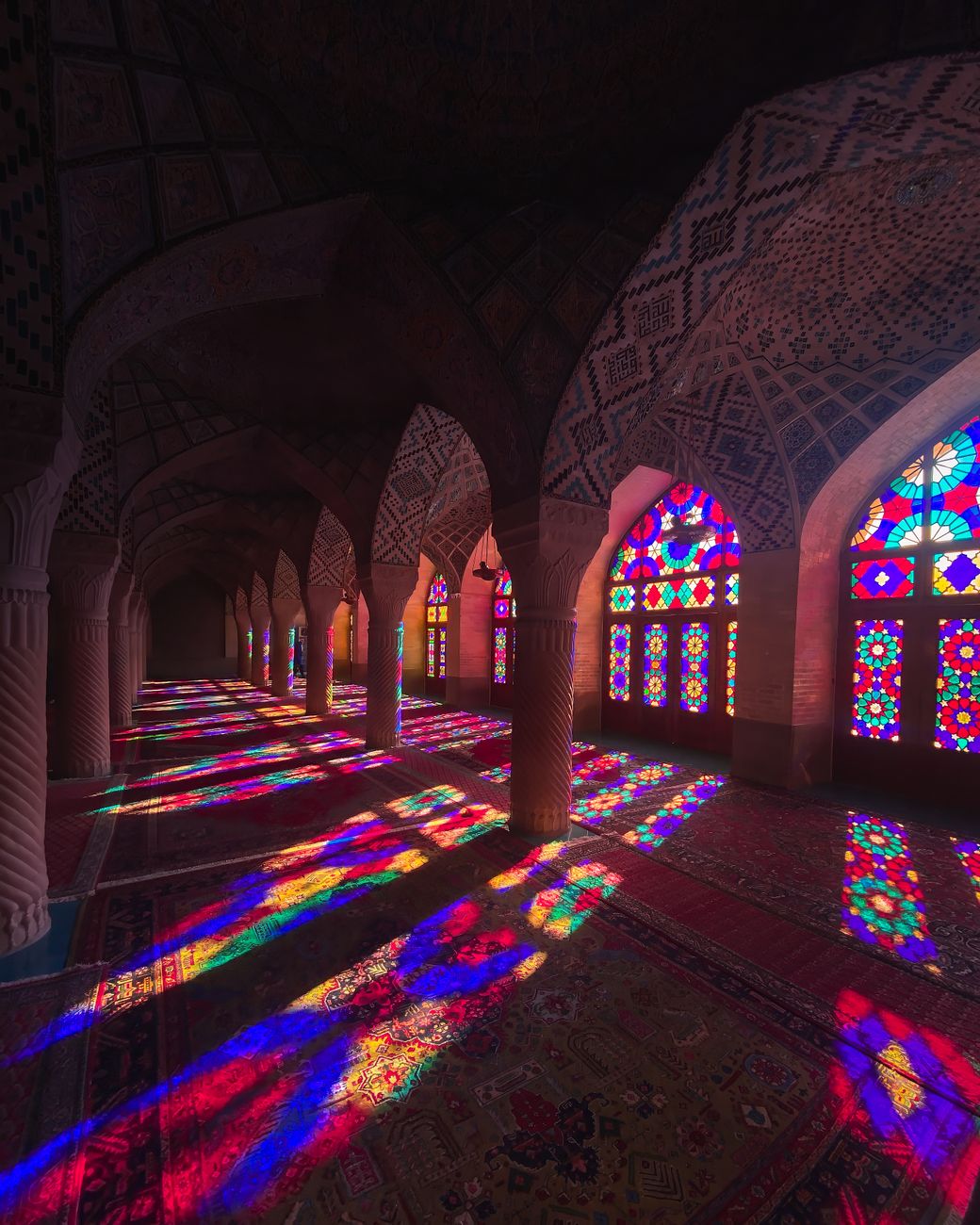
| Days 9–11: Poetry & Empire | Shiraz Historic Base | Nasir al-Mulk Pink Mosque, Hafez Tomb, Persepolis & Naqsh-e Rustam | VIP Coach / Domestic flight | 5.5 hours drive from Yazd | Book Persepolis private driver and guide in advance |
For travelers with less time, the classic triangle of Tehran, Isfahan, and Shiraz can be completed in eight days by utilizing high-speed domestic flights to eliminate long highway driving legs.
Cultural Etiquette, Dress Codes & Social Observances
Navigating Iran with cultural respect and legal compliance requires strict adherence to public codes. Iranian law enforces traditional Islamic dress codes (*Hejab*) across all public spaces, hotels, and transportation.
For female travelers, compliance is mandatory from the moment your aircraft enters Iranian airspace until departure. Women must wear loose-fitting clothing that covers the arms and extends past the hips (such as a light coat, tunic, or *manteau*) over trousers or long skirts. A headscarf (*rusari* or hijab) must cover the hair. While urban women in Tehran and Isfahan wear colorful headscarves pushed back loosely, conservative cities like Yazd call for more modest coverage. For male travelers, long trousers are required in public; wearing shorts is strictly prohibited. Short-sleeved shirts and t-shirts are completely acceptable.
Alcohol is strictly illegal throughout Iran. Bringing alcohol into the country or purchasing it is a severe criminal offense. In public dining, meals are accompanied by tea, non-alcoholic malt beverages, fresh fruit juices, and *doogh* (a chilled savory yogurt drink flavored with mint).
An essential social convention is *Taarof*, an intricate Persian code of formal politeness and verbal deference. When you attempt to pay a taxi driver or shopkeeper, they may wave their hand and say *”Ghabeleh shoma ra nadareh”* (“It is not worthy of you; it is free”). This is not an offer of free service, but a polite social ritual. You must politely insist on paying two or three times until the vendor quotes the actual price. Similarly, if someone invites you to their home for dinner or offers a gift, refuse politely at first; if they insist multiple times with enthusiasm, the invitation is genuine and may be graciously accepted.
Photography is subject to strict security sensitivities. Never photograph military installations, police stations, government ministries, nuclear sites, border posts, or civil demonstrations. Exercise caution when photographing people in bazaars, and always ask explicit verbal permission before taking individual portraits.
Overland Transit: VIP Coaches, Domestic Rail & Ride-Hailing
Getting around Iran is surprisingly comfortable and remarkably affordable. The country possesses well-developed transportation infrastructure spanning intercity express coaches, domestic rail lines, and urban ride-hailing networks.
Intercity express buses are the preferred choice for overland travel along the Tehran-Kashan-Isfahan-Yazd-Shiraz corridor. Specifically request VIP Buses. These modern European coaches (Scania, Volvo, MAN) feature spacious 2+1 seating configurations with wide leather reclining seats, individual footrests, powerful air conditioning, and complimentary snack and beverage boxes. VIP buses depart hourly between major hubs, and fares rarely exceed five to ten US Dollars for a four-hour journey.
Iran’s national railway network (Raja) offers smooth, scenic sleeper trains connecting Tehran with Yazd, Kerman, and Shiraz. Four-berth and six-berth compartments provide clean bedding, tea service, and comfortable overnight transit, arriving directly in central city stations.
Within major metropolitan areas, urban transit is revolutionized by Snapp, the Iranian equivalent of Uber. Operating through an intuitive English-language smartphone interface, Snapp allows travelers to summon private rides across Tehran, Isfahan, Shiraz, and Yazd for fixed, transparent fares. Rides can be paid using cash or your local tourist debit card, eliminating fare negotiations with street cab drivers.
Field Connectivity: MCI 5G/LTE & Internet Censorship Realities
Navigating communication in Iran requires understanding the country’s unique digital landscape. While mobile network infrastructure is technically modern, access to the global internet is heavily restricted by state firewalls.
Iran’s telecommunications infrastructure is dominated by the Mobile Telecommunication Company of Iran (MCI, operating under the brand Hamrah-e Aval) and Irancell (MTN). MCI operates the country’s most expansive cellular network, providing robust 5G and LTE coverage across all major metropolitan centers, intercity highways, and provincial desert towns.
However, state censorship blocks access to most Western social media platforms, messaging applications, and search tools. Services including WhatsApp, Instagram, X (Twitter), Facebook, YouTube, Telegram, Google Play Store, and major international news outlets are blocked by the National Information Network firewall.
Travelers connecting through MCI 5G and LTE mobile data through NXTL at $8.74 per gigabyte enjoy high-speed digital cellular registration the moment they land in Iran. Unused credit stays available for later trips across more than 180 countries. Digital eSIM activation eliminates the tedious bureaucratic process of visiting physical telecom shops in Tehran, where foreign visitors must present passport copies, undergo fingerprint registration, and navigate language barriers to purchase local physical SIM cards.
To navigate internet restrictions, pre-departure digital preparation is essential. Standard commercial VPNs (such as NordVPN or ExpressVPN) are frequently blocked by Iranian deep packet inspection. Before entering the country, install multiple alternative circumvention tools utilizing obfuscated protocols (such as V2Ray, Shadowsocks, Outline VPN, and WireGuard configurations). Download offline maps on Maps.me or Google Maps, download offline Farsi translation packages, and save digital copies of your hotel confirmations and flight tickets in encrypted local storage.
Five Critical Pitfalls and Security Realities to Navigate in Iran
Traveling in Iran requires strict adherence to national laws and local norms. Avoid these five major pitfalls:
- Traveling on US, UK, or Canadian Passports Without an Approved Licensed Guide: Attempting independent travel or deviating from your pre-approved MFA itinerary on a US, UK, or Canadian passport is strictly illegal. Security authorities will detain travelers who leave their assigned guide or unapproved hotel accommodations.
- Relying on Foreign Credit Cards or Expecting International ATMs to Function: Foreign Visa, Mastercard, and debit cards are completely inoperable in Iran due to global sanctions. Arriving without sufficient physical cash in crisp Euros or US Dollars will leave you completely unable to pay for lodging, transport, or food.
- Confusing Rials and Tomans When Agreeing on Prices: Failing to verify whether a vendor quotes prices in Rials or Tomans can result in paying tenfold for goods, meals, or taxi rides. Always confirm: *”Toman ya Rial?”* before handing over cash.
- Photographing Government Compounds, Police Stations, or Public Demonstrations: Pointing a camera or smartphone at security personnel, military bases, government ministries, or street protests is treated as espionage. Foreigners have been detained and prosecuted for casual photography near sensitive sites.
- Failing to Pre-Configure Multiple Obfuscated VPN Protocols Before Arrival: Attempting to download VPN applications inside Iran is nearly impossible because app stores and circumvention sites are blocked. Pre-install multiple diverse VPN protocols and offline tools on all mobile devices before landing.
By respecting cultural conventions, observing mandatory dress codes, carrying adequate physical cash, and maintaining disciplined digital preparation, visitors can safely experience one of the world’s most magnificent, historically profound, and genuinely hospitable cultural landscapes.