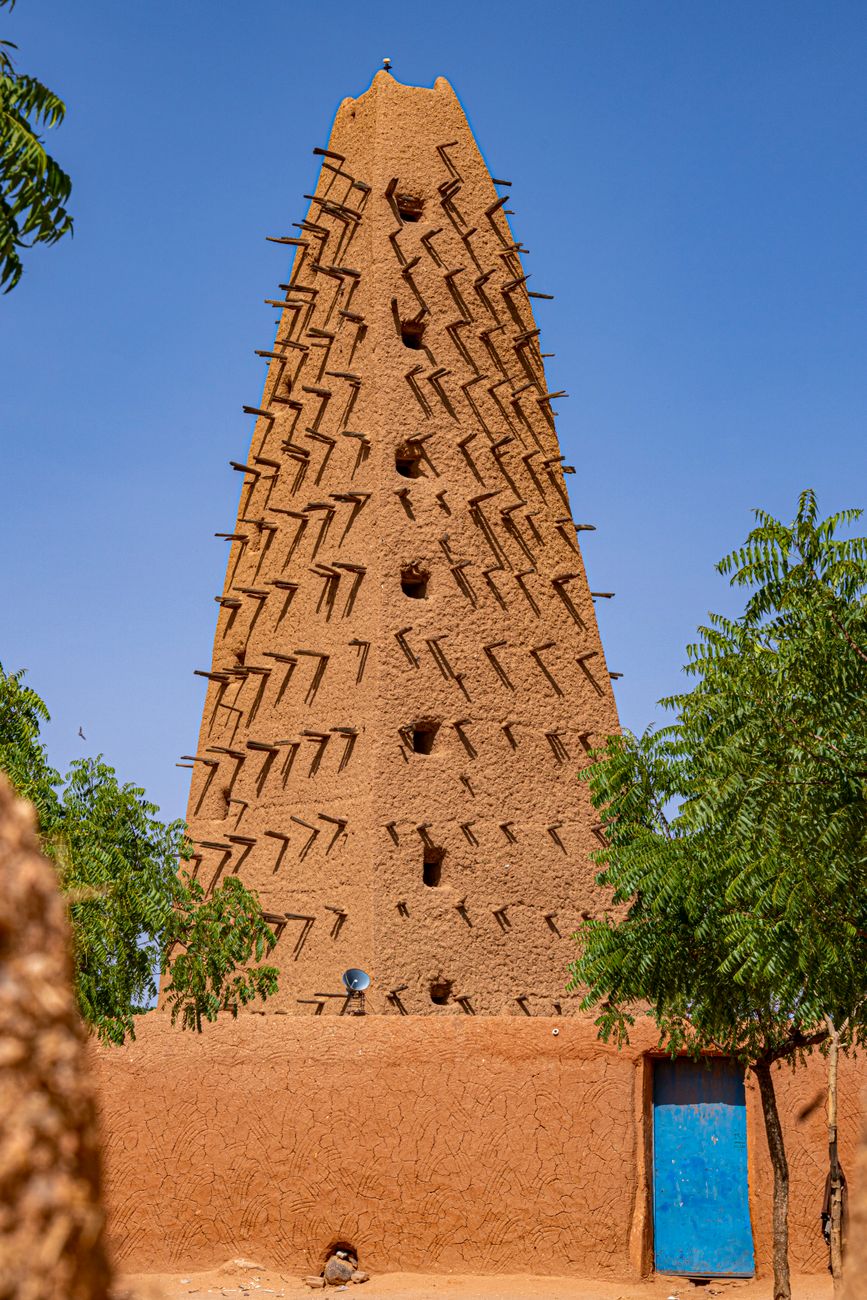
The Republic of the Niger occupies an immense expanse at the crossroads of North and sub-Saharan Africa. Spanning more than one point two million square kilometers of the Sahel and Sahara, Niger has served for millennia as a vital cultural corridor where Tuareg camel caravans, Hausa merchants, Songhai river navigators, and Fulani pastoralists converged. Its cultural treasures—from the sixteen-meter earthen minaret of Agadez to the ancient sultanates of the south—rank among Africa’s most storied historical achievements.
Yet prospective visitors must approach Niger with clear-eyed realism and strict operational discipline. The geopolitical and security landscape across the central Sahel has undergone severe transformations. Diplomatic ministries across Western nations—including the British Foreign, Commonwealth & Development Office and the United States Department of State—advise unequivocally against all travel to large portions of Niger, citing high threats of armed conflict, violent crime, and kidnapping targeting foreign nationals by militant groups such as JNIM and Islamic State in the Greater Sahara (ISGS).
The July 2023 political transition and subsequent creation of the Alliance of Sahel States (AES) confederation alongside Mali and Burkina Faso have reshaped regional diplomacy, border controls, and internal security surveillance. While leisure tourism across traditional Saharan desert circuits remains completely inadvisable, authorized diplomatic personnel, humanitarian staff, academic researchers, and diaspora travelers continue to operate within the monitored perimeter of the capital city, Niamey, and its immediate southern environs. This guide provides realistic logistical intelligence for navigating this operational environment.
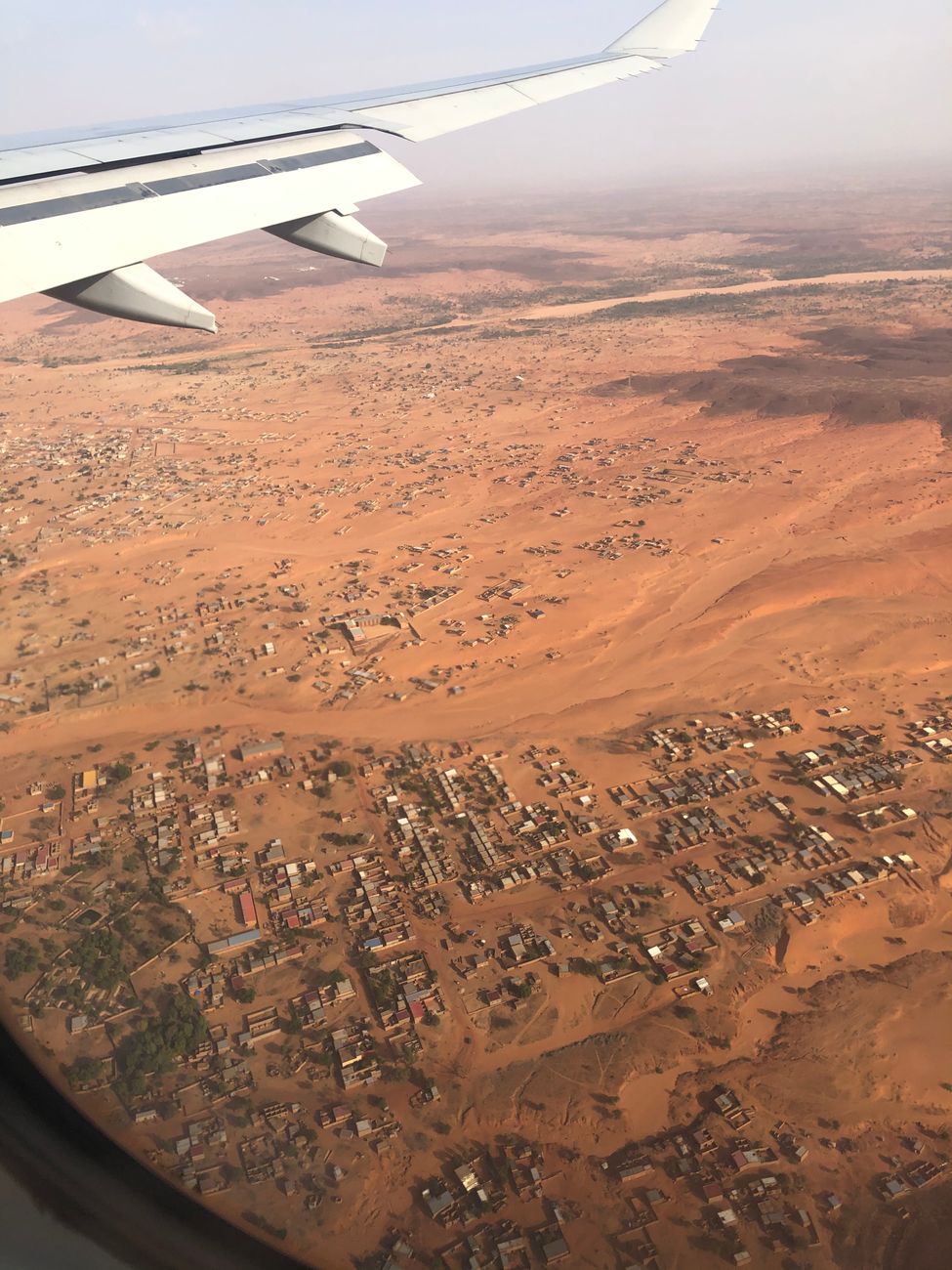
Before initiating travel plans, travelers must understand the sharp geographical division between monitored urban zones and high-risk provincial sectors. Establishing clear geographical limits is the cornerstone of responsible planning in Niger.
Geographic Delineation: Monitored Capital Perimeter vs. High-Risk Zones
Niger’s territorial security profile is deeply fragmented. The northern two-thirds of the country—comprising the vast desert regions of Agadez, the Aïr Mountains, and the Ténéré Desert—are globally celebrated for Tuareg cultural heritage and prehistoric rock art. However, independent civilian movement through these northern zones is currently hazardous due to banditry, armed rebel activity, and extreme kidnapping risks. All regional travel outside major towns requires mandatory military escorts (*gardes nationaux*) authorized by the Ministry of the Interior.
Similarly, the western border regions of Tillabéri and Tahoua (abutting Mali and Burkina Faso) face persistent armed incursions by militant extremist groups, while the southeastern region of Diffa near Lake Chad experiences ongoing conflict related to Boko Haram and ISWAP. Independent highway transit across these regions should never be attempted.
In contrast, the monitored operational perimeter is restricted to the capital district of Niamey, the riverfront zone along the Niger River, and tightly regulated daylight excursions to the Kouré giraffe sector sixty kilometers east along Route Nationale 1 (RN1). While Niamey maintains functional police and military security, travelers must observe strict security awareness, avoid walking after dark, utilize vetted private chauffeured vehicles, and comply promptly with document checks at all gendarmerie checkpoints.
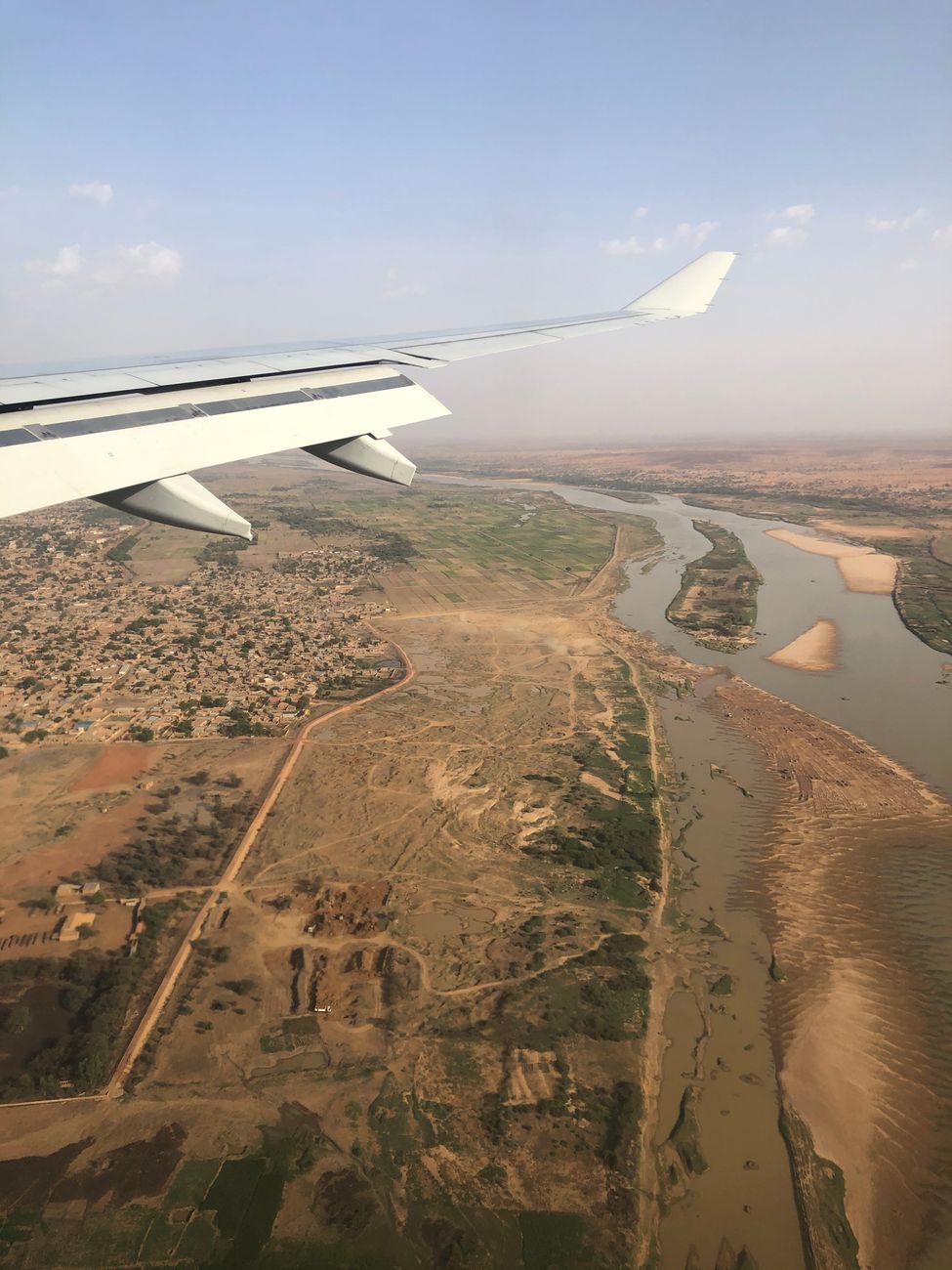
By confining activities strictly within this monitored southern perimeter, authorized visitors can execute professional or cultural assignments safely while respecting national security constraints.
Entry Protocols, Consular Visas & Mandatory Health Clearances
Entering Niger requires extensive administrative preparation well in advance of departure. Standard tourist or business visas on arrival are not available for ordinary passport holders arriving at international border posts.
Travelers must secure an entry visa through an accredited Nigerien embassy or consulate before commencing travel. The visa application package requires a passport with at least six months of remaining validity, two passport photographs, a verified flight itinerary, a formal letter of invitation (*lettre d’invitation*) or legalized accommodation certificate (*certificat d’hébergement*) issued by a host entity in Niamey, and payment of consular fees. Processing times typically range from two to four weeks, as applications undergo routine background verification by the Direction de la Surveillance du Territoire (DST) in Niamey.
Upon landing at Diori Hamani International Airport (NIM) in Niamey, health screening is systematic and mandatory. Port health officials verify that all incoming travelers possess an official International Certificate of Vaccination (Yellow Card) showing valid yellow fever immunization. Failure to present valid documentation will result in mandatory vaccination at the airport clinic or immediate entry refusal.
Malaria is hyperendemic throughout Niger, with transmission occurring year-round. Travelers should begin a prescribed course of antimalarial prophylaxis (such as atovaquone-proguanil or mefloquine) before arrival, pack broad-spectrum insect repellents containing DEET, and ensure standard immunizations—including meningitis (MenACWY), hepatitis A and B, and typhoid—are current.
Orientation in Niamey: Riverfront Life, Museums & Cultural Heritage
Niamey sits gracefully along the banks of the Niger River in the country’s southwestern corner. Home to approximately one point five million inhabitants, the capital features wide, dusty avenues, low-rise concrete and clay structures, and lush riverine gardens that provide a stark counterpoint to the surrounding Sahelian plateau.
The city’s cultural centerpiece is the Musée National Boubou Hama (National Museum of Niger), established in 1959. Spread across a sprawling park overlooking the river, this open-air museum offers exceptional ethnographic immersion. Traditional pavilions constructed from clay, thatch, and timber showcase the authentic architectural styles of Niger’s primary ethnic groups: the Tuareg, Hausa, Zarma-Songhai, Fulani, and Kanuri. On-site artisan workshops allow visitors to watch master craftsmen hand-engrave legendary silver Tuareg crosses (*Croix d’Agadez*), carve ornate leather camel saddles, and weave traditional cotton blankets.
Other notable landmarks include the imposing Grand Mosque of Niamey, gifted by Libya in the 1970s, which features grand minarets and expansive prayer halls. The bustling Grand Marché serves as the city’s commercial core, where merchants trade colorful wax-print fabrics, hand-carved calabashes, and fragrant Sahelian spices. In the late afternoon, taking a peaceful motorized pirogue ride along the Niger River offers views of local fishermen casting hand nets and riverbank vegetable farmers tending their crops.
Dining in Niamey centers around fresh river fish—most notably grilled *capitaine* (Nile perch)—served with spicy chili sauces, rice, and fried plantains at open-air riverfront restaurants like Le Pilier and Le Pavillon.
The Kouré Giraffe Sanctuary & Regional Cultural Context
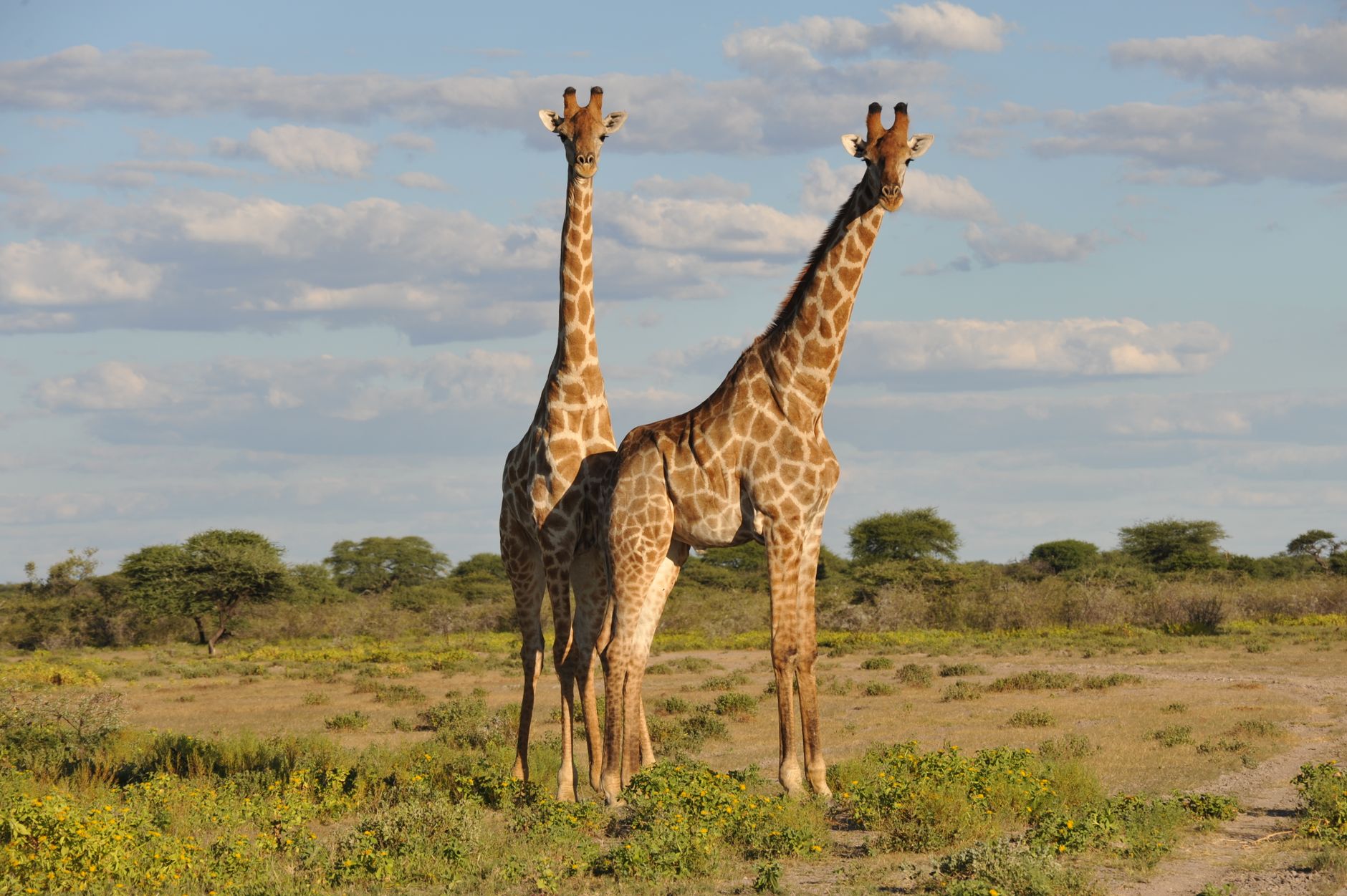
For visitors based in Niamey, the primary accessible day excursion is the Kouré Giraffe Reserve, situated approximately sixty kilometers east of the capital along Route Nationale 1. The acacia scrubland surrounding Kouré is the final sanctuary for the endangered West African giraffe (*Giraffa camelopardalis peralta*), also known as the white giraffe due to its light-toned coat markings.
Unlike conventional national parks with fenced boundaries, the giraffes of Kouré roam freely across community farmland and thorny bush alongside local farmers and zebu cattle. Visitors register at the local guide association headquarters (ASGN) in Kouré, where an accredited local ranger joins your 4×4 vehicle to track the herds on foot through the scrub. Observing these gentle giants foraging among acacia treetops at close range is a remarkable wildlife encounter.
Security protocols for Kouré are strict. Day trips must depart Niamey in the early morning, travel strictly by private chauffeured 4×4, remain on primary tracks, and return to the capital before mid-afternoon. Travelers should verify the current security posture with local authorities in Niamey prior to departure, as security incidents have occurred along rural feeder roads in past years.
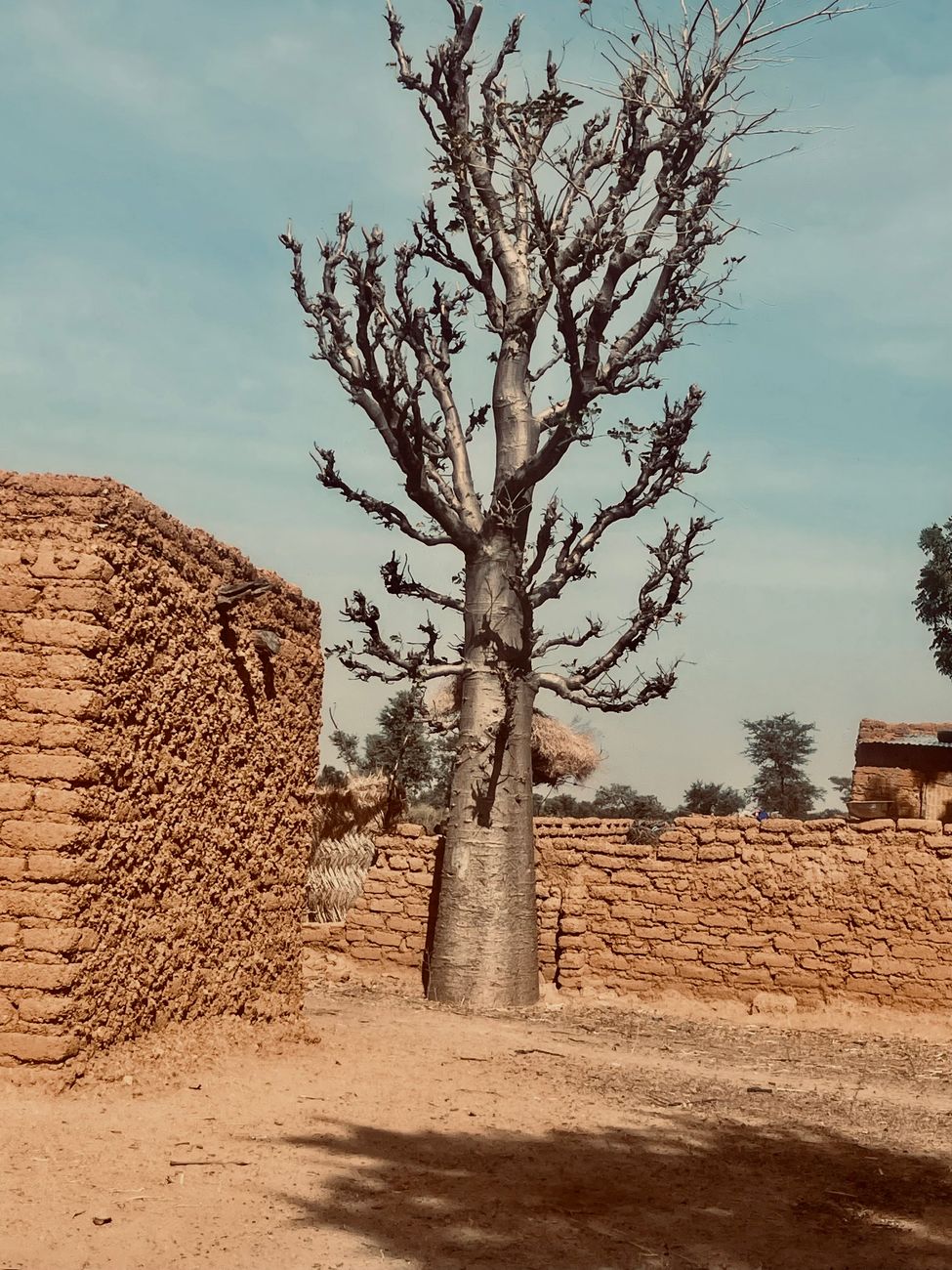
Beyond Niamey and Kouré, Niger possesses legendary cultural hubs that are currently difficult or impossible for independent leisure travelers to access, yet form the essence of the country’s national identity.
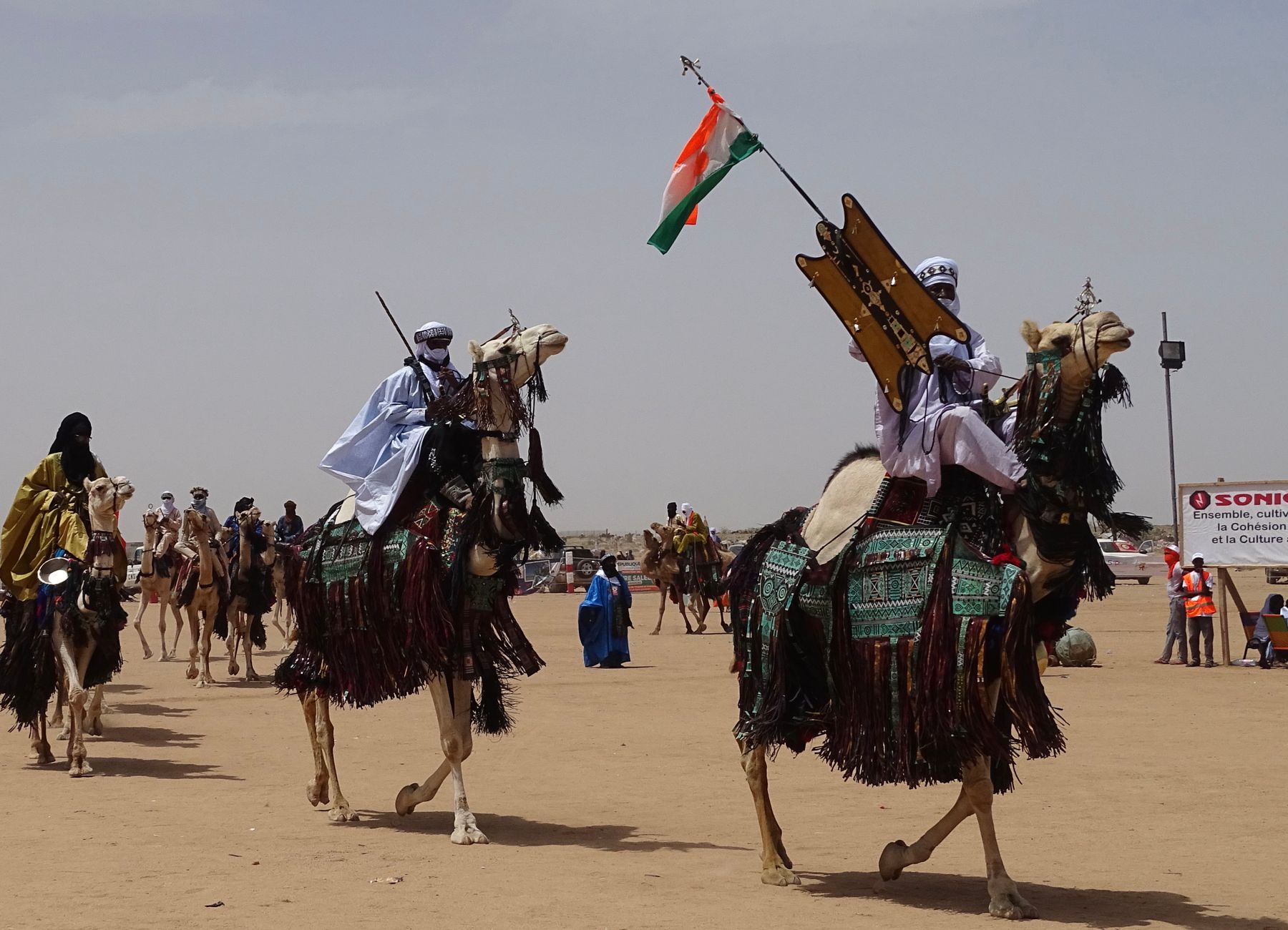
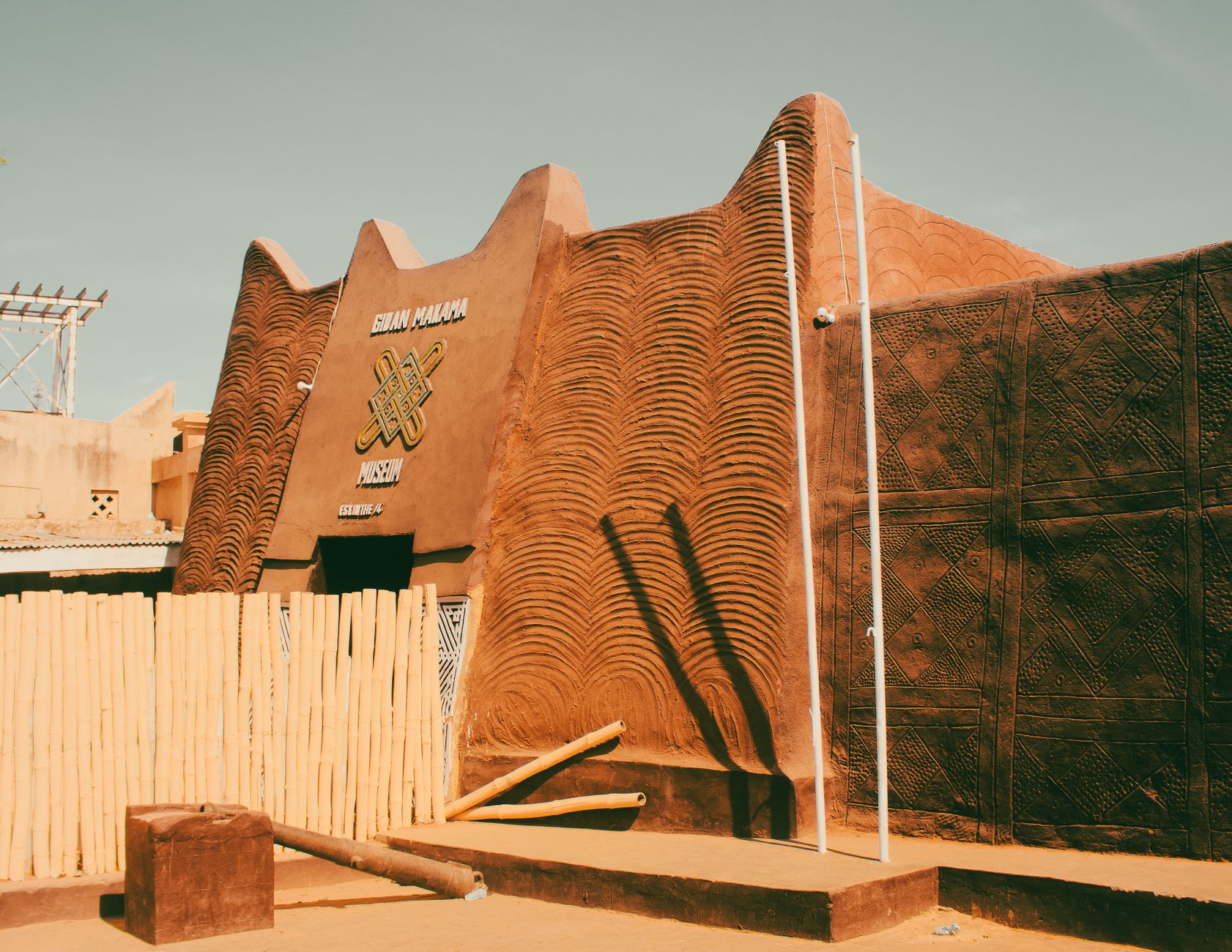
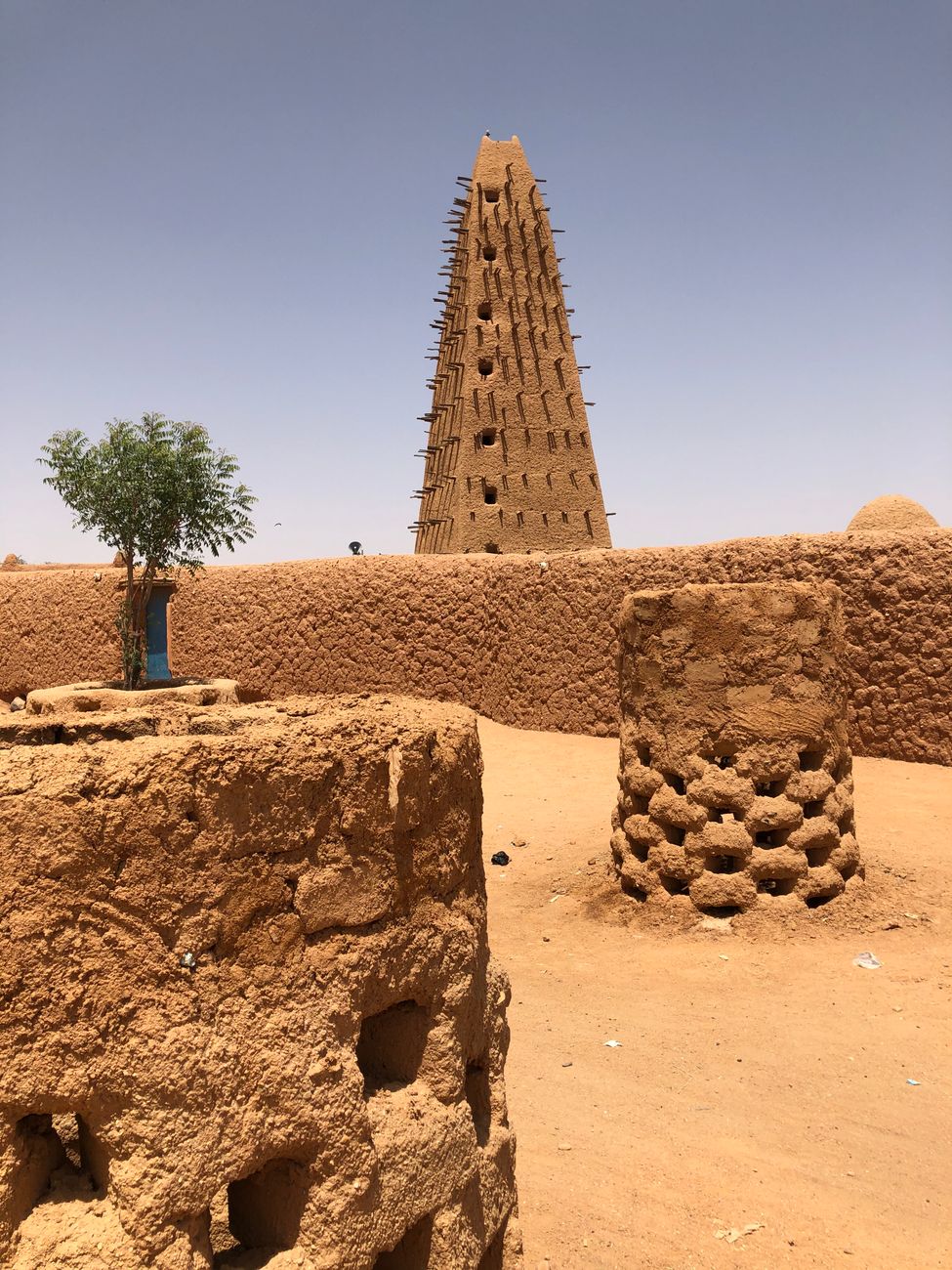
In the south lies Zinder, Niger’s former capital and historical seat of the Damagaram Sultanate. Its Birni quarter showcases striking Hausa architecture with raised geometric earthen plaster motifs. Further north lies Agadez, the fabled gateway to the Sahara and a UNESCO World Heritage site, famous for its sixteen-meter earthen minaret and the annual Cure Salée gathering in nearby Ingall. While security constraints prevent casual touring of these northern hubs today, understanding their history is vital for appreciating Niger’s rich cultural tapestry.
Structured Operational Itinerary: A Six-Day Niamey & Environs Route
This realistic six-day operational schedule balances cultural engagement, professional appointments, and safety requirements within the monitored southwestern perimeter.
| Operational Stage | Base Location | Cultural & Natural Focus | Primary Transport | Realistic Transit Time | Security & Booking Protocol |
|---|---|---|---|---|---|
| Days 1–2: Capital Orientation | Niamey (Plateau / Riverfront) | Boubou Hama National Museum, artisan silver ateliers, riverfront pirogue crossing | Private chauffeured 4×4 / Taxi | 20–30 min urban legs | Pre-book international hotel; verify DST registration requirements |
| Day 3: Wildlife Field Excursion | Kouré & Niamey Base | West African giraffe tracking in acacia scrub, community forestry coordination | Chauffeured 4×4 via RN1 | 1.5 hours each way (60 km) | Depart 07:30; engage ASGN guide; return to Niamey by 14:00 |
| Day 4: Artisan Commerce | Niamey Commercial District | Grand Marché textiles, leather guild workshops, Grand Mosque exterior inspection | Chauffeured private vehicle | 15–20 min urban transfers | Avoid large political gatherings; agree fares before departure |
| Day 5: Riverine Ecology | Niger River Corridor | Boubon island pottery excursion, freshwater fisheries observation, sunset dining | Motorized wooden pirogue | 45 min river transit | Hire vetted boatman; wear life vest; conclude before nightfall |
| Day 6: Operational Wrap-up | Niamey Airport Corridor | Cultural craft export permits, consular debriefings, departure flight from NIM | Private chauffeured transfer | 30 min airport transfer | Arrive at NIM 3.5 hours prior; reconfirm flight schedule 24h ahead |
Every overland transit leg outside central Niamey must be conducted using a reliable four-wheel-drive vehicle driven by an experienced local chauffeur familiar with security checkpoints and road conditions.
Financial Logistics: Cash Economy, CFA Francs & Banking Limits
Operating financially in Niger demands disciplined preparation, as the economy runs almost exclusively on physical cash. Modern electronic banking is confined to a tiny commercial enclave in central Niamey.
The official legal currency is the West African CFA Franc (currency code XOF), issued by the Central Bank of West African States (BCEAO). The currency is pegged to the Euro at a guaranteed fixed parity of approximately 655.957 XOF per Euro. Consequently, Euros are the universally preferred foreign currency for cash exchange. Bringing clean, undamaged Euro banknotes in denominations of 50 and 100 EUR allows straightforward conversion at commercial banks (such as Sonibank, Ecobank Niger, and Bank of Africa) and licensed exchange bureaus in the capital. US Dollars are also accepted, but often receive lower exchange rates or extra scrutiny.
Major international hotels—such as the Radisson Blu Hotel & Conference Center Niamey, Bravia Hotel Niamey, and Soluxe Hotel—accept Visa credit cards for room payments and dining. However, outside these establishments, credit cards cannot be used for any daily purchases, restaurant meals, or taxi fares. ATMs in Niamey accept foreign Visa cards, but they frequently suffer network disconnections, system crashes, or cash depletion over weekends. Foreign Mastercard acceptance is virtually nonexistent.
Always maintain a secure reserve of physical CFA Franc cash. Ensure you carry smaller denominations (500, 1,000, and 2,000 XOF banknotes), as local market vendors and taxi drivers routinely lack change for 10,000 XOF notes. Mobile money services (notably Airtel Money and Moov Money) are widely used by locals for everyday retail commerce.
Cultural Customs, Languages & Social Protocols
Nigerien society is deeply traditional, characterized by profound mutual respect, religious piety, and genuine hospitality toward invited guests. Navigating daily encounters requires sensitivity to local customs and social hierarchies.
While French is the official administrative language used in government, diplomacy, and upscale commerce, everyday communication relies on indigenous languages. Hausa is the dominant commercial language throughout central and eastern Niger, while Zarma (a Songhai dialect) is the principal language spoken in Niamey and the southwestern river valley. Tamajaq is spoken by Tuareg communities across the north, and Fulfulde by Fulani pastoralists.
Social interactions in Niger are governed by formal greeting protocols. Inquiring about a person’s health, family, and wellbeing is an essential preliminary to any conversation or transaction. In Zarma, greet with *”Fofo”* (Hello/Greetings) and inquire *”Wani go?”* (How is it?), responding with *”Bani”* (Peace/Well). In Hausa, greet with *”Sannu”* and ask *”Ina kwana?”* (How did you sleep?) or *”Ina wuni?”* (How is your day?). Taking time to exchange these courtesies establishes rapport and mutual trust.
Niger is over ninety-five percent Muslim. Dress conservatively in all public settings. Both men and women should wear clothing that covers shoulders, upper arms, and knees; shorts are considered inappropriate for adult men outside athletic fields. When interacting with elders or business associates, always present and receive items with your right hand. Public consumption of alcohol is restricted; alcoholic beverages are available only in licensed international hotels and select expatriate restaurants.
Photography is subject to strict governmental sensitivities. It is strictly forbidden to photograph military personnel, gendarmerie roadblocks, police stations, presidential complexes, government ministries, embassies, or bridges over the Niger River. Violating these prohibitions can result in arrest, interrogation, and device confiscation.
Field Connectivity: Zain/CelTel LTE & Digital Infrastructure
Reliable telecommunications access is an indispensable operational requirement for anyone traveling in Niger. Maintaining continuous digital communication is essential for real-time security tracking, navigation, and coordinating with drivers and security teams.
Niger’s cellular telecommunications grid is operated by three primary providers: Airtel Niger (operating under its historic Zain/CelTel licensing framework), Moov Africa Niger, and Niger Telecoms. Airtel/Zain maintains the most extensive cellular network in the country, providing dependable 4G/LTE connectivity across the Niamey metropolitan area, throughout the Diori Hamani airport corridor, and along Route Nationale 1 toward Kouré. Outside major urban centers, coverage tapers to standard 3G or 2G voice signals.
Acquiring a local physical SIM card upon arrival involves navigating significant bureaucratic hurdles. Foreign visitors must queue at authorized telecom agency retail outlets in downtown Niamey, present original passports, undergo mandatory biometric recording, and wait several hours for manual network provisioning. Local agency counters frequently face technical outages or long queues during business hours.
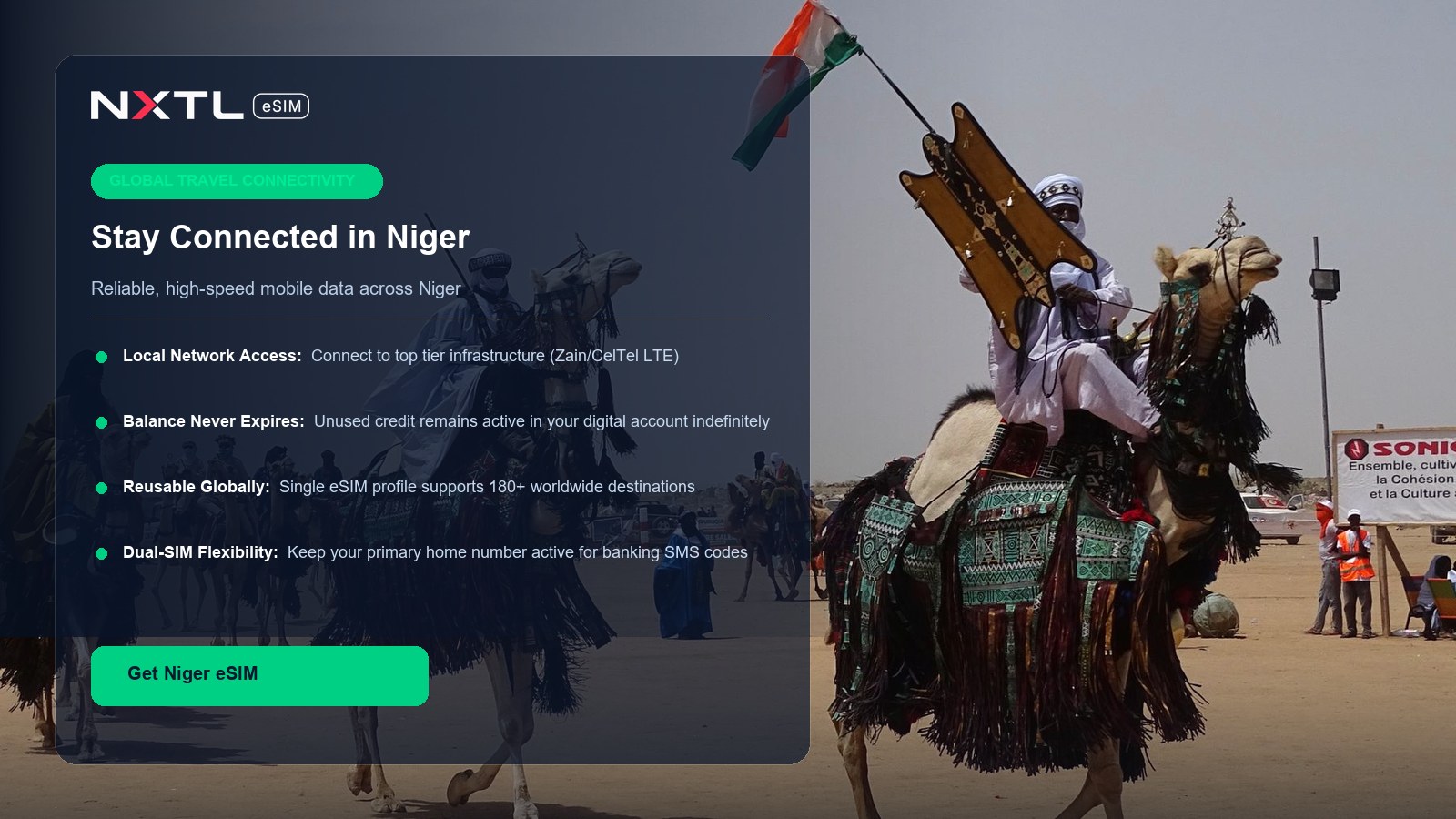
Securing a Zain/CelTel LTE eSIM for Niger through NXTL at $5.80 per gigabyte provides immediate digital cellular connectivity the moment you touch down in Niamey. Unused credit stays available for later trips across more than 180 countries. Digital eSIM installation eliminates the need to visit retail carrier offices or surrender passport copies at street kiosks, ensuring uninterrupted communication for rides, maps, and hotel check-ins right from the runway.
WhatsApp is the universal operational communication tool across all sectors in Niger. From hotel management and private chauffeur coordination to embassy security updates, virtually all daily communications are handled via WhatsApp messaging and voice calls.
Five Critical Pitfalls and Security Realities to Navigate in Niger
Conducting travel within Niger requires strict adherence to security guidelines and local legal regulations. Avoid these five major pitfalls:
- Venturing Outside Monitored Corridors into Northern or Border Red Zones: Attempting independent travel to Agadez, the Aïr Mountains, Tillabéri, or Lake Chad is exceptionally dangerous. These regions face active insurgencies, armed banditry, and severe kidnapping risks targeting Western foreigners that security forces cannot prevent.
- Traveling Overland Outside Niamey After Mid-Afternoon or at Night: Driving on rural highways such as RN1 after 15:00 or after dark exposes travelers to armed highway ambushes, unlit heavy transport trucks, broken-down vehicles, and roaming livestock. All overland journeys must be completed strictly in daylight.
- Photographing Military Personnel, Gendarmerie Checkpoints, or Bridges: Taking photographs or videos of security checkpoints, police personnel, military bases, government compounds, or the Kennedy and Chinese Friendship bridges in Niamey will result in immediate camera confiscation, detention, and potential charges of espionage.
- Relying Exclusively on International Credit Cards or Foreign Bank ATMs: Outside premier international hotels in Niamey, credit card processing does not exist. ATMs regularly malfunction or run out of cash over weekends. Always carry an adequate reserve of clean Euro banknotes for conversion into CFA Francs.
- Neglecting Formal Zarma or Hausa Greetings Before Inquiring About Business: Starting an interaction or price negotiation without offering traditional polite greetings (*Fofo*, *Sannu*) is considered disrespectful. Taking a moment to inquire about wellbeing establishes rapport and ensures courteous, respectful treatment.
By respecting geographical boundaries, traveling strictly during daylight with trusted local drivers, observing cultural decorum, and maintaining dependable digital connectivity, authorized visitors can safely navigate Niger’s unique Sahelian environment and experience its enduring cultural heritage.