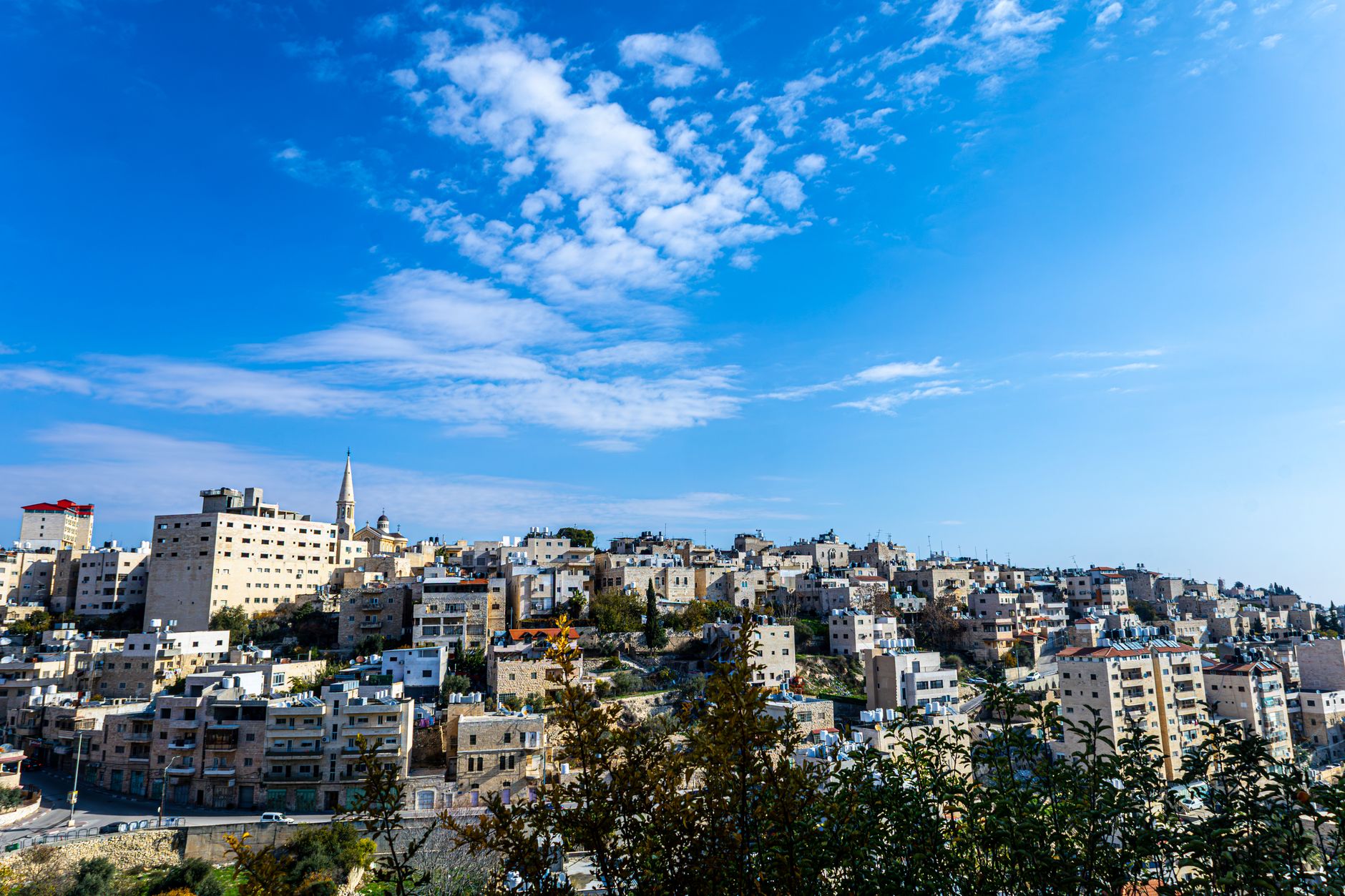
Travel in the Palestinian Territory occupies a unique intersection of sacred world heritage, profound political complexity, and enduring human hospitality. For millennia, the limestone hills and fertile valleys between the Mediterranean coast and the Jordan River have stood at the crossroads of ancient empires—Canaanite, Roman, Byzantine, Umayyad, Crusader, and Ottoman. Its historic urban centers, from the ancient date palm oasis of Jericho to the terraced hills of Bethlehem and the mercantile quarters of Nablus, contain some of the most revered cultural and religious landmarks on Earth.
Planning travel to this region requires precise geographical clarity. The Palestinian Territory consists of two entirely separate, non-contiguous land entities: the West Bank and the Gaza Strip. Understanding the distinction between these two territories is the foundational starting point for any realistic itinerary. The Gaza Strip is an active military conflict zone suffering extreme humanitarian catastrophe, catastrophic structural devastation, and total border closures. Crossings into Gaza (including Rafah and Erez) are closed to civilian travel and restricted solely to authorized international humanitarian personnel. Civilian, cultural, or leisure travel to Gaza is entirely unviable.
In contrast, the West Bank maintains functioning municipal governments, commercial centers, universities, and cultural institutions. For independent cultural researchers, religious pilgrims, visiting diaspora families, humanitarian workers, and regional travelers, the central and southern West Bank—anchored by Ramallah, Bethlehem, and Jericho—remains accessible with disciplined logistical planning. This guide outlines the administrative boundaries, checkpoint protocols, transportation networks, and connectivity tools necessary to navigate the West Bank responsibly.
Before booking transport, visitors must master the internal administrative geography of the West Bank. The territory is not governed as a single uniform administrative zone, and crossing between districts involves crossing distinct legal and security jurisdictions.
Jurisdictional Geography: Understanding Areas A, B & C
Under the administrative framework established by the 1993–1995 Oslo Accords, the West Bank was partitioned into three distinct administrative divisions. These designations govern daily civilian life, road transit, and security oversight across the territory.
Area A comprises approximately eighteen percent of the West Bank’s landmass, encompassing the primary Palestinian population centers: Ramallah, Bethlehem, Jericho, Nablus, Jenin, Tulkarm, Qalqilya, and the Palestinian sector of Hebron (H1). Within Area A, the Palestinian Authority exercises full civilian administrative control and internal security responsibility. Large red warning signs erected by the Israeli military stand at the entrances to Area A, alerting Israeli citizens that entry is prohibited by Israeli military law. Foreign passport holders, however, enter and exit Area A freely through designated checkpoints.
Area B covers approximately twenty-two percent of the territory, consisting primarily of hundreds of smaller rural towns and agricultural villages. In Area B, the Palestinian Authority handles civilian administration, education, and municipal services, while the Israeli military maintains overarching security control.
Area C represents approximately sixty percent of the West Bank. It encompasses all major intercity arterial highways, rural agricultural valleys, border crossing terminals, and Israeli settlements and military installations. Israel retains exclusive military security and civilian administrative authority across Area C. Travelers moving between Palestinian cities inevitably travel along Area C highways, where Israeli military checkpoints, mobile vehicle inspections, and traffic laws apply.
Navigating these jurisdictional boundaries requires carrying your original passport and entry documentation at all times. Inspections at checkpoints can occur without advance notice, especially during periods of heightened regional tension.
Entry Corridors & Border Crossing Procedures
The Palestinian Territory does not possess a civilian commercial airport. International travelers enter the West Bank through one of two primary international entry corridors, each governed by specific border control regulations.
The most common route is flying into Tel Aviv Ben Gurion Airport (TLV) in Israel. Travelers clear Israeli immigration, where border control officers issue an electronic blue paper entry slip (*B2 Stay Permit*) instead of stamping passports. From Tel Aviv or Jerusalem, visitors enter the West Bank via ground transport. Bethlehem can be reached in thirty to forty minutes from Jerusalem via Arab bus line 231 departing from the Damascus Gate bus terminal, passing through Checkpoint 300. Ramallah is reached via Arab bus 218 or shared taxis passing through Qalandia Checkpoint.
The second route is arriving overland from Jordan across the Allenby / King Hussein Bridge crossing, situated in the Jordan Valley five kilometers east of Jericho. This crossing involves three distinct phases: clearing Jordanian border exit controls, boarding an authorized shuttle bus across the Jordan River, and entering the Israeli-administered border terminal for baggage screening and passport inspection. Once cleared, travelers exit directly into the Palestinian arrivals hall, where licensed Palestinian taxis and shared minivans (*service*) provide direct transit into Jericho, Ramallah, or Bethlehem.
Always safeguard your blue Israeli B2 entry slip inside your passport. Israeli soldiers and border police at West Bank checkpoints systematically inspect this paper card alongside your passport to confirm lawful entry status.
Ground Transport: Shared Service Taxis vs. The Rental Car Dilemma
Getting around the West Bank requires careful consideration of vehicle registration and insurance rules. The territory’s vehicle fleet is strictly segregated by license plate colors, creating major operational implications for drivers.
Conventional rental cars rented at Ben Gurion Airport or in West Jerusalem carry Israeli yellow license plates. While yellow-plated vehicles can navigate Area C highways and enter Area B, standard Israeli vehicle insurance is legally void inside Area A cities (including Ramallah, Bethlehem, and Nablus). Driving an Israeli rental car into Palestinian urban centers risks total financial liability in the event of an accident, damage, or theft. Furthermore, Israeli roadside assistance services will not enter Area A to retrieve disabled vehicles.
Conversely, Palestinian-owned vehicles carry green license plates (or white with green lettering). These vehicles operate freely throughout Areas A, B, and C within the West Bank, but are legally barred from entering Jerusalem or Israeli territory without specialized permits. Consequently, a Palestinian taxi cannot take you directly from Ramallah into central Jerusalem; passengers must disembark at Qalandia Checkpoint, cross the pedestrian terminal on foot, and board an Israeli bus on the other side.
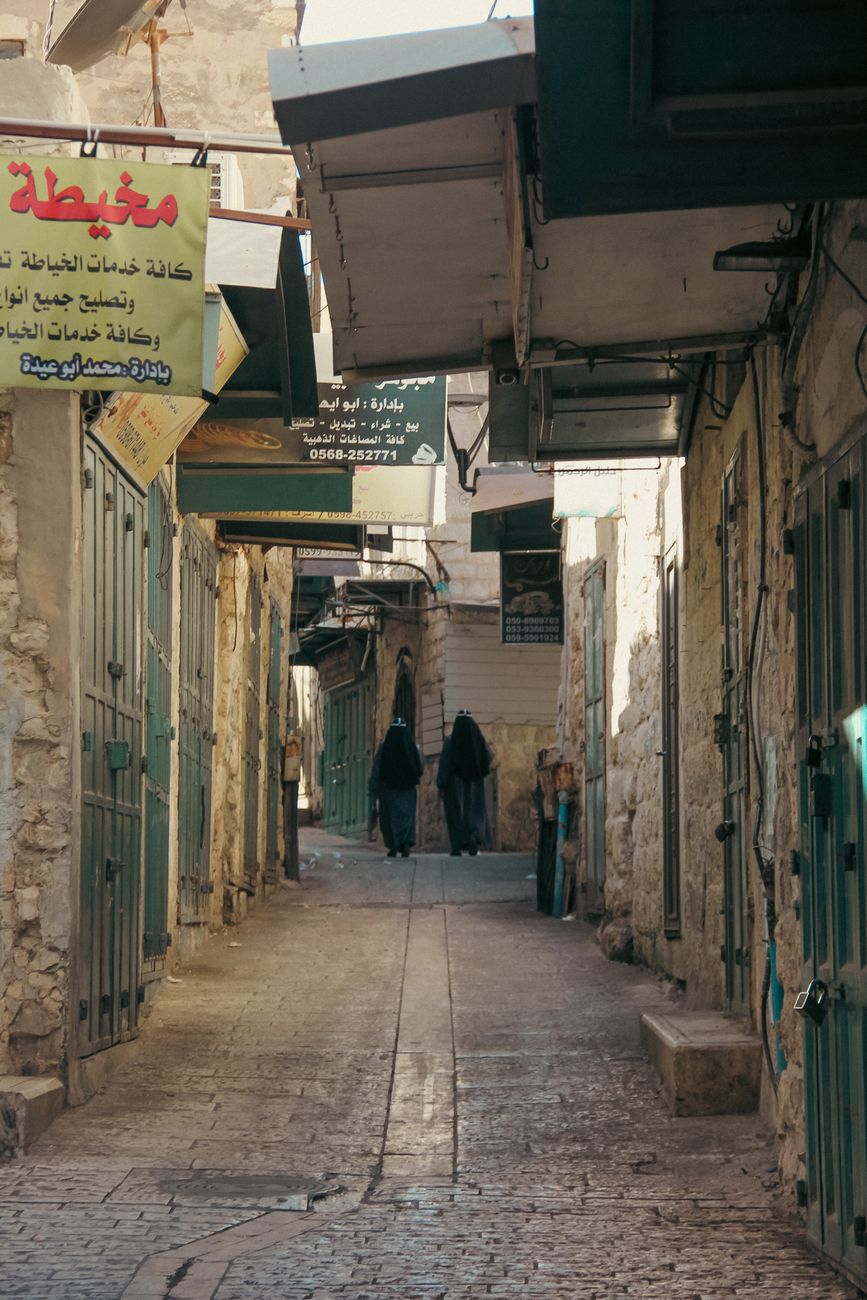
The most efficient and authentic method for intercity travel is utilizing the Palestinian shared taxi network, known as the Service (pronounced *ser-VEES*). These distinctive yellow minivans depart from central bus stations (such as Al-Manara in Ramallah or Bab el-Zqaq in Bethlehem) once every seat is occupied. Fares are inexpensive, routes are direct, and local drivers navigate checkpoint bypass roads with practiced skill.
Cultural Corridors: Bethlehem, Ramallah, Jericho & Nablus
The cultural heart of the West Bank is formed by an extraordinary constellation of ancient towns, desert monasteries, and thriving urban commercial centers.
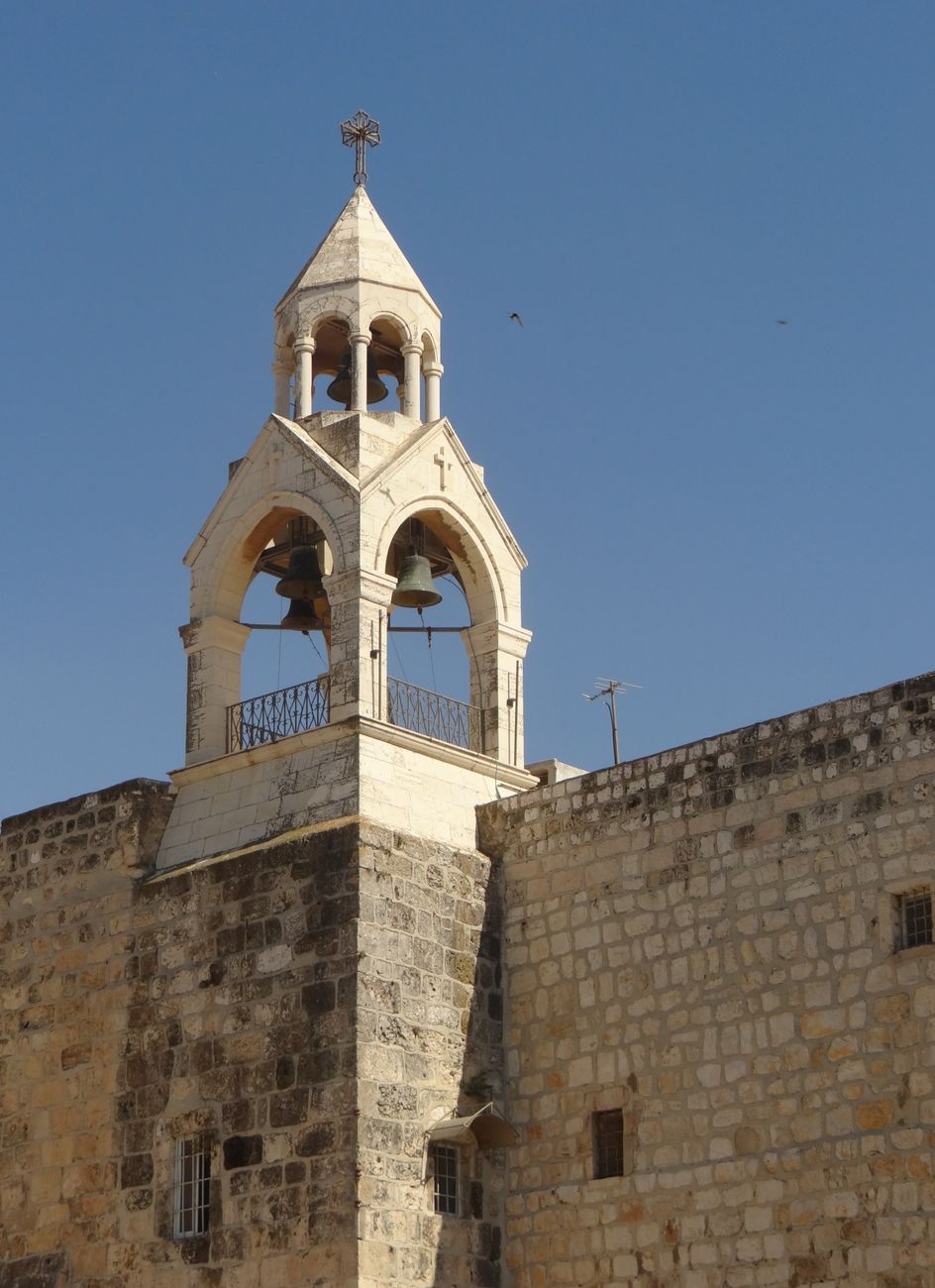
Bethlehem sits ten kilometers south of Jerusalem. Its focal point is the UNESCO-listed Church of the Nativity, one of the oldest continuously operating Christian churches in existence. Commissioned by Emperor Constantine in 326 CE, the basilica features ancient floor mosaics, stone columns painted by Crusaders, and the subterranean Grotto of the Nativity. Outside lies Manger Square, the historic Milk Grotto, and Star Street, an ancient pilgrimage route lined with nineteenth-century Ottoman limestone mansions and olive wood carving workshops. Along the northern edge of the city, the concrete Separation Barrier showcases international political street art, including works by Banksy.
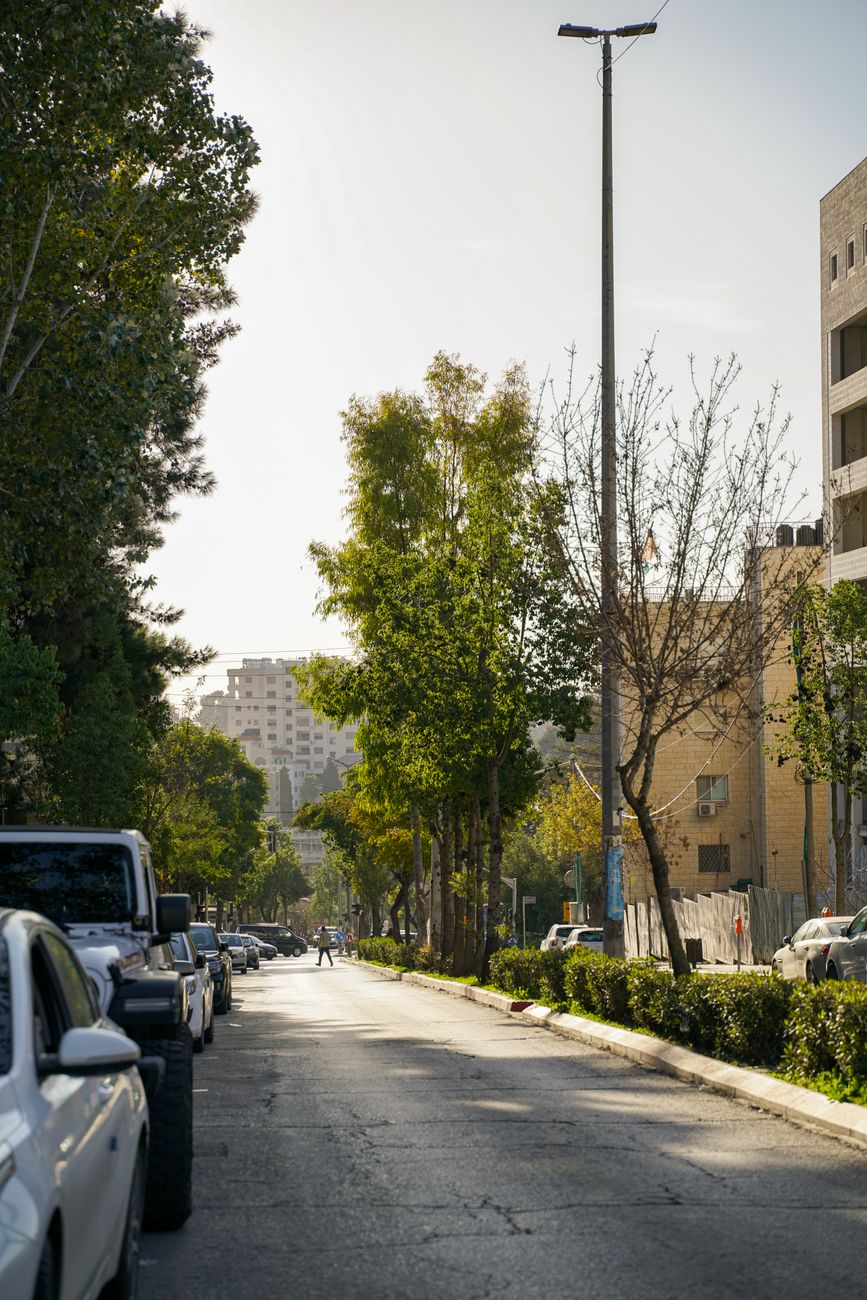
Ramallah, situated fifteen kilometers north of Jerusalem, functions as the administrative and intellectual powerhouse of the West Bank. The city offers a lively, cosmopolitan atmosphere centered around Al-Manara Square with its iconic sculpted stone lions. Key cultural stops include the Mahmoud Darwish Museum, celebrating Palestine’s revered national poet in a beautifully landscaped hilltop park, the contemporary Yasser Arafat Museum, and the Khalil Sakakini Cultural Center. The upscale quarter of Al-Masyoun features excellent dining, art galleries, and lively cafes.
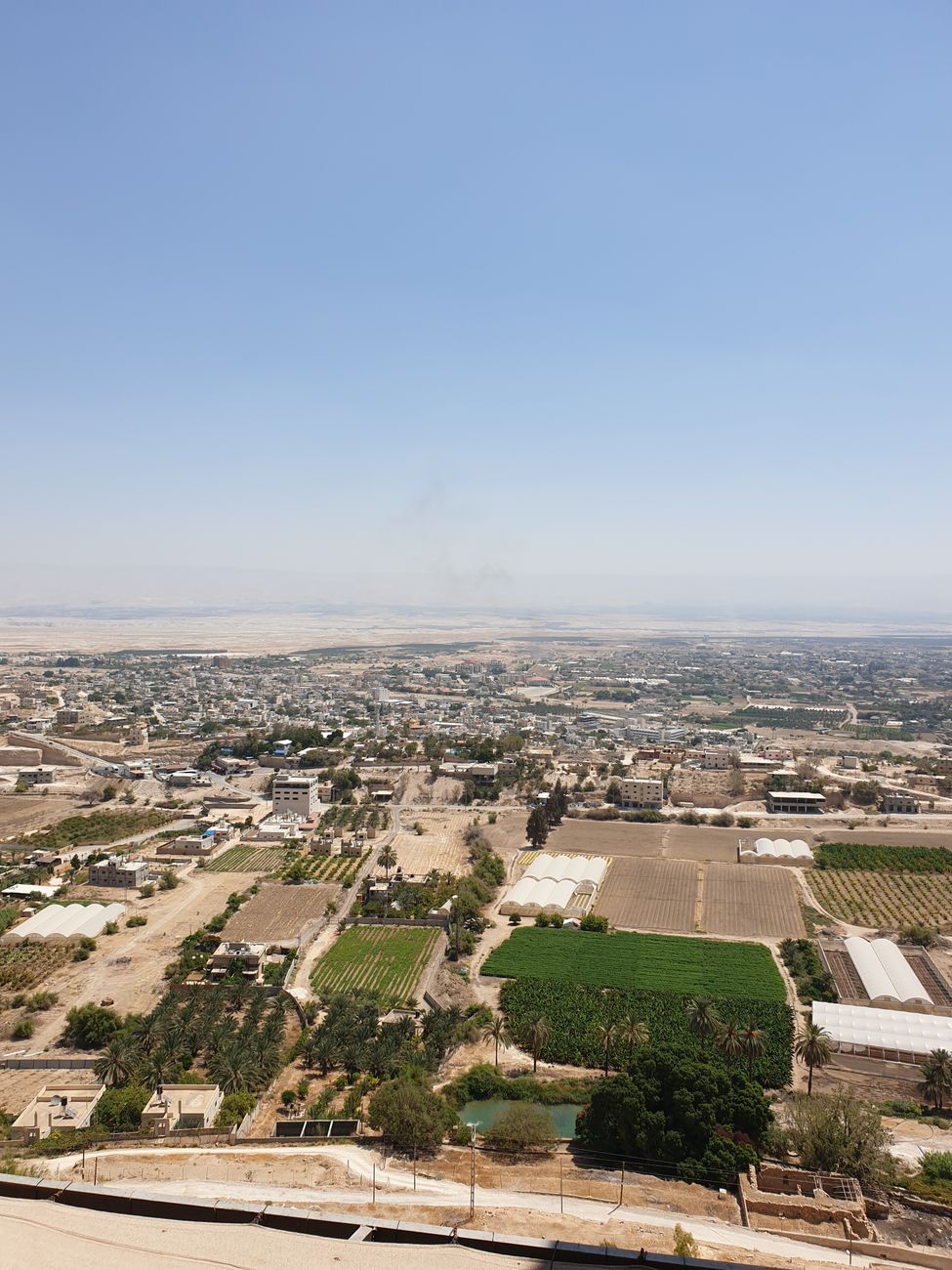
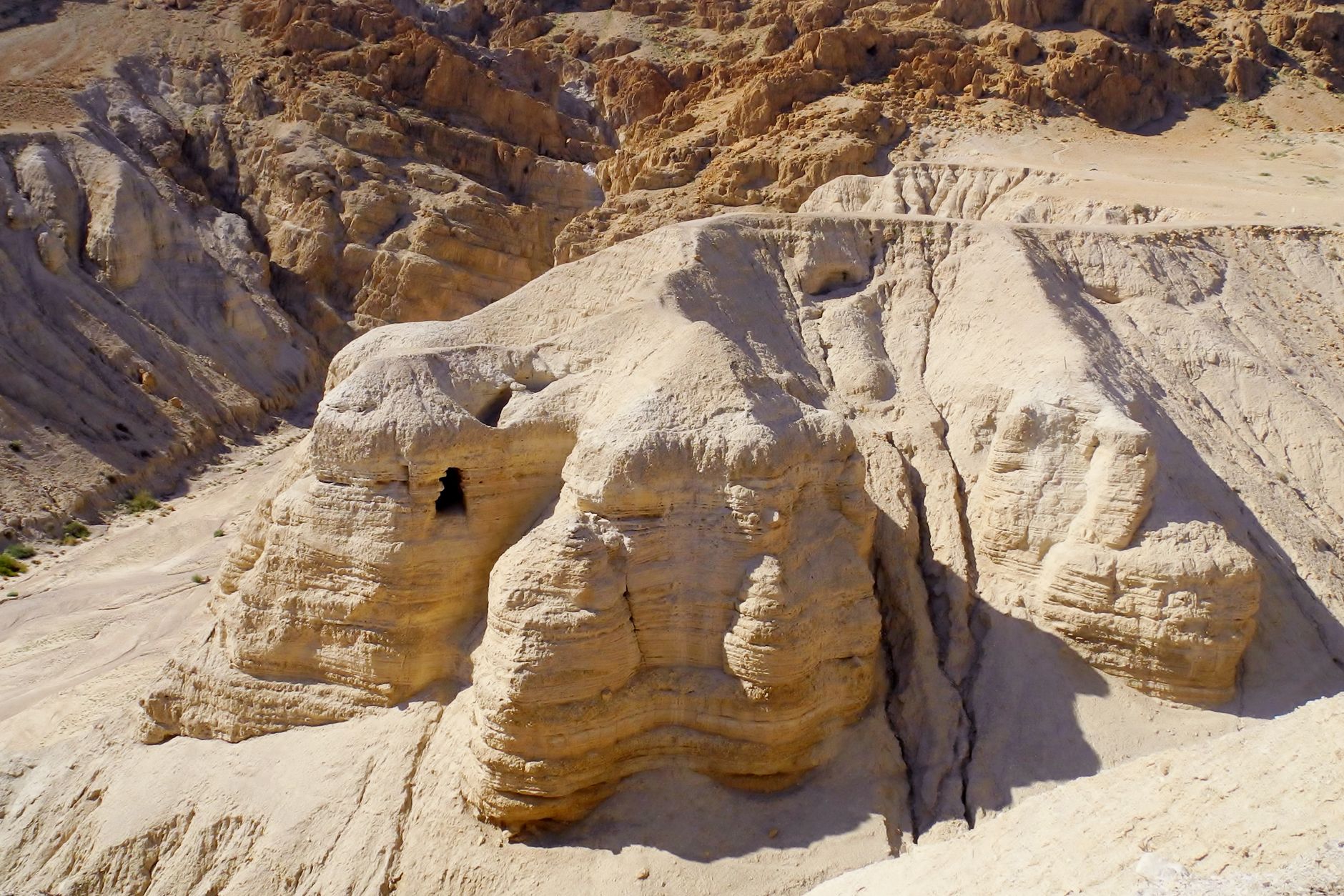
Jericho, located in the Jordan Rift Valley two hundred and fifty-eight meters below sea level, is celebrated as one of the oldest continuously inhabited cities in human history. The city is renowned for its lush date palm plantations, warm desert climate, and exceptional archaeological heritage. Key highlights include Hisham’s Palace, an eighth-century Umayyad royal retreat showcasing the world’s largest contiguous stone carpet mosaic (the “Tree of Life”), Tell es-Sultan (ancient Jericho), and the cliff-hanging Greek Orthodox Monastery of the Temptation, accessible via a modern cable car.
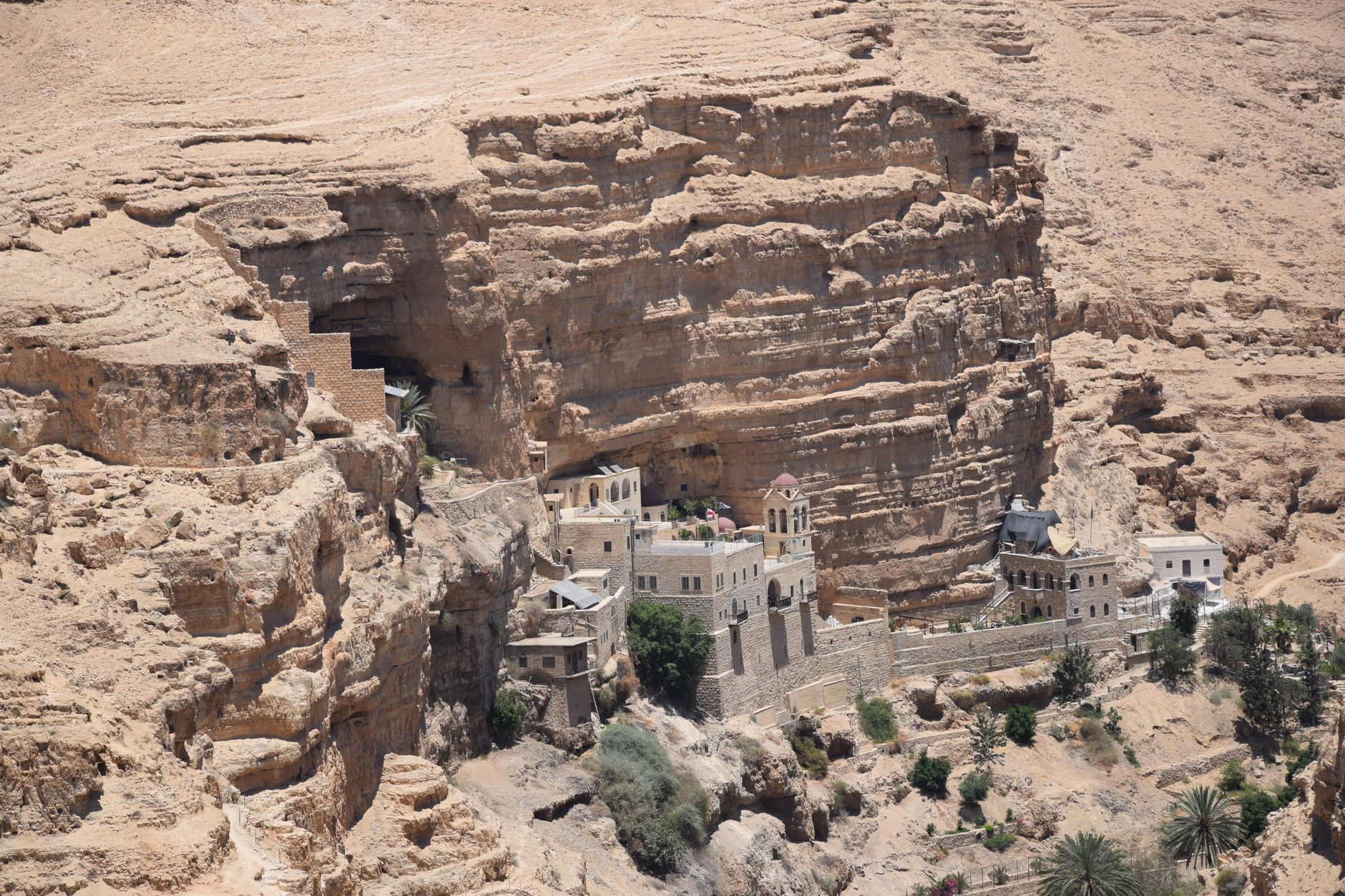
Between Jerusalem and Jericho lies Wadi Qelt, a dramatic limestone canyon where the fifth-century Saint George’s Monastery clings precariously to vertical desert rock cliffs. Hiking down into the canyon reveals ancient aqueducts, hermit cells, and tranquil desert springs.
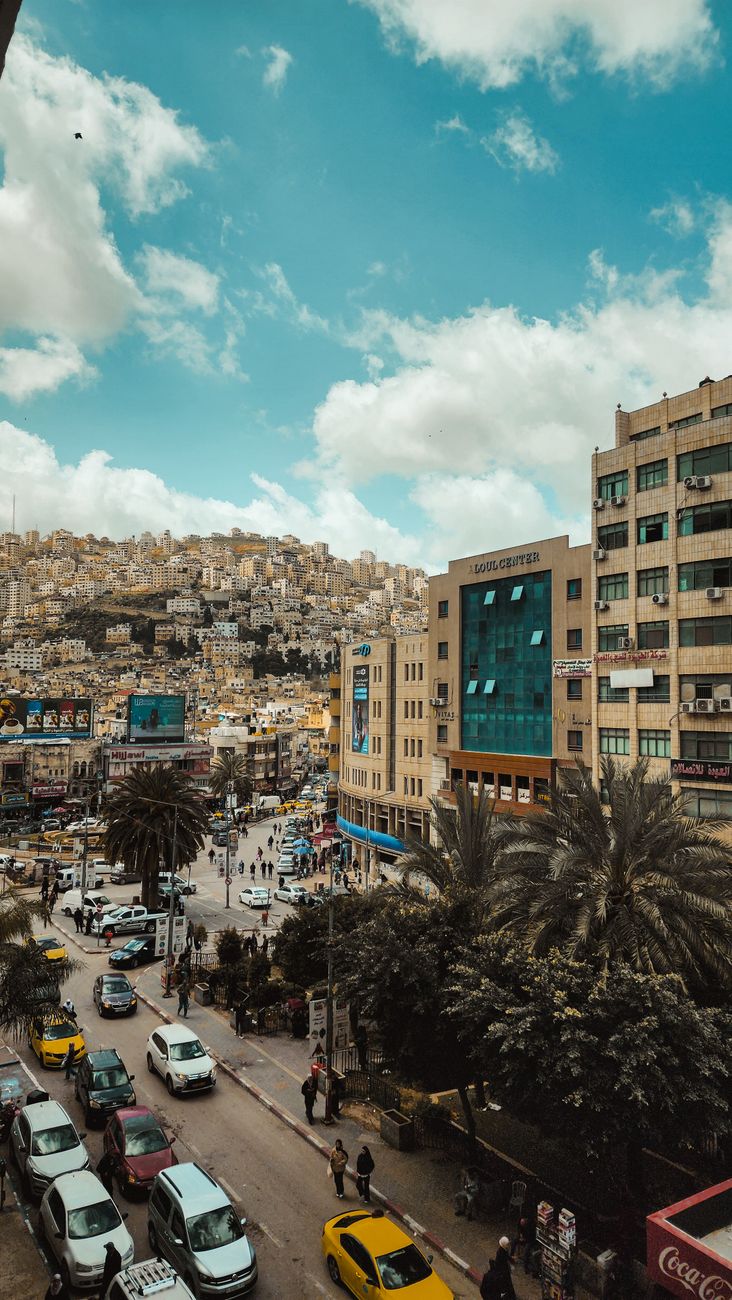
Further north in the central highlands lies Nablus, framed by Mount Gerizim and Mount Ebal. Famous for its sprawling Ottoman-era souk, traditional virgin olive oil soap factories (such as the historic Al-Jamal factory), and rich culinary tradition, Nablus is celebrated as the birthplace of Knafeh Nabulsieh, a warm dessert of sweet cheese baked beneath crisp semolina dough drenched in orange blossom syrup. Note that travel to Nablus and northern West Bank towns (such as Jenin) requires current security assessments due to recurring military operations.
Structured West Bank Itinerary: A Balanced Seven-Day Blueprint
This seven-day route provides a culturally rich, logistically sound exploration of the West Bank, focusing on stable southern and central corridors.
| Itinerary Stage | Overnight Base | Cultural & Historical Focus | Primary Transport Mode | Realistic Transit Time | Checkpoint & Access Protocol |
|---|---|---|---|---|---|
| Days 1–2: Nativity & Heritage | Bethlehem Central | Church of the Nativity, Star Street, Manger Square, Separation Wall murals, Beit Sahour | Arab Bus 231 / Walking | 30–40 min from Jerusalem | Carry passport and B2 slip through Checkpoint 300 |
| Days 3–4: Oasis Antiquity | Jericho Oasis | Hisham’s Palace Umayyad mosaics, Tell es-Sultan, Mount of Temptation cable car, Wadi Qelt | Shared Service taxi / Private car | 1 hour from Bethlehem | Check Road 1 corridor conditions; morning travel recommended |
| Days 5–6: Capital Culture | Ramallah (Al-Masyoun) | Mahmoud Darwish Museum, Yasser Arafat Museum, Al-Manara markets, Taybeh village | Shared Service minivan | 45 min from Jericho | Pass through outer Area A security checks without delay |
| Day 7: Northern Artisan Legacy | Ramallah or Jerusalem Base | Nablus Old City, Al-Jamal olive oil soap factory, Samaritan village on Mount Gerizim, departure | Private chauffeured Palestinian car | 1.5 hours each way | Verify northern checkpoint operational status 24h prior |
All overland transitions should be scheduled during daylight hours. Checkpoint queues can lengthen significantly in the late afternoon, and unexpected temporary road closures can require alternate rural detours.
Financial Logistics: Multi-Currency Realities & Shekel Dominance
Navigating money in the Palestinian Territory requires understanding a multi-currency economic system. There is no sovereign Palestinian currency, and everyday financial life relies on three distinct international currencies.
The primary currency for daily retail commerce is the Israeli New Shekel (currency code ILS, symbol ₪). Every retail shop, grocery market, street cafe, shared service taxi, and casual restaurant calculates prices and conducts transactions in Shekels. Travelers must keep an ample supply of cash Shekels in small denominations (20, 50, and 100 ₪ banknotes) to pay drivers and vendors who cannot change 200 ₪ bills.
The Jordanian Dinar (JOD) serves as the traditional second currency. It is commonly used for high-value transactions, university tuition, real estate contracts, and formal business agreements. The US Dollar (USD) is also widely accepted at major tourist hotels, private tour operators, and handicraft emporiums in Bethlehem and Ramallah.
Modern banking infrastructure is well developed in urban centers. Major Palestinian financial institutions—principally Bank of Palestine and Arab Bank—operate reliable ATM networks across Ramallah, Bethlehem, and Jericho. These ATMs dispense both Israeli Shekels and US Dollars against international Visa and Mastercard debit cards. Credit cards are accepted at larger hotels and upscale restaurants in Ramallah, but cash remains indispensable for all intercity transit and souk commerce.
Cultural Customs, Social Etiquette & Hospitality
Palestinian society is renowned for its warmth, generosity, and deeply rooted traditions of hospitality (*Karam*). Foreign visitors are routinely welcomed with genuine cordiality, and navigating daily interactions with cultural awareness ensures rich social connections.
Hospitality begins with coffee and tea. When visiting a local home, workshop, or merchant, you will almost certainly be offered a small cup of cardamom-spiced Arabic coffee (*Qahwah Arabiyya*) or black tea infused with fresh mint or sage (*Maramia*). Accepting this gesture is an important social norm. Take the cup with your right hand, sip slowly, and gently rock the cup from side to side before setting it down to indicate you have finished.
Palestinian society encompasses both Muslim and Christian communities who have coexisted for centuries. Towns like Bethlehem, Beit Sahour, Beit Jala, and Taybeh maintain large Christian populations with deep ecclesiastical traditions. In all communities, dress modestly in public spaces: both men and women should ensure shoulders and knees are covered. When visiting mosques or ancient churches, modest attire is strictly enforced, and women are often asked to cover their hair with a scarf.
Engaging in political discussions requires thoughtful discretion. Palestinians are often eager to share their lived experiences and perspectives on history and daily life under military occupation. Listen with empathy and respect, avoid confrontational arguments, and remember that photography near military installations, watchtowers, and checkpoints is strictly prohibited by security forces.
Field Connectivity: Jawwal Infrastructure & Digital Realities
Maintaining dependable cellular connectivity is essential when navigating the West Bank. Access to real-time maps, messaging, translation tools, and checkpoint monitoring channels is critical for smooth travel.
The domestic cellular market in the Palestinian Territory is operated by two licensed mobile network providers: Jawwal (Palestine Cellular Communications Company, the pioneering and largest carrier) and Ooredoo Palestine. Under regional telecommunications agreements, Palestinian carriers operate high-speed 3G networks across the West Bank, providing dependable data connectivity throughout all primary urban corridors, including Ramallah, Bethlehem, Jericho, and Nablus. In addition, Israeli 4G/LTE signals from towers in Area C frequently overlap into adjacent municipal areas.
Purchasing a physical SIM card locally involves locating an authorized retail agency in central Ramallah or Bethlehem, waiting in line, submitting passport documentation, and navigating manual network activation. For travelers crossing back and forth between Jerusalem and the West Bank, local physical SIM cards can create operational friction.
Activating a digital Jawwal eSIM for the Palestinian Territory through NXTL at $11.14 per gigabyte provides immediate data connectivity the moment you cross into the West Bank. Unused credit stays available for later trips across more than 180 countries. A digital eSIM profile eliminates physical kiosk visits, ensuring uninterrupted access to ride coordination, navigation apps, and communication tools right from the checkpoint terminal.
WhatsApp is the universal communication platform across the West Bank. Local hotels, private drivers, shared taxi depots, tour guides, and restaurants manage reservations and customer service almost entirely through WhatsApp text and voice messaging.
Five Critical Pitfalls and Security Realities to Avoid in the West Bank
Conducting travel within the West Bank requires careful attention to regulatory protocols and situational realities. Avoid these five major pitfalls:
- Conflating the West Bank with the Gaza Strip in Travel Logistics: Treating the Palestinian Territory as a single accessible unit is a severe error. The Gaza Strip is an active military combat zone under complete border closure and is entirely off-limits to civilian travelers. Planning must focus strictly on accessible West Bank corridors.
- Driving an Israeli Rental Car into Area A Palestinian Cities: Standard vehicle insurance on Israeli yellow-plated rental cars is completely void inside Area A cities (Ramallah, Bethlehem, Nablus). Entering these municipal zones leaves you entirely unprotected financially and unable to summon roadside assistance.
- Failing to Carry Your Physical Passport and Blue Israeli Entry Slip: Traveling between cities without your original passport and the electronic blue B2 entry paper slip received at immigration will lead to severe delays, interrogation, and potential denial of passage at military checkpoints.
- Traveling Without Adequate Israeli Shekel Cash for Shared Minivans: Credit cards and digital apps are unusable for Palestinian shared service taxis (*service*). Attempting to board minivans without small Shekel banknotes (20, 50, and 100 ₪) will leave you stranded at bus stations.
- Overlooking Real-Time Checkpoint Closures and Road Disruptions: Road conditions and checkpoint opening hours can change abruptly due to security operations or demonstrations. Always consult local hotel concierges, drivers, or community social media channels before undertaking intercity highway journeys.
By respecting jurisdictional boundaries, traveling with verified documentation, utilizing the shared service taxi network, and maintaining reliable digital connectivity, visitors can safely experience the extraordinary historical depth, cultural resilience, and generous hospitality of the Palestinian West Bank.