Traveling to Afghanistan under its de facto Taliban administration demands a fundamentally different planning mindset than conventional tourism. Foreign ministries worldwide, including the UK FCDO and US Department of State, maintain strict “do not travel” advisories due to security volatility, arbitrary detention risks, and the absence of consular assistance. Commercial holiday tourism does not exist.
Yet cross-border journeys continue daily. Independent researchers, diaspora visiting relatives, humanitarian logisticians, and veteran expedition travelers navigate the country under rigid administrative frameworks. Success depends on disciplined preparation, provincial travel permit adherence, cultural awareness, and managing a cash-only economy isolated from global banking.
This operational guide delivers grounded planning intelligence for authorized or essential travel to Afghanistan. It details the mandatory Ministry of Information and Culture registration process, domestic aviation versus highway corridors, cash management at Kabul’s money bazaars, checkpoint etiquette, dress codes, and communication realities to help travelers evaluate practical feasibility.
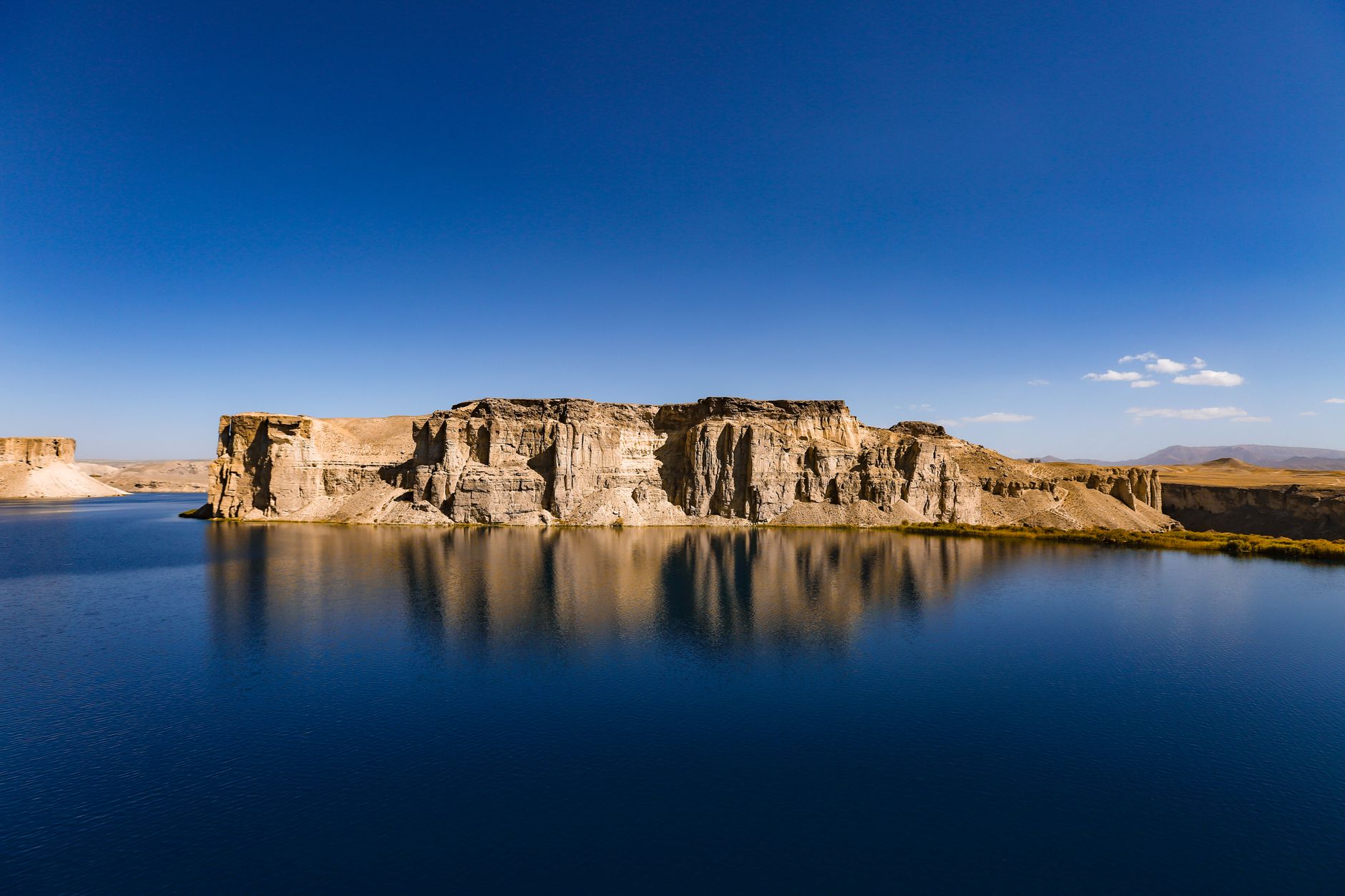
Regional conditions vary considerably across the country. While central municipal corridors like Kabul, Bamyan, Mazar-i-Sharif, and Herat maintain functioning local administrations, rural districts and border zones can experience sudden road closures and localized checkpoint crackdowns without warning.
Administrative Access: Visas, Registration & the MoIC Permit System
Entry into Afghanistan requires securing an official consular visa prior to arrival. Visas on arrival are not issued at Kabul International Airport or border posts. Foreign travelers must apply through functioning Afghan consulates abroad recognized by the current administration, such as missions in Islamabad, Peshawar, Dubai, Abu Dhabi, Doha, or Istanbul, providing proof of purpose and completing an interview.
Securing a visa is merely the first administrative requirement. Upon landing in Kabul, foreign nationals must complete mandatory national registration with the Ministry of Information and Culture (MoIC). The central MoIC headquarters, located on Mohammad Jan Khan Watt in central Kabul, oversees visitors through its Directorate of Tourism. Arrive with your passport, visa, and passport-sized photographs.
At the MoIC office, officials review your itinerary and issue an official travel authorization letter (*Jawaz-e-Sayahat*). This document specifies which provinces you are permitted to visit. You must list every province you plan to enter—such as Kabul, Bamyan, Balkh (Mazar-i-Sharif), and Herat—during your initial interview. Entering a province not named on your central permit risks refusal at checkpoints or detention by local authorities.
The administrative procedure continues outside the capital. Upon arriving in each individual province, travelers must immediately report to the Provincial Directorate of Information and Culture. In Bamyan town, Mazar-i-Sharif, or Herat, you present your central Kabul letter to local officials, who register your arrival and issue local permits authorizing access to historical sites. Carrying at least twenty paper photocopies of your passport, visa, and MoIC permit letter is essential, as checkpoints frequently retain physical copies.
Core Geographic Corridors: Kabul, Bamyan, Mazar & Herat
For visitors conducting approved travel, movement is centered around four established municipal hubs connected by domestic flights or paved highways. Each hub presents distinct administrative requirements, cultural sites, and logistics considerations.
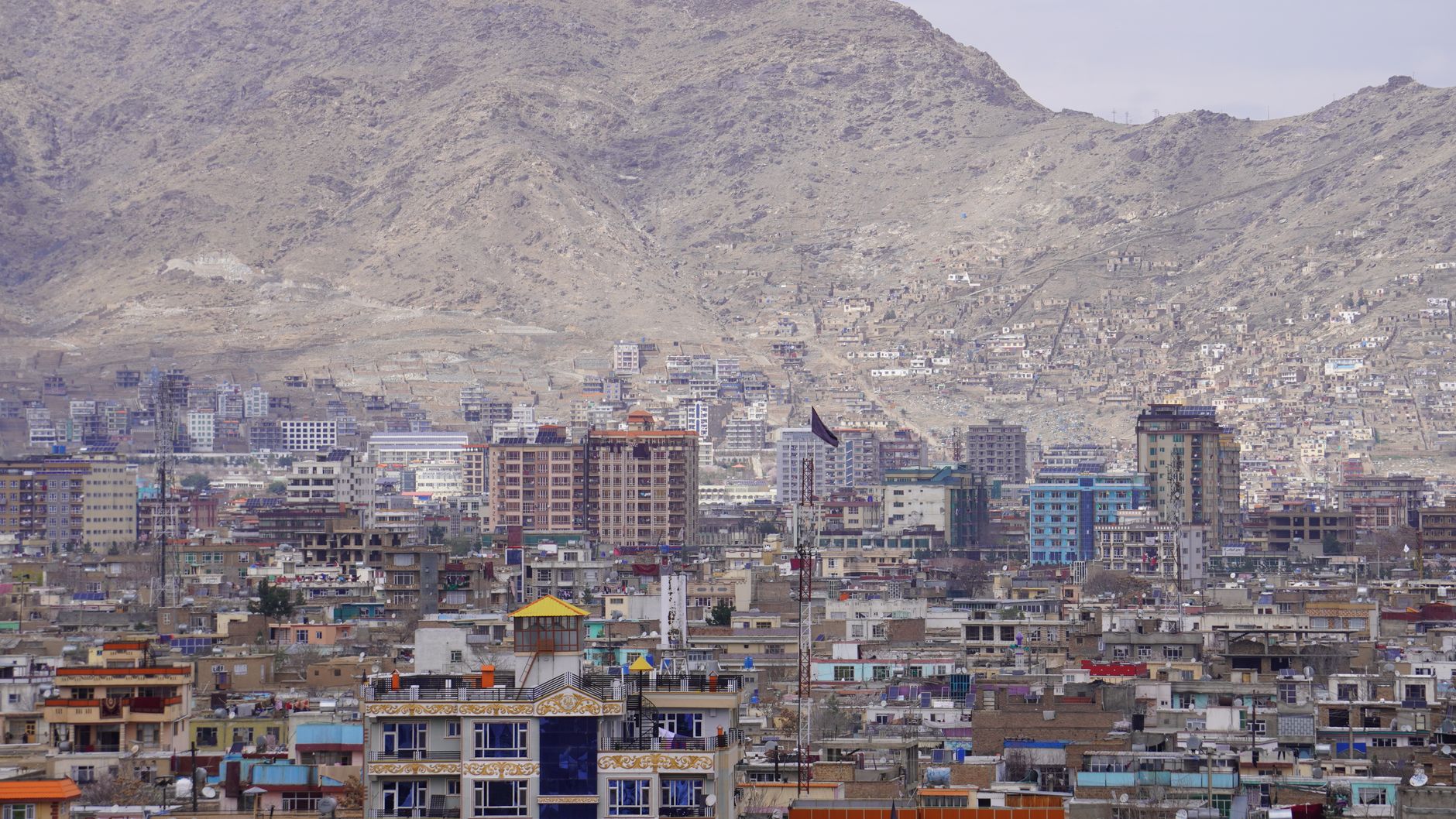
Kabul functions as the administrative and transport hub. Set in a mountain bowl at eighteen hundred meters elevation, the capital contains key landmarks, including the sixteenth-century Babur Gardens (Bagh-e Babur), the National Museum of Afghanistan, and the ancient Bala Hissar ramparts. The Ka Faroshi bird market reflects traditional urban life, while the Sarai Shahzada district serves as the primary currency exchange center.
Bamyan Province, in the central highlands one hundred and eighty kilometers west of Kabul, is the cultural heartland of the Hazara people. The UNESCO-listed Bamyan Valley features the towering empty cliff niches where sixth-century monumental Buddha statues stood before their destruction in 2001. Surrounding the valley stand dramatic fortress ruins, including Shahr-e Gholghola (City of Screams) and Shahr-e Zohak (Red City), which guarded ancient Silk Road routes.
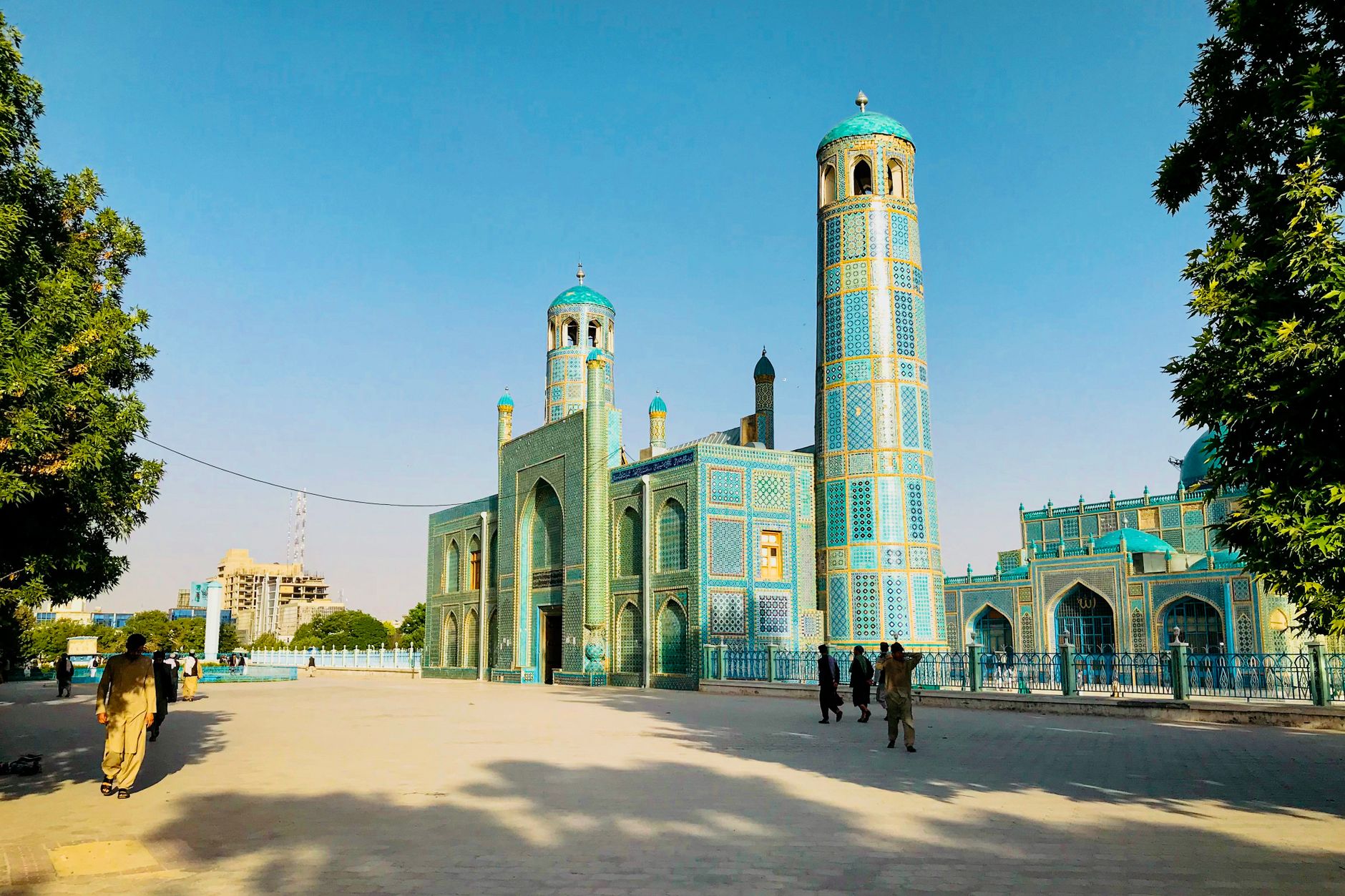
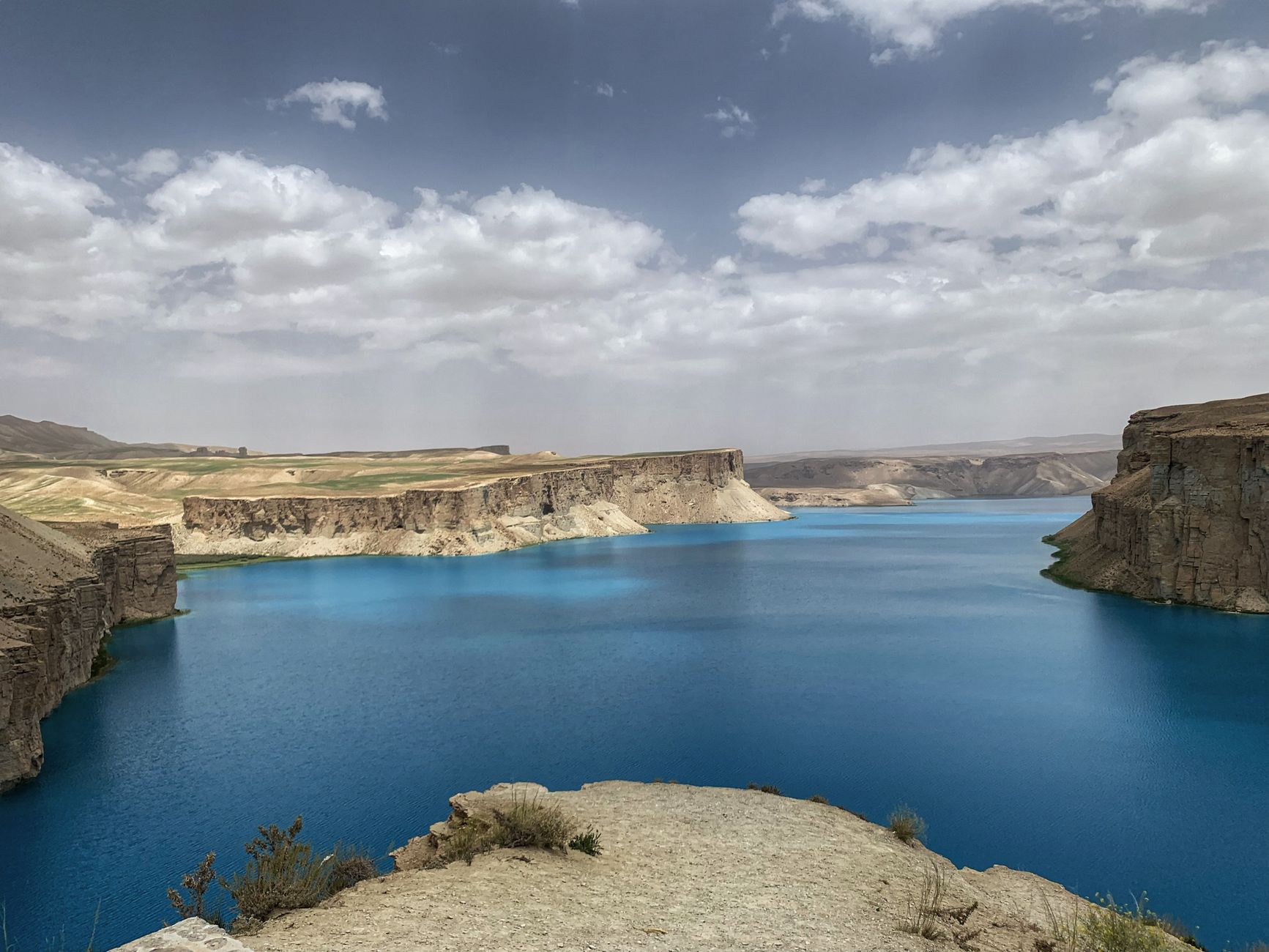
Seventy-five kilometers west of Bamyan town lies Band-e-Amir National Park, established in 2009 as Afghanistan’s first national park. Six deep blue mineral lakes are formed by natural travertine limestone dams created by mineral deposits over millennia. Sitting at an altitude of three thousand meters, Band-e-Amir presents an extraordinary landscape, though facilities are basic and visits require a private four-wheel-drive vehicle.
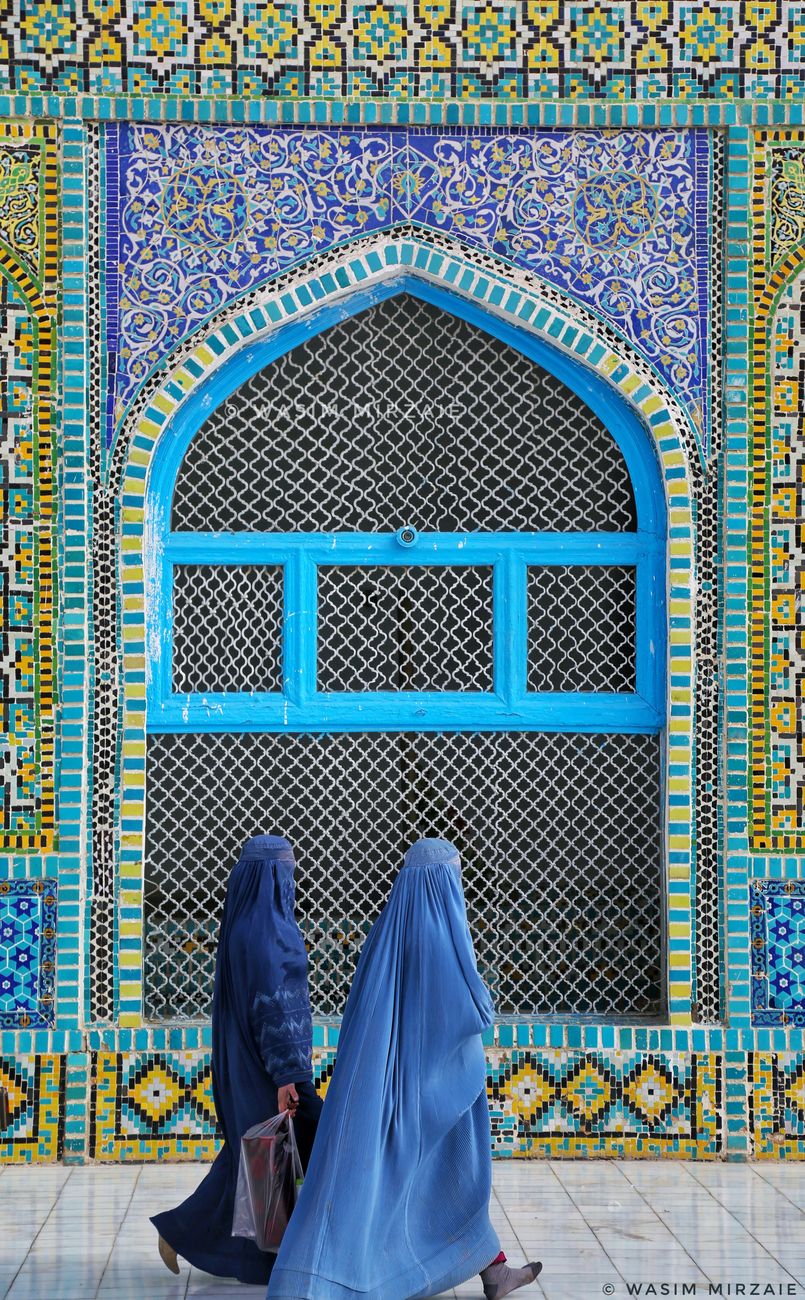
Mazar-i-Sharif, capital of northern Balkh province, is anchored by the Shrine of Hazrat Ali (the Blue Mosque). Celebrated for turquoise and cobalt mosaic tilework, marble courtyards, and white doves, it is an architectural icon. Twenty kilometers west lies ancient Balkh (Bactra), one of Central Asia’s oldest settlements, where travelers can inspect earthen ramparts, the Buddhist stupa of Tepe Rustam, and the ninth-century No Gumbad mosque.
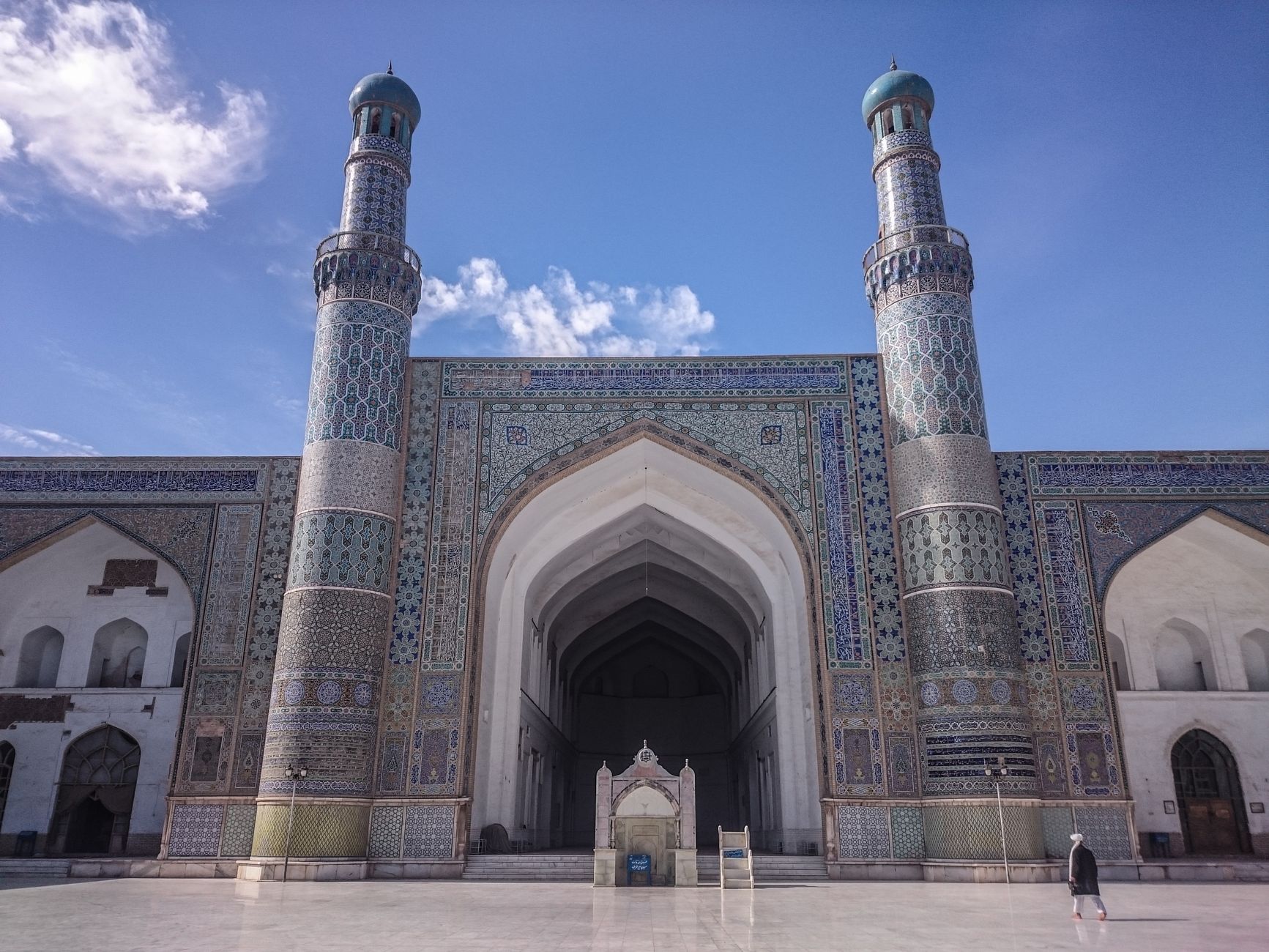
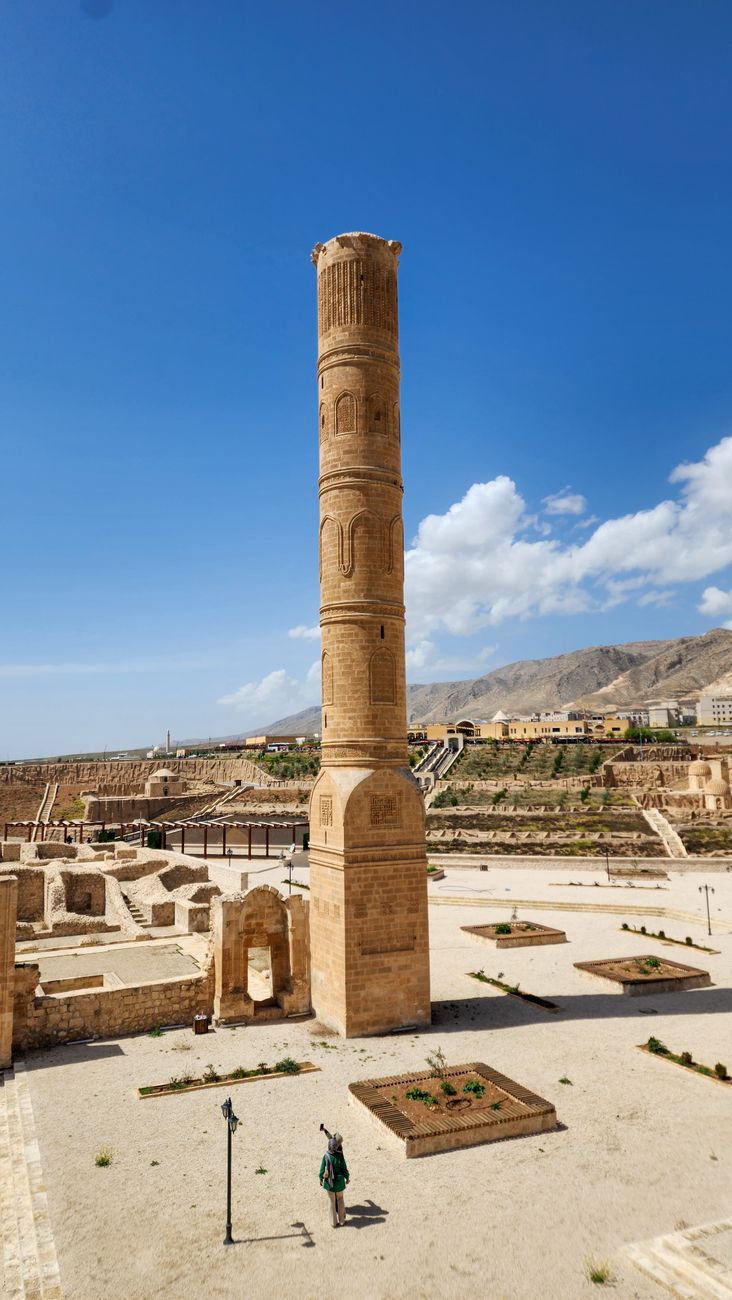
Herat, located in western Afghanistan near Iran, is the country’s cultural jewel. Influenced by Persian culture and Timurid architecture, Herat boasts the twelfth-century Great Mosque of Herat (Masjid Jami), celebrated for its colossal courtyards and tilework. Other landmarks include the fifteenth-century Musalla minarets and the imposing Citadel of Alexander (Qala Ikhtyaruddin) overlooking the old city.
Connecting these hubs requires balancing route security against travel efficiency. While overland driving reveals dramatic highland geography, long road journeys increase checkpoint inspections and breakdown risks in remote terrain.
Transport Realities: Domestic Aviation vs. Mountain Overland Routes
Evaluating transit within Afghanistan requires realistic appraisals of infrastructure and checkpoints. Domestic passenger aviation remains the safest, most efficient mode of travel between major provincial centers.
Two domestic airlines operate scheduled services from Kabul International Airport (KBL): Kam Air and Ariana Afghan Airlines. Both carriers operate Boeing 737 aircraft linking Kabul with Herat (HEA), Mazar-i-Sharif (MZR), and Kandahar (KDH). Flight durations range from forty-five to seventy minutes, avoiding hundreds of kilometers of arduous mountain roads. Flights can be booked through airline offices in Kabul using cash payments.
Overland transit is necessary for destinations without commercial airports, such as Bamyan. Driving from Kabul to Bamyan takes four to six hours via the paved northern highway through Parwan province and the Ghorband Valley, climbing through Hindu Kush foothills across the Shibar Pass. Travelers should hire a vetted private driver with a reliable Toyota Corolla or Land Cruiser. Public minibuses and shared taxis are not recommended due to checkpoint delays.
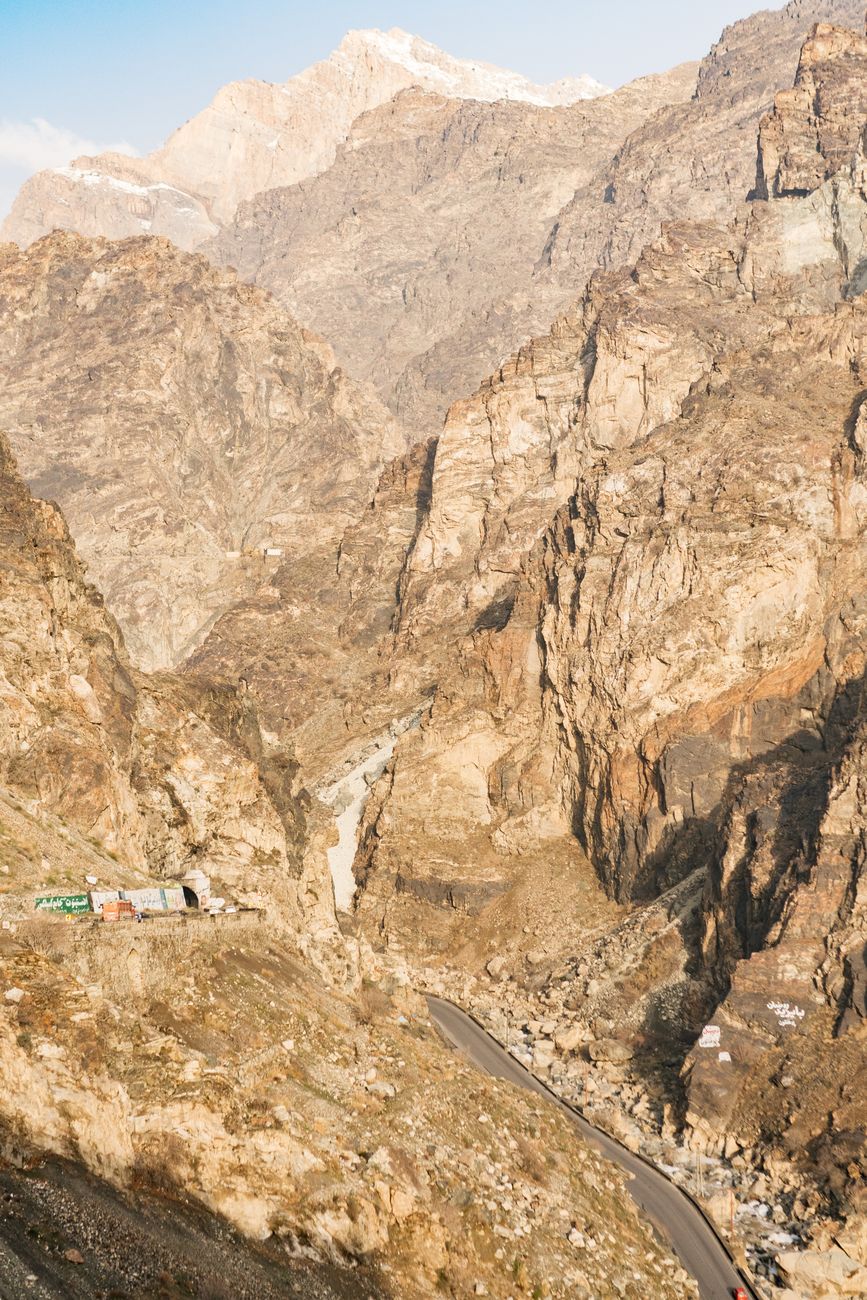
The highway connecting Kabul to Mazar-i-Sharif traverses the Salang Pass and Salang Tunnel at thirty-four hundred meters elevation. The Salang corridor is a critical mountain artery subject to heavy truck congestion, rough tunnel surfaces, and winter snow avalanches that cause lengthy traffic delays. Flying between Kabul and Mazar-i-Sharif is vastly superior to driving the Salang corridor.
Across all highway routes, nighttime travel must be strictly avoided. Checkpoints close or become unpredictable after dusk, and emergency breakdown services do not exist in rural mountain passes. Plan all vehicular movements to arrive well before sunset.
Core Geographic Corridors and Administrative Checklist
| Stage / Hub | Administrative Base | Accessible Cultural Focus | Recommended Transport | Realistic Transit Window | Mandatory Permit & Verification |
|---|---|---|---|---|---|
| Kabul Hub | Kabul Central District | Babur Gardens, National Museum, Ka Faroshi bazaar, Sarai Shahzada | Private vehicle with driver | 30–60 min city transfers | Central MoIC registration letter and passport stamp |
| Bamyan Highlands | Bamyan Town / Bazaar | Buddha niches, Shahr-e Gholghola citadel, Shahr-e Zohak ruins | Private 4WD via Ghorband | 4–6 hours from Kabul | Bamyan Directorate MoIC stamp upon arrival |
| Band-e-Amir | Bamyan Base (Day Trip) | Six travertine mineral lakes, scenic hiking, high plateau overlooks | Private 4WD vehicle | 1.5–2 hours each way from Bamyan | National park entry post verification of Bamyan permit |
| Mazar-i-Sharif | Mazar City Center | Shrine of Hazrat Ali (Blue Mosque), ancient Balkh ramparts | Kam Air / Ariana domestic flight | 50 min flight from Kabul | Balkh Province MoIC registration and mosque approval |
| Herat West | Herat Old City | Great Mosque of Herat, Citadel of Alexander, Musalla minarets | Kam Air domestic flight | 1 hour 15 min flight from Kabul | Herat Directorate MoIC clearance and site tickets |
Every journey between these hubs requires carrying verified documents. Keeping hard copies organized in a clear, water-resistant folder avoids delays during roadside inspections.
Financial Survival: The Cash Economy, Hawala & Currency Exchange
Navigating financial transactions in Afghanistan requires understanding that the country is completely severed from global electronic banking. International sanctions mean foreign Visa, Mastercard, American Express, and debit cards are useless. International ATMs do not function, and card terminals do not exist in hotels, restaurants, or shops.
Travelers must carry sufficient physical cash to fund their entire trip. The national currency is the Afghan Afghani (AFN). While some hotels or airlines in Kabul quote prices in US Dollars (USD), daily expenses—lodging, meals, driver fees, entrance permits, and fuel—must be settled in Afghanis.
Foreign cash brought into the country should consist of US Dollars or Euros in pristine condition. Money changers systematically reject bills with tears, folds, creases, or stamps. Bills must be from modern design series (post-2013 “blue” series hundred-dollar notes). Older series or worn notes will be rejected or exchanged at severe discounts of ten to twenty percent.
Currency exchange is conducted through the informal banking system centered at Sarai Shahzada, Kabul’s historic multi-story open-air market, where licensed money brokers trade Afghanis against major currencies at competitive rates. Similar money markets operate in Mazar-i-Sharif and Herat. The traditional Hawala money transfer network functions across Afghanistan and can serve as an emergency conduit if funds are depleted.
Budget conservatively. A realistic daily expenditure for an independent traveler—factoring in secure private hotel lodging, full-time car with driver, meals, and permits—ranges from one hundred to one hundred and seventy US Dollars per day. Carrying an emergency cash reserve of five hundred to one thousand dollars sealed in luggage is an essential precaution.
Cultural Etiquette, Dress Codes, Checkpoints & Digital Security
Respecting cultural codes and handling authority interactions calmly are vital to personal safety across Afghanistan, where public behavior is closely monitored by religious and security authorities.
Dress codes are strict. Men should wear traditional Afghan *perahan tunban* (a loose tunic over baggy trousers), readily tailored in any Kabul bazaar within twenty-four hours. Wearing Western clothing—such as jeans and t-shirts—draws scrutiny at checkpoints and marks you as an outsider. Growing a neat beard is culturally respectful and avoids unnecessary questioning.
For female travelers, requirements are rigorous. Foreign women must wear loose-fitting, dark clothing covering the body, accompanied by a modest headscarf (hijab) covering all hair. Administrative edicts regarding female travel change rapidly; in many areas, unaccompanied female movement is restricted, and access to certain public parks, monuments, and gardens may be prohibited. Confirm local rules with provincial MoIC offices upon arrival.
Interactions at checkpoints (*talashi*) require calm discipline. Checkpoints stand at city gates, provincial boundaries, and mountain passes. When approaching, instruct your driver to dim headlights at night, roll down front windows, and turn off music. Keep hands visible, remain seated, and let your local driver speak first. When addressed, present your passport, visa, and MoIC letter politely without showing impatience.
Photography is subject to extreme legal sensitivity. Never photograph military personnel, armed fighters, weapons, checkpoints, government buildings, or airport infrastructure. Photographing women is strictly forbidden under Afghan social customs. Always request verbal permission before photographing artisans, vendors, or historic architecture. Checkpoint personnel periodically conduct spot inspections of smartphones and digital cameras; ensure devices contain no sensitive political files or unvetted images before highway travel.
Field Connectivity: Roshan LTE & Telecommunications Realities
Maintaining reliable mobile communication is a vital safety tool when traveling through complex environments. Connectivity enables coordination with drivers, checking road openings, digital mapping, and emergency communication.
Afghanistan’s telecommunications infrastructure is operated by major carriers including Roshan, Afghan Wireless (AWCC), MTN, and Etisalat. Roshan operates extensive cellular infrastructure, providing dependable LTE coverage throughout urban Kabul, provincial capitals, and along primary transport corridors. In remote mountain passes and rural valleys between Bamyan and Band-e-Amir, coverage drops to basic 2G or complete signal blackouts.
Purchasing a physical SIM card locally involves significant bureaucratic friction. Regulations mandate that physical SIM purchases undergo biometric registration, requiring fingerprint scanning, multiple passport copies, local references, and photos at official carrier centers, with activation often taking twenty-four to forty-eight hours.
Travelers requiring immediate data can connect through Roshan LTE mobile data through NXTL at $6.29 per gigabyte. This allows your smartphone to register automatically on the local Roshan network upon landing at Kabul International Airport. Unused credit stays available for later trips across more than 180 countries. Having active cellular data upon arrival ensures you can arrange secure pickups, access translations, and communicate your arrival without searching for physical registration shops.
Complement mobile data with comprehensive offline preparations. Download offline mapping packages (such as Maps.me or offline Google Maps) before departure, as GPS positioning functions independently of cellular reception. Store digital copies of your MoIC permit letter, passport, visa, emergency medical contacts, and hotel vouchers in secure offline storage on your device.
Five Critical Pitfalls and Security Realities to Navigate in Afghanistan
Operating in Afghanistan allows zero margin for logistical carelessness. Avoid these five major planning mistakes:
- Traveling Between Provinces Without Official MoIC Travel Permits: Venturing outside Kabul without registering at the Ministry of Information and Culture and obtaining an official permit letter will result in immediate detention or forced return at the first highway checkpoint. Always secure your central permit in Kabul and register with provincial directorates upon arrival in each province.
- Relying on Foreign Credit Cards, Bank Cards, or ATMs: International banking sanctions mean foreign credit and debit cards do not function anywhere in Afghanistan. Arriving without sufficient physical cash in pristine US Dollars or Euros will leave you completely unable to pay for lodging, transport, or food.
- Photographing Security Checkpoints, Armed Personnel, or Government Buildings: Pointing a camera or smartphone at armed fighters, military installations, checkpoints, or public administration offices is treated as espionage. Security forces will confiscate memory cards, search digital devices, and detain offenders. Always request verbal permission before photographing people or street scenes.
- Undertaking Long-Distance Overland Highway Travel After Dark: Driving between cities at night exposes travelers to heightened risks of checkpoint misunderstandings, unmarked road obstacles, and mechanical breakdowns in remote areas without rescue services. Conclude all intercity highway driving at least two hours before sunset.
- Ignoring Traditional Dress Codes and Changing Gender Regulations: Wearing Western attire in public invites unwanted scrutiny and friction at checkpoints. Men should wear traditional *perahan tunban*, while women must wear loose dark garments and full hijab. Female travelers must verify localized administrative rules regarding public site access and movement restrictions.
By respecting administrative authority, adhering strictly to legal permit procedures, dressing modestly, and maintaining disciplined cash and communication protocols, essential travelers can navigate Afghanistan with cultural awareness, situational clarity, and operational security.