Algeria is Africa’s largest nation, yet it remains one of the Mediterranean basin’s least-understood travel destinations. Bordered by the azure waters of the Mediterranean to the north and the Sahara to the south, Algeria preserves some of the most monumental, intact Roman archaeological cities in existence, grand Ottoman palaces, and dramatic mountain gorges—all virtually devoid of mass tourism buses and selfie lines. For independent travellers seeking cultural depth and genuine North African hospitality, a journey through northern Algeria feels like stepping into the Mediterranean of forty years ago.
The secret to a successful first expedition is resisting the urge to cross the entire country in a single week. Deep Saharan expeditions to Djanet or the Hoggar Mountains require separate domestic flights, desert guides, and specialized municipal travel permits. Instead, an eight-day northern circuit connects Algeria’s two most compelling urban centers: the sunlit white terraces of Algiers on the coast and the clifftop citadel of Constantine in the east, anchored by the coastal Roman ruins of Tipaza and the vast Roman garrison city of Timgad. Here is your definitive operational blueprint covering visa paperwork, passenger trains, parallel exchange dynamics, and cultural etiquette.
Trip Planning Blueprint: Visas, Train Connections, and Currency
Planning an independent trip to Algeria requires advance logistical preparation, particularly regarding consular paperwork and finances:
Visa Formalities and Requirements: Most international travellers (including EU, UK, US, and Canadian citizens) require a tourist visa issued by an Algerian consulate prior to travel. Applications require a certified invitation letter or confirmed hotel booking certificate stamped by an authorized Algerian travel agency. While Algeria introduced a visa-on-arrival scheme in 2023, it applies strictly to travellers booking approved desert tours in the southern Sahara through registered local operators. For northern travel, submit your consular application four to six weeks in advance.
Intercity Rail Transport (SNTF): Algeria boasts an efficient, modernized railway network operated by the Société Nationale des Transports Ferroviaires (SNTF). Modern air-conditioned Alstom Coradia diesel-electric trains link Algiers (Agha station) to Constantine in four to five hours. First-class carriages feature comfortable reclining seats, power outlets, and panoramic windows framing the rolling agricultural plains of the Tell Atlas. Alternatively, domestic carrier Air Algérie operates multiple daily flights connecting Algiers (ALG) and Constantine (CZL) in just forty-five minutes.
Currency Dynamics and Cash Realities: The official currency is the Algerian Dinar (DZD). International credit cards (Visa and Mastercard) are rarely accepted outside luxury international hotels (such as the Sofitel or El Aurassi in Algiers), and foreign bank cards rarely function in local ATMs. As a result, Algeria operates as a cash economy for travellers. Bring clean, crisp Euro or US Dollar banknotes (fifty and one hundred bills in pristine condition) to exchange. While official banks and exchange kiosks operate at the airport, many local businesses quote prices reflecting the widely tolerated informal market rate. Always keep sufficient cash on hand for meals, transport, and museum entry fees.
| Day / Stage | Base | Highlights | Transport Mode | Transit Time | Advance Booking Requirement |
|---|---|---|---|---|---|
| Day 1 | Algiers | Arrival at Houari Boumediene Airport (ALG), seafront promenade, Grand Post Office stroll | Airport Taxi / Yassir App | 35 mins airport transfer | Yassir ride-hailing app setup |
| Day 2 | Algiers | Guided walking tour of the UNESCO Casbah, Ketchaoua Mosque, Palais des Raïs (Bastion 23) | Metro & Walking Tour | Local city transit | Licensed Casbah guide booking |
| Day 3 | Algiers | Notre-Dame d’Afrique basilica clifftop, Martyrs’ Memorial (Makam Echahid), El Hamma Garden | Cable Car & Taxi | 20 mins city transit | Monument museum entry ticket |
| Day 4 | Tipaza / Algiers | Day excursion to coastal Roman ruins of Tipaza, Royal Mausoleum of Mauretania, fresh seafood | Private Car / Driver | 1 hr 15 mins coastal drive | Private driver charter |
| Day 5 | Constantine | Morning Coradia express train east to Constantine, crossing Sidi M’Cid suspension bridge | SNTF Coradia Train | 4.5 hrs scenic rail ride | SNTF 1st class train ticket |
| Day 6 | Constantine | Palace of Ahmed Bey, Mellah Slimane footbridge, Cirta National Museum, old medina alleys | Local Walking / Taxi | City center walking | Palace admission ticket |
| Day 7 | Batna / Timgad | Day excursion to the monumental Roman garrison city of Timgad, Trajan’s Arch, theater | Private Car / Driver | 1 hr 45 mins road transfer | Timgad archaeological entry |
| Day 8 | Algiers departure | Morning domestic flight or express train back to Algiers, artisan copper shopping, flight out | Domestic Flight / Train | 45 mins flight / 4 hrs train | Air Algérie ticket / Flight check-in |
Days 1–3: Algiers: The White City, Ottoman Casbah, and Seafront Arcades
Known affectionately as *Alger la Blanche* (Algiers the White) for the shimmering whitewashed colonial facades that rise dramatically from the Mediterranean harbor, Algeria’s capital is a city of remarkable architectural layers. Begin your first afternoon walking along Boulevard Zighout Youcef, where grand 19th-century Haussmann-style arcades look out over maritime docks and turquoise waters.
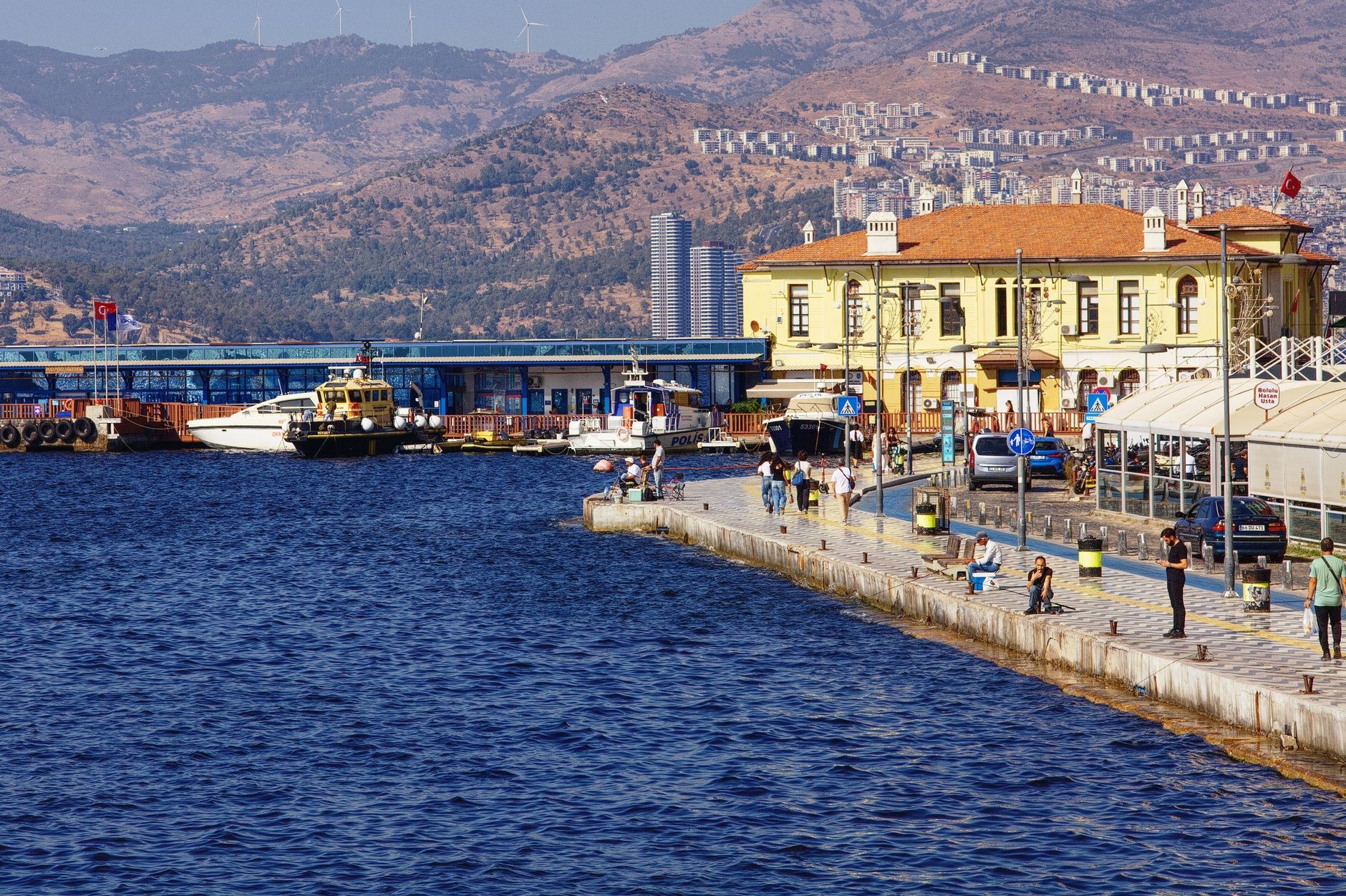
Stop to admire the Grande Poste, a magnificent 1910 neo-Moorish civic palace featuring horseshoe arches, intricately carved white plasterwork, and polished marble floors. From here, modern cafés serve rich espresso and fresh mint tea to locals reading Arabic and French newspapers on outdoor terraces.
Dedicating your second day to the UNESCO World Heritage Casbah of Algiers is an absolute necessity. Perched on a steep hill overlooking the bay, this historic citadel is a labyrinth of five thousand whitewashed homes, vaulted brick passageways, Ottoman tilework, and hidden interior courtyards. Because the narrow alleys twist into blind corners and lack street signs, exploring with a licensed local guide is essential for historical understanding and orientation.
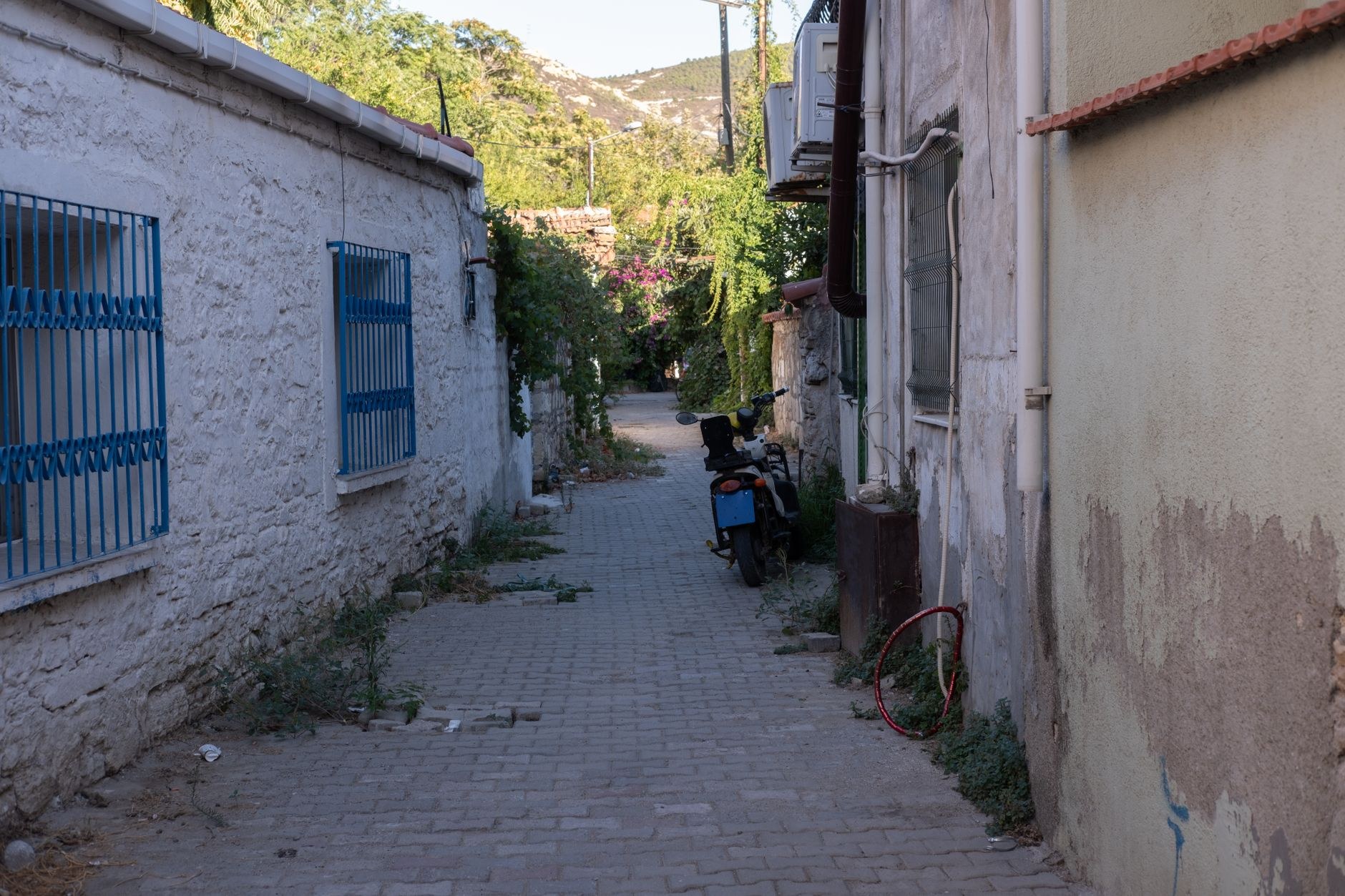
Descend through the Casbah toward the lower town, visiting the Ketchaoua Mosque, an 18th-century Ottoman sanctuary that served as Saint Philippe Cathedral during French rule before returning to an active mosque following independence in 1962. At the harbor edge, explore the Palais des Raïs (Bastion 23), a complex of three seaside Ottoman palaces decorated with Italian marble columns, Tunisian ceramics, and carved cedar ceilings.
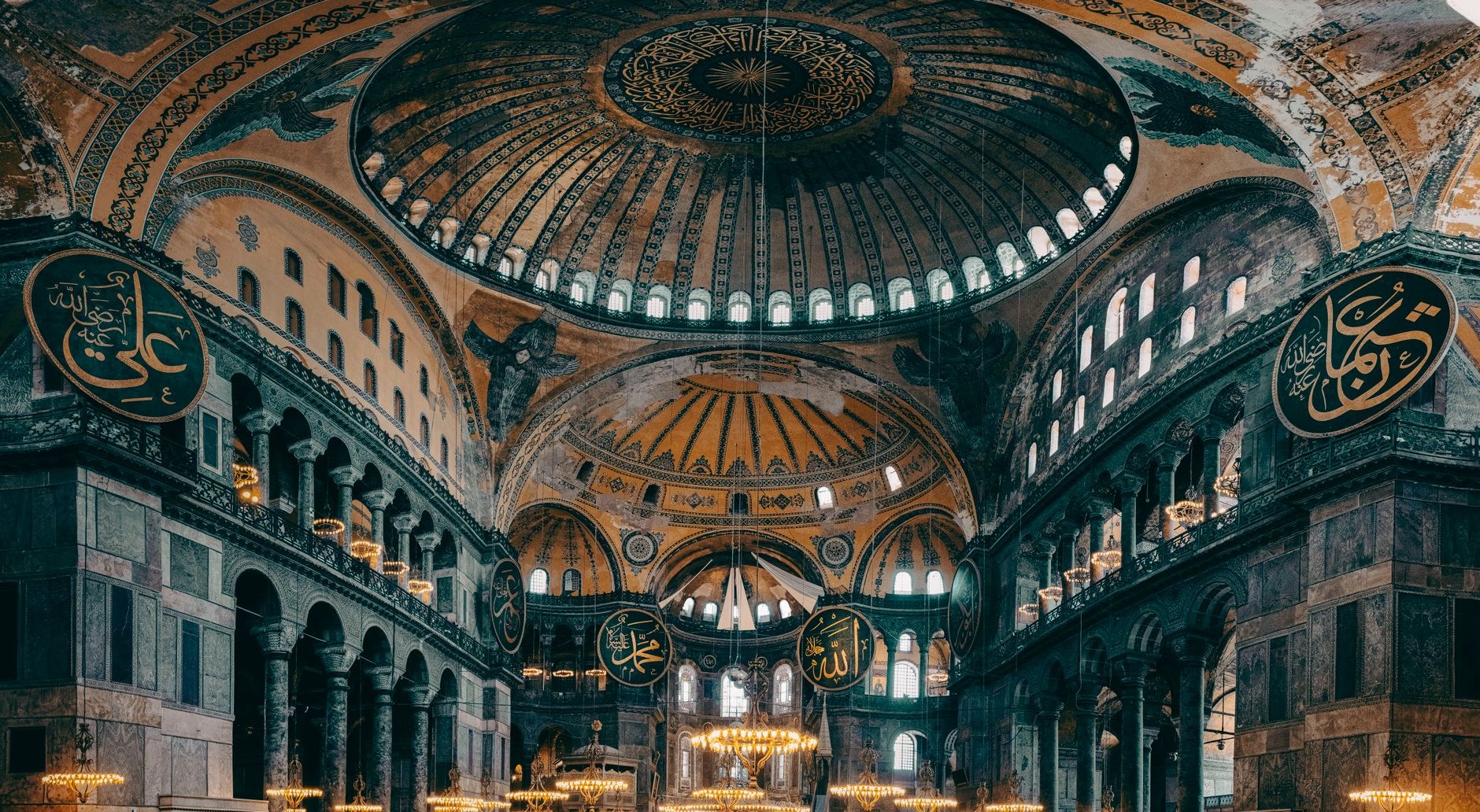
On day three, ride the public cable car up to the Basilica of Notre-Dame d’Afrique, consecrated in 1872 on a dramatic 124-meter sea cliff overlooking Bab El Oued. The neo-Byzantine church bears a celebrated inscription above its apse: *Notre Dame d’Afrique priez pour nous et pour les Musulmans* (“Our Lady of Africa, pray for us and for the Muslims”), reflecting centuries of interfaith presence.
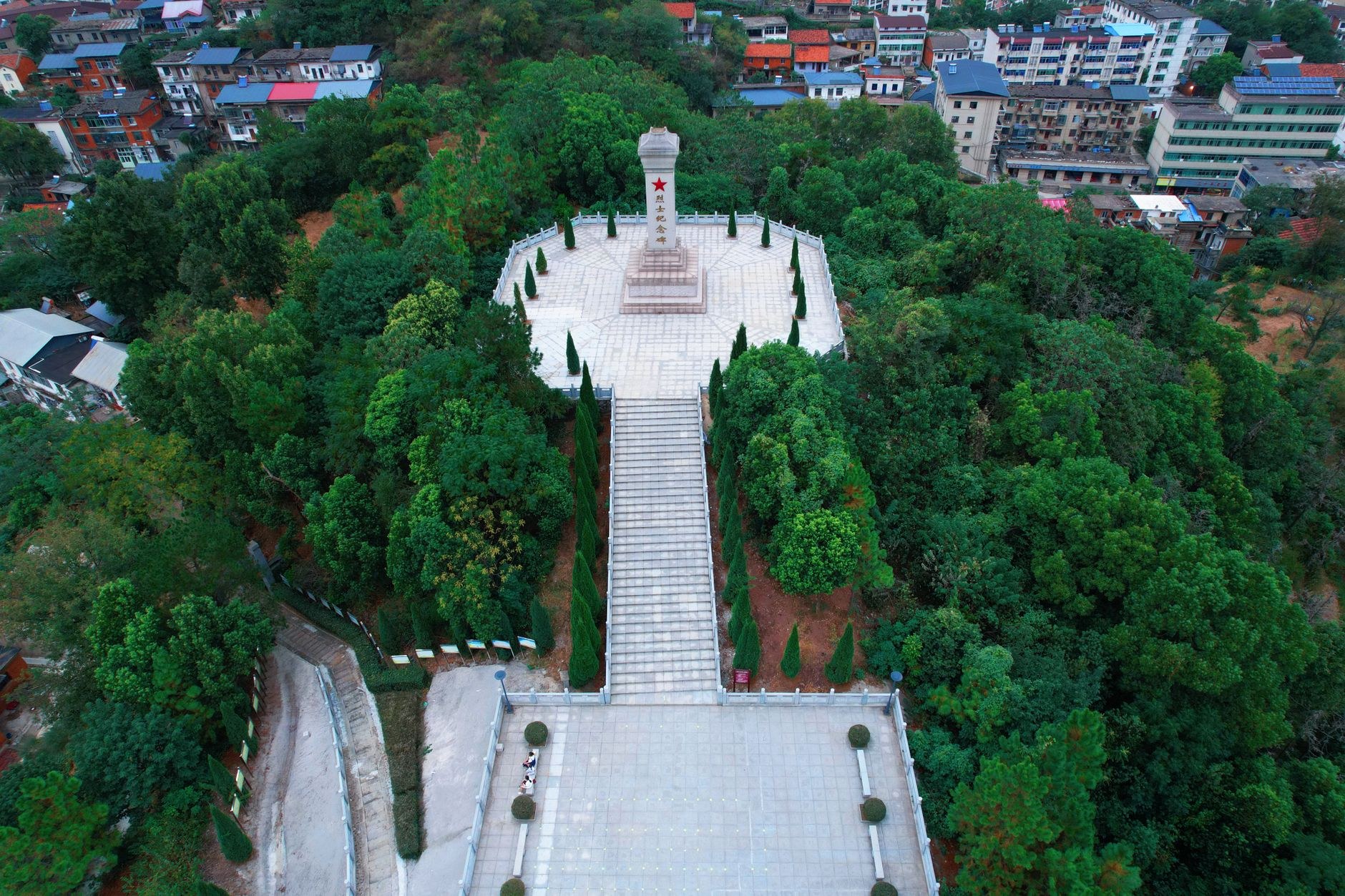
In the afternoon, cross the bay to visit Makam Echahid (The Martyrs’ Memorial), a monumental ninety-two-meter concrete structure shaped like three giant interlocking palm leaves. Erected in 1982 to commemorate the Algerian War of Independence, the monument towers over the city and houses the National Museum of El Moudjahid in its crypt, documenting the brutal struggle that ended 132 years of colonial rule.
Day 4: Tipaza: Roman Maritime Ruins and Albert Camus
On morning four, hire a private car and driver for the seventy-kilometer coastal drive west along the Mediterranean highway to Tipaza. Founded as a Phoenician trading post before becoming a major Roman imperial colony under Emperor Claudius, Tipaza is celebrated for its extraordinary geographic setting: ancient stone basilicas, amphitheaters, and bathhouses scattered across coastal promontories shaded by aleppo pines and olive groves, with turquoise waves crashing against the Roman stonework.
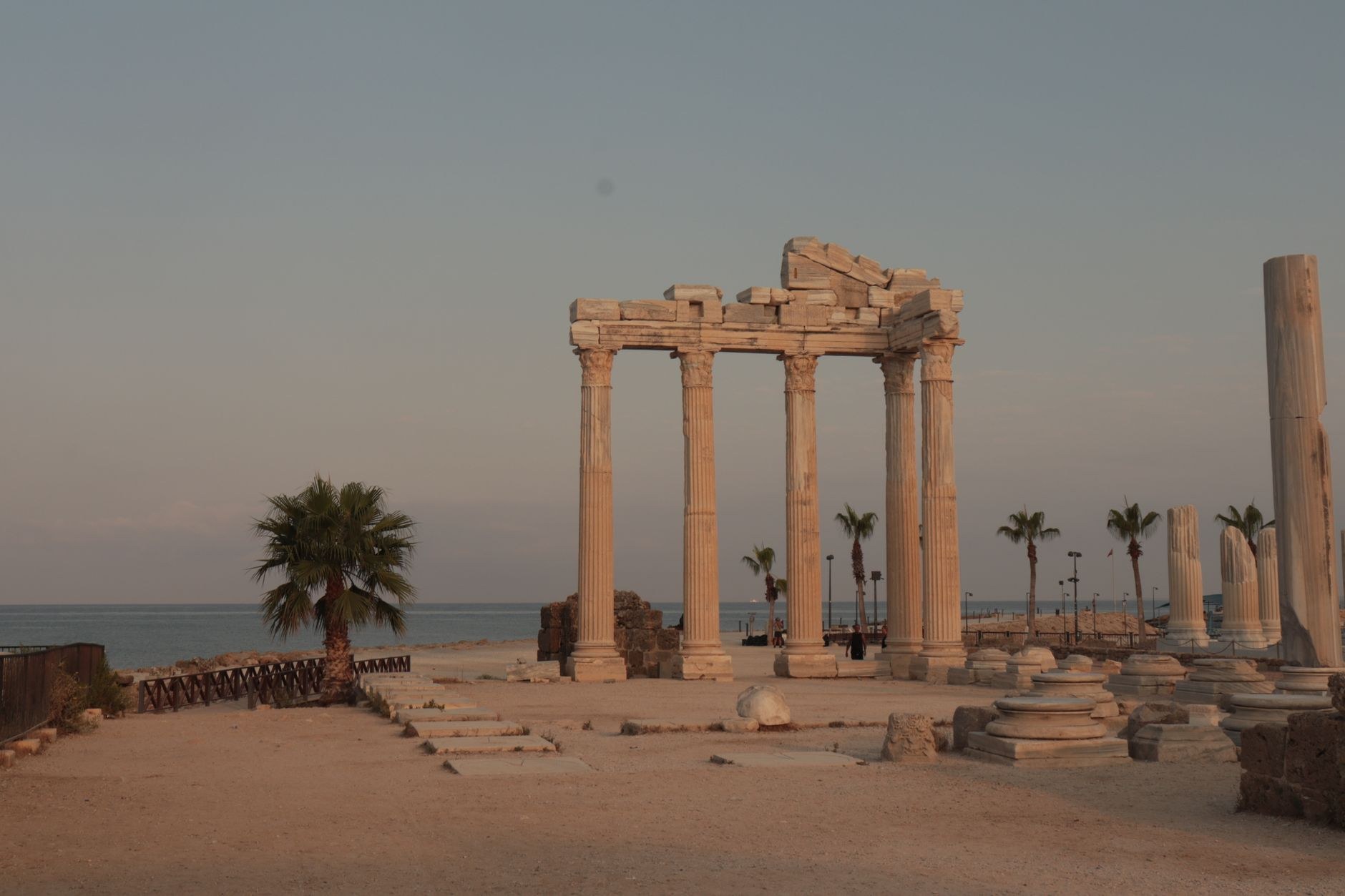
Tipaza was deeply cherished by French-Algerian philosopher and Nobel laureate Albert Camus, who wrote his lyrical essay *Noces à Tipasa* (“Nuptials at Tipasa”) here in 1938. Near the western clifftop basilica, seek out the stone stele erected in Camus’s memory, inscribed with his celebrated phrase: *Je comprends ici ce qu’on appelle gloire: le droit d’aimer sans mesure* (“I understand here what they call glory: the right to love without measure”). After exploring the ruins, stop at Tipaza’s small fishing harbor for a lunch of grilled red mullet, sea bass, and spiced prawns served with fresh crusty bread.
On the return drive toward Algiers, detour inland to visit the Royal Mausoleum of Mauretania (commonly known as the *Tombeau de la Chrétienne*). Perched on a 261-meter hill, this monumental circular stone tumulus, measuring sixty-four meters in diameter and thirty-two meters tall, was built in the 1st century BC by King Juba II and Queen Cleopatra Selene II (daughter of Cleopatra VII and Mark Antony).
Days 5–6: Constantine: The Clifftop Citadel of Bridges and Palaces
Board the morning SNTF Coradia train from Algiers Agha station for the scenic four-and-a-half-hour rail journey east to Constantine. Founded by Phoenicians and rebuilt by Emperor Constantine the Great in 313 AD, Constantine possesses one of the most astonishing natural topographies on earth. The ancient city occupies an immense limestone plateau severed from the surrounding mountains by the Rhumel River gorge, a vertical limestone canyon plummeting up to two hundred meters deep.
To unite the severed city, generations of engineers constructed an extraordinary series of eight bridges spanning the abyss, earning Constantine its moniker as the “City of Bridges.” The most spectacular is the Sidi M’Cid suspension bridge, built in 1912. Suspended 175 meters above the rushing river, walking across this slender 164-meter roadway offers stomach-dropping vistas down into the limestone chasm where kestrels and storks ride warm thermal currents.
Spend day six exploring the historic heart of Constantine. Visit the magnificent Palace of Ahmed Bey, constructed between 1826 and 1835 by the last Ottoman ruler of Constantine. Covering five thousand square meters, the palace is arranged around central courtyards filled with orange trees, weeping willows, and marble fountains, framed by two hundred and fifty marble columns salvaged from nearby Roman ruins. The interior galleries feature colorful Tunisian ceramic tiles and naive fresco murals depicting the Bey’s naval journeys to Alexandria, Istanbul, and Mecca.
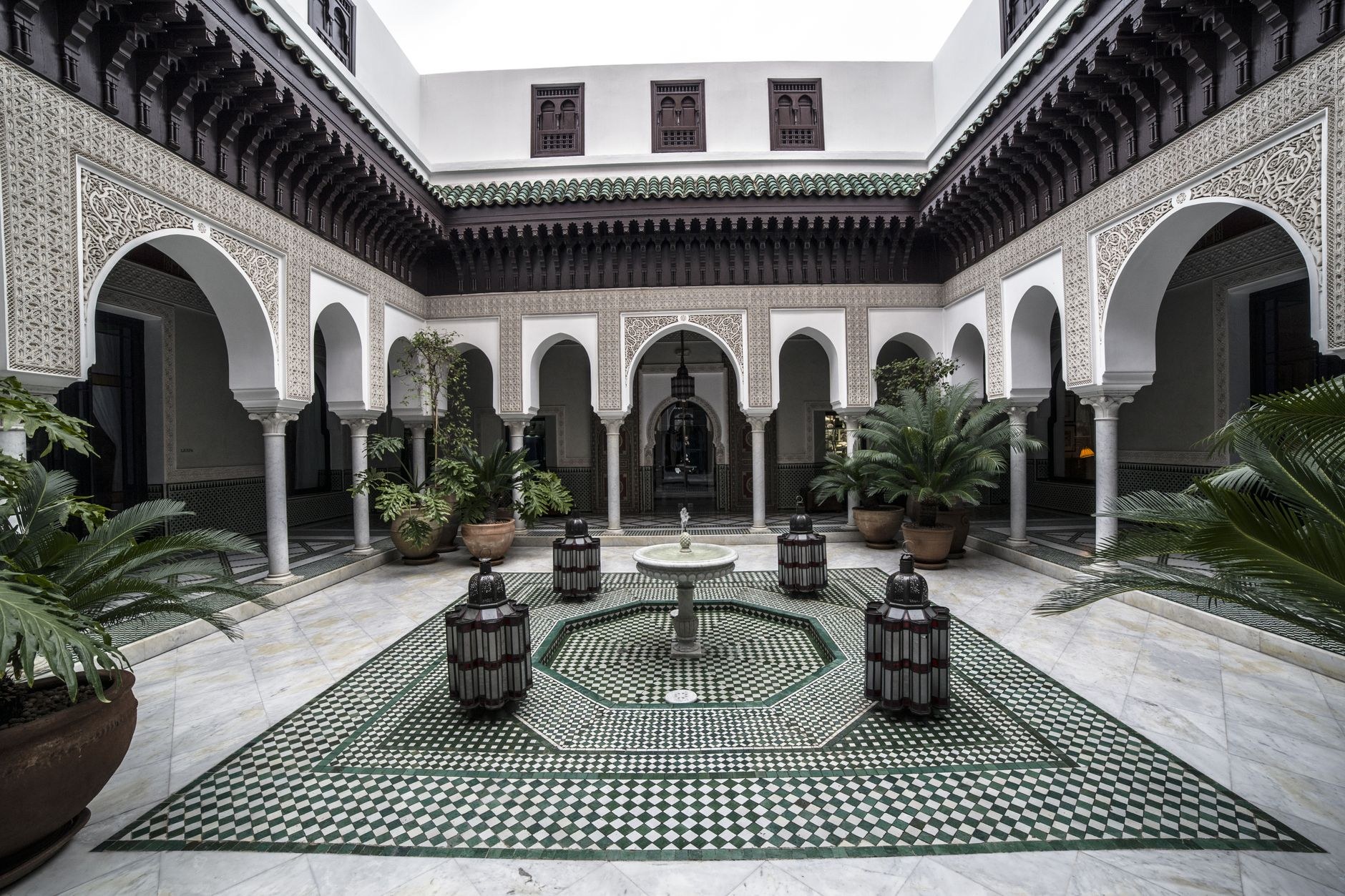
Walk across the pedestrian Mellah Slimane footbridge, a narrow suspension bridge that sways gently as pedestrians cross between the lower market district and the train station quarter. In the afternoon, browse the copper-smithing workshops along the narrow lanes of the old Souq des Dinandiers, where artisans hand-hammer decorative brass trays, teapots, and couscous steamers.
Day 7: Timgad: The Pompeii of North Africa
On morning seven, arrange an early morning day trip south into the Aurès Mountains to visit the UNESCO World Heritage site of Timgad (Thamugadi). Founded around 100 AD by Emperor Trajan as a military garrison colony for Roman army veterans, Timgad is the supreme surviving example of Roman grid urban planning in the world.
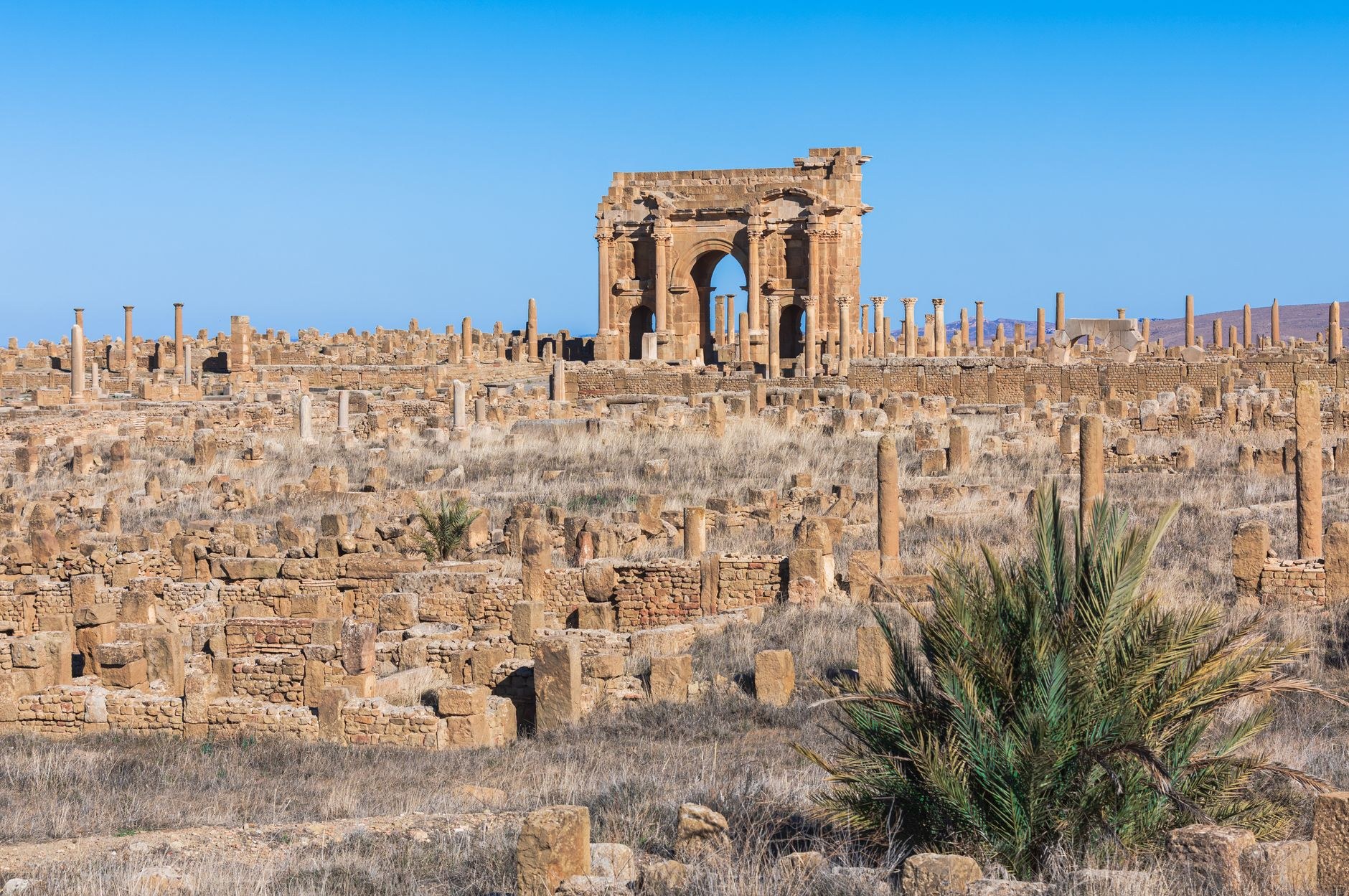
Abandoning the city during the 7th-century Arab conquests, drifting desert sands blanketed Timgad for over a thousand years, preserving its limestone-paved avenues, complete with deep chariot wheel ruts worn into the flagstones. Walk along the *Decumanus Maximus* to the towering twelve-meter-tall Arch of Trajan, constructed from fine sandstone with triple archways and fluted Corinthian columns. Climb to the upper tiers of the three-thousand-seat theater, carved directly into a natural hillside, to take in the panoramic view of thousands of standing columns stretching across the windswept plain.
Before leaving the archaeological park, visit the Timgad Museum near the entrance gate. It houses over eighty exquisite mosaic pavements discovered during excavations, including large multi-figured panels depicting Roman gods, gladiatorial combats, and African wildlife in vivid mineral hues.
Culinary Heritage: Couscous, Chakhchoukha, and Street Bites
Algerian gastronomy is an exceptional synthesis of Berber ancestral cooking, Ottoman refinement, and Mediterranean ingredients. Unlike Moroccan couscous, which often blends sweet and savory elements like raisins and cinnamon, Algerian couscous is purely savory, deeply aromatic, and varied by region.
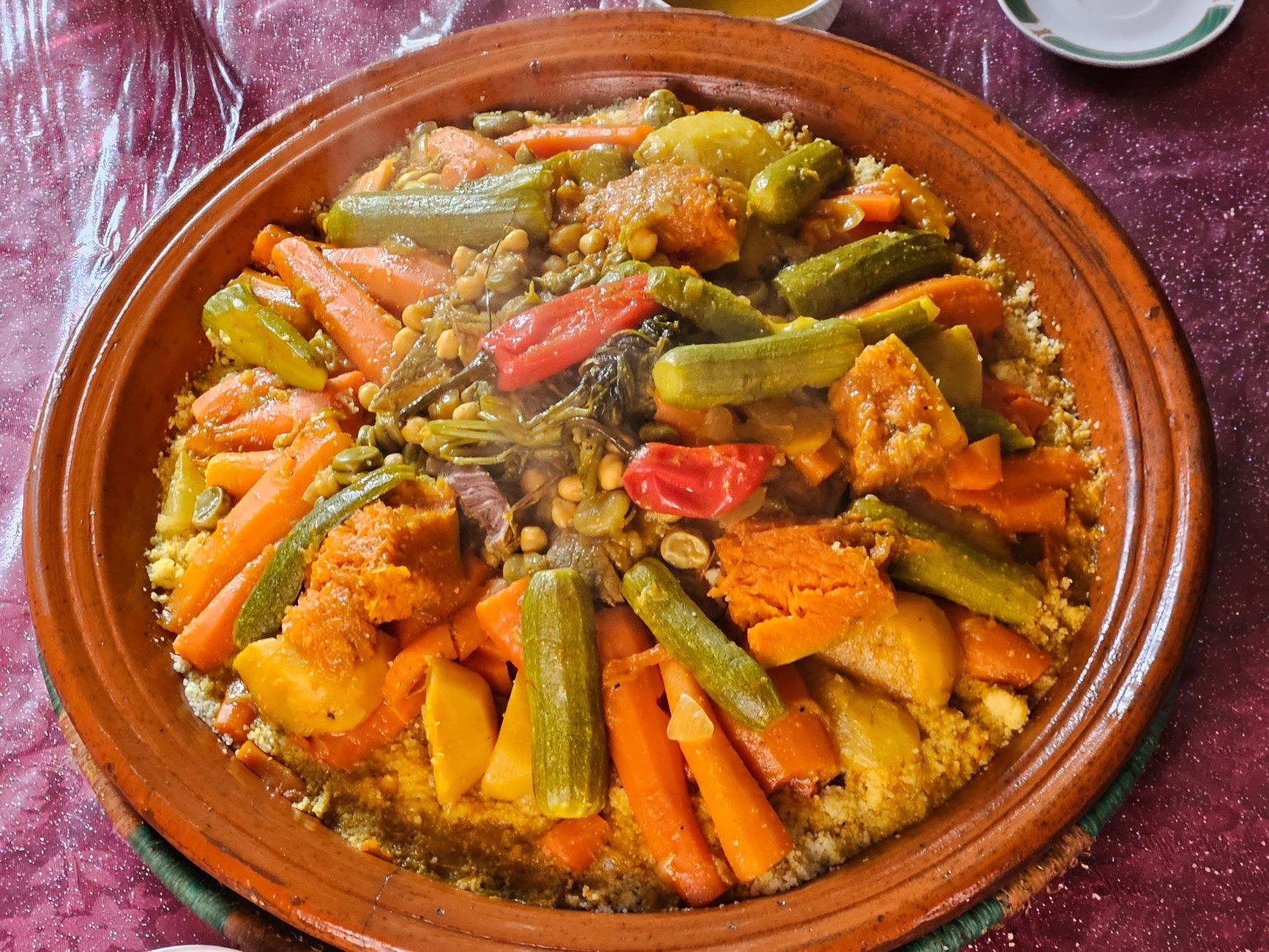
In Algiers, order *Couscous Algérois*, featuring hand-rolled steamed semolina grains tossed in salted butter, topped with tender cuts of milk-fed lamb, turnips, zucchini, and chickpeas, drenched in a delicate, cinnamon-scented white bouillon (*sauce blanche*). In eastern Constantine, the regional specialty is *Chakhchoukha de Constantine*: paper-thin torn pieces of unleavened semolina bread (*rougag*) soaked in a rich, fiery red sauce made with tomatoes, garlic, dried coriander, and braised chicken or lamb.
For casual daytime bites, stop at street kiosks for *brik à l’oeuf*—a crisp sheet of paper-thin *malsouka* pastry wrapped around a seasoned filling of mashed potato, flaked tuna, parsley, capers, and a whole runny egg yolk, deep-fried until blistered and golden. Accompany your meals with *chorba frik*, a hearty cracked green-wheat soup simmered with lamb and fragrant mint, particularly beloved during celebrations. Finish every meal with sweet *makroudh* pastries filled with spiced date paste and drenched in orange blossom honey.
Mobile Connectivity and Digital Logistics in Algeria
Staying connected while travelling through Algeria is critical for navigating urban streets, hailing rides via local apps like Yassir (the Algerian equivalent of Uber), communicating with private drivers on WhatsApp, and checking SNTF train delays. While public Wi-Fi is virtually nonexistent outside international hotels, Algeria’s national telecommunications infrastructure has expanded dramatically, with strong 5G and 4G LTE coverage throughout Algiers, Tipaza, Constantine, and major highway corridors.
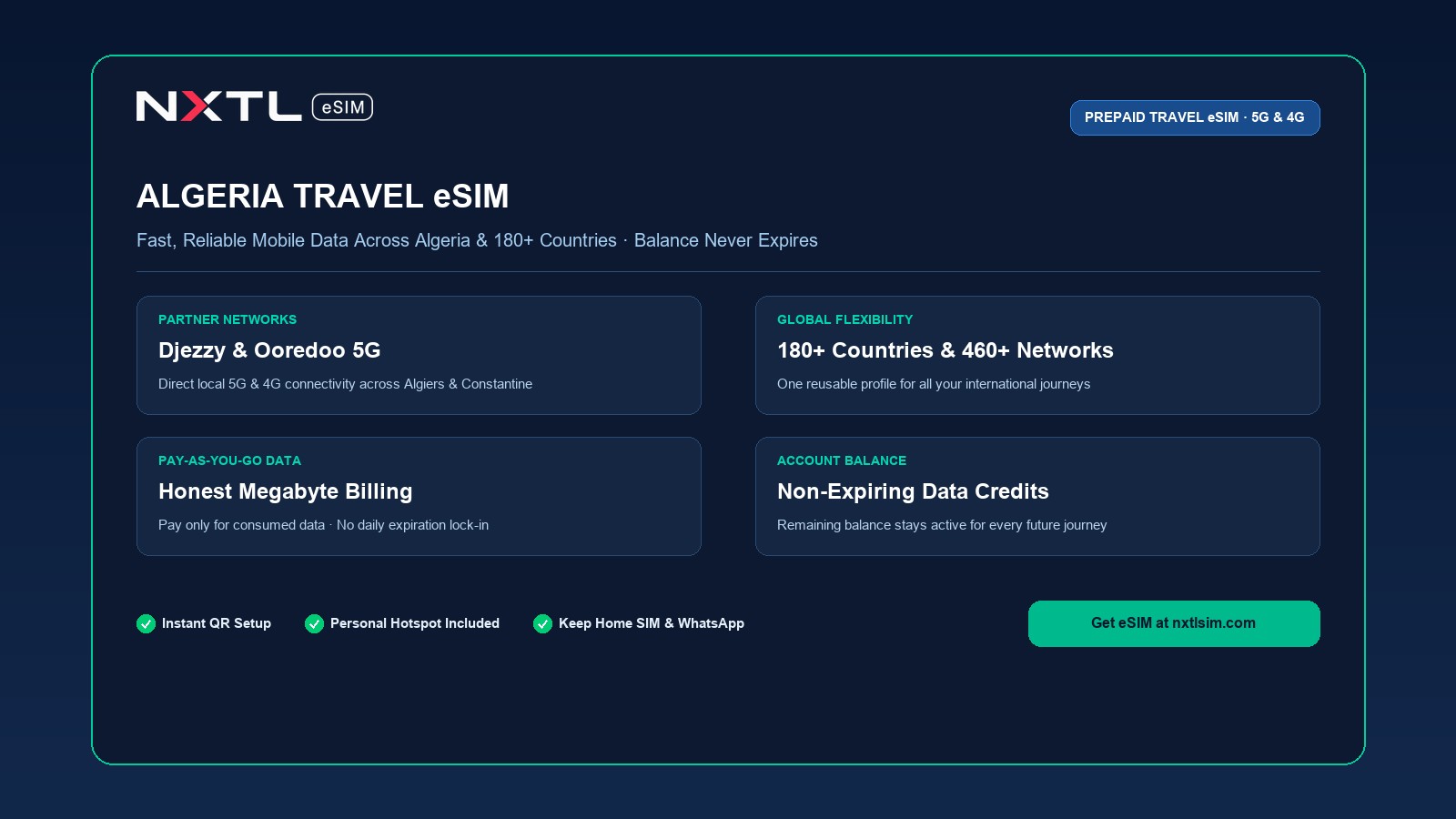
Rather than standing in long airport queues to purchase physical SIM cards that require passport photocopying and manual activation delays, set up an eSIM before you depart. The NXTL Algeria eSIM connects directly to Algeria’s tier-1 mobile networks—Djezzy (Orascom) and Ooredoo—providing high-speed 5G and 4G data across northern Algeria. At an economical rate of just $1.14 per gigabyte, NXTL operates on an honest pay-as-you-go model with no daily throttling. Your balance never expires, meaning remaining data credits remain stored in your digital account for future travels across 180+ countries.
Travel Scams and Regional Logistics Pitfalls to Avoid
Algeria is exceptionally welcoming to foreign visitors, and violent crime against tourists is exceedingly rare. However, navigating the country’s unique administrative and financial ecosystem requires vigilance regarding several logistical pitfalls:
- Unregulated Street Currency Exchanges: Unofficial money changers near Square Port-Saïd in Algiers or around the Bab El Oued market may offer tempting exchange rates but employ distraction sleights-of-hand, slipping folded banknotes or short-counting dinar stacks. Always count banknotes methodically note-by-note in private before handing over foreign cash.
- Unlicensed Casbah Guides: Self-proclaimed “guides” frequently loiter outside the lower Casbah entrance near Martyrs’ Square, offering informal tours that quickly devolve into visits to cousin-owned souvenir shops or demanding inflated fees at the end. Only hire certified guides recommended by official tourist offices or your hotel concierge.
- Airport Taxi Rate Gouging: Arriving at Algiers Houari Boumediene Airport, freelance taxi drivers often quote thirty to fifty Euros for a twenty-minute ride into downtown Algiers. The standard metered fare is roughly 1,500 to 2,000 DZD. Book your ride through the Yassir mobile app or negotiate a firm fare before placing luggage in the trunk.
- Unauthorized Photography of Security Installations: Algerian security services maintain checkpoints near bridges, government ministries, police stations, and military barracks. Photographing security personnel, official buildings, or transport checkpoints can result in questioning and equipment confiscation. Always ask permission before photographing public buildings or local residents.
- Unregistered Off-Road Transport to Archaeological Sites: At rural archaeological junctions near Timgad and Djemila, informal private drivers with unlicensed vehicles may offer scenic detours along unpaved tracks, lacking passenger insurance or mechanical reliability. Arrange verified transfers exclusively through licensed tour operators or recognized transport companies.
By balancing respectful cultural awareness with organized transport logistics and dependable mobile connectivity, your journey through northern Algeria will reveal one of the most rewarding and unspoiled cultural corridors in the Mediterranean world.