Perched high in the eastern Pyrenees between France and Spain, the Principality of Andorra is Europe’s sixth-smallest independent nation. Measuring barely 468 square kilometers, this ancient co-principality is frequently dismissed by hurried day-trippers as nothing more than a sprawling tax-free shopping mall or a quick highway transit point between Barcelona and Toulouse. Those who bypass the valley floor, however, discover an alpine wonderland where ninety percent of the national territory remains pristine forest, glacial lakes, and craggy granite peaks soaring above 2,900 meters.
Because Andorra has no commercial airport and no passenger railway lines, planning an independent mountain getaway requires clear operational foresight. Travellers must navigate cross-border mountain coaches, understand distinct seasonal transformations between winter ski slopes and summer alpine trekking, and respect strict non-EU customs and telecommunications rules. This four-day itinerary provides a balanced roadmap: exploring 12th-century Romanesque stone sanctuaries, hiking through the protected glacial amphitheater of the UNESCO Madriu-Perafita-Claror Valley, driving panoramic mountain passes to the Tristaina lakes cirque, and savoring rustic Pyrenean cuisine in stone *bordas*. Here is your definitive practical guide to visiting Andorra with confidence.
Trip Planning Blueprint: Border Coach Transfers, Seasons, and the Roaming Trap
Before packing your bags for the Pyrenees, three essential logistical factors demand careful preparation:
Gateway Airports and Coach Connections: Without an airport within its borders, the primary international gateways to Andorra are Barcelona El Prat Airport (BCN) in Spain, located two hundred kilometers south, and Toulouse-Blagnac Airport (TLS) in France, located 180 kilometers north. Dedicated express long-distance motorcoaches (such as Andbus and Directbus) operate frequent daily departures from both airport terminals directly to the central bus station in Andorra la Vella. Transit takes approximately three to three-and-a-half hours across scenic mountain highways. Alternatively, renting a car from Barcelona or Toulouse offers complete autonomy to explore remote high-altitude trailheads, provided you confirm that cross-border driving insurance is included in your contract.
Dual-Season Realities: Andorra undergoes a dramatic seasonal shift. From late December through April, the principality transforms into southern Europe’s premier winter sports arena: Grandvalira and Ordino Arcalís combine to offer over three hundred kilometers of groomed ski runs, modern snowmaking infrastructure, and certified multilingual ski schools. From late June through early October, the snowfields recede to reveal lush alpine pastures, cobalt-blue glacial tarns, and extensive mountain walking circuits. July and August bring warm daytime temperatures (twenty-two to twenty-six degrees Celsius on the valley floor), though mountain nights require warm layers. May and November represent transitional shoulder periods when many ski lifts and high-altitude mountain refuges remain closed.
The Non-EU Roaming Trap: While Andorra uses the Euro as its currency and is bordered entirely by European Union member states (France and Spain), the principality is not a member of the EU or the European Economic Area (EEA). Consequently, European “Roam Like at Home” regulations do not apply here. European SIM cards connecting automatically to Andorra Telecom upon crossing the border are billed at catastrophic non-EU roaming tariffs—frequently exceeding ten to fifteen euros per single megabyte. Turning off international roaming or securing a dedicated local eSIM prior to arrival is mandatory to prevent massive unexpected phone bills.
| Day / Stage | Base | Highlights | Transport Mode | Transit Time | Advance Booking Requirement |
|---|---|---|---|---|---|
| Day 1 | Andorra la Vella | Express coach arrival from BCN/TLS, Barri Antic historic quarter, Casa de la Vall parliament | Express Coach / Foot | 3 hrs airport transfer | Airport express coach ticket |
| Day 2 | Canillo / Soldeu | Sant Joan de Caselles Romanesque church, Mirador Roc del Quer viewpoint, Grandvalira slopes | Rental Car / Intercity Bus | 30 mins scenic valley drive | Ski lift pass / Viewpoint admission |
| Day 3 | Ordino / Arcalís | Traditional stone village of Pal, scenic drive up Ordino valley, Tristaina glacial lakes circuit | Rental Car / Local Bus | 40 mins mountain ascent | Creussans chairlift ticket |
| Day 4 | Escaldes-Engordany | Hike Madriu-Perafita-Claror glacial valley, traditional borda lunch, return coach to airport | Active Trail / Coach | 3 hrs return airport coach | Borda restaurant reservation |
Day 1: Arrival in Andorra la Vella: Valley Heritage and Mountain Parliaments
Your journey begins with an express coach ride climbing through the dramatic granite gorges of the Pyrenees, crossing the international border into Andorra la Vella. Europe’s highest capital city, situated at 1,023 meters above sea level, occupies a steep valley bowl along the Gran Valira river, surrounded by pine-covered mountain ridges rising vertically from the urban perimeter.
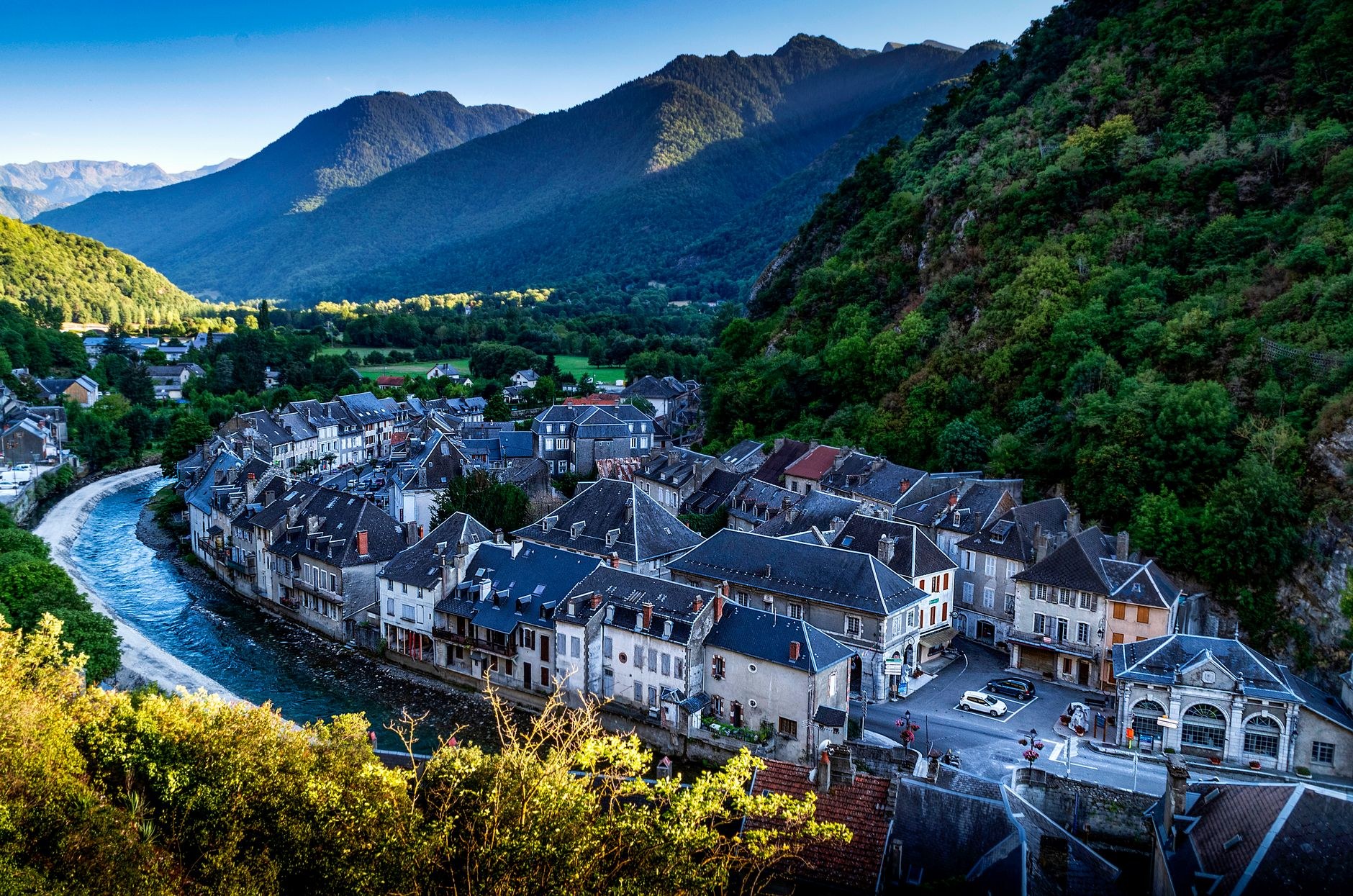
After dropping your bags at a central valley hotel, begin exploring the historic *Barri Antic* (Old Quarter). Unlike the busy commercial thoroughfares of Avinguda Meritxell, the Old Quarter is a tranquil pedestrian sanctuary of narrow cobblestone lanes, slate-roofed stone houses, and wrought-iron balconies. At its heart stands the Casa de la Vall, constructed in 1580 as an aristocratic manor and acquired in 1702 by the General Council of Andorra to serve as the nation’s parliament and court of justice.
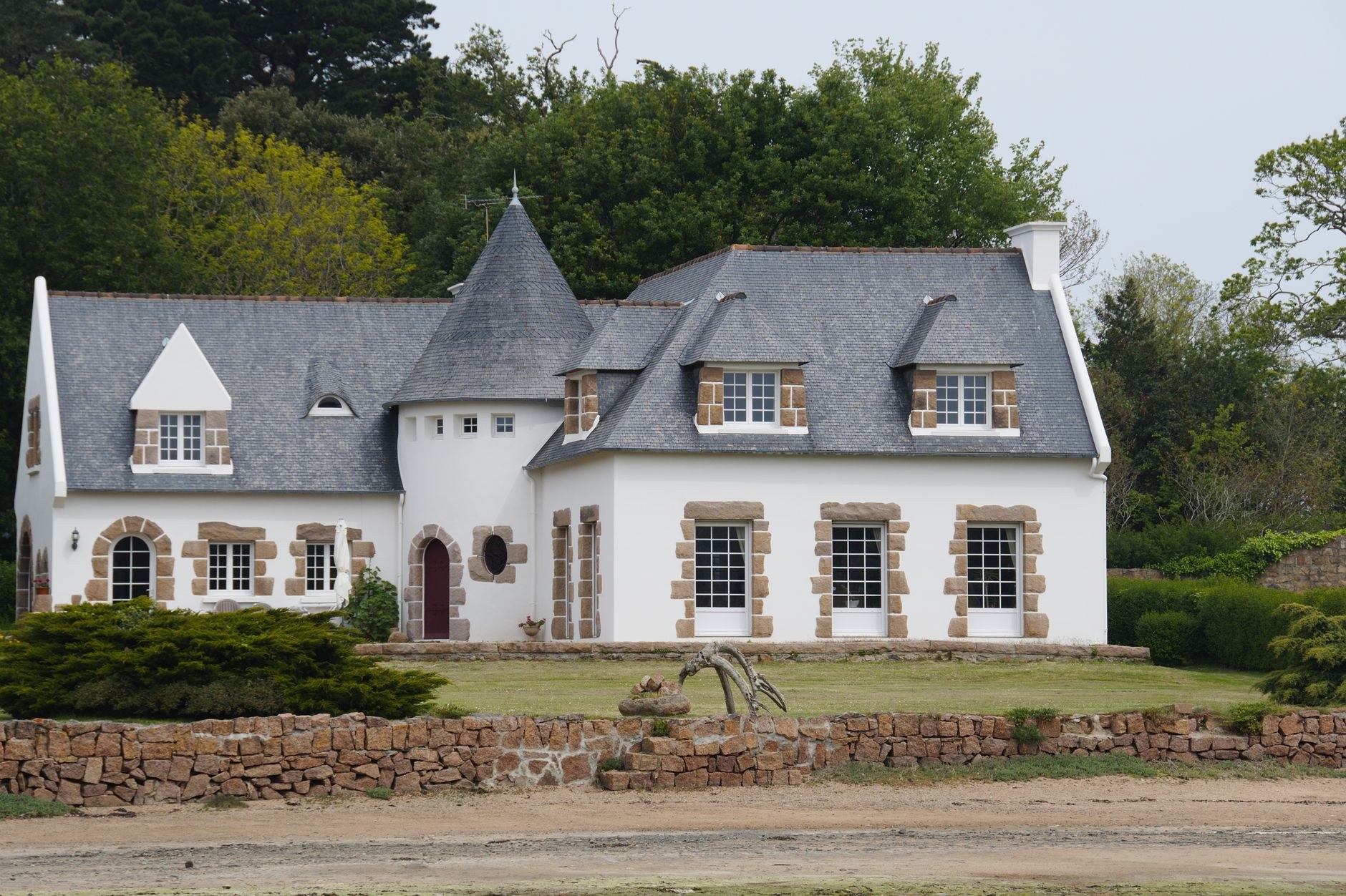
Step inside on a guided tour to inspect the council chamber, where representatives from Andorra’s seven parishes debated national affairs for over three centuries. The chamber houses the legendary *Armari de les Set Claus* (Cupboard of the Seven Keys), an iron-bound oak safe containing the nation’s historic archives. The safe could only be opened when all seven parish syndics turned their individual keys simultaneously, ensuring no single valley could alter national law without unanimous consent. The ground floor preserves the historic Tribunal de Corts court chamber, panelled in dark Pyrenean chestnut wood, where traditional customary law was dispensed.
In the late afternoon, take a relaxed stroll along the riverside promenade toward the neighboring parish of Escaldes-Engordany. Admire the striking glass pyramid spire of the Caldea thermal spa complex. Escaldes-Engordany’s natural thermal springs emerge from deep bedrock faults at seventy degrees Celsius, exceptionally rich in sodium, sulfur, and mineral silica. The spa complex channels these mineral-rich waters into expansive indoor and outdoor lagoons, grapefruit steam baths, and hydromassage torrents framed by panoramic views of snow-dusted granite peaks.
Day 2: Canillo, Romanesque Sanctuaries, and Pyrenean Panoramas
On morning two, journey northeast into the parish of Canillo along the CG-2 highway. Andorra is home to over forty remarkably preserved Romanesque churches and chapels dating from the 11th and 12th centuries, built by rural communities using local schist, slate, and mortar.
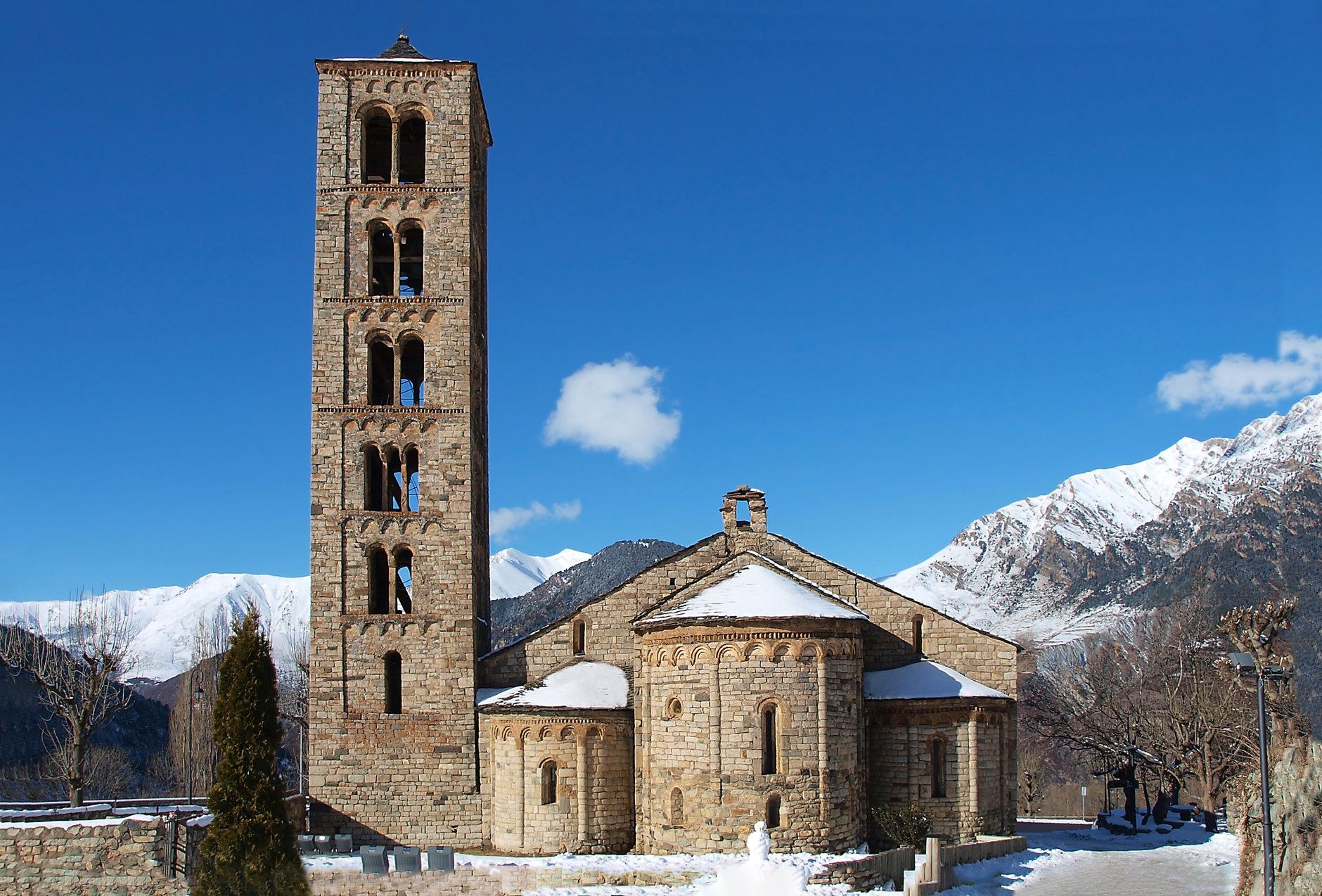
Your first stop is Sant Joan de Caselles, widely recognized as the architectural gem of Andorran Romanesque design. Standing beside the river along the historic packhorse trail, this late 11th-century church features a single rectangular nave with a semicircular apse, a covered wooden timber porch, and an imposing three-story detached bell tower adorned with double mullioned windows. Inside, admire the fragmentary 12th-century Romanesque fresco of the Crucifixion painted on the stucco wall behind a stucco Christ in Majesty, alongside a magnificent 16th-century painted wooden retable dedicated to Saint John the Evangelist showing German Renaissance influences. Just down the road, the Sanctuary of Our Lady of Meritxell, redesigned by Catalan architect Ricardo Bofill after a fire in 1972, honors Andorra’s patron saint with dramatic modern slate and granite cloister arches.
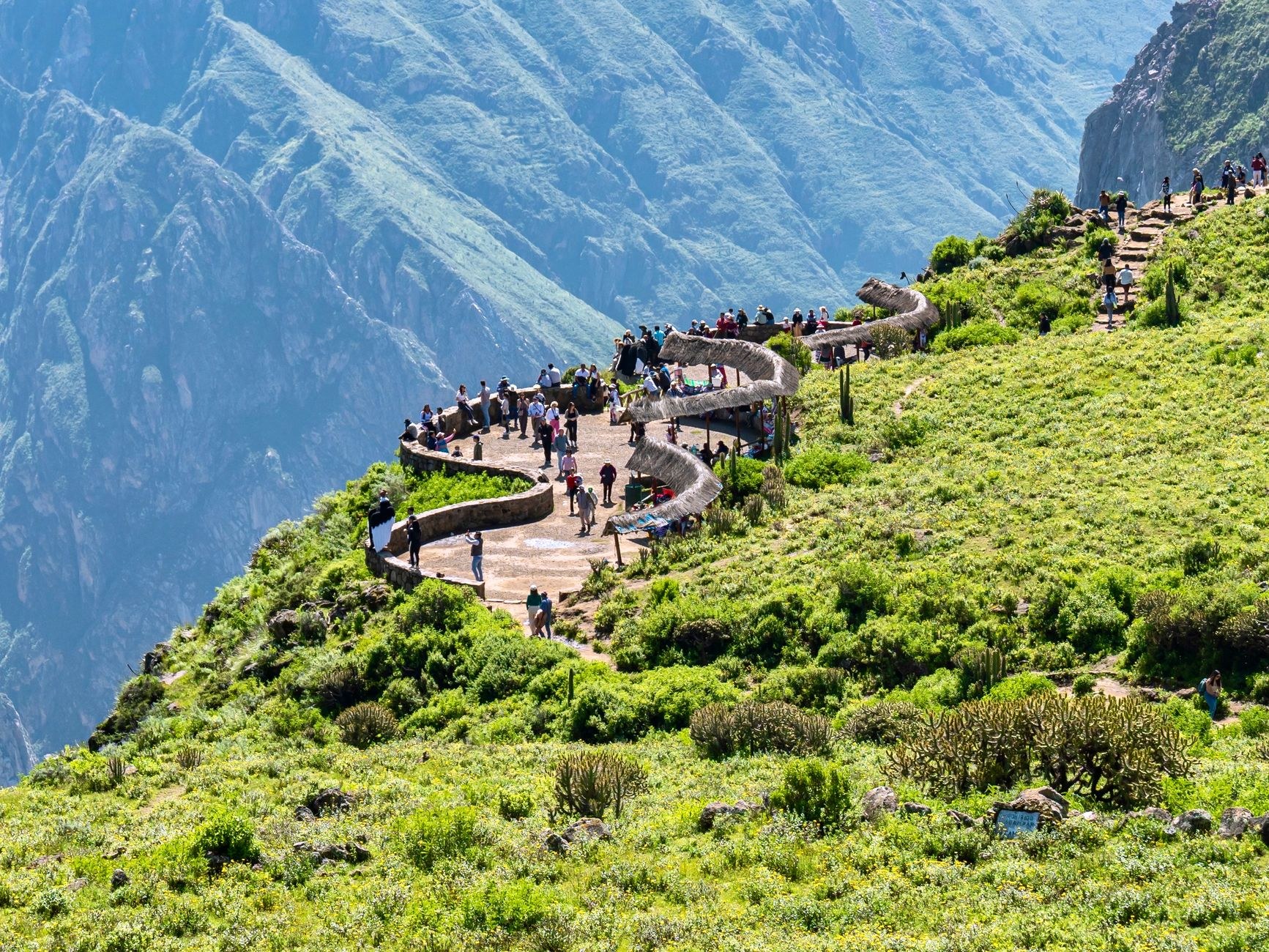
Next, wind your way up the Montaup pass road to Mirador Roc del Quer. Here, a twenty-meter cantilevered viewing platform extends dramatically out over the cliff edge, with its final twelve meters suspended over open air above the Canillo valley. At the end of the walkway sits a contemplative bronze sculpture of a thinker, created by artist Miguel Ángel González, gazing across a sweeping amphitheater of Pyrenean peaks.
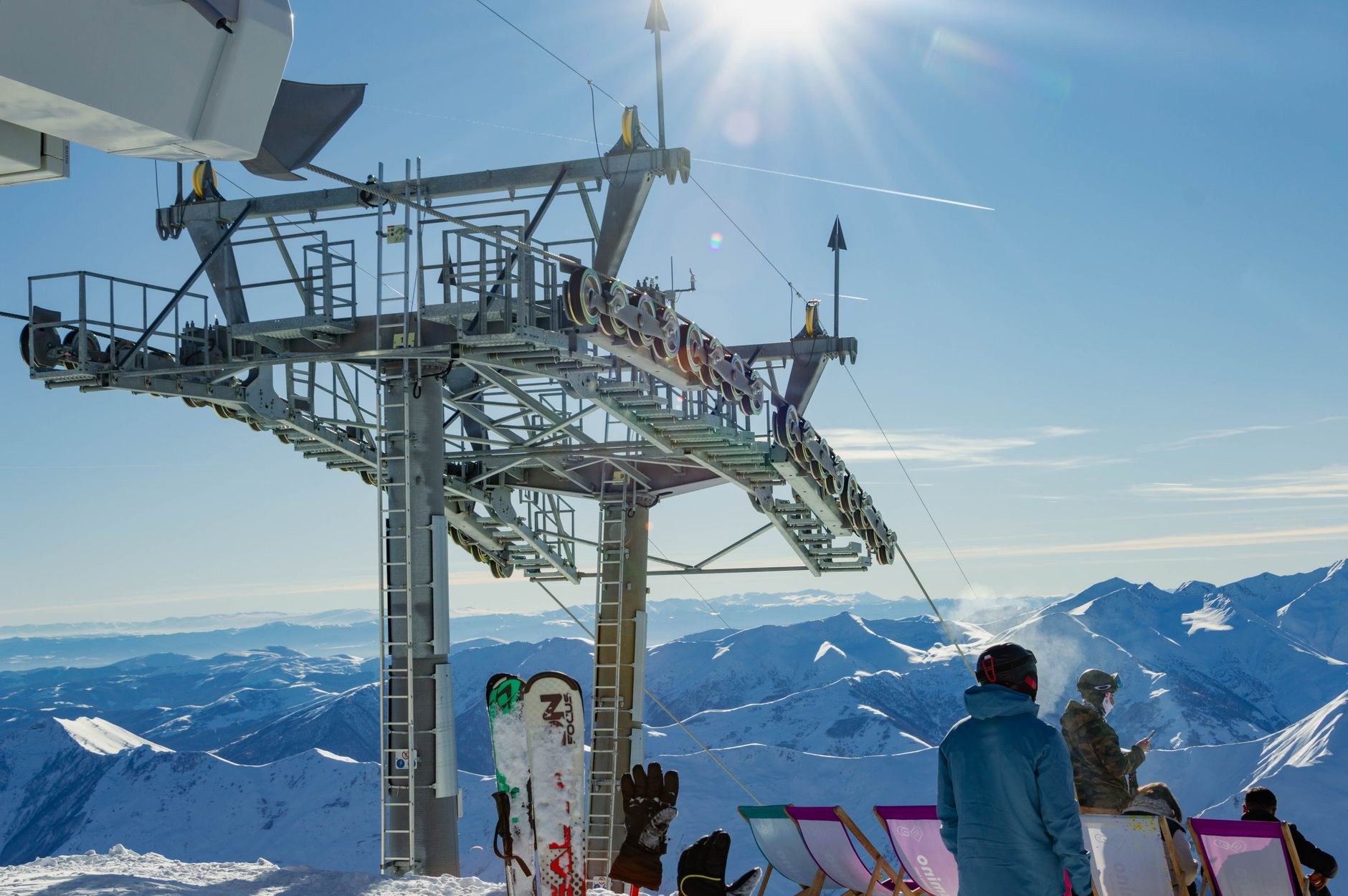
Continue eastward into the mountain sectors of Soldeu and El Tarter, which form the heart of Grandvalira. In winter, this vast interconnected ski domain offers exhilarating descents across wide tree-lined cruisers, steep black-diamond couloirs, and high-altitude bowl skiing up to 2,640 meters. In summer, the mountain gondolas operate for mountain biking, high-altitude golf, and alpine ridge walking.
Day 3: The Ordino Valley and the Glacial Lakes of Tristaina
Dedicate day three to the northwestern parish of Ordino, celebrated as the ecological and cultural sanctuary of Andorra. Recognized as a UNESCO Biosphere Reserve in 2020, Ordino has carefully restricted industrial development to preserve its agricultural meadows, stone villages, and native biodiversity.
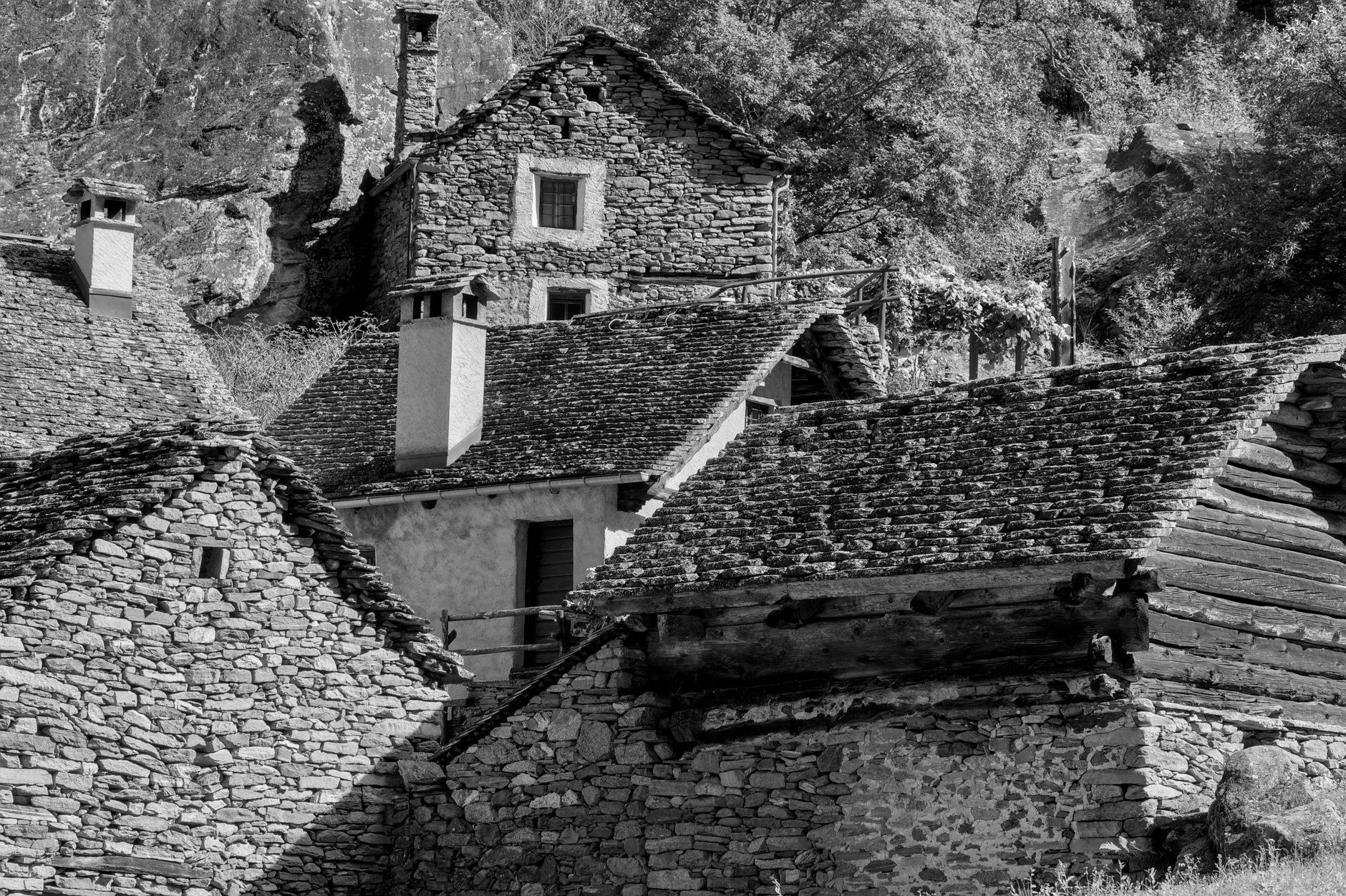
Begin with a morning detour to Pal, situated in the parish of La Massana. Pal is one of the most harmonious and intact historical settlements in the Pyrenees, consisting of tightly grouped stone houses with broad wooden drying balconies (*balcons de fusta*) and dark slate roofs. Visit the church of Sant Climent de Pal, renowned for its triple-tiered Romanesque bell tower with arched twin windows.
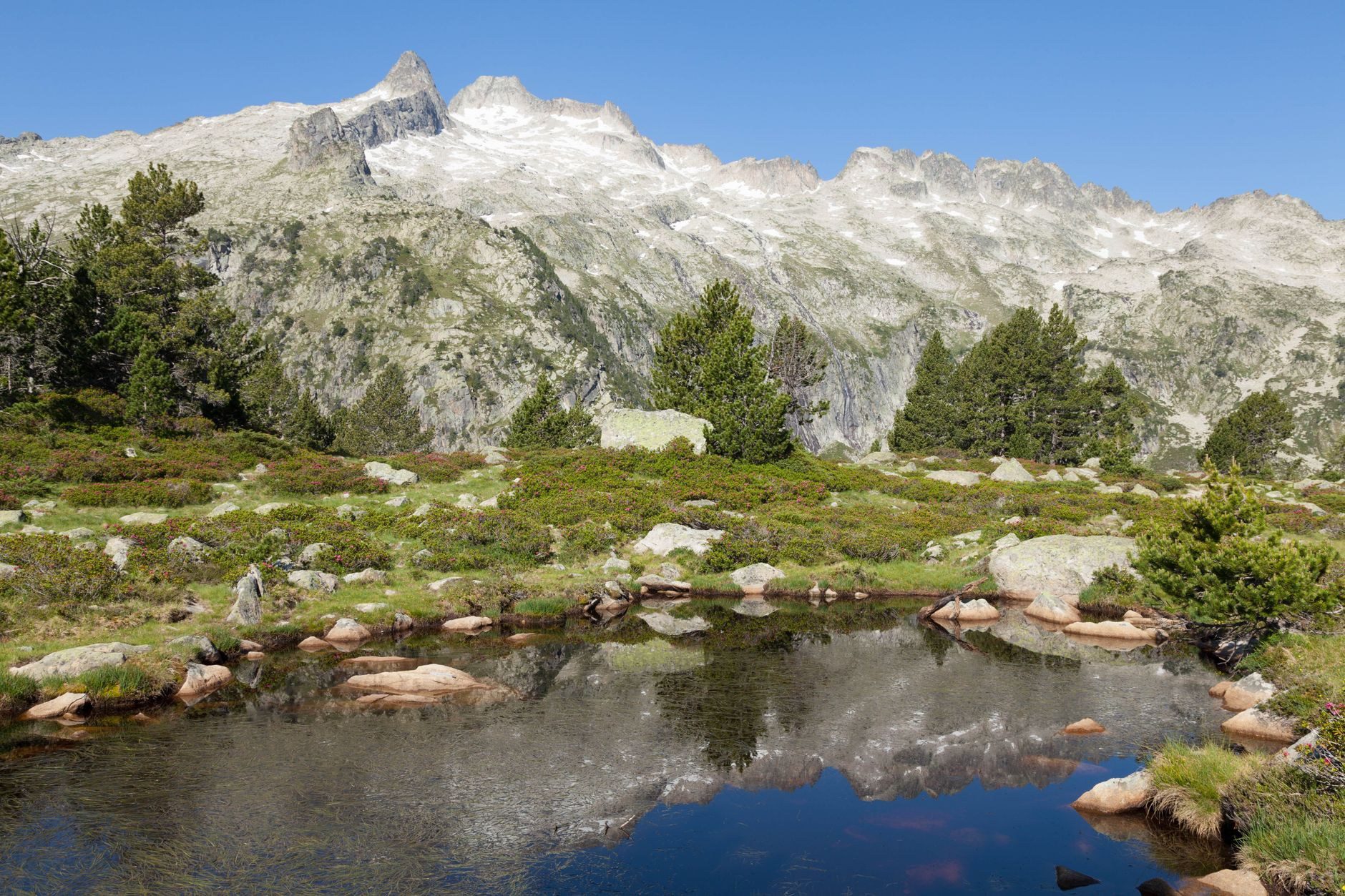
From Pal, drive north through Ordino village and ascend the winding CG-3 highway through pine forests toward the high-altitude cirque of Ordino Arcalís. Parking at the foot of the Coma del Forat, embark on the celebrated Tristaina Lakes hiking circuit. This three-hour loop trail circles three pristine glacial lakes—Estany Primer, Estany del Mig, and Estany de Més Amunt—situated between 2,250 and 2,330 meters altitude beneath the jagged granite frontier peak of Pic de Tristaina (2,878m).
The trail winds across alpine turf carpeted with gentians and wild rhododendrons, crossing crystal-clear glacial streams that feed into the cobalt-blue tarns. Native Pyrenean chamois (*isards*) frequently graze along the scree slopes above the water, while golden eagles patrol the thermals overhead. During summer, ride the Creussans chairlift to the Mirador Solar de Tristaina, a monumental thirty-meter-diameter suspended circular sundial platform perched on the Pic de Peyreguils, offering expansive views across both Andorra and French Ariège.
Day 4: Madriu Valley Hiking and Traditional Borda Gastronomy
On your final day, experience the untamed wilderness of the Madriu-Perafita-Claror Valley, inscribed on the UNESCO World Heritage list in 2004 as a living cultural landscape. Covering nine percent of Andorra’s total territory, this roadless glacial valley preserves an unbroken seven-hundred-year tradition of communal pastoralism, dry-stone construction, and iron smelting.
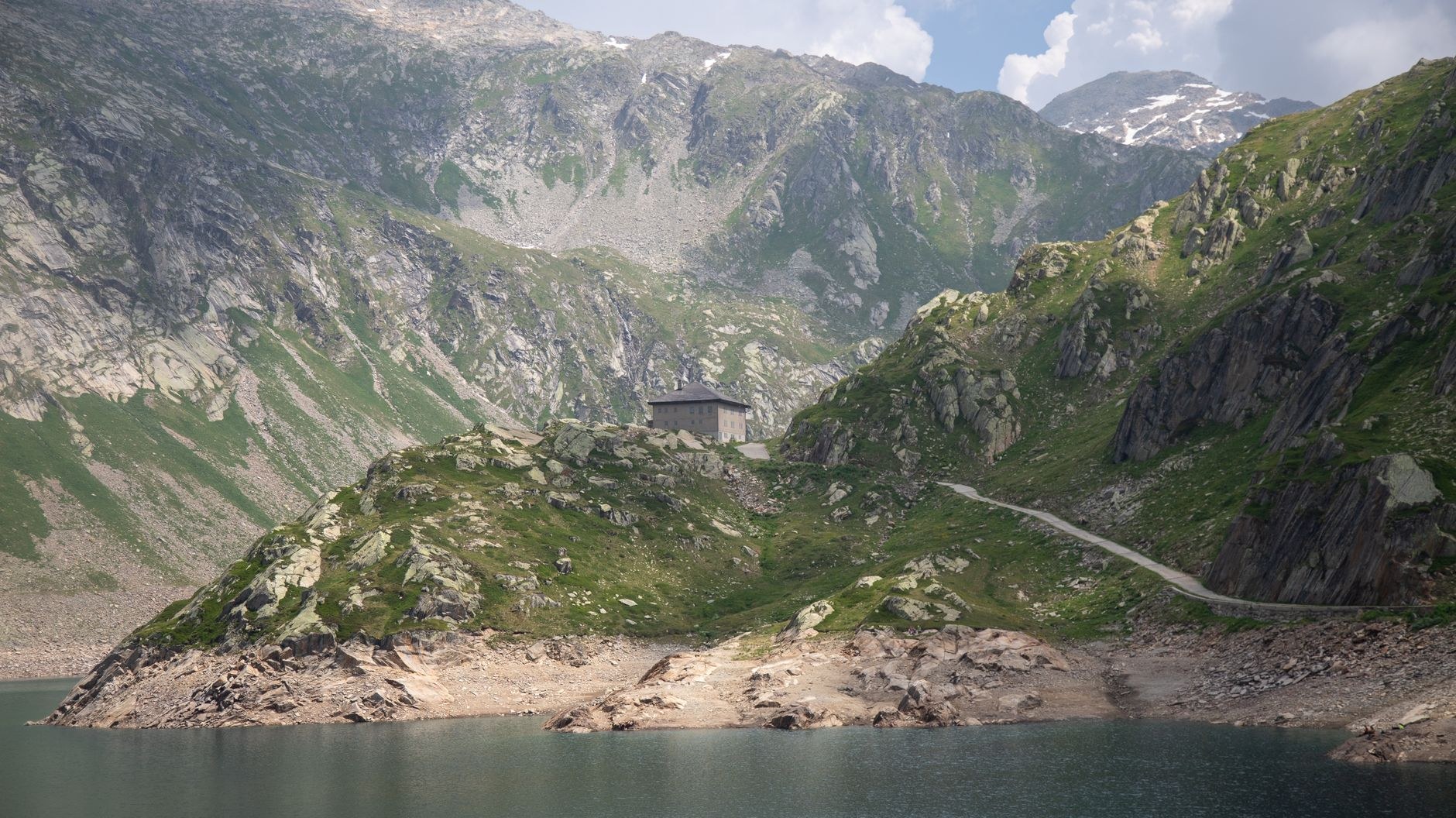
Access the valley trail from the historic stone bridge of Sassanat near Escaldes. The stone-paved path, engineered centuries ago for pack mules and transhumant cattle, climbs gently alongside the roaring Madriu torrent beneath deep canopies of Scots pine and silver fir. Passing traditional dry-stone shepherd huts (*orris*), ancient forge remnants (*fargues catalanes*), and terraced hay meadows, you enter a tranquil mountain realm untouched by modern vehicles, serving as a sanctuary for alpine marmots and roe deer.
Conclude your Andorran journey with a late lunch in a traditional *borda*. These rustic stone chalets, originally built by mountain families to store winter hay and shelter livestock, have been restored into atmospheric restaurants with open wood-burning hearths and heavy timber tables.
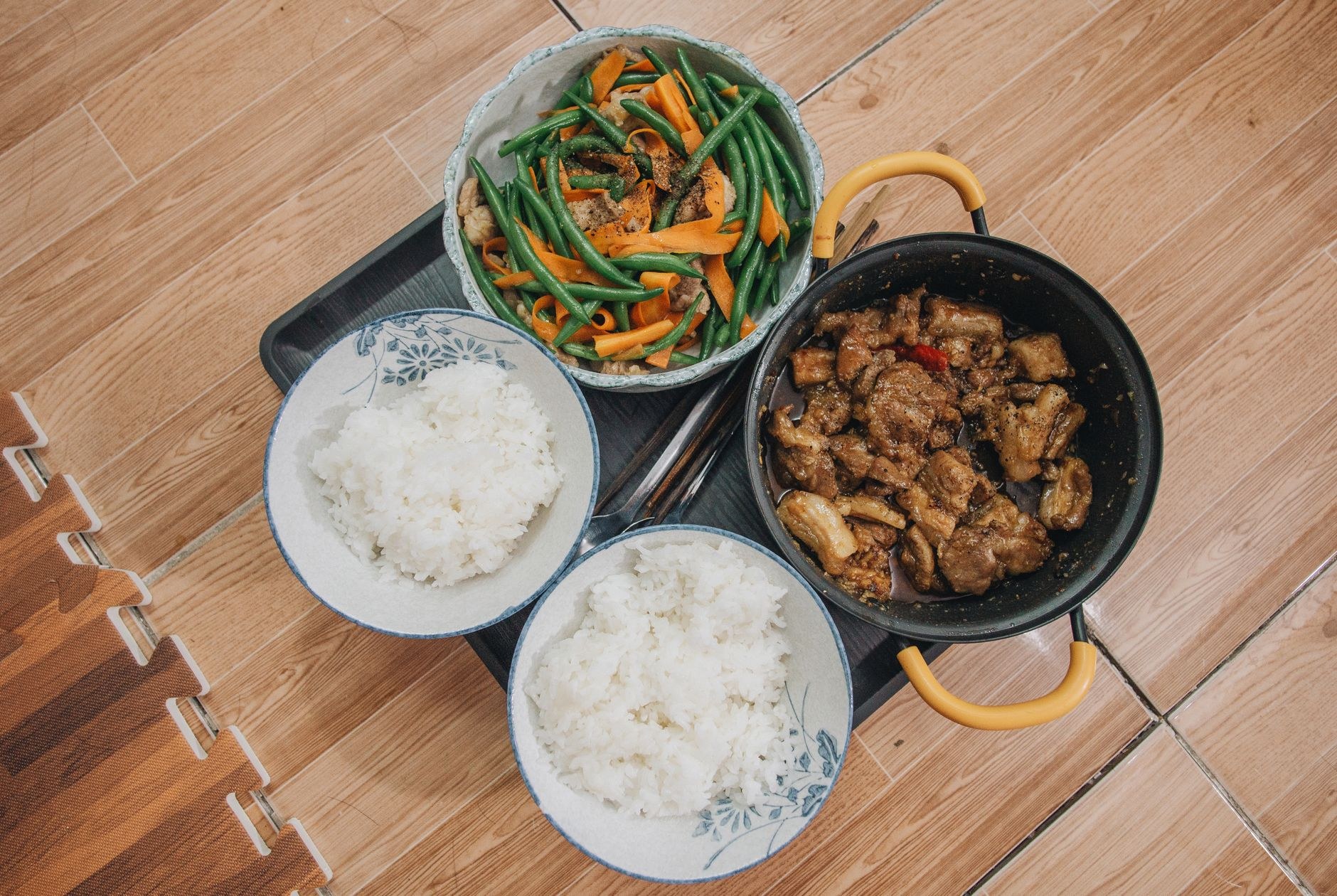
Order *escudella*, Andorra’s quintessential national dish: a rich, slow-simmered broth packed with pork belly, cured *butifarra* black sausage, shredded chicken, cabbage, white beans, and giant pasta shells (*galets*). Follow it with *carn a la brasa* (Pyrenean beef steak and lamb chops grilled over grapevine cuttings) and *trinxat de la Cerdanya* (cabbage and potatoes mashed with garlic and fried into a crisp cake topped with sizzling salt pork). For dessert, sample *Crema Andorrana*, a delicate custard scented with lemon peel and cinnamon, topped with crisp caramelized burnt sugar, accompanied by a small glass of *Ratafia*, an ancient Pyrenean digestive liqueur macerated with green walnuts, nutmeg, and alpine herbs. Wash down the meal with a robust Catalan red wine or local craft beer brewed with Pyrenean spring water, before boarding your afternoon return coach to Barcelona or Toulouse.
Mobile Connectivity and Digital Logistics in Andorra
Reliable mobile connectivity is essential in Andorra for navigating mountain roads with offline GPS, checking real-time ski lift and avalanche bulletins via Grandvalira apps, and verifying intercity coach schedules. However, because Andorra operates completely outside the European Union’s telecom roaming zone, connecting with a foreign SIM without a specialized plan triggers exorbitant non-EU roaming surcharges from day one.

Rather than paying punitive roaming penalties or searching for physical SIM cards in city tobacco shops, install an eSIM before boarding your transfer coach. The NXTL Andorra eSIM connects directly to Andorra Telecom, the principality’s sole licensed network operator, delivering blazing-fast 5G and 4G coverage across valley centers, mountain highways, and ski slopes. At an economical rate of $2.67 per gigabyte, NXTL utilizes a flexible pay-as-you-go model with no daily data caps. Your balance never expires, meaning remaining data credits remain stored in your digital account for future travels across 180+ countries.
Travel Scams and Regional Mountain Pitfalls to Avoid
Andorra enjoys one of the lowest crime rates in the world, with violent crime almost entirely absent. However, visitors frequently encounter several costly logistical and administrative pitfalls:
- The Non-EU Data Roaming Bill Trap: European travellers crossing from Spain or France often leave cellular data roaming activated, assuming EU roaming rules apply. European home carriers bill data in Andorra at non-EU international rates ranging from $5.65 to $16.95 per megabyte, resulting in hundreds of euros in unexpected charges within hours. Turn off data roaming or switch to a dedicated NXTL eSIM before crossing the border.
- Border Customs Over-Quota Penalties: French and Spanish customs border posts (at Pas de la Casa and La Farga de Moles) conduct thorough vehicle inspections for duty-free purchases. Strict personal limits apply: maximum 300 cigarettes (or 1.5 kg tobacco), 1.5 liters of spirits over 22% ABV, and $1016.82 in commercial goods per adult. Exceeding these allowances results in steep fines and goods confiscation.
- Mandatory Winter Equipment Fines: Between November 1 and May 15, Andorran traffic law mandates that all vehicles driving on national roads carry snow chains or be fitted with certified M+S / winter tires. Police set up checkpoints during snowfall; drivers lacking proper winter gear face immediate $203.36 fines and are prohibited from continuing up mountain passes.
- Grey-Market Electronics Warranty Scams: Certain retail shops along commercial avenues in Andorra la Vella and Pas de la Casa offer deep discounts on cameras, smartphones, and perfumes, but sell parallel import models lacking European manufacturer warranties or missing English instruction manuals. Only purchase electronics from authorized official distributors.
- Uninsured Mountain Rescue Costs: High-altitude hiking and off-piste skiing carry inherent risks. Standard travel insurance policies frequently exclude search-and-rescue helicopter evacuations and off-piste ski accidents. When purchasing your ski pass, always add the optional ski insurance ($3.39–$5.65/day), which covers immediate on-mountain emergency medical rescue.
By preparing for cross-border logistics, respecting mountain safety regulations, and securing local digital connectivity, your journey through Andorra will reveal an unforgettable Pyrenean sanctuary of alpine majesty, historic stone villages, and hearty mountain traditions.