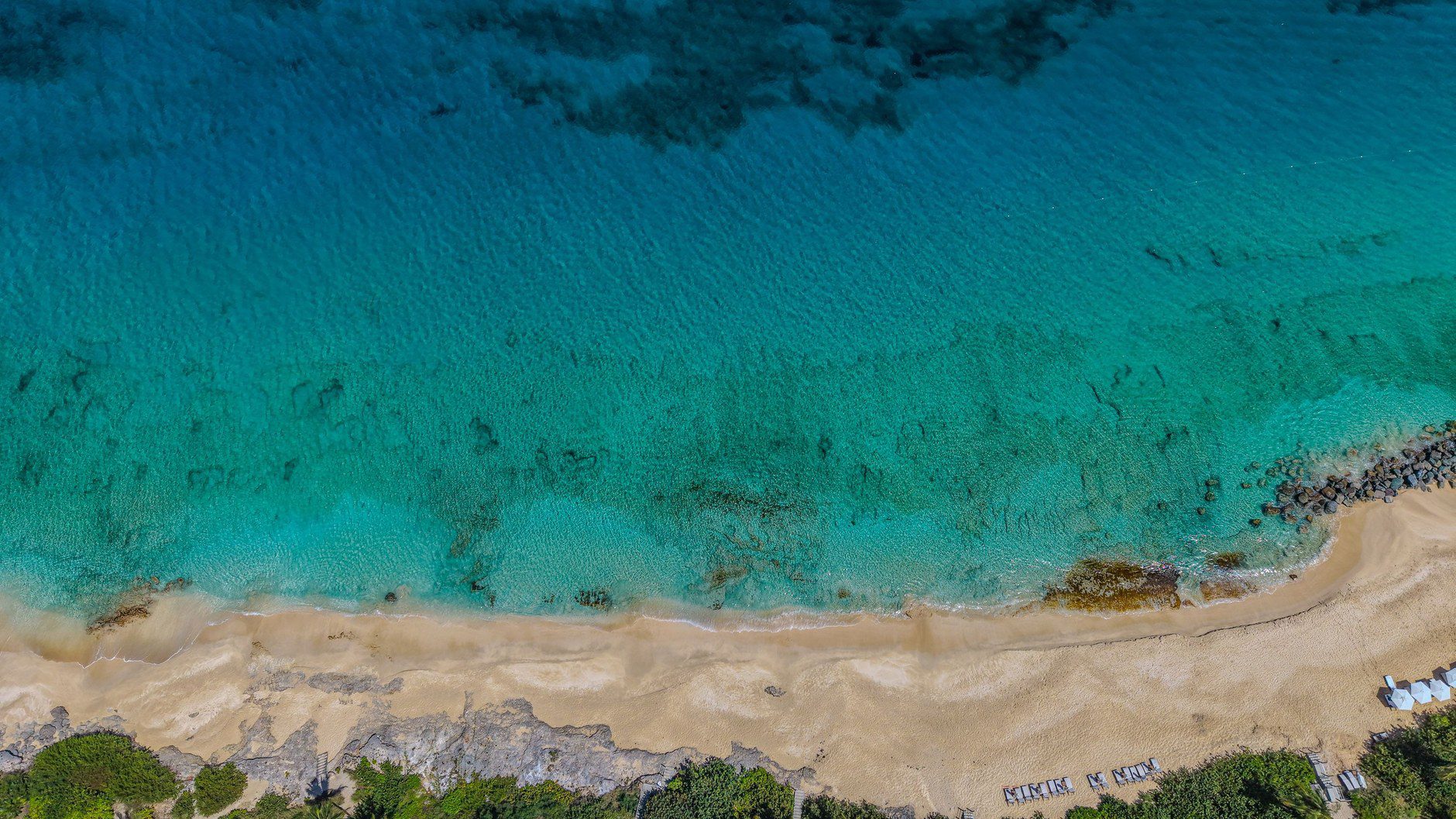
Anguilla stands in sharp, deliberate contrast to its mountainous Caribbean neighbors. Located just five miles north of Saint Martin in the Leeward Islands, this British Overseas Territory is a flat, sixteen-mile-long sliver of uplifted coral limestone, completely devoid of volcanic peaks, rivers, waterfalls, or dense rainforests. What Anguilla lacks in vertical relief, it compensates for with extraordinary marine geology: thirty-three pristine beaches composed of powdered coral sand so fine it never heats under the tropical sun, bordered by transparent aquamarine waters and living offshore barrier reefs.
Planning a trip to Anguilla requires embracing its distinct travel personality. This is not an island for rapid sightseeing checklists or organized excursion caravans. The rhythm here revolves around independent exploration: renting a compact vehicle to hop between secluded limestone coves, sampling what is widely regarded as the most sophisticated culinary scene in the Caribbean, and savoring unhurried afternoons at open-air beach lounges. A six- to seven-day itinerary provides ample time to explore the contrasting coastal zones—from the world-class culinary curve of Meads Bay and the historic maritime haven of Sandy Ground to the blinding white expanse of Shoal Bay East and offshore coral cays.
Arriving on Island: Direct Flights vs. Saint Martin Ferry Transfers
Reaching Anguilla involves choosing between two fundamentally different arrival routes: flying directly into Clayton J. Lloyd International Airport (AXA) or transiting via Princess Juliana International Airport (SXM) on neighboring Saint Martin.
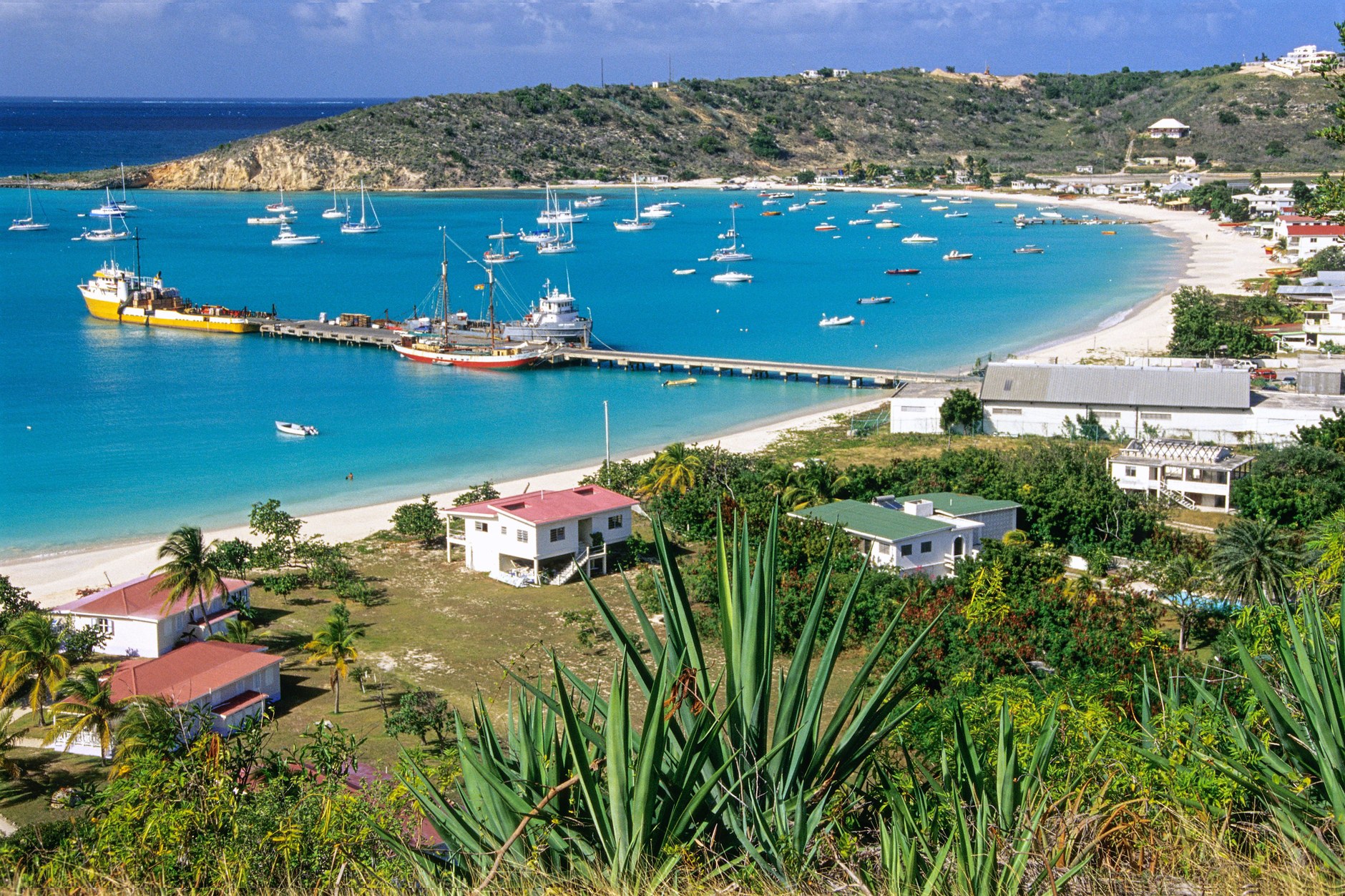
Direct scheduled flights into Anguilla’s Clayton J. Lloyd Airport operate primarily from Miami on American Airlines, alongside regional inter-island carriers like Cape Air and Tradewind Aviation flying from San Juan, Puerto Rico. Arriving directly at AXA eliminates maritime transfers, delivering you through a calm, uncrowded customs hall where luggage arrives within minutes. However, flight frequencies are limited and airfares generally carry a significant premium over mainland Caribbean hubs.
The vast majority of international travelers fly into Saint Martin’s SXM airport and cross the Anguilla Channel by water. Travelers have two ferry options from Saint Martin. The first is the public ferry operating from the French town of Marigot to Blowing Point on Anguilla, running every forty-five minutes throughout the day (costing approximately $30 USD one-way, plus departure taxes). Reaching Marigot requires taking a twenty-minute taxi from SXM airport across the international border. The second option is an executive shared speedboat water taxi departing directly from the lagoon dock across the street from SXM airport, transporting passengers directly to Blowing Point in roughly twenty minutes for $75 to $90 USD per person. When departing Anguilla by sea, remember that travelers must pay a mandatory government departure tax (typically $28 to $36 USD depending on stay duration), which must be settled in cash or credit card at Blowing Point terminal before boarding.
The West End: Meads Bay, Maundays Bay, and Culinary Heavyweights
The West End represents Anguilla’s glamorous epicenter, where low-rise whitewashed architectural villas and boutique luxury resorts overlook sweeping crescent bays. Crucially, Anguilla enforces strict architectural zoning laws: no building on the island may exceed the height of a mature coconut palm (roughly three stories), and beachfront developments must provide unobstructed public access paths to the high-water mark, guaranteeing that all thirty-three beaches remain entirely public property.
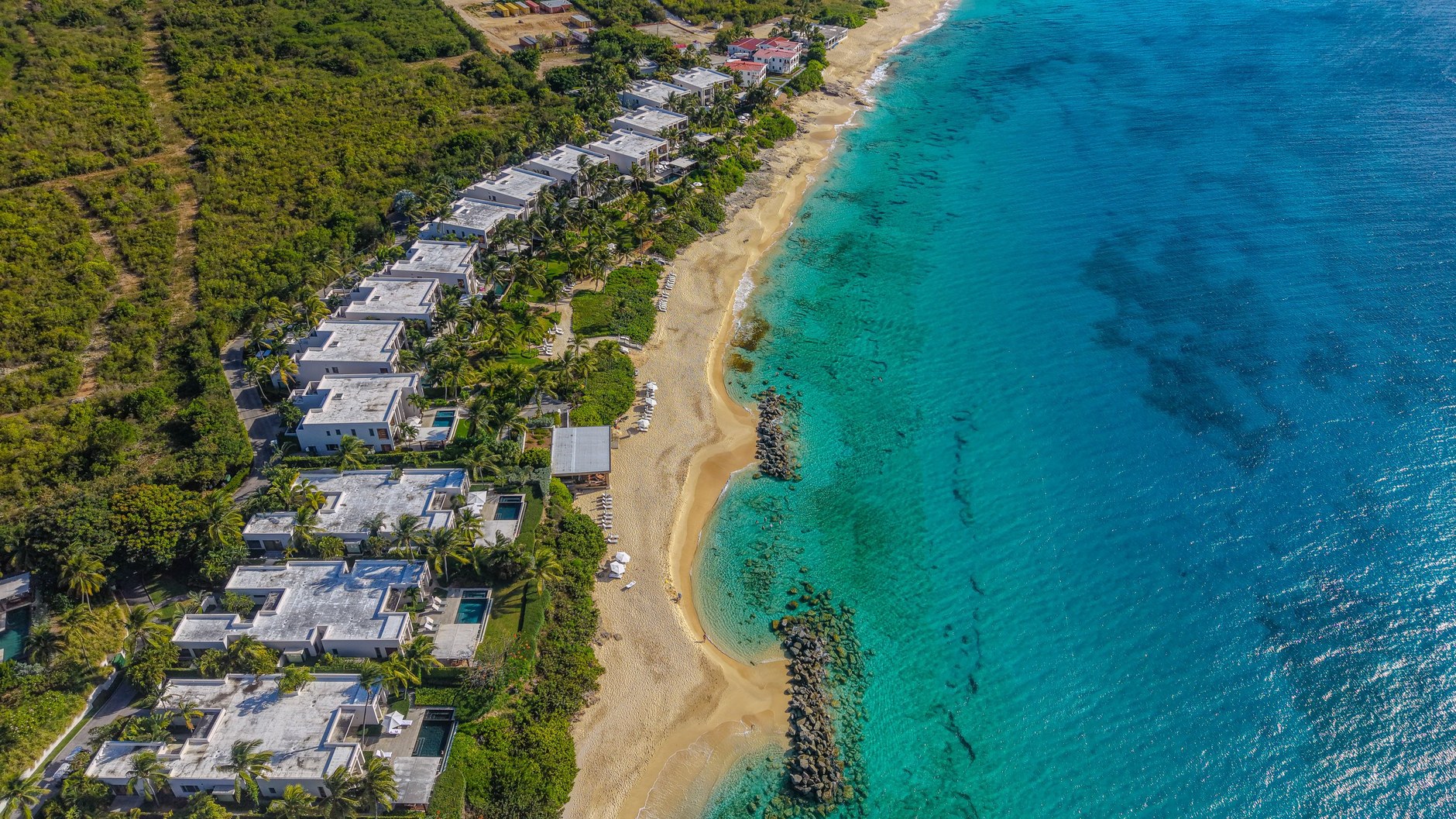
Meads Bay is the undisputed crown jewel of the West End: a mile-long swath of broad, golden-white sand sloping gently into calm, multi-hued turquoise water. Beyond its natural beauty, Meads Bay anchors the island’s celebrated gastronomic reputation. Within walking distance along the sand stand iconic dining establishments like Blanchards (celebrating over thirty years of fine Caribbean dining), Jacala, and Straw Hat. In the evenings, fairy lights illuminate open-air timber decks where diners enjoy grilled Anguillan spiny crayfish, blackened mahi-mahi, and chilled French rosé listening to the gentle rhythm of the surf.
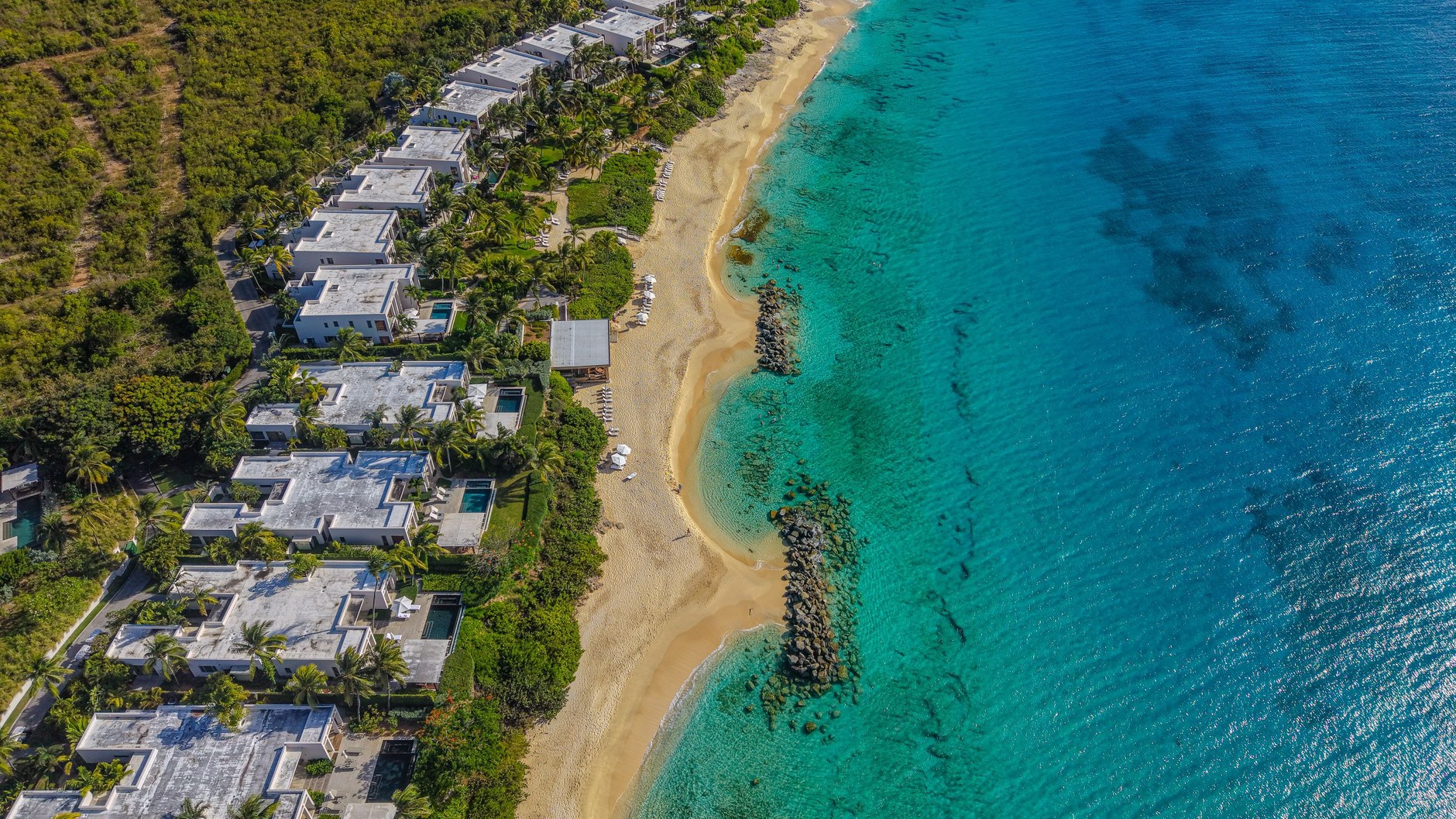
A short drive south brings you to Maundays Bay, home to the iconic Moorish-Greco domes and arches of Cap Juluca. The bay forms a perfect, sheltered horseshoe where the water is almost completely flat, making it ideal for stand-up paddleboarding and swimming. Nearby, Barnes Bay and Shoal Bay West provide quiet, uncrowded alternatives where rocky headlands frame secluded pockets of sand sheltered from trade winds.
Sandy Ground: Maritime Culture and Salt Pond History
Positioned along the central northern coast, Sandy Ground is the historic maritime village and beating cultural heart of Anguilla. Situated on a narrow sand spit separating the calm Caribbean Sea from the vast Road Salt Pond, Sandy Ground was historically the center of the island’s salt-exporting industry, where workers harvested evaporated salt crystals from the brine shallows to supply North American fisheries.
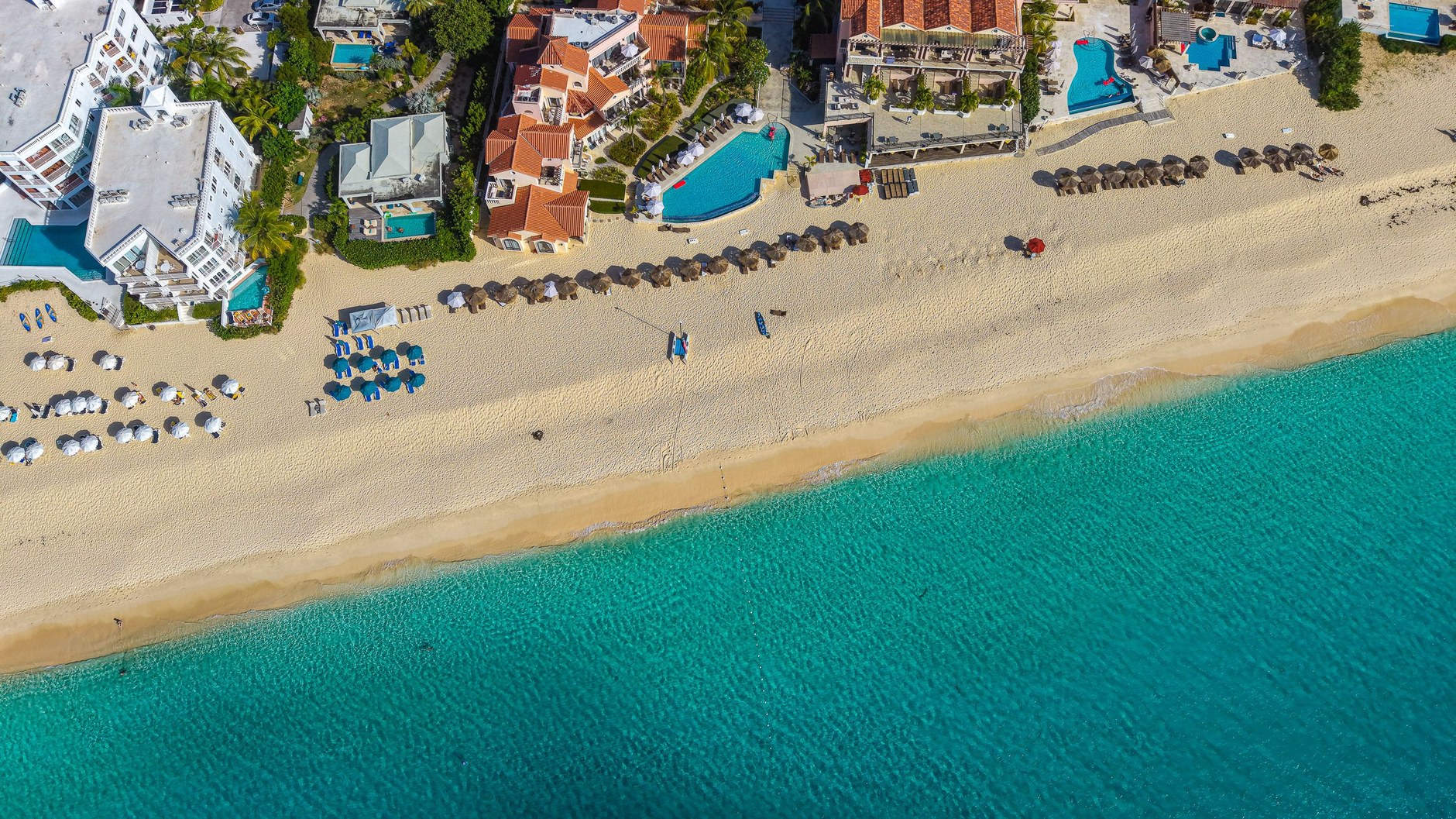
Today, Sandy Ground is the home anchorage for traditional Anguillan racing sloops—open-hulled, brightly painted wooden sailboats that compete in fierce national regattas during August Carnival week. Along the beachfront road, casual seaside watering holes create an infectious, laid-back charm. Elvis’ Beach Bar, built around a decommissioned wooden sailing boat serving as the bar counter, offers cold Carib beer, nachos, and outdoor movie screenings on a sailcloth screen. Next door, Johnno’s Beach Stop serves authentic Creole whole fried snapper with spicy pepper sauce and live Sunday afternoon jazz.
Sandy Ground is also the departure wharf for short skiff transfers to Sandy Island, a tiny, uninhabited coral sandbar sitting two miles offshore. Taking the ten-minute boat ride delivers you to an idyllic spit of white sand surrounded by living coral heads, where an open-air shack grills fresh lobster and ribs over charcoal while visitors snorkel among eagle rays and schooling blue tangs.
The East End and North Coast: Shoal Bay East and Scilly Cay
Heading eastward across the island’s central scrubland brings you to Shoal Bay East, consistently ranked by travel editors among the absolute top beaches in the world. Stretching for over two miles, Shoal Bay East features blindingly white, powdery sand infused with microscopic pink shell fragments, bordered by an offshore barrier reef that calms incoming Atlantic swells into an enormous natural swimming pool.
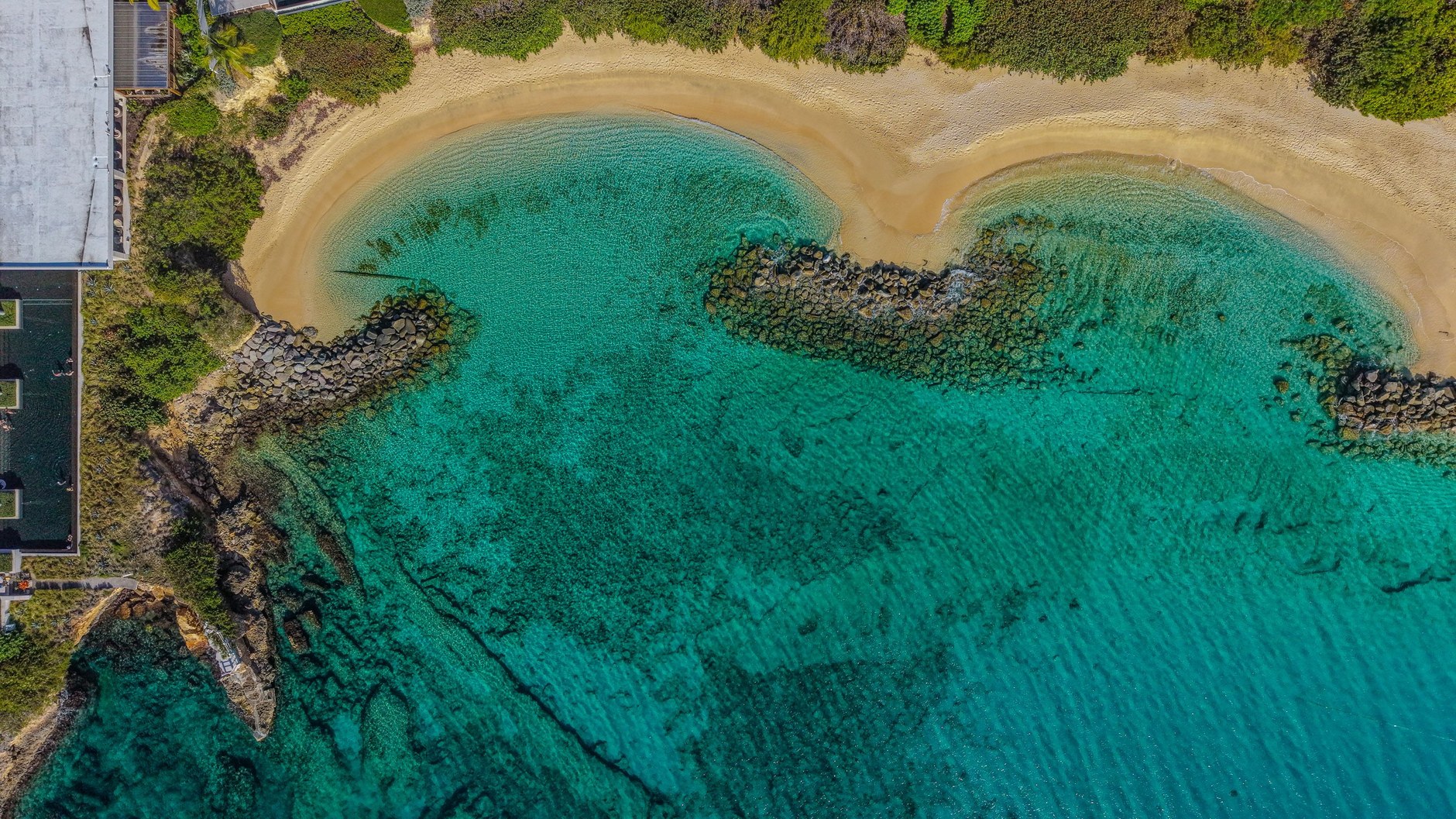
Walking the length of Shoal Bay East reveals distinct sections. The “Lower Shoal” near the western point offers expansive sandbars and calm shallows, while the “Upper Shoal” leads past casual beach shacks like Gwen’s Reggae Bar, where live acoustic music and hammocks strung between sea grape trees encourage afternoon lingering. Snorkeling directly from the beach along the central reef reveals branching elkhorn corals, colorful parrotfish, and sea anemones.
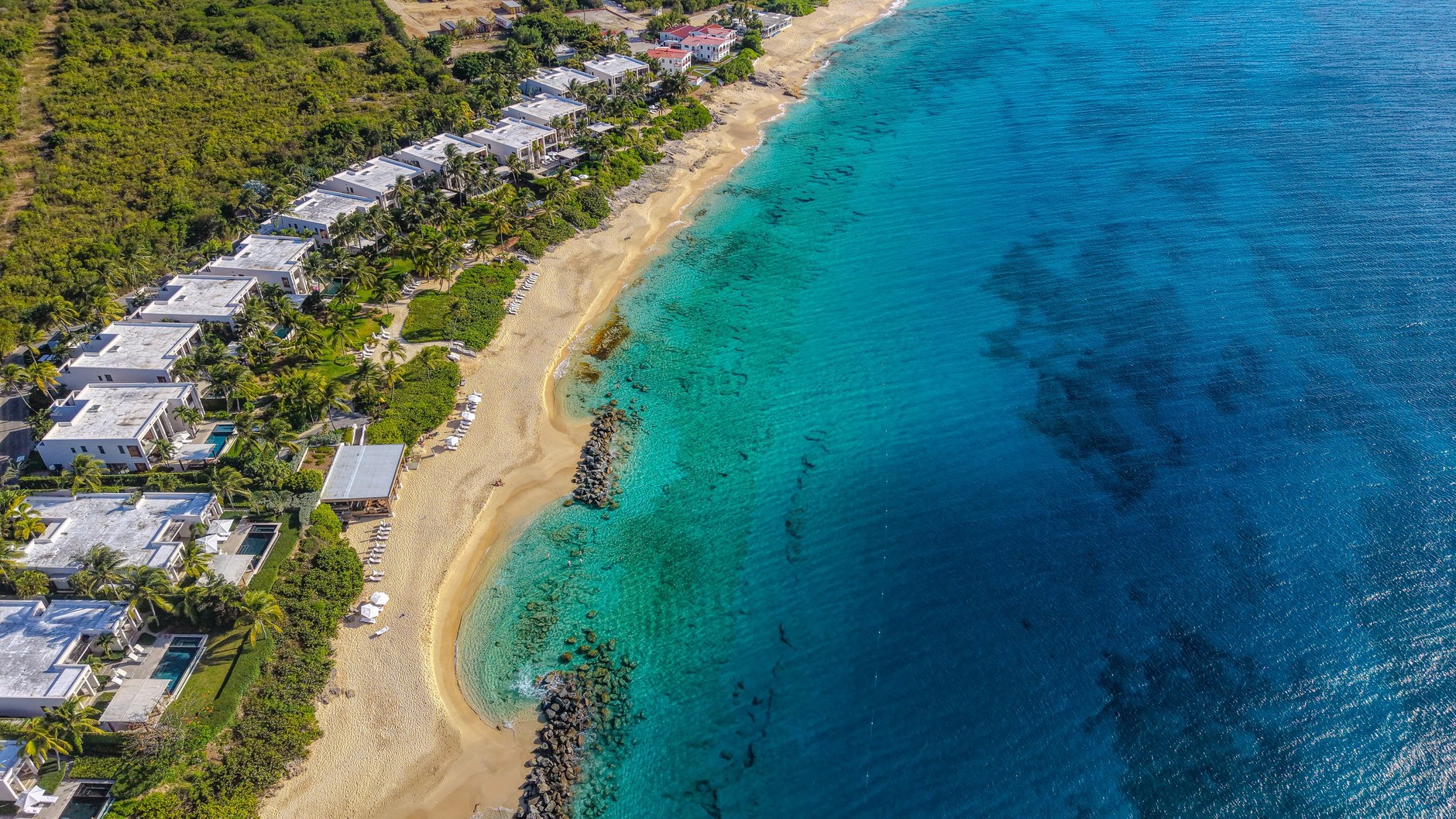
The quiet northeastern coast harbors additional secluded beaches that rarely see more than a handful of visitors on any given afternoon. Savannah Bay and Windward Point offer rugged, untamed coastal panoramas where trade winds push rolling ocean rollers against ancient coral limestone terraces. Taking time to pause along these undeveloped coastal stretches reveals the authentic, undisturbed rhythm of old Anguilla, where wild sea oats sway against limestone rocks and solitary pelicans dive into transparent shallows.
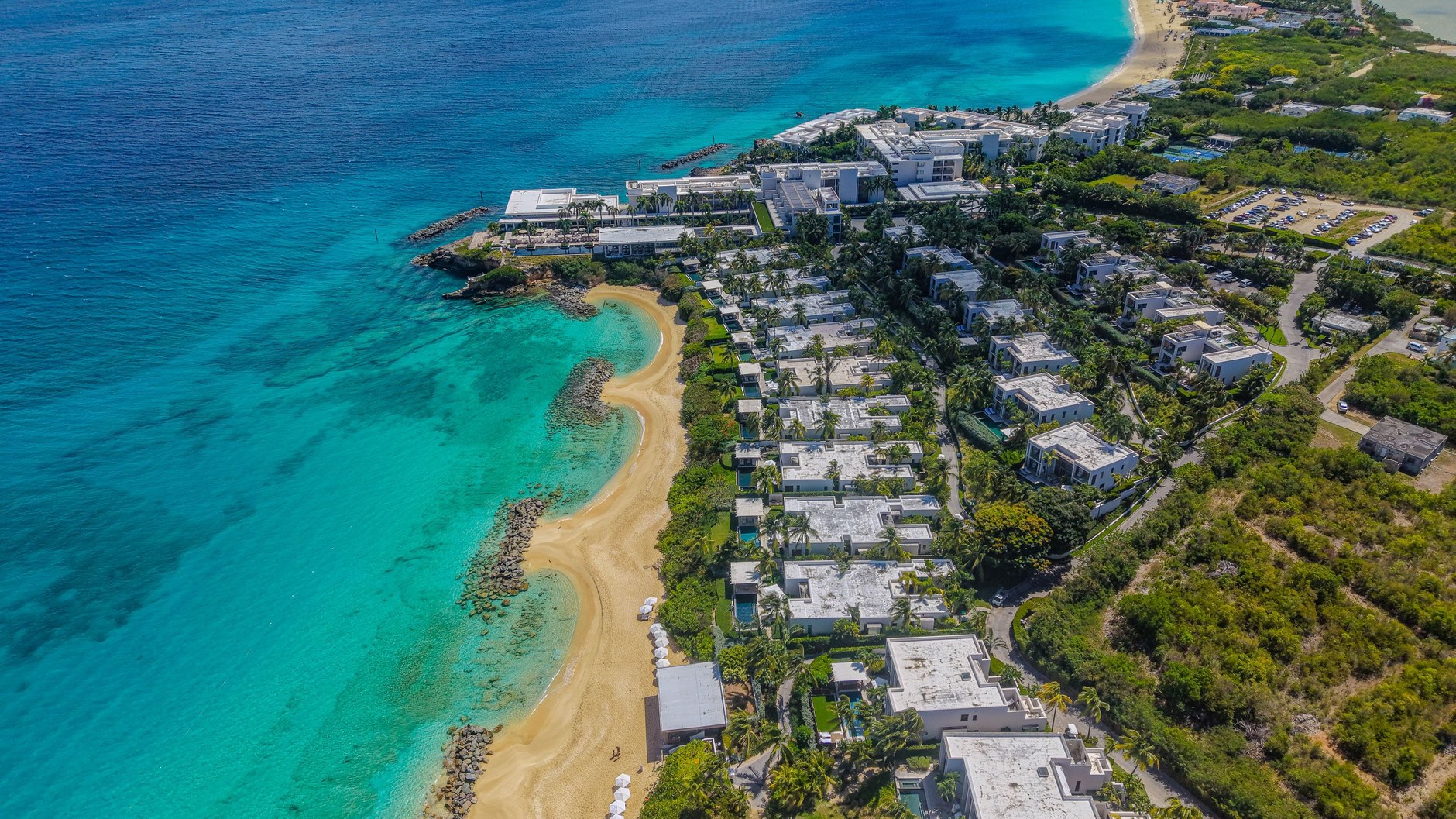
Further east lies Island Harbour, a working fishing village where brightly painted wooden dories bob on moorings. From the village dock, waving your arms or raising a wooden sign signals the private ferry tender for Scilly Cay, a tiny coral outcropping situated a few hundred yards offshore. Scilly Cay offers a classic day-out experience: dining on platters of grilled lobster and crayfish basted in garlic butter, accompanied by rum punch on an islet made entirely of bleached conch shells.
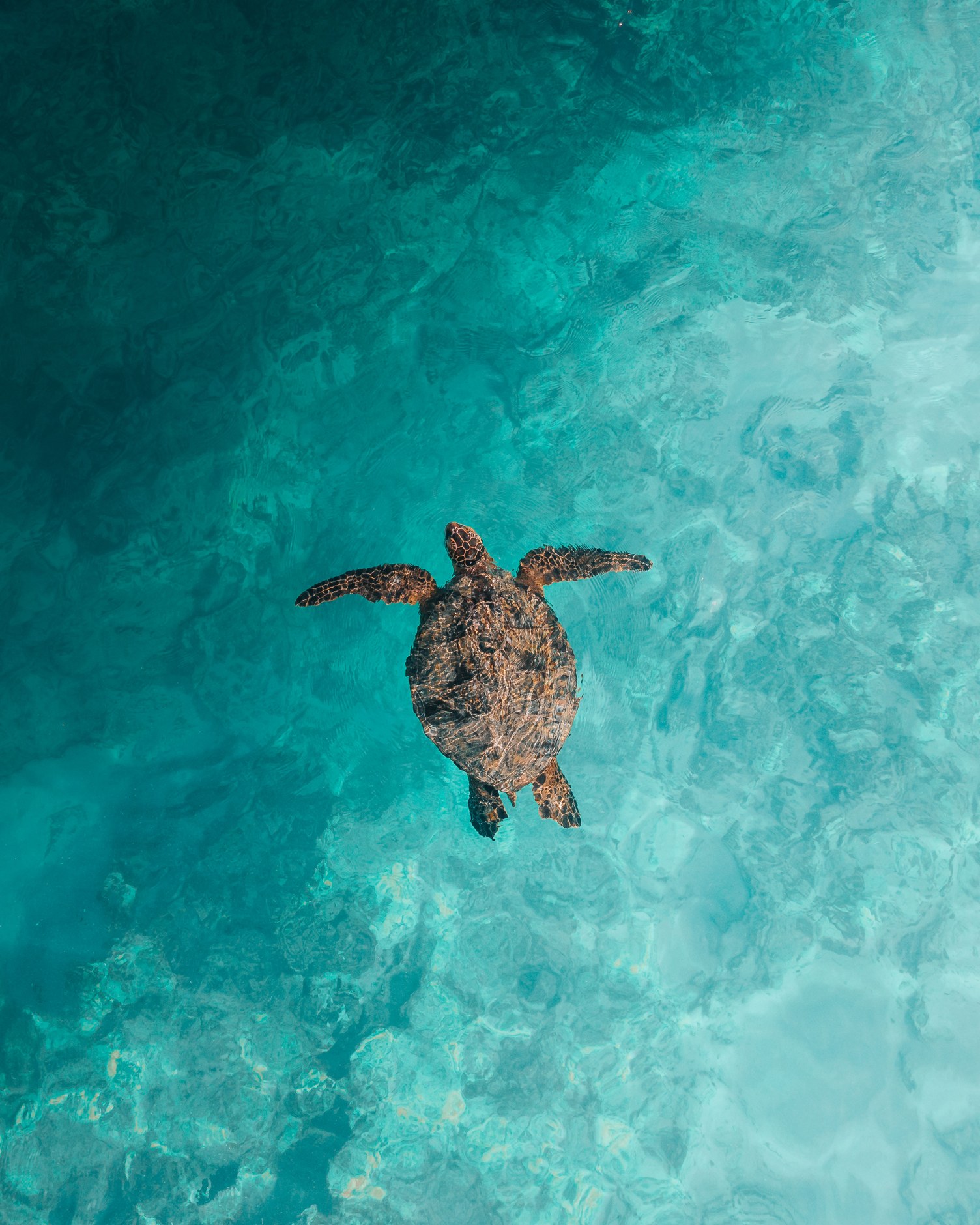
For secluded adventure, seek out Little Bay on the northern cliffs near Crocus Bay. Little Bay is a tiny, hidden cove enclosed by sheer fifty-foot limestone cliffs. While some intrepid travelers descend via a knotted marine rope anchored to the cliff top, loose rocks make this climb hazardous; the far safer and more enjoyable access is hiring a local fisherman at Crocus Bay for a five-minute boat ride. Little Bay’s protected waters offer prime snorkeling, where juvenile hawksbill sea turtles graze on seagrass beds beneath vertical rock faces.
7-Day Anguilla Island Route Itinerary
This seven-day itinerary balances world-renowned beaches, fine dining, offshore cays, and cultural harbors across the island’s thirty-three distinct shorelines.
| Day / Stage | Base | Highlights | Transport Mode | Transit Time | Advance Booking Requirement |
|---|---|---|---|---|---|
| Day 1 | West End (Meads Bay) | Blowing Point ferry arrival, rental car pickup, Meads Bay sunset walk | Rental car | 15 mins from ferry | Reserve compact rental car with license permit |
| Day 2 | West End (Meads Bay) | Full day at Meads Bay, swimming, paddleboarding, fine dining at Blanchards | Walking / rental car | Local walking | Reserve dinner at Blanchards weeks ahead |
| Day 3 | West End (Maundays Bay) | Maundays Bay morning swim, Cap Juluca architecture, afternoon Barnes Bay | Rental car | 15 mins driving | Check public beach access path signage |
| Day 4 | Sandy Ground | Sandy Ground harbor, morning boat skiff to Sandy Island, Elvis’ sunset bar | Rental car / skiff | 20 mins driving | Confirm Sandy Island boat schedule in morning |
| Day 5 | East End (Shoal Bay) | Shoal Bay East reef snorkeling, live acoustic music at Gwen’s Reggae Bar | Rental car | 30 mins driving | Arrive early to claim beachfront shaded loungers |
| Day 6 | East End / North Coast | Crocus Bay boat to Little Bay, afternoon Island Harbour & Scilly Cay crayfish | Rental car / boat | 25 mins driving | Confirm Scilly Cay operating days (typically Wed/Sun) |
| Day 7 | Blowing Point Departure | Rendezvous Bay morning walk, ferry departure to Saint Martin SXM | Rental car / ferry | 15 mins to ferry | Prepare cash for mandatory departure tax |
Field Connectivity and Mobile Data Economics
Telecommunications across Anguilla benefit from modern regional infrastructure. Cellular coverage is provided primarily by Cable and Wireless (operating under the Flow brand) and Digicel. Because the island is flat and compact, LTE signals are exceptionally robust across every beach, village, and inland corridor, from the West End resort enclaves to the eastern shores of Island Harbour. Blind spots are virtually nonexistent, limited only to deep limestone depressions directly beneath the cliffs of Little Bay.
Travelers utilizing an NXTL Anguilla eSIM benefit from outstanding mobile data value. Connecting directly to the Cable and Wireless LTE network, data is billed at a very economical rate of $7.41 per gigabyte (roughly $0.0073 per megabyte). Unlike remote destinations where high roaming tariffs demand strict data conservation, Anguilla’s affordable connectivity allows you to use your smartphone freely for navigation, restaurant research, and messaging.
Using Google Maps to navigate the island’s unmarked rural intersections, looking up dinner menus on Meads Bay, and streaming Caribbean music playlists while driving along the coast consumes modest data that costs only pennies per session. NXTL operates on a reusable global profile backed by a non-expiring prepaid balance, meaning any unused credit remains intact for future international travels across more than 180 countries. Furthermore, running NXTL on dual-SIM mode lets you receive essential two-factor authentication banking texts on your domestic carrier while handling all local browsing over high-speed Cable and Wireless LTE.
Driving Regulations, Navigation, and Local Realities
While Anguilla is small, renting a vehicle is essential. The island lacks a public bus transit system, and taxis operate on fixed, unmetered zone rates that are remarkably high—a one-way ride between Meads Bay and Sandy Ground often costs $30 to $40 USD, meaning a two-way dinner transfer can equal the entire daily rental cost of a compact car ($35 to $50 USD per day).
Driving is on the left-hand side of the road. Visitors must purchase a temporary Anguilla Driver’s License, which costs $25 USD and is issued directly by your rental agency upon presentation of your home driver’s license. The primary road hazard across the island is the presence of unmarked speed bumps, known locally as “sleeping policemen.” These asphalt mounds are frequently unpainted and blend into the sun-bleached roadway; hitting them at speed can damage rental car tire rims or suspension. Maintain moderate speeds, particularly when driving through residential villages at night.
Currency, Dining Taxes, and Gratuity Protocols
The official currency is the Eastern Caribbean Dollar (XCD), pegged at $1 USD = $2.70 XCD. However, in practice, Anguilla operates on a dual-currency system where the United States Dollar is the primary de facto currency for tourism. Menus, hotel rates, boat charters, and taxi fares are quoted in US Dollars, and USD cash is accepted everywhere.
Understanding restaurant billing is critical to avoiding accidental double-tipping. Anguillan restaurant checks routinely include a mandatory 10 percent government tax, alongside an automatically added 10 to 12 percent service charge. When reviewing your final bill, inspect the itemized breakdown before adding discretionary gratuity. Leaving an additional 5 to 10 percent cash tip directly to your server for outstanding hospitality is customary, but adding a standard 20 percent tip on top of a bill that already includes a service charge results in overpaying significantly.
Common Scams and Practical Island Hazards
Anguilla is widely celebrated as one of the safest and most peaceful destinations in the Caribbean, with virtually no street crime, violent muggings, or aggressive beach hustling. Nevertheless, keeping practical logistical hazards in mind ensures a smooth journey.
- The Blowing Point Departure Tax Cash Trap: Forgetting to budget for government departure taxes (a cash sum per passenger) when leaving Anguilla by sea to Saint Martin. Credit card processing machines at Blowing Point ferry terminal frequently go offline; always carry sufficient US Dollar cash to clear exit customs without delay.
- Unmetered Taxi Fare Price Shocks: Relying exclusively on private taxis for daily beach hopping and dining transfers. With short one-way rides running a cash sum, taxi fares can easily add $150 to $200 per day to your trip budget; renting an economical compact car saves hundreds of dollars.
- Unpainted “Sleeping Policemen” Speed Bump Damage: Striking unpainted asphalt speed humps at regular driving speed on secondary rural roads. Hitting these abrupt mounds can crack vehicle oil pans, blow out tires, or damage bumpers; watch for road shadows and slow down when approaching village crossroads.
- The Little Bay Cliff Rope Descent Risk: Attempting to descend the sheer fifty-foot limestone cliff at Little Bay using the informal tethered marine rope wearing beach sandals or carrying bags. Loose limestone rocks and sheer exposure cause serious sprains and falls; hire a $10 boat shuttle from Crocus Bay instead.
- The Restaurant Double-Tipping Bill Confusion: Adding a customary 18 to 20 percent gratuity to dining checks on Meads Bay without realizing that a 10 percent government tax and a 10 to 12 percent service charge have already been included in the subtotal. Always check your receipt before tipping.
Slower and Shorter Route Adjustments
If you have only three or four days (often as an island-hop extension from Saint Martin), base yourself exclusively on the West End at Meads Bay. Spend your mornings enjoying Meads Bay and Maundays Bay, take an afternoon excursion to Sandy Ground for dinner, and devote one full day to visiting Shoal Bay East. Avoid attempting complicated offshore boat charters on a compressed schedule.
Travelers with ten to twelve days should take full advantage of Anguilla’s offshore marine sanctuaries and coastal hiking trails. Charter a day catamaran to Prickly Pear Cays and Dog Island for world-class reef diving, take the scenic cliff trail from Katouche Bay through limestone scrub to the Katouche Cave system, explore the ancient pre-Columbian petroglyphs at Big Spring heritage site in Island Harbour, and spend long, unhurried days discovering the quietest coves on the south coast, such as Rendezvous Bay and Lockrum Bay.