Argentina stretches across more than 3,700 kilometers of South American geography, spanning from subtropical Atlantic rainforests in the north down to the sub-polar ice fields of Tierra del Fuego. First-time visitors routinely make the mistake of underestimating this colossal scale. They draft marathon itineraries attempting to conquer Buenos Aires, the wine valleys of Mendoza, the colorful gorges of Salta, the thundering cascades of Iguazú, and the glaciers of Patagonia—all within ten days. What this ambitious checklist yields in reality is a punishing ordeal spent sitting in airport departure lounges, battling flight cancellations on domestic carriers, and spending more time commuting between biomes than experiencing the country.
The definitive secret to an unforgettable first Argentine journey is ruthless geographic triage. Rather than exhausting yourself across five distant provinces, the smartest approach focuses entirely on Argentina’s three most iconic, non-negotiable landscapes: the cosmopolitan European grandeur and passionate tango culture of Buenos Aires, the raw elemental power of Iguazú Falls, and the awe-inspiring glacial monoliths of Los Glaciares National Park in southern Patagonia. This 9-day focused journey balances urban sophistication, tropical biodiversity, and polar grandeur with realistic domestic flight logistics.
| Day / Stage | Overnight Base | Key Highlights | Flight & Transit Logistics | Essential Advance Bookings | What to Skip / Save |
|---|---|---|---|---|---|
| Days 1–3: The Paris of the South | Buenos Aires (Palermo or Recoleta) | Plaza de Mayo & Casa Rosada, historic San Telmo cobblestone alleys & antique market, Recoleta Cemetery (Eva Perón mausoleum), colorful Caminito in La Boca, evening milonga or traditional tango show | Ezeiza International Airport (EZE) to city center via Tienda León bus or official taxi counter (45–60 min); city transit via Subte metro card or Cabify | Teatro Colón guided backstage tour; dinner reservations at classic parrillas (Don Julio or La Cabrera booked weeks ahead) | Skip unauthorized street taxis outside arrivals; use the official inside Tienda León or Taxi Ezeiza booths to avoid predatory overcharging |
| Days 4–5: Thundering Rainforest | Puerto Iguazú (Misiones Province) | Iguazú National Park (Argentine side): Devil’s Throat (Garganta del Diablo) catwalks, Upper and Lower walking circuits, Gran Aventura boat safari beneath the cascades | Depart Buenos Aires via Aeroparque Jorge Newbery (AEP) to Puerto Iguazú (IGR): 1 hr 55 min flight; airport shuttle to hotel (25 min) | Iguazú National Park entry tickets via official APN portal; Gran Aventura boat excursion slot (reserve early in peak season) | Skip trying to visit both the Argentine and Brazilian sides of the falls on a single day; the Argentine side requires a full, unhurried day of walking |
| Days 6–8: Patagonian Ice Giants | El Calafate (Santa Cruz Province) | Fly south to Patagonia, Los Glaciares National Park: Perito Moreno Glacier walkways, Safari Náutico boat tour along the southern ice wall, glacier mini-trekking on crampons | Puerto Iguazú (IGR) to El Calafate (FTE) via Buenos Aires connection (approx. 6–7 hr total transit); El Calafate airport to town (20 min) | Los Glaciares National Park entry pass; Hielo & Aventura Perito Moreno ice-trekking tour (books out months in advance for summer) | Skip renting a standard two-wheel-drive car for long-distance Patagonian road trips on short itineraries; organized park transfers eliminate gravel road hazards |
| Day 9: Southern Return & Departure | Buenos Aires or Departure | Morning artisan shopping along Avenida del Libertador in El Calafate, flight from El Calafate to Buenos Aires, evening international departure from EZE | El Calafate (FTE) to Buenos Aires (AEP/EZE): 3 hr 15 min direct flight; transfer between AEP and EZE requires at least 4 hours connection buffer | Domestic flight booked on early morning departure; international check-in at EZE terminal 3 hours before long-haul departure | Skip tight domestic-to-international flight connections; traffic between central Aeroparque (AEP) and international Ezeiza (EZE) can take up to 2 hours in peak gridlock |
Audience, Seasonality, and the Flight Spine
By structuring your trip around direct morning flights and dedicating multi-night bases to each destination, you allow for sudden Patagonian weather shifts and flight schedule adjustments while savoring world-class Argentine steaks and robust Malbec wines.
Days 1–3: The Paris of the South
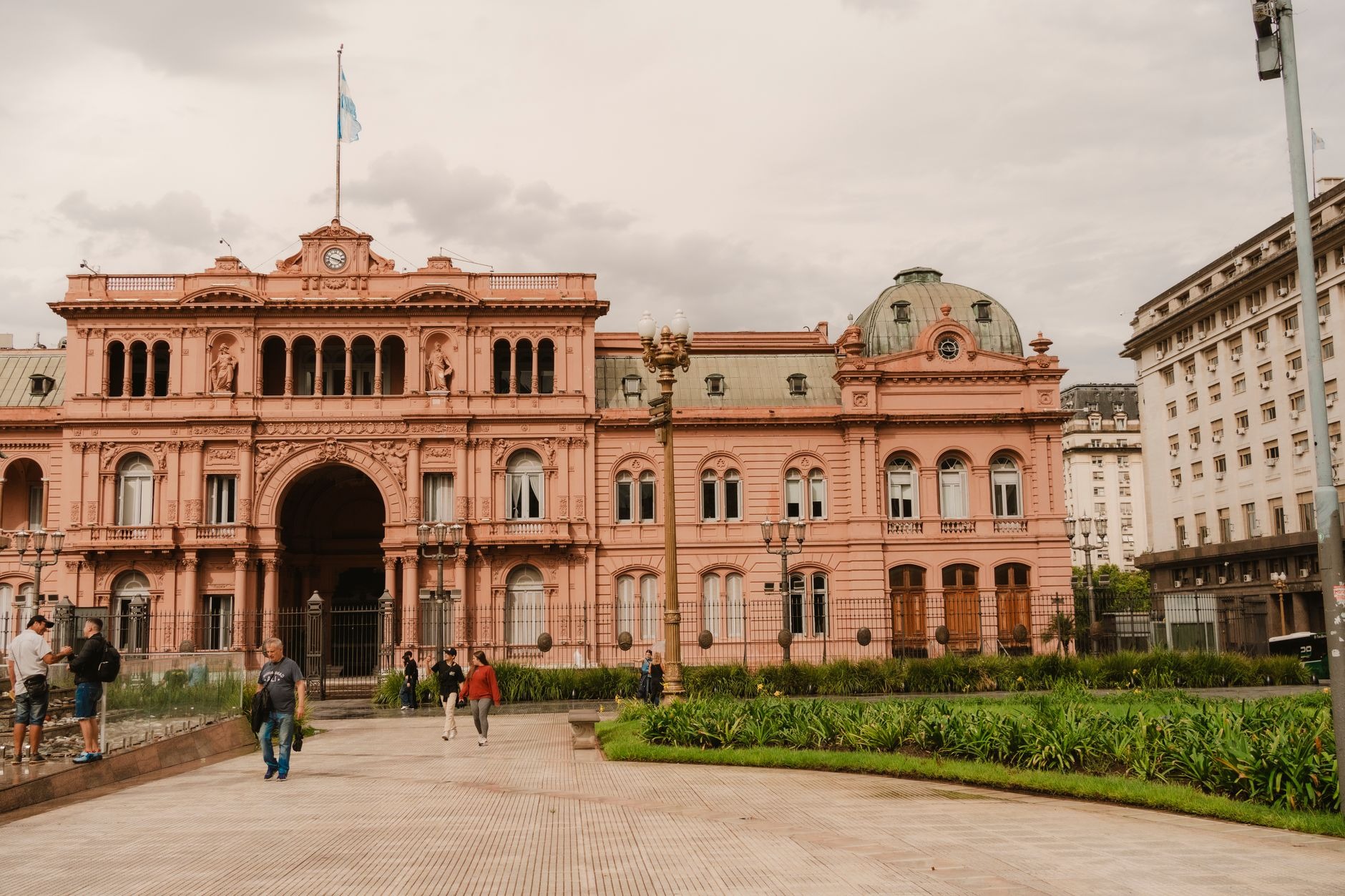
Your journey begins in Buenos Aires, a metropolis of broad leafy boulevards, grandiose Belle Époque mansions, and infectious nocturnal vitality that earned it the moniker “Paris of South America.” Start your exploration at Plaza de Mayo, the historic civic heart of the republic. Face the salmon-colored facade of the Casa Rosada (Government House), where political leaders including Juan and Eva Perón addressed vast crowds of descamisados from the iconic presidential balcony. Step inside the Metropolitan Cathedral, where General José de San Martín—the liberator of Argentina, Chile, and Peru—lies interred in a marble mausoleum guarded by elite grenadiers.
From Plaza de Mayo, walk southward into the atmospheric cobblestone quarter of San Telmo. As the city’s oldest residential district, San Telmo is defined by fading 19th-century colonial townhouses with wrought-iron balconies, bohemian cafes, and antique markets. Wander through the cavernous wrought-iron interior of the 1897 San Telmo Market, where the aroma of roasting espresso beans mingles with artisanal empanadas, craft leather goods, and vintage tango records.
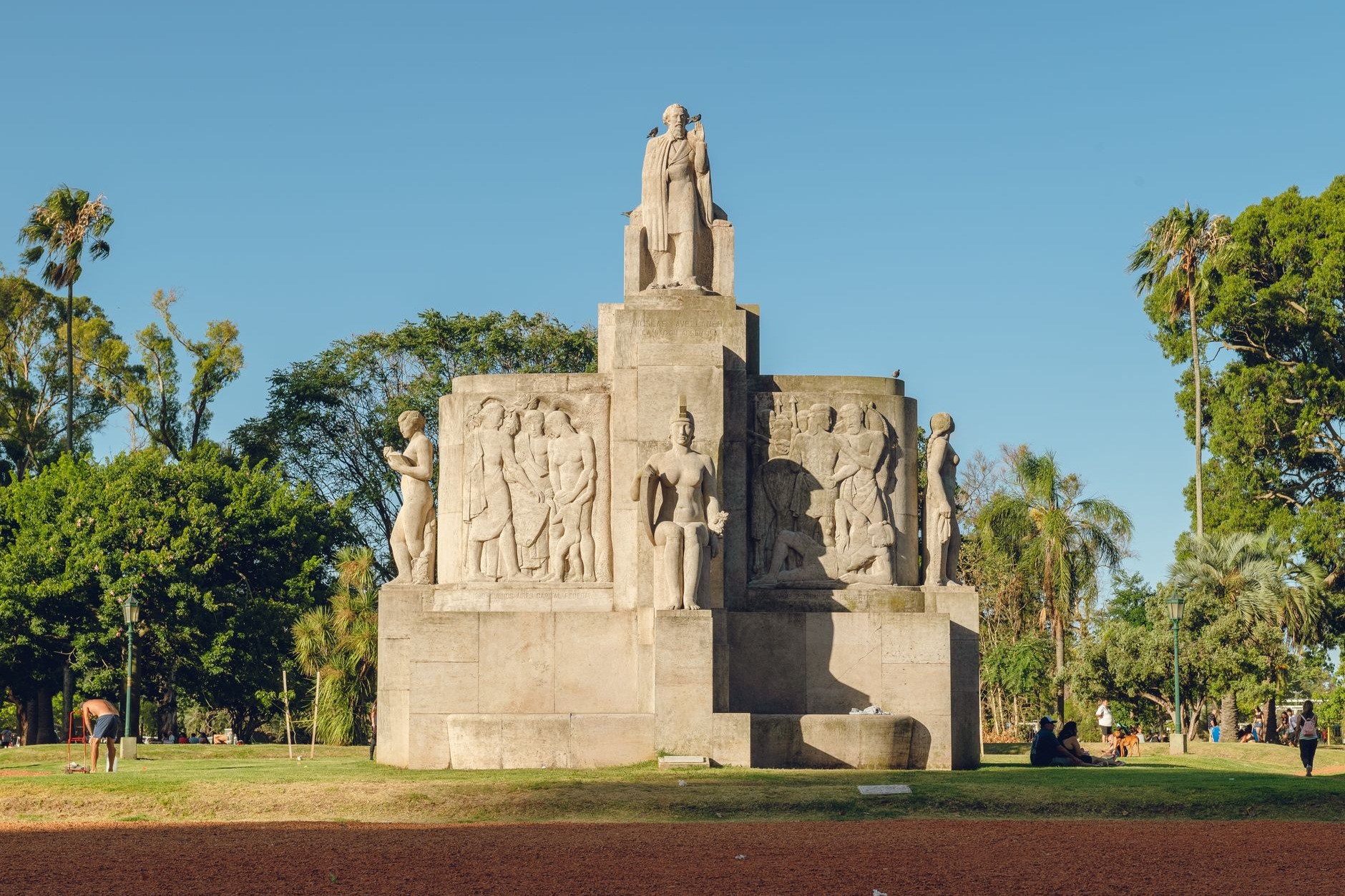
On Day 2, explore the aristocratic northern district of Recoleta, where French architectural influence is most pronounced. The centerpiece of the neighborhood is Recoleta Cemetery (Cementerio de la Recoleta), one of the world’s most extraordinary burial grounds. Spanning nearly 14 acres, this necropolis is laid out like a city with paved avenues lined by more than 4,500 elaborate neoclassical, Gothic, and Art Nouveau marble mausoleums. Follow the quiet labyrinth of family crypts to the Duarte family tomb, where Eva “Evita” Perón lies buried behind heavy bronze doors adorned with fresh flowers from devoted admirers.
In the afternoon, travel to the southern waterfront neighborhood of La Boca. Settled in the late 19th century by Genoese immigrant dockworkers, the iconic pedestrian alley of El Caminito is renowned for its conventillo tenement houses constructed of corrugated sheet iron and painted in vivid primary colors using leftover boat paints. While Caminito is undeniably touristy, its lively outdoor cafes showcase talented street tango dancers and traditional accordion musicians performing with fiery passion.
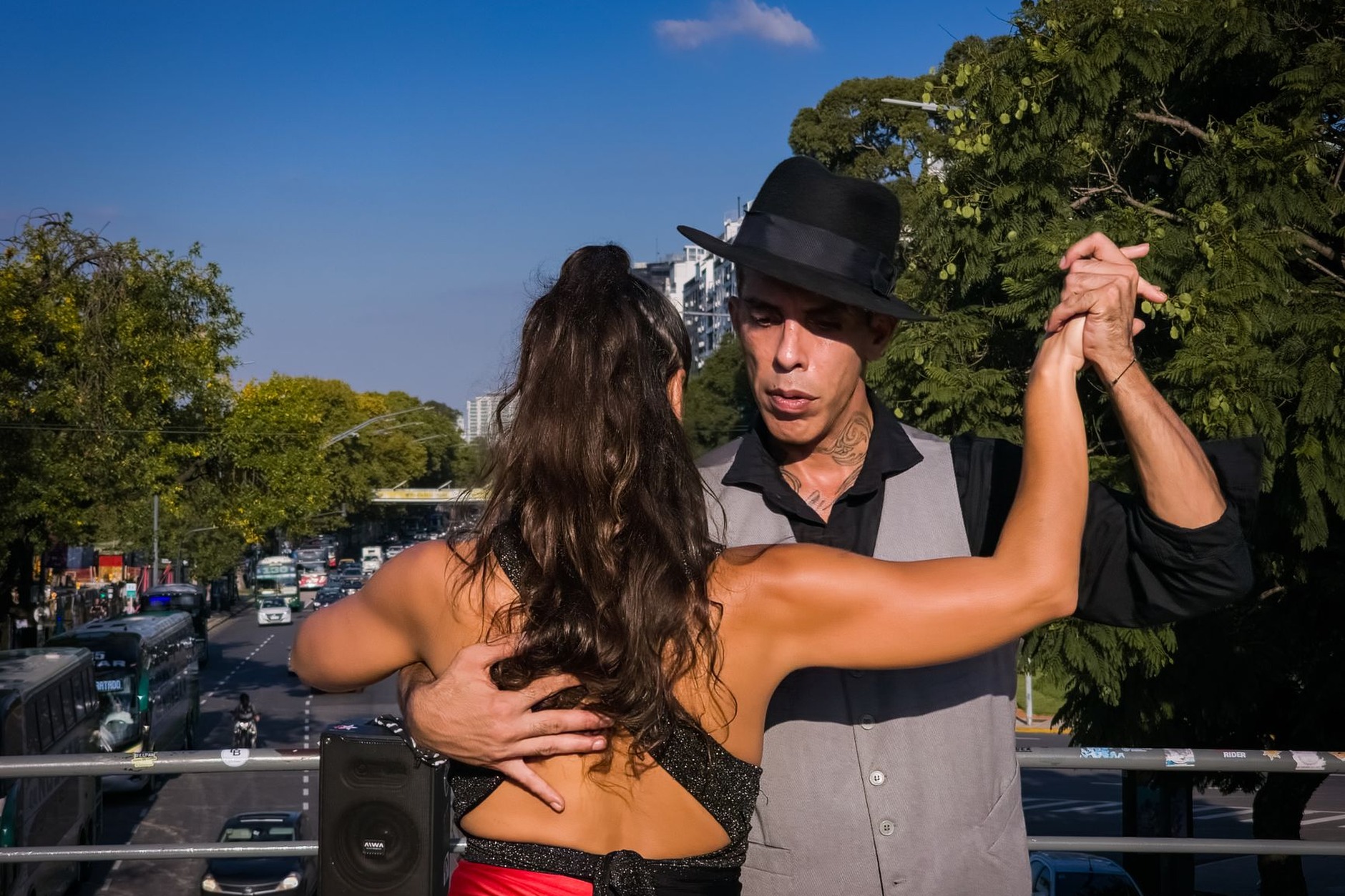
In the evenings, immerse yourself in authentic Argentine tango. While high-production dinner theater shows like Rojo Tango or El Querandí offer dazzling choreographies, discovering a neighborhood milonga—such as La Viruta or Salon Canning—reveals how Porteños of all generations genuinely live the dance. After midnight, slide into a classic parrilla (steakhouse) in Palermo Soho to savor a massive prime ribeye or flank steak (entraña) seared over slow-burning quebracho wood coals, paired with a deep, velvety glass of Mendoza Malbec.
Days 4–5: Thundering Rainforest
On Day 4, board a morning flight from central Aeroparque Jorge Newbery (AEP) to Puerto Iguazú in the subtropical northeastern province of Misiones. Straddling the border between Argentina, Brazil, and Paraguay, Iguazú Falls comprises an astounding semicircular curtain of 275 individual waterfalls plunging over basalt cliffs amidst lush Atlantic rainforest.
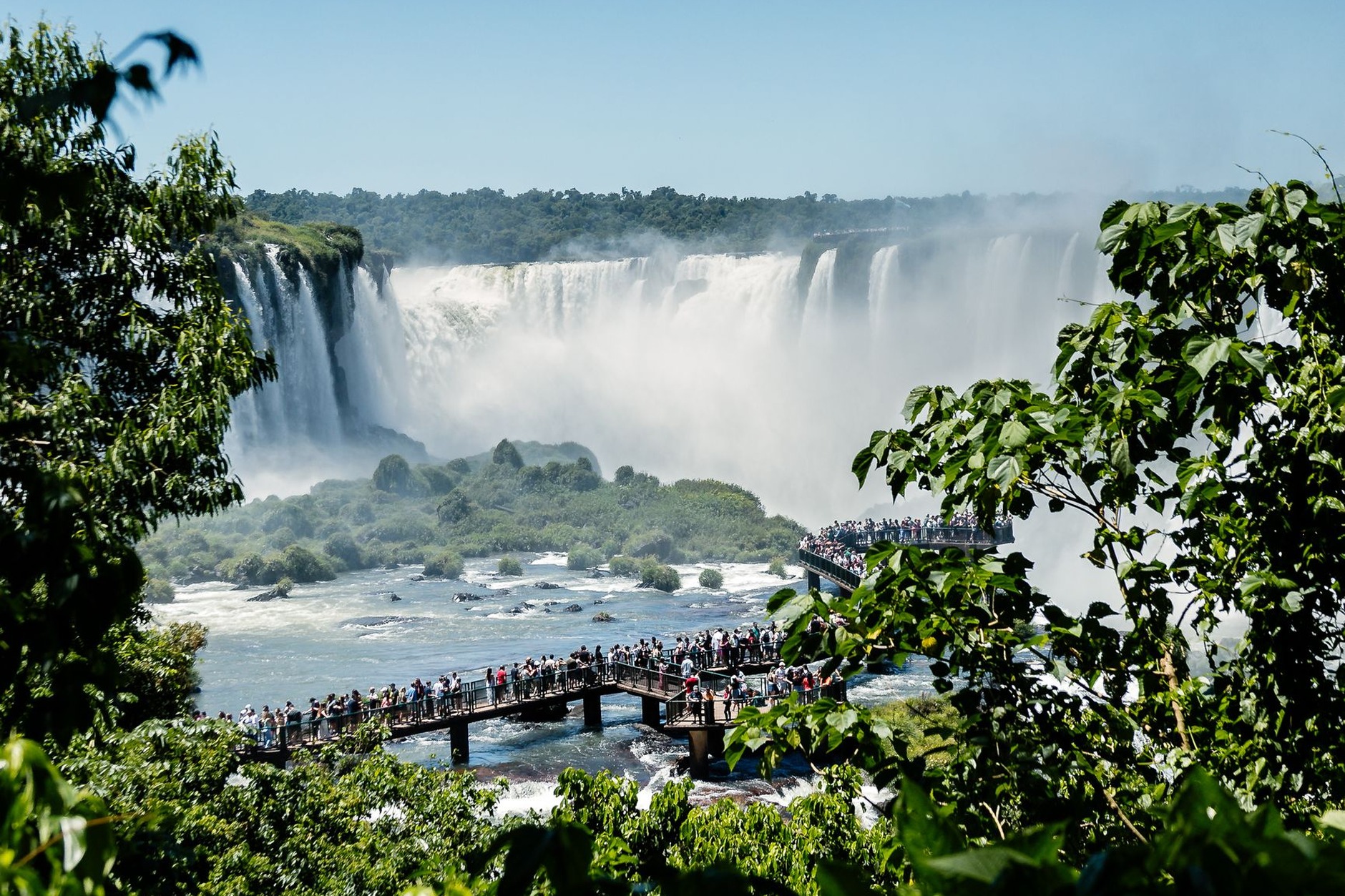
The Argentine side of Iguazú National Park offers an intimately immersive experience, with kilometers of elevated steel catwalks weaving through the rainforest canopy. Board the ecological jungle train to the trailhead of Garganta del Diablo (Devil’s Throat). A 1.1-kilometer footbridge stretches across the serene, mirror-like upper Iguazú River before culminating dramatically at the edge of the abyss. Here, fourteen colossal cascades converge in a deafening, 82-meter horseshoe chasm, sending towering plumes of rainbow-lit spray hundreds of feet into the tropical sky with a roar that shakes the metal railings beneath your hands.
Dedicate Day 5 to walking the park’s Lower and Upper Circuits. The Upper Circuit traverses the lip of the waterfalls, offering panoramic views across the cataracts, while the Lower Circuit winds through dense jungle undergrowth to the base of the falls. For the ultimate adrenaline rush, book the Gran Aventura boat safari, which navigates the turbulent rapids of the lower Iguazú River before plunging passengers directly beneath the thundering deluge of San Martín waterfall.
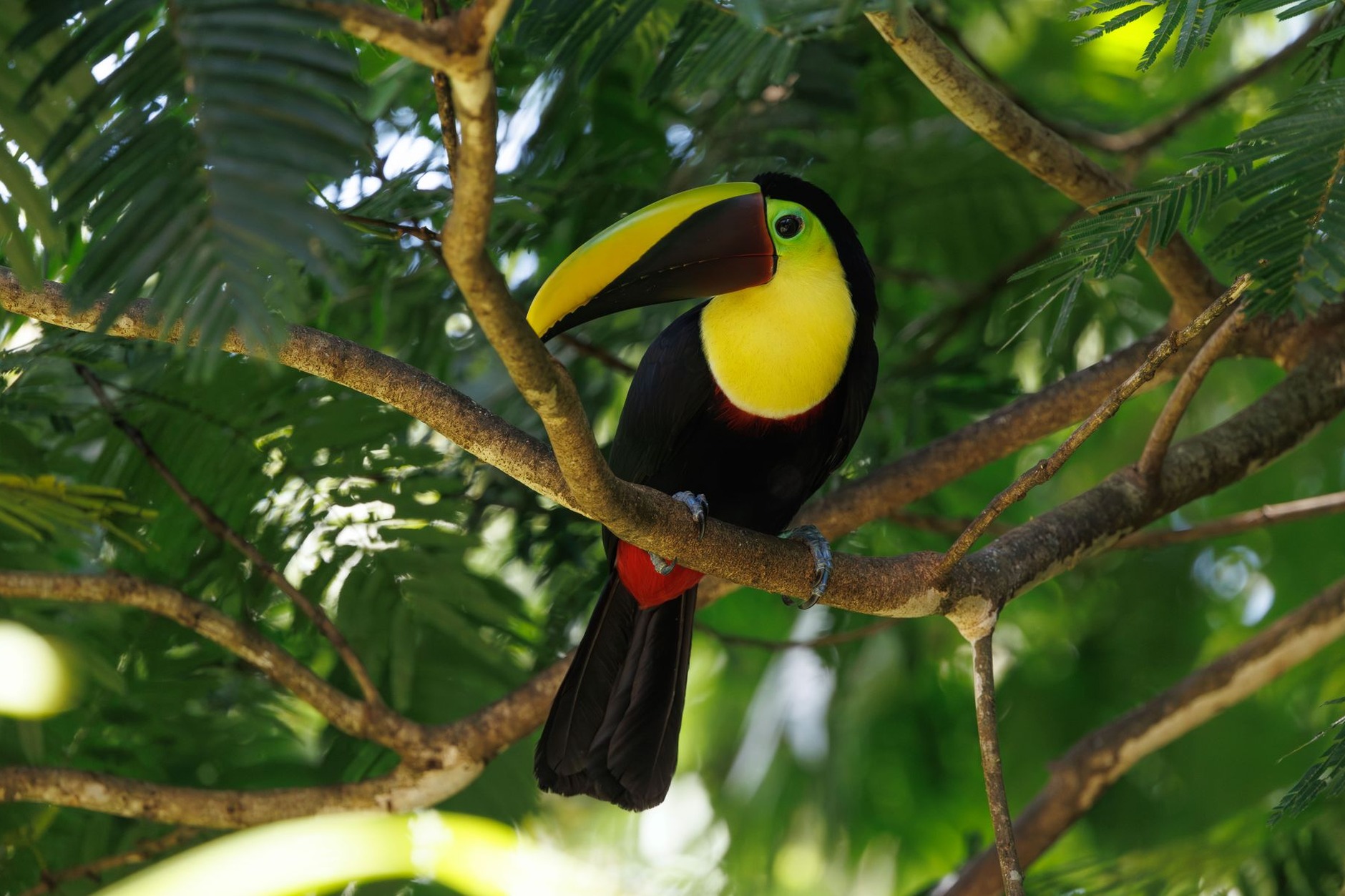
Throughout your walks, keep a watchful eye on the vibrant wildlife of the Atlantic rainforest. Flocks of vibrant Toco toucans glide between cedar branches, iridescent green parrots chatter in the tree ferns, and brilliant electric-blue Morpho butterflies dance across sunlit clearings. Along the boardwalks, inquisitive ring-tailed coatis (quatis) forage for fallen fruit, though visitors must resist the temptation to feed them, as they possess sharp claws.
Days 6–8: Patagonian Ice Giants
On Day 6, leave the tropical rainforest behind and fly south across the continent to El Calafate in the rugged wilderness of southern Patagonia. The landscape transformation is dramatic: lush subtropical greenery gives way to the vast, windswept golden steppes of Santa Cruz, fringed to the west by the jagged, snow-capped granite spires of the Southern Patagonian Andes.
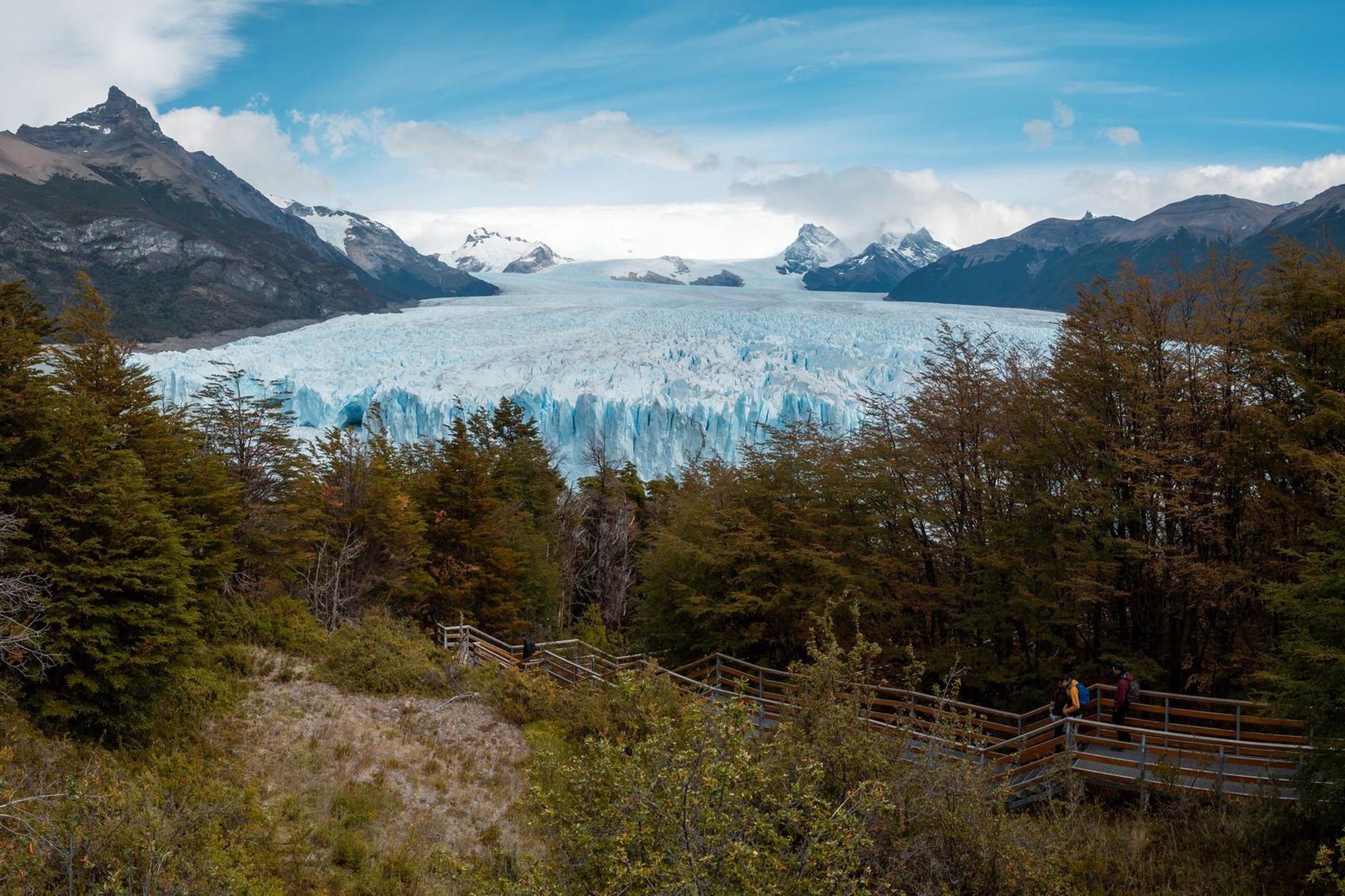
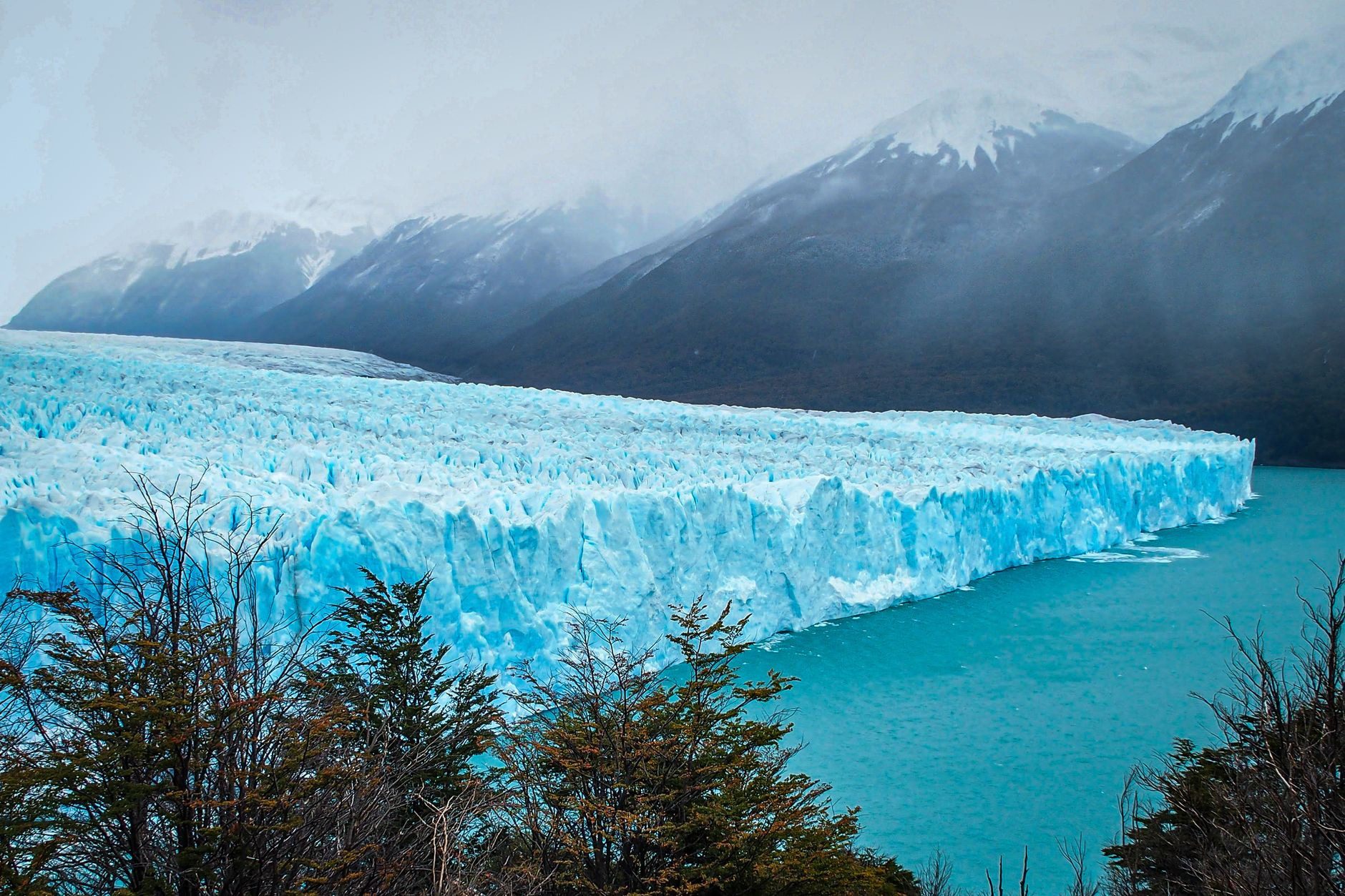
Day 7 brings you face-to-face with the crown jewel of Los Glaciares National Park: the monumental Perito Moreno Glacier. Spanning 250 square kilometers and measuring 30 kilometers in length, Perito Moreno is one of the few advancing glaciers on earth. Arriving at the coastal promontory of Peninsula Magallanes, you look out across a labyrinth of multi-tiered boardwalks directly opposite the glacier’s colossal five-kilometer-wide terminus ice wall, which soars more than 70 meters above the milky turquoise waters of Lake Argentino.
Standing on the balconies, the glacier feels alive. Deep interior groans, sharp cracks resembling rifle shots, and rumbling seismic booms echo across the lake as the colossal river of ice crawls forward two meters each day. Every few minutes, apartment-building-sized seracs fracture from the terminus, crashing into the water with explosive thunder and sending tidal waves across the sound. For an even more thrilling encounter, embark on a glacier mini-trekking excursion, strapping steel crampons to your boots to hike directly across the undulating blue seracs, deep crevasses, and sapphire meltwater lagoons of the glacier surface.
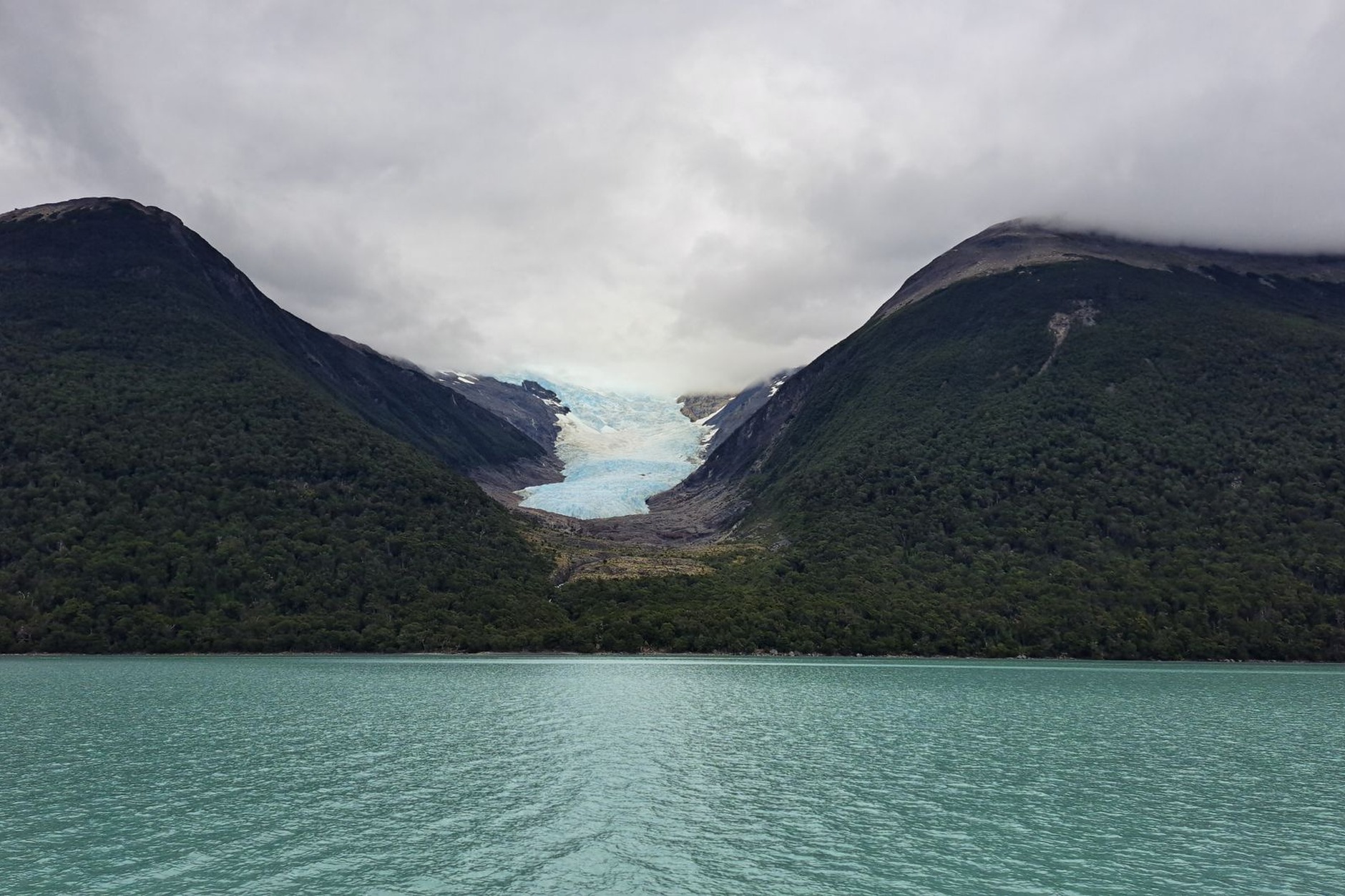
On Day 8, explore the surrounding Patagonian wilderness. Embark on a catamaran navigation across Lake Argentino to view the towering Upsala and Spegazzini glaciers—whose vertical ice walls reach an astonishing 135 meters in height—or take a day excursion to an authentic working sheep ranch (estancia) like Estancia Cristina to learn about traditional gaucho horsemanship and shearing traditions. Alternatively, take an early morning shuttle bus to the trekking village of El Chaltén, hiking the iconic trail to Laguna Capri beneath the soaring granite tooth of Mount Fitz Roy.
In the evenings in El Calafate, escape the sub-polar mountain winds by settling into cozy wood-paneled bistros along Avenida del Libertador. Dine on slow-roasted Patagonian spit lamb (cordero patagónico al asador)—crisped to perfection over open birchwood fire pits—paired with creamy calafate berry ice cream, before your return flight to Buenos Aires on Day 9.

Navigating domestic airport shuttles across Buenos Aires, checking real-time national park gate updates, and monitoring fluctuating currency exchange calculations requires continuous, dependable mobile connectivity. Having reliable cellular data ensures you never find yourself stranded during flight transfers or paying inflated rates for ground transit.
Street Smarts & Avoiding Costly Traps in Argentina
Argentina is culturally welcoming, intellectually vibrant, and rewarding, but navigating its complex multi-tier currency exchange systems, airport transfers, and popular tourist hubs requires specific street smarts. Master these six crucial realities to protect your wallet and your safety:
- The Buenos Aires Airport Switch Disaster (EZE vs. AEP): Buenos Aires operates two major commercial airports located on opposite sides of the metropolitan area: Ministro Pistarini (Ezeiza / EZE), 35 km southwest for long-haul international flights, and Aeroparque Jorge Newbery (AEP), located downtown along the riverfront for domestic routes. Unwary travelers frequently book international flights arriving at EZE with tight 2-hour connections for domestic flights departing AEP. Navigating rush-hour gridlock on the General Paz expressway between the two airports can take up to two hours. Alternative: Always budget at least 4.5 to 5 hours when transferring between EZE and AEP. Use the official Manuel Tienda León express shuttle coaches or licensed airport transfer counters inside the terminal, and double-check your departure airport code on every ticket.
- The Currency Exchange Trap: “Blue Dollar” Cash vs. Electronic MEP Card Rate: Argentina has experienced extreme inflation and multiple parallel exchange rates. In the past, tourists had to carry thousands of physical US dollars to exchange on the black market (“Dólar Blue”) on pedestrian Calle Florida, where street touts (arbolitos) frequently slipped counterfeit 1,000 and 2,000 peso notes into thick cash wads. Today, the Central Bank enables foreign Visa and Mastercard cardholders to automatically receive the preferential MEP tourist exchange rate (closely tracking the Blue rate) directly on electronic transactions. Alternative: Pay for hotels, restaurants, and tours using foreign credit cards to receive the MEP rate safely without carrying massive stacks of physical cash. Withdraw modest amounts of cash pesos from official bank ATMs solely for tipping and small market stalls.
- The “Mustard / Bird Dropping” Distraction Snatch Scam: In busy tourist plazas in Buenos Aires—especially around Plaza de Mayo, San Telmo Sunday market, and Retiro train station—an accomplice will secretly squirt a smelly concoction (resembling bird droppings, yellow mustard, or watery sauce) onto your jacket or shoulder. Moments later, a seemingly friendly, concerned local approaches with wet wipes, offering to help clean your clothes. While you are distracted and cleaning yourself, their accomplice swoops in to steal your camera, smartphone, or backpack placed on the ground. Alternative: If anything wet or sticky hits your clothes in public, aggressively wave away anyone attempting to “help” you, keep both hands firmly on your valuables, and walk immediately into an indoor shop or hotel lobby to clean yourself.
- The La Boca “Caminito” Perimeter Armed Robbery Danger: While the four-block pedestrian core of El Caminito in La Boca is heavily patrolled by tourist police (Policía Turística) during daylight hours, the surrounding neighborhood is economically depressed and severely dangerous for tourists. Foreign visitors who wander just two blocks off the designated tourist corridor to photograph authentic neighborhood streets or walk toward the Boca Juniors football stadium (La Bombonera) are routinely targeted for armed muggings and bag snatches. Alternative: Arrive and depart Caminito exclusively via licensed yellow-and-black city taxis or ride-hailing apps like Cabify or Uber. Remain strictly within the policed perimeter marked with tourist kiosks, and do not visit La Boca after sundown.
- Los Glaciares National Park Booking Reseller Markups: Commercial tour agencies and unauthorized booking websites heavily advertise “Skip-the-Line Perito Moreno Entry Passes” online, charging a fee per person. In reality, general admission to Los Glaciares National Park is regulated by the National Parks Administration (APN) and costs roughly a cash sum when purchased directly at the official government portal (ventaweb.apn.gob.ar) or at the physical park entrance gates. Alternative: Buy your official entrance tickets directly from the APN portal or at the park gate using a credit card. If you plan to visit multiple days, save your first day’s ticket receipt to receive a 50% discount on consecutive-day admission.
- The Taxi “Counterfeit Note” Fast Sleight-of-Hand Swap: When paying for a ride in a street taxi in Buenos Aires with cash, dishonest drivers take advantage of unfamiliar foreign banknotes. You hand the driver a genuine 1,000 or 2,000 peso bill; the driver takes it, drops it under the dashboard, and instantly flashes a counterfeit or torn note, claiming: “This note is fake or ripped, give me another one.” The victim apologizes and hands over a second genuine bill. Alternative: Strictly use digital ride-hailing apps like Cabify (the most reliable and legally registered platform in Argentina) or Uber, where rides are tracked via GPS and fares are billed directly to your credit card at the favorable MEP rate with zero cash transactions.
Staying Connected Across Argentina’s Vast Regions
Traveling across Argentina involves vast domestic distances, varying climatic zones, and navigating sprawling urban centers. Whether you are using Cabify to cross Buenos Aires during rush hour, checking live flight status between AEP and EZE, tracking weather shifts in Los Glaciares National Park, or translating restaurant menus, continuous high-speed cellular data is an indispensable travel asset.
Rather than dealing with long queues at mobile phone shops in central Buenos Aires, navigating bureaucratic passport registration and tax identification (CDI) requirements for local plastic SIM cards, or incurring punishing international roaming fees from home mobile providers, setting up a digital eSIM before departure guarantees instant connectivity the second your flight touches down.
With an NXTL Argentina travel eSIM, travelers connect directly to the country’s leading cellular infrastructure, including Movistar, Personal, and Claro 4G/LTE networks. Starting from just $3.01 per gigabyte with no expiration dates, you enjoy fast data speeds, full mobile hotspot tethering, and transparent pay-as-you-go pricing across all your mobile devices.
| Traveler Data Profile | Estimated Data Usage | Primary Trip Applications | Recommended NXTL Plan |
|---|---|---|---|
| City & Transit Navigator | 1 GB – 3 GB | Cabify & Uber ride booking, Subte metro navigation, MEP exchange rate monitoring, WhatsApp messaging | 1 GB – 3 GB Pay-As-You-Go ($3.01/GB) |
| Active Golden Triangle Explorer | 5 GB – 10 GB | Patagonia mountain weather radar, social media video sharing, photo uploads, live translation of historical plaques | 5 GB – 10 GB High-Speed Package |
| Remote Digital Nomad | 15 GB – 20 GB+ | Hotspot tethering across Patagonian lodges, remote cloud syncing, video calls, continuous high-definition media streaming | 20 GB High-Volume Bundle |
By focusing your itinerary on Argentina’s three most magnificent highlights, preparing for domestic airport transfers, and securing reliable mobile data before you depart, your journey through Argentina will be an extraordinary, stress-free celebration of passionate culture and breathtaking natural grandeur.