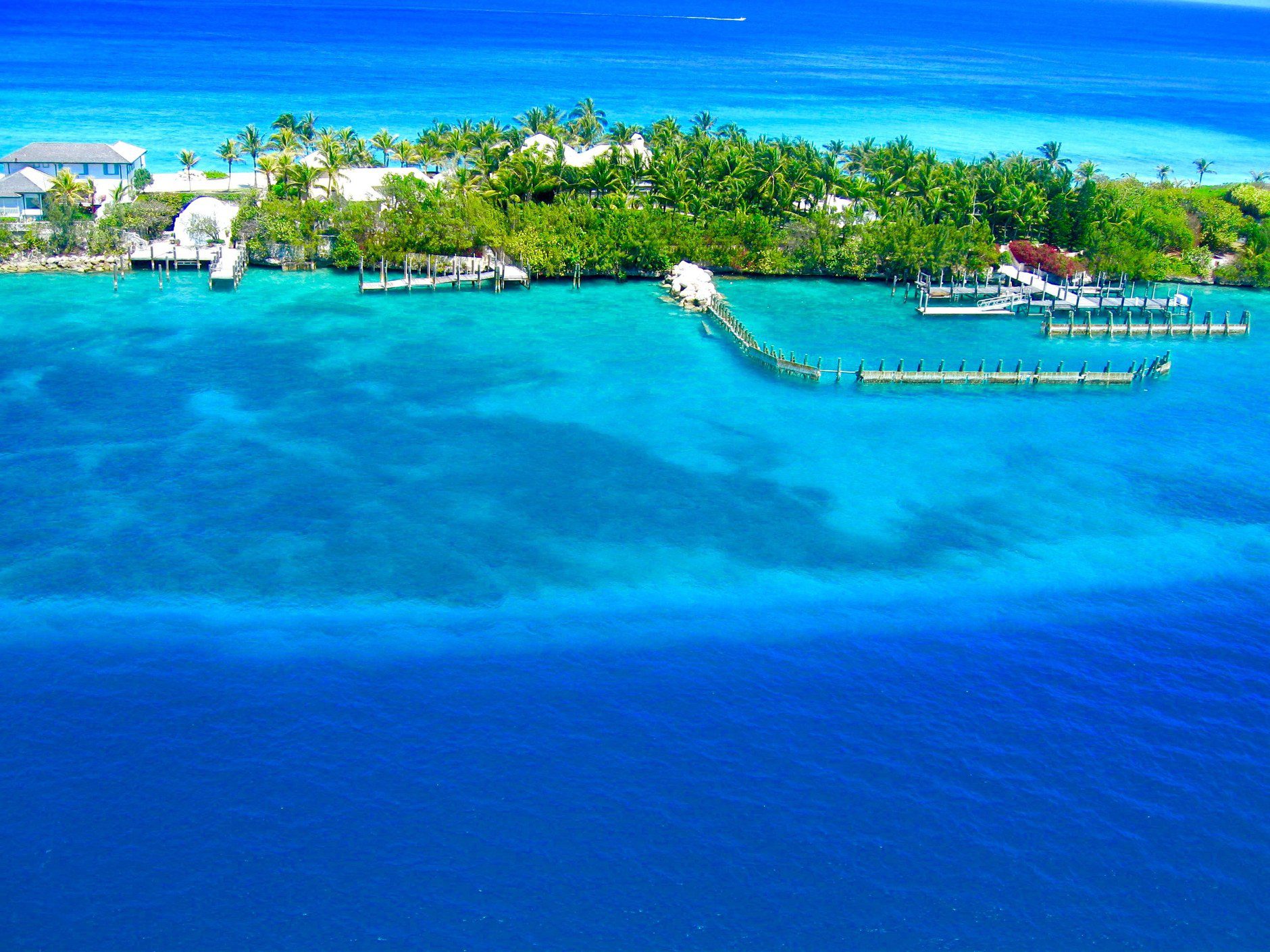
With seven hundred islands and two thousand cays scattered across one hundred thousand square miles of shallow ocean, the Commonwealth of the Bahamas presents one of the most misunderstood travel geographies in the Atlantic basin. Most first-time visitors arrive on cruise ships in Nassau or stay in mega-resorts on Paradise Island, assuming the country is defined by duty-free shops and casino strips. The real archipelago unfolds across the Out Islands, known locally as the Family Islands, where translucent sandbars stretch into deep oceanic trenches, coral reef walls shelter prolific marine life, and quiet settlement communities follow maritime rhythms.
The primary mistake travellers make is attempting an unrealistic multi-island circuit within a single week. Because inter-island ferries are slow, infrequent, and vulnerable to ocean swells, attempting to combine New Providence, Eleuthera, Great Exuma, and the Abacos within seven days produces logistical exhaustion. An intelligent strategy pairs a culturally focused stay on New Providence with an immersive exploration of Great Exuma and the Exuma Cays via a scheduled domestic flight. Here is your definitive seven-day operational itinerary, balancing Nassau’s colonial heritage and authentic street food with the pristine marine wilderness of the Exuma archipelago.
Trip Planning Blueprint: Domestic Aviation, Island Logistics, and Route Design
Executing a successful island-hopping itinerary across the Bahamas requires mastering four fundamental logistical principles:
The Two-Island Route Architecture: Rather than hopping across three or four separate chains, this route focuses on New Providence for two nights and Great Exuma for four nights. New Providence provides international flight connectivity through Lynden Pindling International Airport (NAS), allowing you to explore colonial fortifications and authentic culinary shacks at Arawak Cay. You then board a forty-minute regional turboprop flight south across the Great Bahama Bank to George Town (GGT) on Great Exuma, serving as an ideal base for barrier-island exploration and remote cays.
Aviation Realities Versus Ferry Traps: Commercial passenger ferries connect Nassau with Eleuthera and Spanish Wells, but open crossings take several hours and face weather cancellations during winter cold fronts. For the Exumas, high-speed powerboat day tours out of Nassau cover over seventy nautical miles each way across rough open water in the Tongue of the Ocean, causing severe seasickness and spinal jarring. Booking scheduled domestic flights on Bahamasair or Western Air between Nassau and George Town is faster, far safer, and preserves your energy for actual exploration.
Ground Transport and Left-Hand Driving: In Nassau, daytime public transport relies on private minibuses called jitneys (predominantly Routes 10 and 12 along Bay Street and Cable Beach). Jitneys cost $1.50 to $2.50 in cash but stop running around 6:30 PM. On Great Exuma, there is no public bus service. Renting a compact car in George Town is essential for reaching Little Exuma beaches and Barraterre boat docks. Driving is on the left side of the road, though many rental cars feature American left-hand steering wheels, requiring focused concentration at intersections.
Cash Reserves and Island Economy: The Bahamian Dollar (BSD) is pegged one-to-one with the United States Dollar (USD), and both currencies circulate interchangeably. While supermarkets and hotels in Nassau and George Town take cards, cash is mandatory for jitney fares, street-side conch salads, water taxis, bakeries, and boat tips. Out Island ATMs frequently run dry or lose power after squalls, so withdrawing cash before leaving Nassau is an essential precaution.
| Day / Stage | Base | Highlights | Transport Mode | Transit Time | Advance Booking Requirement |
|---|---|---|---|---|---|
| Day 1 | Nassau | Lynden Pindling arrival, Queen’s Staircase, Fort Fincastle, National Art Gallery | Airport taxi & walking | 30 mins airport transfer | Official airport taxi arrangement |
| Day 2 | Nassau | Clifton Heritage National Park, ocean sculpture dive, Arawak Cay Fish Fry dinner | Jitney bus #12 & local taxi | 45 mins coastal transit | Clifton Heritage park pass |
| Day 3 | George Town | Regional hopper flight to Exuma (GGT), car rental pickup, George Town harborfront | Domestic flight & rental car | 40 mins flight time | Bahamasair / Western Air domestic ticket |
| Day 4 | George Town | Queen’s Highway south, The Ferry bridge, Tropic of Cancer Beach, William’s Town salt flats | Rental car | 45 mins southern drive | Local compact car reservation |
| Day 5 | George Town | Government dock water taxi, Elizabeth Harbour crossing, hiking monument trail, stingrays | Harbor water taxi & foot | 10 mins boat crossing | Water taxi cash fare ($15 round-trip) |
| Day 6 | George Town | Full-day boat charter from Barraterre to Thunderball Grotto, Big Major Cay, Compass Cay | Powerboat charter | Full-day sea excursion | Small-group marine charter (reserve 3 weeks ahead) |
| Day 7 | Nassau / Departure | Moriah Harbour Cay mangrove kayak, afternoon return flight to Nassau, international connection | Rental car, flight & airport taxi | 40 mins flight time | Connecting flight buffers (allow 3.5 hrs) |
Day 1: Colonial Nassau, Historic Hilltops, and Bahamian Art
Arriving at Lynden Pindling International Airport, bypass timeshare promotion desks and proceed directly to the regulated taxi stand. Settle into accommodation around downtown Nassau or Cable Beach. Downtown Nassau serves as the administrative nexus of the archipelago, shaped by three centuries of maritime commerce, pirate raids, and British colonial administration.
Begin your walking tour by climbing the Queen’s Staircase, known locally as the Sixty-Six Steps. Hand-carved out of solid limestone by enslaved laborers in the late 18th century, this shaded canyon provided a protected passage connecting the town with Fort Fincastle atop Bennett’s Hill. Inspect the antique iron cannons positioned to defend Nassau Harbour from privateers, taking in panoramic views across the commercial shipping channel and offshore cays.
Walk downhill to West Hill Street to visit the National Art Gallery of The Bahamas (NAGB). Housed within Villa Doyle, an elegant 1860s neoclassical mansion, the gallery offers vital cultural context for the country’s social history. Exhibitions showcase works by celebrated Bahamian artists including Brent Malone and Antonius Roberts, exploring themes of post-colonial identity and Junkanoo festival traditions. Conclude your afternoon strolling through adjacent Graycliff Heritage Village, admiring historic stone architecture and lush tropical courtyards.
Day 2: Clifton Heritage Park and Authentic Conch at Arawak Cay
Dedicate your second morning to exploring western New Providence, far removed from cruise terminals. Take a westward taxi to Clifton Heritage National Park, encompassing over two hundred acres of protected coastal land at the southwestern tip of the island. Clifton Heritage preserves archaeological remains of three distinct eras: Lucayan Indian settlements, loyalist plantation slave quarters, and British colonial defensive batteries.
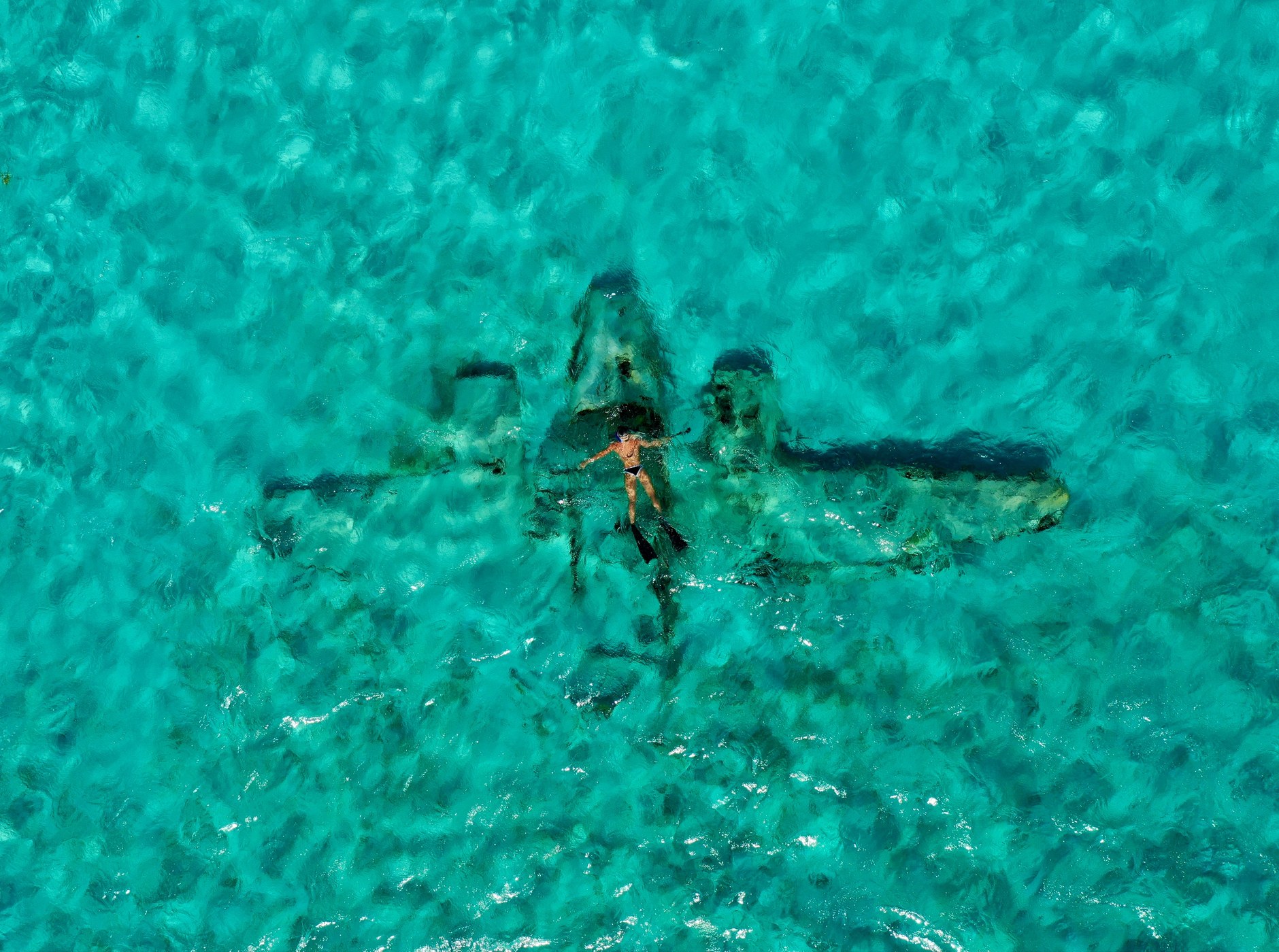
Beyond terrestrial history, Clifton Heritage is famous for its submerged sculpture garden. Snorkel directly from the rocky shore into clear waters to observe the *Ocean Atlas*, an eighteen-foot-tall submerged statue by sculptor Jason deCaires Taylor. Depicting a Bahamian girl carrying the weight of the marine ecosystem, the sixty-ton artificial reef structure has become encrusted with corals and sea fans, attracting schools of blue tang, parrotfish, and yellowtail snapper.
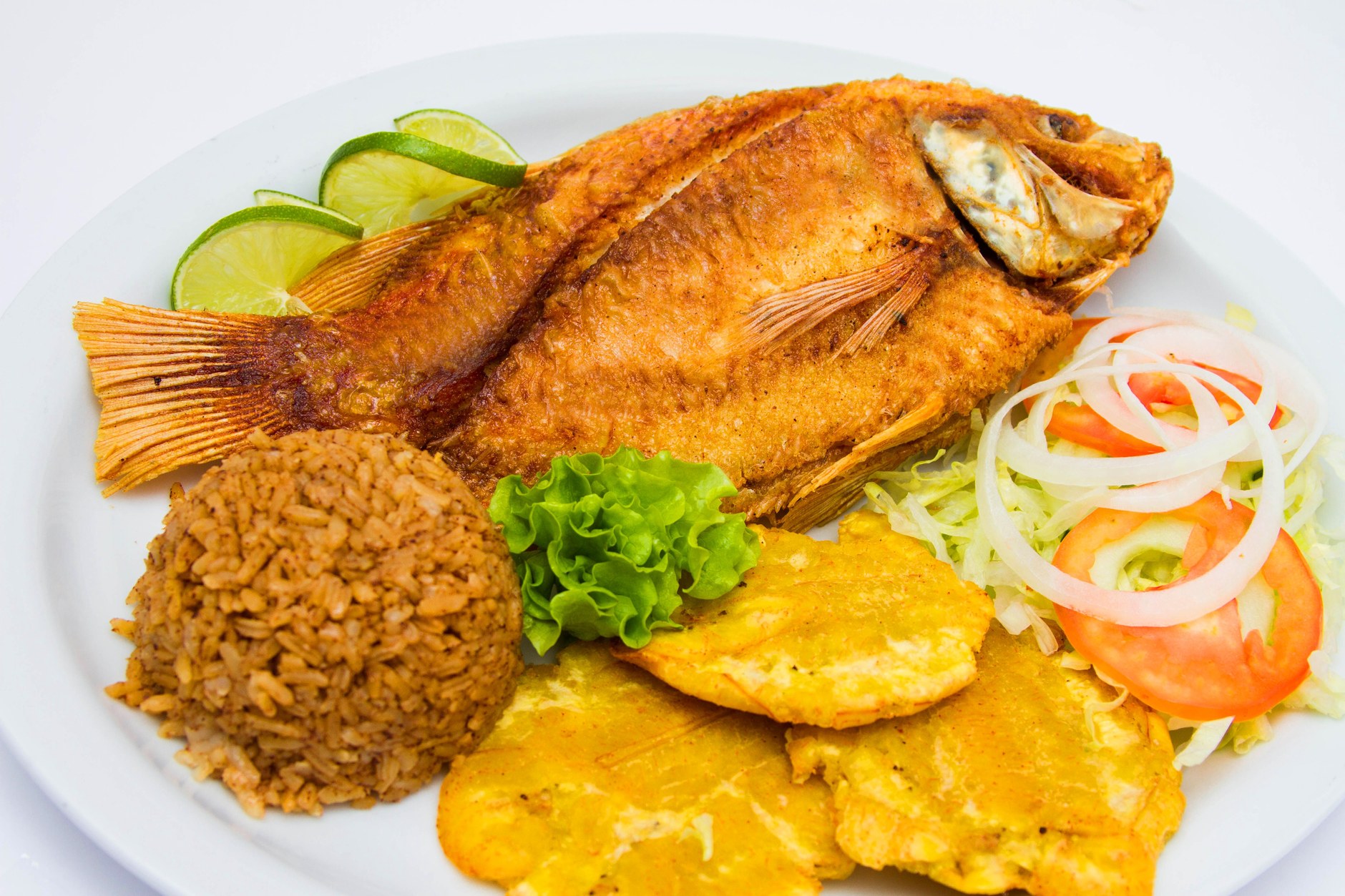
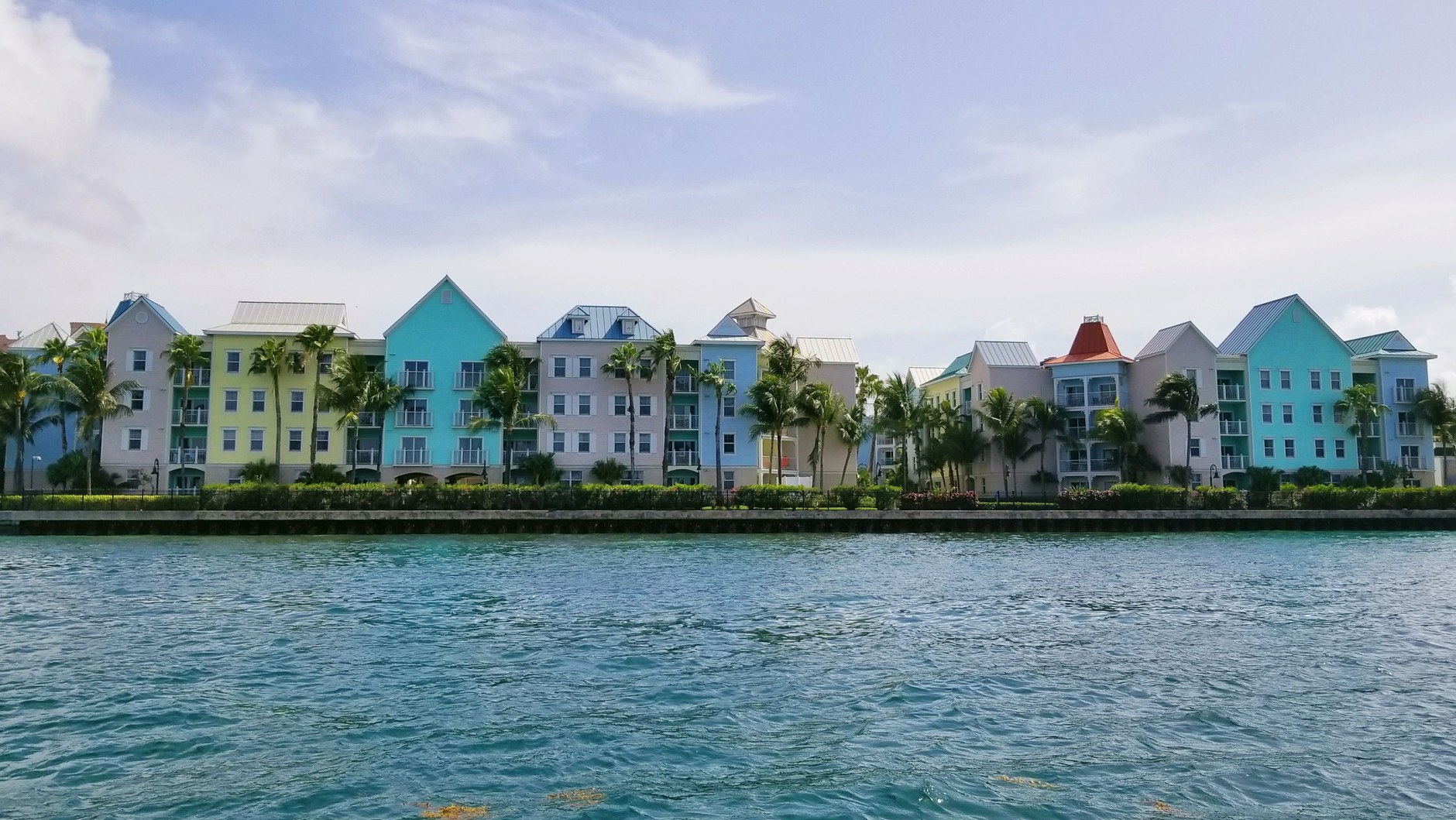
In the late afternoon, head to Arawak Cay, referred to by locals as “The Fish Fry.” Located on West Bay Street just west of downtown, this cluster of pastel wooden shacks represents the culinary heart of authentic New Providence. Grab a table at established stalls such as Twin Brothers or Goldie’s Conch House to watch seafood cooks prepare fresh conch salad.
Workers extract queen conch from its spiraled pink shell, dice the meat to order, and toss it with fresh Scotch bonnet peppers, sweet onions, tomatoes, and generous splashes of sour orange and lime juice. Pair your citrus-cured salad with a plate of cracked conch, traditional Bahamian peas ‘n’ rice, fried sweet plantains, and a cold local Kalik lager.
Day 3: Flying South to Great Exuma and George Town Arrival
Check out early and take a taxi to Lynden Pindling Airport’s domestic terminal for your flight to Exuma International Airport (GGT) at Moss Town. As your aircraft banks south over the Exuma Sound, look down to witness blinding white sand bars and shallow turquoise flats dropping into deep cobalt oceanic trenches.
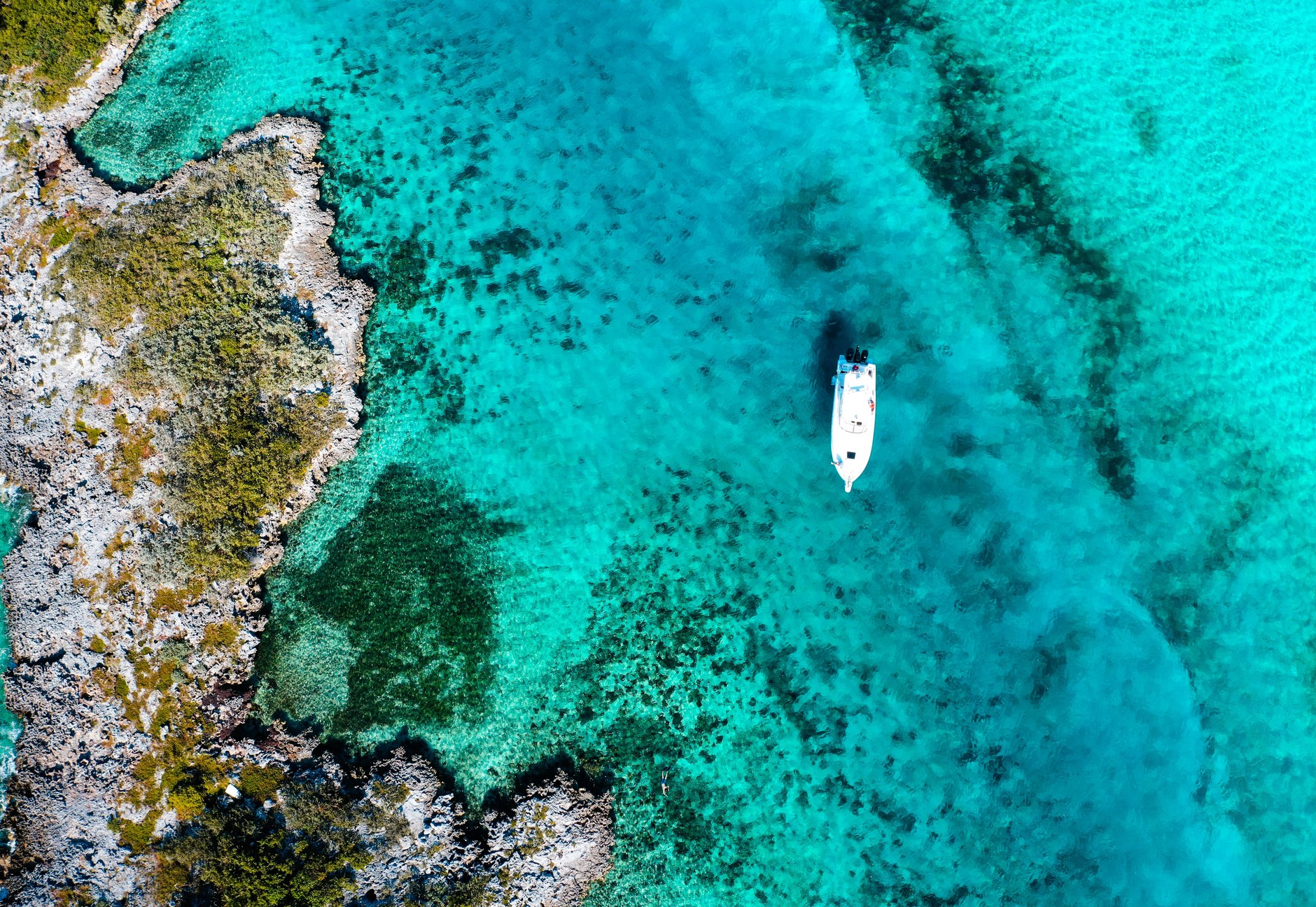
Collect your rental vehicle at Moss Town. Having personal wheels is indispensable, as Great Exuma is sixty miles long, connected only by the two-lane Queen’s Highway. Drive fifteen miles southeast into George Town, the laid-back administrative capital situated alongside Victoria Pond and Elizabeth Harbour.
George Town maintains an unhurried outpost atmosphere. Stop at the Straw Market to browse handcrafted palm-frond baskets, inspect neoclassical Saint Andrew’s Anglican Church on its gentle hill, and stock up on drinking water and groceries at Exuma Markets. Out Island grocery prices reflect maritime shipping tariffs, making provisions noticeably pricier than in Nassau.
Day 4: Little Exuma, Tropic of Cancer Beach, and Salt History
Drive south along Queen’s Highway to Little Exuma, winding past Rolletown and Forbes Hill. Cross “The Ferry,” a narrow single-lane bridge spanning the turquoise mangrove channel between the islands.
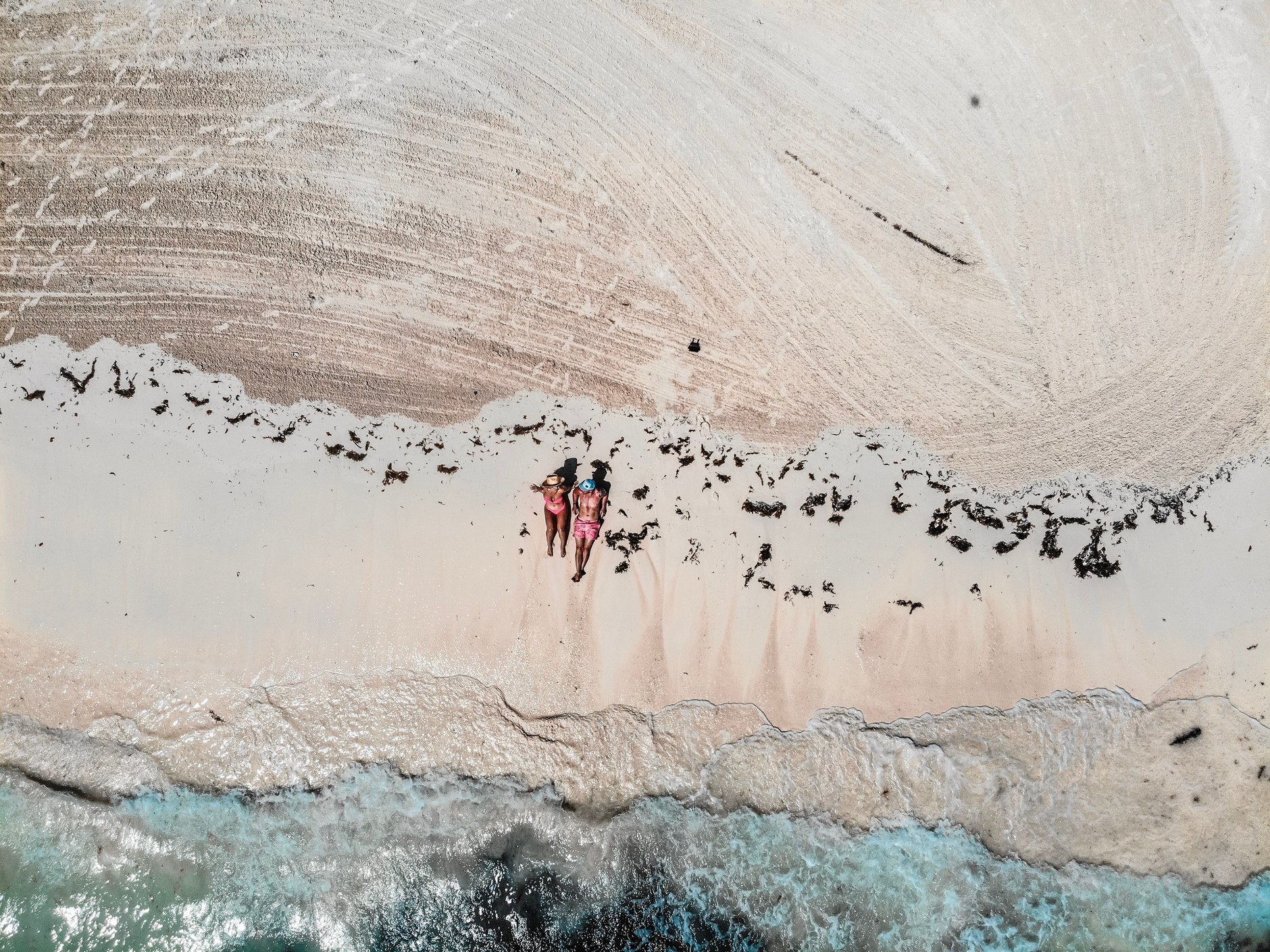
Your primary morning destination is Tropic of Cancer Beach, officially known as Pelican Beach. Located down a sandy track outside Moore Hill, this crescent of white sand is intersected precisely by the Tropic of Cancer latitude line (23° 26′ N). With no commercial resorts on Little Exuma, the bay remains remarkably pristine. The water is calm, shallow, and radiant turquoise, providing ideal conditions for swimming and beachcombing.
Continue south to William’s Town at the tip of Little Exuma, an 18th-century loyalist settlement. Walk along the edge of the shallow salt pond, where commercial salt harvesting once sustained the island. Nearby on a coastal bluff stands the historic Salt Beacon, a thirty-foot stone Tuscan obelisk erected to guide European cargo ships into the harbor.
Stop for lunch at Santanna’s Bar and Grill in William’s Town. Set on an open-air deck over the water, it serves grilled spiny lobster, cracked conch, and barbecue chicken prepared fresh by culinary matriarchs. Next door, visit Mom’s Bakery to grab a slice of freshly baked rum cake or warm coconut turnovers.
Day 5: Elizabeth Harbour Crossing and Stocking Island Exploration
Dedicate your fifth day to Stocking Island, the natural barrier island shielding George Town from Atlantic swells. Park near Government Dock in George Town and board an open wooden water taxi for the ten-minute crossing across Elizabeth Harbour ($15 round-trip).
Step ashore at Chat ‘n’ Chill on Volleyball Beach. While cruisers gather for grilled burgers, the shallows host an extraordinary encounter with wild southern stingrays. Local fishermen cleaning fresh conch have conditioned these gentle creatures to glide harmlessly around swimmers’ feet in ankle-deep water.
Hike Stocking Island’s nature trails across calcified dunes to the Atlantic coast, passing coastal scrub and rare stromatolites—living fossil structures formed by cyanobacteria. Ascend to Stocking Island Monument, a stone beacon atop the island’s highest dune, for an unmatched 360-degree panorama of Elizabeth Harbour and the open Atlantic.
Day 6: Marine Wilderness Expedition to the Exuma Cays
Day six is your journey’s centerpiece: a small-group powerboat charter through the protected outer Exuma Cays. Avoid distant day tours from Nassau; instead, drive forty minutes northwest from George Town to Barraterre dock, where experienced local skippers launch directly into the archipelago.
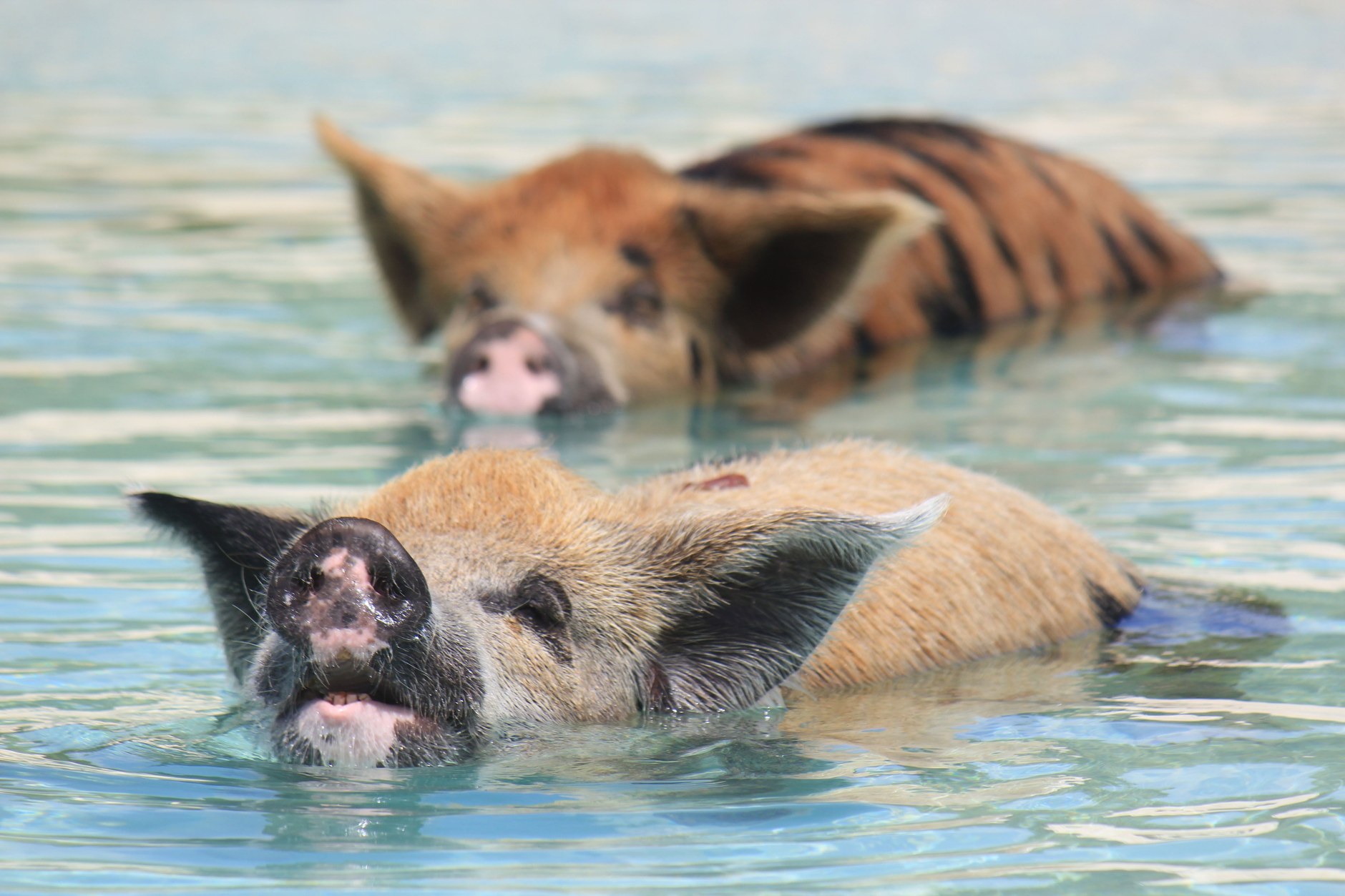
Your first stop is Big Major Cay (Pig Beach), where feral pigs wade into chest-deep ocean water to greet approaching skiffs. Small-group charters ensure an ethical visit: follow your guide’s instructions to feed the animals clean water or fresh produce in the sea rather than on sand to prevent fatal sand ingestion.
Next, dock near Staniel Cay to explore Thunderball Grotto. Made famous by the James Bond film, this hollow limestone cavern features underwater tunnels accessible at slack low tide. Snorkel under the rock archway into a naturally lit cathedral filled with yellowtail snapper, sergeant majors, and angelfish.
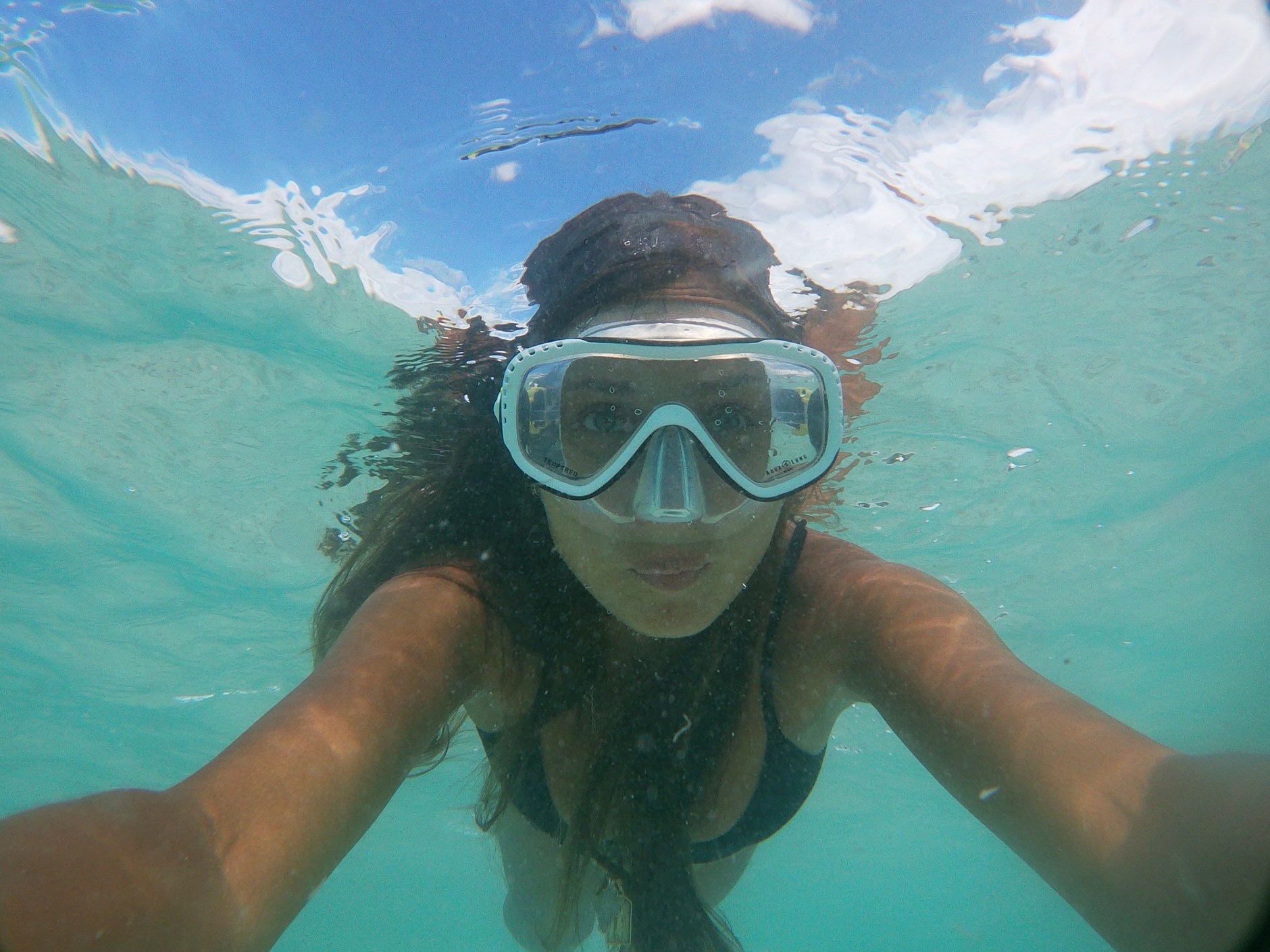
Head north to Compass Cay Marina, where wild nurse sharks rest on submerged dock platforms. Visitors can swim alongside these docile bottom-dwellers under staff supervision. Before heading back, your captain anchors at a vanishing sandbar near Pipe Creek—pure white coral sand exposed only for two hours at low tide, surrounded by ankle-deep turquoise water.
Day 7: Mangrove Estuaries, Return Flights, and Connections
Spend your final morning kayaking through Moriah Harbour Cay National Park between Great and Little Exuma. This thirteen-thousand-acre marine reserve protects mangrove channels and seagrass flats that nurture green sea turtles, juvenile lemon sharks, bonefish, and spiny lobsters.
Return to Moss Town for your afternoon flight to Nassau. When booking connecting flights home, always leave at least three and a half hours in Nassau. US-bound flights clear United States Customs and Border Protection (CBP) pre-clearance directly at Lynden Pindling Airport, requiring immigration, customs, and TSA screening before boarding.
Mobile Connectivity and Digital Navigation in the Bahamas
Having reliable mobile data throughout the Bahamas is essential for tracking flight schedules, finding unmarked beach tracks on Little Exuma via GPS, checking tide tables for Thunderball Grotto, and coordinating water taxi pickups. While resort lobbies offer Wi-Fi, coverage drops off entirely on public beaches and boat charters.
Avoid waiting at airport SIM counters in Nassau by setting up an eSIM before you travel. The NXTL Bahamas eSIM connects automatically to the Bahamas Telecommunications Company (BTC) LTE network as soon as you land at NAS or GGT. Operating on pay-as-you-go data at $9.75 per gigabyte, NXTL has no expiring daily packages. Your balance never expires, keeping unused data ready for future trips across more than 180 countries.
Travel Scams and Regional Logistics Pitfalls to Avoid
The Bahamas is generally peaceful and welcoming, but independent travellers should prepare for several common commercial traps and logistical hurdles:
- The Nassau-to-Exuma Speedboat Exhaustion Trap: Tour operators in Nassau sell day-trips to the swimming pigs by speedboat. These trips cross over seventy miles of open ocean across the deep Tongue of the Ocean. When swells rise above four feet, passengers face hours of punishing slamming, severe seasickness, and back strain for a rushed twenty-minute stop. Always fly to Great Exuma and tour the cays from Barraterre instead.
- Unregulated Jet Ski and Watercraft Rentals: Jet ski operators on Cable Beach, Cabbage Beach, and around Nassau are largely unregulated. Visitors frequently report billing disputes, aggressive demands for cash damages for old scratches, and reckless driving near swimmers. Avoid renting watercraft from unlicensed beach vendors.
- Unmetered Airport Taxi Fare Gouging: Taxis on New Providence and Great Exuma do not have mechanical meters. Fares are set by official government zone rates, but drivers often quote inflated prices to arriving tourists with heavy luggage. Always agree on the exact cash fare before putting your bags in the trunk.
- Relying on Jitney Public Buses After Dark: Nassau’s jitney minibuses provide affordable transport along Bay Street and Cable Beach for $1.50 to $2.50 during daylight hours. However, drivers stop operating between 6:00 PM and 6:30 PM. Travellers relying on jitneys for dinner transit get stranded on unlit coastal roads, facing steep emergency taxi charges.
- Out Island Sunday Grocery Closures and Fuel Scarcity: Outside Nassau, businesses observe strict Sunday closures. On Great Exuma and Little Exuma, grocery stores, gas stations, and hardware shops close early Saturday and stay shut all Sunday. If driving south on Sunday without filling your gas tank and buying water beforehand, you risk running dry on empty highway stretches.
By respecting the archipelago’s maritime scale, avoiding rushed multi-island itineraries, and maintaining reliable digital navigation, your journey across New Providence and Great Exuma will deliver an extraordinary Caribbean adventure filled with pristine waters, living history, and authentic island warmth.