Bahrain is the historical crossroads of the Arabian Gulf: an archipelago of thirty-three low-lying islands where ancient Dilmun trading civilizations flourished four thousand years ago and pearling fleets once dominated the maritime economy. Today, while neighboring Gulf capitals chase vertical records and artificial islands, Bahrain retains an intimate, lived-in character rooted in coral-stone merchant quarters, traditional spice souqs, and UNESCO-inscribed archaeology. Yet international visitors frequently reduce the kingdom to a rushed overnight airport layover or struggle with seasonal heat, missing the country’s profound historical narrative.
A genuinely rewarding short stay requires aligning your daily schedule with desert temperatures and island geography. Spanning just fifty kilometers from north to south, Bahrain is remarkably compact, allowing travellers to explore ancient Dilmun burial necropolises, Portuguese battlements, and the historic Pearling Path without exhausting transfers. This four-day itinerary is engineered for stopover passengers and cultural weekenders: structuring outdoor explorations for morning and twilight hours, retreating to world-class air-conditioned museums during the midday sun, and sampling traditional Gulf culinary heritage in the historic alleys of Manama and Muharraq. Here is your practical operational blueprint to transport apps, heat strategies, cultural etiquette, and island logistics.
Trip Planning Blueprint: Heat Management, Transport Choices, and Seasons
Climate dictates every operational choice in Bahrain. The kingdom experiences extreme summer heat from late May through September, when daytime temperatures routinely exceed forty-two degrees Celsius (108°F) paired with suffocating Gulf humidity. Outdoor walking tours during summer afternoons are dangerous. The ideal travel window spans from October through April, when mild sunshine, cool sea breezes, and daytime temperatures between twenty and twenty-eight degrees Celsius create perfect conditions for urban walking. If you visit during transitional shoulder months, adopt the local rhythm: explore open-air sites between seven and ten in the morning or after four in the afternoon, reserving the midday hours (eleven to three) for museums, art galleries, and covered bazaars.
Getting around Bahrain is straightforward thanks to modern, multi-lane highway infrastructure. While rental cars are inexpensive and convenient, local traffic enforcement utilizes ubiquitous automated radar cameras that levy steep fines for minor speeding violations and red-light infractions. For a short four-day stay, ride-hailing applications—primarily Uber and Careem—offer the most stress-free transport. They provide fixed, transparent fares and eliminate the routine hassles of negotiating unmetered street taxis. Public buses operated by Bahrain Public Transport Company (BPTC) are modern and air-conditioned, but routes prioritize commuter residential corridors rather than cultural heritage landmarks.
Financial practicalities require quick mental calibration. The legal tender is the Bahraini Dinar (BHD), pegged to the US dollar at approximately 1 BHD to $2.65 USD, making it one of the highest-valued currency units in the world. Dinars are subdivided into 1,000 fils rather than 100 cents. A coffee priced at 1.800 BHD represents roughly five US dollars. Credit cards and contactless mobile payments (Apple Pay) are universally accepted across hotels, restaurants, and supermarkets, though carrying ten to twenty dinars in cash is helpful for small purchases in traditional souq stalls.
| Day / Stage | Base | Highlights | Transport Mode | Transit Time | Advance Booking Requirement |
|---|---|---|---|---|---|
| Day 1 | Manama | Arrival at Bahrain Airport (BAH), Bab Al Bahrain, Manama Souq, Bahrain National Museum | Ride-Hailing (Uber/Careem) | 20 mins airport transfer | Museum entrance ticket (1 BHD) |
| Day 2 | Manama / Seef | Al Fateh Grand Mosque tour, UNESCO Dilmun Burial Mounds in A’ali, sunset at Qal’at al-Bahrain | Ride-Hailing / Rental Car | 20 mins between sites | Al Fateh Mosque visitor timing |
| Day 3 | Muharraq | UNESCO Pearling Path walking trail, Shaikh Isa House, Kurar House, Halwa Showaiter tasting | Walking & Local Taxi | 15 mins across bridge | Pearling Path visitor center check |
| Day 4 | Southern Desert / Departure | The Tree of Life, First Oil Well, Bahrain International Circuit (F1), airport departures | Private Driver or Rental Car | 45 mins highway drive south | F1 circuit tour reconfirmation |
Day 1: Architectural Foundations: Bab Al Bahrain, Manama Souq, and Waterfront History
Your stopover begins with arrival at Bahrain International Airport (BAH) on Muharraq Island. A swift fifteen-minute ride-hailing transfer across the causeway delivers you into central Manama, the modern financial capital. Settle into a hotel in the Diplomatic Area, Seef district, or near bohemian Adliya. Begin your exploration at Bab Al Bahrain (“Gateway of Bahrain”), an iconic arched stone monument erected in 1949 by the British advisor Sir Charles Belgrave. Originally situated directly along the coastline before extensive land reclamation, the gateway marks the formal entrance to the atmospheric lanes of Manama Souq.
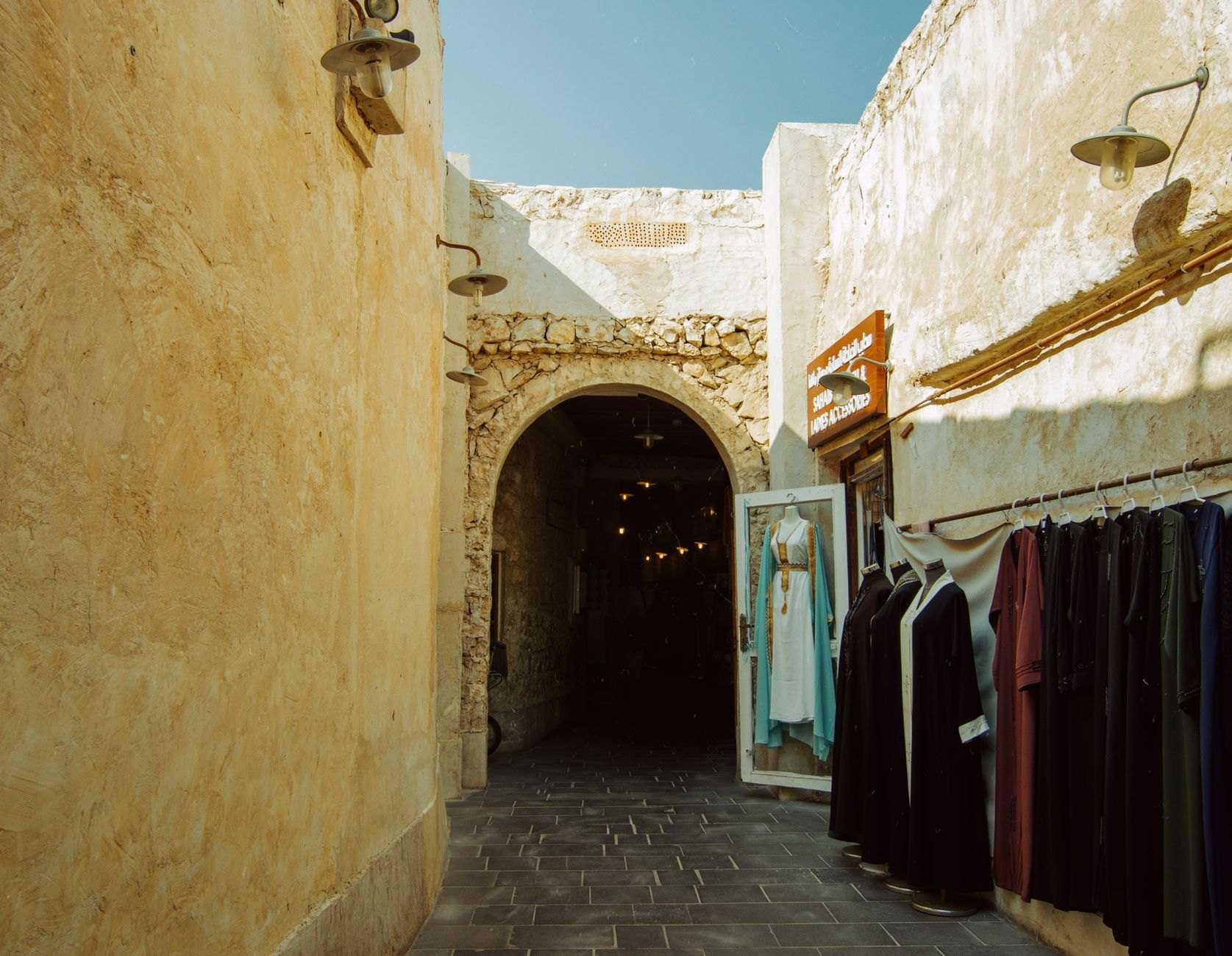
Wander the pedestrianized alleys behind the gateway, where centuries-old merchant trades endure. Fragrant aromas of green cardamom, dried limes (*loomi*), Persian saffron, and frankincense drift from open spice sacks, while adjoining corridors house traditional gold jewellers and tailors crafting custom thobes and abayas. Stop at Haji’s Traditional Café, an authentic Manama institution operating without a printed menu since 1950, where patrons sit on wooden benches enjoying freshly baked khubz flatbread, spiced eggs with tomatoes (*shakshuka*), and sweet saffron chai.
During the warm midday hours, retreat into the expansive air-conditioned pavilions of the Bahrain National Museum, located on a scenic waterfront peninsula. Built from sleek white travertine stone, the museum houses nine sprawling halls spanning six thousand years of regional civilization. The centerpiece is the Dilmun Hall, which exhibits extraordinary stone seals, bronze weaponry, and an actual reconstructed Dilmun burial mound that illuminates why ancient Mesopotamians revered Bahrain as a sacred, blessed paradise of immortal life and sweet springs.
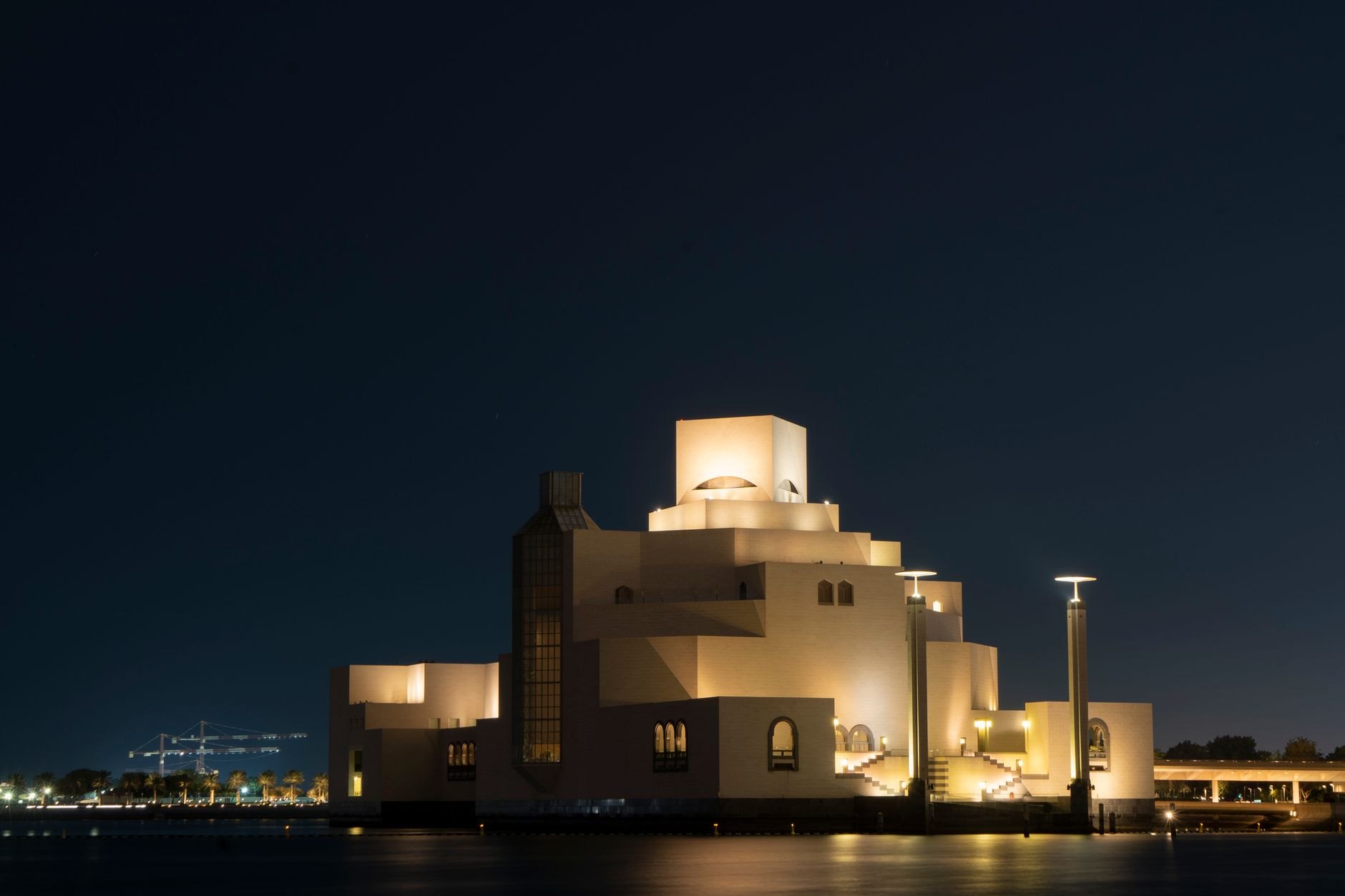
As evening falls, head to Block 338 in the Adliya district. Once a sleepy residential quarter of mid-century villas, Block 338 has evolved into the Gulf’s liveliest dining and arts precinct, where pedestrian laneways are lined with contemporary art galleries, outdoor sculptures, and outstanding international restaurants offering open-air rooftop dining.
Day 2: Dilmun Antiquity, Grand Mosques, and Twilight at Bahrain Fort
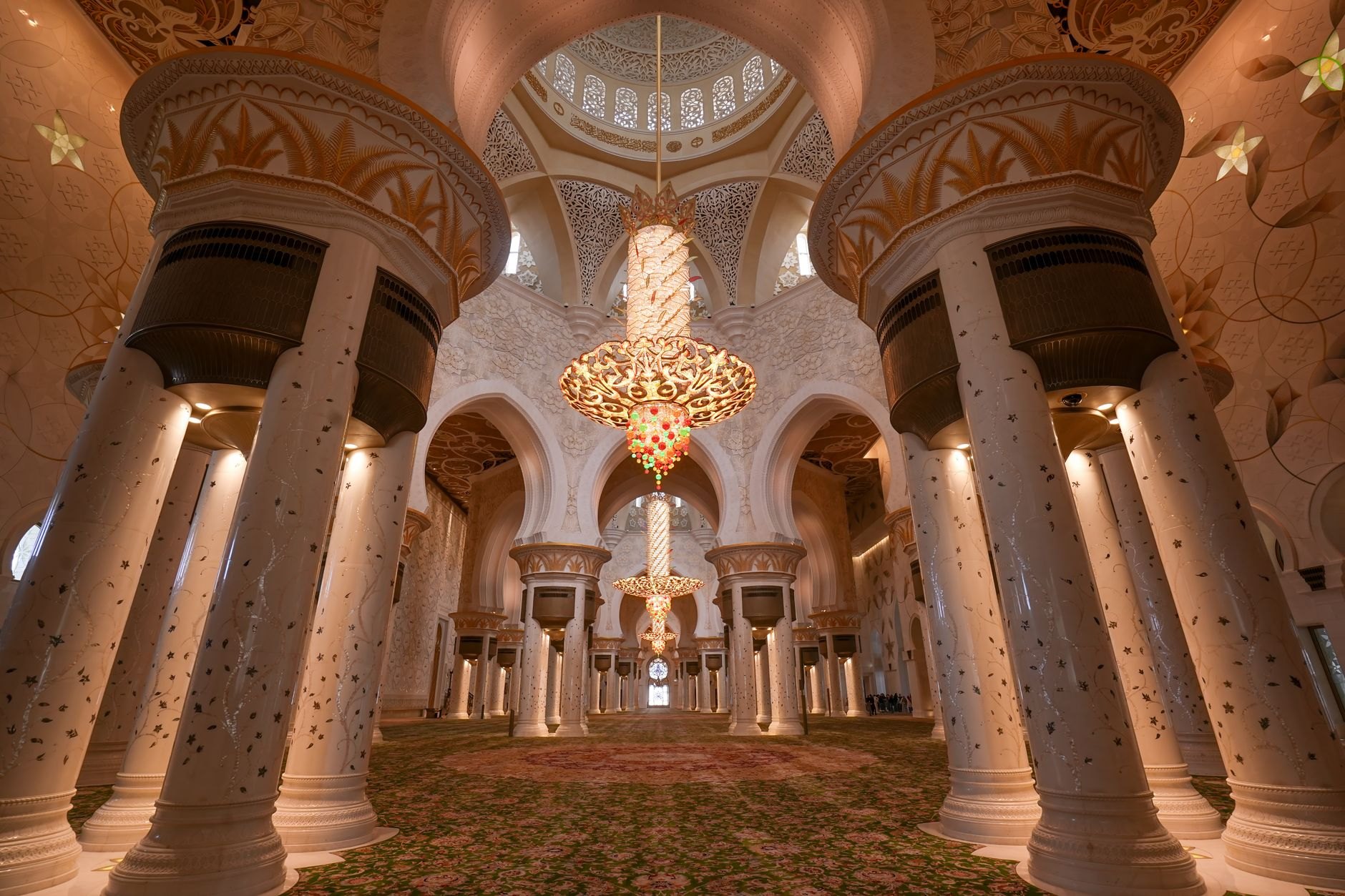
Start your second morning with a guided visit to Al Fateh Grand Mosque in Juffair, one of the largest mosques in the world, capable of accommodating over seven thousand worshippers. Non-Muslim visitors are warmly welcomed outside prayer times on free, informative guided tours led by knowledgeable local volunteers. Marvel at the soaring central dome crafted from pure fiberglass, polished Italian Carrara marble floors, Scottish blown-glass lanterns, and a colossal Austrian crystal chandelier illuminating ornate Kufic calligraphy.
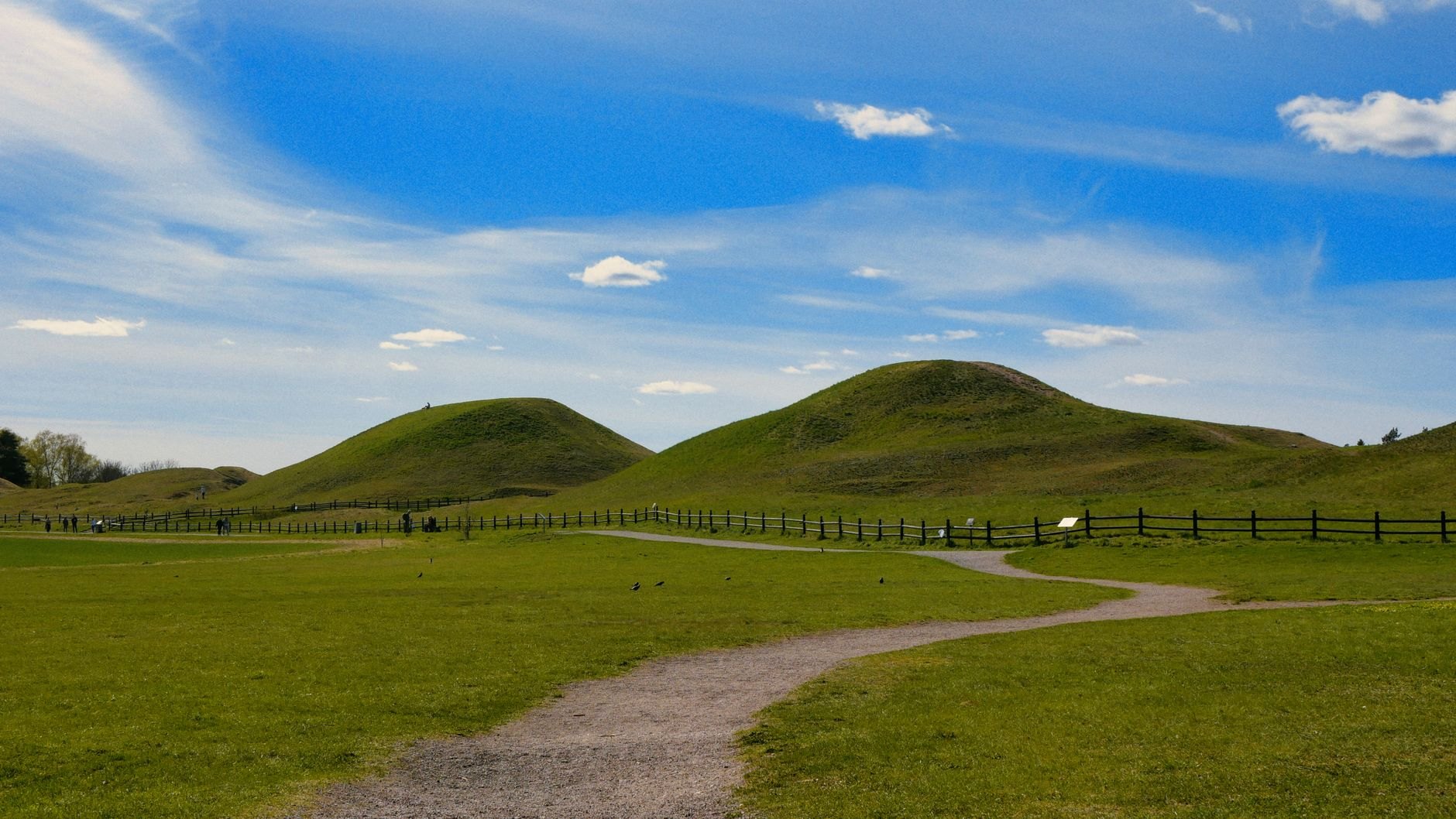
Next, travel fifteen minutes south into the central interior to examine the UNESCO-inscribed Dilmun Burial Mounds near A’ali. Dating between 2050 and 1750 BCE, these monumental prehistoric cemeteries once numbered over one hundred thousand mounds, blanketing entire hillsides in gravel tumuli. Walking among these ancient earthworks offers rare archaeological perspective on how Dilmun functioned as the dominant mercantile broker connecting the Indus Valley civilization with ancient Sumer.
While in A’ali, visit the traditional pottery workshops where local artisans shape terracotta cooking vessels and water jars on foot-driven potter’s wheels, baking their wares in ancient kiln ovens built directly into surrounding prehistoric mounds. Conclude your day thirty minutes before sunset at Qal’at al-Bahrain (Bahrain Fort) on the northern coastline. Designated a UNESCO World Heritage site, this massive limestone fortress was constructed by the Portuguese in the sixteenth century atop an artificial tell containing seven stratified archaeological layers spanning over four millennia. Stroll the excavated streets and defensive parapets as the setting sun casts a golden glow across the ramparts against the azure Arabian Gulf.
Day 3: The UNESCO Pearling Path: Maritime Memory in Muharraq
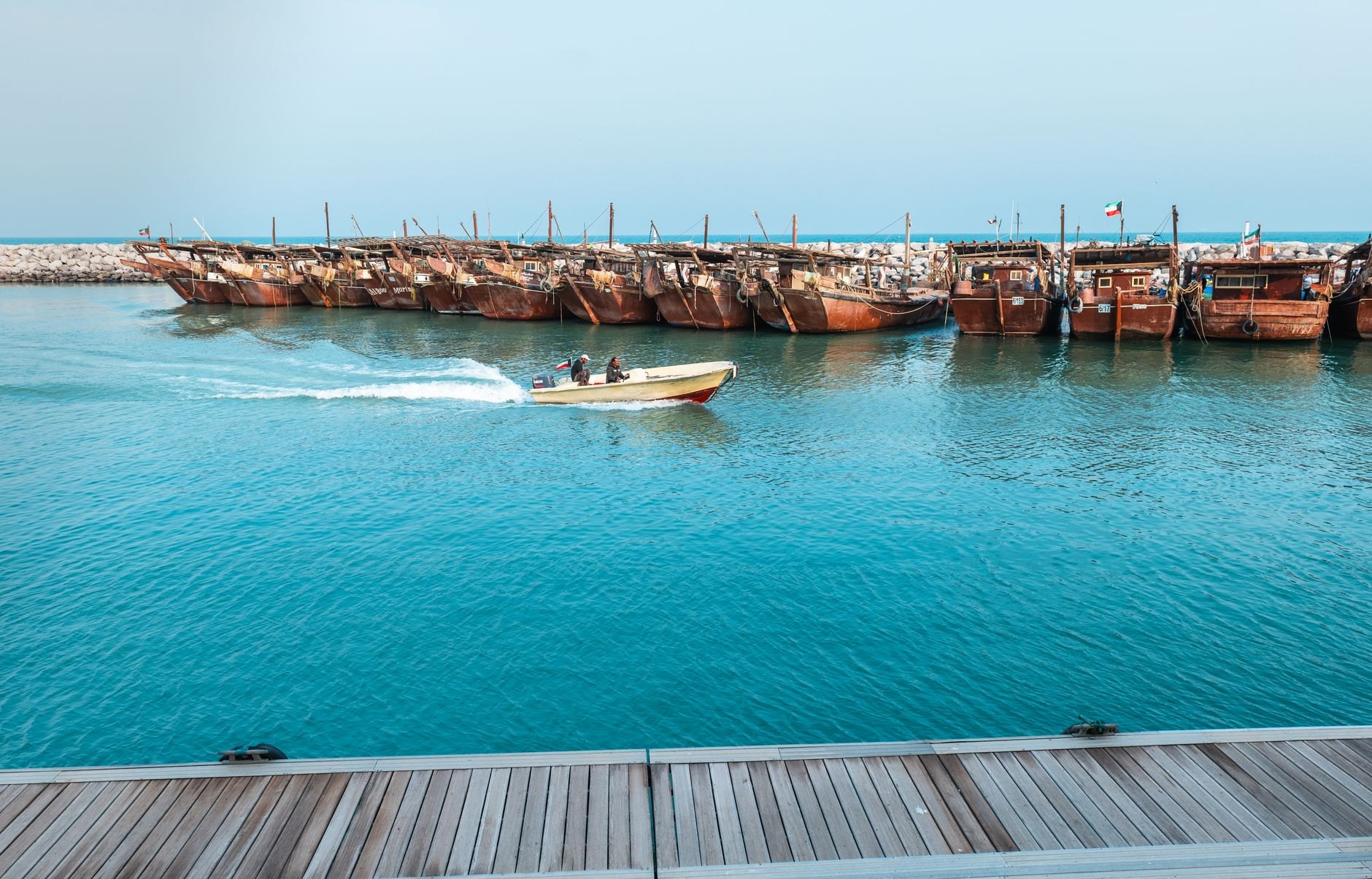
Devote your third day to Muharraq, Bahrain’s historic royal capital situated across the northern bay. For centuries before the commercial discovery of petroleum in 1932, Bahrain produced the most prized natural pearls in the world, harvested by daring divers from shallow offshore oyster banks. Muharraq was the commercial epicenter of this maritime economy. Today, the town preserves the Pearling Path: a UNESCO World Heritage trail winding three and a half kilometers through narrow residential alleys, connecting seventeen historic properties that belonged to pearling divers, medicine men, ship captains, and wealthy pearl merchants (*tawawish*).
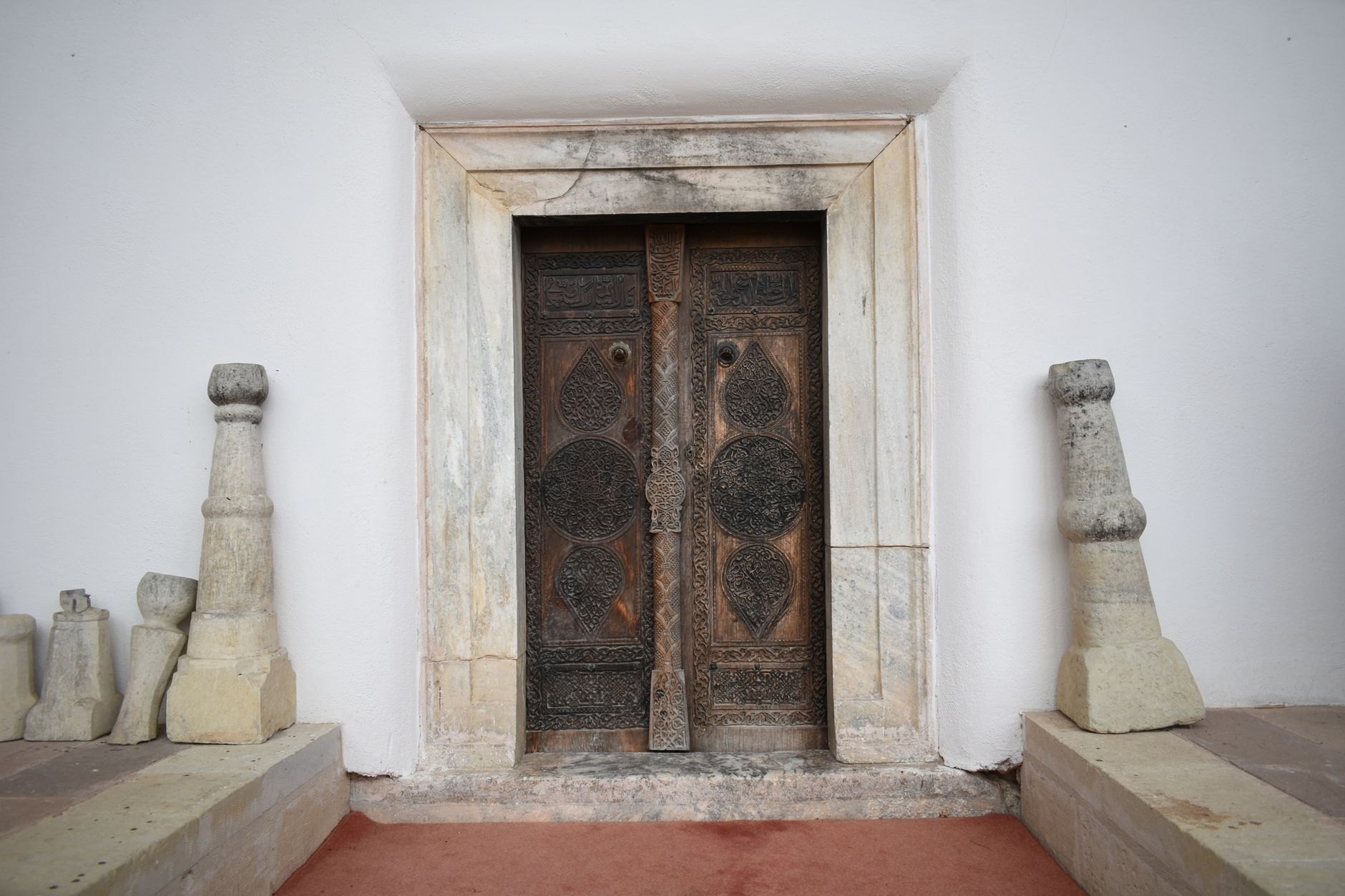
Begin your walking tour at the Pearling Path Visitor and Experience Center, designed by Swiss architect Valerio Olgiati with soaring concrete canopies that provide cooling shade over historic archaeological ruins. Follow the trail through quiet residential quarters to explore Beit Shaikh Isa bin Ali, a splendid nineteenth-century royal residence featuring five internal courtyards, carved gypsum wall panels, and an ingenious natural wind tower (*barjeel*) that funnels cooling breezes down into the ground-floor living quarters. Nearby, visit Kurar House, a community workshop dedicated to preserving the intricate traditional art of gold-thread embroidery crafted by master Bahraini women.
Wander down toward the traditional boat-building yards along the Muharraq shoreline, where master craftsmen continue to build and repair wooden dhows by hand using teak, cedar, and hand-forged iron nails, preserving boatbuilding techniques handed down through generations.
Day 4: Southern Desert Exploration: The Tree of Life and Modern Speed
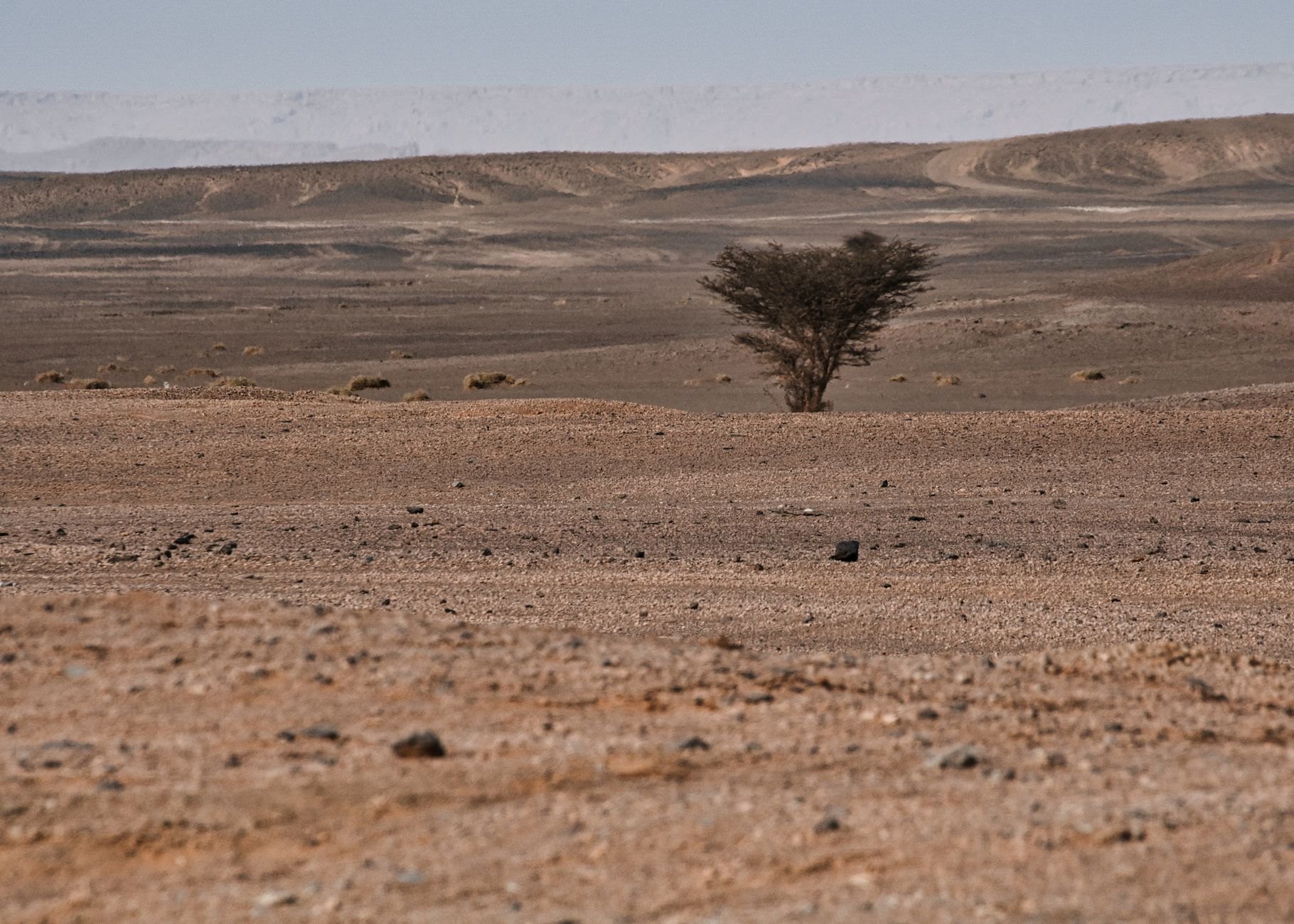
On your final morning, hire a private driver or take a rental car southward into the barren desert interior of Bahrain’s main island. The highway passes industrial petrochemical complexes before opening into vast, silent gravel plains. Roughly forty kilometers south of Manama stands Shajarat al-Haya, the Tree of Life: a solitary prosopis tree (mesquite) that has flourished atop a seven-meter desert dune for over four centuries. With no visible fresh water sources or rainfall for miles, this botanical mystery survives through extensive root systems tapping deep subterranean aquifers, serving as an emblem of resilience in Bahraini lore.
Nearby, pause at the First Oil Well, marked by an authentic steel derrick commemorating where oil was first struck on the Arabian side of the Persian Gulf in 1932. En route back toward the north, stop at the Bahrain International Circuit in Sakhir. Home to the Formula 1 Gulf Air Bahrain Grand Prix, this state-of-the-art motorsport facility offers guided paddock tours and high-speed karting on an international racing track. Return to Manama for a final seafood feast before heading to the airport for your evening flight.
Bahraini Culinary Heritage: Machboos, Halwa, and Café Culture
Bahraini gastronomy reflects centuries of international trade across the Indian Ocean, fusing Persian, Indian, and Arabian culinary traditions. The national culinary cornerstone is *machboos*, a fragrant spiced rice dish simmered in a rich broth of dried limes (*loomi*), cloves, cardamom, cinnamon, and turmeric, served with tender braised lamb, fresh kingfish, or slow-cooked chicken and topped with fried split peas and raisins.
No trip to Muharraq is complete without sampling authentic Bahraini halwa at the famous Showaiter confectionery shops, which have perfected this royal sweet since 1855. Unlike gelatinous Levantine halva made from sesame paste, Bahraini halwa is a glossy, translucent confection prepared by slow-cooking cornstarch, sugar, rosewater, and pure Iranian saffron in enormous copper vats, generously folded with roasted almonds, walnuts, and toasted pistachios.
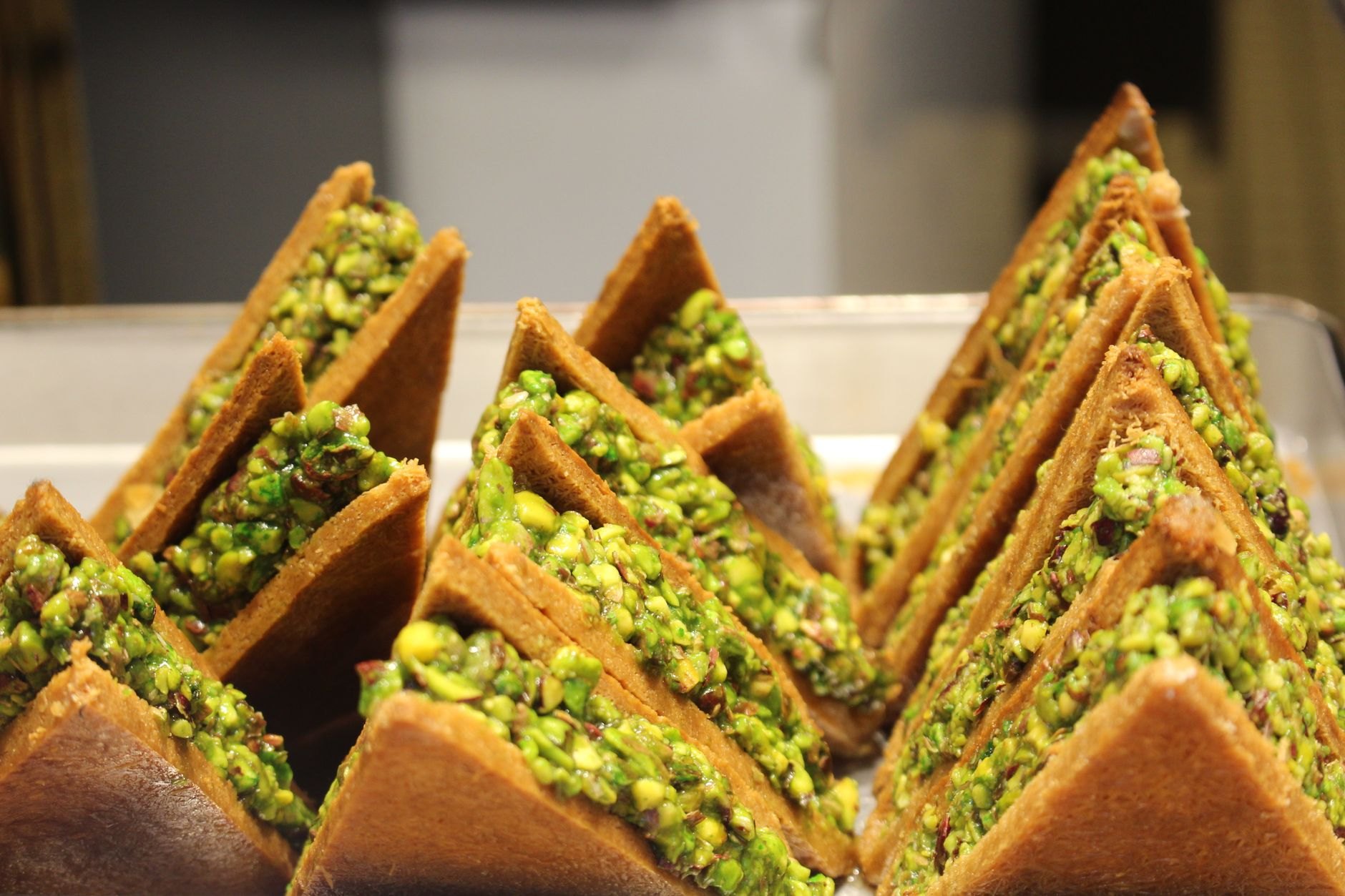
Savor a warm spoonful of freshly ladled halwa alongside a small cup of *gahwa*—lightly roasted Arabic coffee infused with ground cardamom and saffron—served in handleless porcelain finjan cups. The bitter, aromatic coffee perfectly balances the decadent sweetness of the warm halwa.
Route Adaptations: 2-Day Express Layover vs. 5-Day Cultural Immersion
This four-day itinerary can be easily adapted to match varying flight schedules and GCC stopover connections:
The 2-Day Express Layover: If you only have forty-eight hours between flights, concentrate entirely on northern Bahrain. Day one covers Bab Al Bahrain, Manama Souq, and sunset at Bahrain Fort. Day two is dedicated to the Muharraq Pearling Path and dinner in Block 338, eliminating the southern desert drive.
The 5-Day Cultural Immersion: With five full days, add an offshore excursion to the Al Dar Islands or Jarada Island, an ephemeral tidal sandbank forty minutes offshore featuring pristine crystal-clear turquoise waters and coral reef snorkeling, or visit the historic Barbar Temple dating back to the third millennium BCE.
Essential Logistics: Transport Apps, Dress Codes, and King Fahd Causeway
Practical operational advice ensures a smooth short stay in the kingdom:
Local Cultural Etiquette and Dress Codes: Bahrain is one of the most socially liberal countries in the Arabian Gulf, but modesty is respected. In public shopping centers, souqs, and cultural monuments, both men and women should wear clothing that covers shoulders and knees. When visiting Al Fateh Grand Mosque, women are provided with complimentary abayas and headscarves, and shoes must be removed before entering carpeted prayer halls. Alcohol is legally available in licensed hotels, lounges, and restaurants in designated districts like Adliya and Juffair.
The King Fahd Causeway: Spanning twenty-five kilometers across the Gulf, the King Fahd Causeway connects northwestern Bahrain directly with the Eastern Province of Saudi Arabia (Al Khobar). If you intend to take a day trip into Saudi Arabia, verify that your nationality is eligible for the Saudi eVisa and be prepared for substantial border customs delays on Thursday evenings and Friday afternoons when thousands of GCC weekenders cross the bridges.
Automated Traffic Radar Enforcement: Driving in Bahrain is disciplined, but speed limits are rigorously enforced by digital radar cameras positioned every two to three kilometers along highways and at major intersections. Running a red traffic light carries mandatory court appearance and fines exceeding 500 BHD. If driving, strictly adhere to posted speed limits.
Mobile Connectivity and Digital Logistics in Bahrain
Maintaining high-speed mobile data in Bahrain is essential for summoning Uber and Careem drivers, checking opening hours for historic mosques and museums, navigating rental cars, and managing digital payments. Bahrain boasts some of the most technologically advanced telecommunications networks in the world, with comprehensive 5G mobile coverage blanketing both urban centers and southern desert roads.
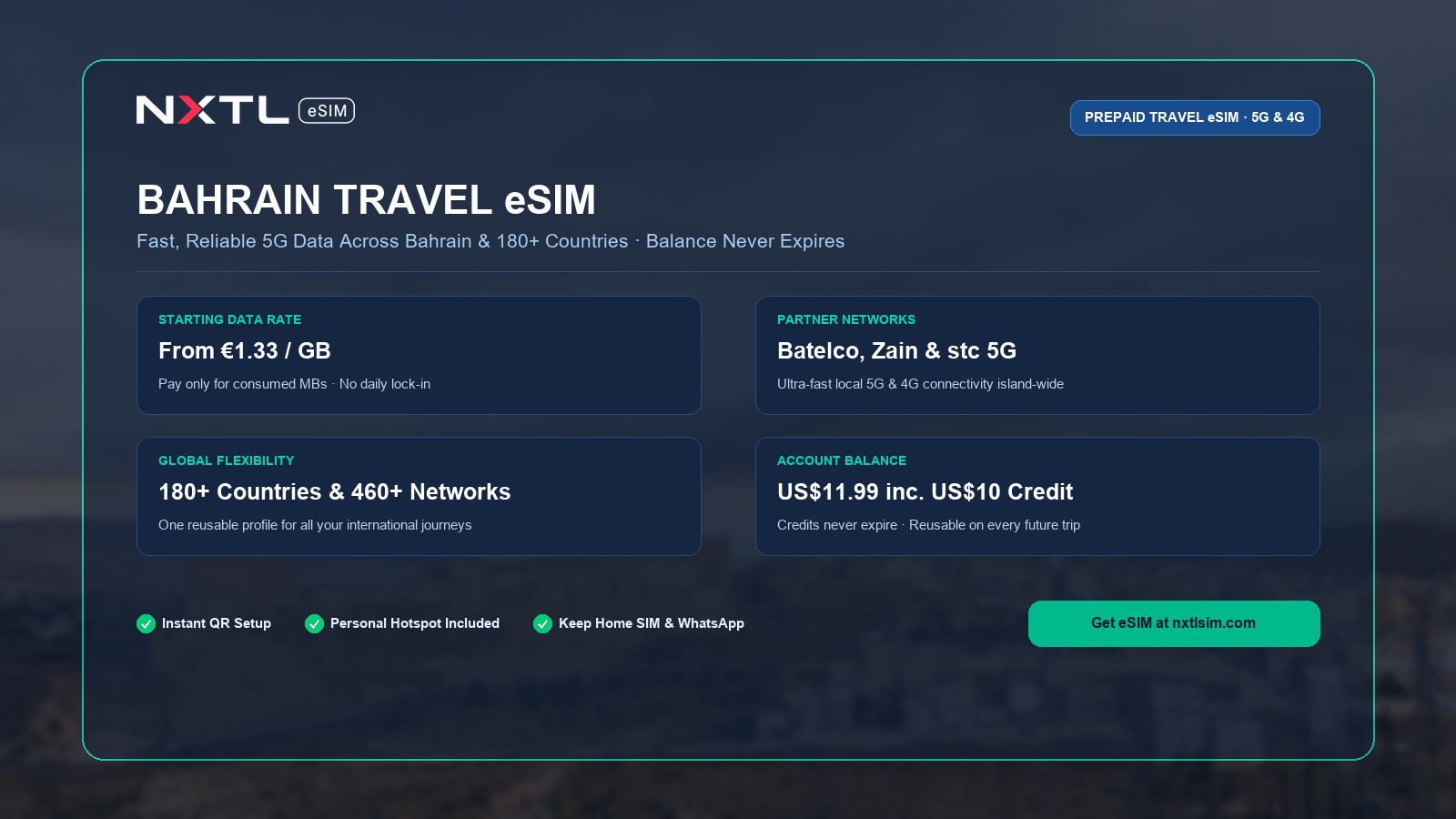
Instead of searching for telecom counters at the airport and completing physical passport registration, install an eSIM before departure. The NXTL Bahrain eSIM delivers blazing-fast 5G connectivity supported directly by Bahrain’s tier-1 national networks: Batelco, Zain, and stc. With rates starting from just $1.50 per gigabyte, NXTL operates on a transparent pay-as-you-go structure with no daily limits. Your prepaid data balance never expires, meaning remaining credits roll over automatically for future travel across 180+ countries worldwide.
Travel Scams and Safety Pitfalls to Avoid
Bahrain is exceptionally safe, ranking among the world’s lowest-crime nations. However, short-stay visitors should be mindful of several common consumer pitfalls:
- Unmetered Airport Taxi Overcharging: While airport taxis are legally required to use digital meters, rogue drivers waiting outside arrival gates occasionally claim the meter is broken or quote flat cash fares of twenty to thirty BHD for a ten-dinar journey. Insist on the meter or bypass street cabs altogether by booking an Uber or Careem directly from the terminal pickup zone.
- Synthetic Imitation Pearl Souvenirs: Bahrain has strict statutory laws prohibiting the importation or sale of cultured pearls to protect its natural pearl diving heritage. However, unscrupulous souvenir vendors in backstreet souqs occasionally sell cheap plastic or glass beads masquerading as natural pearls. Only purchase pearls from certified jewelers who provide official Gem & Pearl Testing Laboratory (DANAT) authentication certificates.
- King Fahd Causeway “Fast Track” Touts: Near the highway approach to the Saudi border causeway, informal touts offer to guide drivers through “secret VIP bypass lanes” for exorbitant cash sums. There are no private shortcuts; all lanes are strictly governed by state border immigration cameras and customs booths.
- Designer Counterfeits in Souq Alleys: Touts in Manama Souq will approach tourists offering to lead them up hidden stairwells to view “genuine Swiss watches and designer handbags.” These operations sell counterfeit merchandise of inferior quality and can lead to uncomfortable high-pressure sales tactics.
- Rental Car Micro-Scratch Penalties: Independent rental agencies around airport access roads occasionally attempt to charge exorbitant damage fees for pre-existing bumper scrapes. Always photograph and video-record the full vehicle exterior, wheel rims, and windshield during check-out with the agent present.
By scheduling your days around the rhythm of the desert sun, exploring both Dilmun antiquity and modern island culture, and relying on dependable digital connectivity, a four-day stopover in Bahrain will reveal one of the most culturally authentic and historically rewarding destinations in the Arabian Gulf.