Belarus offers a compelling and complex travel experience, pairing the monumental neoclassical avenues of Minsk with the UNESCO-listed fortifications of Mir and Nesvizh, and the primeval woodlands of Belovezhskaya Pushcha where wild European bison roam. However, traveling here in late 2026 requires rigorous logistical planning, realistic awareness of international sanctions, cash currency management, and practical knowledge of mobile data on the Life and MTS 5G/LTE networks.
A realistic appraisal of travel conditions must guide any prospective journey. Due to geopolitical tensions and international aviation restrictions, direct commercial flights between European Union capitals and Minsk National Airport (MSQ) remain suspended. International visitors arriving by air typically transit through non-aligned international aviation hubs such as Istanbul, Dubai, or Tbilisi. Overland entry via land border crossings with Poland, Lithuania, and Latvia is subject to stringent border controls, periodic border post closures, and lengthy transit queues. Understanding these entry mechanics is the foundational step in organizing legitimate travel.
This comprehensive guide details a practical eight-day cultural and natural routing connecting Minsk with the western historical circuit of Grodno, Brest, and the Primeval Białowieża Forest. We break down non-negotiable travel decisions: why Western credit cards generally fail across domestic payment terminals, how to legally register your presence with local migration authorities, what restrictions govern photography and electronics, and how to maintain high-speed mobile connectivity at ultra-low local rates.
Who This Journey Suits and Legal Realities
This travel framework is suited for architectural historians, railway enthusiasts, cultural researchers, and seasoned travelers interested in Soviet urbanism, medieval fortress architecture, and European conservation history. It requires high situational awareness, respect for domestic administrative regulations, and an appreciation for orderly public spaces. Casual tourists expecting carefree resort vacations should postpone travel until regional diplomatic relations normalize.
Navigating the legal and security environment in Belarus demands strict adherence to official protocols. Foreign visitors must secure valid mandatory medical insurance recognized by the Belarusian state (available for purchase at airport immigration desks or online through state insurers like Belgosstrakh). If staying in commercial hotels or licensed apartments, your accommodation automatically registers your stay with the Ministry of Internal Affairs (MVD). If staying in private residences, you must register within ten business days via the official state electronic services portal or at a local citizenship and migration office.
Strict domestic laws apply to photography and electronic equipment. Photographing government ministries, military installations, police officers, security checkpoints, and railway infrastructure (including tracks, stations, and locomotives) is strictly prohibited. Security services actively monitor public areas, and taking unauthorized photographs can lead to detention and fines. Furthermore, operating recreational drones without state defense permits is strictly illegal for foreign visitors.
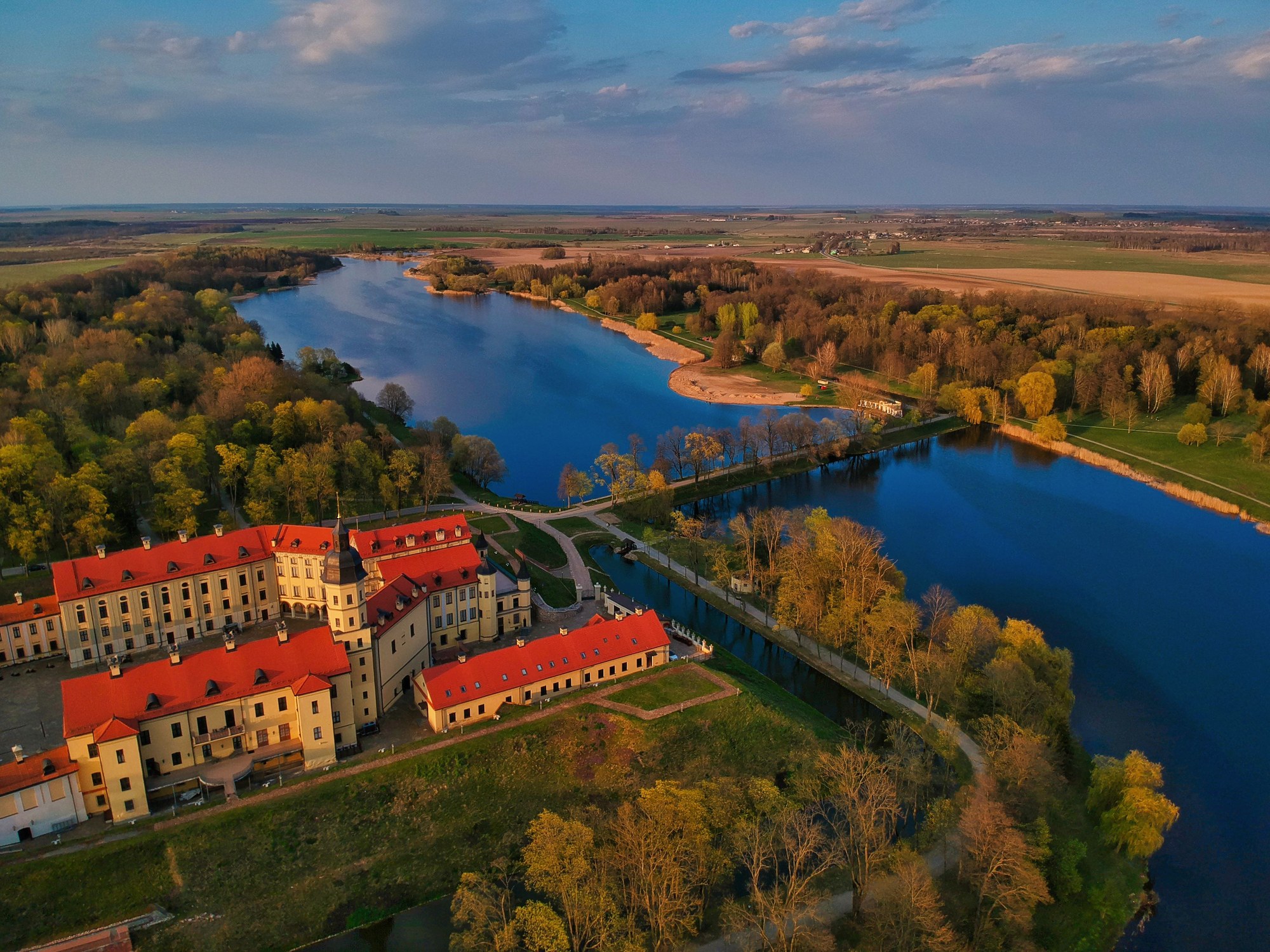
Seasonality in Belarus brings contrasting atmospheric moods. Late spring through early autumn (May to September) offers warm weather, lush parklands along the Svislach River, open-air cultural performances, and ideal driving conditions. In contrast, winter (December to February) brings snowscapes, cold temperatures dropping below minus ten degrees Celsius, and short daylight hours, though the country’s efficient district heating and snow-clearing keep urban infrastructure operating smoothly.
Eight-Day Belarus Cultural Itinerary: Minsk to the West
The following eight-day itinerary links the capital’s monumental civic spaces with the country’s premier UNESCO cultural heritage sites and the primeval wildlife habitats of the Polish borderlands.
| Day / Stage | Base | Highlights | Transport Mode | Transit Time | Advance Booking Requirement |
|---|---|---|---|---|---|
| Days 1–2 | Minsk | Independence Avenue Stalinist ensemble, Upper Town (Troitskoye), Victory Square, National Opera | Airport express bus / metro | 40 mins (MSQ to center) | High: book city hotel and secure mandatory medical insurance in advance |
| Day 3 | Mir & Nesvizh Castles | Gothic-Renaissance towers of Mir Castle, Baroque interiors and formal landscape parks of Nesvizh Palace | Regional train / private hire | 1.5 to 2 hours | Medium: reserve castle museum tickets and audio guides ahead |
| Days 4–5 | Brest & Hero-Fortress | Brest Fortress memorial complex, 19th-century brick defense works, Sovetskaya Street gas-lantern lighting | Stadler intercity express train | 3 hours (Minsk to Brest) | High: purchase intercity train tickets 2 weeks prior via Belarusian Railway |
| Days 6–7 | Belovezhskaya Pushcha | Primeval ancient oak woodlands, wild European bison (zubr) tracking, Pushcha nature museum | Local shuttle bus / rental car | 1 hour from Brest | Medium: reserve park lodge chalets and guided forestry excursion ahead |
| Day 8 | Minsk Return & Departure | Stalin Line military museum or Dudutki folk craft village, final souvenir shopping, airport transfer | Express train / private transfer | 3.5 hours to MSQ | Standard: allow 3.5 hours buffer for airport security and customs checks |
This itinerary relies primarily on Belarus’s punctual, electrified railway network (Belaruskaya Chyhunka), which connects major regional centers with clean, comfortable modern Stadler Flirt trains.
If you have only four days, focus exclusively on Minsk and a dedicated day trip to the twin castles of Mir and Nesvizh. That compact circuit eliminates the longer journey to the Polish border while delivering the core architectural highlights of the nation.
Minsk: Monumental Neoclassicism and River Greenways
Rebuilt from rubble following the devastating destruction of World War II, Minsk was designed as an idealized model of Soviet urban planning. The city is defined by extraordinary spatial symmetry, broad tree-lined avenues, colossal public squares, and expansive green park belts flanking the winding Svislach River.
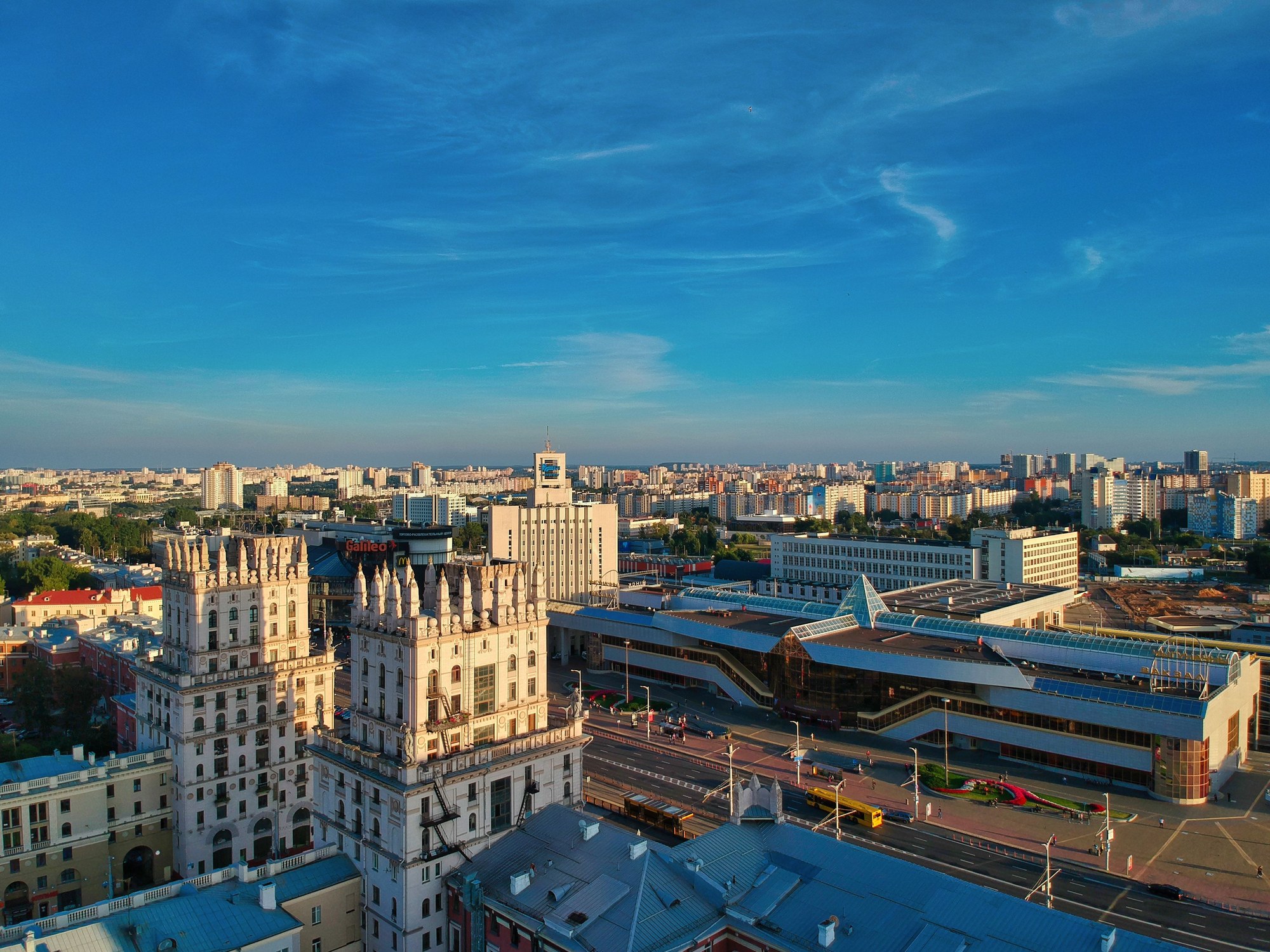
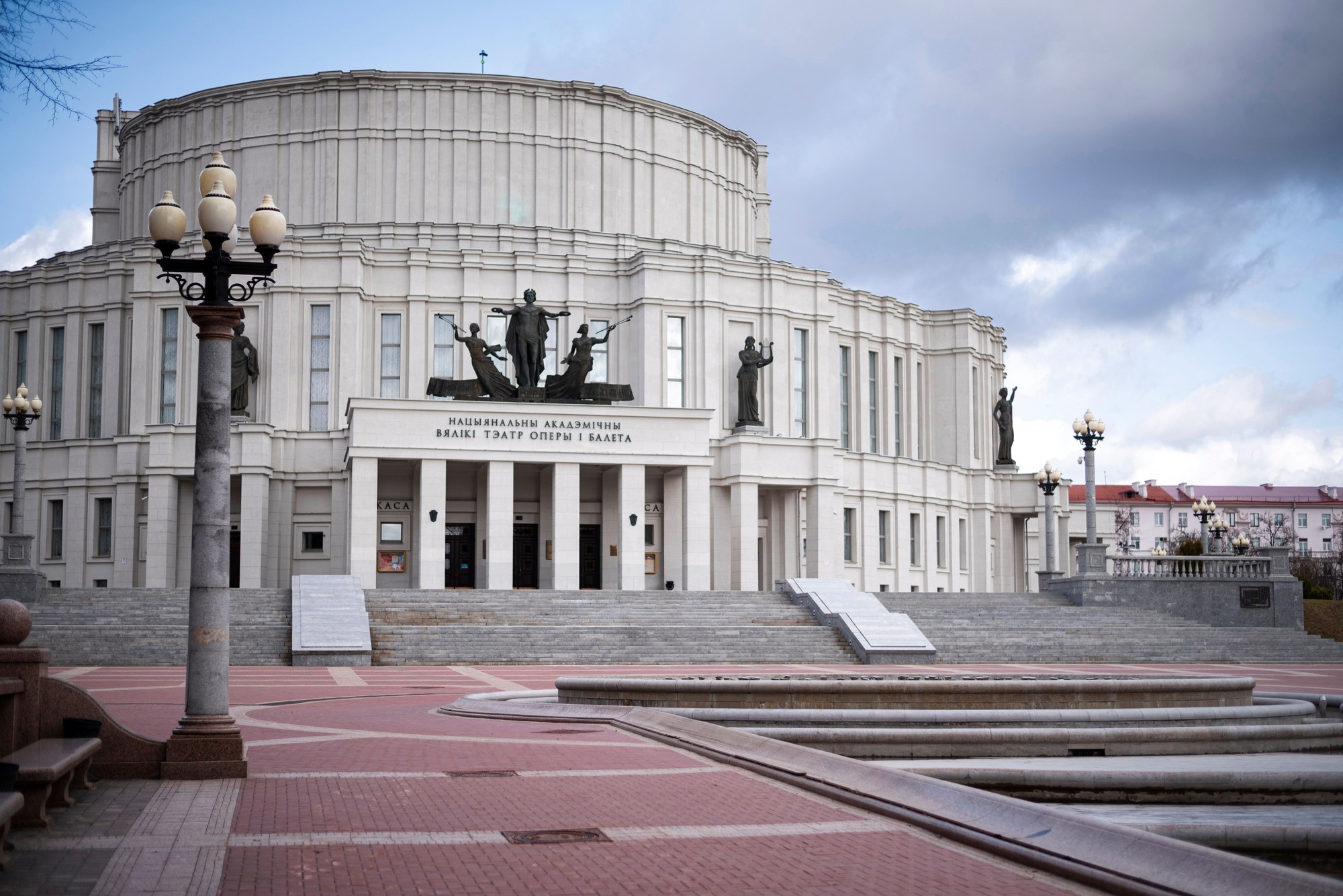
The architectural centerpiece of the capital is Independence Avenue (Praspyekt Nezalezhnastsi), stretching fifteen kilometers across the urban core. Walking along its central segment reveals a continuous ensemble of post-war Stalinist Empire architecture: colonnaded facades, decorative stone cornices, and granite balustrades. Notable landmarks include the monumental Government House on Independence Square, the neoclassical Main Post Office, and the imposing KGB Headquarters with its distinctive corner tower.
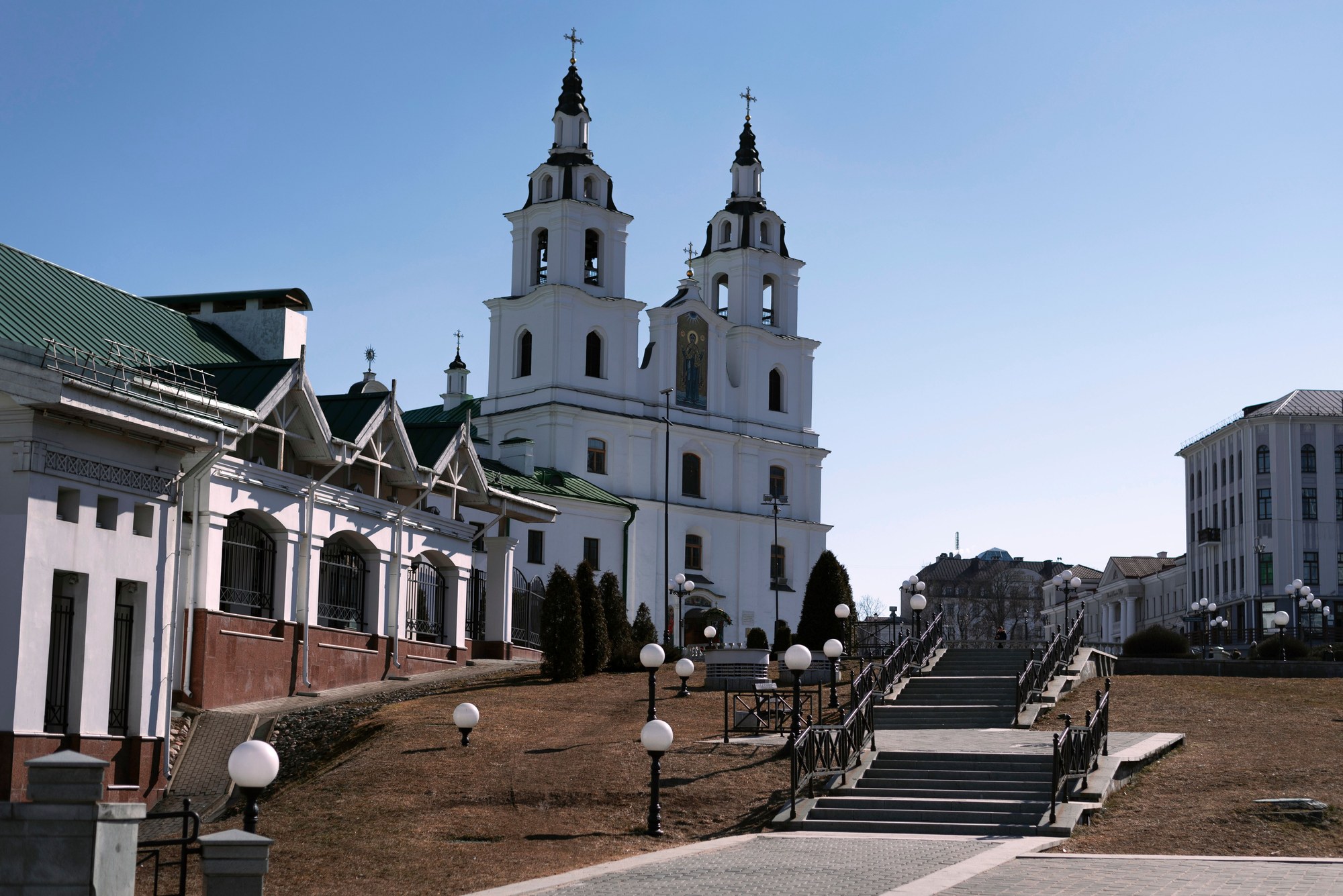
In contrast to the grand scale of the main boulevards, the Upper Town (Verkhny Gorod) and Trinity Suburb (Troitskoye Predmestye) offer human-scaled pedestrian quarters along the riverbanks. The Holy Spirit Cathedral, dating to 1642 as a Bernardine convent, features white Baroque gables and houses the venerated Minsk Icon of the Mother of God. Nearby, the restored 17th-century Town Hall hosts open-air classical concerts during summer weekends.
Minsk is an exceptionally clean and safe metropolis. The two-line underground metro system is efficient, spotlessly maintained, and inexpensive (tokens cost under 1 BYN). For dining, explore the lively restaurants along Zybitskaya and Karl Marx streets, sampling hearty Belarusian specialties such as draniki (crispy grated potato pancakes served with sour cream and mushroom gravy), machanka (rich pork stew with miniature yeast crepes), and chilled beetroot soup (khaladnik).
The Western Castle Circuit: Mir and Nesvizh
Located roughly one hundred kilometers southwest of Minsk, the castles of Mir and Nesvizh form the historical crown of Belarus. Built by aristocratic magnates of the Grand Duchy of Lithuania, these two contrasting fortresses are inscribed on UNESCO’s World Heritage list and stand just thirty kilometers apart.
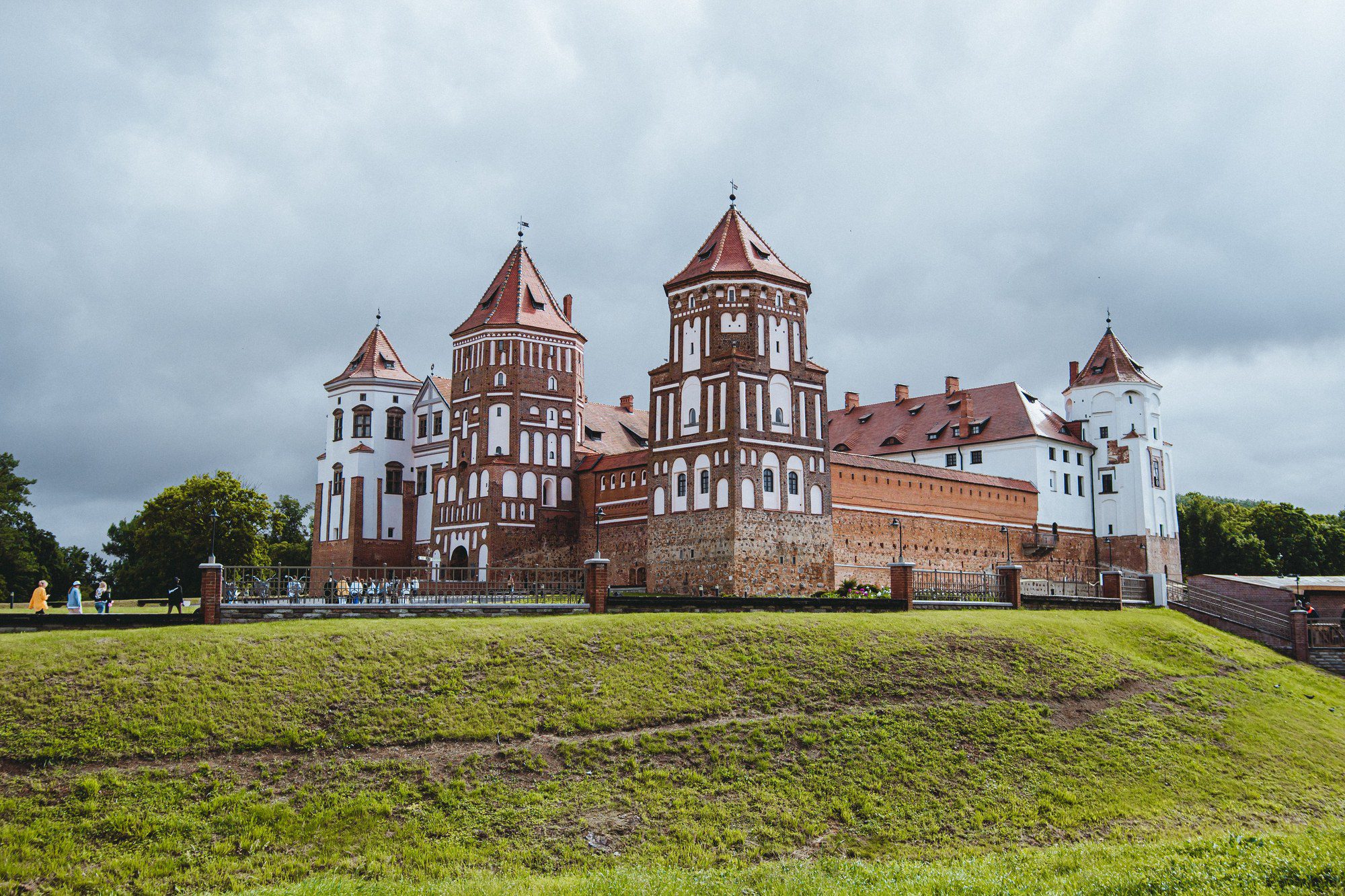
Mir Castle is a masterpiece of defensive Gothic, Renaissance, and Baroque military architecture. Initiated in the early 16th century by Duke Yuri Ilyinich and later expanded by Prince Mikołaj Krzysztof “the Orphan” Radziwiłł, the fortress features five red-brick defensive towers adorned with white plaster friezes and crenellated battlements. Visitors can climb the narrow spiral stone staircases within the corner towers, walk the inner ramparts, and tour the restored palace chambers displaying period tapestries, armor collections, and medieval banquet halls.
A short drive southwest leads to Nesvizh Castle, the primary residential palace of the powerful Radziwiłł family from the 16th century until 1939. Unlike the martial posture of Mir, Nesvizh is an opulent Baroque-Classical residence surrounded by an extensive moat, defensive earthworks, and romantic landscaped English gardens. Inside, more than thirty exhibition halls showcase gilded ceilings, porcelain collections, portrait galleries of Lithuanian grand dukes, and the grand Golden, Marble, and Star ballrooms.
Both castles are well equipped with modern museum infrastructure, including detailed English audioguides and hotel accommodations within their historic estate complexes. Visiting both in a single day is easily achieved via regional bus routes or private car hires departing from Minsk’s central bus terminal.
Brest and the Primeval Forest of Belovezhskaya Pushcha
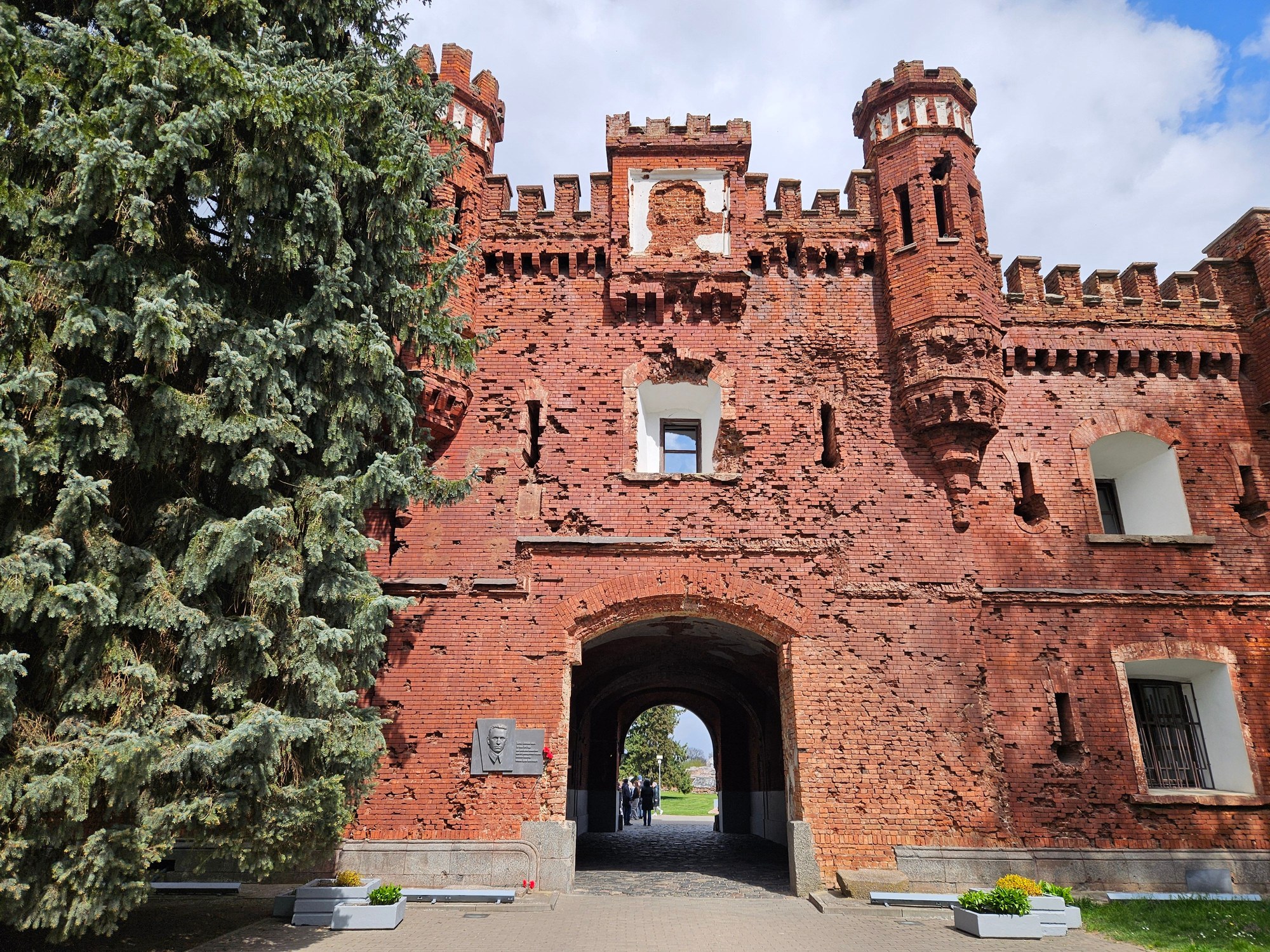
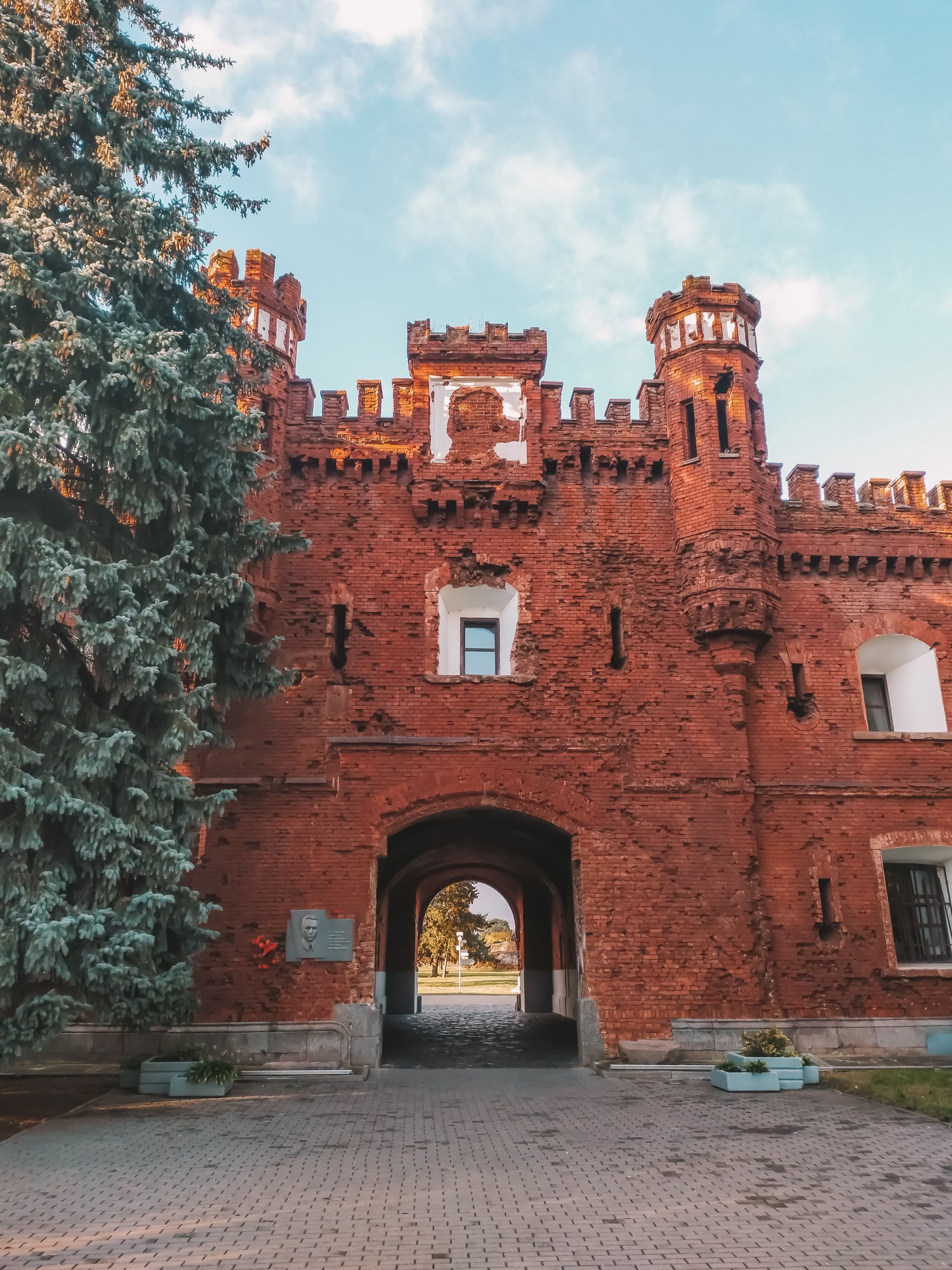
Positioned on the border with Poland, the western city of Brest serves as a major railway junction and a site of profound historical resonance. The city is famous worldwide for the Brest Hero-Fortress, a colossal 19th-century star-shaped fortification built by the Russian Empire at the confluence of the Western Bug and Mukhavets rivers.
In June 1941, the fortress garrison mounted an unexpectedly fierce defense against invading German forces during Operation Barbarossa, holding out in underground brick casemates for weeks while completely surrounded. Today, the fortress serves as a massive memorial complex. Entering beneath the monumental star-shaped concrete gate, visitors hear the recorded broadcast of Soviet radio announcer Levitan and the somber melody of “The Sacred War.” The complex features massive modernist memorial sculptures, including the 33-meter-tall “Courage” monument and a slender 100-meter titanium obelisk bayonet rising above the ruined brick bastions.
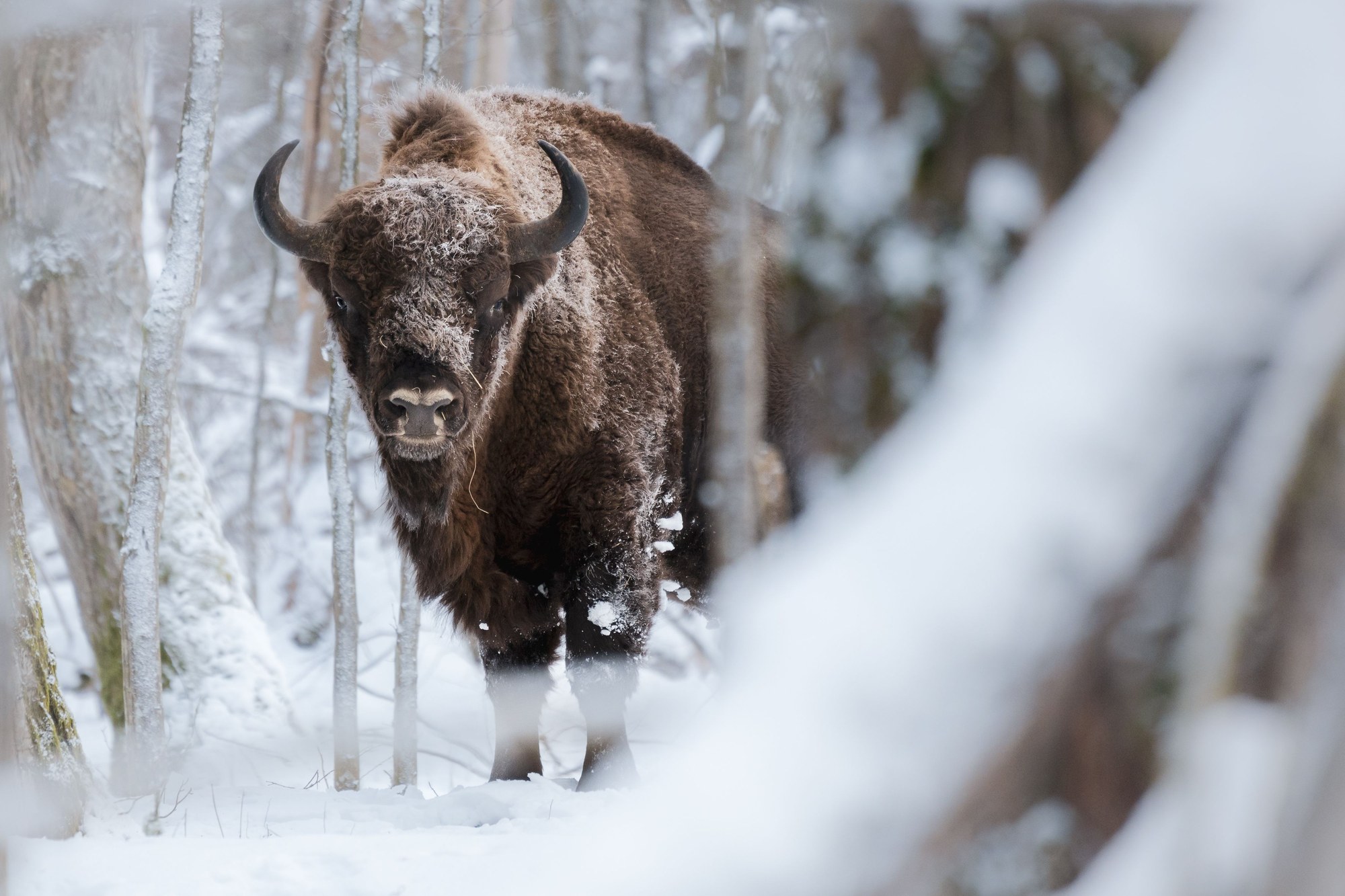
Fifty kilometers north of Brest lies the ancient primeval woodland of Belovezhskaya Pushcha National Park. Sharing a boundary with Poland’s Białowieża National Park, this UNESCO World Heritage reserve protects the largest surviving remnant of the immense primeval mixed forest that once stretched across the European lowlands.
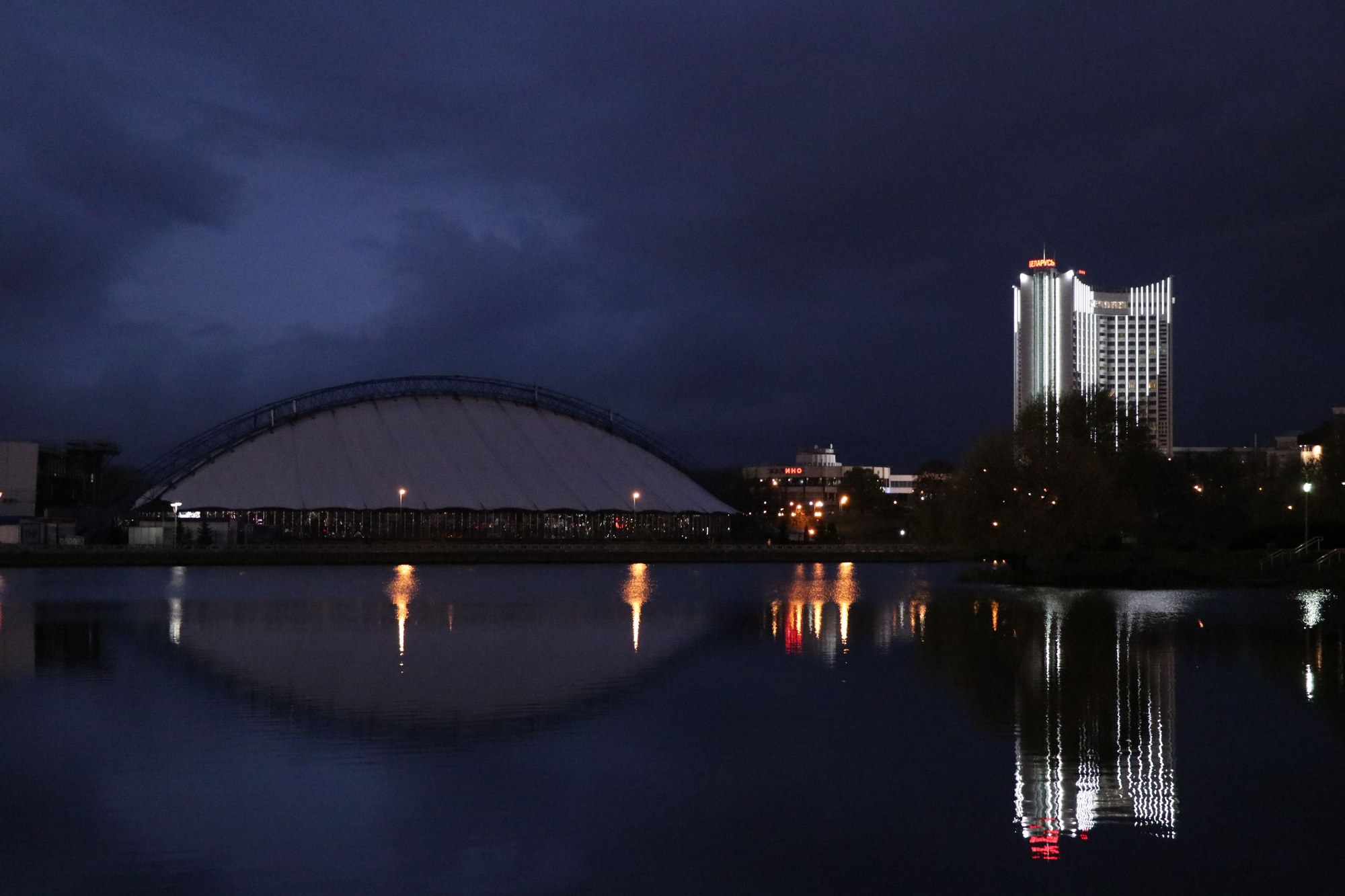
The park is world-famous as the final sanctuary of the European bison (zubr), the heaviest land mammal on the European continent. Extirpated in the wild by 1919 due to war and poaching, the species was painstakingly saved through captive breeding and rewilding programs. Today, over seven hundred wild bison roam the Belarusian side of the forest. Visitors can rent bicycles at the park entrance to explore paved trails winding past 500-year-old patriarchal oak trees, or visit the extensive open-air enclosures to observe bison, wild boars, red deer, and Eurasian lynx up close.
Transport Mechanics: Rail Efficiency and Border Realities
Getting around Belarus is characterized by orderly, reliable public transportation. The national railway operator, Belaruskaya Chyhunka, maintains high standards of punctuality and cleanliness. Modern intercity business-class trains (operated by comfortable Swiss-built Stadler Flirt trainsets) link Minsk with Brest, Grodno, Gomel, and Vitebsk several times daily. Tickets are inexpensive and can be reserved online through the official railway portal.
For rural travel to castles and national parks, regional express buses and marshrutkas (shared minibuses) depart regularly from central bus terminals. Taxis in urban centers are modern and affordable. While Western ride-hailing apps do not function, regional ride apps such as Yandex Go operate flawlessly across Minsk and regional cities, offering upfront pricing and vehicle tracking.
Land border crossings between Belarus and the European Union require careful timing. While commercial passenger bus routes operate between Minsk and Vilnius, Kaunas, or Warsaw, travelers must anticipate extensive border inspection delays that can range from several hours to over twenty-four hours depending on geopolitical conditions and diplomatic screening tempos. Checking real-time border committee wait times online is vital before committing to overland transit.
Financial Logistics: Managing the Cash Ruble Economy
Understanding the financial operating environment is the single most critical practical requirement for visiting Belarus. As a direct result of comprehensive international financial sanctions, Visa, Mastercard, American Express, and Maestro cards issued by American, European, and most Western banks do not function anywhere in Belarus. POS card terminals will decline foreign transactions, and ATMs will reject foreign cards.
Travelers must carry sufficient physical cash in Euros (EUR) or US Dollars (USD) to cover their entire itinerary. Banknote quality is scrutinized with extreme precision: bank cashiers and currency exchange kiosks will inspect foreign banknotes under ultraviolet light and magnifying lenses, refusing any bills with minor tears, pen marks, excessive stamps, or folds. Ensure your foreign cash consists of crisp, unblemished, modern banknotes.
Convert your foreign currency into Belarusian Rubles (BYN) at official bank exchange offices (obmen valyut) located at airports, railway stations, and commercial street corners. Exchange rates are competitive and tightly regulated by the National Bank of the Republic of Belarus. Keep all official currency exchange receipts, as you may be asked to present them upon departure.
Field Connectivity: Life 5G/LTE and Digital Management
Telecommunications infrastructure in Belarus is highly modern, robust, and cost-effective. Cellular services are provided by three primary operators: Life (CJSC Belarusian Telecommunication Network), MTS Belarus, and A1. Network coverage extends across all urban centers, highway transit corridors, and rural districts, with advanced 4G/LTE coverage and expanding 5G commercial test networks in Minsk.
Travelers using digital roaming can connect to high-speed data on the Life 5G/LTE network through NXTL at an exceptionally low tariff of $1.10 per gigabyte, with MTS available at $1.20 per gigabyte. This ultra-affordable pricing makes continuous high-speed connectivity effortless: you can navigate city streetscapes, translate signage, use Yandex Go for ride hailing, and conduct research without concern for roaming expenditure. Unused credit stays available for later trips across more than 180 countries.
Having an active eSIM profile configured on your smartphone provides a major operational advantage over local physical SIM cards. Purchasing a local SIM card in Belarus requires registering your passport at a telecom branch and signing a domestic service agreement that may not be available to temporary tourists on short stays. With digital roaming enabled, your phone connects automatically to Life or MTS immediately upon arrival.
Wi-Fi access across Belarus is widespread in hotels, cafes, and restaurants, though public Wi-Fi networks legally require SMS mobile phone verification to comply with state telecommunications regulations. Having an active mobile data connection ensures independent internet access wherever you travel.
Five Critical Pitfalls and Legal Traps to Avoid in Belarus
While street crime in Belarus is remarkably low and cities are among the cleanest in Europe, strict administrative and security laws demand absolute compliance. Be vigilant against these five critical pitfalls:
- Relying on Western Credit and Debit Cards: Attempting to travel in Belarus with only Western Visa or Mastercard credit cards will leave you stranded without funds. Foreign payment cards are completely blocked by international banking sanctions; carry full cash reserves in pristine Euro or US Dollar bills.
- Unauthorized Drone Importation and Operation: Bringing an unmanned aerial vehicle (drone) into Belarus without official state military authorization is strictly illegal. Customs officers at border checkpoints will confiscate undeclared drones, and operating a drone in public spaces leads to immediate arrest.
- Photographing Sensitive Civic and Military Infrastructure: Photographing government buildings, ministerial complexes, police stations, military personnel, and railway installations (including train platforms and tracks) is strictly forbidden. Always ask permission before photographing public scenes.
- Failure to Complete Mandatory Foreign Registration: Foreign visitors staying in private accommodations who remain in Belarus for more than ten business days without completing state migration registration face substantial fines and delays at border exit control. Ensure your hotel confirms your registration or register online via the unified portal.
- Unprepared Land Border Crossings to the European Union: Relying on scheduled bus transit across EU land border checkpoints without allowing a 12-to-24-hour buffer can result in missed international flight connections. Rolling border closures and rigorous inspections cause massive vehicular queues.
With careful financial preparation, respect for local administrative rules, and an appreciation for architectural heritage, a journey through Belarus offers a profound and memorable exploration into Eastern European history, monumental urban design, and pristine ancient nature.