Stretching north from the Gulf of Guinea into the heart of West Africa, the Republic of Benin holds one of the continent’s most profound and concentrated cultural landscapes. This slender nation is the historic epicenter of the powerful Kingdom of Dahomey, the birthplace of the deeply misunderstood Vodun religion, and a pivotal focal point in the transatlantic slave trade. From the maze of wooden stilt dwellings rising above the waters of Lake Nokoué to the sacred earthen palaces of ancient kings and the solemn Atlantic monument of the Door of No Return, southern Benin offers an encounter with living African history unmatched anywhere in the region.
Yet travelling in Benin requires an honest understanding of West African logistics. The primary planning mistake visitors make is attempting an overly ambitious circuit that tries to combine the southern cultural triangle with the wildlife safaris of Pendjari National Park in the far north during a short one-week trip. Reaching Pendjari demands more than ten hours of demanding highway driving each way, requiring multi-day dry season commitments and careful security reviews along northern border zones. For a focused seven-day journey, the southern corridor connecting Cotonou, Ganvié, Ouidah, and Abomey delivers a manageable, deeply rewarding expedition through coastal lagoons, spiritual sanctuaries, and royal capitals. Here is your definitive operational field guide to southern Benin.
Trip Planning Blueprint: Drivers, Cash Realities, and Cultural Protocols
Navigating southern Benin with ease requires understanding four fundamental travel realities:
Private Hired Driver Versus Public Bush Taxis: While shared bush taxis (*taxis-brousse*) connect major towns, vehicles are crowded and depart only when packed. For a one-week itinerary, hiring a private vehicle with an experienced local driver is the single best investment you can make. An air-conditioned sedan or compact SUV costs roughly forty to sixty thousand CFA francs (around sixty to ninety euros) per day plus fuel. Your driver manages highway toll booths, navigates market roundabouts, and handles communication in Fon and Yoruba.
Urban Transit and Zémidjans: Within Cotonou and coastal towns, the most common form of transport is the motorcycle taxi, universally called a *zémidjan* (or simply *zém*), easily recognized by the driver’s numbered yellow or purple cotton shirt. Zémidjans are practical for short hops between downtown museums, beachfront cafés, and neighborhood restaurants. However, always negotiate the fare before sitting down (typically two hundred to five hundred CFA francs for short trips), avoid taking motorcycle taxis on high-speed peripheral expressways, and carry small banknotes.
Cash Economy and CFA Franc Mechanics: Benin uses the West African CFA Franc (XOF), pegged to the euro at approximately 655.957 XOF per euro. Credit cards are accepted only at top-tier hotels and restaurants in Cotonou; elsewhere, cash is mandatory. ATMs accepting Visa and Mastercard operate at banks in Cotonou, Ouidah, and Abomey, but network outages occur. Always carry a cash cushion and break ten-thousand-franc bills at hotels or larger supermarkets.
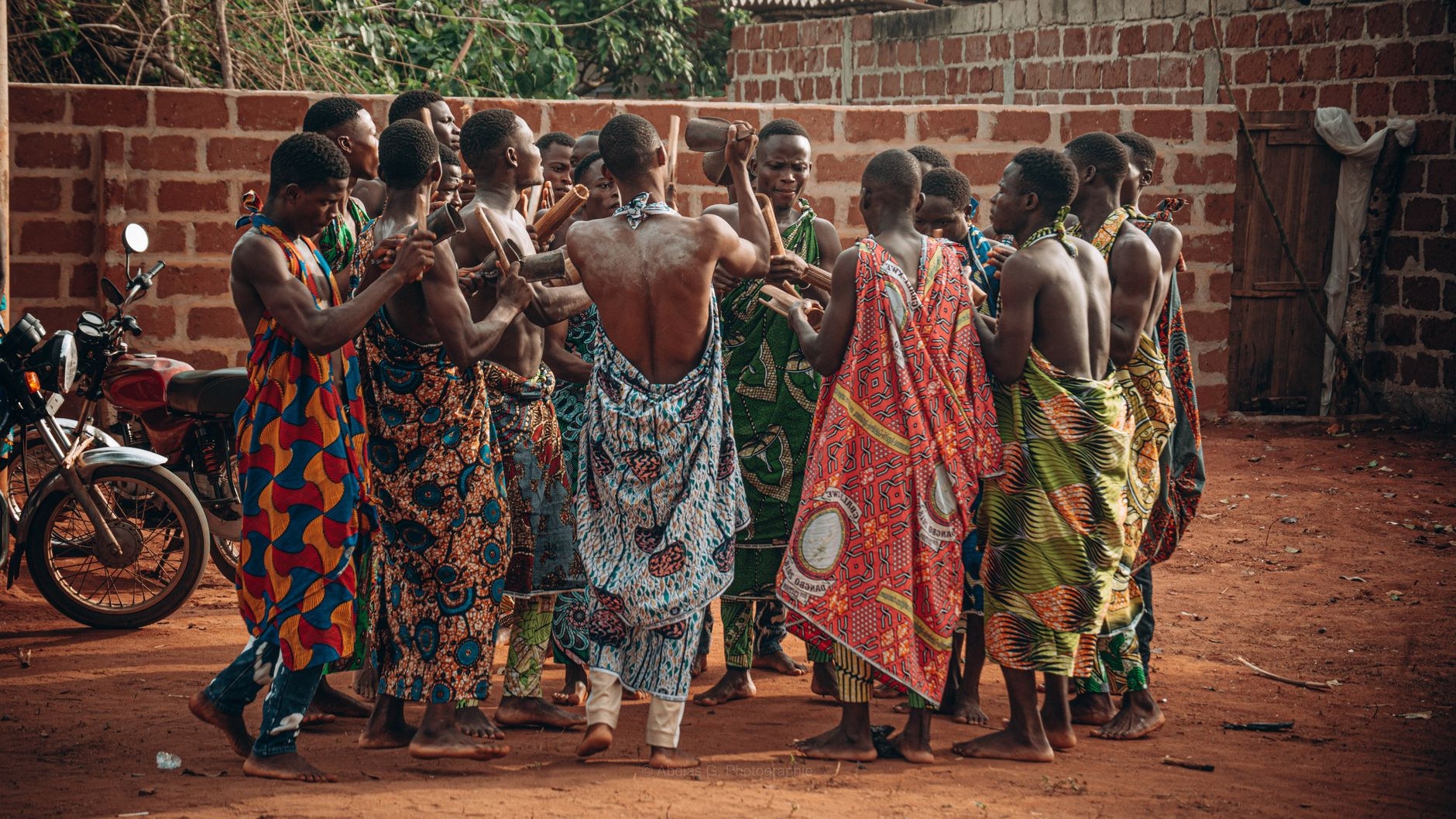
Vodun Protocols and Photography Etiquette: Vodun is an officially recognized state religion practiced with deep reverence across Benin alongside Christianity and Islam. When visiting sacred groves, convents, or shrines, remove shoes when instructed, dress modestly, and never touch altars. Always ask permission before photographing individuals, religious ceremonies, or market stalls. Photographing sacred rites without elder consent is considered offensive.
| Day / Stage | Base | Highlights | Transport Mode | Transit Time | Advance Booking Requirement |
|---|---|---|---|---|---|
| Day 1 | Cotonou | Cotonou Cadjehoun arrival, Boulevard de la Marina murals, Place de l’Amazone | Airport taxi & walking | 15 mins airport transfer | Airport transfer & hotel reservation |
| Day 2 | Cotonou | Dantokpa market, Fondation Zinsou African art, artisanal craft village | Private driver or zémidjan | Full-day city exploration | Fondation Zinsou opening hours check |
| Day 3 | Ganvié & Ouidah | Abomey-Calavi pier, Lake Nokoué wooden pirogue tour of Ganvié, drive to Ouidah | Motorized pirogue & car | 45 mins boat + 40 mins drive | Municipal boat ticket at Abomey-Calavi |
| Day 4 | Ouidah | Temple des Pythons, Sacred Forest of Kpassè, Route des Esclaves walking circuit | Walking & private car | Full-day historic walk | Accredited local memorial guide |
| Day 5 | Ouidah (Grand-Popo) | Porte du Non-Retour memorial beach, coastal mangroves, Mono River mouth | Private car & boat | 45 mins coastal drive | Mono River eco-boat excursion |
| Day 6 | Abomey | Drive inland to Abomey, UNESCO Royal Palaces of Dahomey, royal bas-reliefs | Private car | 2.5 hrs highway drive | Museum entrance & palace guide |
| Day 7 | Cotonou | Abomey artisan brass quarter, return drive to Cotonou, evening departure | Private car | 2.5 hrs return drive | Airport transfer buffer & check-in |
Day 1: Arrival in Cotonou and the Bronze Amazons
International flights land at Cadjehoun Airport (COO) in Cotonou. Formalities are straightforward with an online eVisa, though health officials strictly inspect your physical yellow fever certificate before entry. Arrange an airport pickup through your hotel to avoid negotiating with crowds of drivers outside the terminal.
Cotonou is the bustling economic engine of Benin, home to broad tree-lined coastal avenues and modern cultural initiatives. Dedicate your first afternoon to exploring the Boulevard de la Marina, recently revitalized with extensive public art installations and pedestrian walkways. Admire the colossal bronze statue of the Amazone, a towering thirty-meter monument celebrating the legendary all-female military regiments of the Dahomey Kingdom, known locally as the *Agoodjie*.
In the evening, unwind at an open-air beachfront restaurant in the Haie Vive diplomatic quarter. Savor your first taste of southern Beninese cuisine: grilled capitaine or barracuda from the Atlantic served with spicy sauce and *aloco* (fried sweet plantains), paired with a cold Béninoise lager.
Day 2: Dantokpa Market and Contemporary African Art
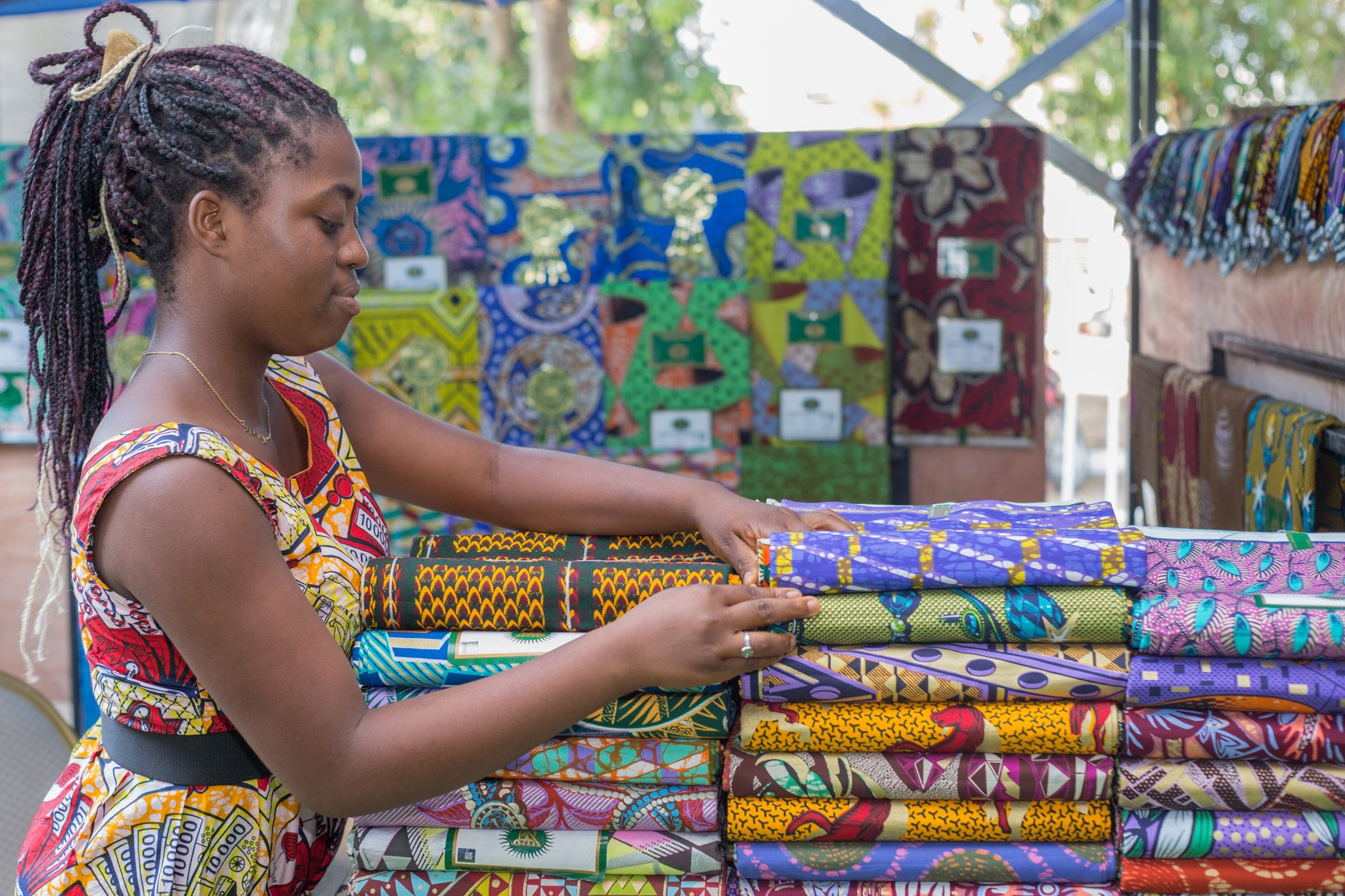
Begin your morning early with a visit to Marché Dantokpa, one of the most immense open-air commercial markets in West Africa, sprawling across twenty hectares along the southern edge of Lake Nokoué. Navigating this sensory labyrinth requires patience as thousands of vendors sell everything from pyramid piles of dried red chili peppers and smoked fish to towering stacks of colorful wax fabrics. Walk through the specialized cloth alleys where traders showcase Dutch wax prints and intricate woven *kente* cloth.
Adjacent lies the traditional medicine quarter (*marché aux fétiches*), where practitioners purchase herbs, animal horns, and clays used in Vodun healing rituals. When visiting, hire a guide at the entrance and always respect vendor privacy regarding photography.
In the afternoon, escape the urban heat at the Fondation Zinsou in the Haie Vive neighborhood. Established by a prominent Beninese family, this private contemporary art center showcases cutting-edge African painting, sculpture, and photography through world-class rotating exhibitions. The foundation also houses a peaceful library, an artisanal gift shop featuring fair-trade local crafts, and a shaded café ideal for mid-afternoon relaxation.
Day 3: The Stilt City of Ganvié on Lake Nokoué
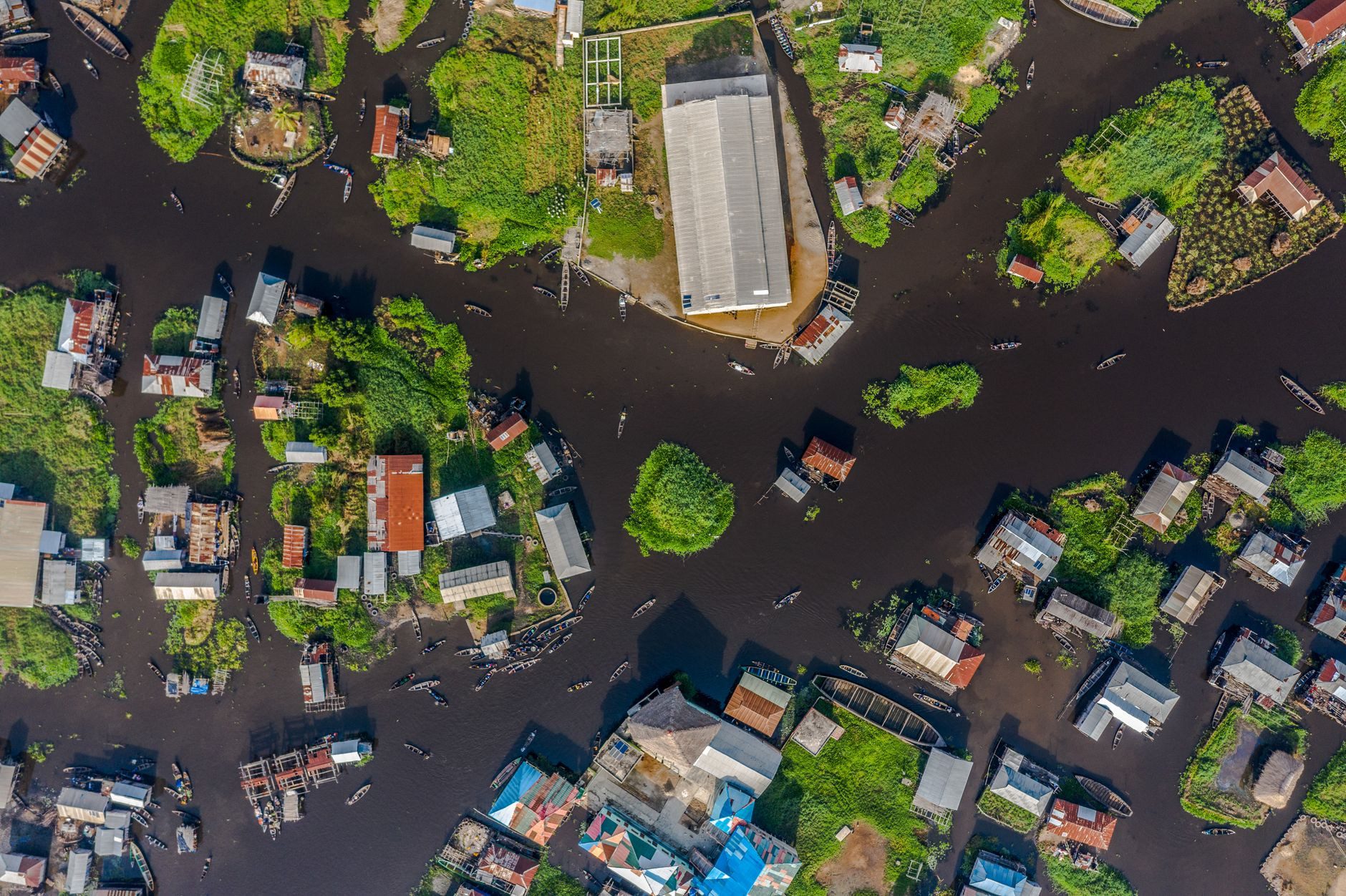
Leave Cotonou after breakfast, driving twenty minutes north to the town of Abomey-Calavi, situated on the southern shore of Lake Nokoué. Here you reach the municipal embarkation pier (*embarcadère*), the departure gate for Ganvié. Ganvié is often called the “Venice of Africa,” home to approximately thirty-five thousand Tofinu people living entirely in houses constructed on hardwood stilts driven into the shallow lakebed.
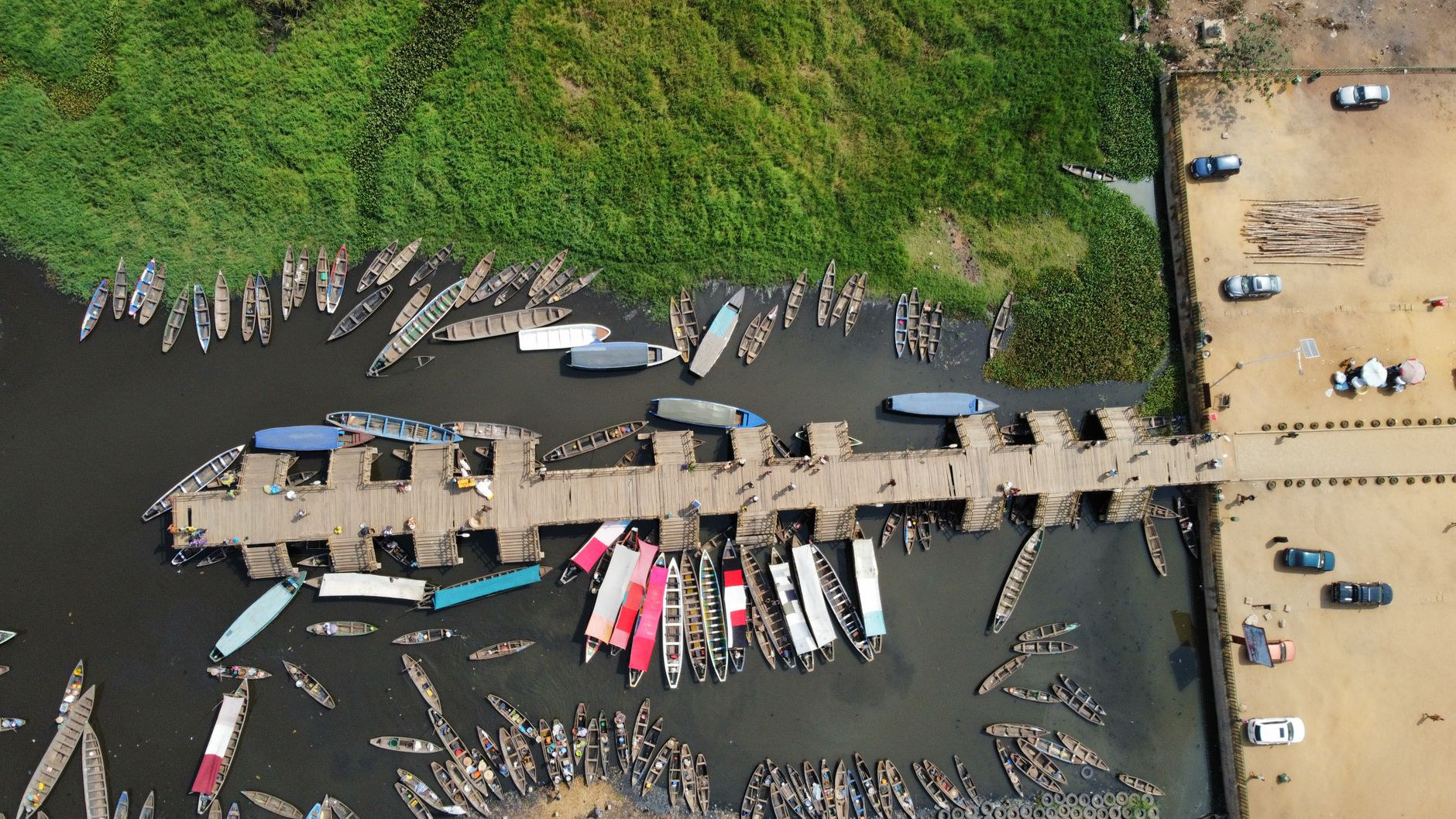
Founded in the seventeenth century, Ganvié offered sanctuary from Fon slave raiders, whose religious customs forbade them from fighting across open water. At the pier, purchase an official boat ticket at the municipal counter to avoid parking lot touts, then board a motorized wooden pirogue for the twenty-minute crossing into Ganvié.
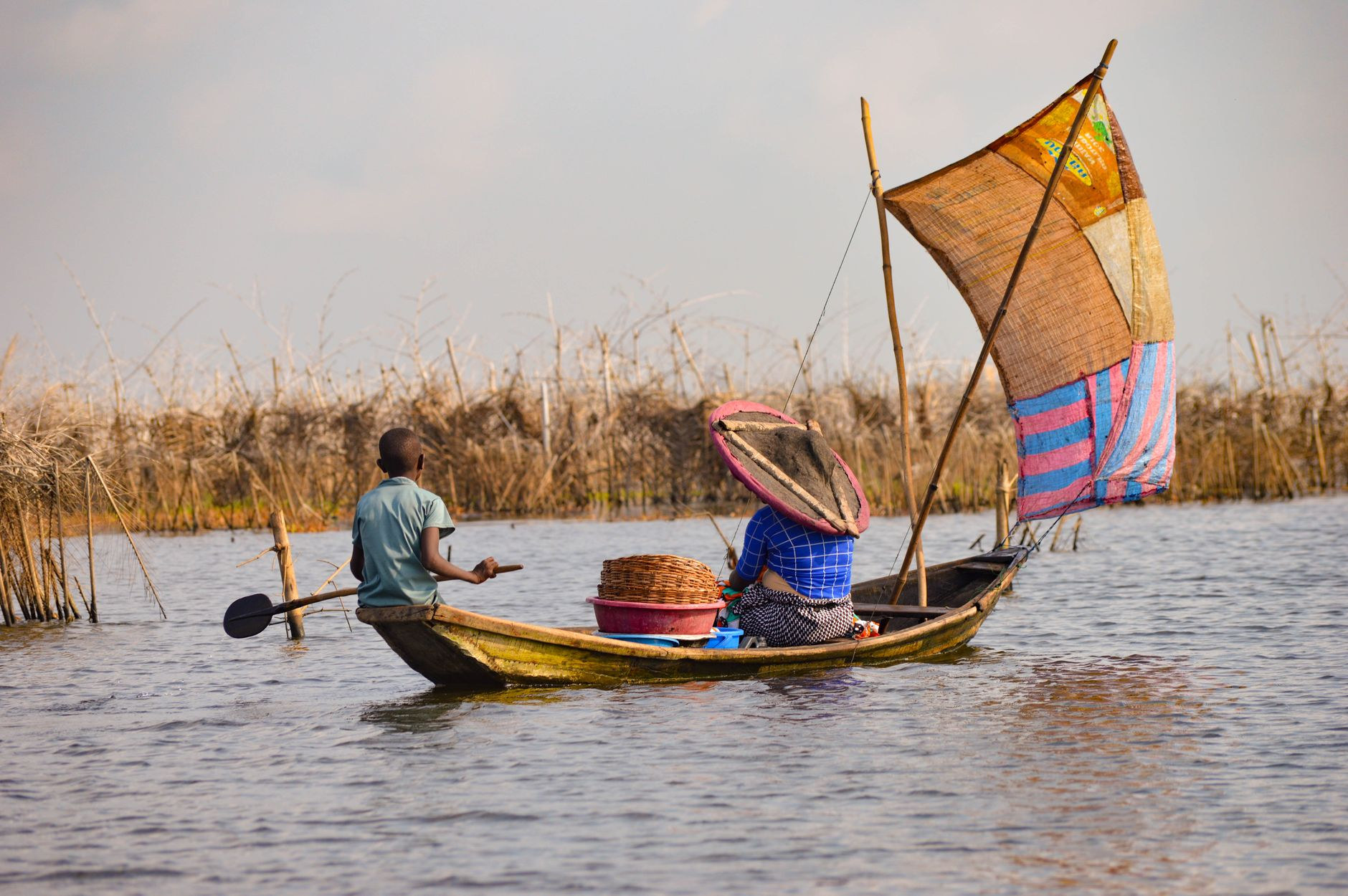
As you enter the village, daily aquatic life unfolds around you: children paddling slender dugouts to school, floating grocery markets where women barter fresh vegetables and fish from canoe to canoe, and stilt churches, schools, and medical clinics rising above the water. Observe local fishermen utilizing the *acadja* technique—planting dense bamboo and branch corrals in the lake bed to create artificial fish breeding sanctuaries.
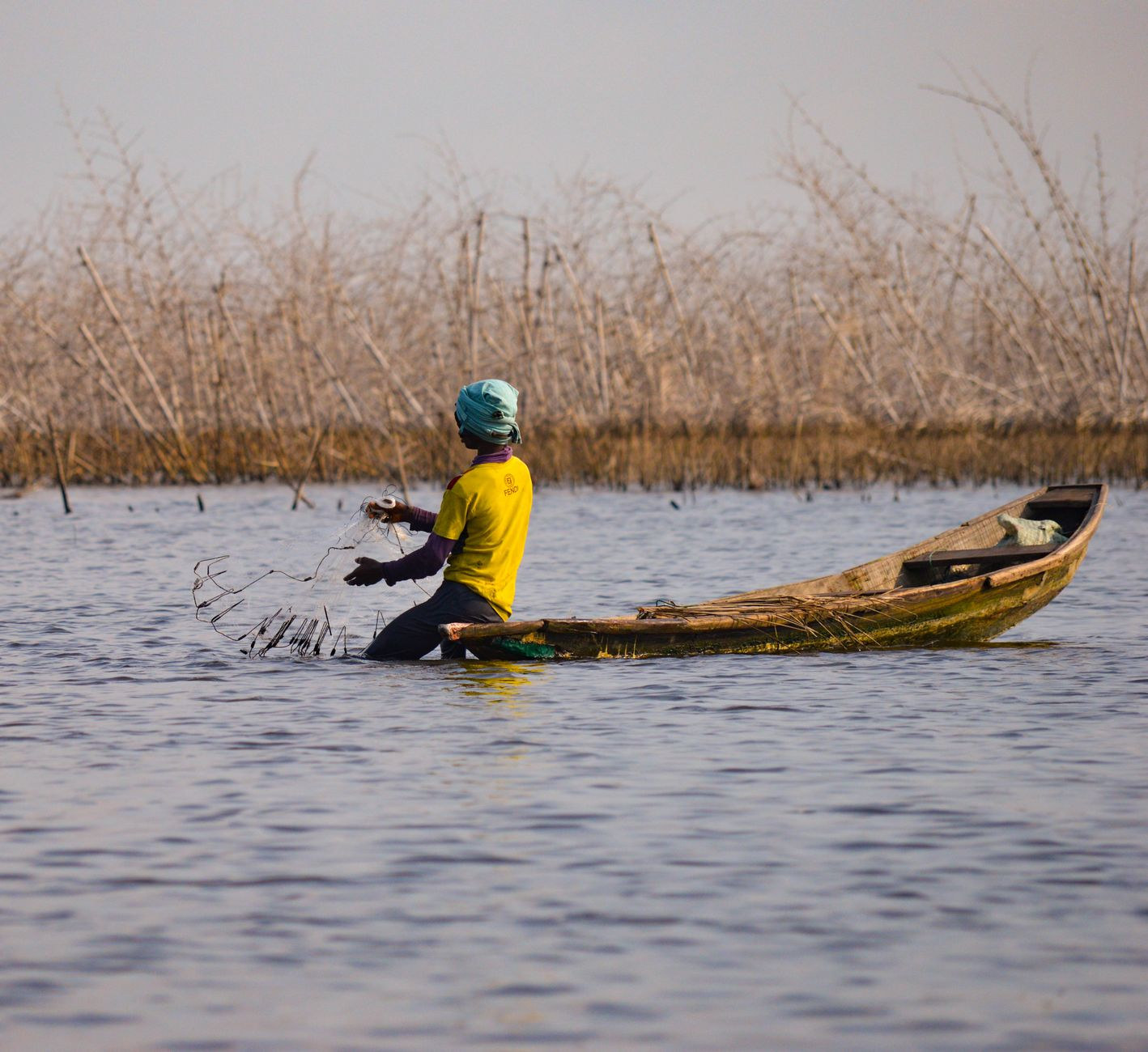
Stop for lunch at a stilt restaurant in the center of the lake, dining on freshly caught tilapia cooked with garlic, tomatoes, and local palm oil. Return to the Abomey-Calavi pier by mid-afternoon and meet your driver for the scenic forty-minute drive west along the coastal highway to Ouidah, checking into a boutique colonial guesthouse.
Day 4: Ouidah, Pythons, and the Slave Route
Ouidah is the spiritual capital of Vodun and one of West Africa’s primary embarkation points during the transatlantic slave trade. Begin your exploration in the town center at the Temple des Pythons, situated directly opposite Ouidah’s Roman Catholic basilica. The sanctuary is dedicated to the royal python (*Dangbe*), considered a sacred divinity and protector in local Vodun cosmology. Enter the small open courtyard to observe dozens of harmless royal pythons resting within a round earthen shrine, symbolizing fertility and protection.
Cross town to the Sacred Forest of Kpassè (*Forêt Sacrée de Kpassè*), an ancient botanical grove filled with towering iroko trees and monumental stone and bronze sculptures depicting various Vodun deities (*orishas*), including Legba (guardian of crossroads) and Mami Wata (the ocean spirit). According to legend, King Kpassè of the Whydah kingdom miraculously transformed himself into a massive iroko tree in the seventeenth century to evade capture by invading Dahomey forces.
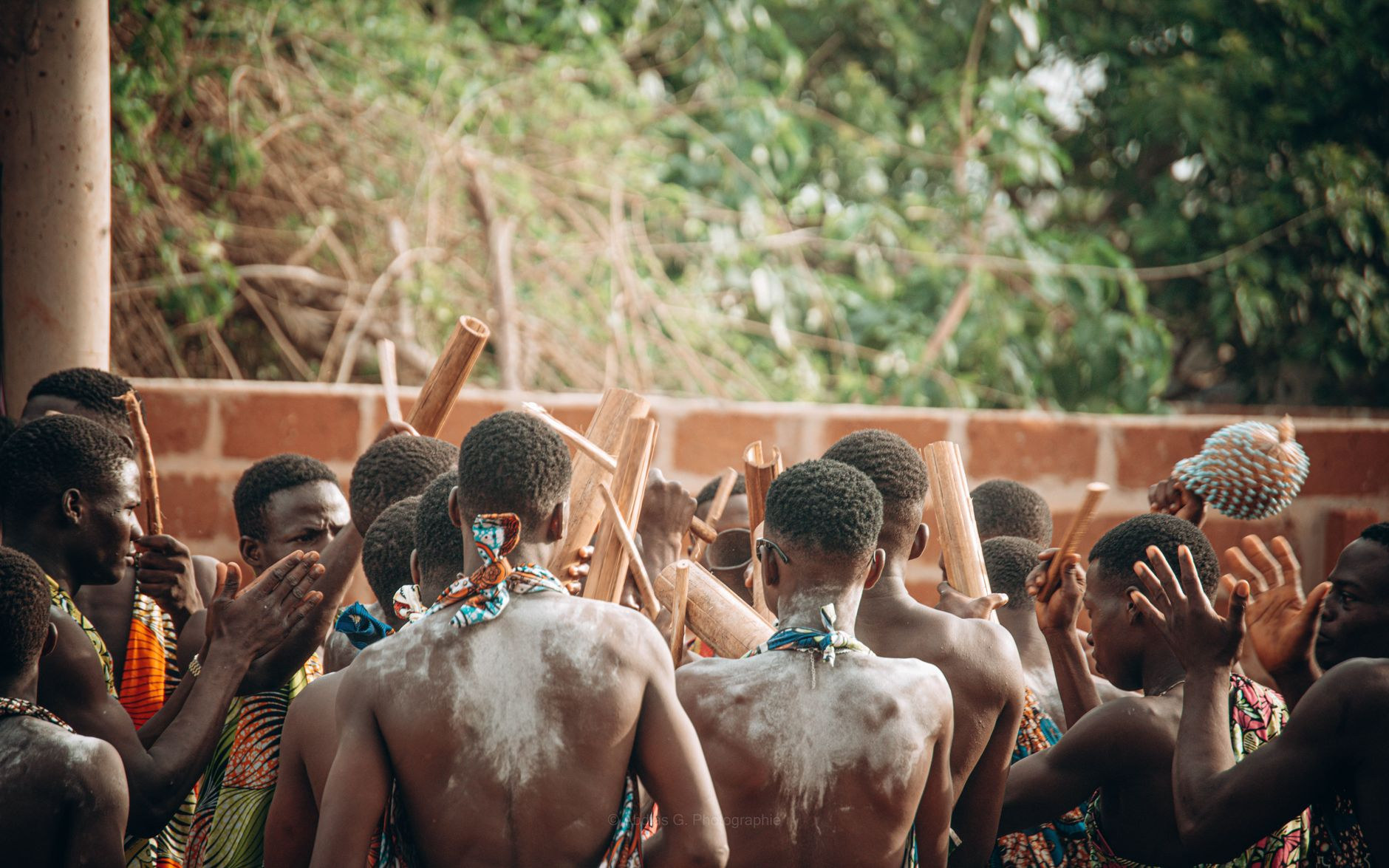
In the afternoon, walk the Route des Esclaves (the Slave Route), a solemn four-kilometer track stretching from the former Portuguese slave auction compound in central Ouidah to the Atlantic shoreline. Hire an accredited memorial guide to interpret the emotional monuments lining the path: the Tree of Forgetfulness (*Arbre de l’Oubli*), where captive men and women were forced to walk circular paths to strip them of their memories, the Tree of Return (*Arbre du Retour*), and the mass graves of the Zomaï compound.
Day 5: The Door of No Return and the Mono River Mangroves
Conclude the Slave Route at the Atlantic coast, standing before the monumental Porte du Non-Retour (the Door of No Return), a powerful memorial arch erected in 1995 on the white sands where millions of enslaved Africans were loaded onto small rowboats to reach European slave galleons anchored beyond the pounding coastal surf.
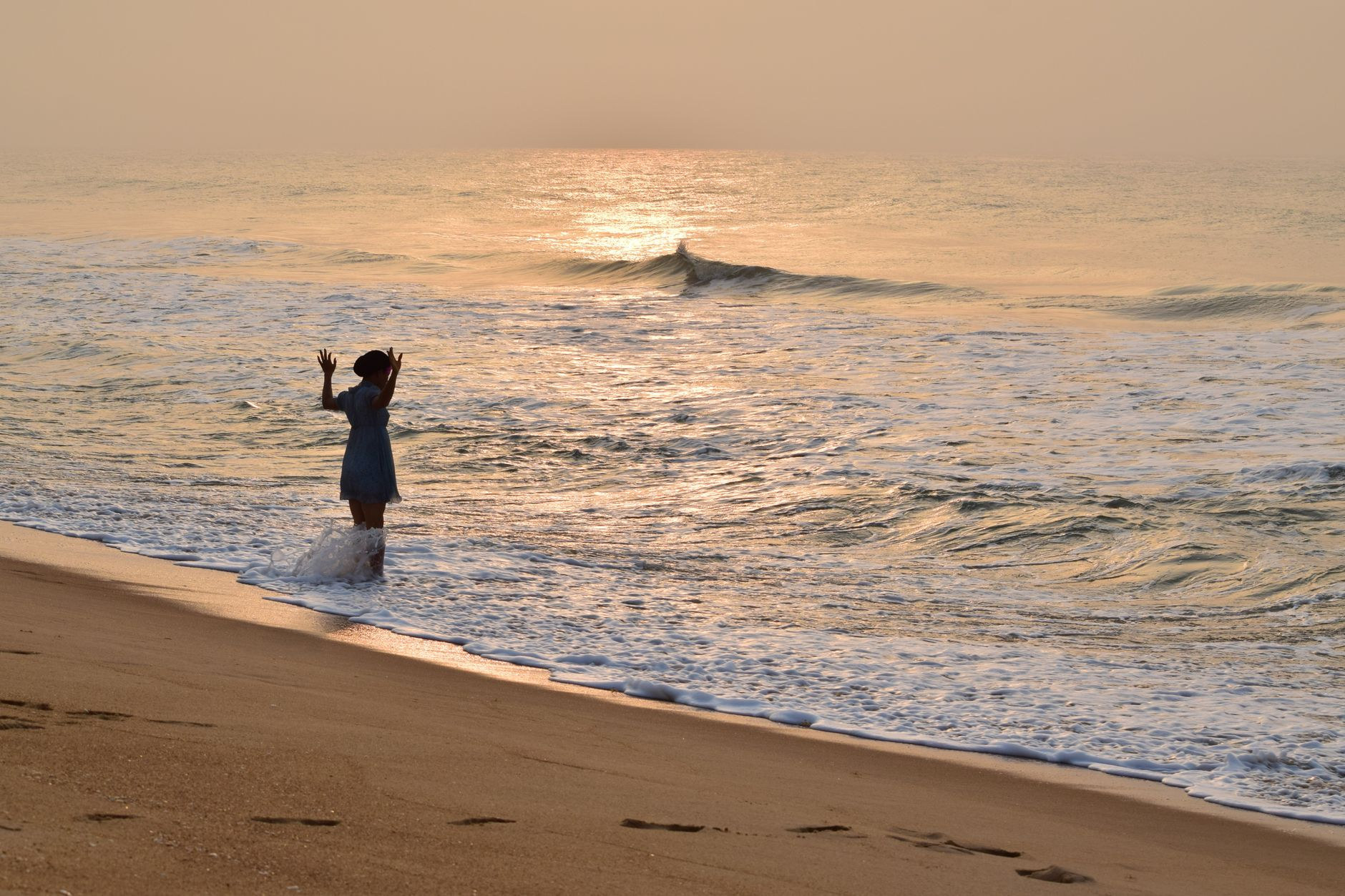
Spend a quiet morning walking along the desolate coastline beneath rows of coconut palms, absorbing the solemn historical weight of this landscape. In the afternoon, take a forty-minute coastal drive west toward Grand-Popo, a tranquil seaside village situated between the Atlantic Ocean and the winding Mono River. Board a small wooden boat to explore the mangrove waterways of the river estuary, visiting secluded fishing communities and witnessing the Boca del Rio, where the freshwater river spills into the churning Atlantic.
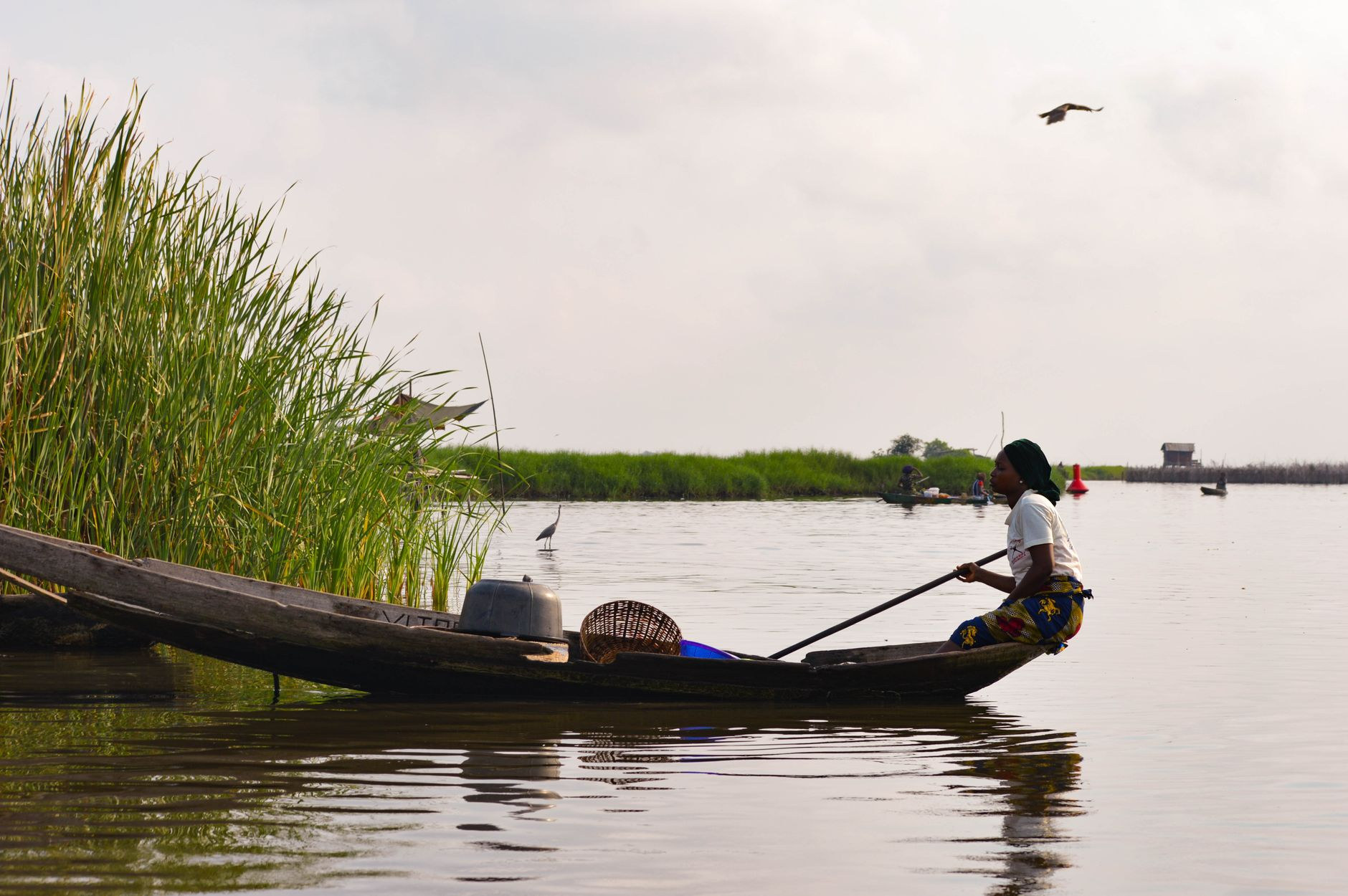
Dine at an open-air oceanfront lodge in Grand-Popo on grilled giant Atlantic prawns and chilled coconut water, falling asleep to the rhythmic crash of ocean breakers against the sand.
Day 6: Inland to Abomey and the Dahomey Royal Palaces
Depart early on day six for a two-and-a-half-hour drive northward along Route Nationale 1 into the interior savannah to reach Abomey, the legendary historical capital of the Dahomey Kingdom. Founded in the early seventeenth century, the Dahomey Kingdom flourished until French colonial conquest in 1894, driven by a formidable military machine, a sophisticated centralized bureaucracy, and the famous female warrior corps (*Agoodjie*).
Upon arrival, visit the Royal Palaces of Abomey, recognized as a UNESCO World Heritage site. The sprawling historical complex originally covered forty-four hectares and housed twelve successive royal palaces built from rich red clay, palm thatch, and timber. Tour the preserved palace quarters of King Ghezo and King Glele, which now form the Abomey Historical Museum. Admire the historic clay bas-reliefs set into the palace walls, depicting military victories, royal emblems, and symbolic animals.
Inside the museum, view King Ghezo’s ceremonial throne resting on defeated rival skulls, royal applique tapestries (*tentures d’Abomey*), and iron ancestral altars (*asen*). In the evening, settle into an Abomey guesthouse, dining on *amiwo* (red cornmeal cooked in seasoned broth) served with tender guinea fowl.
Day 7: Abomey Blacksmiths, Craft Heritage, and Departure
Spend your final morning visiting the artisanal artisan quarters of Abomey, particularly the historic blacksmith and foundry district in the Hounli neighborhood. For centuries, Abomey’s metalworkers have mastered lost-wax bronze and brass casting, fashioning royal statuettes, ceremonial sabers, and sacred sculptures for Dahomey monarchs. Watch veteran craftsmen pour molten brass into earthen clay molds, and purchase authentic contemporary bronze figures directly from the artists.
Begin your return journey south along the paved highway toward Cotonou, allowing approximately two and a half hours for the drive. If time permits before your evening departure flight, stop at the Centre de Promotion de l’Artisanat (CPA) in Cotonou to pick up final souvenirs, including hand-carved wooden masks, indigo-dyed fabrics, and organic raw shea butter. Head directly to Cadjehoun Airport at least three hours prior to your international flight, concluding an unforgettable journey through the royal kingdoms and sacred heritage of southern Benin.
Mobile Connectivity and Digital Navigation in Benin
Maintaining fast and reliable mobile data while travelling across southern Benin is essential for coordinating meeting points with your private driver, navigating offline maps along unmarked secondary roads between Ganvié and Ouidah, tracking currency exchange valuations on mobile banking platforms, and checking real-time flight departure statuses at Cadjehoun Airport. Relying exclusively on hotel Wi-Fi is impractical, as many regional guesthouses in Ouidah and Abomey suffer from frequent power fluctuations and weak wireless coverage that does not extend beyond reception lounges.

The most convenient and dependable solution for international travellers is setting up an eSIM prior to departure. The NXTL Benin eSIM connects directly to Celtiis and MTN Benin, the country’s primary telecommunications networks providing robust 4G and LTE coverage throughout the entire southern coastal corridor and inland to Abomey. Operating on transparent pay-as-you-go data at $5.57 per gigabyte, NXTL activates the moment your aircraft touches down in Cotonou, eliminating tedious queues at airport telecommunications kiosks and French-language passport registration procedures. Your purchased data balance never expires, ensuring any remaining credit remains preserved for your future travels across more than 180 countries worldwide.
Travel Pitfalls and Beninese Regional Logistics to Avoid
Benin is widely considered one of the safest and most politically stable nations in West Africa. Violent crime against tourists is exceedingly rare. However, navigating local transport hubs, religious sites, and commercial exchanges requires awareness of specific regional pitfalls:
- Abomey-Calavi Pier Boat Touts and Inflated Tariffs: At the Ganvié boat pier in Abomey-Calavi, aggressive touts often surround arriving cars claiming to be port authorities and demanding inflated boat fees. Walk directly into the official municipal ticket office (*guichet communal*) at the water’s edge, where government tariffs for motorized pirogues with licensed captains are publicly posted.
- Aggressive Photo Fees and Unauthorized Shrine Hustlers: Near the Temple des Pythons and Sacred Forest in Ouidah, informal hustlers frequently guide tourists into private courtyards claiming they are secret shrines, demanding steep fees or photo penalties. Hire only accredited site guides from the official ticket office and clarify photography rules in advance.
- Unregulated Street Money Changers and Short-Change Tricks: In bustling trading districts like Dantokpa Market and near land border crossings, unauthorized money changers offer tempting rates to exchange euros or dollars into CFA francs. These street operators routinely employ sleight-of-hand counting techniques, fold banknotes in half to count them twice, or slip in counterfeit or phased-out West African currency. Always exchange foreign banknotes at registered commercial banks or official bureau de change offices in central Cotonou.
- Fake Antique Dahomey Bronze and Bas-Relief Certificates: Street souvenir vendors in Abomey frequently present brass figurines, iron swords, and miniature clay bas-reliefs, claiming they are authentic 19th-century Dahomey Kingdom royal artifacts accompanied by handwritten “heritage export certificates.” By law, genuine historical artifacts cannot be exported from Benin. These items are modern reproductions artificially aged with chemical patinas. Appreciate them as contemporary craftsmanship, pay realistic craft prices, and purchase directly from recognized artisans in the Hounli quarter.
- Riding Motorcycle Taxis on High-Speed Inter-City Arterials: While yellow-shirted motorcycle taxis (*zémidjans*) work well for slow city streets in Cotonou, taking them on high-speed highways like Route Nationale 1 without helmets alongside heavy freight trucks carries serious danger. Reserve motorcycle taxis for short neighborhood trips and hire a car with driver for inter-city journeys.
By respecting local spiritual traditions, securing a trusted vehicle and driver for your inter-city legs, and maintaining reliable digital connectivity, your journey across southern Benin will stand among the most culturally illuminating travel experiences of your life.