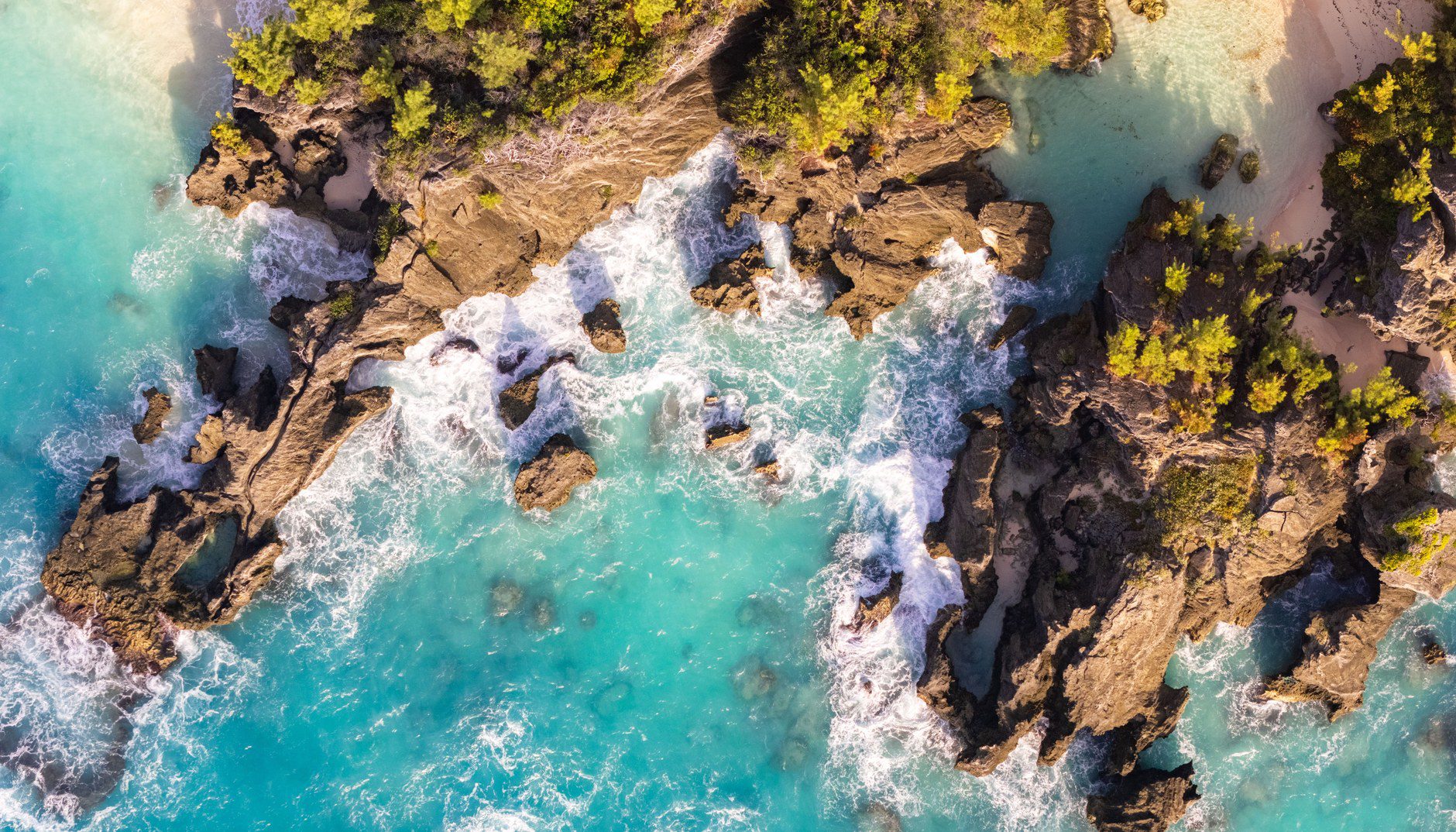
Isolated in the North Atlantic roughly 650 miles east of Cape Hatteras, Bermuda occupies a distinct physical and cultural setting. Not located in the Caribbean, this fishhook-shaped British Overseas Territory rests atop an extinct volcanic seamount encircled by the world’s northernmost coral reefs. Settled by English castaways from the Sea Venture in 1609, the island developed a unique maritime heritage marked by stepped limestone roofs that collect rainwater, pastel stone cottages, and coral-walled lanes.
Planning a Bermuda journey means understanding its local rules. Measuring twenty-one square miles, the island is compact yet feels expansive across its nine parishes. Crucially, tourists cannot rent standard cars; visitors travel by pink public buses, SeaExpress ferries, electric two-seater microcars, or scooters. Whether walking South Shore’s pink beaches or exploring historic St. George’s, a rewarding trip relies on mastering local transit, timing cruise crowds, and navigating seasonal Atlantic weather.
Who This Trip Suits and How Long to Stay
Bermuda suits coastal travelers, maritime historians, snorkelers, and couples seeking relaxed island exploration without rowdy nightlife. If you appreciate 17th-century stone fortifications, sheltered limestone coves, manicured gardens, and British-Atlantic traditions, the island delivers high value. It is safe, orderly, and offers exceptional shipwreck diving across surrounding barrier reefs.
Conversely, Bermuda is poorly suited to budget backpackers or travelers seeking wild nature reserves. Hostels do not exist, resort lodging commands premium prices, and camping is illegal. Four to five days is optimal for a first trip, giving adequate time for St. George’s, South Shore beaches, Hamilton, and the Royal Naval Dockyard without rushing.
Choosing your overnight base shapes your daily logistics. Staying in or near Hamilton provides central access to the island’s central bus terminal and ferry dock, surrounded by premier restaurants. Basing along the South Shore in Southampton or Warwick puts you steps from premier beaches but requires more planning for evening meals, while staying in St. George’s delivers quiet historic charm at the cost of longer commutes to the West End.
Strategic Route Blueprint: Parishes, Ports, and Ferries
Bermuda is divided into nine parishes connected by three main longitudinal roads: North Shore Road, Middle Road, and South Road. The island is anchored by three primary urban and maritime centers: the historic capital of St. George’s in the East End, the modern commercial capital of Hamilton in the center, and the Royal Naval Dockyard at the western tip of Sandy’s Parish.
A sensible five-day route progresses geographically from east to west while keeping a central base. Day One focuses on arrival logistics and Hamilton Harbour. Day Two is dedicated to the famous South Shore coastal walking trail between Horseshoe Bay and Warwick Long Bay. Day Three explores the colonial fortifications and snorkeling reefs of St. George’s. Day Four crosses the Great Sound via high-speed catamaran ferry to the Royal Naval Dockyard. Day Five visits the subterranean limestone caves before your departure flight from L.F. Wade International Airport.
Day-by-Day Bermuda Itinerary
This five-day itinerary connects Bermuda’s colonial roots, iconic pink sand trails, maritime dockyards, and subterranean crystal caverns.
| Day / Stage | Base | Highlights | Transport Mode | Transit Time | Advance Booking Requirement |
|---|---|---|---|---|---|
| Day 1 | Hamilton | Arrive L.F. Wade Airport (BDA), taxi to hotel, Front Street walk, harbourfront dinner | Licensed Taxi | 25 mins transfer | Airport taxi booked or hailed on site |
| Day 2 | Hamilton | South Shore trail: Horseshoe Bay, Jobson’s Cove, Chaplin Bay, Warwick Long Bay | Public Bus #7 | 20 mins bus ride | Purchase multi-day bus/ferry pass |
| Day 3 | Hamilton | St. George’s UNESCO town, St. Peter’s Church, Fort St. Catherine, Tobacco Bay snorkel | Public Bus #10 / #11 | 35 mins bus ride | Fort entry tickets purchased at gate |
| Day 4 | Hamilton | SeaExpress Blue Route ferry to Royal Naval Dockyard, National Museum, Gibbs Hill Light | Fast Ferry / Bus | 20 mins ferry ride | Museum tickets on site; check ferry schedule |
| Day 5 | Departure | Crystal & Fantasy Caves subterranean walkway, Swizzle Inn lunch, transfer to BDA | Public Bus / Taxi | 20 mins to airport | Cave timed admission reserved in advance |
When planning your daily excursions, consult cruise ship arrival schedules published by the Bermuda Department of Marine and Ports Services. When mega-ships are docked at the Royal Naval Dockyard, thousands of passengers head directly to Horseshoe Bay and Dockyard attractions between 10:00 AM and 2:00 PM; timing your visits outside these peak windows preserves a relaxed experience.
St. George’s and the East End Forts
Founded in 1612, St. George’s served as Bermuda’s capital for two centuries. As a UNESCO World Heritage site, its narrow alleys—such as Shinbone Alley and Featherbed Alley—preserve 18th-century whitewashed chimneys, Bermuda cedar woodwork, and stone garden walls.
From King’s Square, walk up to St. Peter’s Church. Built in 1612 and reconstructed in 1713, it is the Western Hemisphere’s oldest continuously used Protestant church, featuring massive hand-hewn cedar rafters and historic silver chalices.
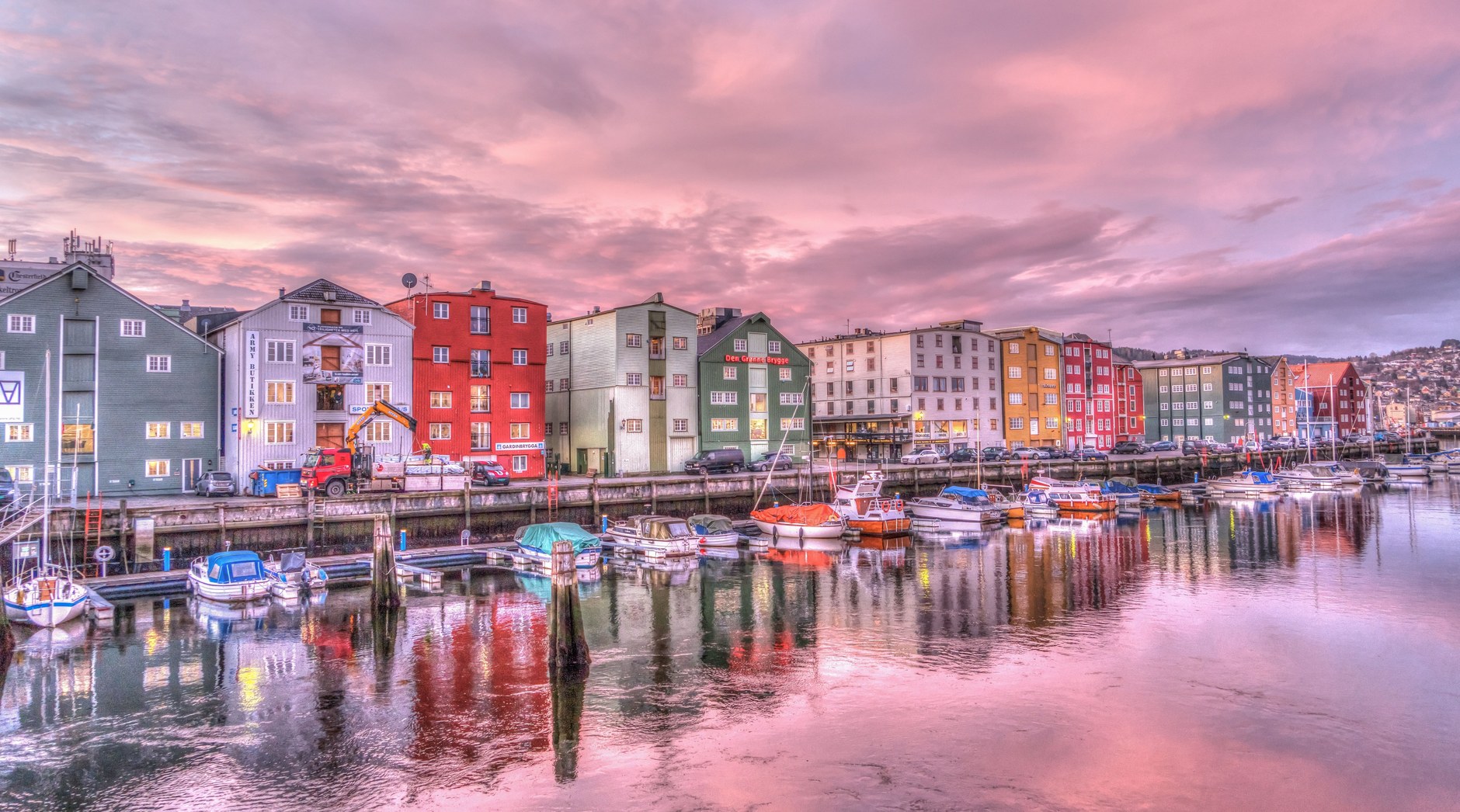
Walk north toward the coastline to inspect the striking stone shell of the Unfinished Church, an elegant neo-Gothic ruin abandoned in the 1890s due to storm damage and parish funding disputes. Continue to the extreme tip of the island to tour Fort St. Catherine, a massive 19th-century coastal fortress armed with heavy rifled muzzle-loading cannons. Beneath the ramparts, a museum displays replicas of the British Crown Jewels. Just around the headland lies Tobacco Bay, where calm turquoise waters are framed by dramatic limestone pinnacles that provide safe snorkeling among parrotfish and sergeant majors.
The South Shore: Pink Sand and Coastal Trails
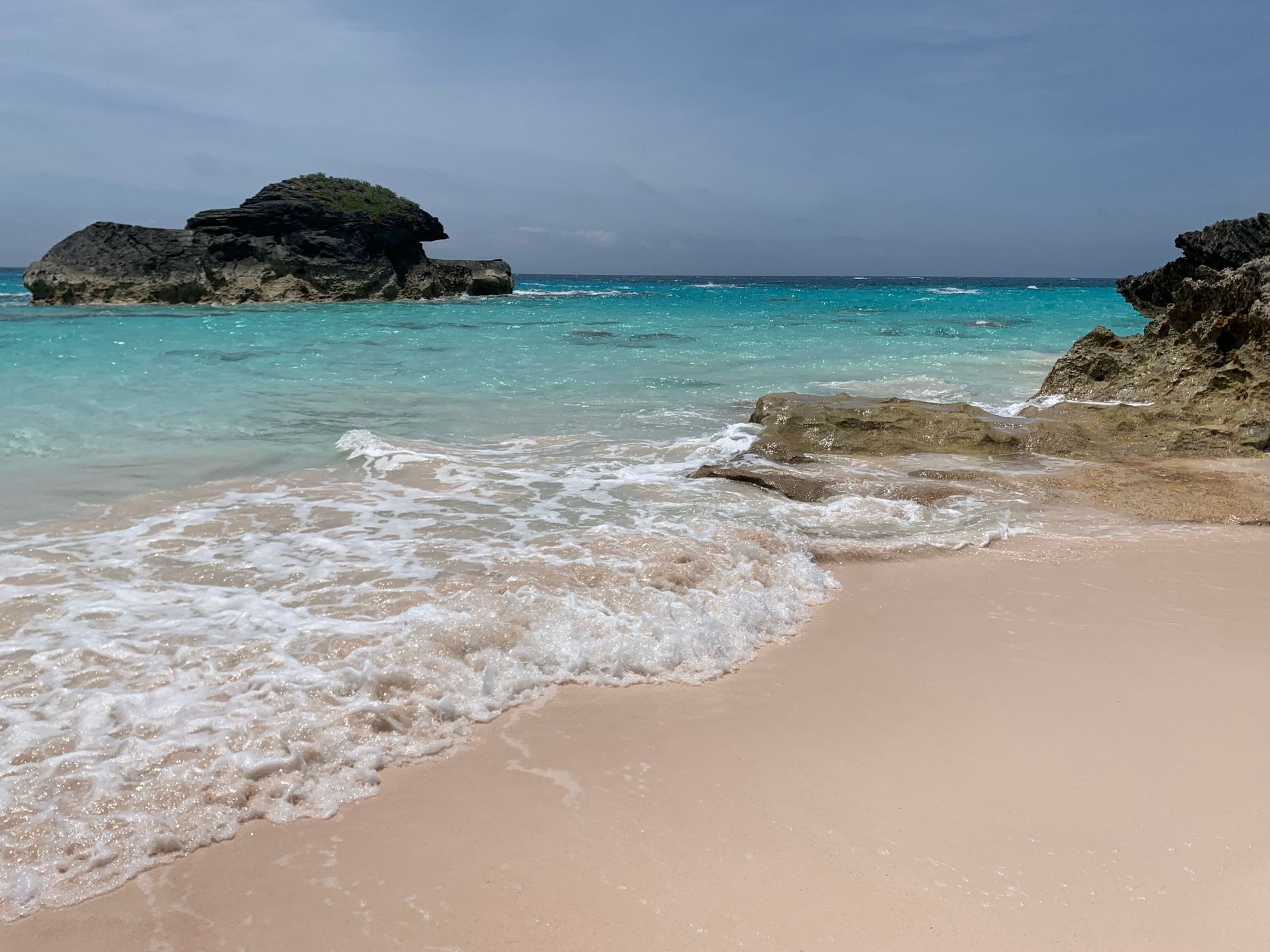
Bermuda’s southern coastline in Southampton and Warwick Parishes forms one of the most celebrated coastal corridors in the world. The legendary pink hue of the sand is entirely natural: it is created by millions of microscopic red-shelled single-celled marine organisms called foraminifera (Homotrema rubrum) that live beneath coral reefs. When they die, their calcium carbonate shells wash ashore, mixing with white coral fragments to create a soft blush-pink tint.
While Horseshoe Bay receives the majority of day visitors, the finest way to experience the coast is by walking the South Shore Coastal Trail. Beginning at Horseshoe Bay, this cliff-top path winds through coastal juniper and bay grape bushes across natural limestone bluffs, linking a chain of quieter sandy coves that cruise crowds rarely reach. Walking eastward brings you through Port Royal Cove, Peel Rock Cove, and Chaplin Bay before reaching Jobson’s Cove.
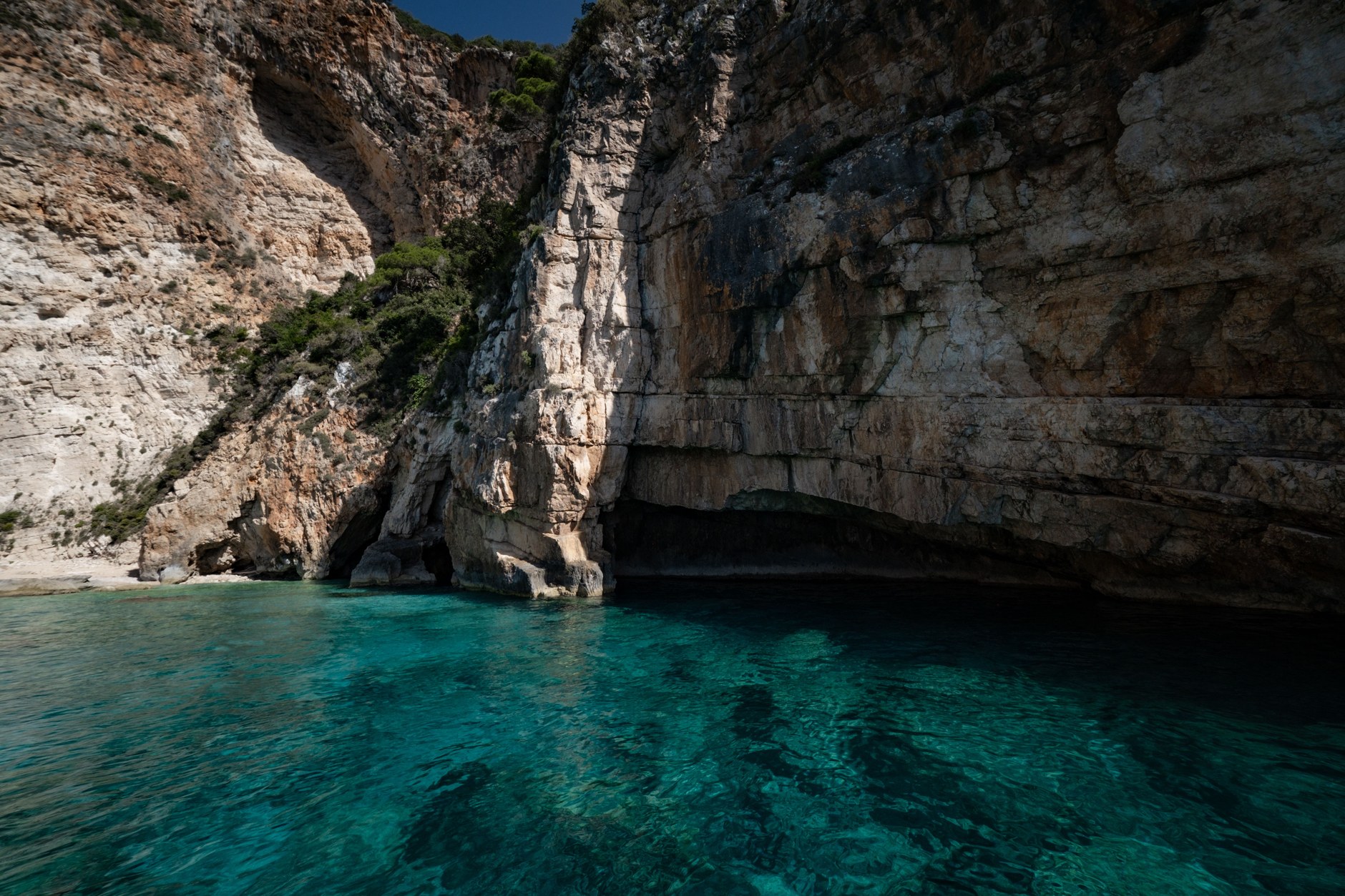
Jobson’s Cove is an enclosed natural swimming basin where steep limestone cliffs completely block ocean trade swells, creating an intimate, crystal-clear natural pool perfect for calm swimming. Just beyond lies Warwick Long Bay, a half-mile sweep of pink sand fronted by an offshore barrier reef where green sea turtles frequently feed on shallow seagrass beds.
Royal Naval Dockyard and Maritime Heritage
At the western terminus of the island sits the Royal Naval Dockyard, built by the British Admiralty following the American Revolutionary War as “the Gibraltar of the West.” Constructed using hard local limestone quarried by thousands of convicts held in floating prison hulks, the sprawling naval stronghold anchored British naval supremacy in the western Atlantic throughout the 19th and early 20th centuries.
Today, the complex houses the National Museum of Bermuda, situated within the massive ramparts of the Keep. Exhibits explore four centuries of shipwrecks, wartime naval aviation, and Bermuda’s pivotal role in the transatlantic trade. Towering above the fortifications is the Commissioner’s House, the world’s first prefabricated cast-iron residence, erected in 1827. Inside, a two-story mural by Bermudian artist Graham Foster provides an unvarnished chronicle of the island’s maritime history, enslaved African and Native American populations, and cultural evolution.
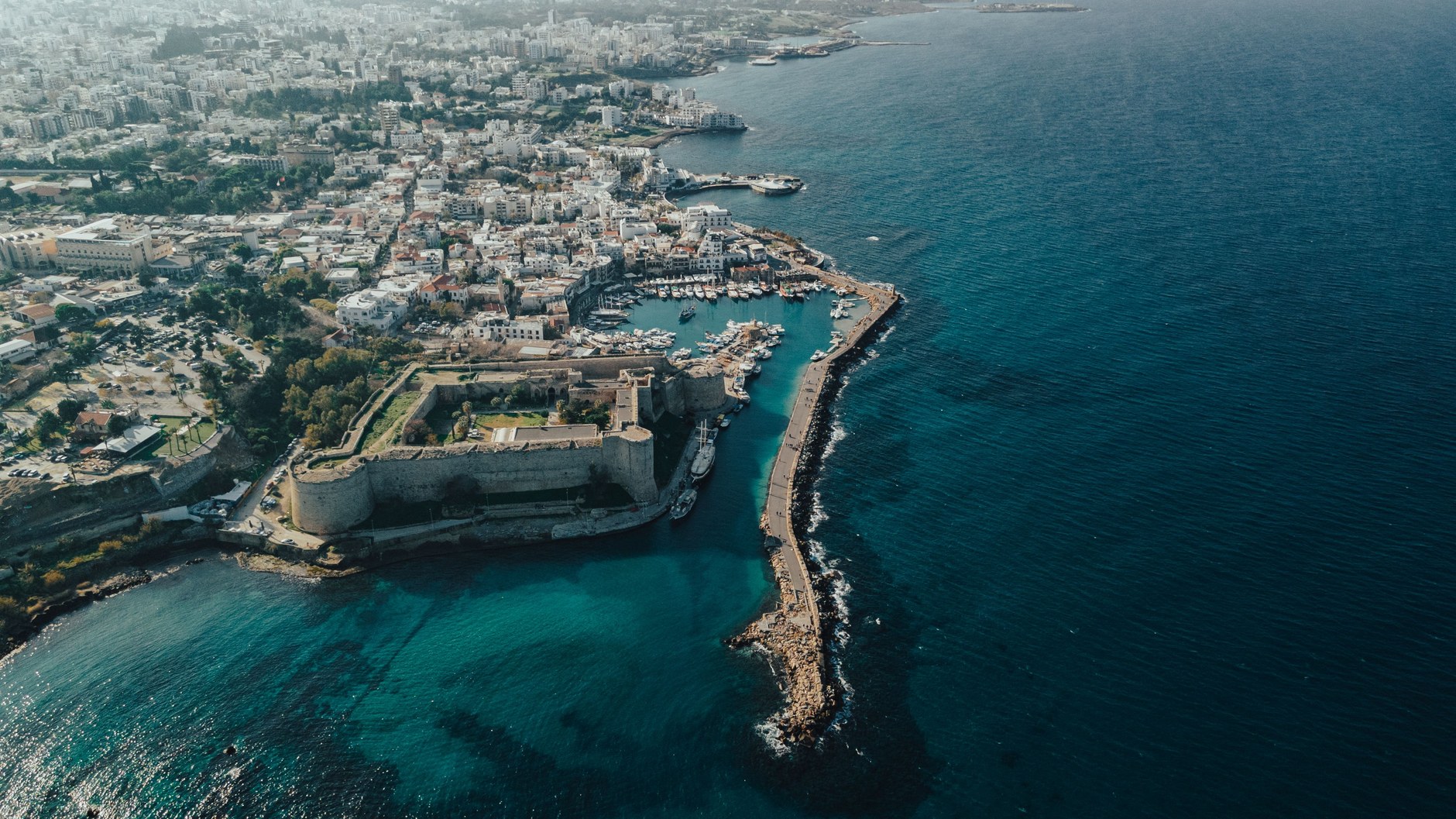
The smartest way to reach the Dockyard is aboard the SeaExpress Blue Route ferry from Hamilton. The sleek passenger catamaran glides across the Great Sound in twenty minutes, offering sweeping views of pastel coastal estates and sailboats before docking alongside the Clocktower Mall.
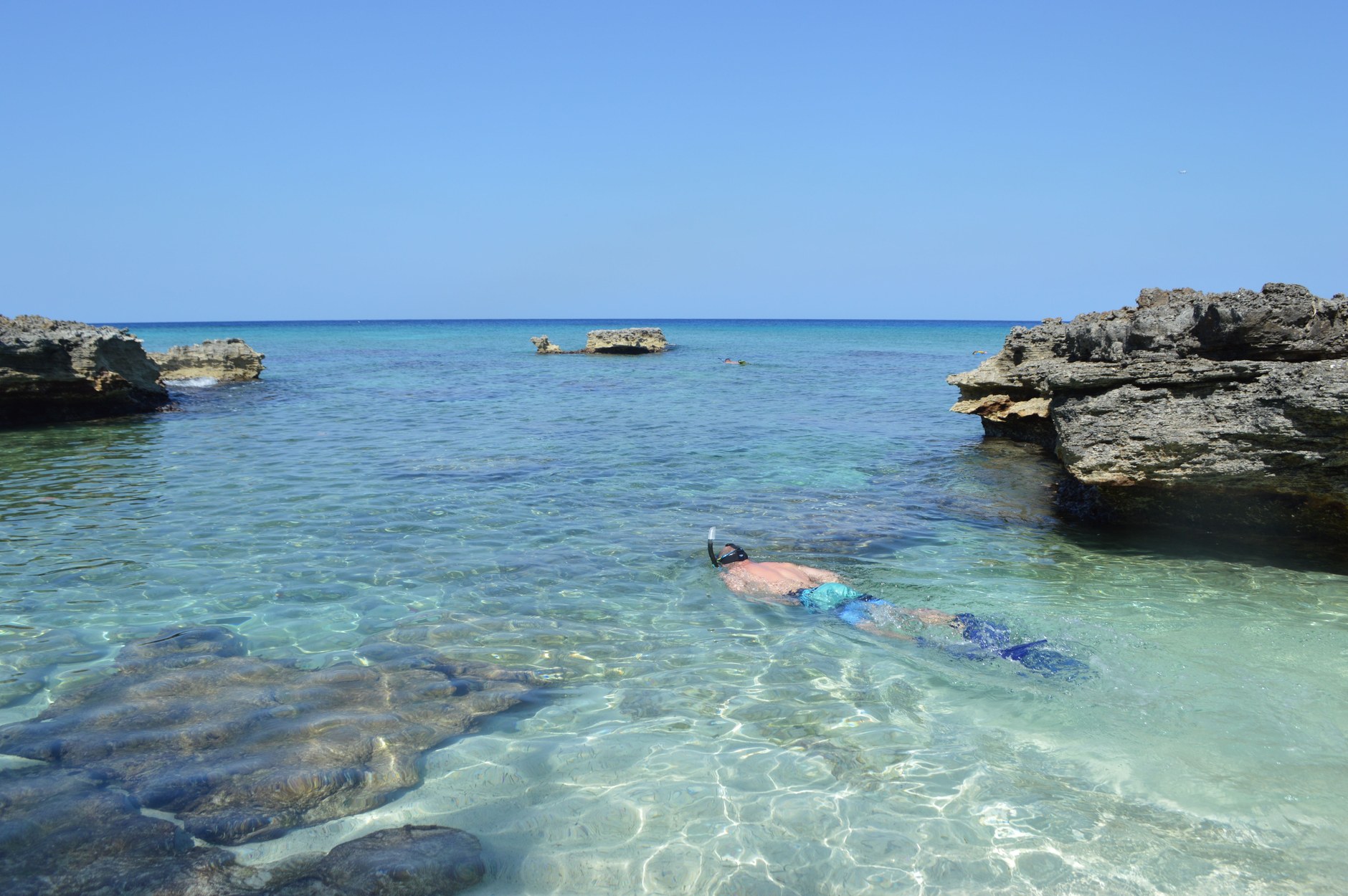
On your return journey east toward Hamilton, make a detour inland to climb Gibbs Hill Lighthouse in Southampton. Erected in 1846 from prefabricated cast-iron plates, it is one of the oldest cast-iron lighthouses in the world; climbing its 185 winding steps rewards visitors with an expansive 360-degree panorama of the entire archipelago.
Getting Around Without a Rental Car
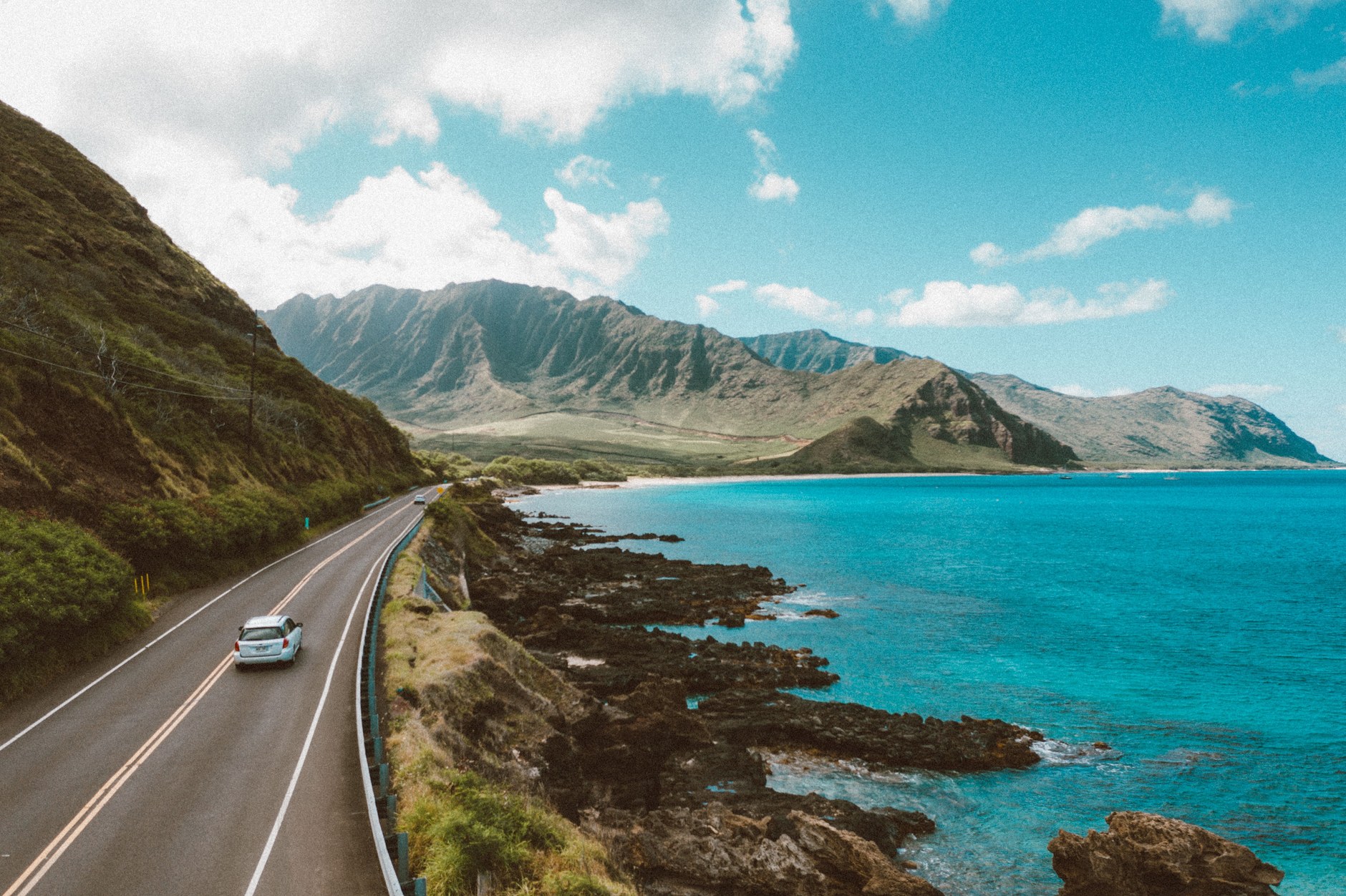
Mastering Bermuda’s unique transportation ecosystem is the single most important factor in enjoying your stay. Because Bermuda’s narrow, winding roads cannot accommodate large traffic volumes, non-residents are legally prohibited from renting standard full-sized automobiles.
Visitors have three viable independent transit solutions. The first is the public bus and ferry network operated by the Department of Public Transportation. Distinctive pink-and-blue buses run eleven routes across the island, while high-speed SeaExpress catamarans connect Hamilton with the Dockyard, Paget, and Warwick. Purchasing a multi-day transportation pass provides unlimited rides on both systems at reasonable cost, though bus schedules slow down significantly on Sundays and public holidays.
The second option is renting a two-passenger electric microcar, such as the Renault Twizy, Bermi, or Rugged mini-EV. These compact electric buggies measure less than four feet wide, allowing travelers to navigate narrow parish roads and park easily in designated motorcycle bays. They feature enclosed cockpits, roll cages, and seatbelts, offering a far safer alternative to mopeds. Charging stations are distributed across hotels and public attractions island-wide.
Rental scooters and 50cc mopeds remain available, but first-time visitors should exercise extreme caution. Bermuda’s roads are narrow, flanked by unforgiving coral stone walls, and traffic drives on the left. The road surface becomes slick as ice during sudden tropical rain showers, making scooter spills the number-one cause of tourist injuries on the island.
Connectivity and Mobile Networks in Bermuda
Reliable mobile data connectivity in Bermuda is essential for tracking real-time bus arrivals, booking taxi rides via the local Hitch app, monitoring ferry departures, and navigating tight intersections in a rental microcar.
Bermuda’s local telecommunications infrastructure is modern and sophisticated, provided primarily by One Communications and Digicel Bermuda. High-speed 5G and LTE coverage extends across all nine parishes and coastal waterways. However, because Bermuda is an overseas territory outside North American domestic mobile tiers, many international travelers face punitive daily roaming charges ($12 to $15 USD per day) from home cellular providers.
Installing an international eSIM before departure provides a straightforward solution. With NXTL’s Bermuda eSIM, your phone registers onto local high-speed LTE and 5G networks through Bermuda Digital Communication the moment you touch down at L.F. Wade Airport.
NXTL operates on a transparent pay-as-you-go data model where your balance never expires. Any unused credit remains active for future travel across more than 180 supported countries worldwide. An eSIM also keeps your domestic physical SIM active in your phone’s secondary slot, ensuring you continue receiving essential bank authentication SMS codes without incurring expensive home-carrier roaming fees.
Budget Realities, BMD Currency, and Daily Expenses
Bermuda operates on the Bermudian Dollar (BMD), which is legally pegged 1:1 to the US Dollar. US Dollars are accepted interchangeably everywhere on the island at exact parity, eliminating any need for foreign exchange if carrying US currency. Credit cards are universally accepted across hotels, rental agencies, and restaurants, though cash is useful for small local cafe purchases and bus fare tokens.
With no income tax, Bermuda funds public services through import tariffs, making daily travel costs comparable to major global financial centers:
- Accommodations: Boutique hotels or guesthouses run $220 to $380 USD nightly. Full-service resorts average $450 to $850+ USD.
- Dining: A Bermudian fish sandwich costs $16 to $24 USD. Full seafood dinners run $60 to $110 USD per person. Restaurants automatically add a 17% service charge.
- Local Transit: Unlimited three-day bus and ferry passes cost $44 USD ($69 USD for seven days). Two-seater microcar rentals average $95 to $130 USD daily. Airport taxis to Hamilton cost $35 to $45 USD.
- Sightseeing: Crystal & Fantasy Caves admission is $40 USD. National Museum of Bermuda costs $18 USD; Fort St. Catherine entry is $7 USD.
Five Pitfalls and Scams to Avoid in Bermuda
While Bermuda has virtually zero street crime targeting visitors, transportation traps and commercial assumptions require careful navigation. Watch for these five common pitfalls:
- The Tourist Moped Spill Hazard: Renting a 50cc scooter without prior two-wheel riding experience is Bermuda’s most frequent tourist mistake. Roads are narrow, bounded by jagged limestone walls, and feature tight blind corners. When tropical showers moisten the asphalt, the oily surface becomes treacherous; road rash and broken bones send hundreds of visitors to King Edward VII Memorial Hospital each year. Choose an electric microcar instead.
- Horseshoe Bay Midday Cruise Ship Gridlock: Arriving at Horseshoe Bay between 11:00 AM and 2:00 PM on a Tuesday, Wednesday, or Thursday puts you in the middle of thousands of cruise excursion passengers. To enjoy peace, arrive before 9:30 AM, or walk 400 meters east along the coastal trail to the secluded sands of Chaplin Bay or Jobson’s Cove.
- Assuming Subtropical Means Tropical Winter Weather: Visitors frequently confuse Bermuda with the tropical Caribbean. Located at 32 degrees north latitude, Bermuda experiences cool, breezy winters from December through March, with temperatures averaging 62 to 68 degrees Fahrenheit (17 to 20 Celsius) and ocean temperatures dropping to 65 degrees (18 Celsius). If you want warm beach swimming weather, visit between late May and October.
- The Double-Tipping Restaurant Surcharge Mistake: Almost all restaurants in Bermuda automatically add a mandatory 17% service charge (gratuity) directly onto the final dining bill. Many distracted tourists fail to notice this line item and add an additional 18% to 20% on the credit card slip, unintentionally tipping twice. Always inspect the itemized bill before signing.
- Exceeding the National 35 km/h Speed Limit: Bermuda’s national speed limit is 35 km/h (roughly 20 mph), designed to prevent head-on collisions on narrow winding curves. Police equipped with laser radar regularly enforce speed traps along South Road and North Shore Road. Fines for speeding are steep, often exceeding a cash sum and requiring court appearances for excessive speeds.
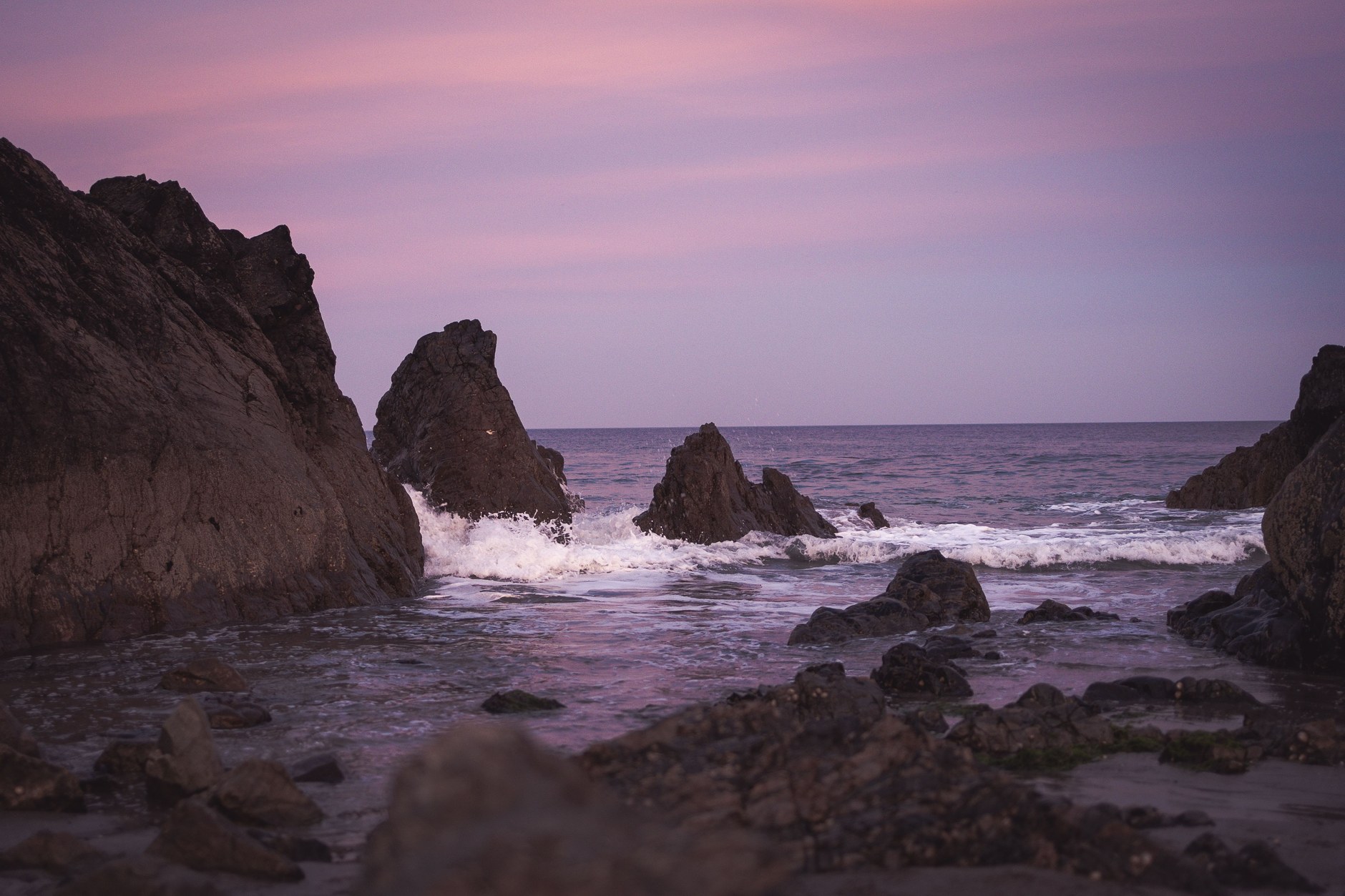
Observing these straightforward guidelines keeps your journey secure, economical, and focused on Bermuda’s refined Atlantic coastal charm.
Seasonal Weather, Water Temperatures, and Packing Essentials
Bermuda features a mild subtropical climate tempered by the warm waters of the Gulf Stream. Temperatures in summer (July through September) average 82 to 86 degrees Fahrenheit (28 to 30 Celsius) with warm ocean waters around 82 degrees. Spring (April through June) and autumn (October and November) provide comfortable daytime temperatures in the mid-70s with lower humidity, ideal for walking and golfing.
The Atlantic hurricane season runs from June through November, with peak activity between late August and mid-October. However, Bermuda’s solid limestone bedrock and rigid building codes make the island far more resilient to tropical storms than low-lying Caribbean cays. Winter (December through March) brings crisp breezes and cooler seas; while not ideal for beach swimming, it is exceptional for hiking the Railway Trail and visiting historic museums.
Packing for Bermuda requires refined smart-casual attire. The island maintains conservative British standards: swimwear is strictly forbidden outside beaches and pool decks, and walking into shops or restaurants in bathing suits will result in polite refusal of service. Bring smart linen shirts, lightweight tailored trousers, knee-length dresses, and comfortable leather walking shoes for cobblestones. For beach outings, pack reef-safe sunscreen, a UV-blocking rash guard, polarized sunglasses, and your standard US Type A/B electrical plugs.
By respecting local transport realities, exploring historic fortifications, and traveling with reliable digital connectivity, you will discover why this refined North Atlantic archipelago remains one of the world’s most enduring and captivating island destinations.