The British Virgin Islands are globally celebrated as the capital of Caribbean sailing, a status earned through steady trade winds, line-of-sight navigation, and sheltered anchorages across the Sir Francis Drake Channel. For decades, conventional wisdom suggested the only way to experience this territory was aboard a chartered catamaran or crewed yacht. Yet a growing number of independent travelers are discovering that a land-based journey—anchored by smart villa bases and connected by public ferry routes—offers equal maritime access with greater flexibility, authentic community interaction, and substantially lower upfront commitments.
Planning a trip to the British Virgin Islands requires understanding the relationship between island geography and ferry timetables. With four main islands—Tortola, Virgin Gorda, Jost Van Dyke, and Anegada—alongside more than fifty smaller cays, an unscripted itinerary can quickly unravel. Inter-island ferries stop running in the late afternoon, rental cars must handle extreme mountain grades, and cruise ship arrivals regularly congest premier geological attractions. Structuring a realistic route means matching your overnight bases to regional ferry hubs and planning activities around day-charter crowds.
Who This Trip Suits and How Long to Stay
The British Virgin Islands appeal most strongly to ocean lovers: snorkelers, coastal drivers, and beach explorers who prefer decentralized island hopping over enclosed mega-resorts. If your ideal vacation involves boarding morning ferries to swim through granite sea caves, drinking rum cocktails at beachside shacks with sand underfoot, and driving steep ridge roads with channel views, this territory delivers an exceptional experience. It is safe, uses the US Dollar as its official currency, and operates under orderly British legal and maritime standards.
Conversely, the BVI is ill-suited to budget backpackers or travelers seeking late-night clubbing. High import tariffs drive grocery and restaurant prices above standard Caribbean averages. Getting around requires renting a four-wheel-drive SUV or paying steep per-person taxi fares. Seven to eight days represents the ideal duration, providing sufficient time to split your stay between the volcanic ridges of Tortola and the quiet anchorages of Virgin Gorda, with dedicated day hops to Jost Van Dyke and the coral atoll of Anegada.
If you have only four or five days, limit your stay to a single island—either Tortola for dining variety and transport convenience, or Virgin Gorda for serene beach proximity. Attempting to hop across three islands in a long weekend wastes half your waking hours on ferry docks. With ten to twelve days, you can add two unhurried nights on Anegada to feast on freshly caught spiny lobster and explore barrier reefs.
Land-Based Travel vs. Sailing Charters
The first major decision facing any BVI traveler is choosing between chartering a boat and booking land-based accommodations. Sailing charters offer the romantic appeal of waking up at anchor in a secluded bay and stepping directly from your stern into turquoise water. However, chartering requires bareboat certification, hiring an expensive skipper, and managing complex onboard systems like watermakers and generator fuel.
A land-based itinerary offers distinct advantages. Renting a hillside villa or boutique hotel gives you spacious air-conditioned rooms, full kitchens, private plunge pools, and stable ground that eliminates seasickness. Land travelers can explore Tortola’s mountain rainforests, dine at cliffside local restaurants inaccessible from the water, and choose when to join or avoid marine crowds. By leveraging scheduled public ferries and booking occasional day sails, land-based visitors enjoy the best of both worlds at lower cost.
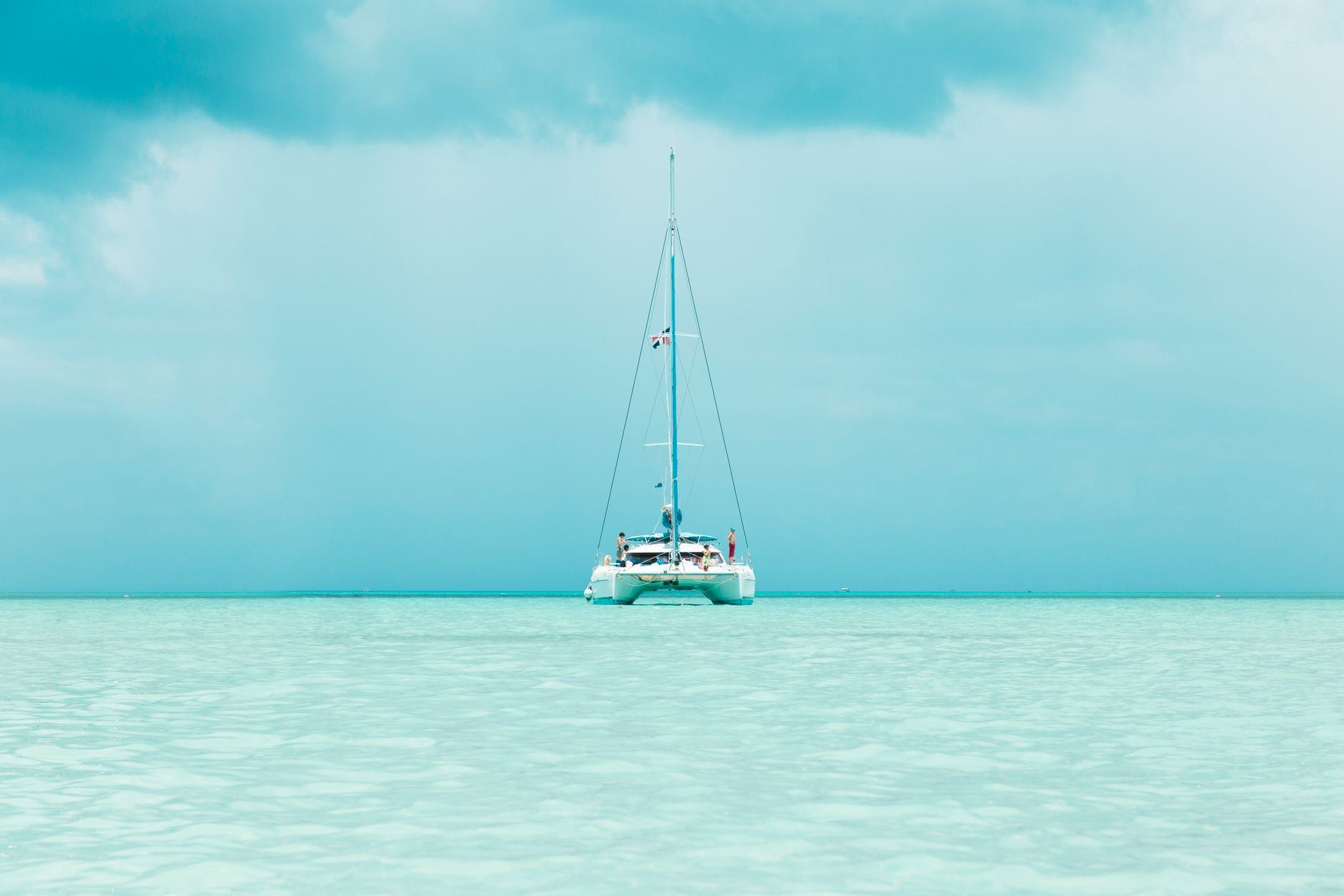
Cost comparisons are striking: a one-week catamaran charter runs between 7,000 and 14,000 USD once skipper fees, fuel, mooring permits, and provisioning are tallied. A land-based split stay with a hillside villa, rental 4WD SUV, and daily ferry tickets typically costs between 3,500 and 5,500 USD for a couple, leaving ample budget for guided excursions and dining.
Day-by-Day British Virgin Islands Itinerary
This seven-day route balances two strategic land bases: Tortola’s scenic north coast for active road touring and day hops, followed by Virgin Gorda for beaches and maritime tranquility.
| Day / Stage | Base | Highlights | Transport Mode | Transit Time | Advance Booking Requirement |
|---|---|---|---|---|---|
| Day 1 | Tortola (Apple Bay) | Arrive Beef Island (EIS), pick up 4WD, drive Ridge Road, sunset swim at Long Bay | Rental 4WD SUV | 45 mins | Rental vehicle reserved 1 month ahead |
| Day 2 | Tortola (Apple Bay) | Hike Mount Sage National Park, Callwood Rum Distillery, Cane Garden Bay dinner | Rental 4WD SUV | 40 mins total driving | National park entry paid on arrival |
| Day 3 | Virgin Gorda (Spanish Town) | Morning ferry to Virgin Gorda, check in, explore The Baths and Devil’s Bay | Speedy’s Ferry / Open-Air Taxi | 30 mins ferry | Ferry tickets purchased at terminal |
| Day 4 | Virgin Gorda (Spanish Town) | Drive to Gorda Peak, water taxi to Bitter End Yacht Club and Saba Rock in North Sound | Rental Car / Water Taxi | 25 mins driving + 10 mins boat | Dinner reservation at Saba Rock |
| Day 5 | Virgin Gorda (Spanish Town) | Day excursion ferry to Anegada, rent open Moke, Horseshoe Reef, lobster dinner | Speedy’s Anegada Ferry / Moke | 60 mins ferry each way | Anegada ferry checked for operational days |
| Day 6 | Tortola (Apple Bay) | Ferry back to Tortola, afternoon ferry hop to Jost Van Dyke (White Bay, Soggy Dollar) | Inter-Island Ferries | 30 mins + 25 mins ferries | Monitor last return ferry time carefully |
| Day 7 | Departure | Soper’s Hole historic marina stroll, duty-free shopping, cross to Beef Island airport | Rental 4WD SUV | 50 mins to airport | Check-in 2.5 hrs prior to flight |
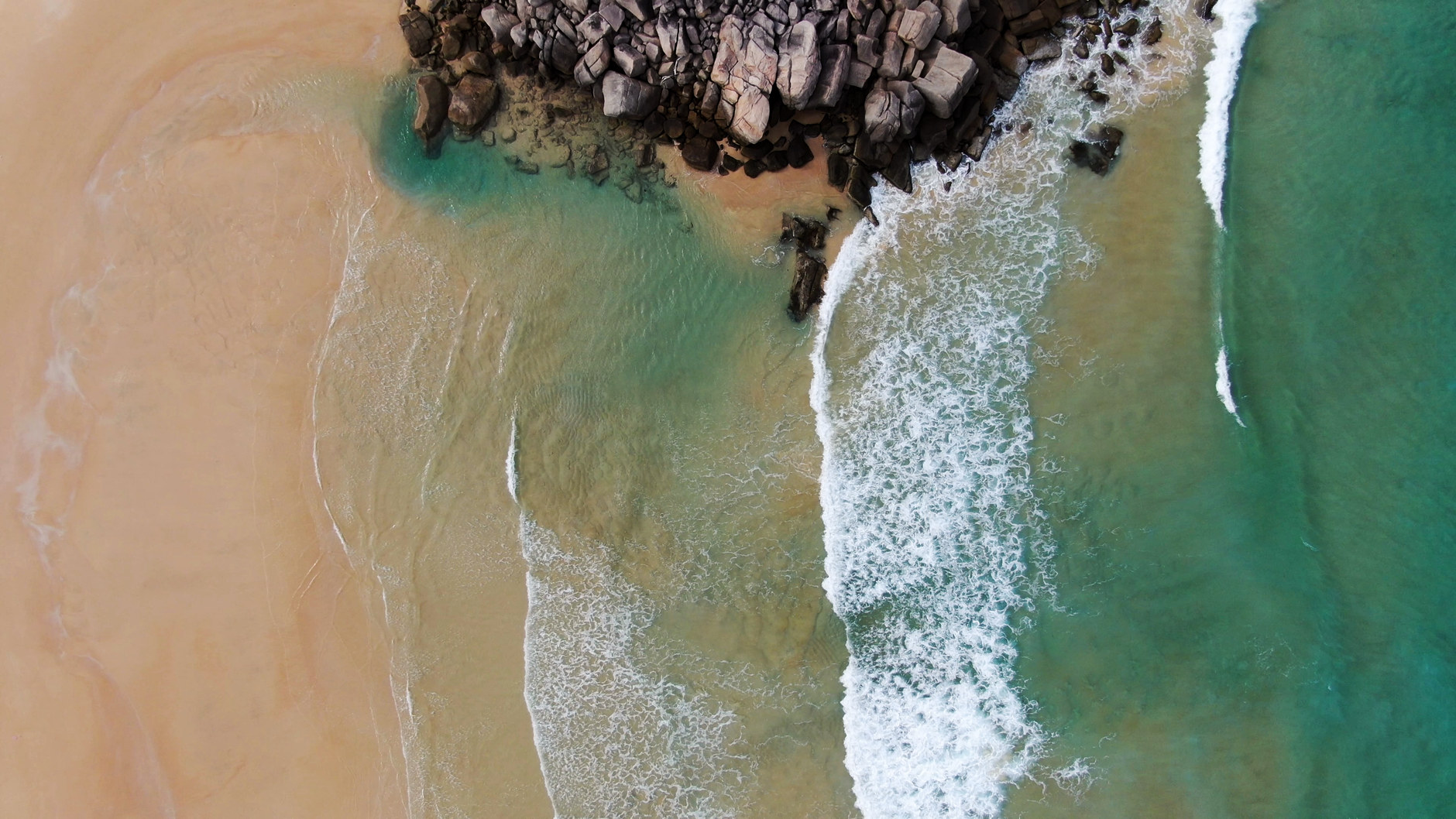
Timing is critical when visiting The Baths on Virgin Gorda. Giant granite boulders up to forty feet across litter the beach, forming secret grottoes, tidal pools, and tunnels leading to Devil’s Bay. Because excursion boats from St. Thomas and Tortola deposit hundreds of day-trippers between 10:00 AM and 2:00 PM, staying on Virgin Gorda lets you hike through the boulders at 8:00 AM in serene solitude.
Tortola: Mountain Ridges, Surf Bays, and Soper’s Hole
Tortola is the geographical and administrative heart of the British Virgin Islands. Shaped by volcanic forces, it rises steeply from the sea into green peaks. Driving Ridge Road along the island’s spine provides broad vistas across the Sir Francis Drake Channel to the south and the open Atlantic to the north.
Begin at Mount Sage National Park, the highest elevation in the Virgin Islands at 1,716 feet. Shaded hiking trails wind beneath elephant ear philodendrons and broadleaf mahogany trees where cooler mountain air offers a pleasant morning walk before coastal heat builds.
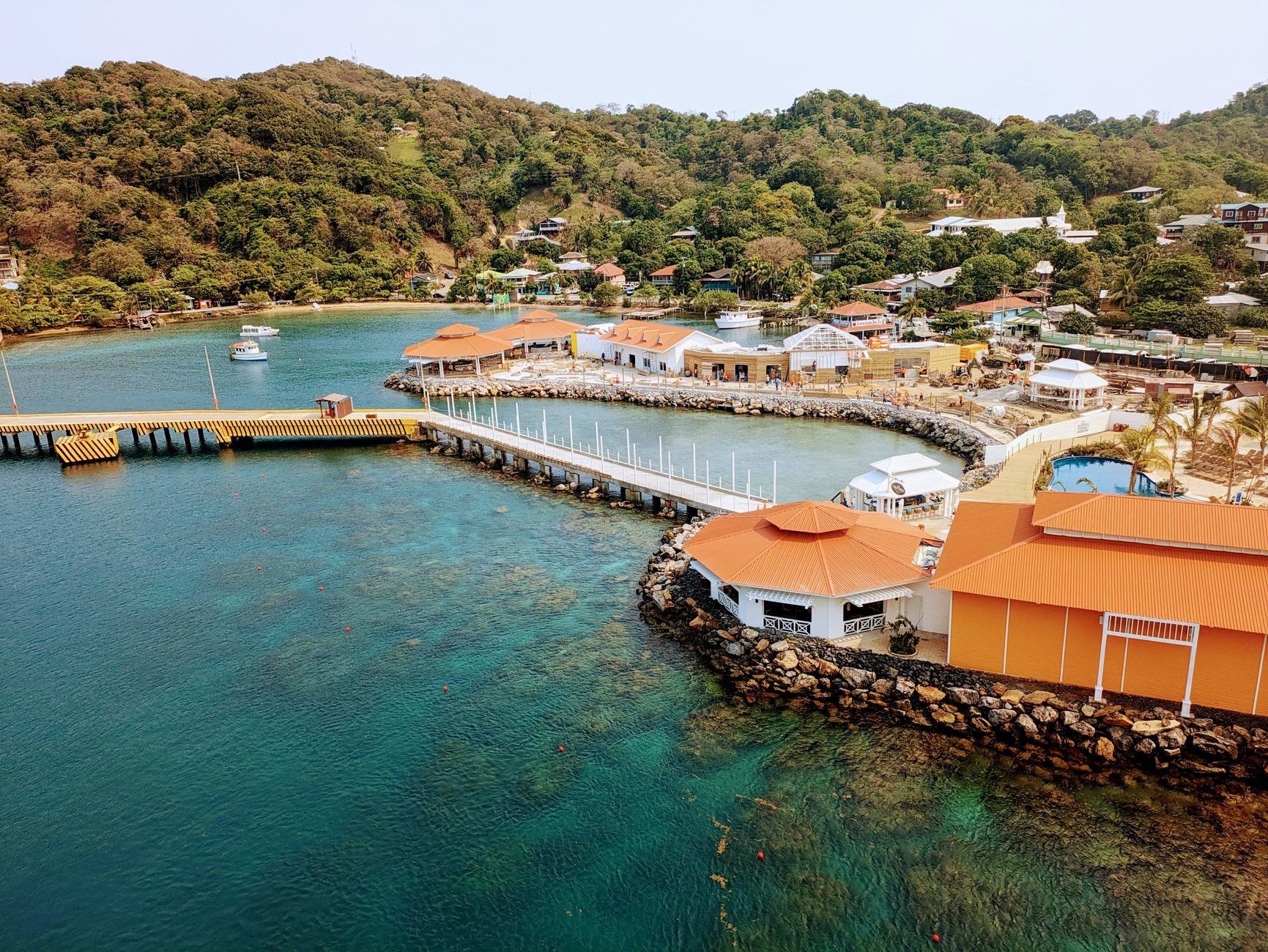
Descend to Cane Garden Bay for casual beachfront dining or explore winter surf swells at Apple Bay and Josiah’s Bay. In Cane Garden Bay, visit the historic Callwood Rum Distillery, where sugarcane rum is still aged in charred oak casks within historic stone walls. At the island’s western tip, Soper’s Hole Marina at Frenchman’s Cay features colorful West Indian buildings, timber boardwalks, and cafes overlooking visiting yachts.
Virgin Gorda: Granite Boulders and the North Sound
Virgin Gorda offers a quiet, relaxed atmosphere. The island divides between the flat, boulder-strewn south around Spanish Town and the mountainous North Sound.
After exploring The Baths, follow the marked trail through dry scrub to Devil’s Bay. This wide cove features soft coral sand and clear shallows ideal for snorkeling with parrotfish and rays. In the north, North Sound forms a protected marine basin accessible only by water. From Gun Creek dock, take the free passenger launch to Bitter End Yacht Club or Saba Rock for waterfront dining and water sports.
Anegada and Jost Van Dyke: Day-Trip Decisions
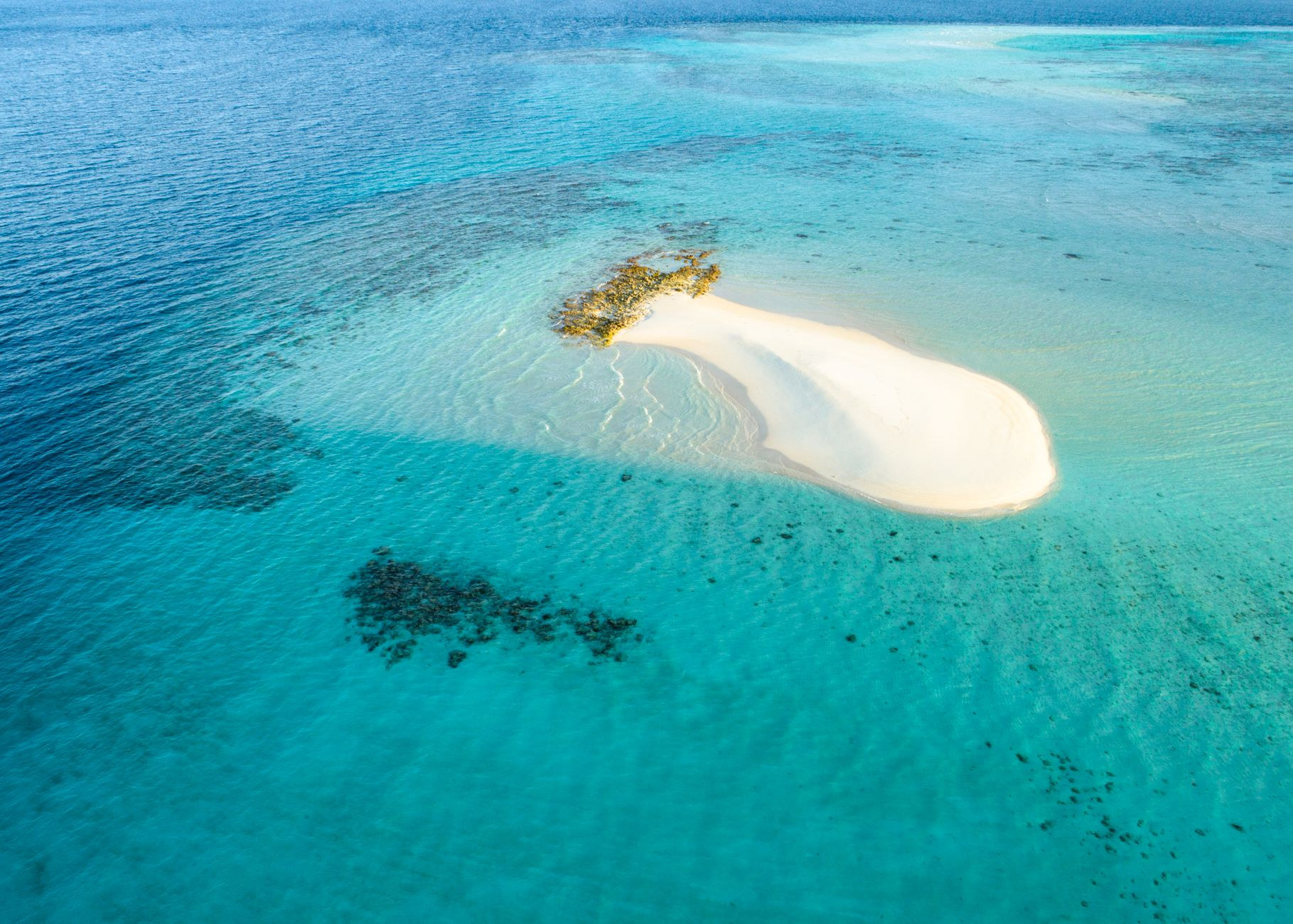
Anegada is a flat coral atoll rising barely twenty-eight feet above the sea, ringed by the 18-mile Horseshoe Reef. Rent an open Moke at Setting Point to explore Cow Wreck Beach and Loblolly Bay, visit the interior flamingo ponds, and savor grilled spiny lobster on the sand at sunset.
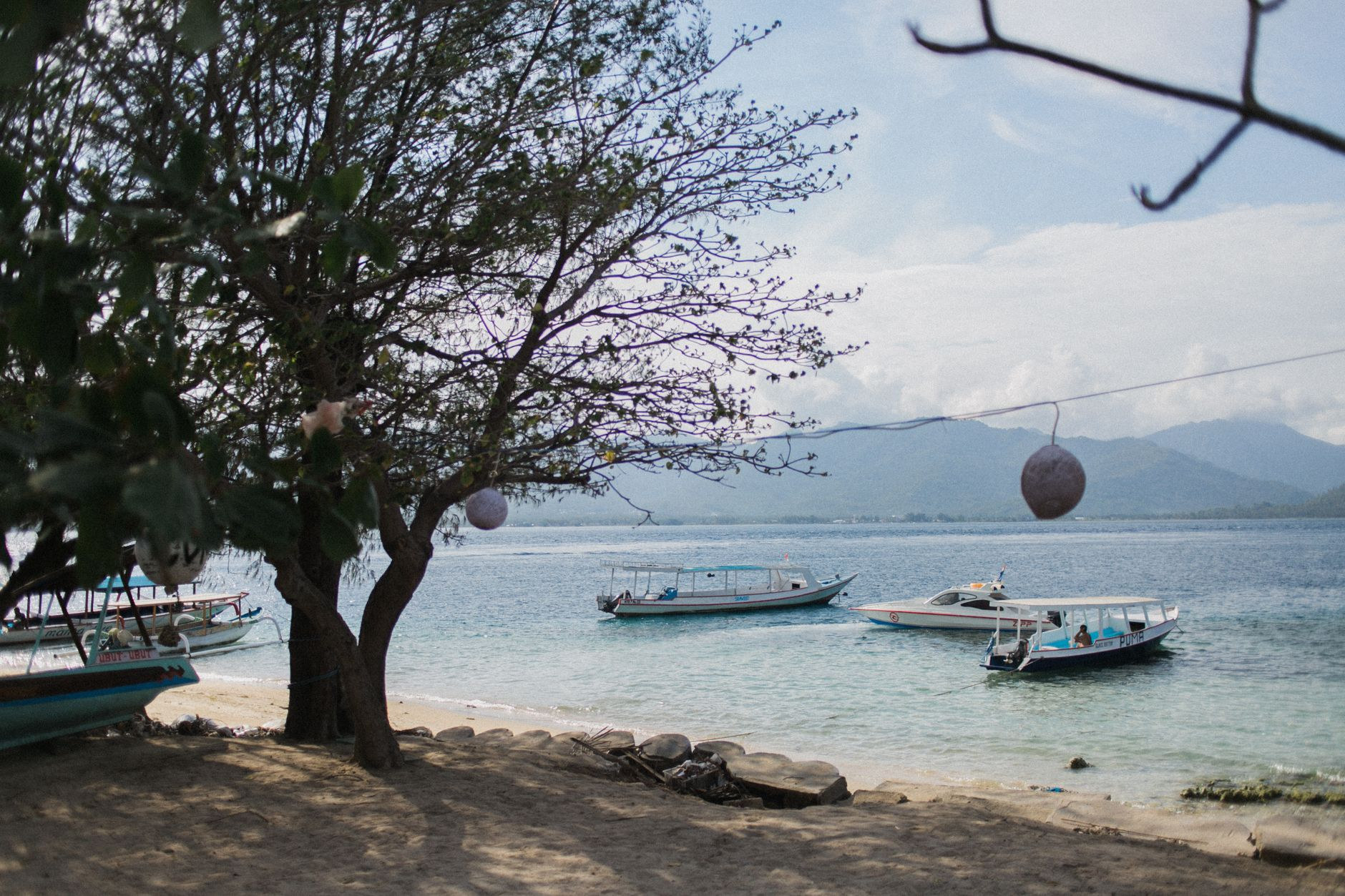
Jost Van Dyke is the smallest main island, home to roughly three hundred residents. Ferrying in from West End, Tortola, you reach Great Harbour and nearby White Bay, where yachts anchor in shallow water. Wading ashore brings you to the Soggy Dollar Bar, birthplace of the famous Painkiller cocktail made with dark rum, fruit juices, cream of coconut, and freshly grated nutmeg.
Driving Tortola: Why a 4WD Vehicle Is Essential
Driving is on the left, continuing British tradition, though most rental vehicles are American-style left-hand drive. This configuration demands conscious focus on mountain roads with no guardrails.
Do not economize with a standard compact sedan. Tortola’s roads feature steep 30-degree switchbacks that easily overheat standard brakes and spin tires on damp surfaces. A four-wheel-drive SUV (such as a Suzuki Jimny or Toyota RAV4) provides the necessary low-gear engine braking and traction required to climb and descend safely.
Gas stations are plentiful around Road Town and East End but nonexistent along northern coastal roads. Fill your tank before entering the hills, and drive slowly at night to avoid roaming goats and roadside gutters.
Ferry Networks, Island Transfers, and Schedule Discipline
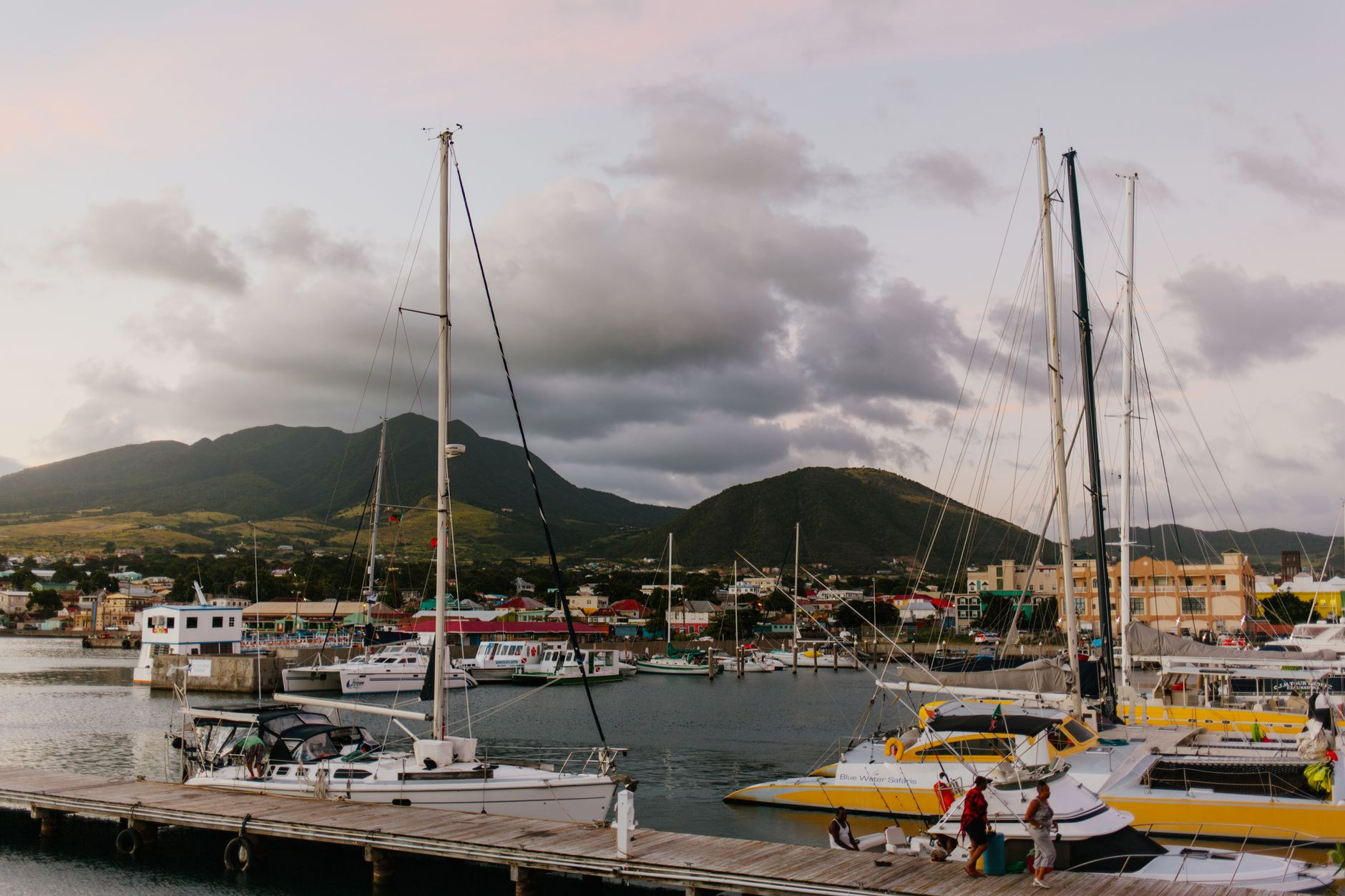
Mastering the BVI ferry system is key to an enjoyable trip. Operators like Speedy’s, Smith’s Ferry, and Road Town Fast Ferry connect Road Town with Virgin Gorda, West End with Jost Van Dyke, and run scheduled trips to Anegada.
Always verify return departure times when stepping off the boat. Most routes cease operation between 4:30 PM and 5:30 PM. Missing the final ferry leaves you stranded overnight or facing 300 to 500 USD for an emergency private water taxi. Carry small cash bills for port terminal departure fees.
Connectivity and Mobile Data Across the Islands
Continuous mobile connectivity is indispensable in the British Virgin Islands for checking ferry timetables, monitoring weather radar, and finding unmarked mountain turns. Domestic networks like C&W LIME provide dependable LTE coverage across the territory.
Rather than hunting for physical SIM cards at airport kiosks, activate an eSIM before departure. Using an international eSIM from NXTL’s British Virgin Islands eSIM, your phone connects to local LTE networks immediately upon arrival. NXTL’s pay-as-you-go data balance never expires, preserving unused funds for future trips across more than 180 supported destinations.
An eSIM also keeps your domestic SIM active for bank security SMS codes while avoiding high carrier roaming fees.
Budget Realities, Dollar Pricing, and Out-Island Costs
The BVI uses the US Dollar (USD), eliminating currency exchange math for American travelers. Because goods are imported, prices are higher than on the US mainland. Plan for these typical costs:
- Accommodations: Vacation rentals on Tortola range from 200 to 350 USD per night. Virgin Gorda beachfront resorts and villas run 450 to 950 USD. Anegada cottages cost 180 to 280 USD.
- Dining: Casual meals cost 15 to 22 USD per plate. Beachfront lunches run 30 to 45 USD. Waterfront dinners average 75 to 130 USD per person. A whole grilled Anegada lobster dinner costs 55 to 70 USD.
- Transport & Activities: 4WD rental SUV costs 65 to 90 USD daily. Inter-island return ferry fares run 35 to 45 USD, with Anegada ferry at 60 to 75 USD. National Park entry tags cost 3 USD.
Provisioning groceries at supermarkets in Road Town (like Rite Way or Bobby’s) for breakfast and snacks saves substantial money during a week-long stay.
Five Pitfalls and Scams to Avoid in the BVI
While the BVI is safe with low crime rates, common transit missteps and fees can compromise your budget. Guard against these five issues:
- Stranded by the Final Afternoon Ferry: Inter-island public ferries stop operating early, usually between 4:30 PM and 5:30 PM. Missing the final scheduled ferry from Jost Van Dyke or Virgin Gorda forces you to pay 300 to 500 USD for an emergency private water taxi. Always verify return departure times at the ticket window upon arrival.
- Midday Cruise Inundation at The Baths: Cruise ship excursion buses drop hundreds of passengers at The Baths simultaneously between 10:00 AM and 1:30 PM. The narrow rock crawls become gridlocked and tidal caves lose their appeal. Always visit at 8:00 AM or after 3:30 PM to explore the boulder labyrinth in tranquility.
- Renting Inadequate 2WD Cars on Tortola: Budget rental agencies sometimes offer low-clearance economy cars to unsuspecting tourists. Tortola’s 30-degree mountain switchbacks require four-wheel-drive traction, especially during sudden rain showers that make road surfaces slick. Never accept a 2WD sedan; insist on a proper 4WD SUV.
- The Out-Island Cash Shortage: Outside of Road Town, ATMs on Jost Van Dyke and Anegada are limited, frequently unstocked, or offline due to power interruptions. Many beach bars and small boat operators do not accept credit cards or charge a 5% credit processing fee. Always withdraw several hundred dollars in physical US cash before boarding outer-island ferries.
- Unclear Taxi Tariff Stacking: Taxis in the BVI operate under government-regulated zone tariffs that charge per person rather than per vehicle, often with surcharges for luggage and late-night trips. A short ride that appears to cost 15 USD can quickly become 60 USD for a family of four. Always confirm the total fare with the driver before loading your bags.
Navigating these considerations thoughtfully allows you to enjoy the islands with complete peace of mind, focusing entirely on the maritime beauty that surrounds you.
Best Seasons, Weather Conditions, and Packing Essentials
The British Virgin Islands enjoy consistent tropical temperatures year-round, with average daily highs ranging from 82 to 88 degrees Fahrenheit (28 to 31 Celsius). Trade winds blow steadily from the east, providing natural cooling across hillsides and beaches.
The peak travel season extends from mid-December through April, bringing dry weather, lively sailing regattas, and pleasant evening breezes. However, this period commands the highest villa rates and requires booking accommodations months ahead. The shoulder months of May and June provide an exceptional travel window: winter crowds depart, trade winds remain steady, water visibility is outstanding for snorkeling, and villa rates drop by 20 to 35 percent. Hurricane season officially runs from June 1 through November 30, with peak risk occurring between August and October. If traveling during late summer or autumn, purchasing comprehensive travel insurance that includes trip interruption and hurricane protection is essential.
When packing for the BVI, choose practical, lightweight ocean gear. Bring high-quality mineral sunscreen containing zinc oxide; chemical formulas containing oxybenzone harm delicate coral reefs and are strongly discouraged. Pack durable UPF 50+ rash guards for sun protection during open-water snorkeling, polarized sunglasses to cut water glare while spotting reefs from boats, and sturdy water shoes or strapped sport sandals for walking over wet granite at The Baths. A heavy-duty waterproof dry bag is indispensable for protecting your phone, camera, and electronics during dinghy rides, water taxi transfers, and ferry crossings.
By approaching the British Virgin Islands with smart route planning, embracing land-based flexibility, and securing dependable mobile data before departure, you will experience the premier cruising grounds of the Caribbean in comfort, safety, and authentic island freedom.