Often described as Africa in miniature, Cameroon concentrates the continent’s major ecological and cultural zones within a single territory: Atlantic surf beaches, equatorial rainforests, misty volcanic highlands, and expansive Sahelian plains. Yet traveling through this Central African nation requires nuanced logistical preparation, dated regional security awareness, and practical know-how regarding cash CFA Franc transactions, intercity transit corridors, and mobile data management across changing landscapes.
Most international travelers arrive in Cameroon via Douala International Airport (DLA), the bustling economic powerhouse on the Wouri River, or Yaoundé Nsimalen International Airport (NSI), the administrative gateway situated among green forest hills. Choosing between these entry points sets the tone for your journey. Douala is intense, commercial, and humid, while Yaoundé offers cooler highland breezes, diplomatic institutions, and cultural museums. Between them runs the country’s economic spine, connecting the coast to the interior.
This comprehensive travel guide outlines a tested nine-day itinerary focused on Cameroon’s stable, accessible southern and coastal axis: Yaoundé, Douala, the primate reserves of Limbe, and the Atlantic beaches of Kribi. We explain the critical travel choices: how to navigate ground transit between major hubs, what documentation police checkpoints require, how the cash economy operates, and how to maintain essential communication on the MTN LTE network without racking up unnecessary data expenses.
Who This Route Suits and Regional Safety Realities
This travel framework is designed for culturally inquisitive travelers, wildlife enthusiasts, and adventurous overland explorers who are comfortable with the realities of Central African travel. It suits independent travelers with some French language proficiency, couples seeking authentic off-the-beaten-track discoveries, and small groups interested in primate conservation and coastal rainforest biodiversity.
Planning travel to Cameroon in late 2026 requires understanding distinct regional realities. While the southern corridor spanning Yaoundé, Douala, Kribi, and the coastal towns of the Littoral Region remains peaceful, welcoming, and open to routine tourism, other areas of the country face security challenges. The Northwest and Southwest regions have experienced ongoing socio-political unrest and armed separatist activity since 2016, making travel outside fortified urban perimeters hazardous. Similarly, the Far North Region bordering Lake Chad and northern Nigeria carries persistent security warnings related to regional insurgent groups.
Responsible travel planning focuses firmly on the southern plateau and Atlantic coast. While Mount Cameroon (4,040 meters) near Buea remains an iconic volcano, hikers must consult regional security directives and hire certified ecotourism guides rather than attempting independent treks.
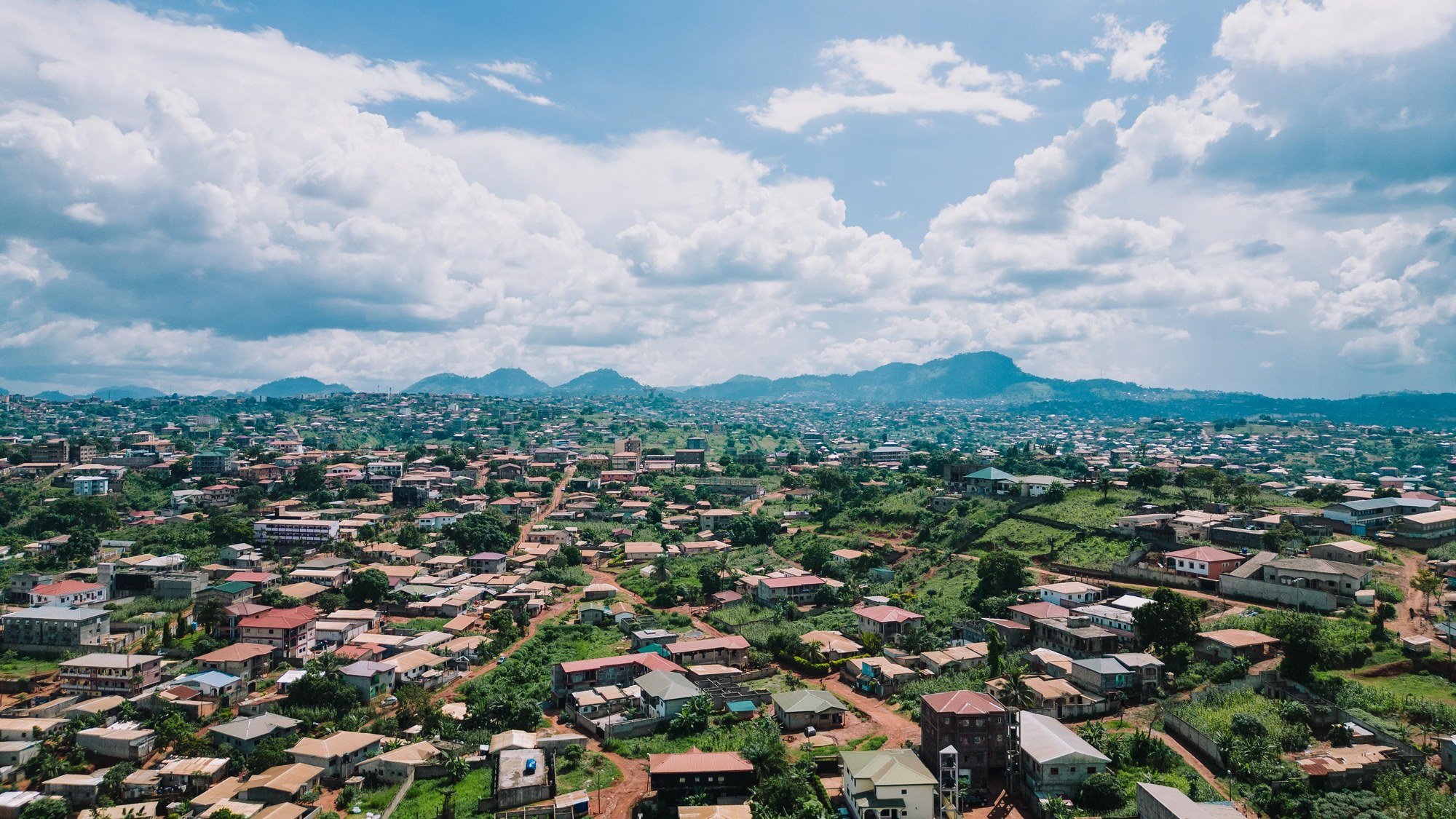
The principal seasonal trade-off revolves around the equatorial rains. The dry season from November to February is the optimal window for travel, bringing sunny beach days in Kribi, clear hiking weather, and firm dirt roads. The heavy rainy season from June to October brings torrential downpours that turn rural laterite roads into slick mud ruts and cause significant traffic delays along the Douala-Yaoundé highway.
Nine-Day Southern Cameroon Itinerary: Culture to Coast
The following nine-day itinerary connects the national capital, the commercial port city, wildlife sanctuaries, and white sand Atlantic beaches. It provides a balanced route that avoids regional conflict zones while showcasing Cameroon’s rich cultural heritage and coastal scenery.
| Day / Stage | Base | Highlights | Transport Mode | Transit Time | Advance Booking Requirement |
|---|---|---|---|---|---|
| Days 1–2 | Yaoundé | National Museum, Reunification Monument, Mount Fébé panoramas, Marché du Mfoundi crafts | Airport transfer / yellow city cabs | 45 mins (NSI to center) | Medium: reserve city hotel and museum entry permits in advance |
| Day 3 | Transit to Douala | Scenic travel through rainforest plateaus, crossing the broad Wouri River basin, Akwa commercial quarter | VIP coach bus (Touristique) or Camrail train | 4 to 5 hours | High: book VIP express coach ticket 24 to 48 hours prior to departure |
| Days 4–5 | Limbe & Coastal Foothills | Limbe Wildlife Centre primate sanctuary, volcanic black sand beaches, Limbe Botanic Garden | Private car hire or shared intercity taxi | 1.5 to 2 hours | Medium: secure coastal lodging and primate sanctuary guided tours ahead |
| Days 6–8 | Kribi & Grand Batanga | Lobé Waterfalls cascading into the ocean, fresh grilled king prawns on the beach, pygmies forest walk | Coastal road transfer via Edéa | 3.5 to 4.5 hours | High: seaside bungalows and Lobé river pirogue excursions book quickly on weekends |
| Day 9 | Douala or Yaoundé Departure | Artisanal souvenir markets, final Atlantic seafood lunch, international evening departures | Private vehicle transfer to DLA/NSI | 3 hours to Douala | Standard: allow 4 hours buffer for airport traffic and security screening |
This itinerary minimizes backtracking by traveling overland from Yaoundé to Douala and the coast, ending with easy airport transfers. Each base offers distinct culinary traditions, from Ndolé and grilled fish along the coast to slow-cooked forest stews in the capital.
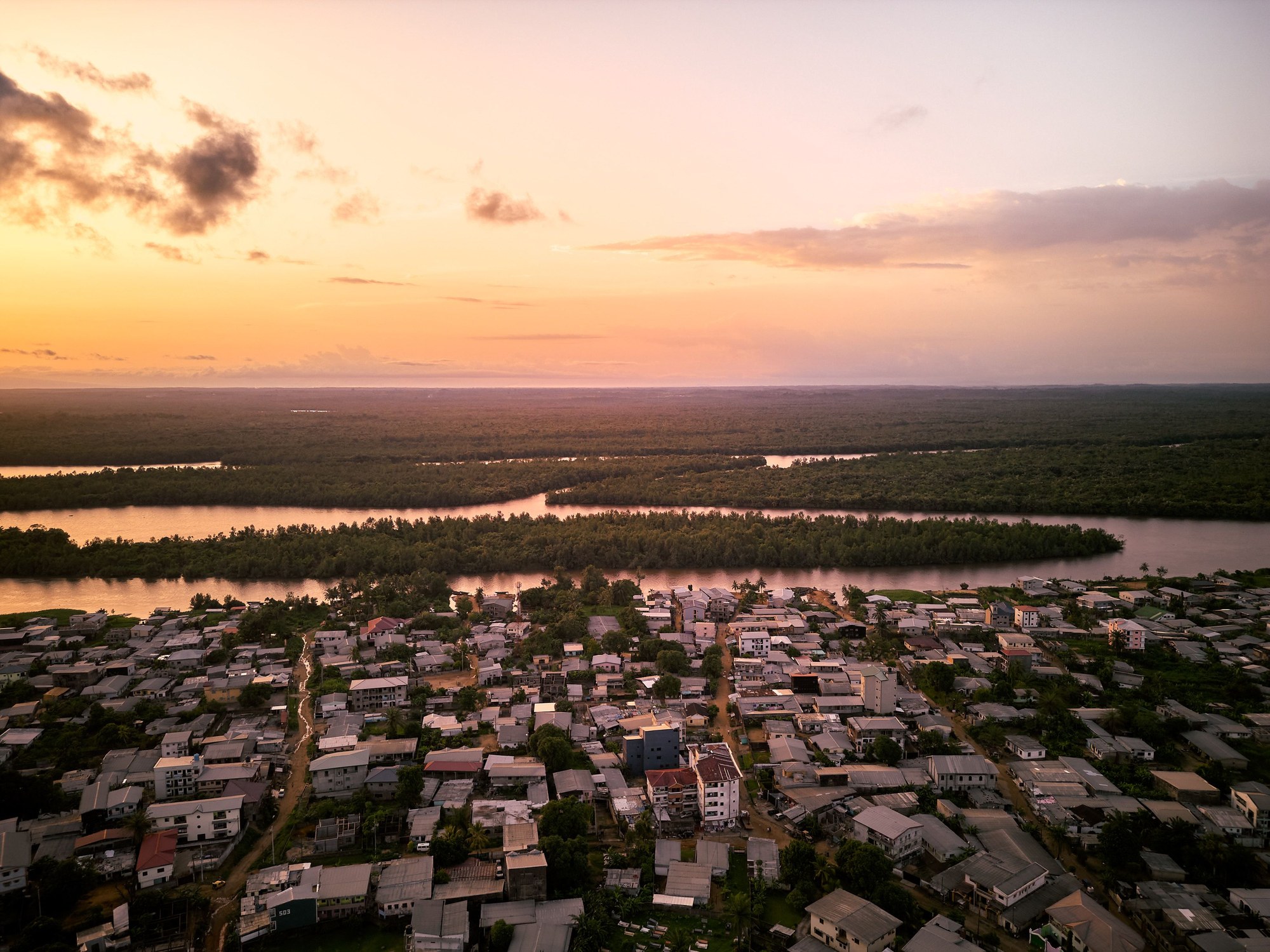
If you have only six days, omit the Limbe extension and focus exclusively on the Yaoundé, Douala, and Kribi triangle. That streamlined schedule cuts road transit time while preserving the contrast between the political capital and the tranquil Atlantic beaches.
Yaoundé: The Political and Cultural Heart
Perched at an elevation of 750 meters across seven lush hills, Yaoundé presents an appealing, measured contrast to the frenetic energy of Douala. The cooler climate and greener topography make exploring the city’s civic landmarks and cultural collections a pleasant introduction to Cameroonian society.
Start at the Musée National, housed in the former governor’s palace. Exhibits trace Cameroon’s pre-colonial eras, German colonization (1884–1916), British and French mandates, and modern independence. The collection features royal thrones, bronze castings, instruments, and ceremonial masks from the Western Highlands.
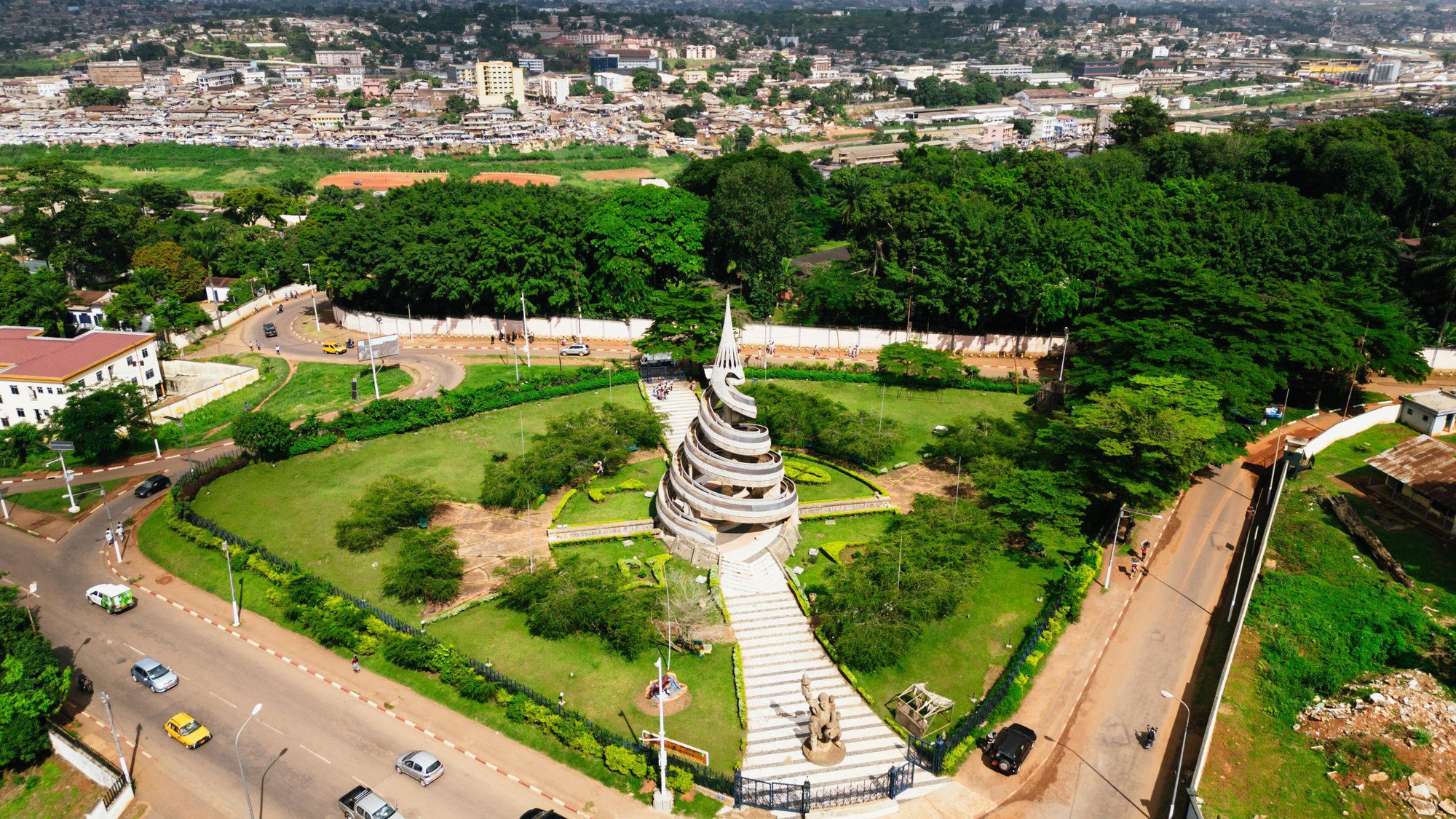
Mount Fébé offers panoramic vistas across the sprawling urban basin. Here, the Benedictine Monastery houses the Museum of Cameroonian Art, displaying liturgical woodcarvings and bronzes. Downtown, the spiraling Monument of the Reunification commemorates the 1961 union of French Cameroun and British Southern Cameroons.
Food in Yaoundé reflects rich agricultural traditions. In the Bastos diplomatic district, restaurants serve refined Cameroonian specialties. Sample poulet DG (poulet Directeur Général), an iconic dish of braised chicken, plantains, carrots, and spiced tomato gravy created for executives in the 1980s.
Douala: Maritime Energy and Commercial Rhythms
Douala is Cameroon’s economic motor and largest city, handling more than eighty percent of the country’s maritime commerce through its sprawling seaport on the Wouri River. Unlike the bureaucratic calm of Yaoundé, Douala is raw, energetic, and relentless. The air is warm and maritime, infused with the scent of tropical rain, roasting street plantains, and diesel exhaust.
In the Bonanjo quarter, colonial architecture stands alongside modern banks. The Pagode des Rois Bell, built in 1905 by King Auguste Manga Ndumbe Bell, displays distinctive palace architecture. Nearby, Doual’art exhibits urban sculptures examining public space and civic identity across Central Africa.
Douala’s street food scene is legendary. Along Boulevard de la Liberté in the commercial Akwa district, roadside grills fill the evening air with the smoke of Poisson Braisé—freshly caught Atlantic sea bass or mackerel marinated in spicy ginger, garlic, njangsa, and chili pastes, served alongside fried plantains (miondo) and fiery pepper condiments. Eating at an open-air maquis while listening to Makossa beats is an essential Douala experience.
Navigating Douala requires practical street tactics. Yellow shared taxis form the backbone of urban transport. To travel quickly between districts, flag down a taxi and call out your destination and fee. For private transit, negotiate a “dépôt”—a private hire where the driver takes you directly to your destination without picking up additional passengers along the way.
Limbe: Volcanic Coastlines and Primate Sanctuaries
Located ninety minutes west of Douala along the coast of the Southwest Region, Limbe (formerly Victoria) sits at the base of Mount Cameroon where black volcanic sand meets the Atlantic surf. The town offers a relaxed seaside atmosphere and important wildlife conservation initiatives.
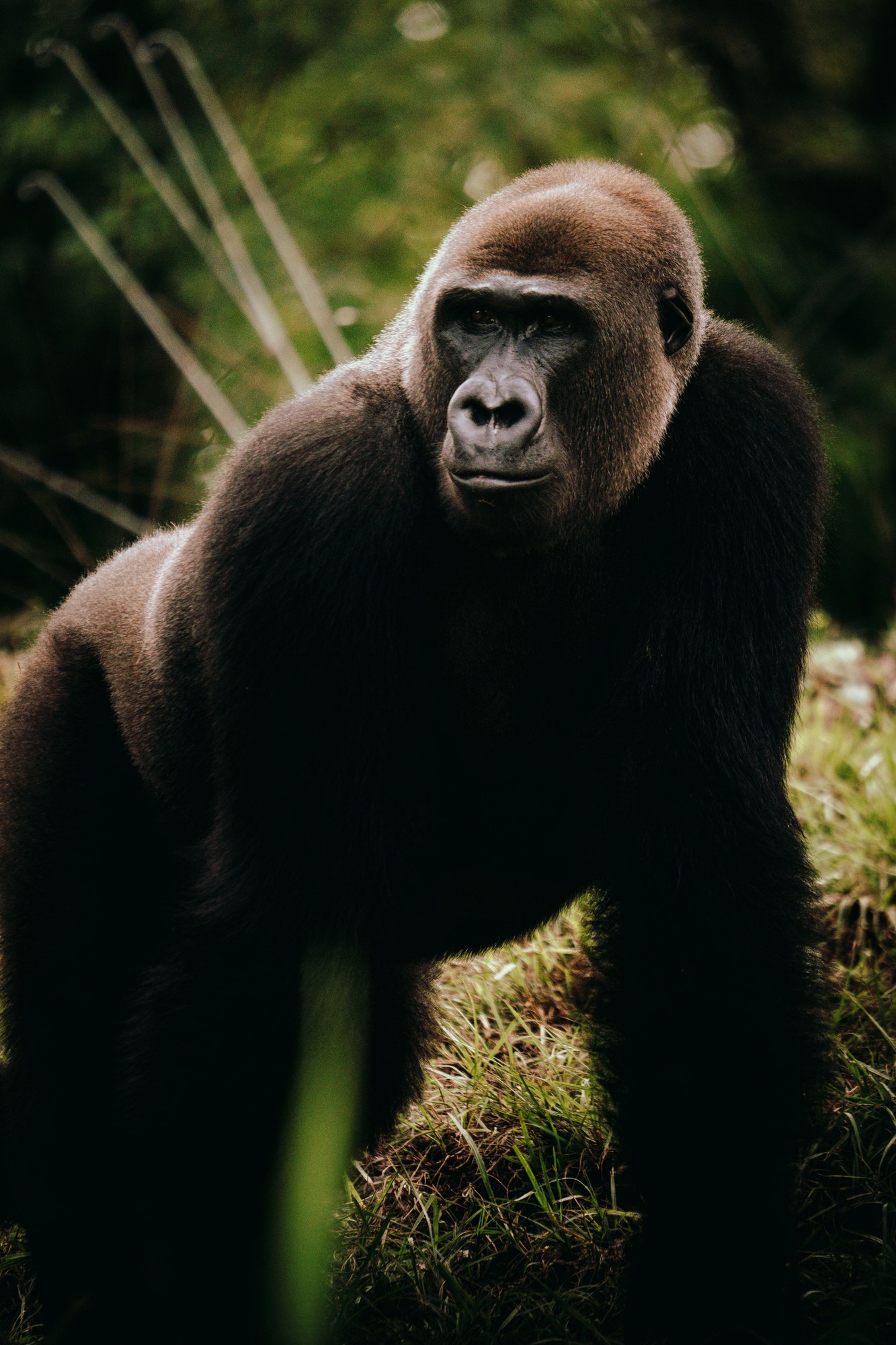
The centerpiece of any visit is the Limbe Wildlife Centre, an internationally recognized primate rescue and rehabilitation sanctuary founded jointly by the Cameroonian government and the Pandrillus foundation. The center provides refuge for endangered primates rescued from the illegal bushmeat and pet trades, including western lowland gorillas, chimpanzees, drills, mandrills, and baboons. Walking through the forested enclosures with an educational guide provides profound insight into conservation challenges across the Congo Basin.
Nearby, Limbe Botanic Garden covers forty-eight hectares of tropical flora founded in 1892. Mahogany trees, spice plantations, and medicinal herbs line trails along the Limbe River. Down Beach offers views of fishing pirogues landing daily catches, where vendors grill fresh barracuda and snapper along the seawall.
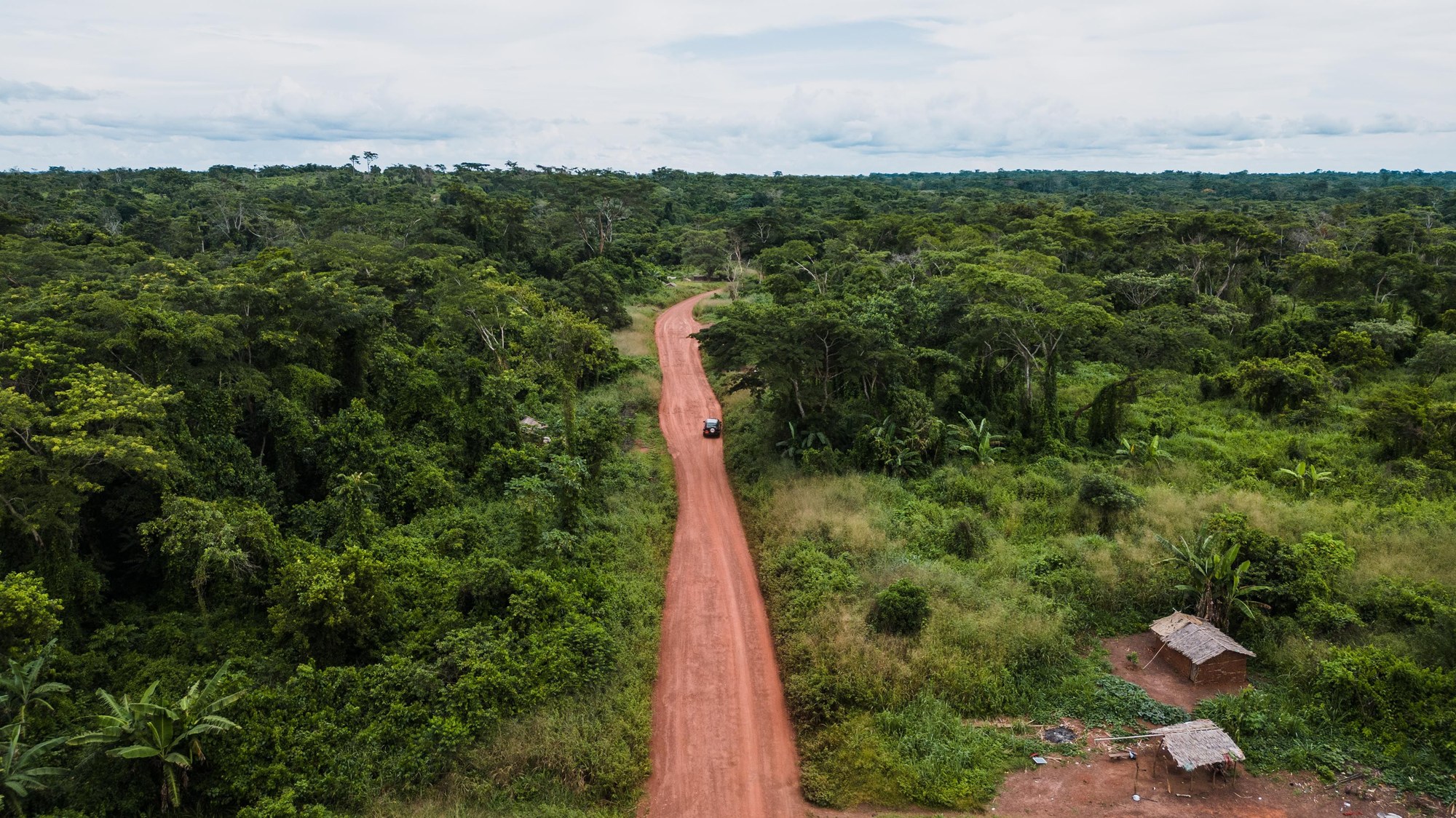
Because Limbe lies in the Southwest Region, restrict movements to urban limits and coastal beach resorts, avoiding rural hill excursions without verified local advice.
Kribi: White Sand Beaches and the Lobé Waterfalls
Situated three hours south of Douala in the South Region, Kribi is Cameroon’s premier coastal retreat. Unlike Limbe’s black volcanic shorelines, Kribi boasts miles of golden white sand fringed by coconut palms and dense equatorial rainforest, washed by gentle Atlantic rollers.
The region’s most famous natural wonder is the Chutes de la Lobé (Lobé Waterfalls), located seven kilometers south of town. Here, the Lobé River cascades down a thirty-meter-wide series of granite ledges directly into the salt waters of the Atlantic Ocean—one of the few places on earth where a river waterfall empties immediately into the sea. Hire a local boatman with a traditional wooden pirogue to paddle you to the base of the roaring cascades for unforgettable water-level perspectives.
Surrounding the falls, beachfront restaurants serve what many consider the finest seafood in Central Africa. Order freshly caught Crevettes Royales (giant king prawns or tiger shrimp) grilled over charcoal with garlic butter and lime, accompanied by sweet roasted plantains. Enjoying a seafood feast while listening to the dual roar of the waterfalls and the ocean surf is the quintessential Kribi afternoon.
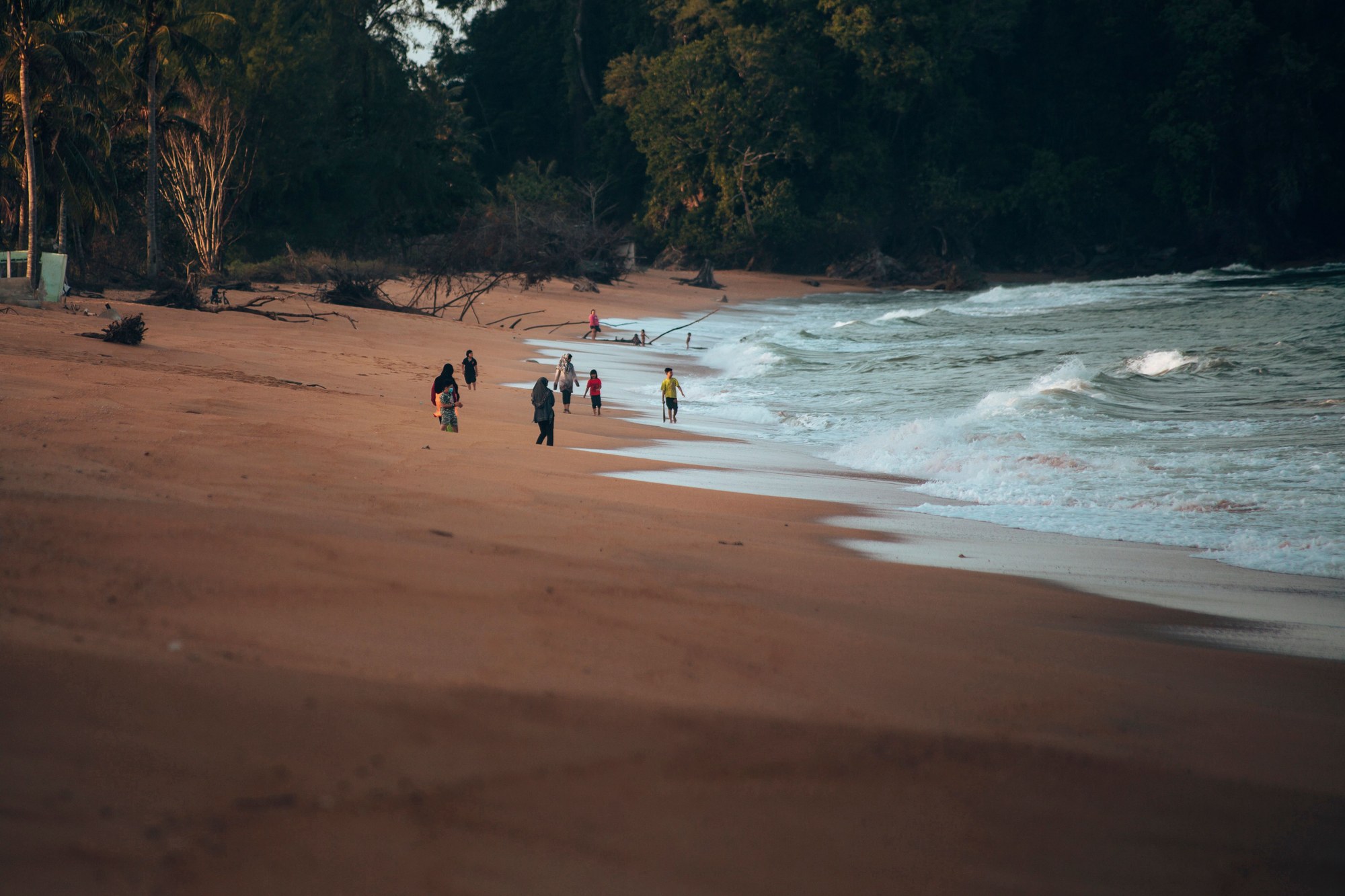
South of the falls, secluded Grand Batanga beaches offer colonial history. Further south toward Equatorial Guinea, Campo Ma’an National Park shelters forest elephants, chimpanzees, and sea turtle beaches, reachable via 4WD during the dry season.
Ground Transport, Highway Checkpoints, and Transit Tips
Traveling overland in Cameroon is an engaging experience that demands patience and practical planning. The primary transport artery is the 250-kilometer paved highway connecting Douala and Yaoundé. While fully paved, this corridor carries heavy commercial truck traffic between the port and landlocked Central African neighbors, resulting in frequent slow-downs and aggressive overtaking.
For city-to-city travel between Yaoundé and Douala, premium express coach buses (such as Touristique Express or Buca Voyages) provide the most reliable transit. VIP service tickets cost approximately 6,000 to 10,000 XAF ($11.30 to $16.95) and include air-conditioned seating and luggage handling. Alternatively, Camrail operates the InterCity passenger train between the two cities, offering scenic views through forested hills, though departures can be subject to mechanical delays.
Police and Gendarmerie checkpoints (contrôles mixtes) are regular features along all major highways and intercity borders. Officers systematically check passenger identification and vehicle papers. Always carry your original passport, valid Cameroonian entry visa, and International Certificate of Vaccination (yellow fever card). Keep these documents readily accessible in your daypack rather than packed away in luggage. Remain polite, patient, and cooperative during inspections; checkpoint procedures are standard protocol for maintaining national transport security.
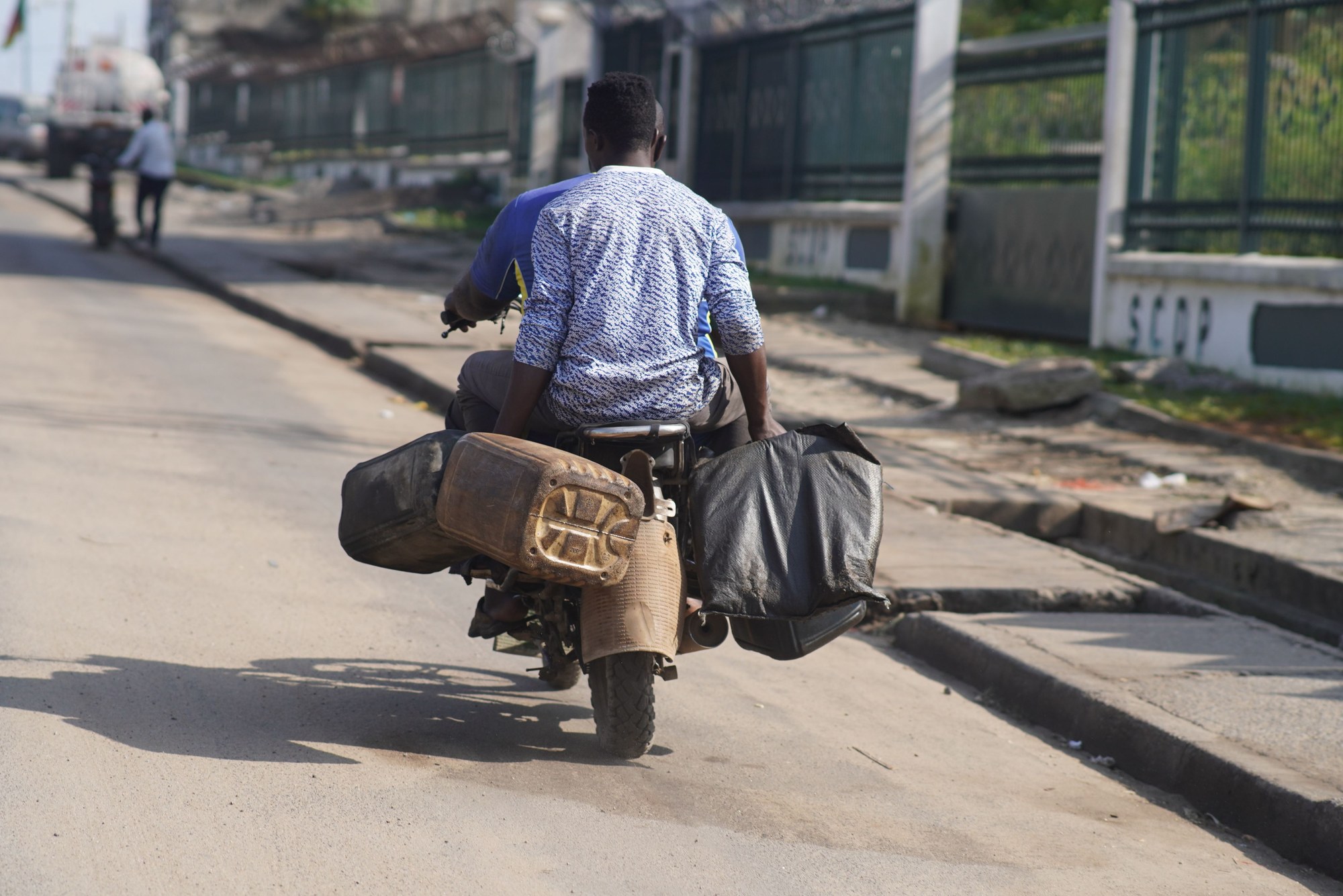
Inside towns, yellow taxis are ubiquitous. In Yaoundé and Douala, a standard shared ride (ramassage) costs between 300 and 500 XAF, while a private direct charter (dépôt) ranges from 1,500 to 3,000 XAF depending on distance. At night or when carrying luggage, always negotiate a dépôt for security and convenience.
Currency Realities: Navigating the Central African CFA Franc
Cameroon uses the Central African CFA Franc (XAF), an official currency shared among six CEMAC member states and pegged to the Euro at a fixed rate of 1 EUR = 655.957 XAF. Cash remains the dominant medium of exchange across daily commerce, dining, markets, and local transport.
Credit card acceptance is limited to major hotels and airlines in Douala and Yaoundé. Visa is preferred over Mastercard. Urban ATMs operated by SGBC, BICEC, and Ecobank dispense XAF cash reliably, though machines occasionally run empty during holidays.
Small change is a constant challenge across Cameroon. Banknotes in denominations of 5,000 and 10,000 XAF are difficult for street vendors, taxi drivers, and small restaurants to break. Whenever you pay at larger supermarkets or hotel desks, ask for change in smaller 500, 1,000, and 2,000 XAF notes, as well as 100 XAF coins. In daily commercial life, mobile payment platforms such as MTN Mobile Money (MoMo) and Orange Money are ubiquitous; locals use them for everything from paying electricity bills to buying roasted corn on street corners.
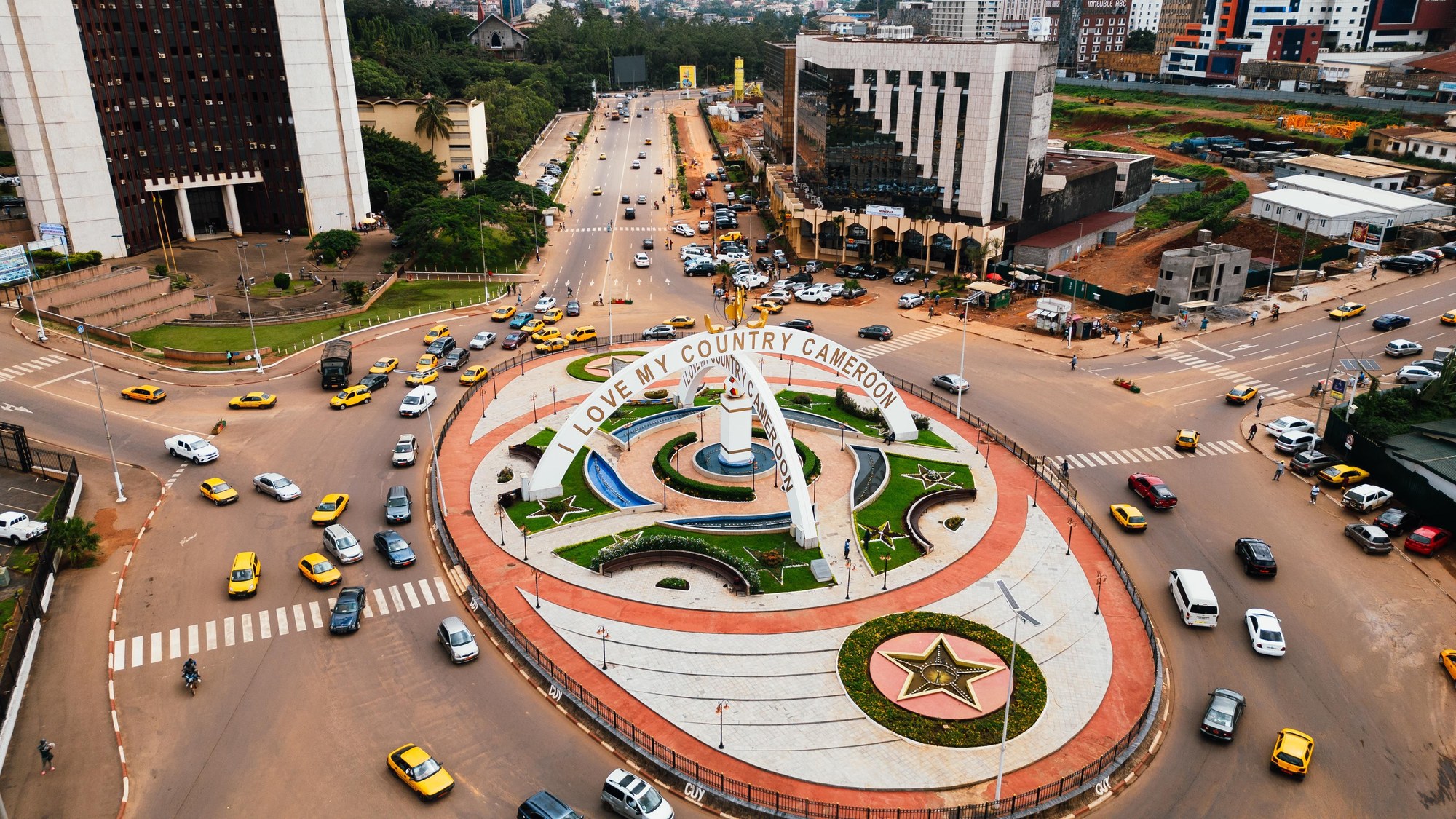
Tipping is customary for quality service. In formal restaurants, a ten percent gratuity is appreciated if service is not included. For private drivers, porters, and ecotourism nature guides, modest cash tips in CFA Francs represent meaningful support for local livelihoods.
Field Connectivity: MTN Cameroon LTE and Data Management
Maintaining reliable mobile communication across Cameroon is essential for coordinating intercity transfers, tracking routes, and staying in touch with accommodation hosts. Cameroon’s telecommunications infrastructure is anchored by MTN Cameroon and Orange Cameroun, both of which provide robust 4G/LTE coverage across Douala, Yaoundé, Kribi, Limbe, and primary highway transit arteries.
Travelers using digital roaming can connect to high-speed data on the MTN Cameroon LTE network through NXTL. Data is priced at $109.33 per gigabyte, reflecting specialized Central African network backhaul costs. This structure makes deliberate data conservation a practical priority during your journey. Unused credit stays available for later trips across more than 180 countries. Rather than using cellular data for video streaming or automatic cloud uploads, use your mobile connection for critical logistics: WhatsApp messaging, translation tools, ride coordination, and bank security verifications.
To prevent unintended data consumption, configure your smartphone before landing. Deactivate automatic background app refresh, disable cloud photo synchronizations, and configure email apps to fetch headers only. Pre-download comprehensive offline maps for Yaoundé, Douala, and Kribi via Google Maps or Maps.me while connected to hotel Wi-Fi networks. Satellite GPS navigation functions independently of cellular data, allowing you to track your taxi route and identify highway junctions without consuming valuable megabytes.
Most mid-range and business hotels in Douala, Yaoundé, and Kribi offer complimentary Wi-Fi, which is well-suited for backing up photos, browsing news, and downloading media during evening hours. Having an active cellular connection on your device guarantees dependable connectivity upon arrival at the airport and during intercity road journeys, eliminating the need to queue at crowded local telecom kiosks for physical SIM passport registration.
Five Critical Pitfalls and Scams to Avoid in Cameroon
While Cameroonians are celebrated for their warmth and generous hospitality, travelers should stay alert to avoid common logistical hassles and financial misunderstandings. Keep these five practical warnings in mind:
- Unnegotiated Taxi Fares and Depot Confusion: Boarding a yellow taxi without agreeing on the fare or specifying a private “dépôt” can lead to arguments upon arrival. Always clarify whether you are taking a shared ride (ramassage) or a private charter (dépôt) and agree on the total price before stepping inside.
- Incomplete Identification at Police Roadblocks: Highway checkpoints between Douala, Yaoundé, and Kribi require valid physical identity documents. Traveling without your original passport, entry visa, or yellow fever vaccination card can result in lengthy administrative detentions and demands for official fines.
- Counterfeit CFA Franc Notes in Crowded Markets: High-denomination 10,000 XAF banknotes circulating in crowded urban markets such as Marché Central in Yaoundé or Marché Congo in Douala may occasionally be counterfeit. Inspect large notes carefully and request change in smaller 1,000 and 2,000 XAF bills.
- Unofficial Boat Touts at Lobé Waterfalls: Aggressive freelance guides at the Chutes de la Lobé parking area often demand exorbitant sums for short pirogue rides. Walk directly to the certified community cooperative desk near the river mouth to secure standardized boat rates and life jackets.
- Disregarding Regional Travel Advisories: Venturing into rural sectors of the Northwest or Southwest regions or heading north toward the Lake Chad border without official authorization ignores serious security advisories. Stick strictly to established southern travel corridors.
With respectful cultural awareness, sensible security planning, and organized logistics, Cameroon rewards visitors with unforgettable encounters: from ancient palace kingdoms and Atlantic waterfall spectacles to the deep culinary rhythms of Central Africa.