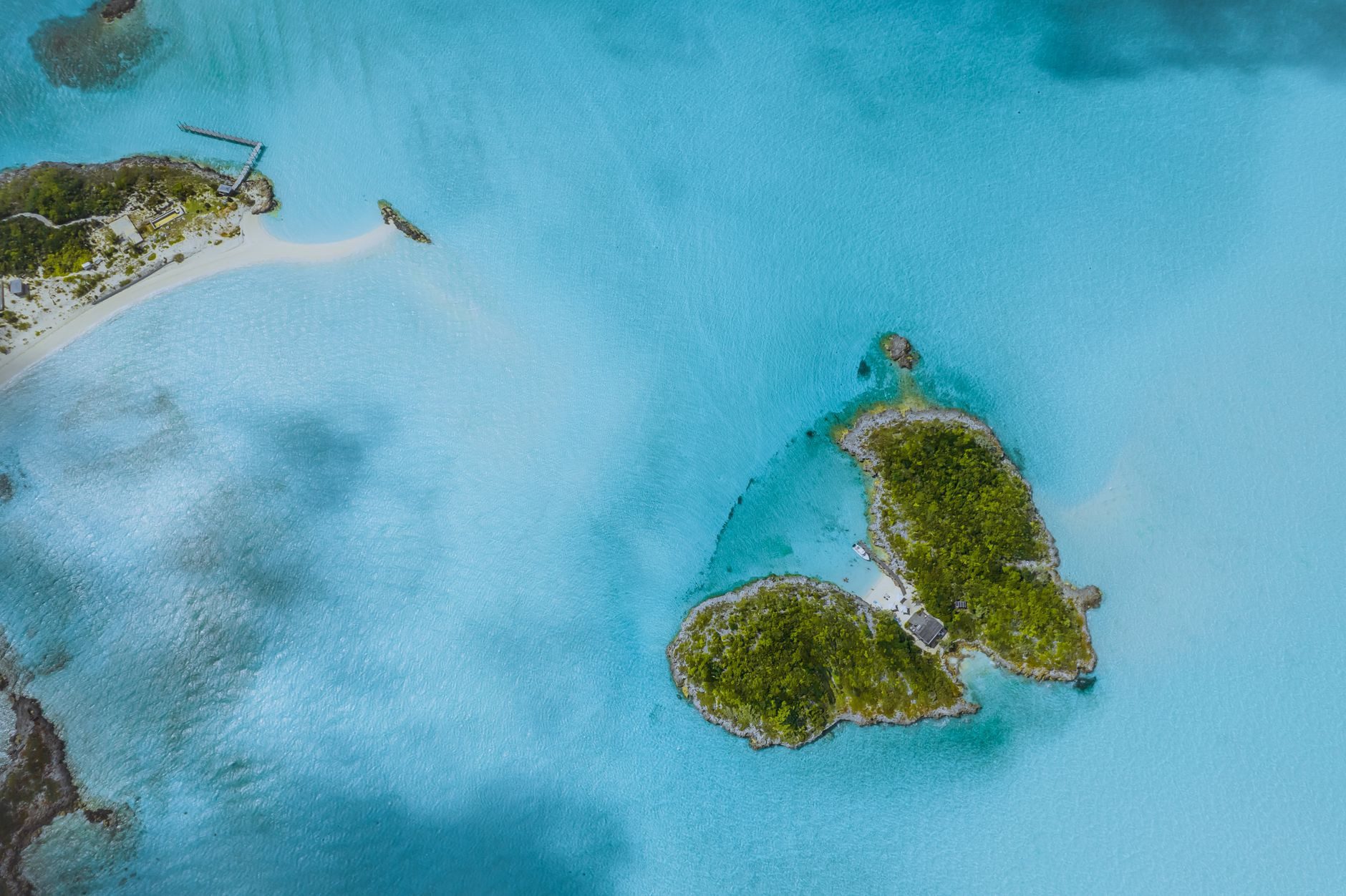
The Cayman Islands present two distinct Caribbean worlds sharing a single flag and currency. On Grand Cayman, travelers encounter a polished financial center framed by Seven Mile Beach, exceptional dining, and cruise ship infrastructure. Ninety miles to the northeast, the Sister Islands of Cayman Brac and Little Cayman feel like an earlier maritime era: limestone bluffs plunging into cobalt deeps, quiet coral lanes, and sheer vertical wall diving. Deciding how to balance your days between these contrasting environments is the primary planning decision of any Cayman journey.
Most visitors mistakenly treat the Cayman Islands as a single resort enclave, staying near George Town and missing Grand Cayman’s rural East End or the deep precipice of Little Cayman’s Bloody Bay Wall. A successful itinerary balances British administrative order, premium Caribbean pricing, and inter-island flight schedules.
Who This Trip Suits and How Long to Stay
A Cayman journey best suits independent travelers who value serious diving, maritime excursions, and exceptional dining, and who accept high Caribbean price points. Certified divers and snorkelers will find strict marine protections and wall drop-offs unmatched in the northern Caribbean. The islands also appeal to couples and families wanting safe, self-drive travel where tap water is completely potable, violent crime is practically nonexistent, and rental cars allow effortless exploration.
Conversely, the territory offers little to budget backpackers or hikers seeking mountain trails. The islands are flat limestone karst, with Cayman Brac’s 140-foot Bluff being the highest point. There are no hostels, and public transit outside western Grand Cayman is sparse. Seven days represents the ideal duration, providing four days on Grand Cayman and three days immersed in the quiet waters of Little Cayman or Cayman Brac.
If you have four or five days, remain entirely on Grand Cayman to avoid lost transit time. With ten days to two weeks, you can comfortably combine Grand Cayman with extended stays on both Sister Islands, pairing deep wall diving with cave exploration and limestone cliff walks.
Route Blueprint and Split-Stay Strategy
For a standard one-week itinerary, we recommend a split stay: four nights based on Grand Cayman, followed by three nights at an eco-lodge or dive resort on Little Cayman. This approach prevents resort fatigue and reveals the full spectrum of Cayman life, from fine dining at Camana Bay to cycling past quiet shores where hermit crabs outnumber people.
On Grand Cayman, base yourself along northern Seven Mile Beach or West Bay to avoid cruise congestion, or choose a villa in Cayman Kai for immediate North Sound access. Midway through the week, take a Cayman Airways Express flight to Little Cayman. This hop leaves you in total tranquility before flying back through Grand Cayman for your international connection.
Day-by-Day Cayman Islands Itinerary
This seven-day route balances classic maritime highlights, scenic driving, and premier wall diving across Grand Cayman and Little Cayman, accounting for flight schedules and cruise traffic.
| Day / Stage | Base | Highlights | Transport Mode | Transit Time | Advance Booking Requirement |
|---|---|---|---|---|---|
| Day 1 | Grand Cayman (West Bay) | Arrive GCM, collect car, check-in, sunset swim at Governor’s Beach | Rental Car | 25 mins | Rental car booked 1 month ahead |
| Day 2 | Grand Cayman (West Bay) | Early morning Stingray City charter, Cayman Turtle Centre, Camana Bay | Charter Boat / Car | 35 mins driving | Private boat charter 3 weeks ahead |
| Day 3 | Grand Cayman (West Bay) | East End road trip, Pedro St. James, Blowholes, Rum Point, Starfish Point | Rental Car | 1 hr 45 mins total | Historic site entry on arrival |
| Day 4 | Little Cayman | Flight to Little Cayman, check into dive lodge, bicycle loop to Point of Sand | Twin-Otter Flight / Bike | 35 mins flight | Cayman Airways Express 6 weeks ahead |
| Day 5 | Little Cayman | Bloody Bay Wall two-tank boat dive, Booby Pond Nature Reserve overlook | Dive Boat / Walking | 20 mins boat run | Dive package reserved 1 month ahead |
| Day 6 | Little Cayman | Jackson’s Bight morning dive, kayak across to Owen Island, stargazing | Dive Boat / Sea Kayak | 15 mins paddle | Kayak rental at lodge |
| Day 7 | Departure | Morning flight to Grand Cayman, George Town duty-free stroll, depart GCM | Twin-Otter / Airport Taxi | 40 mins total | Check-in 2.5 hrs prior to flight |
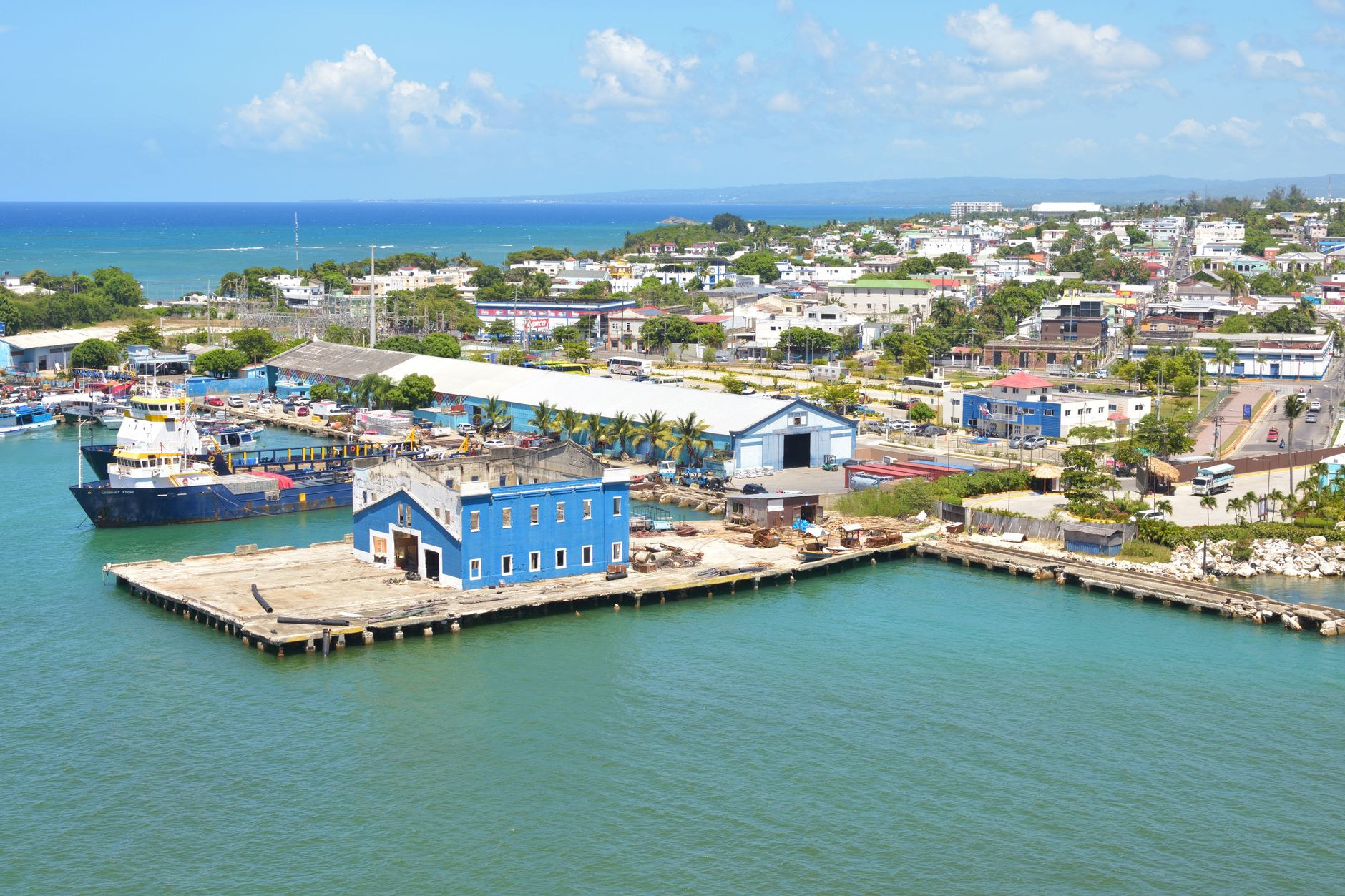
Timing your excursions to bypass cruise crowds is essential. George Town can host several mega-ships on peak weekdays, sending thousands of day-trippers to Seven Mile Beach and the sandbars. By booking an early morning boat charter at 7:30 AM, you reach Stingray City before commercial catamarans arrive.
Grand Cayman Logistics and Cruising Schedules
Grand Cayman wraps around the large marine basin of the North Sound. Most hotels, restaurants, and condos cluster along the western corridor between George Town and West Bay. This corridor provides paved paths, well-stocked supermarkets, and beach access, but experiences heavy commuter traffic during peak hours.
Consult the Cayman Port Authority cruise schedule when planning your week. Days with few ships in port are ideal for strolling George Town’s waterfront, visiting the Cayman Islands National Museum, or spending a quiet afternoon at Cemetery Beach. On heavy port days, head east toward Bodden Town or take to the water early before cruise tenders begin operating.
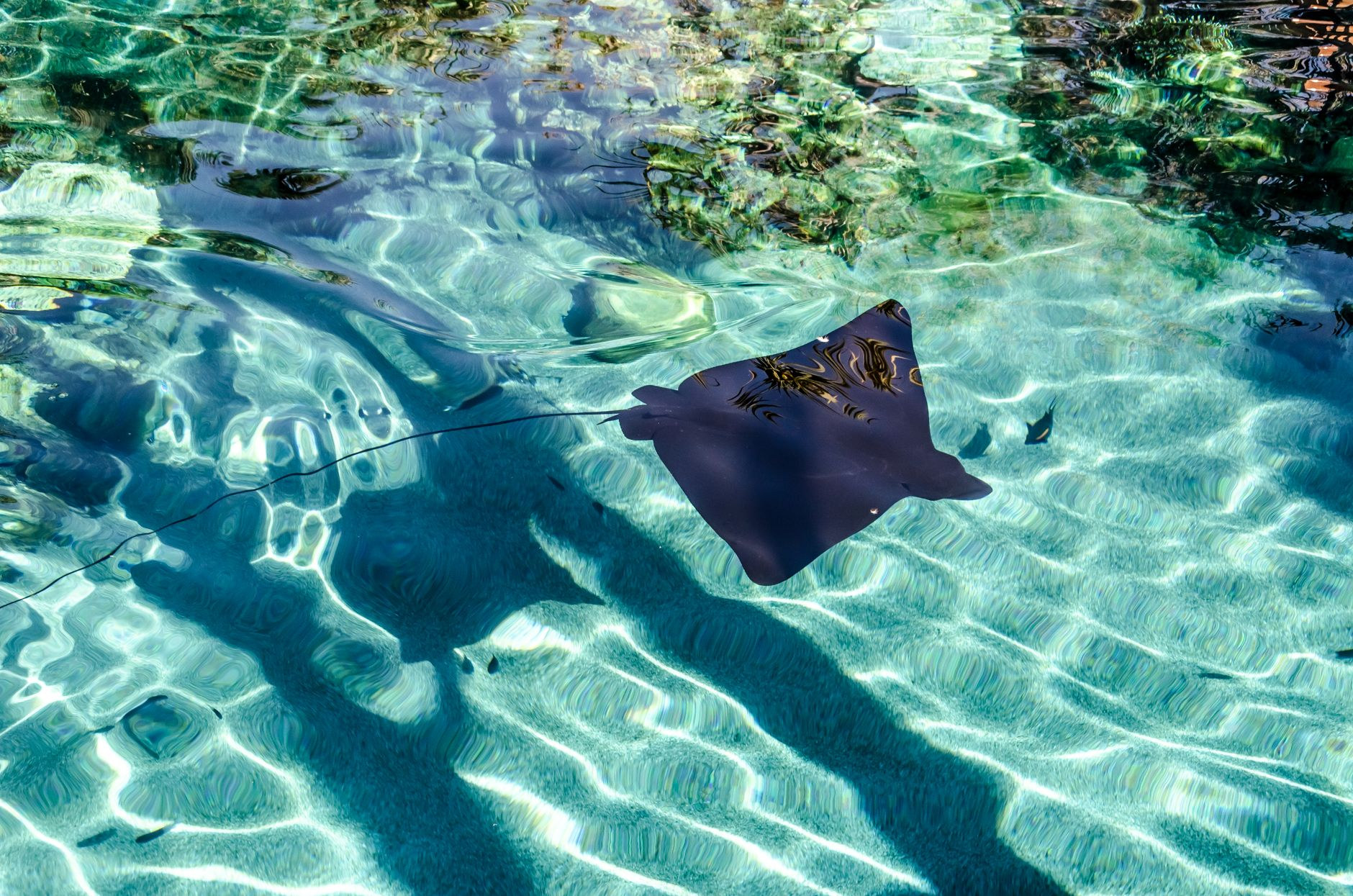
Stingray City sits inside the barrier reef of the North Sound. Decades ago, fishermen anchored in calm water to clean their catch, discarding offal overboard. Southern stingrays learned that boat engine noise meant easy meals. Today, wild rays gather on the shallow sandbar in waist-deep water. An early departure ensures clear water before multiple tour boats churn up the sandy floor.
The East End, Queen Elizabeth II Botanic Park, and Rum Point
Driving east on Grand Cayman reveals quiet coastal communities and traditional wooden cottages. Follow Sea View Road past Bodden Town, the former capital, to Pedro St. James National Historic Site. This restored 1780s great house is known as the birthplace of Caymanian democracy, where an elected legislature was first established in 1831.
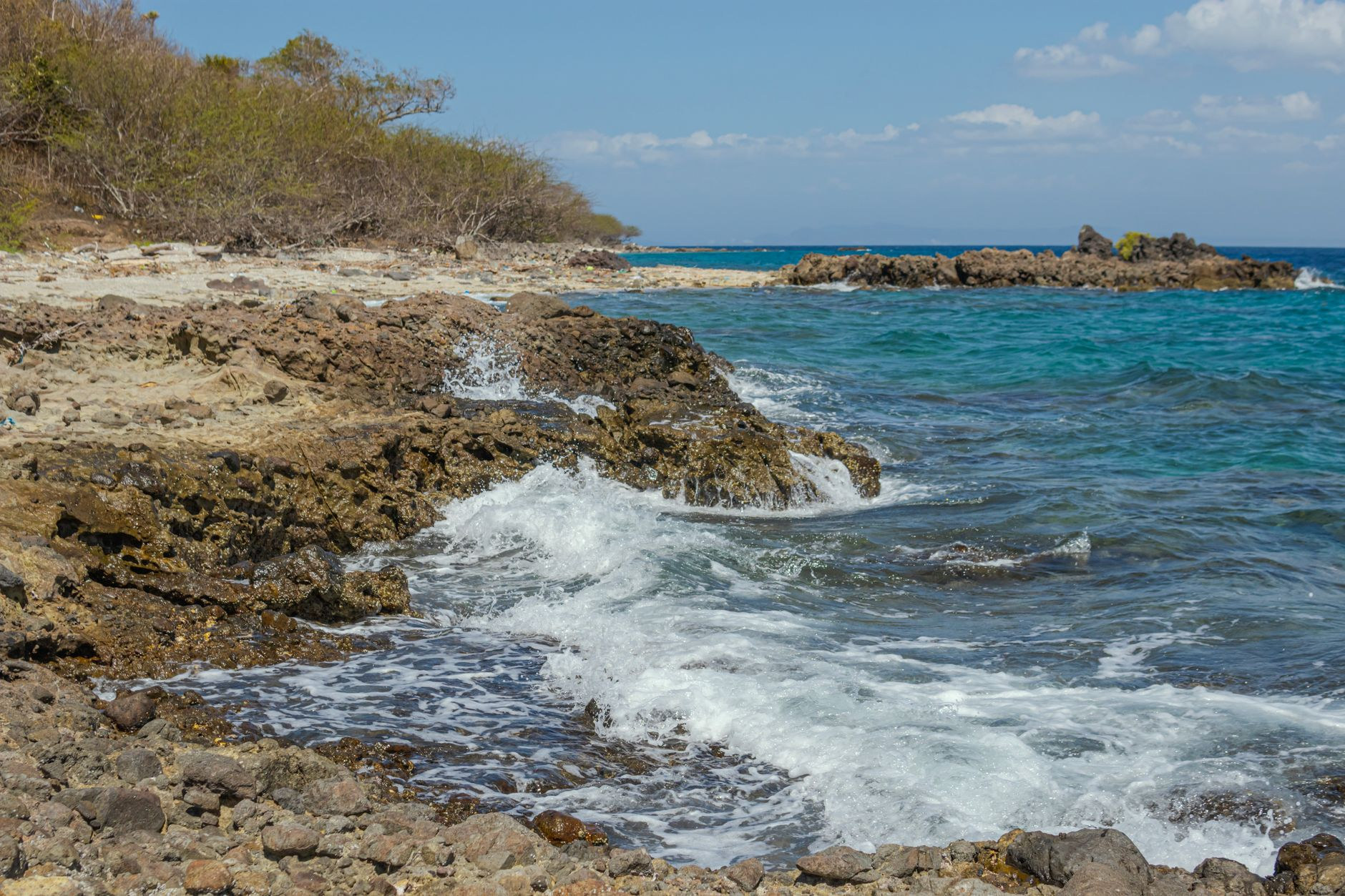
Further east along the rocky shore, ocean swells crash into limestone ironshore at the Blowholes, sending plumes of spray into the air. This coast remains open and rural, with roadside stands serving grilled snapper, jerk chicken, and fresh coconut water.
Turning north through Frank Sound brings you to Queen Elizabeth II Botanic Park, which protects the endangered Grand Cayman Blue Iguana. Once nearly extinct due to feral predators and road traffic, these large turquoise reptiles have recovered through captive breeding programs. Woodland trails offer frequent sightings of blue iguanas basking in morning sunlight.
End your drive at Rum Point and Cayman Kai on the northern tip of Grand Cayman. Rum Point offers shallow swimming waters and shaded hammocks, while nearby Starfish Point features a sheltered cove where red cushion sea stars rest in clear shallows. Never lift sea stars out of the water, as air exposure harms them.
The Sister Islands: Little Cayman vs. Cayman Brac
Deciding between Little Cayman and Cayman Brac depends on your travel priorities. Both islands sit ninety miles northeast of Grand Cayman and five miles apart, yet each offers a distinct character.
Little Cayman is an island of quiet waters and exceptional diving. Ten miles long and one mile wide, it has fewer than two hundred permanent residents, no stoplights, and only a few dedicated dive lodges. Its main draw is Bloody Bay Marine Park, famous for dramatic vertical drop-offs. If your focus is diving, birding, and cycling along quiet roads, Little Cayman is unmatched.
Cayman Brac is more rugged, defined by “The Bluff,” a massive limestone ridge that rises to a 140-foot cliff at its eastern end. The Brac appeals to travelers interested in cave exploration, hiking, and wreck diving, particularly the MV Captain Keith Tibbetts, a sunken 330-foot Russian naval frigate.
Little Cayman: Calm Roads, Boobies, and Bloody Bay Wall
Arriving at Little Cayman’s Edward Bodden Airfield sets a relaxed tone: the grass-and-gravel strip features a tiny open-air shelter, and luggage is handled manually. Most guests navigate the flat roads by bicycle or golf cart provided by their lodge.
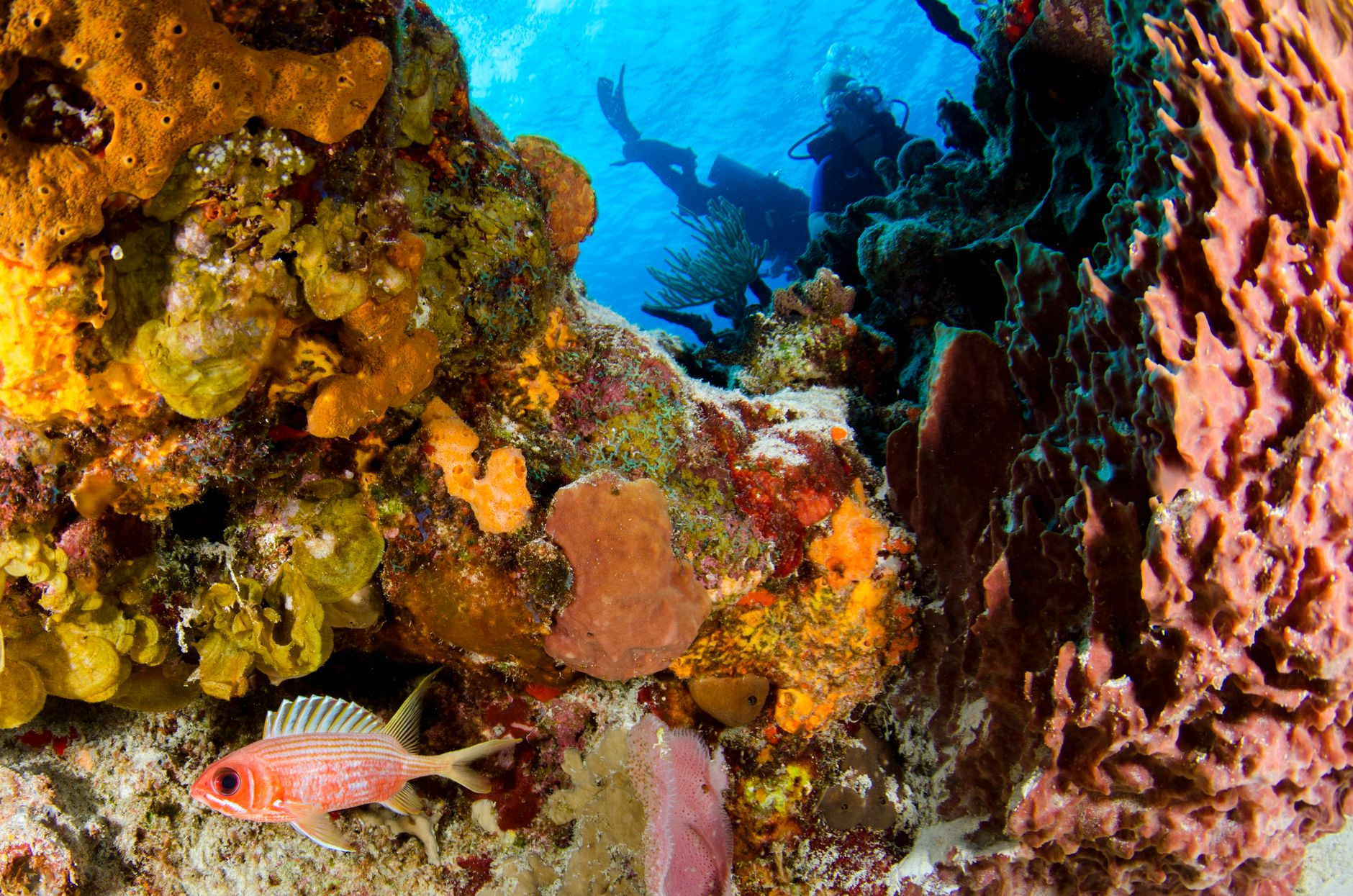
Underwater, Bloody Bay Wall begins in only twenty feet of clear water before dropping vertically into thousands of feet of cobalt blue. Divers glide over giant barrel sponges, tube sponges, and sea fans, frequently seeing eagle rays, reef sharks, and friendly Nassau groupers.
On land, Booby Pond Nature Reserve shelters the Western Hemisphere’s largest breeding colony of Red-footed Boobies. A viewing platform with spotting scopes lets visitors observe boobies returning from foraging trips while avoiding pirating Magnificent Frigatebirds. Later, cycle to Point of Sand on the eastern tip for calm swimming and views across the channel to Cayman Brac.
Cayman Brac: The Bluff, Caves, and Coastal History
On Cayman Brac, a rental car lets you explore limestone terrain and coastal paths. Start at the Cayman Brac Museum in Stake Bay to view displays on traditional turtling, maritime tools, and the major 1932 hurricane that altered island settlement.
Hike up to Peter’s Cave, a limestone shelter used by generations of islanders during severe tropical storms, offering broad views over the surf below. Continue to the Bluff’s eastern tip, where sheer cliffs drop directly into the open ocean while brown boobies ride updrafts along the rock face.
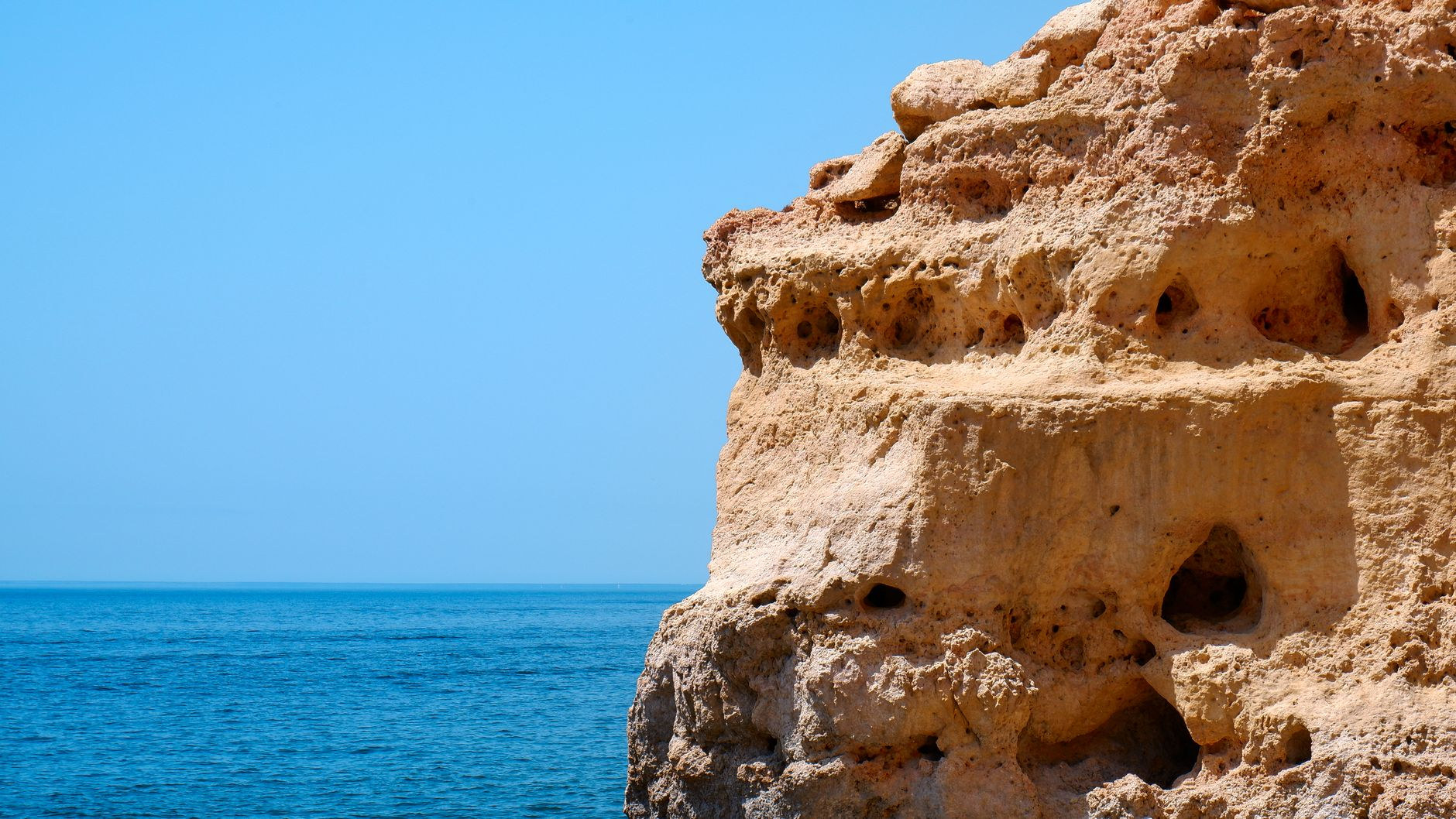
For divers, the MV Captain Keith Tibbetts sits in eighty feet of water off the north coast. Sunk deliberately as an artificial reef, the frigate is now encrusted with sponges and corals, attracting schools of jacks and barracuda through its accessible decks.
Transport, Driving Rules, and Domestic Flight Logistics
Driving on Grand Cayman is on the left, reflecting its British territory status. Rental car fleets include both right-hand and left-hand drive vehicles. Driving a left-hand-drive car on the left side of the road demands extra attention at roundabouts on the Esterley Tibbetts Highway. Always give way to traffic approaching from your right.
Taxis on Grand Cayman are unmetered and relatively expensive. A one-way airport transfer to Seven Mile Beach costs 25 to 35 USD. Renting a compact car for 45 to 60 USD daily is far more cost-effective for exploring beyond your immediate resort area. Public minibuses run frequent routes along West Bay Road for 2.50 KYD per ride.
Cayman Airways Express operates 19-seat Twin Otter flights to Little Cayman and Cayman Brac. Baggage limits are strictly enforced: checked bags must not exceed 55 pounds, and carry-ons are limited to small soft bags that fit beneath seats. Reserve domestic flights at least six weeks ahead for winter travel, as seats are limited.
Mobile Data and Connectivity Throughout the Cayman Islands
Reliable mobile data is essential in the Cayman Islands for consulting tide charts, checking cruise schedules, booking boat charters, and navigating rural roads in the East End. Hotel Wi-Fi rarely extends past pool decks, leaving travelers disconnected on beaches and boat excursions.
Local networks like LIME (Cable & Wireless) provide strong 5G and LTE service across Grand Cayman, along with dependable LTE coverage on Little Cayman and Cayman Brac. Purchasing a physical SIM locally requires finding a store in George Town, waiting in line, and providing passport documentation.
A practical alternative is activating an eSIM before departing. With an international eSIM from NXTL’s Cayman Islands eSIM, your phone connects to local high-speed networks immediately upon landing at Owen Roberts International Airport. NXTL uses a pay-as-you-go model where your data balance never expires, meaning unused funds remain available for your next trip across more than 180 supported countries.
An eSIM also lets you keep your domestic SIM active in your phone’s secondary slot, so you can receive bank security SMS codes and use WhatsApp without high international roaming fees.
Budget Planning, Currency Exchange, and Real Costs
The Cayman Islands are among the costlier Caribbean destinations. The Cayman Islands Dollar (KYD) is pegged to the US Dollar at a fixed rate of 1 KYD = 1.20 USD (or 1.25 USD in retail cash transactions). Prices on menus and in stores are listed in KYD unless marked otherwise, meaning a 25-dollar lunch is actually 30 to 31 US dollars.
Credit cards and US cash are widely accepted, though change is given in Cayman dollars. Anticipate these typical expenses:
- Accommodation: Self-catering apartments in West Bay or East End run 180 to 260 USD per night. Beachfront resorts on Seven Mile Beach cost 450 to 850 USD nightly, plus daily resort fees of 40 to 80 USD. Little Cayman dive lodges cost 350 to 500 USD per person nightly, including meals and diving.
- Food & Drink: Roadside jerk stands and takeaway shacks cost 12 to 18 USD per meal. Sit-down lunches at beachfront spots run 35 to 50 USD. Waterfront dinners at Camana Bay or Seven Mile Beach average 100 to 160 USD per person with drinks.
- Activities: Two-tank morning boat dives cost 130 to 160 USD. Early morning Stingray City small-group charters cost 65 to 90 USD per adult. Domestic return flights to Little Cayman run 160 to 220 USD.
Stocking up at major supermarkets like Foster’s or Kirk Market in George Town is an effective way to manage food costs. Their prepared food counters offer fresh salads, sandwiches, and hot dishes suitable for picnic lunches on day trips.
Five Pitfalls and Scams to Avoid in the Cayman Islands
While the Cayman Islands are safe with low crime rates, common financial oversights and tourist pitfalls can compromise your trip. Watch for these five issues:
- The KYD-USD Currency Confusion: Many visitors assume the “$” on bills means US Dollars. Authorizing a card payment without realizing it is priced in Cayman dollars results in an unexpected 20% to 25% increase on your bank statement. Always check the currency before approving card transactions.
- Midday Cruise Crowds at Stingray City: Midday boat tours between 10:00 AM and 2:00 PM coincide with thousands of cruise passengers. The sandbar gets congested and sand is stirred up by boat engines. Book an early departure at 7:30 AM or a late afternoon tour to experience calm, clear water.
- Left-Hand Driving Roundabout Mistakes: Drivers renting cars frequently look the wrong way when entering multi-lane roundabouts on the Esterley Tibbetts Highway. Always give way to traffic coming from your right and signal your exit clearly.
- Overlooked Automatic Gratuity Charges: Most full-service restaurants and beach bars automatically add a 15% to 18% service charge to the final bill. Adding another 18% to 20% on the card slip means paying a double tip. Check the itemized bill before adding discretionary gratuities.
- Twin-Otter Domestic Flight Baggage Weight Fees: Cayman Airways Express flights strictly enforce a 55-pound limit for checked luggage due to small plane capacity. Heavy hard-shell suitcases incur steep excess fees or risk being delayed to later flights. Pack light duffels for Sister Island excursions.
Being aware of these practical points helps protect your vacation budget and ensures smooth travel between the islands.
Best Seasons, Weather Conditions, and Packing Advice
The Cayman Islands feature a tropical marine climate with two main periods: a dry winter season from December through April, and a warmer, humid season from May through November. Peak visitor numbers arrive from mid-December through April, bringing warm sunshine, steady trade winds, and temperatures around 80 to 84 degrees Fahrenheit (27 to 29 Celsius). Sea conditions are generally calm, though accommodation rates reach seasonal highs.
The shoulder months of May and June offer warm water, clear visibility for diving, and fewer tourists. Atlantic hurricane season spans from June through November, with peak tropical activity historically from late August through October. If traveling during late summer or autumn, consider comprehensive travel insurance that covers weather-related flight delays.
For packing, bring mineral sunscreen with zinc oxide or titanium dioxide; chemical sunscreens that harm coral reefs are discouraged. Pack UPF 50+ rash guards for extended snorkeling, polarized sunglasses to reduce water glare, and sturdy water shoes for walking on sharp ironshore rocks. A compact dry bag will keep your phone, camera, and documents protected during boat excursions and kayak trips across open water.
By dividing your stay between Grand Cayman and the Sister Islands, keeping an eye on cruise schedules, and setting up reliable mobile data before arrival, you can enjoy a smooth, well-paced visit to one of the Caribbean’s premier marine destinations.