The Democratic Republic of the Congo represents one of Africa’s most colossal and complex territories: a nation of seventeen million people in its sprawling capital Kinshasa, vast equatorial river highways, and mist-veiled eastern volcanic rifts sheltering endangered Grauer’s gorillas. Planning travel here requires dated security realism, regional operational awareness, hard-currency cash logistics, and practical mobile connectivity management across massive expanses where standard infrastructure yields to sheer wilderness.
Travelers must immediately distinguish the Democratic Republic of the Congo (DRC or Congo-Kinshasa) from its western neighbor, the Republic of the Congo (Congo-Brazzaville). While Brazzaville across the river is a compact, peaceful capital of two million residents, Kinshasa is a high-octane megacity of over seventeen million, pulsing with the infectious beats of Congolese rumba, bustling open-air markets, and monumental urban boulevards. Furthermore, the sheer physical scale of the DRC—equivalent in land area to Western Europe—means regional travel conditions differ dramatically between the accessible western provinces and the volatile eastern rift valley.
This comprehensive planning guide provides a practical, safety-calibrated framework for legitimate travelers, researchers, and wildlife conservationists visiting the DRC in late 2026. We examine the viable western circuit around Kinshasa and Kongo Central, analyze access conditions for tracking Grauer’s gorillas in South Kivu, outline cash US Dollar financial realities, and explain how to utilize the Vodacom Congo LTE network for vital field communications.
Who This Guide Suits and Current Regional Risk Realities
Travel to the Democratic Republic of the Congo is not a conventional leisure vacation. It is suited for experienced African travelers, international development specialists, primatologists, and independent adventurers who possess high situational awareness, conversational French or Lingala, and the flexibility to navigate sudden logistical shifts. Solo novice travelers seeking carefree sightseeing should defer travel to the DRC until regional stability deepens.
Dated security intelligence for late 2026 demands precise geographic differentiation. The western corridor—encompassing Kinshasa, the sanctuary at Lola ya Bonobo, Zongo Falls, and the Atlantic transport route through Kongo Central to Matadi—remains politically stable and open to routine travel with standard personal security protocols. In contrast, the eastern provinces of North Kivu and Ituri continue to experience active military operations, rebel insurgencies (including M23 activity around Goma and Rutshuru), and civil displacement that keep conventional tourism heavily restricted.
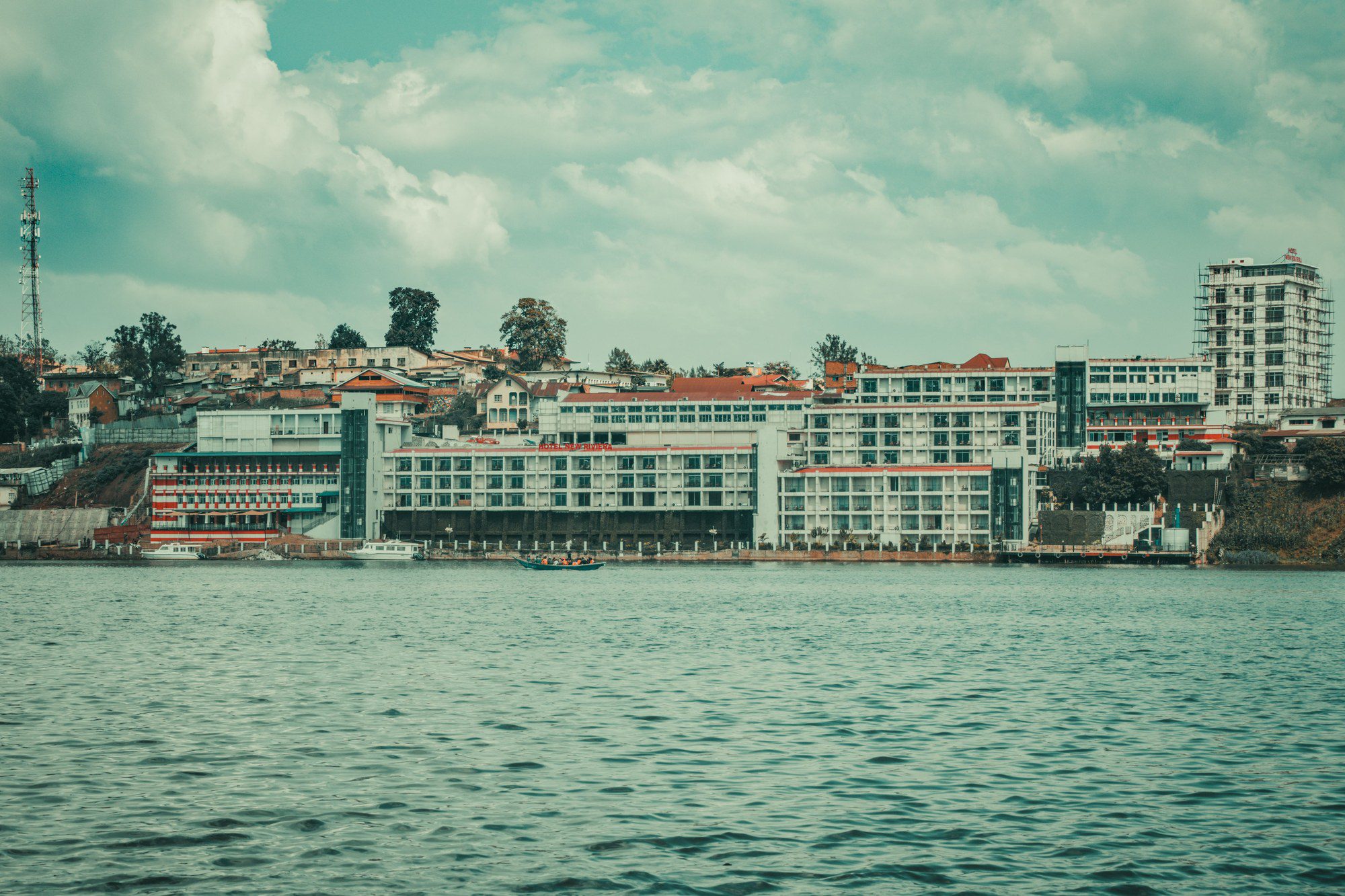
Primate tourism in the east requires careful distinction. Africa’s oldest national park, Virunga National Park in North Kivu, has experienced recurring closures and operational suspensions for mountain gorilla trekking and Mount Nyiragongo volcano hikes due to regional armed clashes. Conversely, Kahuzi-Biega National Park in South Kivu, based out of Bukavu along the southern shores of Lake Kivu, has maintained managed ecotourism operations. Tracking habituated Grauer’s (eastern lowland) gorillas here remains possible through coordinated park authority escorts, provided travelers fly directly into Bukavu’s Kavumu Airport or transit safely via Rwanda’s Cyangugu border post.
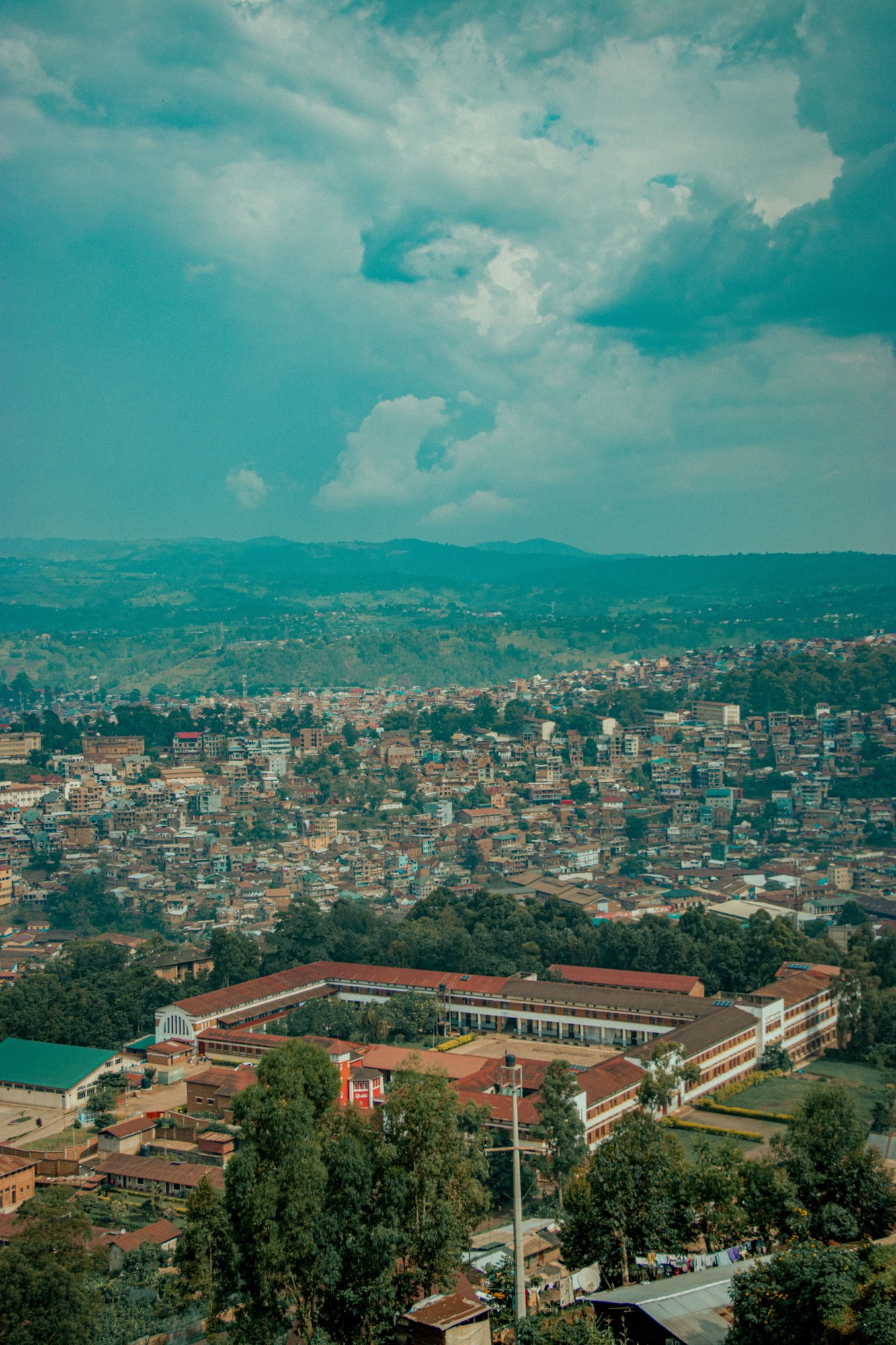
Weather patterns across the Congo Basin feature equatorial rains. The dry season from June through August provides optimal conditions for navigating dirt roads and hiking in eastern forest reserves. A secondary drier window occurs in January and February. The heavy rainy seasons from March to May and September to December trigger severe urban flooding in Kinshasa and turn rural dirt roads into impassable mud swamps.
Ten-Day Western & Eastern DRC Travel Framework
The following ten-day itinerary balances cultural exploration and primate conservation in the accessible western corridor with a carefully monitored, security-vetted expedition to Kahuzi-Biega in South Kivu.
| Day / Stage | Base | Highlights | Transport Mode | Transit Time | Advance Booking Requirement |
|---|---|---|---|---|---|
| Days 1–2 | Kinshasa (Gombe District) | Musée National de la RDC, Académie des Beaux-Arts, riverfront rapids at Kinkole, rumba clubs | Private driver / hotel taxi | 1 to 2 hours (FIH to Gombe) | High: book secure Gombe business hotel and private transport in advance |
| Day 3 | Lola ya Bonobo & Lac de Ma Vallée | Sanctuary for orphaned bonobos, forest canopy trails, peaceful freshwater lake dining | Private high-clearance 4×4 | 1.5 hours each way | Medium: reserve bonobo sanctuary educational visit clearance ahead |
| Days 4–5 | Zongo Falls & Kongo Central | Spectacular 65-meter waterfalls on the Inkisi River, tropical river mist walks, Seli Safari lodge | Private 4×4 vehicle | 3.5 to 5 hours | Medium: lodge chalets and park entry permits require advance coordination |
| Day 6 | Transit to Bukavu (South Kivu) | Domestic scheduled flight to Kavumu Airport, Lake Kivu shoreline check-in, security briefing | Domestic flight (CAA) or Kigali transit | 2.5 hours flight | Critical: domestic flight ticketing and provincial security clearance must be pre-arranged |
| Days 7–8 | Kahuzi-Biega National Park | Tracking Grauer’s eastern lowland gorillas in dense montane forest, Lwiro Primate Sanctuary visit | Park ranger 4×4 escort | 1 hour from Bukavu | Essential: official ICCN gorilla permits ($400) require advance confirmation |
| Days 9–10 | Bukavu Departure via Kigali or Kinshasa | Artisanal craft markets in Bukavu, overland border crossing to Kamembe (Rwanda) or flight to FIH | Border transfer / international flight | 1 hour border transfer | Standard: verify Rwandan transit visa regulations and international flights |
This itinerary minimizes exposure to volatile road corridors by utilizing commercial aviation for interprovincial transit and confining ground movements to well-patrolled, verified routes.
If security advice or flight logistics make eastern travel inadvisable, shorten the journey to a five-day western circuit focusing entirely on Kinshasa, Lola ya Bonobo, and the colonial railway history of Kongo Central.
Kinshasa: Energy, Art, and the Rhythms of Rumba
Kinshasa is a city of colossal contrasts: hyperactive street markets, elite diplomatic compounds, avant-garde contemporary art collectives, and a deep musical heritage. The city breathes Congolese rumba, a musical genre inscribed on UNESCO’s Representative List of the Intangible Cultural Heritage of Humanity.
Base yourself in the secure municipality of Gombe, the administrative and diplomatic quarter running along the south bank of the Congo River. Start your cultural orientation at the Musée National de la République Démocratique du Congo (MNRDC), opened in 2019 along Boulevard Triomphal. This modern cultural complex houses thousands of historical artifacts, including ceremonial masks from the Pende and Kuba kingdoms, traditional royal textiles, ethnographic instruments, and funeral statuary that illuminate the DRC’s diverse ethnic traditions.
A short drive away, the Académie des Beaux-Arts offers a peaceful open-air sanctuary shaded by massive equatorial trees. Here, young Congolese sculptors, painters, and ceramists work on experimental installations that critique urban consumerism and celebrate Congolese identity. The grounds are studded with contemporary iron and bronze sculptures, providing an inspiring glimpse into the capital’s modern artistic energy.
In the late afternoon, head east toward Kinkole, a historic fishing port on the Congo River. Open-air restaurants along the water serve fresh fish steamed with chili and garlic in banana leaves (liboke de poisson), accompanied by chikwange (steamed cassava paste) and grilled plantains. As evening descends, live bands across Matonge and Bandalungwa districts launch into electrifying rumba and soukous sets, where master guitarists weave intricate melodic lines that define modern Kinshasa nightlife.
Lola ya Bonobo: Sanctuary of the Peaceful Primate
Located thirty kilometers south of central Kinshasa in the Kimwenza valley, Lola ya Bonobo is the world’s only sanctuary dedicated to the protection and rehabilitation of orphaned bonobos (Pan paniscus). Bonobos are humankind’s closest living genetic relatives, sharing nearly 99% of our DNA, yet they exist in the wild exclusively within the dense forests south of the Congo River.
Founded by conservationist Claudine André, the sanctuary encompasses thirty hectares of lush primary forest surrounded by natural water moats. The facility rescues infant bonobos confiscated from illegal wildlife trafficking and bushmeat poaching, nursing them back to physical and emotional health before introducing them into social family groups in large forest enclosures.
Walking along the educational trails with a sanctuary naturalist reveals the remarkable social dynamics of bonobo society. Unlike chimpanzees, bonobos live in matriarchal communities where females maintain social cohesion, resolving conflicts through affection and cooperative bonding rather than physical violence. Observing adolescent bonobos swinging effortlessly through high forest canopies while mothers nurture infants along the riverbanks provides an inspiring conservation experience within easy reach of the capital.
Combine your visit to Lola ya Bonobo with an afternoon stop at Lac de Ma Vallée, a peaceful freshwater lake situated nearby among forested hills. Rustic open-air restaurants around the water serve cold drinks and grilled tilapia, offering a serene escape from Kinshasa’s relentless traffic.
Kahuzi-Biega: Tracking Grauer’s Gorillas in South Kivu
Spanning 6,000 square kilometers across the Albertine Rift, Kahuzi-Biega National Park is a UNESCO World Heritage site established in 1970 by Belgian conservationist Adrien Deschryver. The park takes its name from two extinct volcanoes dominating its landscape: Mount Kahuzi (3,308 meters) and Mount Biega (2,790 meters).
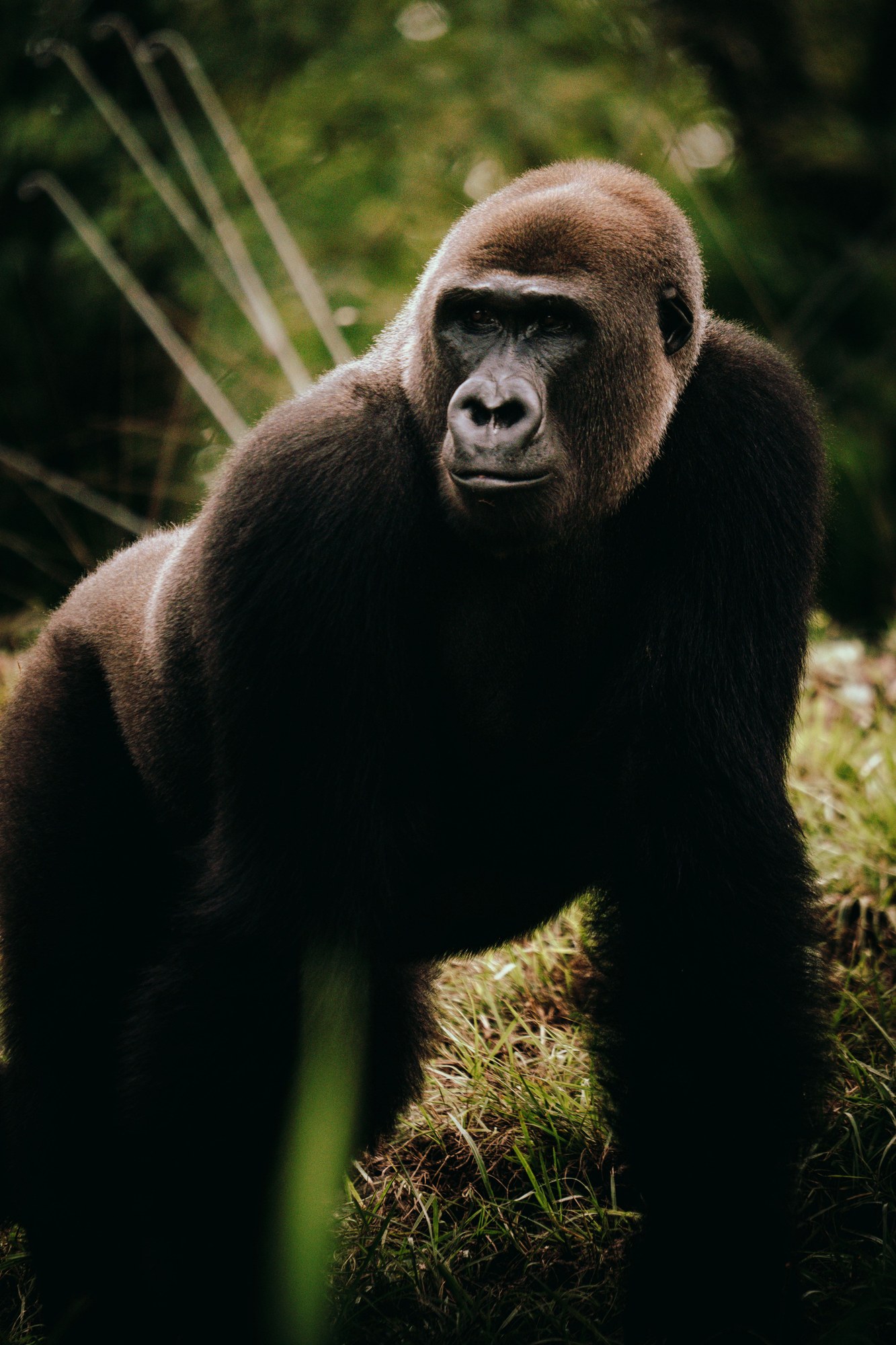
Kahuzi-Biega is the primary global stronghold of Grauer’s gorilla (Gorilla beringei graueri), also known as the eastern lowland gorilla. Grauer’s gorillas are the largest of all living primates: adult male silverbacks can weigh up to 220 kilograms, with broad chests, muscular arms, and shorter coats than their mountain gorilla cousins. Ecotourism operations center around the park headquarters at Tshivanga, thirty kilometers northwest of Bukavu.
Tracking Grauer’s gorillas is an intense, exhilarating expedition. Accompanied by armed eco-guards from the Institut Congolais pour la Conservation de la Nature (ICCN) and experienced trackers wielding machetes, you hike through dense bamboo thickets, giant lobelia stands, and peat bogs. Trackers follow crushed vegetation and freshly stripped wild celery stalks until the family troop is located.
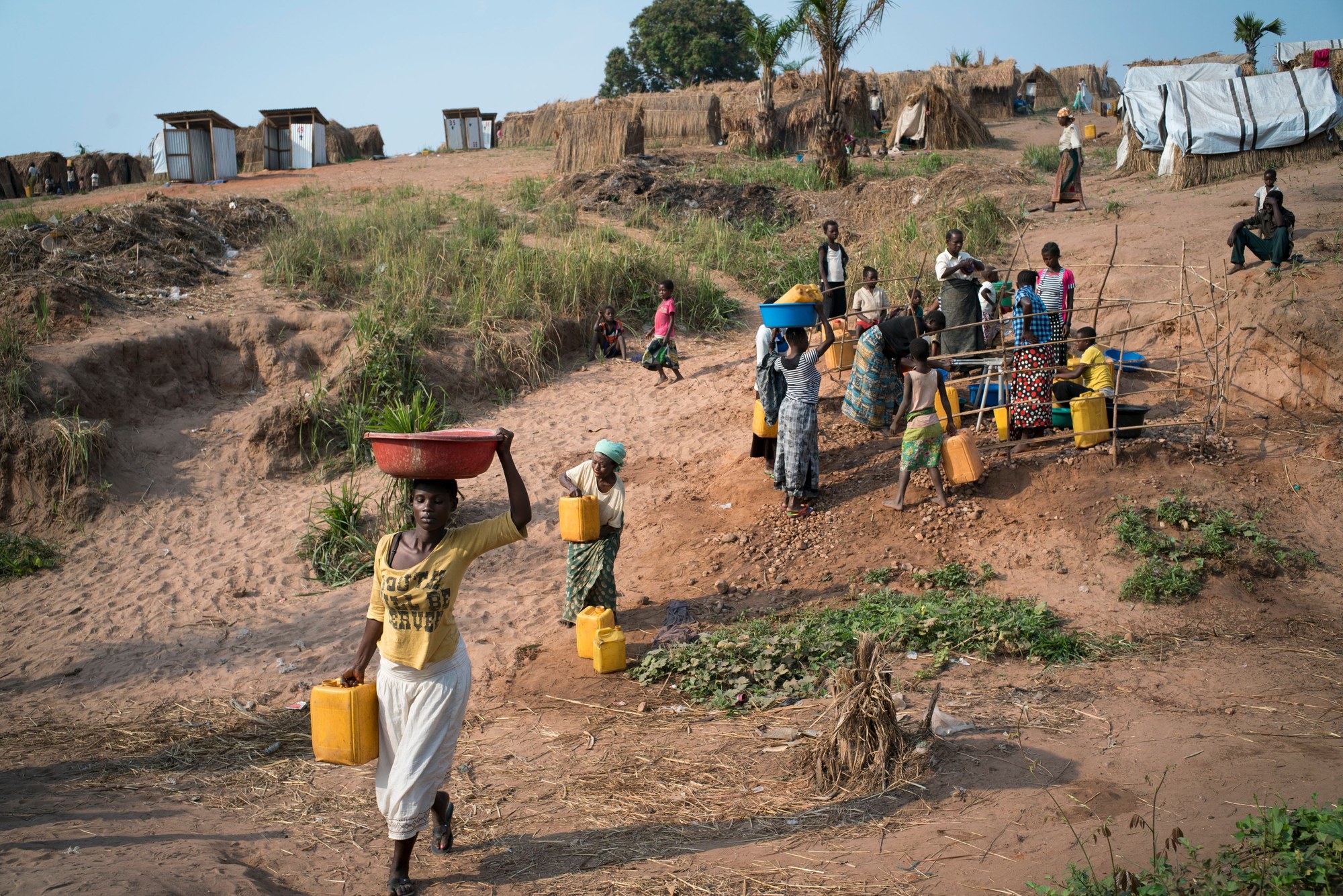
Encounters with habituated silverbacks such as the renowned Chimanuka or Bonane families are awe-inspiring. A massive silverback may sit calmly stripping bark just eight meters away, while energetic juveniles tumble through the undergrowth. Strict rules require visitors to wear medical face masks and maintain distance to safeguard the gorillas from human pathogens. Visits are strictly limited to one hour, with permits priced at $400 USD—significantly more affordable than neighboring Rwanda’s $1,500 mountain gorilla permits.
Ground Logistics, Air Corridors, and Security Protocols
Navigating the Democratic Republic of the Congo requires disciplined transport planning. The country lacks a unified nationwide road network; dense rainforests and unbridged river tributaries make driving between distant provinces practically impossible. Ground travel must be restricted to regional paved corridors, while interprovincial movement depends entirely on air travel.
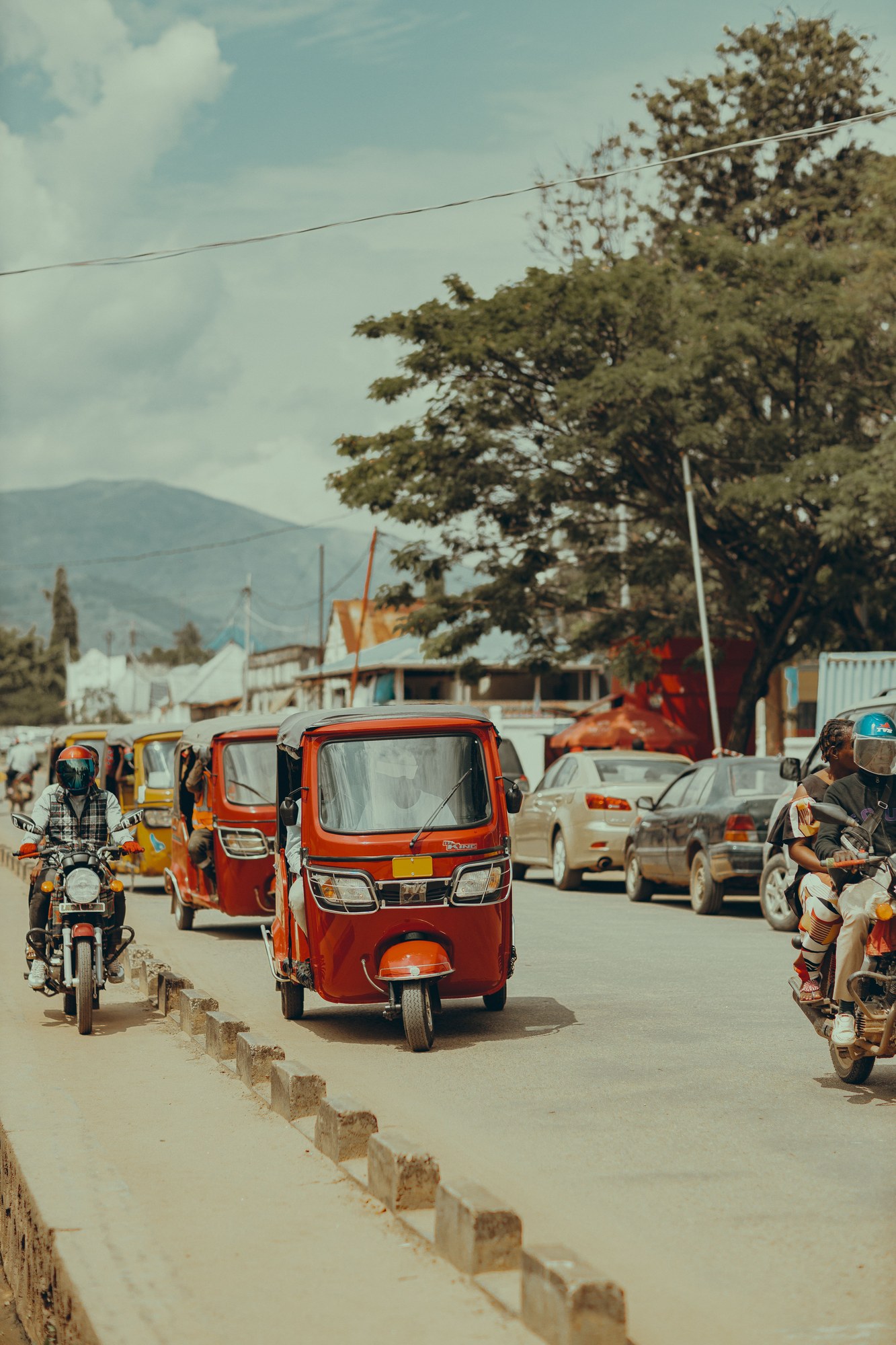
In Kinshasa, traffic congestion (known locally as embouteillages) can be severe. Traveling from N’djili Airport to the central Gombe business district can take between ninety minutes and three hours depending on the time of day. Always hire a dedicated private car with an experienced local driver arranged through your hotel or an accredited security-compliant agency. Avoid boarding informal shared yellow taxi vans (foulards) or hailing unknown motorcycle taxis (wewas) in the capital.
For domestic flights connecting Kinshasa to Bukavu, Goma, or Lubumbashi, choose established commercial airlines such as Compagnie Africaine d’Aviation (CAA). Flights to Bukavu land at Kavumu Airport (BKY), thirty kilometers north of the city. Coordinate all airport transfers in Bukavu through your lodge or registered ICCN park personnel to ensure secure passage through regional checkpoints.
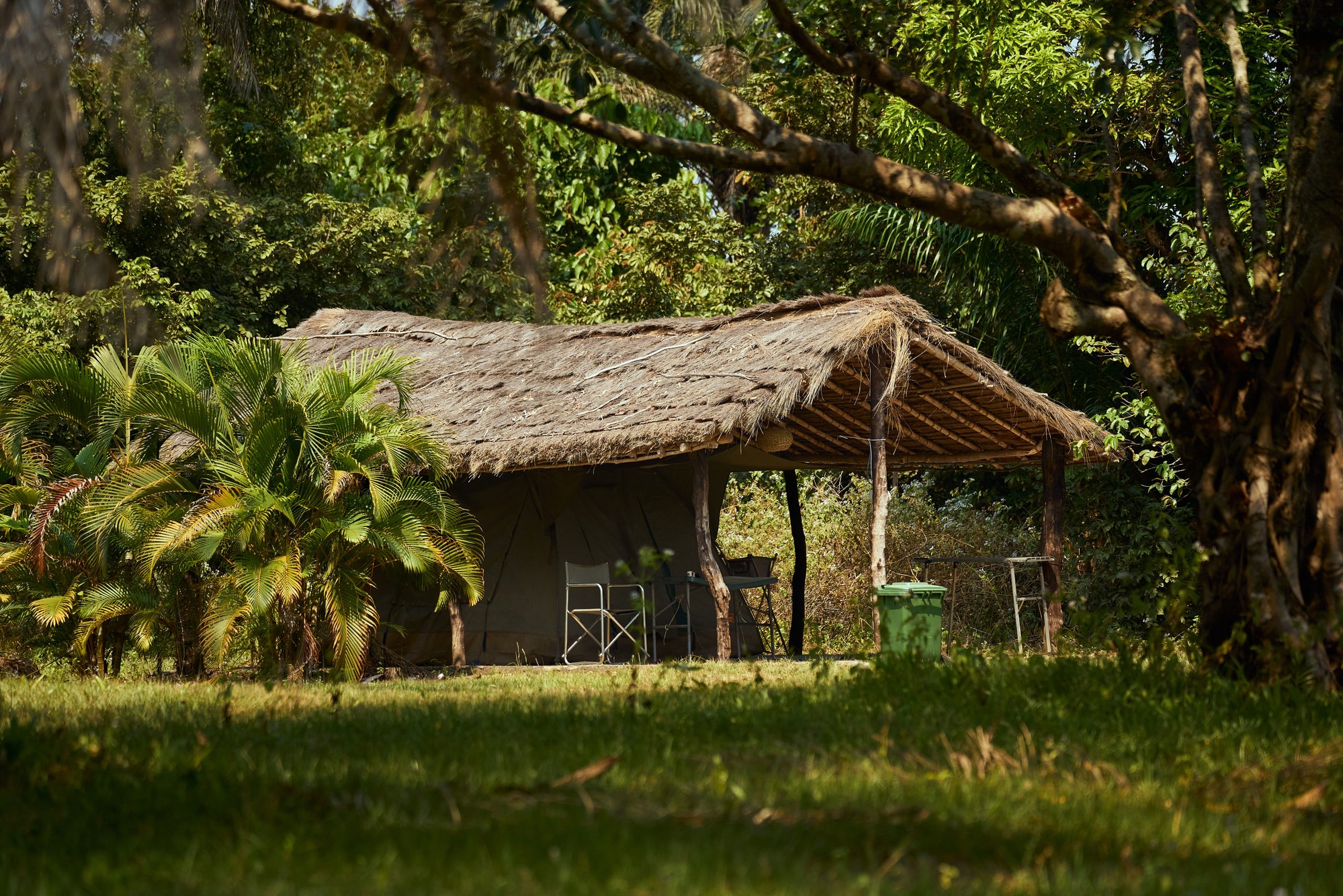
Police and immigration checkpoints (contrôles) are frequent across the DRC. Security personnel inspect passports, visas, and vehicle registration papers. Always carry your original passport, valid DRC visa, and yellow fever certificate in a secure waterproof pouch. Maintain an even-tempered, professional demeanor, address officers as “Chef,” and allow your driver to handle initial interactions.
Currency Realities: The US Dollar and the Congolese Franc
The Democratic Republic of the Congo operates under a dual-currency economic system where the United States Dollar (USD) functions as the de facto currency for high-value transactions, while the Congolese Franc (CDF) is used for small daily purchases.
All major expenditures—including international hotels, domestic airline tickets, park entry permits, private vehicle rentals, and upscale dining—are priced and settled in cash US Dollars. Banknote quality is scrutinized with extreme care: bills must be unblemished, crisp, completely free of tears or pen marks, and dated series 2013 or newer. Banknotes with minor creases or pinholes are rejected by banks, cashiers, and immigration officers. Arrive in the country carrying your anticipated budget in crisp $20, $50, and $100 bills, alongside a supply of clean $1 and $5 bills for tips.
The Congolese Franc experiences ongoing inflation. Carrying large quantities of local cash is impractical, as even modest sums require thick stacks of banknotes. Use local francs primarily for small street purchases, market fruit, and modest gratuities. Change from US Dollar purchases is frequently returned in Congolese Francs; calculate the prevailing exchange rate carefully to avoid short-changing.
Credit card processing is rare outside five-star business hotels in Kinshasa (such as the Fleuve Congo Hotel or Pullman Kinshasa). POS terminals rely on satellite internet and frequently drop transactions. ATMs dispensing US Dollars exist at major international banks (Rawbank, Equity BCDC) in Gombe and central Bukavu, but withdrawal limits are low and machines frequently run dry. Physical cash reserves remain indispensable.
Field Connectivity: Vodacom Congo LTE and Technical Discipline
Reliable mobile connectivity is a fundamental safety asset when traveling in the DRC. Vodacom Congo is the undisputed market leader, providing the most reliable and extensive 4G/LTE mobile network coverage across Kinshasa, Lubumbashi, Goma, Bukavu, and major mining transit corridors, followed by Orange and Airtel.
Travelers using digital roaming can connect to high-speed data on the Vodacom Congo LTE network through NXTL at an attractive rate of $6.32 per gigabyte. This low tariff makes real-time communication exceptionally cost-effective, allowing you to use WhatsApp for driver coordination, access translation tools, monitor local news bulletins, and verify flight schedules without concern for prohibitive roaming bills. Unused credit stays available for later trips across more than 180 countries.

However, when venturing into remote rainforest areas like Kahuzi-Biega or Zongo Falls, cellular signals quickly fade. Prepare for connectivity dead zones by downloading offline GPS mapping areas on Google Maps and Maps.me before leaving your hotel. Pre-download electronic copies of your passport, visa confirmation, gorilla tracking permits, and emergency contact numbers onto your device.
Having an active eSIM profile configured on your smartphone before arrival at Kinshasa N’djili Airport eliminates the stressful ordeal of negotiating physical SIM card registration with unregulated airport vendors, ensuring you have immediate, secure connectivity the moment your flight lands.
Five Critical Pitfalls and Scams to Avoid in the DRC
While the Congolese people are renowned for their resilience, warmth, and hospitality, navigating the country’s complex operating environment requires strict adherence to safety protocols. Guard against these five critical pitfalls:
- Aggressive Airport Fixers at N’djili International: Arriving at Kinshasa Airport can be chaotic. Unofficial individuals claiming to be airport protocol officers or immigration helpers will attempt to grab your luggage or steer you toward fake security lines to demand cash. Refuse all unsolicited offers firmly and proceed directly to official passport booths with your pre-arranged hotel driver waiting outside.
- Unauthorized Photography of Street Scenes and Police: Street photography in Kinshasa without an official permit from the Ministry of Communication is strictly prohibited. Photographing police officers, military personnel, roadblocks, bridges, or government ministries can lead to immediate arrest, camera confiscation, and demands for heavy fines. Always ask permission before taking photos of individuals.
- Unverified Overland Travel in Eastern Conflict Zones: Attempting to drive overland between Goma and Bukavu or traveling through rural North Kivu and Ituri without current ICCN or UN security clearance poses severe risks from armed militias. Rely strictly on commercial air travel or licensed Lake Kivu boat ferries between lakeside hubs.
- Blemished and Pre-2013 US Dollar Rejection: Cashiers, banks, and hotels systematically reject US Dollar banknotes with minor tears, stamps, pinholes, or series dates earlier than 2013. Examine every banknote in your possession before departure and refuse any imperfect notes given as change.
- Bogus Lake Kivu Ferry and National Park Ticket Brokers: Unlicensed touts around Bukavu and Goma ports sell fraudulent tickets for Lake Kivu passenger ferries or counterfeit gorilla tracking vouchers. Book all boat transit directly at official ferry terminal ticket offices (such as Ihusi or Emmanuel) and purchase park permits directly through the official ICCN website or accredited park lodges.
With careful risk assessment, verified logistics, and respectful cultural sensitivity, traveling through the Democratic Republic of the Congo offers a profoundly moving journey: from the thunderous vitality of Kinshasa to the quiet majesty of Grauer’s gorillas in the misty forests of the Albertine Rift.