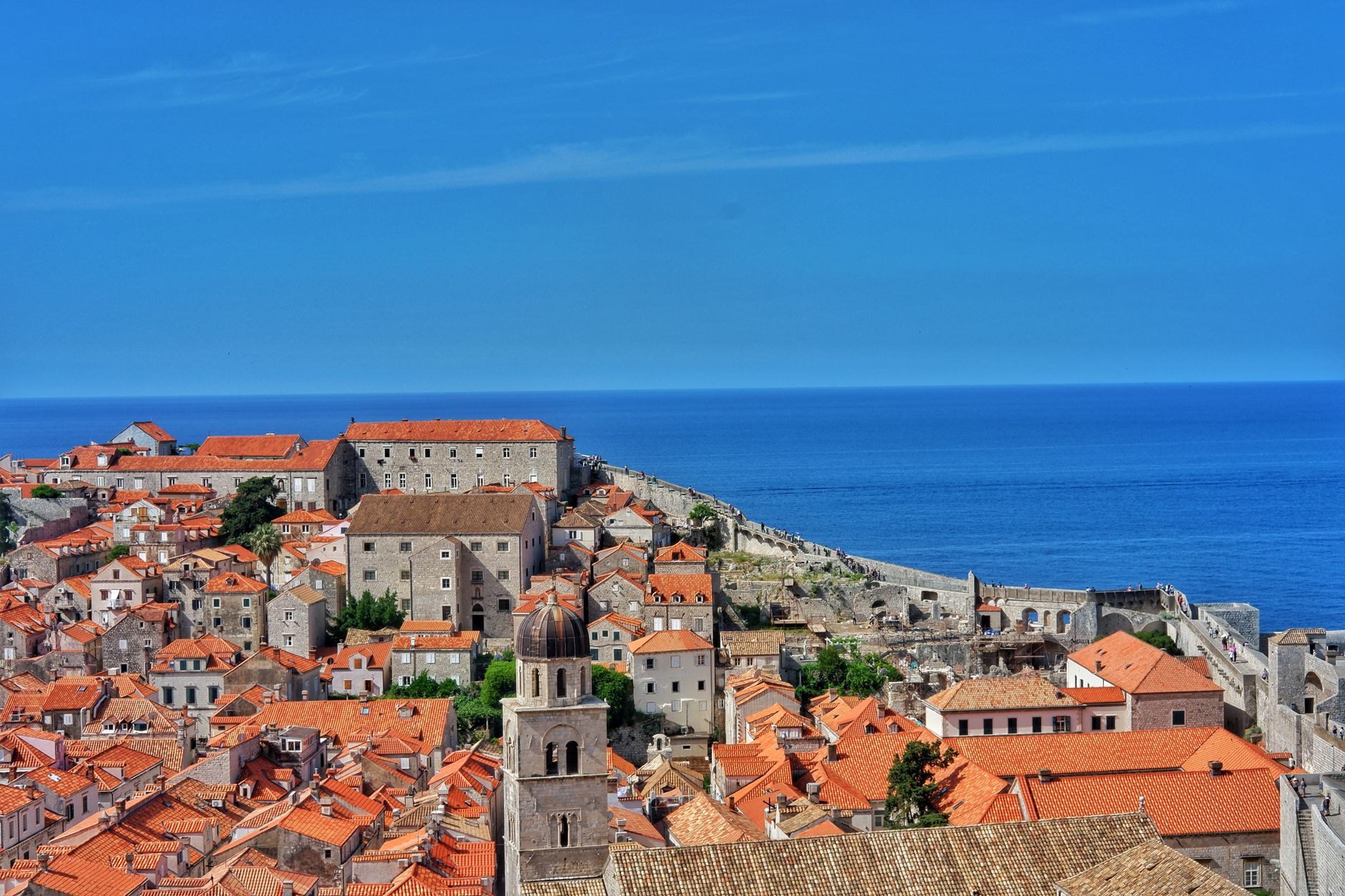
Croatia’s dramatic coastline, terraced national parks, and fortified medieval seaports make it one of Europe’s premier summer journeys, but planning the route requires confronting a basic geographic reality: coastal Croatia has no passenger railway network. Moving south from Zagreb to the Dalmatian islands and Dubrovnik demands a deliberate combination of express highway coaches, island-hopping catamarans, and strategic ferry connections. Rushing this coastline or attempting to drive a rental car onto passenger ferries during peak season often leads to hours stranded in harbor queues.
This 10-day travel guide lays out a realistic, southbound route connecting continental Zagreb, the emerald waterfalls of Plitvice Lakes, the living Roman core of Split, the sun-drenched coves of Hvar, and the monumental battlements of Dubrovnik. By flying into Zagreb and out of Dubrovnik (an open-jaw itinerary), you eliminate 600 kilometers of backtracking and experience Croatia’s natural shift from Austro-Hungarian architecture to Venetian coastal grandeur.
The 10-Day Zagreb to Dalmatian Coast Itinerary
Because there is no passenger railway running south of Split to Dubrovnik, intercity transport relies on modern highway coaches (such as Arriva and FlixBus) and high-speed passenger catamarans (operated by Jadrolinija and Krilo Kapetan Luka). This itinerary is structured to minimize transit friction, booking your longest inland travel leg first before shifting entirely to maritime catamarans along the coast.
| Day Range | Base Location | Key Highlights & Activities | Transit Mode & Travel Time | Advance Bookings Required | What to Skip if Pressed for Time |
|---|---|---|---|---|---|
| Days 1–2 | Zagreb | Upper Town (Gornji Grad), St. Mark’s Church, Dolac Market, Museum of Broken Relationships | Airport shuttle bus (30 min) / Walkable core | Museum tickets online (optional) | Skip inland Zagreb entirely; fly straight to Split for a 7-day coastal-only trip |
| Day 3 | Plitvice Lakes / Rakovica | Plitvice Lakes National Park: Route C boardwalk walk (Upper & Lower Lakes, Veliki Slap) | Express coach from Zagreb (2 hrs / 135 km) | Mandatory timed park entry ticket (3–5 days ahead) | Take an early morning bus from Zagreb, use park luggage storage, and catch late bus to Split |
| Days 4–5 | Split | Diocletian’s Palace, Peristyle, St. Domnius bell tower, Marjan Hill pine park, Riva promenade | Express coach from Plitvice to Split (3.5–4 hrs) | Cathedral & bell tower combo pass at gate | Skip Marjan Hill hike if midday temperatures exceed 32°C (90°F) |
| Days 6–7 | Hvar Town (or Korčula) | Pakleni Islands taxi boat, Fortica Spanish Fortress sunset, Venetian limestone lanes | High-speed catamaran from Split Port (1 hr) | Catamaran passenger tickets (1–2 weeks ahead in July–August) | Stay on the mainland in Split and visit Hvar as a day excursion if packing light is difficult |
| Days 8–9 | Dubrovnik | City Walls circuit at 8:00 AM, Fort Lovrijenac, Stradun limestone promenade, Buža cliff bar | Krilo catamaran from Hvar (3 hrs 15 min) or coach via Pelješac Bridge | Dubrovnik Pass (includes City Walls & museums) | Skip Mount Srđ cable car if lines are long; views from Fort Lovrijenac are comparable |
| Day 10 | Departure | Morning stroll through Cavtat or Lokrum Island ferry; transit to Dubrovnik Airport (Čilipi) | Platanus airport shuttle bus from Ploče Gate (30 min) | Airport shuttle ticket (day before) | Lokrum Island requires 3 hours minimum; omit on early flights |
Travelers with limited time frequently ask whether renting a car makes sense for this route. While a rental car offers flexibility between Zagreb and Plitvice Lakes, holding onto a vehicle across Split, Hvar, and Dubrovnik is an expensive headache. Parking in historic coastal centers regularly costs $4.52 to $7.91 per hour, vehicle space on car ferries requires queueing up to two hours ahead during summer, and historic old towns are completely pedestrianized. Taking express coaches down to Split and switching to foot-passenger catamarans is significantly cheaper, faster, and stress-free.
Plitvice Lakes: Routes, Entrance Gates, and Timed Entry Logistics
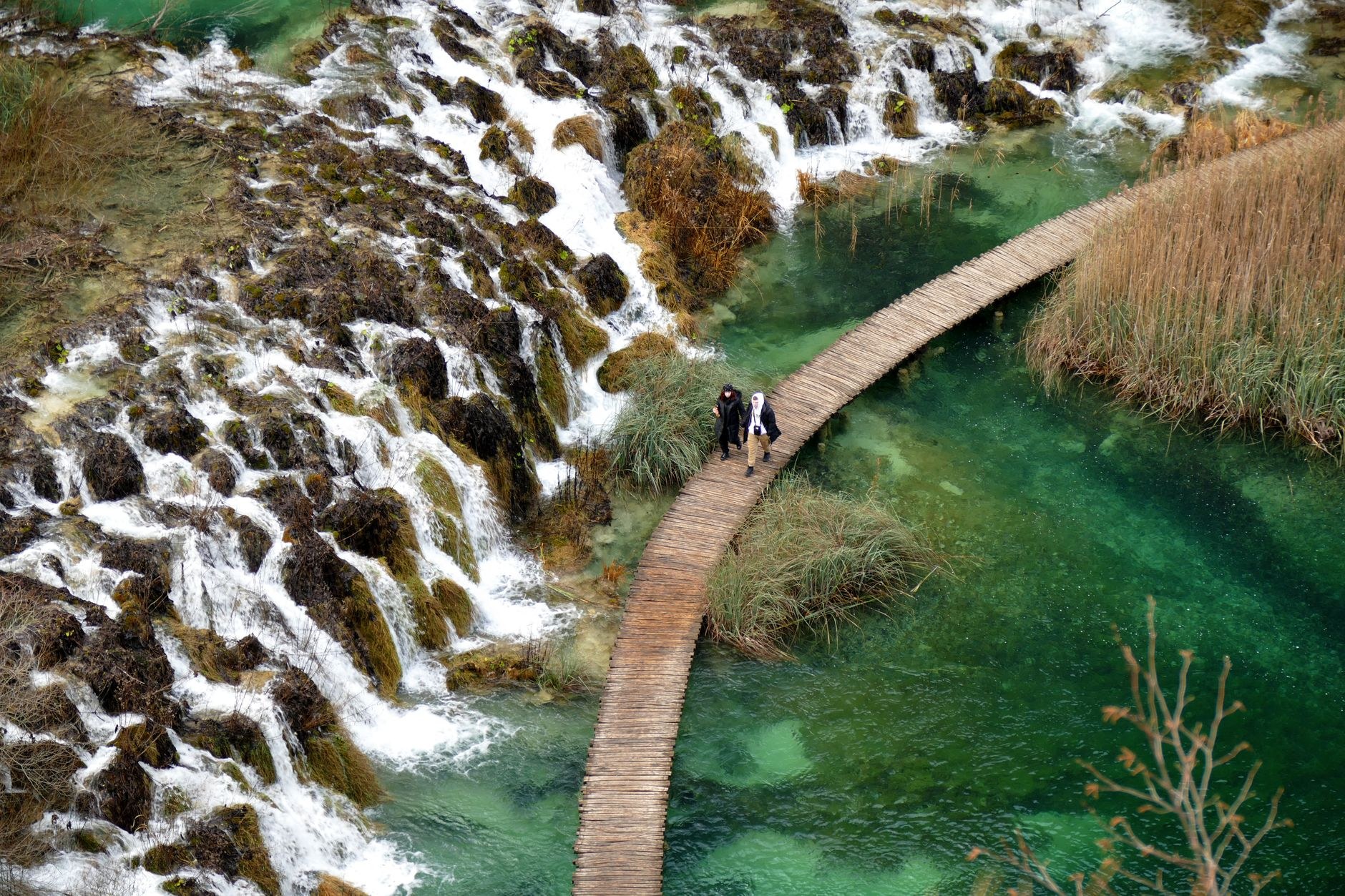
Plitvice Lakes National Park is a UNESCO World Heritage site consisting of 16 terraced lakes connected by travertine waterfalls and emerald limestone pools. Because over 10,000 visitors arrive daily during peak summer months, the national park operates a strict hourly entry reservation system. You cannot simply walk up to the ticket window at 10:00 AM in July or August and expect to buy an entry pass; tickets routinely sell out days in advance online.
When booking on the official park portal, choose an arrival slot between 7:00 AM and 8:30 AM. Entering early allows you to complete the popular Lower Lakes boardwalk before tour bus convoys arrive from Zagreb and Zadar. There are two primary entrances:
- Entrance 1 (North): The best starting point for first-time visitors. It places you immediately above the Great Waterfall (Veliki Slap) and provides direct access to the Lower Lakes canyon along Route C (8 km, 4 to 5 hours, combining walking, an electric boat across Lake Kozjak, and a panoramic shuttle bus back to the gate).
- Entrance 2 (South): Closer to the park hotels and Upper Lakes. It serves Route H, which reverses the direction by taking the shuttle bus to the top lakes first and walking downhill toward the canyon.
Boardwalk etiquette is strictly enforced: swimming in the lakes is strictly prohibited and carries hefty fines, smoking is restricted to designated dining stations, and leaving the wooden pathways into the sensitive travertine beds damages decades of fragile mineral formations. Wear sturdy footwear with grippy rubber soles; morning mist makes the wooden planks remarkably slick.
Split & Diocletian’s Palace: The Living Roman City
Arriving in Split marks your entry into Dalmatia. Unlike classical ruins that sit enclosed behind museum turnstiles, Diocletian’s Palace is a living, breathing urban district. Built at the turn of the 4th century AD as an imperial retirement residence for Roman Emperor Diocletian, the palace’s original courtyards, subterranean substructures, and massive defensive gates today house over 200 residential buildings, bustling espresso bars, wine cellars, and boutique apartments.
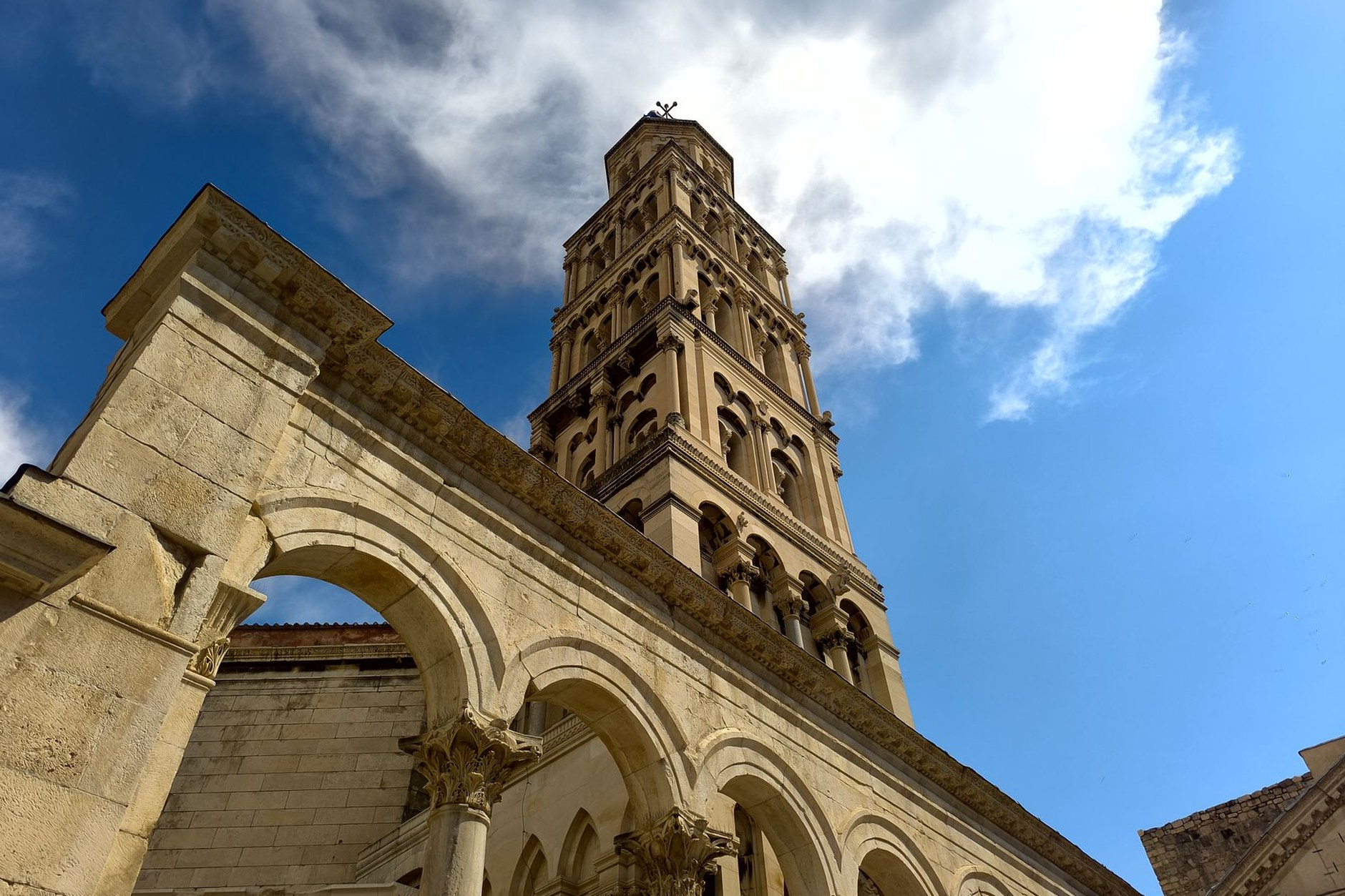
Start early in the morning at the Peristyle, the central colonnaded court. As early sunlight hits the Roman limestone columns and the Egyptian sphinx (dating back 3,500 years, imported by Diocletian himself), you can appreciate the scale of the structure before tour groups fill the square. Climb the bell tower of the Cathedral of Saint Domnius—originally built as Diocletian’s imperial mausoleum—for panoramic vistas across the red-tiled roofs, the harbor, and the Adriatic Sea. Below ground, the vast vaulted cellars (Podrumi) showcase the palace’s architectural footprint and remain refreshingly cool during hot afternoons.
Beyond the palace walls, Split’s social life centers on the Riva, a wide marble pedestrian promenade lined with palm trees and outdoor cafes. In the late afternoon, take a 20-minute walk west up Marjan Hill through shaded Mediterranean pine forests. The viewing platform near the Vidilica café offers sunset views across the harbor, the Brač channel, and the coastal mountains.

The Dalmatian Islands: Choosing Between Hvar and Korčula
Between Split and Dubrovnik lie dozens of inhabited islands, but first-time visitors must choose strategically rather than attempting to hop every day. The two primary options along the main catamaran trunk line are Hvar and Korčula.
- Hvar Town: Renowned for its Venetian limestone architecture, glamorous yacht harbor, and lively nightlife. Beyond the evening party scene, Hvar offers historical depth: Europe’s oldest public theater (built in 1612), St. Stephen’s Square, and the 16th-century Spanish Fortress (Fortica), perched 100 meters above the bay. Water taxis depart the town quay every 15 minutes for the secluded pine-fringed swimming coves of the offshore Pakleni Islands (Jerolim, Marinkovac, and Palmižana).
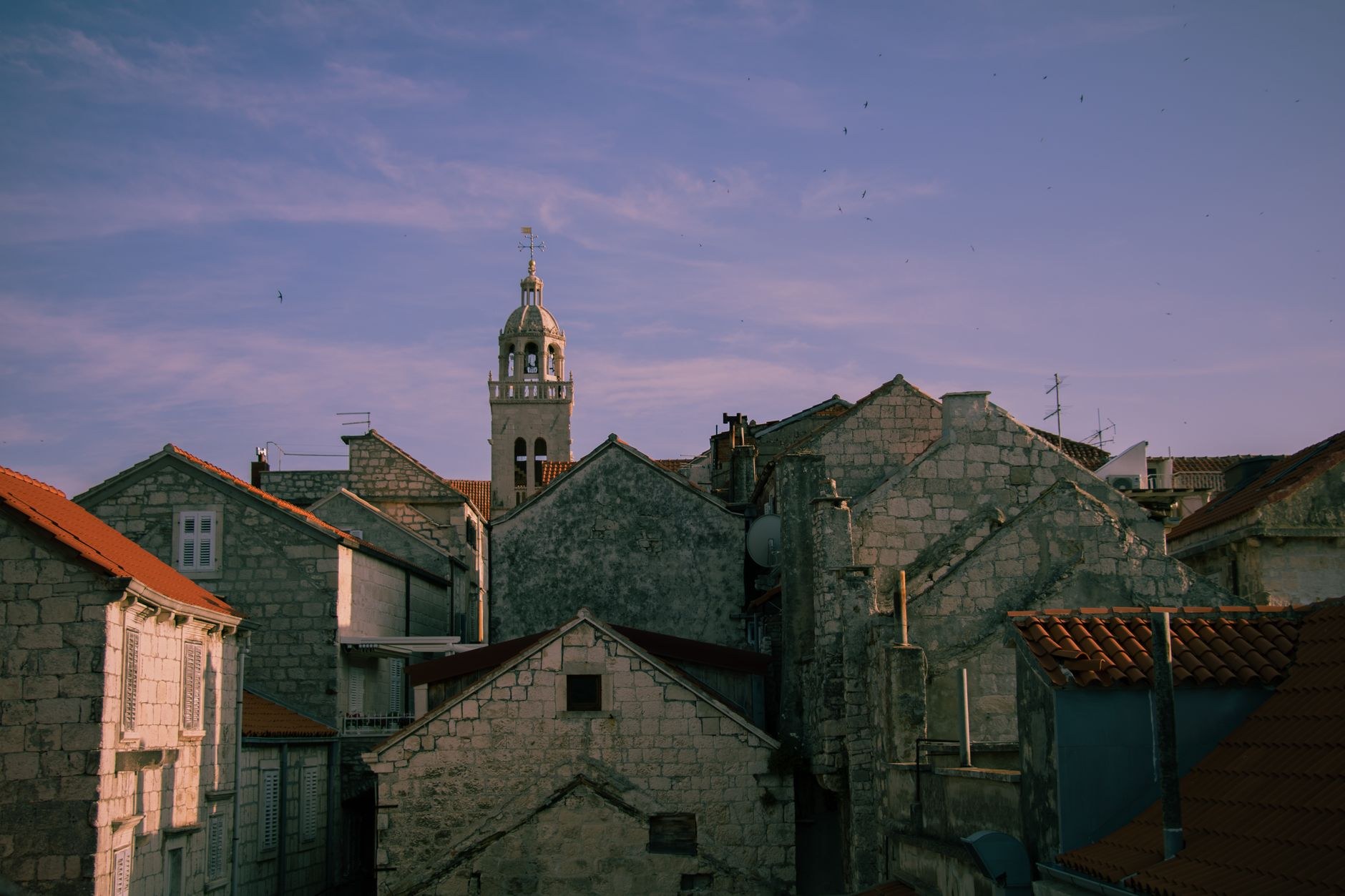
- Korčula Town: Ideal for travelers seeking quiet cultural heritage over vibrant nightlife. Korčula’s fortified medieval peninsula features a distinctive fishbone street layout engineered to channel cooling sea breezes while shielding residents from harsh winds. Famous as the purported birthplace of Marco Polo, it is known for dry white wines produced from indigenous Pošip grapes in nearby Smokvica and Čara.
If you prefer vibrant energy, upscale dining, and beach clubs, spend your two island nights in Hvar Town. If you travel as a family or prioritize serene wine tastings and uncrowded historic alleys, substitute Korčula for Hvar. High-speed catamarans operated by Krilo and Jadrolinija stop at both islands on their daily runs between Split and Dubrovnik.
Dubrovnik: Managing the Crowds and Walking the Walls
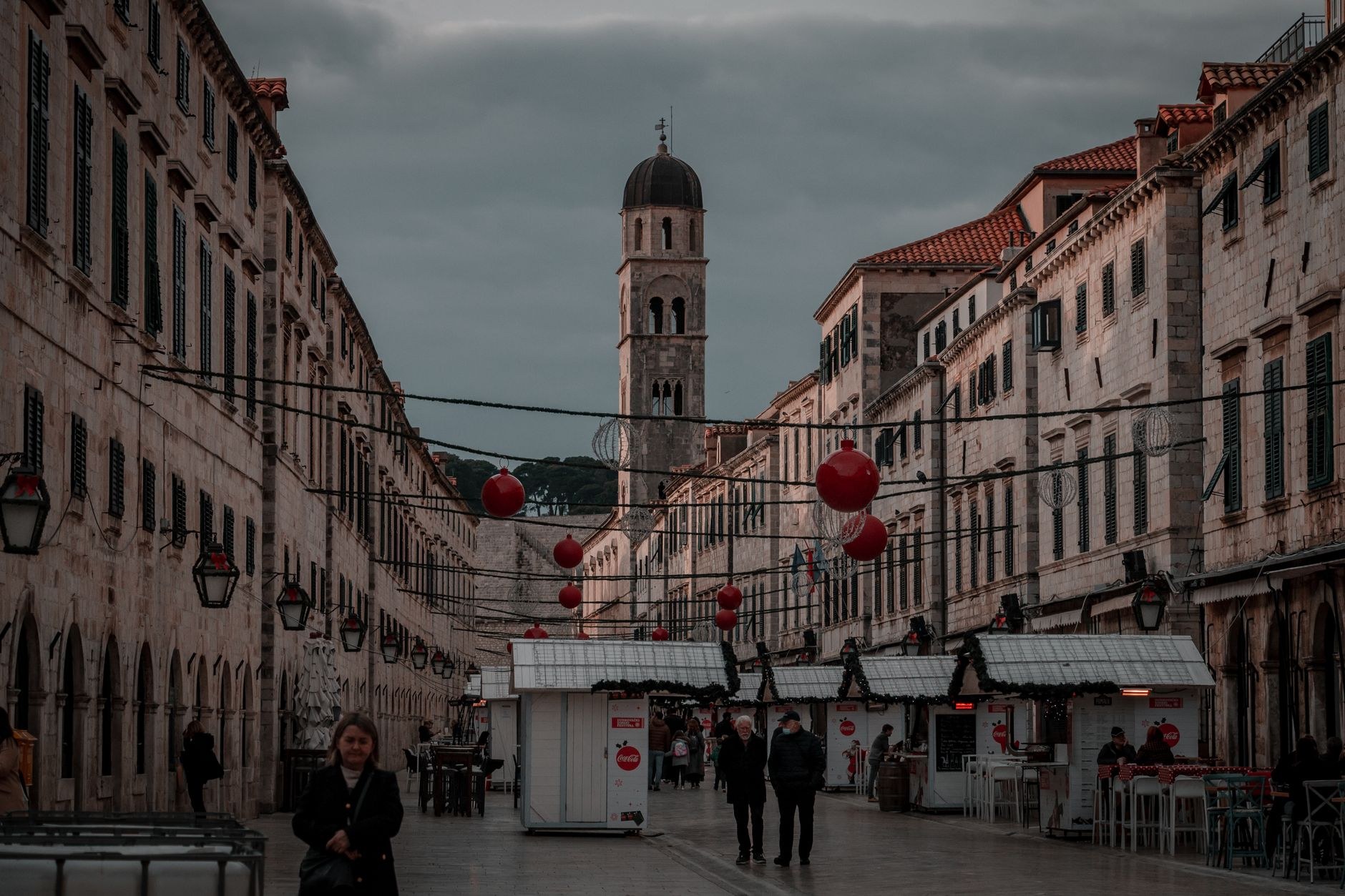
Dubrovnik’s intact white stone fortifications, sheer coastal sea cliffs, and baroque churches are breathtaking, but cruise ship passenger influxes can make the central thoroughfare of Stradun (Placa) uncomfortably congested between 10:30 AM and 4:30 PM. Experiencing the city at its best requires smart timing.
The definitive Dubrovnik experience is walking the entire 2-kilometer circuit of the City Walls. The ramparts rise up to 25 meters above the sea, offering views across the red roofs of the Franciscan Monastery, the Dominican complex, and the open sea toward Lokrum Island. To survive the walk comfortably, enter right at 8:00 AM when the gates open. There is zero shade along the walls; by noon, the stone battlements radiate intense summer heat, and one-way foot traffic bottlenecks at the forts. An alternative is entering after 5:30 PM for softer photography lighting and cooler breezes.
Purchase the Dubrovnik Pass online before your visit. A 1-day pass costs the exact same price as an individual City Walls ticket ($39.54) but includes entry to Fort Lovrijenac, the Rector’s Palace, the Maritime Museum, and 24 hours of free public bus rides on the Libertas municipal network.
During the crowded afternoon hours, escape the walled city entirely. Take a 10-minute municipal ferry from the Old Port to forested Lokrum Island, where peacocks roam freely among botanical gardens and you can swim in the sheltered salt lake known as the “Dead Sea.” In the evening, head to Buža Bar, a hole-in-the-wall drinking spot perched on the outer sea cliffs outside the southern city ramparts, where you can watch cliff divers plunge into the Adriatic as the sun sets.
Zagreb: The Austro-Hungarian Capital
Starting in Zagreb provides a rewarding contrast to the Mediterranean coast. Croatia’s capital is characterized by 19th-century Austro-Hungarian facades, green city parks forming the “Green Horseshoe” (Lenuci’s Horseshoe), and a vibrant café culture where locals spend hours enjoying coffee outdoors.
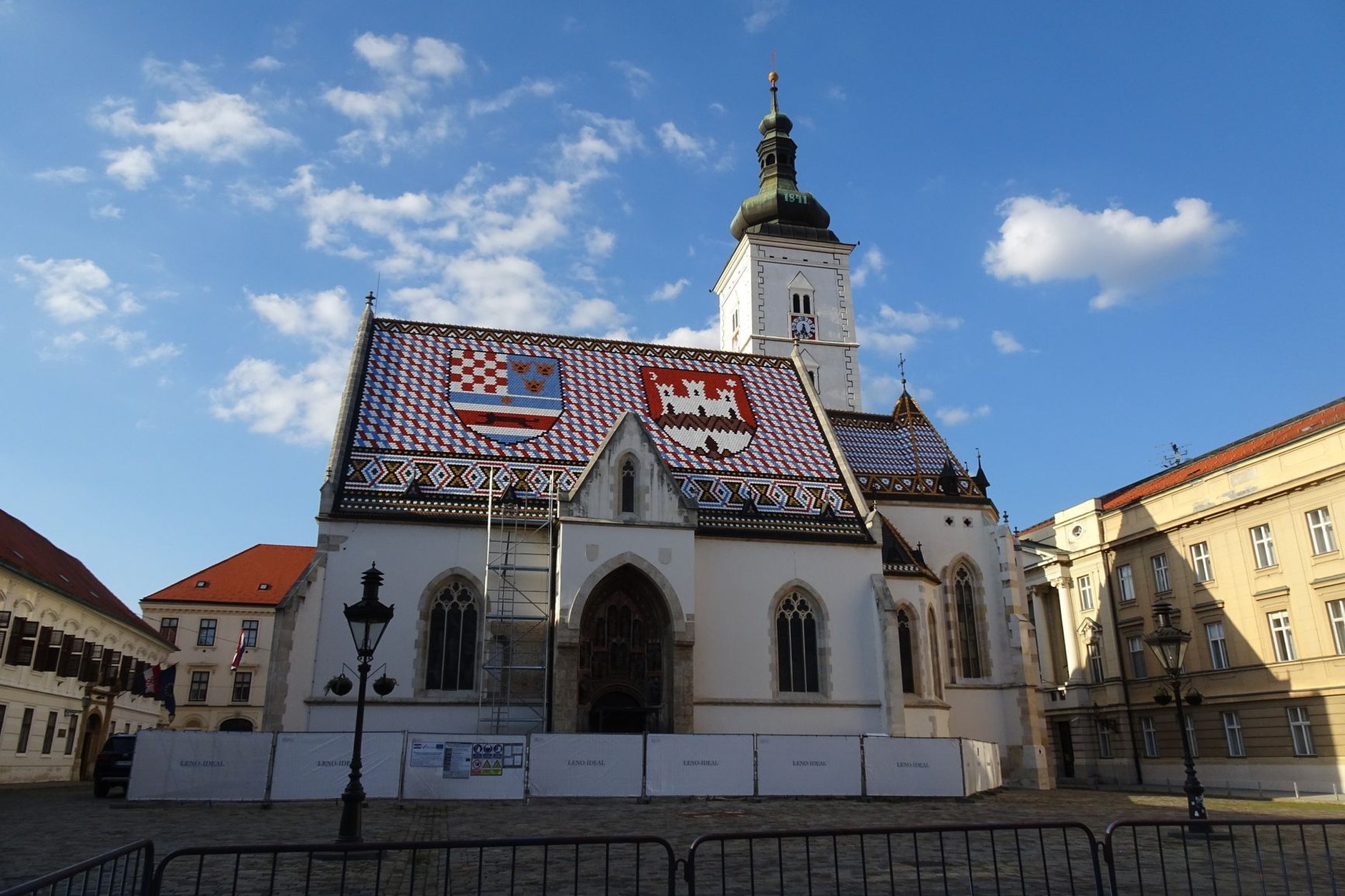
The historic core divides into the Upper Town (Gornji Grad) and Lower Town (Donji Grad). Take the world’s shortest funicular railway (a 66-meter ride lasting 64 seconds) up to the Upper Town. Here you will find St. Mark’s Church, famous for its colorful tiled roof depicting the historical coats of arms of the Kingdom of Croatia, Slavonia, and Dalmatia, alongside the city emblem of Zagreb.
Just down the street sits the poignant and acclaimed Museum of Broken Relationships, an innovative collection of crowd-sourced personal artifacts and anonymous emotional stories donated from around the globe. In the morning, explore the open-air Dolac Market, located just above Ban Jelačić Square, where farmers from surrounding villages sell fresh berries, honey, cured meats, and Pag island cheese beneath hundreds of bright red Šestine umbrellas.
Coastal Transit Mechanics: Ferries, Buses, and the Pelješac Bridge
Navigating Croatia’s transport network is straightforward once you understand how local transit operates:
- Passenger Catamarans vs. Car Ferries: High-speed catamarans (operated by Krilo Kapetan Luka and Jadrolinija) carry foot passengers only. They dock directly at historic town centers (e.g., inside Hvar Town harbor, Split Port directly opposite the palace, and Dubrovnik Old Port or Port Gruž). Large car ferries (Jadrolinija) are much slower and often dock at secondary ports (such as Stari Grad on Hvar, which requires a 20-minute connecting bus ride to reach Hvar Town). If traveling without a vehicle, always book high-speed catamarans.
- Intercity Coaches: For travel between Zagreb, Plitvice Lakes, and Split, long-distance buses are clean, air-conditioned, and efficient. Book tickets online via Arriva or FlixBus 2 to 3 days in advance. Note that long-distance bus drivers in Croatia charge a small cash handling fee (typically $1.13 to $1.69 per bag) to store luggage in the lower cargo hold; keep small euro coins handy.
- The Pelješac Bridge: Opened in July 2022, this cable-stayed bridge connects mainland Croatia directly to the Pelješac Peninsula, bypassing the Neum corridor in Bosnia and Herzegovina. If you take a bus or drive between Split and Dubrovnik, you no longer cross international borders, eliminating the multi-hour customs and passport control lines that previously plagued coastal road travel.
Dining, Local Etiquette, and Practical Expenses
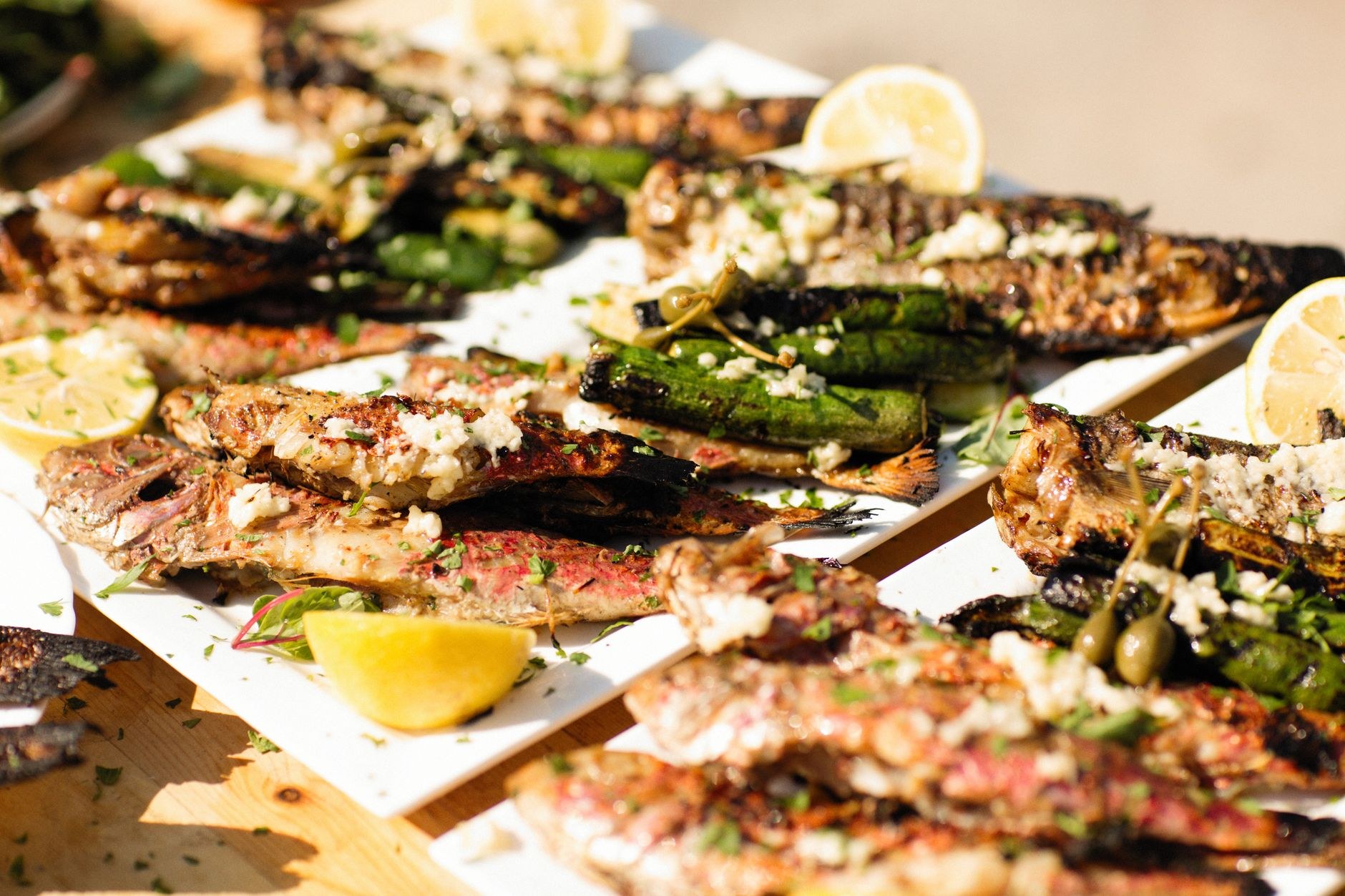
Traditional coastal dining in Dalmatia revolves around the konoba, a rustic tavern specializing in simple, authentic Adriatic dishes. Fresh whole fish (such as sea bass, sea bream, or John Dory) is traditionally priced on menus by the kilogram (kg) rather than as a fixed portion. When ordering fish, ask the server to show you the catch and confirm the approximate weight before grilling to avoid surprises when the bill arrives.
Must-try regional specialties include:
- Crni Rižot (Black Risotto): Rich cuttlefish risotto colored with natural cuttlefish ink, flavored with garlic, white wine, and olive oil, and topped with grated sheep’s cheese.
- Pašticada: A celebrated Dalmatian beef stew marinated for days in red wine and vinegar, slow-cooked with prunes, figs, and root vegetables, and served over handmade potato gnocchi.
- Peka: A slow-roasted dish of lamb, veal, or octopus cooked with potatoes and rosemary under a heavy bell-shaped iron lid (čripnja) covered with burning wood coals. Traditional konobas require ordering peka at least 3 to 4 hours in advance so the meat can slow-cook to fall-apart tenderness.
Currency and Tipping: Croatia officially adopted the Euro (€) on January 1, 2023. The former Croatian Kuna (HRK) is completely out of circulation; ignore outdated travel guides referencing kunas, and avoid street money changers offering to exchange obsolete currency. While credit cards are widely accepted in hotels, modern restaurants, and ferry ticket offices, small bakeries, farmers market stalls, baggage handlers, and local island water taxis operate strictly on cash. Tipping in restaurants is customary: rounding up the bill or leaving 5% to 10% in cash for attentive table service is appreciated.

Staying Connected Along the Adriatic
Navigating Croatia’s islands and historic stone towns relies heavily on mobile data. Having steady connectivity is essential for tracking Jadrolinija catamaran boarding times, booking Uber or local water taxis, purchasing timed admission slots for Plitvice Lakes and the Dubrovnik Pass, and following Google Maps through the maze of medieval cobblestone alleyways in Diocletian’s Palace.
Croatia is served by three major nationwide mobile networks: Tele2 (Telemach Hrvatska), Hrvatski Telekom (HT), and VIPnet (A1 Hrvatska). While signal coverage is fast and consistent across urban centers like Zagreb, Split, and Dubrovnik, maritime channels between islands can see cellular towers handover frequently. Telemach and Hrvatski Telekom operate robust coastal 5G and 4G LTE transmitters that maintain signal even when you are miles offshore on an island catamaran.
Instead of queuing at airport kiosks or searching for newspaper convenience stands (Tisak) to buy and register local plastic SIM cards, setting up an NXTL Croatia eSIM before you depart gives you instant high-speed data the moment you step off the plane in Zagreb. With flexible local data packages starting at just $0.70 per GB and automatic multi-network roaming across Tele2, Hrvatski Telekom, and A1, you maintain seamless data from the continental interior all the way down the Adriatic coast.
Essential Safety, Swimming, Scams and Practical Advice
Croatia is consistently ranked among the safest countries in Europe, but several practical considerations and localized tourist traps will save you discomfort and unnecessary expense:
- Pebble Beaches and Sea Urchins: The vast majority of beaches along the Adriatic are pebble, rock slab, or gravel rather than soft sand. This creates exceptionally clear, turquoise water with 30-meter visibility, but black sea urchins (ježinci) nest among the submerged rocks. Stepping on one will puncture your foot and disrupt your trip. Buy a pair of rubber water shoes (vaterice) at any seaside souvenir stall for $9.04 to $13.56 before swimming.
- Dubrovnik Pile Gate Taxi Price Gouging: Private taxi drivers parked directly outside Old Town Dubrovnik’s Pile Gate and Ploče Gate refuse to run meters, regularly charging tourists $28.25 to $39.54 for a 2-kilometer ride to Port Gruž or Lapad (a trip that costs $6.78 to $9.04 on Uber). Either call an Uber, or walk two minutes to the bus stop and hop on the municipal Libertas bus (Lines 1A, 1B, or 3) for $1.95 per ride.
- ATM Conversion Traps (Euronet): Standalone yellow-and-blue Euronet ATMs line every tourist street in Split and Dubrovnik. These machines aggressively push “Dynamic Currency Conversion” (DCC), charging exorbitant conversion markups and hidden transaction fees of 10% to 18%. Always use ATMs attached directly to brick-and-mortar national banks (such as Zagrebačka banka, Privredna banka Zagreb / PBZ, or Erste Bank), and always select “Decline Conversion” so your home bank handles the exchange rate.
- Ferry Ticket Scalpers at Split Harbor: During the peak morning rush at Split Ferry Port, freelance ticket hawkers along the harbor front attempt to sell “express island passes” or marked-up catamaran vouchers to tourists standing in lines. Buy your tickets only from the official, branded ticket kiosks of Jadrolinija and Krilo located inside the main ferry terminal building, or purchase digital QR tickets directly on their official apps.
- Buža Bar Cliff Jumping Dangers: While cliff diving from the rocks outside Dubrovnik’s southern sea walls at Buža Bar is iconic, the seabed beneath features jagged, submerged limestone shelves. Erratic swells cause numerous serious spinal injuries and broken limbs every summer among tourists jumping without local knowledge. Never dive headfirst, and observe where locals enter and exit the water before jumping.
- Water Quality: Municipal tap water across Croatia is safe, clean, and delicious to drink. Bring a reusable water bottle and refill it freely from public stone fountains in Zagreb, Split, and Dubrovnik (such as Onofrio’s Large Fountain inside Dubrovnik’s Pile Gate).
Frequently Asked Questions
Is it better to fly into Zagreb or directly to Split?
If you have 9 to 11 days, an open-jaw ticket flying into Zagreb and departing from Dubrovnik is ideal. This lets you visit Plitvice Lakes naturally on the journey south without backtracking. If you have only 7 days, skip Zagreb and continental Croatia: fly directly into Split, visit one island, and finish in Dubrovnik.
Do I need to book ferries in Croatia in advance?
For high-speed passenger catamarans (Krilo and Jadrolinija) during July, August, and September, advance booking is strongly recommended. Popular departures—especially morning runs from Split to Hvar and Hvar to Dubrovnik—frequently sell out 3 to 7 days ahead. If traveling with a vehicle on car ferries, tickets do not reserve a spot in line; you must arrive and queue at the dock 90 to 120 minutes before departure.
Can you swim in Plitvice Lakes?
No. Swimming, bathing, and wading are strictly forbidden everywhere inside Plitvice Lakes National Park to preserve the fragile, living travertine barriers. If you want to swim near waterfalls, visit Krka National Park near Šibenik, though swimming directly under Skradinski Buk waterfall is also now prohibited to protect the riverbed ecosystem.
Is Croatia expensive compared to other Mediterranean countries?
Croatia is generally more affordable than Italy or southern France, but prices in high-demand tourist hubs—specifically Dubrovnik Old Town and Hvar Town—have increased significantly since the 2023 Euro changeover. Expect to pay $39.54 for the Dubrovnik City Walls walk, $28.25 to $45.19 for a nice konoba dinner with fresh fish and wine, and $4.52 to $5.65 for a beer along the waterfront. Zagreb and continental towns remain 30% to 40% cheaper than the Dalmatian coast.