Situated in the southern Caribbean just forty miles north of the Venezuelan coast, Curaçao presents a distinct cultural and ecological landscape. As the largest of the Dutch ABC islands (Aruba, Bonaire, and Curaçao), this constituent country of the Kingdom of the Netherlands combines European colonial architecture with Afro-Caribbean traditions and Papiamentu language heritage. Because Curaçao lies comfortably south of the primary Atlantic hurricane belt, it enjoys year-round sunshine tempered by steady easterly trade winds, making it an appealing destination in any season.
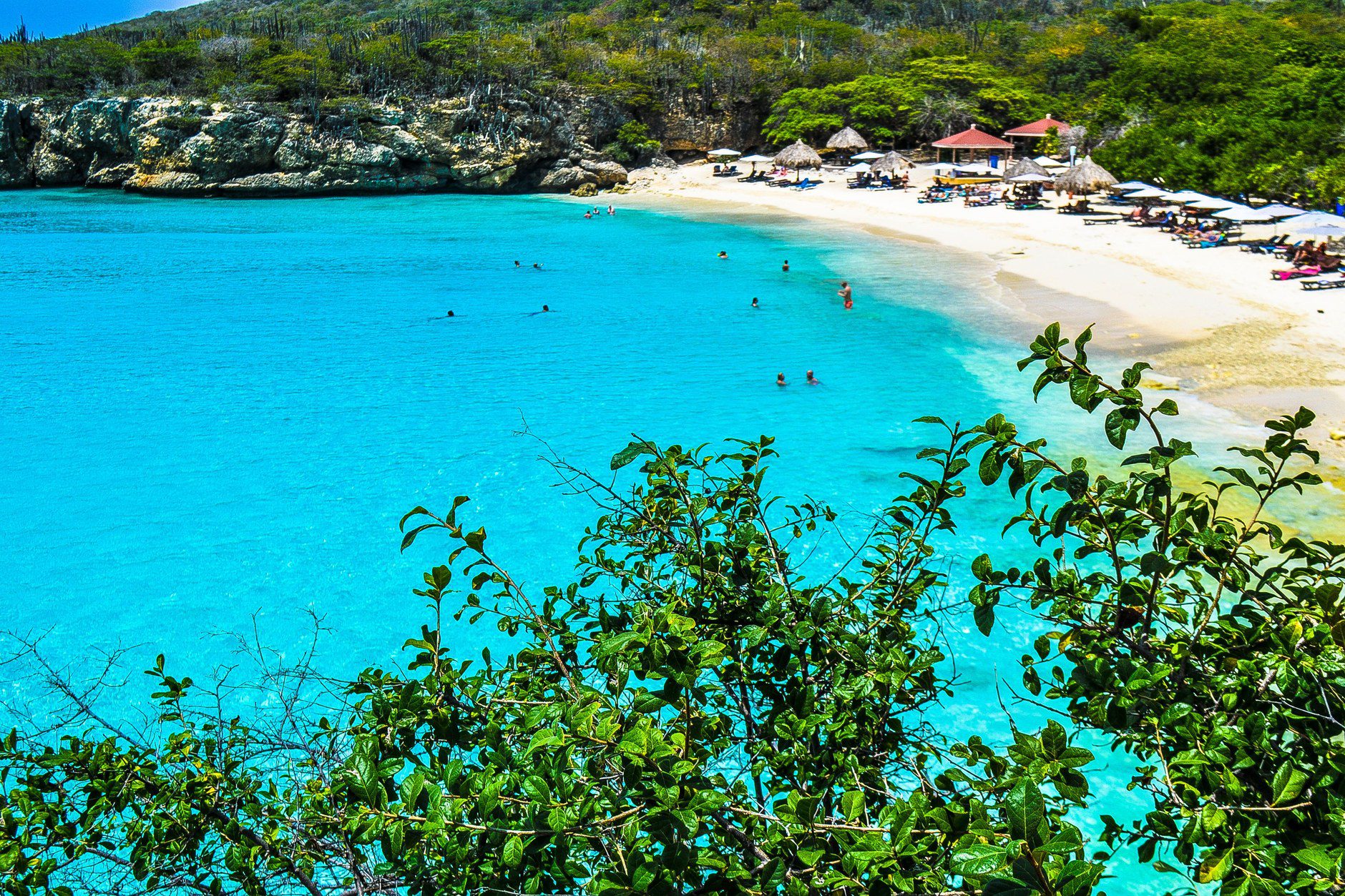
For independent travelers, planning a trip to Curaçao centers on two contrasting experiences. In the southeast sits the capital of Willemstad, a UNESCO World Heritage city where pastel Dutch gabled merchant houses border St. Anna Bay and the Queen Emma pontoon bridge swings open for passing cargo ships. Across the island’s northwestern half—known locally as Banda Abou—the landscape shifts into rugged volcanic hills, giant organ-pipe cacti, and a dramatic limestone coastline indented by dozens of turquoise coves (playas). Navigating between these two worlds requires making an upfront choice about transportation: while Willemstad is walkable, exploring the wild west coast without a rental car is virtually impossible.
Who This Trip Suits and How Long to Stay
Curaçao suits independent road-trippers, snorkelers, scuba divers, architecture enthusiasts, and cultural travelers who prefer authentic island communities over cookie-cutter cruise enclaves. If you enjoy driving between secluded limestone coves, swimming alongside wild sea turtles, exploring reclaimed 18th-century mansions housing boutique bistros, and hiking through arid national parks, the island is deeply rewarding. English, Dutch, Spanish, and Papiamentu are spoken fluently across the population, making daily interactions straightforward.
Conversely, the island is less suited to travelers seeking continuous miles of unbroken resort sand like Aruba or those expecting all-inclusive hotel enclaves where leaving the property is unnecessary. Curaçao’s finest beaches are intimate rocky coves scattered across the west coast, many requiring small entry fees and independent driving. A well-paced itinerary requires six to seven days: this allows two days to immerse yourself in Willemstad’s historic districts, three full days exploring the west-coast beaches and national parks of Banda Abou, and a buffer day for coastal boat charters or scuba excursions.
A crucial planning choice is where to establish your accommodation base. Many travelers split their stay: spending three nights in a historic boutique hotel in Willemstad’s Pietermaai or Otrobanda quarters for evening dining, followed by three nights in a quiet coastal apartment in Westpunt to wake up beside premier morning snorkeling coves.
The Car Rental Decision: Is a Car Worthwhile?
One of the most frequent questions first-time travelers ask is whether renting a car is truly necessary in Curaçao. The short answer is an unequivocal yes. While you can walk between the central Willemstad districts of Punda, Otrobanda, and Pietermaai, relying on public transportation or taxis to reach the island’s celebrated beaches is logistically frustrating and financially impractical.
Public transportation consists of two networks: large state-run “Konvoi” buses and privately operated nine-passenger minivans (“Bus”). While both are inexpensive, their routes are designed for local commuters traveling between residential suburbs and downtown Willemstad. Buses to the west coast (Banda Abou) run infrequently—often only once every one to two hours—and they drop passengers along the main highway, leaving you with long, shade-free walks under blistering equatorial sun down unpaved access roads to reach the water. Furthermore, taxis on Curaçao do not use meters; a single one-way taxi ride from Willemstad to Westpunt costs between $60 and $90 USD, meaning two taxi trips cost more than several days of car rental.
Renting a vehicle directly at Hato International Airport (CUR) grants you complete freedom to beach-hop along the west coast, pack snorkel gear and coolers, arrive at trailheads before midday heat, and stop at roadside fruit stands. Driving is on the right, major roads are paved, and navigation is simple with digital mapping.
Strategic Route Blueprint: Capital History to West Coast Coves
A balanced six-day itinerary divides the island logically between urban heritage and western coastal nature. The journey begins in Willemstad, where travelers explore Dutch colonial history, visit world-class slavery museums, and adjust to island time while dining in historic courtyards.
The second stage heads northwest along the Weg Naar Westpunt highway into Banda Abou. Here, days are structured around morning hikes before the heat peaks, midday swimming and snorkeling in sheltered limestone coves, and late afternoon drives along the wave-battered northern coast. The route concludes with a visit to the subterranean caves of Hato near the airport before your return flight.
Day-by-Day Curaçao Itinerary
This six-day itinerary connects Willemstad’s maritime architecture, the turquoise coves of Banda Abou, and the arid wilderness of Christoffel and Shete Boka National Parks.
| Day / Stage | Base | Highlights | Transport Mode | Transit Time | Advance Booking Requirement |
|---|---|---|---|---|---|
| Day 1 | Willemstad | Arrive Hato Airport (CUR), collect rental car, settle into Pietermaai, Queen Emma Bridge | Rental Car | 20 mins drive | Rental car booked 1 month ahead |
| Day 2 | Willemstad | Punda walking tour, Handelskade, Kura Hulanda Museum, Scharloo street art murals | On Foot | 5 mins walk | Museum tickets purchased at door |
| Day 3 | Westpunt | Drive west, Jan Kok flamingo salt pans, Cas Abao beach swim, Playa Porto Marie | Rental Car | 45 mins drive | Small beach entry fee paid on site |
| Day 4 | Westpunt | Grote Knip cliff jumping, Playa Lagun coral reef snorkeling, Playa Piskado sea turtles | Rental Car | 15 mins drive | Arrive early for free beach parking |
| Day 5 | Westpunt | Dawn Mount Christoffel hike, Shete Boka blowholes and sea caves, Jaanchies lunch | Rental Car / Foot | 10 mins drive | Christoffel trail entry closes at 10:00 AM |
| Day 6 | Departure | Hato Caves limestone formations, Daaibooi beach morning swim, transfer to CUR | Rental Car | 25 mins to airport | Check-in 2.5 hrs prior to international flight |
The Queen Emma Bridge—fondly known by locals as the “Swinging Old Lady”—is a masterwork of maritime engineering. Supported by sixteen floating pontoon boats, this pedestrian bridge swings parallel to the shore whenever ships enter St. Anna Bay. When open, free public ferry boats shuttle pedestrians across the water until the bridge returns to place.
Willemstad: UNESCO Heritage and Historic Districts
Established by the Dutch West India Company in 1634, Willemstad is one of the Caribbean’s most architecturally significant urban centers. The city straddles St. Anna Bay, dividing into two historical quarters: Punda on the east and Otrobanda (literally “the other side”) on the west.
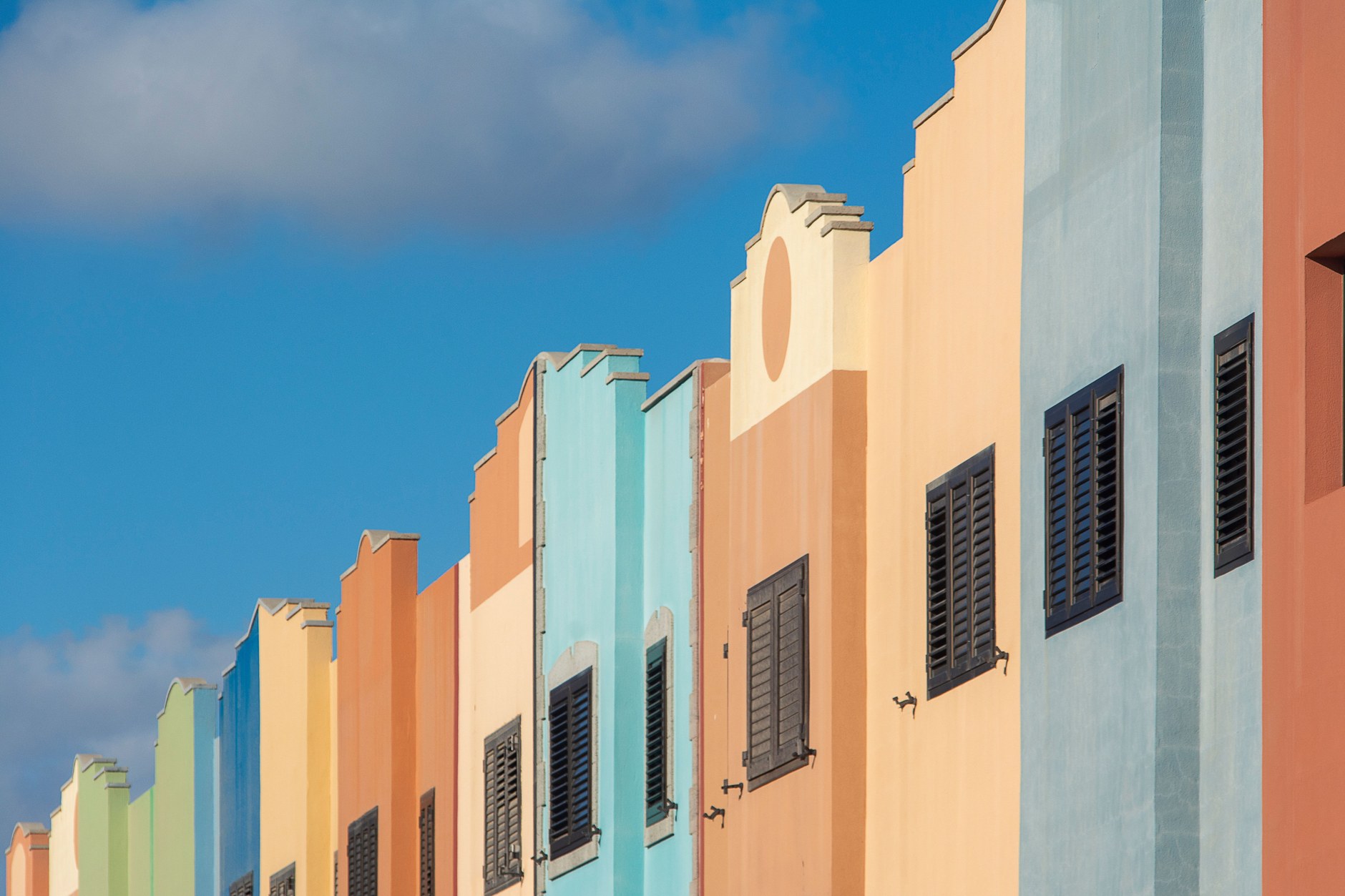
In Punda, the waterfront Handelskade presents a row of Dutch colonial buildings painted in bold shades of ochre, mango, and sky blue. Local lore attributes these colors to 19th-century Governor-General Albert Kikkert, who claimed the reflection of the tropical sun off white lime plaster caused his migraines, ordering all public buildings painted in pastel tones. Just behind Handelskade lies the Mikvé Israel-Emanuel Synagogue, consecrated in 1732, making it the oldest surviving synagogue in the Americas. Inside, the floor is covered in white sand, symbolizing the forty years the Israelites spent wandering the desert and paying homage to early Portuguese-Jewish settlers who muffled their footsteps during the Spanish Inquisition.
Across the pontoon bridge in Otrobanda, the Kura Hulanda Museum occupies a meticulously restored 18th-century merchant quarter. This museum documents the transatlantic slave trade, displaying authentic shackles, merchant logbooks, and African artifacts that trace Curaçao’s historical role as the primary slave redistribution depot in the Caribbean.
Banda Abou: The West Coast Coves and Snorkeling
Leaving the urban density of Willemstad behind, the Weg Naar Westpunt winds through the arid, rolling countryside of Banda Abou. Along the way, stop at the Jan Kok salt pans, where flocks of wild Caribbean flamingos feed on brine shrimp in shallow waters beneath the historic Landhuis Jan Kok.
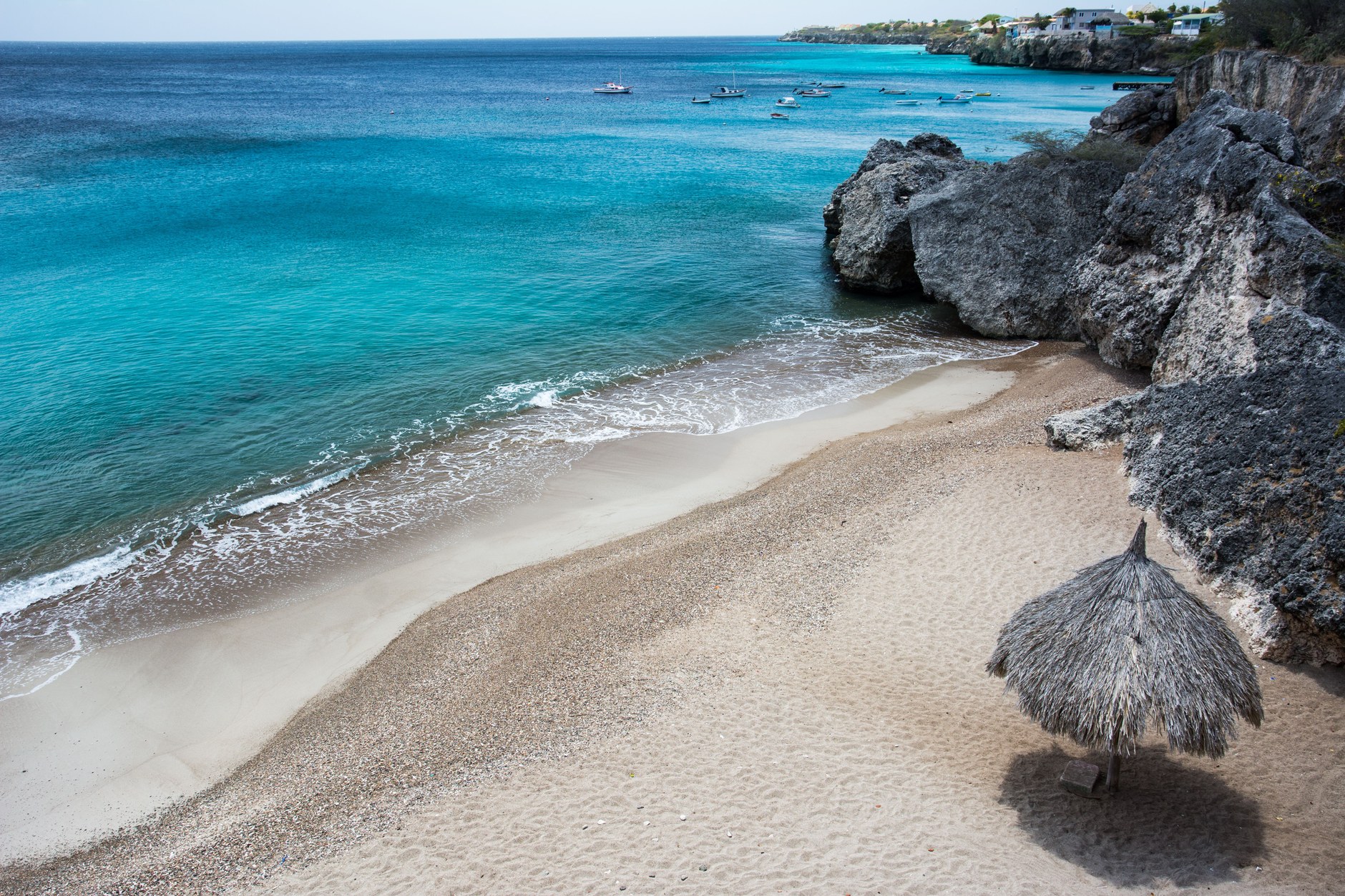
The coastline of Banda Abou is famous for its “playas”—intimate white-sand coves carved into ancient coral limestone cliffs. Grote Knip (Playa Kenepa Grandi) is the most celebrated, offering an overlook of turquoise water that transitions from pale aquamarine to deep indigo. Visitors can rent umbrellas or leap from limestone cliffs into the calm sea below. A short drive away sits Playa Lagun, a narrow limestone gorge where traditional wooden fishing boats rest on the sand and the reef walls shelter moray eels, seahorses, and schools of blue tang.
Further north in the fishing village of Westpunt lies Playa Piskado (also called Playa Grandi). Here, local fishermen clean their catch on wooden piers at midday, tossing fish scraps into the harbor. Over years, wild green sea turtles have learned to congregate in the shallows to feed; snorkelers wading out from the pebbled shore can observe dozens of turtles gliding inches away in clear water.
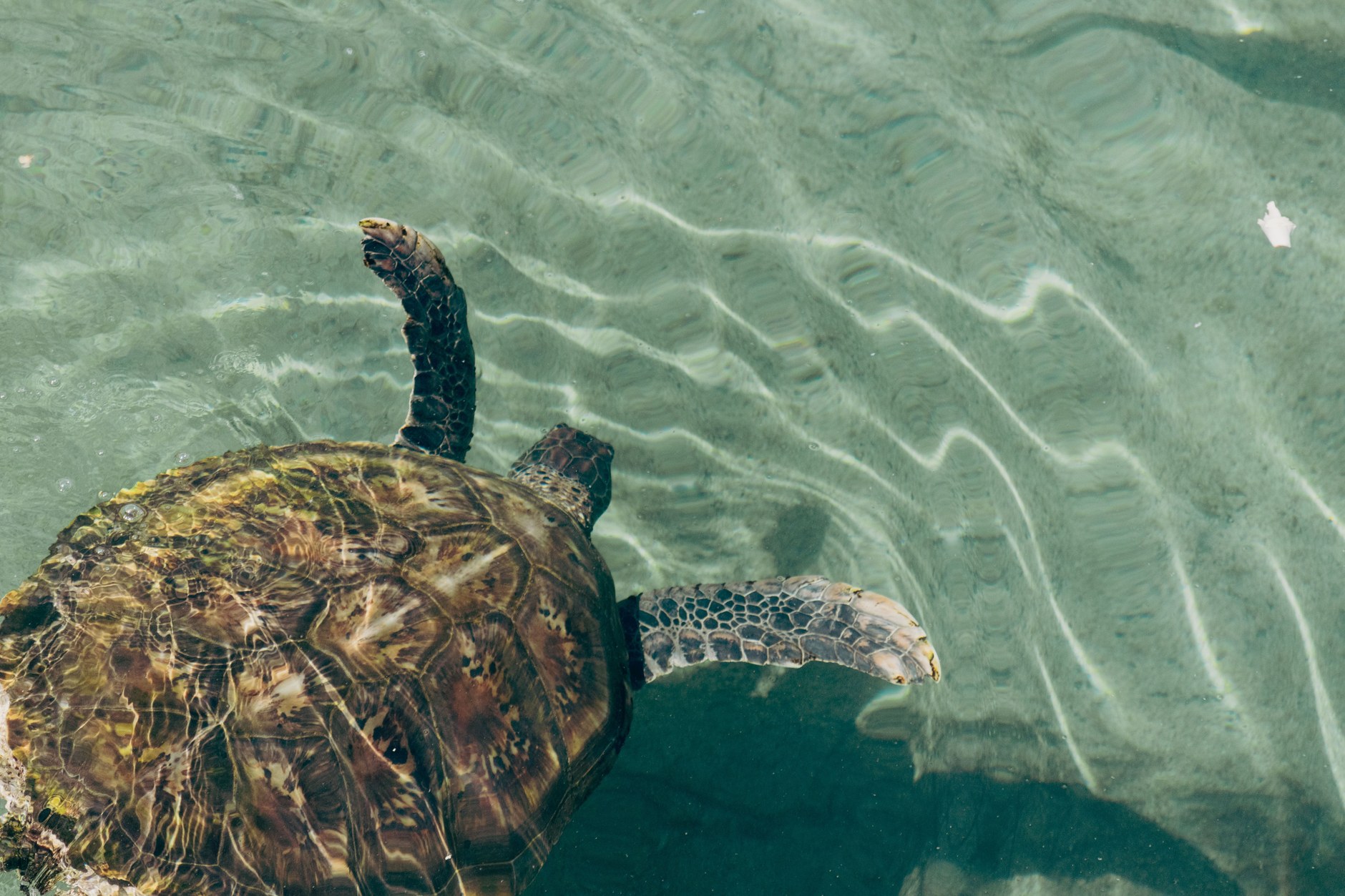
When swimming with marine wildlife, respect ethical observation distances: never touch, chase, or grab sea turtles, and avoid standing on living coral formations.
Christoffel and Shete Boka National Parks
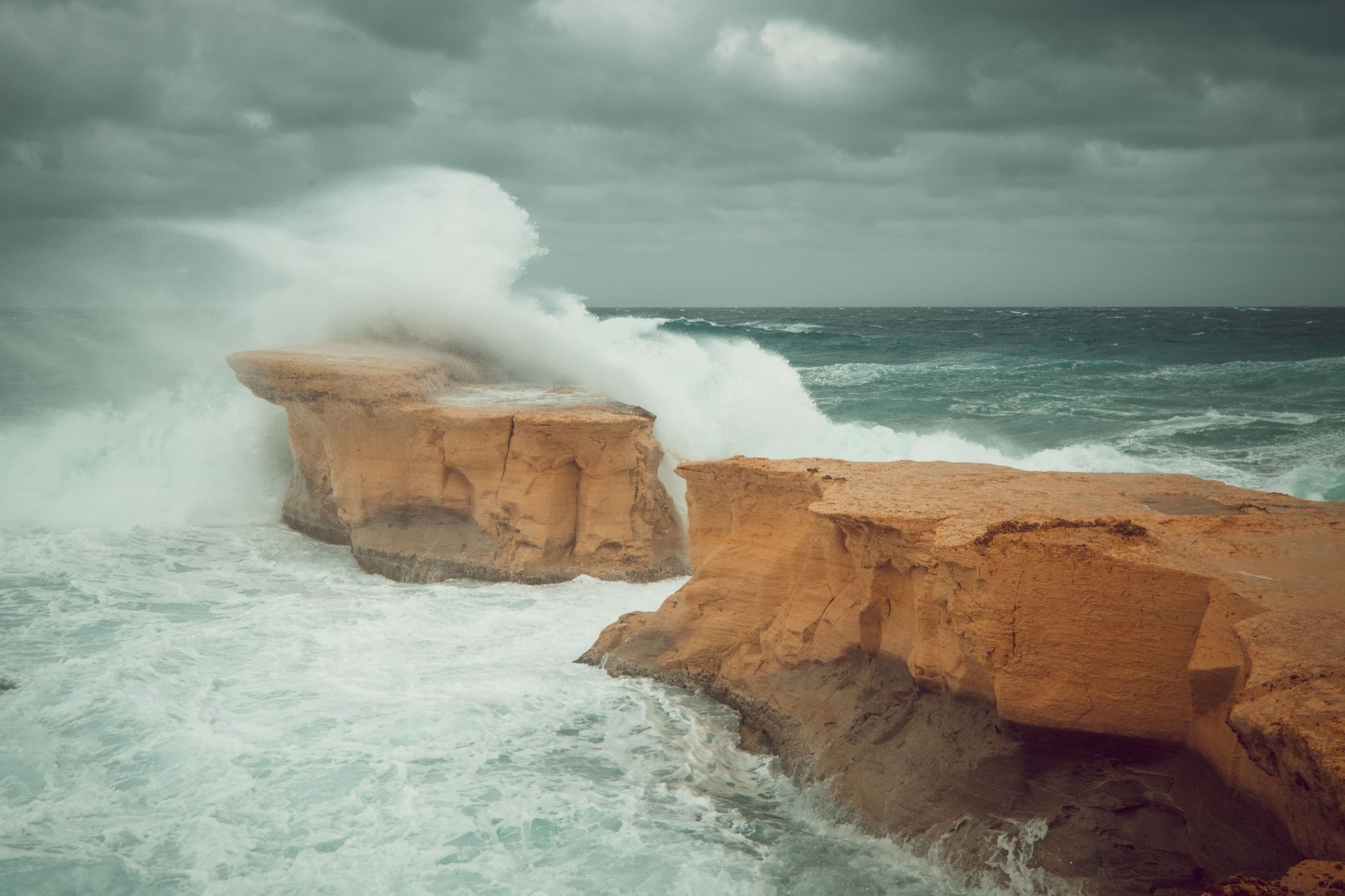
Banda Abou is also home to Curaçao’s two premier national parks, protecting wild coastal geology and terrestrial biodiversity. Shete Boka National Park spans ten kilometers of wild northern limestone coastline where powerful Atlantic trade swells crash violently against volcanic cliffs.
Walking the park trails reveals geological spectacles like Boka Tabla, a cavern carved into the limestone where ocean waves surge inside and blast spray through ceiling vents. At Boka Pistol, waves funnel into a narrow constriction, exploding upward into fifty-foot plumes of white water with the sound of artillery fire.
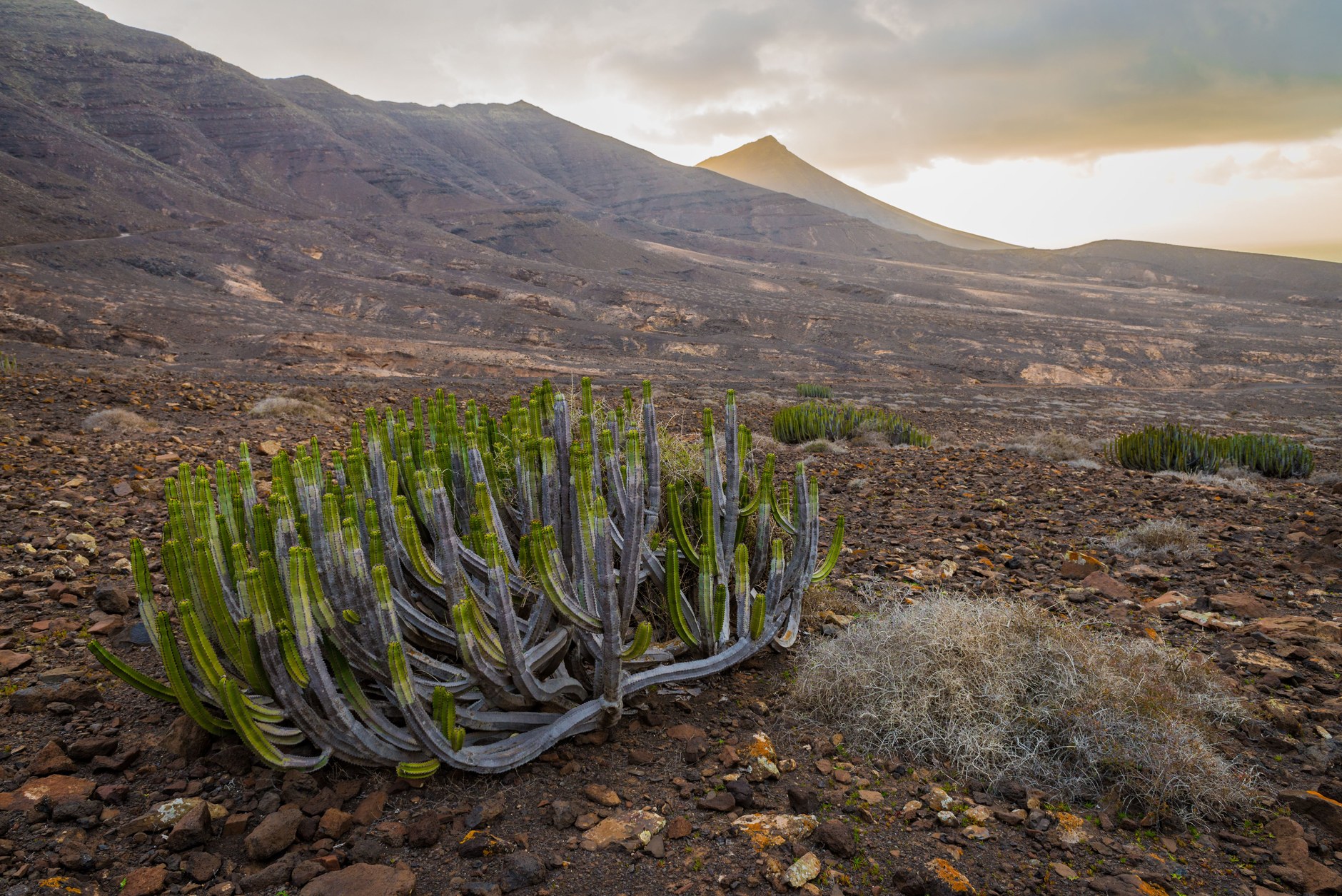
Adjacent lies Christoffel National Park, covering nearly 4,500 acres of protected nature surrounding Mount Christoffel, the island’s highest point at 1,220 feet (372 meters). Hiking the rocky trail to the summit rewards climbers with 360-degree views across the entire island to the coast of Venezuela on clear mornings. However, park regulations are strict: due to dangerous afternoon heat and humidity, visitors are legally prohibited from starting the summit hike after 10:00 AM. Arrive by 7:00 AM with two liters of water per person.
After your morning hike, stop at Jaanchies in Westpunt, an iconic open-air restaurant operating for over sixty years. Owner Jaanchie personally recites the daily menu at your table, offering hearty portions of stewed goat, fresh wahoo, and traditional iguana stew (sopi di yuana), accompanied by fried plantains and funchi (polenta cake).
Connectivity and Mobile Networks Across Curaçao
Maintaining reliable mobile connectivity on Curaçao is indispensable for navigating rural roads in Banda Abou, locating unmarked beach turnoffs, checking wind and surf forecasts, and coordinating dinner reservations in Pietermaai.
Curaçao’s local telecommunications market is served by Digicel Curaçao and Flow (formerly UTS/Chippie). High-speed LTE coverage is robust throughout Willemstad, the central corridor, and along the main highway to Westpunt. While signal coverage remains solid across most west-coast beaches, deep limestone canyons and remote corners of Christoffel Park can experience localized dead zones.
Purchasing a physical SIM card locally involves finding an authorized carrier boutique in Willemstad, presenting passport identification, and configuring manual APN settings. A more efficient alternative is configuring an international eSIM before departure. With NXTL’s Curaçao eSIM, your smartphone automatically connects to local LTE networks through Polycom and Digicel the moment your flight touches down at Hato Airport.
NXTL operates on a transparent pay-as-you-go data model where your balance never expires. Whatever unused balance remains in your digital account stays active for future travel across more than 180 countries. Using an eSIM also keeps your domestic physical SIM active in your phone’s secondary slot, ensuring you continue receiving essential bank authentication SMS codes without incurring expensive international carrier roaming fees.
Budget Realities, Guilder Currency, and Daily Costs
Curaçao uses the Netherlands Antillean Guilder (ANG, abbreviated locally as Nafl), which is pegged to the US Dollar at a fixed rate of 1.79 ANG = 1 USD. US Dollars are accepted interchangeably across hotels, restaurants, supermarkets, and rental agencies, typically converted at a standard rate of 1.75 to 1.80 ANG per dollar. Change is frequently returned in guilders. Credit cards (Visa and Mastercard) are widely accepted, though cash is essential for small beach admission booths and roadside snack bars.
While cheaper than neighboring Aruba, Curaçao is not a budget destination. Anticipate these realistic daily price ranges:
- Accommodations: Boutique heritage hotels in Pietermaai or beach apartments in Westpunt cost $110 to $190 USD per night. Full-service coastal resorts (such as LionsDive or Baoase) range from $250 to $600+ USD nightly.
- Dining: A casual lunch plate of stewed goat or red snapper at Plasa Bieu (Old Market) in Punda costs $10 to $16 USD. A three-course seafood dinner at an upscale courtyard restaurant in Pietermaai averages $45 to $75 USD per person, plus drinks.
- Car Rental & Fuel: An economy compact car averages $38 to $55 USD per day, including basic insurance. Gas stations operate on an upfront payment system: you must pay the cashier inside before fuel pumps are activated.
- Beach & Park Admissions: Many west-coast beaches charge modest facility fees: Cas Abao costs $6 USD per car, Porto Marie charges $3 USD per person, while Grote Knip and Playa Lagun are free. Christoffel National Park admission costs $15 USD per adult; Shete Boka costs $10 USD.
Five Pitfalls and Scams to Avoid in Curaçao
While Curaçao is welcoming and safe with low violent crime rates, property theft and environmental hazards require sensible precautions. Watch for these five common pitfalls:
- Rental Car Trunk Break-ins at Remote Beaches: Opportunistic theft from parked vehicles occurs at isolated west-coast beach parking lots (particularly around Grote Knip, Playa Jeremi, and trailhead turnoffs). Never leave backpacks, cameras, wallets, or passports inside your vehicle—even hidden in the trunk. Leave the glove compartment open and empty to show thieves there is nothing of value inside.
- Attempting to Explore the West Coast Without a Car: Relying on public buses to tour Banda Abou beaches is a frequent traveler blunder. Large buses run hours apart, do not enter beach access roads, and stop running early in the evening. Taxis to Westpunt cost up to a cash sum one way. Always rent a car for your west-coast days.
- The Christoffel Mountain Midday Cutoff: Park rangers strictly enforce a rule that no one may begin the Mount Christoffel summit trail after 10:00 AM. Visitors arriving late are turned away without exception due to intense midday heat and medical rescue difficulties. Start your climb by 7:30 AM.
- Prepayment Confusion at Island Fuel Stations: Gas stations in Curaçao do not permit pumping before payment. You must park at the pump, walk inside to the cashier booth, state your pump number, pay cash or card for an estimated amount, pump your gas, and return inside to collect any change.
- Harassing Turtles and Standing on Living Corals: At Playa Piskado, enthusiastic tourists frequently touch or crowd feeding sea turtles, which causes acute stress to the animals and violates local wildlife protection regulations. Furthermore, walking across shallow reef flats at low tide crushes living coral heads; always wear fins and float horizontally.
Observing these straightforward tips ensures your journey across Curaçao remains secure, economical, and focused on its remarkable coastal beauty.
Seasonal Weather, Trade Winds, and Packing Essentials
Curaçao features a warm, semi-arid tropical climate with steady year-round temperatures averaging 82 to 88 degrees Fahrenheit (28 to 31 Celsius). Constant easterly trade winds provide refreshing coastal breezes, though the sun’s equatorial intensity requires respect.
Because the island sits outside the Caribbean hurricane belt, severe tropical storms are rare. The dry season runs from February through June, offering exceptional water visibility for diving. The period from October through December experiences slightly higher rainfall, typically taking the form of brief, refreshing morning showers that dry up rapidly. Overall, Curaçao is an outstanding destination twelve months a year.
Packing for Curaçao centers on beach and road-trip gear. Bring lightweight, breathable clothing, multiple swimsuits, and UV-blocking rash guards. Hard-soled water shoes or reef booties are essential for walking across rocky coral rubble at beach entries. Pack high-SPF reef-safe sunscreen, a personal snorkel set (mask, snorkel, and fins) to avoid daily rental fees, a durable dry bag for boat trips, and a European Type C or US Type A/B electrical adapter, as both outlet types exist across older and newer island accommodations.
By securing an independent rental car, exploring the historic lanes of Willemstad, and traveling with reliable digital connectivity, you will experience the authentic charm, remarkable marine life, and rugged beauty that make Curaçao a standout Caribbean destination.