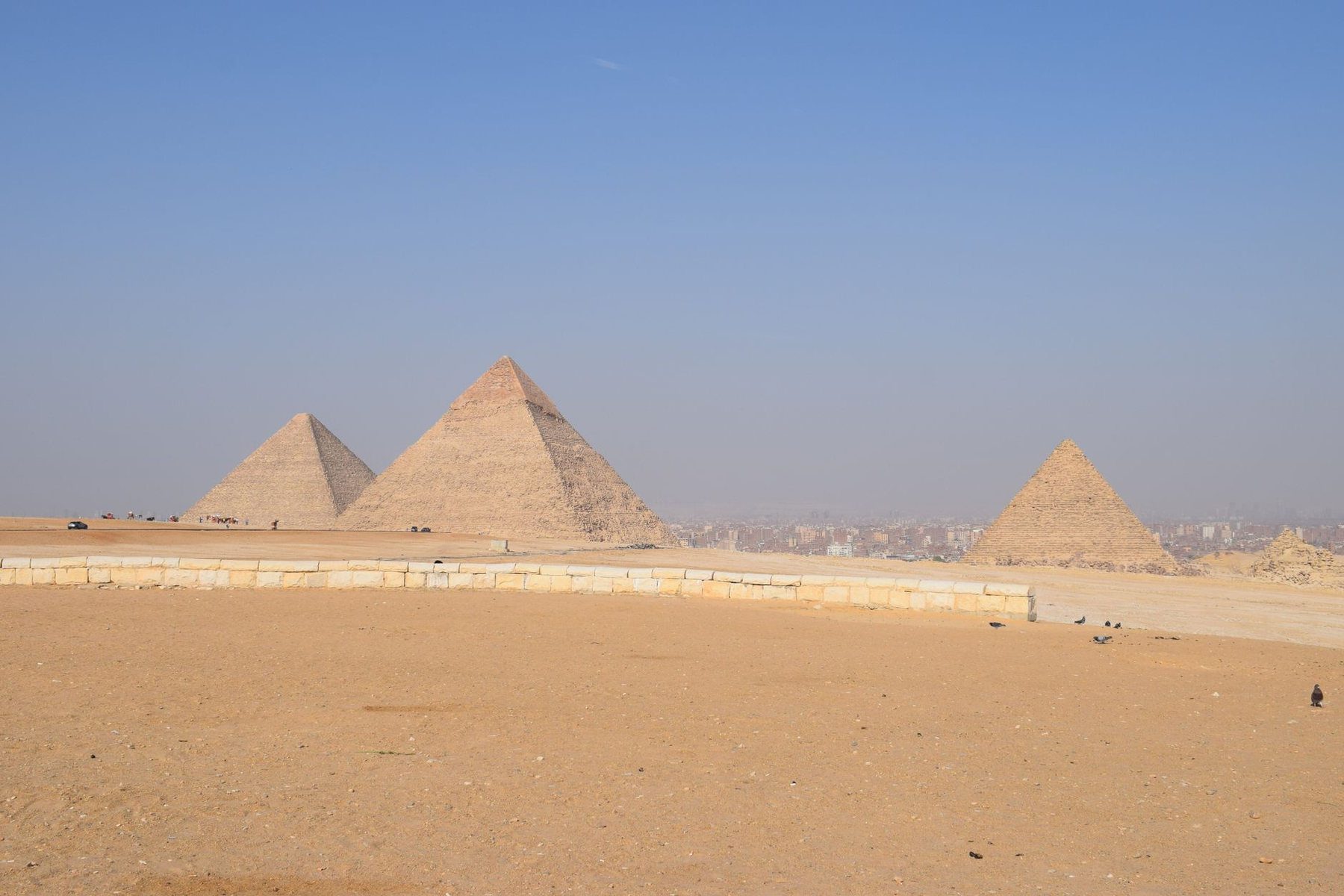
Standing at the foot of the Great Pyramid of Giza, watching the golden desert sun cast monumental shadows across the plateau, you are gripped by a profound sense of human antiquity. Egypt is not just a destination; it is an epic open-air chronicle of human civilization spanning five thousand years. Along the green ribbon of the Nile River, towering sandstone temples, painted subterranean pharaonic tombs, and colossal royal statues rise dramatically against the desert sands.
Traveling Egypt independently along the classic Nile corridor—linking Cairo, Luxor, and Aswan—is one of the most rewarding adventures on Earth. Yet navigating transport, handling persistent touts, understanding baksheesh (tipping), and managing desert heat require smart preparation. This guide provides an actionable, street-smart handbook: executable routes, scam warnings, transportation realities, cultural savvy, and global mobile connectivity to explore Egypt with complete confidence.
The 9-to-10 Day Nile Route: Cairo, Luxor & Aswan
Here is an expertly calibrated day-by-day itinerary along the Nile corridor:
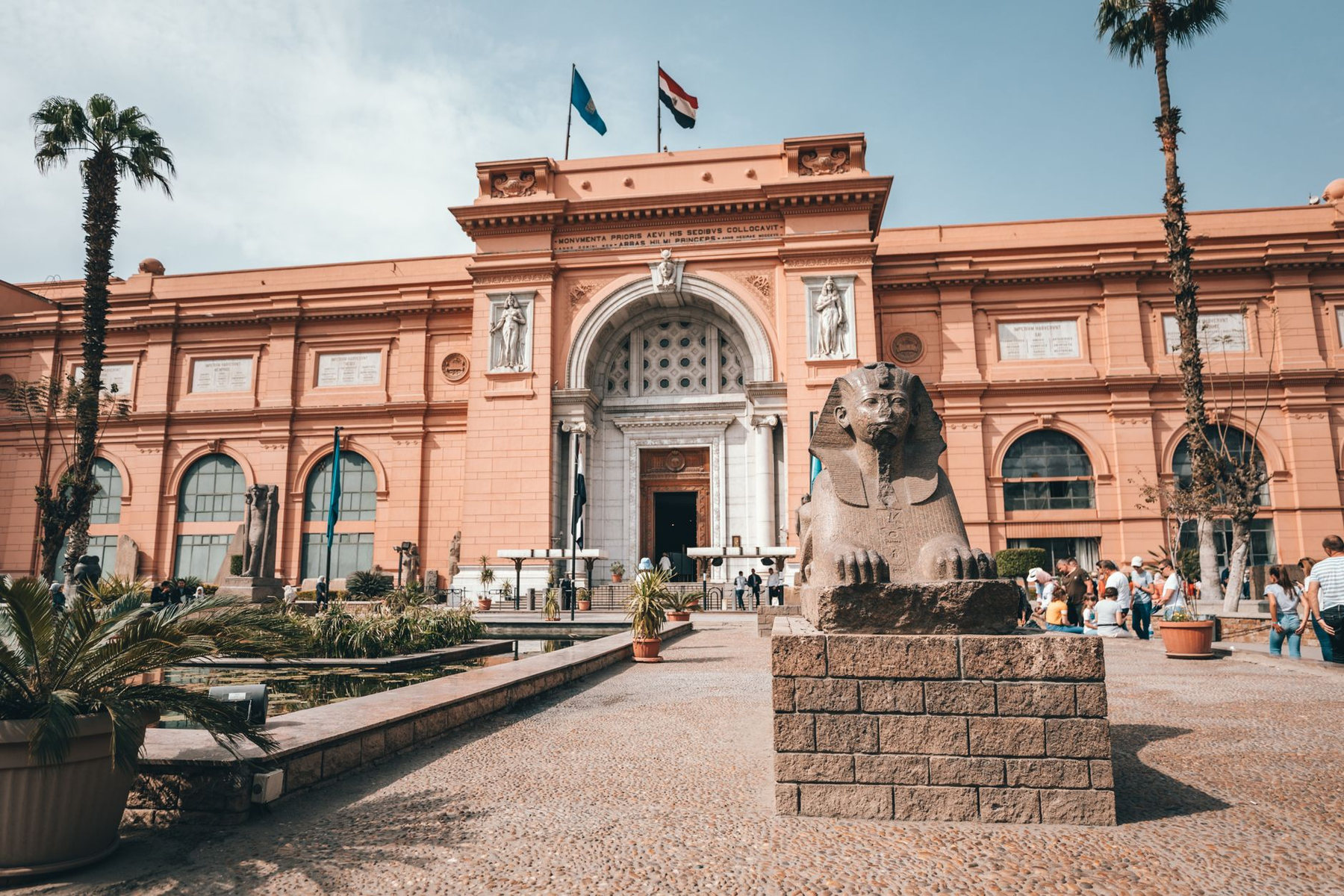
• Days 1–3: Cairo & Giza. Day 1: Arrive, settle into your hotel in Giza or downtown Cairo, and enjoy dinner overlooking the illuminated pyramids. Day 2: Arrive at the Giza Plateau at 8:00 AM to explore the Great Pyramids and Sphinx before the tour buses arrive. Day 3: Visit the historic Museum of Egyptian Antiquities on Tahrir Square, explore the Grand Egyptian Museum (GEM) near Giza, and dive into the medieval bazaar of Khan el-Khalili in the evening.
• Days 4–6: Luxor. Take a 1-hour domestic flight to Luxor. Day 4: East Bank—explore the towering hypostyle hall of Karnak Temple and walk the Avenue of Sphinxes to Luxor Temple at night. Day 5: West Bank—descend into pharaonic tombs in the Valley of the Kings at dawn, visit the terraced Temple of Hatshepsut, and admire the Colossi of Memnon. Day 6: Relax on an afternoon felucca sail along the Nile.
• Days 7–9: Aswan & Abu Simbel. Travel south to Aswan via scenic Nile cruise, train, or private car. Day 7: Take a boat to the island sanctuary of Philae Temple and stroll the Aswan Corniche. Day 8: Early morning excursion to the monumental rock-cut temples of Abu Simbel, followed by a sunset felucca sail around Elephantine Island. Day 9: Fly back to Cairo for your international connection.
Egypt Street Smarts: Common Scams and How to Avoid Them
Egypt is welcoming and safe regarding violent crime, but the intensity of touts and scams around tourist sites can be overwhelming without street smarts:
• The ‘Free’ Camel Ride at Giza: Camel and horse handlers at the Giza Plateau will offer you a ‘free photo’ or a ‘$5 ride.’ Once you are sitting atop the camel, they will lead you far into the desert and refuse to make the camel kneel down until you pay $50 to $100 USD! If you wish to ride a camel, arrange it through your hotel or agree on an exact price (typically 500 EGP for 30 minutes) and hand the money over *only after* you are safely back on the ground.
• The Fake Temple Ticket ‘Inspectors’: Men lingering near tomb entrances in the Valley of the Kings will flash a lanyard and claim to be ‘official inspectors,’ asking to check your ticket. They will then steer you into an ‘exclusive chamber’ and aggressively demand 100–200 EGP. Only show your ticket to uniformed guards at official electronic turnstiles.
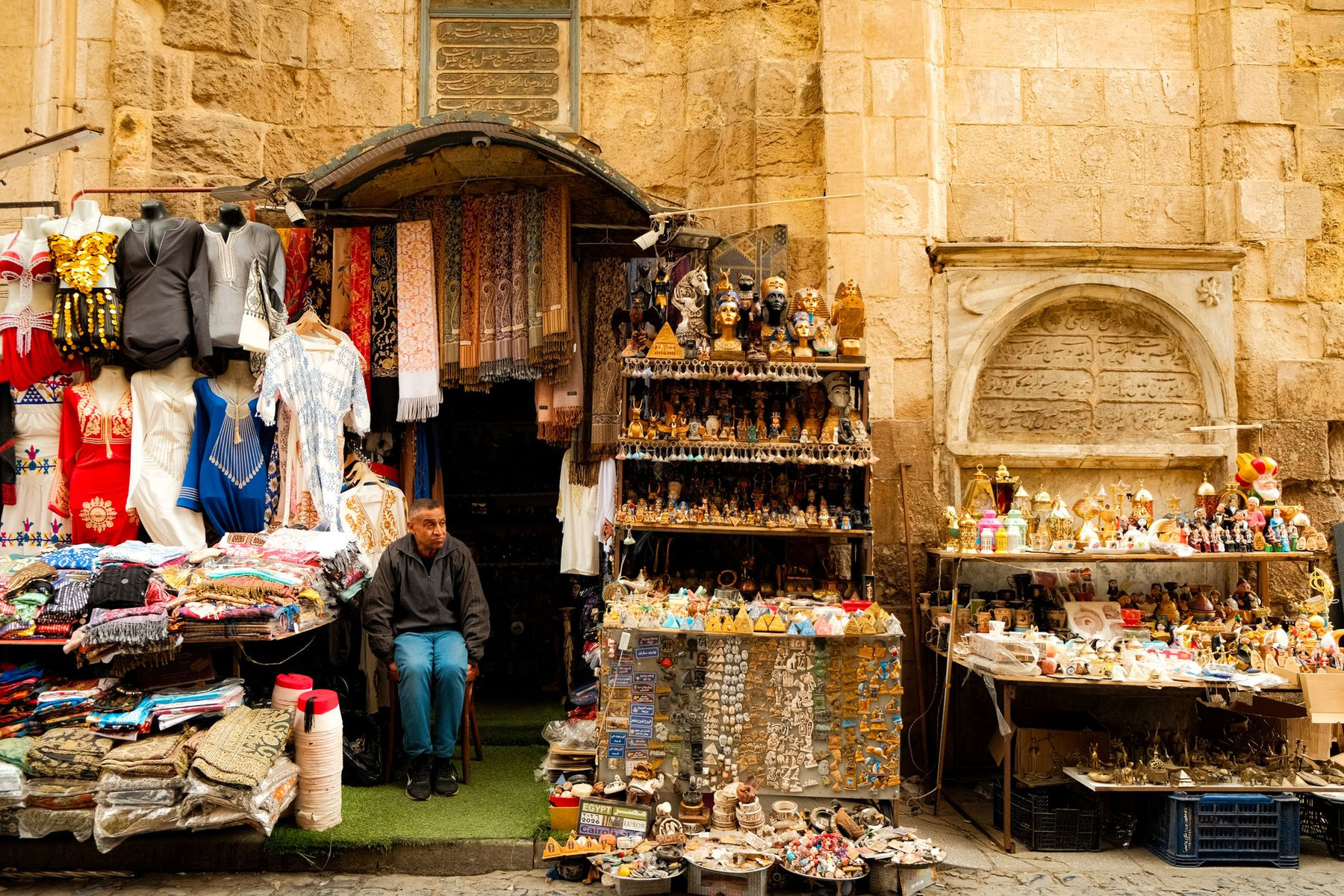
• The Alabaster & Papyrus Factory Detour: Drivers and unofficial guides will insist on stopping at an ‘authentic government-certified papyrus or alabaster workshop.’ These are high-commission tourist shops selling cheap imported souvenirs at 500% markups. Firmly instruct your driver: ‘Direct to the temple only, no shopping stops, shukran.’
• The Power of ‘La, Shukran’: When vendors aggressively approach you selling scarabs, alabaster, or scarves, never engage, negotiate, or show frustration. Make direct eye contact, smile calmly, and say firmly: ‘La, Shukran’ (No, thank you) while continuing to walk at a steady pace.
Luxor: Karnak Temple and the Avenue of Sphinxes
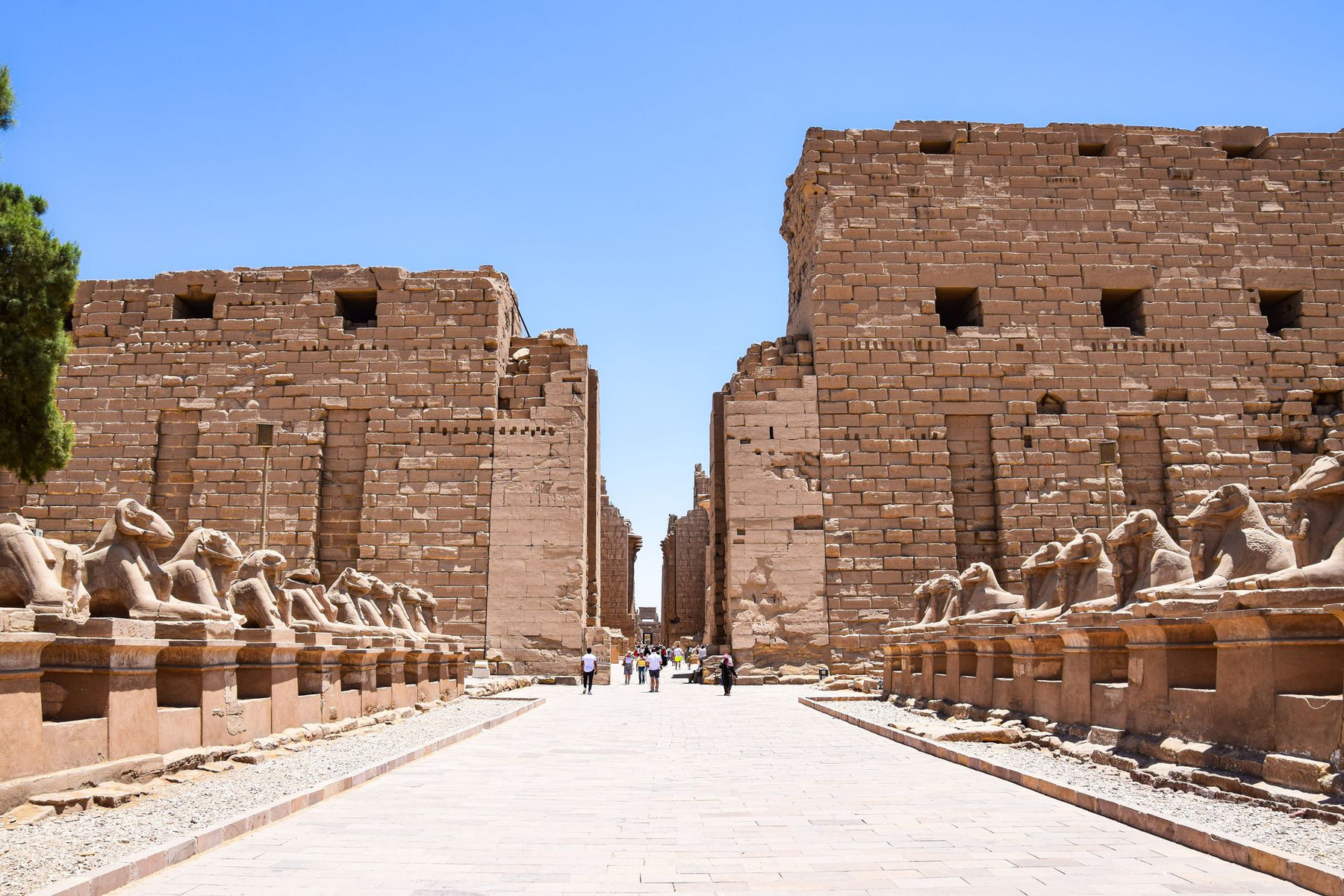
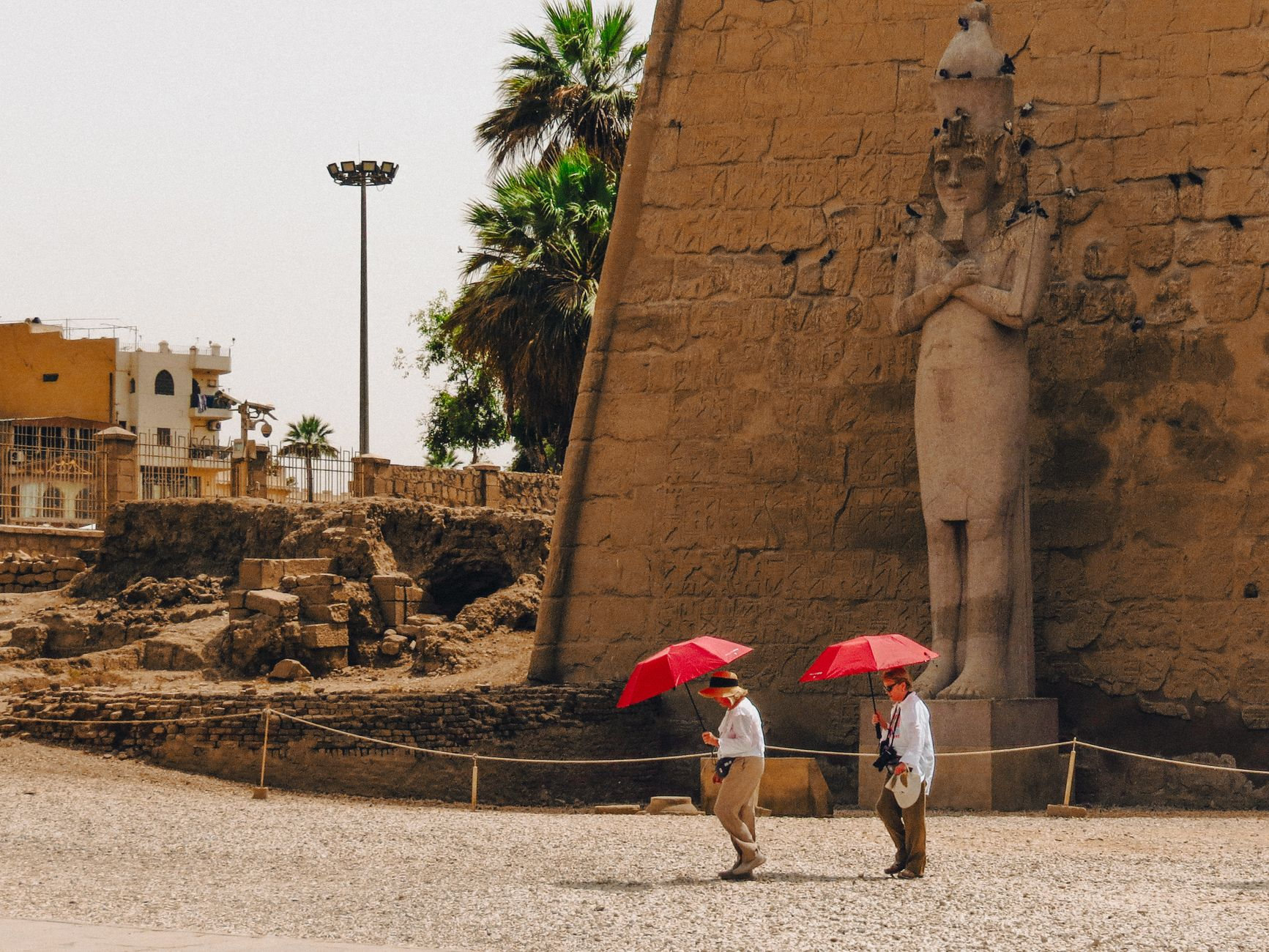
Luxor is the ancient city of Thebes and the religious capital of the New Kingdom. On the East Bank, explore Karnak Temple, the largest religious complex ever constructed by human hands. Its crowning glory is the Great Hypostyle Hall, a forest of 134 towering sandstone columns soaring 21 meters high, intricately carved with hieroglyphs.
At twilight, walk the newly restored 2.7-kilometer Avenue of Sphinxes to Luxor Temple in the heart of town. Lit by dramatic golden floodlights, the monumental seated colossi of Ramesses II and the soaring stone pylon glow magnificently against the indigo desert sky.
The Valley of the Kings and Hatshepsut's Mortuary Temple
Cross the Nile at dawn to the rugged limestone mountains of the West Bank. In the arid canyon of the Valley of the Kings, pharaohs carved elaborate subterranean tombs deep into the rock to protect their mummies for eternity. Descend into tombs like those of Ramesses IV and Merneptah, where painted hieroglyphs and astronomical ceilings look as vibrant and fresh as if painted yesterday.
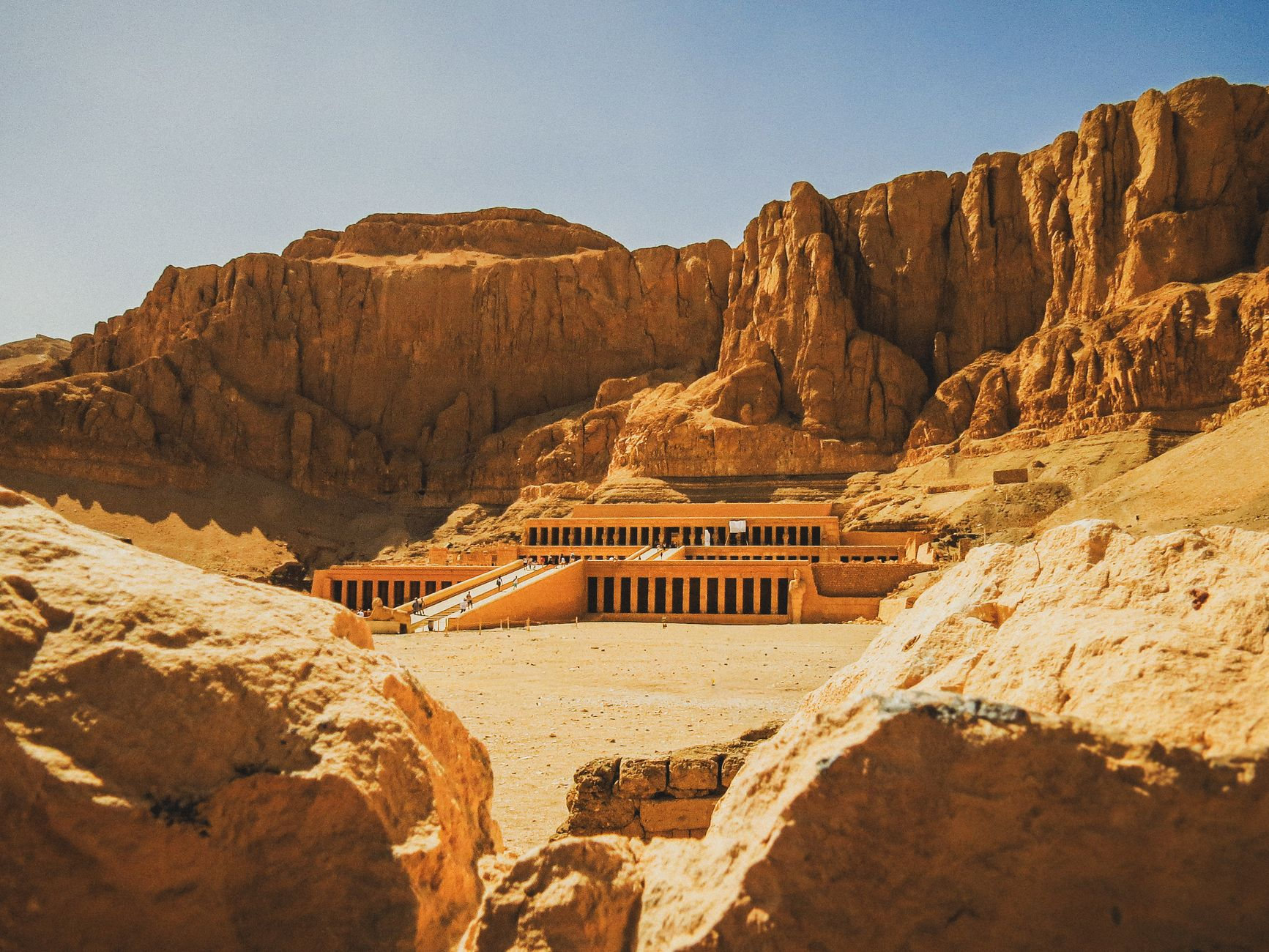
Nearby, the Mortuary Temple of Hatshepsut at Deir el-Bahari rises in three monumental colonnaded terraces carved directly into the sheer cliff face. Dedicated to Egypt’s legendary female pharaoh who ruled with immense prosperity, its grand symmetry is one of the architectural wonders of the ancient world.
Ancient Colossi and Luxor Temple Grandeur
Before returning across the river, stop to admire the Colossi of Memnon, two massive 18-meter-tall stone statues of Amenhotep III that have stood guard over the Theban necropolis for 3,400 years. Ancient Greek travelers traveled here to hear the northern colossus ‘sing’ at dawn as morning heat expanded morning dew trapped in cracked sandstone fissures.
Timing your visits to early morning (6:00 to 9:00 AM) and late afternoon (after 4:00 PM) avoids the punishing midday sun and allows you to experience these ancient sanctuaries in serene silence.
Aswan: The Island Sanctuary of Philae on the Upper Nile
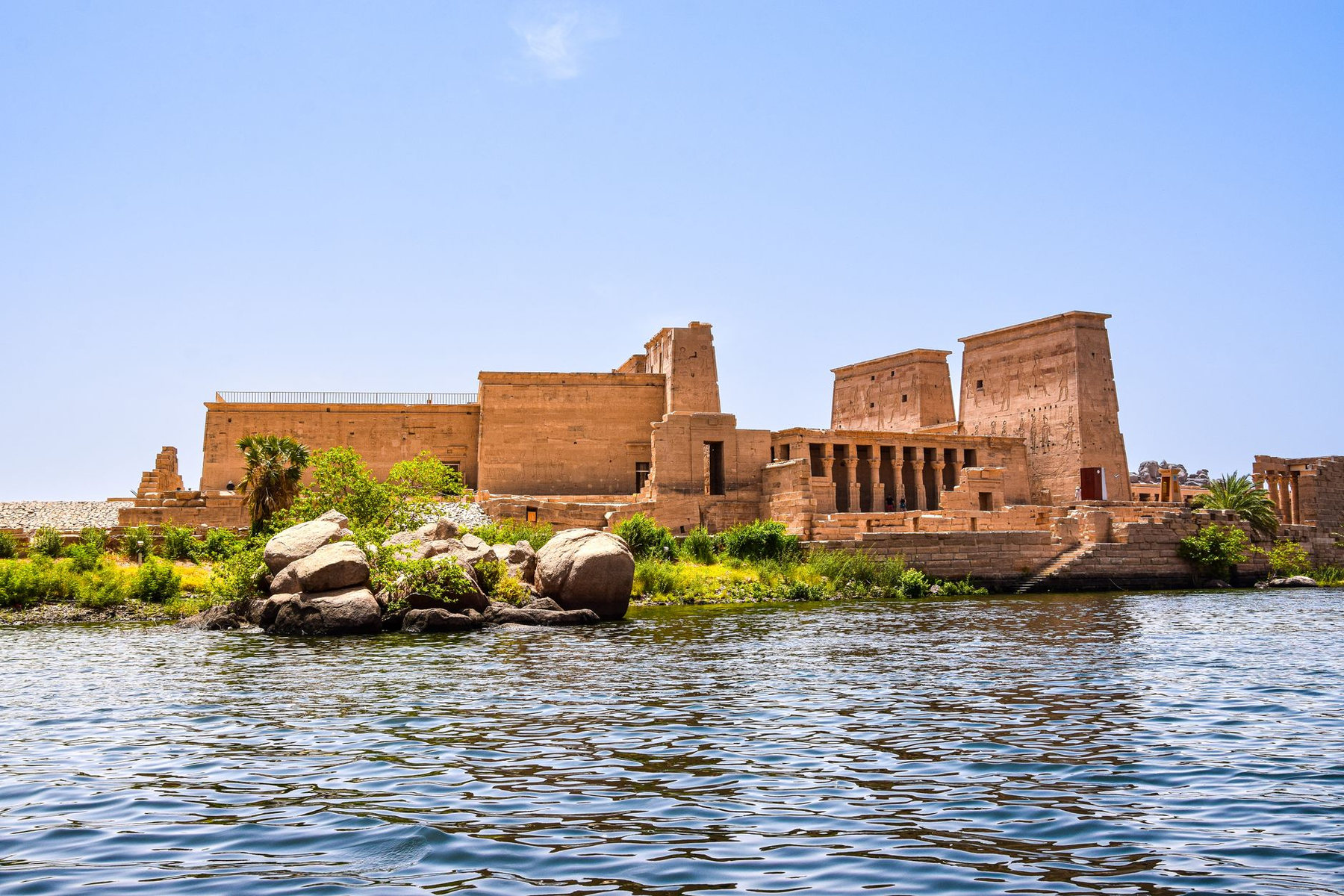
Continue south to Aswan, where the Nile flows gently around giant dark granite boulders and emerald green islands. Aswan is the heart of Nubian culture, with a relaxed, tranquil rhythm distinct from Cairo.
Take a boat ride to Agilkia Island to visit Philae Temple. Dedicated to the goddess Isis, this breathtaking temple was completely dismantled and painstakingly relocated stone by stone to higher ground during a heroic UNESCO salvage campaign in the 1960s to save it from the rising waters of the Aswan High Dam. The relief carvings reflecting on the sapphire river waters create an unforgettable scene.
Sunset on the Nile: Sailing Aswan by Traditional Felucca
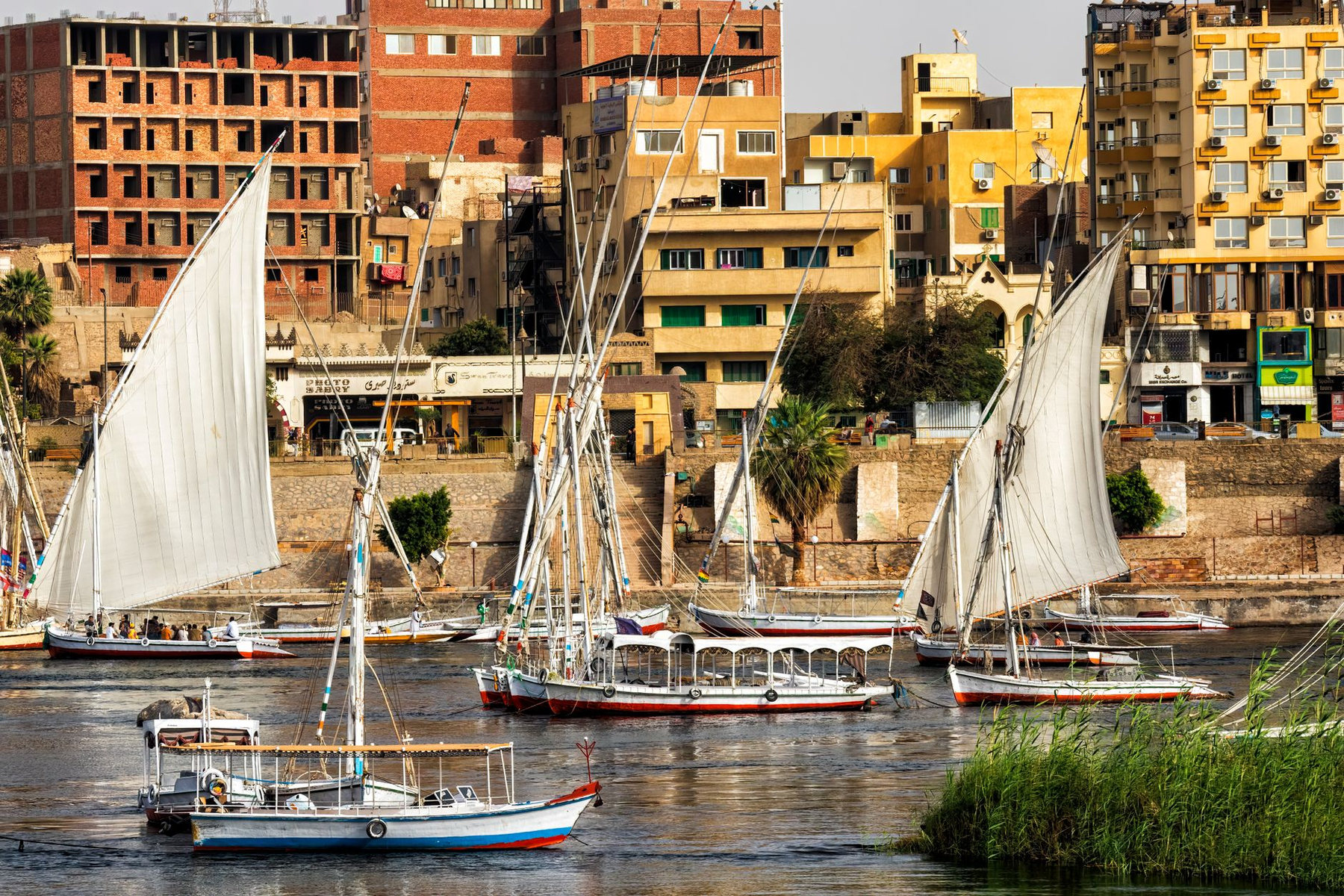
The defining experience of Aswan is hiring a traditional wooden felucca—a graceful, single-masted sailboat with a billowing triangular white sail. Step aboard in the late afternoon as the desert wind catches the canvas, gliding silently past Elephantine Island and the golden sand dunes of the West Bank.
Watch the sun sink behind the desert cliffs, painting the sky in violet and peach, while egrets fish along the reeds and Nubian boatmen sing traditional songs. For an extraordinary day excursion, take a morning flight or convoy to Abu Simbel, where the colossal rock-cut temples of Ramesses II and Queen Nefertari stand proudly beside Lake Nasser.
Domestic Transport Realities: Flights vs. Trains
Navigating transport between Cairo, Luxor, and Aswan requires clear understanding of available choices:
• Domestic Flights (EgyptAir / Air Cairo): By far the fastest and most convenient method. Flights between Cairo and Luxor or Aswan take roughly one hour, saving you an entire exhausting day on the road.
• Passenger Rail: Note that the official Egyptian National Railways (ENR) portal occasionally restricts online foreign national ticket booking workflows. Foreign travelers can book seats at official station booking counters or purchase the overnight Ernst deluxe sleeper train between Cairo, Luxor, and Aswan.
• Official Site Tickets: As required by the Ministry of Tourism and Antiquities, tickets for the Giza Plateau and major temples are card-only at electronic kiosks or through the official EgyMonuments portal.
Staying Connected Along the Nile: The NXTL Global eSIM Advantage
Having reliable mobile data in Egypt is your ultimate safety asset. In chaotic Cairo, hailing a verified Uber directly on your phone saves you from street taxi haggling and ensures transparent fares. In Luxor and Aswan, mobile data allows you to coordinate with felucca captains, verify ticket rules on official portals, translate Arabic signage, and stay connected while cruising along the Nile.
Instead of standing in chaotic airport kiosk queues in Cairo to buy local SIM cards with hidden activation fees, smart travelers use the NXTL Global eSIM.
NXTL is a single, reusable global eSIM that connects you across 180+ countries and 460+ local partner networks. When you touch down in Cairo, your phone connects automatically to Egypt’s top local carriers—Vodafone Egypt and Orange Egypt—giving you dependable 4G LTE coverage across Cairo, Luxor, and Aswan.
Even better, your balance never expires, and there are no restrictive bundles. You pay just $11.99 to get started, with $10 usable balance included. If you only use $4 of data along the Nile, your remaining $6 stays in your account, ready for your next trip to the UAE, Morocco, or anywhere worldwide. Because it is a digital eSIM, your primary home SIM remains active inside your phone, letting you receive critical bank 2FA SMS authentication codes and emergency family calls with zero carrier roaming fees.
Daily Data Usage Expectations for Egypt:
• Ride-Hailing & Navigation (Uber, Google Maps): ~80–120 MB per day.
• Official Ticket Portals & Translation: ~40–60 MB per day.
• Messaging with Guides & Drivers (WhatsApp): ~60–90 MB per day.
• Photo Sharing & Social Updates: ~200–350 MB per day.
A data plan of 5 GB to 8 GB will comfortably cover a 9 to 10-day trip, with quick top-ups available in the NXTL app.
Baksheesh Culture, Water Safety and Visa Essentials
Keep these practical tips in mind for a smooth Egyptian journey:
• The Culture of Baksheesh (Tipping): Tipping is an integral part of Egyptian social fabric. Small tips (10 to 20 Egyptian pounds) are customary for bathroom attendants, temple guards who point out hidden carvings, and luggage porters. For drivers and private guides, 100 to 200 EGP per day is standard.
• Drink Bottled Water Exclusively: Tap water in Egypt is not drinkable for travelers. Drink exclusively bottled water, ensuring the plastic seal is intact upon purchase. Stay well hydrated and carry electrolyte packets.
• Visa on Arrival: Most nationalities can obtain a 30-day tourist visa on arrival for $25 USD cash at airport bank kiosks or apply in advance via the official Egypt e-Visa portal.