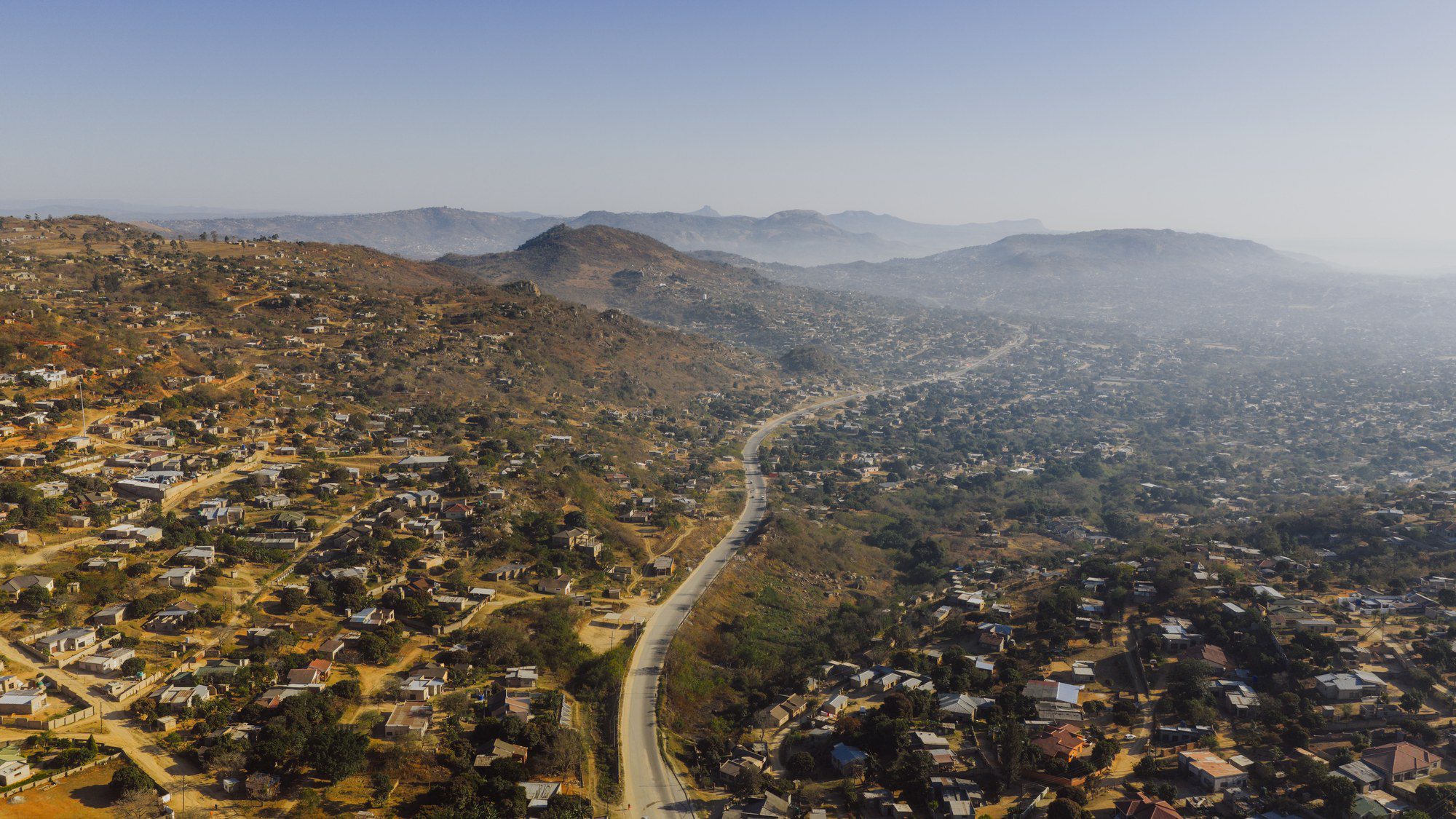
Travelling through the Kingdom of Eswatini offers an exceptional self-drive journey through Southern Africa’s last absolute monarchy. Landlocked between South Africa and Mozambique, this compact nation packs remarkable ecological diversity into an area smaller than Wales or New Jersey. In a single morning, you can drive from the mist-wrapped quartz peaks of the Highveld down through the fertile Middleveld valleys and into the acacia savannas of the Lowveld.
Eswatini is often reduced to a rushed transit corridor by travellers hurrying between South Africa’s Kruger National Park and KwaZulu-Natal. That approach is a profound planning mistake. By dedicating five to seven days to the Kingdom, you encounter world-renowned rhino conservation reserves, peaceful walking trails among plains game, authentic Swazi cultural heritage, and dramatic mountain wilderness free from mass tourism.
This guide suits independent road trippers, wildlife photographers, and cultural explorers comfortable with self-driving in Southern Africa. Pacing is straightforward once you grasp the terrain: mountain passes demand careful navigation, border crossings require specific vehicle documentation, and the unique 1:1 currency parity with the South African Rand simplifies budgeting if managed correctly.
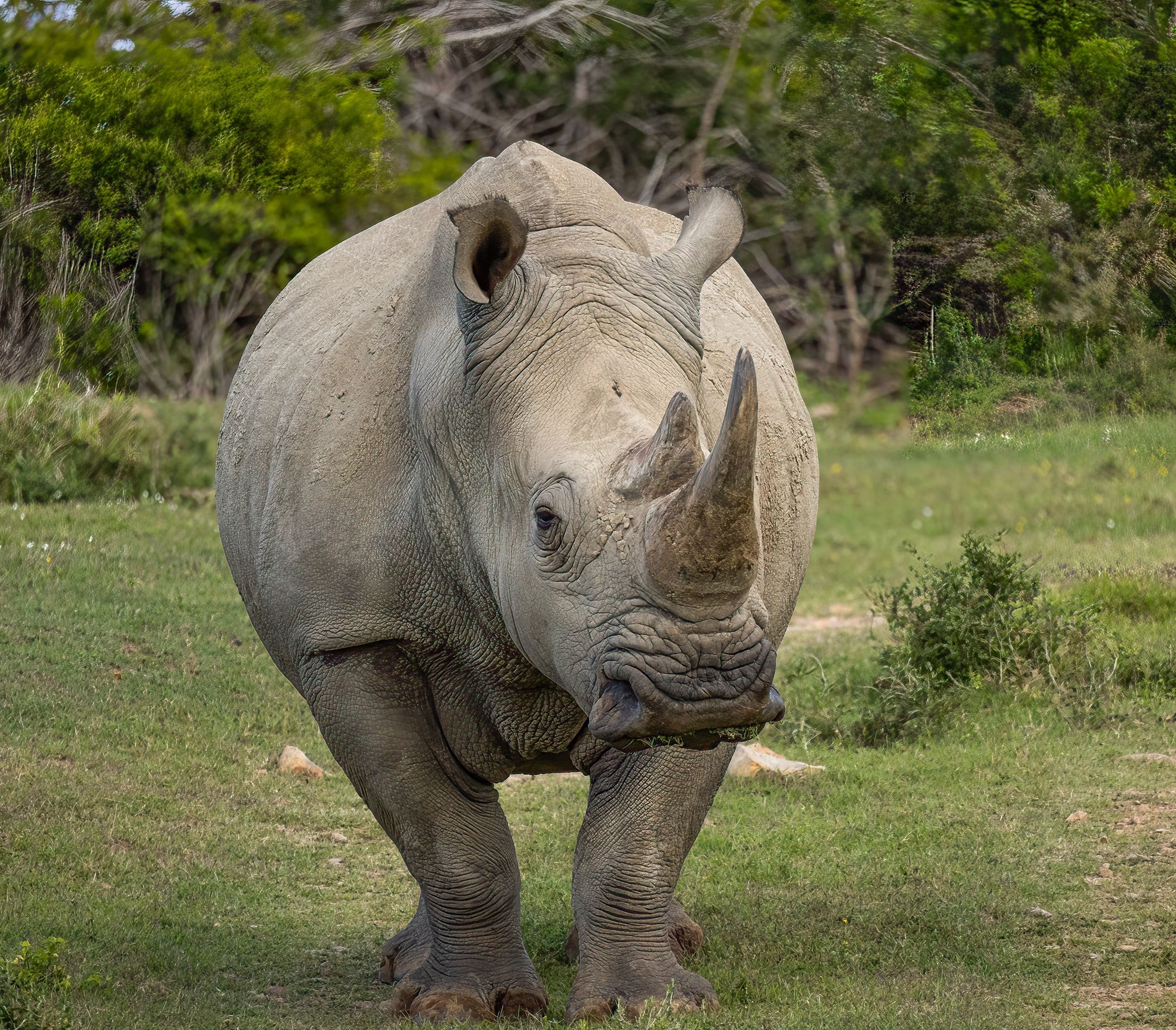
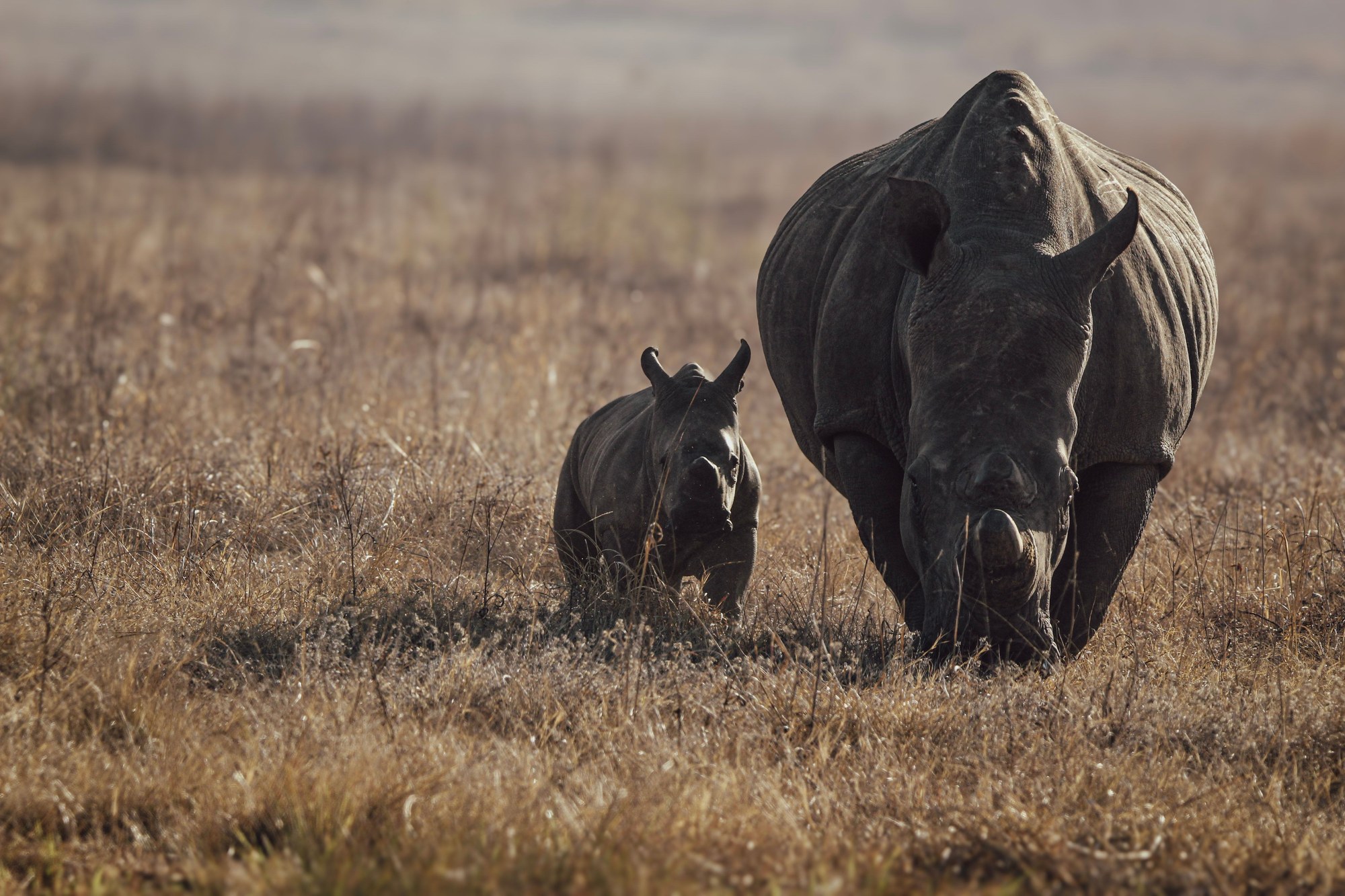
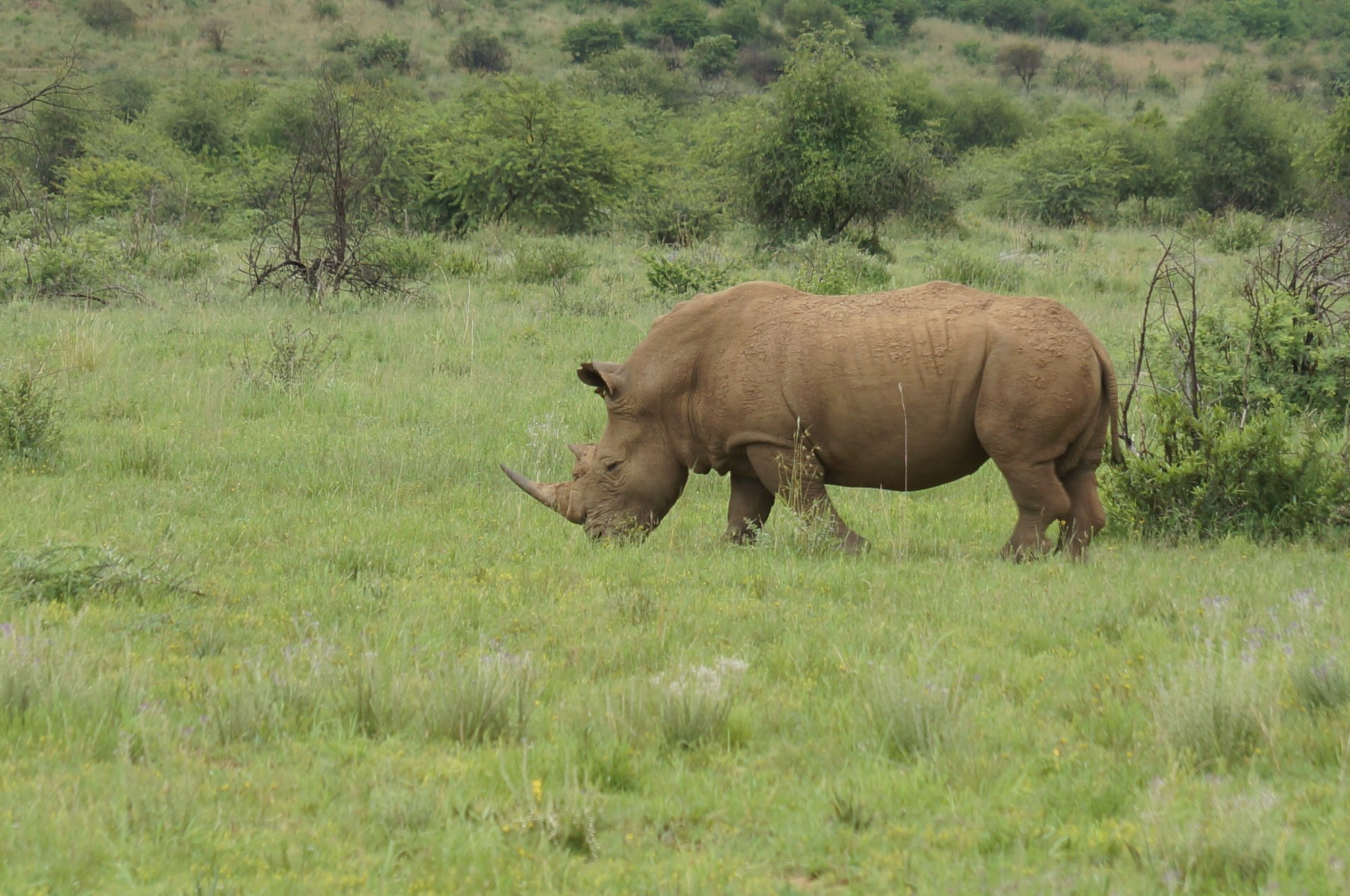
The eastern Lowveld savanna hosts Hlane Royal National Park, the Kingdom’s largest protected wilderness. Flat thornveld woodlands and open grasslands support healthy populations of white rhinos, elephants, lions, and diverse antelopes. Hlane offers guided foot safaris that allow visitors to track wild white rhinos with armed park rangers, experiencing one of the continent’s most thrilling wildlife encounters.
Overland Border Crossings and Self-Drive Logistics from South Africa
Most international visitors enter Eswatini overland from South Africa in a rental vehicle collected at Johannesburg’s OR Tambo International Airport, Nelspruit (Mbombela), or Durban. Eleven border posts connect the two nations, each operating under specific operating hours that dictate your daily itinerary.
The primary entry point from Johannesburg and Pretoria is the Ngwenya / Oshoek border post, open from 07:00 until midnight. It links directly to the modern MR3 highway into Mbabane and the Ezulwini Valley. Travellers from southern Kruger National Park should use Matsamo / Jeppes Reef (open 07:00 to 20:00), descending through the northern Highveld. From KwaZulu-Natal, Lavumisa / Golela (open 07:00 to 22:00) provides direct access to Lowveld parks.
Border formalities require careful paperwork. When hiring a vehicle in South Africa, you must explicitly inform the rental company that you are driving into Eswatini and obtain an official, stamped Cross-Border Letter of Authority. Border officials inspect this document alongside your vehicle registration papers. Without it, you will be denied entry. At immigration, drivers pay an official road safety levy of approximately 100 Emalangeni (or 100 South African Rand) per light vehicle.
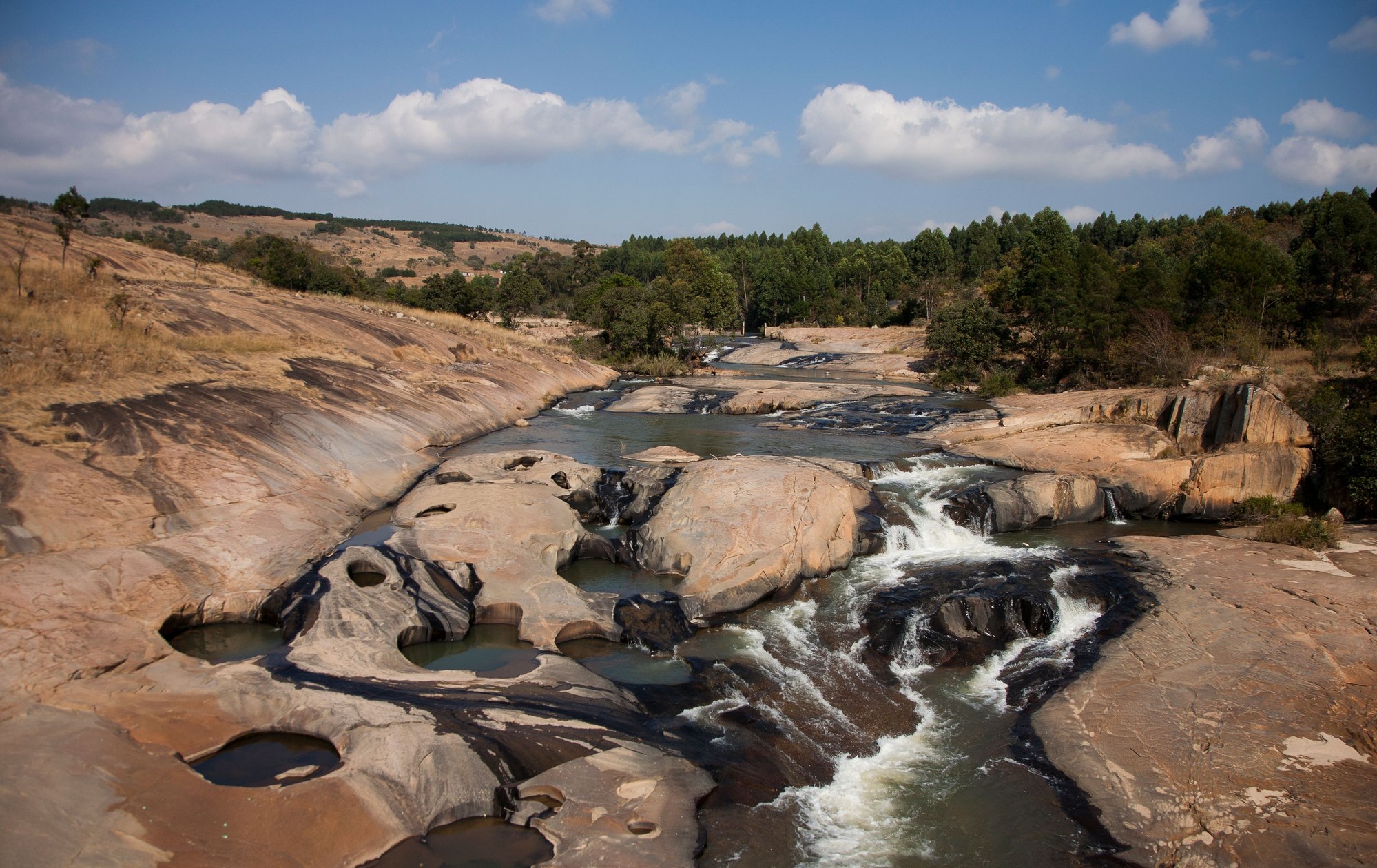
Driving across Eswatini is on the left side of the road. Road conditions vary significantly by altitude and region. The MR3 highway connecting Ngwenya, Mbabane, and Manzini is a dual-carriageway toll road built to high engineering standards. Conversely, secondary mountain roads like the MR1 around Piggs Peak and access tracks into Malolotja Nature Reserve feature steep gradients, blind hairpin turns, heavy morning mist, and sudden potholes after seasonal rains.
Livestock represents the most serious driving hazard in the country. Cattle, goats, and donkeys graze freely along unfenced road verges and frequently step into traffic without warning. Night driving outside urban centers is strongly discouraged due to unlit roadways, pedestrian traffic, and roaming animals. Speed limits (60 km/h in towns, 80 to 100 km/h on open highways) are enforced by traffic police using radar speed traps.
The 6-Day Highveld to Lowveld Road Route
This six-day itinerary connects the rugged wilderness of the western Highveld, the cultural hubs of the central Middleveld, and the big-game savannas of the eastern Lowveld. It forms a logical circuit whether entering from Johannesburg or southern Kruger.
| Day / Stage | Base | Highlights | Transport Mode | Transit Time | Advance Booking Requirement |
|---|---|---|---|---|---|
| Day 1 | Ezulwini Valley or Malolotja | Ngwenya/Oshoek border crossing, Ngwenya Glass workshop, Hawane Dam drive | Rental car | 3.5 hours drive from Johannesburg; 45 min border processing | Reserve rental car cross-border permit 2 weeks ahead |
| Day 2 | Ezulwini Valley or Malolotja | Malolotja Nature Reserve hiking, Malolotja Falls trail, ancient iron ore mine | Rental car & trail | 30 min driving; 4 hours mountain hiking | Self-guided hiking; book canopy tour 3 days prior |
| Day 3 | Mlilwane Wildlife Sanctuary | Mantenga Cultural Village, Sibhaca traditional dance, Swazi Candles in Malkerns | Rental car | 45 min local driving across Middleveld | Reserve Mlilwane rest camp 1 month ahead |
| Day 4 | Mlilwane Wildlife Sanctuary | Self-guided walking or mountain biking among zebras and blesbok, hippo pool walk | On foot or mountain bike | Full day self-paced sanctuary exploration | Rent mountain bikes at Mlilwane reception on arrival |
| Day 5 | Hlane Royal National Park | Drive down escarpment to Lowveld, guided white rhino tracking walk on foot, waterhole watch | Rental car & guided 4WD/walk | 1.5 hours highway driving; 2.5 hours rhino tracking | Book guided rhino tracking walk upon check-in |
| Day 6 | Hlane or Border Transit | Morning game drive, departure to South Africa via Lavumisa (to KZN) or Matsamo (to Kruger) | Rental car | 1.5 to 2 hours drive to border post | Verify border operating hours before departure |
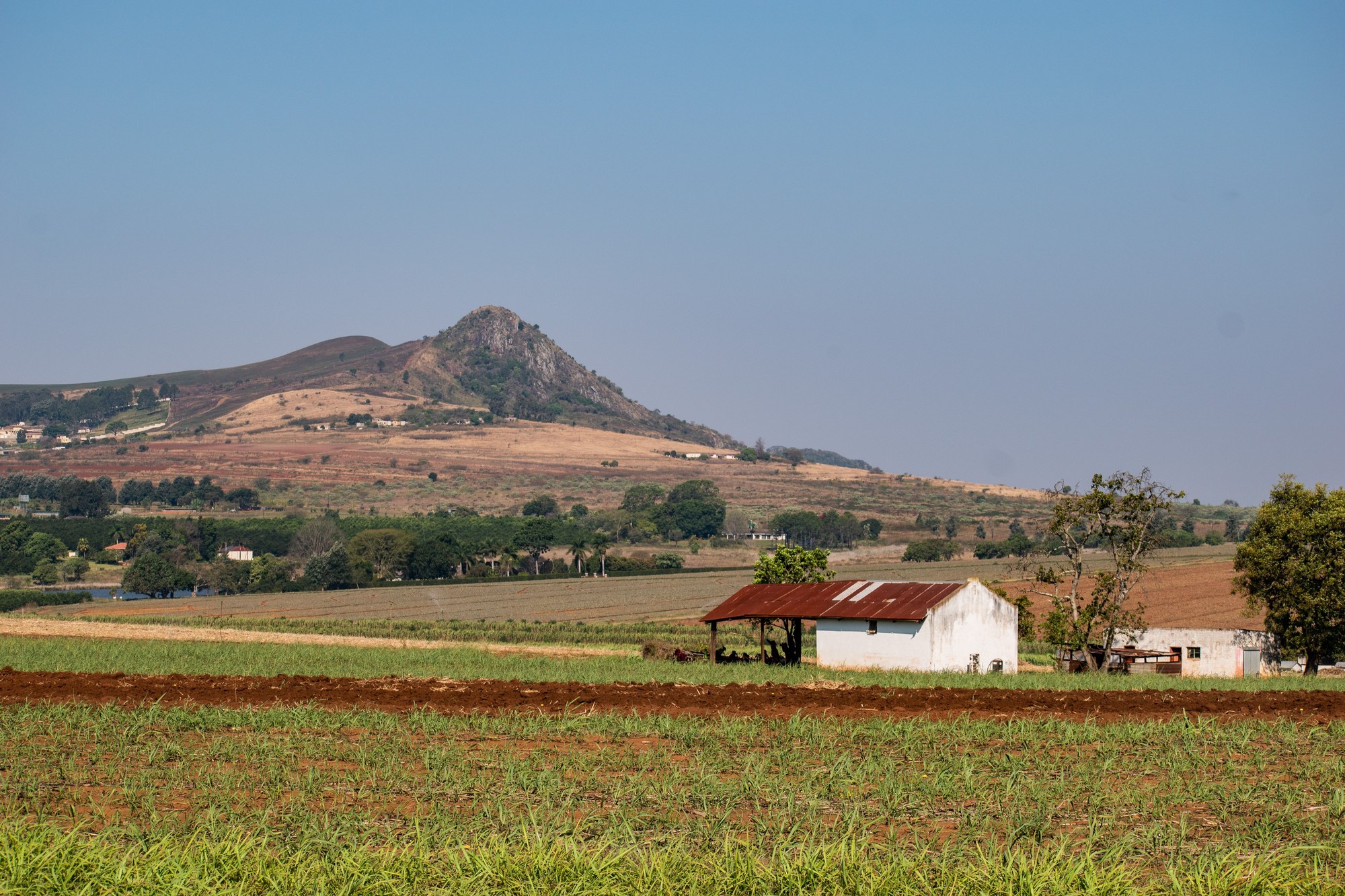
Days 1 and 2 explore the Highveld wilderness. After clearing immigration at Ngwenya, stop at the Ngwenya Glass factory, where local artisans transform recycled bottles into refined glassware. Nearby lies the ancient Ngwenya iron ore mine, considered by archaeologists to be the world’s oldest mining site, with extraction dating back over 40,000 years.
Continue into Malolotja Nature Reserve, an expansive protected highland covering 18,000 hectares of rolling montane grasslands and forested river ravines. The reserve protects some of the oldest exposed rock formations on the planet. Hikers can tackle well-marked trails leading to Malolotja Falls, which plummets 89 meters over jagged cliffs, or join a tree-top canopy zip-line tour suspended high above the Majolomba gorge.
Wildlife Conservation and Walking with Rhinos: Big Game Parks Trust
Eswatini boasts one of Africa’s most successful conservation stories, driven largely by the Big Game Parks trust founded by conservationist Ted Reilly. Facing catastrophic poaching during the twentieth century, the Kingdom enacted the Game Act, an uncompromising piece of anti-poaching legislation granting park rangers strong enforcement powers and establishing strict custodial sentences for wildlife crimes.
This legislative protection transformed Eswatini into a global refuge for endangered rhinoceroses. Hlane Royal National Park and Mkhaya Game Reserve maintain thriving populations of southern white rhinos (Ceratotherium simum) and critically endangered desert black rhinos (Diceros bicornis). While poaching continues to ravage rhino numbers across neighboring southern African territories, Eswatini has maintained an exceptional protection record.
At Hlane Royal National Park, travellers can participate in guided rhino tracking excursions on foot. Accompanied by experienced armed rangers, you depart the rest camp at sunrise, moving quietly through thorn scrub to locate a relaxed crash of white rhinos. Rangers read tracks, wind direction, and animal behavior, bringing you to a safe viewing position a few dozen meters away. Experiencing these prehistoric herbivores on their own ground without the barrier of a vehicle is unforgettable.
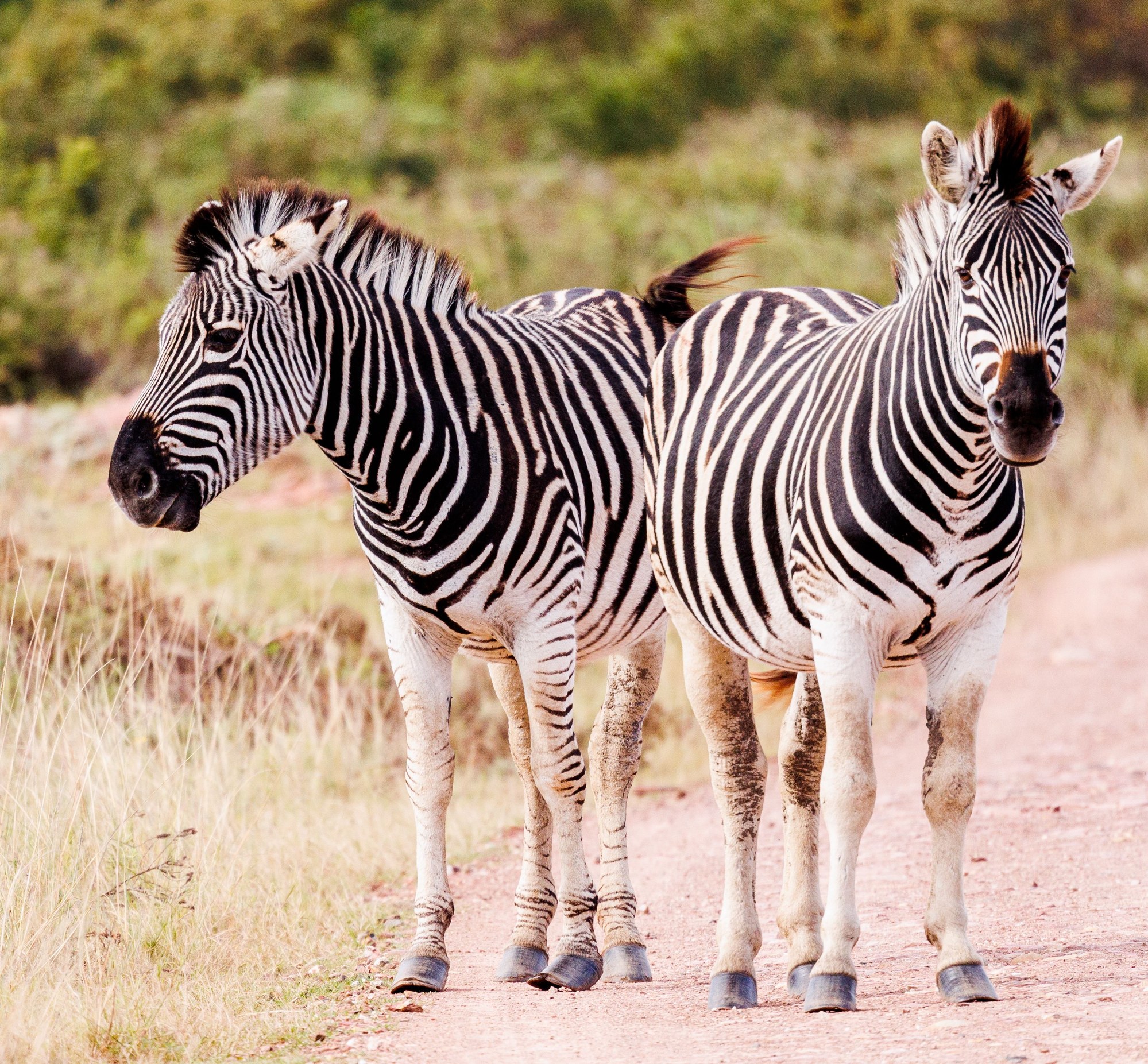
In contrast to Hlane’s big-game environment, Mlilwane Wildlife Sanctuary in the Ezulwini Valley offers the freedom of unguided wildlife exploration. Because Mlilwane contains no dangerous predators like lions or elephants, visitors can walk, jog, cycle, or ride horses along established trails. Grazing zebras, blesbok, impalas, nyalas, and warthogs wander unbothered around the central rest camp and hippo pool, making it a peaceful sanctuary for families and independent walkers.
Cultural Integrity and Royal Heritage: Ezulwini, Lobamba, and Mantenga
Eswatini takes deep pride in its cultural identity, preserved through strong monarchical traditions and living ceremonies. The administrative capital of Mbabane and the royal capital of Lobamba sit ten kilometers apart along the Ezulwini Valley. Lobamba is the spiritual heart of the nation, housing the Parliament building, the royal residence at Ludzidzini, and the National Museum displaying exhibits on royal lineages, regalia, and Swazi folklore.
The Kingdom celebrates two major national festivals: the Umhlanga (Reed Dance) in late August or early September, and the Incwala (Kingship ceremony) in December or January. While these are sacred cultural rituals rather than tourist shows, respectful visitors can observe designated public dance phases. During these periods, accommodation books out and road closures occur.
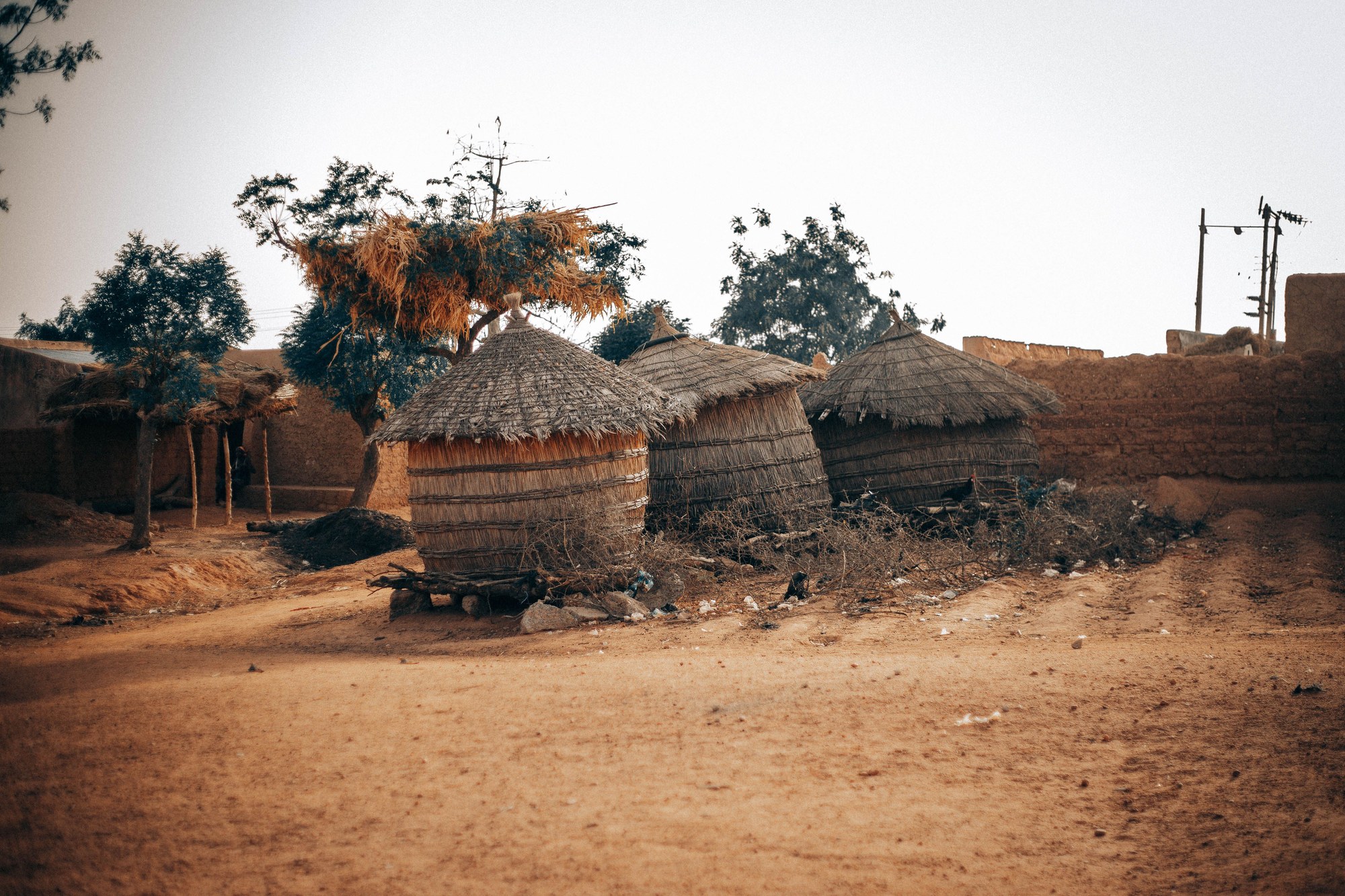
To understand daily rural traditions, visit the Mantenga Cultural Village situated within Mantenga Nature Reserve. This living open-air museum features authentic grass-domed beehive huts constructed entirely of woven saplings, reeds, and thatch. Guided tours explain the traditional polygamous family structure, the roles of extended kin, and traditional medicinal practices, concluded by an energetic performance of the Sibhaca dance accompanied by powerful drumming.
The neighboring Malkerns Valley is Eswatini’s craft and agricultural center. Stop at the Swazi Candles workshop complex, where artisans hand-sculpt colorful paraffin wax candles into animal shapes using ancient millefiori techniques. Nearby craft markets offer woven sisal baskets, wooden carvings, and batik textiles, providing sustainable livelihoods to rural artisan cooperatives.
Where to Base Yourself: Mountain Chalets, Sanctuaries, and Bushveld Camps
Accommodation across Eswatini ranges from rustic park chalets and mountain log cabins to comfortable valley boutique hotels and exclusive safari lodges. Strategic base selection minimizes driving time across varying elevations.
In the Highveld, Malolotja Nature Reserve offers self-catering log cabins perched on scenic mountain slopes, equipped with fireplaces that provide welcome warmth during crisp winter evenings. In the central Middleveld, Mlilwane Wildlife Sanctuary’s main rest camp features traditional thatched beehive huts alongside timber cottages overlooking a natural lake inhabited by hippos, terrapins, and aquatic birds.
In the Lowveld, Hlane’s Ndlovu Camp provides an authentic bush atmosphere. The camp is intentionally un-electrified, relying on paraffin lanterns and roaring open campfires after dark. The restaurant veranda overlooks a massive floodlit waterhole where rhinos, elephants, and hippos gather at dusk. For total immersion, Mkhaya Game Reserve’s Stone Camp offers semi-open stone cottages tucked into riverine forest, where you sleep to the sounds of nocturnal bushveld.
Adapting Your Route: 3-Day Transit vs. 9-Day Southern African Loop
Travellers tight on time can condense their journey into a 3-day transit route. Entering via Matsamo from southern Kruger, spend your first night at Mlilwane to experience cultural sites and peaceful walking trails. On Day 2, cross the Middleveld to Hlane Royal National Park for afternoon rhino tracking, exiting Day 3 through Lavumisa into northern KwaZulu-Natal. While brief, this route introduces the Kingdom’s main habitats.
With nine days or more, explore the rugged Lubombo Plateau along the eastern border with Mozambique. Basing at Shewula Mountain Camp—the Kingdom’s first community-owned eco-tourism initiative—allows you to hike along river gorges, visit rural homesteads, and support local community healthcare and schooling projects.
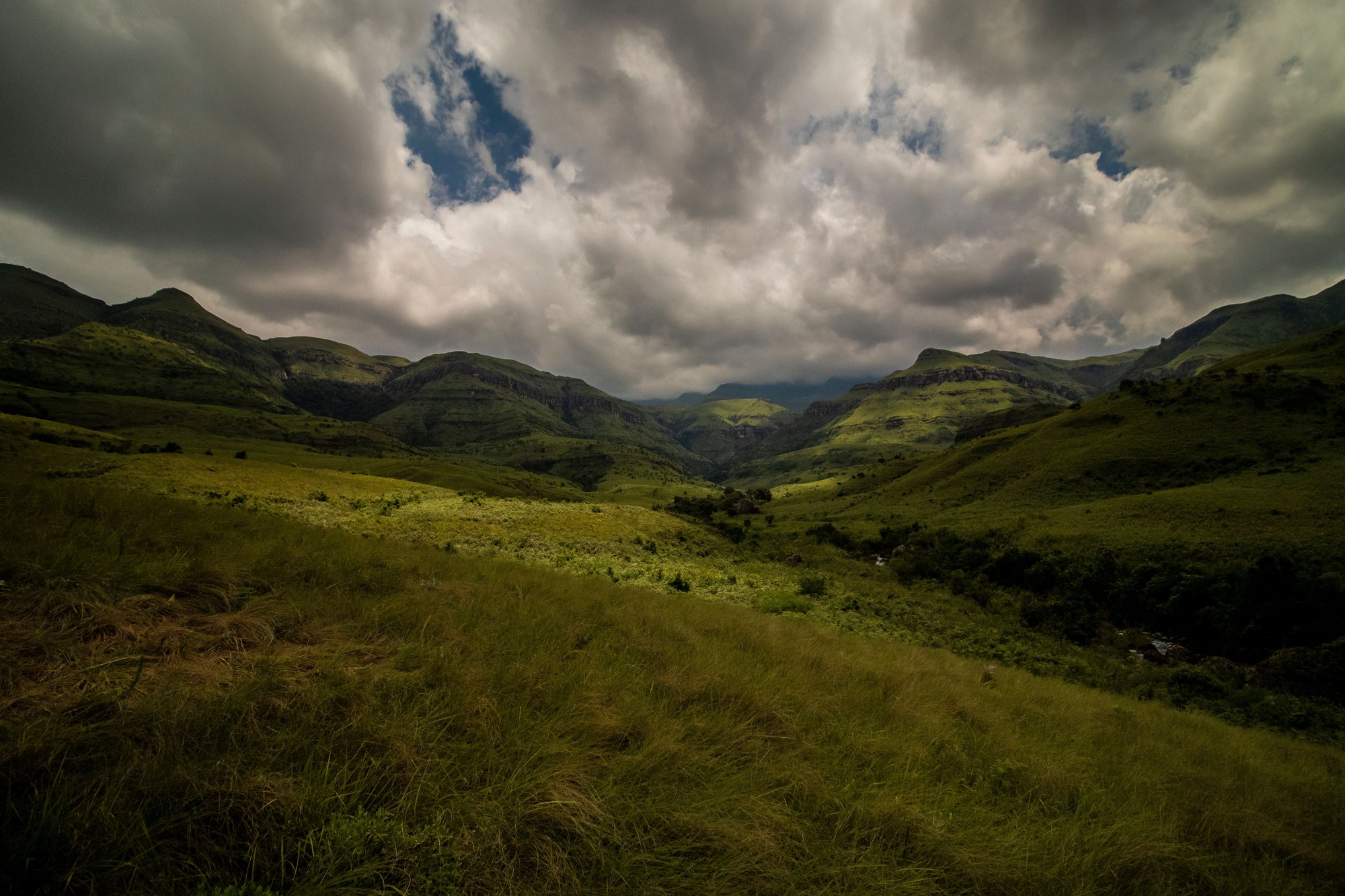
Seasonality dictates outdoor activities. The dry winter months from May to September offer the finest game viewing, as vegetation thins and animals congregate around permanent waterholes. Highveld days are sunny and mild (18 to 24°C), but night temperatures can drop near freezing. The summer rainy season from October to April transforms the landscape into lush green, filling waterfalls, though afternoon thunderstorms and higher Lowveld humidity require flexible plans.
Field Connectivity, Banking, and Currency Parity
Telecommunications across Eswatini are managed primarily by Swazi MTN alongside competitor Eswatini Mobile. MTN maintains dependable 4G/LTE coverage across urban centers (Mbabane, Manzini), the Ezulwini Valley, and primary highways.
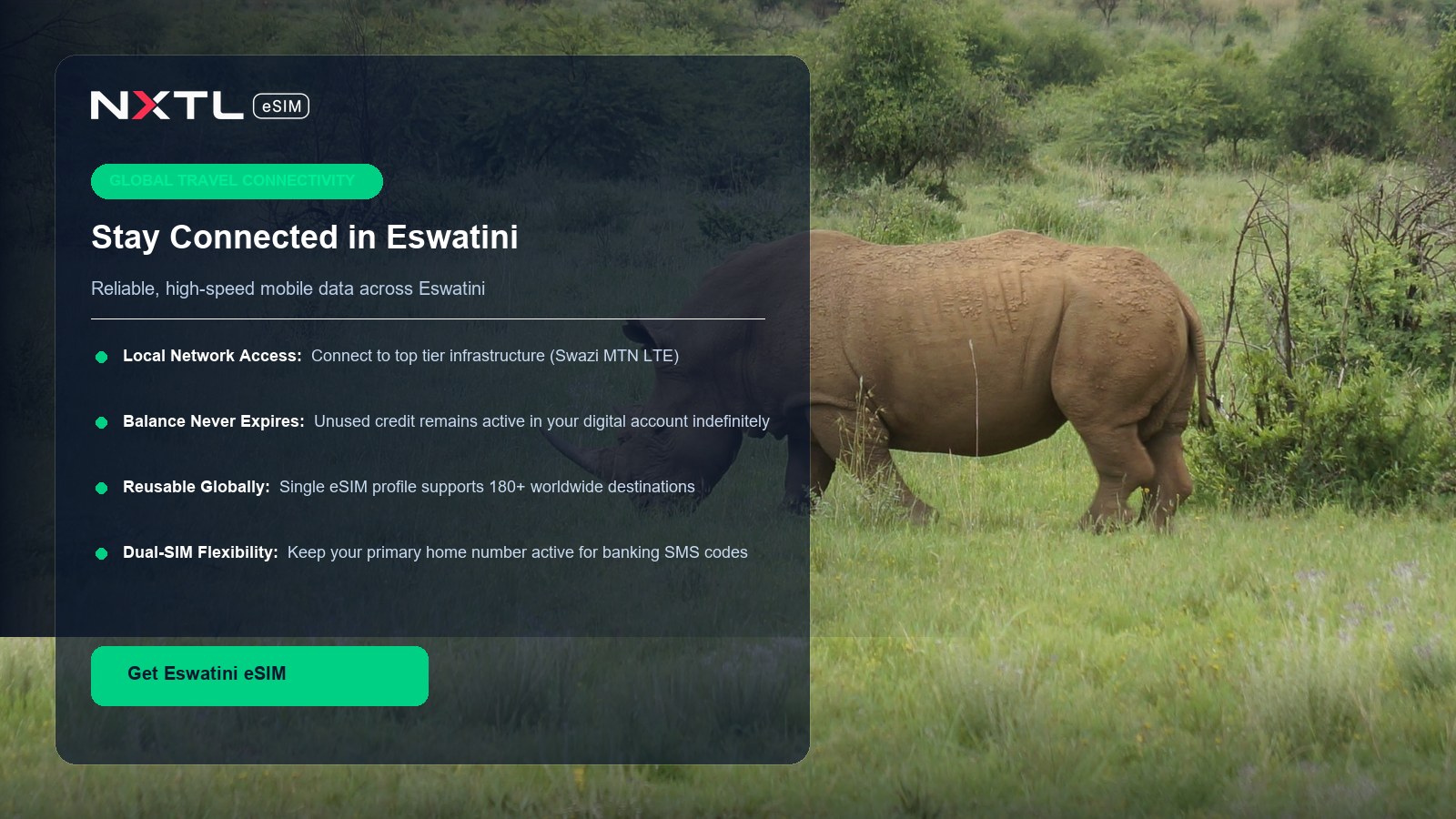
For immediate mobile connectivity without searching for local SIM registration desks, setting up an electronic SIM is recommended. The Eswatini eSIM from NXTL connects to the Swazi MTN LTE network at $113.38 per gigabyte. Because satellite backhaul in landlocked territories incurs premium tariffs, manage data prudently: cache offline maps via Google Maps, download confirmation vouchers beforehand, and disable cloud photo backups. Unused credit stays available for later trips across more than 180 countries.
Banking and currency in Eswatini feature a unique economic arrangement. The national currency is the Swazi Lilangeni (plural Emalangeni, currency code SZL). Under the Common Monetary Area (CMA) agreement, the Lilangeni is pegged 1:1 with the South African Rand (ZAR). South African Rand banknotes are accepted universally at face value throughout Eswatini by hotels, shops, petrol stations, and toll gates. However, South African coins are rarely accepted.
Crucially, while Rand is legal tender in Eswatini, Emalangeni banknotes are not accepted in South Africa. When paying with Rand in Eswatini, change is frequently given in Emalangeni. Ask vendors for Rand notes in change whenever possible, or spend all Emalangeni cash before crossing the border back into South Africa. International credit cards (Visa and Mastercard) are accepted at major hotels, national parks, and fuel stations.
Five Essential Precautions: Scams, Mountain Driving, and Border Pitfalls
While Eswatini is generally a peaceful and safe country with low rates of violent crime against visitors, specific logistical pitfalls and road hazards require vigilance.
- Missing Rental Vehicle Cross-Border Letter: Driving a rental car across the border without an official, stamped Cross-Border Letter of Authority from your South African rental agency will result in immediate refusal at immigration. Always request this letter when reserving your vehicle, confirm chassis numbers match, and keep the hard copy ready at border desks.
- Livestock Collisions and Mountain Fog Hazards: Cattle, goats, and donkeys graze freely along unfenced road shoulders, particularly on the MR1 mountain pass and rural Lowveld roads. Dense mountain fog in the Highveld can reduce visibility to ten meters. Never exceed 60 km/h in fog, avoid night driving, and watch road verges constantly.
- Currency Trapping with Leftover Emalangeni: South African banks and shops do not accept Emalangeni banknotes. If you leave Eswatini with local cash, you cannot spend or deposit it in South Africa. Always request South African Rand banknotes as change, use credit cards for larger purchases, and spend all remaining Emalangeni before exiting.
- Border Post Operating Hours and Queue Delays: Border posts do not operate 24 hours a day. Smaller crossings like Matsamo close promptly at 20:00, and long queues can form during South African public holiday weekends. Plan your driving to reach border posts at least two hours before closing to avoid being stranded overnight on rural roads.
- Unofficial Roadside Traffic “Fines”: Police officers frequently conduct radar speed checks along highways. If stopped for a traffic infraction, remain polite and calm. Legitimate fines must be settled with an official receipt (Spot Fine Form) or paid at a formal police station or magistrate court. Never offer informal cash bribes to individual officers.
Frequently Asked Questions About Travelling in Eswatini
Can I use South African Rand everywhere in Eswatini?
Yes. South African Rand banknotes are accepted at a 1:1 parity across the entire country for accommodation, meals, fuel, and shopping. However, South African coins are generally not accepted, and change will usually be given in local Emalangeni, which cannot be spent once you return to South Africa.
Is it safe to drive through Eswatini in a rental car?
Yes. Eswatini is considered one of the safest countries in Southern Africa for self-drive travel. Primary highways are well paved and signposted. Main hazards include roaming livestock, pedestrians on rural roads, mountain fog in the Highveld, and speed traps. Avoid driving at night and obey speed limits.
Do I need a 4×4 vehicle to explore Eswatini’s national parks?
No. A standard compact sedan or two-wheel-drive crossover is sufficient for paved highways and maintained gravel park roads in Mlilwane and Hlane during the dry season. A vehicle with higher clearance is helpful for rocky tracks in Malolotja or accessing secluded bush lodges after heavy summer rains.
What malaria precautions are necessary in Eswatini?
Malaria risk is very low in the western Highveld and central Middleveld due to higher elevation. However, the eastern Lowveld (including Hlane and Mkhaya) carries low-to-moderate seasonal risk, particularly during the wet summer months from November to April. Consult your physician regarding prophylactics and use insect repellent.
Is walking with rhinos at Hlane safe for ordinary tourists?
Yes, provided you strictly follow your guide’s instructions. Hlane’s rhino tracking excursions are conducted by experienced, armed wildlife rangers who understand white rhino behavior intimately. Encounters are conducted respectfully, maintaining safe viewing distances and wind positioning.