With over three millennia of recorded statehood, volcanic geology forming the cradle of early hominids, and an ancient Christian civilization that resisted colonial conquest, Ethiopia is one of the most culturally distinctive nations on earth. Yet for independent travellers, planning a first journey across Africa’s second-most populous country requires acute logistical discipline. Classic overland circuits through northern towns like Bahir Dar, Gondar, and the Simien Mountains are currently unviable due to localized civil tensions and volatile security checkpoints in regional Amhara.
The secret to an enriching, logistically defensible Ethiopian journey is strategic air-and-expressway routing. By connecting Addis Ababa with the rock-hewn sanctuaries of Lalibela via direct scheduled domestic flights, then heading south along modern toll expressways to the Great Rift Valley lakes of Langano and Hawassa, first-time visitors can explore Ethiopia’s spiritual heritage, paleontology, and biodiversity in safety. Here is your definitive eight-day operational itinerary, balancing highland altitude, UNESCO holy sites, traditional coffee ceremonies, and practical mobile connectivity.
Trip Planning Blueprint: Security Parameters, Domestic Aviation, and Altitude
Executing an independent journey through Ethiopia demands clear advance planning and adherence to essential travel realities:
Regional Security Realities and Transit Boundaries: International travel advisories, including the UK Foreign Office and US State Department, maintain strict warnings against overland road transit throughout regional Amhara due to armed banditry and localized conflict. Lalibela itself is peaceful and welcoming to international tourists, but must only be reached by commercial air transit directly into Lalibela Airport (LLI). Avoid independent overland buses through Dessie entirely. South of Addis Ababa, the modern Addis–Adama and Mojo–Hawassa expressways provide smooth, well-patrolled arterial transit into the Rift Valley.
The Ethiopian Airlines Domestic Flight Advantage: Domestic air travel in Ethiopia is operated by flag carrier Ethiopian Airlines (ET), one of Africa’s most modern airlines. If you book your long-haul international flights into Addis Ababa Bole International Airport (ADD) with Ethiopian Airlines, you unlock substantial discounts (often 40% to 50% off) on domestic flights booked on the same ticket or passenger name record (PNR). Always download the Ethiopian Airlines mobile app and reconfirm your flight status twenty-four hours before departure, as mountain weather can occasionally shift regional schedules.
Altitude Acclimatization and Health Logistics: Addis Ababa sits at an elevation of 2,355 meters (7,726 feet) above sea level, with Mount Entoto rising past 3,000 meters. Lalibela rests even higher at roughly 2,500 meters, with nearby monastery trails exceeding 3,100 meters. Expect initial shortness of breath, mild dehydration, and elevated heart rates during your first forty-eight hours. Drink copious amounts of bottled or filtered water and limit alcohol intake. Note that malaria is absent in the high elevations of Addis Ababa and Lalibela, but antimalarial precautions are prudent when descending to lower Rift Valley shores.
| Day / Stage | Base | Highlights | Transport Mode | Transit Time | Advance Booking Requirement |
|---|---|---|---|---|---|
| Day 1 | Addis Ababa (Bole) | Arrival at ADD, National Museum (Lucy fossil), Entoto panoramic views, welcome coffee ceremony | Official Airport Taxi / Feres Ride | 30 mins city transfer | Pre-arranged hotel airport pickup |
| Day 2 | Addis Ababa Heritage | Holy Trinity Cathedral, Ethnographic Museum at Addis Ababa University, Mercato artisan quarter | Feres / Ride App Taxi | 25 mins transit | Certified city guide booking |
| Day 3 | Fly to Lalibela | Direct ET flight ADD-LLI, northern church cluster (Bet Medhane Alem, Bet Maryam), sunset view | Domestic Flight & Hotel Shuttle | 1 hr flight + 30 mins shuttle | Ethiopian Airlines domestic air ticket |
| Day 4 | Lalibela Holy Sites | Bet Giyorgis (Church of Saint George), eastern church cluster (Bet Amanuel), local tej house | Walking with Official Guide | On foot between trenches | Lalibela Church complex admission ticket |
| Day 5 | Lalibela to Addis | Morning Ne’akuto Le’ab cave monastery, afternoon flight to Addis Ababa, Bole dinner | Hired 4WD & Domestic Flight | 30 mins drive + 1 hr flight | ET domestic return flight |
| Day 6 | Rift Valley (Langano) | Expressway drive to Lake Langano, volcanic shoreline, mineral-rich swimming and water birding | Private Hired 4WD & Driver | 3.5 hrs expressway drive | Private vehicle hire with driver |
| Day 7 | Lake Hawassa Wildlife | Amora Gedel fish market, Lake Hawassa boat excursion for hippos and colobus monkeys, grilled tilapia | Boat Charter & Bajaj Rickshaw | 20 mins boat excursion | Community boat operator hire |
| Day 8 | Return to Addis / Exit | Bishoftu crater lake stop, Tomoca coffee bean shopping, Bole International Airport departure | Private Hired 4WD | 4 hrs expressway return | Bole Airport international check-in |
Days 1 to 2: Addis Ababa — Paleontology, Imperial Legacies, and Urban Rhythms
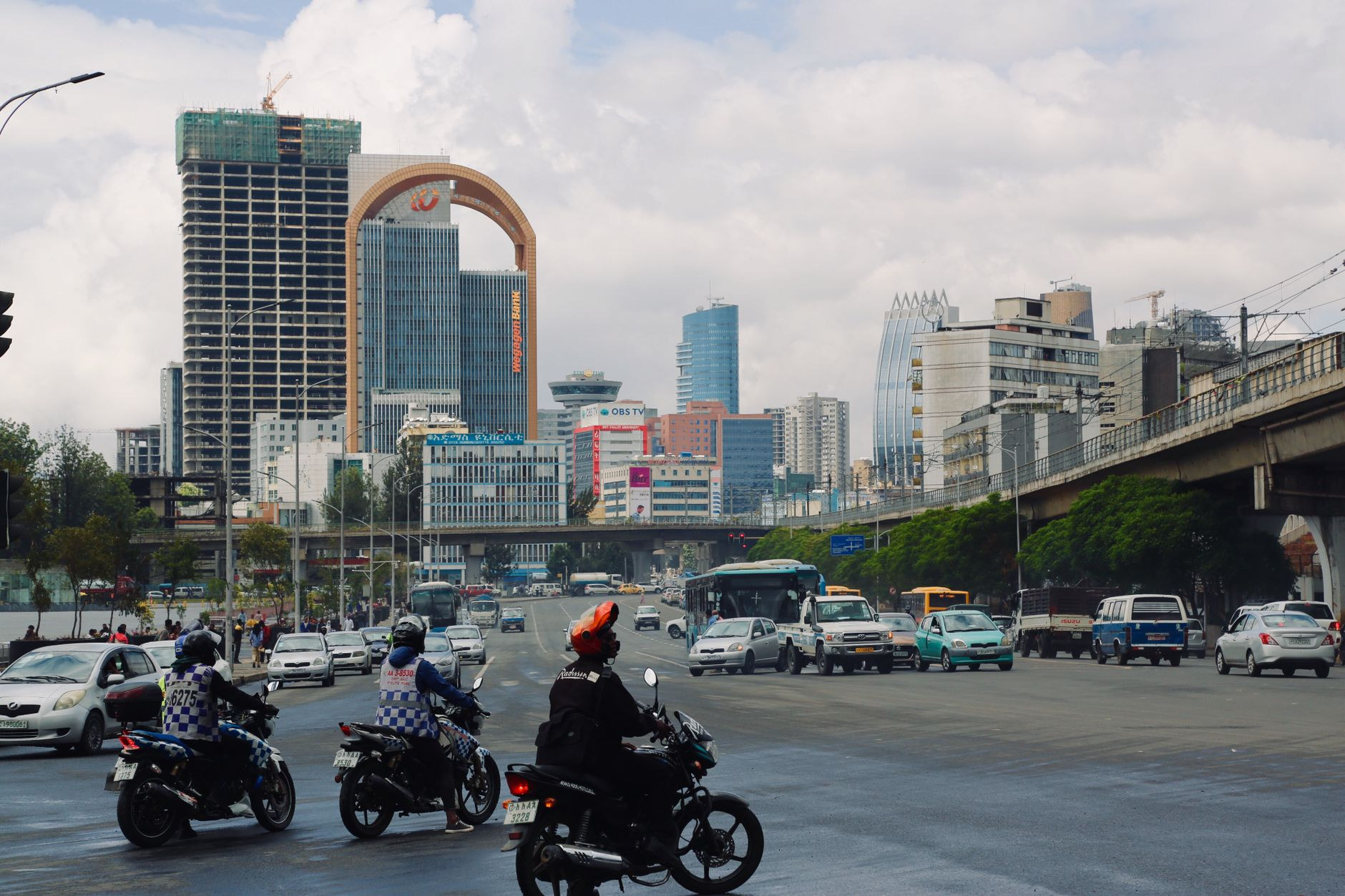
Your journey begins upon touching down at Bole International Airport (ADD), the primary diplomatic aviation hub of eastern Africa. Addis Ababa is an energetic highland metropolis where modern towers housing the African Union stand alongside centuries-old Orthodox churches, eucalyptus-covered ridges, and traditional open-air coffee roasters.
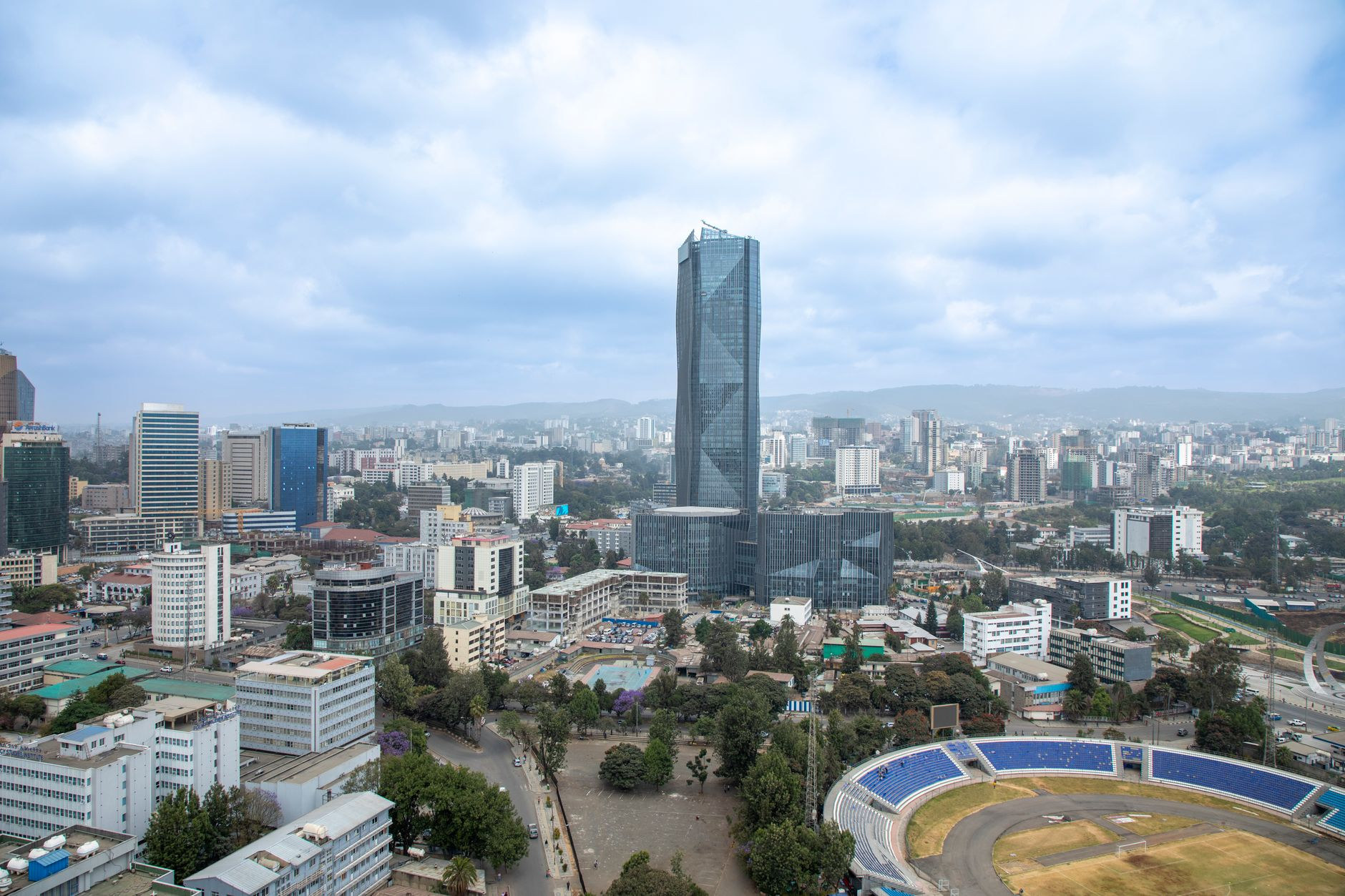
Clear immigration, withdraw Ethiopian Birr from an airport ATM, and meet your hotel driver or book an official taxi at the terminal desk. For independent city transit over the next forty-eight hours, avoid unmetered yellow cabs and use dependable local ride-hailing apps, specifically Feres and Ride. These platforms provide transparent fixed pricing, GPS routing, and direct contact with vetted drivers.
Begin your cultural orientation at the National Museum of Ethiopia on King George VI Street. The subterranean gallery holds the cast of Australopithecus afarensis, known as “Lucy” and locally called Dinkinesh (“You are marvelous”). Dating back 3.2 million years, these fragile hominid bones transformed scientific understanding of early bipedalism. Stand beside this ancient ancestor before examining the adjacent remains of “Ardi” (Ardipithecus ramidus), dating back 4.4 million years.
On Day 2, explore the Ethnographic Museum, housed within Emperor Haile Selassie’s former Guenete Leul Palace at Addis Ababa University. Exhibits illustrate the human lifecycle—birth, marriage, customs, religion, and burial traditions—across Ethiopia’s diverse ethnic nations, including the Oromo, Amhara, Tigray, and Afar. Walk through Emperor Haile Selassie’s preserved private quarters, including his dressing room mirror bearing a bullet mark from the 1960 coup attempt.
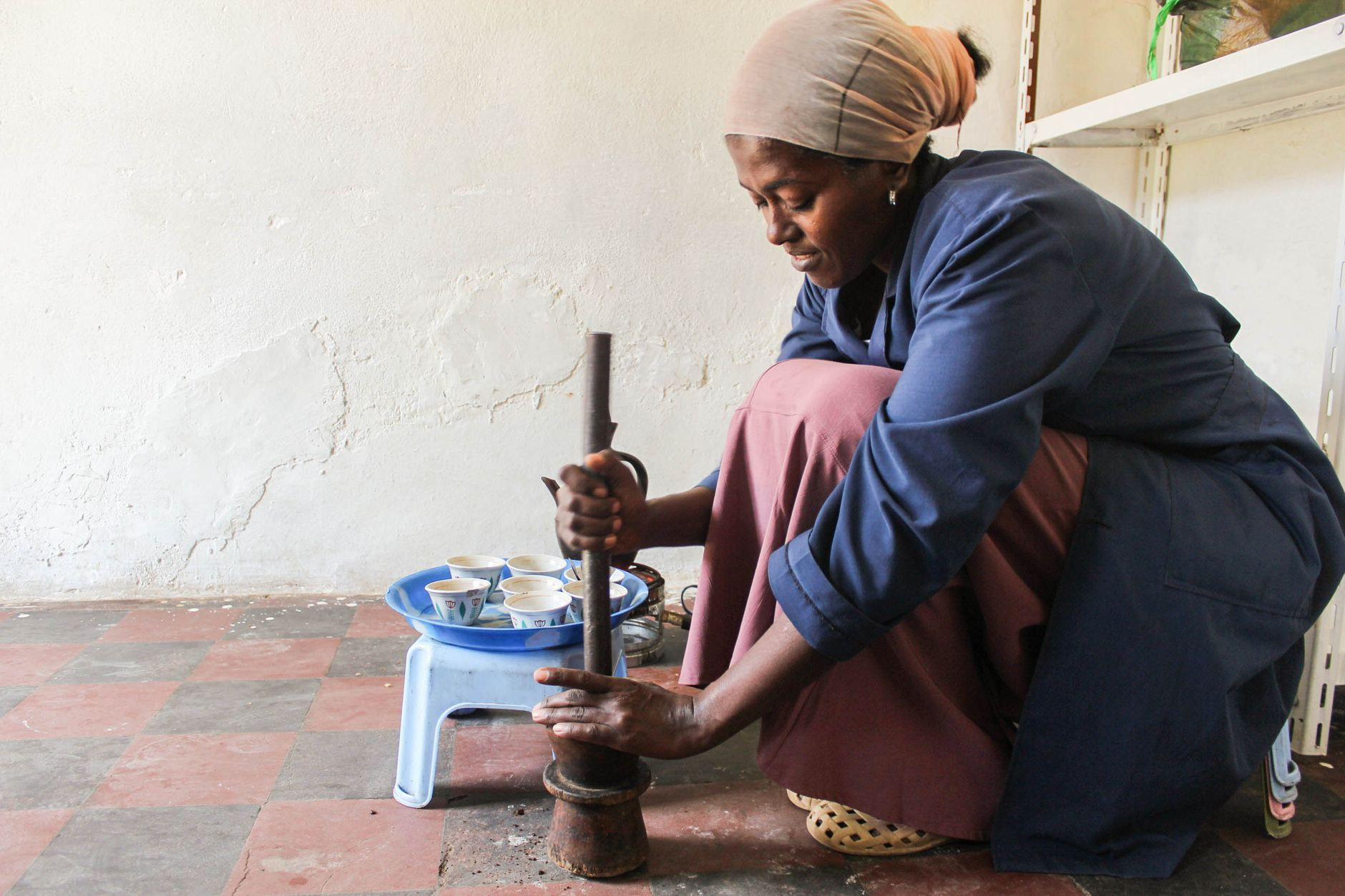
Conclude your afternoon with an authentic coffee ritual. Ethiopia is the biological birthplace of Coffea arabica, discovered in the Kaffa forests. Settle into a traditional café for the ceremonial bunna ritual. Green beans are washed, roasted over charcoal, ground in a wooden mortar, and brewed across three rounds in a clay pot called a *jebena*. Each cup—Abol, Tona, and Bereka—is enjoyed with fresh popcorn and fragrant frankincense.
Days 3 to 5: Lalibela — Monolithic Rock-Hewn Sanctuaries of the New Jerusalem
On Day 3, take your seventy-minute flight north to Lalibela. As your Bombardier Q400 turboprop descends over the Wollo highlands, jagged volcanic canyons reveal why King Gebre Mesqel Lalibela chose this secluded mountain redoubt in the late twelfth century to construct a “New Jerusalem” after Muslim forces captured the holy city in the Levant.
Lalibela’s eleven medieval churches were chiseled directly downward into living volcanic basalt, representing an extraordinary devotional achievement. Purchase your multi-day ticket at the central tourism ticket office and hire an accredited heritage guide carrying official badge credentials.
Your guide will lead you through the Northern Group via deep subterranean trenches. Enter Bet Medhane Alem, the largest monolithic rock-hewn church on earth, supported by thirty-six exterior pillars. Inside, Orthodox priests present the ancient gold Afro-Ayigba cross. Cross stone trenches into Bet Maryam, celebrated for its early painted ceiling frescos and Ge’ez carvings.
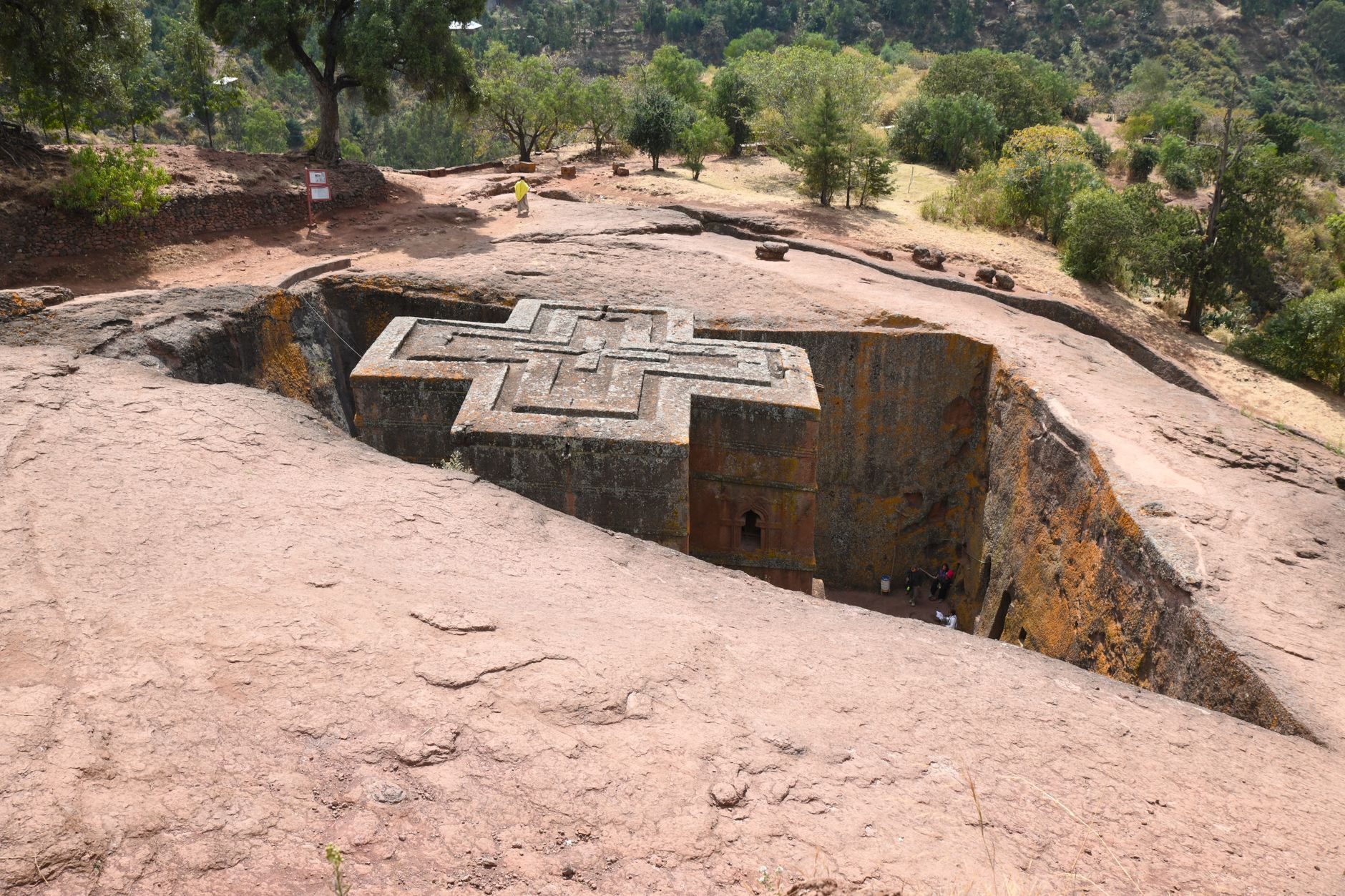
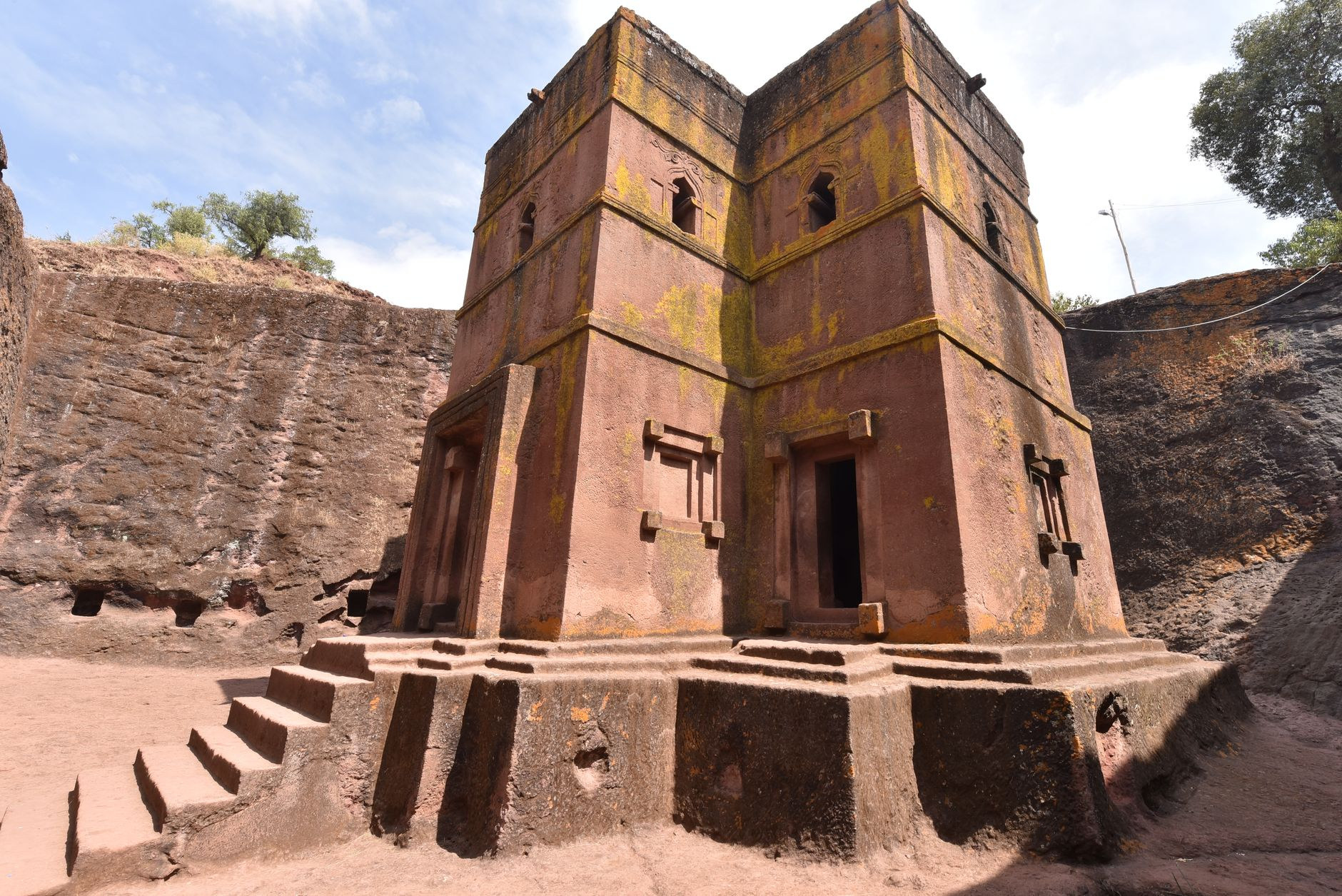
The pinnacle of Lalibela arrives on Day 4: Bet Giyorgis (Church of Saint George), standing in solitary elegance within its excavated rock trench. Carved in the shape of a Greek cross, the roof displays concentric crosses that shed highland rainfall. Descend the narrow switchbacking trench to touch the monolithic base, gazing upward at twelve-meter volcanic walls carved by hand. Inside, an elderly priest displays Saint George’s antique prayer manuscripts.
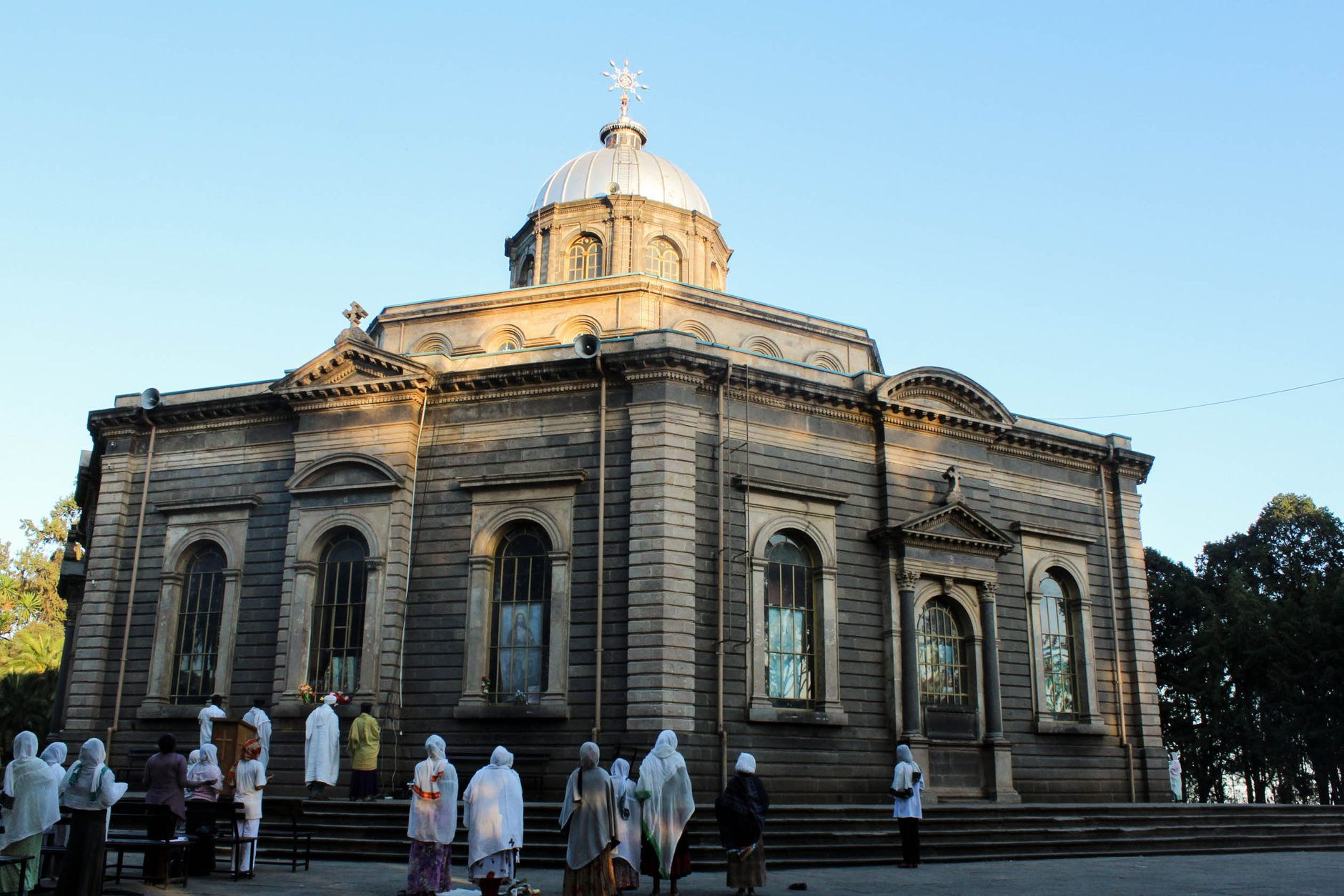
In the afternoon, walk through the fifty-meter subterranean rock tunnel known as *Hell to Heaven*, navigating cool stone in darkness before emerging into daylight at the Eastern Group: Bet Gabriel-Rufael, Bet Amanuel, and Bet Abba Libanos. End your evening in Lalibela town at an authentic *tej bet*, sipping honey wine (*tej*) served in spherical flasks called *berele*, accompanied by the energetic shoulder-dancing (*eskista*) of local musicians playing the *masenqo*.
On Day 5, take a morning 4WD trip up Mount Abuna Yosef to visit the cave sanctuary of Ne’akuto Le’ab, where spring water drips into stone basins, before boarding your afternoon Ethiopian Airlines flight back to Addis Ababa.
Days 6 to 8: The Great Rift Valley — Volcanic Lakes, Avian Sanctuaries, and Lakeside Relaxation
After returning to Addis Ababa, head south on Day 6 into the Great Ethiopian Rift Valley with a private 4WD vehicle and driver. Leaving the capital’s ring road, you join the modern toll expressway—the Addis–Adama and Mojo–Hawassa route—which bypasses rural truck congestion and cuts transit times down to three and a half hours.
As you descend the Rift Valley escarpment, the climate warms and the landscape shifts to umbrella acacias, euphorbia trees, and termite mounds. Your first stop is Lake Langano, a freshwater lake famous for its reddish-brown, mineral-rich waters. Because Langano contains high natural mineral concentrations, it is one of the rare freshwater lakes in sub-Saharan Africa free of bilharzia (schistosomiasis), making it safe for swimming. Check into an eco-lodge along the western cliffs, watch fish eagles dive into the surf, and enjoy a peaceful sunset.

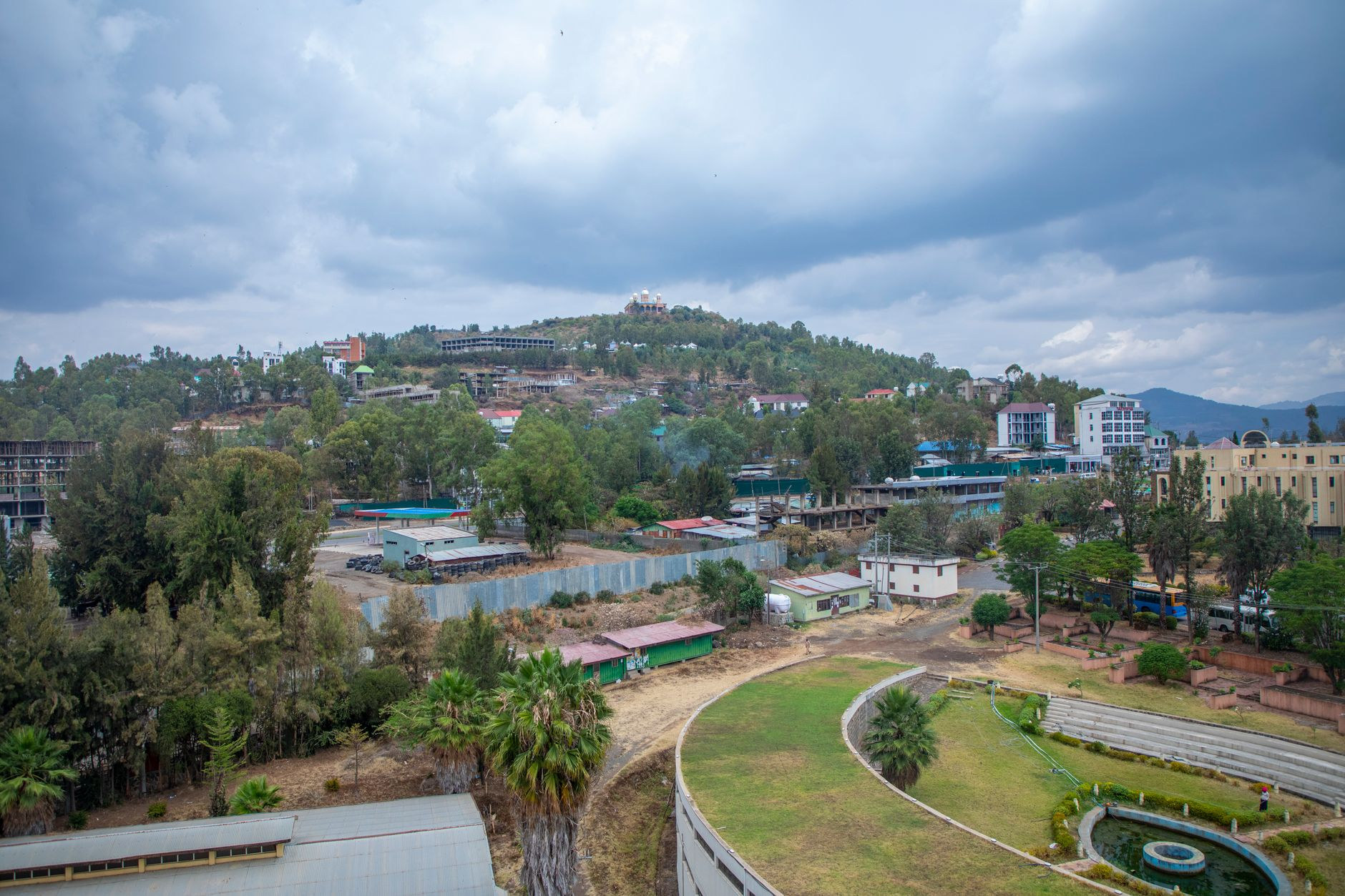
On Day 7, drive forty-five minutes south to Hawassa, regional capital of the Sidama Region. Arrive by 7:30 AM at the Amora Gedel Fish Market on Lake Hawassa’s shore. Wooden skiffs dock laden with the night’s catch of Nile tilapia and catfish. Fishermen clean fillets on shoreline tables, while dozens of marabou storks and pelicans gather inches away for fish scraps.
Savor a freshly cooked breakfast of *asa cutlet* (spiced fried tilapia fillets with lime and chili) before boarding a chartered motorboat across the calm waters. Lake Hawassa is an ecological refuge home to pods of hippopotamuses, pied kingfishers, and pelicans. In shoreline trees bordering the municipal park, spot families of colobus monkeys leaping through the canopy.

On Day 8, begin your return journey toward Addis Ababa. Stop at the volcanic crater lakes of Bishoftu (Debre Zeyit), relaxing on a terrace overlooking Lake Babogaya. Arrive in Addis Ababa by mid-afternoon, leaving time to purchase highland coffee beans at Tomoca in Bole before heading to Bole International Airport for your evening flight home.
Ethiopian Gastronomy and the Fasting Food Tradition
Dining in Ethiopia is a communal experience centered around *injera*, a large sourdough flatbread made from fermented *teff*, an ancient gluten-free grain endemic to the highlands. Meals are served on a wide round platter (*gebeta*) upon which various spicy meat and vegetable stews (*wat*) are placed. Diners tear off pieces of injera with their right hand to scoop up stews without cutlery.
A central cultural feature is the Orthodox Christian fasting tradition (*tsom*). Devout followers abstain from animal products (meat, eggs, and dairy) for roughly two hundred and fifty days a year, including every Wednesday and Friday and during Great Lent. Consequently, Ethiopian cuisine boasts world-class plant-based dishes. On fasting days, order a *beyaynetu*—a platter of *shiro wat* (spiced chickpea purée), *misir wat* (red lentils), *kik alicha* (yellow split peas), collard greens (*gomen*), and spiced beetroot.
On non-fasting days, savor *doro wat*, a rich celebratory dish of chicken drumsticks simmered with berbere spice and hard-boiled eggs, or *tibs*, tender beef or lamb sautéed in clarified butter (*niter kibbeh*) with fresh rosemary. Pair your meal with draft St. George lager, or freshly blended layered fruit juice (*spris*).
Mobile Connectivity: Navigating Ethiopian Networks and eSIM Logistics
Until recently, telecommunications in Ethiopia were an absolute state monopoly operated by Ethio Telecom, known for slow retail queues and localized bandwidth throttling. However, mobile connectivity improved substantially with the launch of Safaricom Ethiopia, which deployed modern 4G LTE and high-capacity 5G infrastructure across metropolitan hubs, tourist corridors, and major highways.

For visiting travellers, buying a local physical SIM card upon landing at Bole Airport requires waiting in registration queues, submitting physical passport copies, and dealing with cash airtime scratch cards. Furthermore, physical cards can deactivate if left unused or fail to roam smoothly across regional borders.
The practical solution is installing a digital NXTL Ethiopia Travel eSIM before departure. NXTL delivers fast mobile data on Safaricom’s rapid 5G and LTE networks at transparent pay-as-you-go rates of just $4.37/GB. Because your data balance never expires, you avoid the waste of rigid 7-day or 15-day packages. Unused credit stays available for later trips across more than 180 countries. Activate via a simple QR code scan before boarding your flight to enjoy instant connectivity upon touchdown in Addis Ababa, letting you hail a Feres cab, check Lalibela trails on Google Maps, and manage domestic flight updates effortlessly.
Five Local Scams, Traps, and Cultural Pitfalls to Avoid
- Unofficial Church “Guides” at Lalibela: Outside church compounds, touts claim that tickets do not cover specific interior chapels or private relics, demanding extra cash fees of 1,000 to 2,000 Birr. Prevention: Purchase your multi-day ticket exclusively at the official tourism office. Hire an accredited guide wearing an official laminated badge, and never hand cash to unbadged individuals inside stone trenches.
- Black Market Currency Exchange Traps in Addis Ababa: Touts along Bole Road and Meskel Square whisper promises of exchange rates far above the official bank rate. Street exchange is illegal under Ethiopian law and carries strict penalties. Touts also employ sleight-of-hand counting tricks or pass counterfeit 200-Birr notes. Prevention: Exchange currency exclusively at authorized bank branches or withdraw Birr directly from ATMs in major hotel lobbies.
- The Entoto Hill and Mercato “Student” Escort Scheme: Near Mount Entoto or Mercato market in Addis Ababa, young men claim to be students eager to practice English or show you “authentic artisan stalls.” Once you follow, you are led into an isolated shop and pressured to buy overpriced coffee or wooden crosses, plus an exorbitant guide fee. Prevention: Politely decline unsolicited street companions with a firm “Ameseginalehu” (thank you) and keep walking. Explore Mercato only with a reputable, pre-booked guide.
- Inflated Airport Taxi and Unauthorized Transfer Touts: At Bole Airport, unauthorized drivers intercept arriving travellers outside baggage claim, falsely claiming hotel shuttles are canceled or ride-hailing apps are banned, charging 40 to 60 USD for short city trips. Prevention: Look specifically for your hotel’s uniformed driver holding your name placard, or purchase an authorized voucher from the official airport taxi kiosk inside the terminal. If using Feres or Ride, proceed directly to the designated pickup lane.
- Counterfeit Antique and Sacred Relic Export Confiscation: Antique shops in Addis Ababa and Lalibela openly sell old brass crosses, manuscripts with Ge’ez script, and wooden icons, assuring buyers they are genuine heritage items. Ethiopian customs officials at Bole Airport strictly enforce cultural property laws. Any authentic antiquity will be confiscated, and travellers face extensive interrogation and fines without an official export clearance certificate from the Ministry of Culture and Tourism. Prevention: Assume all street antiquities are replicas; if purchasing valuable art, ensure the seller provides an official Ministry export clearance certificate before buying.
Practical Etiquette and Packing Protocol
Showing respect for local customs ensures genuine hospitality throughout Ethiopia:
Church Etiquette and Attire: Ethiopian Orthodox churches are active places of worship, not museums. Modest dress is mandatory: knees and shoulders must be covered. When entering church grounds or rock sanctuaries, remove your shoes and leave them on wooden shelves or hand them to the attendant for a small tip (10 to 20 Birr). Women should drape a white cotton scarf (*netela*) over their hair and shoulders. Certain interior monastic sanctuaries (the *Mekdes* or Holy of Holies) are restricted exclusively to ordained clergy; always respect your guide’s directions.
Handshake and Dining Customs: A gentle handshake accompanied by a slight bow of the head is standard when greeting locals. Close friends often touch right shoulders three times. When eating communal injera, use only your right hand; using your left hand is considered culturally improper. If a host offers a *gursha*—the intimate gesture of placing a piece of injera directly into your mouth—accept it graciously as an honor.
Essential Packing Checklist: Pack comfortable slip-off walking shoes with thick socks for navigating Lalibela’s stone floors. Bring a compact headlamp or flashlight for exploring dark rock tunnels and dim church corners. Highland nights can drop below 10°C (50°F), so bring warm fleece layers. Finally, carry small-denomination Ethiopian Birr (50, 100, and 200 notes), as digital card payments are rarely accepted outside international hotels in Addis Ababa.