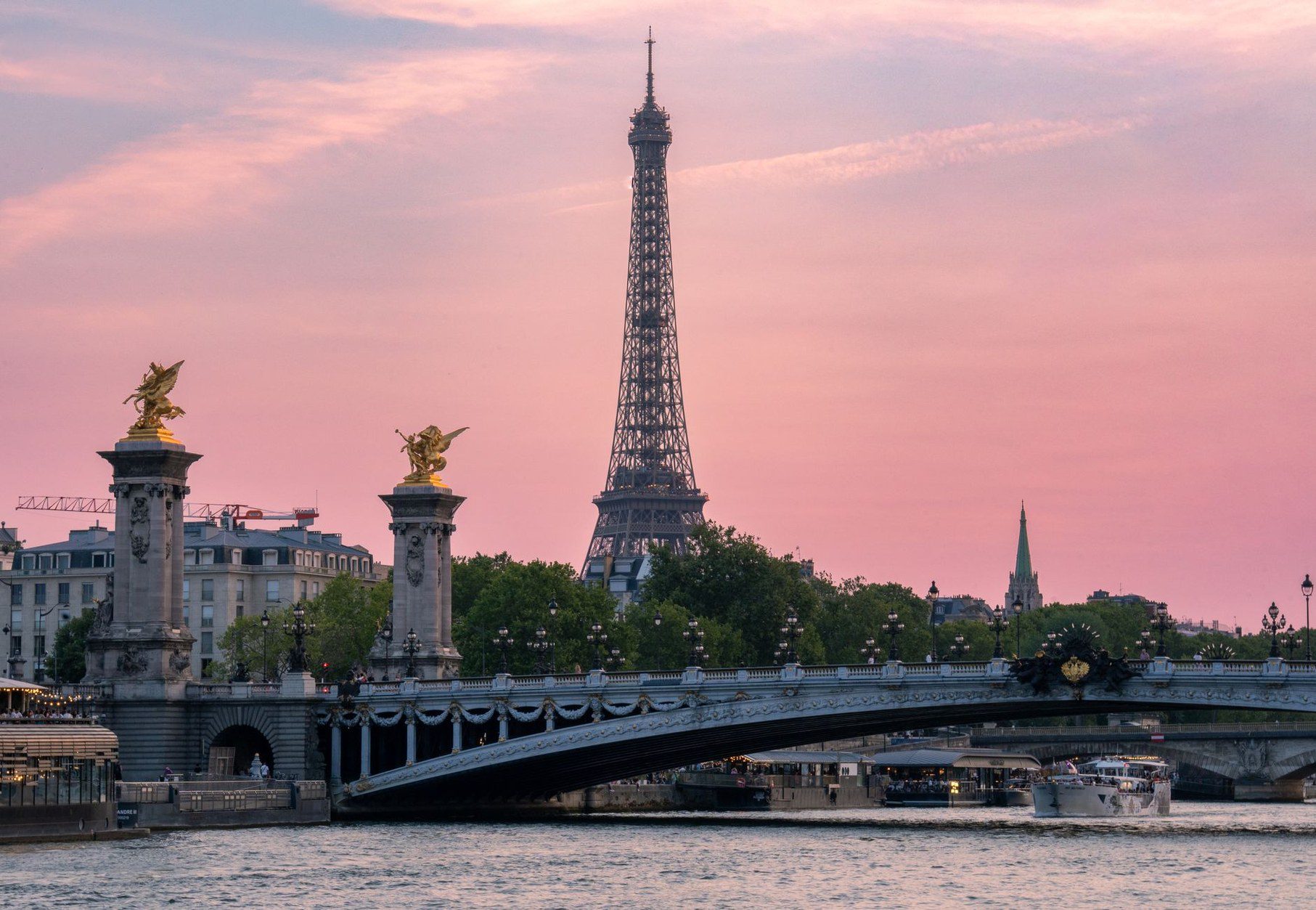
France is a masterclass in regional identity, where a single journey can transition from the grand Haussmann boulevards and world-defining art museums of Paris to the cobblestone passageways of Lyon’s culinary quarter, the sun-drenched Roman monuments of Provence, and the glittering azure bays of the Côte d’Azur. Yet first-time visitors frequently fall into logistical traps: trying to drive through Parisian ring roads, showing up at the Louvre without timed tickets, or struggling with complicated ticket machines on local transit.
The most elegant and efficient way to explore France is via the national high-speed rail network (TGV InOui). Gliding across the French countryside at 320 km/h, passenger trains connect city center to city center, whisking travelers from the capital down to the Mediterranean in just over five hours total. This 10 to 12-day rail route outlines a seamless journey through Paris, Lyon, Avignon, and Nice, complete with museum reservation tactics, bistro etiquette, and dependable mobile data.
The 10 to 12-Day France by TGV Rail Itinerary at a Glance
This 10 to 12-day rail itinerary links France’s cultural capital, its gastronomic heartland, Provencal Roman history, and the glamour of the French Riviera:
| Days | Overnight Base | Key Experiences | Transit & Travel Time | Advance Booking |
|---|---|---|---|---|
| Days 1–4 | Paris (4 nights) | Musée d’Orsay Impressionists, Louvre masterpieces, Sainte-Chapelle stained glass, Eiffel Tower twilight, Montmartre artists, Marais boutique stroll | RER B or RoissyBus from CDG to central Paris: 35–50 mins; Metro: 10–20 mins | Crucial: Reserve Louvre and Musée d’Orsay timed entry passes online |
| Days 5–6 | Lyon (2 nights) | Renaissance Vieux Lyon traboules, Basilique Notre-Dame de Fourvière panorama, Les Halles de Lyon Paul Bocuse food market, traditional bouchon dinner | SNCF TGV InOui train Paris (Gare de Lyon) to Lyon (Part-Dieu): 2 hours | Book TGV InOui tickets 3–4 months ahead |
| Days 7–8 | Avignon or Arles (2 nights) | Palais des Papes Gothic fortress, Pont Saint-Bénézet, Luberon hilltop village excursion (Gordes & Roussillon ochre cliffs), Roman amphitheater | SNCF TGV train Lyon to Avignon TGV: 1 hour 05 mins | Book Luberon small-group minivan tour |
| Days 9–11 | Nice & French Riviera (3 nights) | Promenade des Anglais stroll, Vieux Nice flower market, coastal TER scenic train to Monaco or medieval Èze cliffside village | SNCF TER or TGV train Avignon to Nice-Ville: 3 hours along Esterel red-rock coast | Book timed tickets for Villa Ephrussi de Rothschild |
| Day 12 | Nice / Departure | Morning swim in turquoise Baie des Anges, tram to Nice Côte d’Azur Airport (NCE) for international flight departure | Nice Tramway Line 2 to NCE airport: 25 mins | Allow 3 hours before international departure flights |
Short-Trip Option (7–8 Days): If limited to a single week, skip Provence and focus on Paris (4 nights) and Nice (3 nights), connected by a direct 5.5-hour TGV InOui ride or a quick domestic Air France shuttle.
Long-Trip Extension (14–16 Days): From Nice, continue west to Marseille and the dramatic limestone sea fjords of the Calanques National Park (Cassis), or add a 3-night detour into the world-famous vineyards of Bordeaux and the Loire Valley châteaux.
SNCF TGV Booking Mechanics & Paris Transit Reality
France boasts an exceptional public transport network, provided you navigate its booking rules correctly:
- TGV Yield Management: High-speed TGV InOui and low-cost Ouigo trains require mandatory seat reservations. Tickets open 3 to 4 months in advance on the official SNCF Connect app. Booking early secures $28.25 to $39.54 EUR fares; waiting until the week of travel can see identical tickets surge over $129.93 to $158.17 EUR.
- Discontinuation of Paper Metro Carnets: Paris has permanently retired the classic 10-pack paper Metro ticket "carnet." Purchase a reusable Navigo Easy card ($2.26 EUR fee) at any station machine and load digital T+ tickets ($2.43 EUR each), or load tickets directly onto your smartphone using the Île-de-France Mobilités app.
- The French Riviera Coastal Train (TER ZOU!): Never rent a car to tour the French Riviera. The coastline is served by the double-decker regional TER rail line running right along the turquoise water every 15 to 20 minutes between Cannes, Antibes, Nice, Monaco, and Menton for just $3.39 to $6.78 EUR per ride, bypassing notorious coastal traffic jams and expensive parking garages.

Paris: Historic Quarters, World-Class Art & Riverbanks (Days 1–4)
Arrive into Paris-Charles de Gaulle (CDG) or Orly (ORY) and take public rail directly into the city center. Base yourself in the 5th arrondissement (Latin Quarter), 6th (Saint-Germain-des-Prés), or 9th (South Pigalle / Opéra) for central, walkable access to major monuments.
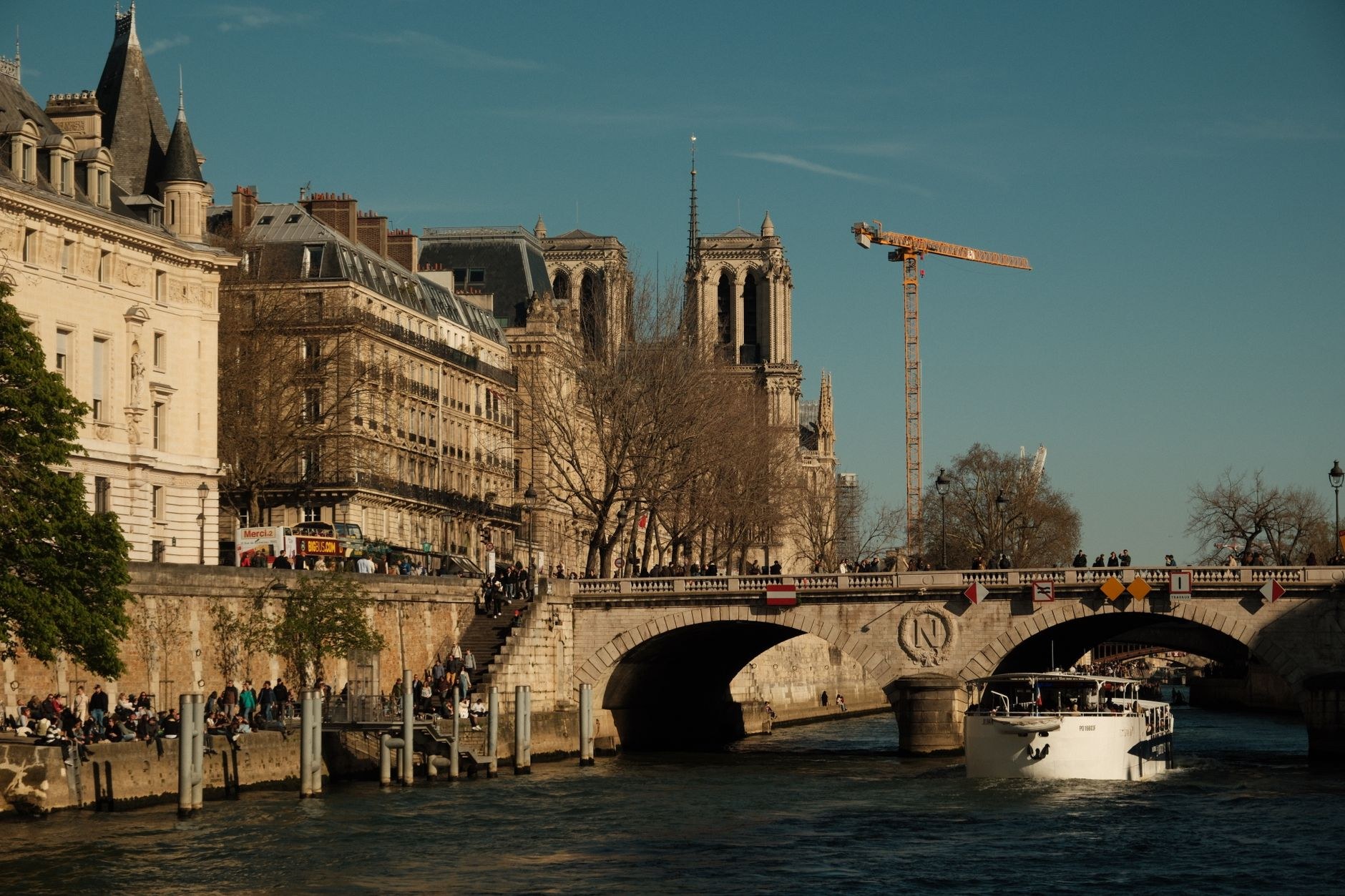
On Day 2, start on the Île de la Cité, the ancient island cradle of Paris. Admire the soaring Gothic facade of Notre-Dame Cathedral as its restoration reaches completion, and step inside Sainte-Chapelle to stand surrounded by 15 stunning 13th-century stained-glass lancet windows depicting 1,113 biblical scenes in radiant violet and ruby glass.
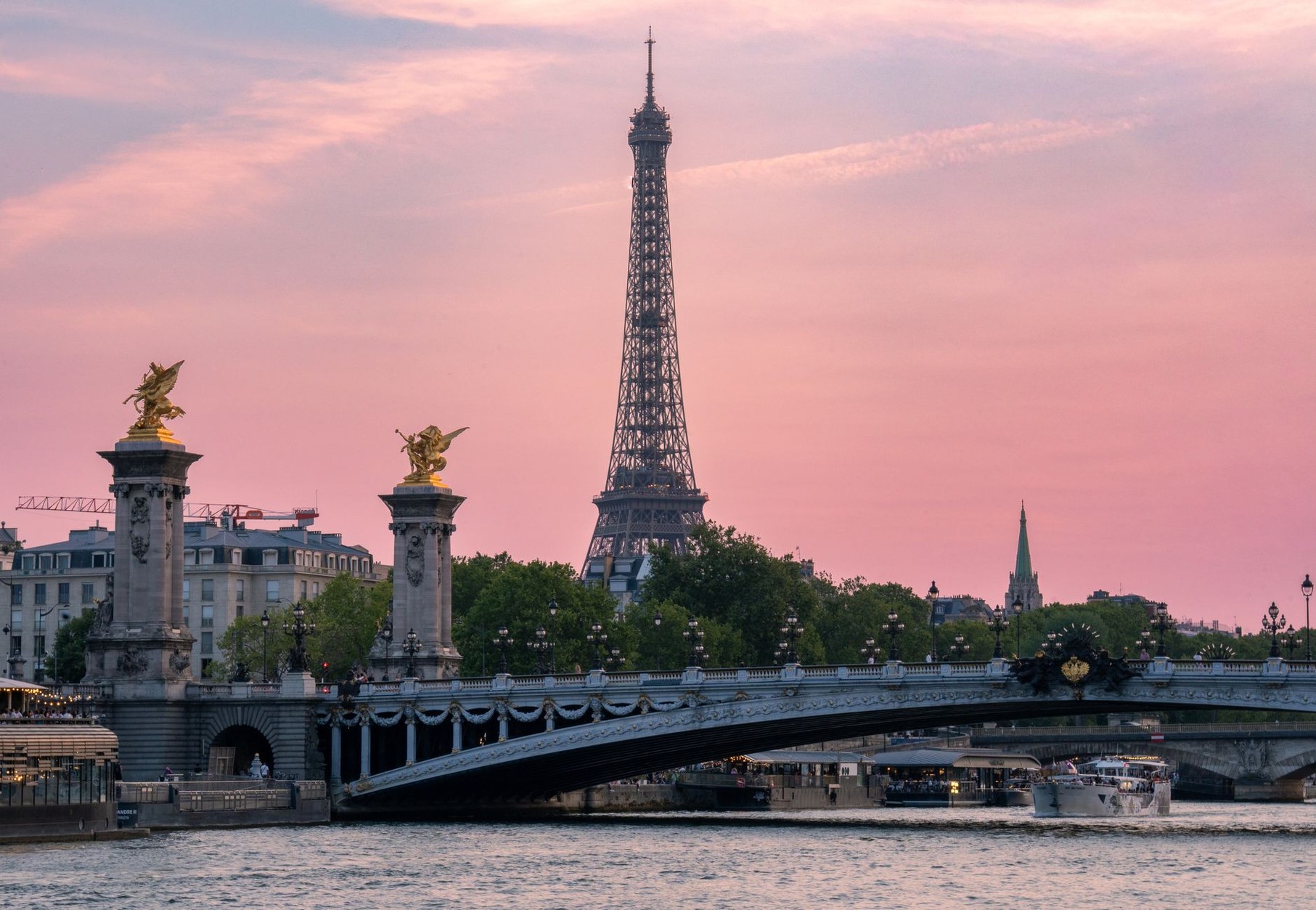
On Day 3, dedicate your morning to the Musée d’Orsay, housed in a magnificent Beaux-Arts railway station built for the 1900 World’s Fair. Stand before masterpieces of Impressionism and Post-Impressionism by Monet, Renoir, Degas, Van Gogh, and Cézanne. Afterward, take a leisurely late-afternoon stroll along the pedestrian quays of the Seine to watch the sunset illuminate the golden stone bridges and the Eiffel Tower.
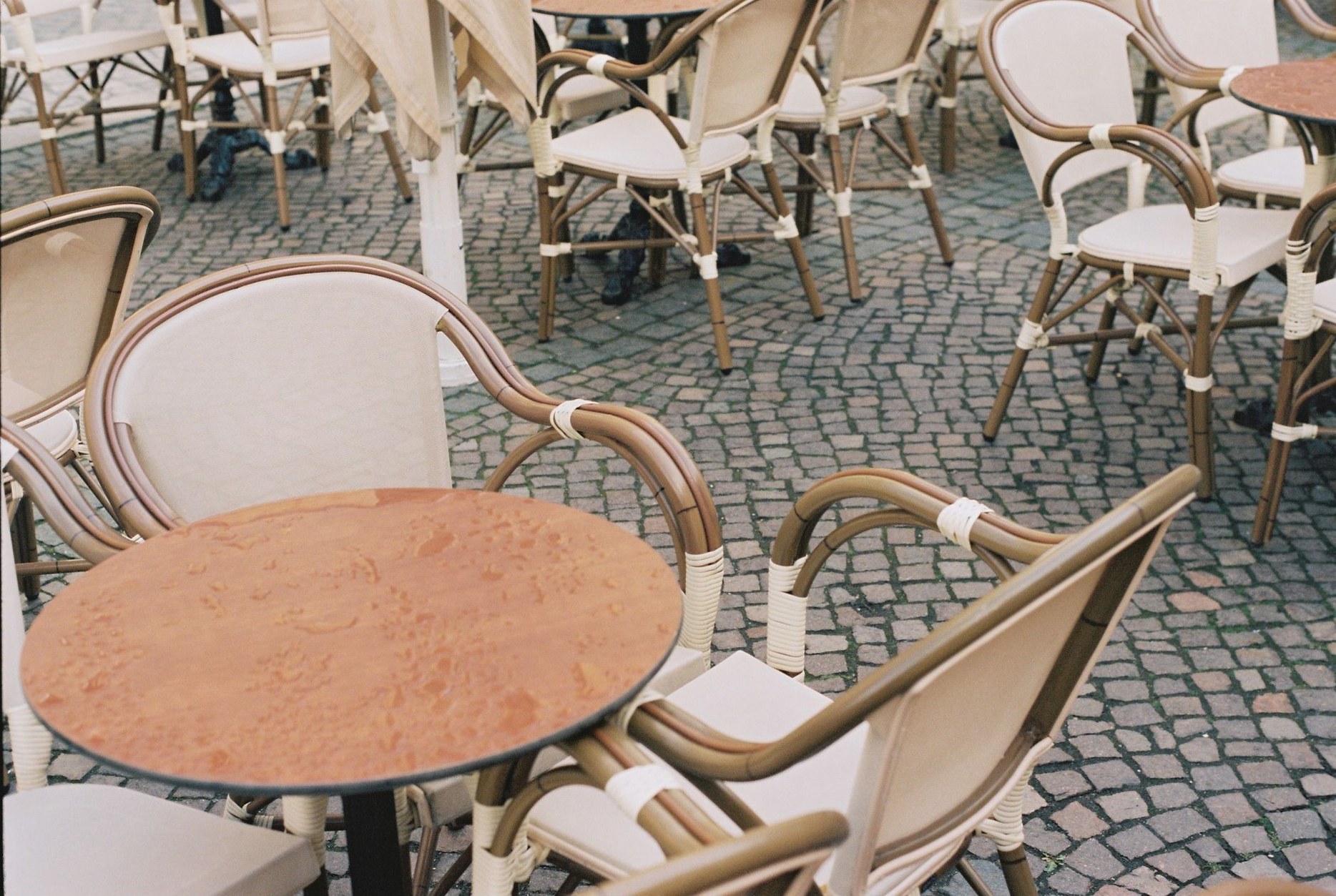
Take time to sit at a traditional sidewalk bistro. Ordering a café crème or a carafe of wine allows you to linger for hours watching Parisian street life without anyone rushing you to vacate the table.
Lyon: Secret Traboules & Gastronomic Mastery (Days 5–6)
Board a morning TGV at Paris Gare de Lyon; exactly two hours later, you disembark in Lyon, widely celebrated as the gastronomic capital of France.
Cross the Saône River into Vieux Lyon, Europe’s largest intact Renaissance district outside Venice. Hidden behind modest heavy wooden doors lies a network of historic traboules—covered pedestrian passageways that cut directly through apartment courtyards, spiral stone staircases, and vaulted arches. Originally used by 19th-century silk weavers (canuts) to transport delicate fabric rolls out of the rain, they later sheltered French Resistance fighters during World War II.
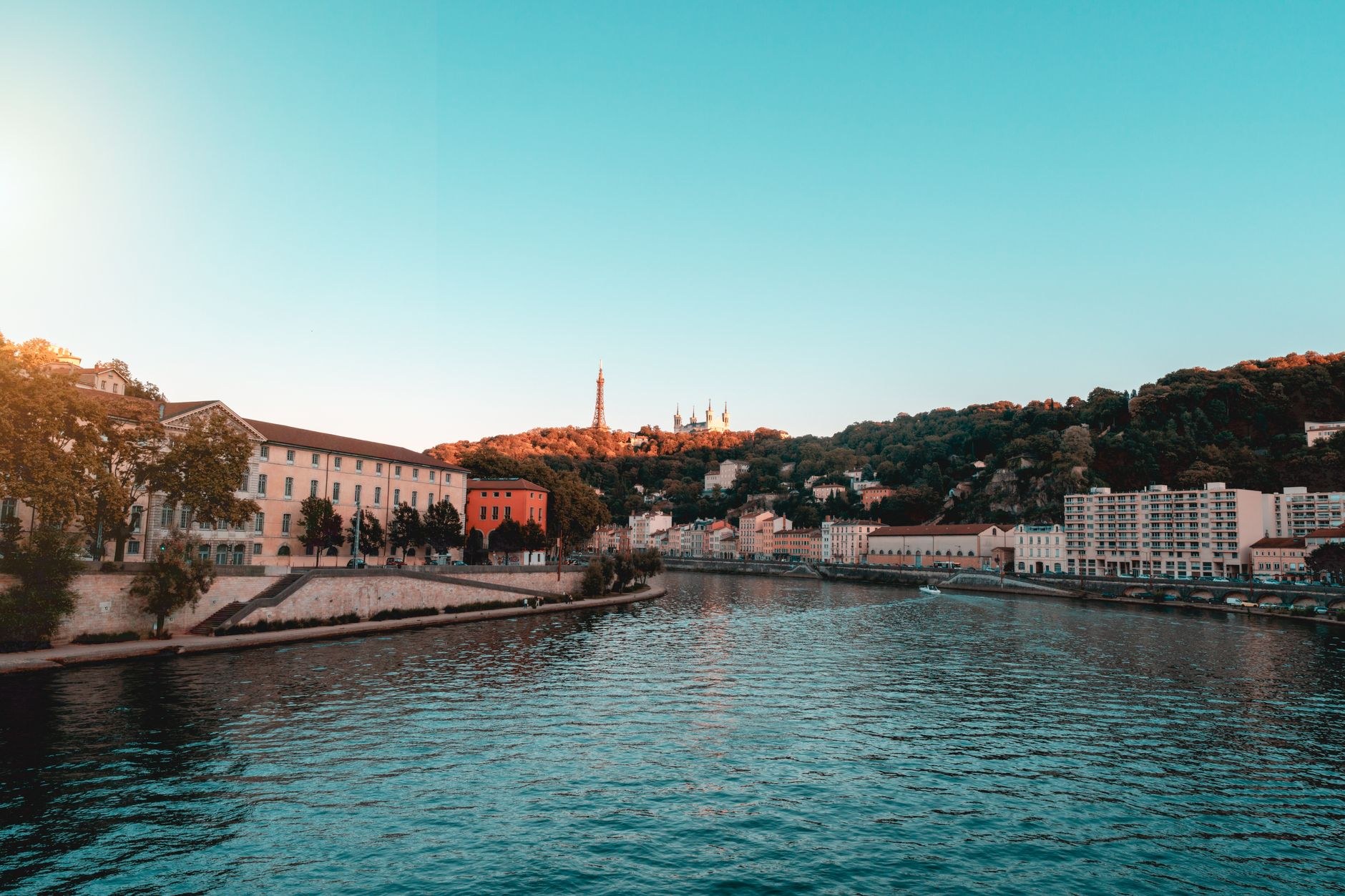
Take the funicular up to the Basilique Notre-Dame de Fourvière for a breathtaking panorama looking across the red-tile roofs of Lyon toward the snow-capped French Alps on clear days. In the evening, reserve a table at an authentic certified bouchon lyonnais (such as Café des Fédérations) to savor hearty culinary staples: pike quenelles in creamy crayfish sauce (sauce Nantua), artisanal saucisson, and praline tarts.
Provence: Papal Castles & Luberon Hilltop Villages (Days 7–8)
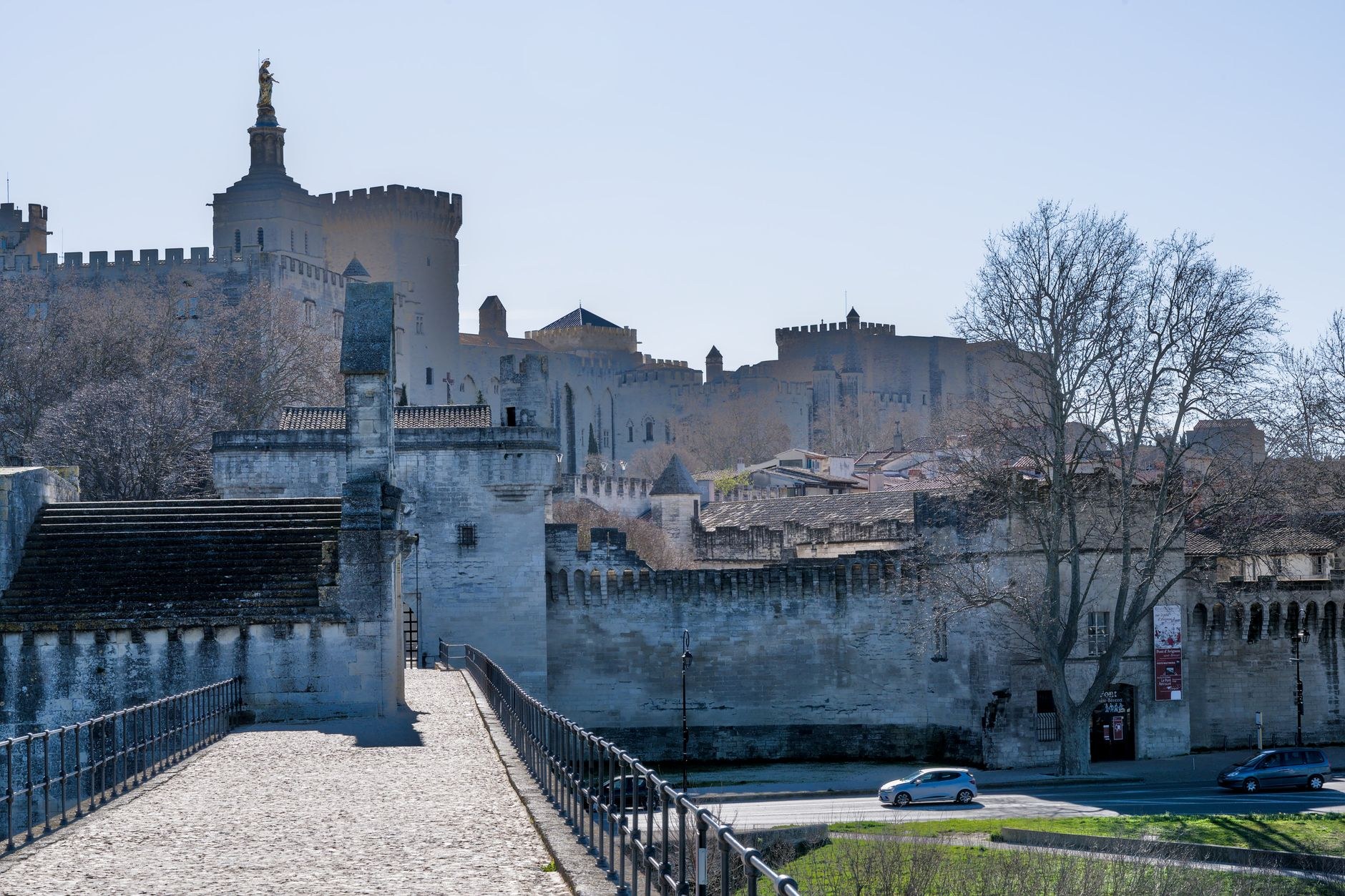
One hour south by TGV lies Avignon, the historic heart of Provence surrounded by intact 14th-century ramparts. Visit the Palais des Papes, the largest medieval Gothic palace on earth, which served as the fortress seat of Western Christendom during the 14th-century Avignon Papacy.
From Avignon, take a day excursion into the enchanting Luberon valley. Wind through olive groves, vineyards, and fragrant lavender fields to reach the perched stone village of Gordes, clifftop houses clinging to a rocky spur, and the striking ochre-red mineral canyons of Roussillon.

The French Riviera: Nice, Èze & The Mediterranean (Days 9–11)
The train journey from Avignon to Nice winds past the dramatic red porphyry rock cliffs of the Esterel Massif, plunging directly into the deep turquoise waters of the Mediterranean.
Base yourself in Nice, a city blending Italian heritage with French Riviera elegance. Stroll the world-famous Promenade des Anglais, curving seven kilometers along the pebbled shore of the Baie des Anges beneath swaying palm trees. Explore the narrow, shaded streets of Vieux Nice to sample socca—a crisp, peppery chickpea-flour pancake baked in massive copper pans over wood-fired ovens—and browse the vibrant Cours Saleya flower market.

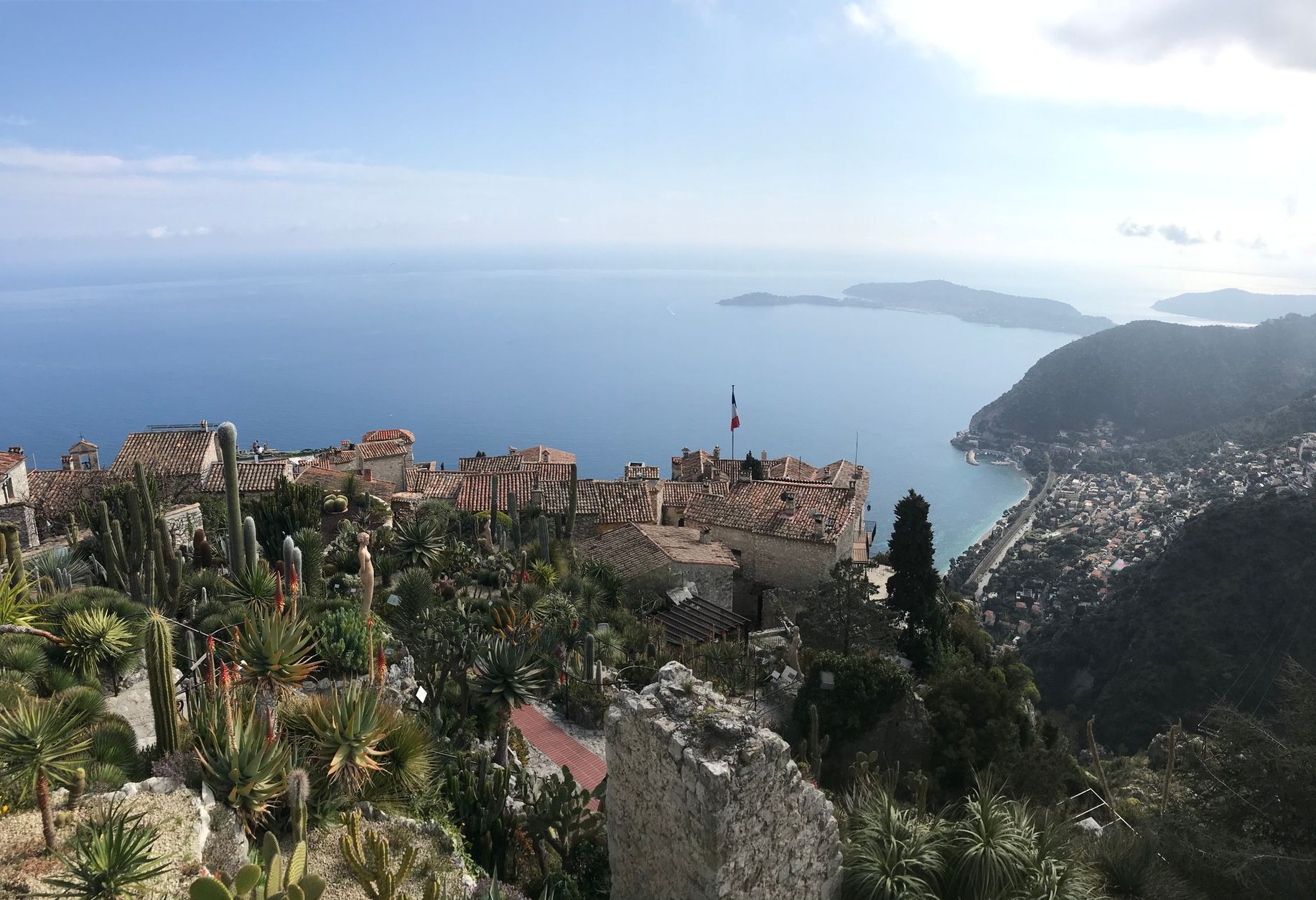
Hop on a quick local bus or train to the medieval village of Èze, perched like an eagle’s nest 430 meters above the sea. Wander through pedestrian cobblestone alleys up to the Exotic Garden (Jardin Exotique) at the ruined castle summit, offering breathtaking 180-degree panoramas of the entire Côte d’Azur from Saint-Jean-Cap-Ferrat to the Italian border.
French Dining Customs, Politeness Codes & Practical Advice
Observe these vital cultural nuances to ensure warm, gracious hospitality across France:
- The Essential "Bonjour" Rule: In France, saying "Bonjour, Madame" or "Bonjour, Monsieur" immediately upon crossing the threshold of any boutique, bakery, hotel, or restaurant is considered mandatory social courtesy. Beginning a transaction without this greeting is perceived as rude. Finish your visit with a polite "Merci, au revoir!"
- Free Restaurant Tap Water ("Carafe d’Eau"): By French law, restaurants are required to provide free tap water upon request. If you simply ask for "water," the waiter will bring an expensive bottle of mineral water ($6.78–$9.04 EUR). Ask specifically for "une carafe d’eau" (pronounced oon kah-rahf doh) to receive clean, chilled Parisian or alpine tap water in a glass pitcher at zero cost.
- Asking for the Bill: French dining philosophy considers rushing patrons to be poor service; servers will never drop the bill at your table until you explicitly ask. When ready to depart, catch your server’s eye and say "L’addition, s’il vous plaît." Service is included by law (service compris); leaving an extra 5% to 10% cash tip is customary only for exceptional service.
- Sunday Closures: Many independent retail boutiques, pharmacies, and specialty food stores outside tourist zones are closed on Sundays and Monday mornings. Plan major museum visits and park strolls for Sundays.
Parisian Street Scams, Metro Fines & Practical Dining Tips
While France is one of the world’s most visited cultural destinations, international tourists frequently fall victim to well-rehearsed street scams in Paris and unexpected coastal charges along the Riviera:
- The Gold Ring Trick: Walking along the Seine, near the Louvre, or in the Tuileries Garden, a passerby will suddenly bend down, pretend to pick up a heavy gold wedding band from the pavement, and ask: “Excuse me, did you drop this gold ring?” When you say no, they examine it, claim it is pure gold with an authentic hallmark, and offer to sell it to you for $22.60 or $56.49 “for good luck.” The ring is worthless brass. Simply ignore them and keep moving.
- The Fake Petition / Deaf Charity Scam: Near the Eiffel Tower, the Champ de Mars, and Sacré-Cœur, groups of young women holding clipboards will approach asking you to sign an “official petition” for deaf children or handicapped charities. The moment you sign, they surround you aggressively demanding a mandatory $22.60 cash donation, while an accomplice targets your pockets and bags. Never sign any petition on the street; legitimate charities in France do not solicit signatures this way.
- The Sacré-Cœur String / Friendship Bracelet Extortion: At the base of the monumental stone stairs leading up to Sacré-Cœur in Montmartre, groups of aggressive men will crowd the walkway, grab your arm or finger, and rapidly begin weaving a colored string bracelet around your wrist. Once tied, they refuse to let go, blocking your path and demanding $11.30 to $22.60. Walk with your hands firmly inside your coat or pockets, avoid eye contact, and say a loud, clear “Non!” if approached.
- Discarding Metro Tickets Before the Exit: Many foreign travelers assume a Paris metro ticket is only needed to pass the entry turnstiles, and discard the paper stub immediately. Undercover RATP ticket inspectors (contrôleurs) regularly set up checkpoints in the exit corridors of Châtelet, Saint-Michel, and Gare du Nord. If you cannot produce your validated ticket or Navigo card, you will be hit with an immediate on-the-spot cash fine of $56.49 (or $79.09+ if paid later). Always keep your ticket in your hand until you are completely out on the street.
- Ordering Tap Water vs. Expensive Bottled Water: By French law, every restaurant must provide free drinking water if requested. However, if you simply ask your waiter for “de l’eau” (water), they will automatically bring an expensive $7.91 to $10.17 bottle of branded mineral water (Evian or San Pellegrino). To receive free, chilled tap water served in a glass pitcher, always use the precise phrase: “Une carafe d’eau, s’il vous plaît.”
- Riviera Pebble Beach Realities: The world-famous shoreline along Nice’s Promenade des Anglais is made of large, smooth grey stones (galets), not soft sand. Walking barefoot on these stones is agonizing, and getting out of the breaking surf onto the steep pebble slope without slipping requires foot grip. Buy a pair of rubber water shoes at a seaside shop for $11.30 before hitting the beach.
High-Speed Rail Navigation & Mobile Connectivity with NXTL
Navigating France smoothly requires active mobile internet. You need continuous cellular connectivity to display digital SNCF TGV barcodes at platform barrier gates, navigate Paris Metro transfers via Citymapper, present online timed-entry QR passes at the Louvre and Musée d’Orsay, and summon vetted Uber rides in Lyon and Nice.
Skip high-priced airport SIM card stands at Charles de Gaulle (CDG) that push expensive 30-day tourist bundles. By installing the NXTL France eSIM prior to boarding your flight, your phone connects automatically upon arrival to France’s premier telecom networks—including Bouygues (5G/LTE), Orange (5G/LTE), and Free (5G/LTE)—with pay-as-you-go rates starting from just $0.76/GB.
You enjoy high-speed 5G data through Paris, across rural French agricultural landscapes on the TGV, and all along the Mediterranean coastline from Marseille to Menton. Because NXTL operates on a flexible, non-expiring balance model, your unused credit stays active for your next international journey across Europe. Dual-SIM functionality keeps your primary domestic physical SIM active in the background, allowing you to receive vital two-factor SMS bank notifications without incurring steep international carrier roaming charges.