French Guiana occupies one of the most intriguing geographical and political intersections on the globe. Situated on the northeastern shoulder of South America between Suriname and Brazil, this territory is neither an independent post-colonial republic nor a standard Caribbean island. It is a full French department and an integral outermost region of the European Union, where the Euro is the currency, French gendarmes patrol well-engineered highways, and European Space Agency rockets launch into orbit over primary Amazonian rainforest.
For independent travelers, French Guiana offers a stark contrast between cutting-edge aerospace engineering and raw tropical ecology. In Kourou, technicians prepare heavy-lift Ariane 6 launchers at Europe’s Spaceport; eight miles offshore, the decaying stone cell blocks of the Îles du Salut—once France’s notorious penal colony—are slowly being reclaimed by palm roots and capuchin monkeys. Navigating this vast territory requires balancing coastal road corridors, river pirogue crossings, strict health entry mandates, and the operational rhythms of the space center.
Who This Trip Suits and How Long to Stay
This journey suits self-directed adventure travelers, aerospace enthusiasts, wildlife naturalists, and historians fascinated by penal and colonial history. If you appreciate navigating flooded savannas to spot black caimans by flashlight, exploring 19th-century prison ruins overlooking turbulent equatorial seas, and observing satellite launch complexes surrounded by primary jungle, French Guiana is compelling. It is politically stable, benefits from French healthcare standards, and offers exceptional biodiversity across the Guiana Shield.
Conversely, French Guiana is poorly suited to casual beach tourists or budget backpackers expecting cheap South American prices. The coastline consists largely of muddy mangrove flats and sediment-rich waters influenced by the Amazon River plume; swimming beaches are limited and murky. Public transport between towns is scarce, car rental costs are comparable to metropolitan France, and basic spoken French is essential for daily interactions. A well-planned itinerary requires seven to eight days to cover Cayenne, Kourou, the Îles du Salut, the Kaw marshes, and Saint-Laurent-du-Maroni.
Before booking any flights, verify that your yellow fever vaccination is up to date. French Guiana is one of the few territories where presenting an International Certificate of Vaccination against yellow fever is legally mandatory to board flights to Cayenne. Airline check-in agents in Paris or regional Caribbean hubs strictly deny boarding to passengers lacking valid documentation.
Strategic Route Blueprint: Coast and Forest Rivers
Travel in French Guiana is structured along the Route Nationale 1 (RN1), a paved highway running along the coastal strip from the capital of Cayenne in the east to Saint-Laurent-du-Maroni on the Surinamese border in the west. South of this thin coastal corridor lies the Guiana Amazonian Park (Parc Amazonien de Guyane), a trackless wilderness of primary rainforest accessible only by river pirogue or chartered bush aircraft.
A balanced one-week itinerary divides time between three strategic hubs: two nights in the historic administrative capital of Cayenne, three nights based in Kourou for the Guiana Space Centre and the offshore Îles du Salut, and two nights split between the historic border outpost of Saint-Laurent-du-Maroni and an eco-lodge expedition into the Kaw-Roura nature reserve. This sequence minimizes backtrack driving and aligns with opening hours for aerospace tours and ferry sailings.
Day-by-Day French Guiana Itinerary
This seven-day route connects Europe’s spaceport, colonial prison history, Amerindian and Maron river culture, and nocturnal wildlife expeditions across the department.
| Day / Stage | Base | Highlights | Transport Mode | Transit Time | Advance Booking Requirement |
|---|---|---|---|---|---|
| Day 1 | Cayenne | Arrive Félix Éboué (CAY), collect rental car, Place des Palmistes, Fort Cépérou | Rental Car | 25 mins | Rental car booked 1 month ahead |
| Day 2 | Kourou | Marché de Cayenne morning spices, drive RN1 to Kourou, evening beach walk | Rental Car | 1 hr drive | Hotel booked early around launch dates |
| Day 3 | Kourou | Guiana Space Centre guided tour: Ariane 6 launchpad, Jupiter control room | Tour Coach / Foot | 3 hrs tour | CSG tour reserved 4 weeks ahead |
| Day 4 | Kourou | Day sailing catamaran to Îles du Salut: Île Royale prison ruins, view Devil’s Island | Catamaran Ferry | 1 hr sail each way | Catamaran ticket booked 2 weeks ahead |
| Day 5 | Saint-Laurent | Drive west to Saint-Laurent-du-Maroni, tour Camp de la Transportation, riverfront walk | Rental Car | 2 hrs 15 mins drive | Guided prison tour tickets on site |
| Day 6 | Kaw Marshes | Drive east to Kaw, afternoon motorized pirogue tour, black caiman night spotting | Rental Car / Pirogue | 2 hrs 30 mins drive | Kaw reserve boat guide booked in advance |
| Day 7 | Departure | Visit Hmong agricultural village of Cacao, insect museum, transfer to CAY airport | Rental Car | 1 hr 15 mins to airport | Check-in 2.5 hrs prior to flight |
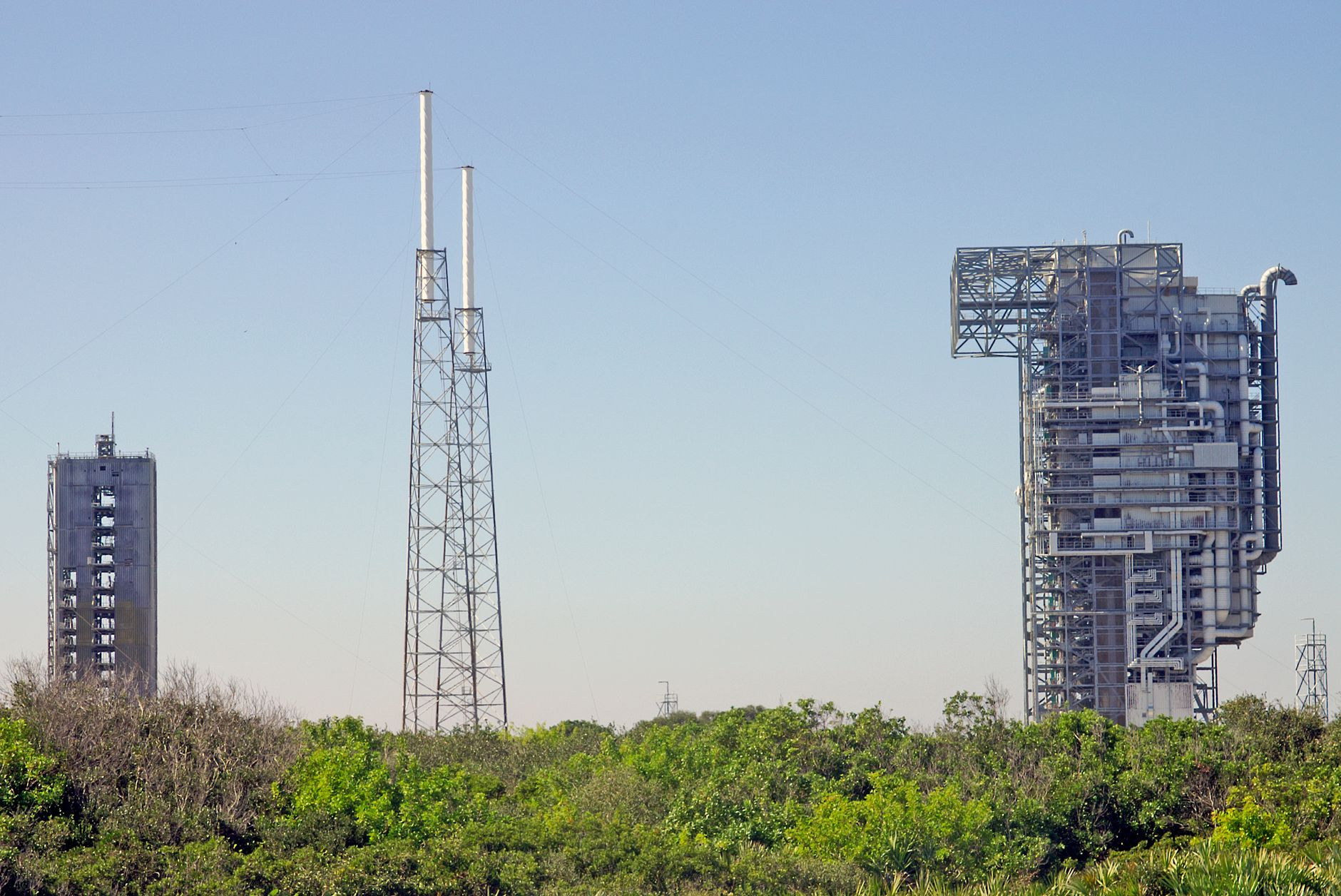
Timing your visit around rocket launches is essential. The Guiana Space Centre conducts multiple orbital launches annually. Experiencing an Ariane 6 or Vega-C launch from public observation sites like the Carapa terrace is unforgettable. However, launch campaigns trigger security closures of public roads, suspend catamarans to the Îles du Salut, and cause all hotels in Kourou to sell out weeks in advance. Check the CNES/Arianespace launch manifest before finalizing travel dates.
The Guiana Space Centre: Europe’s Gateway to Orbit
Located just outside Kourou, the Centre Spatial Guyanais (CSG) was selected by the French government in 1964 as a spaceport due to its unique geographical advantages. Situated at 5 degrees north latitude, the site sits near the equator, where the Earth’s rotational speed imparts maximum velocity to eastward-launched rockets, reducing fuel consumption by up to twenty percent compared to mid-latitude launch sites. Furthermore, launching eastward over the open Atlantic ensures expended rocket stages fall safely into deep water.
Free, comprehensive three-hour guided tours in French (with English audio guides or designated English tours) take visitors aboard security coaches across the 700-square-kilometer base. You visit the Jupiter Mission Control Center, drive up to the massive mobile launch gantry of the Ariane 6 complex, and view the launch pads of Vega and Soyuz. Security protocols are strict: visitors must register online at least four weeks in advance, submit passport details for background clearance, and bring valid physical passports on the day of the tour.
Adjacent to the base sits the Space Museum (Musée de l’Espace), offering interactive exhibits on rocket telemetry, orbital mechanics, and satellite technology, making it an excellent stop before or after your tour of the launch pads.
The Îles du Salut: Penal History in the Tropics
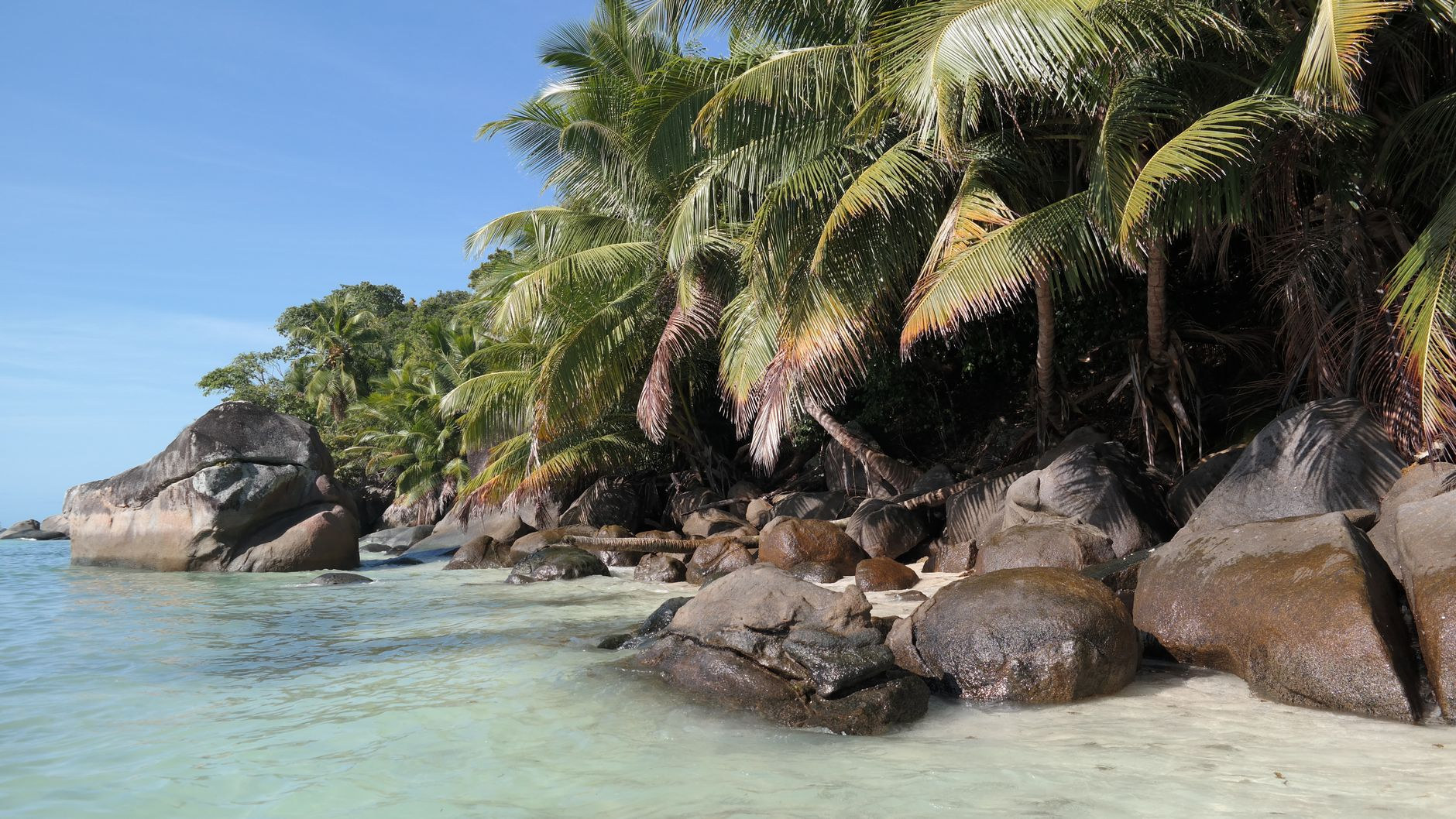
Eight miles offshore from Kourou lie the Îles du Salut (Salvation Islands), a triad of volcanic islands that once formed the most feared penal colony in the French empire. Operating from 1852 until 1953, the colony processed more than 70,000 convicts. Today, catamarans depart daily from Kourou’s pontoon for the one-hour crossing to Île Royale, the largest island and former administrative center.
Walking shaded stone paths across Île Royale leads past solitary cells, the convict hospital, and wardens’ quarters. Semi-tame agoutis forage among overgrown mango trees, and green sea turtles frequent the rock pools. Across a churning strait sits Île du Diable (Devil’s Island), where political prisoners including Alfred Dreyfus endured total isolation; landing there is forbidden due to dangerous rip currents. Adjacent Île Saint-Joseph held hard-labor prisoners in silent confinement.
A small inn on Île Royale (Auberge des Îles) offers modest accommodations and an open-air restaurant serving freshly caught sea bream and chilled French wine, allowing travelers to spend the night in peaceful isolation after the day catamarans return to Kourou.
Saint-Laurent-du-Maroni and Border River Culture
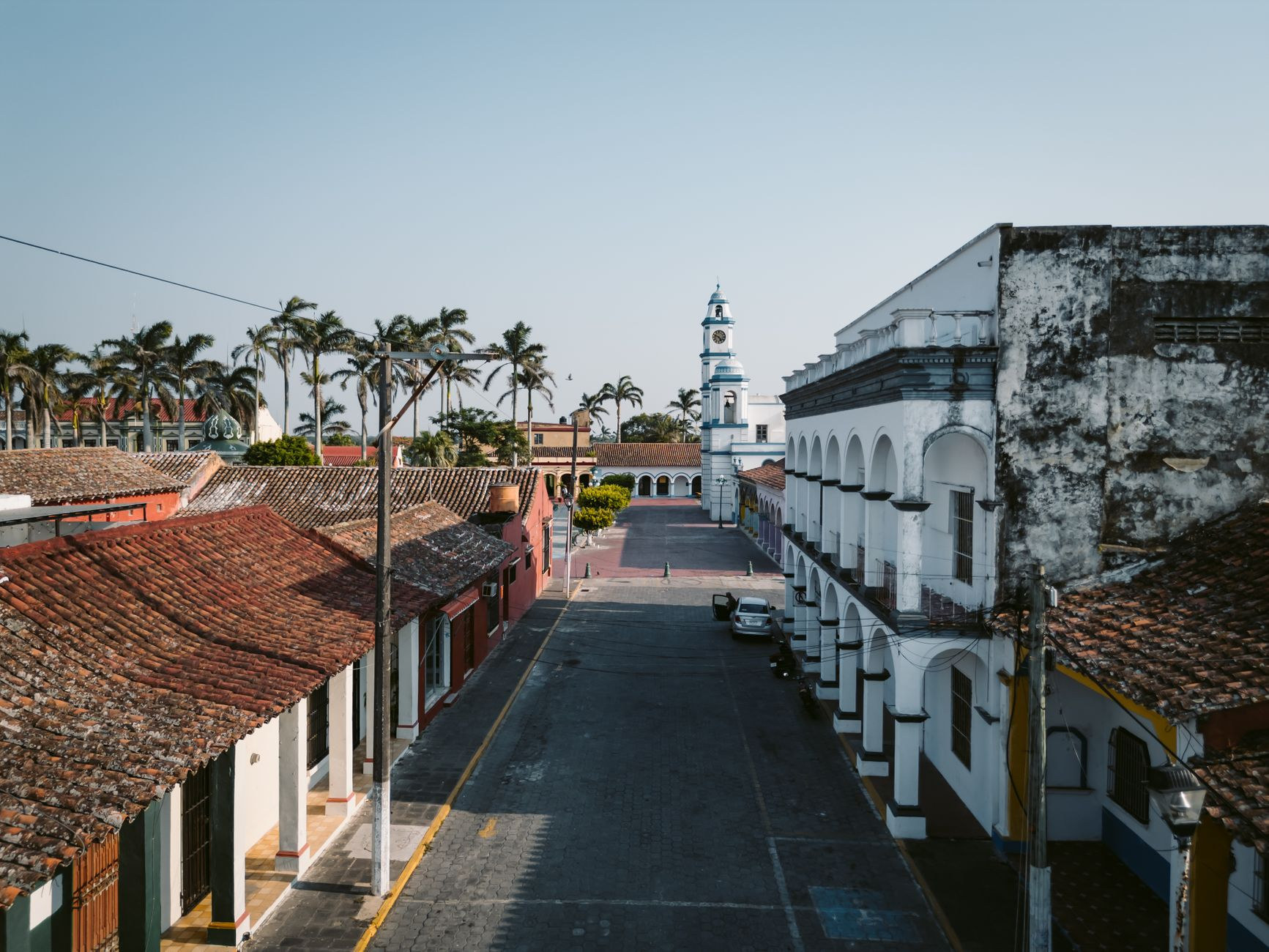
Two hours west of Kourou along the RN1 sits Saint-Laurent-du-Maroni, situated on the eastern bank of the wide Maroni River dividing French Guiana from Suriname. Saint-Laurent was founded specifically as the receiving camp for all incoming convict transport ships from France.
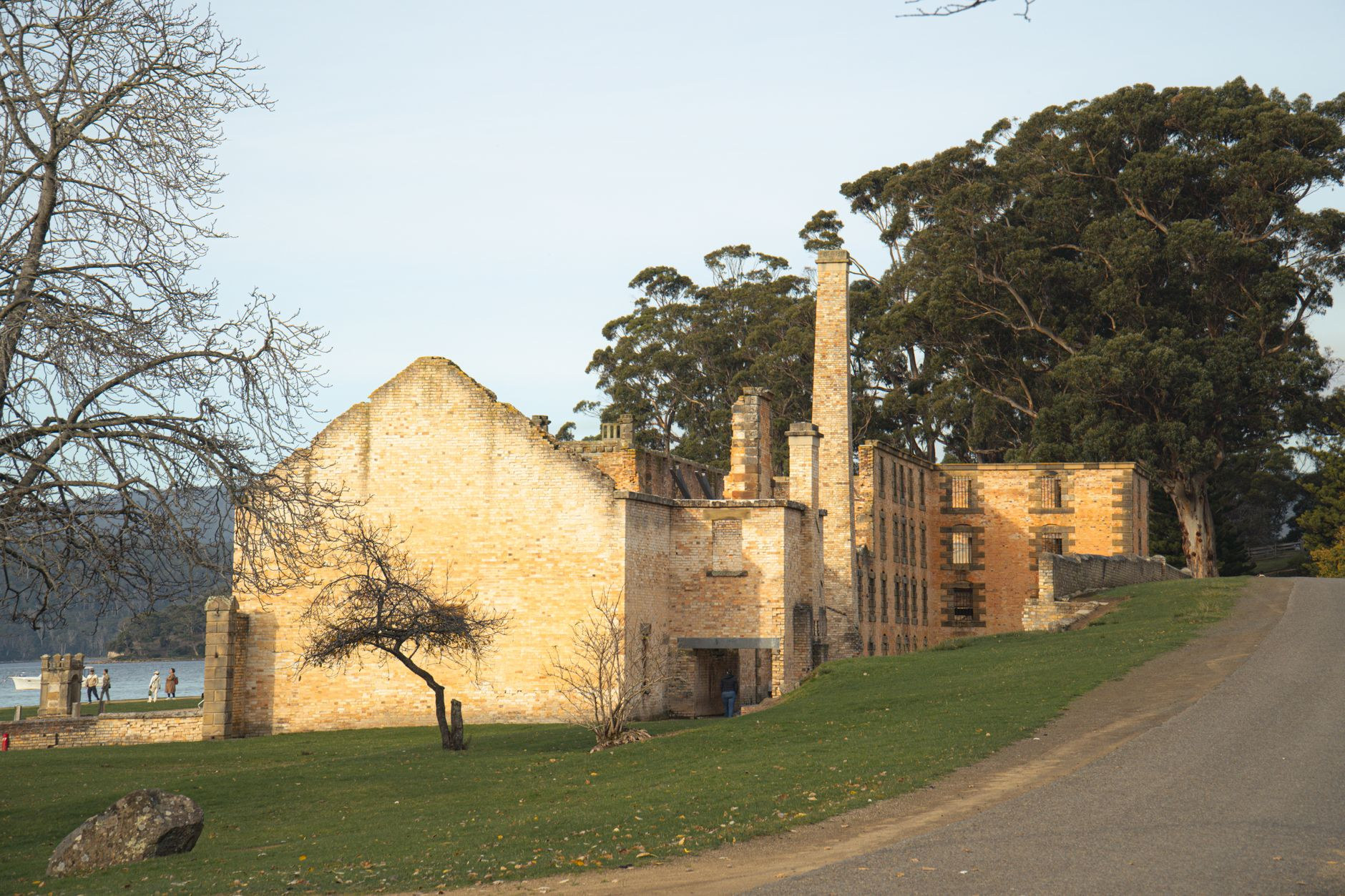
At the center of town stands the Camp de la Transportation, a sprawling complex of brick barracks, iron chains, and solitary cells where prisoners were processed before distribution to labor camps. Henri Charrière, author of Papillon, was processed here, and visitors can still see his name carved into the floor of Cell 47. Guided walking tours led by local historians provide an unvarnished examination of the brutal conditions endured by convicts in the equatorial jungle.
Down at the riverbank, the Maroni River forms a bustling cultural crossroads. Wooden pirogues operated by Maron (Bushinengue) boatmen ferry passengers and cargo across to Albina on the Surinamese side. The Marons—descendants of enslaved Africans who escaped coastal plantations in the 18th century and established independent forest societies—maintain rich traditions of wood carving, textile design, and river navigation along the upper river basin.
The Kaw-Roura Marshes and Cacao Village
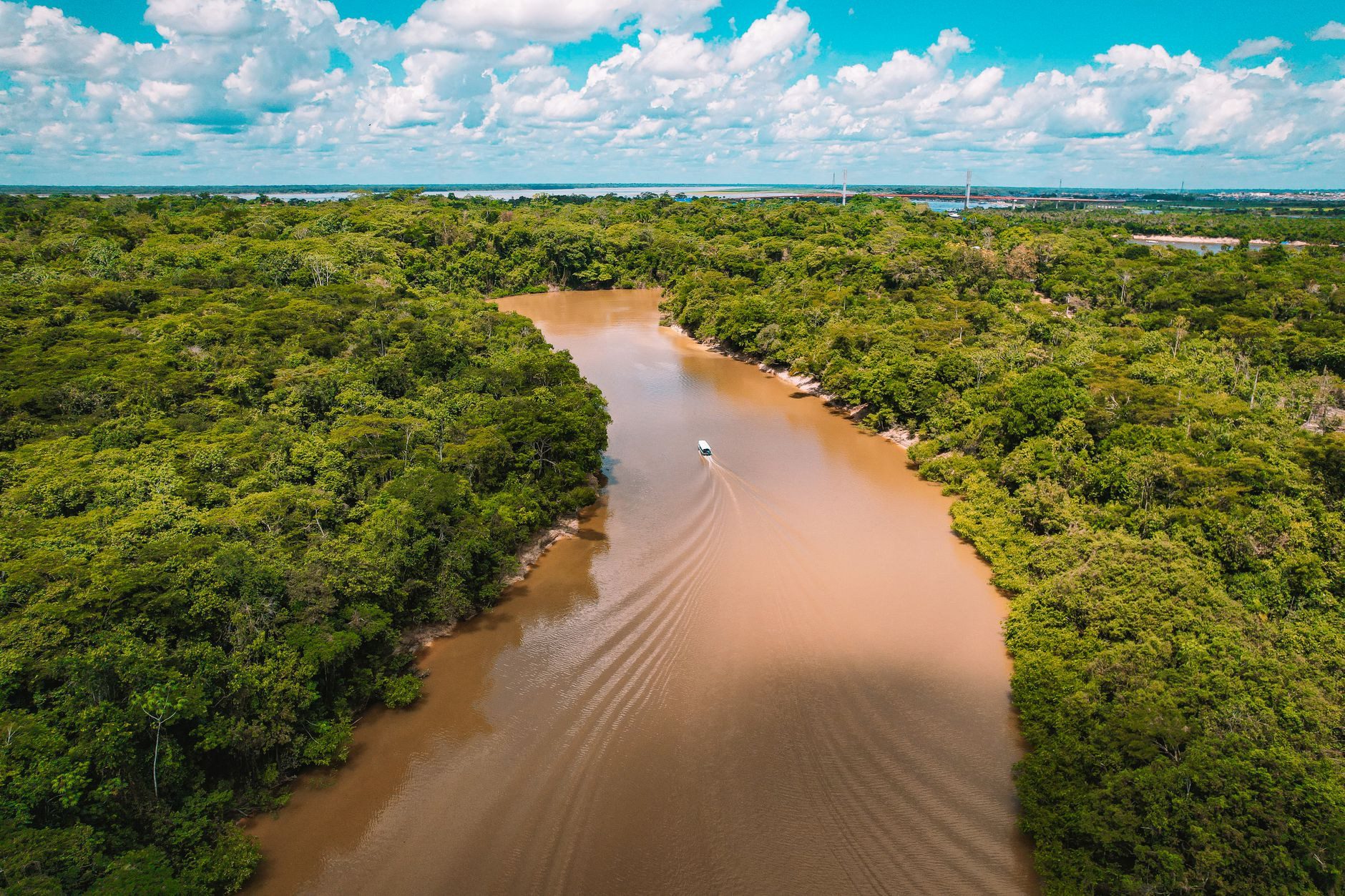
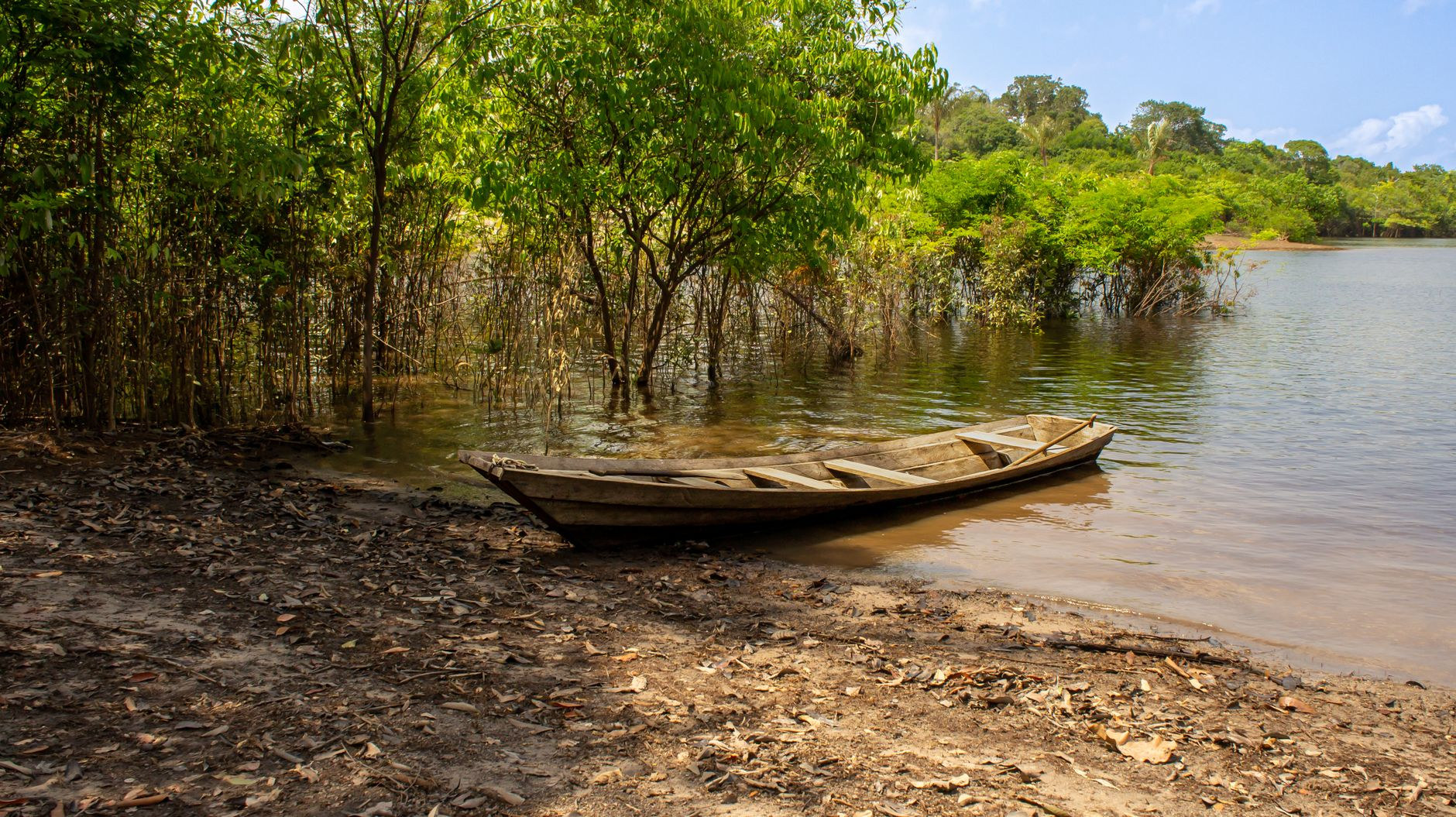
East of Cayenne, the Kaw-Roura Nature Reserve protects one of the largest freshwater wetlands in France, covering over 94,000 hectares of flooded savanna, mangrove channels, and swamp forest. From the landing at Dégrad Cacao or Kaw village, board a flat-bottomed motorized pirogue to explore the quiet water trails lined with giant floating water lilies (Victoria amazonica) and marsh grasses.
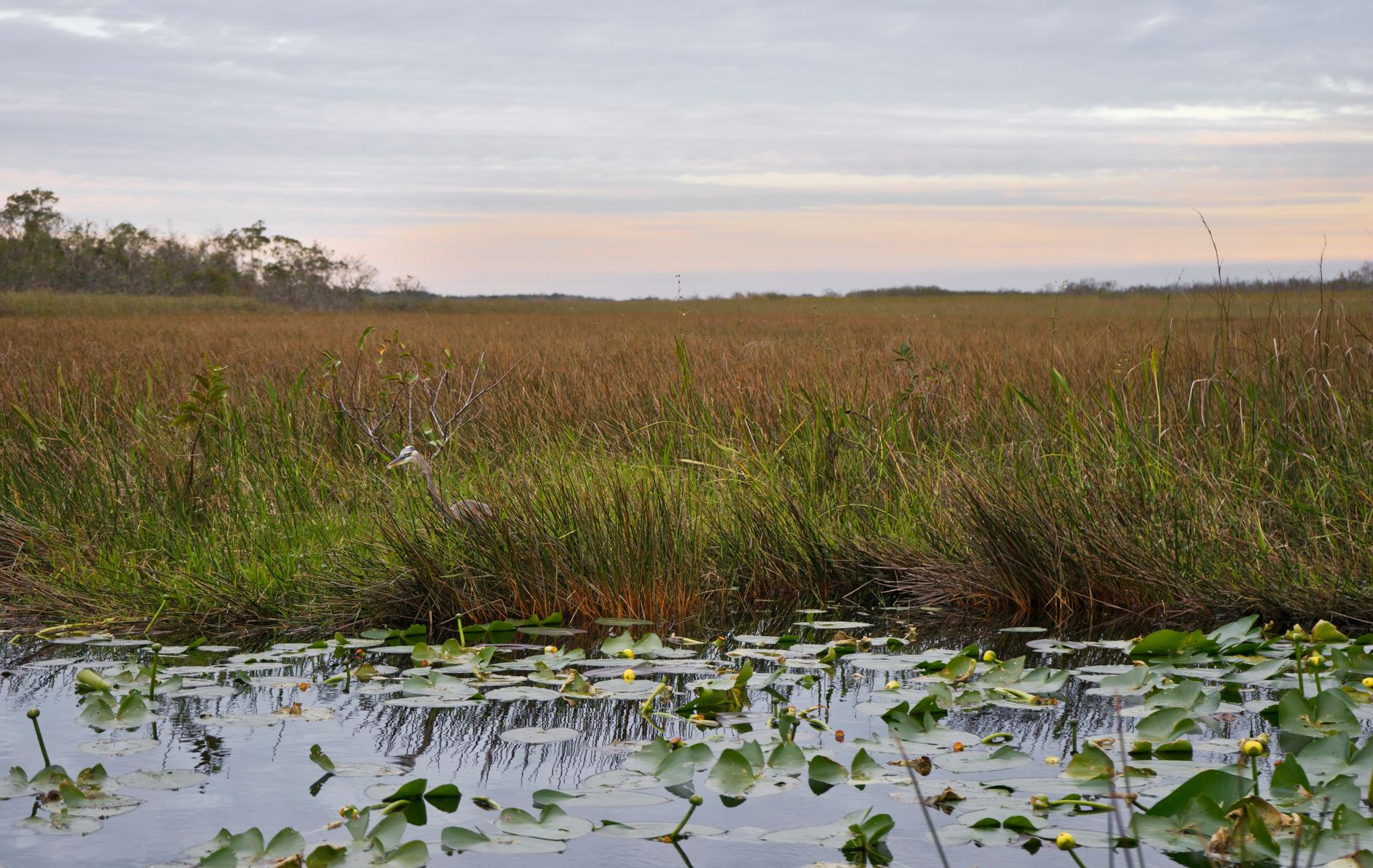
Daytime boat excursions reveal hoatzins (primitive crested birds), purple gallinules, and spider monkeys in the canopy. At dusk, the real adventure begins: as darkness falls, local naturalist guides sweep spotlights across the water, catching the telltale red reflections of eyes belonging to black caimans (Melanosuchus niger), the largest predator in the Amazon basin. Floating ecolodges stationed in the marsh allow visitors to spend the night surrounded by the choruses of tree frogs and nocturnal wildlife.
On your return toward Cayenne, detour to Cacao, an agricultural settlement founded in 1977 by Hmong refugees from Laos who now produce most of the department’s fresh vegetables. On Sunday mornings, Cacao hosts a lively market serving steaming bowls of Lao noodle soup and fresh spring rolls beside handicraft stalls and Le Planeur Bleu insect museum.
Road Transport, Driving Rules, and Border Logistics
Driving in French Guiana is on the right, operating under standard French highway regulations. The primary thoroughfare is the RN1, running 260 kilometers from Cayenne through Kourou to Saint-Laurent-du-Maroni. The road is well-paved, clearly signposted, and equipped with modern service stations, though rural stretches are unlit and vulnerable to wandering tapirs, cows, and stray dogs.
Renting a car at Félix Éboué Airport is essential. While an economy compact sedan handles the paved RN1, renting a vehicle with good tire tread is recommended during the rainy season, when sudden tropical deluges create localized aquaplaning risks. Military checkpoints operated by the French Foreign Legion and Gendarmerie are permanently stationed along the RN1 (notably near Iracoubo) to control illegal gold-mining transit and undocumented migration; always carry your passport and rental contract in the vehicle.
Connectivity and Mobile Data Across French Guiana
Maintaining reliable mobile connectivity in French Guiana is indispensable for checking real-time rocket launch windows, following GPS road navigation through Cayenne, reserving river tours, and coordinating airport transfers. While town centers have good Wi-Fi, connectivity vanishes once you leave the coastal highway or enter river corridors.
Because French Guiana is a French department, mobile service is provided by carriers like Orange Caraïbe, SFR Caraïbe, and DigiCel. Coverage is solid throughout Cayenne, Kourou, and Saint-Laurent, but purchasing a physical SIM card locally involves finding a phone boutique during restricted French business hours, presenting passport identification, and configuring manual APN settings.
A more practical alternative is installing an eSIM prior to departure. With an international eSIM from NXTL’s French Guiana eSIM, your phone connects to local high-speed LTE networks the moment your flight lands in Cayenne. NXTL operates on a transparent pay-as-you-go model where your data balance never expires. Any remaining funds from your South American trip stay in your account for future travels across more than 180 supported international destinations.
An eSIM also keeps your domestic SIM active in your secondary slot, so you can continue receiving bank security SMS messages and stay connected on WhatsApp without paying expensive carrier roaming rates.
Budget Realities, Euro Currency, and Daily Costs
French Guiana uses the Euro (€) as its official currency. Credit cards (Visa and Mastercard) are widely accepted in hotels, car rental agencies, supermarkets, and restaurants. However, cash euros are essential for market stalls in Cacao, river pirogue crossings, and small roadside snack bars.
Because French Guiana is tied to French labor laws and imports most manufactured goods and fuel from Europe, prices are comparable to or higher than mainland France. Plan for these realistic price ranges:
- Accommodations: Clean business hotels or guesthouses in Cayenne and Kourou cost 90 to 150 € per night. Quality eco-lodges or floating cabins in the Kaw marshes range from 160 to 280 € nightly, including meals.
- Dining: A hearty bowl of Hmong pho soup or a street sandwich costs 8 to 12 €. A casual lunch of grilled fish or chicken colombo at a local bistro runs 18 to 28 € per person. A three-course dinner at a refined French-Creole restaurant in Cayenne or Kourou averages 45 to 70 € per person, plus wine.
- Activities & Transport: Economy car rentals average 35 to 60 € per day. Day catamaran return tickets to Îles du Salut cost 50 to 60 € per adult. Guided motorized pirogue tours in the Kaw reserve run 60 to 90 € per person. Guiana Space Centre bus tours are free of charge, but require advance online booking.
To control expenses, shop at major supermarkets (such as Carrefour Market and Super U) in Cayenne or Kourou to purchase picnic supplies, French cheeses, and bread for day trips.
Five Pitfalls and Scams to Avoid in French Guiana
While French Guiana has low rates of violent crime against tourists, administrative regulations, environmental conditions, and logistics require careful attention. Watch for these five common pitfalls:
- The Mandatory Yellow Fever Certificate Requirement: French health authorities strictly enforce mandatory yellow fever vaccination for all arrivals over one year of age. If you cannot present an official yellow fever card at check-in in Paris, the Caribbean, or Brazil, you will be denied boarding without a refund. Get vaccinated at least ten days before departure.
- Rocket Launch Roadblocks and Hotel Lockouts: Major rocket launches close the coastal RN1 highway for several hours before and during the launch window, and all accommodations in Kourou become fully booked weeks in advance. Always cross-reference your travel dates with the official launch schedule on the CNES website.
- Rental Car Break-ins at Trailheads and Markets: Opportunistic theft from parked vehicles occurs at isolated trailheads, beach car parks, and busy markets in Cayenne. Never leave backpacks, cameras, or luggage visible on seats; lock all items out of sight in the trunk before arriving at your destination.
- Equatorial Humidity Ruining Electronics: Ambient humidity regularly exceeds 90 percent in the rainforest, and sudden torrential squalls occur without warning. Keep cameras, smartphones, and passports sealed inside airtight dry bags with silica gel packets when embarking on river pirogues or rainforest hikes.
- Unregulated Border River Crossings to Suriname: While informal pirogues ferry passengers between Saint-Laurent and Albina across the Maroni River, crossing without official French exit stamps and Surinamese visa clearances is illegal. Immigration authorities on both sides conduct random checks; always use the official border post at the ferry terminal.
Remaining mindful of these practical points ensures your expedition through French Guiana is smooth, rewarding, and free of administrative complications.
Best Seasons, Weather Conditions, and Packing Essentials
French Guiana features an equatorial climate with high temperatures and heavy rainfall year-round. Temperatures average 80 to 88 degrees Fahrenheit (27 to 31 Celsius) along the coast, with humidity consistently hovering between 80 and 95 percent.
The travel year divides into two dry seasons and two rainy periods. The primary dry season extends from mid-July through November, offering the best conditions for road tripping, river excursions, and hiking. A shorter secondary dry period (the “little summer of March”) occurs in late February and March. The main wet season runs from April through June, bringing intense daily tropical downpours that can make rainforest tracks muddy and swollen. If traveling during the wet season, flexible scheduling is essential.
Pack loose-fitting, quick-drying long trousers and shirts to deter insects, a sturdy rain jacket, and a 20-liter dry bag for pirogue excursions. Bring broken-in footwear that tolerates mud, DEET repellent, a broad sun hat, and a Type C/E European power adapter.
By respecting the equatorial environment, planning around spaceport schedules, and securing reliable mobile data before arrival, you will experience the remarkable contrast of French Guiana: an extraordinary realm where European aerospace precision meets the untamed heart of the Amazon.