Germany is Europe’s premier rail destination, yet first-time visitors frequently make the mistake of attempting an exhausting, multi-city whirlwind that spends more time in transit stations than experiencing local culture. Trying to combine Berlin, Hamburg, Cologne, the Black Forest, and Munich into a single 10-day holiday results in chronic railway fatigue and superficial sightseeing. The smarter, vastly more rewarding strategy is to focus on a single high-speed north-to-south arterial corridor: starting in the dynamic federal capital of Berlin, tracing imperial history through medieval Franconia in Nuremberg, exploring royal Bavarian heritage in Munich, and concluding with a breathtaking alpine excursion to King Ludwig II’s fairytale castle of Neuschwanstein.
This 10-day rail journey delivers an ideal balance between avant-garde metropolitan culture, preserved medieval architecture, world-renowned beer gardens, and jagged alpine peaks. Every transition between overnight bases is connected by Deutsche Bahn’s flagship Intercity-Express (ICE) trains running up to 300 km/h (186 mph), allowing you to travel comfortably from city center to city center without rental car paperwork, foreign highway toll stickers, or restrictive low-emission zone permits.
| Day / Stage | Overnight Base | Key Highlights | Transit & Travel Time | Essential Advance Bookings | What to Skip / Save |
|---|---|---|---|---|---|
| Days 1–4: Stage 1 | Berlin (Mitte or Prenzlauer Berg) | Brandenburg Gate, Reichstag Dome, Museum Island, Berlin Wall Memorial, Sanssouci Palace in Potsdam | Flughafen BER to Mitte: 30 min via FEX/RE8; Day trip to Potsdam: 35 min via S-Bahn S7 | Reichstag Dome entry pass (free but mandatory 4 weeks ahead); Museum Island time slots | Skip Checkpoint Charlie actor photos and expensive hop-on buses; use standard BVG transit |
| Day 5: Stage 2 | Nuremberg (Altstadt) | Nuremberg Imperial Castle (Kaiserburg), Albrecht Dürer House, Weißgerbergasse timbered alleys | Berlin Hbf to Nürnberg Hbf: 2 hr 05 min via direct high-speed ICE | ICE Sparpreis ticket + reserved seat (book 60–90 days ahead via DB Navigator) | Skip sprawling suburban shopping malls; focus entirely on the walkable medieval Altstadt |
| Days 6–7: Stage 3 | Munich (Maxvorstadt or Altstadt) | Marienplatz Glockenspiel, Munich Residenz Treasury, Eisbachwelle river surfers, Englischer Garten beer gardens | Nürnberg Hbf to München Hbf: 1 hr 02 min via direct ICE sprint | Munich Residenz timed ticket; advance dinner reservations at historic beer halls | Skip tourist-trap Hofbräuhaus tables at peak dinner hour; choose Augustiner-Keller or Chinesischer Turm |
| Days 8–10: Stage 4 | Munich (Day trip to Füssen) | Neuschwanstein Castle, Marienbrücke gorge panorama, Alpsee lake, Viktualienmarkt gourmet market | München Hbf to Füssen: 2 hr 05 min via direct BRB regional train + 10 min bus to Hohenschwangau | Neuschwanstein official interior tour ticket (book 4–8 weeks ahead via official Hohenschwangau portal) | Skip expensive private castle coach tours; the regional Bayern-Ticket covers round-trip train and bus |
Audience, Seasonality, and Rail Strategy
This 10-day itinerary is designed for independent travelers, couples, and small families who want substantive cultural depth without logistical stress. It is best enjoyed from May through October, when long daylight hours, vibrant outdoor sidewalk cafes, and leafy beer gardens create a relaxed atmosphere across both northern and southern Germany. Alternatively, early December offers a magical winter holiday experience when Berlin, Nuremberg, and Munich host Germany’s most celebrated Christmas markets (Weihnachtsmärkte), filled with spiced mulled wine (Glühwein), roasted chestnuts, and handmade wooden toys.
Germany’s passenger railway system, operated primarily by Deutsche Bahn (DB), is one of the densest and most technologically advanced in the world. High-speed Intercity-Express (ICE) trains cruise at speeds up to 300 km/h, linking central Berlin to southern Bavaria in roughly four hours of total rail time across two easy stages. Traveling by rail eliminates rental car insurance excess risks, fuel costs exceeding $2.09 per liter, and the stressful task of finding parking in dense historic centers where non-residents are prohibited from entering.
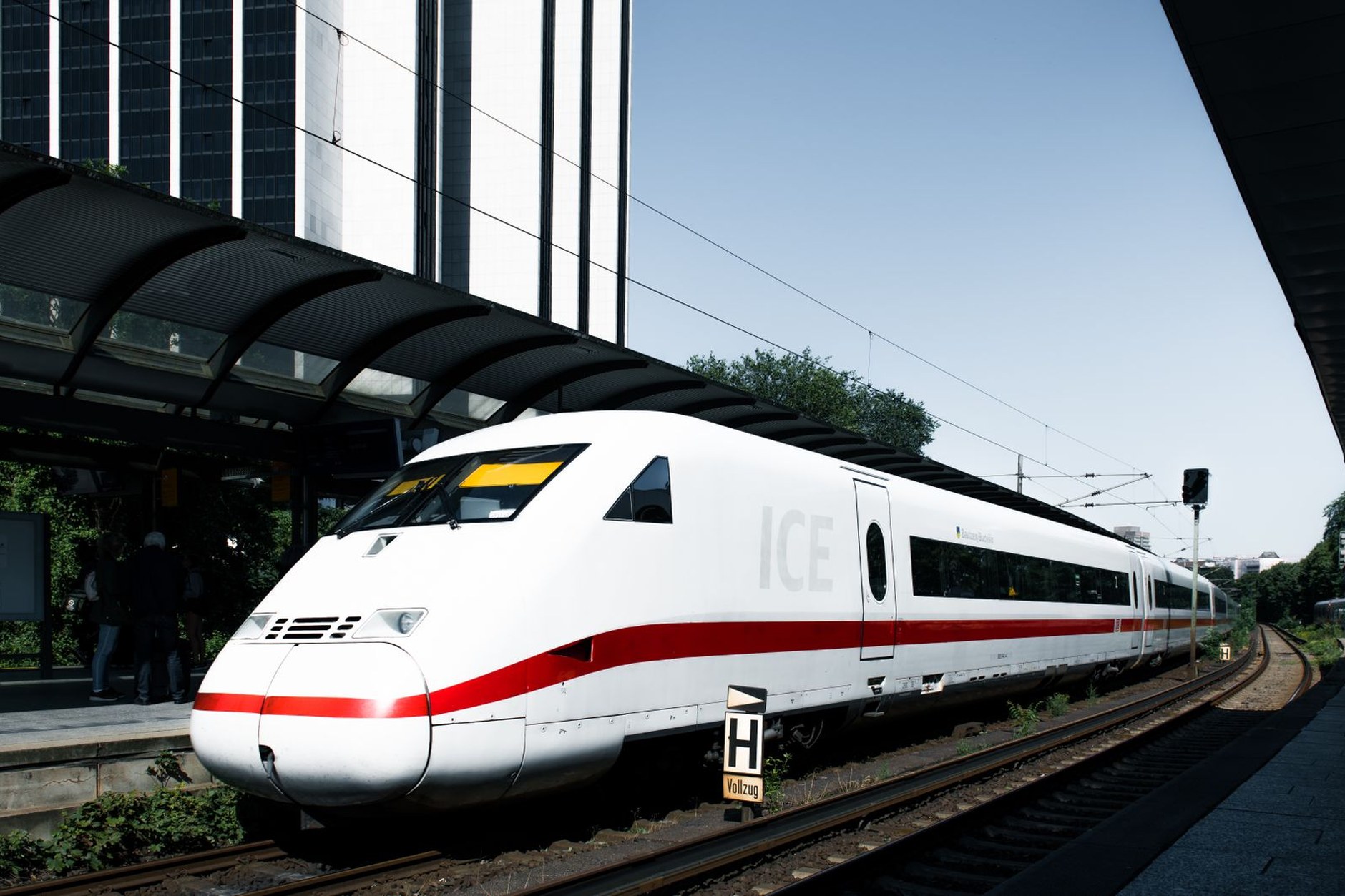
Advance booking is the fundamental secret to economical German rail travel. Deutsche Bahn releases its long-distance schedules up to 180 days in advance. Scoring an advance Sparpreis (Saver fare) or Super Sparpreis ticket can cost as little as $20.22 to $31.52 for an ICE journey between Berlin and Nuremberg, whereas purchasing a flexible Flexpreis ticket on the day of travel at a station machine can easily exceed $141.23 per passenger. Always invest the modest supplemental fee ($5.87 in second class) for a guaranteed seat reservation (Sitzplatzreservierung); without one, you face standing in train vestibules during busy Friday and Sunday afternoon business travel peaks.
Download the official DB Navigator smartphone app before arriving in Germany. It serves as your digital ticket wallet, live platform guide, and connection monitor. The app provides real-time notifications about platform switches, train delays, and coach compositions (Wagenstandsanzeiger), ensuring you position yourself at the exact platform sector before your train glides into the station.
Stage 1: Berlin & The Cold War Crucible (Days 1–4)
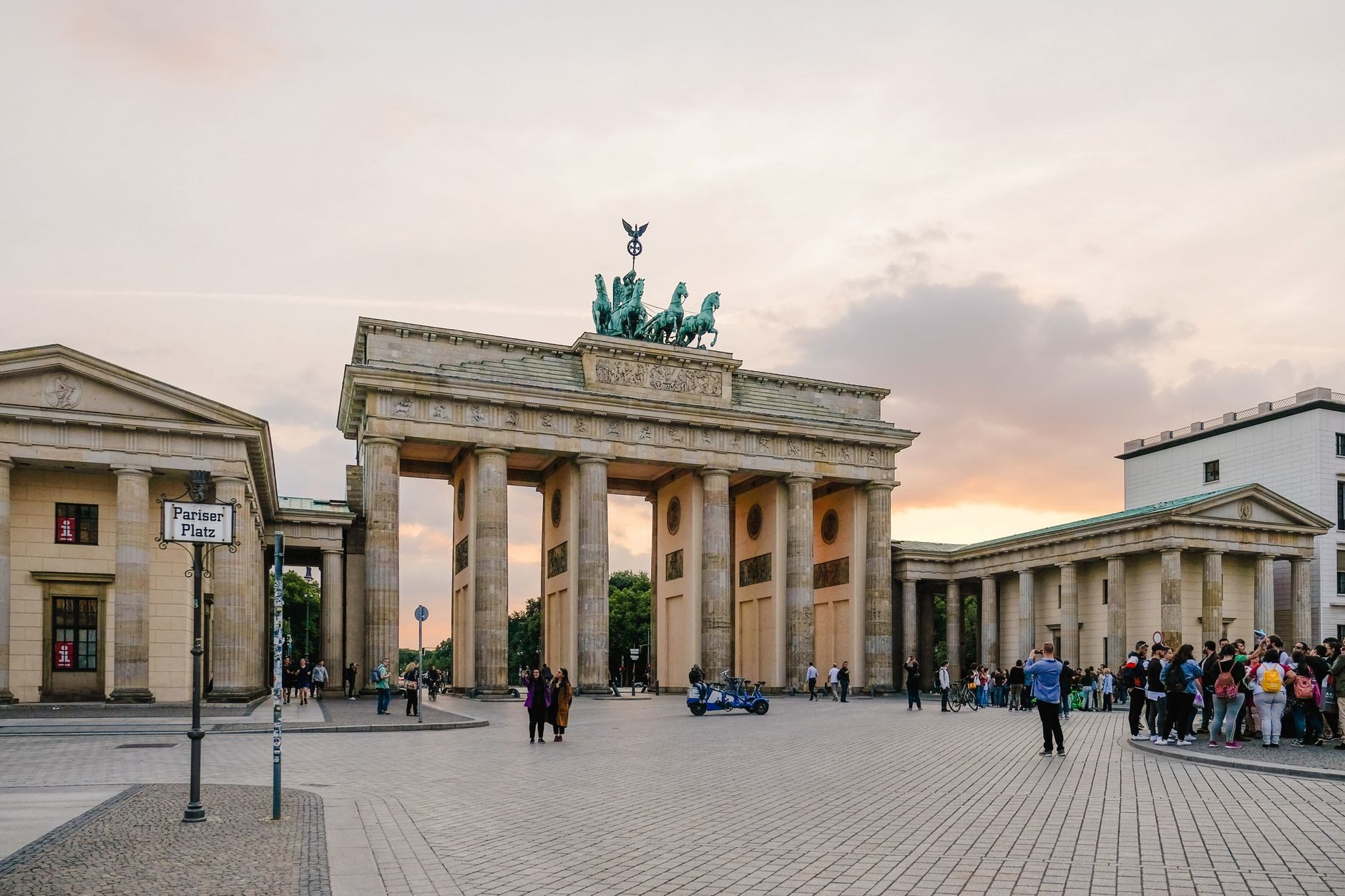
Arriving at Berlin Brandenburg Airport (BER), take the Airport Express (FEX) or regional train (RE8) directly to Berlin Hauptbahnhof in roughly 30 minutes for a standard local transit fare of under $5.65. Base yourself in the central district of Mitte or the relaxed, leafy pre-war quarter of Prenzlauer Berg. Dedicate Day 2 to Germany’s turbulent 20th-century history: begin at the neoclassical Brandenburg Gate, stroll through the somber concrete stelae of the Memorial to the Murdered Jews of Europe, and explore the preserved outdoor border fortifications at the Berlin Wall Memorial (Gedenkstätte Berliner Mauer) on Bernauer Straße.
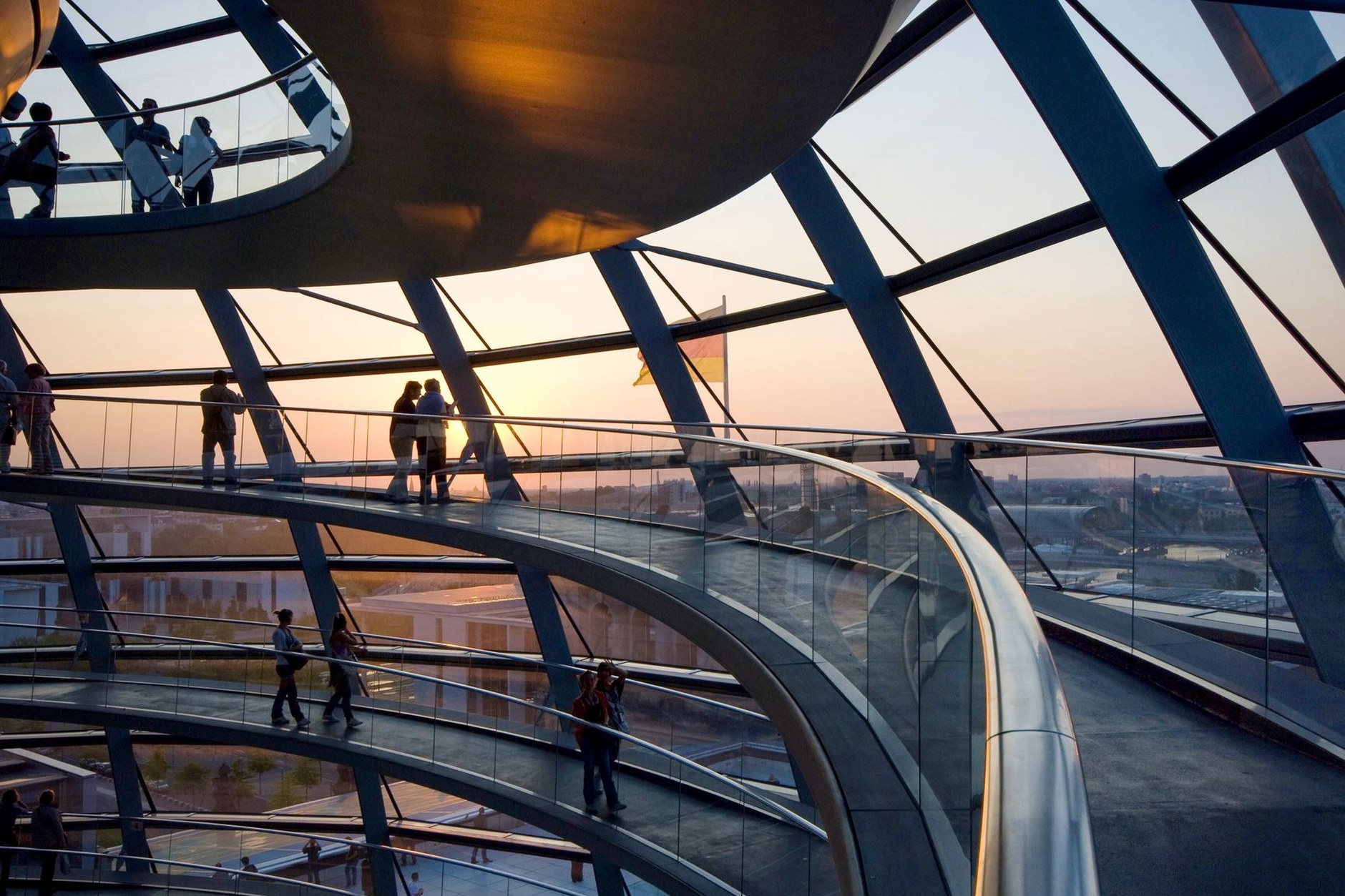
In the afternoon, walk up the spiraling internal ramps of the Reichstag Dome, designed by British architect Norman Foster. The dome looks directly down into the debating chamber of the German Bundestag, architecturally symbolizing democratic transparency. Entry is free of charge, but online identity registration through the official Bundestag portal is mandatory at least three to four weeks in advance. On Day 3, explore Museum Island (Museumsinsel), a UNESCO World Heritage complex housing five premier institutions, including the Pergamon Museum panorama and the iconic 3,300-year-old painted limestone bust of Queen Nefertiti in the Neues Museum.
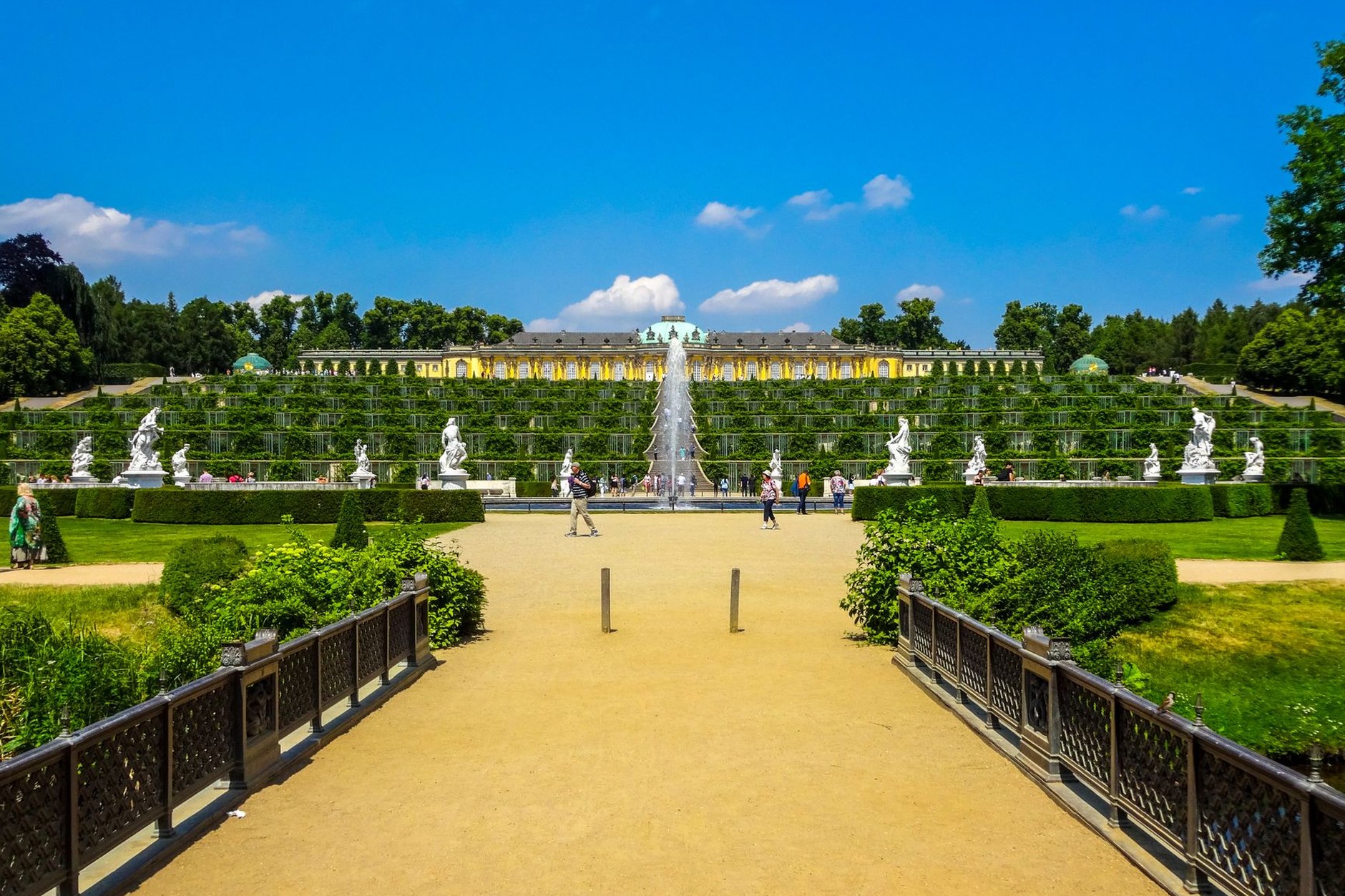
On Day 4, embark on an easy 35-minute S-Bahn excursion southwest to Potsdam, the historic seat of Prussian royalty. Stroll through the lush terraced vineyards of Sanssouci Palace, King Frederick the Great’s intimate rococo summer sanctuary. Afterward, walk through the New Garden to Cecilienhof Country House, the Tudor-style manor where Truman, Churchill, and Stalin convened the historic Potsdam Conference in the summer of 1945 to divide occupied post-war Germany.
Return to Berlin in the late afternoon for a leisurely dinner along the Spree canal in Mitte or a plate of artisanal currywurst at Konnopke’s Imbiß under the elevated tracks of the U2 line in Prenzlauer Berg. Pack your bags in the evening and verify your morning ICE departure platform on your DB Navigator app.
Stage 2: Medieval Franconia & Nuremberg (Day 5)
On Day 5, check out of your Berlin accommodation and board a morning ICE train south across the forested hills of Thuringia to Nuremberg (Nürnberg). The journey takes just over two hours. Nuremberg served as the unofficial imperial capital of the Holy Roman Empire, where newly crowned German emperors were legally required by the Golden Bull of 1356 to hold their very first imperial diet (Reichstag).
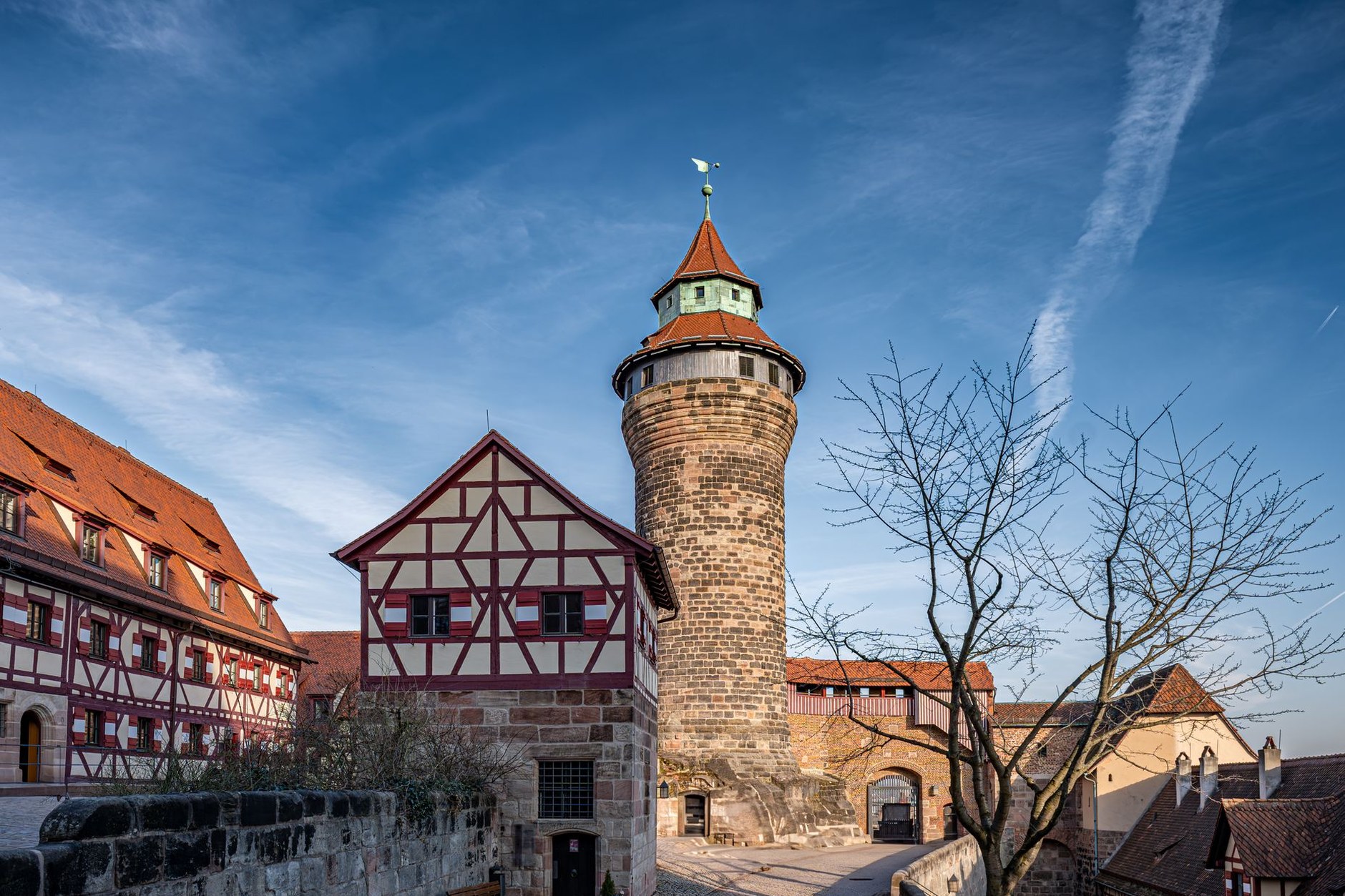
Check into an Altstadt hotel within walking distance of the Hauptbahnhof. Climb the cobblestone incline to the Imperial Castle (Kaiserburg), exploring the Romanesque Double Chapel, the panoramic Sinwell Tower, and the 47-metre-deep Deep Well (Tiefer Brunnen). Descend through the preserved timber-framed alley of Weißgerbergasse, visit the historic workshop of Renaissance master Albrecht Dürer, and take a seat at a traditional bratwurst kitchen (such as Bratwursthäusle or Zum Gulden Stern) to sample genuine beechwood-grilled Nürnberger Rostbratwürste served on pewter plates with tangy sauerkraut and freshly grated horseradish.
In the late afternoon, take tram line 8 to the southeastern edge of the city to tour the monumental Documentation Center at the Nazi Party Rally Grounds (Reichsparteitagsgelände). The unvarnished, self-critical permanent exhibition set inside the unfinished Congress Hall provides a sobering and deeply educational analysis of propaganda, totalitarianism, and the subsequent Nuremberg Trials that established modern international humanitarian law.
Stage 3: Munich & The Bavarian Heartland (Days 6–7)
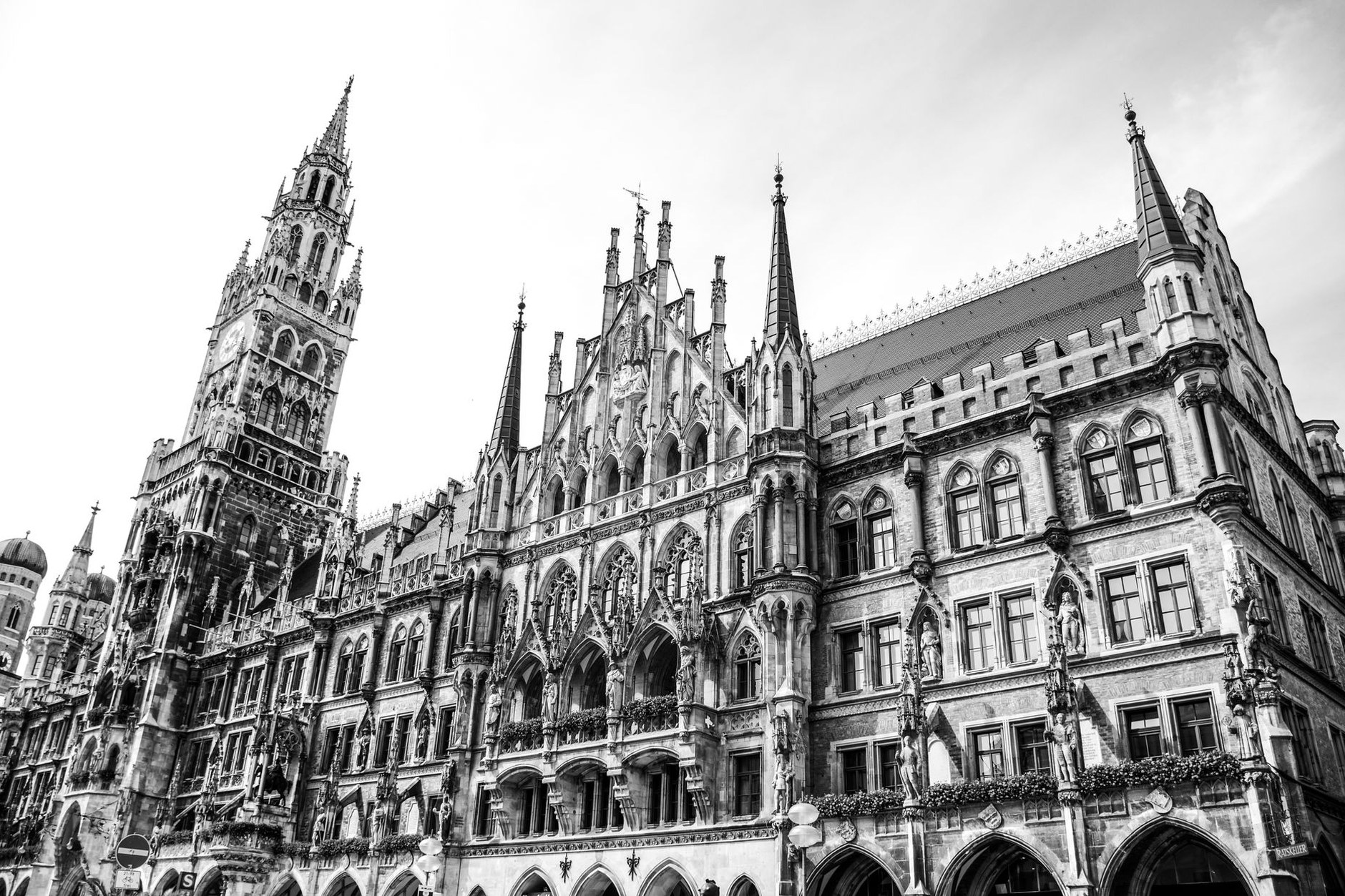
On Day 6, board an hourly ICE train for a swift 62-minute sprint south to Munich (München), the proud capital of Bavaria. Base yourself near the university quarter of Maxvorstadt or within easy walking distance of Sendlinger Tor. Begin your exploration in the central pedestrian square of Marienplatz, gathering at 11:00 or 12:00 to watch the 43 bells and 32 mechanical figurines of the famous Glockenspiel reenact a 16th-century royal wedding and joust in the ornate neo-Gothic New Town Hall tower.
From Marienplatz, walk five minutes north to the colossal Munich Residenz, the urban palace complex of the Wittelsbach dynasty that ruled Bavaria for over seven centuries. Tour the breathtaking Antiquarium—Europe’s largest Renaissance hall, lined with classical busts and vaulted frescoes—and admire the gem-encrusted statuettes and crowns in the royal Treasury. In the afternoon, head into the vast urban parklands of the Englischer Garten, one of the world’s largest inner-city parks, surpassing even London’s Hyde Park in size.
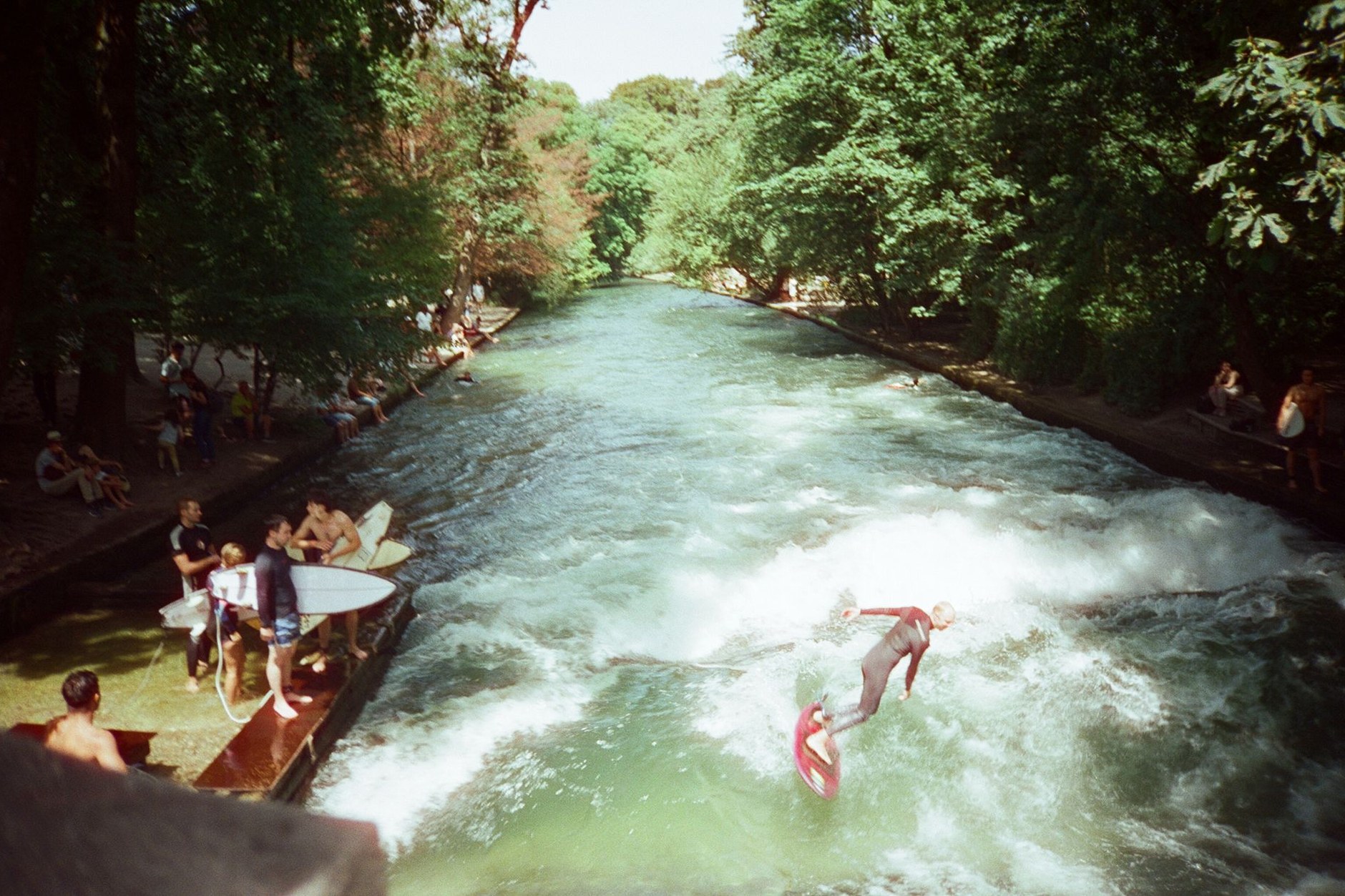
At the park’s southern gateway on Prinzregentenstraße, watch the famous river surfers skillfully carving turns on the permanent standing wave of the Eisbachwelle, where athletes plunge into the icy alpine runoff in full wetsuits year-round. Continue walking north along the tree-shaded paths toward the Chinesischer Turm (Chinese Tower) beer garden to unwind with a cold liter stein (Maß) of draft beer, giant soft pretzels (Brezn), and savory spiced cheese spread (Obatzda) under the leafy chestnut canopy.
Spend Day 7 delving into Munich’s world-class art quarter in Maxvorstadt. The Alte Pinakothek showcases masterworks by Albrecht Dürer, Rembrandt, and Peter Paul Rubens, while the Lenbachhaus houses the world’s largest collection of paintings by the expressionist Der Blaue Reiter movement, including Wassily Kandinsky and Franz Marc. In the evening, stroll past the twin onion domes of the Frauenkirche cathedral before dining on crispy pork knuckle (Schweinshaxe) at a traditional Bavarian tavern.
Stage 4: Alpine Excursions to Neuschwanstein (Days 8–10)
Day 8 delivers one of the most iconic alpine day trips in Europe. Board a morning regional train (BRB) from Munich Hauptbahnhof to the southern terminus of Füssen on the Austrian border (2 hours). From Füssen station, an coordinated 10-minute local bus drops you in the valley hamlet of Hohenschwangau at the base of Neuschwanstein Castle. Commissioned in 1869 by King Ludwig II of Bavaria as a romanticized theatrical sanctuary dedicated to composer Richard Wagner, its Romanesque Revival towers soar majestically above the rugged Pöllat Gorge.
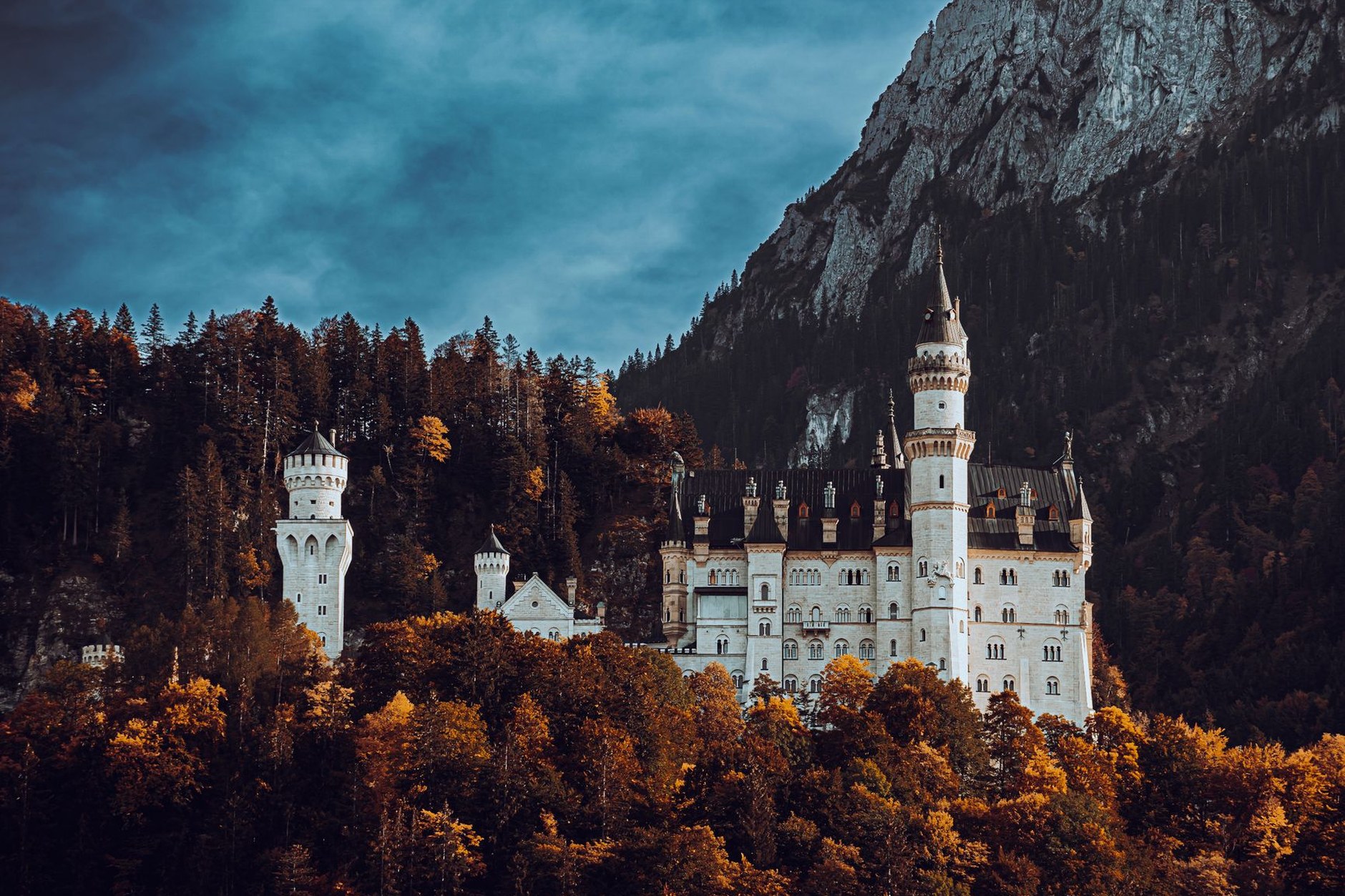
Climb the paved forested trail (or ride the electric shuttle bus) to the Marienbrücke (Mary’s Bridge), a slender suspension footbridge that spans the 90-metre drop of the Pöllat gorge to deliver the classic postcard panorama of the castle battlements. After completing your timed interior tour of Ludwig’s Throne Room and Singers’ Hall, hike down to the tranquil alpine shores of the Alpsee, where pristine turquoise glacial waters reflect the surrounding snow-dusted peaks.
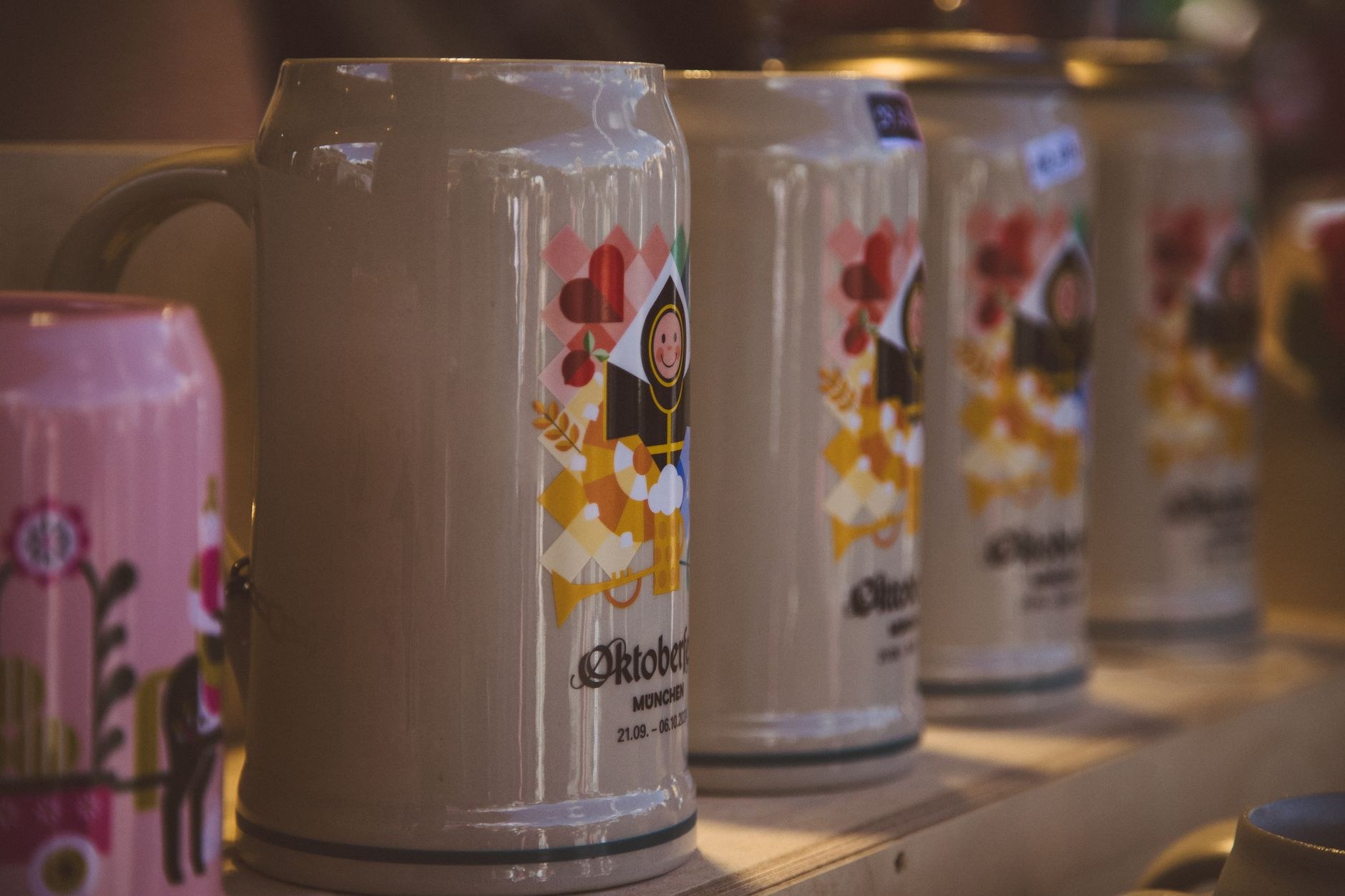
Before boarding the regional train back to Munich, relax at an outdoor alpine beer garden in Hohenschwangau or Füssen. Under local Bavarian beer garden ordinances dating back to 1812, patrons are legally permitted to bring their own picnic food as long as they purchase beverages from the host brewery, creating a democratic and welcoming outdoor tradition. Spend Day 10 browsing gourmet artisanal stalls at Munich’s open-air Viktualienmarkt, sampling Bavarian cheeses, fresh sourdough breads, and sweet Bavarian mustard before boarding the S-Bahn line S1 or S8 directly to Munich International Airport (MUC) for your departure flight.
Street Smarts: Tourist Scams, Overpriced Traps & Transit Hazards in Germany
While Germany boasts one of Europe’s lowest violent crime rates, strict public regulatory laws, automated ticketing frameworks, and localized tourist hustles can catch foreign travelers completely off guard. Keep these verified street smarts, legal nuances, and financial traps at the front of your itinerary:
- The Unstamped Transit Ticket Trap (Schwarzfahren $67.79 Fine): Public transit stations across Berlin (BVG) and Munich (MVV) do not feature automated entry barrier gates or turnstiles. Simply purchasing a single physical paper ticket from a platform vending machine does NOT make it valid for travel. You must physically insert the ticket into a small red or yellow stamping machine (Entwerter) on the platform or inside the bus/tram before boarding. Plainclothes fare inspectors (Fahrscheinkontrolleure) regularly board train cars between stops; having an unstamped ticket in your pocket is treated legally as fare evasion (Schwarzfahren) and results in an immediate, non-negotiable $67.79 on-the-spot administrative penalty.
- The Deutschlandticket ICE Exclusion Trap: The popular nationwide monthly $55.36/$65.53 “Deutschlandticket” is valid exclusively on local and regional transport networks (U-Bahn, S-Bahn, trams, city buses, and regional RE/RB trains). It is strictly invalid on high-speed ICE, IC, and EC trains. If you board an Intercity-Express train with only a Deutschlandticket, the conductor will charge you a full walk-up Flexpreis fare (often $112.98+) plus an additional penalty surcharge. Always check train designations in the DB Navigator app.
- The “Cash-Only” Reality (Nur Barzahlung) & Euronet ATM Traps: Despite its industrial reputation, Germany remains an intensely cash-preferring society. Thousands of traditional bakeries, beer gardens, pharmacies, taxi cabs, and neighborhood restaurants display handwritten signs stating “Nur Barzahlung” (Cash Only) or accept exclusively domestic German Girocard debit cards, declining foreign Visa and Mastercard credit cards. Always keep $56.49 to $112.98 in physical cash in your wallet. Never use freestanding blue-and-yellow Euronet ATMs, which impose exorbitant foreign currency conversion markups of 12% to 18%; withdraw cash exclusively from recognized bank branches such as Sparkasse, Deutsche Bank, or Commerzbank.
- The Berlin Fake Deaf Petition & Clipboard Hustle: Around major tourist landmarks in Berlin—especially Alexanderplatz, the Brandenburg Gate, and Museum Island—teams of young people approach travelers holding clipboards, pretending to represent international charities for deaf-mute children. Once you sign their fake petition, they aggressively crowd around demanding an immediate $22.60 to $56.49 cash “donation,” while an accomplice may attempt to pickpocket your daypack or jacket. Never make eye contact or sign clipboards on the street; give a firm, loud “Nein” and continue walking.
- The Beer Garden Glass Deposit Slip (Pfandmarke) Trap: When buying beer or food at Bavarian beer gardens and outdoor festivals, you will be charged an extra deposit (Pfand) of $2.26 to $5.65 per glass mug, along with a small plastic or brass token called a Pfandmarke. To receive your cash deposit back when you return your glassware to the washing counter, you must present the exact token. If you discard, lose, or forget the token, the counter will refuse your refund and keep your deposit.
- The Sunday Commercial Shutdown (Ladenschlussgesetz): Under German federal shop-closing statutes, all supermarkets, pharmacies, department stores, and retail boutiques are legally closed every Sunday. Only restaurants, cafes, museums, and convenience kiosks inside major railway stations (Hauptbahnhof) remain open. Plan your grocery shopping, laundry runs, and essential pharmacy purchases on Friday or Saturday.
If you encounter aggressive hustlers or fare disputes, stay calm, speak politely, and request assistance from the official railway police (Bundespolizei), who maintain active stations in every major German rail terminal. Knowing your legal consumer rights and carrying correct transit validation will ensure your travels remain stress-free.
Staying Connected Across Deutsche Bahn Rail Routes
Continuous mobile internet connectivity is indispensable when navigating Germany’s rail corridor. Deutsche Bahn ICE trains offer complimentary onboard Wi-Fi (WIFIonICE), but signal strength drops significantly when racing through rural Thuringian forested valleys and mountain tunnels between Nuremberg and Munich. Having independent, high-speed cellular data allows you to track live platform changes and train delays on the DB Navigator app, validate digital transit tickets, translate restaurant menus via camera OCR, and summon ride-hail services outside suburban stations with total confidence.
Germany’s telecommunications infrastructure is anchored by primary tier-one network operators: Deutsche Telekom, Vodafone Germany, and O2 (Telefónica). Telekom and Vodafone provide blazing 5G speeds across metropolitan Berlin and Munich, alongside comprehensive 4G/LTE coverage along the high-speed rail lines. However, purchasing a local physical prepaid SIM card upon arrival in Germany requires stringent identity verification under the German Telecommunications Act, forcing travelers to undergo video passport verification or visit physical retail branches with official paperwork.
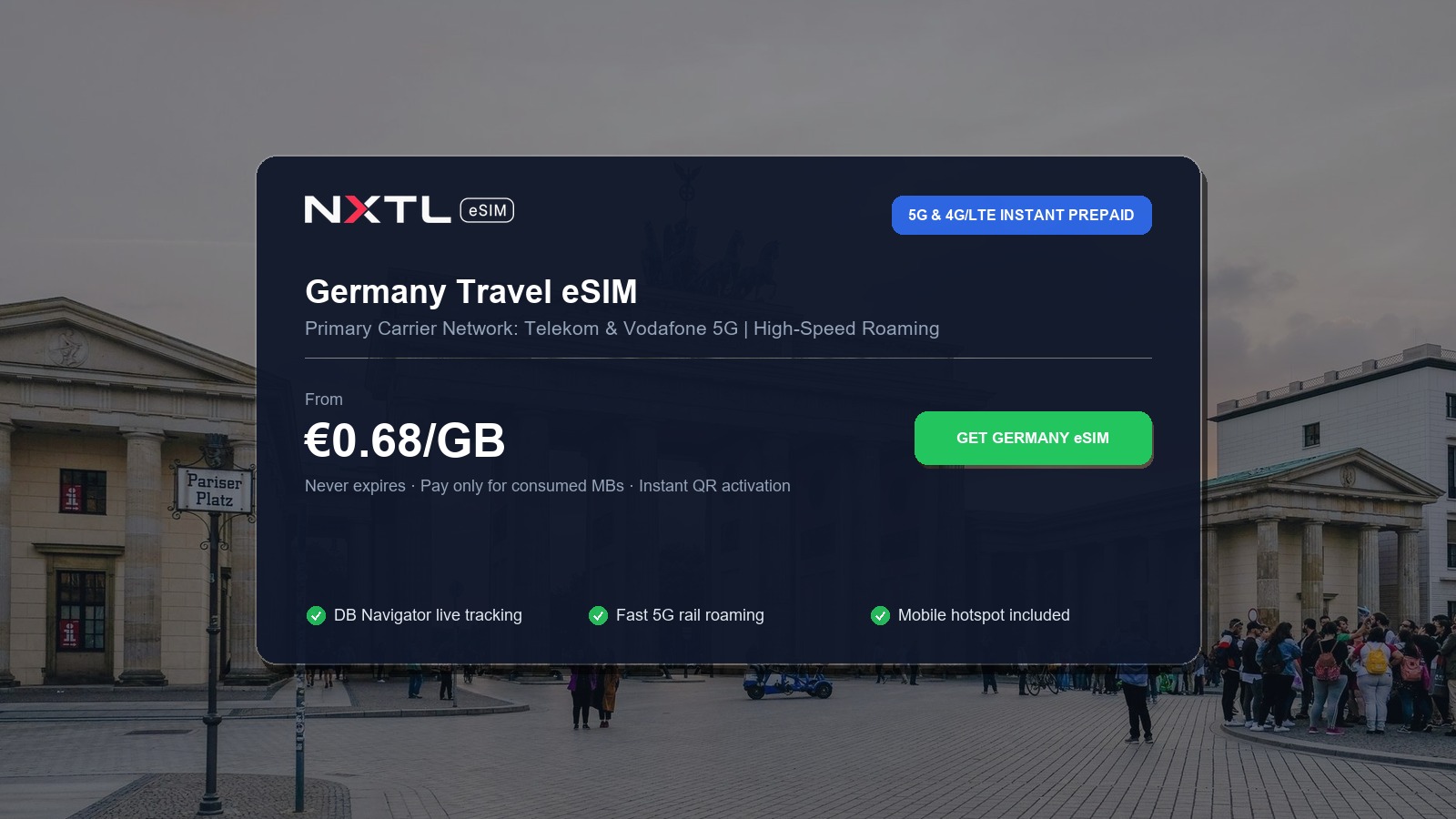
The modern, frictionless alternative is an instant travel eSIM. With an NXTL Germany travel eSIM, your phone connects directly to tier-one carriers like Telekom and Vodafone at transparent prepaid rates starting from just $0.77 per gigabyte. There is no physical SIM card swap, no bureaucratic passport video verification, and no expiring monthly contracts: you pay only for the exact bandwidth you consume. Here is an estimate of mobile data consumption for a 10-day rail journey:
| Travel Style & Usage Profile | Daily Online Activities | 10-Day Total Bandwidth | Estimated Data Cost (@ $0.77/GB) |
|---|---|---|---|
| Light Navigator (Station schedules & maps) |
DB Navigator real-time train tracking, Google Maps walking navigation, WhatsApp messaging, mobile ticket validation | 3 GB – 5 GB | $2.30 – $3.84 |
| Balanced Explorer (Social sharing & research) |
All navigation, Instagram photo uploads, museum audio guide streaming, restaurant lookups, web browsing | 6 GB – 10 GB | $4.61 – $7.68 |
| Heavy Digital Nomad (Remote work & tethering) |
Laptop tethering on ICE trains, high-definition video calls, cloud photo backups, YouTube/Spotify streaming | 12 GB – 18 GB | $9.22 – $13.83 |
Install your NXTL eSIM profile on your phone before departing for Germany. When your aircraft lands at Berlin Brandenburg Airport, enable your data roaming line to confirm your train connection and validate your airport express ticket before even reaching the platform.
Trip Variations: Adjusting for Time and Interests
If You Have Only 6 or 7 Days
If you have less than a week, do not attempt to cover both northern and southern Germany. Choose between two focused alternatives: spend four nights in Berlin with a day excursion to Potsdam to immerse yourself in Cold War history and art; or fly directly into Munich to spend four nights exploring Bavarian palaces and museums combined with two nights in the alpine foothills near Füssen and Neuschwanstein. Compressing Berlin, Nuremberg, and Munich into six days leaves you constantly repacking luggage.
If You Have 12 to 14 Days
With an extra three to four days, you can expand this route without increasing transit stress. Add a two-night stop in Dresden between Berlin and Nuremberg to tour the baroque Zwinger Palace, the reconstructed Frauenkirche, and the dramatic sandstone pinnacles of Saxon Switzerland National Park (Sächsische Schweiz). In Bavaria, consider adding a night in Bamberg, a UNESCO-listed medieval town famous for its smokebeer (Rauchbier) and intact 11th-century architecture.
Best Times to Visit
Late spring (May to June) and early autumn (September to October) offer ideal weather with mild temperatures (18°C to 24°C), blooming gardens, and active outdoor beer garden culture. Summer (July to August) brings long daylight until 21:30 and lively open-air festivals, though popular trains and castles become crowded. Early December is an enchanting alternative for Christmas market enthusiasts, featuring festive wooden market stalls in Nuremberg’s Hauptmarkt and Munich’s Marienplatz.