Known affectionately worldwide as the “Spice Isle,” the southern Caribbean nation of Grenada produces more nutmeg, mace, cinnamon, cloves, and organic cocoa per square mile than nearly anywhere else on the planet. Yet all too often, arriving visitors confine their entire stay to Grand Anse Beach, leaving with little understanding of the volcanic peaks, primary cloud forests, historic waterwheel rum distilleries, and rich agro-culinary heritage that lie just beyond the resort coastline.
Because Grenada measures barely thirty-four kilometers long by nineteen kilometers wide, you can explore the entire island without spending half your holiday in transit. The true planning decision is balancing coastal relaxation with interior adventure: deciding when public minibuses work best versus renting a car for northern estates, and navigating driving etiquette on winding mountain roads. This seven-day itinerary provides a balanced roadmap: hiking Grand Etang National Park, discovering artisanal rum distilling at River Antoine, exploring organic cocoa at Belmont Estate, snorkeling Molinere Underwater Sculpture Park, and savoring authentic national dishes like *Oil Down*. Here is your practical operational guide to exploring Grenada independently.
Trip Planning Blueprint: Minibuses, Left-Hand Driving, and Seasons
Planning an independent expedition across Grenada requires understanding three critical logistical factors before arrival:
Minibuses Versus Rental Vehicles: Grenada operates one of the most efficient public minibus networks in the Caribbean. Privately operated Toyota HiAce vans run frequent fixed routes departing from the central bus terminal in St. George’s. Route #1, connecting downtown St. George’s and Grand Anse Beach, runs every few minutes for a flat fare of $2.50 to $3.00 Eastern Caribbean Dollars (roughly one US dollar). However, minibuses rarely serve interior rainforest trailheads or remote northern estates directly. For exploring Grand Etang, Belmont Estate, and River Antoine, rent a car for two to three days or hire a licensed taxi driver for private day charters ($120 to $160 USD per day).
Driving Realities and Foreign Driving Permits: As a former British colony, driving in Grenada is on the left side of the road. Mountain roads traversing the interior are paved but narrow, winding through steep switchbacks with blind corners and concrete drainage gutters (*drain gutters*) flanking the roadway. To legally drive a rental vehicle, foreign drivers must obtain a temporary Grenadian Driving Permit ($60 XCD, roughly $24 USD), which rental agencies issue upon vehicle delivery upon inspection of your valid national driver’s license. If uncomfortable with left-hand mountain driving, stick to public minibuses and licensed local drivers.
Seasons and Rainfall Patterns: Grenada enjoys warm, tropical weather year-round, with average daytime temperatures ranging between twenty-eight and thirty-one degrees Celsius. The dry season runs from January through May, offering lower humidity, steady trade winds, and sunny skies. The green season extends from June through December, bringing brief, refreshing tropical rain showers that nourish the highland rainforests and swell waterfalls. November and December are particularly festive months, marked by the harvesting of fresh nutmegs, cocoa pods, and local sorrel flowers.
| Day / Stage | Base | Highlights | Transport Mode | Transit Time | Advance Booking Requirement |
|---|---|---|---|---|---|
| Day 1 | Grand Anse / St. George’s | Arrival at Maurice Bishop Airport (GND), Grand Anse beach stroll, sunset cocktail at Morne Rouge | Airport Taxi / Minibus | 15 mins airport transfer | Grand Anse base check-in |
| Day 2 | St. George’s | Walking tour of St. George’s harbor, Fort George, Sendall Tunnel, Market Square spice stalls | Public Minibus #1 | 10 mins harbor transit | Historic fort admission ticket |
| Day 3 | Grand Etang Rainforest | Rainforest hike around Grand Etang volcanic crater lake, spot Mona monkeys, Annandale Falls | Rental Car / Driver | 35 mins mountain drive | Grand Etang park entry permit |
| Day 4 | Gouyave / North Coast | Concord Falls swim, Gouyave Nutmeg Processing Station, Dougaldston historic spice estate | Rental Car / Driver | 45 mins coastal drive | Nutmeg station guided tour |
| Day 5 | St. Patrick & St. Andrew | Belmont Estate organic chocolate tour, 1785 River Antoine waterwheel rum distillery, Levera view | Rental Car / Driver | 1 hr 15 mins island crossing | Belmont Estate lunch table |
| Day 6 | Molinere Marine Park | Snorkeling cruise to Molinere Underwater Sculpture Park, swimming along BBC Beach (Morne Rouge) | Catamaran / Water Taxi | 25 mins boat ride | Sculpture park boat charter |
| Day 7 | St. George’s departure | Morning artisan chocolate shopping, panoramic views from Fort Frederick, departure from GND | Private Taxi / Shuttle | 20 mins airport transfer | Outbound flight check-in |
Day 1: Arrival, Grand Anse Powdery Sands, and Morne Rouge Sunset
Your journey begins at Maurice Bishop International Airport (GND) on the southwestern tip of the island at Point Salines. After clearing customs, take a quick ten-minute taxi transfer to your base along Grand Anse Bay, home to Grenada’s most celebrated collection of boutique hotels, seaside guesthouses, and beachfront restaurants.
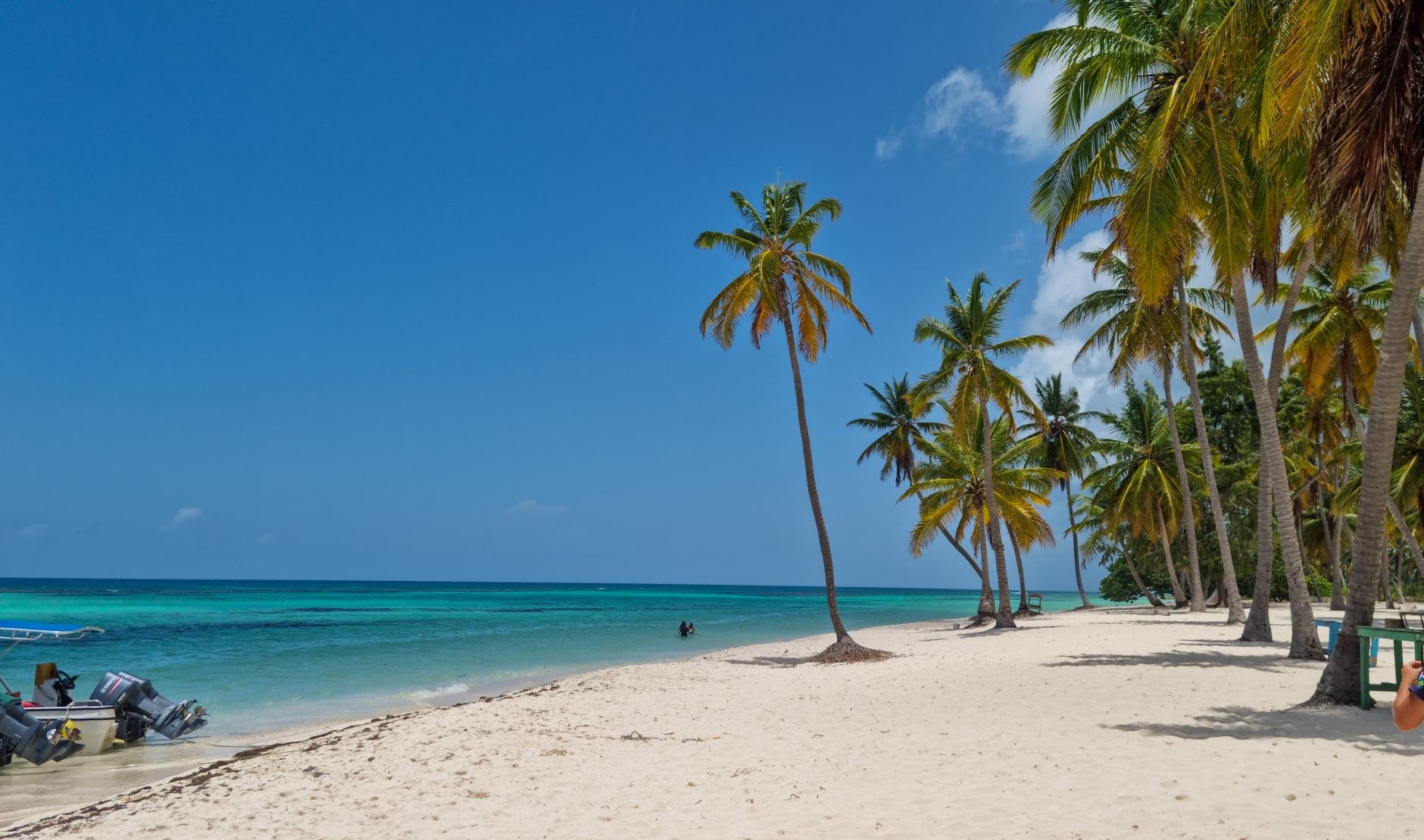
Grand Anse is a magnificent two-mile sweeping crescent of powdery white coral sand, shaded by sea grape trees and towering coconut palms. The waters here, protected by the western lee of the island, are tranquil, crystal-clear, and exceptionally calm for swimming. Spend your first afternoon floating in the eighty-degree Caribbean water, listening to the gentle rustle of palm fronds in the trade winds.
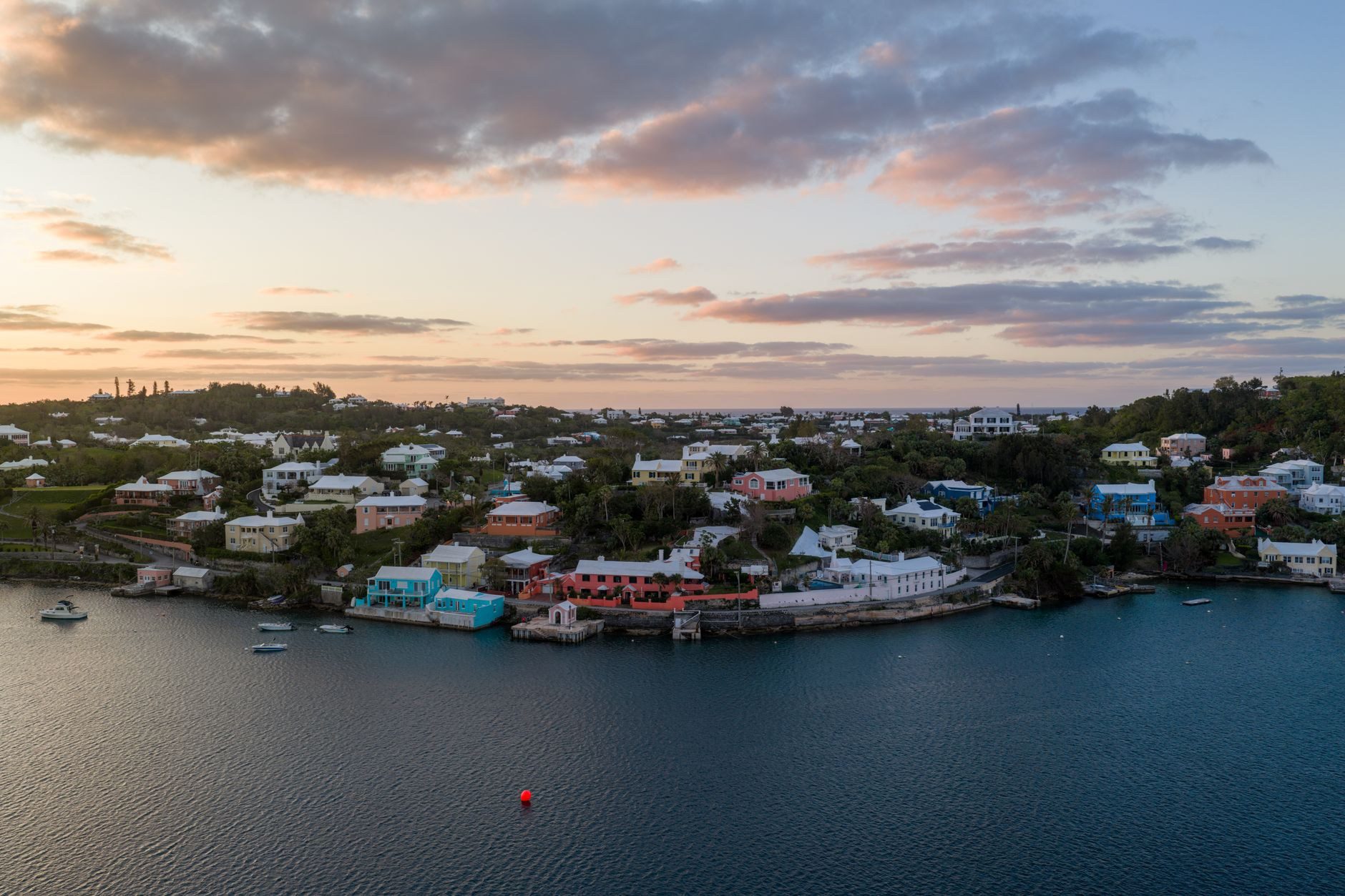
In the late afternoon, take a ten-minute walk over the southern headland to Morne Rouge Bay (locally known as BBC Beach). Tucked into a sheltered cove, Morne Rouge features shallow, emerald-turquoise water completely free of waves, framed by lush green hills. Watch the sunset turn the sky into shades of apricot and lavender while sipping a fresh rum punch sprinkled with freshly grated nutmeg at a beachside wooden shack.
Day 2: St. George’s: Georgian Harbor, Historic Forts, and Market Square
On morning two, hop aboard the ubiquitous #1 minibus for the ten-minute scenic ride north into St. George’s, widely regarded as the most picturesque capital harbor in the Caribbean. Built around an extinct submerged volcanic crater, the town is divided into two distinct sections: the Carenage (the inner working harbor) and the Esplanade (facing the open Caribbean Sea), connected by the historic Sendall Tunnel, carved through the central rock ridge in 1894.
Begin your walking exploration by climbing the stone ramparts of Fort George, constructed by French colonial forces in 1705. Perched on a high promontory guarding the harbor entrance, the fort commands panoramic views across the colorful slate-roofed Georgian brick warehouses lining the water, the luxury sailing yachts moored in the lagoon, and the azure expanse of the Caribbean Sea.
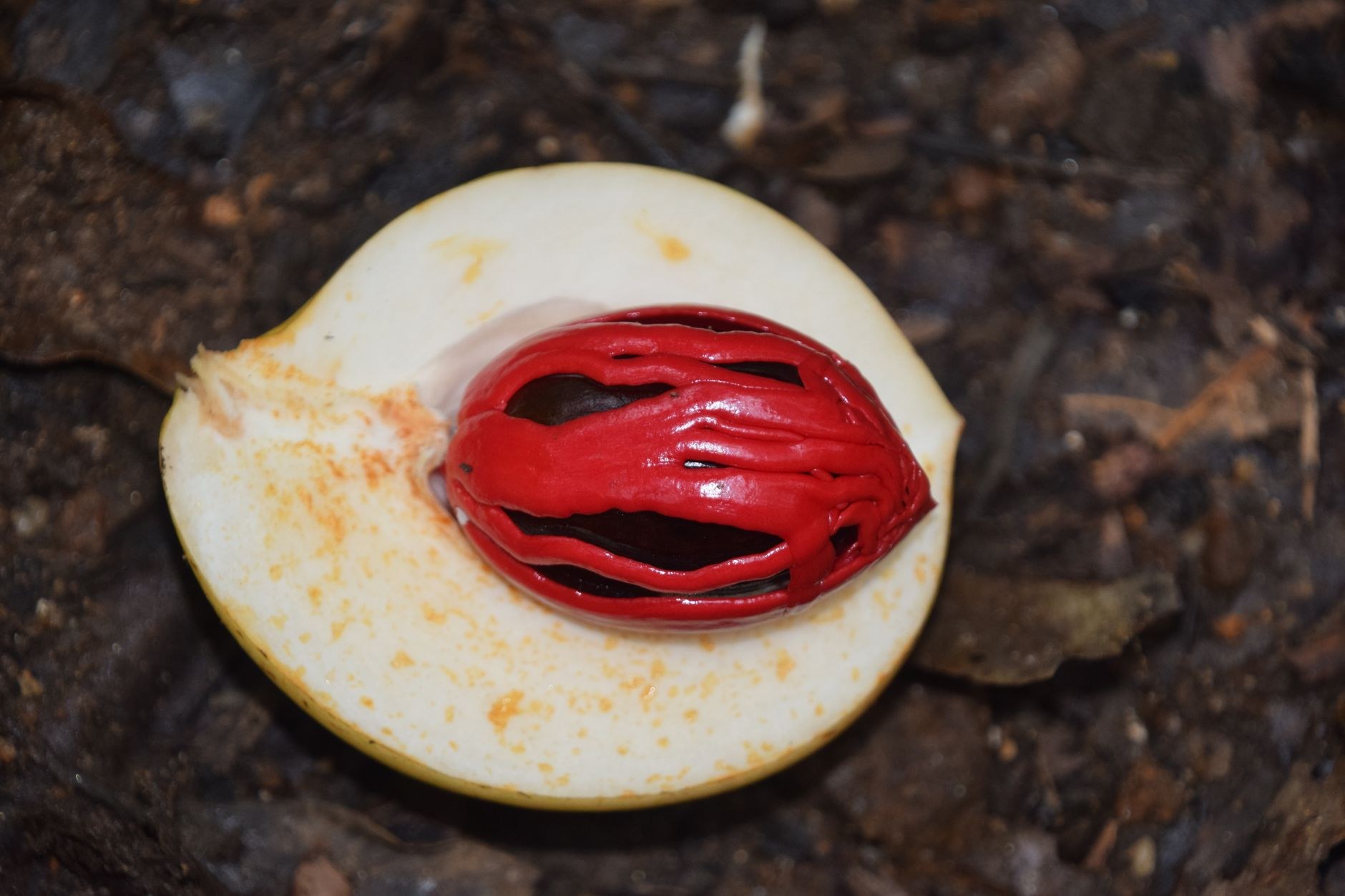
Descend into the bustling lanes of Market Square. On Saturday mornings, the market comes alive with rural farmers and spice merchants selling woven baskets overflowing with fresh cinnamon bark, cloves, allspice (*pimento*), bay leaves, star anise, and freshly harvested nutmegs. Stop to chat with market vendors who demonstrate how nutmeg fruits are split open to reveal the glossy brown seed wrapped in the delicate scarlet webbing of mace.
Cross through the pedestrian brick archways of the Carenage, where traditional wooden cargo schooners from Carriacou and Trinidad tie up alongside stone bollards to unload tropical timber and seasonal fruit. Stop at a waterside café to enjoy homemade nutmeg ice cream, an aromatic national treat flavored with real fresh-ground spices.
Day 3: Grand Etang National Park and Interior Rainforest Trails
Depart the coast on day three and climb into the verdant volcanic interior along the winding Grand Etang Road. As your vehicle ascends to 550 meters elevation, the air cools noticeably and the roadside transforms into primary tropical rainforest: massive tree ferns, bamboo groves, giant elephant ears, and wild heliconias dripping with mountain moisture.
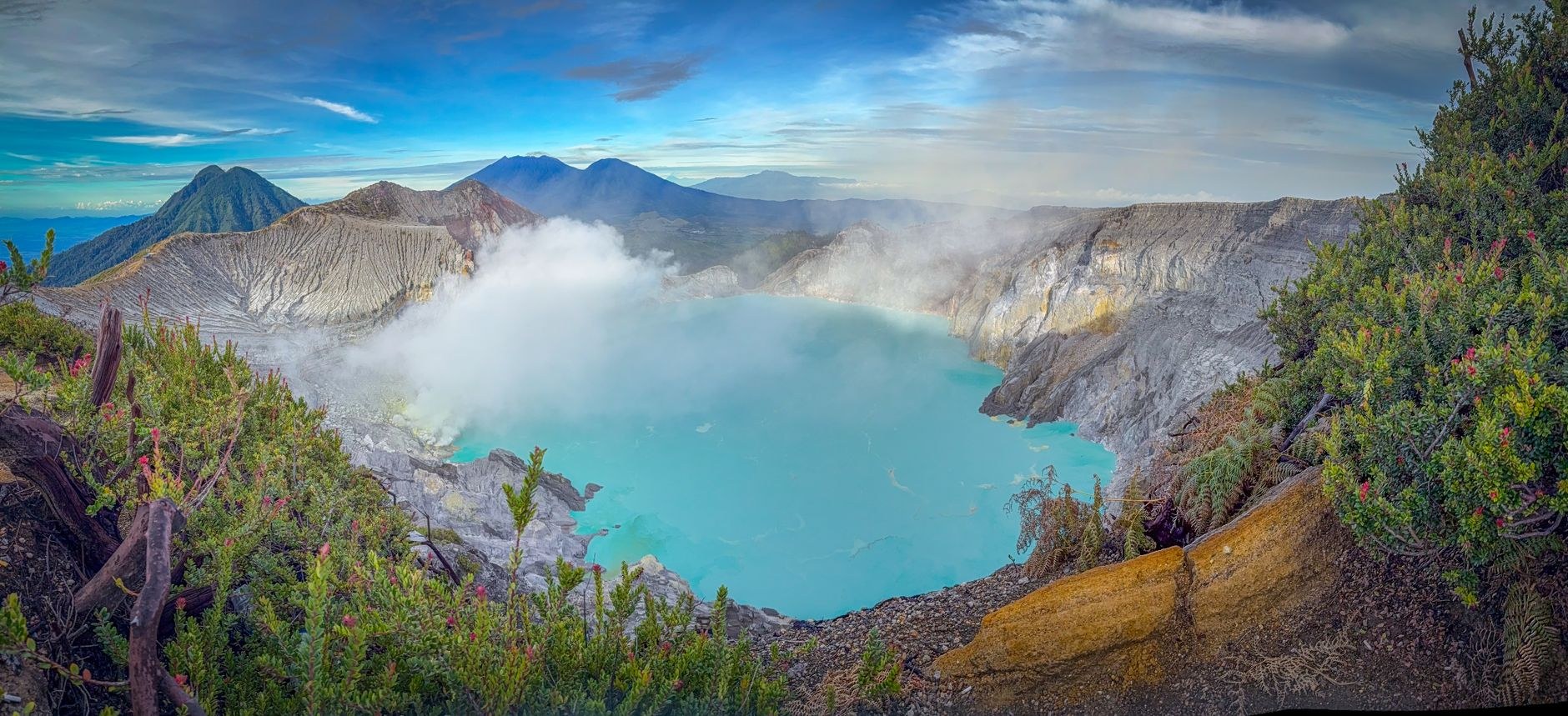
Your first stop is Grand Etang Lake, a cobalt-blue freshwater lake filling an extinct volcanic crater thirty-six acres in area. Walk the well-maintained perimeter trail through dense mahogany and gommier trees, keeping an eye out for Mona monkeys—inquisitive primates that thrive wild in the high canopy.
Active hikers can tackle the challenging hike up to Mount Qua Qua (730 meters), a two-and-a-half-hour return trek along a razorback ridge offering panoramic vistas across both the Caribbean and Atlantic coastlines. On your descent back toward the coast, stop at Annandale Falls, where a mountain stream cascades ten meters over mossy basalt rock into a natural freshwater swimming pool surrounded by wild ginger blossoms.
Day 4: Gouyave Nutmeg Station and the West Coast Heritage Corridor
On morning four, travel north along the scenic western coastal highway toward Gouyave, the fishing capital of Grenada and the center of the nation’s nutmeg export economy. Along the way, make a detour into the lush river valley of Concord Falls to take a refreshing swim in cold mountain pools beneath tumbling cascades.
In Gouyave, tour the historic Gouyave Nutmeg Processing Station, one of the largest agricultural cooperative facilities on the island. Inside the massive multi-story wooden warehouse, the intoxicating scent of warm nutmeg hangs heavy in the air. Watch skilled local women hand-sorting thousands of nutmegs by weight and quality using wooden trays, separating cracked shells from whole export-grade kernels, before the spices are packed into burlap sacks for shipment across the globe.
Continue to nearby Dougaldston Estate, a historic 17th-century spice plantation where traditional wooden drying sheds (*boucans*) feature rolling roofs that slide over cocoa and spice trays during sudden tropical rain showers. Here, knowledgeable estate workers rub and bruise fresh leaves of allspice, lemongrass, bay leaf, and cinnamon, inviting visitors to identify the rich essential oils by scent alone.
Day 5: Belmont Estate Organic Cocoa and River Antoine Waterwheel Rum
Day five explores the dramatic northern parish of St. Patrick, where agricultural heritage remains deeply rooted and untouched by resort commercialism. Arrive at Belmont Estate, an authentic 17th-century working plantation that has evolved into an internationally acclaimed center for organic agro-tourism and bean-to-bar dark chocolate production.
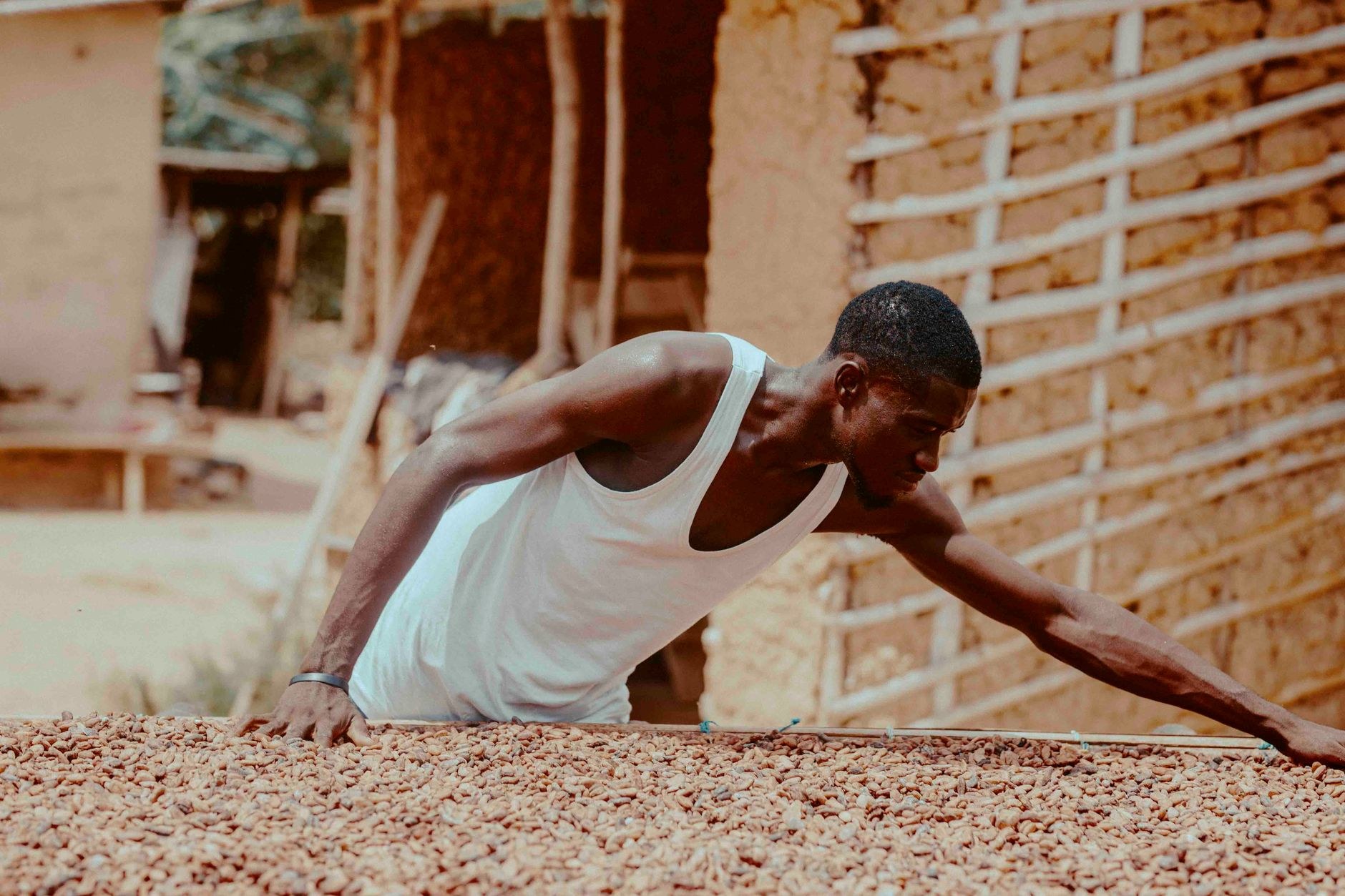
Join a guided walking tour through the agroforestry groves, where fine Trinitario cocoa trees grow alongside bananas, papayas, and nutmegs. Observe how workers harvest the colorful ripe cocoa pods, ferment the sticky white-pulped beans in cedar sweating boxes, and spread the glistening beans on vast wooden trays to sun-dry. Inside the artisanal chocolate factory, watch how the dried beans are roasted, winnowed, and stone-conched into velvety dark chocolate bars. Savor a fresh farm-to-table lunch on the open-air wooden veranda, showcasing organic produce grown across the estate.
In the afternoon, travel eastward to the River Antoine Rum Distillery, operating continuously since 1785. River Antoine is a living industrial museum: it is the oldest functioning distillery in the Caribbean powered entirely by waterwheel, without modern electricity or fossil fuels in the production process.
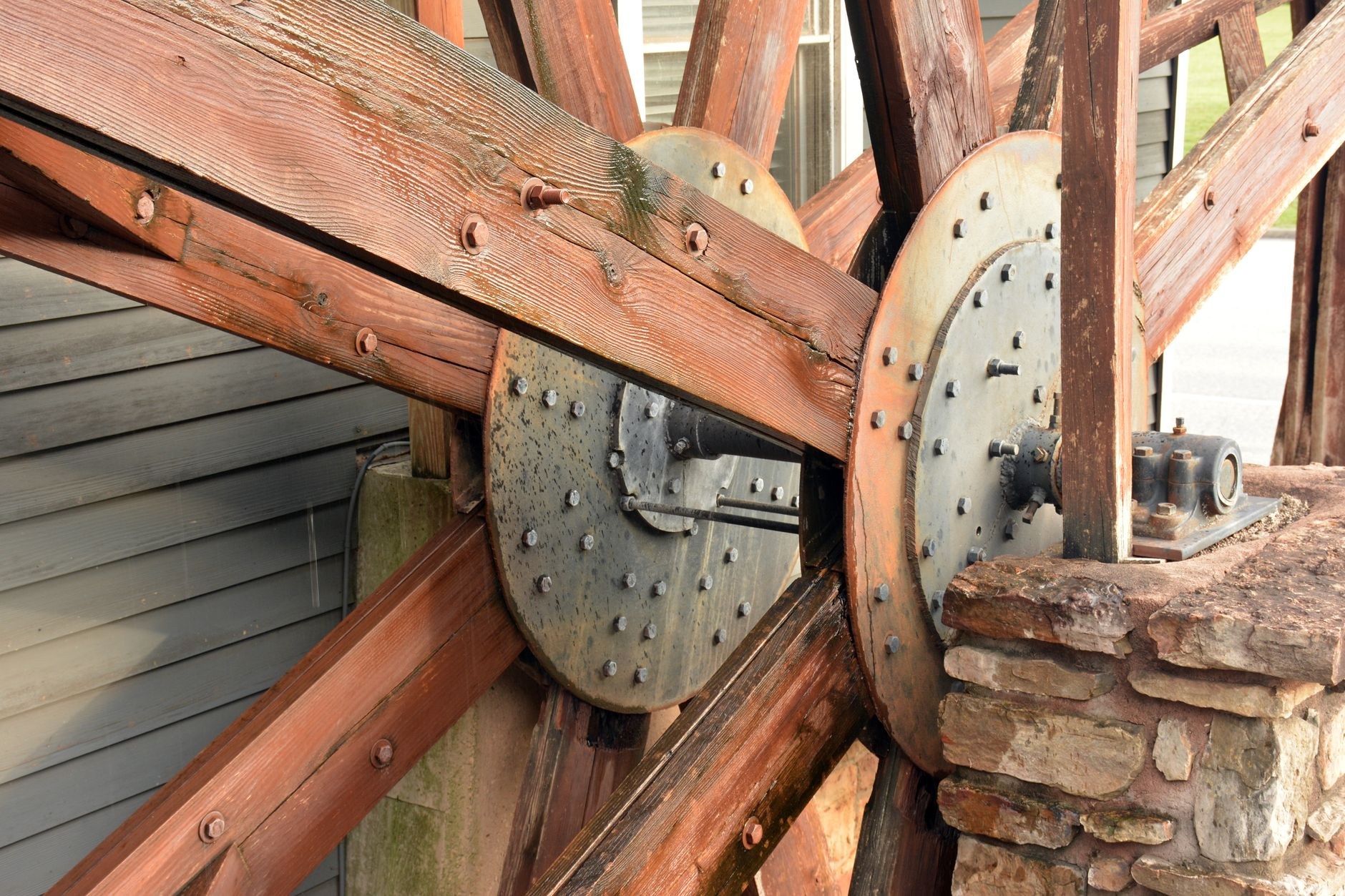
Watch the massive 18th-century waterwheel turn slowly in the river current, driving iron rollers that crush fresh organic sugarcane stalks to extract pure cane juice. The cane juice is gravity-fed into boiling coppers fueled by dried sugarcane fiber (*bagasse*), fermented naturally with wild airborne yeasts, and distilled in antique copper pot stills. The resulting spirit—Rivers Royale Grenadian Rum—is bottled at an astounding seventy-five percent ABV (150 proof), producing a pungent, grassy agricultural rum of extraordinary historical authenticity.
Day 6: Molinere Underwater Sculptures and Coastal Fortresses
Dedicate day six to Grenada’s world-famous marine sanctuary. Book a morning catamaran sailing excursion or guided kayak trip to Molinere Bay Marine Protected Area, located just north of St. George’s.
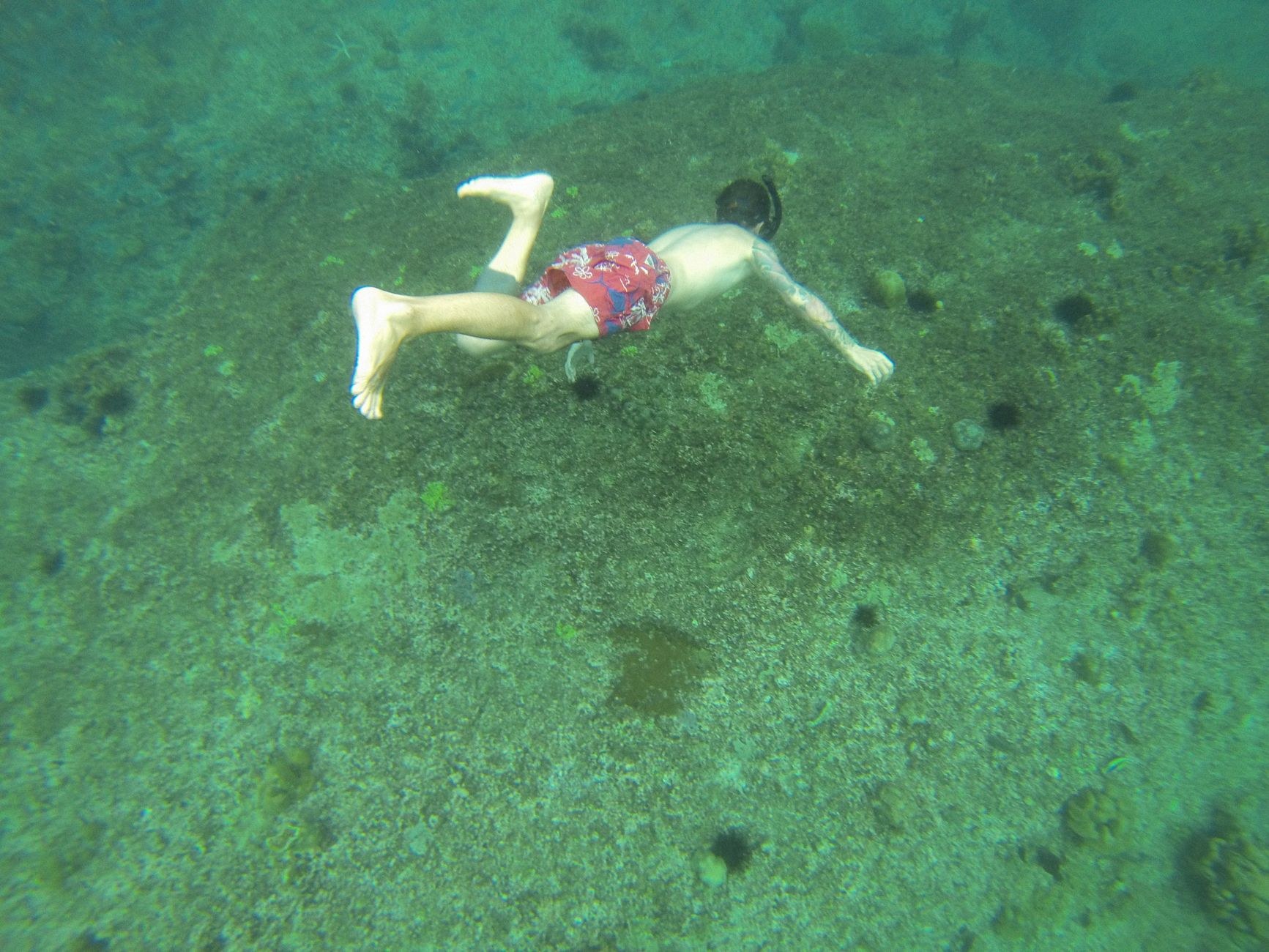
Created in 2006 by British sculptor Jason deCaires Taylor, the Molinere Underwater Sculpture Park was the world’s first underwater sculpture installation. Submerged at depths of five to eight meters on the sandy seabed, over seventy-five life-sized concrete statues have been transformed by nature into a thriving artificial coral reef. Slip into the clear turquoise water with your mask and snorkel to observe *Vicissitudes*—a poignant ring of twenty-six children holding hands in a circle—now encrusted with fire corals, tubular sea sponges, and sea fans, as schools of blue tangs and parrotfish dart between the stone figures.
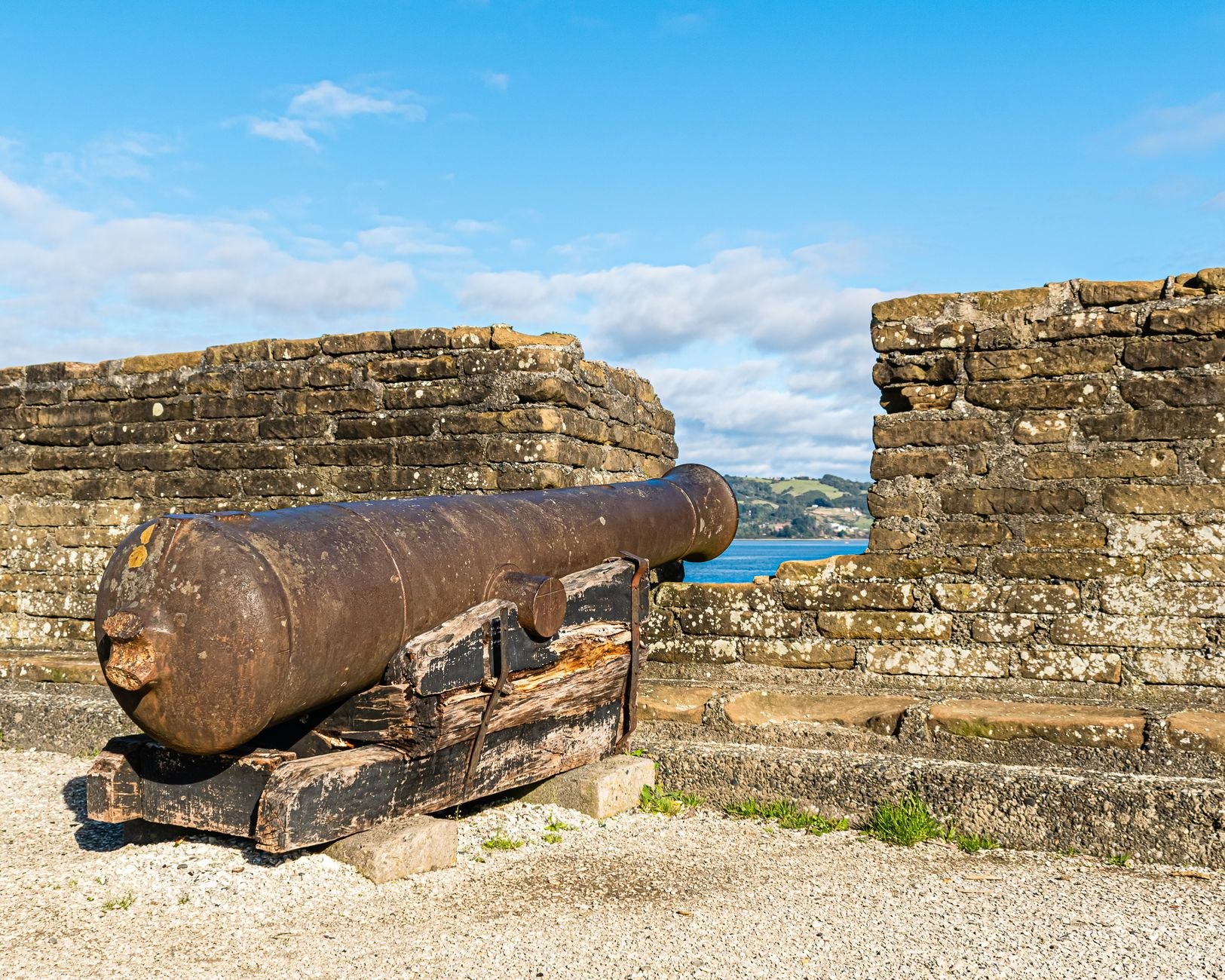
In the afternoon, drive up Richmond Hill on the outskirts of St. George’s to visit Fort Frederick. Constructed by French forces in 1779 following their capture of the island from the British, this unique fortress faces inward toward the land to defend against interior attacks. Walk along the massive stone parapets to enjoy 360-degree views stretching across St. George’s harbor, the southern peninsula, and the Caribbean coastline.
Gastronomic Heritage: The Ritual of Grenadian Oil Down
To truly understand Grenadian culture, you must share in the community ritual of *Oil Down*, the undisputed national dish of the island. Far more than a simple stew, Oil Down is a culinary celebration prepared in heavy cast-iron Dutch ovens (*carib pots*) during weekend family beach limes and community gatherings.
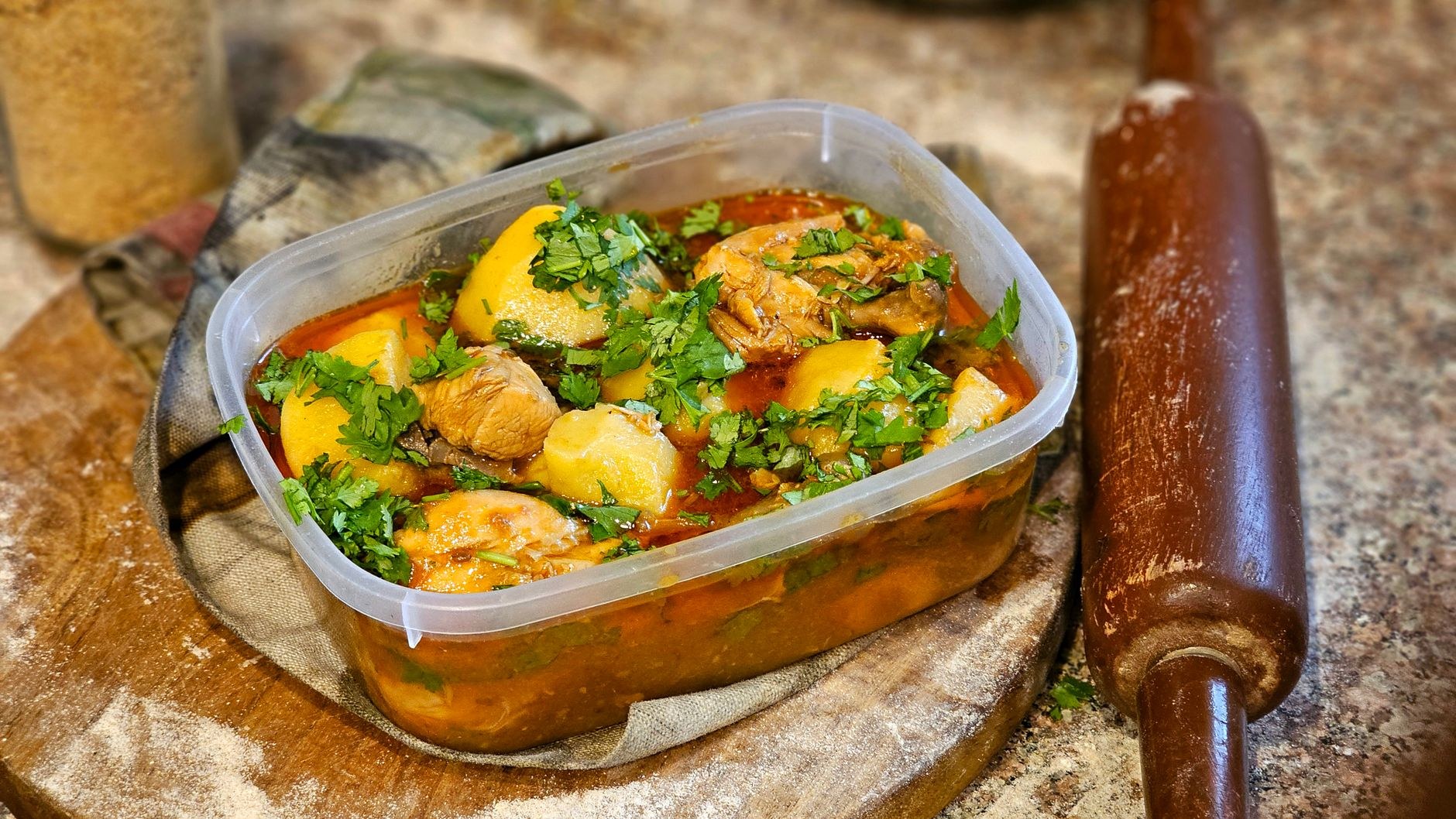
The name derives from the fresh coconut milk that cooks down completely until all the liquid evaporates, leaving the ingredients simmering gently in their own fragrant coconut oil. The pot is layered methodically: salted meats (salted pigtail, salted beef brisket, or chicken) are placed at the base, followed by thick wedges of starchy breadfruit, green bananas (*figs*), and dasheen root. The top is sealed with a dense blanket of fresh callaloo greens (taro leaves) and hand-rolled flour dumplings (*spinners*).
The entire dish is drenched in fresh coconut milk infused with saffron-colored turmeric (*hard saffron*), scallions, thyme, garlic, and whole Scotch bonnet country peppers kept intact so the dish absorbs aroma rather than scorching heat. Slow-cooked over open wood embers for hours, every spoonful yields meltingly tender breadfruit, savory salted meat, and rich, golden coconut cream. Pair it with a cold Carib beer or ginger beer brewed with fresh island spices.
Mobile Connectivity and Digital Logistics in Grenada
Maintaining reliable mobile data while travelling through Grenada is essential for navigating winding mountain roads via Google Maps, checking marine sea state forecasts on Windfinder, coordinating taxi pickups, and contacting guesthouses. Cellular infrastructure across Grenada is robust, with dependable 4G LTE coverage blanketing Grand Anse, St. George’s, and coastal highways operated by Flow (Cable & Wireless).

Rather than hunting for physical SIM card vendors in downtown St. George’s or dealing with local paper registration, activate an eSIM before boarding your flight. The NXTL Grenada eSIM connects directly to Flow (Cable & Wireless), delivering reliable 4G LTE speeds across both beaches and mountain highways. Starting from $7.54 per gigabyte, NXTL operates on a flexible pay-as-you-go model with no daily data caps. Your balance never expires, meaning remaining data credits remain stored safely in your digital account for future travels across 180+ countries.
Travel Scams and Regional Logistics Pitfalls to Avoid
Grenada enjoys a well-earned reputation as one of the safest and friendliest islands in the Caribbean. However, independent travellers should remain mindful of several common logistical traps:
- Cruise Ship Taxi Surcharges: When cruise ships dock at the Esplanade Cruise Terminal in St. George’s, taxi drivers frequently quote exorbitant flat rates (thirty to forty US dollars) for the short ten-minute ride to Grand Anse Beach. Bypass the pier taxi queue and walk three minutes across the Sendall Tunnel to the public bus terminal, where Minibus #1 costs just $2.50 XCD.
- Unlicensed Beach Spice Sellers: Wandering vendors on Grand Anse Beach offer braided necklaces of nutmegs and spice packets for ten to fifteen US dollars. These packages often contain spent, sun-bleached spices that have lost their essential oils, or expired vanilla essence. Purchase certified fresh spices directly from rural processing stations like Gouyave or the St. George’s Market Square.
- Mountain Gutter Ditch Driving Hazards: Narrow mountain roads through Grand Etang feature steep, unpaved drainage ditches (*culverts*) directly along the shoulder without safety barriers. If driving a rental car, resist the urge to hug the extreme left shoulder when oncoming trucks pass; slow down and stop safely on the paved surface rather than dropping a wheel into deep concrete drains.
- Unregulated Water Taxi Safety: Small wooden water taxis ferry passengers between the Carenage and Grand Anse Beach. While convenient, some informal operators overload small skiffs or operate without certified life jackets during choppy afternoon swells. Ensure your water taxi captain carries accessible life jackets before boarding.
- Aviation Confiscation of Rivers Rum: River Antoine’s legendary 150-proof rum (75% ABV) is a celebrated souvenir, but international aviation safety regulations strictly prohibit liquids exceeding seventy percent alcohol by volume in both carry-on and checked luggage. Airlines and airport security at GND will confiscate 75% ABV bottles. If buying Rivers Rum to take home, purchase their specially bottled 69% ABV export version, which passes international airline regulations.
By venturing beyond the resort beaches, engaging with rural spice and cocoa farming communities, and maintaining reliable mobile connectivity, your journey through Grenada will reveal an authentic, fragrant, and unforgettable Caribbean treasure.