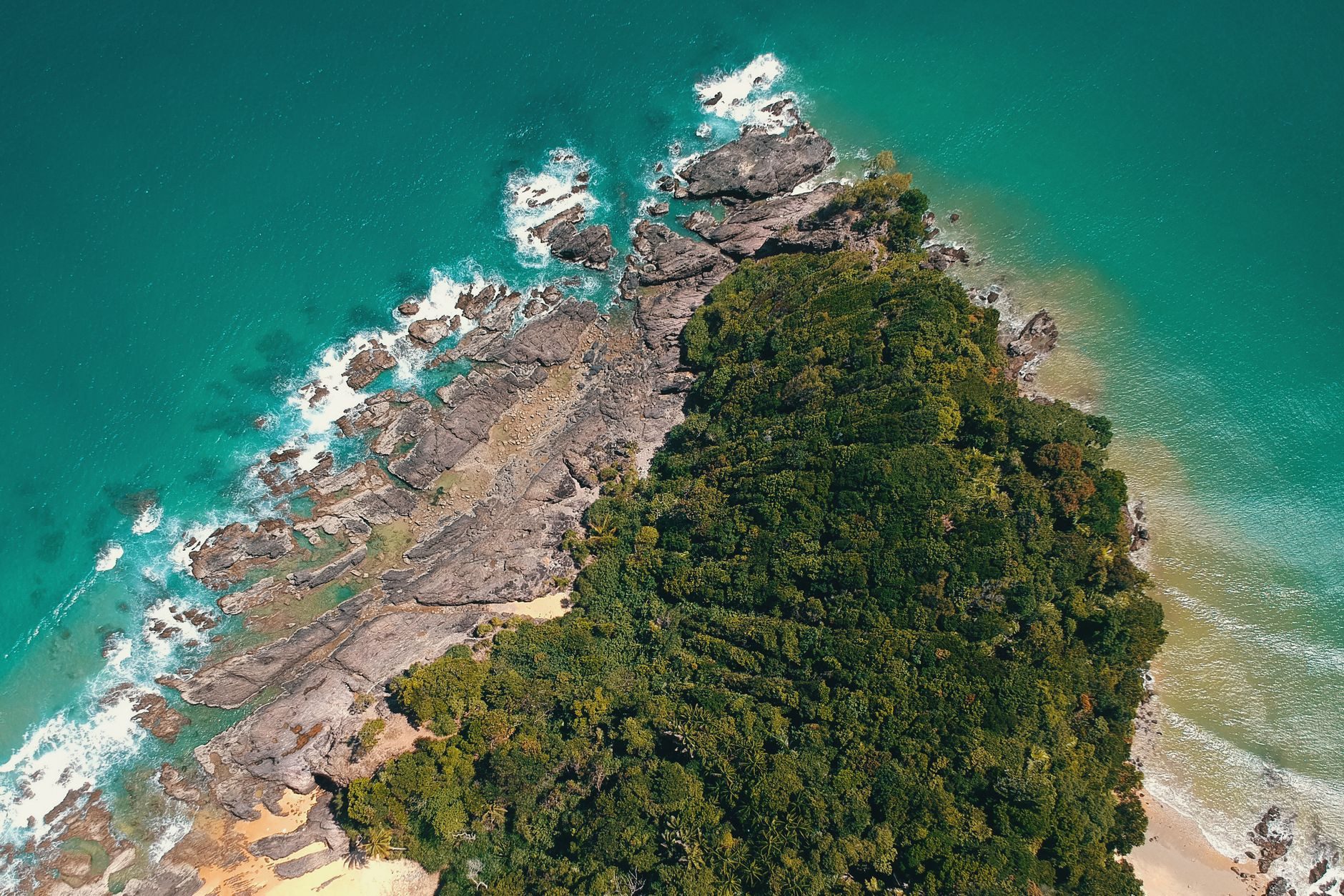
Guadeloupe is often described as a butterfly floating between the Caribbean Sea and the Atlantic Ocean, its two distinct wings tethered by drawbridges over the mangrove-fringed Rivière Salée. Yet few geographical metaphors capture two territories as dramatically opposed as Grande-Terre and Basse-Terre. To the east, Grande-Terre unfurls as a limestone plateau carpeted in sugarcane, encircled by barrier coral reefs and tranquil lagoons. To the west, Basse-Terre erupts into a volcanic spine dominated by the active crater of La Soufrière, smothered in cloud forest and sliced by river cascades.
Most travelers make the mistake of treating Guadeloupe as a single destination, selecting a single resort on Grande-Terre’s southern shoreline and attempting daily excursions into Basse-Terre’s rainforest. The resulting itineraries devolve into exhausting traffic ordeals along the bottlenecks of Pointe-à-Pitre. A rewarding exploration requires an intentional two-base itinerary, dedicating separate chapters to Basse-Terre’s rainforest hikes and marine reserves before crossing over to Grande-Terre’s coastal headlands and out-islands like the Îles des Saintes.
Who This Trip Suits and How Long to Stay
Guadeloupe appeals to self-reliant travelers who value European infrastructure, excellent culinary culture, and outdoor adventure. As an official overseas department of France (Département d’Outre-Mer), the archipelago offers smooth tarmac, reliable public water, strict environmental protections, and European Union consumer standards. Food enthusiasts will enjoy the intersection of classic French technique and Creole spice, from fresh morning baguettes to roadside bokit sandwiches and seafood bistros serving court-bouillon de poisson.
Conversely, Guadeloupe will frustrate travelers seeking all-inclusive English-speaking resorts. French is the primary language of daily commerce, road signs, and menus. While staff in major dive centers speak conversational English, navigating bakeries, gas stations, and municipal markets requires basic French vocabulary. Furthermore, public buses run on erratic schedules that bypass hiking trailheads, making a rental car non-negotiable. Seven to eight days is the minimum duration required for a balanced two-base route; ten to twelve days allows you to include multi-night stays on offshore dependencies like Terre-de-Haut.
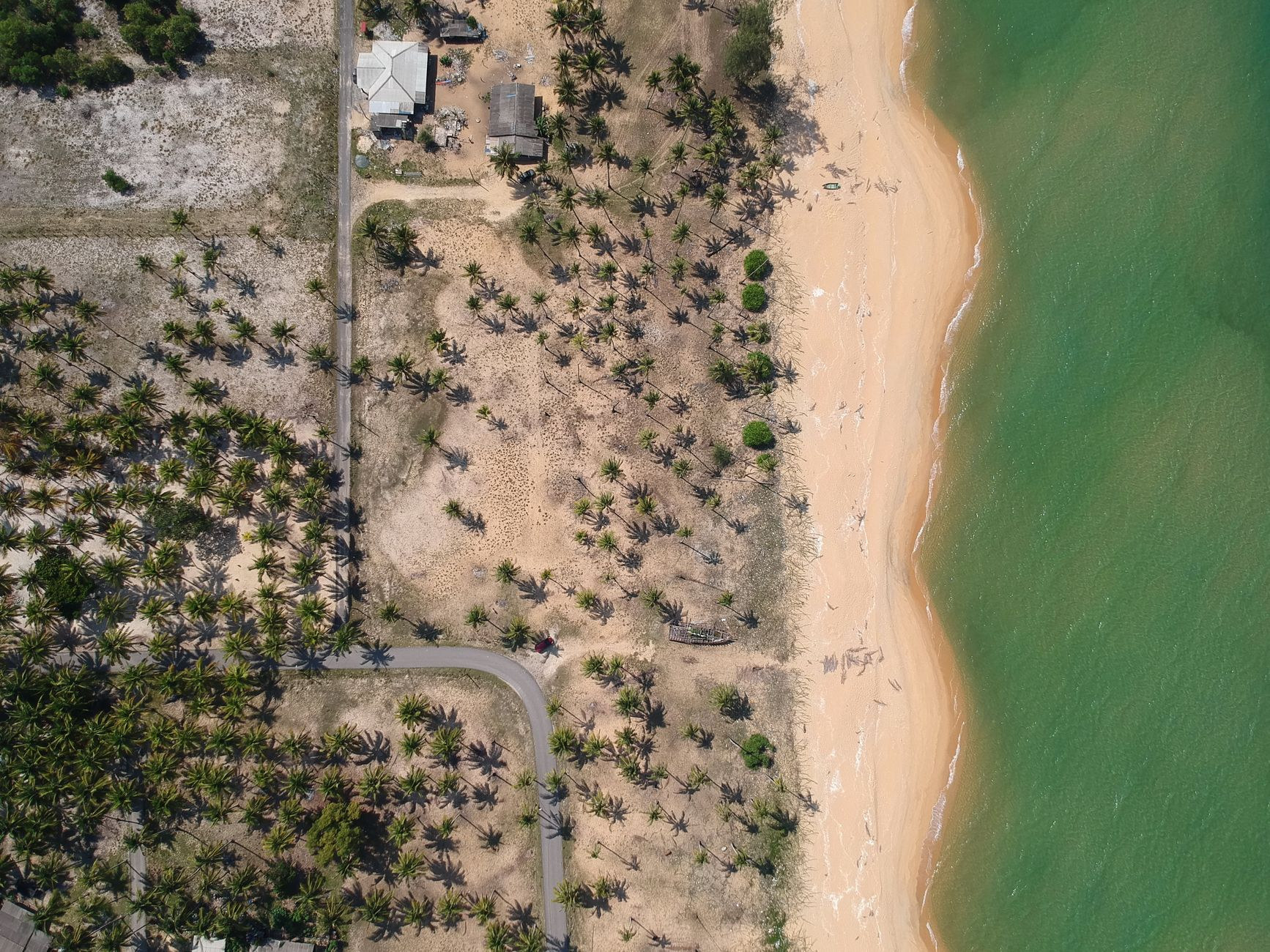
If you have only five days, choose one wing: pick Basse-Terre for volcano trekking and diving, or Grande-Terre for relaxed beach touring. Crossing the central bridge twice daily on a short holiday wastes valuable daylight in commuter traffic jams.
The Two-Base Strategy: Basse-Terre vs. Grande-Terre
The foundation of a successful Guadeloupe itinerary is a split stay: spend your first four nights on Basse-Terre based near Deshaies or Bouillante, followed by three nights on Grande-Terre based near Saint-François or Sainte-Anne. This structural division aligns your lodging with regional geography, cutting daily driving times in half.
On Basse-Terre, staying along the leeward Caribbean coast gives you immediate access to the Cousteau Marine Reserve at Pigeon Island, the trailheads of Guadeloupe National Park, and the botanical gardens of Deshaies. In the evening, the sun sets directly over the ocean in quiet fishing bays. Moving to Grande-Terre for the second half of your trip positions you near calm swimming lagoons, evening night markets, and the windswept Atlantic coastline at Pointe des Châteaux.
Day-by-Day Guadeloupe Itinerary
This seven-day route balances volcanic summit ascents, world-class marine diving, colonial history, and out-island ferry hopping across the archipelago’s most compelling landscapes.
| Day / Stage | Base | Highlights | Transport Mode | Transit Time | Advance Booking Requirement |
|---|---|---|---|---|---|
| Day 1 | Basse-Terre (Deshaies) | Arrive Pointe-à-Pitre (PTP), collect car, drive west to Deshaies, sunset drink | Rental Car | 45 mins | Rental car booked 1 month ahead |
| Day 2 | Basse-Terre (Deshaies) | Morning dive Cousteau Reserve (Pigeon Island), afternoon at Plage de Grande Anse | Rental Car / Dive Boat | 25 mins driving | Dive charter reserved 1 week ahead |
| Day 3 | Basse-Terre (Deshaies) | Early morning La Soufrière volcano trek, soak at Bains Jaunes, Chutes du Carbet | Rental Car / Hiking | 1 hr drive + 4.5 hrs hike | Start trail from parking by 7:00 AM |
| Day 4 | Basse-Terre (Deshaies) | Ferry to Les Saintes (Terre-de-Haut), rent electric scooter, Fort Napoléon, Pain de Sucre | Ferry / Electric Scooter | 45 mins drive + 25 mins ferry | Trois-Rivières ferry tickets online |
| Day 5 | Grande-Terre (Saint-François) | Route de la Traversée rainforest drive, Cascade aux Écrevisses, Sainte-Anne lagoon | Rental Car | 1 hr 20 mins total | Cross bridge between 10 AM and 2 PM |
| Day 6 | Grande-Terre (Saint-François) | Sunrise hike at Pointe des Châteaux, surf lookout at Le Moule, Porte d’Enfer cliffs | Rental Car | 1 hr 15 mins driving | No advance booking needed |
| Day 7 | Departure | Mémorial ACTe cultural museum in Pointe-à-Pitre, spice market, transfer to PTP | Rental Car | 40 mins to airport | Museum tickets purchased online |
Timing your passage between the two wings requires understanding local commuter flows. The bridges across the Rivière Salée channel commuter traffic between the suburbs of Grande-Terre and commercial centers of Basse-Terre. Crossing during rush hour (7:00 to 9:00 AM or 4:30 to 6:30 PM) will trap you in multi-mile gridlock. Plan inter-wing transits between 10:30 AM and 2:30 PM.
Basse-Terre: La Soufrière Volcano and Rainforest Cascades
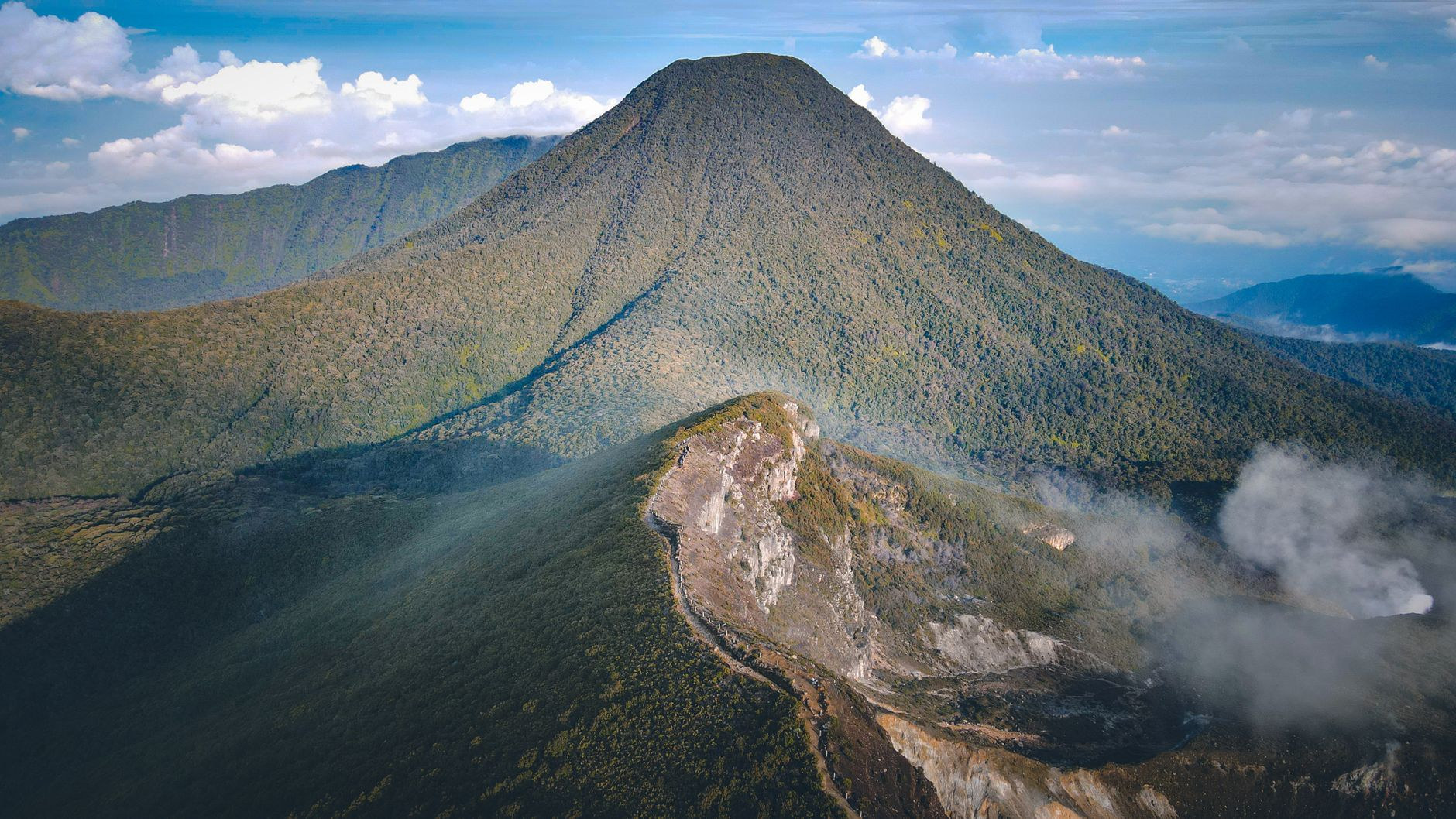
Basse-Terre is the ecological crown of Guadeloupe, dominated by the 4,800-foot volcanic massif of La Soufrière, an active stratovolcano known locally as “La Vieille Dame.” Climbing the volcano is the premier hike of the French West Indies. The standard route begins at Bains Jaunes, a natural warm sulphur spring situated at 3,100 feet elevation within primary rainforest.
From Bains Jaunes, the Chemin des Dames trail ascends steeply through montane forest before emerging onto the volcanic plateau. As you climb, lush greenery yields to bare rock, mosses, and bromeliads capable of withstanding acidic steam. The summit plateau (La Découverte) is a lunar landscape of chasms, hissing fumaroles venting pungent sulphur gases, and yellow mineral deposits. On clear mornings, the summit provides sweeping views stretching across Dominica, Les Saintes, and the entire archipelago. Arriving at the trailhead by 7:00 AM is mandatory, as moisture-laden trade winds routinely shroud the peak in dense clouds by mid-morning.
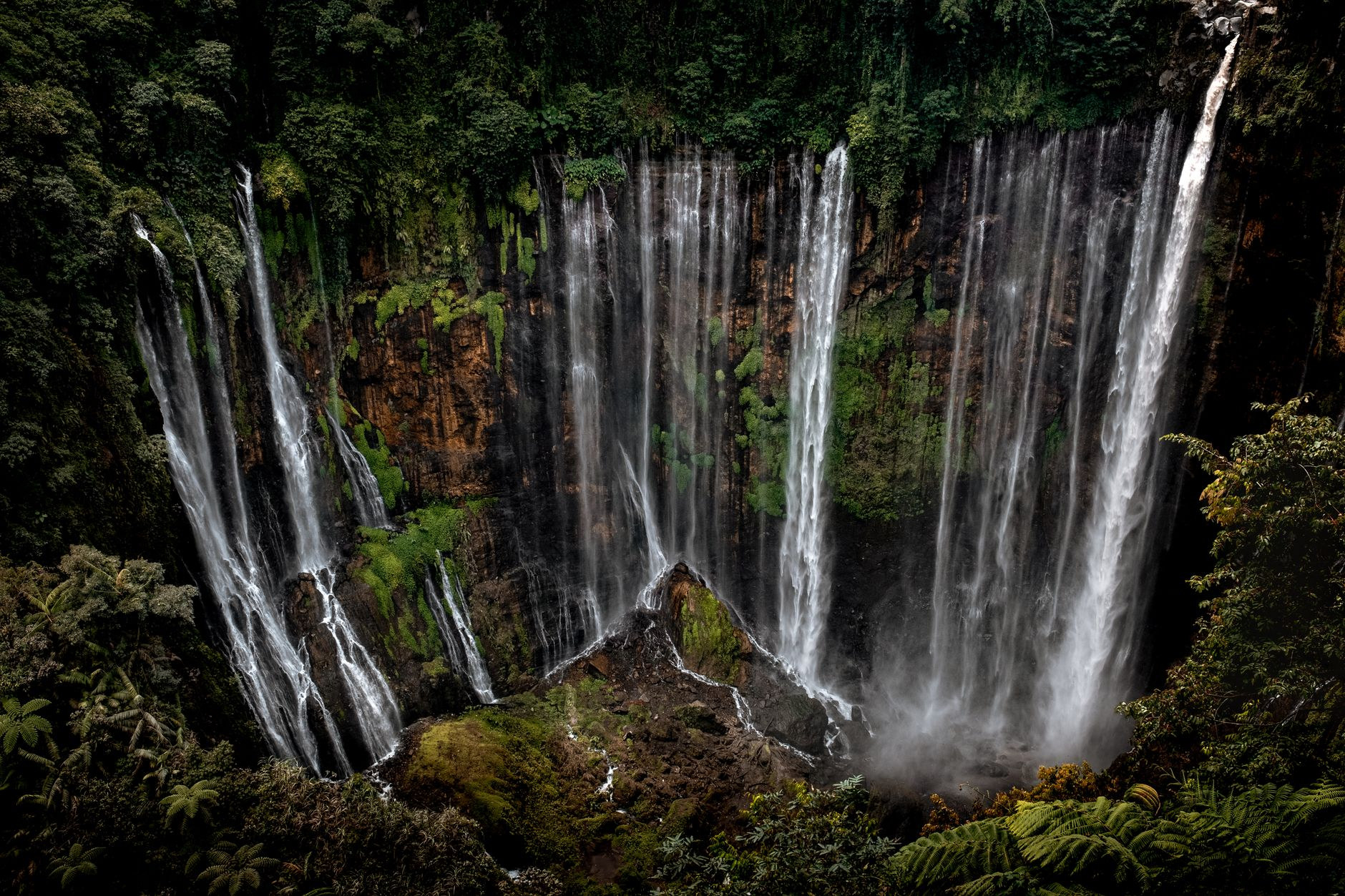
Descending the volcano, soothe your legs in the warm mineral waters of Bains Jaunes before driving to the eastern slopes to view Chutes du Carbet. These dramatic waterfalls tumble down the mountain’s Atlantic face; the second cascade drops 360 feet through the canopy and is easily accessed via a timber boardwalk.
Cousteau Reserve and the Coastal Enclave of Deshaies
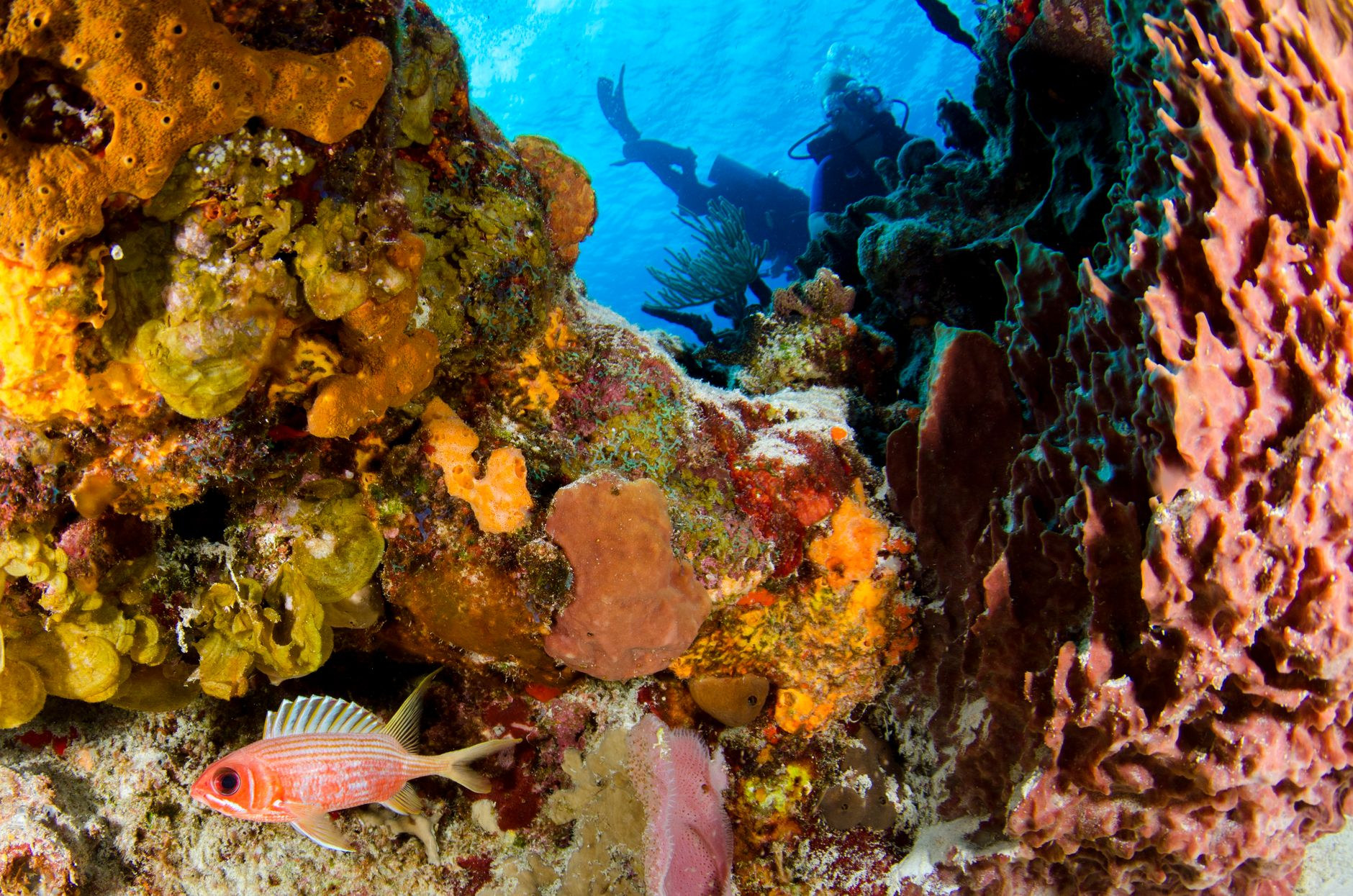
Along Basse-Terre’s western coast sits Malendure Beach, the launching point for Réserve Cousteau. Established following Jacques Cousteau’s advocacy, this marine reserve surrounds the volcanic Pigeon Islands. The sheltered park features brain coral colonies, giant sea fans, and schools of parrotfish and green turtles. Glass-bottom boats, kayaks, and certified dive centers depart directly from the black sands of Malendure Beach.
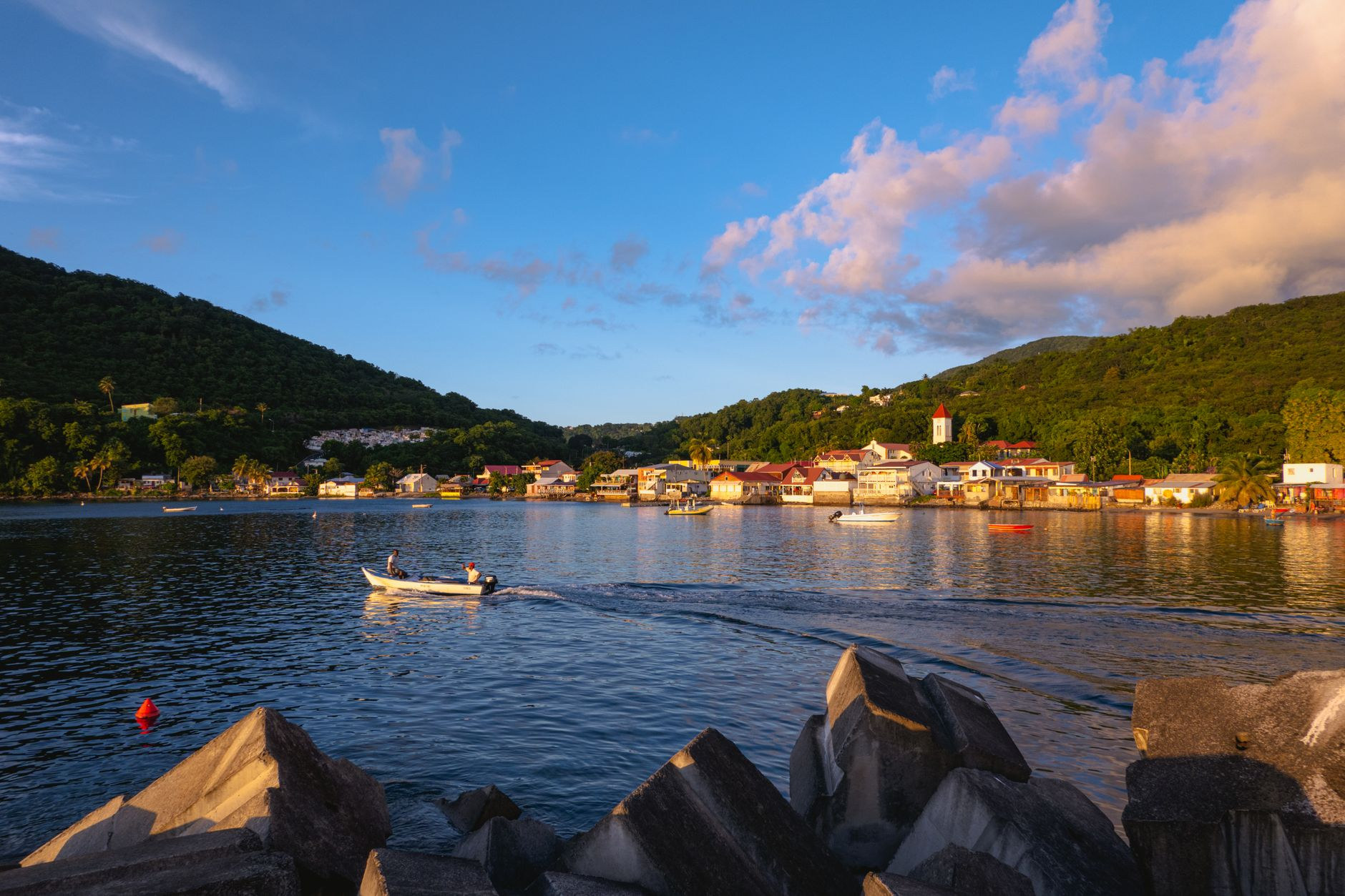
Further north lies Deshaies, a picturesque coastal village of timber creole houses, waterfront bistros, and anchored yachts. Just north of town sits Plage de Grande Anse, a mile-long crescent of golden sand backed by coconut palms. While Atlantic shorebreaks demand swimming caution, the beach is perfect for afternoon walks, accompanied by roadside stands selling bokit—the classic Guadeloupean fried sandwich filled with saltfish or chicken.
Before leaving the north, tour the Jardin Botanique de Deshaies. Formerly the estate of French comedian Coluche, this 17-acre sanctuary features collections of orchids, banyan trees, pink flamingos, and open-air aviaries where rainbow lorikeets land directly on visitors’ arms to sip nectar.
The Out-Island Detour: Îles des Saintes
No trip to Guadeloupe is complete without taking the passenger ferry from Trois-Rivières to Terre-de-Haut, the main island of the Îles des Saintes archipelago. Located six miles south of Basse-Terre, Les Saintes feels like a Mediterranean village transplanted into the tropics.
Car rentals do not exist on the island; visitors explore narrow, steep roads via rented electric golf carts, scooters, or bicycles. Begin at Fort Napoléon, perched high above the bay. Built in the 19th century, the stone fortress houses a naval museum surrounded by botanical gardens of exotic cacti populated by wild iguanas basking on stone walls.
Drive your scooter down to Plage du Pain de Sucre, a sheltered cove beneath a miniature replica of Rio’s Sugarloaf Mountain. The calm, transparent water offers premier snorkeling among soft corals and juvenile rays. Before boarding the afternoon return ferry, stop at a local bakery in the harbor village to purchase fresh Tourments d’Amour—traditional Saintes tartlets filled with coconut or guava pastry cream.
Grande-Terre: Limestone Cliffs, Surfing, and Atlantic Headlands
Transitioning across to Grande-Terre reveals an entirely different landscape. Flat limestone roads cut through sugarcane fields, leading to calm coastal lagoons protected by barrier reefs. Base yourself near Saint-François or Sainte-Anne, where shallow waters and golden sands provide ideal swimming conditions.
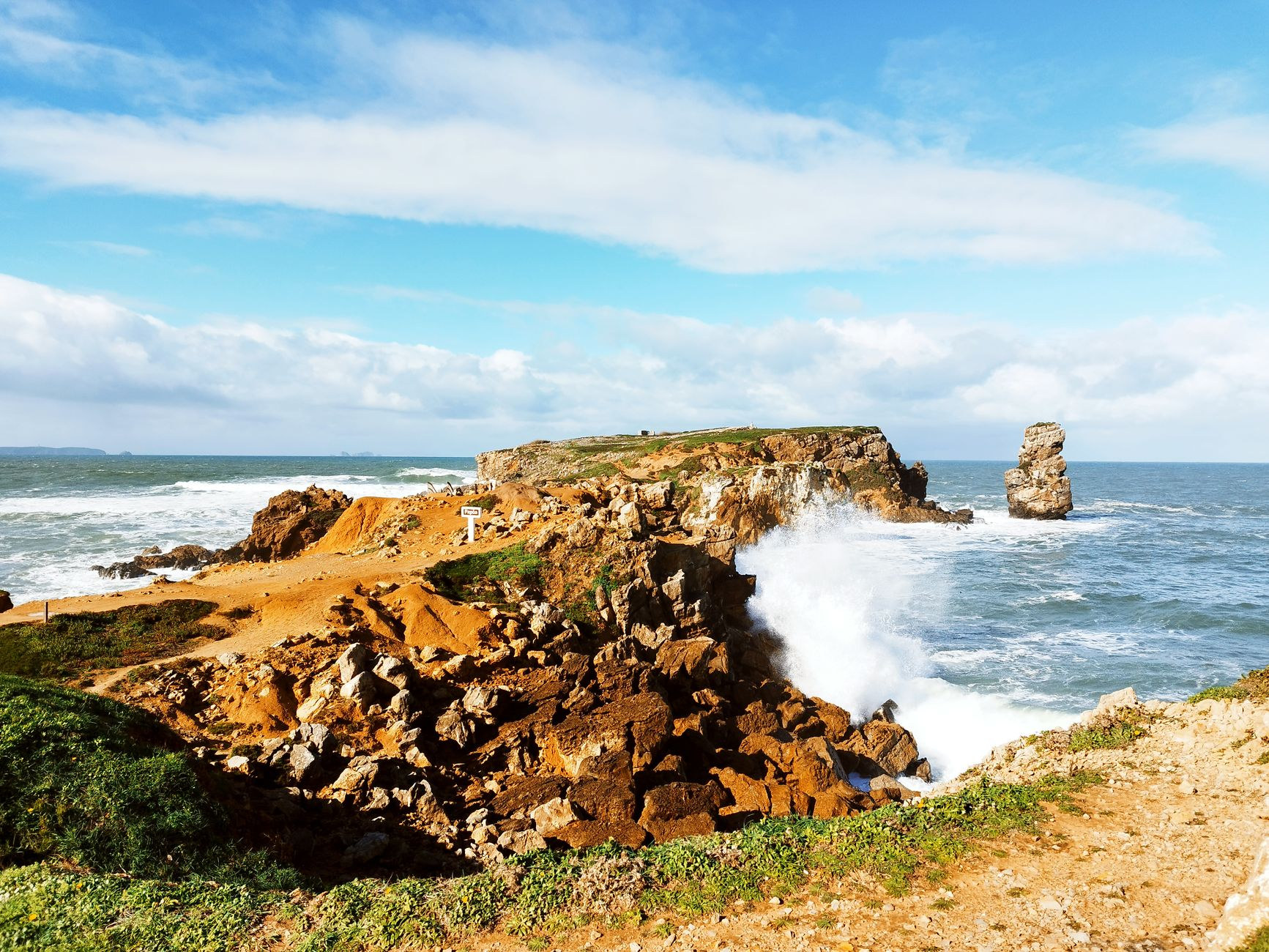
At the easternmost tip of Grande-Terre lies Pointe des Châteaux, a dramatic peninsula of weathered limestone needles projecting into the Atlantic Ocean. Take the marked trail past wild coastal scrub to the wooden cross at the crest. From this vantage point, trade winds whip past as waves crash into sea caves below, with views extending across to La Désirade.
Continue your northern loop through Le Moule, the historic center of Guadeloupe’s sugar industry and a renowned break for experienced surfers. Further north, the landscape becomes dramatic at Porte d’Enfer and Pointe de la Grande Vigie, where vertical limestone cliffs towering two hundred feet above the ocean recall the coasts of Brittany and Normandy.
Road Tripping, Driving Rules, and Regional Logistics
Driving in Guadeloupe is on the right, conforming to French and European Union regulations. Road surfaces are well-paved, signage is clear, and roundabouts govern major intersections. Speed cameras and radar traps are widely deployed along the N1 and N2 highways; observing speed limits (50 km/h in towns, 80 km/h on rural roads, and 110 km/h on expressways) is strictly enforced with automated fines.
Rental cars are readily available at Pointe-à-Pitre Pôle Caraïbes Airport from major international brands and regional operators. An economy hatchback with manual transmission is suitable for Grande-Terre, but if you plan to navigate the steep switchbacks of Basse-Terre and the Route de la Traversée with multiple passengers, booking a compact SUV or vehicle with a slightly larger engine is advisable.
Gas stations are plentiful, but many rural stations operate automated pay-at-the-pump terminals that accept European chip-and-PIN cards exclusively. Carry some cash euros or refill during daytime hours when attendants are present in kiosks.
Connectivity and Mobile Data Across the Archipelago
Reliable mobile data is vital for navigating Guadeloupe’s road network, checking live radar updates before attempting La Soufrière, translating French menus, and managing digital ferry tickets to Les Saintes. While hotels provide Wi-Fi, coverage drops when venturing into national park trailheads or remote beaches.
The domestic mobile infrastructure in Guadeloupe is modern and robust, anchored by operators like Dauphin Telecom, Orange Caraïbe, and Digicel, providing extensive LTE coverage across Grande-Terre, Basse-Terre, and offshore islands. Purchasing a local physical SIM card upon arrival requires visiting a carrier storefront in Pointe-à-Pitre or shopping malls in Destreland, presenting passport identification, and managing physical chips.
A simpler solution is activating an eSIM prior to departure. With an international eSIM from NXTL’s Guadeloupe eSIM, your smartphone connects to local high-speed LTE networks the moment your flight touches down at Pôle Caraïbes Airport. NXTL operates on a flexible pay-as-you-go model where purchased data balances never expire. Any remaining credit from your Guadeloupe vacation stays in your account, ready for future trips across more than 180 supported international destinations.
An eSIM also allows you to keep your home phone number active in your secondary SIM slot, ensuring you can still receive bank security verification texts and communicate on WhatsApp without paying high roaming rates.
Budget Realities, Euro Currency, and Daily Costs
As part of France and the Eurozone, Guadeloupe’s official currency is the Euro (€). Credit and debit cards (Visa and Mastercard) are accepted almost everywhere, from modern Carrefour supermarkets to beach shacks. However, carrying small euro cash bills is essential for roadside fruit vendors, bakeries, and parking meters.
Prices in Guadeloupe reflect European standards combined with island shipping costs. Plan for these typical daily price ranges:
- Accommodations: Self-catering creole bungalows (gîtes) cost 80 to 140 € per night. Mid-range coastal hotels range from 160 to 320 € nightly. Luxury eco-lodges near Bouillante run 250 to 450 € per night.
- Dining: Roadside bokit sandwiches cost 5 to 8 €. Beachfront lunches run 16 to 26 € per person. A three-course dinner at a French-Creole bistro averages 40 to 65 € per person, plus wine.
- Transport & Activities: Economy car rentals average 30 to 55 € per day. Two-tank guided scuba dives at Cousteau Reserve cost 80 to 95 €. Return passenger ferry to Terre-de-Haut costs 25 to 30 € per adult. Electric golf carts on Les Saintes run 60 to 80 € daily. Deshaies Botanical Garden entry is 17.50 €.
To control expenses, take advantage of hypermarkets like Carrefour and Super U. Stocking up on French cheeses, baguettes, cured meats, and local fruit allows you to pack gourmet picnics for a fraction of restaurant prices.
Five Pitfalls and Scams to Avoid in Guadeloupe
Guadeloupe is generally a safe destination with low violent crime rates. Most difficulties stem from traffic bottlenecks, weather shifts, and opportunistic theft. Watch out for these five common pitfalls:
- The Rivière Salée Bridge Commuter Gridlock: The two bridges connecting Basse-Terre and Grande-Terre become severe bottlenecks during weekday commute hours. Attempting to cross between 7:00 and 9:00 AM or 4:30 and 6:30 PM can turn a 30-minute drive into a two-hour standstill. Plan transits during the middle of the day.
- Attempting La Soufrière in the Afternoon: Hikers who arrive at Bains Jaunes after 9:30 AM frequently find the mountain enveloped in dense fog, high winds, and heavy rainfall, with zero summit visibility and slick rock scrambles. Start your ascent from the parking lot by 7:00 AM to maximize clear weather windows.
- Rental Car Window Break-ins at Trailheads: Opportunistic thieves occasionally target rental cars parked at remote hiking access points (such as Chutes du Carbet or secluded beach turnoffs). Never leave backpacks, luggage, cameras, or sunglasses visible inside the vehicle; store all belongings in the locked trunk or leave them at your accommodation.
- Sunday and Afternoon Business Shutdowns: Many supermarkets, pharmacies, bakeries, and gas stations outside major urban centers close by 1:00 PM on Sundays and observe midday closures during the week. Attempting to buy groceries or refill a gas tank late on Sunday afternoon can leave you stranded. Plan shopping and refueling ahead of time.
- Missing the Final Return Ferry from Les Saintes: Passenger ferries from Terre-de-Haut back to Trois-Rivières depart on rigid schedules, with the final boat usually leaving between 4:00 PM and 5:15 PM depending on the season. If you miss this boat, there are no road bridges; you will be forced to find an expensive last-minute guesthouse on the island. Verify the final departure time at the dock upon arrival.
Remaining mindful of these practical points ensures that your exploration of the archipelago is smooth, rewarding, and free of unnecessary logistical headaches.
Best Seasons, Weather Patterns, and Packing Essentials
Guadeloupe enjoys a tropical marine climate characterized by steady trade winds and warm temperatures year-round, averaging 82 to 88 degrees Fahrenheit (28 to 31 Celsius). The year is divided into two distinct seasons: the dry season (Carême) running from January through April, and the warmer, humid season (Hivernage) from July through November, with May and June acting as shoulder months.
The dry season offers the best weather for volcano climbing, coastal touring, and diving, with minimal rainfall and lower humidity. However, this is peak European travel season, requiring accommodations and rental vehicles to be booked well ahead. The summer and autumn months bring higher humidity and frequent tropical showers. The official Atlantic hurricane season extends from June through November, with peak storm activity between August and October. If visiting in late summer, travel insurance covering weather disruptions is advisable.
When packing for Guadeloupe, prepare for tropical beaches and rain-swept mountain summits. Bring high-traction trail shoes for the rocky volcanic ascent of La Soufrière, where mud and slippery basalt demand solid grip. Pack a lightweight waterproof rain jacket and a small dry bag to protect electronics during downpours and boat transfers. For the water, bring reef-safe mineral sunscreen, a rash guard for snorkeling, and water shoes for pebble beaches. An EU-standard plug adapter (Type C/E) is necessary for charging devices.
By organizing your journey around a smart two-base strategy, respecting the natural rhythms of the volcano and trade winds, and securing reliable mobile data before arrival, you will experience the full majesty of Guadeloupe: an extraordinary Caribbean crossroads where French refinement meets wild tropical nature.