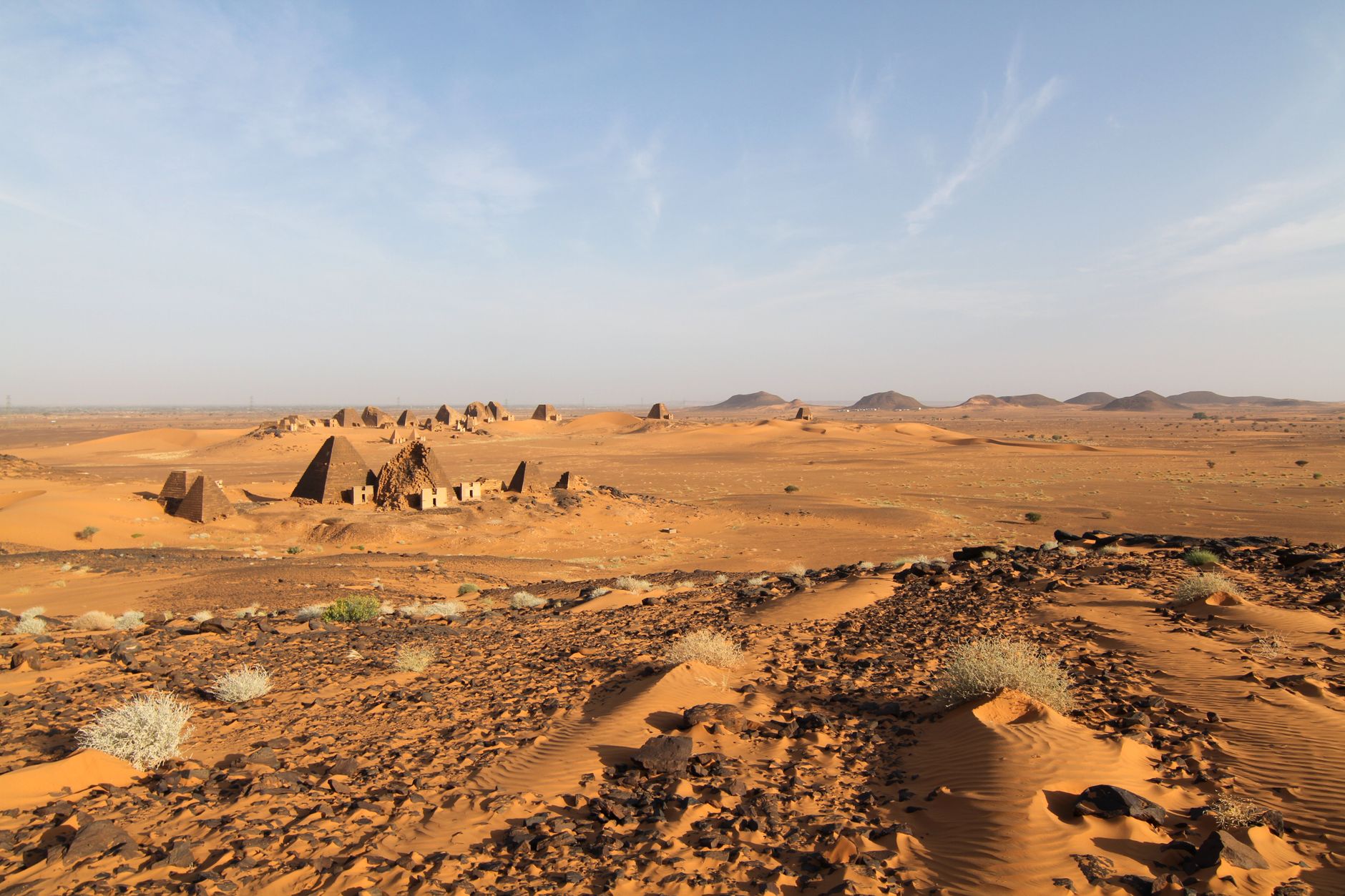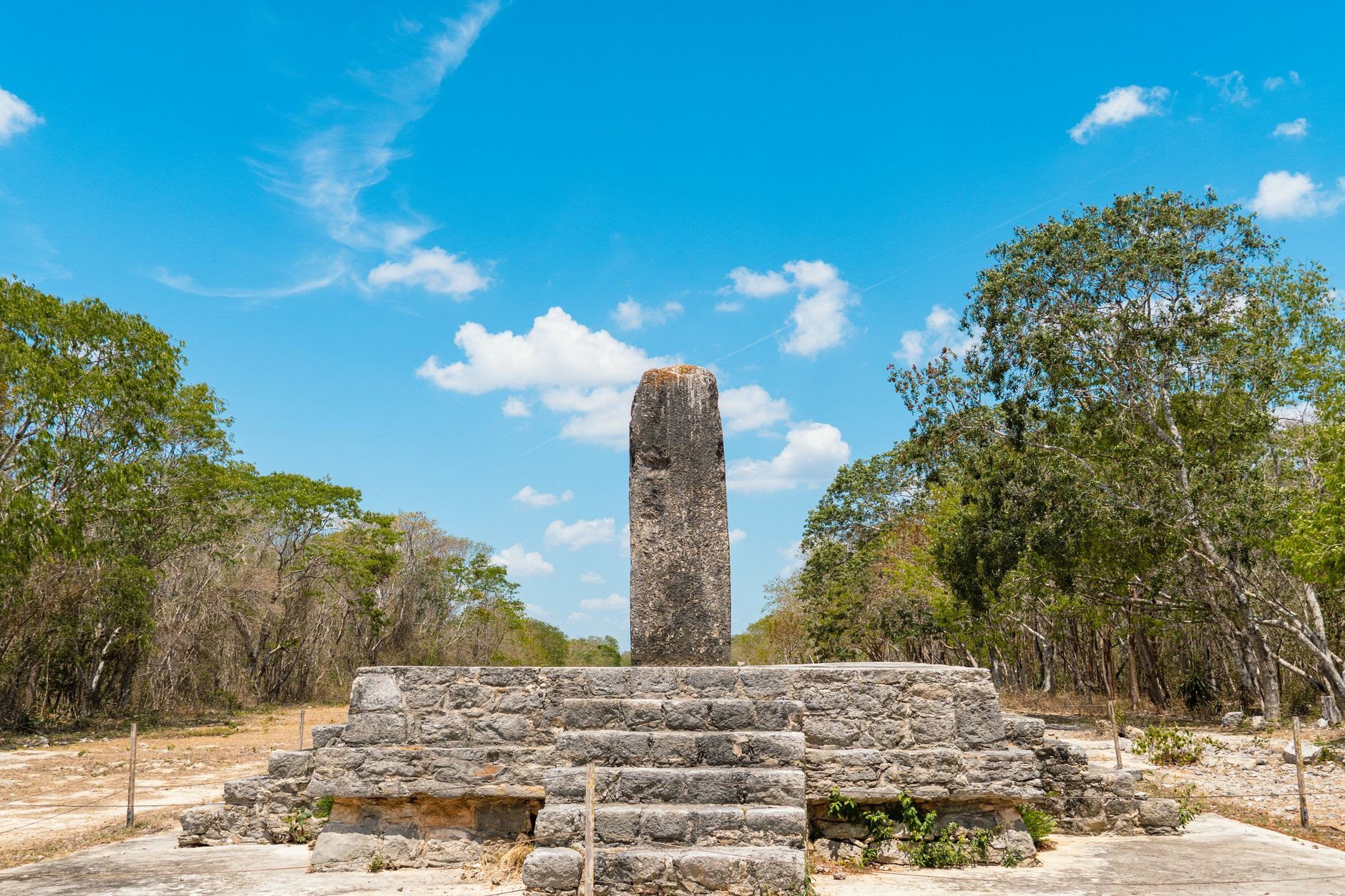
Honduras presents one of Central America’s greatest travel paradoxes: it harbors the world’s most intricate classical Maya stone sculptures and lies beside the Mesoamerican Barrier Reef—the largest coral reef system in the Western Hemisphere. Yet many travellers bypass the country entirely due to outdated perceptions or struggle with trip planning because its two primary attractions are geographically opposite. Copán Ruinas sits in the pine-clad mountains of the far western border with Guatemala, while the world-class dive waters of Roatán lie sixty-five kilometers off the northern Caribbean coast. Driving between them spans nearly four hundred kilometers across rugged topography, consuming an entire travel day.
A successful first journey does not pretend these two poles connect effortlessly; rather, it designs a deliberate transit strategy that turns geography into an asset. This eight-day itinerary anchors your trip around two distinct centers of gravity: three nights in the tranquil colonial village of Copán Ruinas exploring Maya temples and scarlet macaw sanctuaries, followed by a smart transit via Lake Yojoa and a domestic hopper flight or express catamaran ferry to Roatán for four nights of Caribbean reef diving, turquoise beaches, and Garifuna culture. Here is your definitive operational guide to planning transport, booking dive excursions, and navigating Honduras safely.
Trip Planning Blueprint: Transport Realities, Flight Hops, and Seasons
The central planning challenge of Honduras is bridging western Copán with the Caribbean Bay Islands. There are two viable strategies for connecting them. The fastest method is flying into San Pedro Sula’s Ramón Villeda Morales International Airport (SAP), taking a private shuttle or express tourist bus three hours west to Copán Ruinas, returning to San Pedro Sula after your ruins visit, and catching a twenty-five-minute domestic flight directly to Roatán Airport (RTB) aboard CM Airlines. The overland-ferry alternative involves taking a private shuttle from Copán east toward La Ceiba, stopping at scenic Lake Yojoa, and boarding the afternoon high-speed catamaran ferry (*Galaxy Wave*) across to Roatán. Choosing the domestic flight saves five to six hours of road travel and avoids highway fatigue.
Safety in Honduras requires regional discretion. While major transit hubs like San Pedro Sula and Tegucigalpa experience urban crime and should not be treated as leisurely stopovers, tourism corridors like Copán Ruinas, Lake Yojoa, and the Bay Islands (Roatán and Útila) are tranquil, secure, and accustomed to international visitors. Always arrange pre-booked private transfers or reputable tourist shuttle services between destinations rather than hailing random street taxis or navigating chaotic municipal bus terminals with heavy luggage.
Seasonality differs sharply between the mainland interior and the Caribbean coast. Copán and western Honduras follow a typical tropical dry season from November through April, with warm days and cool highland evenings. Conversely, the Bay Islands experience their wettest months between October and January, when northern Caribbean fronts bring squalls and rough seas. For an optimal combination of clear Maya ruins exploration and calm, crystal-clear scuba diving on Roatán, visit between February and August, when sunny skies prevail across both regions.
| Day / Stage | Base | Highlights | Transport Mode | Transit Time | Advance Booking Requirement |
|---|---|---|---|---|---|
| Day 1 | Copán Ruinas | Arrival at San Pedro Sula (SAP), private scenic highway shuttle west to Copán, cobblestone town walk | Private Airport Shuttle | 3 hrs highway drive | San Pedro Sula shuttle pre-booking |
| Day 2 | Copán Ruinas | Copán Archaeological Park, Hieroglyphic Stairway, Ball Court, Macaw Mountain Bird Sanctuary | Walking & Local Tuk-Tuk | 10 mins to park gate | Park ticket ($15) & guide hire |
| Day 3 | Copán Ruinas | Las Sepulturas residential ruins, natural hot springs at Luna Jaguar, evening café dining | Local Taxi / 4WD Tour | 45 mins to hot springs | Luna Jaguar excursion transport |
| Day 4 | Roatán (West End) | Shuttle east to Lake Yojoa, Pulhapanzak waterfall stop, domestic hopper flight to Roatán | Shuttle & Domestic Flight | 3.5 hrs drive + 25 mins flight | CM Airlines flight (SAP to RTB) |
| Day 5 | Roatán (West End) | Two-tank morning scuba dives on Mesoamerican Barrier Reef, afternoon relax at Half Moon Bay | Dive Boat & Walking | 10 mins boat ride to reef | PADI dive shop package booking |
| Day 6 | Roatán (West Bay) | Water taxi to West Bay Beach, shore snorkeling along coral wall, sunset seafood dining | Local Water Taxi | 10 mins scenic boat ride | Water taxi fare ($3–$5) |
| Day 7 | Roatán (Punta Gorda) | Day excursion to Punta Gorda Garifuna community, traditional drumming, machuca stew lunch | Rented Scooter or Taxi | 45 mins cross-island drive | Garifuna cultural tour booking |
| Day 8 | Roatán departure | Morning ocean swim, tropical coffee breakfast, transfer to Juan Manuel Gálvez Airport (RTB) | Local Island Taxi | 20 mins airport transfer | Outbound flight check-in |
Days 1–3: The Classical Maya Kingdom and Scarlet Macaws in Copán
Your journey begins with an arrival at Ramón Villeda Morales International Airport (SAP) in San Pedro Sula. Meet your pre-arranged private driver outside customs and travel immediately west along Highway CA-4 into the Department of Copán. The highway ascends through verdant tobacco plantations and pine-forested river valleys into the mountain town of Copán Ruinas, located twelve kilometers from the Guatemalan border. Settle into a traditional tile-roofed posada centered around a flower-filled courtyard, and spend your first evening exploring the town’s steep cobblestone streets, artisan leather shops, and relaxed open-air cafés.
Devote your second morning to Copán Archaeological Park, a UNESCO World Heritage site celebrated as the Paris of the Maya world for its extraordinary stone carving and artistic sophistication. Unlike the steep, unadorned limestone pyramids of Tikal, Copán’s monuments are distinguished by their high-relief sculptures, intricately carved royal portrait stelae, and the famous Hieroglyphic Stairway. Spanning sixty-three stone steps and comprising over two thousand individual hieroglyphs, this staircase constitutes the longest continuous pre-Columbian written text in the Americas, chronicling the dynastic history of Copán’s sixteen rulers.
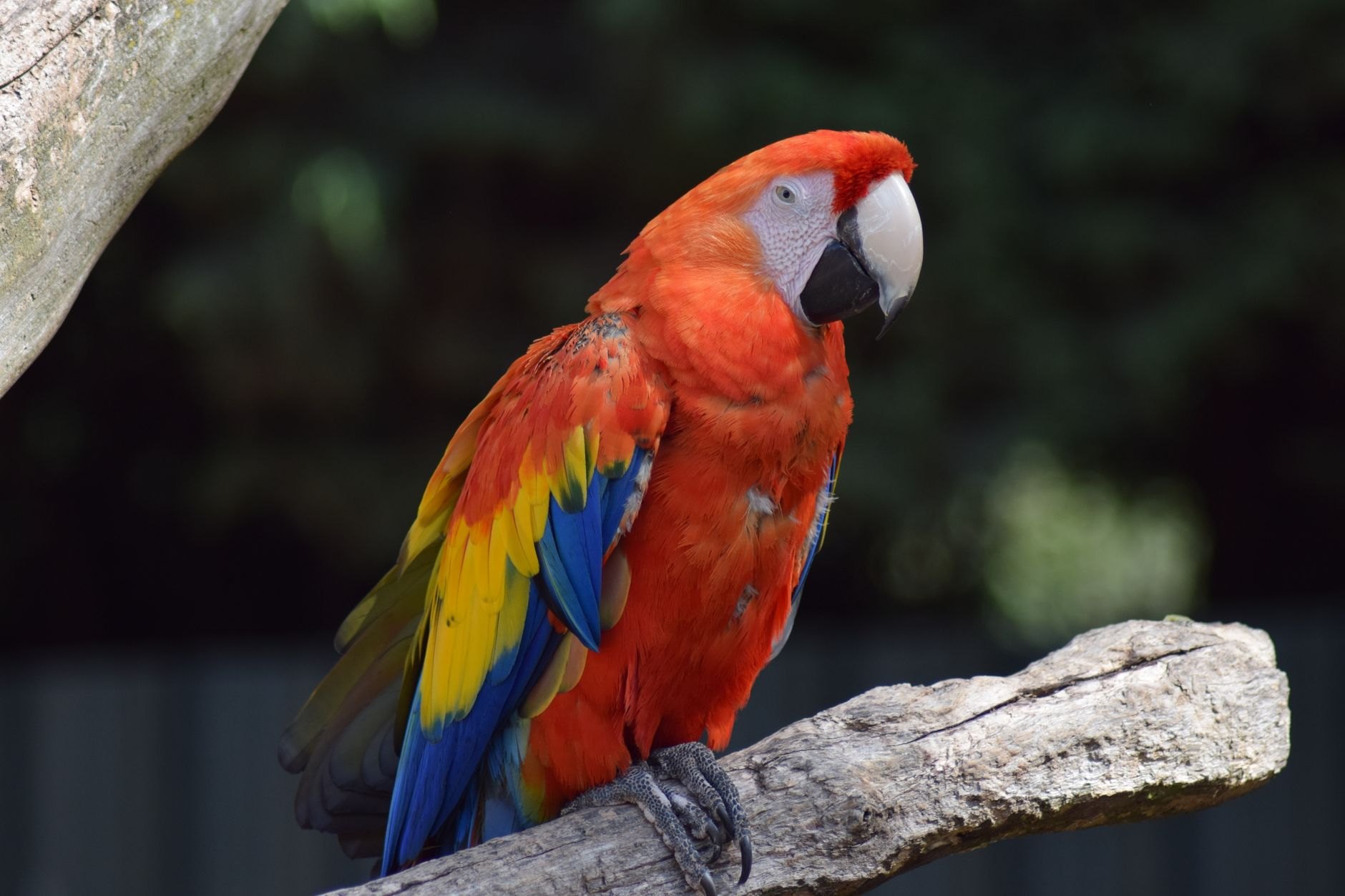
In the afternoon, take a ten-minute tuk-tuk ride north of town to Macaw Mountain Bird Sanctuary, an educational rescue and rehabilitation center situated in a lush tropical river canyon. Here, hundreds of rescued scarlet macaws, toucans, and parrots are cared for and gradually released into the wild. Honduras’s national bird, the scarlet macaw, once flew across all of Central America; today, through successful breeding and release programs, flocks of these brilliant red, yellow, and blue birds soar freely between the ancient stone temples of Copán Archaeological Park and the forest canopy.
On day three, explore the residential ruins of Las Sepulturas to gain insight into the daily lives of Maya nobility, or journey forty-five minutes into the mountains to Luna Jaguar Hot Springs. This eco-thermal reserve channels natural subterranean sulfur water into twenty tiered stone pools constructed within primary rainforest, offering therapeutic bathing beneath tree ferns and tropical birds.
Day 4: Transit Realities: Lake Yojoa, Pulhapanzak, and Flying to Roatán
Day four is your transition day between the mountains and the Caribbean sea. Depart Copán early in the morning in a private shuttle heading east toward central Honduras. Rather than spending hours in industrial transit depots, plan a midday stop in the Lake Yojoa basin, Honduras’s largest natural lake surrounded by cloud-forest national parks. The region is the epicenter of Honduran specialty coffee production, with small family fincas cultivating high-altitude Arabica varieties under shade-grown canopies.
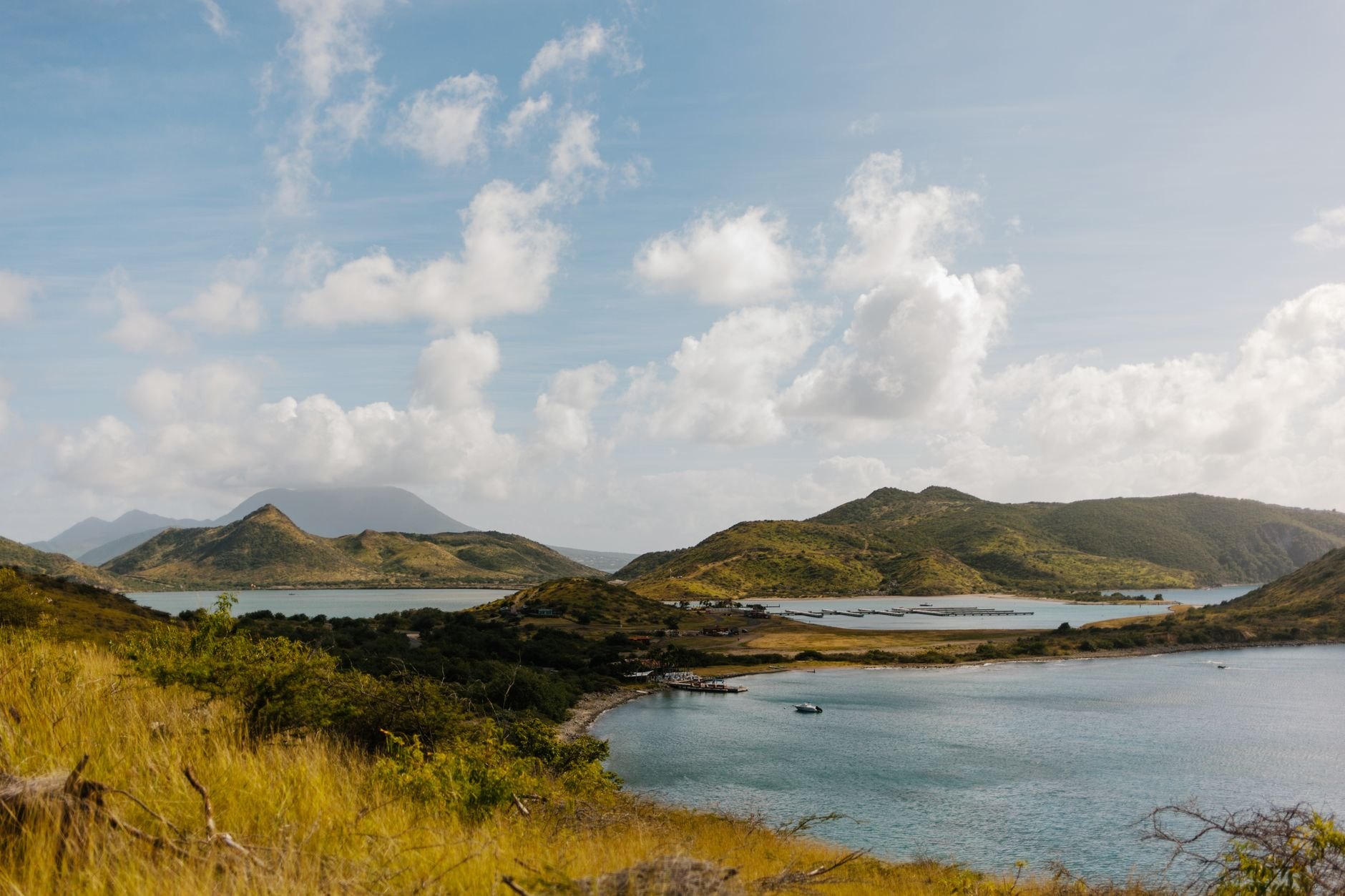
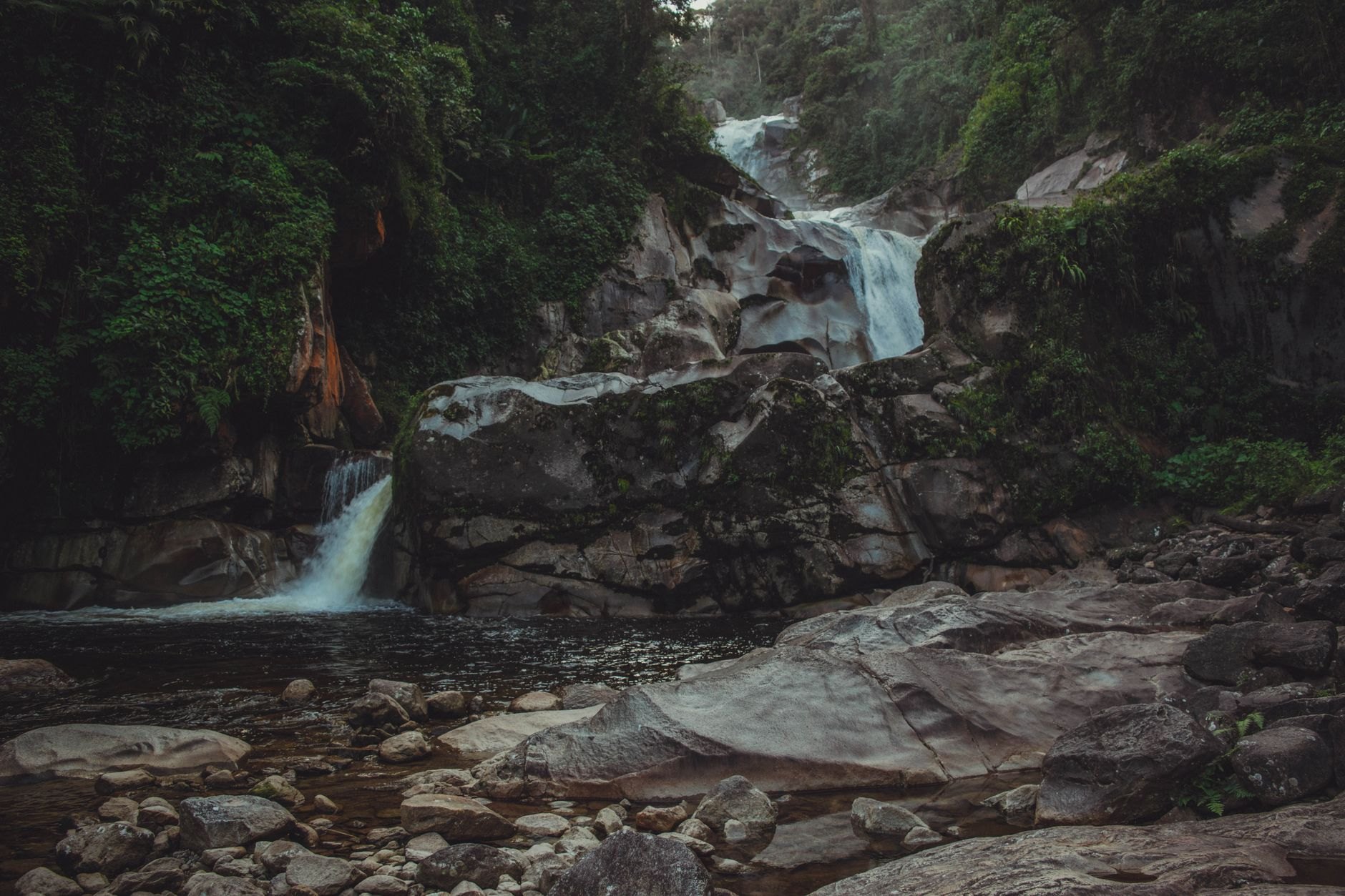
Just north of Lake Yojoa, detour to Cataratas Pulhapanzak, a spectacular forty-three-meter waterfall tumbling over a vertical limestone precipice into the Río Lindo canyon. Ancient Maya ceramics discovered around the falls suggest this cascade was an important sacred ceremonial center. Enjoy lunch at an open-air lakeside restaurant sampling crispy fried Lake Yojoa black tilapia served with crispy plantain chips (*tajadas*) and pickled red onions.
After lunch, continue thirty minutes north to San Pedro Sula Airport (SAP) to catch your afternoon CM Airlines scheduled flight to Roatán. Within twenty-five minutes of takeoff, the emerald coastal mountains give way to shimmering turquoise water and the dark outline of the barrier reef. Land at Juan Manuel Gálvez Airport (RTB), clear baggage, and take a twenty-minute taxi to your base in West End, Roatán’s laid-back hub of dive shops, wooden piers, and seaside restaurants.
Days 5–7: Roatán: The Mesoamerican Barrier Reef and Island Culture
Roatán is the largest of the Honduran Bay Islands, renowned worldwide as one of the most accessible and affordable scuba diving destinations on earth. The island is encircled by the protected Roatán Marine Park, a community-supported marine reserve that has strictly enforced fishing bans and mooring buoy regulations since 2005. The result is exceptionally healthy coral formations, massive purple sea fans, and abundant marine life thriving just minutes from the shoreline.
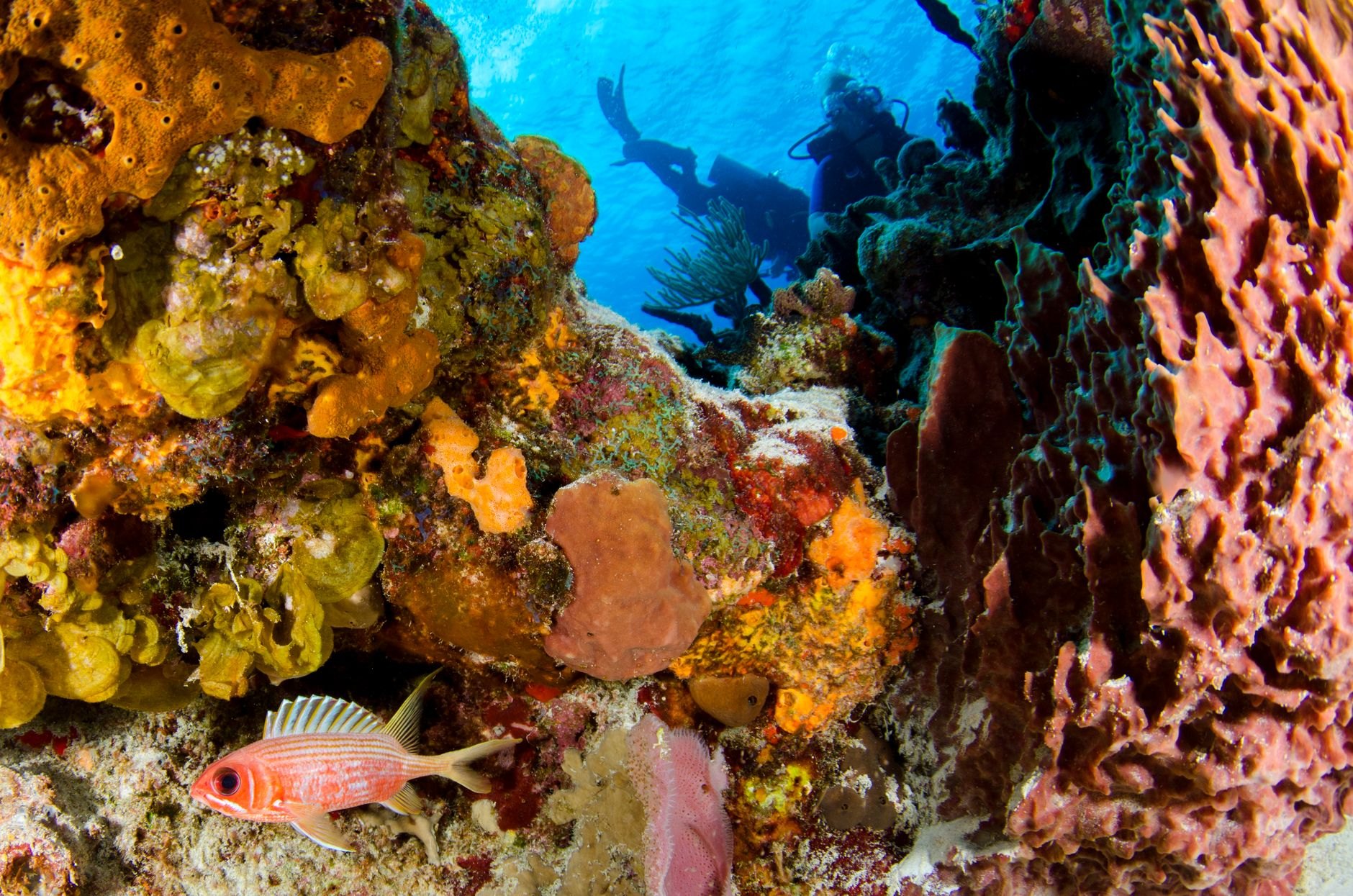
Begin day five with a two-tank morning boat dive with a certified PADI dive operator in West End. Dive sites such as West End Wall, Hole in the Wall, and Texas feature dramatic underwater topography: vertical limestone drop-offs plunging into deep blue water, narrow coral canyons, and cavernous swim-throughs populated by green moray eels, friendly groupers, and eagle rays cruising along the wall edge.
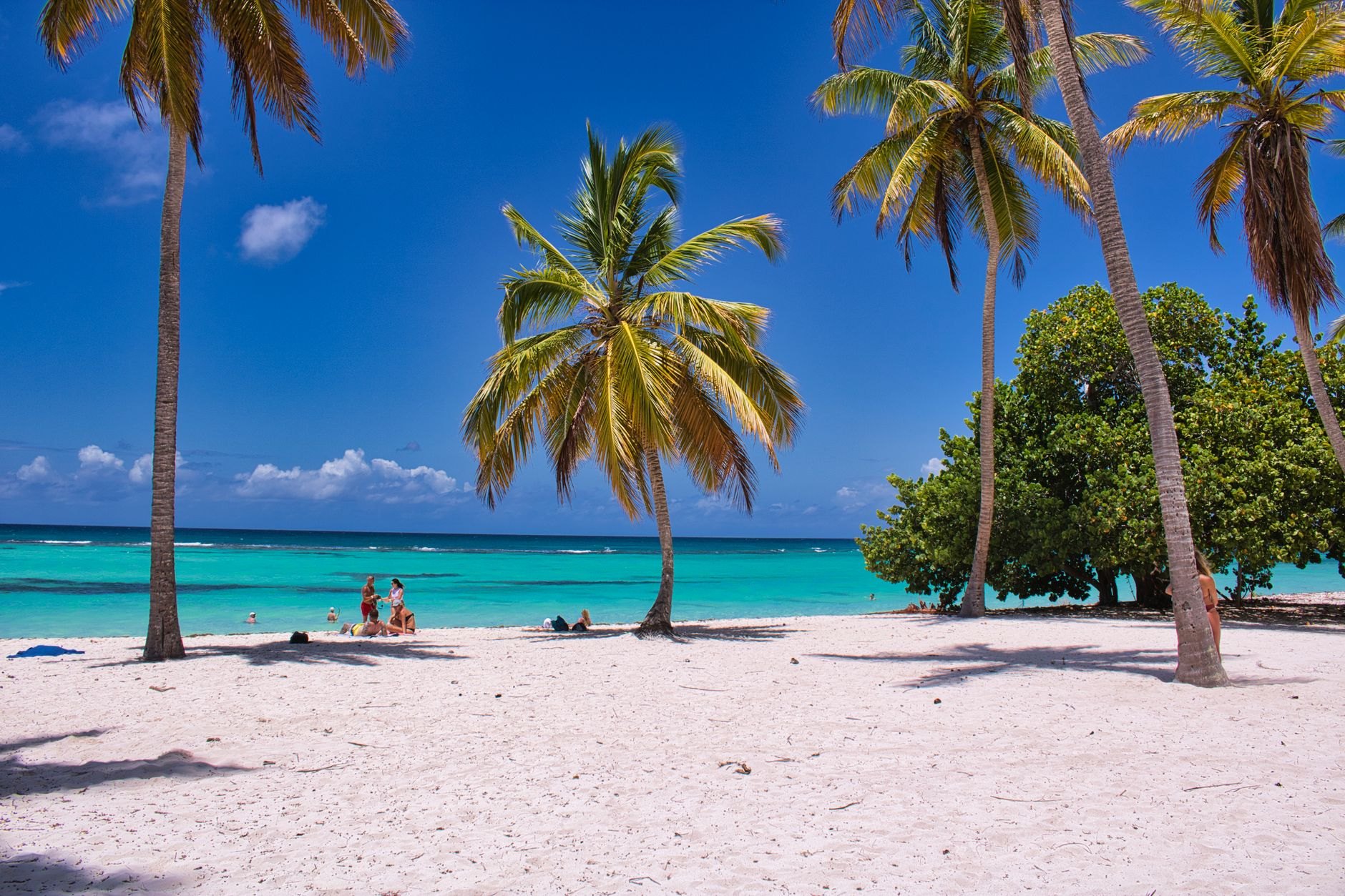
On day six, catch a wooden water taxi from the West End dock around the point to West Bay Beach. Frequently ranked among the finest beaches in the Caribbean, West Bay features powder-soft white sand and perfectly calm turquoise water. The northern end of the beach offers exceptional snorkeling: you can swim fifty meters directly from the sand to reach a sheer coral wall teeming with parrotfish, angelfish, and foraging hawksbill sea turtles.
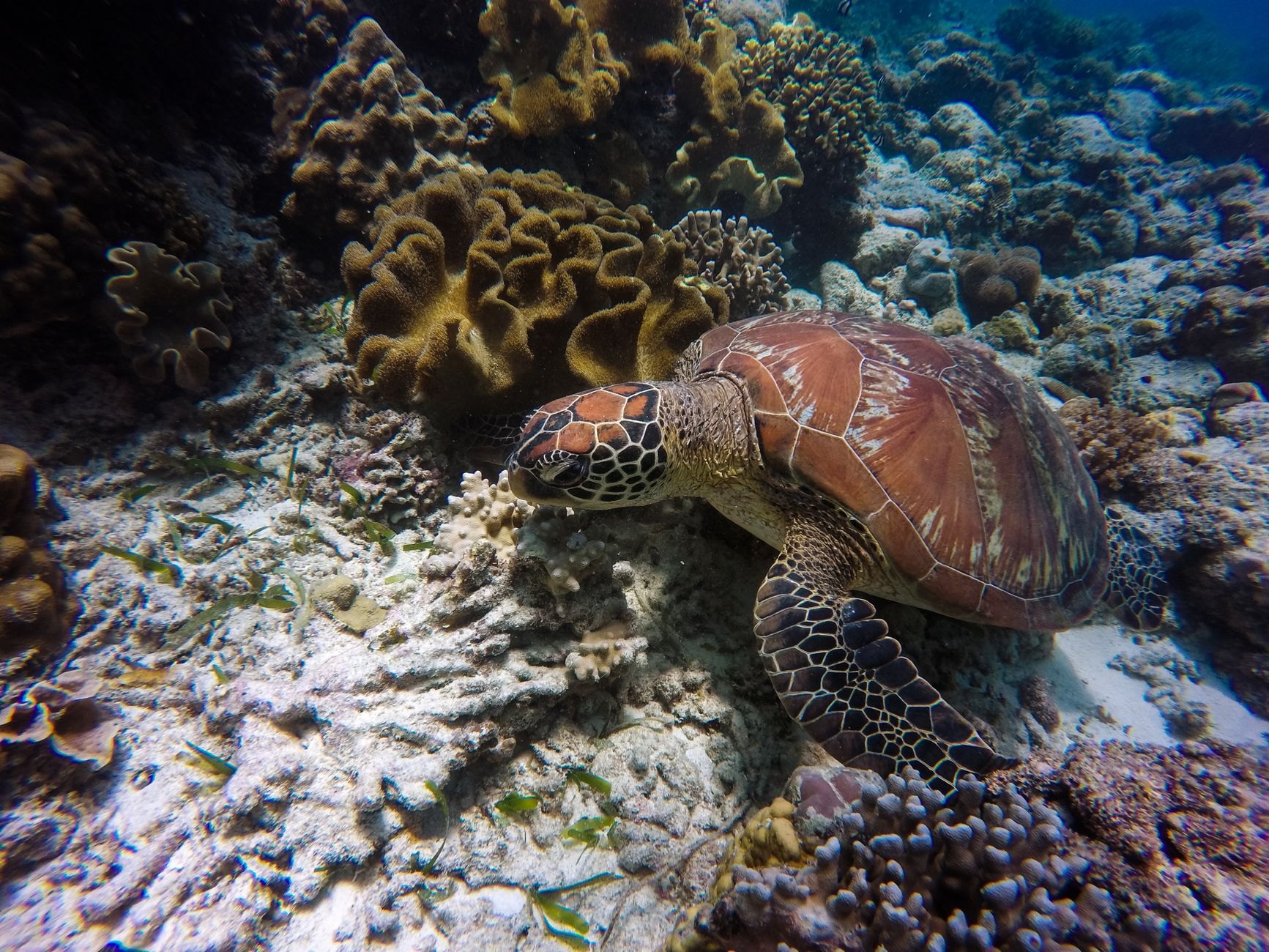
Encountering sea turtles is a frequent highlight of diving and snorkeling around Roatán. Both hawksbill and green sea turtles graze on sponges and seagrass beds throughout the marine park, showing minimal fear of quiet swimmers.
On your seventh day, hire an island driver or rent a scooter to explore the cultural heritage of Roatán’s north shore. Visit Punta Gorda, the oldest Garifuna settlement in Central America, founded in 1797 when British forces marooned thousands of Afro-indigenous Garifuna people on Roatán’s beaches. Today, Punta Gorda preserves authentic Garifuna traditions, recognized by UNESCO as an Intangible Cultural Heritage. Wander past wooden stilt houses, listen to traditional *garawoun* drum rhythms, and sample *machuca*, a rich seafood stew simmered with coconut milk and served with a mortar-pounded plantain paste.
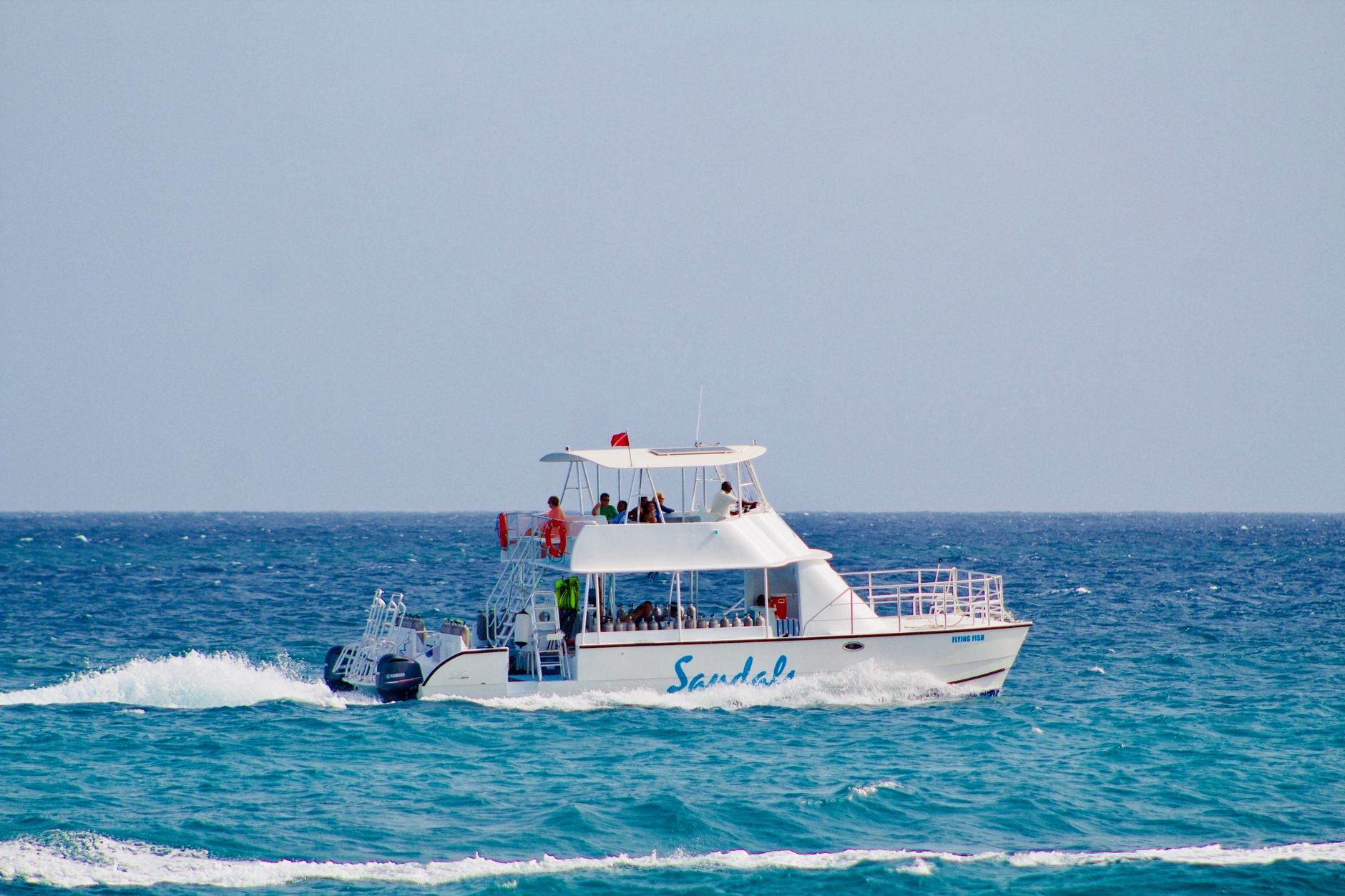
If you prefer an alternative to domestic flights, the high-speed catamaran ferry *Galaxy Wave* provides daily service between the mainland port of La Ceiba and Roatán. The seventy-five-minute crossing is comfortable and air-conditioned, offering sweeping views of the Caribbean coastline.
Honduran Culinary Heritage: Baleadas and Caribbean Seafood
Honduran cuisine combines mainland Mesoamerican corn traditions with Afro-Caribbean coconut, fresh seafood, and tropical root vegetables. The undisputed national dish is the baleada, an everyday staple that originated on the banana plantations of the northern coast. A proper baleada consists of a large, freshly pressed flour tortilla cooked on a hot griddle, filled with warm refried red beans, a generous smear of salty, sour Honduran cream (*mantequilla blanca*), and crumbled hard white cheese (*queso duro*).
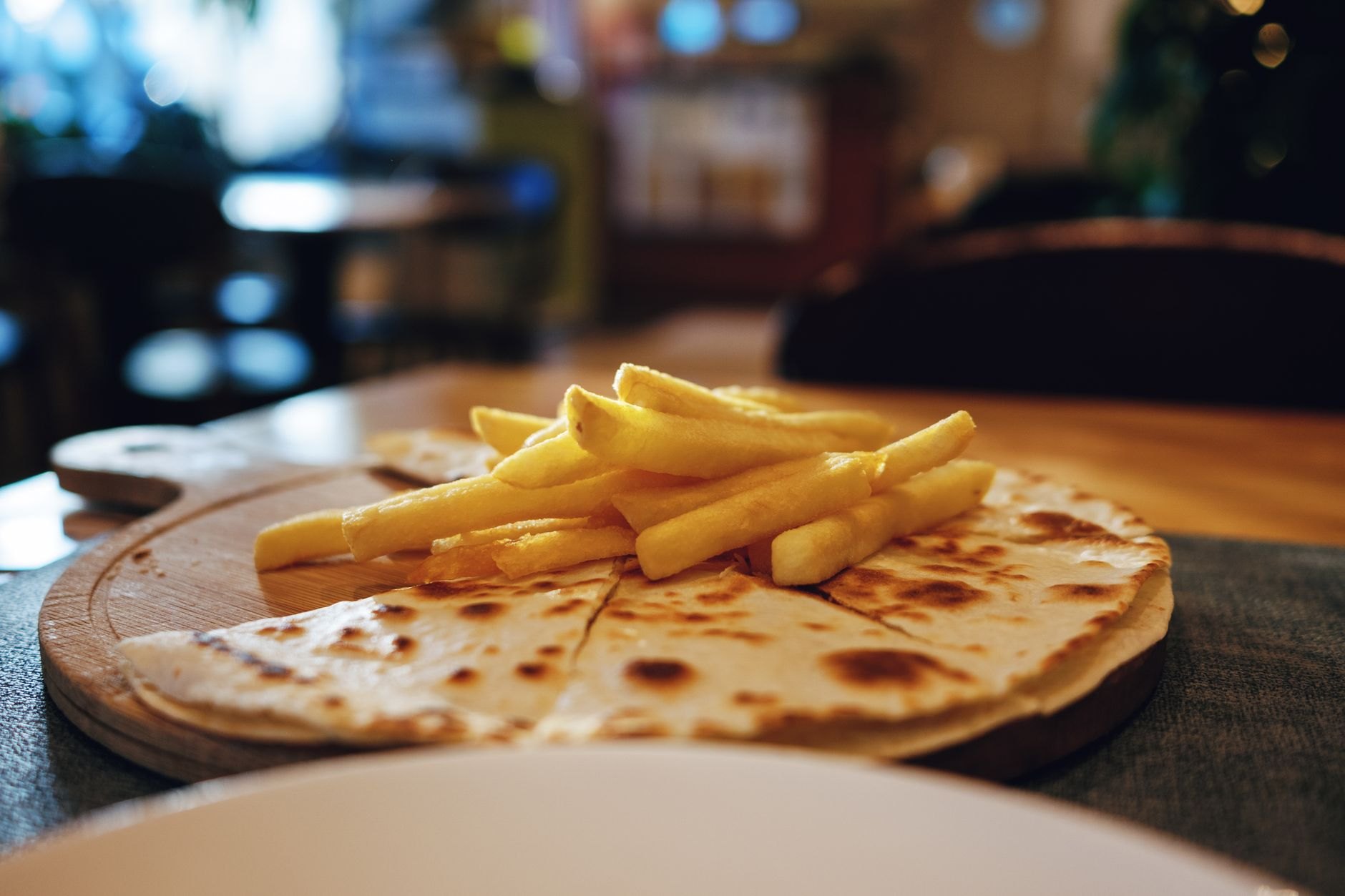
Order a *baleada especial* or *con todo* to add scrambled eggs, creamy avocado slices, and roasted beef or pork. On Roatán, coastal dining centers on freshly caught whole fried snapper (*pescado frito*), garlic butter lobster tails, conch ceviche marinated in lime juice and coconut water, and ice-cold SalvaVida or Port Royal lagers enjoyed at seaside wooden bars as the sun dips below the Caribbean horizon.
Route Adaptations: Express vs. Extended Itineraries
This eight-day blueprint balances culture and marine nature, but can be adapted to specific travel goals:
The 5-Day Reef Focus: If your priority is scuba certification or pure beach relaxation, fly directly into Roatán (RTB) on an international flight (available from Miami, Houston, Atlanta, and Dallas) and spend the entire five days on the island, bypassing the mainland entirely.
The 11-Day Grand Honduras Route: With eleven days, add two nights on neighboring Útila—famous for whale shark encounters and budget dive culture—or spend two nights in the cloud forests of Pico Bonito National Park near La Ceiba, hiking to rainforest waterfalls and birdwatching for keel-billed toucans.
Essential Logistics: Safety, Currency, Health, and Visas
Travelling through Honduras requires straightforward practical awareness:
CA-4 Border Control Agreement: Honduras is a member of the Central America-4 (CA-4) Border Control Agreement alongside Guatemala, El Salvador, and Nicaragua. A tourist entry stamp issued in any member country grants ninety days total across the four nations. Keep your passport and immigration receipt securely stored.
Currency and Cash Handling: The official currency is the Honduran Lempira (HNL). On the mainland (Copán, Lake Yojoa, San Pedro Sula), daily expenses and local purchases are settled in Lempiras, though credit cards are widely accepted at established hotels. On Roatán, US dollars are universally accepted alongside Lempiras for dive packages, hotels, and restaurant dining. ATMs are available in Copán Ruinas and West End, but carrying moderate cash in small bills is recommended.
Health and Marine Protection: The Bay Islands are home to microscopic biting sandflies (*no-see-ums*) along the beaches, especially during windless days. Standard mosquito repellents are often ineffective; locals rely on baby oil, coconut oil, or eucalyptus-based mixtures (like Cactus Juice) to form a barrier on the skin. When diving or snorkeling, use exclusively mineral reef-safe sunscreen (free of oxybenzone and octinoxate) to protect the fragile coral reef.
Mobile Connectivity and Digital Logistics in Honduras
Reliable cellular data is crucial for coordinating airport shuttles in San Pedro Sula, checking dive boat schedules in West End, navigating water taxis, and maintaining communication across the mainland and islands. While hotels in Copán and Roatán provide Wi-Fi, coverage during transit between Lake Yojoa and along Roatán’s coastal roads depends entirely on mobile networks.
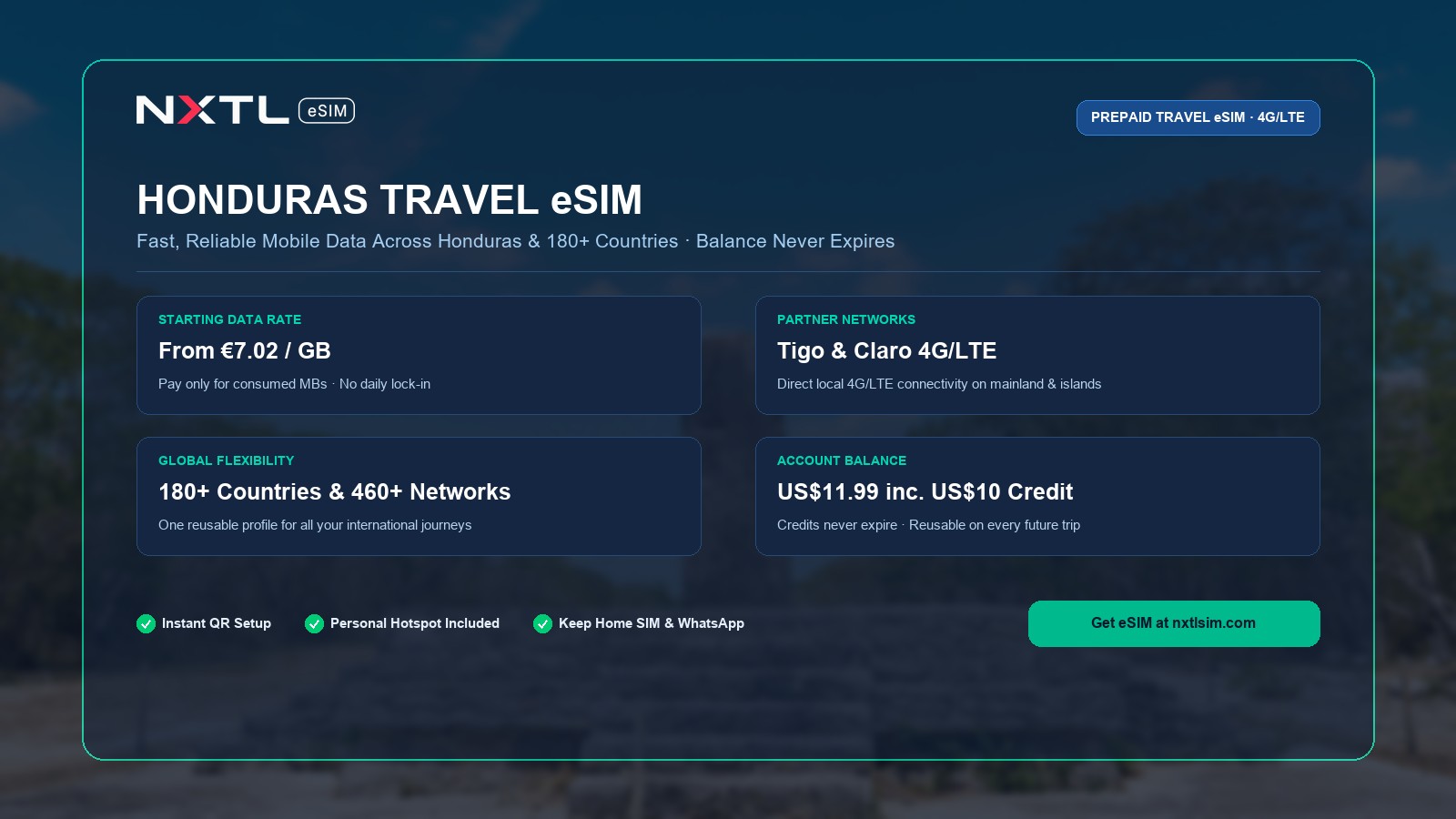
Avoid queuing at airport kiosks or submitting passport registration documents to purchase temporary local SIM cards by installing an eSIM prior to departure. The NXTL Honduras eSIM connects directly to Honduras’s leading telecommunications networks—Tigo and Claro—providing dependable 4G/LTE data across Copán, San Pedro Sula, and the Bay Islands. Starting from $7.93 per gigabyte, NXTL features an honest pay-as-you-go pricing model with no daily data caps or forced expiration dates. Your unused account balance remains permanently valid across more than 180 countries for your next journey.
Travel Scams and Safety Pitfalls to Avoid
While the tourism trail between Copán and Roatán is well-established, tourists should remain alert to common travel pitfalls:
- Unlicensed Airport Luggage Handlers in San Pedro Sula: At SAP airport, informal porters will aggressively grab your bags from the luggage belt and demand ten to twenty US dollars for wheeling them fifty paces to a taxi. Politely refuse assistance with a firm “No, gracias” and keep direct physical control of your luggage.
- Fake Archaeological Guides at Copán Park Entrance: Unofficial guides loiter along the road approaching Copán Archaeological Park, wearing fake laminated badges and quoting inflated rates. Hire only official, certified guides carrying badges issued by the Instituto Hondureño de Antropología e Historia (IHAH) at the official ticket pavilion.
- Aggressive Ferry Porters at La Ceiba and Roatán: Porters at the Galaxy Wave ferry terminals will snatch bags and demand exorbitant tips. Checked bags are handled directly by ferry counter staff with luggage claim tags included in your ticket fare; do not pay informal handlers.
- Predatory Scooter Damage Scams in West End: Some independent scooter and ATV rental shops in West End or West Bay inspect returned vehicles with extreme scrutiny, blaming tourists for pre-existing scratches and demanding cash fines. Always photograph every angle of the scooter and document all scratches with the shop clerk before signing rental papers.
- Unaccredited Scuba Dive Operators: Bargain dive outfits occasionally cut corners on tank maintenance, pure air filtration, or emergency oxygen equipment. Always verify that your chosen dive center is an active PADI 5-Star or SSI-certified facility with insured divemasters and positive safety records.
By planning transit mindfully, respecting the distinct character of the mountainous mainland and the Caribbean coast, and staying connected throughout your journey, an eight-day expedition connecting Copán Ruinas and Roatán will remain one of the most culturally profound and naturally captivating adventures in the Americas.