Hong Kong is one of the world’s most electrifying vertical metropolises, where soaring glass towers, misty granite peaks, and emerald subtropical seas exist in breathtaking proximity. Yet many first-time visitors make the mistake of treating the city merely as a sterile 48-hour shopping stopover between flights, never venturing beyond the luxury air-conditioned malls of Tsim Sha Tsui and Central. In doing so, they miss the rugged coastal ridges, vibrant street markets, and authentic culinary heritage that give Hong Kong its true soul.
The definitive first trip is a focused 5-day urban and island exploration. You master the historic double-decker trams and Star Ferry, ride the 1888 Peak Tram to Victoria Peak, hike the coastal ridgeline of Dragon’s Back, explore working-class food stalls in Sham Shui Po, and take a ferry into the tranquil stilt villages of Lantau Island. This route captures the perfect balance between neon-lit cityscape and wild subtropical nature.
The 5-Day Hong Kong City Itinerary at a Glance
| Day / Stage | Overnight Base | Key Highlights | Transit & Route Logistics | Essential Advance Bookings | What to Cut / Save |
|---|---|---|---|---|---|
| Day 1: Island Heights & Historic Trams | Central or Sheung Wan | Peak Tram funicular to Victoria Peak, Lugard Road panoramic path, Ding Ding double-decker tram, Man Mo Temple | Hong Kong Airport (HKG) to Central via Airport Express (24 min, HK$115); city transit via Octopus card | Peak Tram return combo ticket; purchase physical Octopus card at airport arrivals | Skip the tourist Peak Tower sky terrace; free public walking paths along Lugard Road offer superior harbor views |
| Day 2: Coastal Ridges & Fishing Villages | Central or Wan Chai | Dragon’s Back coastal ridge hike, Shek O fishing village seafood, evening Star Ferry harbor crossing, Tsim Sha Tsui promenade | MTR to Shau Kei Wan station + Bus 9 to To Tei Wan (30 min); Star Ferry across Victoria Harbour (HK$5) | Preload Octopus card with HK$200; dinner reservation at an authentic roast goose restaurant | Skip expensive harbor dinner cruises; the historic public Star Ferry offers identical views for under $1 |
| Day 3: Kowloon Culture & Neon Markets | Central or Tsim Sha Tsui | Wong Tai Sin Temple fortune-telling, Sham Shui Po electronic markets, street food stalls, Temple Street night market | MTR Tsuen Wan Line from Central to Sham Shui Po and Jordan (15 min); walking between market streets | Tim Ho Wan or Sun Kui dim sum queueing; evening cocktail reservation in Tsim Sha Tsui | Skip buying cheap unbranded consumer electronics from street hawkers; stick to certified electronics retailers |
| Day 4: Lantau Peaks & Stilt Villages | Central or Tsim Sha Tsui | Ngong Ping 360 crystal cable car, Tian Tan Big Buddha, Po Lin Monastery vegetarian lunch, Tai O stilt fishing village | MTR to Tung Chung + Ngong Ping 360 cable car (25 min); New Lantao Bus 21 from Ngong Ping to Tai O (20 min) | Ngong Ping 360 cable car timed round-trip ticket (skip 2-hour ticket lines); Tai O boat safari ticket | Skip standard glass-bottom cable car queues on weekends by pre-booking online express vouchers |
| Day 5: Culinary Traditions & Departure | Central / Departure | Morning dim sum in Sheung Wan, Tai Kwun heritage center, Graham Street artisan markets, Airport Express to HKG | Central to Hong Kong International Airport via Airport Express (24 min, departs every 10 min) | In-town flight check-in at Hong Kong Station (check airline eligibility); flight departing after 16:00 | Skip taking expensive highway taxis to the airport during afternoon rush hours; Airport Express avoids all road congestion |
Hong Kong possesses one of the world’s most efficient public transit systems. By pairing the world-class MTR subway network with historic double-decker trams and harbor ferries, you navigate the territory smoothly without ever getting stuck in road traffic.
Hong Kong Island: Double-Decker Trams & Peak Panoramas (Day 1)
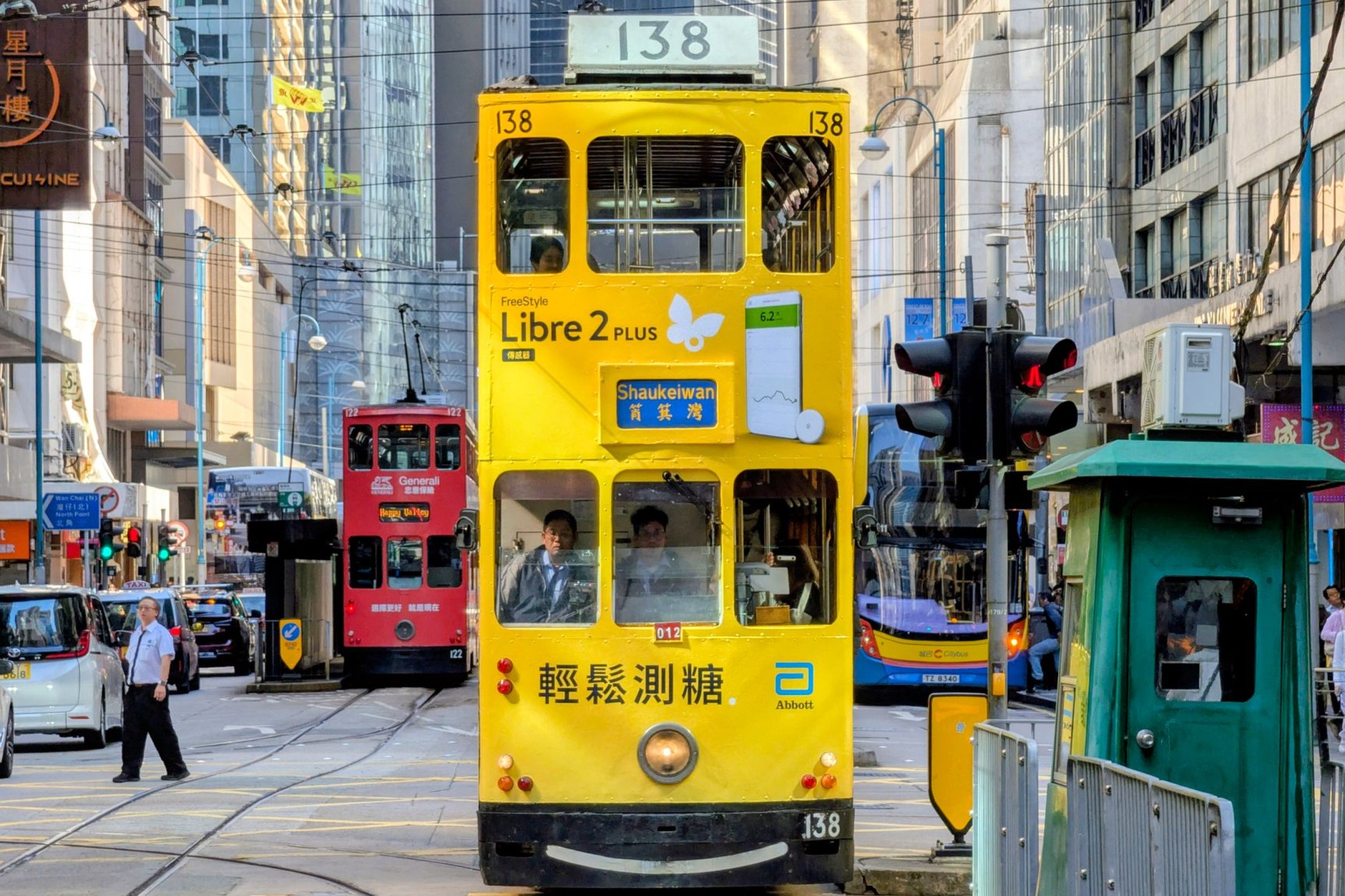
Your journey begins on Hong Kong Island, where hyper-modern glass skyscrapers rise directly against sheer, jungle-clad granite mountains. Board a historic Ding Ding tram, the world’s only fully double-decker tram fleet in continuous service since 1904. For a flat fare of just HK$3, sit on the upper deck by the front window as the vintage car clatters through the bustling street markets and neon signs of Des Voeux Road and Hennessy Road.
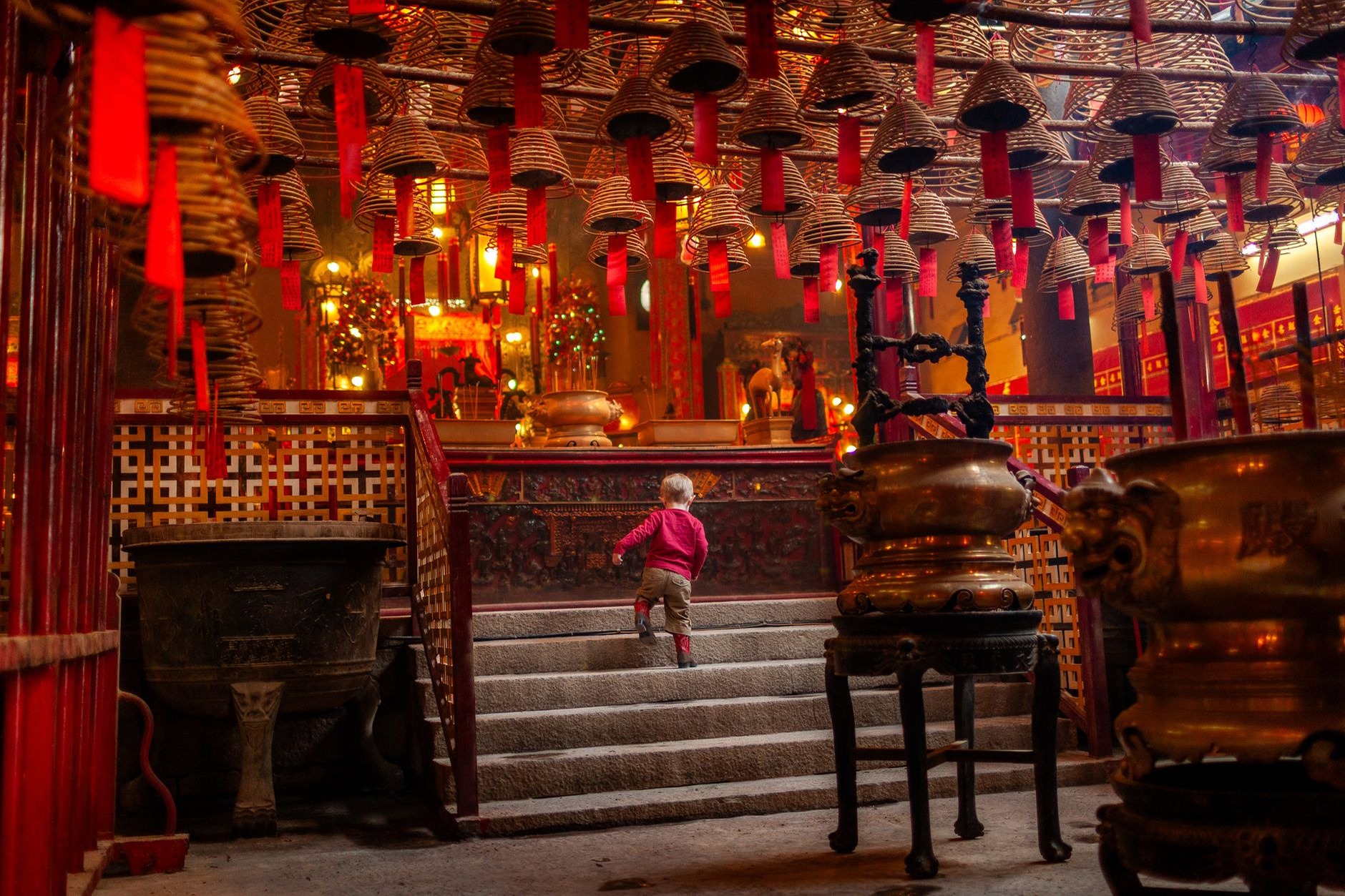
Step off in Sheung Wan to visit Man Mo Temple, built in 1847 along Hollywood Road. Dedicated to the civil god of literature (Man) and the martial god of war (Mo), the temple interior is an atmospheric sanctuary filled with swirling blue smoke from giant hanging incense coils (*panxiang*), burning for weeks with prayers of students and merchants.
Hong Kong’s architecture is deeply governed by Feng Shui (geomancy). As you gaze up at the coastal skyscrapers along the south side of the island (such as the famous Repulse Bay building), you will notice gaping rectangular voids cut directly through the middle of high-rise structures. These are known as Dragon Gates (*lung mun*). Ancient belief holds that mythical dragons residing in the mountains fly down every morning to drink from the waters of Victoria Harbour. Blocking their path brings bad fortune, so architects engineer massive apertures through luxury high-rises to allow dragon spirits unimpeded passage.
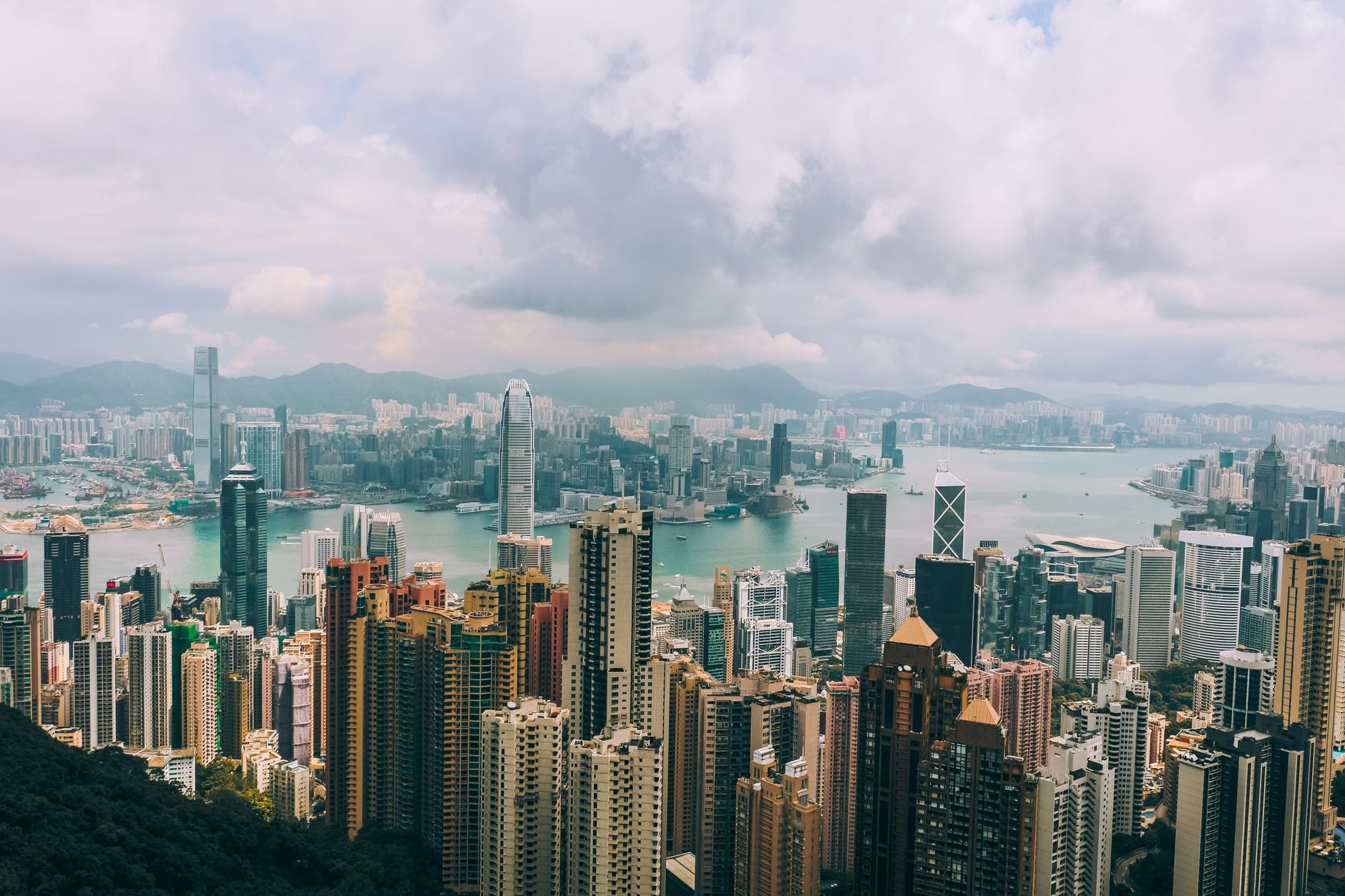
In the late afternoon, ride the historic Peak Tram to Victoria Peak (552 meters). Opened in 1888, this was Asia’s first funicular cable railway, engineered by Scotsman Alexander Findlay Smith to allow colonial administrators to escape tropical malaria, typhus, and oppressive summer humidity by ascending to the cooler mountain breezes. The modern tram climbs a sheer 25.7-degree gradient in just eight minutes. Skip the commercial observation deck and walk the shaded, flat loop trail along Lugard Road, carved into the cliff face, for an unmatched panoramic vista looking down over the harbor skyscrapers.
Coastal Nature: The Dragon’s Back & The Star Ferry (Day 2)
More than 40 percent of Hong Kong’s landmass is protected country parkland. On Day 2, take the MTR to Shau Kei Wan, then catch Bus 9 to the trailhead of the Dragon’s Back (Shek O Country Park), celebrated as one of Asia’s finest urban hikes.
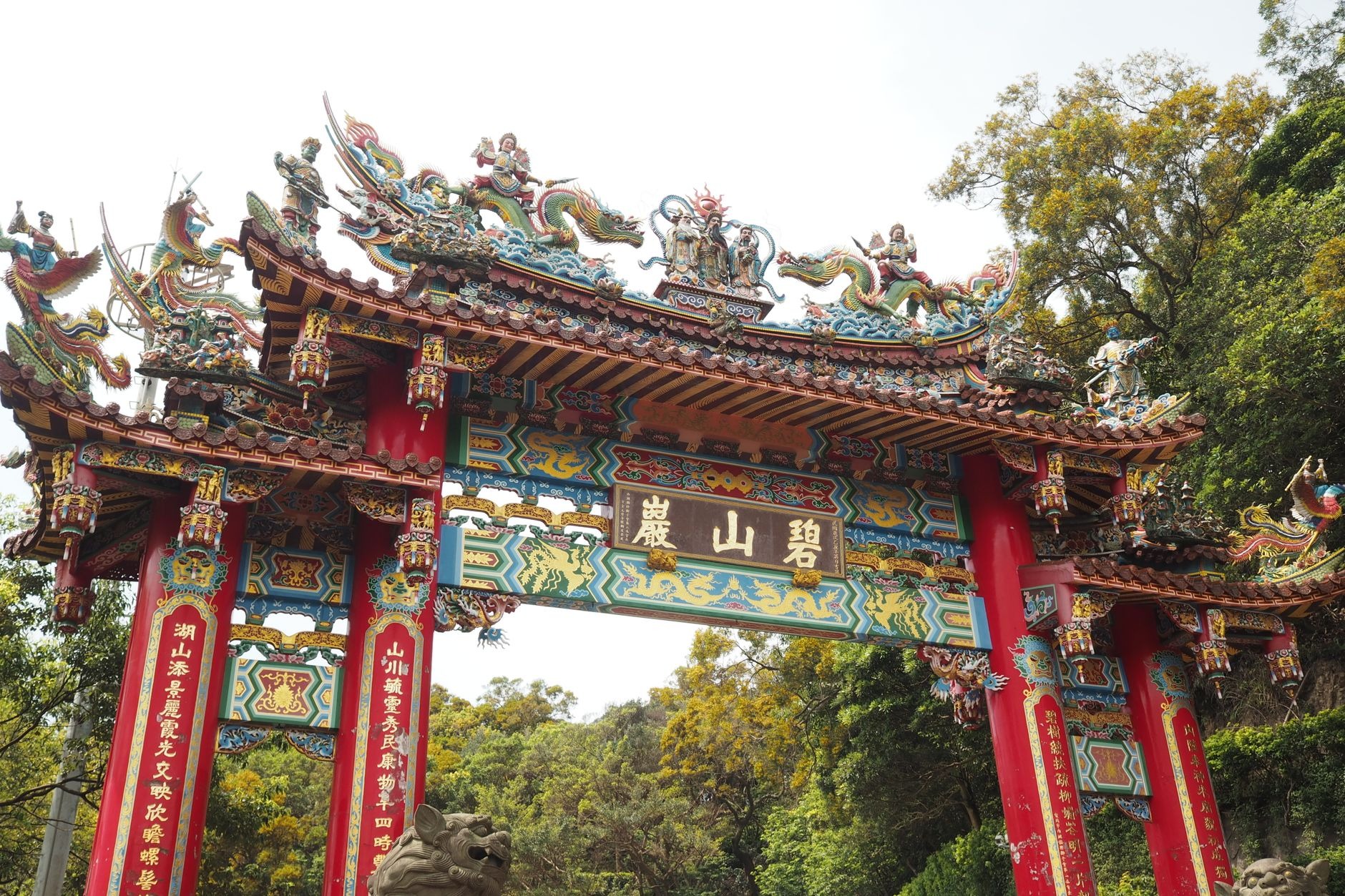
The trail traces an undulating granite ridgeline, revealing sweeping 360-degree views over turquoise coastal bays, secluded coves, and the South China Sea. After descending into the colorful fishing village of Shek O for fresh coconut water and barbecued skewers on the beach, head back to Central for sunset.
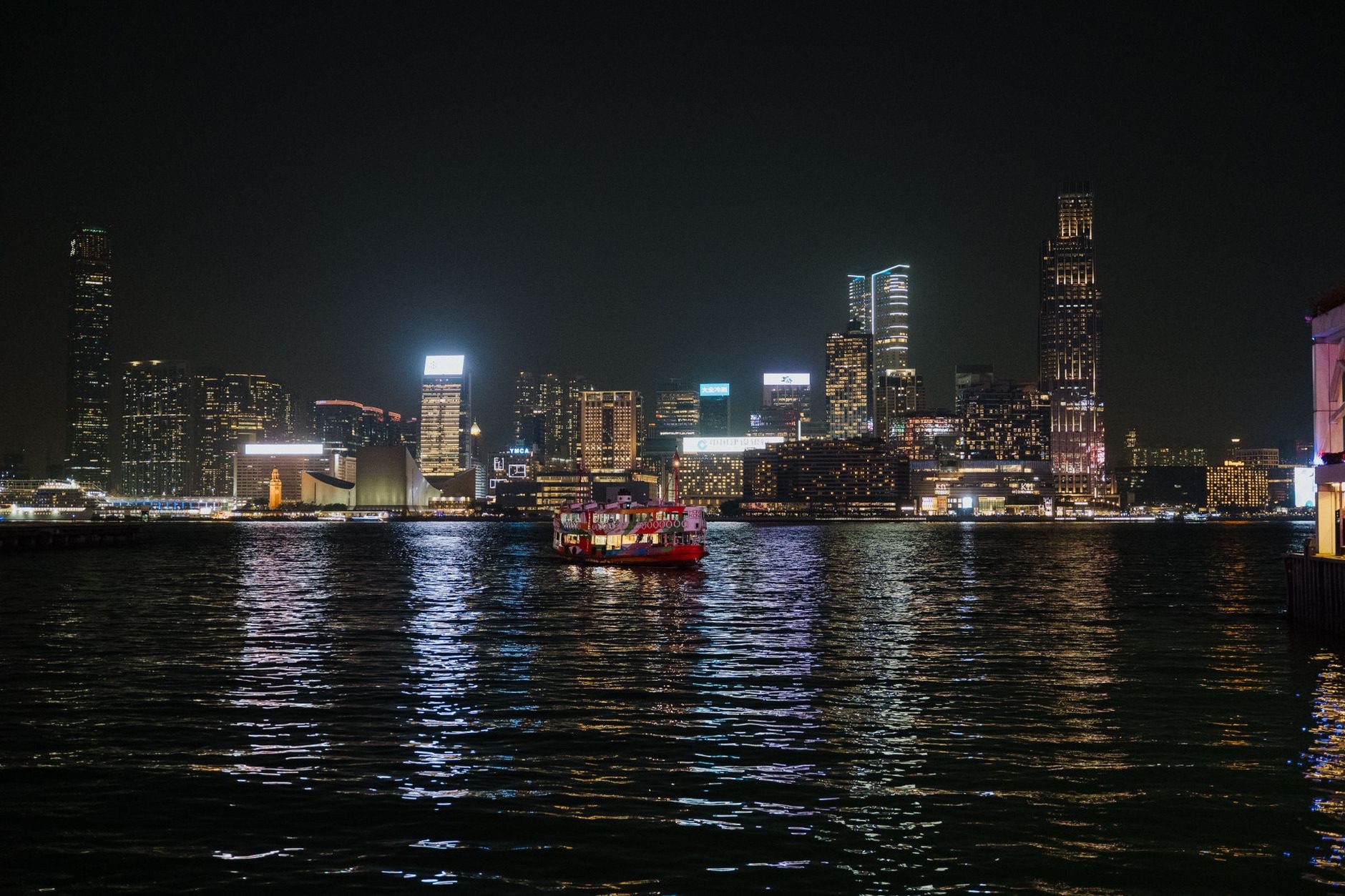
Board the green-and-white Star Ferry to cross Victoria Harbour to Tsim Sha Tsui. Founded in 1898 by Parsee merchant Dorabjee Naorojee Mithaiwala, these double-ended wooden passenger ferries have crossed the harbor for well over 130 years, surviving wartime evacuations and typhoons with near-zero collisions. For just HK$5, sitting on the open wooden slat benches as twilight turns the skyscrapers into towers of neon is one of travel’s most memorable maritime experiences.
Kowloon Culture: Sham Shui Po Markets & Cantonese Dim Sum (Day 3)
On Day 3, cross into Kowloon to explore working-class Sham Shui Po, an energetic district of traditional tenement buildings (*tong lau*), fabric merchants, and electronics markets.
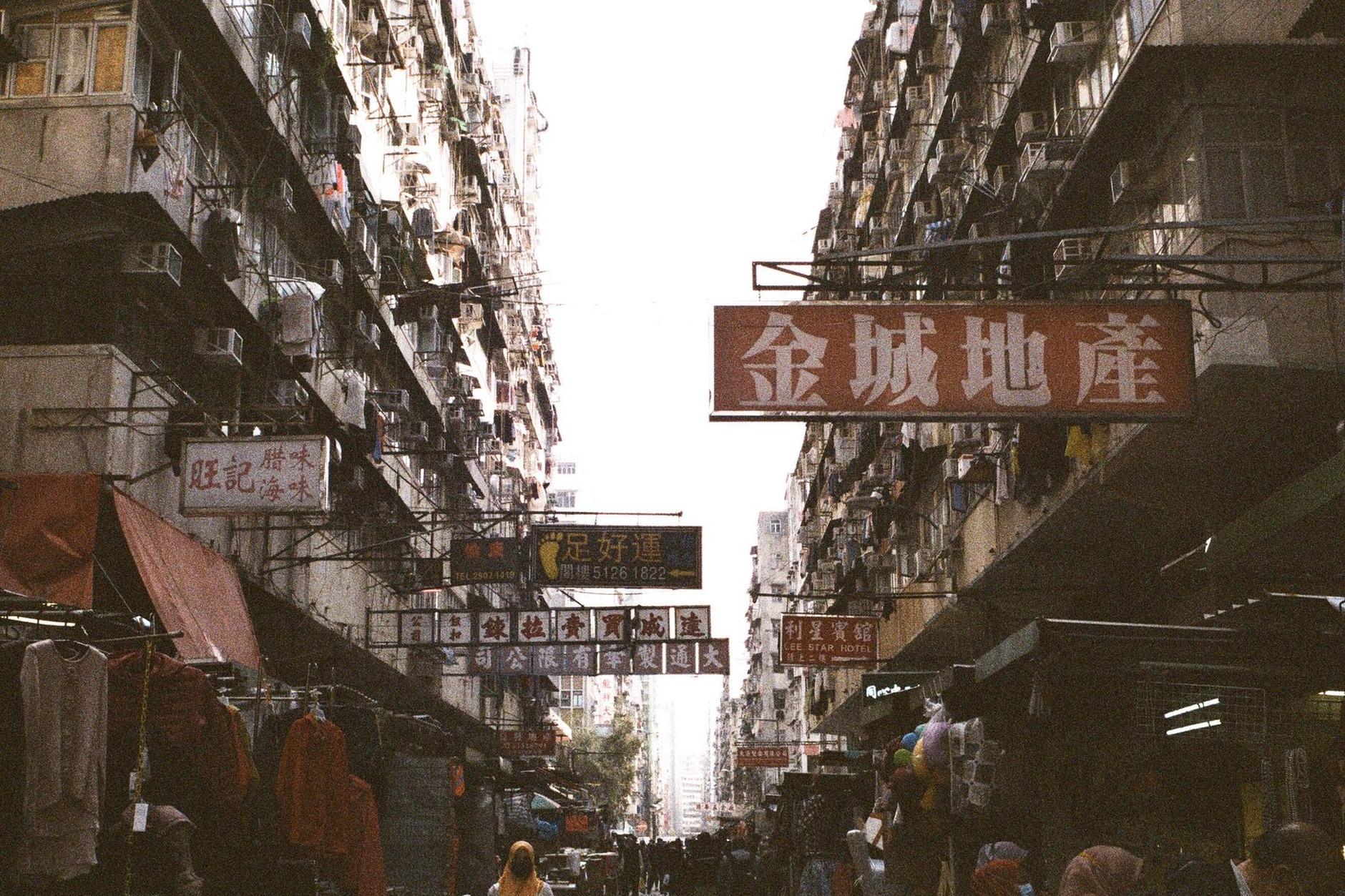
Wander down Apliu Street’s bustling flea market and Fuk Wing Street’s toy stalls, sampling street snacks like curry fish balls, egg waffles (*gai daan zai*), and silky tofu pudding (*douhua*). For lunch, experience traditional Cantonese dim sum at a local teahouse.
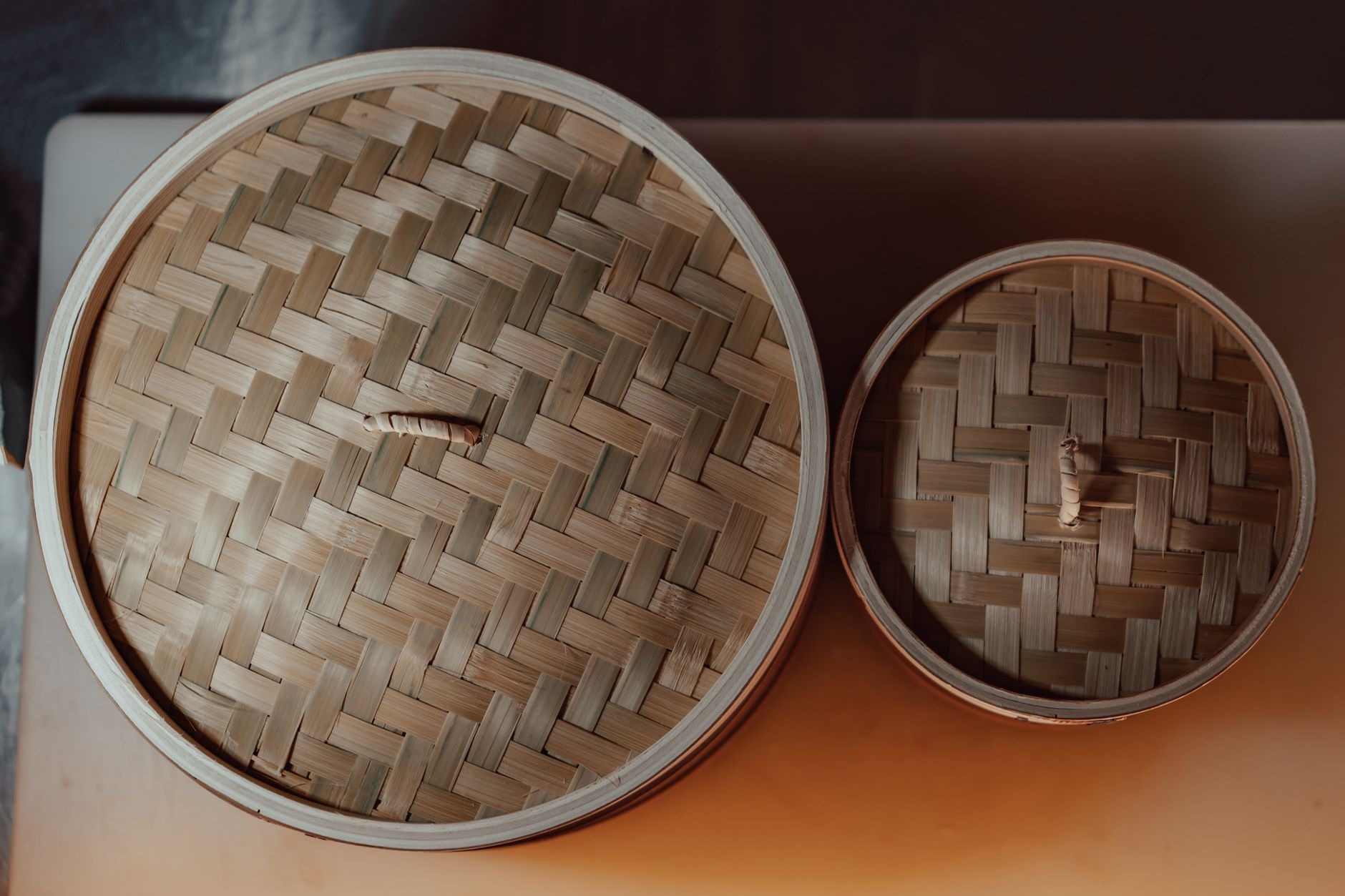
Order steaming bamboo baskets of crystal-skinned shrimp dumplings (*har gow*), open-topped pork dumplings (*siu mai*), barbecued pork buns (*char siu bao*), and crispy rice noodle rolls (*cheong fun*). Remember to tap two fingers on the wooden table when a companion pours your tea—an ancient Chinese gesture of silent gratitude that dates back to the Qing Dynasty, when Emperor Qianlong traveled incognito and his bodyguards tapped the table to bow without revealing imperial identity.
Lantau Island: Big Buddha & Tai O Stilt Village (Day 4)
On Day 4, journey to Lantau Island, Hong Kong’s largest outlying island. From Tung Chung, board the Ngong Ping 360 Cable Car for a breathtaking 5.7-kilometer ride over Tung Chung Bay and lush subtropical forest ridges.
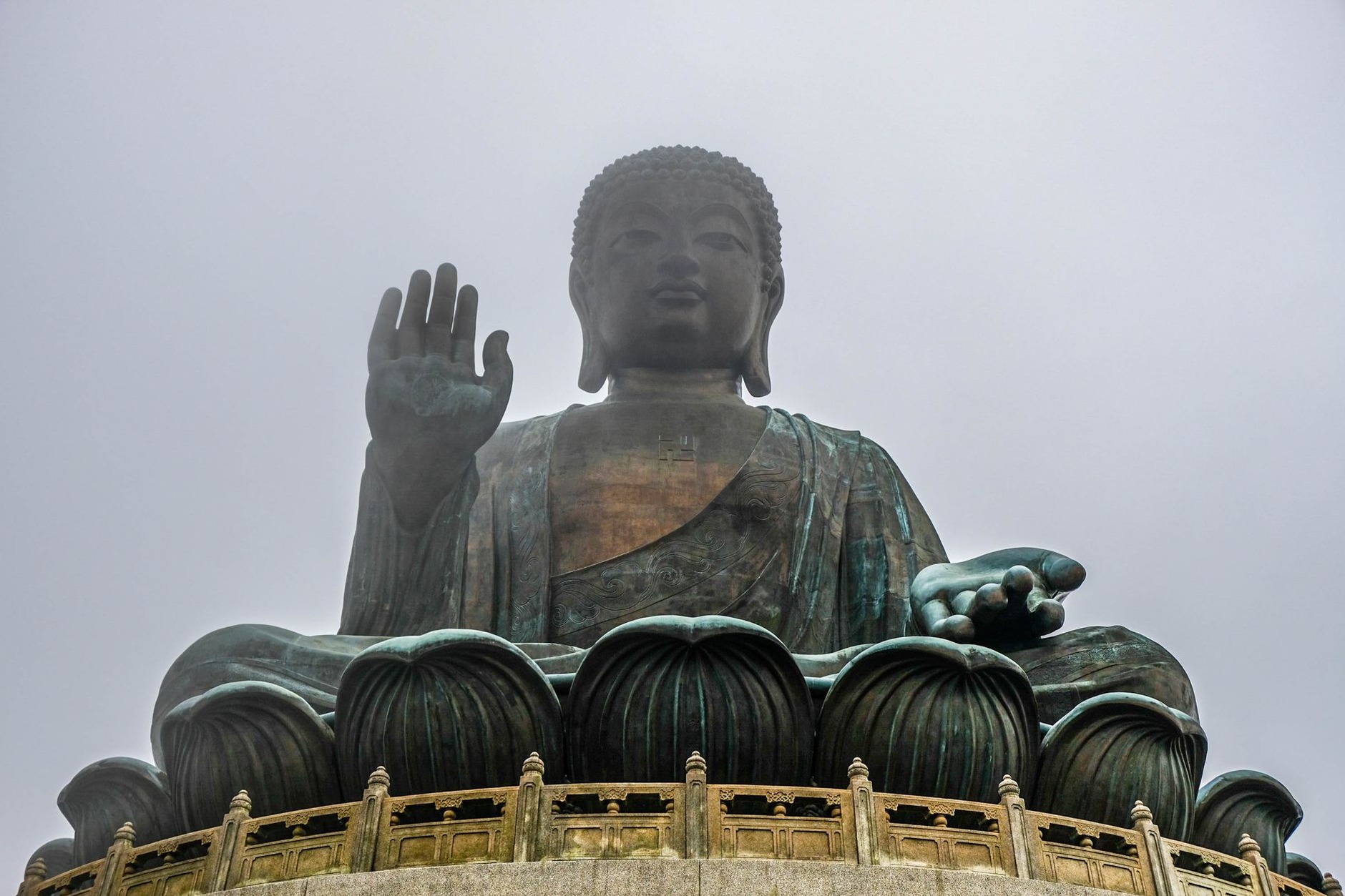
At the mountain summit rises the Tian Tan Big Buddha, a 34-meter seated bronze Buddha cast from 202 separate pieces. Uniquely, while most large Buddha statues face south, this statue faces north to look over mainland China. Climb the 268 stone steps to the lotus pedestal for views across the forested peaks, then visit the adjacent Po Lin Monastery with its Hall of Ten Thousand Buddhas.
In the afternoon, catch a local bus down the western coastline to Tai O, a 300-year-old fishing village built over tidal mangrove mudflats.
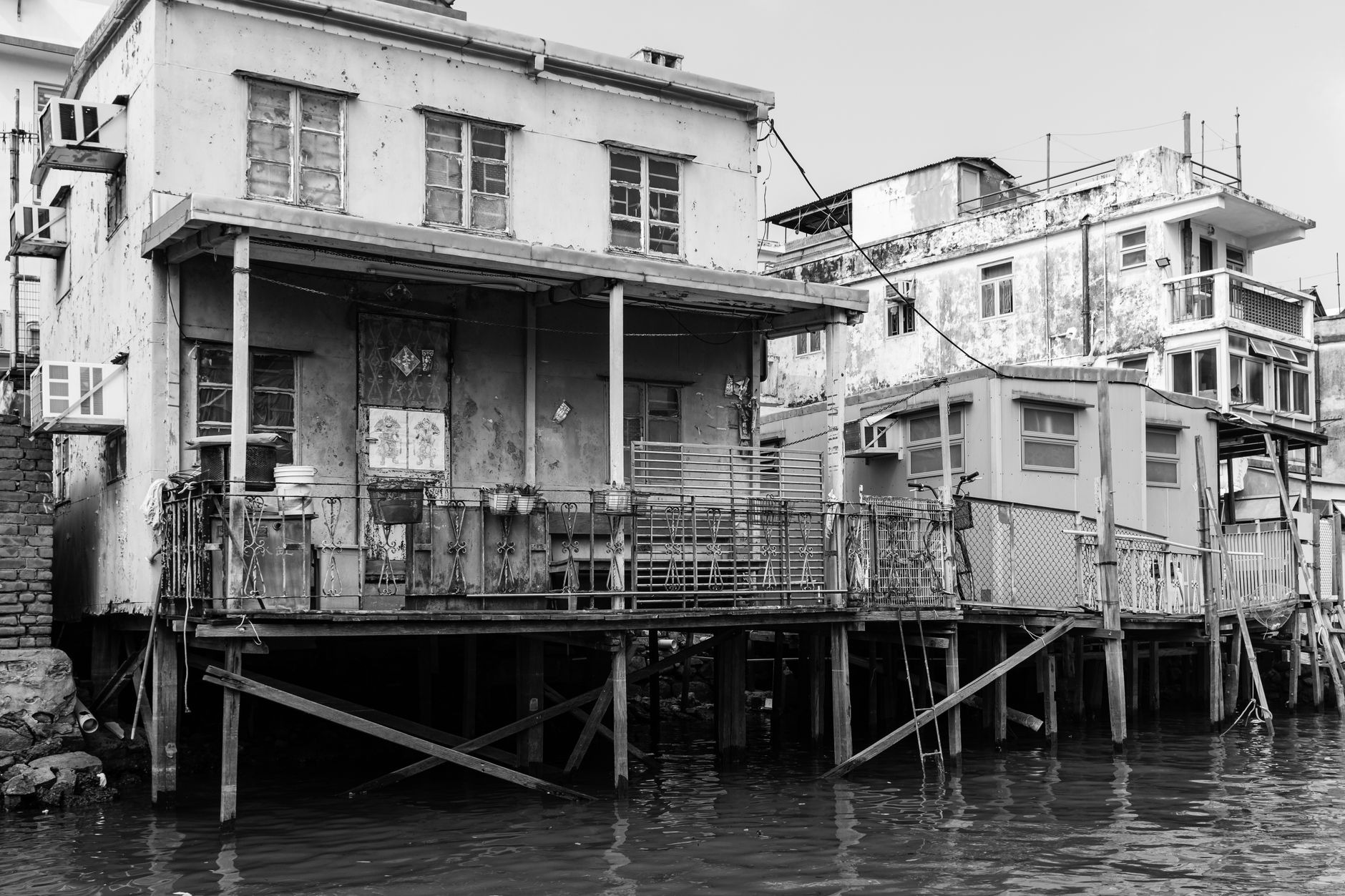
Known as the “Venice of Hong Kong,” Tai O’s traditional stilt houses (*pang uk*) were built by the indigenous Tanka boat people, who lived on sampans for centuries before anchoring their homes on wooden piles. Walk across the rope-drawn pedestrian footbridge, browse sun-dried seafood stalls selling salted fish and shrimp paste, and take a small motorboat through the tidal creeks into open water, watching for pink Indo-Pacific humpback dolphins.
Street Smarts: Taxi Nuances, Overpriced Seafood & Urban Traps in Hong Kong
Hong Kong is remarkably safe with exceptionally low violent crime, but dense tourist hubs and fast-paced commerce create distinct street traps. Keep these practical precautions in mind:
- The Cross-Harbour Taxi Tunnel Trap & Refusal: Hong Kong taxis are color-coded: Red (Urban/HK Island & Kowloon), Green (New Territories), and Blue (Lantau Island). Red taxi drivers frequently refuse cross-harbour fares between Hong Kong Island and Kowloon during evening hours, or demand double tunnel toll fees in cash. Defense: Hail taxis from designated “Cross-Harbour Taxi Stands” (marked on street signs) where drivers are legally bound to accept the route. Alternatively, take the ultra-fast MTR subway or Star Ferry across the harbor, which avoids all road traffic.
- The Seafood Weight Unit Deception in Sai Kung & Lei Yue Mun: At waterfront seafood restaurants, tanks display exotic fish, king crabs, and mantis shrimp. Unscrupulous operators quote prices per *catty* (approx. 600 grams) or *tael* (approx. 37.5 grams) rather than per kilogram. A lobster that seems modestly priced can end up costing several times more on the final bill after cooking and service fees. Defense: Always demand that the staff weigh the seafood in front of you and write down the total, all-inclusive price (*including cooking style fees*) on an order slip before it goes to the kitchen.
- The Sham Shui Po & Nathan Road Camera Store Hustles: Along Nathan Road in Tsim Sha Tsui and near electronics markets, aggressive camera shops advertise high-end mirrorless cameras at 50% below retail. Once you pay with your credit card, the salesman claims the camera is out of stock or requires proprietary batteries costing a large extra sum, refusing a refund and pressuring you into buying inferior gray-market brands. Defense: Purchase electronics only from authorized chain retailers (such as Broadway, Fortress, or Wilson) with published fixed prices and manufacturer warranties.
- The Dim Sum “Tea & Wet Napkin” Hidden Table Charges: In traditional teahouses, waiters automatically place small dishes of pickled peanuts, hot chili oil, and wet cleansing towels on your table, alongside hot tea. These are not complimentary; each item is charged per seat (a cash sum for tea, a cash sum per condiment). Defense: Understand that the *chagee* (tea fee) is a mandatory cultural custom in Cantonese dining. However, if you do not want the wet towels or peanuts, politely hand them back to the waiter immediately when seated so they are removed from your bill.
- The Traditional Chinese Herbal Medicine “Powder Grinding” Scam: In tourist pharmacies in Tsim Sha Tsui and Causeway Bay, clerks offer “miracle herbs” or dried ginseng. When you inquire about the price, they quote an ambiguous low number. While you consider it, the clerk instantly throws the herbs into an electric grinder, turning them to powder, and demands a large cash sum, stating that “ground herbs cannot be refunded.” Defense: Never let a pharmacist grind or package any medicinal herbs until the total cost is explicitly written down and agreed upon. Walk away immediately if pressured.
- The Tourist Luggage Ferry & Bus Boarding Confusion: When traveling to outer islands or airport buses, private touts at ferry piers claim luggage cannot be carried on public transit without paid porter services. Defense: All Hong Kong public ferries, the Airport Express, and Cityflyer buses have spacious, dedicated, free luggage racks. Never pay unauthorized handlers.
With these practical safeguards, you will navigate Hong Kong’s neon corridors, mountain trails, and coastal villages with absolute ease.
Transit Precision & Mobile Connectivity with NXTL
Exploring Hong Kong’s vertical cityscape, catching connecting ferries, and hiking mountain ridges requires continuous mobile data. You need reliable cellular connectivity to navigate the multi-level underground exits with Google Maps, check real-time bus arrivals on Citymapper, reserve tables on OpenRice, and monitor weather alerts from the Hong Kong Observatory during summer months.
Hong Kong possesses one of the world’s most advanced telecommunications networks, led by tier-one 5G operators CSL, SmarTone, and 3 Hong Kong. High-speed 5G coverage penetrates deep into underground MTR stations, harbor ferries, and even remote country park trails. With an NXTL Hong Kong travel eSIM, your phone connects instantly to these tier-one networks at transparent prepaid rates starting from just $1.12 per gigabyte. There is no physical SIM card swap, no Hong Kong real-name identity registration paperwork, and no expiring monthly contracts.
| Traveler Usage Profile | Daily Online Activities | 5-Day Total Bandwidth | Estimated Data Cost (@ $1.12/GB) |
|---|---|---|---|
| Light Navigator (MTR navigation & messaging) |
MTR exit mapping, WhatsApp communication, restaurant search on OpenRice | 2 GB – 3 GB | $2.24 – $3.36 |
| Balanced Urban Explorer (Social sharing & photo uploads) |
All navigation, high-res skyline photo uploads, social streaming, music streaming on transit | 4 GB – 6 GB | $4.47 – $6.71 |
| Heavy Digital Nomad (Remote work & tethering) |
Laptop tethering from cafes, high-def video conferencing, cloud file syncing, media streaming | 8 GB – 12 GB | $8.95 – $13.42 |
What sets NXTL apart is its reusable global data eSIM model. Instead of buying a disposable local SIM card that only works within Hong Kong and expires after your trip, NXTL operates across 180+ supported countries and 460+ carrier networks. You purchase the eSIM profile once for just $11.99, which includes $10.00 in preloaded travel balance ready for immediate use. Your balance never expires as long as your account remains active.
If your Asian journey takes you onward across the border to Shenzhen or Guangzhou, by ferry to Macau, or onward to Japan or Taiwan, the exact same eSIM profile connects automatically the moment you arrive. You never have to re-register or buy another data bundle. Full mobile hotspot tethering is permitted across all destinations, and dual-SIM functionality allows your primary home SIM to stay active for bank two-factor SMS alerts with zero unexpected roaming fees.
Install your NXTL eSIM profile on your smartphone before boarding your flight. When your plane touches down at Chek Lap Kok International Airport, enable your data roaming line to check the Airport Express schedule, message your hotel, and start exploring Hong Kong with complete confidence.