Hungary offers one of central Europe’s most captivating travel experiences, where grand Austro-Hungarian boulevards, thousand-year-old thermal waters, and dramatic river bends converge along the Danube. Yet first-time visitors frequently make avoidable logistical mistakes: staying exclusively in tourist-dense pockets of Pest, treating thermal baths as quick photo stops without understanding local etiquette, or attempting rushed day-long road trips across the great southern plains.
The ideal first journey is a focused 6-day itinerary centered on Budapest, paired with an excursion north into the dramatic landscapes of the Danube Bend. Budapest is actually two distinct historic cities divided by the river: hilly, cobblestoned Buda with its royal palace and panoramic fortifications, and flat, energetic Pest with its neo-Gothic Parliament, grand boulevards, and vibrant Jewish Quarter ruin bars. This itinerary balances world-class architecture, mineral bath traditions, and tranquil river countryside.
The 6-Day Hungary Itinerary at a Glance
| Day / Stage | Overnight Base | Key Highlights | Transit & Route Logistics | Essential Advance Bookings | What to Cut / Save |
|---|---|---|---|---|---|
| Days 1–2: Buda Heights & Historic Riverbanks | Budapest (District I Castle or District V Pest) | Buda Castle terraces, Fisherman’s Bastion, Matthias Church tiled roof, Chain Bridge walk, Gellért Hill sunset view | Budapest Airport (BUD) to city center via 100E Airport Express bus (40 min, 2,200 HUF); city transit via BudapestGO app | Matthias Church admission; Hungarian Parliament tour (book weeks ahead via official portal) | Skip the tourist funicular up Castle Hill (expensive lines); walk the gentle royal gardens pathway or take city bus 16 from Deák Ferenc tér |
| Days 3–4: Pest Grandeur & Thermal Waters | Budapest | Hungarian Parliament interior, Saint Stephen’s Basilica, historic Metro Line 1, Széchenyi Thermal Baths, Heroes’ Square | Metro Line 1 (continental Europe’s oldest subway); scenic Tram 2 running along the Danube riverbank | Széchenyi Baths advance fast-track pass (weekday morning entry); Saint Stephen’s dome panorama ticket | Skip peak weekend afternoon bath sessions; visiting weekday mornings guarantees cleaner mineral pools and peaceful soaking |
| Day 5: The Danube Bend Excursion | Budapest | Scenic river valley day trip: Visegrád medieval royal citadel panorama, cobblestone streets of Szentendre artists’ village | Budapest Nyugati to Nagymaros by train (45 min) + ferry to Visegrád, or HÉV commuter train H5 to Szentendre (40 min) | Visegrád High Castle admission; return train / ferry ticket | Skip booking expensive commercial bus tour packages; the regional rail and HÉV networks reach the Danube Bend quickly for a fraction of the cost |
| Day 6: Jewish Quarter, Ruin Bars & Departure | Budapest Departure | Dohány Street Synagogue, Jewish Quarter memorial courtyards, Szimpla Kert ruin bar visit, Central Market Hall shopping | City center to Budapest Airport (BUD) via 100E express bus from Deák Ferenc tér (35 min) | Dohány Synagogue timed ticket; schedule flights after 14:00 | Skip changing euros at street exchange booths with 15% commissions; withdraw forints from official bank ATMs (OTP, Erste) |
Budapest’s efficient public transit network—including trams, subways, and commuter rail—makes traveling without a rental car an absolute pleasure. You avoid city parking stress and can take in the Danube views directly from historic streetcars.
Buda Heights: Castle Hill, Fisherman’s Bastion & Chain Bridge (Days 1–2)
Your journey begins on the banks of the Danube. Arriving from Budapest Ferenc Liszt Airport (BUD), board the 100E Airport Express bus, which whisks you directly to central Deák Ferenc tér in 35 to 40 minutes. Walk west across the iconic Széchenyi Chain Bridge, guarded by majestic carved stone lions, into historic Buda.

Climb to the summit of Castle Hill (Várhegy). Wander through the ramparts of Fisherman’s Bastion (Halászbástya), a neo-Romanesque monument of seven stone towers symbolizing the original Magyar chieftain tribes who settled the Carpathian basin in 896 AD. From the white stone arches, look out over the river toward the Hungarian Parliament building reflecting across the water.
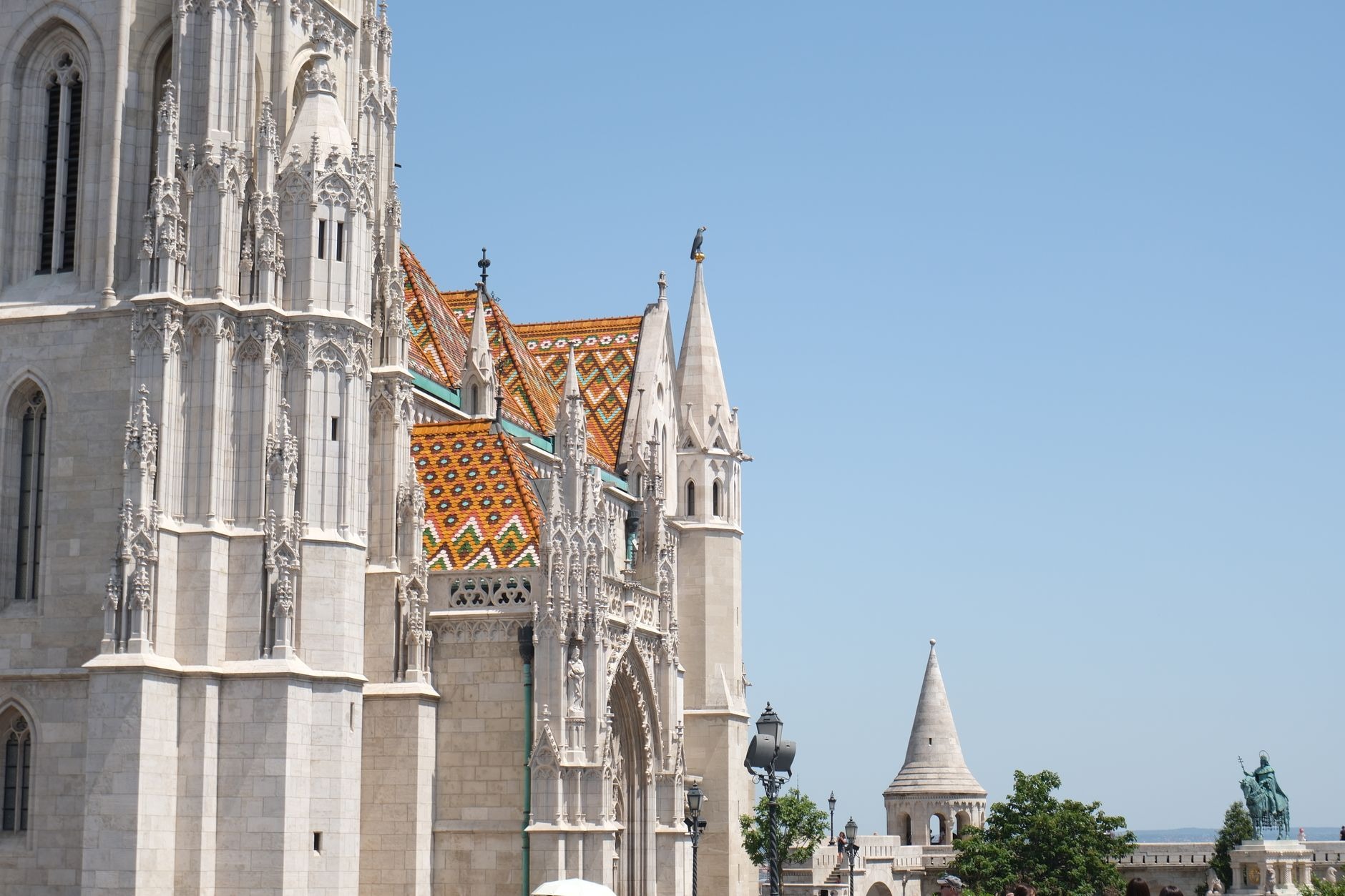
Step inside Matthias Church, where Hungarian kings were crowned beneath walls adorned with geometric frescoes and vibrant Zsolnay ceramic roof tiles. In the late afternoon, walk down the cobblestone lanes of the Castle District to admire quiet Baroque courtyards before crossing back to Pest for dinner.
Pest Grandeur & Thermal Baths: Parliament, Széchenyi & Historic Metro (Days 3–4)
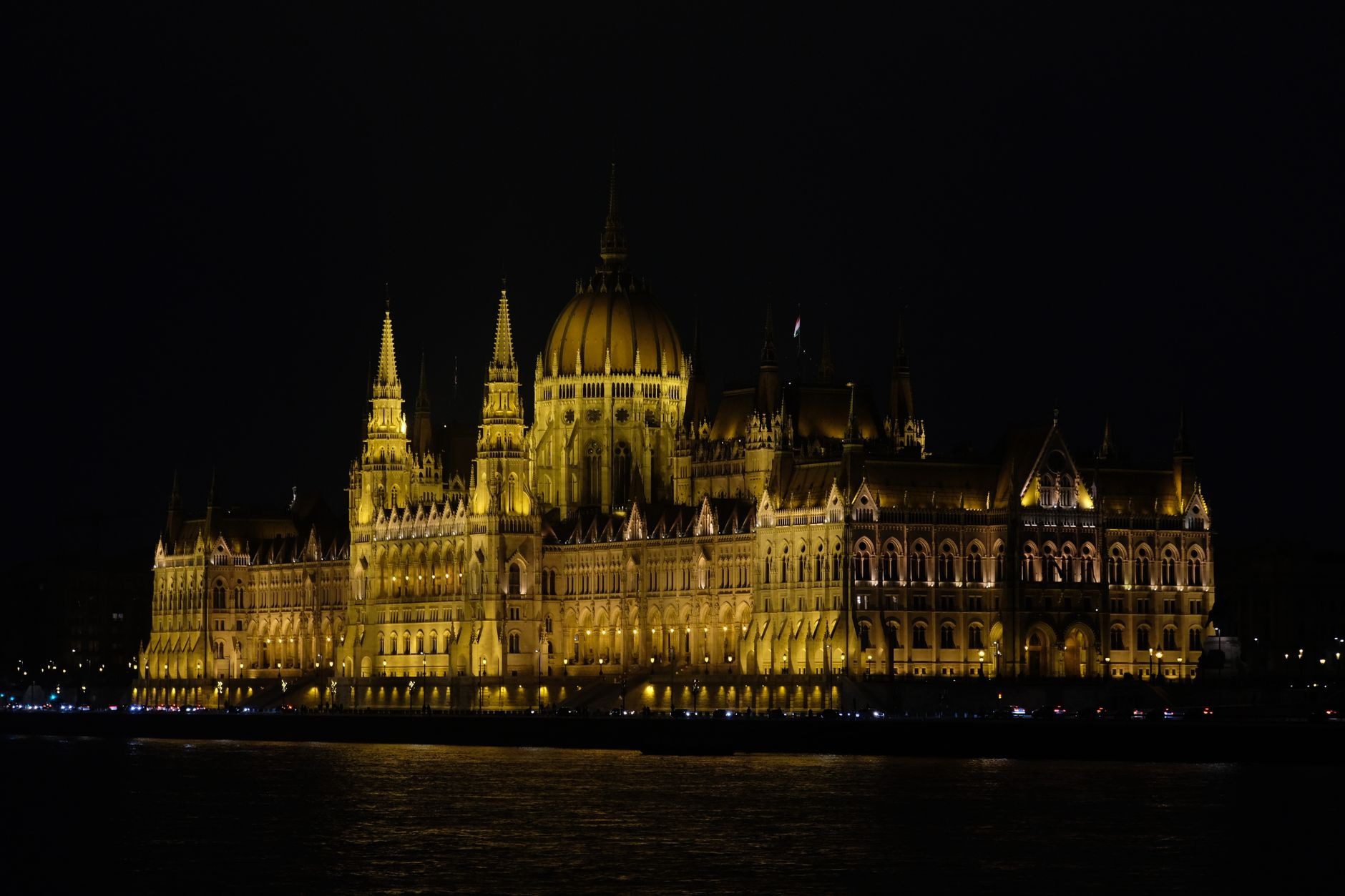
Day 3 focuses on the monumental heart of Pest. Stand before the colossal Hungarian Parliament (Országház) on Kossuth Square, an architectural masterpiece of neo-Gothic spires and limestone arches. Designed by architect Imre Steindl, it features 691 rooms and stands at exactly 96 meters high to commemorate the Magyar millennium. Over 40 kilograms of 22-karat gold leaf were used to decorate its grand ceremonial staircases and vaulted halls, where the historic Holy Crown of Hungary is guarded beneath the central dome.
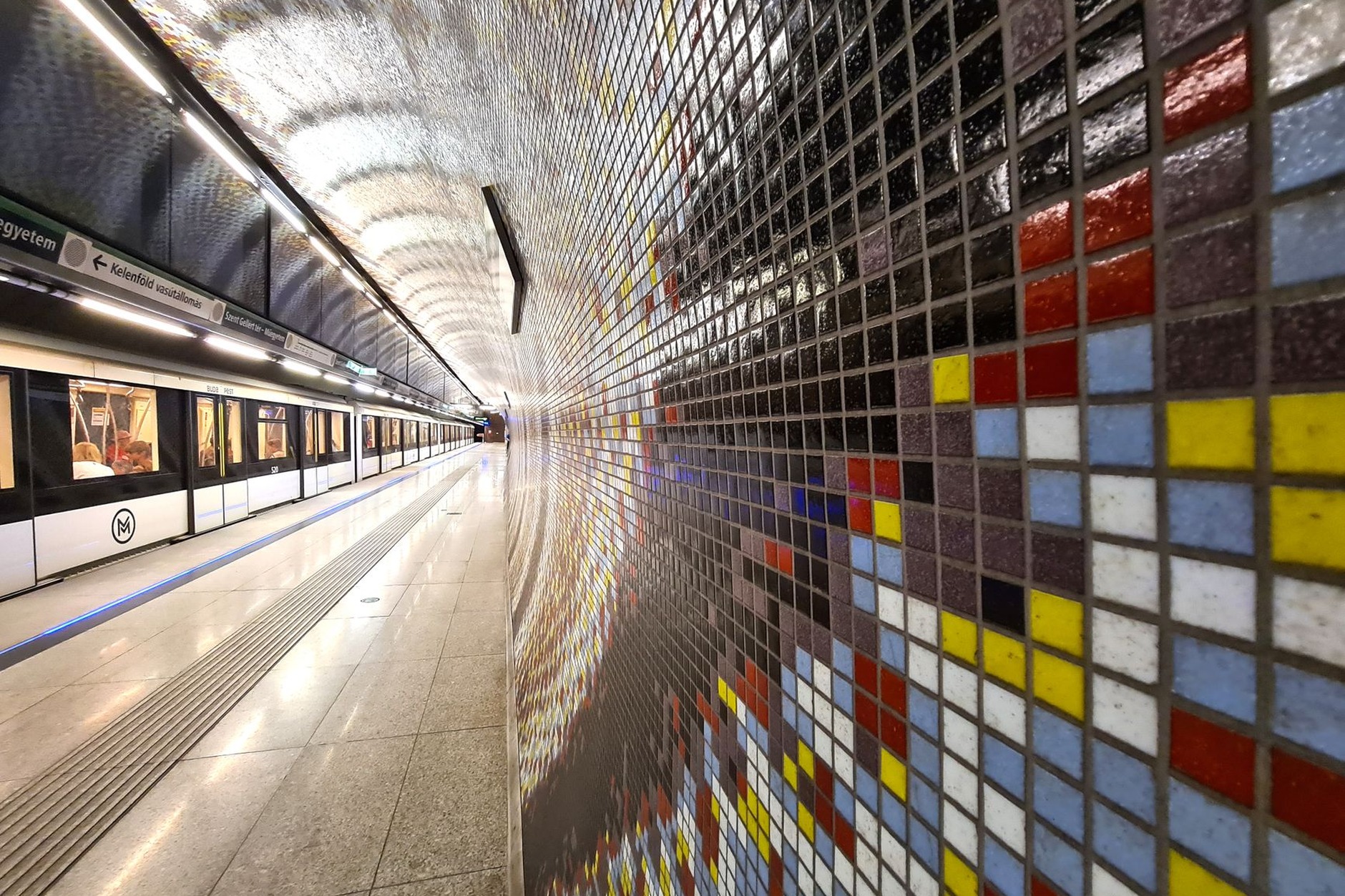
Head to Vörösmarty tér and descend into Metro Line 1 (M1 Millennium Underground). Built in 1896 to celebrate the Magyar millennium, it was the first electrified underground subway in continental Europe, designed by Siemens with low carriages to run above the city’s main drainage system. Board the vintage yellow carriage to ride beneath the elegant mansions of Andrássy Avenue directly to City Park (Városliget) and Heroes’ Square (Hősök tere).
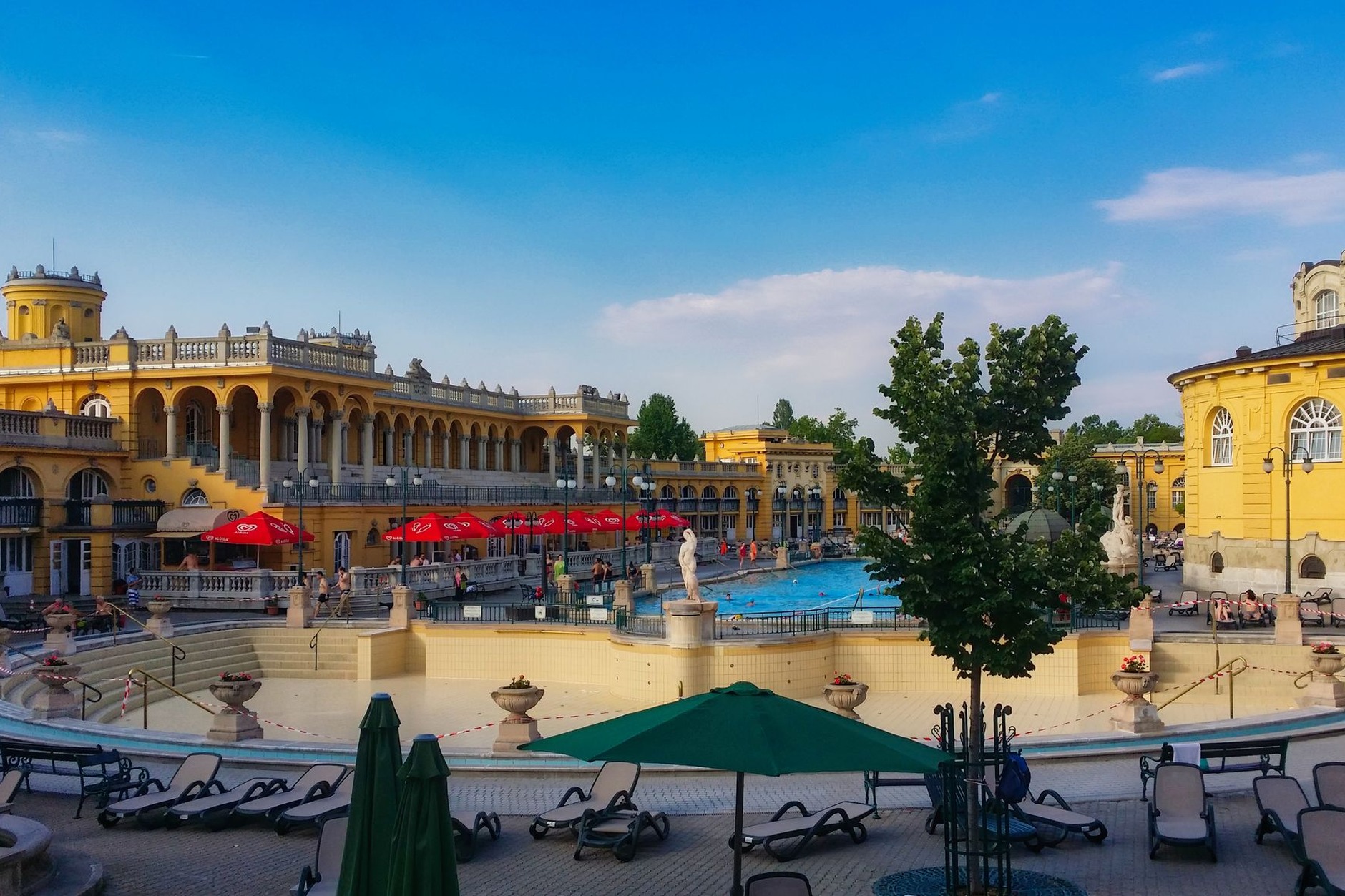
Spend a relaxing afternoon at the Széchenyi Thermal Baths, one of Europe’s largest spa complexes. Budapest sits on a geological fault line where tectonic shifts force over 70 million liters of mineral-rich water to the surface daily across 123 geothermal springs. Soak in the outdoor geothermal pools heated to 38°C, surrounded by yellow neo-Baroque palace facades. Observe local bathers playing chess on floating boards in the mineral-rich waters. Remember to bring your own flip-flops, towel, and a swim cap if you plan to swim in the central lap pool.
The Danube Bend Excursion: Visegrád Citadel & Szentendre Artists (Day 5)
On Day 5, venture north into the dramatic river landscapes of the Danube Bend (Dunakanyar), where the river carves an abrupt horseshoe turn through the volcanic Börzsöny and Visegrád mountains. Board a comfortable regional train from Budapest Nyugati station to Nagymaros, then cross by small passenger ferry to Visegrád.
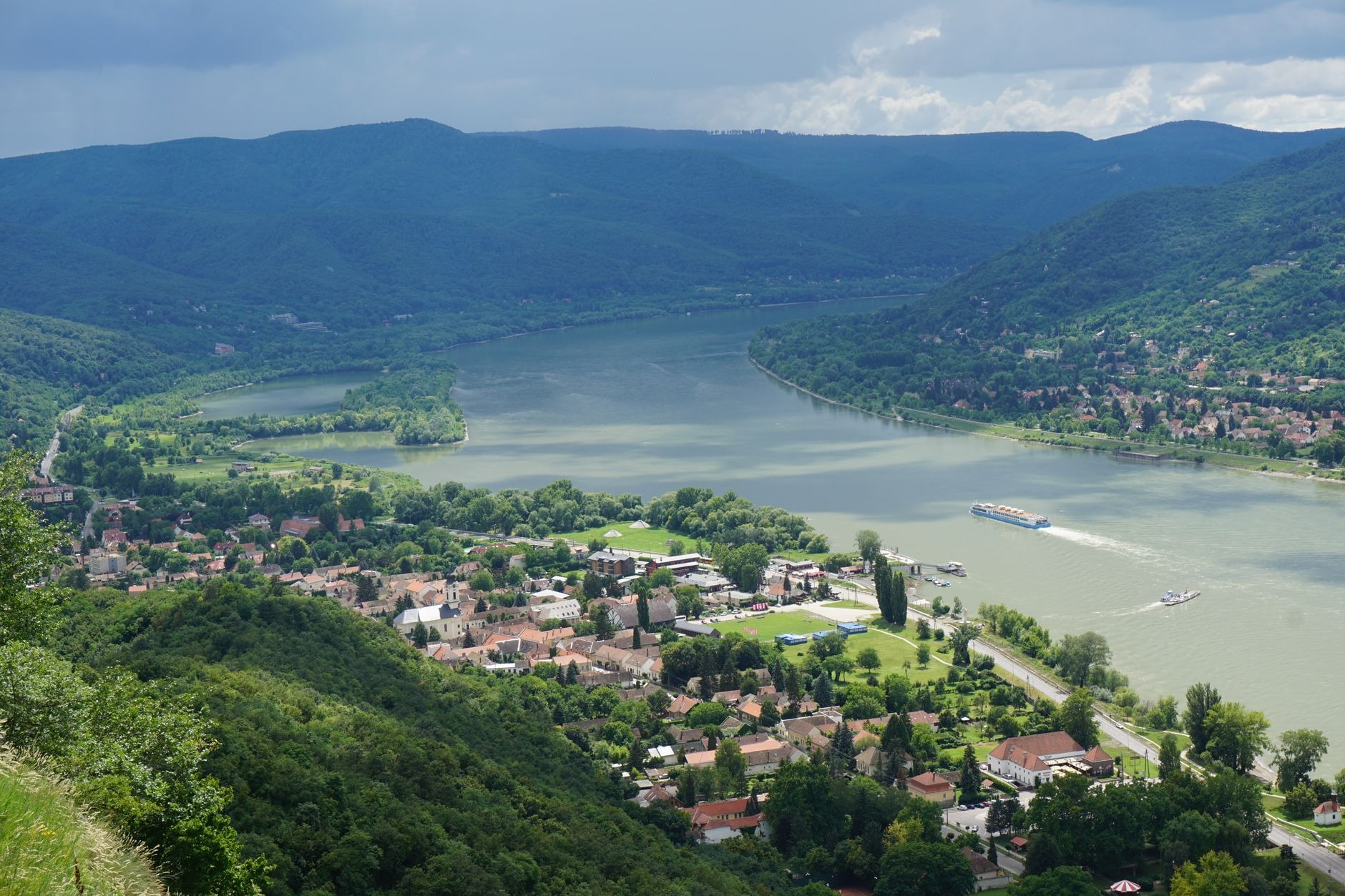
Climb to the summit of the Visegrád High Castle (Fellegvár), a 13th-century stone fortress built by King Béla IV after the Mongol invasions. The ramparts offer panoramic views across the river bend and forested peaks. In the afternoon, return via Szentendre, a picturesque riverside town of pastel Baroque houses, art galleries, and cobblestone alleys, before catching the H5 commuter train back to Budapest.
Jewish Quarter Ruin Bars & Hungarian Culinary Traditions (Days 5–6)
Evenings in Budapest belong to the historic Jewish Quarter (District VII). In the early 2000s, local creatives transformed neglected pre-war apartment buildings and courtyard ruins into eclectic community gathering spaces known as ruin bars (romkocsmák).
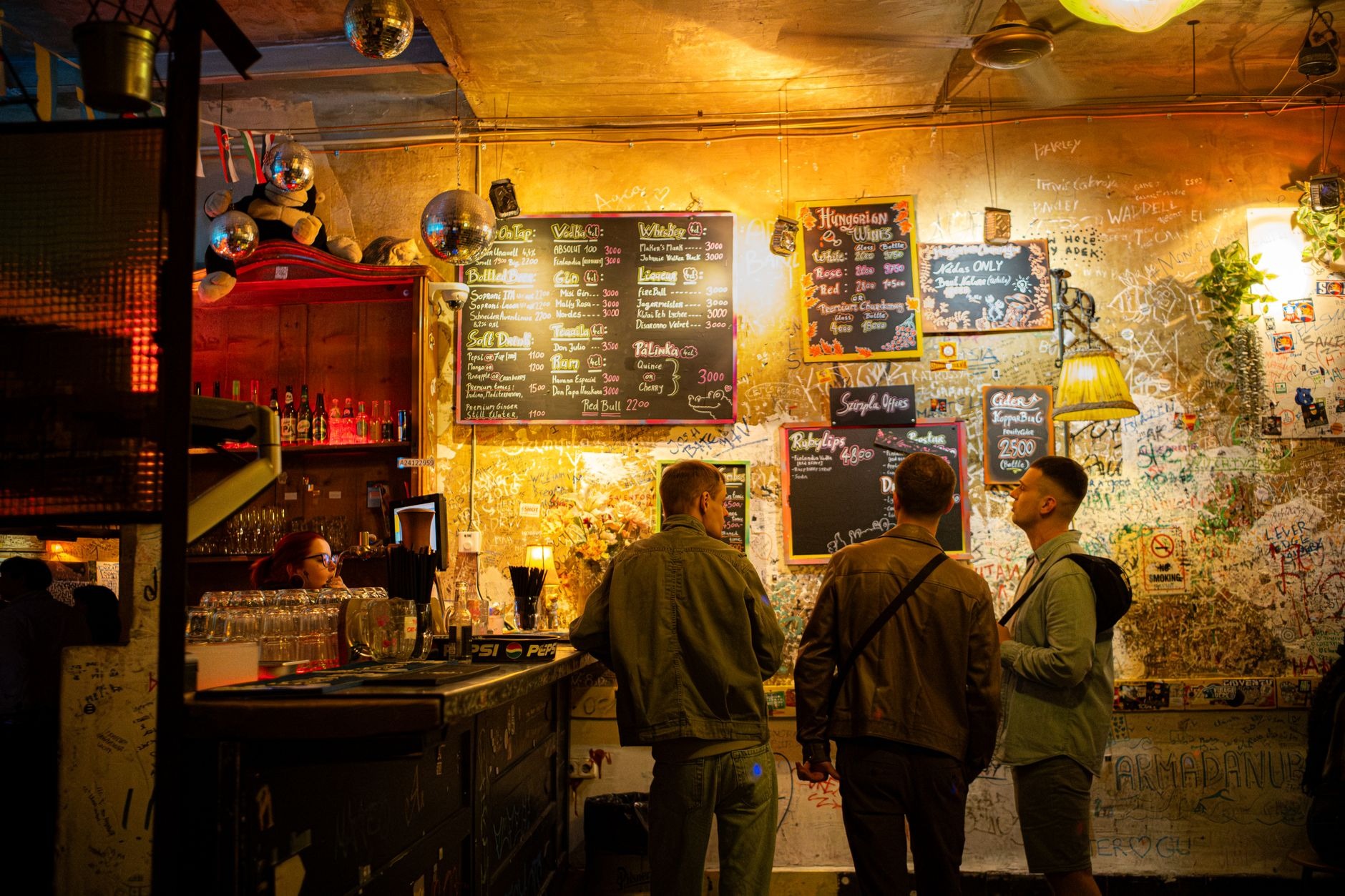
Visit Szimpla Kert, the original ruin bar, filled with mismatched vintage furniture, hanging plants, fairy lights, and open-air courtyards. Browse the artisanal Sunday farmers market or enjoy a regional craft beer or a glass of crisp local fröccs (white wine spritzer). A unique historical custom: Hungarians historically refrained from clinking beer glasses following the execution of 13 revolutionary generals by Austrian forces in 1849; while the formal 150-year pledge ended in 1999, many locals still prefer clinking wine or pálinka rather than beer.
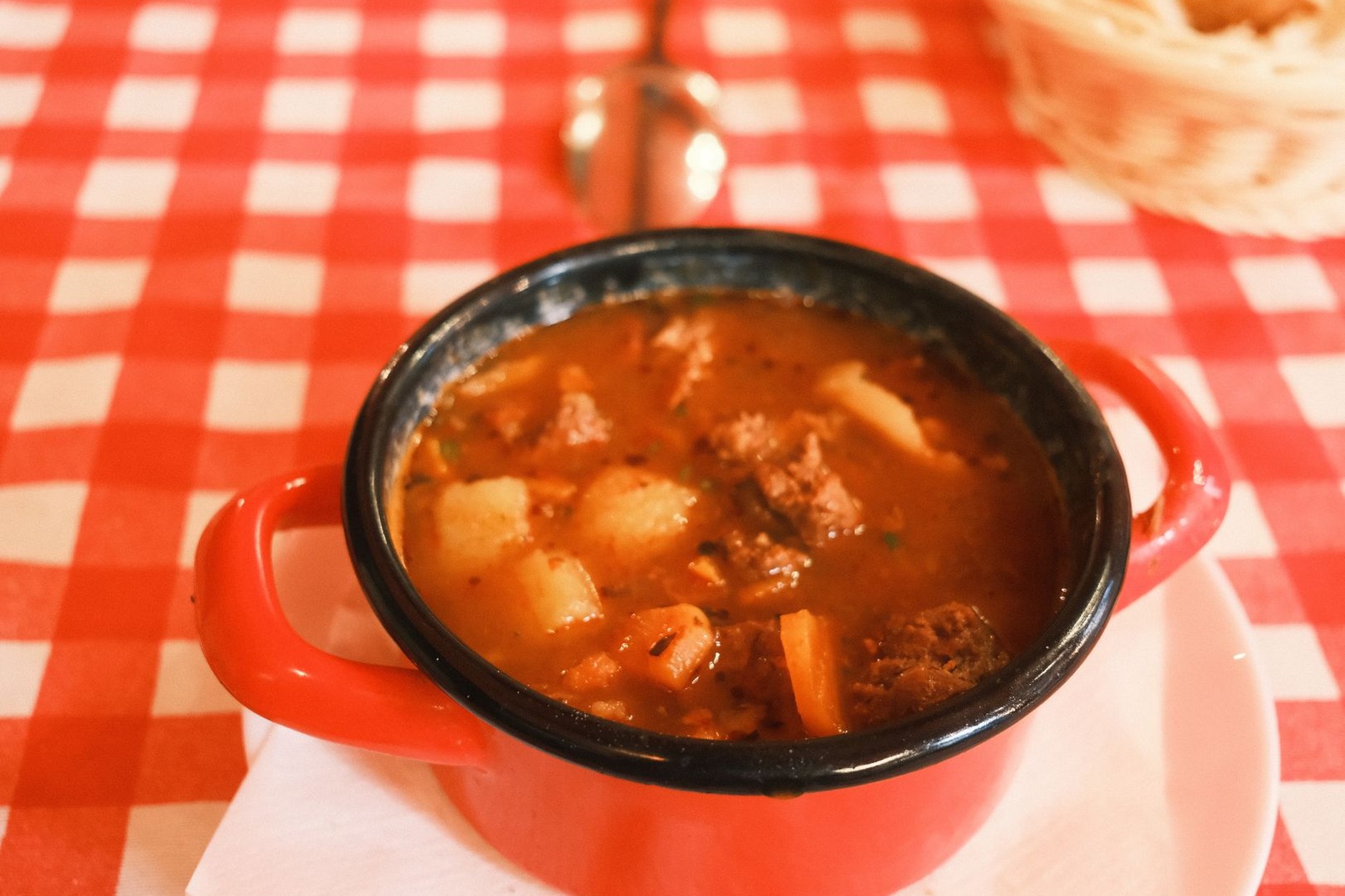
Hungarian cuisine is rich, comforting, and deeply rooted in quality paprika. Savor authentic goulash (gulyásleves)—which is served as a hearty, warming soup rather than a thick stew—simmered with tender beef chunks, potatoes, carrots, and pinched noodles (csipetke). Also try csirkepaprikás (chicken paprika in a sour cream gravy over egg dumplings) and fresh street-side lángos (fried flatbread brushed with garlic oil and topped with sour cream and grated cheese).
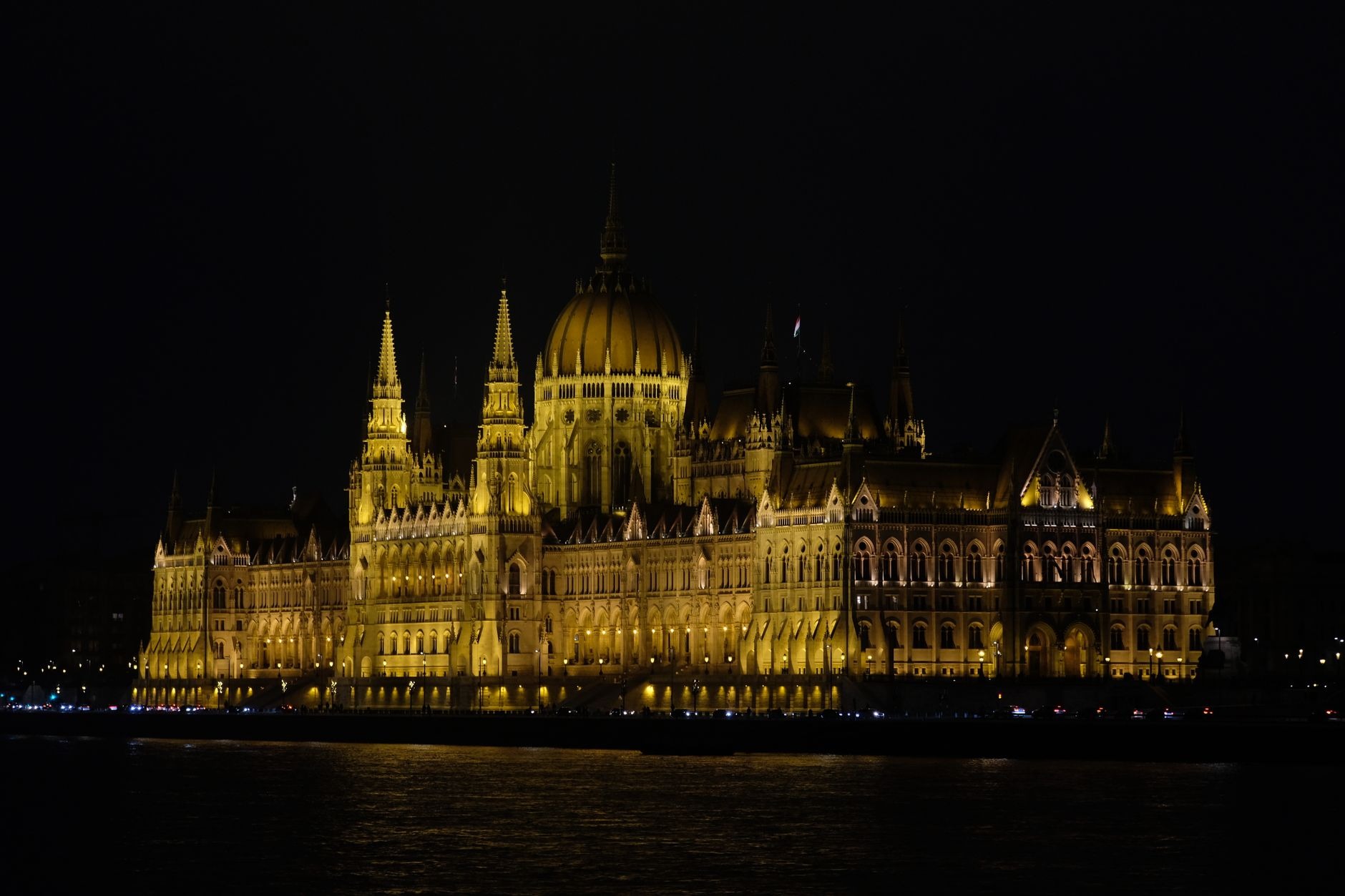
On your final evening, board a sunset cruise or ride Tram 2 along the Pest waterfront to watch the Parliament illuminate in brilliant gold against the evening sky.
Street Smarts: Tourist Scams, Taxi Hustles & Ticket Traps in Budapest
Budapest is a safe and hospitable European capital, but common tourist traps, aggressive dining bills, and strict transit rules can cause frustration if you are unprepared. Keep these practical street smarts in mind:
- The Unvalidated Public Transit Ticket Trap: Budapest’s public transit network (BKK) does not have turnstiles at many metro entrances or on trams and buses. Simply possessing a paper ticket does NOT make it valid. You must physically validate it in the red or orange stamping punch machines before stepping onto the metro platform or immediately upon boarding a tram. Plainclothes inspectors (wearing purple or red armbands) regularly wait at transfer tunnels like Deák Ferenc tér; holding an unstamped ticket results in an immediate, non-negotiable a cash sum fine. Defense: Always punch single paper tickets, or buy digital transit passes via the official BudapestGO mobile app and scan the entrance QR code.
- The Unregulated “Yellow Cab” Overcharging Scam: While all Budapest taxis are legally painted yellow, rogue independent drivers hang around Keleti train station, the ruin bars, and Váci utca. They tamper with taxi meters or push a hidden button that multiplies rates by three or four times, demanding a cash payment for a short ride across town. Defense: Never hail a random taxi on the street. Use official dispatch apps like Bolt or call established taxi companies like Főtaxi (the official airport operator).
- The Váci Utca Menu Padding & “Drink Girl” Hustle: On tourist-heavy pedestrian streets like Váci utca, attractive young women may approach solo male travelers asking for directions or inviting them to a nearby bar for a drink. The venue then presents an outrageous bill of a cash sum for a few shots, backed by intimidating security staff. Additionally, traditional tourist restaurants in this area frequently add undisclosed 15% to 20% service fees, water charges, and overpriced bread fees. Defense: Never follow strangers to bars. Check restaurant reviews on Google Maps and inspect menu prices before ordering.
- Euronet ATM Predatory Currency Conversion: Freestanding blue-and-yellow Euronet ATMs are widespread around Budapest’s tourist zones. These machines offer deceptive “Dynamic Currency Conversion” (DCC) with markup rates up to 15% to 18%, plus exorbitant withdrawal fees. Defense: Withdraw Hungarian forints exclusively from official national bank branches (such as OTP Bank, Erste Bank, or K&H) and always select “Decline Conversion” to let your home bank perform the exchange.
- The Fisherman’s Bastion Upper Balcony Fee: Many tourists mistakenly pay the admission fee for the upper balconies of Fisherman’s Bastion during daytime hours. In reality, the ground-level arches and ramparts offer virtually identical panoramic views for free. Defense: Save your money by walking the free lower terraces, or visit the upper balcony after 19:00 or before 9:00 AM when turnstiles are open and unattended.
- Street Paper Currency Exchange Scams: Con artists lingering around Keleti railway station and currency kiosks may offer to change euros or dollars to Hungarian forints at attractive rates. They hand victims stacks of obsolete, out-of-circulation forint banknotes or Belarusian rubles that have no monetary value. Defense: Never exchange money on the street. Use credit cards for transactions or use official exchange booths like Correct Change or Western Union.
Staying mindful of these transit rules and street hustles ensures your visit to Budapest remains seamless and stress-free.
Urban Transit & Mobile Connectivity with NXTL
Navigating Budapest and the Danube Bend requires active mobile internet. You need steady cellular data to validate electronic tickets on the BudapestGO app, hail vetted rides via Bolt, view real-time schedules on Tram 2, and translate menus and museum descriptions throughout your travels.
Hungary enjoys high-speed cellular telecommunications infrastructure, supported by major tier-one networks including Yettel, Magyar Telekom, and Vodafone 5G. With an NXTL Hungary travel eSIM, your phone connects directly to these high-performance networks at transparent prepaid rates starting from just $0.77 per gigabyte. There is no physical SIM card swap, no passport registration bureaucracy, and no expiring monthly contracts.
| Traveler Usage Profile | Daily Online Activities | 6-Day Total Bandwidth | Estimated Data Cost (@ $0.77/GB) |
|---|---|---|---|
| Light Navigator (Transit apps & maps) |
BudapestGO ticket scanning, Google Maps pedestrian routing, Bolt ride hailing, WhatsApp messaging | 2 GB – 3 GB | $1.54 – $2.30 |
| Balanced Explorer (Social sharing & research) |
All navigation, Parliament digital audio guide, high-res photo uploads, ruin bar lookups, translation | 4 GB – 7 GB | $3.07 – $5.38 |
| Heavy Digital Nomad (Remote work & tethering) |
Laptop tethering on Danube trains, video calls from cafes, cloud photo backups, continuous media streaming | 8 GB – 12 GB | $6.15 – $9.22 |
What sets NXTL apart is its reusable global data eSIM model. Instead of buying a disposable local SIM that only functions inside Hungary and expires after a week, NXTL operates across 180+ supported countries and 460+ carrier networks. You purchase the eSIM profile once for just $11.99, which includes $10.00 in preloaded travel balance ready for immediate use. Your balance never expires as long as your account remains active.
If your journey takes you onward by train to Vienna, Bratislava, or Prague, the exact same eSIM profile connects automatically the moment you cross the border. You never have to re-register or buy another data bundle. Full mobile hotspot tethering is permitted across all destinations, and dual-SIM functionality allows your primary home SIM to stay active for bank two-factor SMS alerts with zero unexpected roaming fees.
Install your NXTL eSIM profile on your phone before departing for Hungary. When your plane touches down at Budapest Ferenc Liszt Airport, turn on your data roaming line to buy your 100E airport express bus ticket on the BudapestGO app and head into the city center with complete peace of mind.