For a first visit of about ten days, start with three overnight bases: Rome for ancient sites and city life, Florence for art and a slower Tuscan rhythm, and Venice for the lagoon. Give Bologna a purposeful stop between Florence and Venice, or stay there longer by taking time from another base. This guide shows how to make that route work, what to book, where trains help, and when a completely different region is the right choice.
The short answer: Spend nine nights as three in Rome, three in Florence and three in Venice if flights allow. Travel north by high-speed train; use Bologna as a relaxed stop on the Florence–Venice transfer day only if you are comfortable managing your luggage. With seven days, reduce the trip to two or three bases and skip the extras. Current ticket and access rules mentioned below were checked on ; recheck them before paying.
Choose the Italy trip before choosing the stops
The classic Rome–Florence–Venice route works because each city offers something different and the fastest intercity trains take you into central stations. Trenitalia advertises Rome–Florence at just over 1½ hours; Italo lists Florence–Bologna at about 37 minutes and Bologna–Venice at about 1 hour 19 minutes on its fastest services. Your particular train, station and date may differ, and the full hotel-to-hotel move takes longer than the time on the train.
Those short rail legs make three bases comfortable. Four hotels in nine nights are possible, but Bologna should earn an overnight for a reason: food, porticoes, museums, or a broader Emilia-Romagna stay. If it is only a tick on a list, see it for several hours on the way north or save it for another trip. If you dislike handling bags between trains, keep the direct Florence–Venice journey and visit Bologna as a separate day trip from Florence instead.
Rome: allow three nights before adding a day trip
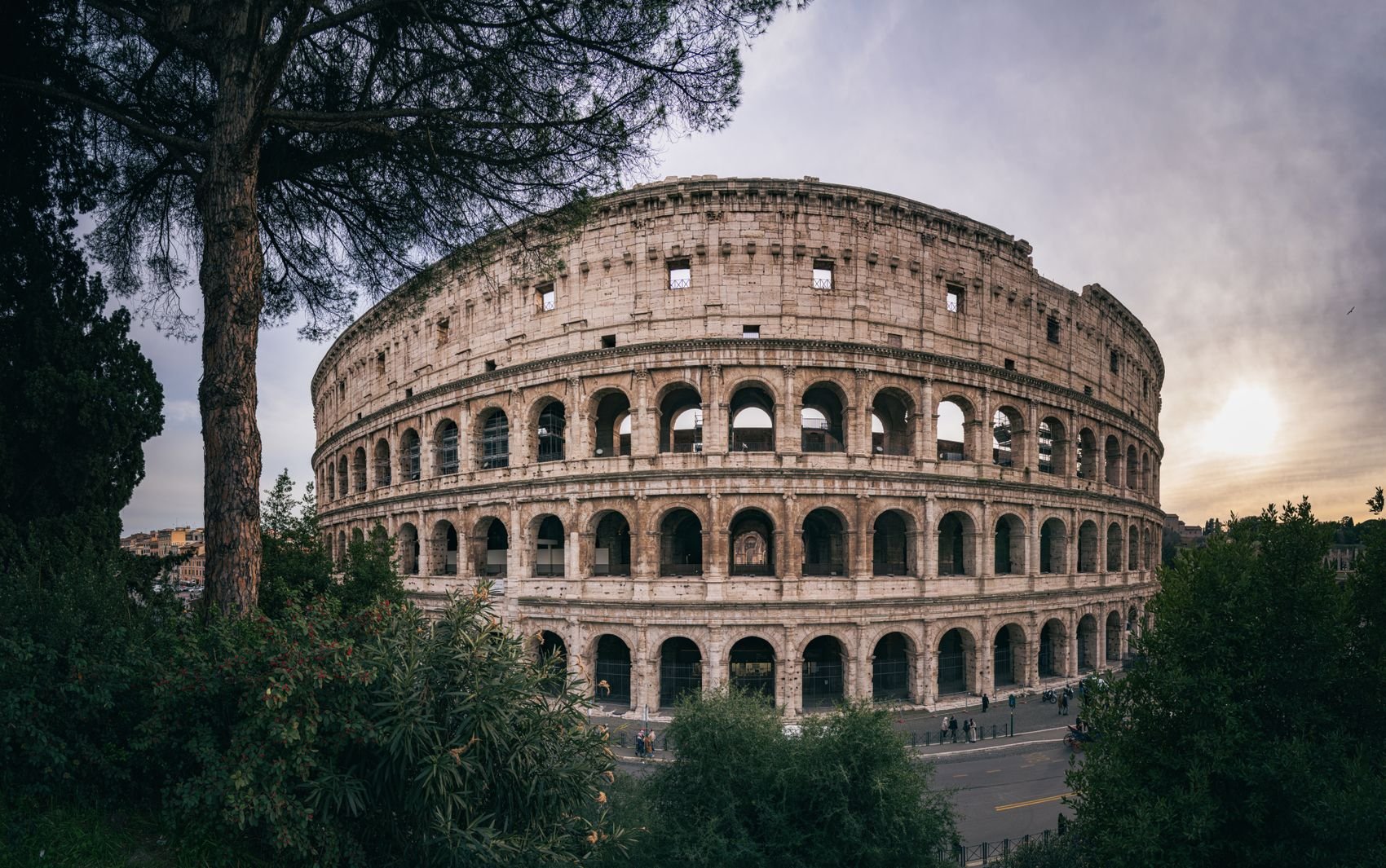
Rome is a poor place to compress into an arrival evening and one full day. The Colosseum, Roman Forum and Palatine deserve an unhurried block; the Vatican Museums are another substantial visit across town. Leave a separate stretch for walking through a few neighbourhoods, rather than chaining timed entrances. If your flight lands late, treat that as a settling-in day, not as a sightseeing day you can recover later.
The Colosseum’s official park says its entry time is compulsory and that sales open 30 days ahead; tickets are named, so bring the required ID. Buy through the official Colosseum ticket portal. For the Vatican Museums, use the official museum ticket page, which warns about lookalike sales sites. Choose no more than one major timed visit on the day after a long flight.
Florence: two full days, with a third for choice
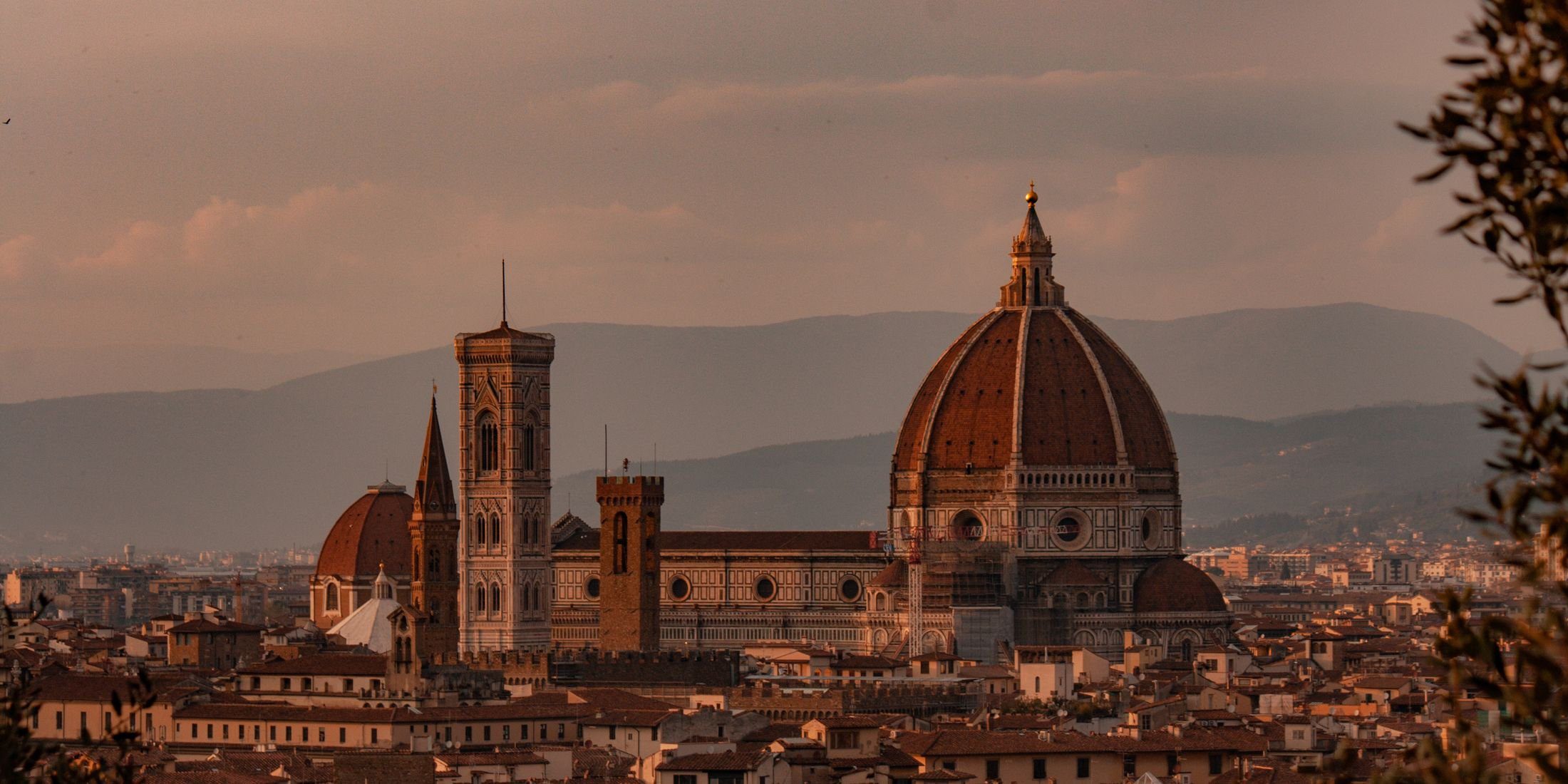
Florence is compact enough to walk between its principal sights, but a museum day and a Duomo day can each consume more time than they appear to on a map. Use two full days for the historic centre, the Uffizi or another museum that genuinely interests you, and time across the river in Oltrarno. A third night gives you a flexible day for Bologna, a Tuscan town, or simply Florence without another queue.
Book the Uffizi through the official galleries site if it is a priority. The official Brunelleschi Pass requires a timed reservation for the dome climb; it has 463 steps and no lift. The cathedral itself is a different visit, with free entry under the current official rules. Visitors with limited mobility should consider the Duomo museum and Florence’s ground-level streets instead of assuming the dome or bell tower will be accessible.
Bologna: a stop, a day trip, or two nights—not a compulsory hotel change
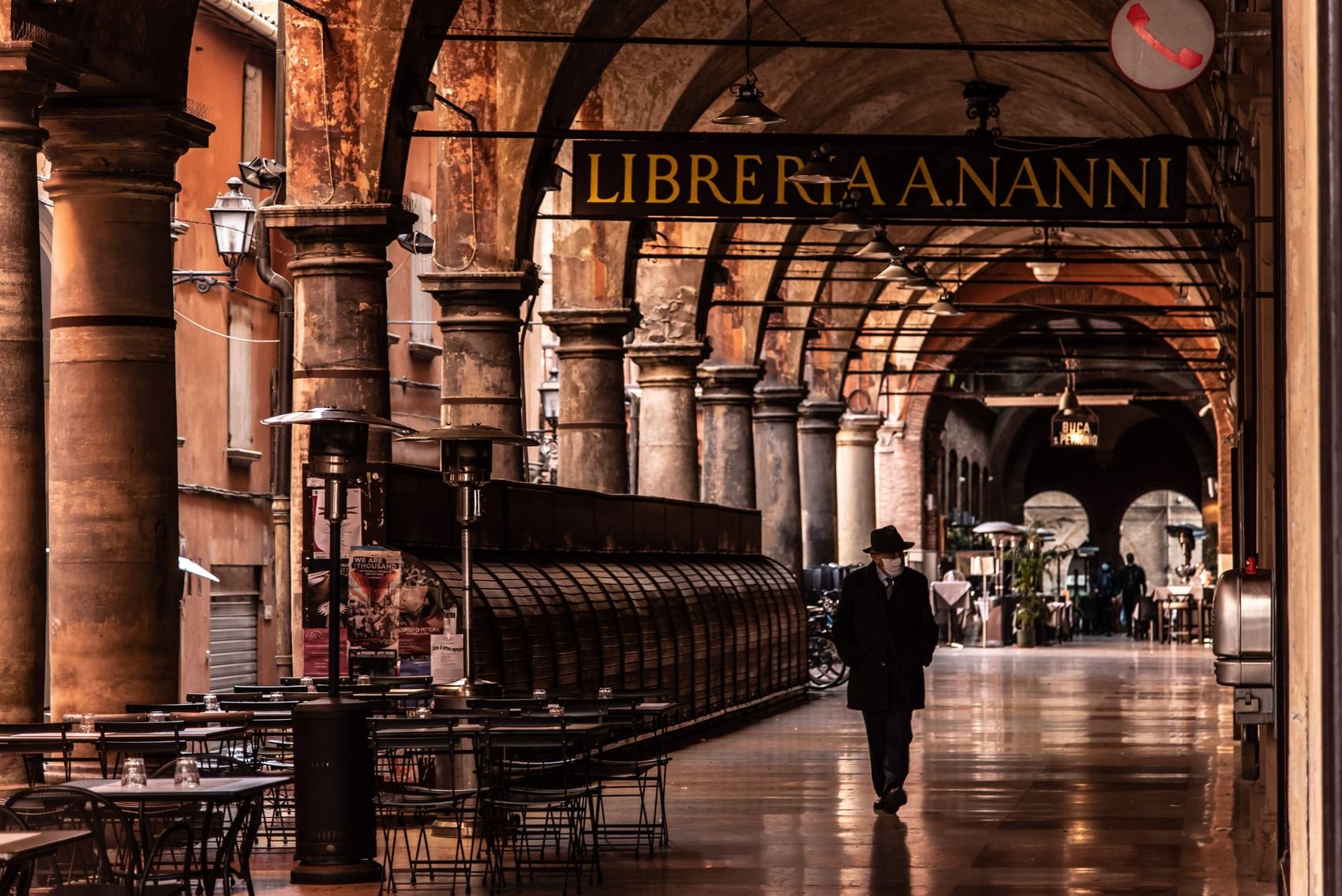
Bologna is especially useful on this route because the train from Florence reaches it quickly and onward trains run toward Venice. Its long porticoes make a rewarding walk even if the weather turns. A transfer-day stop can work well when you travel light and arrange legitimate luggage storage near Bologna Centrale. Buy separate train legs if you intend to leave the station; do not assume a through ticket lets you stop for lunch and board a later high-speed train.
A day trip from Florence avoids moving hotels but means retracing the same short rail leg. Stay two nights if Bologna’s food culture, museums and nearby Emilia-Romagna towns are a main reason for the journey. One night often gives you the inconvenience of check-in and check-out without much of the city.
Venice: sleep in the lagoon if Venice is why you came
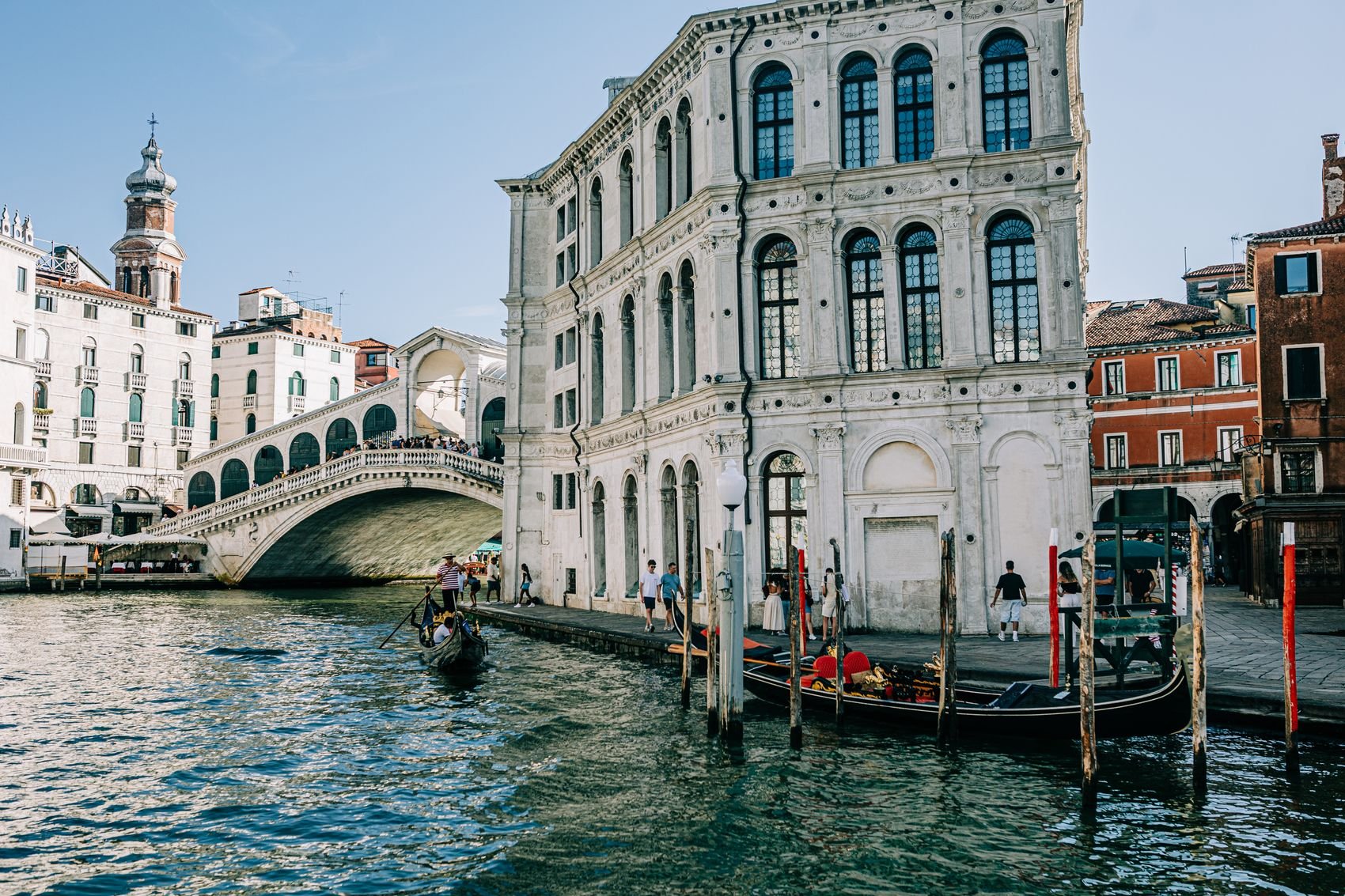
Venice changes character after day visitors leave and before the busiest arrival period next morning. That is the strongest reason to stay overnight rather than use it as a long day trip. Three nights allow a first orientation walk, one major cultural visit and time beyond San Marco without trying to turn every canal into a checklist. If accommodation on the islands is beyond your budget, compare the total cost of a mainland base with the added travel time and water transport.
Venezia Santa Lucia is the rail station beside the historic city; Venezia Mestre is on the mainland. Check which one is printed on your ticket and where your accommodation actually is. In the lagoon, walking can involve bridges and stairs, while the vaporetto network can save distance. Check routes and ticket activation in the AVM Venezia Official App. The city publishes an accessible Venice map to help plan around bridges and reachable vaporetto stops.
For St Mark’s Basilica, use its official ticket office and remember worship can affect visitor access. The Doge’s Palace site lists current tickets and special routes. As of this guide’s research date, Venice’s 2026 day-visitor access-fee trial had ended on 27 July; a future trip needs a fresh check because the municipality may adopt new rules.
A workable 10-day Italy itinerary by train
This is ten calendar days and nine nights, including arrival and departure. It assumes an arrival in Rome and departure from Venice. If your flights are round-trip from one city, budget the return rail journey as a real travel day rather than quietly squeezing it into the final morning.
| Days | Sleep | Plan | Protect this time |
|---|---|---|---|
| 1–3 | Rome, 3 nights | Arrive; spend one day around the ancient sites and another on the Vatican or neighbourhoods. | Do not put a timed museum entry immediately after an uncertain flight. |
| 4–6 | Florence, 3 nights | High-speed train from Rome; two Florence days, with one flexible half or full day. | Reserve the Uffizi or dome if either matters to you. |
| 7 | Venice, first of 3 nights | Travel via Bologna for lunch and porticoes if bags and timings permit; otherwise take the direct route. | Allow for luggage storage and two separate bookings if you stop. |
| 8–9 | Venice | One major visit, slow walks and a vaporetto journey; keep another block unscheduled. | Enjoy an early or late hour in the city rather than another distant day trip. |
| 10 | Depart | Travel to your departure point with a generous buffer. | Do not assume Venice airport is a short walk from the station. |
If Bologna is central to the trip, reallocate the nine nights to Rome 3, Florence 2, Bologna 2 and Venice 2. That is a faster four-base route, but each move still earns at least two nights. The table is a decision framework, not a prescription to book every hour.
What if you only have seven days?
Seven days usually means six nights, not seven full sightseeing days. A brisk first-timer route is two nights each in Rome, Florence and Venice, using high-speed trains and skipping Bologna, Pisa and the southern coast. It covers the classic contrast, but expect one main sight per city and less idle time. If art or ancient Rome is the real priority, a better-paced alternative is three nights in Rome and three in Florence, departing from one of those cities. There is no obligation to reach Venice simply because it appears in a standard itinerary.
Book an open-jaw flight when it is reasonably priced: arrive in one city, leave from another. Compare the total fare with a round-trip ticket plus the cost and time of returning by train. For a short stay, the cheaper flight is not always the cheaper holiday.
When to choose a different Italy
The classic rail line is convenient, not a verdict on the rest of the country. Change the route when another region is the reason you are travelling, and give that choice enough nights to feel different.
Naples and the south
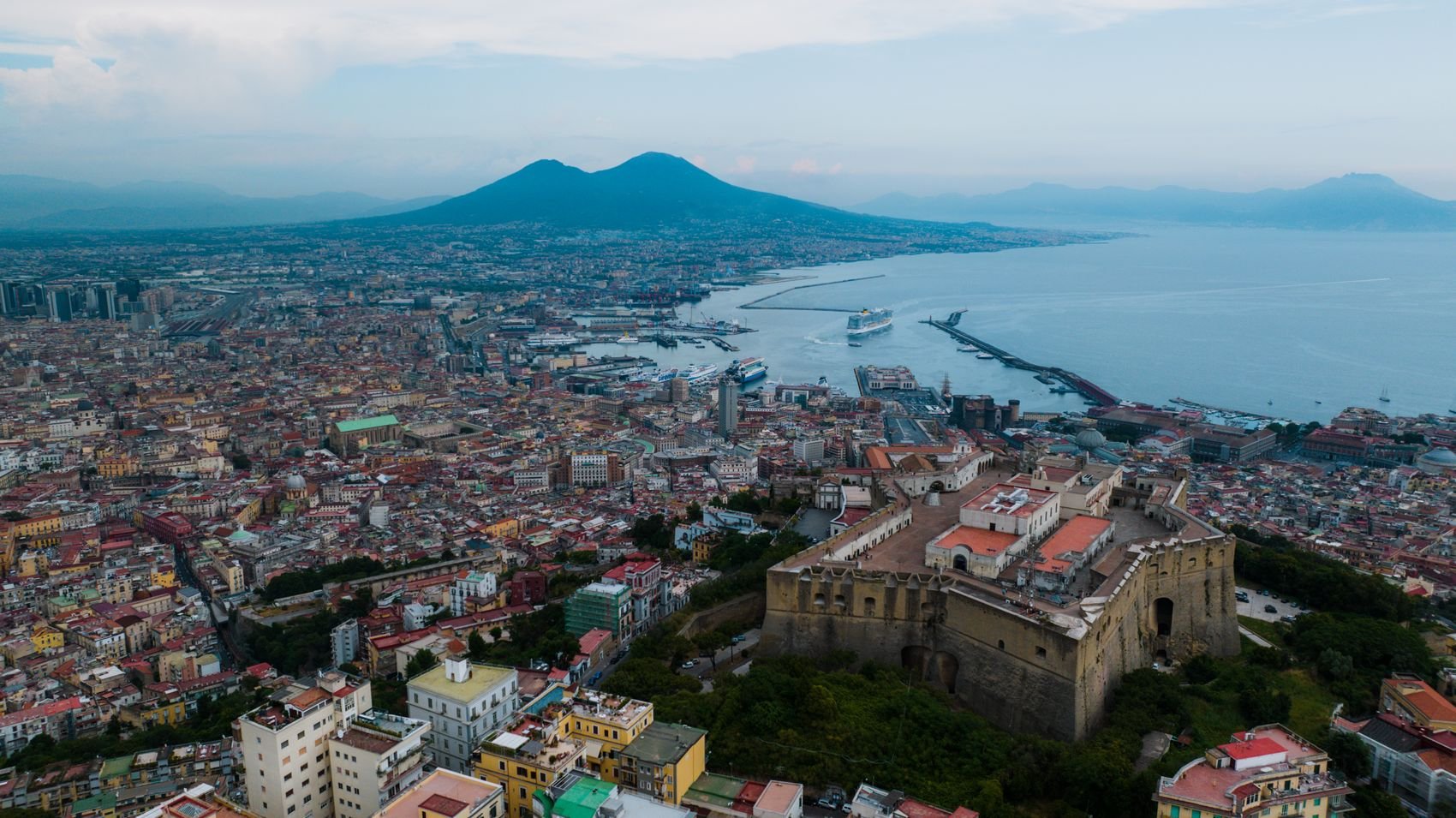
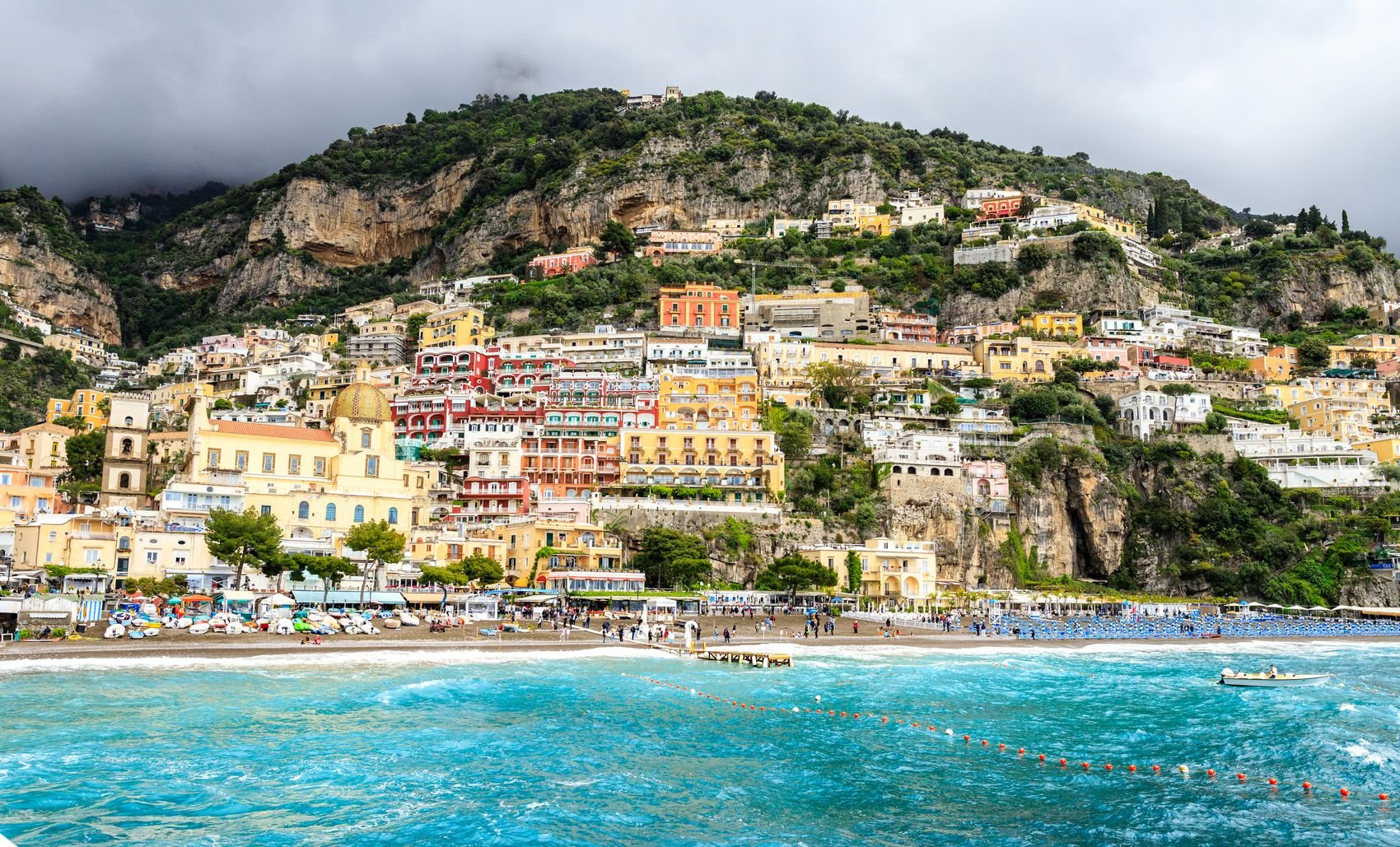
Naples makes sense after Rome if your interests lean toward southern city life, Pompeii or the Bay of Naples. Trenitalia lists Rome–Naples high-speed journeys at just over an hour, but Pompeii is a separate onward outing, not a quick stop between Rome and Florence. Give Naples at least two nights if it is more than a transit point. The Amalfi Coast deserves several nights of its own: winding road transfers, ferries and high-season crowds make a rushed day trip from Rome a poor substitute for staying in the area. Check seasonal transport before building a coast itinerary around a particular boat.
Cinque Terre and the lakes
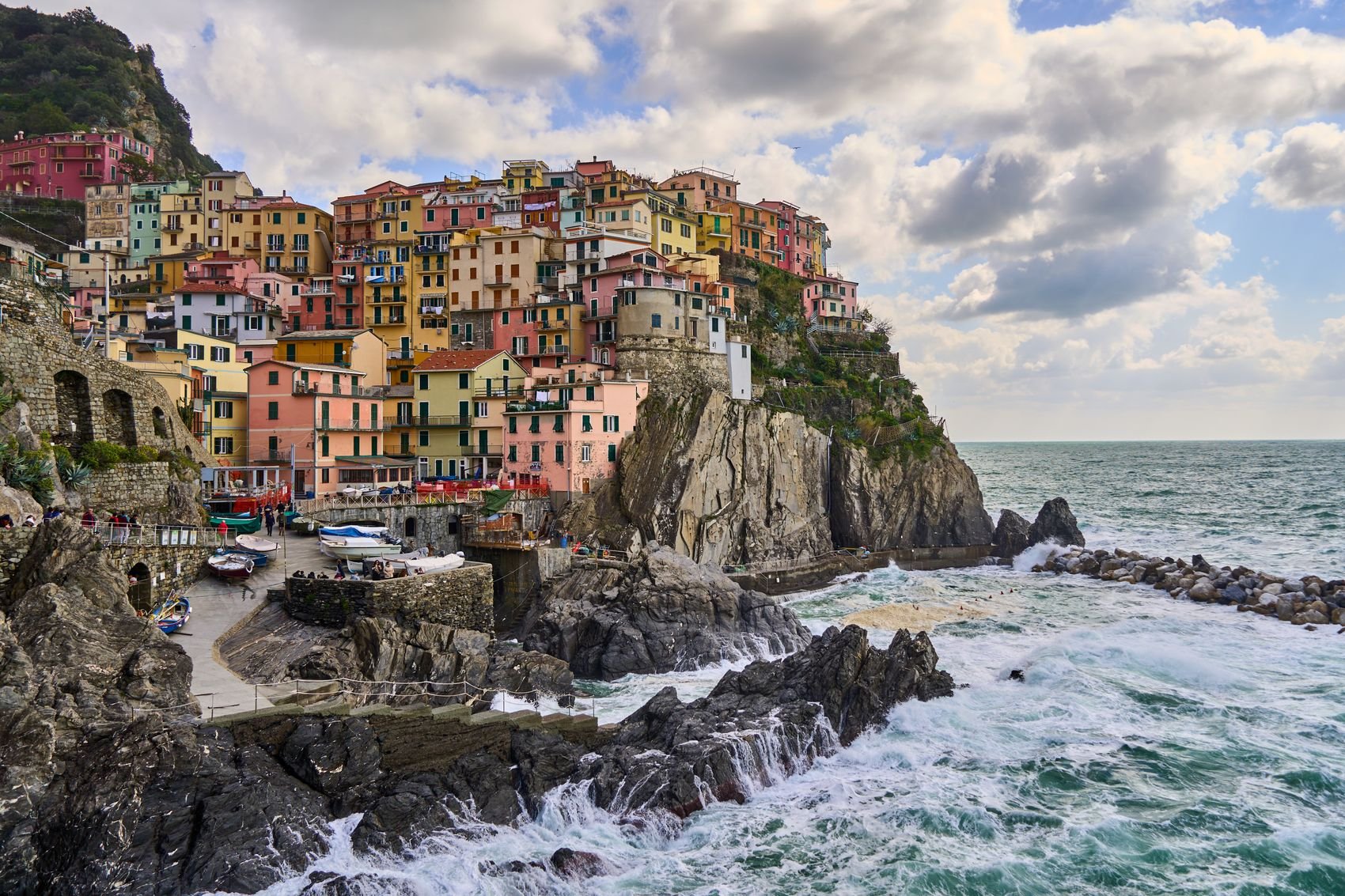
Cinque Terre is better as an overnight or two-night stay if you want time in the villages and on the trails outside the busiest part of the day. It is not a frictionless Florence-to-Venice detour: getting there adds regional rail connections and a change of direction. Use the national park’s trail information to check the current path status and difficulty before promising yourself a hike. A day trip can still suit someone who mainly wants a brief coastal view and accepts more time in transit.
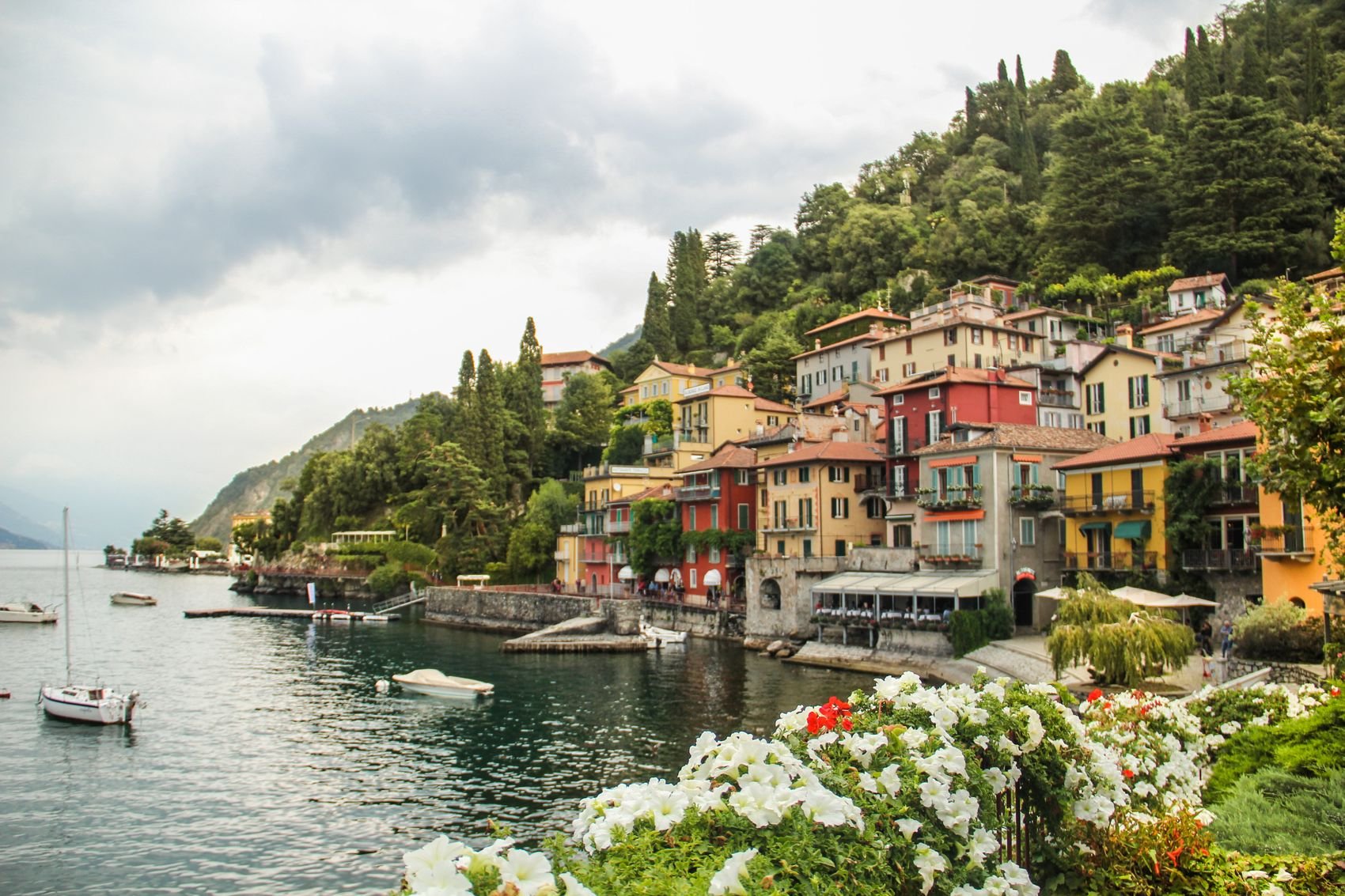
Lake Como is most natural with Milan, a northern arrival or an extension after Venice, rather than being inserted between Rome and Florence. A lakeside base such as Varenna invites a slower mix of trains and boats. Ferry routes and frequency are seasonal, so choose the village and accommodation before relying on a particular day-trip circuit.
Milan, the Dolomites and Sicily
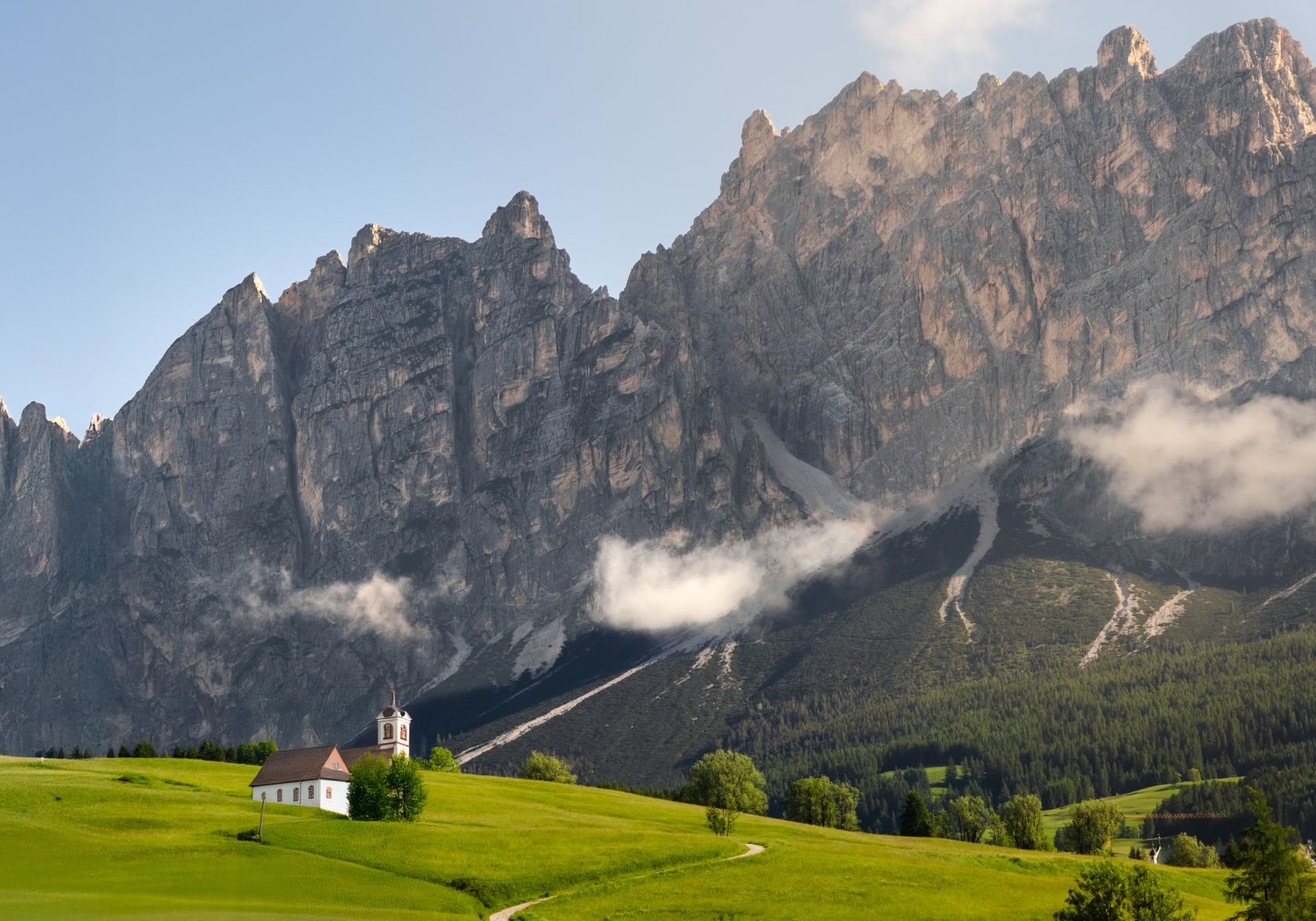
Milan works well as a gateway to the lakes or a northbound departure city. If its museums, design and neighbourhoods appeal to you, stay rather than treating it solely as an airport connection. The Dolomites are a different trip again: trains reach gateway towns, but your chosen valley may need buses, cable cars or a car, with services and trails varying by season. Choose a mountain base first and verify its local transport. A car can help in a rural or mountain stay; it is a liability in the historic centres of Rome, Florence and Venice.
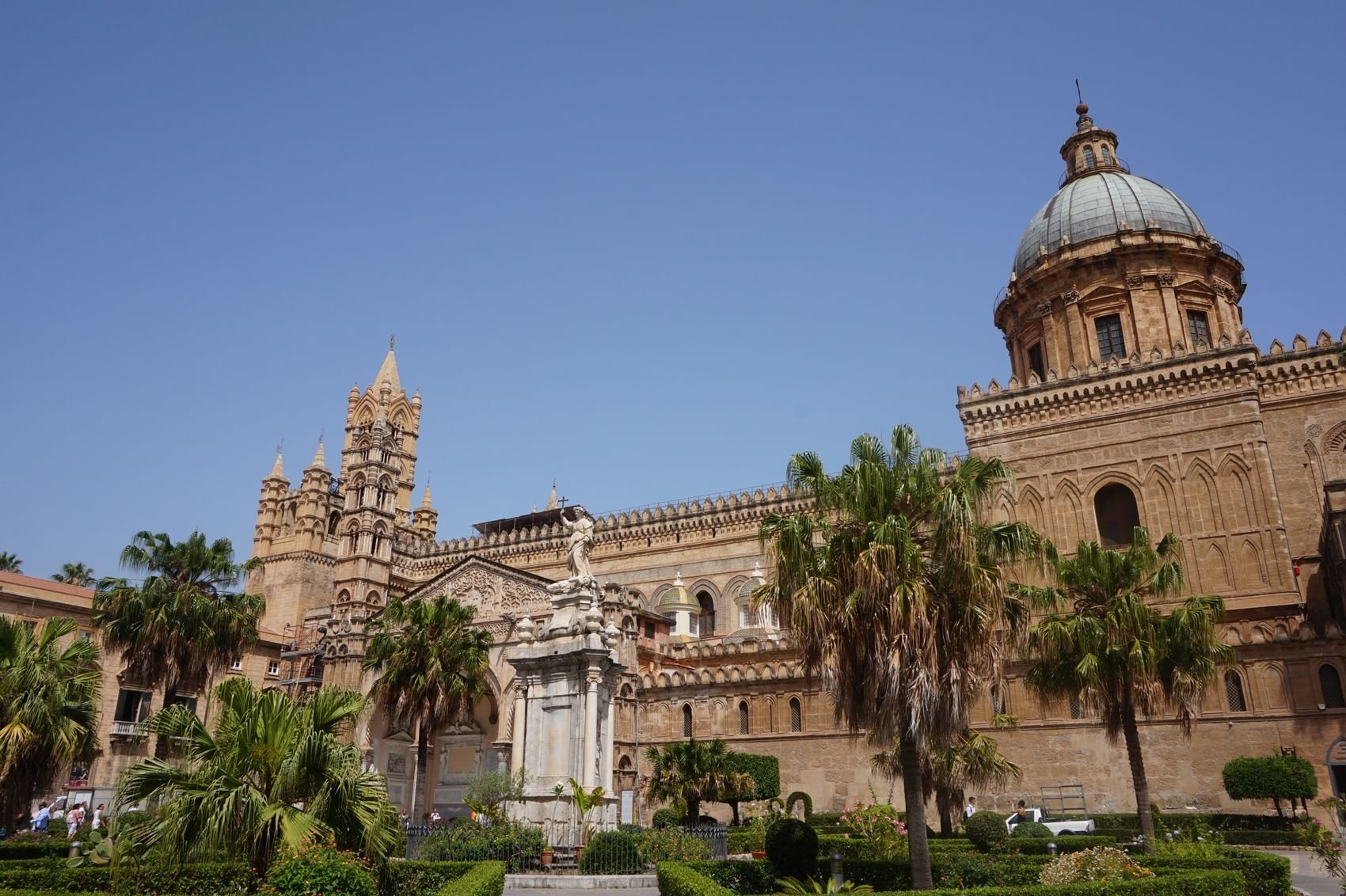
Sicily is large enough to deserve a separate trip. Palermo, eastern Sicily and the southern coast are not one quick add-on to a Venice finish. If you have two weeks or more and want Sicily, consider flying one leg and reducing the mainland portion rather than spending several days just getting there. Spring and autumn can be comfortable for city walks; summer suits sea-focused travel but calls for heat-aware pacing.
Book the fixed pieces; leave room for Italy
Book intercity high-speed trains once the hotel sequence and flight dates are firm, comparing Trenitalia and Italo directly. Both sell timed services with fare conditions that can vary; a cheaper ticket may be less flexible. Reserve the Colosseum, Vatican Museums, Uffizi and Florence dome when they are priorities. In Venice, prebook a specific St Mark’s or Doge’s Palace experience if you have a narrow window. Confirm the official seller and the exact admission included before paying a third party for a “skip the line” promise.
Leave neighbourhood walks, ordinary meals, markets and most local train trips more open. A trip feels less like a sequence of appointments if each day has one anchor and an area to explore around it. Book hotels with station access in mind, but do not assume the cheapest room beside a station is automatically the best place to spend an evening.
Italy trains: tickets, validation, platforms and bags
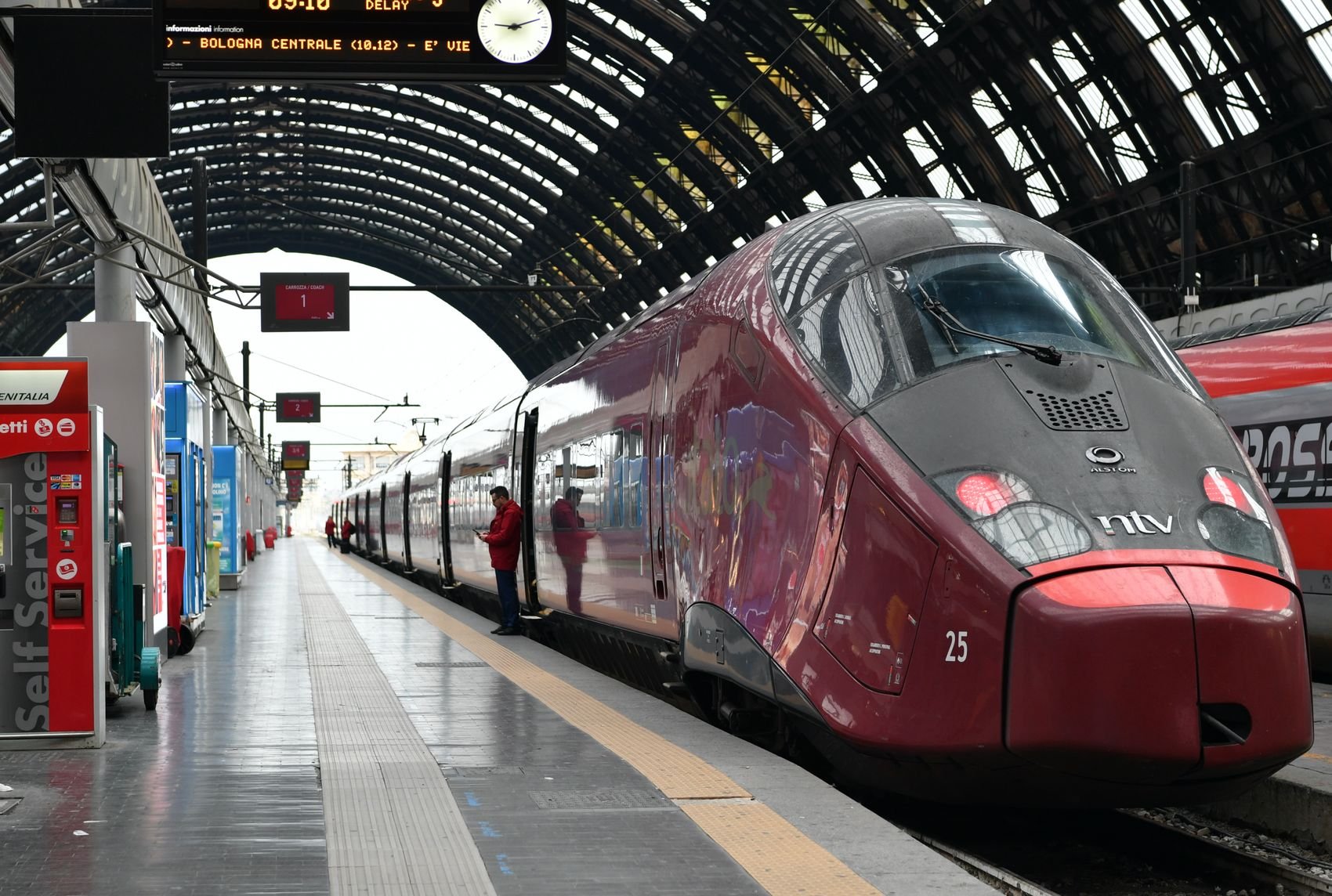
Use high-speed services for the major city-to-city legs. Trenitalia’s Frecciarossa and Italo both run on the main corridor; compare departure station, arrival station, total travel time and ticket conditions, not only the headline fare. A booked high-speed seat is for a specific service. Do not board a different train because it appears to be going to the same city unless you have changed your ticket under that fare’s rules.
Regional trains serve smaller towns and local journeys. The old instruction to “check in” every Trenitalia digital regional ticket is outdated. Under the current regional ticket rules, a Digital Regional Ticket is validated automatically at the scheduled departure of the selected train; you show its dynamic ticket display and ID if requested. A single paper regional ticket still needs validation at a station machine before departure. Other ticket types and operators can have different rules, so read the conditions on the ticket you actually bought.
At a large station, match the train number and departure time on the board, then check the binario (platform). The final destination shown on a board may be beyond your stop. Platform announcements can change close to departure; open the operator app or look at the board again after coffee. Bologna Centrale has multiple levels, so leave extra time for a transfer. Keep your ticket available offline as well as in your account—an image or downloaded file is useful when the signal drops, but follow any requirement for a live dynamic ticket display.
Take bags you can lift yourself. Luggage goes in designated racks or overhead spaces on the train, and it stays your responsibility. Large suitcases also turn bridges, cobbles and a Bologna stopover into more work. Travellers who need boarding help can check Trenitalia and RFI’s Sala Blu assistance and the accessibility of the particular train and stations before booking.
Apps worth installing before departure
- Trenitalia: buy its national and regional tickets, keep bookings together and follow train-status updates. It is also the place to inspect a Digital Regional Ticket before boarding.
- Italo Treno: compare and manage Italo’s high-speed services, with ticket access and journey updates. Use the operator that issued your ticket for changes.
- ATAC Roma: Rome’s official app for journey planning, arrival information and digital transit tickets. Confirm any ticket’s activation instructions before riding.
- AVM Venezia Official App: plan Venice bus, tram and vaporetto trips and buy or activate ACTV tickets; purchasing requires registration.
- Google Maps and Google Translate: save map areas and an Italian language pack before travel. Offline maps are a fallback for orientation, but Google says public-transport and walking directions are unavailable offline. Save hotel addresses and ticket screenshots separately.
Do not install five payment apps just because a list recommends them. Start with the rail operators you will use and the local transport app for each city. Your museum reservation may simply be a PDF in email; place it in an offline folder where you can find it at the entrance.
Costs and common mistakes that change the trip
Build a budget from the route, not from an unverified daily average. Price the actual hotels, intercity trains, admissions and local transport for your dates, then add meals, tourist taxes shown by your accommodation and a cushion for changes. Advance high-speed fares and popular city hotels can vary sharply by date. A stay outside a historic centre may save on the room while adding daily transit and time; a car adds parking and restricted-zone complexity.
- Busy stations and vehicles: keep a hand on bags when boarding, using ticket machines or navigating crowds. Italian police specifically warn about distraction around station queues and train doors; ordinary attention is enough, without treating a city as inherently unsafe.
- Ticket sellers: start with the attraction or operator’s official site, especially for named, timed admissions. Compare the full price and what an intermediary actually adds.
- Taxis: use a marked rank or an official booking channel and confirm the tariff basis before departure. Rome’s licensed taxis are white, marked and numbered; a person soliciting passengers inside an arrivals hall is not a substitute for checking the licensed service.
- Restaurant bills: read the menu for any cover or service charge before ordering; practices can vary by region and venue. Tipping is not compulsory. Ask about an unexpected bill item politely rather than assuming every additional line is fraud.
- Driving: many historic centres have zona a traffico limitato (ZTL) rules. Florence’s visitor information explains that its historic centre is restricted. If you rent a car for countryside or mountains, arrange a lawful parking and hotel-access plan before entering a city.
Summer, autumn and accessibility: adjust the same route
In peak summer, protect the cooler early hours for exposed archaeological sites and city walks, then use museums or a slower lunch during the hottest part of the day. Book the fixed sights and accommodation earlier, and give crowded platforms and ferry connections more margin. The Dolomites and coast may be appealing summer alternatives, but they are not effortless add-ons to a nine-night city route.
Autumn is well suited to city time and food-focused travel, but days shorten and rain can affect walks or coastal plans. A later autumn trip should verify ferry, cable-car and trail availability before committing to a boat-heavy Amalfi plan or mountain base. Italy’s official tourism portal has seasonal ideas; treat them as inspiration and check the local operator for the services your itinerary requires.
For limited mobility, the headline train times are only one part of the journey. Check station assistance, lifts, the distance from station to hotel and the route to a vaporetto stop. Venice’s bridges and Florence’s cobbles can make a seemingly short walk demanding. A ground-floor museum visit may offer a better day than a climb with hundreds of steps. Ask accommodations about the exact entrance, lift and step-free route, not merely whether they are “central.”
Staying connected in Italy
A little reliable data helps at the moments when this itinerary is least predictable: finding the hotel after landing, confirming a platform at Bologna Centrale, opening a timed museum ticket or checking which vaporetto reaches your Venice stop. It also helps when a reservation changes or you need to translate a message. Save tickets and addresses offline anyway; trains pass through tunnels and no mobile service has a signal in every building or mountain valley.
As a planning illustration, assume a light user spends about 0.3 GB per day on maps, messages and tickets; an everyday user about 0.7 GB with browsing and photo posting; and a heavy user about 1.7 GB with video, calls or hotspot use. That suggests roughly 2, 5 or 12 GB over seven days, and 3, 7 or 17 GB over ten days. These are not measured traveller averages or guarantees. Offline downloads and hotel Wi-Fi can lower use; automatic cloud backups, high-quality video and laptop tethering can raise it quickly. Review your phone’s data controls before departure.
If your home plan already gives you suitable EU roaming in Italy, use it. If roaming is costly, or the journey continues into Switzerland—outside the EU/EEA roaming regime—NXTL is one option to compare. Its device checker helps confirm that your exact phone is eSIM-capable and unlocked. You can install the data-only eSIM on Wi-Fi before leaving, keep a compatible dual-SIM phone’s home line for calls and SMS, and select NXTL for mobile data on arrival. The home carrier may still charge for any calls, texts or roaming on that line.
NXTL uses one reusable prepaid balance, without a monthly subscription, and leaves unused balance available for later supported trips under its terms. In Italy, its live rate directory and coverage checker show supported networks. “Cheapest” prioritises the lowest-priced available supported connection; “Best coverage” opens broader supported network choice, with data charged at the rate of the network actually used. On 30 September 2026, the Italy destination page showed a starting data rate of $0.72 per GB on Vodafone; other listed networks cost more. That is a usage rate, separate from the one-time eSIM purchase price and the prepaid balance included with that purchase. Check the live page before buying. The same installed eSIM can continue into covered Switzerland at Swiss network rates, which can vary considerably by operator.
NXTL’s Connectivity Guarantee addresses a connection failure in a supported destination through troubleshooting and, if needed, a replacement eSIM and refund under its conditions. It is not a promise of uninterrupted coverage. If that arrangement suits your route and device, check the live Italy eSIM options and get NXTL for the trip.
Before you press book
Choose the number of overnight bases first; check flight airports and train stations second; reserve only the sights that would disappoint you to miss. Read the exact ticket conditions for regional and high-speed trains, keep one flexible block in every city, and check any season-dependent boat or mountain service. The result is an Italy trip with room to notice where you are—not just proof that you passed through.
Photography in this guide was sourced through Pexels; individual photographer credits appear with each image. The Florence Cathedral featured photograph is by David Teodorosi on Pexels.