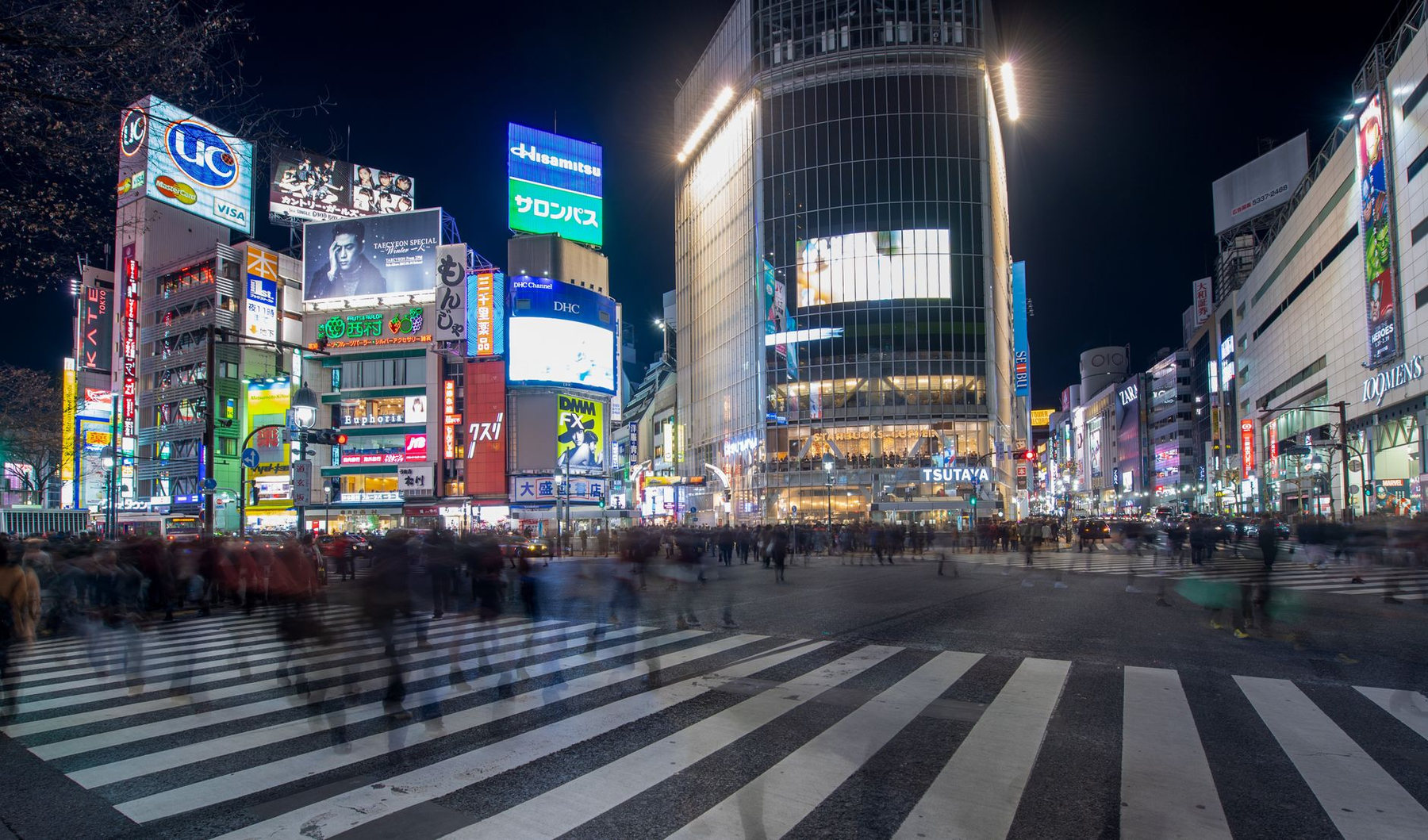
Stepping out into Tokyo for the first time is an unforgettable sensory rush. You emerge from the quiet precision of the subway into streets where multi-story neon video walls illuminate futuristic crosswalks, while down an adjoining alley, red paper lanterns glow gently outside a six-seat ramen counter. Japan is a masterclass in harmony: high-speed bullet trains slice through mist-shrouded cedar valleys, and centuries-old wooden shrines sit peacefully alongside gleaming glass skyscrapers.
Yet Japan can be surprisingly intimidating for first-timers. Navigating multi-tiered railway stations that resemble subterranean cities, managing complex luggage rules on bullet trains, and deciphering restaurant ticket vending machines can easily overwhelm you if you arrive unprepared. This guide moves beyond standard sightseeing checklists to give you an actionable, street-smart handbook: realistic routes, essential safety tips, scams to avoid, authentic dining secrets, and the modern connectivity tools you need to travel with total confidence.
The Golden Rail Route: 7 to 10 Days Without the Rush
For your first trip, follow the proven rail spine connecting Tokyo, Kyoto, and Osaka via the high-speed Tōkaidō Shinkansen. Here is a realistic, perfectly paced itinerary that balances iconic landmarks with breathing room:
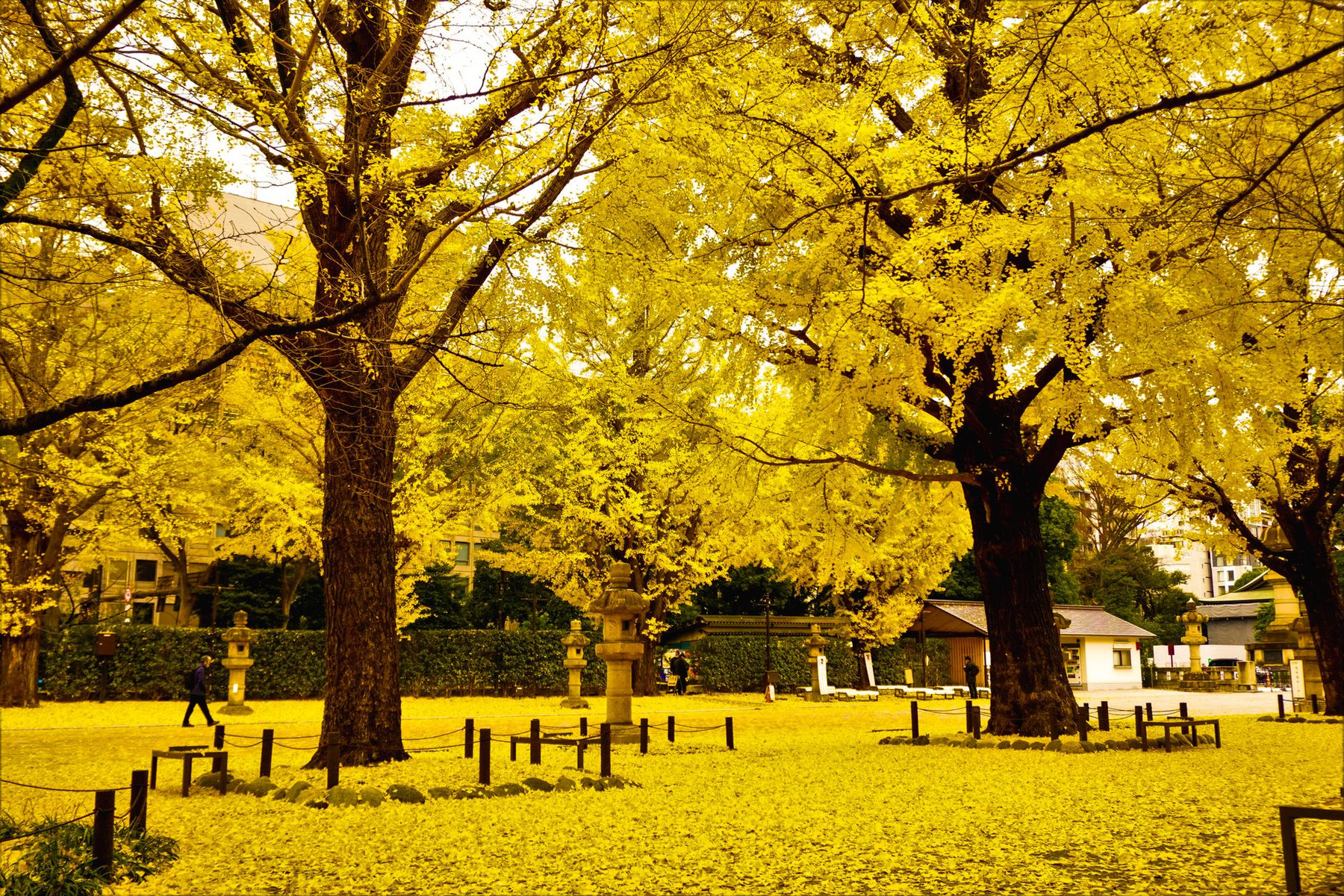
• Days 1–3: Tokyo. Base yourself near a major JR Yamanote Line station such as Shinjuku, Shibuya, or Ueno. Use Day 1 for arrival recovery and a peaceful walk through Asakusa’s historic streets. Dedicate Day 2 to Meiji Jingu shrine, Harajuku backstreets, and the Shibuya scramble crossing. On Day 3, explore teamLab digital art, the gardens of Ueno, or an autumn foliage stroll under golden ginkgo trees in Rikugien Garden.
• Day 4: Shinkansen to Kyoto. Catch a morning bullet train from Tokyo or Shinagawa Station (seats D and E offer views of Mount Fuji on clear days). Check into your Kyoto hotel near Kyoto Station or Karasuma, and spend a gentle afternoon walking along the willow-lined Kamo River and through the preserved wooden machiya lanes of Gion.
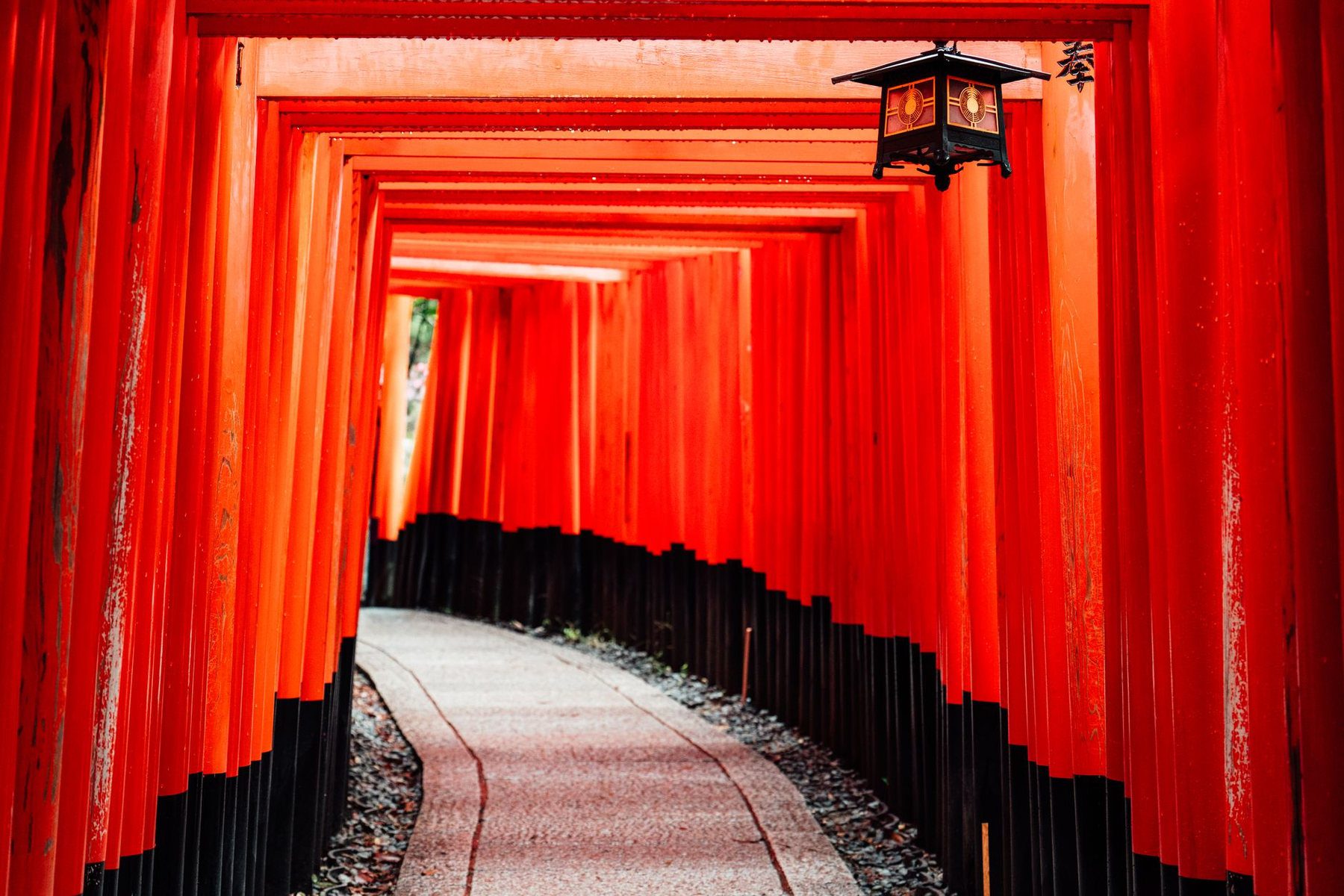
• Days 5–6: Kyoto. Day 5 is for eastern Kyoto: hike the vermilion torii tunnel at Fushimi Inari at sunrise before tour buses arrive, followed by Kiyomizu-dera temple and the stone-paved lanes of Ninenzaka. Day 6 belongs to western Kyoto: walk the Sagano Bamboo Grove in Arashiyama and visit the peaceful rock garden of Ryōan-ji.
• Days 7–8: Osaka & Departure. Take a quick 30-minute local train to Osaka. Spend the evening diving into Dōtonbori street food and Umeda’s skyline. On Day 8, explore Osaka Castle or take an optional morning day trip to Nara’s friendly sika deer before catching your return flight from Kansai International Airport (KIX) or returning to Tokyo.
According to seasonal patterns published by the Japan National Tourism Organization October guide and their November travel guide, autumn foliage moves gradually from northern mountain regions down to city gardens, meaning you can enjoy vibrant colors well into late November.
Historic Tokyo: Early Mornings at Sensō-ji
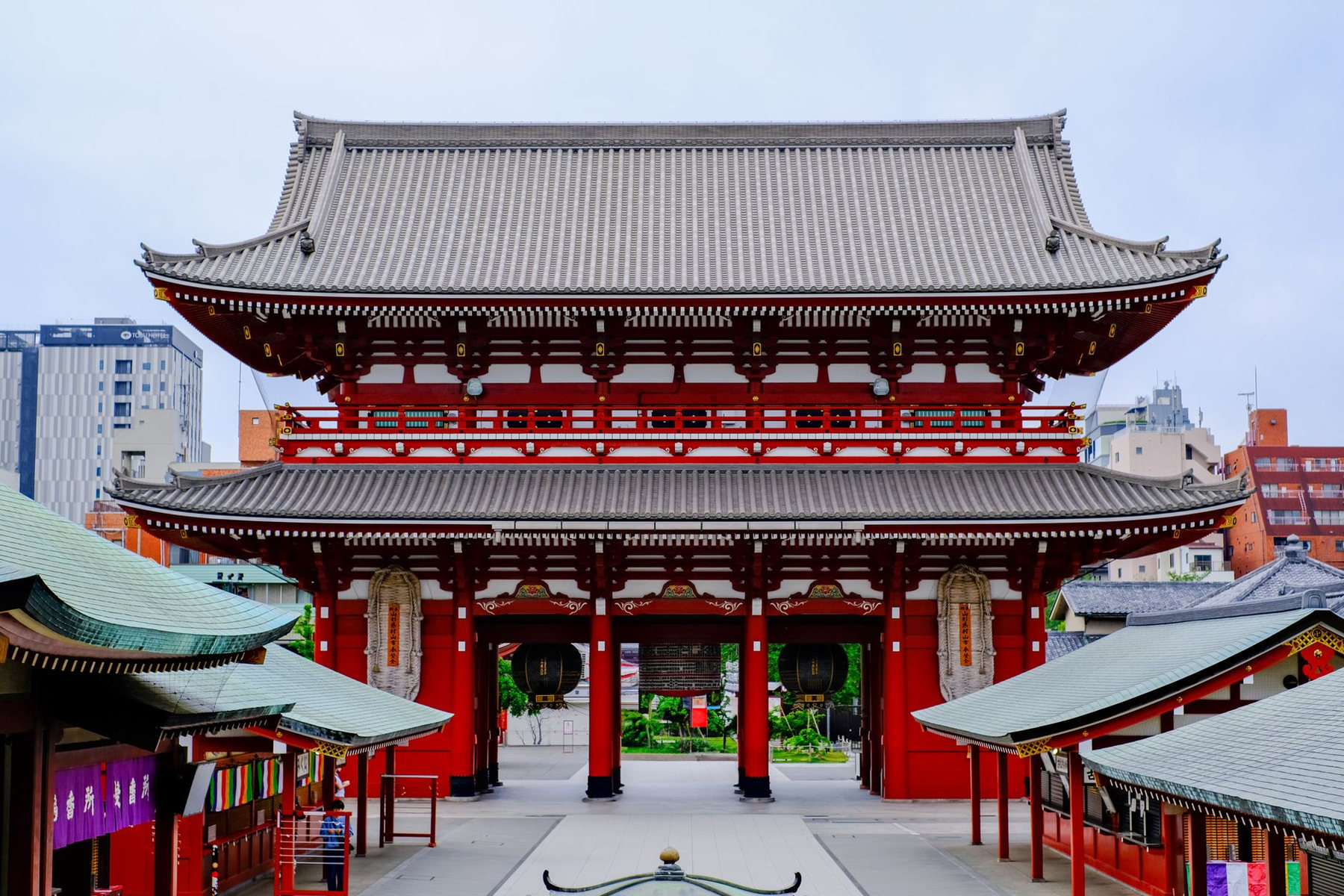
The secret to experiencing Tokyo’s most famous temple, Sensō-ji in Asakusa, is simple: arrive before 8:00 AM. Standing beneath the giant 700-kilogram red lantern of Kaminarimon (Thunder Gate) in the tranquil morning light allows you to appreciate the 7th-century Buddhist complex in peaceful contemplation. As incense smoke billows from the central bronze urn (jōkōro)—believed to bestow health and good fortune upon those who bathe in it—the city slowly wakes up around you.
By 9:30 AM, the Nakamise shopping arcade leading to the main hall opens its wooden shutters, selling freshly griddled ningyo-yaki (sponge cakes filled with sweet red bean paste) and rice crackers. Contrast this ancient atmosphere later in the day with the hyper-modern architecture of Ginza or the anime subculture of Akihabara.
Tokyo Street Smarts: Common Scams and Safety Tips
Japan is globally celebrated as one of the safest countries in the world, with virtually zero violent street crime. However, petty scams targeting unsuspecting foreign tourists do exist in major entertainment hubs:
• The Fake Monk Blessing Scam: In high-traffic tourist areas like Asakusa, Akihabara, and outside major train stations, you may encounter men dressed in Buddhist robes handing out gold medallions, good-luck amulets, or peace bracelets. Once you take the item, they produce a donation notebook and aggressively demand 2,000 to 5,000 yen ($15–$35). Authentic Japanese monks never solicit cash on street corners in this manner; simply keep your hands in your pockets, firmly say ‘No thank you,’ and keep walking.
• Kabukicho Touts & Drink Spiking: In Tokyo’s red-light and nightlife districts—particularly Kabukicho in Shinjuku and parts of Roppongi—never follow street promoters (‘kyakuhiki’) who promise ‘cheap drinks, no cover charge, and pretty girls.’ These touts lead tourists to unregulated bars where drinks are spiked, followed by exorbitant credit card charges of 50,000 to 200,000 yen for ‘seating and service fees.’ Strictly patronize ground-floor establishments with visible menus, or venues recommended by trusted locals.
• The Station Coin Locker Hack: Dragging heavy luggage through Tokyo subways is exhausting. Major JR and metro stations have extensive banks of coin lockers (payable via IC cards like Suica or Pasmo). If lockers inside the station are full, look for nearby luggage storage services like Ecbo Cloak to store your bags safely for around 500–800 yen per day.
Day Trip to Nikkō: Misty Forests and Sacred Cedar Paths
If you have eight or nine nights, treat yourself to a day trip to Nikkō, located roughly two hours north of Tokyo by Tobu Railway from Asakusa. Nestled in misty cedar-clad mountains, Nikkō houses the UNESCO-listed Tōshō-gū shrine complex, celebrated for its opulent gold-leaf carvings, the famous ‘Three Wise Monkeys’ (Hear no evil, Speak no evil, See no evil), and the resting place of Tokugawa Ieyasu.
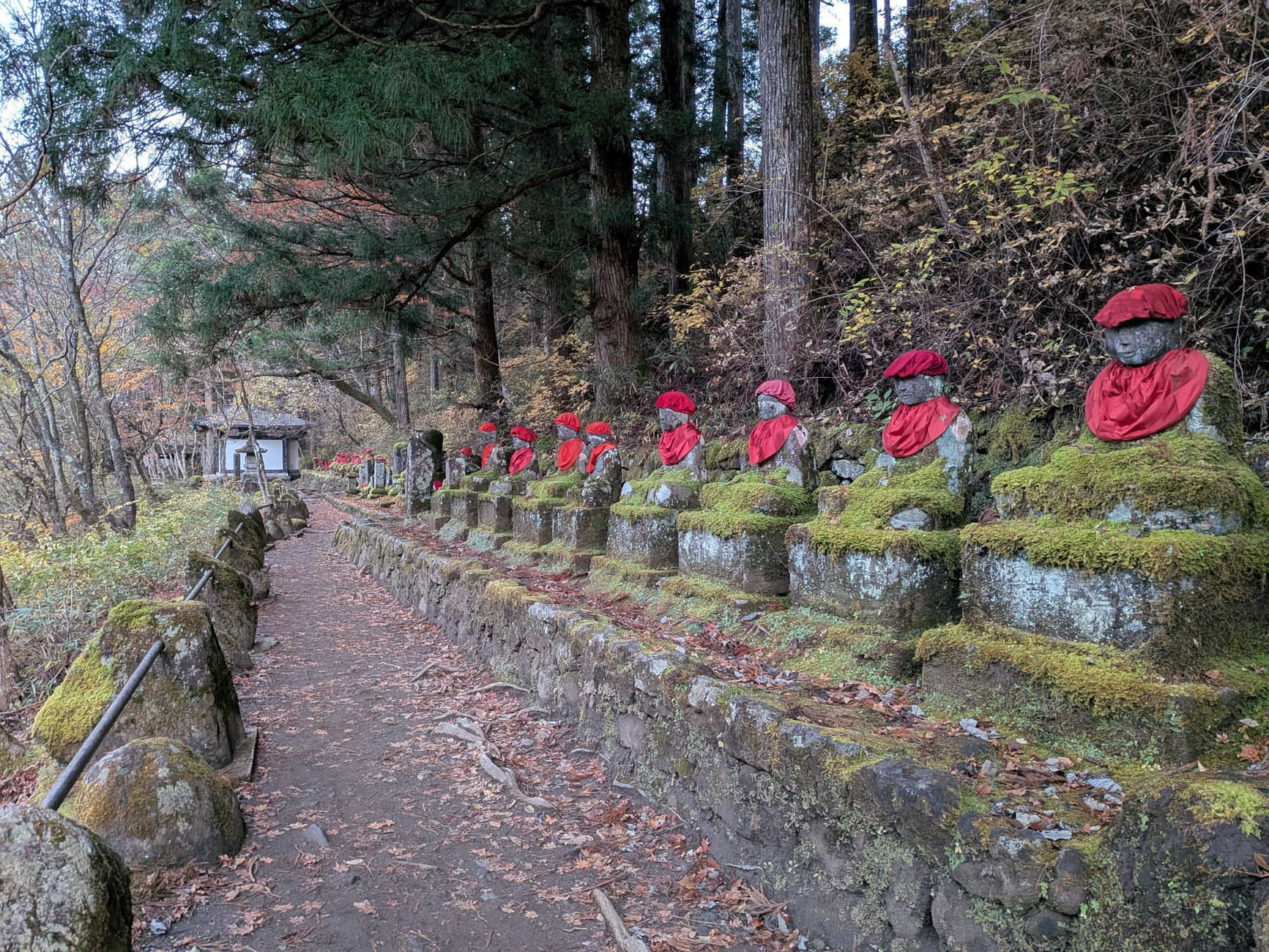
Wander along the tranquil Kanmangafuchi Abyss, a riverside path lined with dozens of moss-covered stone Jizō statues draped in bright red knitted caps and bibs, protecting travelers and children. Check local train schedules carefully for your return connection, as mountain bus routes can experience delays during peak foliage weekends.
Kyoto: Walking the Historic Spine and Escaping the Crowds
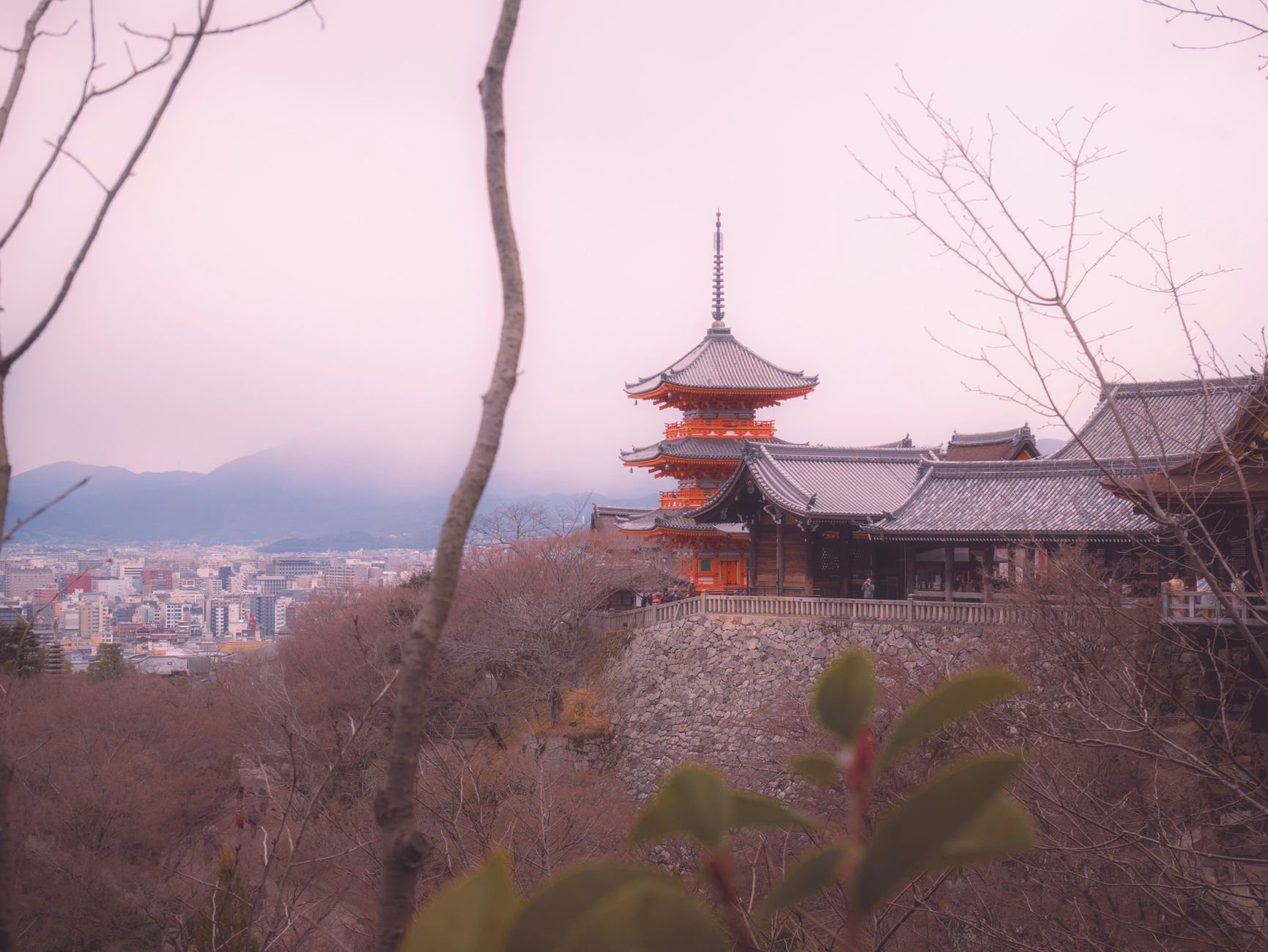
Kyoto was the imperial capital of Japan for over a thousand years, housing more than 2,000 temples, shrines, and sublime zen gardens. Perched on the slopes of Mount Otowa, Kiyomizu-dera commands panoramic vistas over Kyoto from its massive wooden veranda, constructed entirely without a single nail. Beneath the hall, visitors sip from the sacred Otowa Waterfall, whose three clear streams represent health, longevity, and success in studies.
To escape peak congestion, consult official Kyoto visitor guidance on autumn crowd management and explore earlier in the day. Wandering down the preserved flagstone paths of Ninenzaka and Sannenzaka before 8:30 AM lets you photograph traditional machiya wooden facades and stone lanterns without dodging tour groups. Respect local privacy signs: taking photos on private residential lanes in Gion is strictly prohibited and subject to 10,000 yen fines.
Arashiyama Bamboo Grove and the Torii Paths of Fushimi Inari
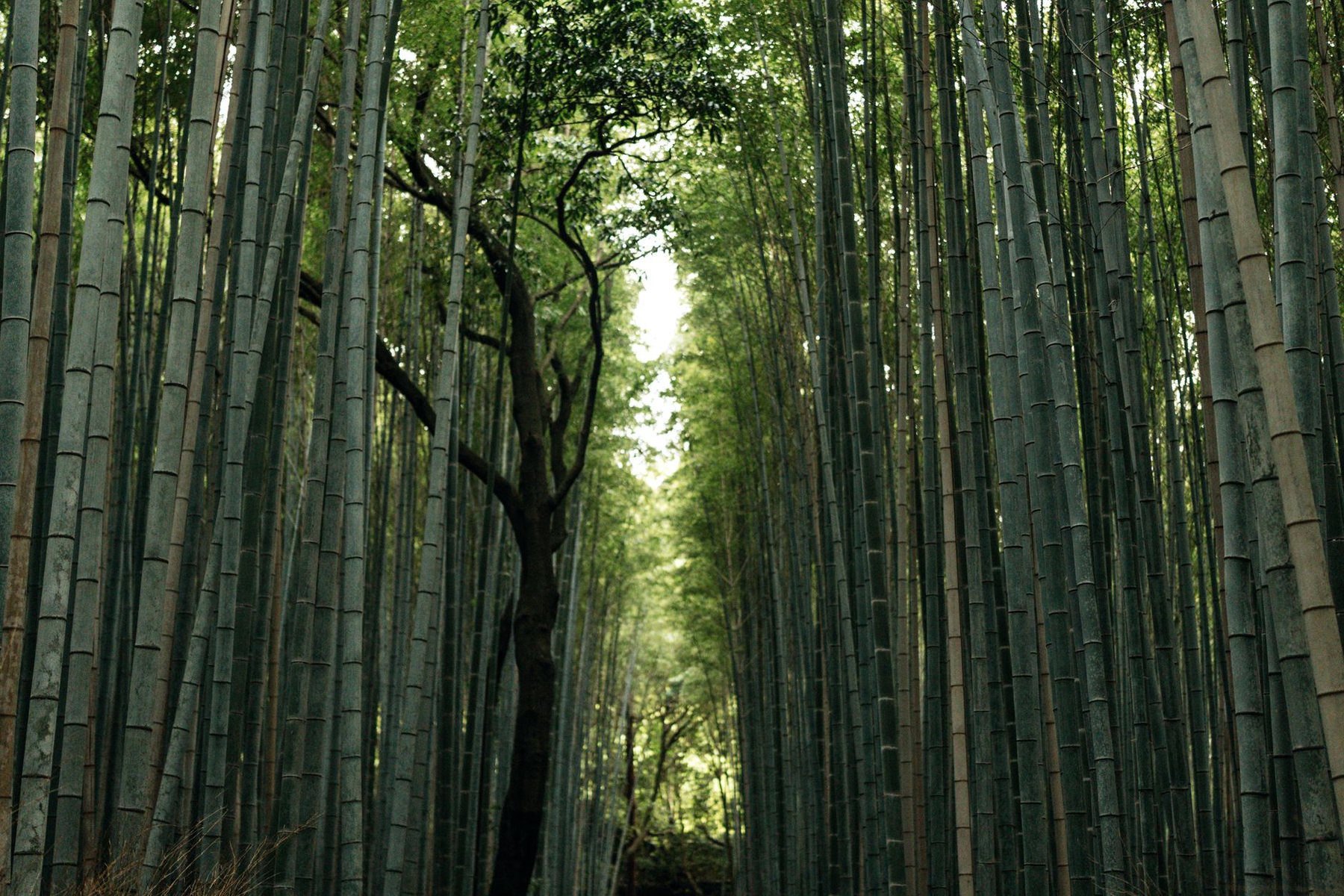
In western Kyoto, Arashiyama beckons with natural beauty. Walk beneath the soaring emerald stalks of the Sagano Bamboo Grove early in the morning when the rustling wind creates a serene, hollow acoustic symphony. Cross the historic Togetsukyo Bridge and visit Tenryū-ji, where a 14th-century landscape garden reflects the wooded slopes of the surrounding hills.
No visit to Kyoto is complete without walking the spiritual torii path at Fushimi Inari Taisha. Dedicated to the Shinto deity of rice and business prosperity, thousands of bright vermilion gates wind up the sacred mountain. While the lower paths near the main shrine are often crowded, hike past the Yotsutsuji intersection (about 25 minutes uphill) to find peaceful forest trails, moss-covered fox statues, and breathtaking sunset panoramas over southern Kyoto. Detailed district orientation is available on the Kyoto destination guide by JNTO.
Osaka: Street Food Extravaganza in Dōtonbori
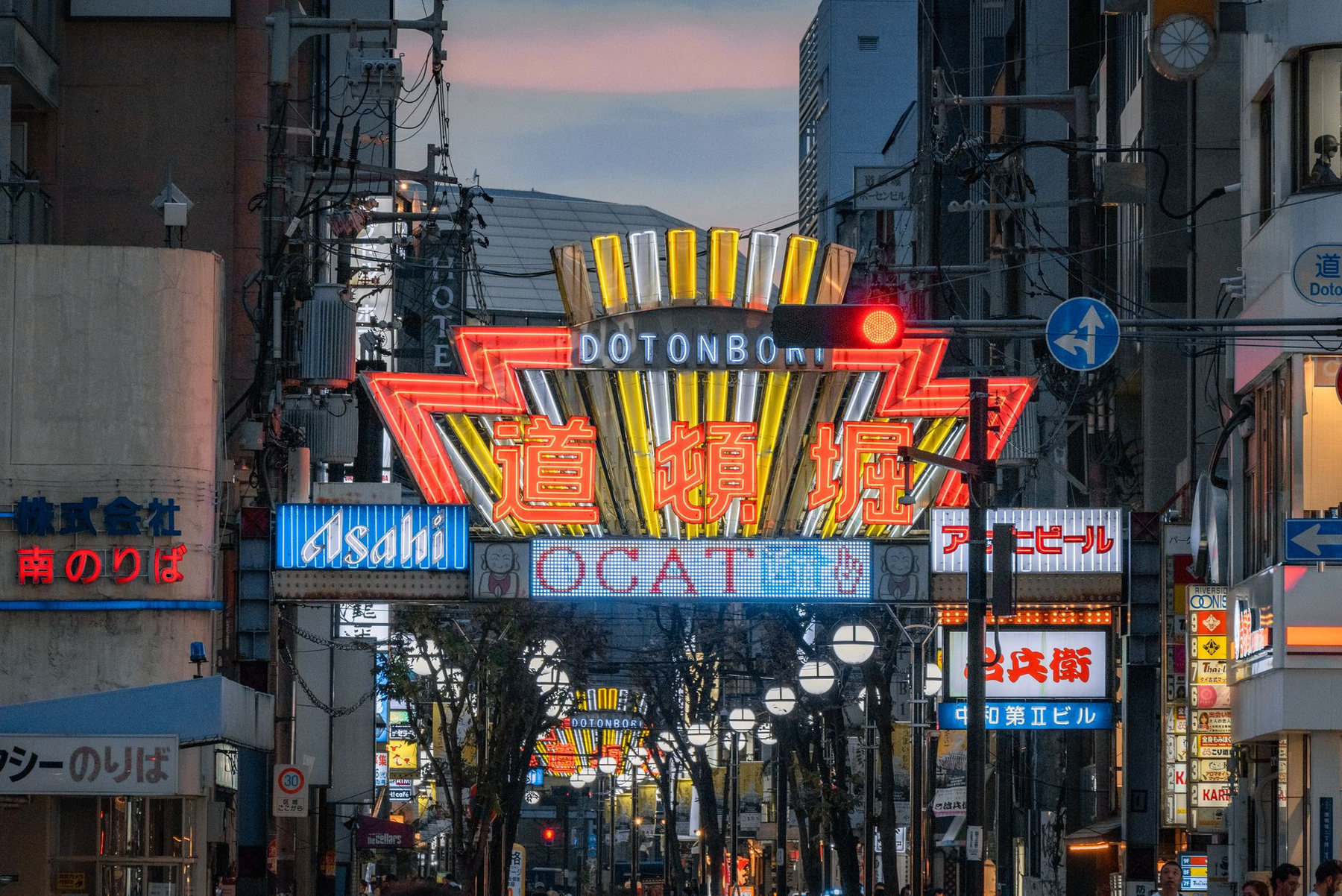
Just thirty minutes by regional train from Kyoto lies Osaka, Japan’s boisterous, food-obsessed second city. Where Kyoto is contemplative and historic, Osaka is outgoing, witty, and deeply devoted to street food—a cultural philosophy known as ‘kuidaore’ (eating yourself into bankruptcy).
Head straight to the neon-lit canal of Dōtonbori, crowned by the giant kinetic Glico Running Man sign. Order a piping-hot boat of freshly griddled takoyaki (battered octopus balls drizzled with savory sauce, creamy mayo, and dancing bonito flakes) or cabbage-packed okonomiyaki pancakes. In the retro southern neighborhood of Shinsekai, pull up a stool for crispy kushikatsu (skewered meats and vegetables flash-fried in light panko). Remember the golden rule: never double-dip your skewer into the shared communal sauce vat!
Bullet Train Logistics: SmartEX and the Shinkansen Luggage Rule
Traveling on the Shinkansen is blissfully smooth when you know the booking rules. A common traveler error is assuming a nationwide Japan Rail Pass is automatic savings; following recent price hikes, individual point-to-point tickets are almost always cheaper for a standard Tokyo–Kyoto–Osaka route. Compare current rates on the official Japan Rail Pass portal before spending money.
The easiest way to book bullet train tickets is via the official SmartEX train booking service, which lets you reserve specific carriage seats directly from your smartphone and link boarding passes to your digital transit card. Crucial luggage rule: if your suitcase dimensions (length + width + height) exceed 160 cm, you MUST reserve a dedicated oversized baggage seat in advance as required by SmartEX baggage regulations. Boarding with oversized bags without a reservation incurs an onboard fee and relocation to an awkward conductor storage area.
Staying Connected Worldwide: The NXTL Global eSIM Advantage
Reliable mobile data in Japan is not a luxury—it is an absolute necessity. You will need real-time GPS mapping to navigate multi-level train stations like Shinjuku (which has over 200 exits!), the Google Translate camera to read kanji restaurant menus and vending machine buttons, and live schedule apps to catch exact train platforms.
However, the old way of staying connected—renting clumsy pocket Wi-Fi routers at airport arrival desks, waiting in 45-minute lines, or buying single-country disposable SIM cards that expire in 7 days—is completely obsolete.
With the reusable NXTL Global eSIM, you install one single eSIM on your phone and use it across 180+ countries and 460+ local tier-1 networks. When you land in Tokyo, your phone connects automatically to Japan’s premier mobile networks—NTT Docomo and SoftBank—delivering blazing 5G and 4G LTE speeds.
What makes NXTL revolutionary is that your prepaid balance never expires, and there are no restrictive bundles. You pay just $11.99 to get started, with $10 usable balance included. If you only consume $3 worth of data during your week in Japan, your remaining $7 stays in your account, ready to work seamlessly whether your next stop is Seoul, Bangkok, or London. Your primary home SIM stays active in your dual-SIM phone, so you can still receive critical bank 2FA security texts and family calls without incurring your carrier’s $10/day international roaming fees.
Realistic Data Usage Expectations for Japan:
• Live Train Platform Checks & Transit Navigation (Google Maps, Japan Travel): ~80–120 MB per day.
• Instant Camera Menu & Sign Translation (Google Translate): ~35–55 MB per day.
• WhatsApp Messaging & Hotel Communication: ~50–90 MB per day.
• Photo Sharing & City Research: ~200–350 MB per day.
For a typical 8 to 10-day trip, 5 GB to 8 GB will comfortably cover all your navigation and browsing, while digital nomads and remote workers can top up easily inside the NXTL app anytime.
Money, Tipping, and Practical Japan Hacks
Keep these practical street-smart tips in mind for a frictionless journey:
• Strictly No Tipping: Tipping does not exist in Japan and can cause genuine embarrassment. Excellent service is standard, and staff will run down the street to return any money left behind on tables.
• The DCC Currency Trap at ATMs: While credit cards and Apple Pay are accepted at convenience stores and major shops, small ramen counters and temple gates require cash. When withdrawing Japanese Yen from ATMs inside 7-Eleven (7-Bank), the screen will ask if you want to be billed in your home currency or in Japanese Yen. Always choose Japanese Yen (JPY)! Choosing your home currency triggers Dynamic Currency Conversion (DCC), adding a hidden 5% to 8% bank conversion penalty.
• Convenience Store Gourmet: Japanese convenience stores (7-Eleven, Lawson, FamilyMart) are culinary treasures. Try the egg salad sandwiches, crispy karaage chicken, onigiri rice balls wrapped in crisp seaweed, and hot canned coffee for cheap, delicious meals on the go.
• Entry Requirements: Verify short-stay visa exemption guidelines on the official Japan Ministry of Foreign Affairs visa page, and fill out the digital customs and immigration declaration on Visit Japan Web before boarding your flight.