Liberia stands as one of West Africa’s most compelling yet rarely traveled frontiers, pairing the historic coastal streets of Monrovia with the world-class surf point breaks of Robertsport and the untouched Upper Guinean rainforests of Sapo National Park. Successfully experiencing this unique republic requires tactical preparation: understanding the dual Liberian Dollar and US Dollar cash economy, managing rugged four-wheel-drive road realities across monsoon seasons, respecting local community protocols, and maintaining essential mobile communication on the Lonestar Cell MTN LTE network.
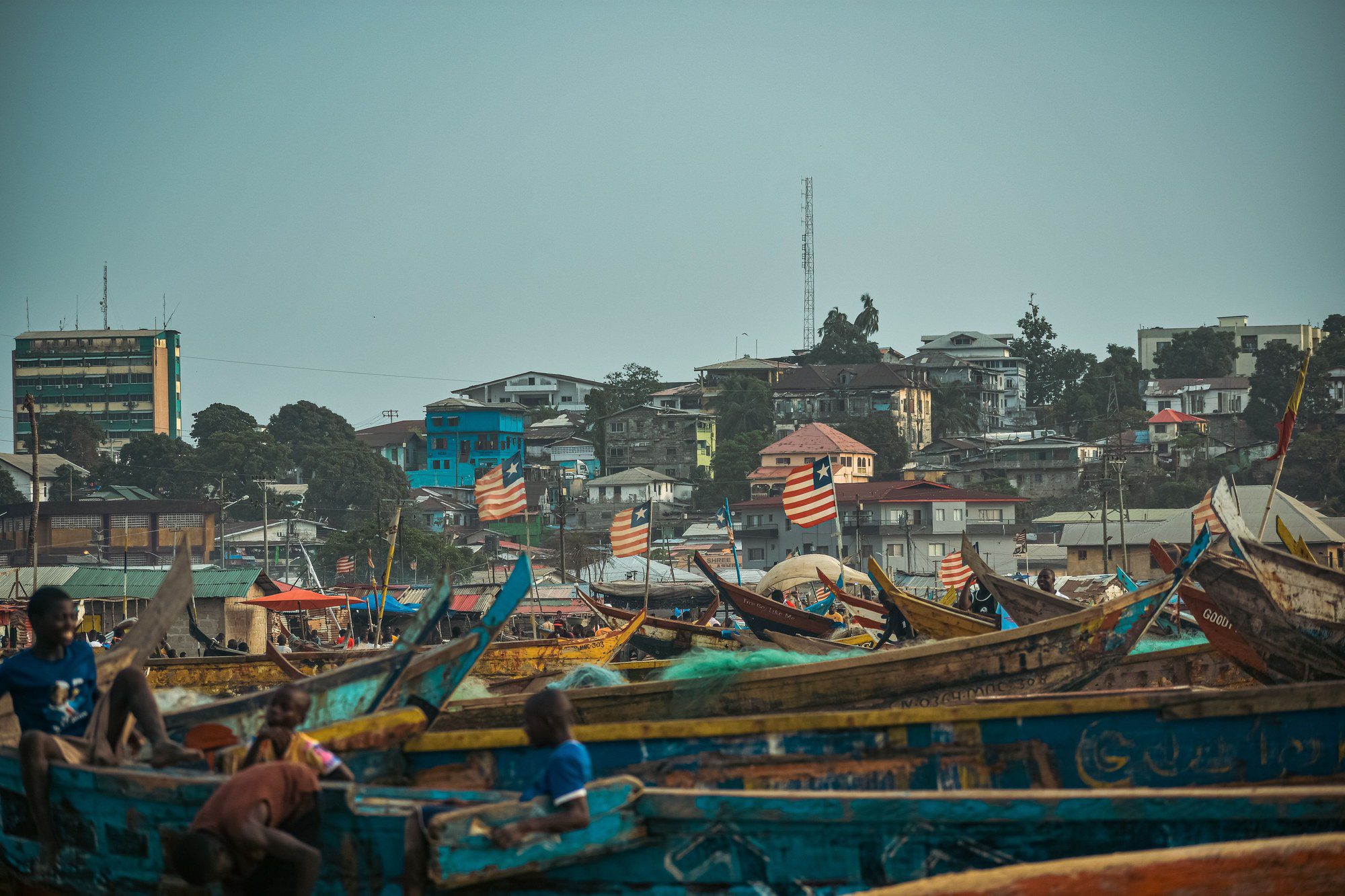
Founded in 1847 by freed African Americans assisted by the American Colonization Society, Liberia possesses a distinct heritage that distinguishes it from neighboring Francophone West African nations. English is the official language, towns bear names like Buchanan and Greenville, architectural remnants reflect 19th-century American antebellum styles, and the country’s flag echoes the stars and stripes. Yet beneath this Americo-Liberian historical veneer beats the ancient cultural rhythm of sixteen indigenous ethnic groups, each with deep traditions of woodcarving, masquerade, and agricultural stewardship.
This comprehensive guide details a tested nine-day travel framework connecting Monrovia’s cultural landmarks with Robertsport’s Atlantic point breaks and the deep wilderness of the southern rainforest belt. We analyze critical planning decisions: how to negotiate seasonal rainfall that makes Monrovia one of the wettest capitals on earth, why clean US Dollar banknotes are indispensable, how to arrange transport through remote counties, and how to manage mobile data effectively without incurring steep roaming fees.
Who This Route Suits and Key Seasonal Realities
This journey is crafted for adventurous independent travelers, avid surfers, wildlife researchers, and cultural historians who appreciate raw exploration over polished luxury. It suits individuals comfortable with basic infrastructure, occasional power interruptions, and unpaved laterite roads. Surfers in particular regard Liberia as one of Africa’s premier wave frontiers, where uncrowded left-hand point breaks peel across warm tropical waters.
Seasonality dominates all travel planning in Liberia. The dry season from November through April is the recommended travel window. During these months, skies are generally clear, Atlantic swells at Robertsport remain consistent, and unpaved secondary roads to rural counties are dry enough for standard four-wheel-drive navigation. In contrast, the monsoon season from May through October unleashes relentless torrential rains. Monrovia receives over 5,100 millimeters of rainfall annually, transforming rural roads into treacherous mud channels, swelling rivers, and cutting off remote national parks like Sapo entirely.
The primary logistical trade-off involves trip geography. Reaching Robertsport in Grand Cape Mount County is straightforward, requiring a three-hour drive northwest from Monrovia along paved highways. However, venturing into Sapo National Park in Sinoe County demands two full days of demanding overland travel via high-clearance four-wheel-drive vehicles equipped with winches and auxiliary fuel tanks, or arranging a domestic charter flight to Greenville airstrip followed by motorized canoe transfers. Travelers with limited time should focus firmly on the Monrovia and Robertsport coastal corridor.
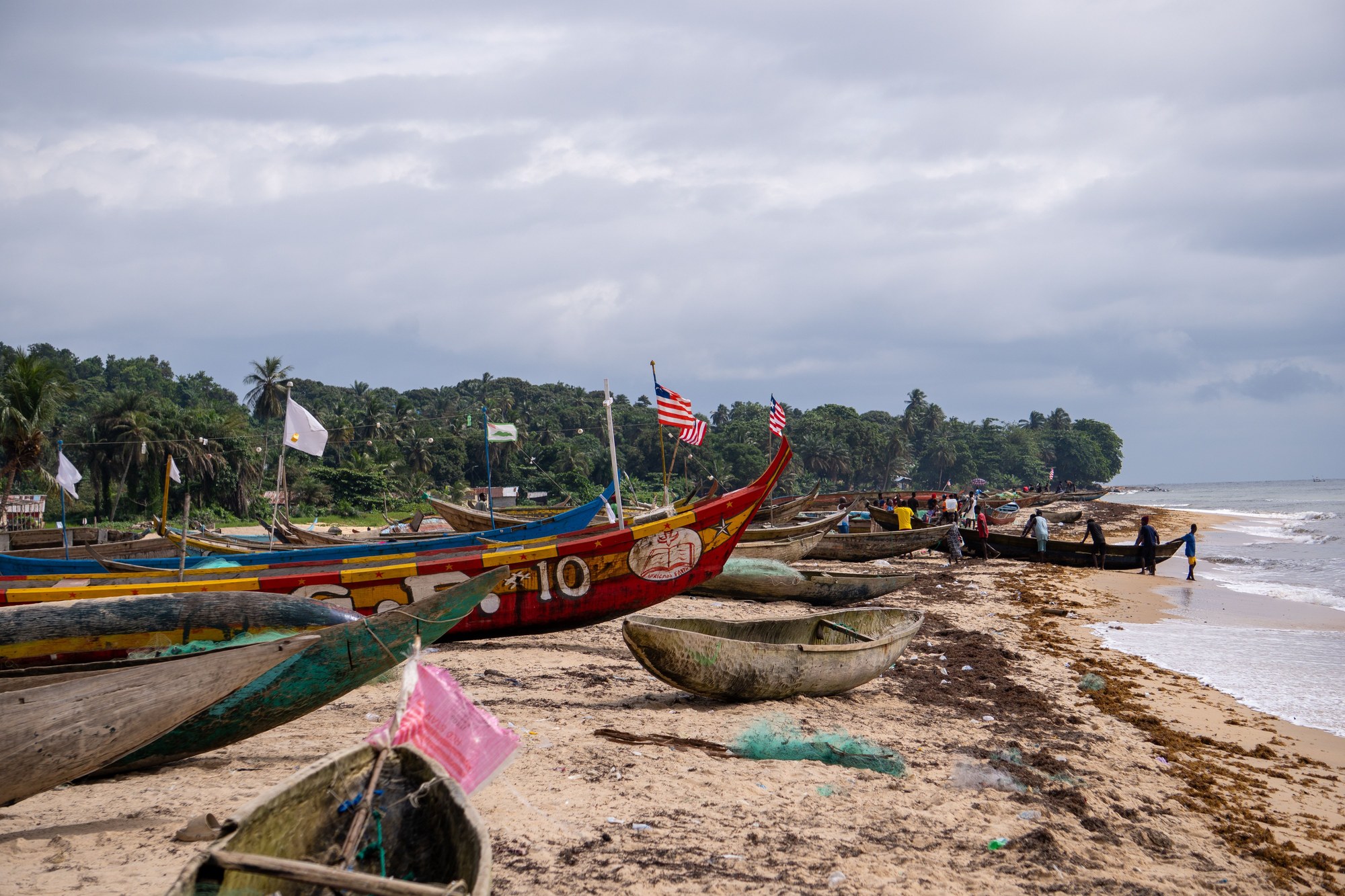
Accommodation styles range from contemporary business hotels in central Monrovia’s Mamba Point and Sinkor districts to rustic, community-run beach eco-lodges and tented surf camps in Robertsport. Outside the capital, electrical grids are nonexistent; lodging relies on solar panels and diesel generators running on scheduled evening hours.
Nine-Day Liberia Itinerary: Monrovia, Surf & Wilderness
The following nine-day itinerary provides a balanced introduction to Liberia’s cultural heritage, renowned coastal surf breaks, and coastal rainforest reserves.
| Day / Stage | Base | Highlights | Transport Mode | Transit Time | Advance Booking Requirement |
|---|---|---|---|---|---|
| Days 1–2 | Monrovia (Mamba Point) | National Museum on Broad Street, historic Providence Island, Ducor Hotel viewpoint, Waterside Market | Airport private transfer / taxi | 1.5 hours (ROB to center) | Medium: reserve airport car transfer and Mamba Point hotel 2 weeks ahead |
| Days 3–5 | Robertsport (Grand Cape Mount) | Left-hand point break surfing (Cotton Trees, Fisherman’s Point), Lake Piso boat drift, Mount Cape hike | Private 4×4 vehicle | 3 to 3.5 hours | High: book beachfront surf eco-lodge and board rentals in advance |
| Day 6 | Marshall & Monkey Island | Junk River mangrove boat cruise, chimpanzee rescue islands, fresh Atlantic barracuda lunch | Private 4×4 vehicle | 2.5 hours | Medium: reserve riverboat conservation excursion through local guides |
| Days 7–8 | Kpatawee Waterfalls (Bong County) | Scenic central plateau drive, multi-tiered waterfalls in lush rainforest, natural swimming pools | Private 4×4 vehicle | 3.5 hours | Medium: secure eco-resort wooden cabins or tented camping slots ahead |
| Day 9 | Monrovia Departure via ROB | Final shopping at National Cultural Center, West African pepper soup lunch, departure from ROB | Private airport transfer | 1.5 to 2 hours | Standard: allow 3.5 hours buffer for highway traffic to Robertsfield |
This itinerary keeps overland transit manageable along paved and graded gravel corridors, ensuring reliable access even during shoulder-season showers while showcasing Liberia’s diverse landscapes.
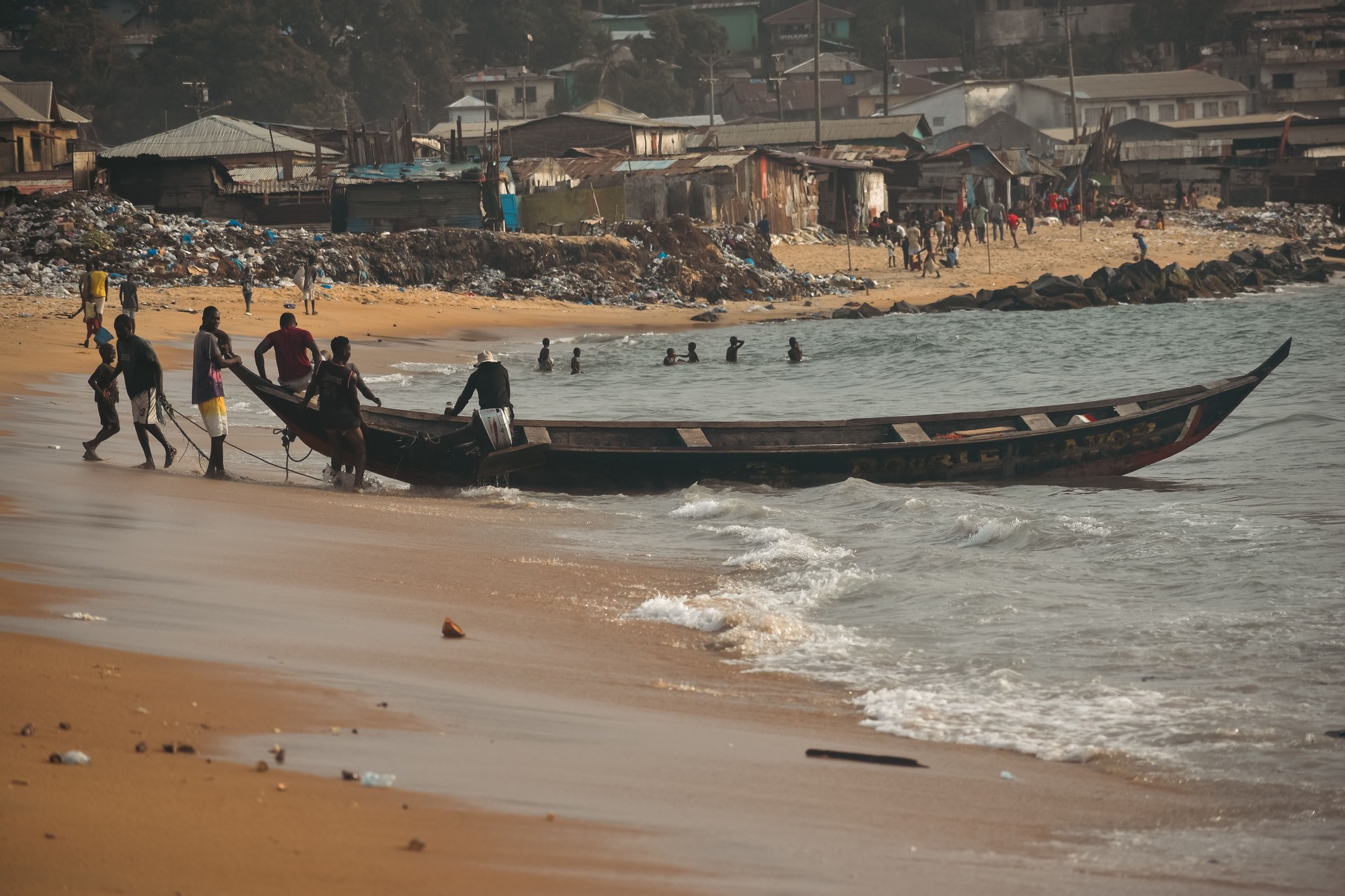
If you have only five days, concentrate exclusively on Monrovia and Robertsport. This allows two full days for surfing and coastal hiking without the fatigue of traveling inland toward Bong County.
Monrovia: Historical Roots and Atlantic Character
Spread across the Mesurado Peninsula between the Atlantic Ocean and the Mesurado River, Monrovia is a city of lively street commerce, historical memory, and distinct topography. Named in honor of US President James Monroe in 1824, the capital carries its complex history openly.
Begin your morning on Broad Street at the National Museum of Liberia, housed in the historic 1862 Old Supreme Court building. Extensively restored with international support, the museum preserves priceless ethnographical artifacts: sacred ceremonial Dan and Bassa masks, traditional musical drums, and 19th-century presidential papers. A short walk leads to Providence Island in the Mesurado River, where the initial group of eighty-six freed American settlers disembarked in January 1822 under giant cotton trees that still shelter the island.
Perched high atop Snapper Hill stands the haunting concrete ruin of the Ducor Palace Hotel. Opened in 1962 as one of West Africa’s premier luxury establishments—frequented by African heads of state, diplomats, and international celebrities—the hotel was abandoned during the civil conflicts. Today, local caretakers allow visitors to climb the spiral staircases to the rooftop for an unmatched 360-degree panorama of Monrovia: looking out over the dense fishing community of West Point, the sprawling commercial docks, and the crashing Atlantic surf.
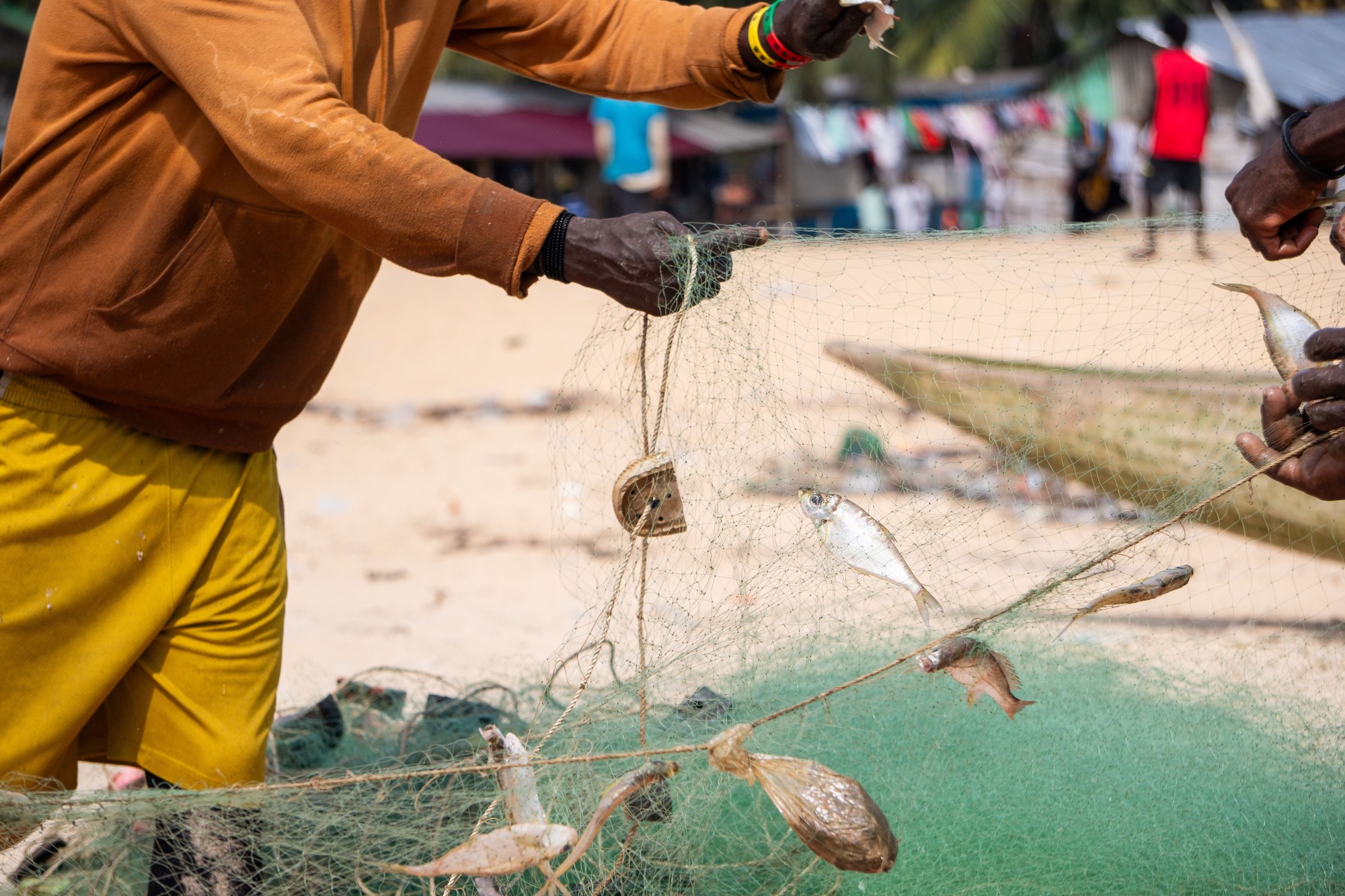
Dining in Monrovia introduces you to flavorful West African cuisine. Head to local cookshops in Sinkor or Mamba Point to sample traditional Liberian pepper soup made with fresh red snapper, habanero chilies, and bitter leaves, or torborgee, a rich, spicy stew prepared with fermented palm beans and smoked bush fish. At beachside eateries along Boulevard Tubman, enjoy chilled Club Beer paired with spicy grilled cassava fish as ocean breezes sweep off the Atlantic.
Robertsport: Golden Beaches and Legendary Point Breaks
Located eighty kilometers northwest of Monrovia along the narrow peninsula separating Lake Piso from the Atlantic Ocean, Robertsport is Liberia’s ecotourism gem. Founded in 1856, this sleepy coastal town features historic timber-clad Baptist churches and clapboard houses reminiscent of the American southern coast, set against the verdant slopes of Cape Mount.
Robertsport is revered in the global surfing community for possessing some of the finest, most consistent left-hand point breaks in Africa. Consistent southern swells rolling up from the South Atlantic wrap around the rocky headlands, creating mechanical waves that peel for hundreds of meters over sand and cobblestone bottoms. The most famous breaks include Fisherman’s Point, Cotton Trees, and Cassava, offering rideable waves for intermediate to expert surfers from May through October, while gentler beach breaks cater to beginners during the dry winter months.
Beyond surfing, Robertsport offers tranquil nature exploration. The town borders Lake Piso, Liberia’s largest inland body of water and an internationally designated Ramsar wetland. Hire a local motorized wooden boat to drift past mangrove forests home to pelicans, kingfishers, and osprey. Hike up the forested trails of Cape Mount to the historic 19th-century lighthouse ruins, where panoramic vistas open across golden sand beaches stretching to the horizon.
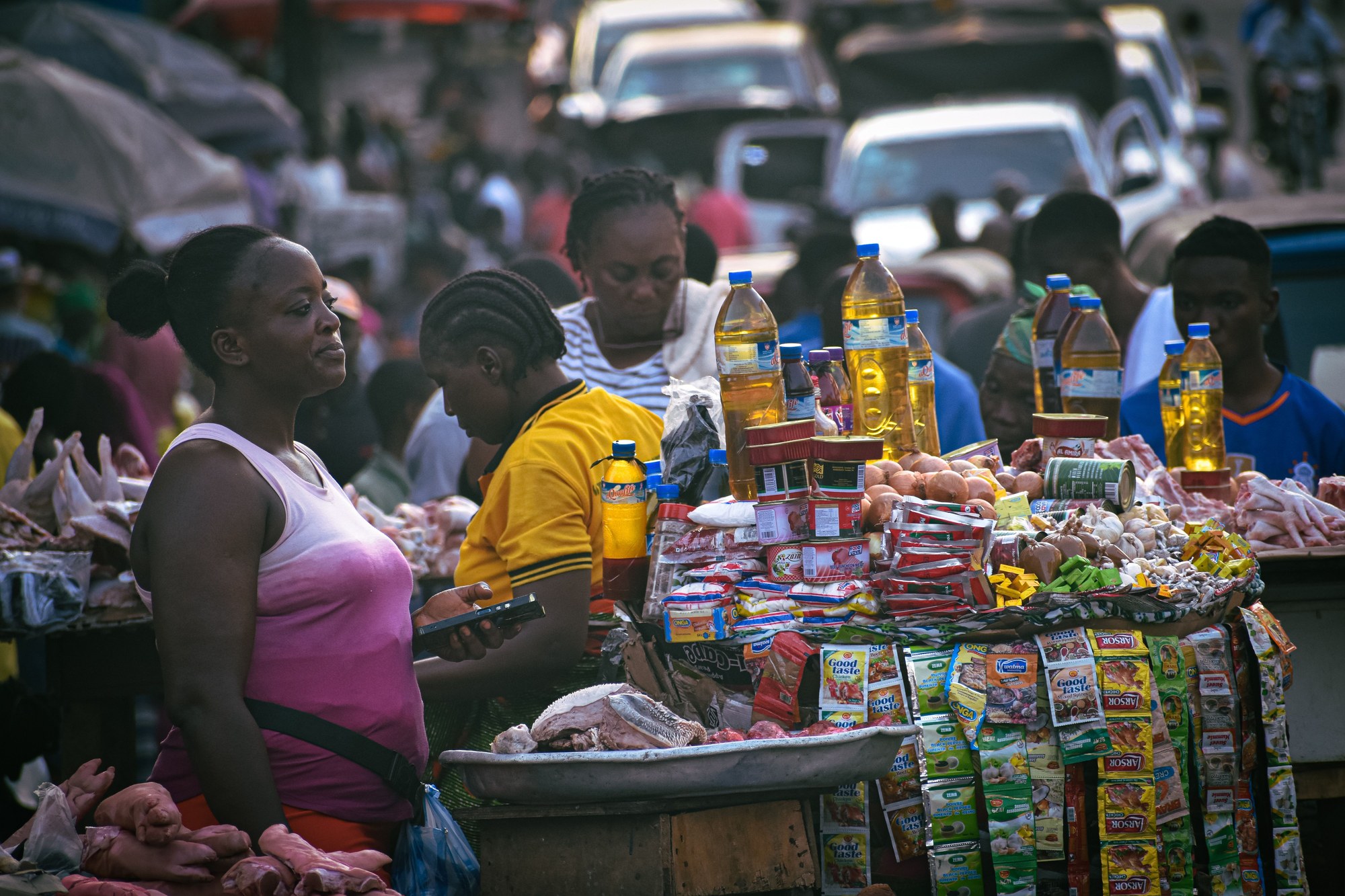
Evenings in Robertsport revolve around beach campfires at local eco-lodges such as Nana’s Lodge or the community-operated Robertsport Surf Club. Dine on freshly grilled lobster and coconut rice under star-filled equatorial skies while listening to the rhythmic roar of the Atlantic breakers.
Sapo National Park: The Upper Guinean Rainforest Stronghold
Located in southeastern Liberia within Sinoe County, Sapo National Park encompasses 1,804 square kilometers of pristine lowland rainforest. Liberia contains over forty percent of the remaining Upper Guinean Forest ecosystem—a global biodiversity hotspot that has suffered severe deforestation in neighboring nations. Sapo stands as its most vital, untouched sanctuary.
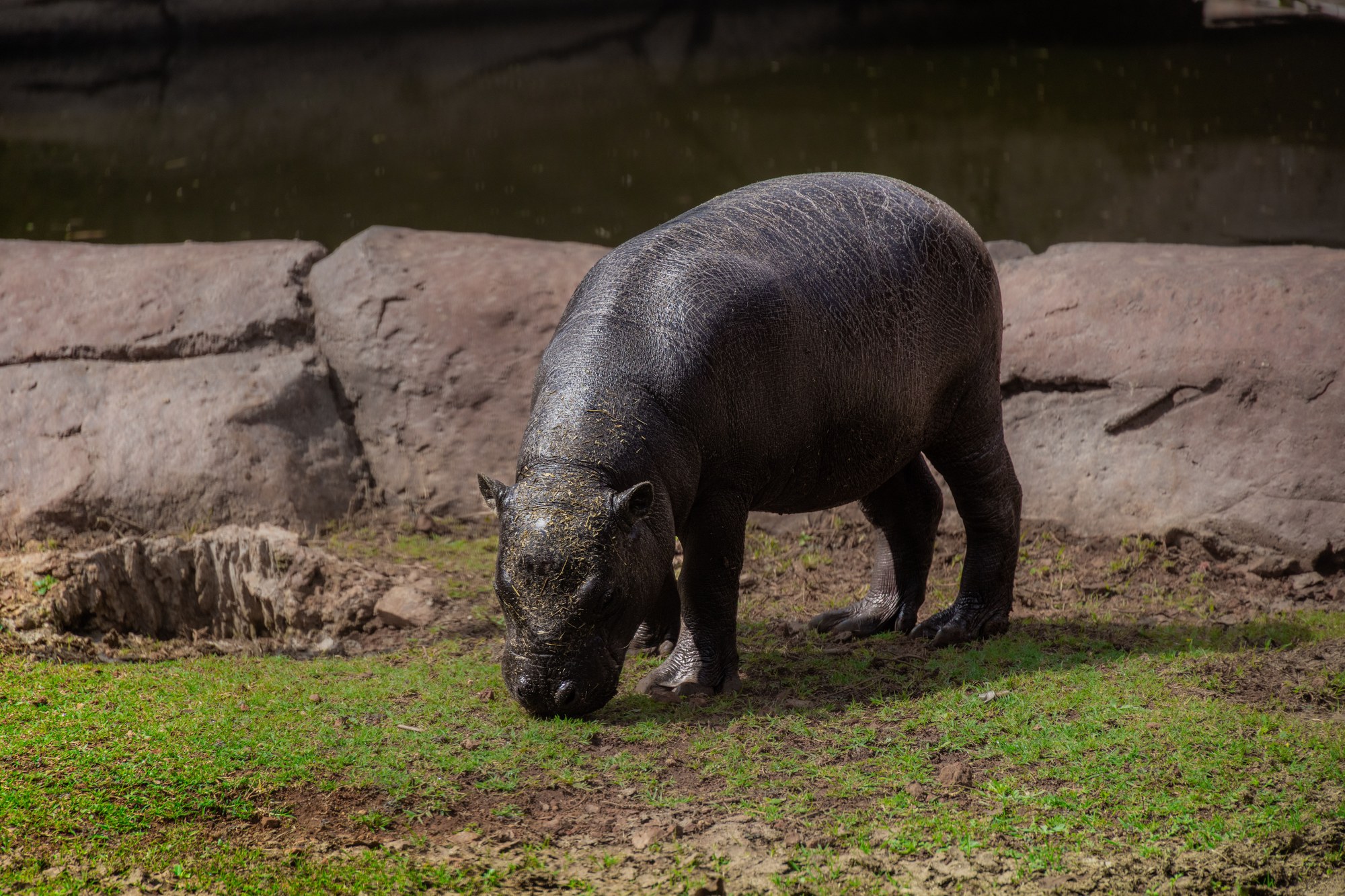
The park is famous among zoologists as the primary refuge of the critically endangered pygmy hippopotamus (Choeropsis liberiensis). Weighing roughly one-quarter the size of common hippos, pygmy hippos are solitary, nocturnal forest dwellers that forage in swampy stream channels. Sapo is also home to endangered western chimpanzees, forest elephants, giant forest hogs, and the striking zebra duiker, an antelope adorned with vertical black stripes across its reddish-gold coat.
Expeditions to Sapo are strictly for intrepid naturalists. Park operations are coordinated from the Forestry Development Authority (FDA) station at Jalay’s Town on the Sinoe River. Travel inside the park is conducted entirely on foot, accompanied by armed FDA rangers and indigenous community trackers who navigate dense undergrowth with machetes. Visitors camp in wilderness tents along riverbanks, falling asleep to the nocturnal chorus of tree hyraxes and rainforest frogs.
Arranging a visit to Sapo requires formal advance permission from the Forestry Development Authority in Monrovia, including paying conservation fees and securing registered ranger escorts. Because trails become flooded during the monsoon, expeditions should only be scheduled between December and March.
Ground Transport, Kekehs, and 4WD Road Realities
Transport across Liberia requires practical vehicle selection. The international gateway, Roberts International Airport (ROB), is located in Robertsfield, approximately fifty-five kilometers southeast of central Monrovia. The two-lane highway connecting the airport to the capital is fully paved, but heavy commercial traffic can make the drive take anywhere from seventy minutes to over two hours. Pre-arrange a private car transfer with your hotel to avoid negotiating with unregulated taxi operators upon arrival.
Inside Monrovia, urban mobility relies on two modes: yellow shared taxis and kekehs (imported motorized three-wheel auto-rickshaws). Kekehs are agile and affordable, navigating congested urban intersections easily for fares between 50 and 150 Liberian Dollars. For safety reasons, avoid kekehs after dark or on high-speed expressways like the Tubman Boulevard corridor, opting instead for registered hotel taxis.
For journeys beyond the capital, a high-clearance four-wheel-drive vehicle is mandatory. While the primary highway heading northwest toward Robertsport is asphalted, the final sixteen kilometers from Lake Piso into Robertsport town consist of unpaved laterite sand that becomes deeply rutted after heavy rains. If driving into the interior toward Bong County or Sapo, ensure your vehicle is equipped with dual spare tires, recovery tow ropes, and an emergency supply of drinking water.
Police and immigration checkpoints are common on highways connecting major counties. Officers verify driver licenses, vehicle road tax stickers, and passenger identification. Foreign travelers should carry their original passport and visa. Remain courteous and patient; checkpoints are routine measures designed to monitor regional traffic and cargo movements.
Currency Realities: The US Dollar & Liberian Dollar Dual Economy
Liberia operates under a formal dual-currency system where both the United States Dollar (USD) and the Liberian Dollar (LRD) circulate legally side by side. Understanding when and how to use each currency is vital for smooth daily transactions.
The US Dollar is the preferred currency for all major expenses, including hotel accommodations, surfboard rentals, private vehicle hire, internal flights, and restaurant dining. However, physical banknote condition is subject to strict standards. Liberian businesses and cashiers systematically refuse US Dollar notes that have tears, pen markings, excessive folds, or series dates before 2013. Carry only crisp, unblemished US currency in denominations of $5, $10, $20, and $50 bills.
The Liberian Dollar (LRD) is used for small transactions: street market produce, kekeh rides, roadside coconuts, and small tips. Change from US Dollar purchases is frequently returned in Liberian Dollars. Maintain a basic mental conversion based on the current exchange rate (which fluctuates around 190 to 200 LRD per 1 USD) to ensure change is calculated accurately.
Electronic payments remain rare across Liberia. Credit card processing is available only at top-tier international hotels in Monrovia (such as Boulevard Palace or Farmington Hotel). ATMs in Monrovia linked to the Visa network occasionally dispense US Dollars or Liberian Dollars, but machines are frequently out of service or limited by low cash reserves. Carry your full anticipated travel budget in cash US Dollars, converting a portion into Liberian Dollars at commercial banks in the capital.
Field Connectivity: Lonestar Cell MTN LTE & Data Discipline
Staying connected while traversing Liberia requires realistic technical management. Telecommunications in the country are led by two primary operators: Lonestar Cell MTN and Orange Liberia. Both providers offer solid 4G/LTE mobile coverage throughout Monrovia, along the airport highway corridor, and in regional centers like Robertsport, Buchanan, and Gbarnga.
Travelers using digital roaming can connect to high-speed mobile data on the Lonestar Cell MTN LTE network through NXTL. Data is priced at $113.38 per gigabyte, reflecting specialized international satellite backhaul and regional transit costs. This pricing model makes intentional data conservation an essential operational practice. Unused credit stays available for later trips across more than 180 countries. Use cellular data for core travel logistics: WhatsApp messaging with surf camps and drivers, verifying accommodation bookings, and checking weather bulletins.
To avoid unintended data consumption, configure your device before arrival. Turn off automated cloud photo backups (iCloud, Google Photos), disable background app refresh, and set messaging apps to download media only on Wi-Fi. Pre-download comprehensive offline mapping areas for Monrovia, Robertsport, and Grand Cape Mount County on Google Maps and Maps.me while connected to hotel broadband. Offline GPS navigation operates accurately without using any cellular data.
Most established hotels and surf lodges in Monrovia and Robertsport provide complimentary Wi-Fi in common dining areas, allowing you to catch up on bandwidth-heavy tasks in the evening. Having an active eSIM profile configured on your smartphone guarantees instant mobile internet access upon touchdown at Roberts International Airport, enabling effortless coordination of your airport pickup.
Five Critical Pitfalls and Scams to Avoid in Liberia
Liberians are celebrated for their friendliness and welcoming hospitality toward foreign guests, but travel in a developing post-conflict nation requires sensible precautions. Avoid these five common pitfalls:
- Unregulated Airport Taxi Overcharging at Robertsfield: Rogue taxi drivers outside the ROB arrivals terminal frequently quote inflated fares exceeding $100 for the ride into Monrovia. Arrange a pre-paid private transfer through your hotel or book with official airport taxi desks inside the arrivals hall (standard fare: a cash sum).
- Ocean Rip Currents and Atlantic Swell Hazards: The Atlantic beaches around Robertsport and Monrovia experience powerful rip currents and heavy shore breaks. Never swim alone in unfamiliar waters; consult local surfers or community fishermen regarding safe swimming zones before entering the surf.
- Attempting Rural Travel in Low-Clearance Sedans: Unpaved roads to Robertsport, Kpatawee Falls, and Sapo National Park can deteriorate rapidly following tropical downpours. Never attempt these journeys in standard two-wheel-drive passenger sedans; always hire a sturdy 4×4 with high ground clearance.
- Blemished US Dollar Banknote Rejection: Local shops, hotels, and restaurants will outright reject US Dollar notes with minor tears, stains, pinholes, or pre-2013 dates. Inspect all banknotes prior to traveling and inspect change carefully to avoid accepting damaged bills.
- Entering Indigenous Sacred Forests Without Local Elders’ Clearance: In rural counties, sacred forest groves (Poro and Sande secret society sanctuaries) are protected by traditional customary law. Wandering into forested areas without an authorized local guide can cause serious cultural offense and community disputes.
With open-minded cultural curiosity, proper four-wheel-drive preparation, and clean cash logistics, traveling through Liberia rewards visitors with one of Africa’s most authentic coastal adventures: uncrowded waves, ancient rainforests, and the warm spirit of a resilient nation.