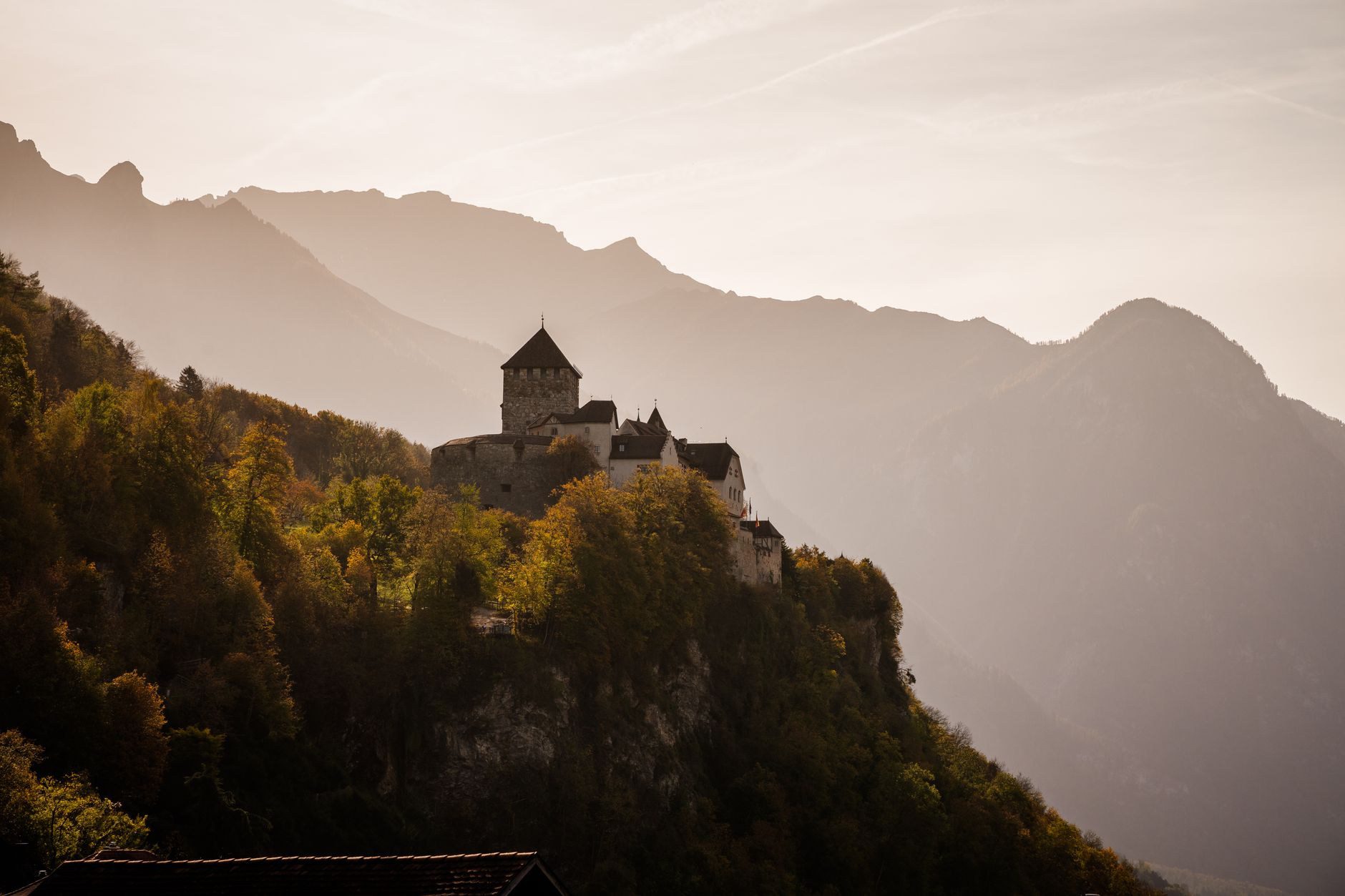
Covering just one hundred and sixty square kilometers along the upper Rhine Valley between Switzerland and Austria, the Principality of Liechtenstein is Europe’s fourth-smallest sovereign microstate and one of only two doubly landlocked countries on earth. For decades, standard tour buses have treated this alpine realm as a rapid photo stop: travellers alight in Vaduz for forty minutes, pay three Swiss Francs for a souvenir passport stamp, gaze up at the Prince’s fortress from street level, and depart without discovering the country’s true alpine soul.
To truly understand Liechtenstein, one must abandon the drive-by approach and stay for three deliberate days. By dividing your journey between the historic Rhine plain—anchored by the cultural institutions of Vaduz and the medieval stronghold of Balzers—and the high alpine valley of Malbun at sixteen hundred meters, visitors discover world-class ridge hiking, centuries-old Walser mountain culture, pristine princely vineyards, and dramatic limestone panoramas. Here is your definitive three-day operational itinerary, balancing transit logistics, alpine trail conditions, local culinary traditions, and reliable mobile connectivity.
Trip Planning Blueprint: Border Logistics, Regional Transit, and the Roaming Reality
Navigating Liechtenstein requires practical understanding of its unique cross-border customs union and infrastructure:
Border Formalities and Arrival Gateways: Liechtenstein maintains an open border and customs union with Switzerland dating back to 1924. There are no immigration border controls when entering from Switzerland across the Rhine bridges. When entering from Austria (Feldkirch), Swiss border guards conduct customs checks, though Schengen visa holders cross freely without passport stamping. Because Liechtenstein has no commercial airport and no domestic rail terminus in its capital, international travellers arrive by train at Swiss border stations—specifically Sargans or Buchs SG—or Austrian Feldkirch, connecting immediately to Liechtenstein’s postal bus network.
The LIEmobil Bus System and Adventure Pass: Public transit within the principality is operated by LIEmobil, a punctual fleet of clean yellow buses connecting all eleven municipalities. Key arterial routes include Bus 11 (running every fifteen minutes between Sargans, Balzers, Vaduz, and Feldkirch) and Bus 21 (climbing steep mountain switchbacks from Vaduz through Triesenberg and the Steg tunnel to high-altitude Malbun). For independent travellers, purchasing the Liechtenstein Adventure Pass (*Erlebnispass*) is highly economical: available for one, two, or three days, it covers unlimited travel on all LIEmobil routes, regional museum admissions, and the Sareis mountain chairlift in Malbun.
Currency and Cashless Living: Liechtenstein’s official currency is the Swiss Franc (CHF). While Euros are accepted at most hotels, museum desks, and larger restaurants in Vaduz, change is almost always returned in Swiss Francs at an unfavorable exchange rate. Contactless payment methods—including Apple Pay, Google Pay, and international credit cards—are universally accepted, even for small purchases at mountain huts and village bakeries.
| Day / Stage | Base | Highlights | Transport Mode | Transit Time | Advance Booking Requirement |
|---|---|---|---|---|---|
| Day 1 | Vaduz (Rhine Valley) | Arrival via Sargans, Städtle pedestrian precinct, Peter-Kaiser-Platz, Vaduz Castle viewpoint, Hofkellerei tasting | LIEmobil Bus 11 & Walking | 20 mins bus from Sargans | Hofkellerei wine cellar reservation |
| Day 2 | Malbun Alpine Heights | Mountain climb to Malbun (1,600m), Sareis chairlift to 2,000m ridge, Fürstensteig trail hike, Käsknöpfle lunch | LIEmobil Bus 21 & Chairlift | 35 mins mountain bus | Adventure Pass (Erlebnispass) purchase |
| Day 3 | Southern Rhine & Departure | Steg reservoir walk, Triesenberg Walser museum, Balzers village, Burg Gutenberg fortress, Alte Rheinbrücke | LIEmobil Bus 11/12 & Walking | 25 mins valley bus | Sargans/Buchs onward rail ticket |
Day 1: Vaduz — Royal Institutions, Modern Art, and Princely Vineyards
Your journey begins by arriving at Sargans or Buchs SG rail station in Switzerland, boarding the bright yellow LIEmobil Bus 11, and crossing the Rhine River into Vaduz. The capital of Liechtenstein feels remarkably intimate, with around five thousand residents living beneath the steep, forested crags of the Alps. Alight at Vaduz Post, the central transit hub situated at the foot of the pedestrianized main avenue, the Städtle.
Begin your morning in Peter-Kaiser-Platz, the architectural and civic heart of the nation. Here stands the neoclassical Government House (*Regierungsgebäude*), built in 1905, alongside the striking modern Landtag parliament building, designed by German architect Hansjörg Göritz. Constructed from more than a million warm ochre-colored bricks, the Landtag features a steep pointed roof and an open-air public forum that reflects Liechtenstein’s constitutional hereditary monarchy operating on democratic parliamentary principles.
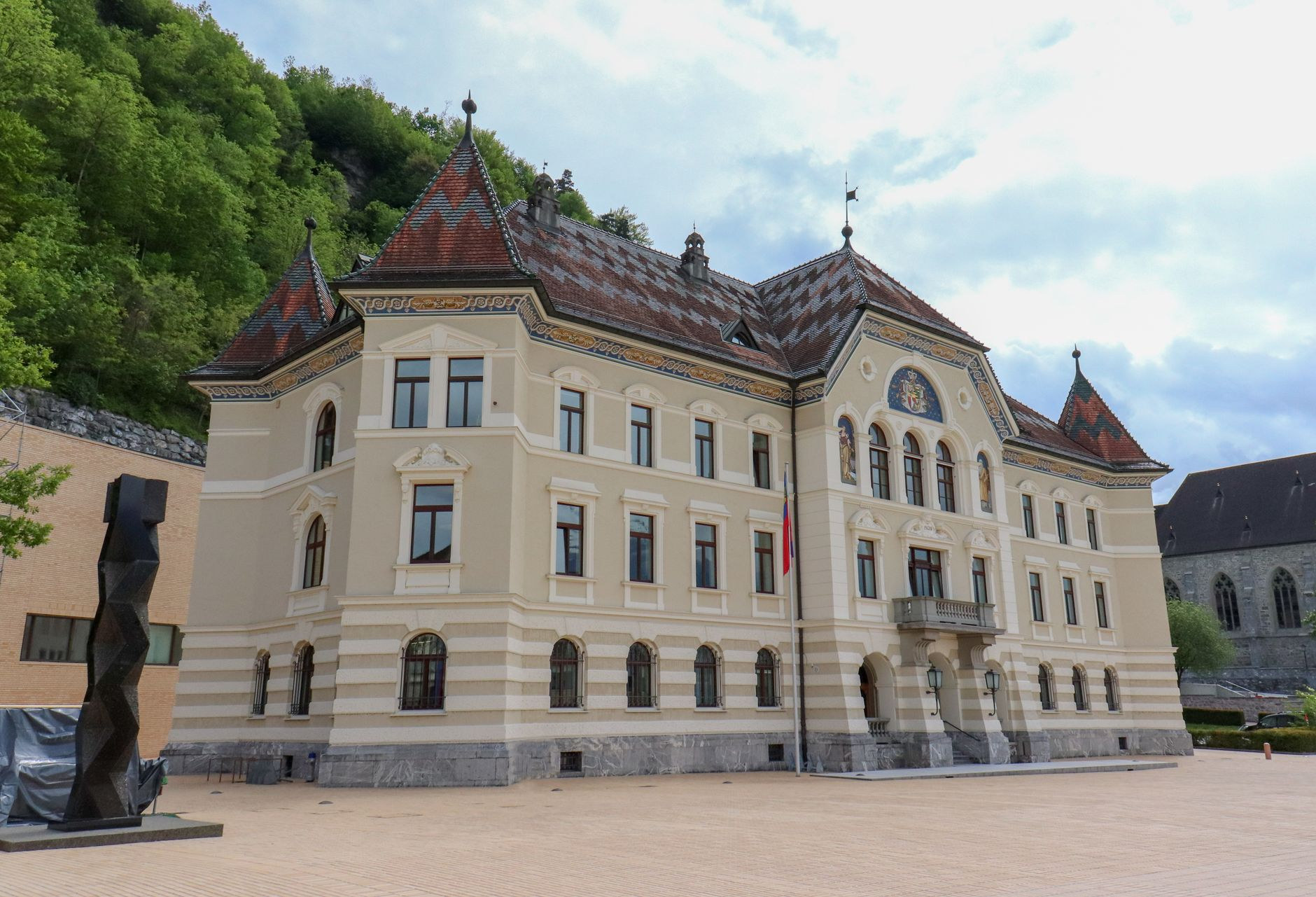
A few steps north along the Städtle lies the Kunstmuseum Liechtenstein, an austere black basalt cube housing one of central Europe’s finest modern and contemporary art collections. Inside, spacious sunlit galleries showcase rotating exhibitions alongside select historical masterpieces from the world-famous private art collection of the Prince of Liechtenstein, spanning five centuries of European painting and sculpture. Adjacent to the museum, visit the Liechtenstein Treasury (*Schatzkammer*), which displays royal coronets, historic ceremonial weaponry, and rare Fabergé Easter eggs.
In the early afternoon, embark on the scenic Schlossweg walking trail. The switchbacking path winds gently upward through dense beech and pine forest behind the town hall, ascending one hundred and twenty meters in roughly twenty-five minutes to reach the rocky promontory beneath Vaduz Castle (*Schloss Vaduz*). First constructed in the twelfth century and fortified during the Renaissance, this stone fortress has served as the official private residence of the Princely Family since 1939.
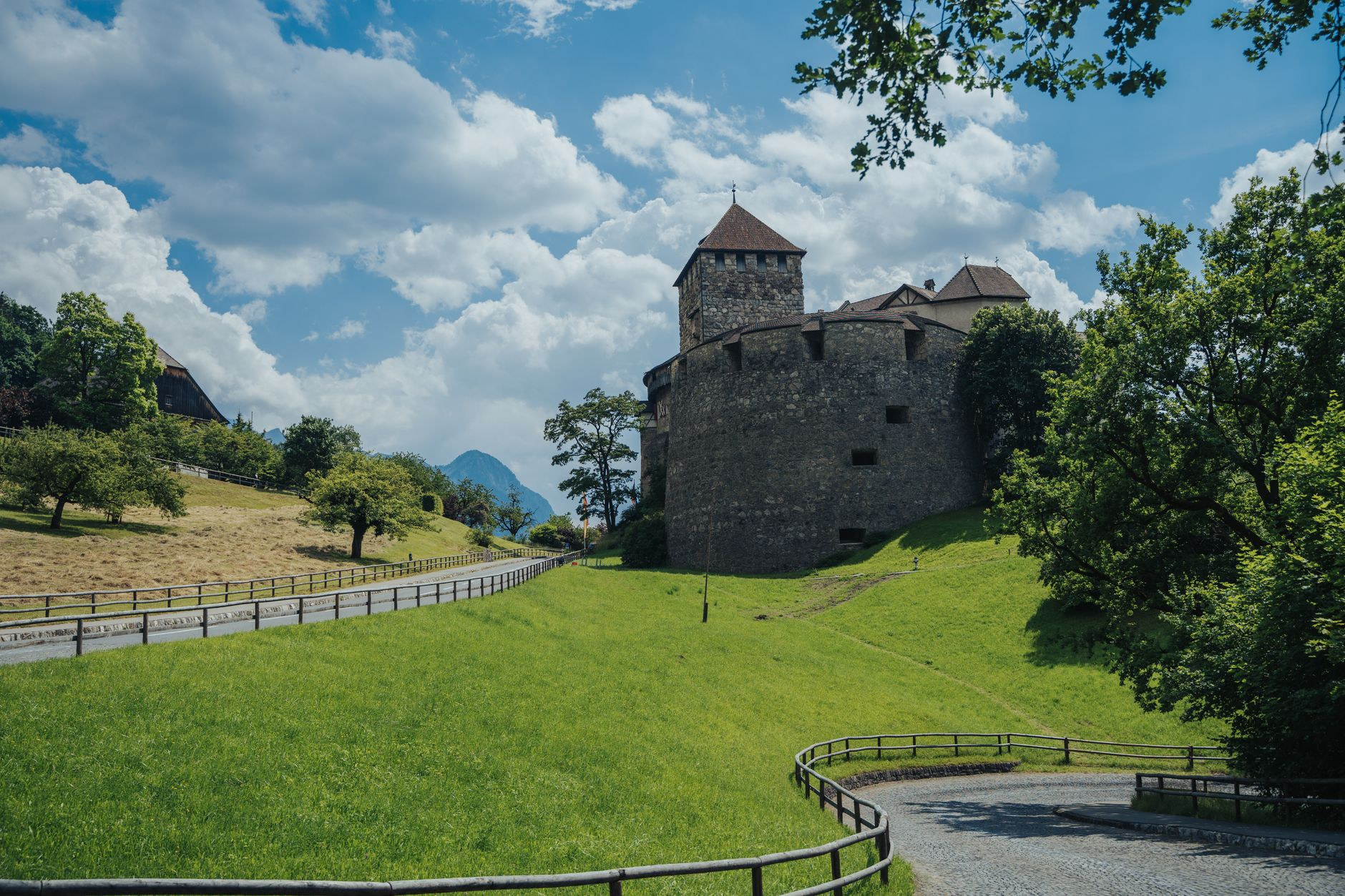
Because Vaduz Castle remains an active royal residence, the interior is strictly closed to the general public. However, the viewing terrace directly below the main gate provides panoramic views across the tiled rooftops of Vaduz, the silver ribbon of the Rhine River, and the soaring Swiss peaks of the Appenzell Alps across the valley. Interpretive signage along the perimeter walls details the architectural evolution of the fortress and the history of the House of Liechtenstein.
Descend back into the valley through the royal vineyards to conclude your afternoon at the Hofkellerei, the Prince of Liechtenstein’s royal wine cellars. Thanks to the warm *Föhn* wind that blows down the Rhine Valley, Liechtenstein enjoys a mild microclimate ideal for viticulture. Tour the historic cellars and sample award-winning Blauburgunder (Pinot Noir) and Chardonnay cultivated on south-facing limestone slopes that have produced fine vintages for centuries.
Day 2: Malbun and the High Alps — Ridge Trails, Walser Culture, and Mountain Passes
On Day 2, leave the Rhine plain behind and ascend into the alpine heart of the country. Board LIEmobil Bus 21 from Vaduz Post. The bus climbs dramatically through the municipality of Triesenberg, twisting around dizzying switchbacks that reveal ever-widening vistas of the Rhine plain before plunging through the one-kilometer-long Gnalp-Steg road tunnel. Emerging on the eastern side of the mountain ridge, you enter an alpine world of meadows, rushing streams, and craggy limestone summits.
Continue to the terminal stop in Malbun, an alpine mountain village situated in a protected natural amphitheater at sixteen hundred meters above sea level. In winter, Malbun serves as Liechtenstein’s family-friendly ski resort; in summer and autumn, it transforms into an alpine walking haven with dozens of marked hiking trails. The village maintains a peaceful, car-free center framed by traditional timber chalets and bell-ringing dairy cattle.
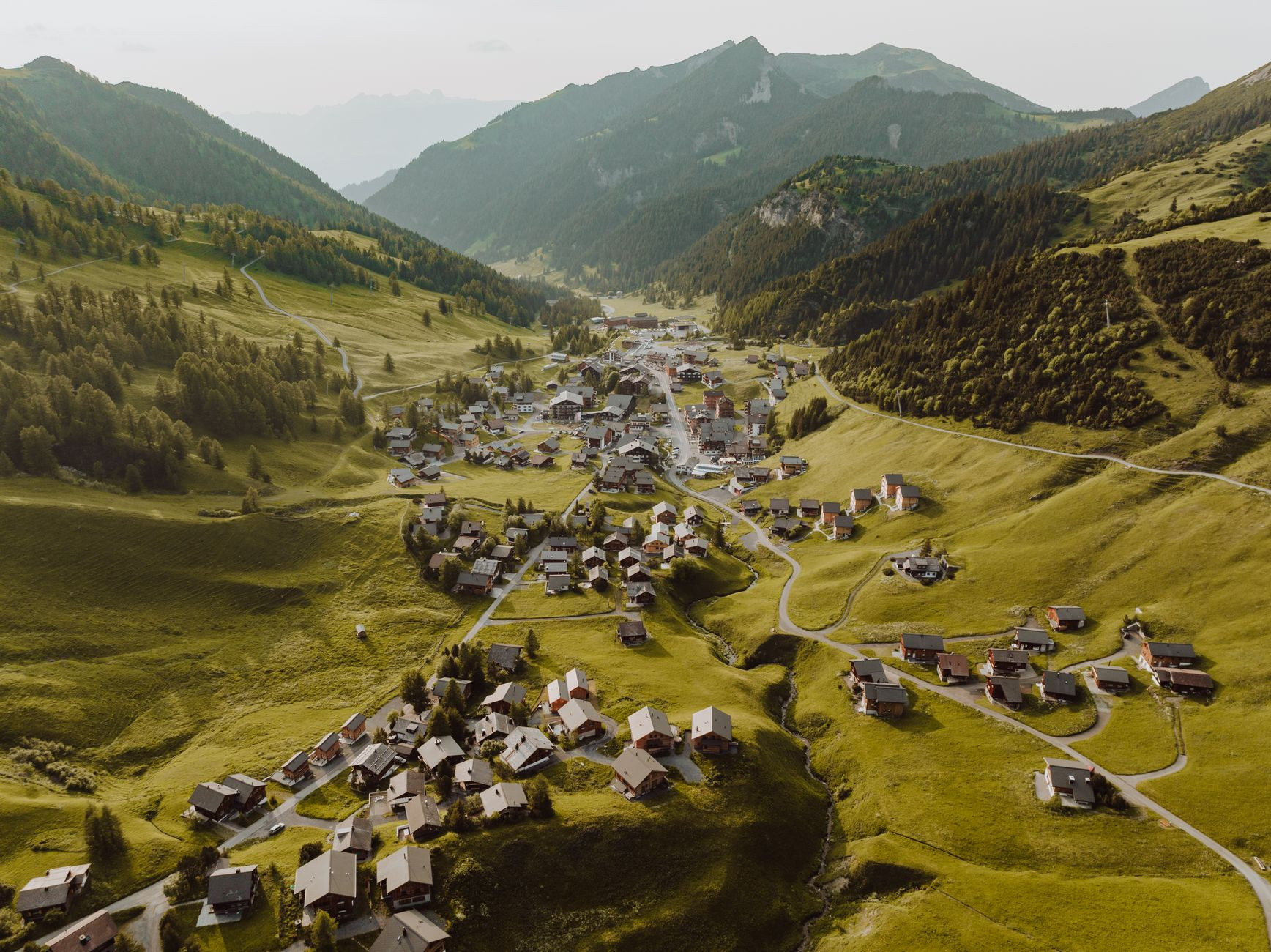
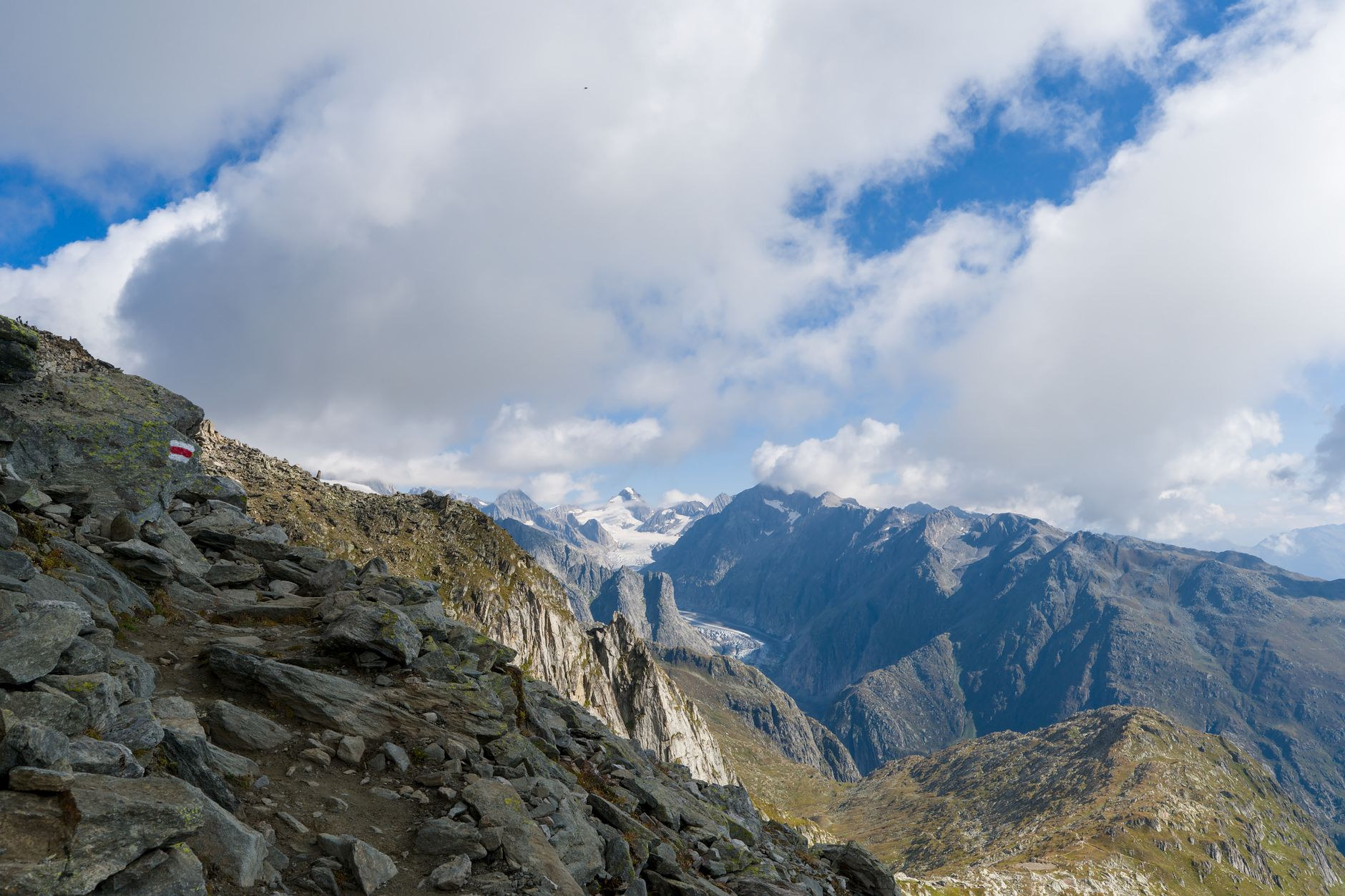
Ride the Sareis chairlift from the village edge to the Sareiserjoch ridge at two thousand meters. From the mountain station terrace, gaze down into Austria’s Vorarlberg region to the east and the jagged limestone summits of the Rätikon mountain range to the south. From here, fit walkers can embark on the Fürstensteig, Liechtenstein’s most celebrated mountain trail.
Carved directly into exposed limestone rock faces in 1898, the Fürstensteig is a classic alpine route requiring sure-footedness, sturdy footwear, and a good head for heights. Wire handrails and stone-carved steps protect the exposed sections as the path traverses steep scree slopes and rocky ravines, providing thrilling vistas down into the Rhine Valley three thousand feet below. Combine the trail with the Drei Schwestern (Three Sisters) ridge for an unforgettable four-hour circuit before returning to Malbun.
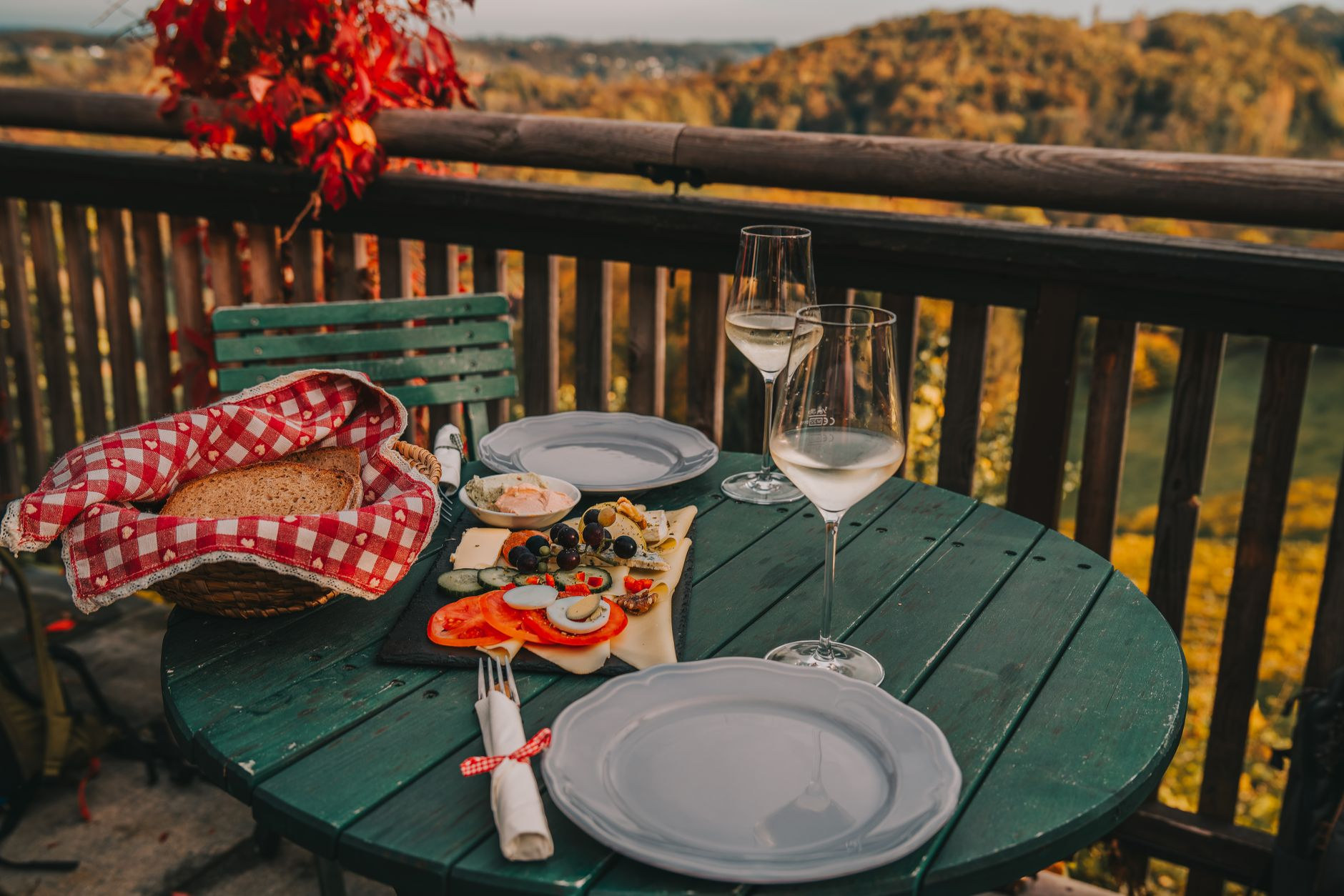
After your mountain hike, reward yourself with lunch on a rustic wooden terrace in Malbun or nearby Steg. Order a steaming bowl of *Käsknöpfle*, the national comfort food of Liechtenstein. These delicate, handmade egg pasta drops are tossed in a rich, melted blend of spicy regional cheeses—sharp Appenzeller, Gruyère, and local sour cheese (*Sura Kees*)—topped with golden caramelized onions and served with chilled applesauce (*Apfelmus*). Pair with fresh alpine milk or a crisp local herbal soda.
Day 3: Southern Rhine Heritage — Triesenberg, Gutenberg Castle, and the Wooden Rhine Bridge
Begin Day 3 by exploring the mountain hamlet of Triesenberg, perched high on the sunny western slope overlooking Vaduz. Settled in the late thirteenth century by Walser migrants from the Swiss Valais, Triesenberg retains a distinctive Alemannic dialect, unique timber chalet architecture, and deep mountain traditions. Visit the Walser Local History Museum to examine traditional wooden farming implements, woven textiles, and centuries-old hand-hewn living quarters.
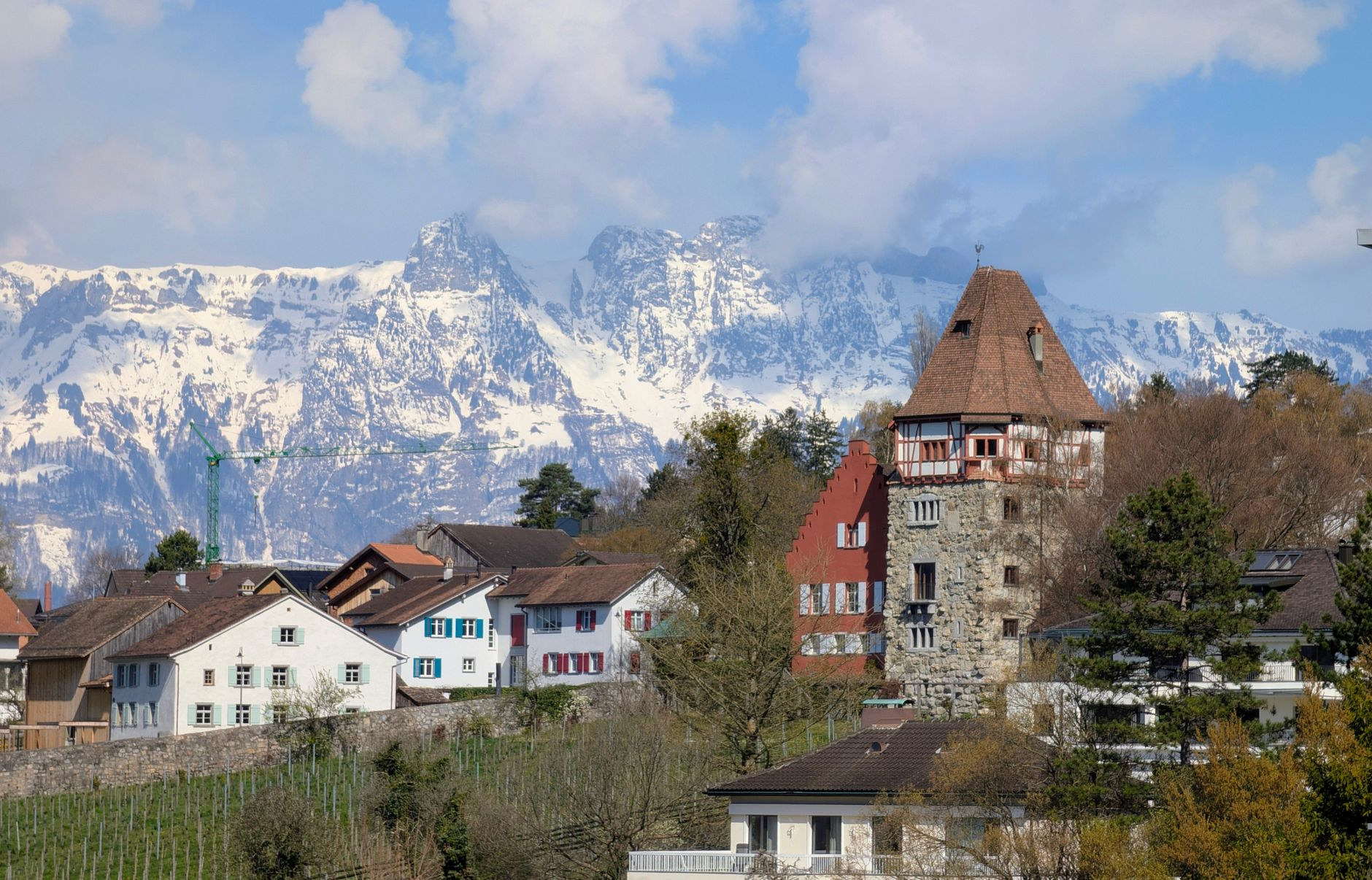
Descend back to the Rhine Valley floor and take Bus 11 south to Balzers, the southernmost municipality in the principality. Balzers is dominated by Burg Gutenberg, an imposing medieval fortress crowning a seventy-meter-high free-standing limestone hill that rises abruptly from the flat valley floor. Archaeological excavations reveal that this prominent promontory has been inhabited continuously since the Neolithic era.
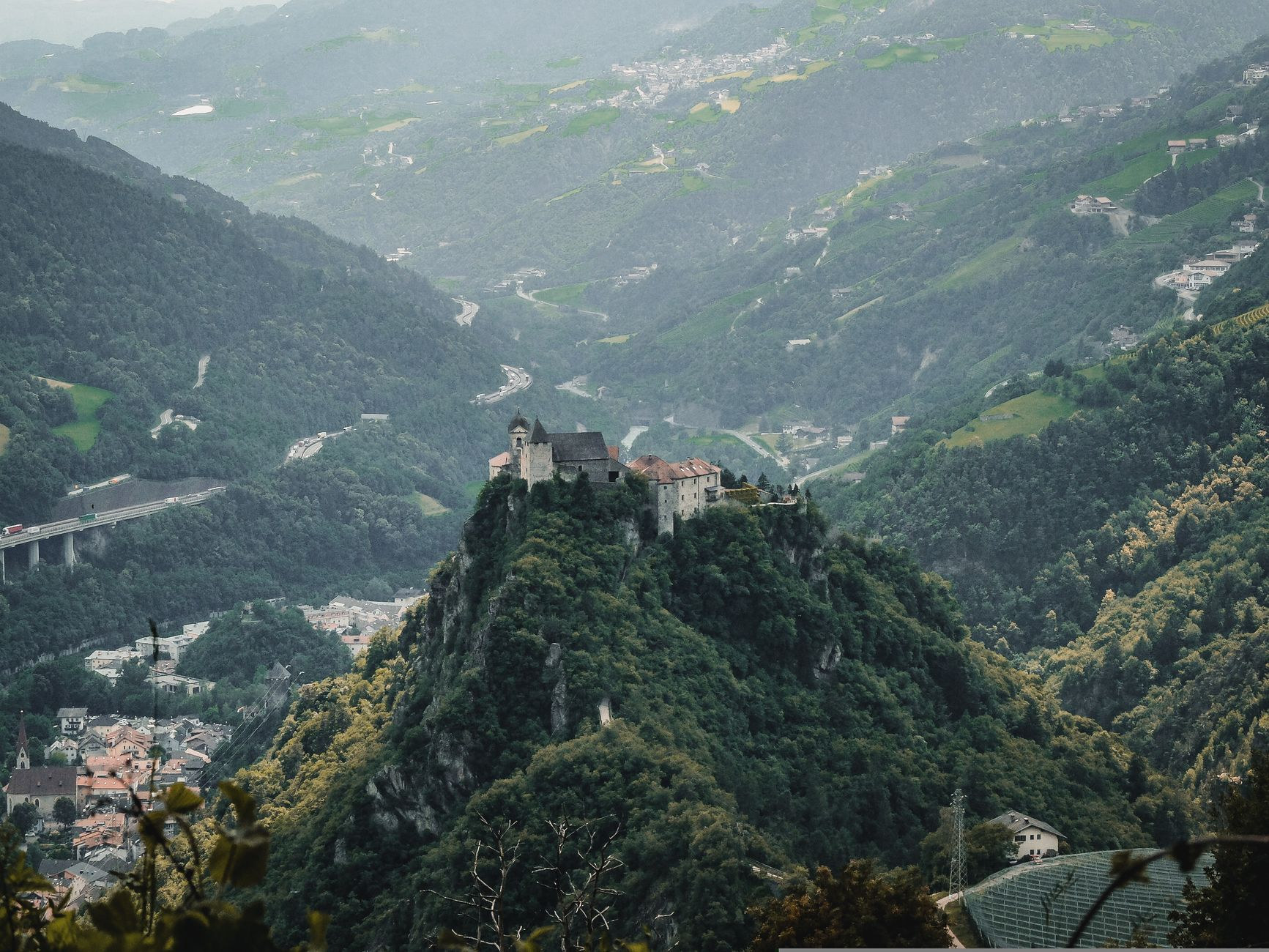
Unlike Vaduz Castle, Burg Gutenberg’s outer bailey and terraced rose gardens are open to visitors throughout the year. Stroll through the arched stone gateway into the outer courtyard, admiring panoramic views southward into the Swiss Graubünden mountains and across the peaceful tiled roofs of Balzers village. During summer weekends, the inner courtyard hosts open-air theater performances and classical concerts.
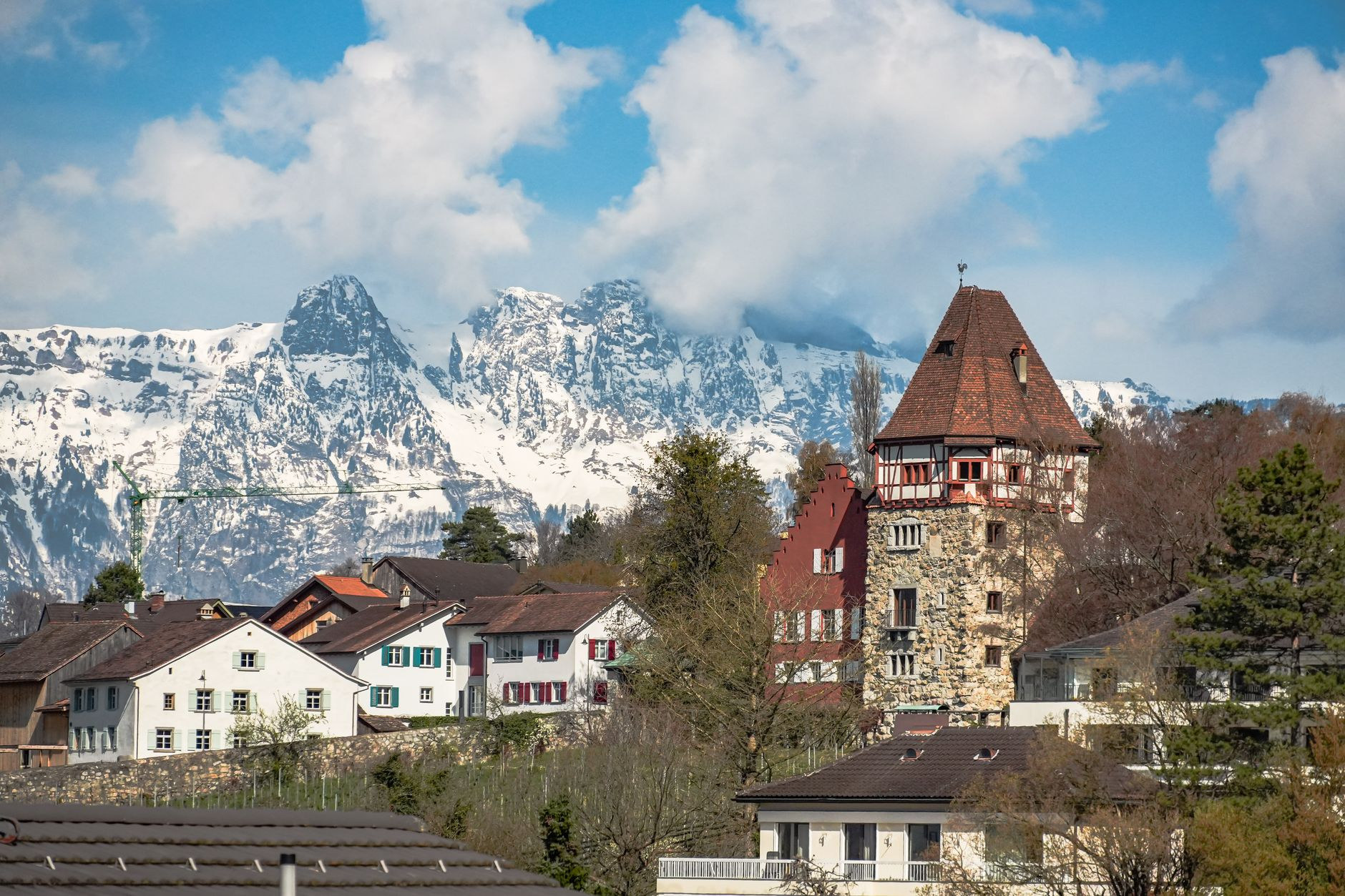
Before leaving the principality, walk to the Alte Rheinbrücke (Old Rhine Bridge) linking Vaduz with Sevelen in Switzerland. Built in 1901, this covered timber bridge is the last surviving wooden bridge spanning the Alpine Rhine. Walk across its creaking fir floorboards, passing the brass border marker midway across the river, to enjoy one final look at the castle crags of Liechtenstein before boarding your train home from Sargans or Buchs.
Liechtenstein Gastronomy and Alpine Culinary Traditions
Liechtenstein’s culinary identity is rooted in rustic alpine farming traditions, shaped by centuries of close cultural exchange with eastern Switzerland and western Austria. The cornerstone of the national diet is *Käsknöpfle*, but traditional gastronomy extends far beyond cheese pasta.
Another beloved heritage dish is *Ribel*, an ancient cornmeal staple dating back to the introduction of maize in the eighteenth century. Coarsely ground cornmeal and wheat flour are cooked in milk and water, left to rest, and then slowly fried in butter while being vigorously chopped with a metal spatula until small, golden-brown crumbles form. Traditionally eaten for breakfast or supper, Ribel is commonly dipped into warm cafe au lait or served alongside stewed elderberries (*Holunderkoch*) or spiced applesauce.
Game meat features prominently on autumn menus when hunting season opens in the princely forests. Savor tender venison medallions (*Rehpfeffer*) served with braised red cabbage, glazed chestnuts, and buttered spaetzle. Pair your meal with an estate-bottled Pinot Noir from the Prince of Liechtenstein’s Hofkellerei or a crisp glass of regional white wine from the small private vineyards that line the sun-drenched lower slopes of the Rhine Valley.
Mobile Connectivity: The Critical Roaming Reality and eSIM Setup
While Liechtenstein maintains a customs union and open border with Switzerland, telecommunications operate under a critical and often expensive technical exception. Because Liechtenstein is a member of the European Economic Area (EEA) but Switzerland is not, mobile roaming agreements are notoriously inconsistent and fragmented.
Many European mobile operators that offer “Roam Like at Home” across EU nations exclude Liechtenstein from their standard packages, or relegate it to expensive secondary roaming zones. Conversely, travellers arriving with Swiss domestic SIM cards often discover that crossing the Rhine triggers high data roaming tariffs, as Swiss networks do not automatically include Liechtenstein data. Unsuspecting visitors who leave their primary data roaming enabled can run up dozens of Euros in unexpected roaming charges within a few hours.
The practical, cost-effective solution is installing an independent digital NXTL Liechtenstein Travel eSIM before your journey. NXTL connects directly to Telecom Liechtenstein (FL1), the premier domestic network operator, providing fast 5G and LTE coverage across the entire country—from the downtown streets of Vaduz to the high mountain trails of Malbun. At transparent pay-as-you-go rates of just $0.72/GB, you receive dependable, high-speed mobile data without the waste of expiring packages. Unused credit stays available for later trips across more than 180 countries. Scan your QR code before crossing the border, and you will enjoy continuous data for checking LIEmobil bus timetables, consulting SwissTopo alpine trail maps, and making online museum reservations.
Five Local Pitfalls, Traps, and Planning Mistakes to Avoid
- The Cross-Border Data Roaming Tariff Trap: Crossing into Liechtenstein with a Swiss mobile plan or certain EU carrier SIMs can trigger exorbitant roaming rates because Liechtenstein sits outside many standard cellular agreements. Travellers frequently receive surprise bills totaling 50 to 100 EUR for inadvertent background data usage. Prevention: Turn off data roaming on your domestic home SIM card before crossing the Rhine, and rely on an independent NXTL eSIM operating on Telecom Liechtenstein (FL1) at $0.72/GB.
- The Souvenir Passport Stamp Gimmick in Vaduz: Because there are no official border controls entering Liechtenstein, the tourist office in Vaduz (*Liechtenstein Center*) offers a souvenir entry stamp for three Swiss Francs or Euros. While popular with tourists, this stamp is unofficial and novelty-only. Affixing unofficial souvenir stamps to your genuine passport can invalidate it according to certain international aviation and immigration authorities. Prevention: If you desire the souvenir stamp, have it stamped into an international travel notebook or souvenir postcard rather than your official passport pages.
- Unofficial “Castle Tour” Scams and Misleading Ticket Offers: Third-party online ticket portals occasionally market “Vaduz Castle Interior Tours” or guided royal palace visits. In reality, Vaduz Castle is the private, active home of Prince Hans-Adam II and is completely closed to public visitation. Any ticket claiming to grant access to the castle interior is fraudulent. Prevention: Enjoy the free walk along the Schlossweg path up to the castle perimeter viewing platform. Visit the Princely Collections at the Kunstmuseum or the Liechtenstein Treasury in Vaduz instead.
- Sunday and Bank Holiday Total Retail Shutdown: Liechtenstein enforces strict labor laws regarding commercial trading hours. On Sundays and national Catholic holidays, almost all supermarkets, retail shops, and pharmacies throughout the country are completely closed, with only select restaurants and hotel dining rooms remaining open. Prevention: Purchase snacks, bottled water, and personal necessities on Friday or Saturday. If caught without supplies on a Sunday, the fuel station convenience shop on the main road in Schaan is one of the few locations permitted to sell basic groceries.
- Tackling Alpine Ridge Trails in Inadequate Footwear: The Fürstensteig and Drei Schwestern routes feature exposed rocky ridges with sheer drop-offs. Every summer, mountain rescue teams are dispatched to assist tourists who attempt these demanding alpine paths in smooth-soled running sneakers or fashion footwear, resulting in twisted ankles or panic on exposed ledges. Prevention: Wear ankle-supporting hiking boots with vibram-lugged soles. Check the morning weather forecast at the Malbun lift station, and never attempt exposed alpine ridge hikes during rain, lightning, or lingering spring snowdrifts.
Practical Etiquette and Alpine Packing Protocol
Respecting local customs will ensure a delightful visit to the Principality:
Punctuality and Public Etiquette: Punctuality is taken seriously across Liechtenstein. LIEmobil buses depart precisely according to published timetables, so arrive at bus stops two to three minutes before scheduled departure. When greeting shopkeepers or bus drivers, a polite *Grüezi* (formal) or *Hoi* (informal) is standard courtesy. Littering in public spaces or along mountain trails is strictly prohibited and carries severe municipal fines; always pack out what you pack in.
Alpine Hiking Safety Equipment: Weather in the Rätikon Alps can change with astonishing speed. Even when departing Vaduz on a warm summer morning, temperatures in Malbun can be ten degrees cooler, with mountain winds creating a sharp chill. Pack a lightweight waterproof rain shell, thermal mid-layer, polarized sunglasses, high-SPF sunscreen, and a refillable water flask. Download offline topographical maps via the SwissTopo app before heading into rocky valleys where cellular signals may dip between limestone peaks.
Dining Customs and Gratuities: Service charges are legally included in all restaurant bills throughout Liechtenstein. However, rounding up the bill by five to ten percent for attentive service is customary in sit-down restaurants. When dining in traditional alpine mountain huts, return your used trays and glassware to the dish return station before departing.