Madagascar is an ecological wonderland: an ancient island isolated for eighty-eight million years, where over ninety percent of mammalian and plant species exist nowhere else on the planet. Yet planning a first journey presents a notorious logistical puzzle. Spanning sixteen hundred kilometers from north to south, its road network is extraordinarily slow. Winding mountain grades, deep potholes, and seasonal rains mean average overland speeds rarely exceed forty kilometers per hour. First-time travellers attempting to combine Morondava baobabs, Nosy Be beaches, and Isalo canyons in ten days spend eighty percent of their holiday trapped in a vehicle. The secret to a triumphant first trip is picking one coherent overland corridor.
This eight-day route focuses on the Eastern Rainforest and Central Highlands triangle: connecting Antananarivo with the mist-shrouded primary rainforests of Andasibe-Mantadia and the volcanic artisan town of Antsirabe. By limiting driving stages to manageable three-to-four-hour windows on the country’s two best-maintained arterial routes—Route Nationale 2 (RN2) and Route Nationale 7 (RN7)—you maximize time tracking wild Indri lemurs, spotting endemic chameleons, exploring crater lakes, and absorbing highland Merina culture. Here is the operational blueprint for hiring a private vehicle with a driver, securing certified park guides, handling local currency, and navigating this extraordinary island.
Trip Planning Blueprint: Bases, Transport Logistics, and Seasonal Realities
The foremost strategic decision when organizing a journey across Madagascar is selecting your transport mode. While seasoned adventurers often rent vehicles independently across southern Africa, self-driving in Madagascar is strongly discouraged and actively refused by most reputable agencies. Unmarked dirt tracks, roaming zebu cattle, unlit ox carts (sarety), complex police checkpoints conducted in French, and zero roadside assistance make self-driving exceptionally stressful. The universally recommended solution is hiring a licensed four-wheel-drive vehicle accompanied by a professional local chauffeur-guide. A private driver-guide typically costs between fifty and seventy-five euros per day, covering vehicle hire, passenger insurance, and the driver’s lodging and meals throughout the circuit.
Public bush taxis (taxi-brousse) represent the ultra-budget alternative, traversing the island in crowded minibuses for three to six euros per leg. However, bush taxis operate without fixed departure timetables, departing only when every seat and roof space is crammed with passengers, cargo, and poultry. Mechanical breakdowns and frequent tire repairs routinely double published transit times, making them unviable for an eight-day holiday. A private driver provides flexibility to halt at roadside fruit stalls, viewpoints, and artisan workshops at your leisure.
Seasonal timing determines wildlife encounters and road conditions. The optimal window for this eastern rainforest circuit is September through November. During these spring months, rainfall in the eastern cloud forests is relatively low, temperatures are pleasant, native orchids bloom, and female lemurs carry newborn infants. April and May are also rewarding, offering lush green landscapes following summer rains. Conversely, avoid January through March, when the east coast faces Indian Ocean cyclones that regularly wash out bridges along the RN2 corridor.
| Day / Stage | Base | Highlights | Transport Mode | Transit Time | Advance Booking Requirement |
|---|---|---|---|---|---|
| Day 1 | Antananarivo | Upper City historic walking tour, Queen’s Palace (Rova), Haute-Ville viewpoints | Walking & Private Transfer | Urban base | Airport transfer & Haute-Ville hotel |
| Day 2 | Andasibe | Scenic RN2 eastward drive, Peyrieras Reptile Reserve, Mitsinjo nocturnal wildlife walk | Private 4WD with Driver | 3.5 hrs driving (145 km) | Chauffeur-guide reservation & rainforest eco-lodge |
| Day 3 | Andasibe | Analamazaotra Special Reserve Indri lemur tracking, orchid garden, village walk | Rainforest Trekking | Full day active tracking | Certified MNP community guide hire at park office |
| Day 4 | Andasibe | Mantadia National Park primary forest trek, sacred waterfall, ruffed lemurs | 4WD Transfer + Trekking | 1 hr off-road track + 5 hrs hike | Rugged 4WD transfer & Mantadia circuit permit |
| Day 5 | Antsirabe | Cross highlands via RN2 & RN7, Ambatolampy aluminum foundry, terraced hills | Private 4WD with Driver | 5.5 hrs scenic drive (270 km) | Antsirabe thermal hotel reservation |
| Day 6 | Antsirabe | Pousse-pousse city tour, zebu horn artisans, Lake Tritriva volcanic crater hike | Rickshaw & Private 4WD | 45 mins drive to crater lake | Local crater lake guide & pousse-pousse driver hire |
| Day 7 | Antananarivo | Highland artisan markets, scenic RN7 return drive, Haute-Ville culinary dinner | Private 4WD with Driver | 3.5 hrs driving (170 km) | La Varangue or Kudeta dining reservation |
| Day 8 | Antananarivo departure | Digue artisan souvenir market, vanilla pod procurement, Ivato airport transfer | Private 4WD Transfer | 1 hr airport transit | Flight departure coordination |
Days 1–2: High-Altitude Antananarivo and the Descent to Andasibe
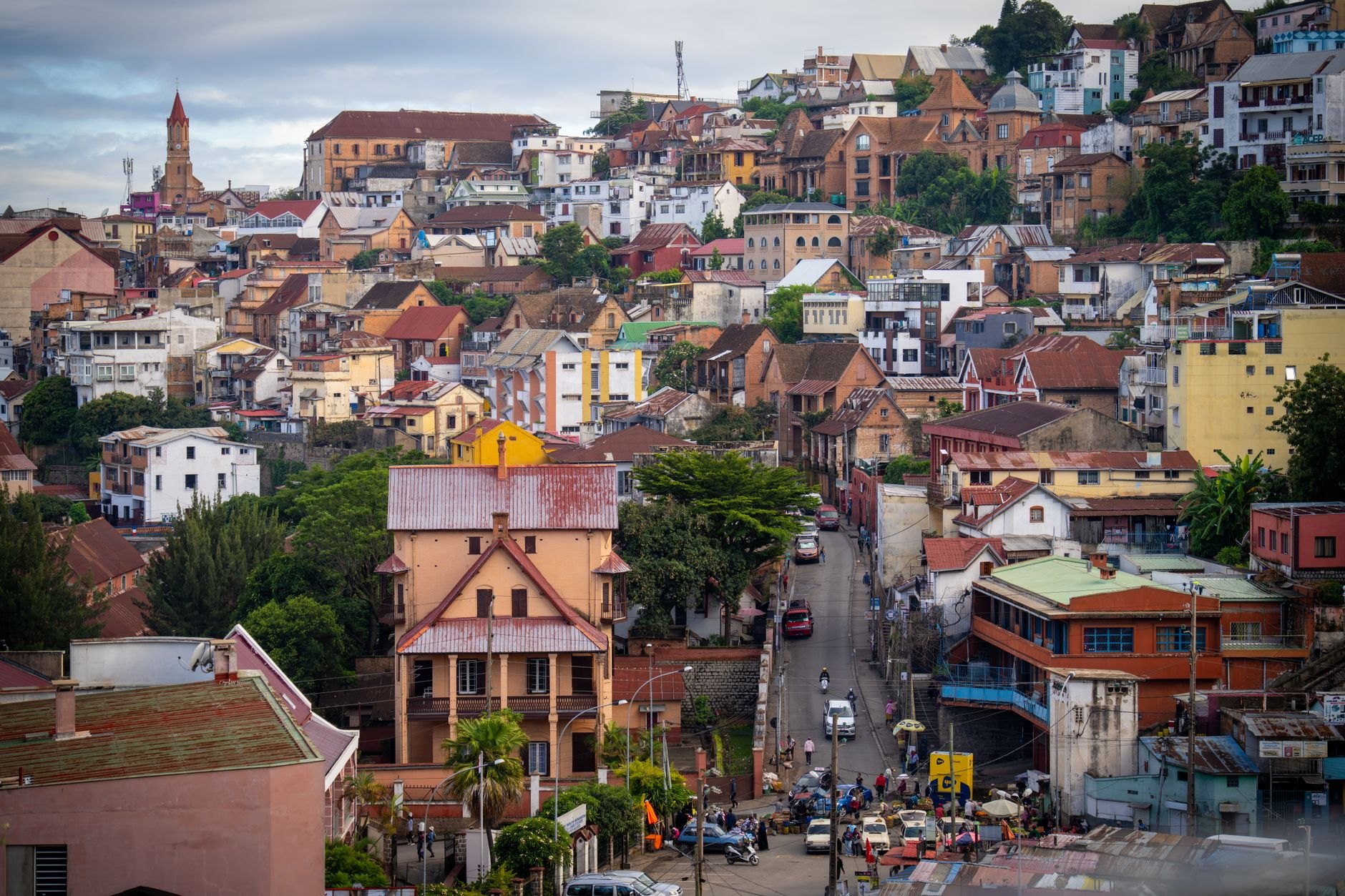
Your journey commences in Antananarivo—known locally as “Tana”—Madagascar’s high-altitude capital resting at fourteen hundred meters. Founded in the seventeenth century as the royal seat of the Merina Kingdom, the city sprawls across twelve steep granite ridges. Spend your opening morning touring the historic Haute-Ville (Upper City). Wind through cobblestone alleys lined with red-tiled brick colonial townhouses and Protestant stone churches, culminating at the Rova of Antananarivo. This restored royal palace compound perches atop the highest summit, presenting views across Lake Anosy and the patchwork of rice paddies spread across the plains.
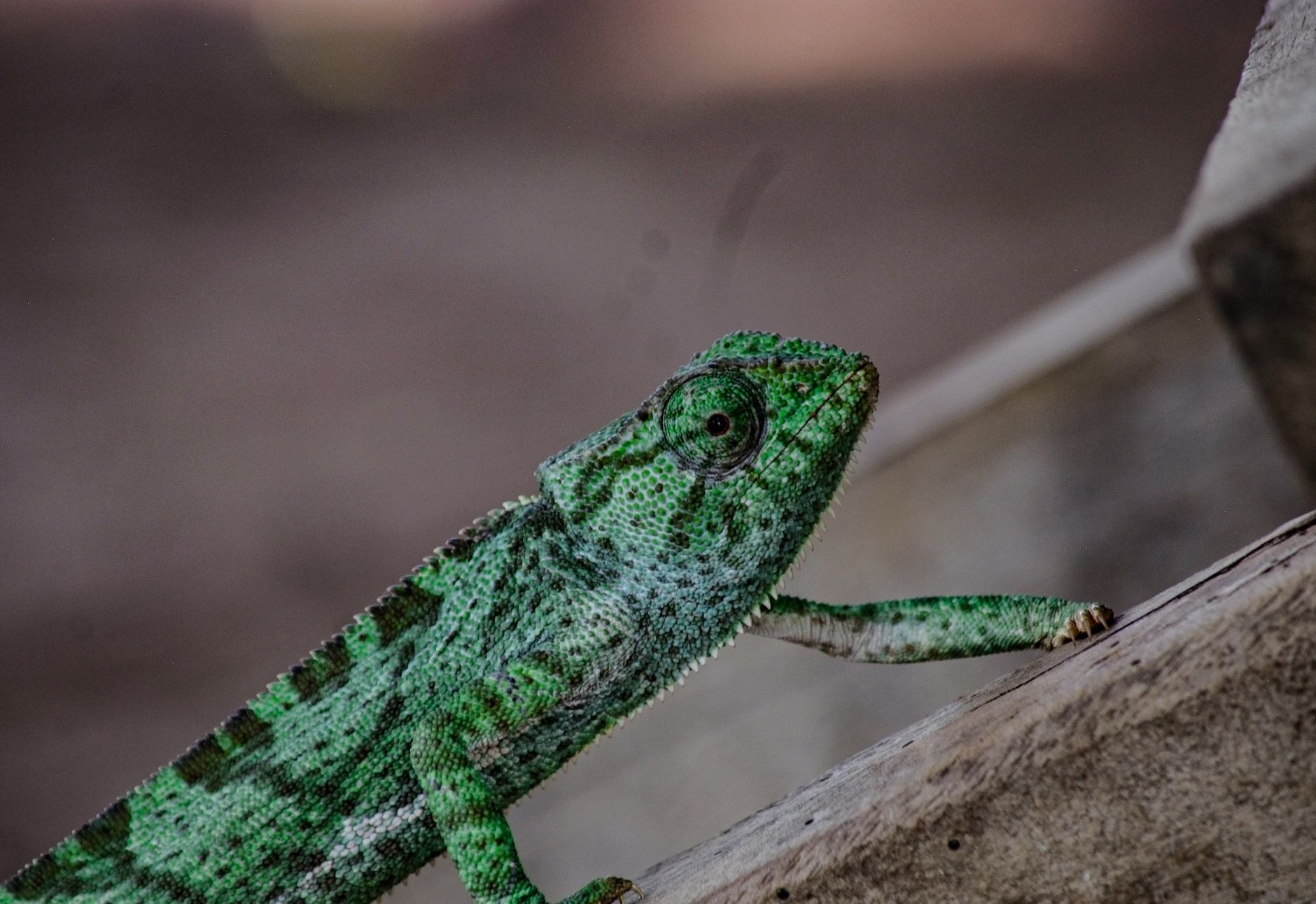
On Day 2, your private driver collects you from your Haute-Ville hotel to begin the scenic eastward journey along the RN2 toward Andasibe. As you descend from the central plateau, dry savanna yields to dense tropical vegetation, tumbling rivers, and roadside hamlets built from woven traveler’s palm (ravinala) leaves. Midway through the drive, halt at Marozevo to explore the privately run Peyrieras Reptile Reserve, also known as Madagascar Exotic. This sanctuary serves as an exceptional introductory crash course in Madagascar’s extraordinary herpetology.
Accompanied by a resident naturalist, walk among open-air enclosures sheltering dozens of endemic chameleon species. Watch panther chameleons shift skin coloration from turquoise to burnt orange, observe bizarre nose-horned rhinoceros chameleons, and search leafy twigs for tiny Brookesia leaf chameleons—among the smallest reptiles on earth. The reserve also houses mossy leaf-tailed geckos (Uroplatus) camouflaged against tree bark, bright red tomato frogs, and docile tenrecs, offering macro photography opportunities difficult to duplicate in the dense primary canopy.
Continuing two hours east, you arrive at Andasibe by mid-afternoon and check into an eco-lodge bordering the park boundary. As darkness falls over the humid canopy, don a headlamp and rain jacket for a guided nocturnal safari through the Mitsinjo Community Reserve. Community reserves like Mitsinjo run authorized walks along the forest periphery. Within minutes, your guide’s spotlight illuminates tiny eyes shining in the undergrowth: mouse lemurs darting through bamboo shoots, sleeping chameleons dangling from thin twigs, and strange giraffe-necked weevils resting on ginger leaves.
Days 3–4: Primary Rainforest Tracking in Andasibe-Mantadia
Day 3 starts at daybreak with one of the most unforgettable auditory experiences in nature: the morning territorial chorus of the Indri indri. Known locally as the Babakoto (“ancestor of man”), the Indri is the largest surviving lemur on earth, standing nearly a meter tall with black-and-white fur, vestigial tails, and striking greenish eyes. At dawn, family groups perched high in the canopy emit loud, siren-like wails that echo across misty valleys for up to three kilometers, proclaiming territorial borders to neighboring clans.
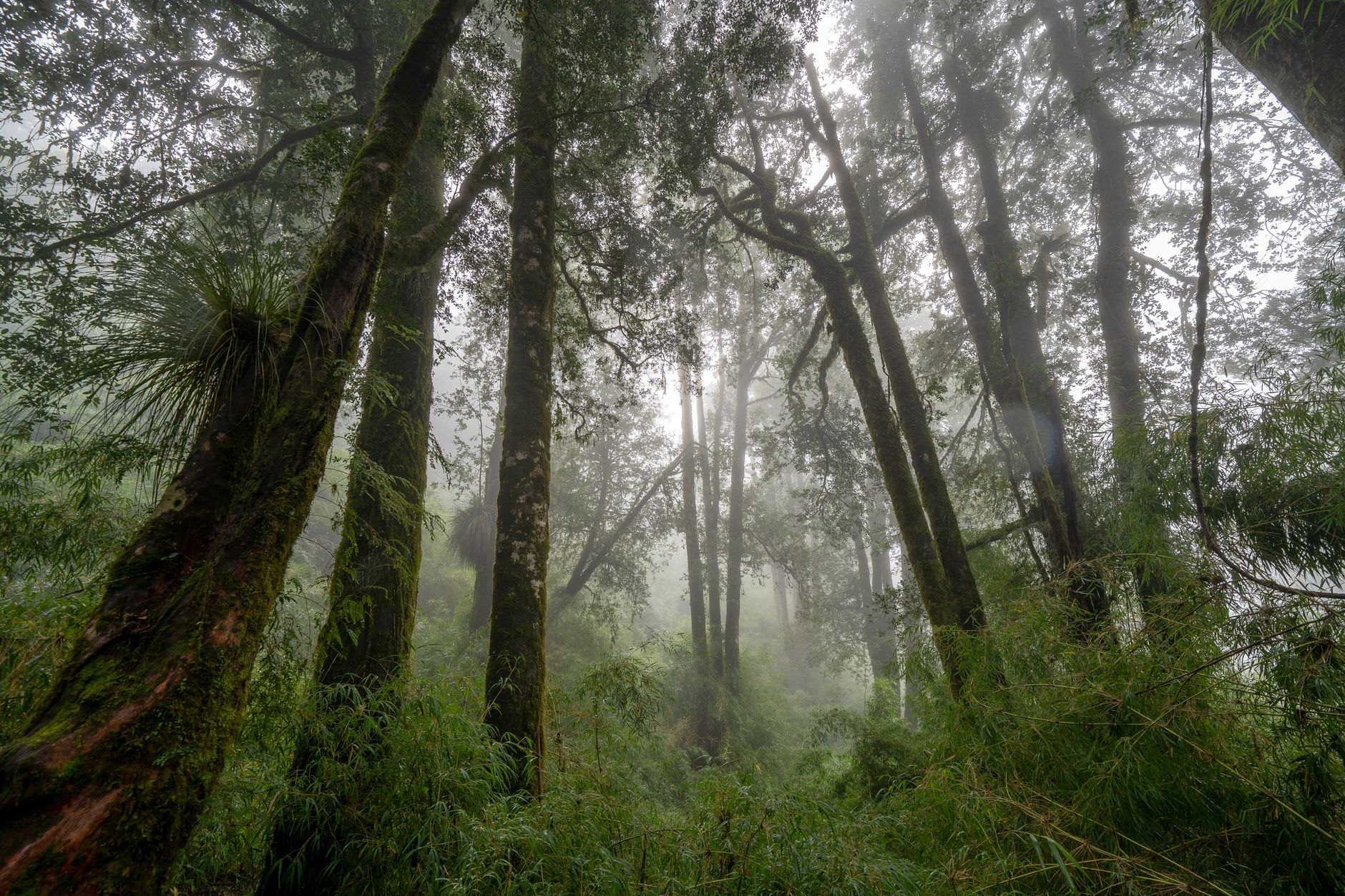
Enter the Analamazaotra Special Reserve accompanied by your certified Madagascar National Parks (MNP) guide and a dedicated forest tracker. Trackers move through dense undergrowth of giant tree ferns and wild ginger, following acoustic resonance. Within forty-five minutes, your tracker signals through the trees. Looking straight up into the canopy, you spot a family of three Indris resting thirty meters above the forest floor. You watch in quiet awe as an adult male launches himself effortlessly across a ten-meter void between tree trunks, grasping lichen-covered bark with leathery pads.
Analamazaotra shelters far more than the Indri. As you trek well-maintained trails, your guide points out common brown lemurs foraging through low fruit branches, eastern lesser bamboo lemurs nibbling tender shoots, and dazzling diademed sifakas leaping through the mid-canopy like white-and-gold acrobats. In the afternoon, visit the reserve’s native orchid garden, where over one hundred species of epiphytic orchids thrive under the humid canopy.

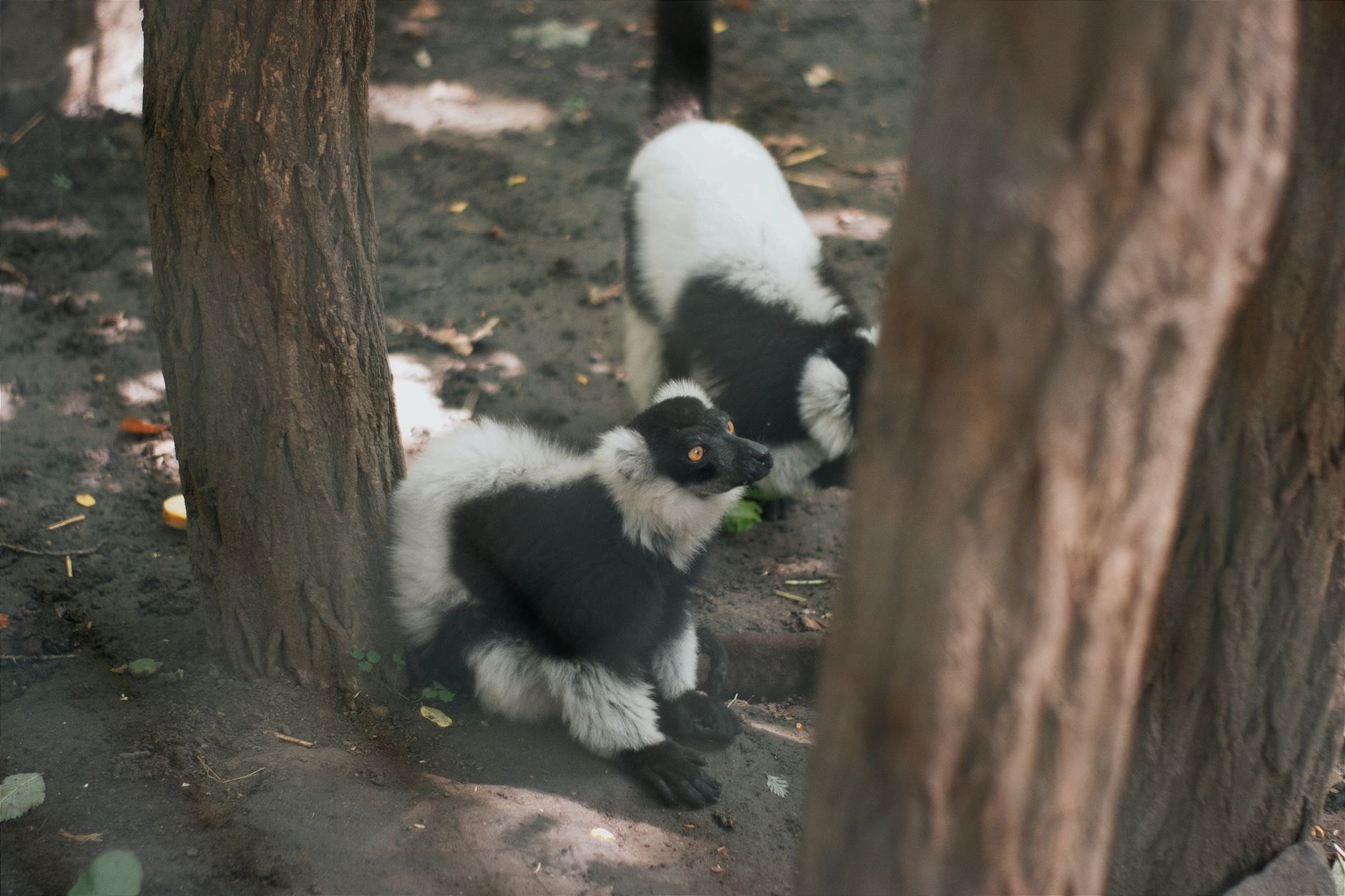
On Day 4, dedicate your morning to the wilder northern sector: Mantadia National Park. Situated fourteen kilometers north of Andasibe along an unpaved logging track requiring low-range 4WD gearing, Mantadia receives a fraction of the visitor traffic seen at Analamazaotra. Here, primary rainforest blankets steep ridges divided by rushing mountain streams and waterfalls. The trails are steeper and more demanding, requiring sturdy hiking boots to negotiate wet clay and roots. Mantadia is the primary habitat of the rare black-and-white ruffed lemur, whose booming roars reverberate through the valley, as well as the scaly ground roller and pygmy kingfisher.
Days 5–6: Crossing the Central Highlands to Volcanic Antsirabe
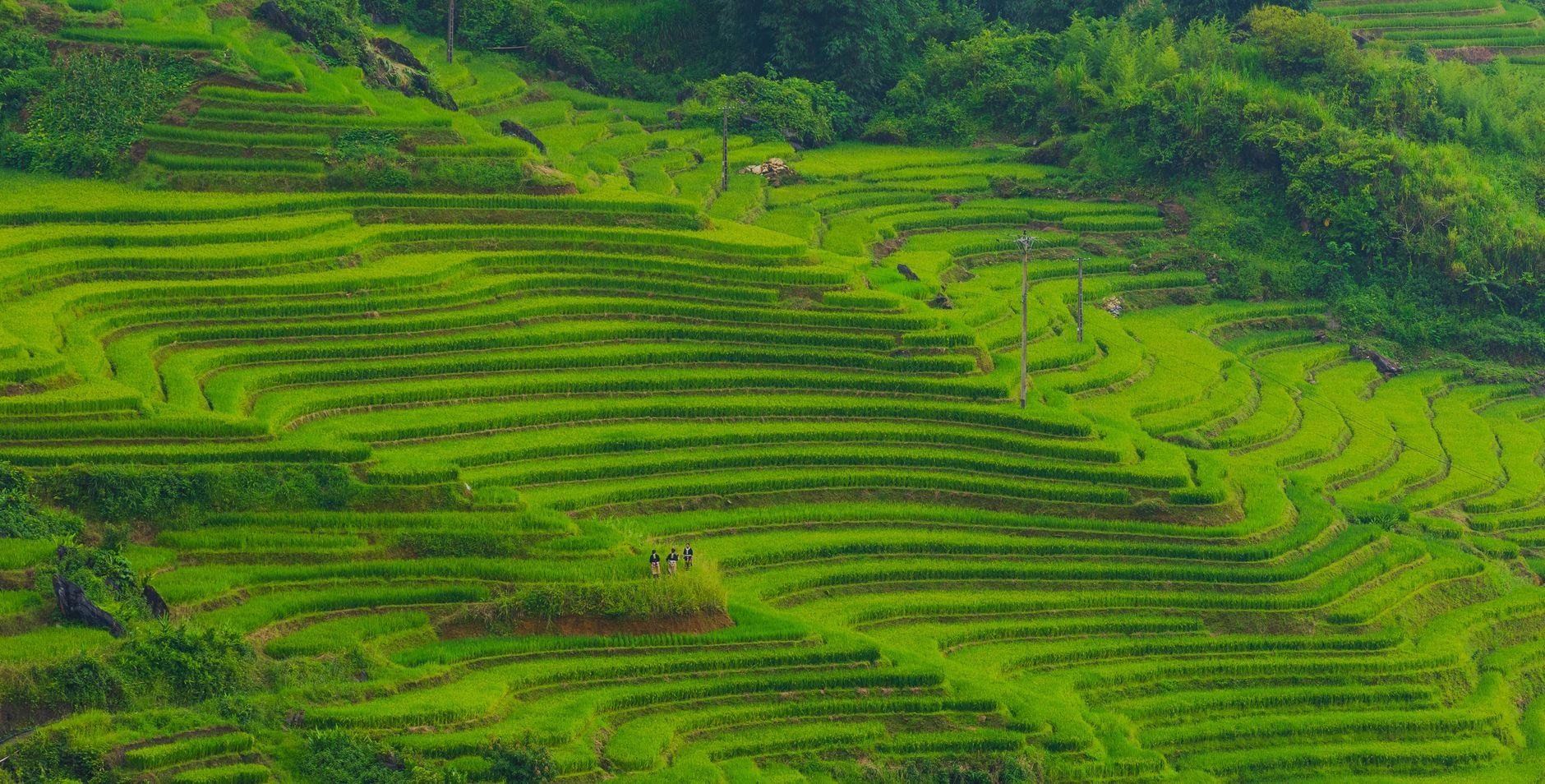
On Day 5, depart the rainforest early, retracing the RN2 back past Moramanga before turning southward onto Route Nationale 7 (RN7) near Antananarivo. The landscape transformation is immediate and dramatic. Moisture-laden green jungle gives way to open vistas of the central highlands. Rolling granite domes rise above valley floors carved into centuries-old terraced rice paddies, irrigated by stone channels engineered by Merina and Betsileo farmers.
Pause at the midpoint town of Ambatolampy, situated at the foot of the Ankaratra volcanic mountain range. Ambatolampy is renowned across Madagascar as the epicenter of artisanal aluminum foundry work. In open-air roadside workshops, master craftsmen melt discarded scrap metal from engines and cans over charcoal braziers, pouring molten liquid into hand-packed clay molds to forge the ubiquitous heavy cooking pots (marmites) found in every Malagasy kitchen. The skill and physical stamina of these artisans is remarkable to observe.
Continuing southward, you reach Antsirabe by mid-afternoon. Resting at fifteen hundred meters elevation, Antsirabe was founded in the late nineteenth century by Norwegian missionaries drawn by its cool highland climate and therapeutic thermal springs, earning it the title “The Vichy of Madagascar.” Wide avenues are shaded by jacarandas and bordered by French colonial villas and thermal bathhouses. Antsirabe is also the rickshaw capital of Madagascar, where thousands of brightly painted, two-wheeled pulled rickshaws called pousse-pousse glide through town.
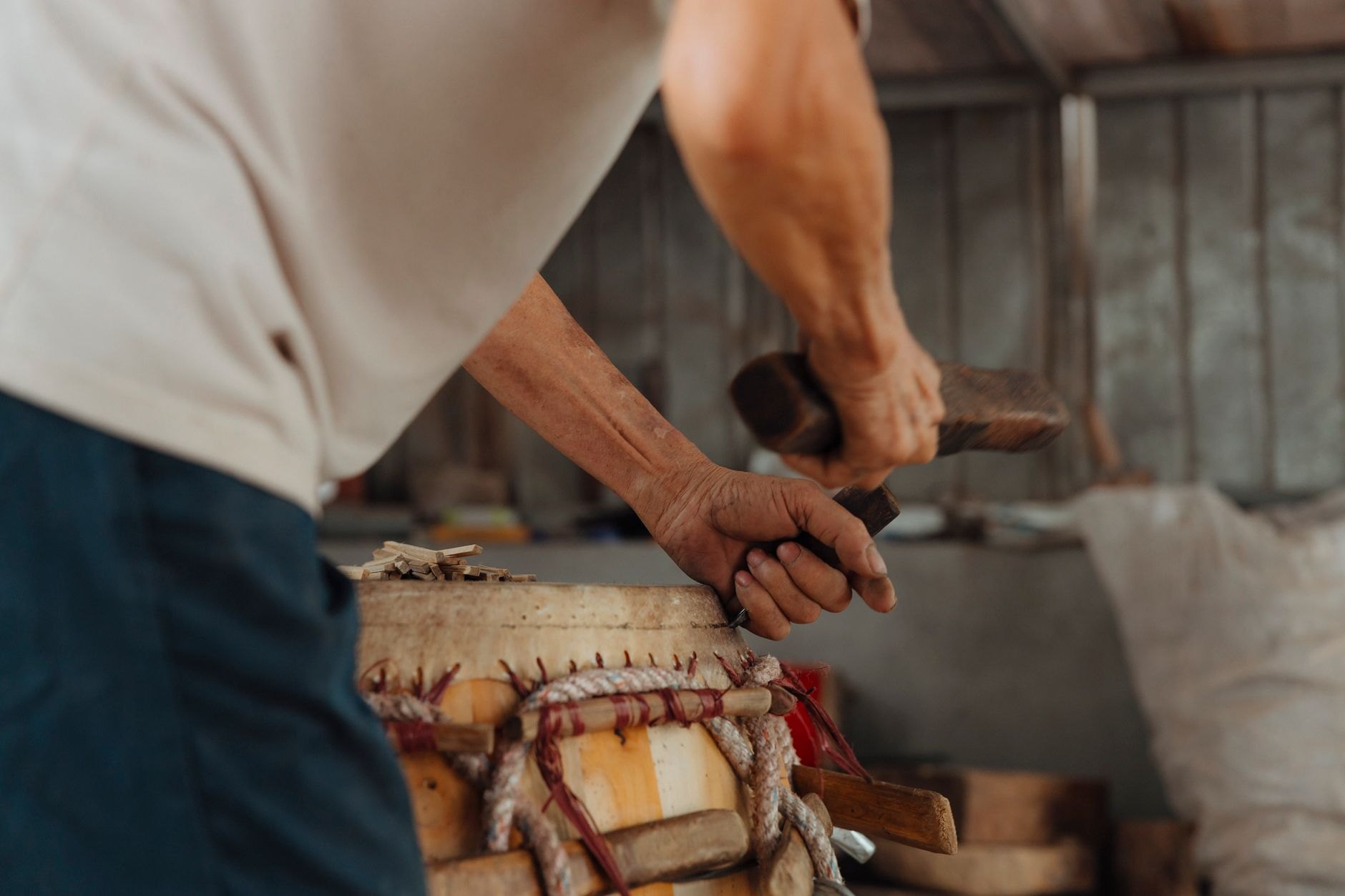
On Day 6, hire a licensed pousse-pousse runner to explore Antsirabe’s artisan quarter. Visit small family ateliers where craftsmen transform raw zebu cattle horns through heating and pressure into polished salad servers, decorative spoons, and jewelry. Down the lane, watch craftsmen recycle tin cans into miniature bicycles and bush taxis with working steering mechanisms, while lapidary workshops polish raw amethyst, tourmaline, and jasper mined from highland soils. In the afternoon, take your 4WD eighteen kilometers southwest to mysterious Lake Tritriva.
Lake Tritriva is an ancient volcanic crater lake filling an extinct cone, cradled by eighty-meter vertical rock cliffs fringed with pine trees. The lake’s deep, opaque emerald waters descend to unknown depths and are steeped in local fady (cultural taboos). According to Betsileo legend, two young lovers from rival castes drowned themselves in the lake when forbidden to marry, their spirits transforming into two intertwined branches growing from the cliff face. A peaceful one-hour walking loop circles the crater rim, offering crisp mountain air and panoramic views across the countryside.
Days 7–8: Highland Craft Markets, Malagasy Gastronomy, and Departure
On Day 7, begin your return journey northward along the RN7 toward Antananarivo, arriving by early afternoon. Spend your final afternoon visiting the Marché de la Digue, an expansive covered artisan market along the airport road. La Digue gathers hundreds of specialized Malagasy artisans under one roof, presenting raffia basketry, hand-woven wild silk shawls (lambamena), intricate wood marquetry, and certified bourbon vanilla pods packaged in aromatic glass tubes.
No journey across Madagascar is complete without immersing yourself in the culinary heritage of the highlands. Malagasy dining centers around rice (vary), consumed three times daily, accompanied by savory side dishes known as laoka. The undisputed national culinary masterpiece is Romazava: a slow-simmered stew of tender zebu beef, garlic, ginger, and fresh tomatoes, cooked with leafy greens including anamalaho (paracress). Eating Romazava produces an extraordinary sensation: tiny yellow paracress flowers create an effervescent, mildly numbing tingling sensation on the tongue that elevates the rich savory broth.
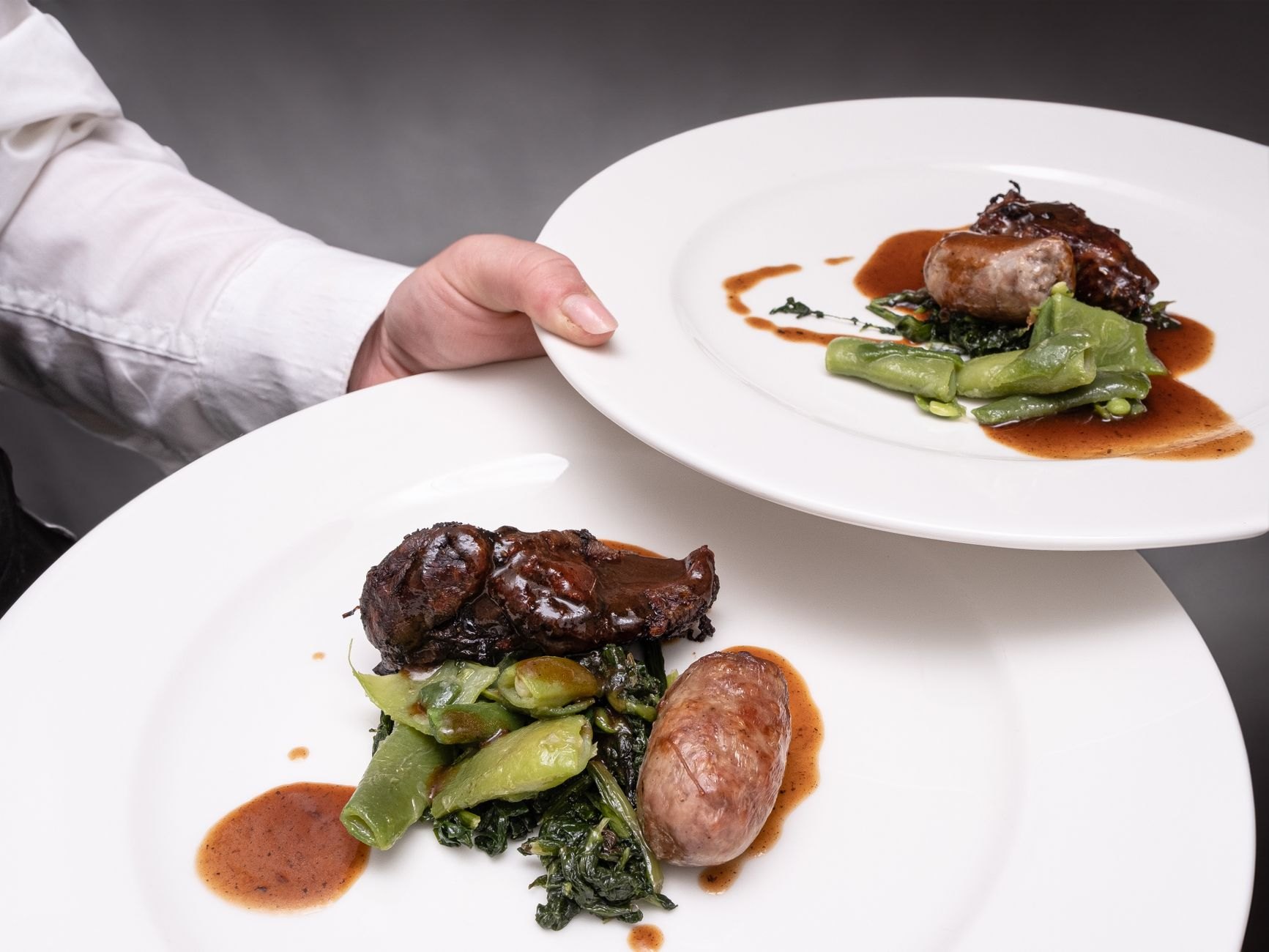
At casual roadside taverns, feast on skewers of marinated grilled zebu meat called masikita, seasoned with sweet chili and accompanied by fiery sakay paste. For breakfast, sample roadside street delicacies such as mofo gasy (crisp yeasted rice pancakes cooked in circular iron molds) and koba akondro—a dense cake made from rice flour, mashed bananas, and crushed peanuts, steamed for hours inside wrapped banana leaves. Complement your meals with hot citronella-vanilla tea or an ice-cold bottle of Three Horses Beer (THB), Madagascar’s beloved pale lager brewed with highland rice since 1958. On Day 8, coordinate your airport transfer to Ivato International Airport for your departure flight.
Tourist Scams, Logistics Pitfalls, and Travel Traps in Madagascar
While the Malagasy people are exceptionally warm and welcoming, the country’s economic challenges create conditions where unprepared foreign travellers encounter frustrating financial traps and regulatory hurdles. Keep these five practical warnings at the forefront of your planning:
- Severe ATM Outages and Mastercard Rejection: Outside Antananarivo, ATMs frequently run dry of banknotes on weekends or suffer network outages. Most regional ATMs only accept Visa cards; Mastercard is widely rejected outside top international hotels. Always carry two independent Visa debit cards, notify your bank in advance, and carry several hundred euros in crisp banknotes to exchange at bank counters in Antananarivo.
- Unauthorized Park “Guides” and Gate Touts: Loitering individuals outside Andasibe and Mantadia entrances often pose as official rangers offering discounted guiding. Madagascar National Parks enforces centralized ticketing. Never hire guides approaching you outside; step inside the official park reception office, purchase standard permits, and have the park director formally assign you a certified, badged community guide whose official fees are clearly posted.
- Self-Drive Vehicle Rental Pitfalls and Police Extortion: Foreign tourists attempting to drive self-rented vehicles without a local driver frequently encounter harassment at military and gendarmerie checkpoints along the RN2 and RN7. Foreign drivers are routinely targeted for manufactured vehicle infractions. Hiring a vehicle accompanied by a professional local chauffeur-guide eliminates this risk entirely, as your driver handles routine inspections courteously.
- Strict Prohibitions on Uncertified Souvenir Exports: Customs authorities at Ivato Airport screen outgoing luggage for protected natural items. Attempting to export raw fossilized wood, unworked ammonites, uncut gemstones, or endemic reptile products without official Ministry of Mines export certificates and registered merchant receipts will result in confiscation and heavy cash fines. Always demand an official stamped receipt and export clearance form when purchasing minerals.
- Water-Soaked and Adulterated Vanilla Pods: Street vendors surrounding roadside markets often peddle bundles of vanilla beans at suspiciously low prices. These street pods are frequently soaked in water to inflate weight or consist of exhausted, chemically re-scented pods that mold quickly. Only buy dark, oily, supple, vacuum-sealed vanilla pods displaying official agricultural quality seals from registered cooperative shops or reputable supermarkets.
Staying Connected Across Madagascar with NXTL Mobile Data
From coordinating roadside rendezvous with your chauffeur-guide along the winding grades of the RN2 to verifying trail permits and navigating Antananarivo on Google Maps, maintaining reliable mobile data access is indispensable throughout your journey in Madagascar. While purchasing local plastic SIM cards is possible at Ivato Airport kiosks, the process involves lengthy queues, manual passport registration, biometric fingerprint scanning, and erratic mobile money top-up procedures that waste valuable travel hours.
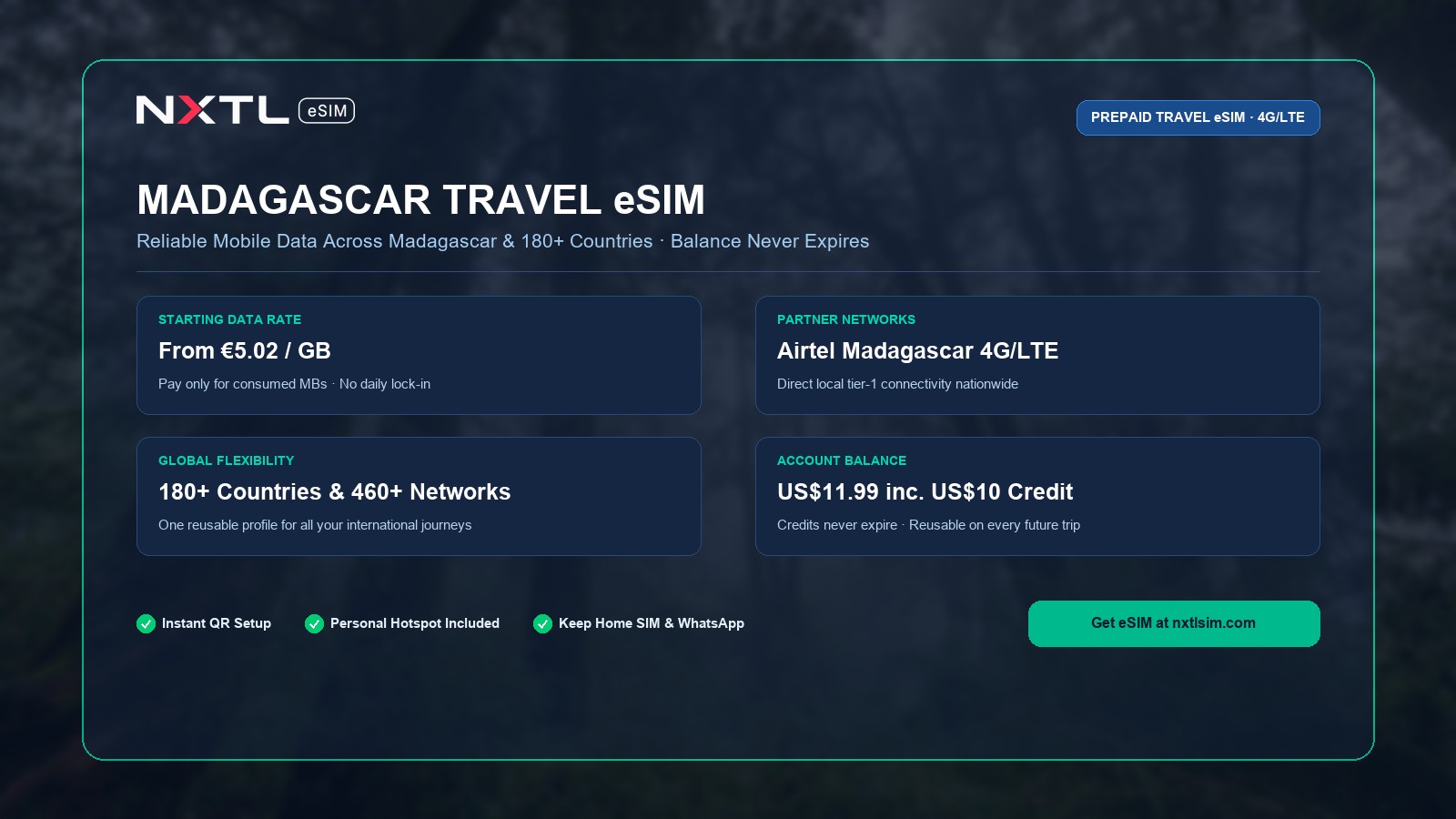
A vastly superior, immediate solution is activating the NXTL Madagascar eSIM prior to boarding your flight. Partnering directly with Madagascar’s premier nationwide telecommunications provider—Airtel Madagascar 4G/LTE—NXTL delivers robust mobile connectivity across the central highlands, the RN2 and RN7 transit corridors, and the town centers of Andasibe and Antsirabe. Starting at an economical rate of just $5.67 per gigabyte, NXTL provides genuine high-speed cellular access without the punitive daily pricing tiers or artificial speed throttles common among temporary tourist SIM packages.
What truly sets NXTL apart for international travellers is its flexible prepaid balance architecture. Your initial data balance never expires. Whatever unused megabytes remain in your account after your eight days tracking lemurs and exploring crater lakes remain permanently credited to your profile, instantly ready for reuse across more than 180 countries and over 460 tier-one cellular networks worldwide on your future international expeditions. Setup requires less than two minutes via a simple QR code scan on any eSIM-compatible smartphone, allowing you to keep your primary home SIM active for incoming verification codes and messaging while you explore Madagascar.