Celebrated across southern Africa as the “Warm Heart of Africa,” the Republic of Malawi is one of the continent’s most rewarding destinations. Dominated by the vast expanse of Lake Malawi—the third-largest freshwater lake in Africa, stretching over five hundred and eighty kilometers along the Great Rift Valley—the country offers an uncommon blend of inland marine adventures, recovering wildlife sanctuaries, and gentle cultural hospitality.
For decades, independent travellers have struggled with how to structure a first journey without exhausting drives or missing wildlife highlights. The secret to an exceptional trip is combining the turquoise waters of Lake Malawi National Park at Cape Maclear with the restored riverine wilderness of Liwonde National Park. By connecting these two premier ecosystems along a paved southern circuit, travellers can snorkel with hundreds of endemic cichlid fish, cruise alongside elephant herds on the Shire River, and explore the cool mist of the Zomba Plateau. Here is your definitive eight-day operational itinerary, balancing self-drive logistics, health precautions, fresh lake cuisine, and reliable mobile connectivity.
Trip Planning Blueprint: Road Conditions, Safari Logistics, and Health Realities
Executing an independent journey through Malawi demands careful advance preparation and respect for local realities:
Transport Options: Self-Drive 4WD versus Lodge Transfers: Major national arteries—such as the M1 connecting Lilongwe to Blantyre, and the M5 Lake Shore highway—are paved two-lane roads. However, road surfaces frequently feature potholes, unpaved shoulders, and wandering livestock. Renting a sturdy 4WD vehicle (such as a Toyota Hilux) from Lilongwe’s Kamuzu International Airport (LLW) offers complete independence. Crucial rule: never drive after dark outside major towns due to unlit bicycles and stationary trucks. If you prefer to avoid driving, safari lodges arrange private vehicle transfers between Lilongwe, Cape Maclear, and Liwonde.
Health Logistics: Malaria and Bilharzia Awareness: Malaria is endemic throughout Malawi, particularly along the lowlands of Lake Malawi and the Shire River valley. Consult a travel clinic well before departure to obtain effective antimalarial prophylaxis, and sleep under treated mosquito nets. Regarding bilharzia (schistosomiasis): while snails carrying the parasite inhabit stagnant shoreline weeds near river mouths, the open waters around Cape Maclear and rocky islands like Thumbi West have a low transmission risk. Nonetheless, routine protocol suggests taking a single preventive dose of praziquantel six to eight weeks after returning home.
Currency and Cash Handling Realities: The official currency is the Malawian Kwacha (MWK). Malawi operates largely on a cash economy outside international hotels and safari lodges. Bank ATMs in Lilongwe and Blantyre occasionally run out of cash on weekends, and foreign card transactions can trigger fraud blocks. Carry crisp US dollars (printed in 2013 or newer) to exchange at official bank bureaus, and keep sufficient Kwacha notes for fuel stations, park entry fees, roadside fruit stalls, and craft purchases.
| Day / Stage | Base | Highlights | Transport Mode | Transit Time | Advance Booking Requirement |
|---|---|---|---|---|---|
| Day 1 | Lilongwe to Senga Bay | Arrival at LLW Airport, 4WD collection, scenic drive east through Dedza hills to Lake Malawi shoreline | Rental 4WD / Private Transfer | 2 hrs highway drive | Kamuzu Airport 4WD vehicle pickup |
| Day 2 | South to Cape Maclear | Drive south via Mangochi along M5 highway, enter Lake Malawi National Park, sunset catamaran sail | Rental 4WD / Lodge Shuttle | 3 hrs scenic drive | Cape Maclear beach lodge reservation |
| Day 3 | Cichlids & Island Trails | Wooden boat sail to Thumbi West Island, snorkeling with endemic mbuna cichlids, Otter Point trail | Chartered Sailboat & Foot | On the water | Community boat captain hire |
| Day 4 | Liwonde National Park | Morning transit south from Cape Maclear, enter Liwonde National Park, afternoon wildlife game drive | Rental 4WD / Safari Vehicle | 3.5 hrs transit | Liwonde safari camp reservation |
| Day 5 | Shire River Boat Safari | Morning boat safari on Shire River watching elephant herds and hippos, afternoon black rhino tracking | Safari Boat & 4WD | 3 hrs river excursion | African Parks river safari booking |
| Day 6 | Zomba Plateau Foothills | Ascend Zomba Plateau, cool pine forests, Emperor’s View panorama, colonial botanical gardens | Rental 4WD / Private Driver | 2 hrs mountain drive | Zomba plateau lodge booking |
| Day 7 | Return toward Lilongwe | Northward drive along M1, Dedza pottery workshop lunch, Chongoni rock art UNESCO site detour | Rental 4WD / Transfer | 4 hrs highway drive | Dedza pottery workshop stop |
| Day 8 | Lilongwe & Departure | Lilongwe Wildlife Centre sanctuary walk, Old Town craft market woodcarving, LLW Airport exit | Rental 4WD / Taxi | 30 mins airport drive | LLW international flight check-in |
Days 1 to 3: Lake Malawi National Park — Turquoise Cichlid Waters and Island Dhows
Your journey begins upon landing at Kamuzu International Airport (LLW) in Lilongwe, the leafy political capital of Malawi. Clear immigration, collect local Kwacha from an airport terminal ATM, and pick up your pre-booked 4WD vehicle. Depart the capital heading east, winding through smallholder farmlands and baobab-dotted plains to reach the sparkling blue waters of Lake Malawi.
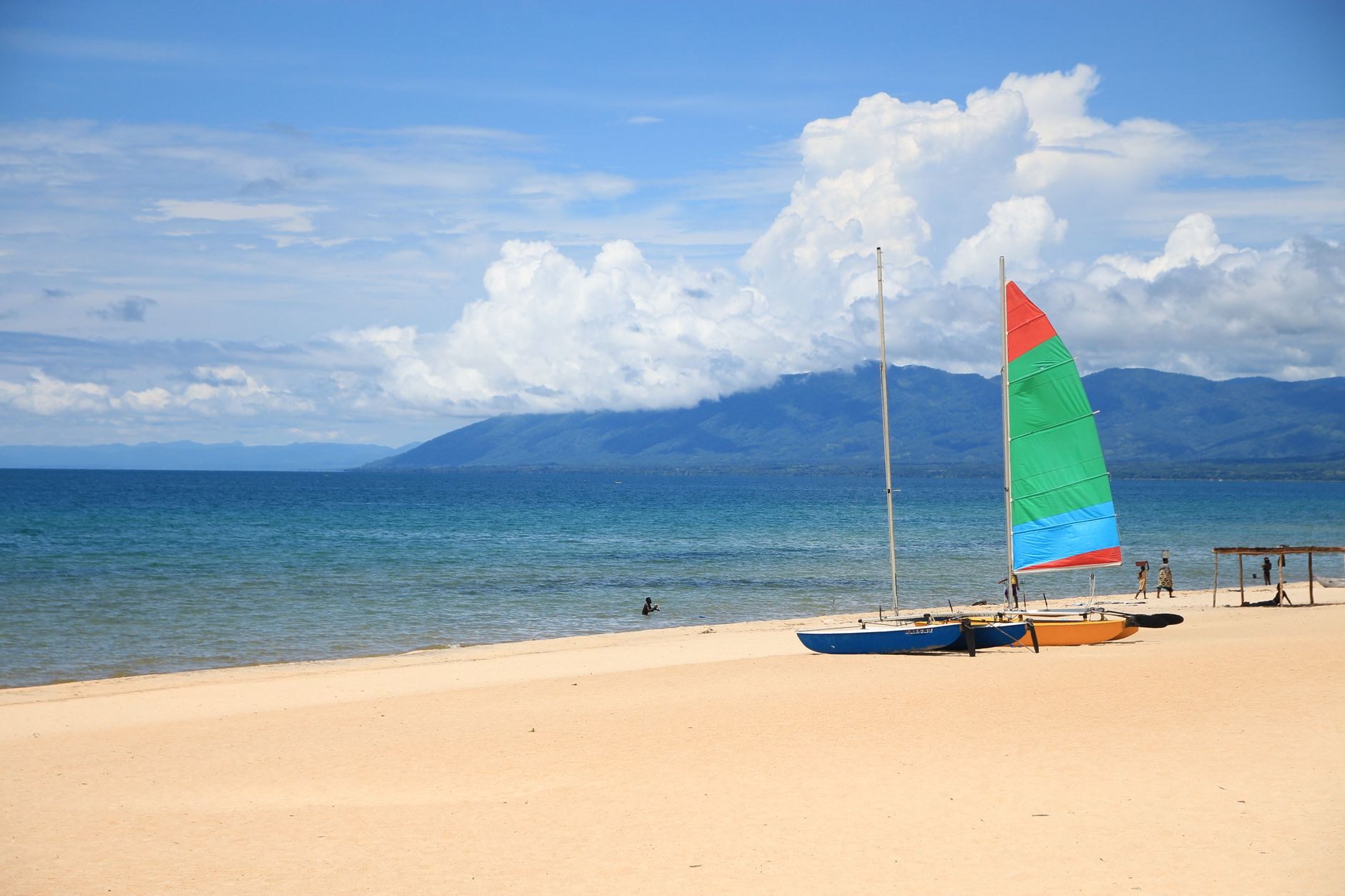
Continue south on Day 2 past the historic town of Mangochi to Cape Maclear (locally called Chembe), located at the tip of the Nankumba Peninsula within Lake Malawi National Park. Inscribed as a UNESCO World Heritage site in 1984, this was the first freshwater national park in the world established specifically to preserve aquatic biodiversity. Unlike deep, oceanic waters, the rocky bays and offshore granite islands here are crystal clear, calm, and free of strong currents.
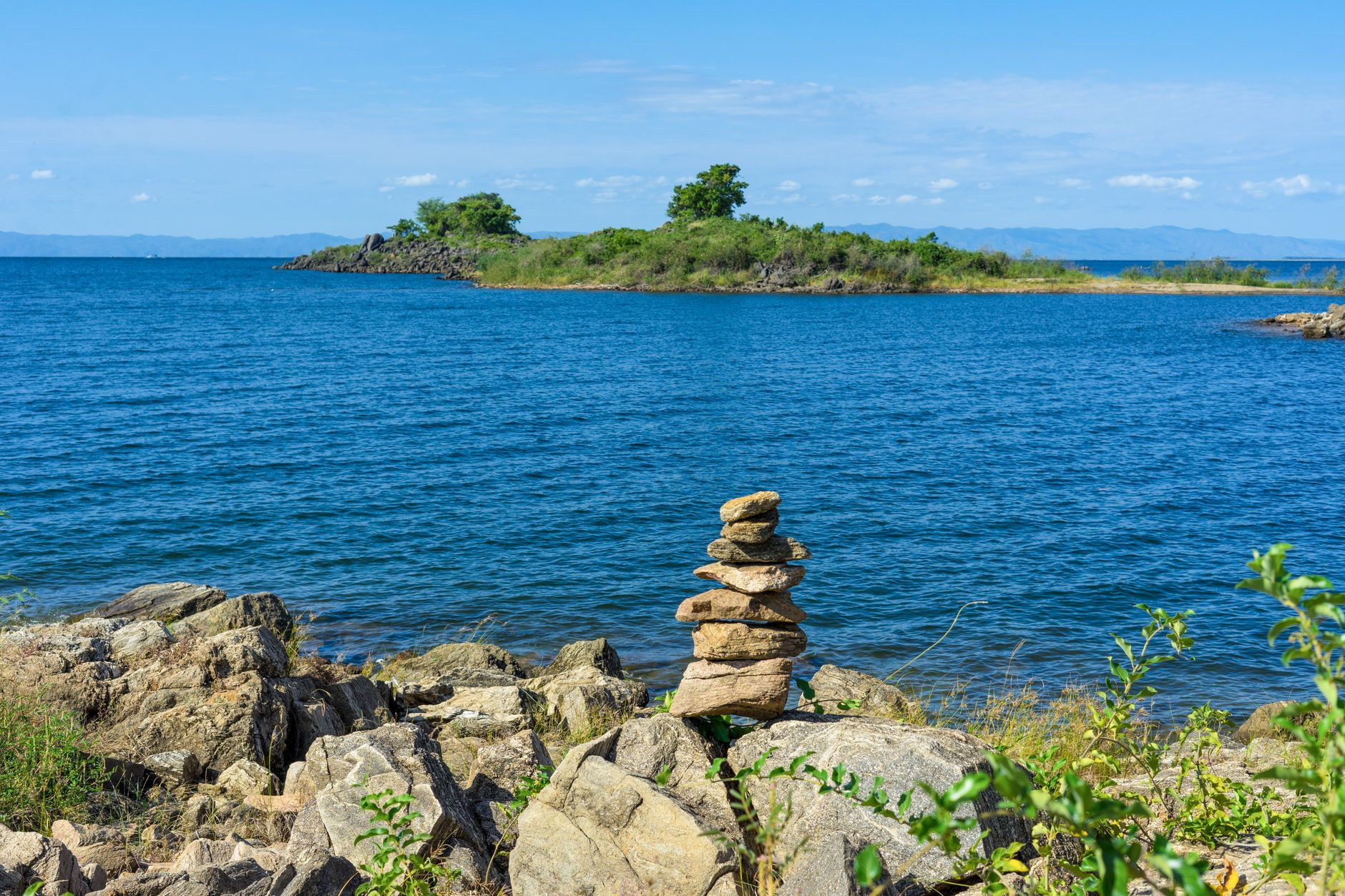
Check into a lakeside lodge where thatched chalets open directly onto golden sand. In the afternoon, board a traditional wooden catamaran or sailing dhow to cruise the tranquil bay. Lake Malawi contains more fish species than any other lake on earth, with over a thousand distinct species belonging to the cichlid family, known locally as *mbuna* (rock-dwellers). Slip into the warm water with a mask and snorkel around the submerged granite boulders of Thumbi West Island: hundreds of brightly colored cichlids in electric blues, sunny yellows, and deep striped purples swarm peacefully around you, feeding on algae in water as transparent as a swimming pool.
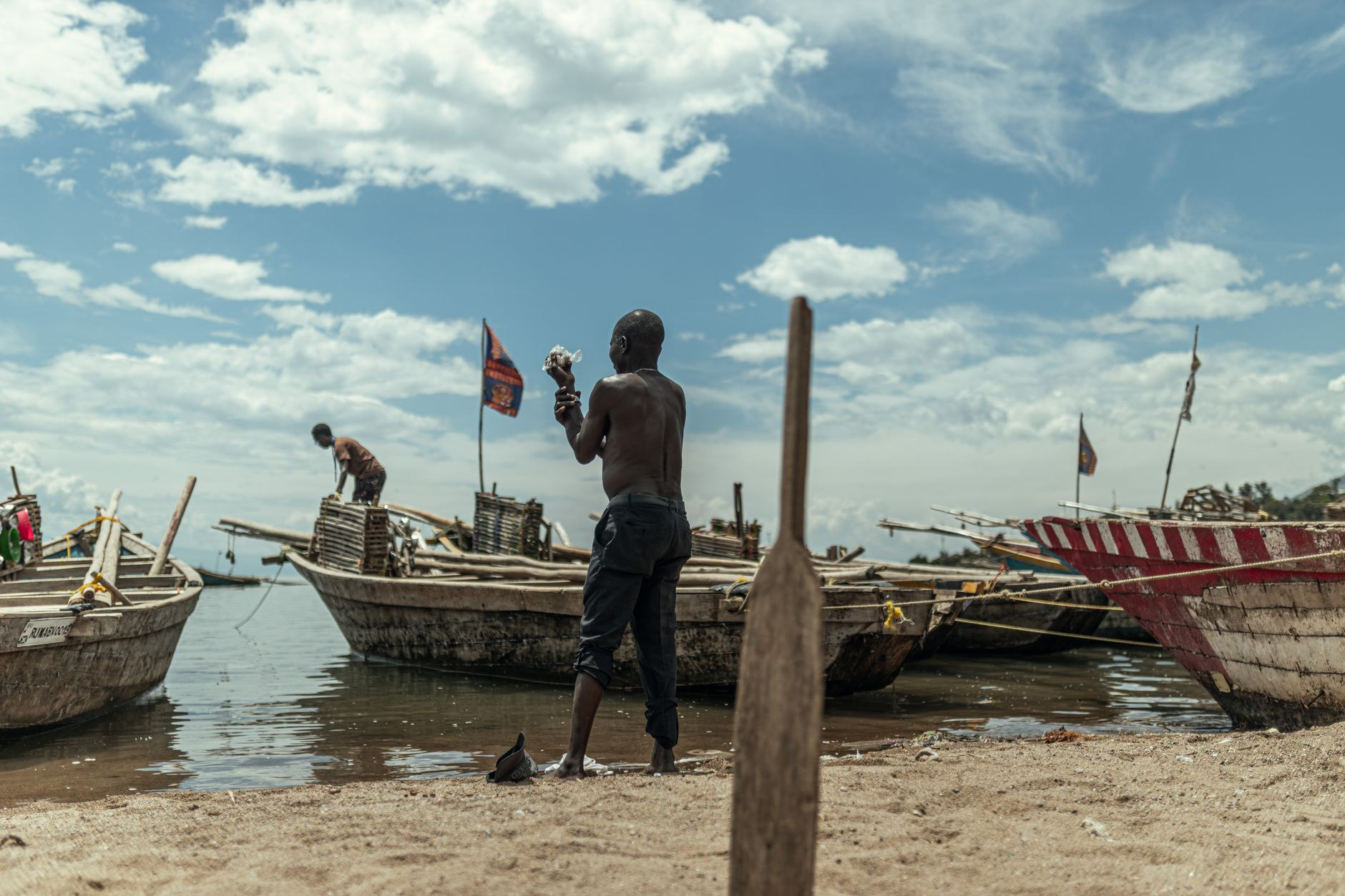
On Day 3, rise early to watch local fishermen launch their slender wooden dugout canoes (*bwato*) onto the mirrored lake. Take a guided walking trail around Otter Point, where smooth granite slabs meet deep water and African clawless otters can occasionally be spotted playing in the surf. Conclude your day on the beach, watching the sunset dip behind the purple mountains across the bay while fish eagles cry from the high acacia trees.
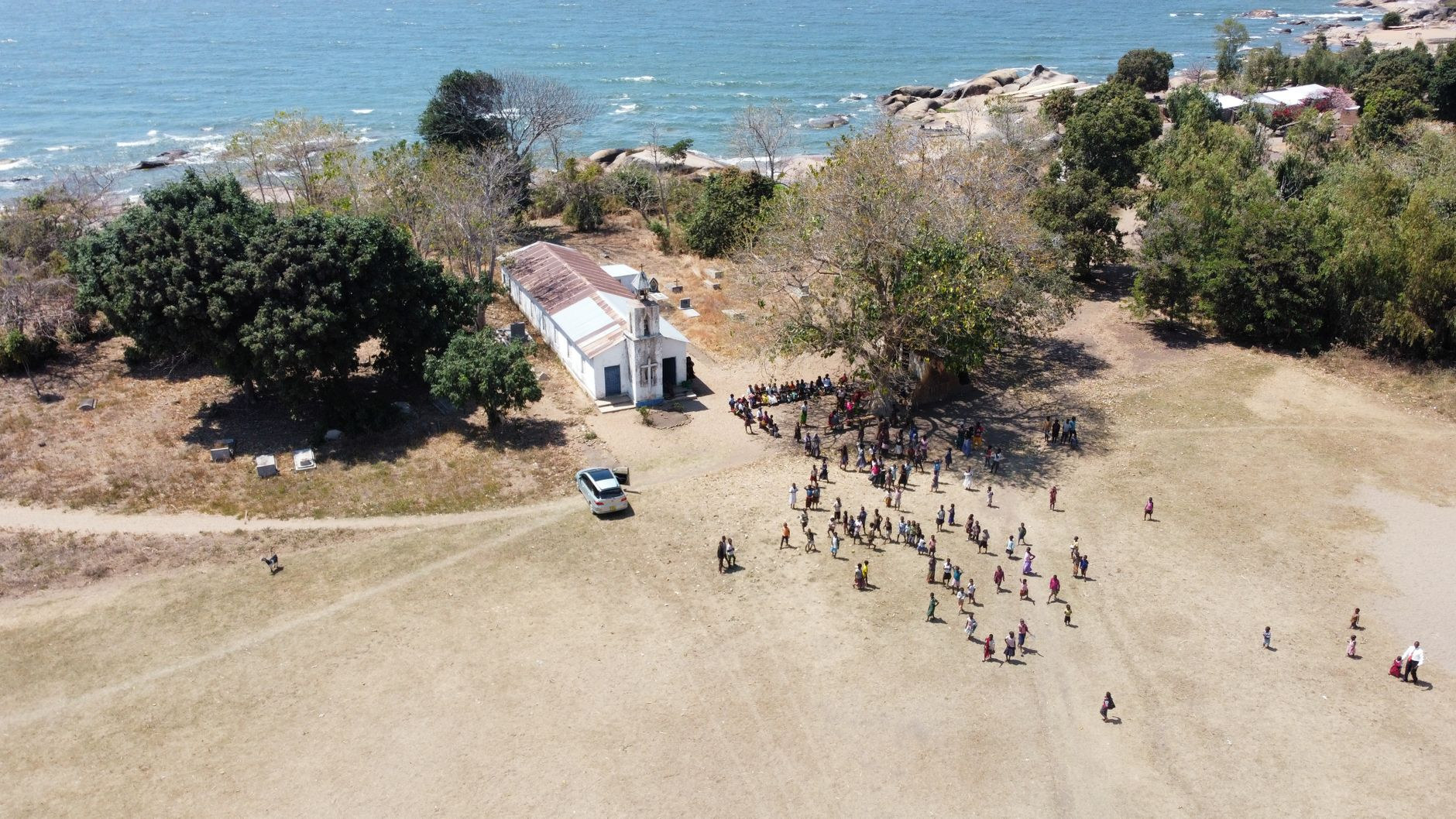
Days 4 to 5: Liwonde National Park — River Safaris and Conservation Triumphs
On Day 4, leave the lake shore and drive south for three and a half hours to Liwonde National Park, flanking the wide Shire (pronounced *Shee-ray*) River, the only outlet flowing out of Lake Malawi into the Zambezi. Two decades ago, Liwonde was plagued by rampant commercial poaching. Today, under the progressive management of conservation non-profit African Parks in partnership with Malawi’s Department of National Parks and Wildlife (DNPW), Liwonde has undergone a miraculous ecological renaissance, transformed into a premier Big Five wildlife sanctuary.
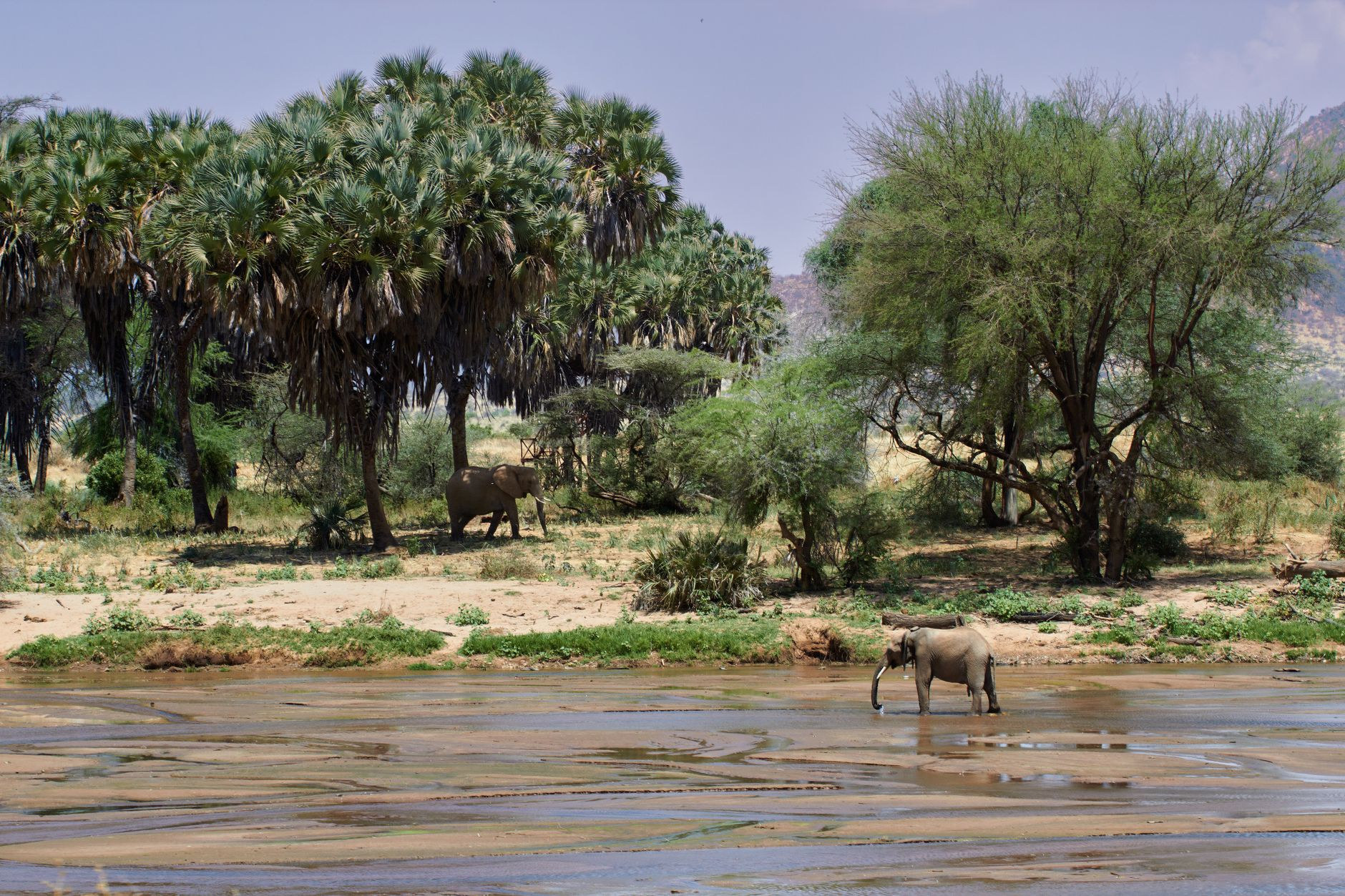
The defining highlight of Liwonde is its riverboat safaris. Board a flat-bottomed safari boat to cruise the reed-lined channels of the Shire River. Pods of hippopotamuses wallow in the shallows, while crocodiles bask along the muddy banks. Along the water’s edge, herds of African elephants gather to drink, splash, and swim across the current, their trunks raised like snorkels above the water.
Liwonde is also an avian paradise, home to over four hundred bird species. Watch African fish eagles dive to snatch catfish, while jewel-like Malachite kingfishers dart between reeds. On Day 5, participate in an afternoon 4WD game drive into the mopane woodlands to track restored populations of cheetahs, lions, black rhinos, and large herds of waterbuck and sable antelope.
Days 6 to 8: Zomba Plateau, Highland Heritage, and the Return to Lilongwe
On Day 6, ascend into the southern Malawian highlands toward the Zomba Plateau, an imposing table-top mountain rising to two thousand meters above sea level. In the nineteenth century, Zomba served as the capital of the British Central Africa Protectorate, leaving a legacy of colonial administrative buildings and sprawling botanical gardens. As your 4WD climbs the winding mountain road, the heat of the river valley gives way to refreshing, pine-scented mountain breezes and tumbling streams.
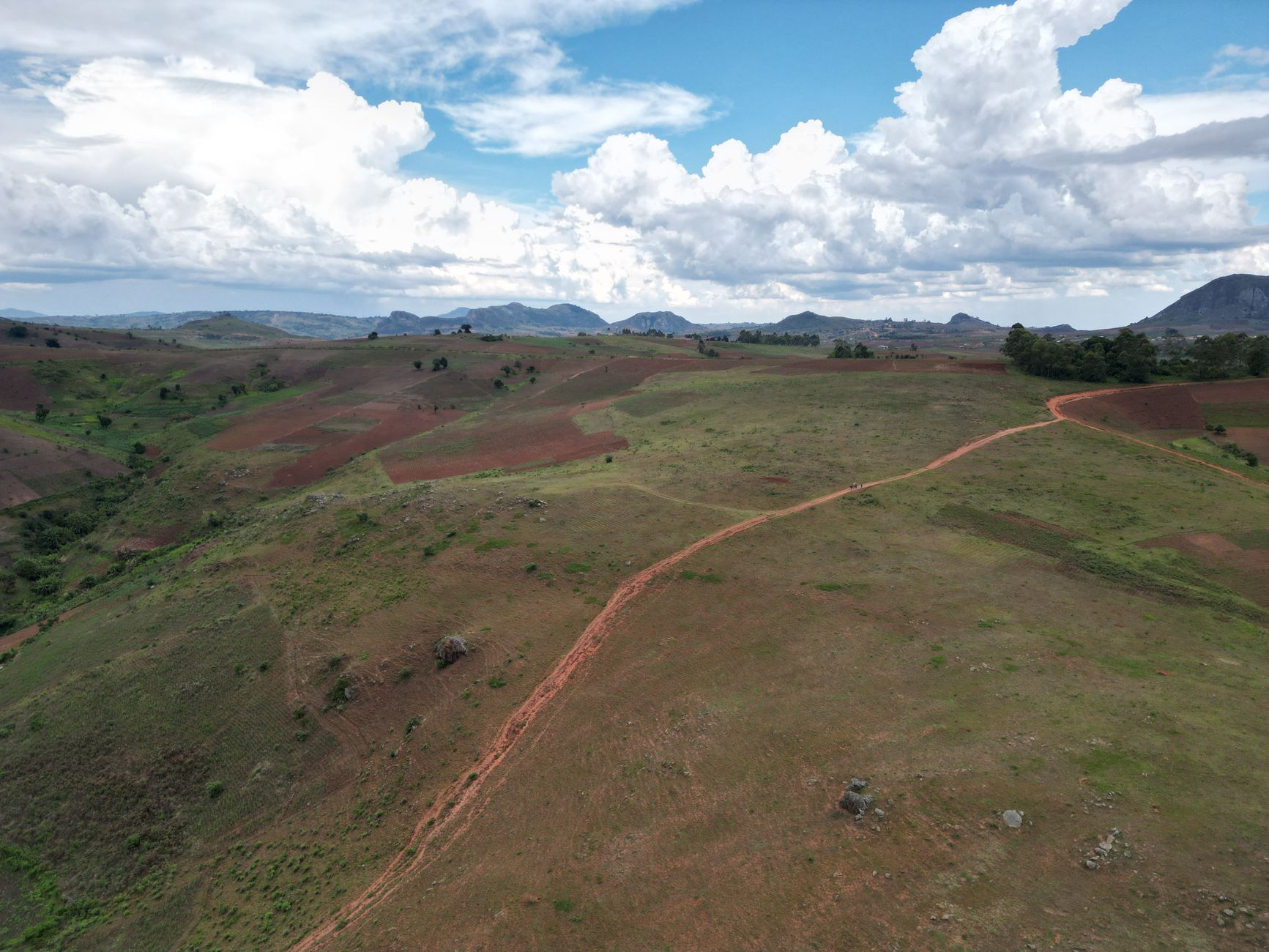
Explore the plateau’s walking paths leading to Emperor’s View and Queen’s View. On clear days, the cliff edge offers dramatic views stretching across the Phalombe plains all the way to Mount Mulanje, southern Africa’s highest peak. Spend the evening in a mountain lodge beside a log fire, enjoying fresh mountain trout and cool highland air.
On Day 7, begin your return journey northwest along the M1 toward Lilongwe. Make a cultural stop at Dedza, the highest town in Malawi at sixteen hundred meters. Visit the famous Dedza Pottery workshops to observe potters shaping tableware from local clay, and enjoy lunch on the terrace. Nearby lies the Chongoni Rock Art Area, a UNESCO World Heritage site featuring ancient rock art painted by Batwa hunter-gatherers and Chewa agriculturalists.
Arrive in Lilongwe on the morning of Day 8. Visit the Lilongwe Wildlife Centre, a tranquil sanctuary in the heart of the city providing rehabilitation for rescued baboons, vervet monkeys, and servals. Before heading to Kamuzu International Airport for your departure flight, stop at the Old Town Craft Market to browse intricate hand-carved wooden chief’s chairs, ebony animal figurines, and woven baskets.
Malawian Gastronomy: Chambo Tilapia and Nsima Traditions
Malawian dining revolves around *nsima*, a thick, comforting porridge crafted by vigorously stirring fine white maize flour (*ufa woyera*) into boiling water over an open wood fire until it forms a dense, smooth paste. Scooped into neat oval patties (*zibwada*), nsima is eaten with the hands: diners break off a portion, knead it into an indentation with their thumb, and use it to scoop up flavorful meat, fish, and vegetable relishes (*ndiwo*).
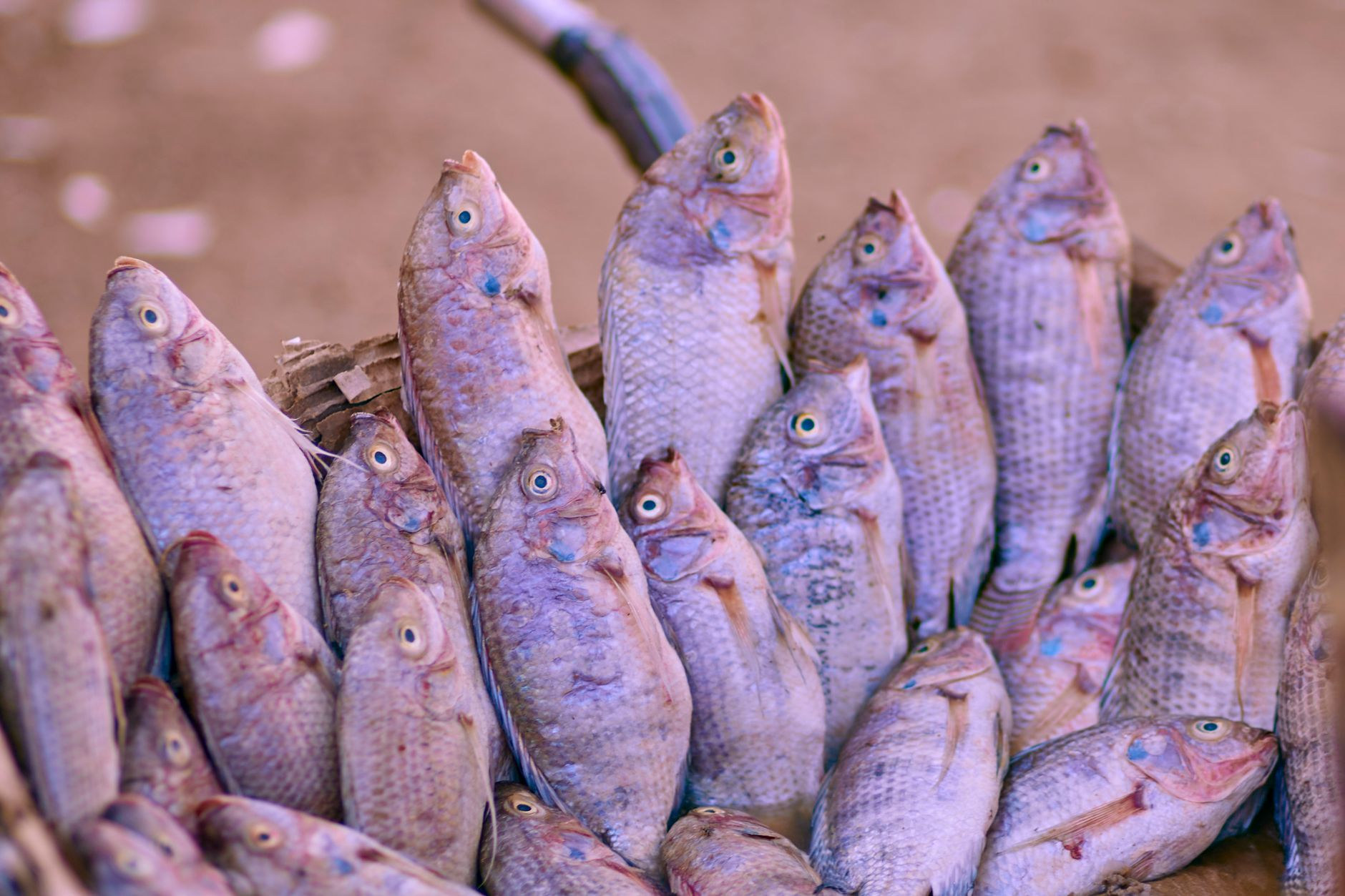
The culinary crown jewel of the nation is *Chambo* (specifically *Oreochromis lidole*), a delicate, sweet-fleshed tilapia endemic to Lake Malawi. Fresh Chambo is traditionally scored, lightly seasoned with salt and lemon juice, and grilled over charcoal or pan-fried with tomatoes and onions. Served alongside hot nsima and steamed pumpkin leaves cooked in crushed peanut powder (*nkhwani wotendera*), it is one of southern Africa’s most memorable meals.
For street snacks, look for *mandasi*, fluffy deep-fried yeast dough squares resembling beignets, perfect with morning spiced tea. In the northern lake shores, you may encounter *kondowole*, a porridge made from fermented cassava starch, eaten with fresh fish stew. Wash down your meal with an ice-cold bottle of Carlsberg Green—brewed locally in Blantyre since 1968—or refreshing Kuche Kuche lager.
Mobile Connectivity: Traversing the Lake and Safari Corridors with eSIM
Remaining connected while navigating Malawi’s rural road network is vital for Google Maps navigation, coordinating safari lodge transfers, and maintaining safety along isolated highways. While Wi-Fi is available in upscale safari camps, signal strength is often sluggish and restricted to central dining pavilions.
The telecommunications infrastructure in Malawi is led by Airtel Malawi, which operates the country’s most reliable and extensive 4G LTE network, covering the M1 and M5 highways, Cape Maclear, and national park perimeters. In contrast, smaller networks often experience total signal dropouts once you leave metropolitan Lilongwe and Blantyre.
Purchasing a physical SIM card locally upon arrival at Kamuzu Airport is a cumbersome process involving long queues, mandatory biometric passport registration, and purchasing paper airtime recharge vouchers with local cash. Physical SIMs purchased at informal street kiosks often face sudden deactivation if national SIM registry verifications fail.
The modern, reliable solution is deploying a digital NXTL Malawi Travel eSIM before departure. NXTL connects automatically to Airtel Malawi’s rapid LTE network at transparent pay-as-you-go data rates of $6.32/GB. Because your data credit never expires, you avoid the waste of rigid 7-day or 14-day bundles. Unused credit stays available for later trips across more than 180 countries. Activate your eSIM profile via a simple QR code scan before boarding your flight, ensuring instant connectivity the moment your plane lands in Lilongwe.
Five Local Scams, Traps, and Practical Pitfalls to Avoid
- Beach Boy and Unverified Boat Captain Advance Scams at Cape Maclear: While walking along the beach in Chembe village, freelance touts known as “beach boys” will approach offering discounted snorkeling excursions, private catamaran cruises to Thumbi West, or beach barbecues, demanding a large cash deposit upfront to “buy fuel and food.” The tout frequently disappears, leaving the traveller stranded without a boat or recourse. Prevention: Book water excursions exclusively through your established beach lodge, or hire an accredited community boat captain carrying an official Lake Malawi National Park guide card. Never hand cash deposits to unverified youths on the beach.
- Black Market Currency Exchange Sleight-of-Hand in Lilongwe: Street touts near the Old Town post office and Lilongwe bus station actively whisper offers of exchange rates significantly higher than commercial banks for US dollars. However, street exchangers frequently pass counterfeit Kwacha banknotes, fold 5,000-Kwacha notes in half to count them twice, or short-count large bundles of low-denomination cash. Prevention: Exchange foreign currency exclusively at official bank branches (such as National Bank of Malawi or Standard Bank) or authorized foreign exchange bureaus (*bureaux de change*). Count your Kwacha carefully before leaving the teller counter.
- Corrupt Traffic Police Spot Fines on the M1 and M5: Police checkpoints are frequent along national highways. While most officers are professional, some will inspect foreign rental vehicles looking for technical excuses—such as claiming that rental contract paperwork is incomplete, demanding an “international vehicle inspection certificate,” or alleging unverified speeding—and insist on an immediate cash fine. Prevention: Ensure your rental company provides a valid vehicle license disc, third-party insurance certificate, reflective breakdown triangles, and a fire extinguisher. Always wear your seatbelt and obey speed limits (especially the 50 km/h zones through rural villages). If an officer demands cash, politely request an official written government traffic ticket (*Traffic Infringement Notice*) to be paid at the nearest police station; corrupt requests will almost always dissolve.
- Fake Community Conservation Fees outside Park Gates: Outside the access roads to Liwonde National Park and Cape Maclear, informal individuals will erect makeshift wooden barriers across dirt tracks and claim to collect a mandatory “village transit levy” or “local community wildlife tax” of 10 to 20 USD from foreign drivers. Prevention: Legitimate conservation entry fees are collected exclusively at official African Parks or DNPW entrance boom gates, where printed receipts are issued. Politely explain that you will pay all official park and community fees directly at the main park reception gate.
- Souvenir Curio Price Inflation and Export Traps: Roadside woodcarving stalls along the M5 and M1 display beautifully carved wooden masks and walking sticks. However, initial asking prices for tourists are often inflated five- to ten-fold. Furthermore, certain stalls sell items carved from indigenous hard-woods like red mahogany or cedar that require official forestry export permits to take out through Kamuzu Airport customs. Prevention: Negotiate courteously with good humor, aiming for thirty to forty percent of initial asking prices. Avoid purchasing carvings made from endangered indigenous timber, and keep vendor receipts for airport customs clearance.
Practical Etiquette and Safari Packing Checklist
Showing respect for local customs will ensure heartfelt hospitality throughout your journey:
Cultural Courtesy and Greetings: Malawians are exceptionally polite. Rushing directly into a transaction or question without greeting is considered impolite. When meeting someone, begin with a warm *Muli bwanji?* (How are you?) in Chichewa; the standard response is *Ndilino, kaya inu?* (I am fine, and you?). When handing money or receiving an item, use your right hand while supporting your right forearm with your left hand—an ancient gesture indicating that you bring no hidden weapons and offer total respect.
Modest Dress in Rural Communities: While beach attire is standard at Cape Maclear resorts, rural Malawian culture is conservative. Women should keep knees and shoulders covered when walking through local villages, towns, and markets; wrapping a colorful traditional fabric sarong (*chitenje*) around your waist is widely appreciated. Men should avoid walking shirtless outside beach swimming zones.
Safari and Travel Packing Essentials: Pack neutral clothing (khaki, tan, olive) for Liwonde game drives, avoiding bright blue and black clothing which attract tsetse flies in woodland areas. Pack high-DEET insect repellent, a safari hat, sunglasses, and a headlamp for safari camps that switch off generators overnight. Finally, carry ample small-denomination Kwacha banknotes (500, 1,000, and 2,000 MWK notes), as credit card facilities are nonexistent along rural lake roads.