Mali occupies a profound position in West African history and world culture. As the heartland of legendary medieval empires—Ghana, Mali, and Songhai—the territory along the great bend of the Niger River fostered monumental earthen architecture, venerable centers of Islamic scholarship, and an extraordinary lineage of musical and textile craftsmanship. For generations of cultural scholars and dedicated travelers, Mali represented the quintessential Sahelian crossroads.
Today, prospective travelers must approach Mali with rigorous realism and sharp geographical discernment. Protracted conflict, regional political volatility, and active insurgencies in the northern and central provinces have fundamentally transformed the security landscape. Diplomatic services across Western nations—including the British Foreign, Commonwealth & Development Office and the United States Department of State—advise unequivocally against all travel to the vast majority of the country, citing severe threats of armed violence and kidnapping targeting foreign nationals.
Conventional tourism across iconic heritage sites such as Timbuktu, Gao, the Bandiagara Escarpment, and the ancient mud-brick mosques of Djenné and Mopti is entirely unviable under present conditions. However, for authorized researchers, diaspora families, diplomatic missions, and experienced regional professionals, the southwest corridor—anchored by the capital city of Bamako, the historic riverside town of Ségou, and the Manding plateau—remains accessible with disciplined operational planning. This guide outlines the structural realities, cultural etiquettes, transportation strategies, and connectivity tools required to navigate this southern zone responsibly.
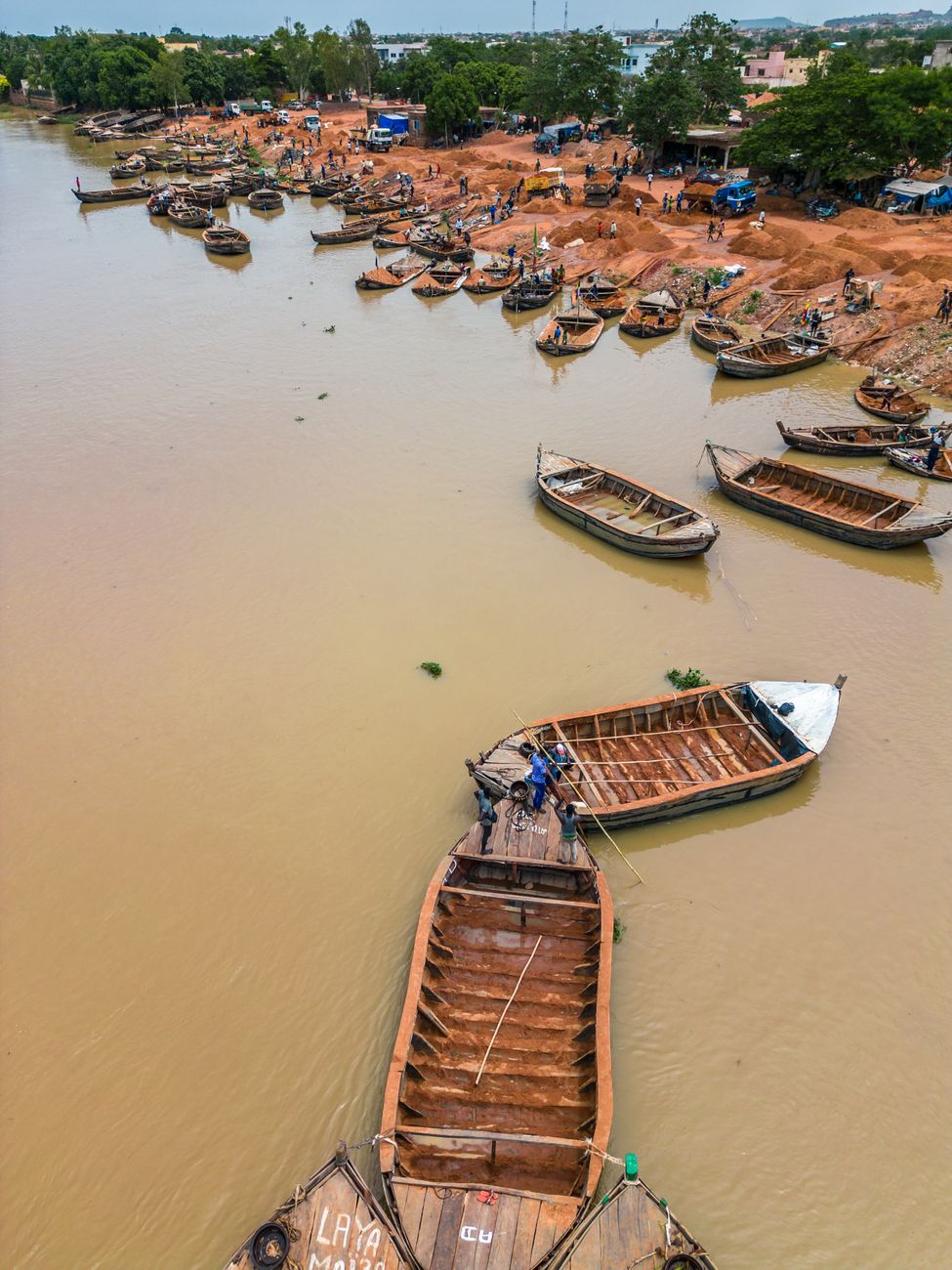
Understanding where safe travel begins and ends is the single most important decision when considering a journey to Mali. Clear geographical boundaries determine whether a trip is manageable or perilous.
Geographic Realities: Safe Southern Corridors vs. Prohibited Zones
Mali is a vast territory spanning over one point two million square kilometers, stretching from the lush Sudanian savanna in the south to the hyper-arid depths of the Sahara Desert in the north. The security environment varies sharply across these geographical belts, and treating the country as a uniform operational environment is a critical mistake.
The prohibited zone encompasses all northern provinces (Timbuktu, Gao, Kidal, Taoudénit, Ménaka) and central Mali (Mopti, Djenné, Sévaré, Douentza, and Dogon Country). These areas experience active insurgencies by militant coalitions (JNIM and ISGS), intercommunal violence, and severe kidnapping risks targeting foreigners. Highway transit through these sectors is subject to armed ambushes. Independent journeys should not be attempted under any circumstances.
Conversely, the relatively secure operational zone is confined to the extreme southwest of the country. This includes the autonomous district of Bamako, the Koulikoro region, the Manding plateau around Siby, and the agricultural and cultural corridor extending east along Route Nationale 7 (RN7) to Ségou. While this southern belt remains stable under regular Malian administrative and police control, travelers must still maintain heightened vigilance, utilize vetted local drivers, avoid unmonitored night transit, and respect security checkpoints.
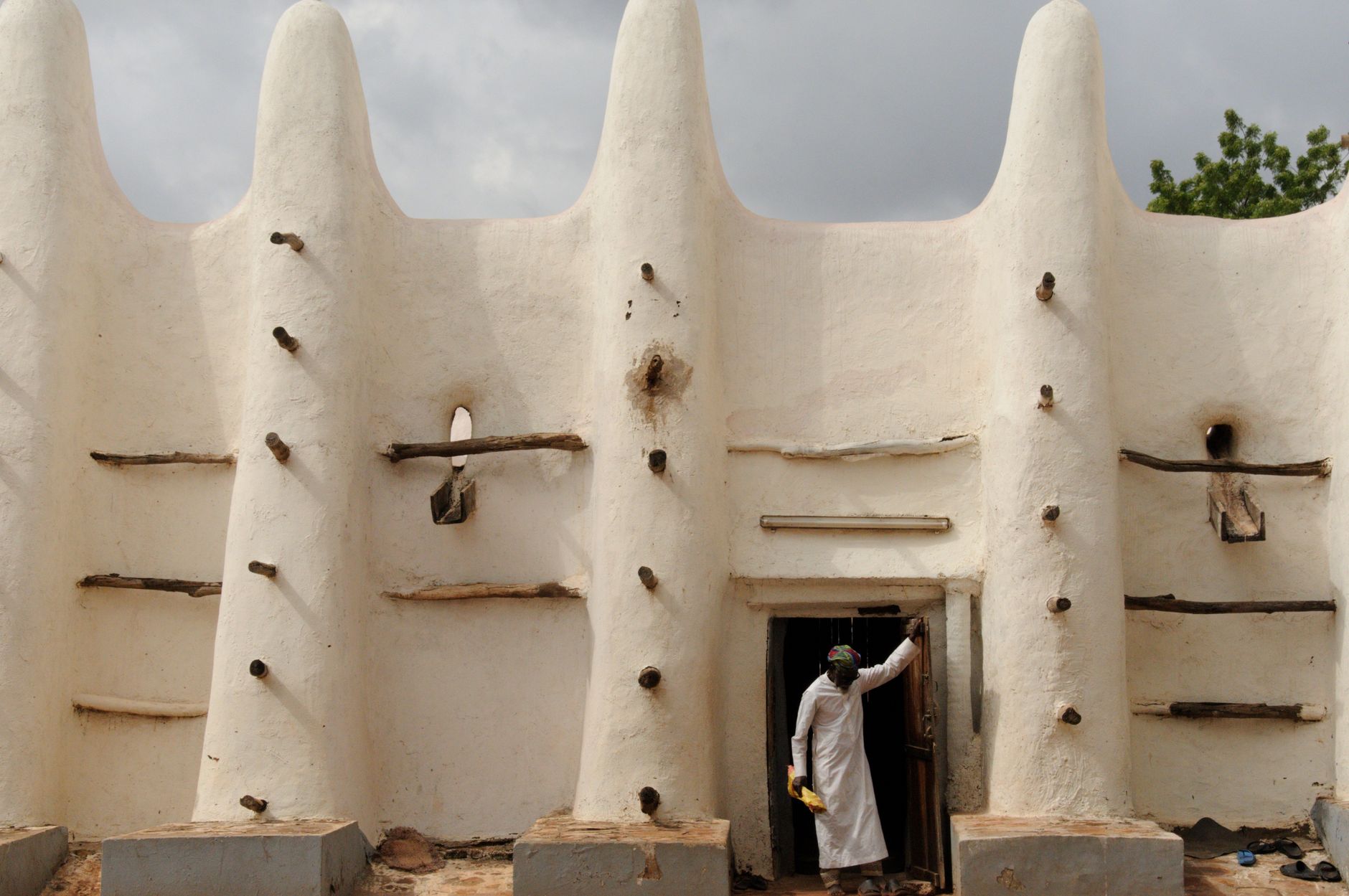
By confining movement exclusively to this monitored southern perimeter, authorized visitors can engage with Mali’s living cultural traditions without exposing themselves to the severe security risks prevalent in the north.
Entry Requirements, Consular Visas & Health Regulations
Entering Mali requires meticulous bureaucratic preparation well before departing for West Africa. Visa issuance on arrival is generally not available for ordinary passport holders landing at international ports of entry.
Travelers must obtain a consular visa through a Malian embassy or consulate prior to departure. Visa applications require a passport valid for six months, two photos, flight confirmations, hotel vouchers or an official invitation (*certificat d’hébergement*) certified in Bamako, and consular fees. Allow three to four weeks for processing, as diplomatic posts regularly submit files to security authorities in Bamako for clearance.
Health protocols are enforced strictly at Modibo Keïta International Airport (BKO), located in Sénou, fifteen kilometers south of central Bamako. Presentation of an official International Certificate of Vaccination (Yellow Card) proving valid yellow fever immunization is a mandatory legal requirement for all arrivals over nine months of age. Port health inspectors examine cards systematically; travelers lacking proof will face mandatory vaccination on site or entry refusal.
In addition to yellow fever, travelers should take rigorous medical precautions against malaria, which is hyperendemic throughout Mali. Carry a full course of prescribed antimalarial prophylaxis (such as atovaquone-proguanil or doxycycline), apply high-potency DEET insect repellent, and ensure routine immunizations—including hepatitis A and B, typhoid, and meningitis (MenACWY)—are completely up to date.
Navigating Bamako: Culture, Markets & Urban Orientation
Bamako is a sprawling, energetic metropolis straddling both banks of the Niger River. Built within a natural amphitheater framed by the Manding hills to the north, the capital is the administrative, commercial, and artistic powerhouse of the nation.
Urban orientation centers on distinct quarters along the river. The north bank hosts the commercial center, Grand Mosque, and Médine artisan quarter. To the northeast, the rocky ridge of Point G offers panoramic vistas across the capital and the Niger River. The south bank contains major diplomatic and commercial zones, including Badalabougou and ACI 2000, where international hotels, embassies, and business facilities are clustered.
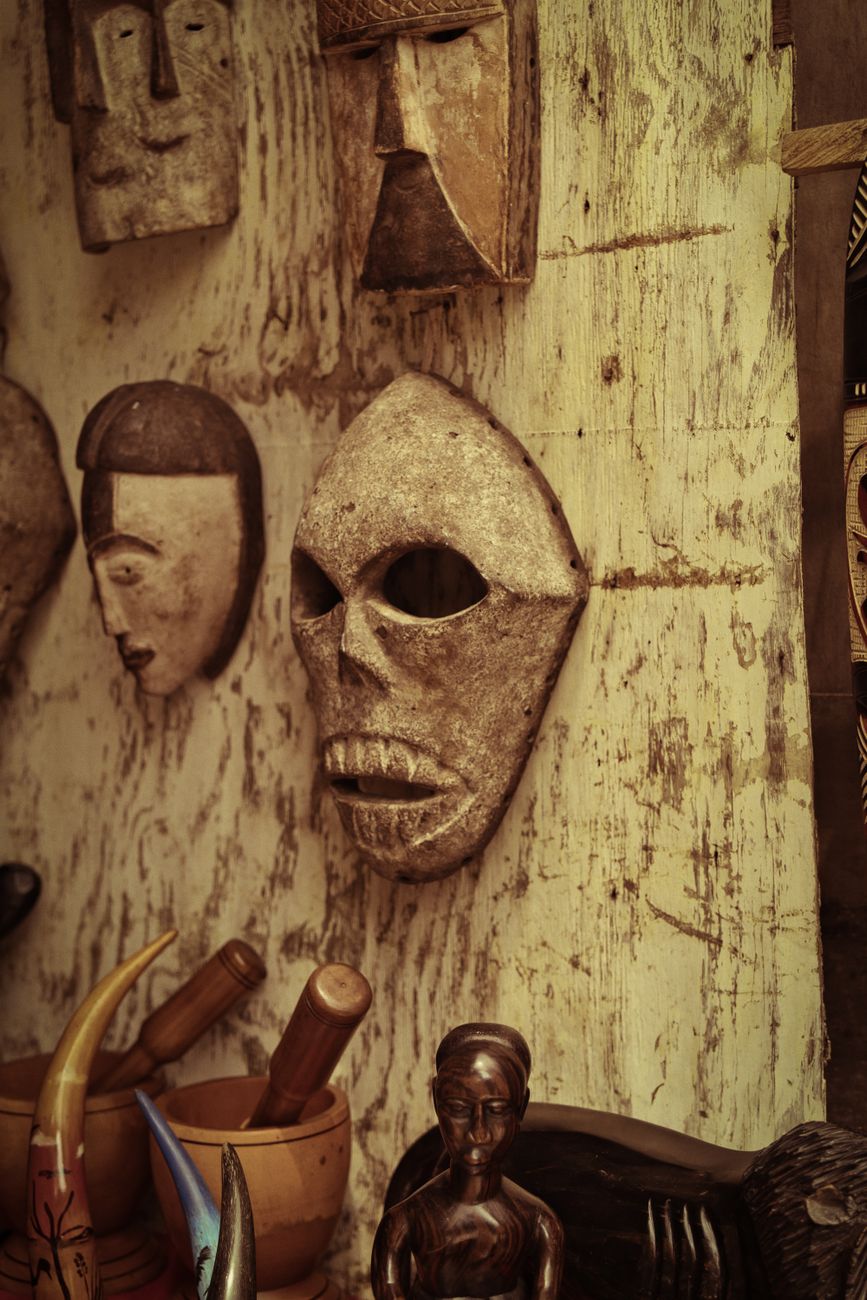
A cultural visit to Bamako should begin at the Musée National du Mali (National Museum of Mali), widely considered one of West Africa’s finest ethnographic institutions. Housed in elegant traditional mud-brick inspired structures within the peaceful Parc National du Mali, the museum showcases exquisite collections of ancient terracotta sculptures, Dogon and Bambara ritual wood carvings, traditional musical instruments, and antique woven textiles documenting the empire’s diverse ethnic heritages.
In the evenings, Bamako comes alive with world-renowned musical traditions. The capital has produced some of the African continent’s greatest musicians, from Salif Keita and Ali Farka Touré to Oumou Sangaré and kora master Toumani Diabaté. Attending live acoustic performances at venues such as Le Diplomate, Institut Français, or neighborhood cultural spaces provides profound insight into the living artistry of the Manding civilization.
The Ségou Cultural Belt: Mud Cloth, Terracotta & River Life
For visitors wishing to experience Mali outside the capital, the historic town of Ségou represents the premier cultural destination within the secure travel zone. Located approximately two hundred and forty kilometers northeast of Bamako along the paved Route Nationale 7, Ségou was the eighteenth-century capital of the formidable Bambara Kingdom.
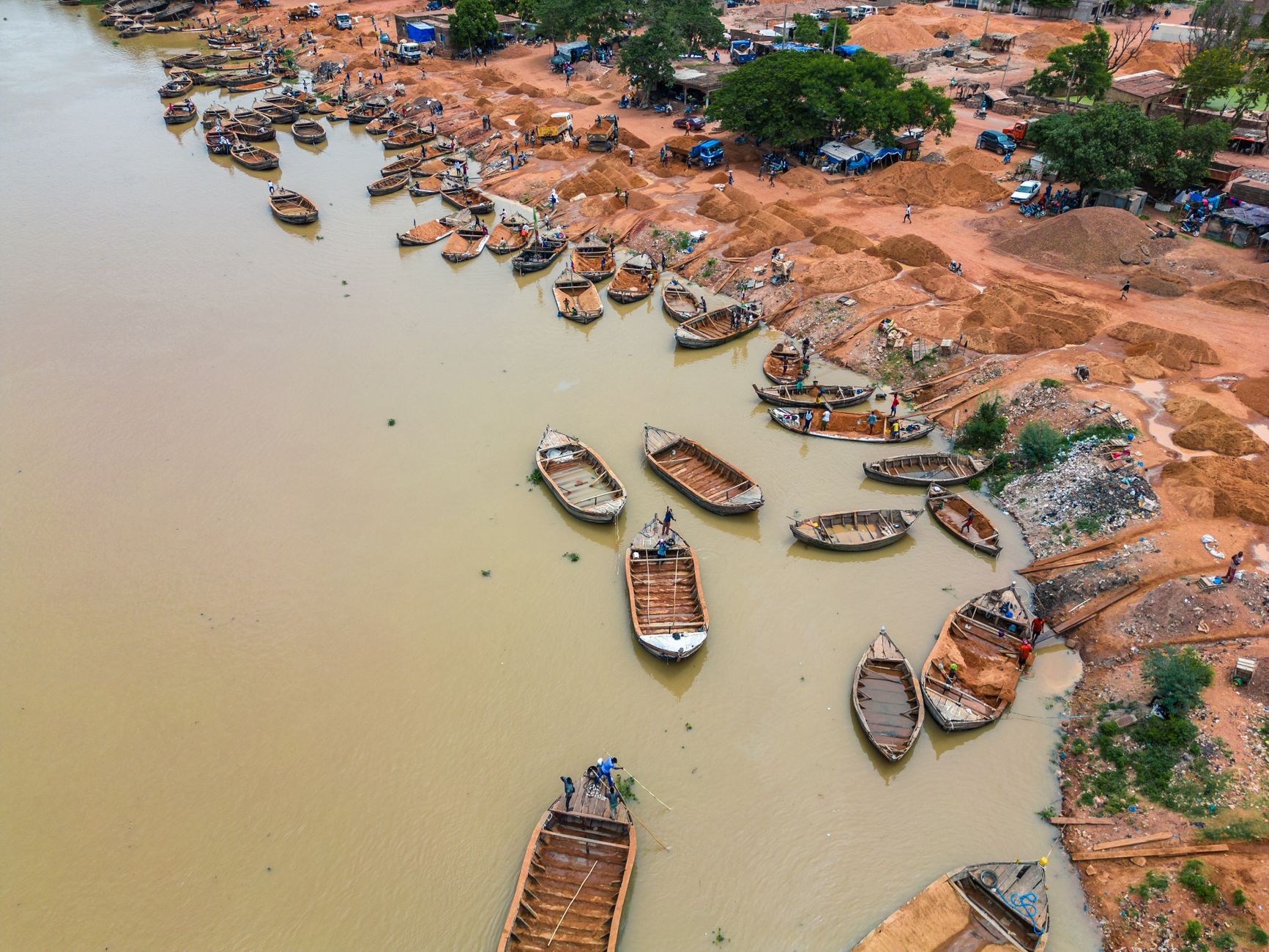
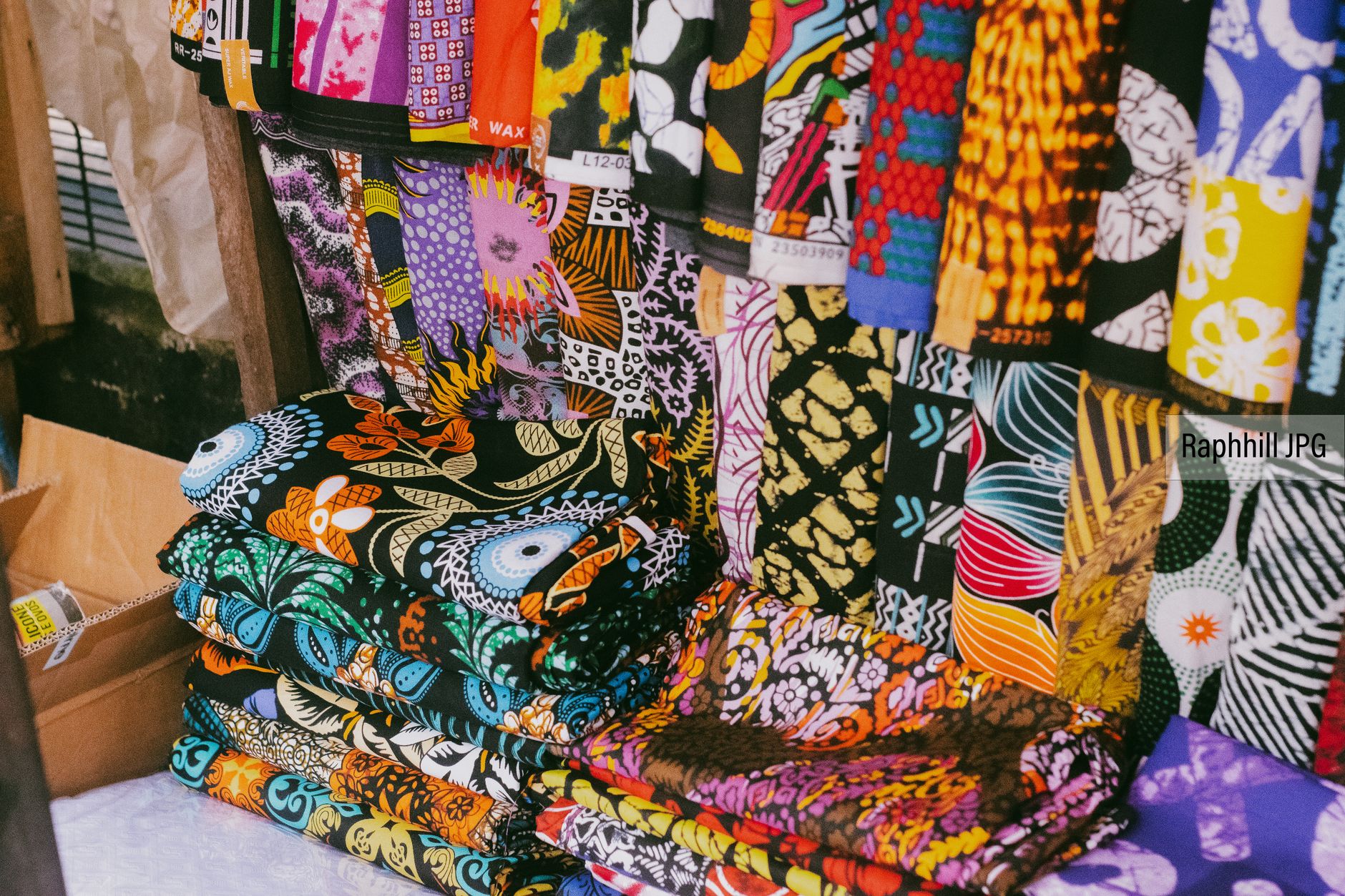
Ségou provides a peaceful contrast to Bamako’s intensity. Situated along the southern bank of the Niger under centuries-old balanzan trees, the town features red-clay colonial architecture and renowned artisan quarters. Ségou is celebrated for bògòlanfini (traditional Bambara mud cloth). In open-air workshops, artisans apply fermented river mud and plant dyes onto handspun cotton, creating geometric patterns that convey cultural stories.
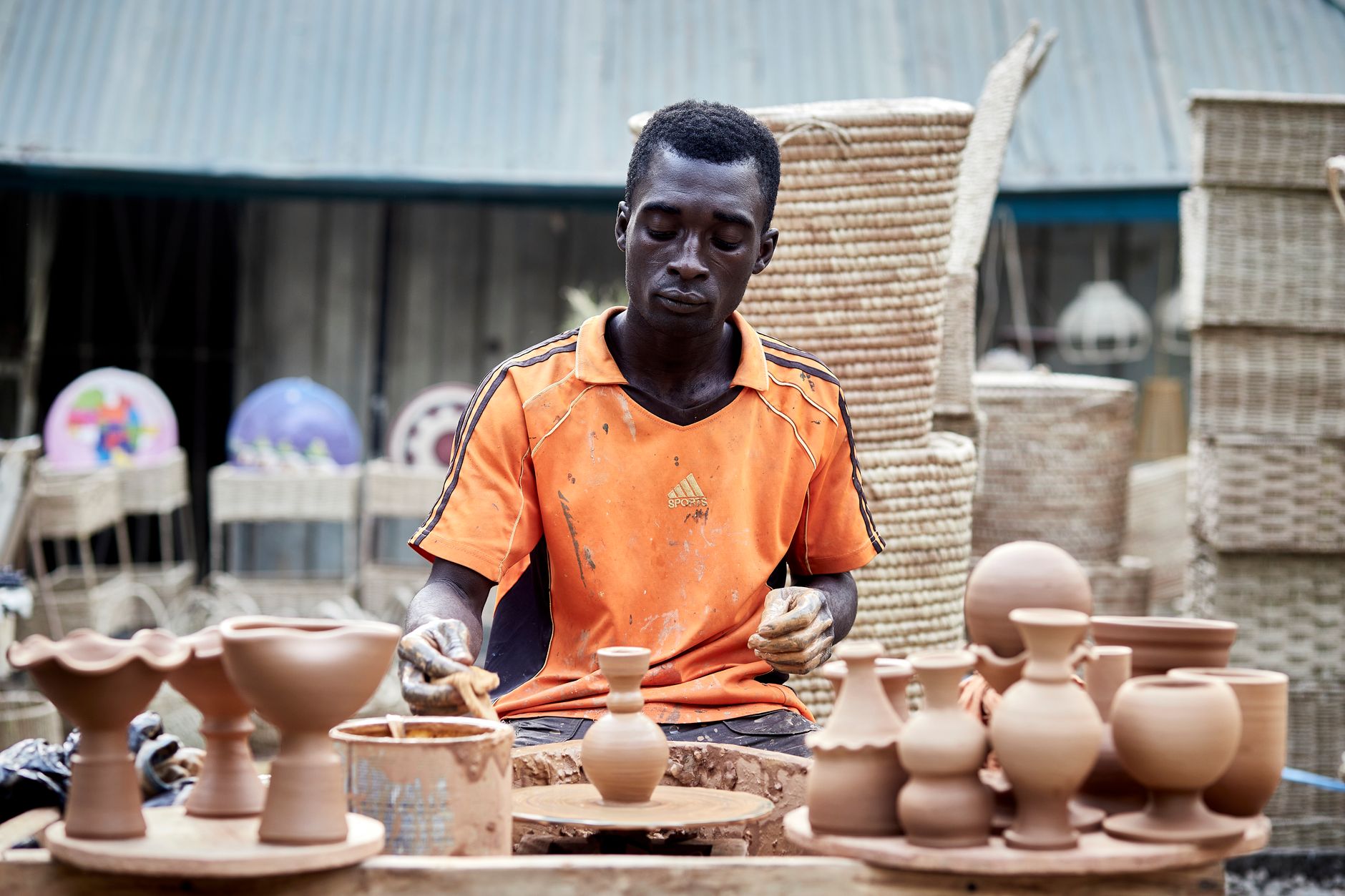
A signature excursion from Ségou is crossing the Niger by wooden pirogue to the pottery village of Kalabougou. Here, female artisans sustain an ancient earthenware tradition, hand-shaping water jars and cooking pots from river clay without potters’ wheels. On weekends, the community fires hundreds of vessels together in open straw kilns, demonstrating remarkable communal craftsmanship.
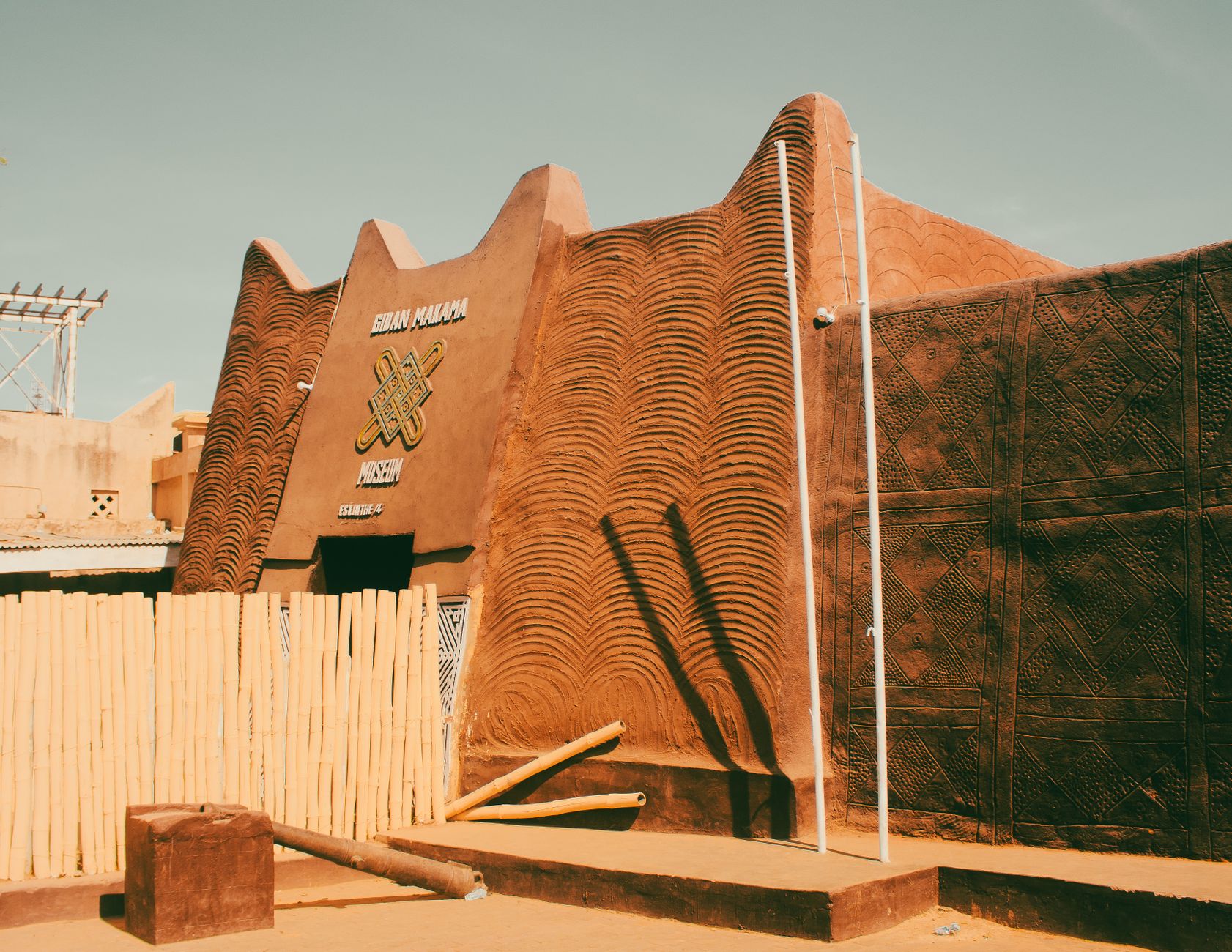
Just ten kilometers upstream from modern Ségou lies Ségou-Koro, the ancient village founded by King Biton Coulibaly in the early 1700s. Walking through Ségou-Koro’s narrow earthen lanes reveals the modest mud tomb of King Biton and an elegant eighteenth-century mud mosque overlooking the quiet riverbank.
The Southern Cultural Route: A Seven-Day Operational Itinerary
For travelers authorized to operate in southern Mali, this structured seven-day itinerary balances cultural exploration, artisan encounters, and logistical safety within the monitored perimeter.
Begin with two nights in Bamako. Spend your first morning touring the National Museum and botanical gardens, ascending Point G in the afternoon before exploring artisan woodcarvers near the Grand Mosque. On day three, travel east along RN7 to Ségou in under four hours. Settle into a riverside auberge and explore the colonial quarter and mud-cloth workshops.
Day four covers Kalabougou’s pottery village by pirogue and historic Ségou-Koro. On day five, drive southwest toward the Manding plateau to explore Siby’s natural Kamadjan arch and local blacksmith ateliers, returning to Bamako for your final two nights.
| Stage / Geographic Base | Overnight Location | Cultural & Historical Focus | Primary Transport Mode | Realistic Transit Time | Security & Booking Protocol |
|---|---|---|---|---|---|
| Days 1–2: Capital Heritage | Bamako (ACI 2000 / Badalabougou) | National Museum of Mali, Point G scenic ridge, artisan markets, live Manding music | Private chauffeured 4×4 / Taxi | 30–45 min urban transfers | Pre-book secure international hotel; avoid night street walking |
| Days 3–4: Bambara Riverside | Ségou Riverfront | Bògòlanfini mud cloth ateliers, colonial balanzan waterfront, Kalabougou pottery pirogue excursion | Chauffeured 4×4 via RN7 | 3.5–4 hours (240 km) | Daylight travel only; carry passport for gendarmerie checkpoints |
| Day 5: Manding Plateau | Siby or Bamako Base | Arch of Kamadjan, sacred grottoes, traditional blacksmith workshops, red-earth savanna | Chauffeured 4×4 via RN5 | 1.5 hours from Bamako (50 km) | Engage accredited local Manding community guide in Siby |
| Days 6–7: Urban Artisan Logistics | Bamako Base | Marché de Médine, craft export clearances, sunset Niger River cruise, departure flight | Private chauffeured vehicle | 45 min airport transfer | Reconfirm flight 24h prior; arrive at BKO 3 hours before departure |
Every leg of this overland itinerary relies on private chauffeured vehicles. Public bush taxis (*bâchés* and *sotramas*) are overcrowded, mechanically unpredictable, and frequently targeted for petty extortion at rural checkpoints.
Financial Logistics: Cash Reliance, CFA Francs & Mobile Money
Navigating the economy in Mali requires practical adaptation to an overwhelming cash culture. Despite the presence of modern bank branches in Bamako, international payment networks have very limited penetration across the broader economy.
The official currency is the West African CFA Franc (currency code XOF), issued by the Central Bank of West African States (BCEAO). The CFA Franc is pegged to the Euro at a guaranteed fixed exchange rate of approximately 655.957 XOF per Euro. Because of this structural peg, Euros are the universally preferred foreign currency for cash exchange. US Dollars are also accepted at major commercial banks in Bamako, but exchange counters often apply discounted rates to smaller denominations or older bill printings.
Major hotels like the Radisson Collection and Azalaï accept Visa cards for lodging. Outside these properties, cards are rarely usable. Bank ATMs (Ecobank, BDM-SA, BOA) dispense CFA Francs against Visa debit cards in central Bamako, but outages and cash shortages occur frequently, while Mastercard acceptance remains sparse.
For daily expenses, restaurant meals, transport, and artisan shopping, travelers must carry adequate physical CFA Franc banknotes. Request small denominations (1,000, 2,000, and 5,000 XOF notes), as merchants routinely struggle to provide change for 10,000 XOF bills. For domestic retail transactions, Orange Money represents the dominant electronic payment platform. Many local shops, restaurants, and private drivers prefer payment via mobile transfer over paper currency.
Cultural Etiquette, Language & Social Customs
Malians are renowned for their extraordinary hospitality and elaborate codes of social decorum, known in Bambara as *Danbé* (honor and self-worth) and *Jatigiya* (the art of hosting guests). Navigating daily interactions with cultural sensitivity unlocks genuine warmth and mutual respect.
While French is the official administrative language of government and business, Bambara (*Bamanankan*) is the true lingua franca of southern Mali, spoken or understood by over eighty percent of the population. In Malian society, greetings are not casual courtesies—they are sacred social obligations. Launching into a business question, asking for directions, or inquiring about a price without first completing a formal greeting is considered profoundly rude.
Mastering basic Bambara greetings will transform your interactions. Greet people in the morning with *”I ni sogoma”* (Good morning) and in the afternoon with *”I ni wula”* (Good afternoon). Inquire about their health and family with *”I ka kéné?”* (How are you?), to which the standard response is *”Tana t’i la”* (No trouble / I am well) or *”Kéné”* (Well). When thanking someone, say *”I ni tché”*. Always offer greetings before initiating any commercial transaction.
Mali is a predominantly Muslim country with deeply ingrained traditional social values. Dress modestly in all public environments: both men and women should ensure shoulders and knees are covered. Avoid overt displays of public affection. When giving or receiving money, gifts, or food, always use your right hand; the left hand is reserved for personal hygiene and is considered disrespectful in social exchanges.
Field Connectivity: Orange Mali LTE & Communications Infrastructure
Maintaining reliable mobile connectivity is an indispensable operational requirement when traveling in Mali. Continuous data access is essential for route monitoring, security check-ins, language translation, and driver coordination.
The telecommunications market in Mali is dominated by two primary network operators: Orange Mali, the clear market leader in network infrastructure and coverage, and Moov Africa Malitel, the state-affiliated incumbent. Orange Mali operates the nation’s most extensive cellular grid, delivering solid 4G/LTE connectivity across the entire Bamako metropolitan area, throughout Ségou, and along major transport corridors such as RN7. Rural areas outside these primary corridors generally transition to 3G or standard 2G voice connections.
While local physical SIM cards can be purchased from telecom retail agencies in downtown Bamako, the registration process is notoriously bureaucratic. Foreign visitors must queue at authorized carrier offices, present original passports, submit to biometric registration, and wait hours for manual network activation. Furthermore, local agency counters frequently experience system downtime or staff shortages.
Securing an Orange LTE eSIM for Mali through NXTL at $5.68 per gigabyte bypasses these airport bottlenecks entirely. Unused credit stays available for later trips across more than 180 countries. By downloading and configuring a digital eSIM profile before departure, your smartphone connects automatically to the high-speed Orange LTE network the moment your aircraft touches down at Modibo Keïta International Airport. This guarantees immediate communication for airport transfers, navigation, and hotel confirmations without sharing physical passport copies at informal roadside telecom stalls.
WhatsApp is the universal communication platform across both formal and informal sectors in Mali. From coordinating with your private chauffeur to arranging appointments with master textile artisans in Ségou, virtually all logistical correspondence occurs via WhatsApp voice and text messaging.
Five Critical Pitfalls and Security Realities to Navigate in Mali
Successfully navigating a journey through southern Mali requires strict adherence to security protocols and operational precautions. Avoid these five major pitfalls:
- Venturing North or East of Ségou into High-Risk Red Zones: Under no circumstances should travelers attempt to visit Mopti, Djenné, Dogon Country, or northern provincial centers like Timbuktu and Gao. These territories face active insurgency, severe kidnapping threats against foreigners, and armed highway ambushes that local authorities cannot control.
- Undertaking Intercity Highway Travel After Nightfall: Driving between Bamako and Ségou or navigating rural routes in the dark poses extreme risks of armed highway banditry (*coupeurs de route*), unmarked road hazards, broken-down heavy freight trucks, and unilluminated livestock. All intercity transit must occur strictly during daylight hours.
- Photographing Military Personnel, Police Checkpoints, or Strategic Bridges: Pointing a camera or smartphone toward gendarmerie roadblocks, police officers, military compounds, or critical transport infrastructure—including the King Fahd and Martyrs bridges in Bamako—will result in immediate camera confiscation, aggressive interrogation, and potential detention by state security agents.
- Relying Exclusively on International Credit Cards or Foreign Bank ATMs: Outside major international hotels in Bamako, credit card processing is non-existent. ATMs frequently reject foreign cards or run completely out of cash on weekends. Always carry a substantial backup reserve of physical Euro cash for local bureau de change transactions.
- Dispensing with Formal Bambara Greetings Before Inquiring About Services: Rushing directly into pricing negotiations or asking for service without exchanging traditional polite greetings (*I ni sogoma*, *I ka kéné*) is perceived as an insult. Taking thirty seconds to exchange social pleasantries ensures mutual respect, friendlier service, and fairer negotiations.
By respecting geographical boundaries, traveling strictly with vetted local drivers during daylight, observing traditional social etiquettes, and maintaining dependable digital communications, visitors can safely appreciate the extraordinary cultural resilience and artistic majesty of southern Mali.