Malta packs more historical density into its 316 square kilometers than almost anywhere in Europe, yet first-time visitors routinely sabotage their trips with poor base selection. Staying in congested party districts like Saint Julian’s or remote northern beach compounds traps travelers in grinding bus traffic and overcrowded coastal ferries. An intelligent seven-day itinerary divides time between a historic Grand Harbour base (such as Valletta or Birgu in the Three Cities) and a quiet limestone village on the sister island of Gozo, delivering effortless transit, ancient megaliths, and world-class baroque art without the chaos.
The central planning puzzle in Malta is geographic compression combined with heavy urban road congestion. The central conurbation surrounding Marsamxett and Grand Harbours is densely populated, and public buses frequently crawl through traffic bottlenecks during morning and evening rush hours. By basing yourself directly on the Grand Harbour, you unlock rapid ten-minute passenger ferries to Sliema and the Three Cities, bypassing road congestion entirely. Transitioning to Gozo for the second half of the trip replaces urban density with terraced agricultural valleys, dramatic sea cliffs, and tranquil coastal villages.
Understanding Malta requires appreciating its seven millennia of human fortification. From Neolithic communities who erected freestanding stone temples centuries before the pyramids of Giza to the Sovereign Military Order of Saint John who withstood the Ottoman armada in 1565, the archipelago has always served as the maritime sentinel of the central Mediterranean. The seven-day route below provides a clear, practical strategy for exploring the main island and Gozo with maximum efficiency.
Strategic Route Architecture: The 7-Day Two-Base Circuit
Seven days is the ideal duration for a first visit to the Maltese archipelago, provided you divide your stay between two strategic hubs: four nights based in Valletta (or across the water in Birgu), followed by three nights in Victoria or a traditional stone farmhouse on Gozo. This structure keeps daily travel times under forty minutes and ensures you experience both islands during their quietest morning and evening hours.
| Day | Base | Key Stops & Cultural Sightseeing | Transit Mode | Transit Time | Advance Bookings Required |
|---|---|---|---|---|---|
| Day 1 | Valletta / Birgu | Arrive MLA, express taxi to base, sunset walk through Upper Barrakka Gardens, dinner along Republic Street. | Fixed-fare taxi | 20 min | Pre-paid airport taxi, boutique hotel. |
| Day 2 | Valletta / Birgu | St. John’s Co-Cathedral Caravaggio oratory, Grand Master’s Palace, afternoon passenger ferry to Birgu (Three Cities). | Walking & Ferry | 10 min ferry | St. John’s Co-Cathedral timed entry slot. |
| Day 3 | Valletta / Birgu | Day trip to medieval Mdina (Silent City), St. Paul’s Catacombs in Rabat, afternoon pastizzi tasting at Crystal Palace. | Bus / Ride-hail | 25 min each way | Heritage Malta catacombs admission. |
| Day 4 | Valletta / Birgu | Prehistoric Ħaġar Qim and Mnajdra temples, Blue Grotto viewpoints, seafood lunch in Marsaxlokk harbor. | Ride-hail / Bus | 30 min between sites | Ħaġar Qim & Mnajdra joint ticket. |
| Day 5 | Gozo (Victoria) | Gozo Fast Ferry from Valletta to Mġarr, transfer to Victoria, explore the medieval Cittadella ramparts. | Fast Ferry & Bus | 45 min ferry | Gozo Fast Ferry passenger ticket. |
| Day 6 | Gozo (Victoria) | Ġgantija Megalithic Temples, red sands of Ramla Bay, evening walk along Qbajjar coastal salt pans. | Local bus / Scooter | 20 min between stops | Ġgantija UNESCO site entry ticket. |
| Day 7 | Gozo / Departure | Dwejra Bay and Inland Sea boat ride, midday ferry back to main island, transfer to MLA airport for flight. | Bus & Ferry | 45m ferry + 35m drive | Return airport connection from ferry port. |
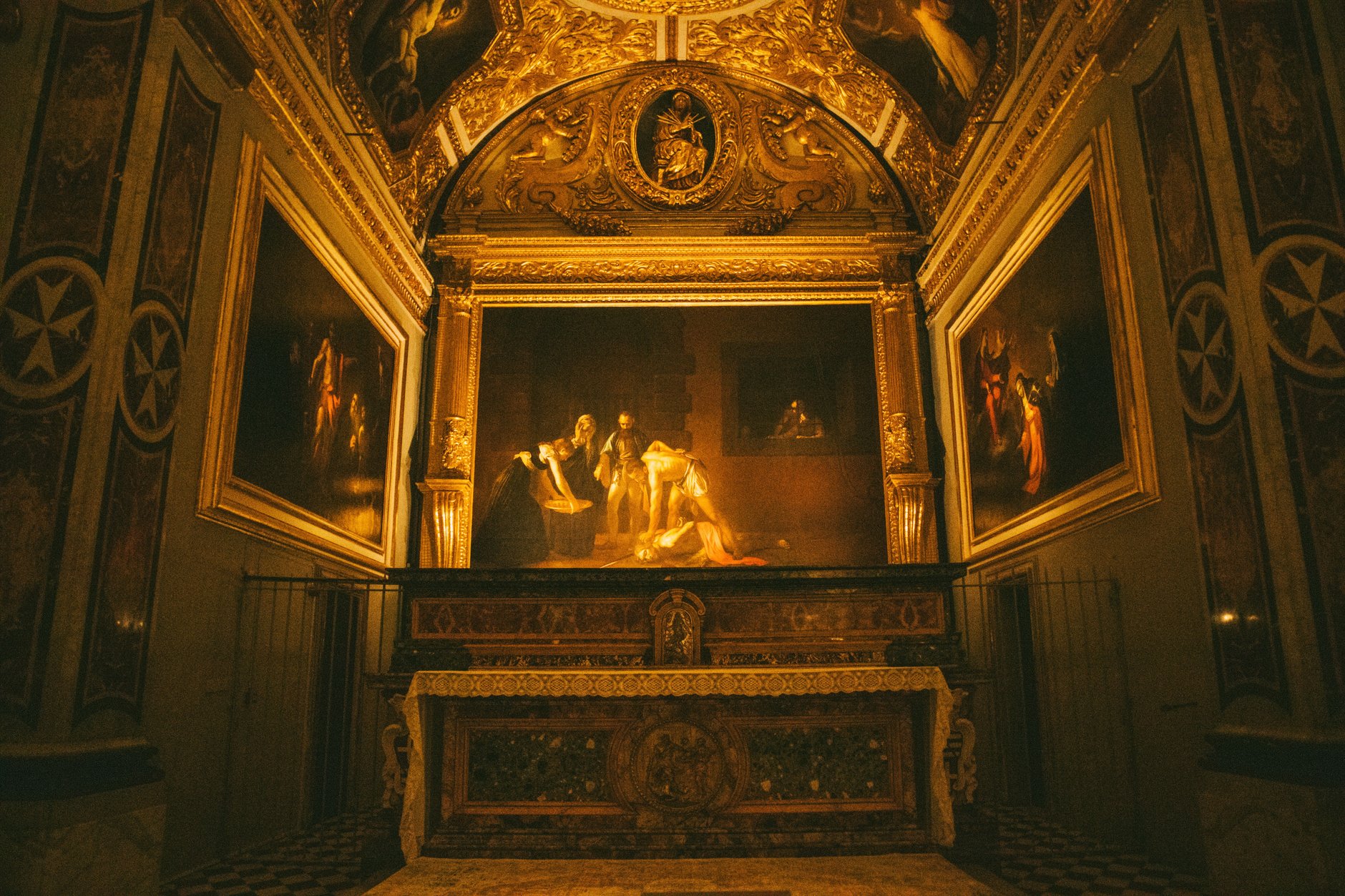
The pacing of this route deliberately places St. John’s Co-Cathedral on Day 2 in the morning. Group tour excursions typically arrive between 10:30 and 13:00, creating long queues on St. John’s Square. Arriving right when doors open at 09:00 allows you to view Caravaggio’s masterpiece in quiet contemplative solitude and inspect the intricate marble heraldic tombstones paving the cathedral floor without crowds jostling for position.
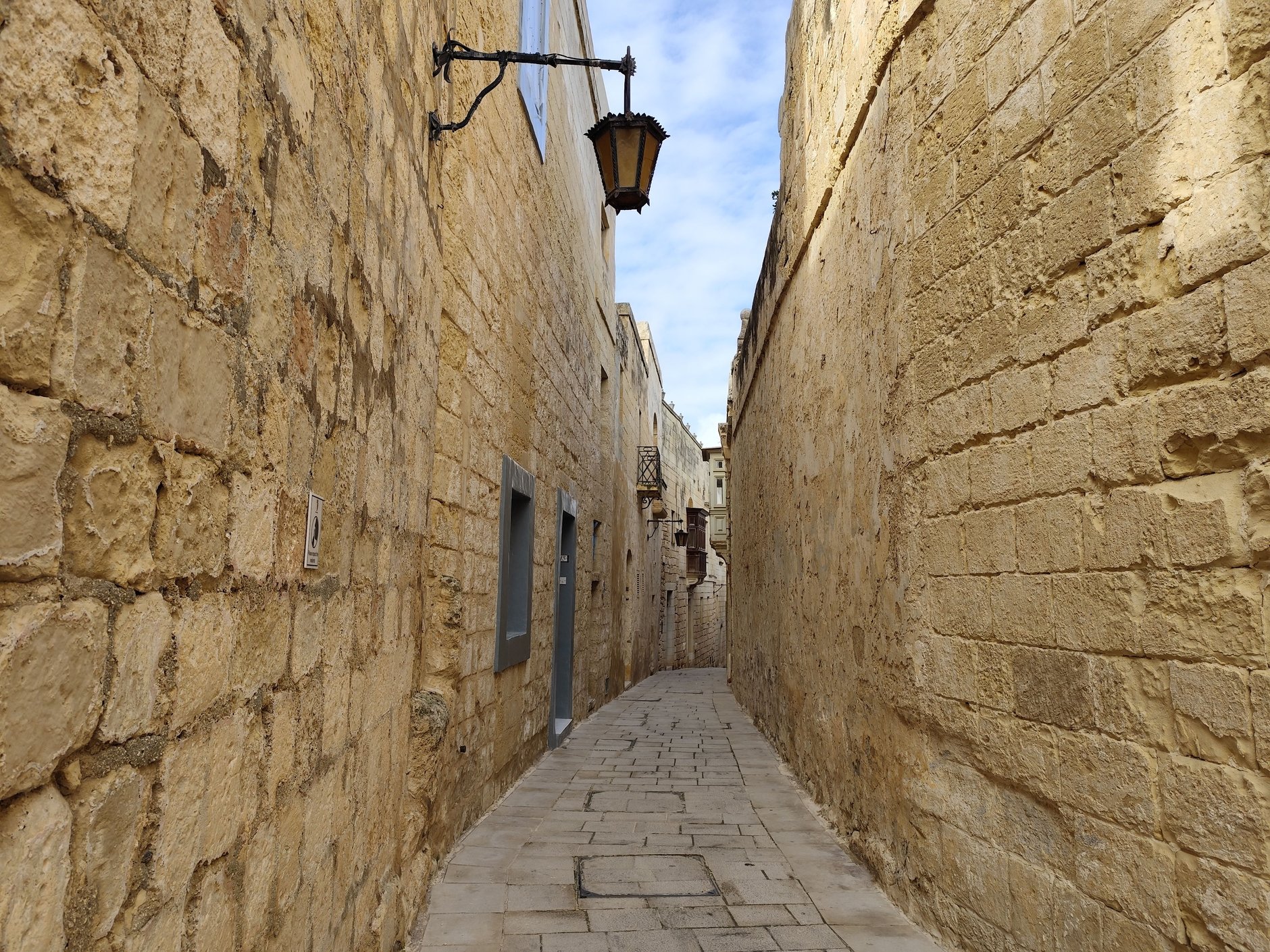
Choosing to spend three dedicated nights on Gozo rather than taking a rushed day-trip excursion is the single best decision you can make. Most visitors cram Gozo into a hurried seven-hour hop-on hop-off bus tour, spending most of their day in ferry queues. Staying overnight lets you experience Gozo’s laid-back rural rhythm after day-trippers depart, watching the sun dip into the sea from the ramparts of Victoria’s Cittadella and dining on fresh local goat cheeselet (*ġbejna*) in peaceful village piazze.
Valletta & The Three Cities: Bastions, Caravaggio and the Grand Harbour
Founded on the Sciberras peninsula following the epic siege of 1565, Valletta was designed by papal military engineer Francesco Laparelli as an impregnable fortress. Grand Master Jean Parisot de Valette envisioned “a city built by gentlemen for gentlemen.” Its rigid rectangular street grid was calculated to channel sea breezes while ensuring artillery batteries could sweep every alleyway.
The architectural crown jewel is St. John’s Co-Cathedral. While its severe limestone exterior resembles a fort, stepping through the portal reveals an opulent baroque interior, redesigned by Mattia Preti with gilded carvings and vault frescoes. The marble floor comprises nearly four hundred heraldic tomb slabs of noble knights, rendered in polychrome stone intarsia depicting skeletons, trumpets of fame, and knightly shields.
In the Oratory hangs Caravaggio’s monumental canvas, *The Beheading of Saint John the Baptist* (1608). Having fled Rome after killing a man in a brawl, Caravaggio sought refuge in Malta, where he was inducted as a Knight of Grace. This vast canvas is his largest masterpiece and the only work he ever signed—scrawling his name in the red blood spilling from the martyr’s neck. Opposite hangs his striking *Saint Jerome Writing*, capturing the saint in intense intellectual focus.
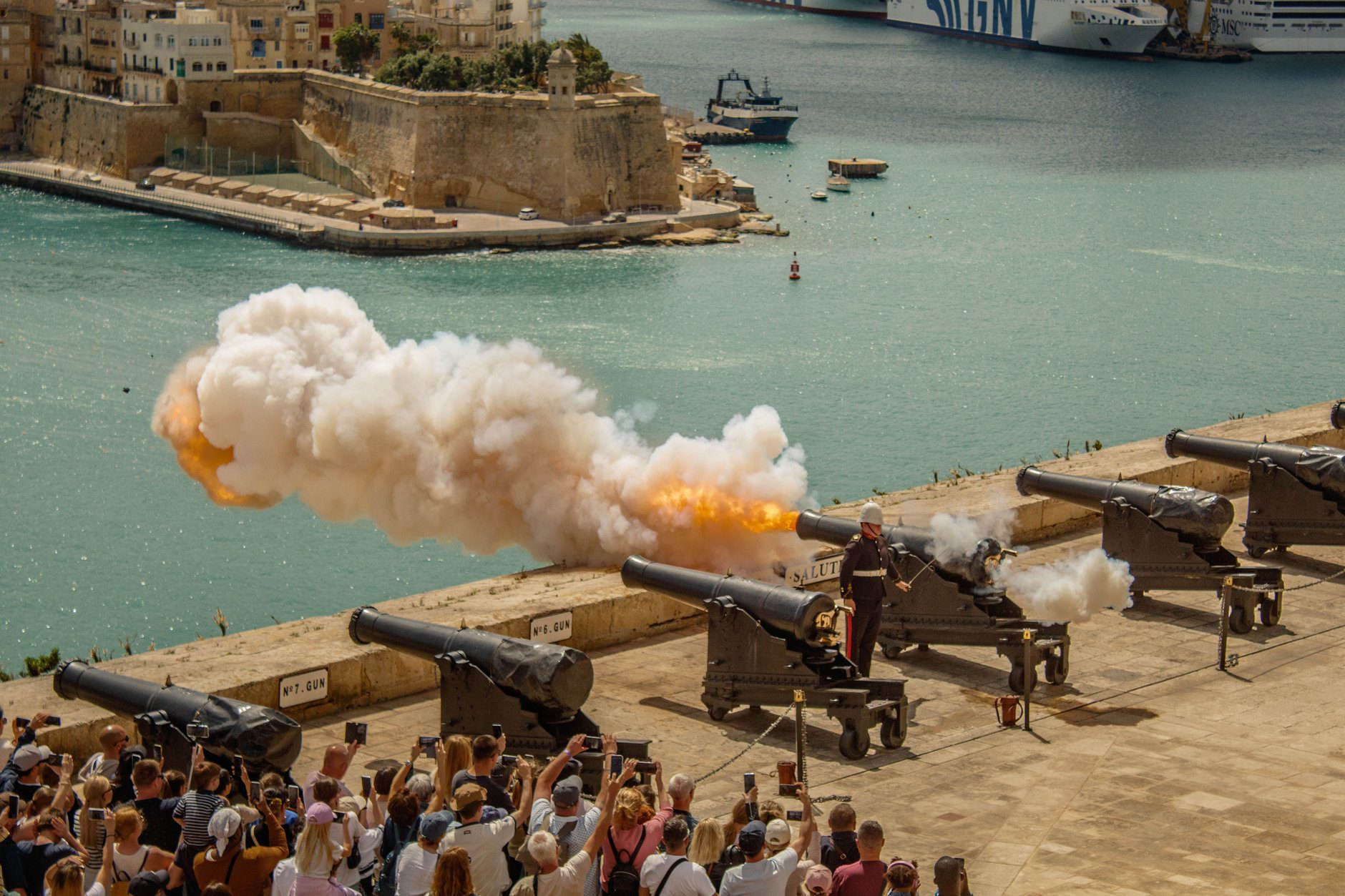
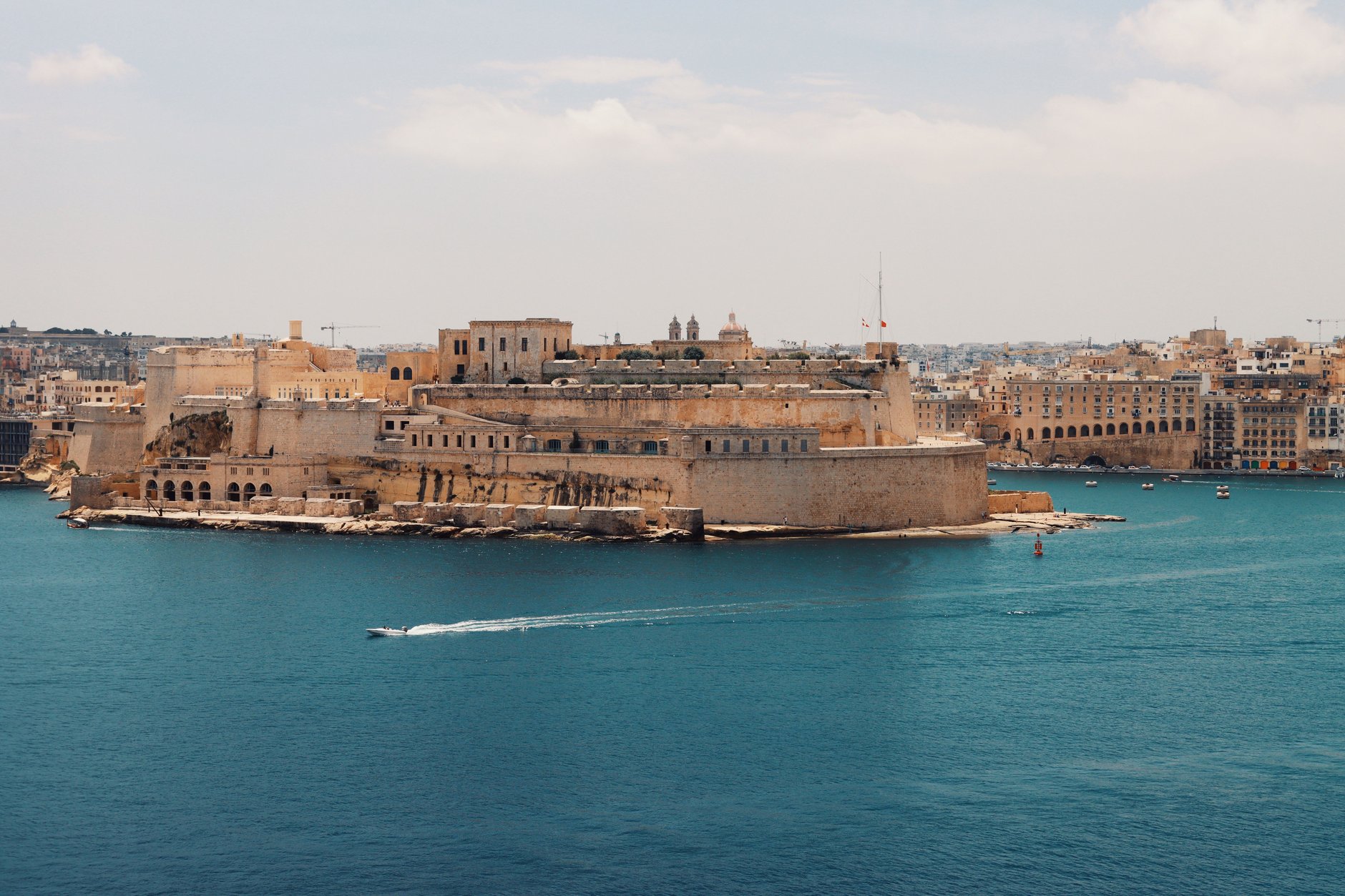
Across the harbor lie the Three Cities: Birgu (Vittoriosa), Senglea (Isla), and Bormla (Cospicua). These enclaves served as the headquarters of the Knights during the 1565 siege. Taking an electric passenger ferry across brings you directly to Birgu’s waterfront. Walking through the Collacchio—the ancient quarter where knights lived in regional inns (*auberges*)—reveals quiet stone lanes lined with potted geraniums, far removed from tourist thoroughfares.
Mdina and the Southern Megaliths: Prehistoric Stone and Silent Alleys
Traveling inland brings you to Mdina, perched on a high plateau commanding island-wide views. Inhabited since the Bronze Age and fortified by Phoenicians, Romans, and Arabs, Mdina served as the medieval capital before the Knights arrived in 1530. Known as the Silent City, its labyrinthine streets deadened the sound of invading hoofbeats. Today, private vehicles are strictly restricted, preserving golden limestone tranquility.
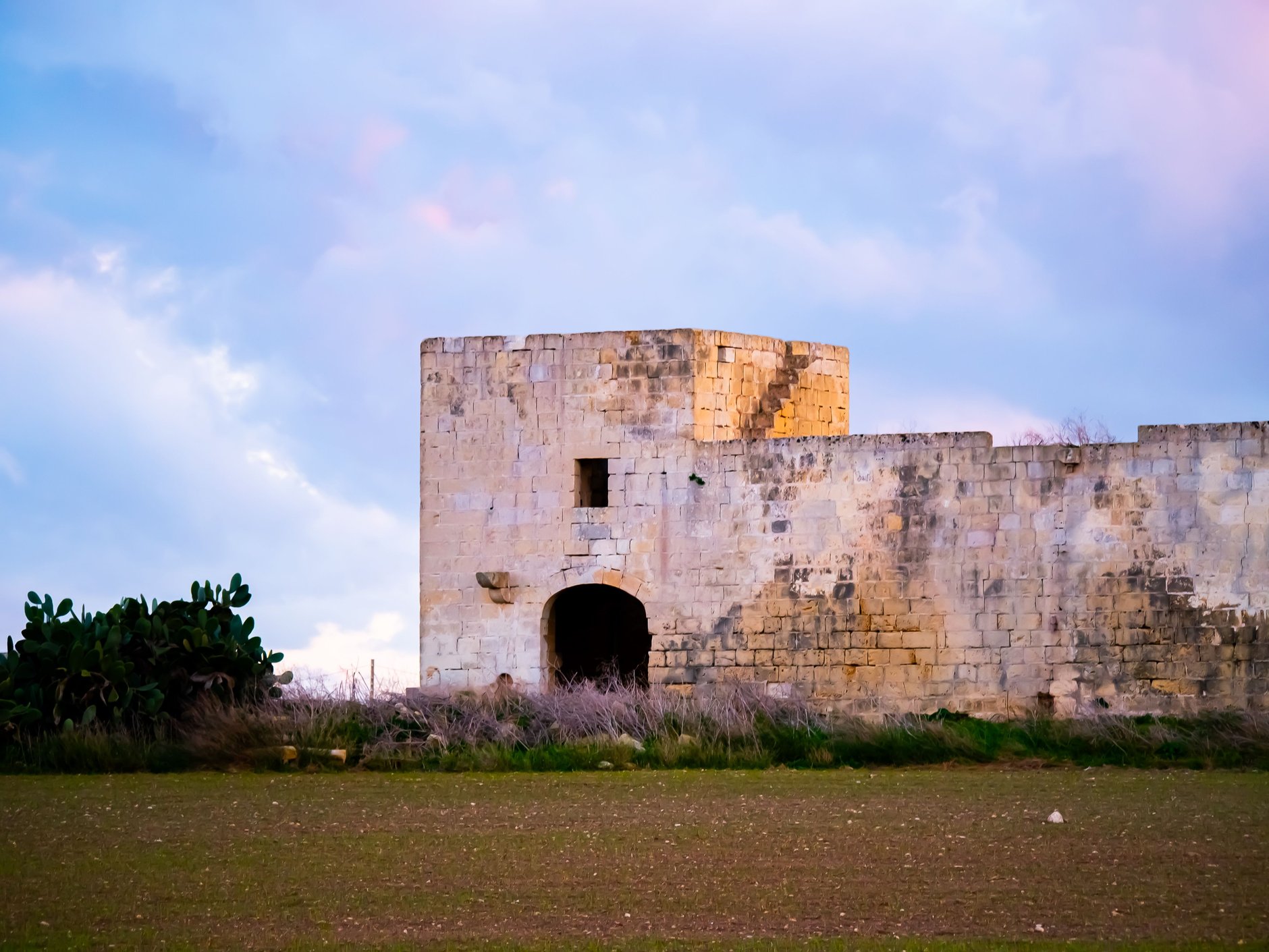
Just outside Mdina’s gates lies Rabat, home to subterranean St. Paul’s Catacombs. This underground Roman cemetery was used until the fourth century CE, displaying rock-cut burial chambers and circular stone *agape* tables for farewell banquets. Before leaving Rabat, stop at Crystal Palace (*Is-Serkin*) for hot *pastizzi*—diamond-shaped pastries filled with seasoned ricotta or curried mushy peas, served straight from baking trays.
On the southern coast near Qrendi stand Ħaġar Qim and Mnajdra, two of the world’s most important prehistoric monuments. Built between 3600 and 3200 BCE, these megalithic structures predate Stonehenge and the Great Pyramid of Giza. Constructing these elliptical chambers required moving limestone blocks weighing up to twenty tons without metal tools. The lower temple of Mnajdra is ingeniously aligned to the solar calendar: during equinoxes, the rising sun illuminates the exact axis of the central altar.
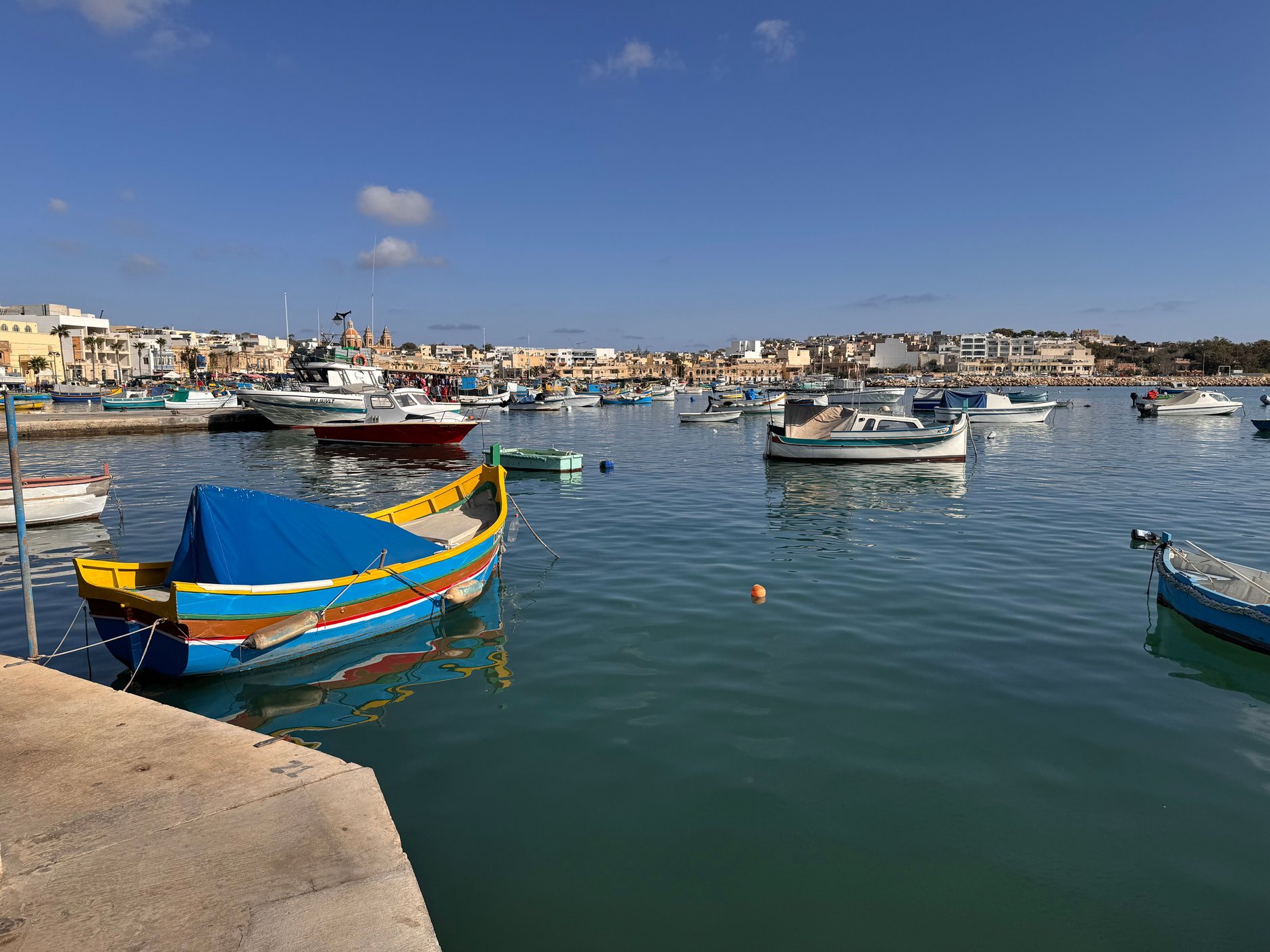
Conclude your day in the southern fishing village of Marsaxlokk. The sheltered harbor is packed with traditional wooden *luzzu* fishing boats, painted in yellow, blue, and red. On each prow, fishermen paint the protective Eye of Osiris, a Phoenician maritime tradition to guard vessels from storms. Seafood restaurants lining the quay serve freshly caught lampuki, swordfish, and octopus landed just hours earlier.
Gozo: Terraced Valleys, Citadel Bastions and Coastal Wonders
Boarding the forty-five-minute Gozo Fast Ferry from Valletta Grand Harbour to Mġarr port transports you to a distinctly greener, more tranquil world. Gozo has preserved its agricultural character, with terraced fields divided by dry stone walls, hilltop village churches, and quiet coastal inlets.
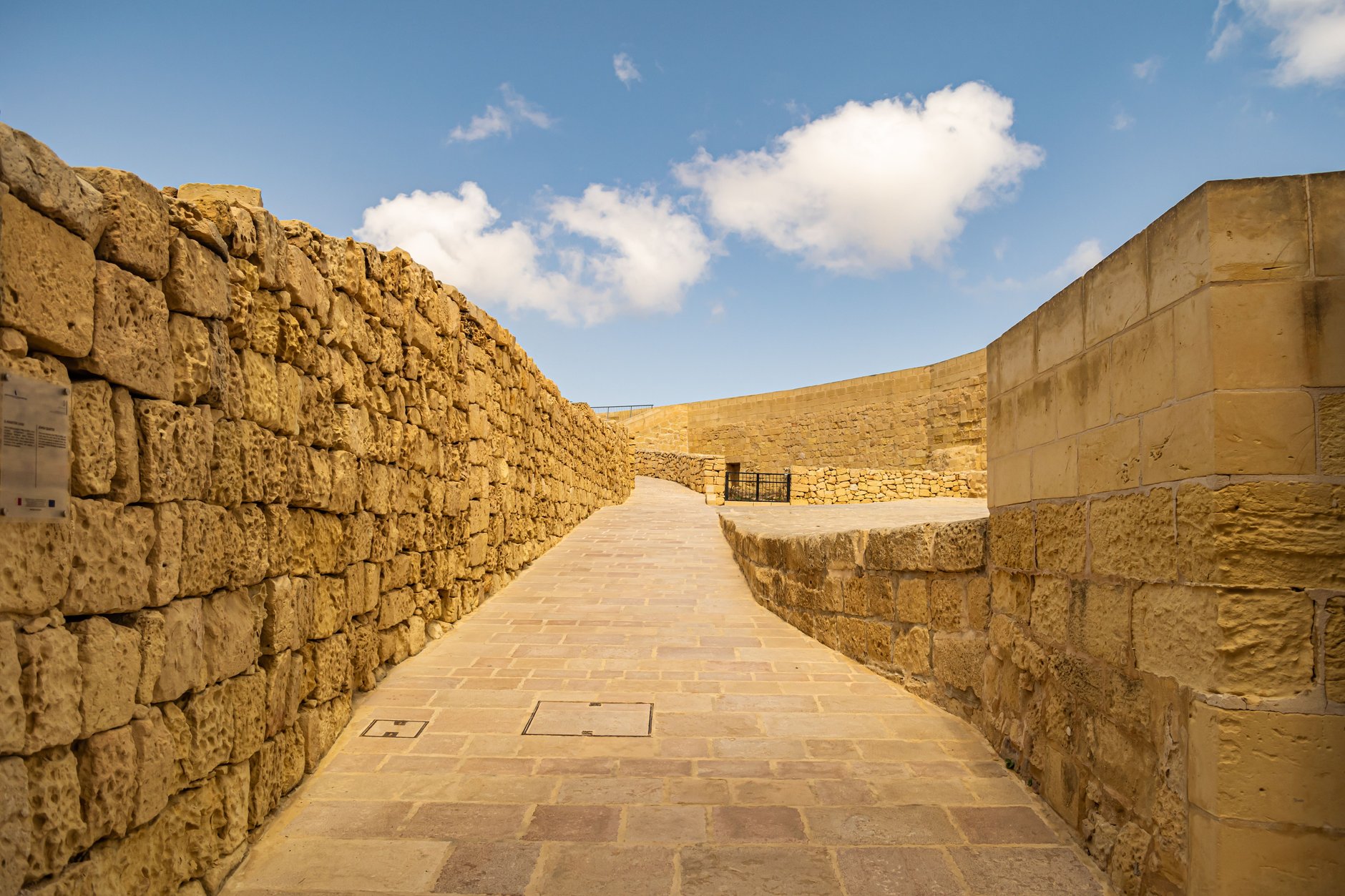
In the heart of the island rises Victoria (known locally as Rabat), crowned by the imposing medieval Cittadella. Rising dramatically above the surrounding plains, this fortress was rebuilt in the early seventeenth century following a catastrophic Ottoman raid in 1551 that saw almost the entire population of Gozo enslaved. Walking along the restored stone ramparts offers an unbroken 360-degree panorama of the island’s conical hills, village church domes, and glittering sea horizons.
Near the village of Xagħra lies Ġgantija, a Neolithic temple complex even older than Ħaġar Qim. Local Gozitan folklore long held that the colossal limestone megaliths—some exceeding five meters in length and weighing over fifty tons—were erected by a giantess named Sansuna who carried the stones on her head while nursing a child. The complex remains a testament to the sophisticated ritual and engineering capabilities of Malta’s temple builders.
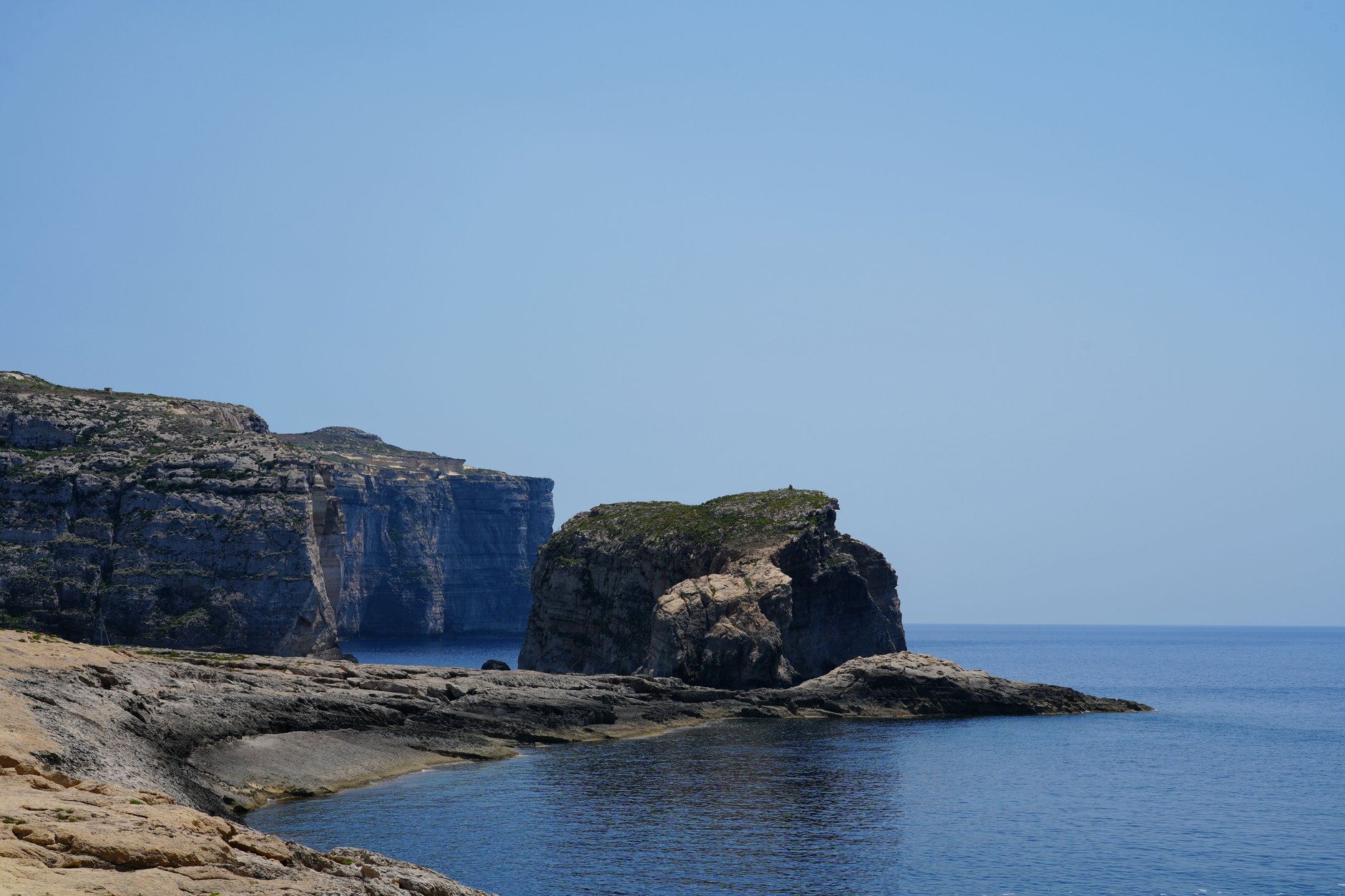
On Gozo’s western coast, Dwejra Bay displays dramatic coastal geology. While the famous Azure Window collapsed into the sea during a gale in 2017, the area remains a geological wonder centered on the Inland Sea (*Il-Qawra*)—a circular seawater lagoon connected to the open Mediterranean through a sixty-meter tunnel in the cliff face. Local boatmen guide small wooden fishing boats through the dark cavern into the surging open sea, pointing out sea caves, Fungus Rock, and the deep blue abyss of the Blue Hole, one of Europe’s premier scuba diving sites.
Culinary Traditions: Pastizzi, Rabbit Stew and Gozitan Ftira
Maltese gastronomy is hearty and earthy, reflecting centuries of Mediterranean convergence between Italian, Sicilian, British, and North African influences. Street food is dominated by *pastizzi*, savory pastries made of stretched filo-like dough layered with lard to achieve maximum crunch, filled with either salted ricotta or curried mushy peas. Paired with a bottle of Kinnie—the bitter-sweet Maltese soft drink flavored with bitter chinotto oranges and aromatic herbs—it remains the island’s essential morning ritual.

The undisputed national dish is *stuffat tal-fenek* (slow-cooked rabbit stew). Historically, hunting wild rabbits was one of the few game privileges permitted to ordinary Maltese under the strict rule of the Knights. The meat is browned in olive oil, then braised for hours with onions, garlic, tomatoes, red wine, carrots, bay leaves, and allspice. The rich cooking gravy is traditionally tossed with spaghetti as a first course, followed by the tender braised rabbit as the main plate.
On Gozo, culinary pride centers around the Gozitan *ftira*. Unlike the sandwich-style ftira of the main island, Gozitan ftira is baked in traditional wood-fired stone ovens like a rustic open pie, filled with thinly sliced local potatoes, fresh or cured sheep’s cheese (*ġbejna*), tomatoes, capers, anchovies, and black olives. The contrast between crispy blistered crust, creamy sheep’s milk curds, and briny capers is an unforgettable taste of Mediterranean terroir.
Avoiding Common Scams, Pitfalls, and Tourist Traps
Malta is exceptionally safe regarding violent crime, but the high density of tourism generates persistent commercial friction points that can waste your time and budget if unaddressed.
- The Comino Blue Lagoon Day-Trip Overcrowding: Excursion boats heavily market day cruises to the Blue Lagoon on Comino island. In reality, during spring and summer, thousands of passengers are dropped onto a tiny rocky outcrop with virtually no natural shade, overpriced food trucks, and aggressive beach vendors demanding ten euros per sunbed. If you wish to see the Blue Lagoon, take the earliest 08:00 ferry from Ċirkewwa or Mġarr, swim in the pristine morning waters, and depart before the mass excursion catamarans arrive at 10:30.
- Unmetered Airport & Ferry White Taxi Surcharges: Independent travelers exiting Malta International Airport or the Ċirkewwa ferry terminal are often approached by private drivers quoting inflated flat rates of $39.54 to $56.49 for short journeys. Always purchase your ticket from the official pre-paid taxi booth inside the airport terminal, which enforces fixed government tariffs, or use vetted ride-hailing apps like Bolt and eCabs.
- Sliema Harbour Cruise Touts and Disreputable Operators: Promoters along the Sliema Ferries promenade sell bargain “All-Day Grand Harbour Cruises.” Many of these budget boats are overcrowded, noisy, and feature low-quality recorded audio guides. For an authentic harbor experience, take the scheduled public passenger ferry between Sliema and Valletta ($2.26) or hire a traditional wooden *dħajsa* water taxi from the Custom House quay.
- Unofficial “Temple Guides” at Megalithic Sites: Near the entrances to Ħaġar Qim and Mnajdra, freelance individuals often approach tourists offering “exclusive historical commentary” and later aggressively demand twenty to thirty euros. Official audio guides are included with your Heritage Malta admission ticket, and certified licensed guides carry official government badges.
- Marsaxlokk Sunday Market Imported Souvenir Trickeries: The Sunday fish market in Marsaxlokk has expanded into a sprawling tourist bazaar where vendors sell imported plastic trinkets and synthetic lace as “handmade Maltese lace.” Authentic Maltese bobbin lace (*bizzilla*) is painstakingly handmade by elder artisans in Gozo and sold in certified craft cooperatives. Visit Marsaxlokk on a weekday morning to observe real fishing operations without the tourist market circus.
- Gozo Quad Bike Rental Damage Schemes: Renting quad bikes or scooters to explore Gozo’s coastal trails is popular, but rogue rental shops frequently claim existing scratches on undercarriages or body fairings to withhold substantial credit card security deposits. Always take comprehensive timestamped video of the vehicle before leaving the shop and purchase zero-excess collision damage waiver insurance.
Staying mindful of these common commercial pitfalls guarantees that your expenses support genuine cultural institutions, heritage sites, and family-owned establishments.
Packing Essentials and Regional Seasonal Advice
Packing for Malta requires preparing for intense Mediterranean sunshine and relentless limestone glare. Between May and October, daytime temperatures regularly hover between 28°C and 34°C (82°F–93°F). Pack breathable linen clothing, UV-blocking sunglasses, a wide-brimmed hat, high-factor sunscreen, and water shoes with rubber soles to navigate rocky coastal swimming platforms and sea ladders safely.
The islands are characterized by hilly streets, polished limestone cobblestones, and steep stairs—especially in Valletta, the Three Cities, and Mdina. Sturdy, comfortable walking shoes with excellent traction are essential. When visiting religious sites like St. John’s Co-Cathedral and village parish churches, strict dress codes require covering shoulders and knees; carrying a lightweight linen scarf or shawl allows quick adaptation before entering chapels.
The optimal times to visit Malta are shoulder seasons: April to early June and late September through November. Spring offers mild temperatures around 20°C–24°C (68°F–75°F), wildflowers across Gozo’s clifftops, and pleasant walking conditions. Autumn brings warm sea temperatures (24°C / 75°F), smaller crowds, and comfortable outdoor dining evenings. Peak summer (July and August) is scorching, humid, and crowded with package tourists, while winter (December to February) brings cooler temperatures (14°C–17°F), occasional rain squalls, and authentic local life centered around village festas.
Mobile Connectivity & Logistics: Multi-Carrier 5G Across Malta & Gozo
Reliable high-speed mobile data is an essential navigation and planning asset when exploring Malta and Gozo independently. Whether checking real-time ferry departures across the Grand Harbour, verifying bus arrival timings on the Tallinja transit network, or calling a Bolt ride from remote megalithic temple sites, continuous internet access ensures smooth coordination.

Malta possesses advanced telecommunications infrastructure supported by three nationwide network operators: Epic Malta (formerly Vodafone Malta), GO, and Melita. All three carriers provide robust high-speed 5G connectivity across Valletta, Sliema, and central urban corridors. However, coverage can fluctuate as you travel into deep limestone bays, along the rugged western cliffs of Dingli, or across rural Gozitan valleys. Having access to multiple carrier backbones ensures your phone automatically switches to the strongest available cellular tower wherever you are exploring.
For independent travelers on this route, the NXTL Malta eSIM provides direct multi-carrier roaming connecting natively to Epic, GO, and Melita 5G networks at a transparent pay-as-you-go rate of $0.71 per gigabyte. Rather than waiting in line at airport kiosks or buying short-lived local SIM bundles that expire after seven days, your connection is active the moment your plane touches down at Luqa airport.
The service operates on a clear balance model: the initial profile purchase costs $11.99 and includes $10 of preloaded roaming balance. Because data is billed strictly per megabyte consumed and balances never expire, unused credit remains active for future journeys across NXTL’s global network covering 180+ supported countries and 460+ carrier networks. Full personal hotspot tethering is permitted without restriction, allowing you to share high-speed data with laptops, tablets, and companion devices throughout your Mediterranean journey.