Spanning over a million square kilometers where the arid dunes of the western Sahara sweep directly into the Atlantic Ocean, the Islamic Republic of Mauritania offers one of the most raw and adventurous travel environments in North Africa. This vast, austere desert nation is home to ancient trans-Saharan caravan outposts (*ksour*) preserving illuminated medieval Quranic manuscripts, lush spring-fed oases tucked into sandstone gorges, and the legendary Mauritania Iron Ore Train—a three-kilometer-long industrial behemoth that crosses the open desert under star-filled skies.
Yet travelling through Mauritania is an expedition, not a casual holiday. The primary mistake visitors make is underestimating the extreme environmental conditions, logistical isolation, and infrastructure challenges of the Sahara. Public transit between desert towns is virtually non-existent beyond battered bush taxis, temperatures fluctuate violently between scorching midday heat and near-freezing desert nights, and mobile navigation requires careful preparation. For an authentic and feasible eight-day expedition, the classic circuit linking the Atlantic capital of Nouakchott, the red sandstone gorges of the Adrar plateau, the ancient library town of Chinguetti, and the raw iron ore railway to Nouadhibou delivers an unforgettable adventure. Here is your definitive operational field guide to Mauritania.
Expedition Planning Blueprint: 4×4 Logistics, Fiches, and Desert Protocols
Navigating Mauritania’s desert interior safely requires mastering four essential operational realities:
The Necessity of a 4×4 and Local Driver-Mechanic: While paved highways link Nouakchott to Atar and Nouadhibou, exploring the Adrar plateau, Chinguetti’s dunes, and tracks to Ouadane requires a four-wheel-drive vehicle (typically a Toyota Land Cruiser) with an experienced local driver. Desert driving demands tire-pressure adjustments between sand dunes (*ergs*) and rock flats (*regs*), plus carrying spare tires, sand tracks, and water. A 4×4 with driver costs eighty to one hundred and twenty euros daily plus fuel.
The “Fiche” System at Checkpoints: Security checkpoints manned by the National Gendarmerie, Police, and Customs are frequent along all national roads and desert entrances. To avoid endless delays where officers manually copy your passport details into paper ledgers, you must carry twenty-five to thirty pre-printed paper slips called *fiches*. Each fiche lists your full name, passport number, nationality, date of birth, visa number, entry date, vehicle registration, driver name, and travel itinerary. Handing a fiche to the checkpoint officer allows you to pass in thirty seconds.
Currency and Cash Mechanics: Mauritania uses the New Mauritanian Ouguiya (MRU), introduced in 2018 when one zero was dropped (10 old MRO = 1 MRU). Locals often quote prices in old currency: “one thousand” usually means one hundred MRU. Credit cards rarely work outside top Nouakchott hotels. Bring clean euro or dollar cash to exchange at registered banks or exchange offices in the capital.
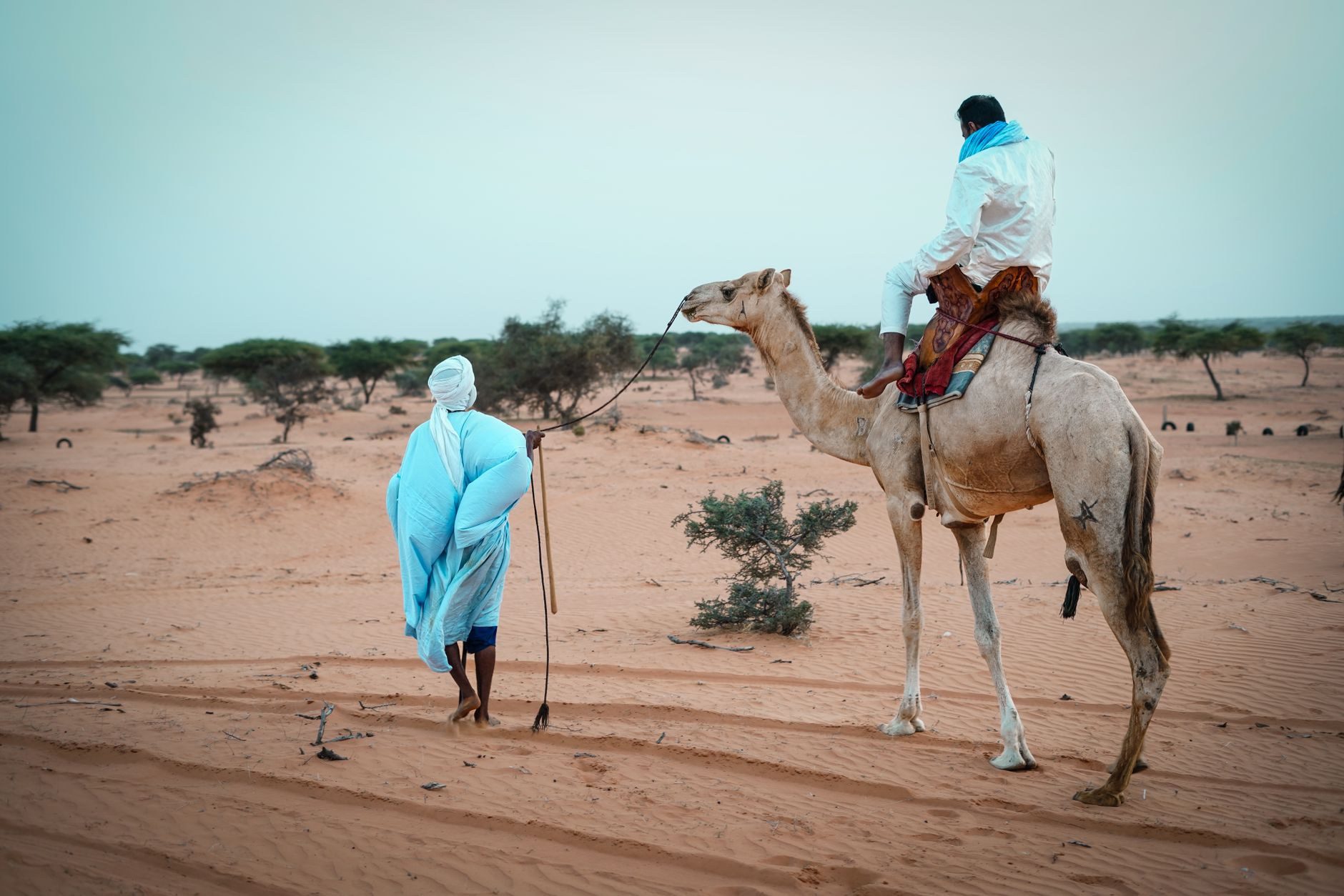
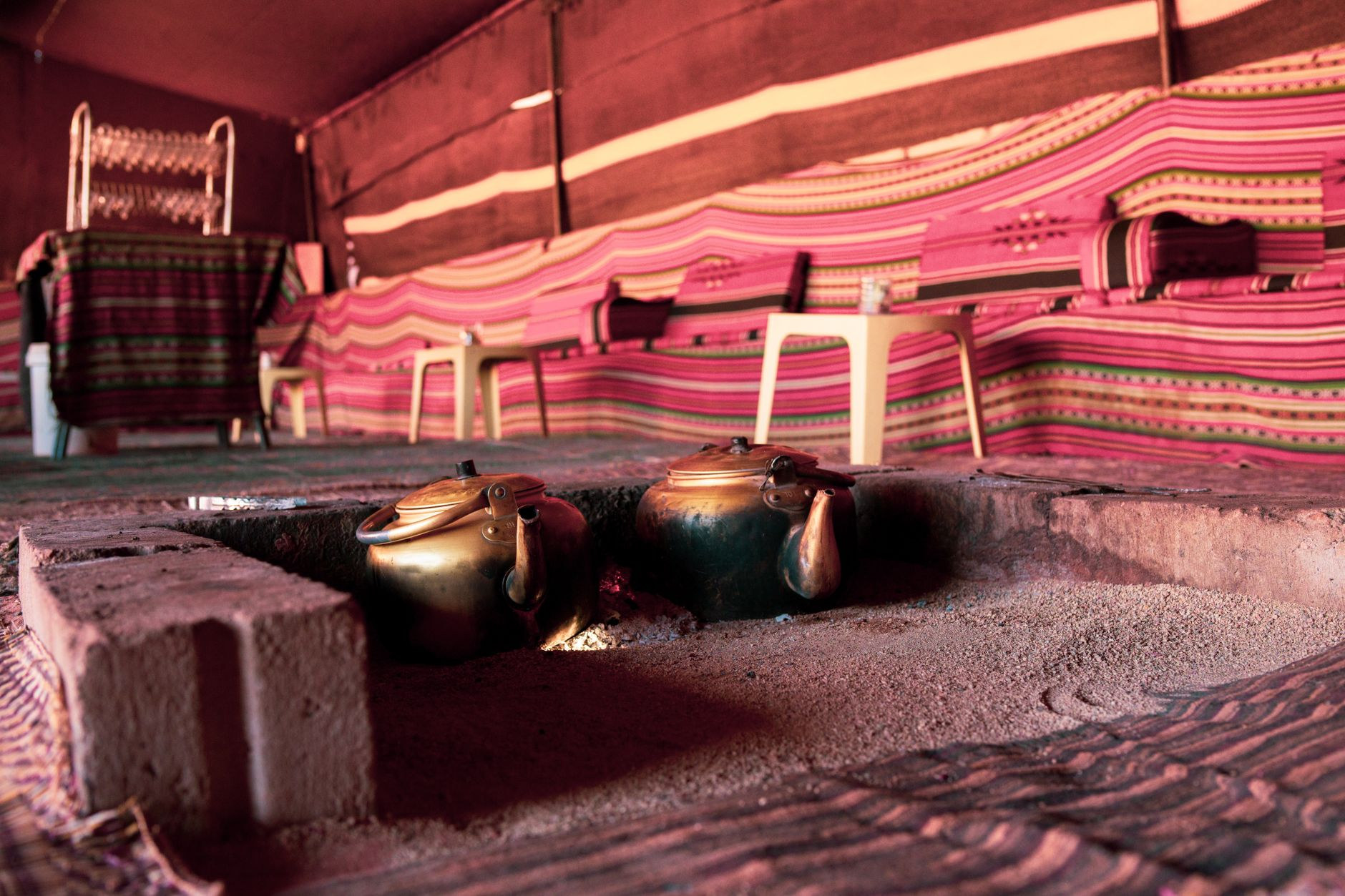
Hospitality and the Ataya Tea Ceremony: Mauritanian culture is grounded in profound nomadic hospitality (*diyafa*). Wherever you stop—whether a roadside nomadic tent, an oasis palm grove, or a family guesthouse (*auberge*)—you will be offered *ataya*, the traditional Saharan green tea ceremony. Prepared over hot charcoal embers, ataya consists of three sequential glasses, shifting progressively from bitter and concentrated to sweet and minty, traditionally described as “bitter like life, sweet like love, and gentle like death.” Accepting tea with patience is the cornerstone of social respect.
| Day / Stage | Base | Highlights | Transport Mode | Transit Time | Advance Booking Requirement |
|---|---|---|---|---|---|
| Day 1 | Nouakchott | Oumtounsy arrival, Port de Pêche Atlantic fish market, coastal dunes sunset | Airport taxi & 4×4 | 45 mins airport transfer | Biometric visa-on-arrival & 4×4 pickup |
| Day 2 | Terjit / Atar | Desert highway drive to Adrar, Terjit oasis thermal spring, canyon gorge walk | Private 4×4 with driver | 5 hrs highway & piste (450 km) | Terjit tent auberge reservation |
| Day 3 | Chinguetti | Pass of Ould Ebnou, Chinguetti old ksour, ancient Quranic library manuscripts | Private 4×4 with driver | 2 hrs desert track (85 km) | Heritage library curator access |
| Day 4 | Ouadane / Chinguetti | Expedition across dunes to Ouadane stone ruins, ruined Portuguese fort, sunset dunes | Private 4×4 with driver | 3 hrs dune track each way | Local Ouadane site guide |
| Day 5 | Atar / Choum | Amogjar canyon pass, prehistoric rock art shelters, transit to Choum railhead | Private 4×4 with driver | 3.5 hrs mountain track | 4×4 driver railhead coordination |
| Day 6 | Iron Ore Train | Board the SNIM Iron Ore Train at Choum, open-hopper Saharan crossing to coast | SNIM freight train | 12 to 14 hrs rail transit (460 km) | Goggles, warm layers, water reserves |
| Day 7 | Nouadhibou | Nouadhibou arrival, Cap Blanc monk seal reserve, fresh Atlantic seafood dinner | Local taxi | Full-day coastal exploration | Nouadhibou hotel & shower cleanup |
| Day 8 | Nouakchott | Return flight or coastal drive to Nouakchott, silver craft market, departure | Coastal road or flight | 5 hrs coastal drive (470 km) | Airport check-in buffer (3 hrs) |
Day 1: Arrival in Nouakchott and the Atlantic Port de Pêche
International flights arrive at Nouakchott–Oumtounsy Airport (NKC), twenty-five kilometers north of the city. A biometric visa-on-arrival is available for fifty-five euros in cash. Meet your pre-arranged 4×4 driver outside the terminal and transfer into Nouakchott, checking into a guesthouse in the Tevragh-Zeina district.
In the late afternoon around four o’clock, drive west to the Atlantic shoreline to witness one of West Africa’s most extraordinary spectacles: the Port de Pêche. Hundreds of brightly hand-painted wooden pirogues, manned by hardy Mauritanian and Senegalese fishermen, battle through treacherous Atlantic surf to land their daily catch on the beach.
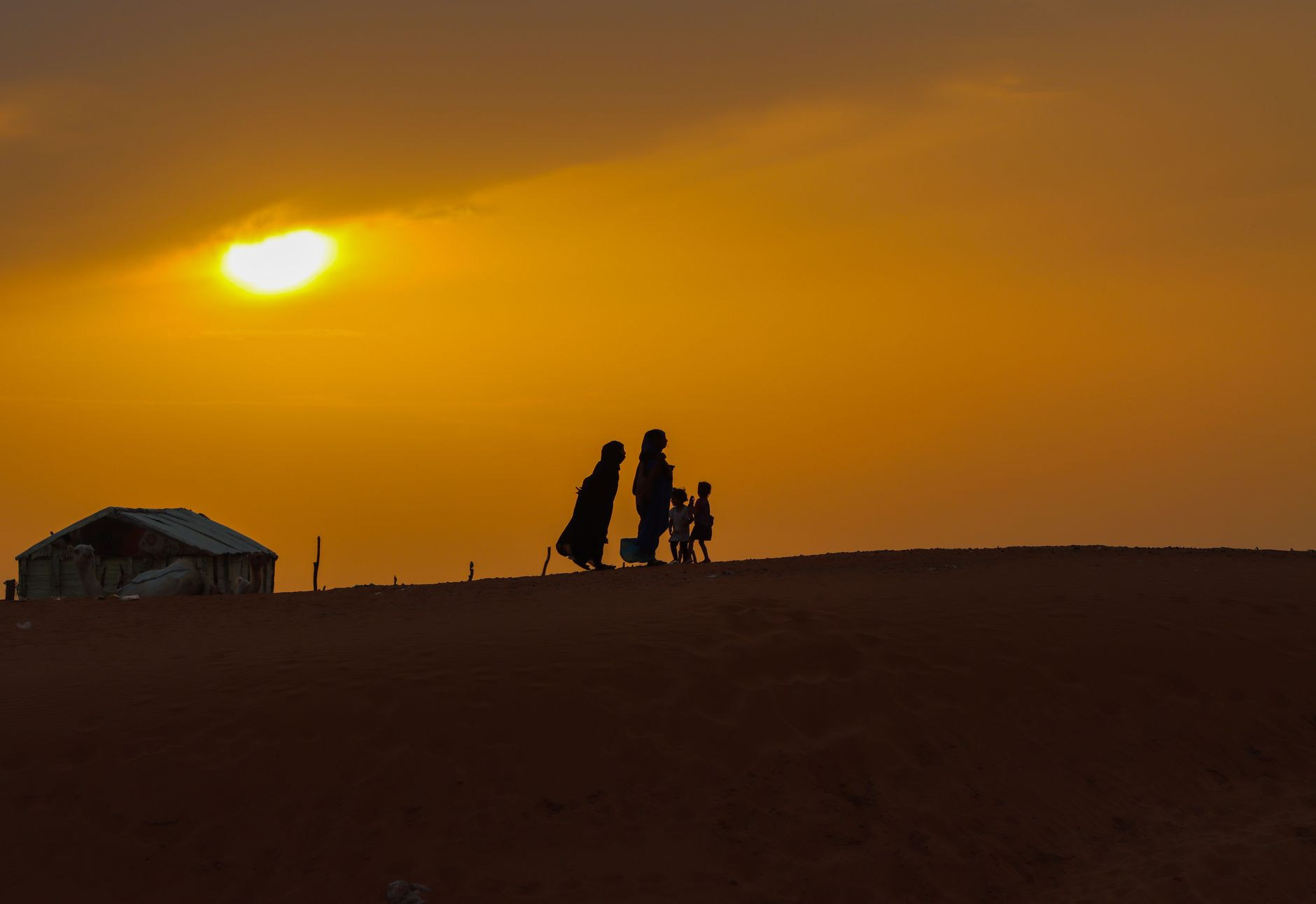
Watch crews haul heavy wooden boats onto the sand using manual rollers, unloading glistening yellowfin tuna, barracuda, and red snappers directly into the bustling fish market. Walk along the sand as smoke rises from open-air fish-curing sheds, before retiring to an open-air restaurant to sample fresh grilled sea bream seasoned with lemon and cumin.
Day 2: Inland to the Adrar and the Thermal Oasis of Terjit
Depart Nouakchott at dawn in your 4×4, heading northeast along the paved Route d’Atar through the vast coastal plains of Trarza and Inchiri. As you travel deeper inland past the mining town of Akjoujt, the flat sandy terrain transforms into the dramatic tablelands and jagged black sandstone massifs of the Adrar plateau.
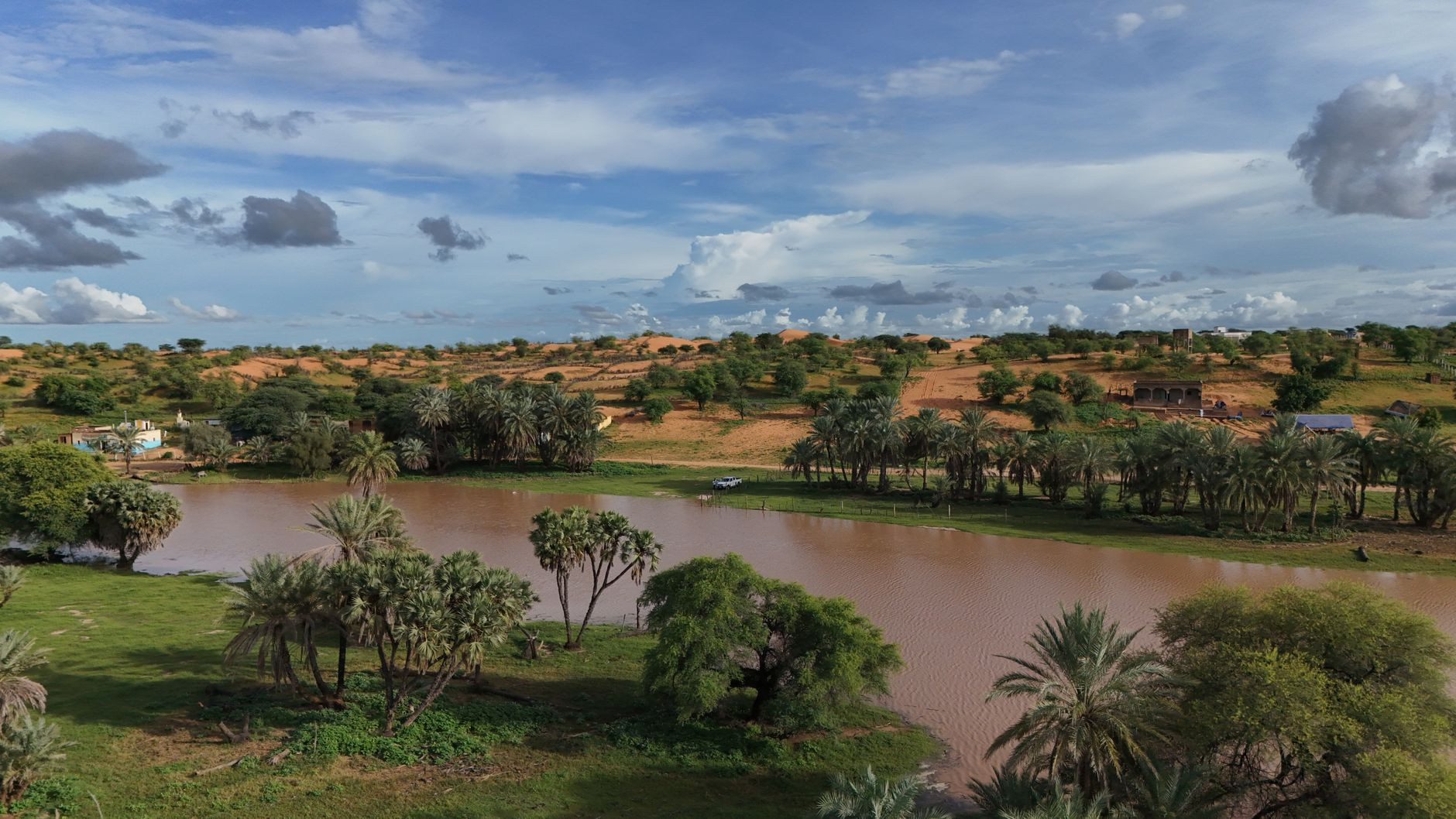
Turn onto a mountain track into a red sandstone canyon to reach Terjit, a spring-fed desert oasis. Between sheer cliffs, a natural thermal spring creates a cool stream nurturing towering date palms. Walk barefoot along the stream, swim in the rock pools, and sleep in a traditional nomadic canvas tent (*khaima*) beneath the palm fronds.
Day 3: The Ancient Holy City and Libraries of Chinguetti
After breakfast in the oasis, continue north to Atar, the administrative capital of the Adrar, to stock up on bottled water, fresh oranges, and fuel. From Atar, your driver engages four-wheel drive to conquer the dramatic Pass of Ould Ebnou, climbing steep hairpin switchbacks carved into sheer canyon walls that open onto the vast sandstone plateau.
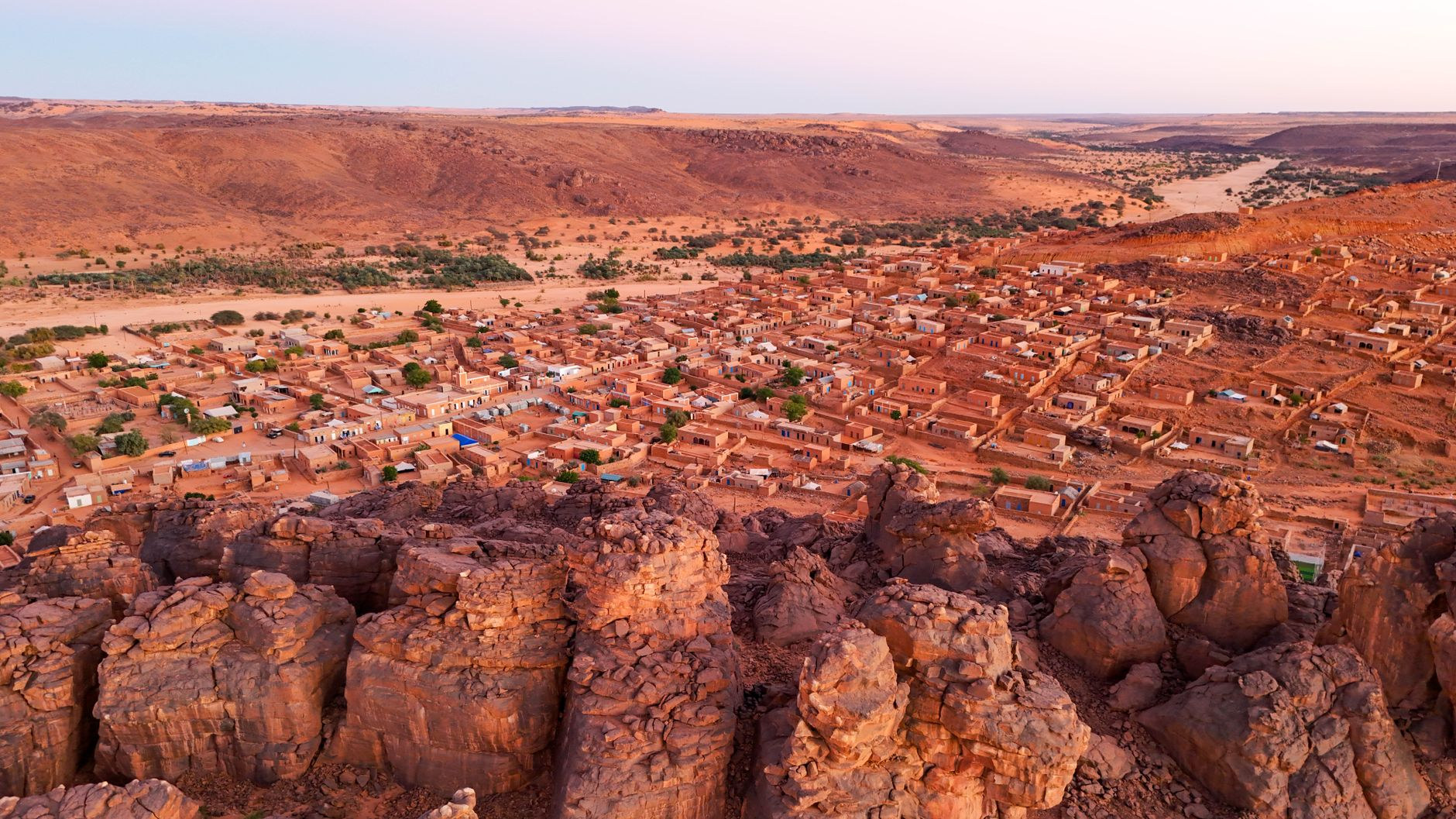
Cross the rocky desert plateau eastward for two hours before reaching Chinguetti, the seventh holy city of Islam, founded in the thirteenth century as a major assembly hub for pilgrims crossing the Sahara toward Mecca. Check into a traditional stone guesthouse in the new town, then walk across the dry riverbed (*oued*) into the ancient UNESCO-listed old quarter, where encroaching golden sand dunes lap against ancient drystone walls.
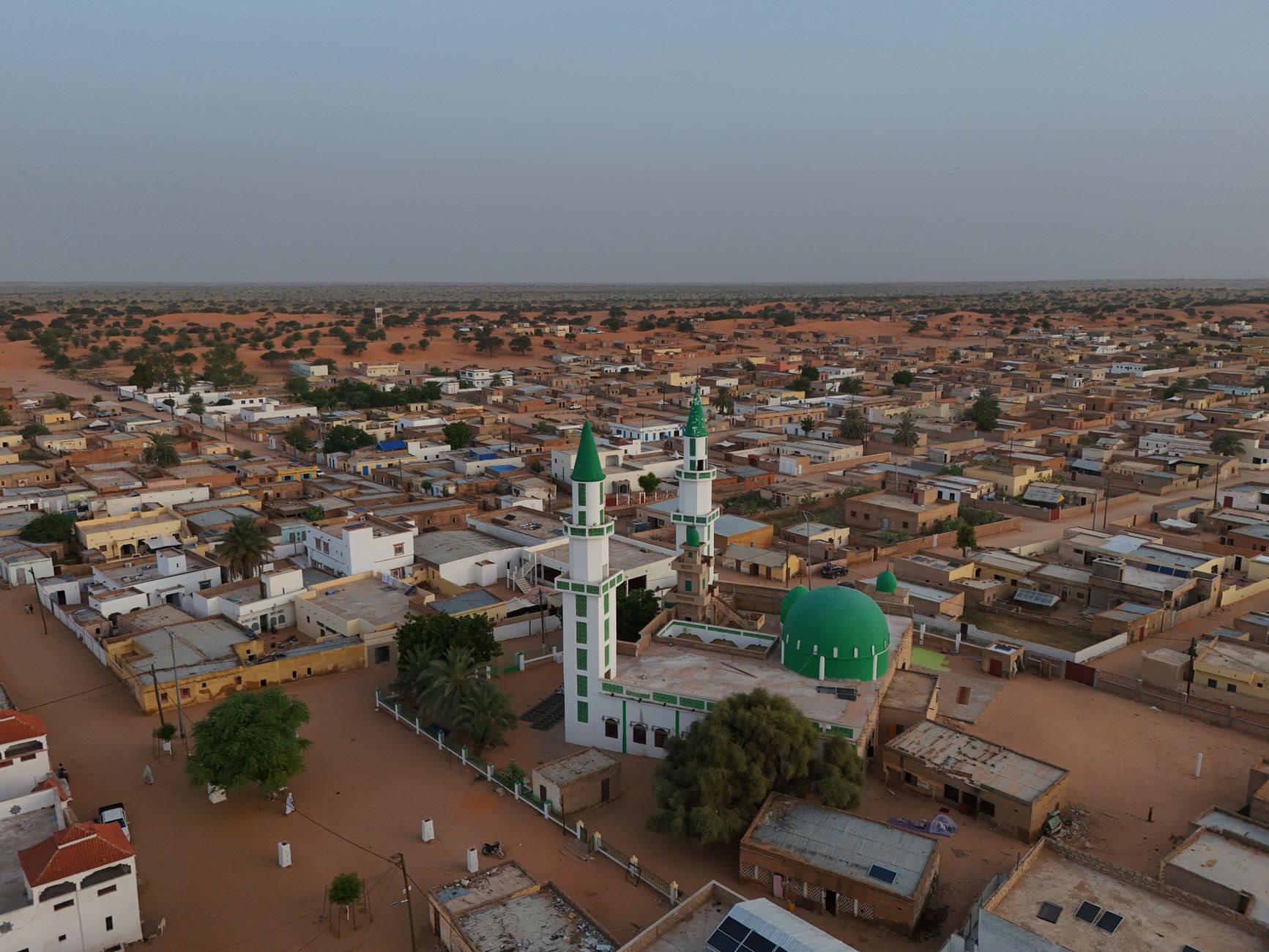
Admire the iconic square stone minaret of Chinguetti’s thirteenth-century Friday Mosque, crowned with five ostrich egg finials. Then, visit one of the private family libraries, such as the Habott Library or the Al-Ahmed Mahmoud Foundation. The elder curator carefully unlocks ancient cedar chests to show you priceless medieval manuscripts written on gazelle parchment, covering Islamic jurisprudence, astronomy, mathematics, and poetry, adorned with gold leaf and vegetable inks.
Day 4: Deep Desert Tracks to the Ruined Outpost of Ouadane
Set out early on day four for an adventurous three-hour 4×4 expedition through the shifting dunes of the Erg Ouarane eastward to Ouadane. The track alternates between soft orange sand dunes, where your driver navigates steep slip faces, and open gravel flats framed by black mesas.
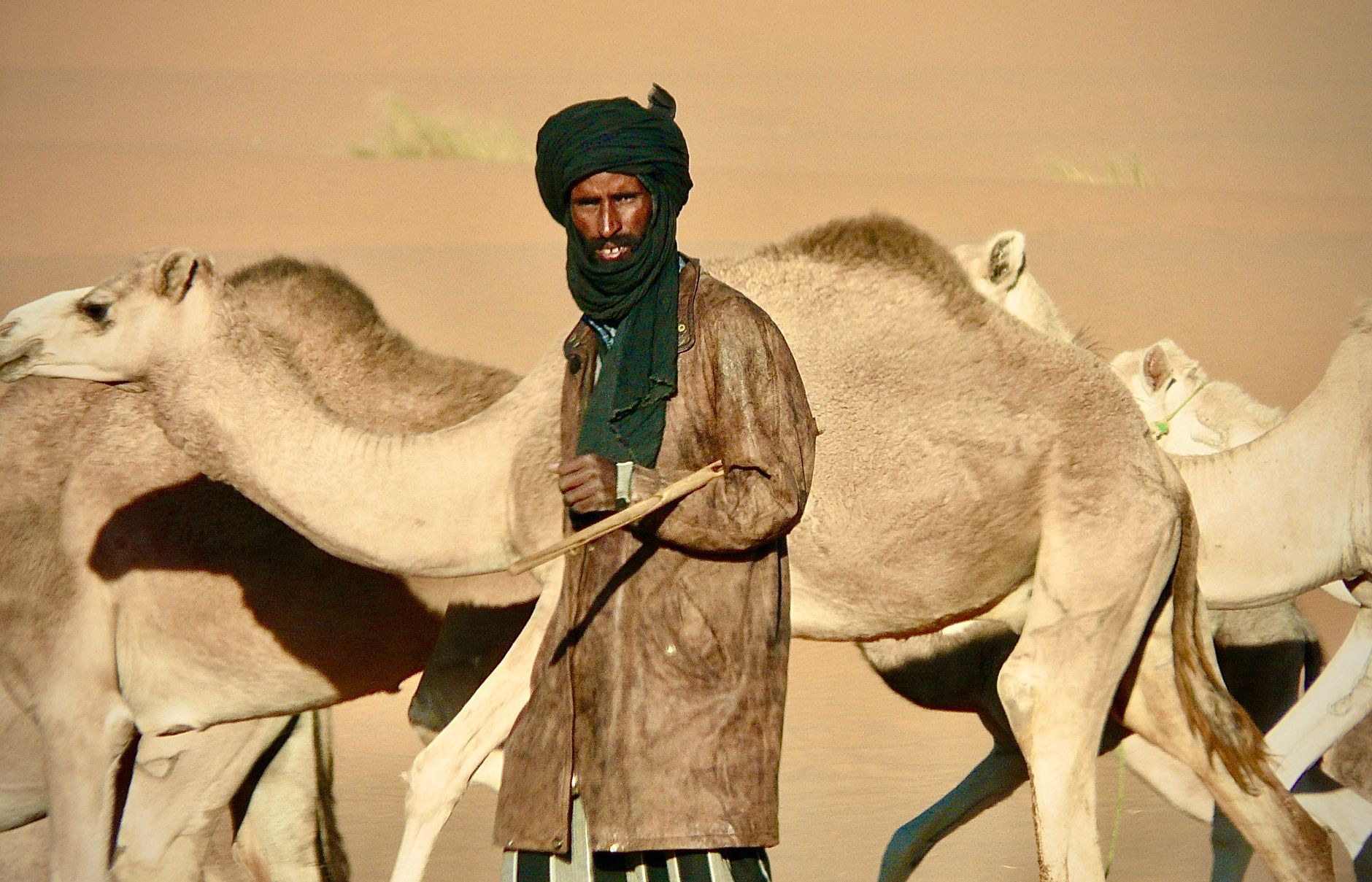
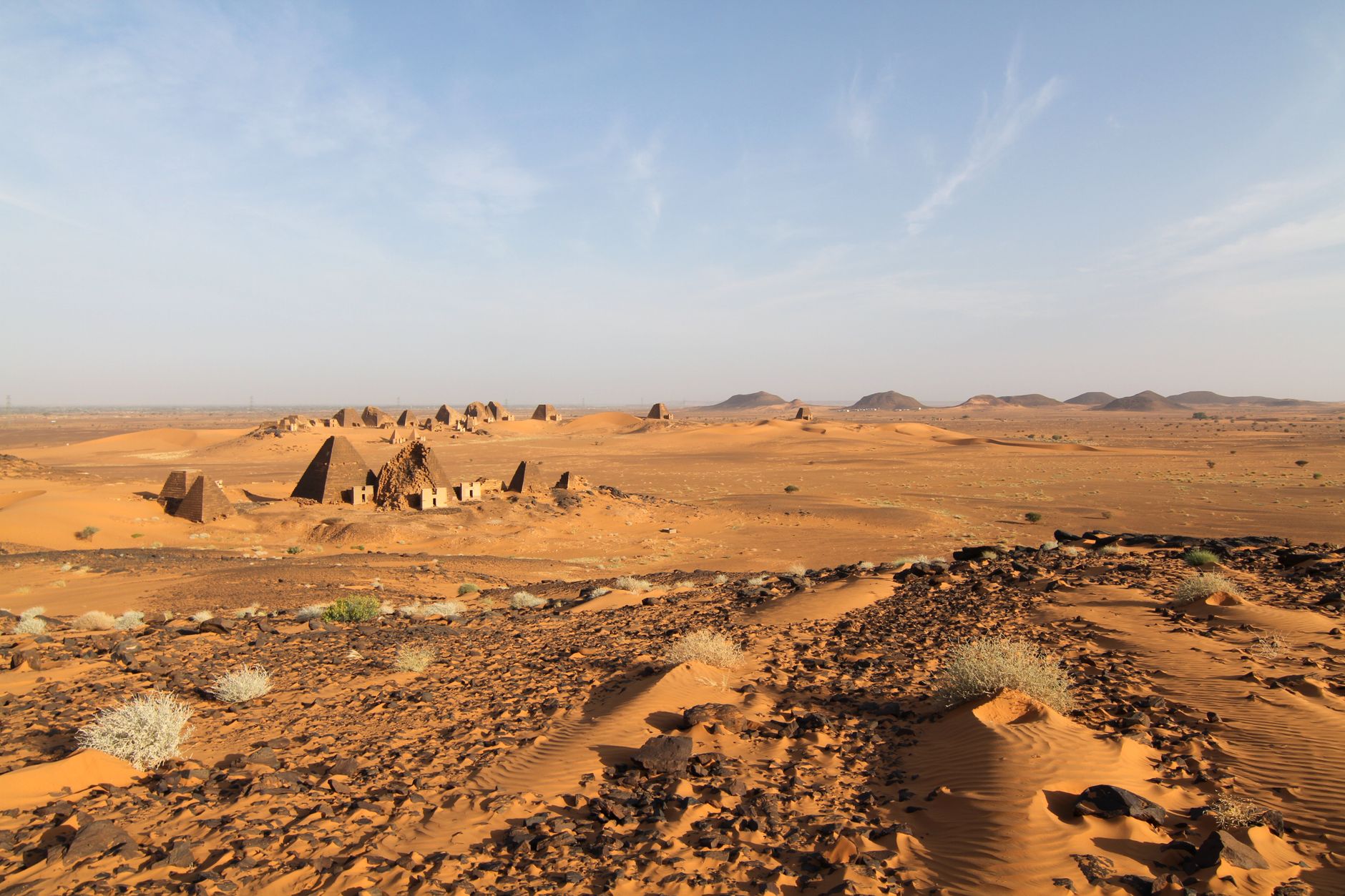
Founded in the twelfth century as a trans-Saharan trading post, Ouadane features stone ruins climbing a cliffside, ancient houses with carved wooden lintels, and a ruined 1487 Portuguese trading post. Look out toward Guelb er Richat, the forty-kilometer “Eye of the Sahara.” Return to Chinguetti to climb the grand dunes as sunset turns the desert amber and violet.
Day 5: Amogjar Canyon Pass to Atar and Choum
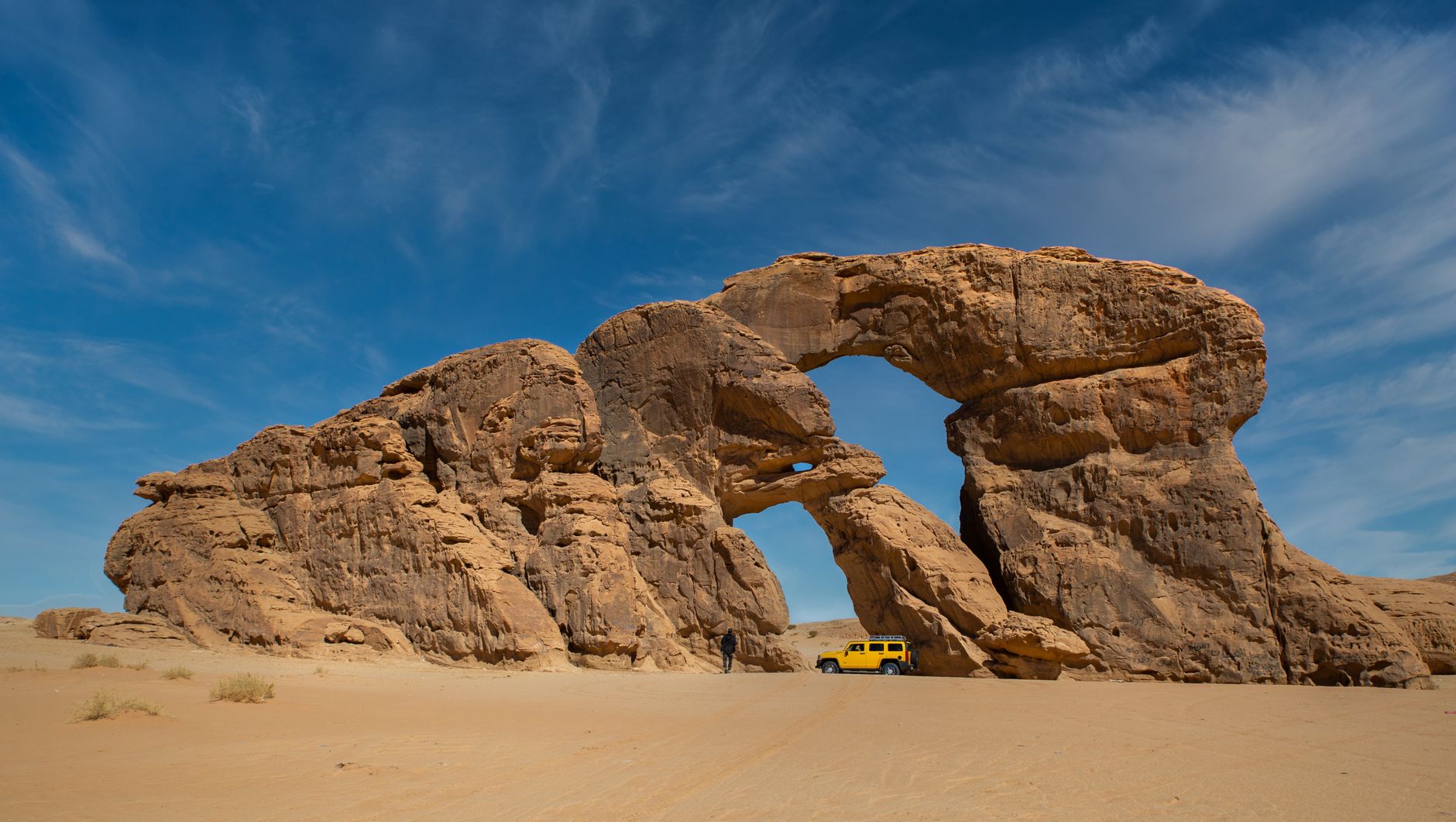
Depart Chinguetti on morning five, following the scenic mountain pass through the Amogjar Canyon. Stop at the dramatic stone natural arch and examine prehistoric rock paintings sheltered beneath sandstone overhangs, depicting giraffes, cattle, and hunters who roamed the Sahara thousands of years ago when the region was fertile green savannah.
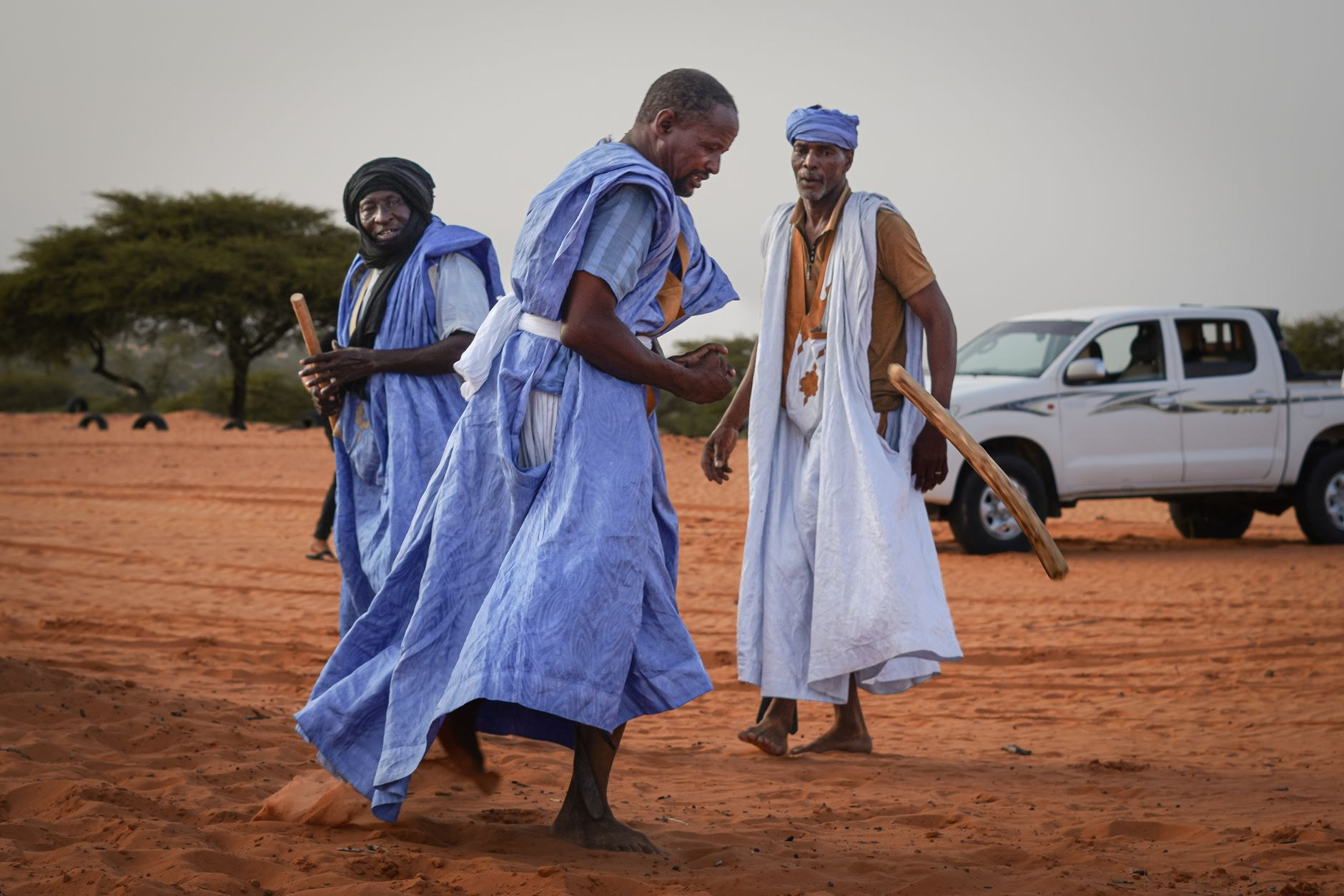
Descend into Atar for lunch, sampling tender roasted goat served with seasoned rice (*marou we-llham*). In the late afternoon, drive north along the desert highway to the remote railway outpost of Choum, situated on the border with Western Sahara. Choum is the critical transfer node where the SNIM desert railway intersects the road network, serving as your embarkation point for the Iron Ore Train.
Day 6: The Iron Ore Train Across the Empty Desert
Riding the Mauritania Iron Ore Train (*Train du Désert*) is one of the world’s ultimate raw travel adventures. Operated by the national mining company SNIM, this immense train stretches up to three kilometers in length, hauling over two hundred open freight hopper cars laden with thousands of tons of crushed black iron ore from the desert mines of Zouérat to the Atlantic coast at Nouadhibou.
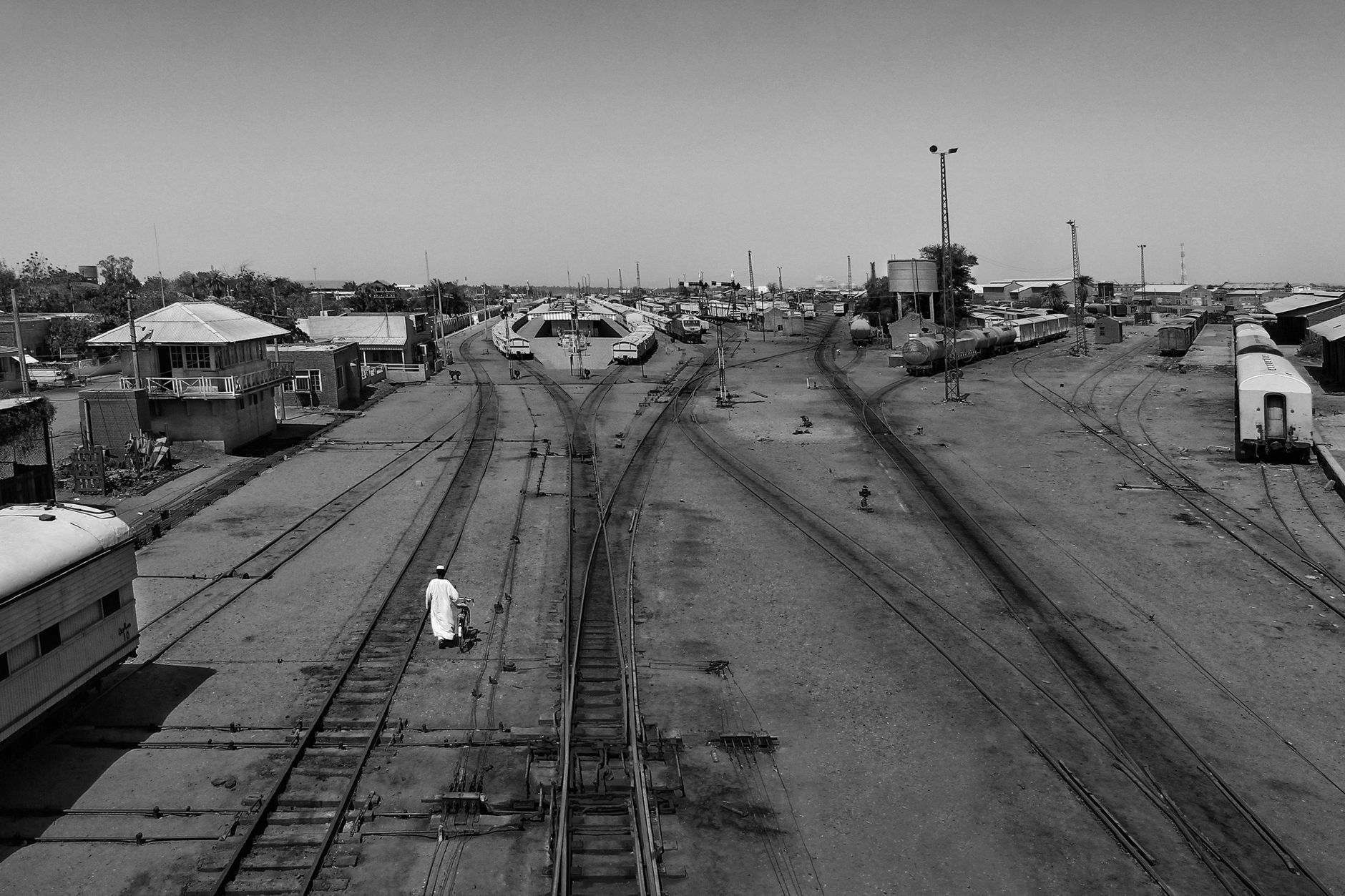
The train arrives in Choum in the late evening, though schedules fluctuate widely. While a rudimentary passenger car is attached to the rear, the quintessential traveler experience is riding free in the open cargo hoppers atop the iron ore itself. Before boarding, you must prepare rigorously: wrap your head and face securely in a heavy cotton Mauritanian *tagelmust* headscarf, put on airtight ski or industrial dust goggles, and pull on warm thermal winter layers beneath windproof outer shells. As the train rumbles across the open desert through the freezing night, you lie under an unbelievable canopy of Saharan stars, watching diesel sparks fly into the black sky.
Day 7: Coastal Arrival in Nouadhibou and Cap Blanc
After twelve to fourteen grueling hours crossing four hundred and sixty kilometers of desert, the train grinds to a halt at the Cansado industrial terminal in Nouadhibou around mid-morning. You will emerge thoroughly coated in black iron ore dust. Take a taxi directly to a hotel in central Nouadhibou for an essential hot shower, thoroughly washing away the ore before resting.
In the afternoon, explore Nouadhibou, situated on the windswept Ras Nouadhibou peninsula. Drive south to Cap Blanc, a rugged marine reserve protecting the world’s largest breeding colony of critically endangered Mediterranean monk seals. Stand on the windswept limestone cliffs overlooking the crashing Atlantic surf to spot monk seals swimming along the coastal caves. In the evening, celebrate the successful completion of your railway crossing with a lavish seafood dinner of grilled Atlantic lobster and sole at an oceanfront restaurant.
Day 8: Return to Nouakchott, Craft Markets, and Departure
On your final day, take a five-hour coastal highway drive or a short domestic flight from Nouadhibou south back to Nouakchott. The paved highway runs parallel to the Atlantic coastline, passing the boundaries of the Banc d’Arguin National Park, a UNESCO World Heritage marine sanctuary famous for millions of wintering migratory birds.
Arriving in Nouakchott in the early afternoon, visit Marché Capitale in the city center. Browse the artisan stalls for traditional Mauritanian silver jewelry, including intricate Tuareg crosses, chased silver tea boxes, and hand-tooled leather camel saddles. Enjoy one final leisurely round of mint ataya at a shaded café before transferring to Nouakchott–Oumtounsy International Airport for your evening flight home, reflecting on an extraordinary expedition across the dunes, ksour, and railways of the Sahara.
Mobile Connectivity and Digital Navigation in Mauritania
Maintaining reliable mobile data while travelling through Mauritania is essential for tracking GPS coordinates along unmarked desert pistes, coordinating meeting times with your 4×4 driver, monitoring erratic train arrival times in Choum, and accessing banking apps to track currency conversions. Relying on hotel Wi-Fi is impossible across most of the Adrar, where desert auberges and nomadic tent camps operate on solar batteries and have no fixed internet connections.
The most dependable digital solution for independent travellers is setting up an international travel eSIM before arrival. The NXTL Mauritania eSIM connects directly to Mattel, the nation’s premier mobile operator providing stable 4G and LTE coverage across Nouakchott, Atar, Chinguetti, and Nouadhibou. Operating on straightforward pay-as-you-go data at $9.66 per gigabyte, NXTL activates automatically upon landing at Oumtounsy Airport, avoiding the hassle of finding local telecommunications shops or registering physical SIM cards with local authorities. Your purchased data balance never expires, ensuring any remaining credit stays safely stored in your account for your future travels across more than 180 supported countries worldwide.
Travel Pitfalls and Saharan Regional Realities to Avoid
Mauritania is remarkably safe, with violent crime almost unheard of outside occasional petty theft in crowded market areas of Nouakchott. The nation has maintained excellent internal security for over a decade. However, the Sahara’s unforgiving environment and local commercial practices require specific precautions:
- The “Today Only” Manuscript Library Scam in Chinguetti: In Chinguetti’s old town, informal street guides frequently intercept tourists claiming that the legitimate manuscript libraries are closed today, but that an exclusive “private family collection” can be visited for thirty to fifty euros in cash. These collections are often modern reproductions or modest family Quran copies. Always visit the recognized, accredited libraries—such as the Habott or Al-Ahmed Mahmoud foundations—accompanied by your official local guide, paying the standard published admission fee.
- Unprepared Iron Ore Train Riding Hazards: Riding the SNIM Iron Ore Train unprepared is hazardous. Abrasive iron ore dust penetrates unsealed eyes and lungs, and night temperatures plummet near freezing. Wear sealed goggles, wrap a cotton *tagelmust* securely, wear thermal winter layers, and carry four liters of water and food. Never jump between cars while moving.
- Street Money Exchange Tricks and Phased-Out Currency: Near Marché Capitale in Nouakchott and border crossings, unauthorized money changers offer tempting rates for euros or dollars. These operators routinely take advantage of the 2018 currency redenomination, attempting to pass off old pre-2018 banknotes (which are no longer legal tender) or confusing tourists with conversion math between old MRO and new MRU. Always exchange currency at licensed commercial banks or official bureau de change offices.
- Unlicensed 4×4 Desert Guides Lacking Safety Gear: Informal drivers in Atar and Nouakchott offer cheap desert tours but often lack sand experience, spare tires, satellite phones, or recovery tracks. Becoming bogged down in remote dunes without water is dangerous. Book expeditions through established agencies with vetted drivers and proven mechanical skills.
- Checkpoint Delays Caused by Missing Paper “Fiches”: The military and police checkpoints across Mauritania’s highways are strictly enforced. Travellers who fail to carry twenty-five to thirty pre-printed copies of their *fiche* (passport and visa details) will be forced to wait at every single post while officers painstakingly copy details by hand into registration books, turning a four-hour drive into an eight-hour ordeal. Print your fiches in advance before leaving home.
By respecting local customs, equipping yourself with proper desert gear, and maintaining reliable digital connectivity, your expedition through the sands, ksour, and railways of Mauritania will stand among the most profound and authentic adventures of your life.