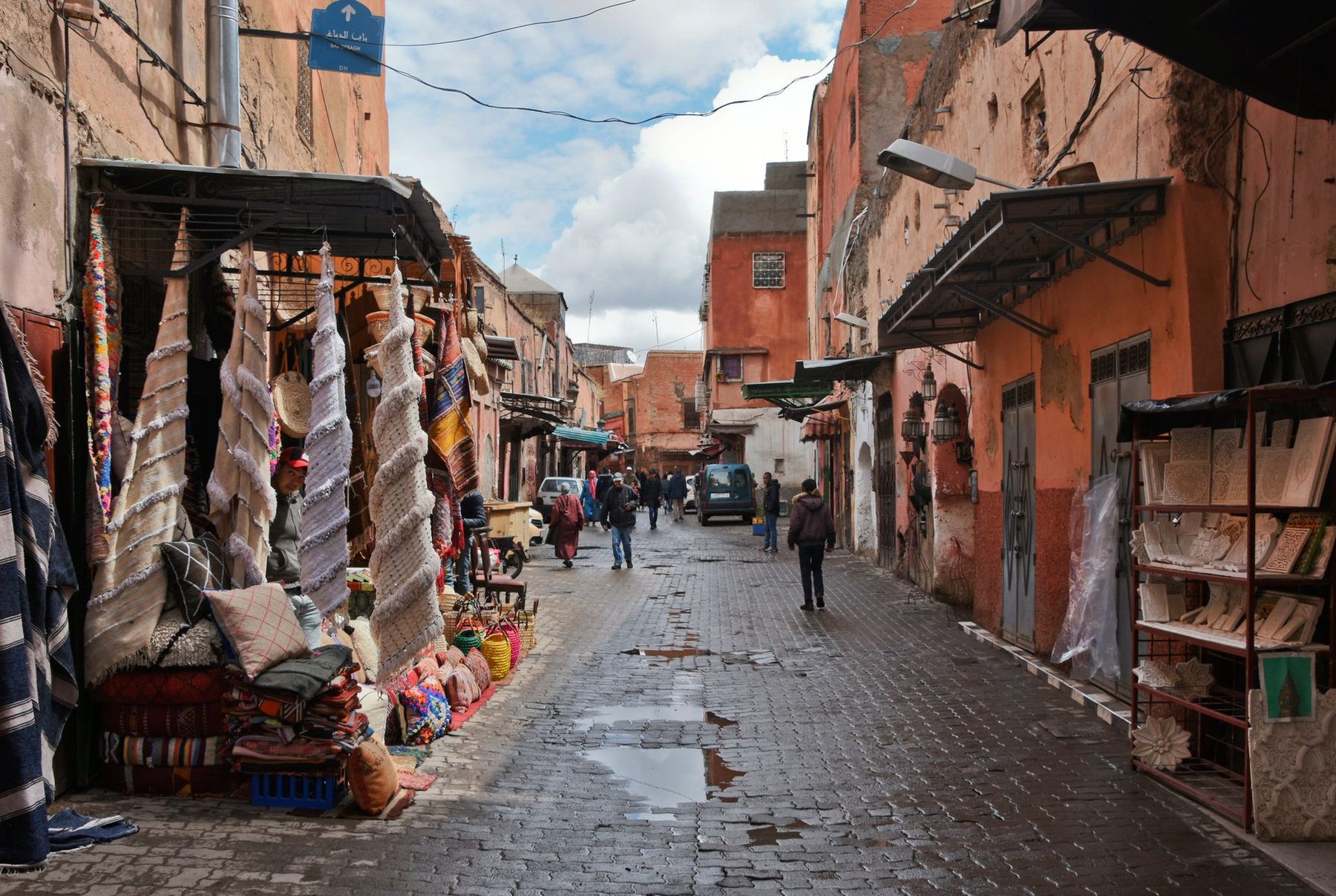
Morocco is a hypnotic kaleidoscope of sound, color, and scent. You hear the melodic call to prayer echoing from ancient stone minarets across terracotta rooftops; smell fragrant cedarwood, roasting cumin, and slow-simmering lamb tagines; and marvel at the dazzling geometric precision of centuries-old zellige ceramic tilework. It is a land of profound contrasts, where medieval walled cities thrive alongside chic rooftop bistros and sun-drenched Atlantic beaches.
Yet for independent travelers, Morocco can feel intense. Navigating chaotic medinas with thousands of unmapped alleyways, dealing with persistent street touts, and negotiating taxi fares can quickly drain your energy if you lack street smarts. This guide gives you an authentic, deeply practical roadmap: feasible routes, crucial scam warnings, transport advice, authentic riad culture, and the global mobile connectivity required to navigate Morocco with total peace of mind.
Choosing Your Route: Two Feasible One-Week Options
When planning a 7 to 10-day trip to Morocco, choose one of two distinct routes rather than attempting to rush across the entire country:
• Option A (Imperial Heritage Spine): Marrakech (3 nights) + Fes (3 nights), connected by the comfortable ONCF national railway. This route is tailor-made for history lovers captivated by Islamic architecture, ancient madrasas, and monumental medieval medinas. Arrive in Marrakech and depart from Fes (or Casablanca) to avoid backtracking.
• Option B (Red City & Atlantic Coast): Marrakech (4 nights) + Essaouira (3 nights), connected by a scenic 3-hour journey on comfortable Supratours or CTM coaches. This combination offers the ultimate balance: the electric energy and sensory stimulation of Marrakech paired with the relaxed, breezy seaside charm, fresh seafood, and artisan rhythm of coastal Essaouira.
The Desert Reality Check: Official Visit Morocco desert travel advice notes that reaching the towering sand dunes of Erg Chebbi in Merzouga requires at least 9 to 10 hours of driving each way from Marrakech through high mountain passes. Attempting the Sahara as a rushed 2-day trip leaves you exhausted; reserve desert expeditions for trips of 10 days or longer.
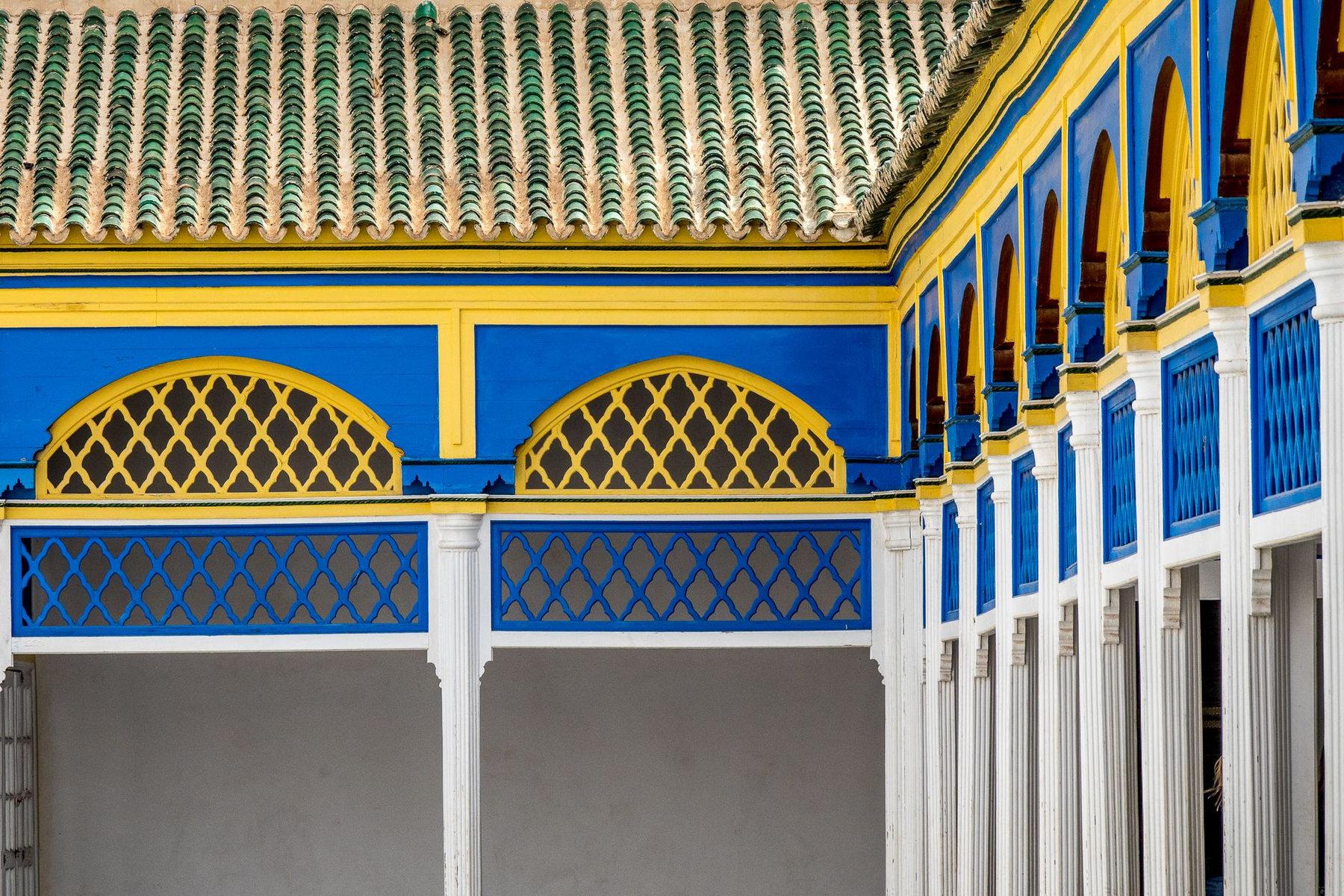
Marrakech: Bahia Palace and the Energy of Jemaa el-Fnaa
Begin your morning inside the tranquil courtyards of Bahia Palace, a 19th-century masterpiece of Moroccan architecture featuring fragrant orange tree courtyards, carved plasterwork, and hand-painted cedarwood ceilings. Nearby, explore the dramatic ruin of Badi Palace and the tiled splendor of the Saadian Tombs.
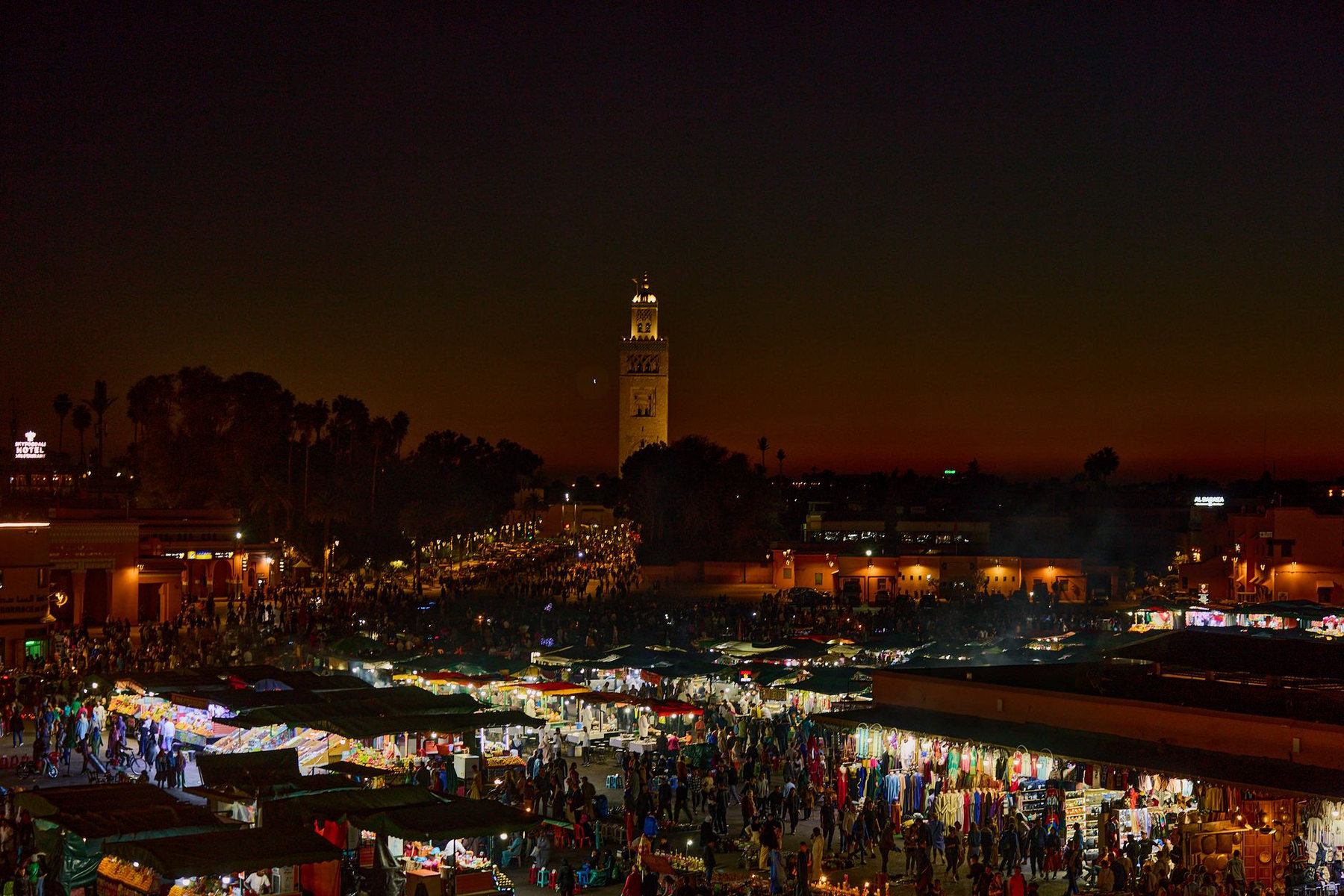
In the late afternoon, make your way to Jemaa el-Fnaa, the vast central square that serves as Marrakech’s beating heart. As the sun sinks behind the minaret of the 12th-century Koutoubia Mosque, the square transforms into an open-air medieval theater. White smoke billows from open-air food stalls grilling spiced lamb sausages and chicken skewers; musicians play gnawa rhythms; and storytellers gather crowds. Climb up to a terrace cafe like Café de France, order a pot of sweet fresh mint tea, and watch the magical spectacle unfold below.
Morocco Safety Tips: The 5 Medina Scams to Avoid
While Morocco is politically stable and violent crime against tourists is extremely rare, petty scams and aggressive touting are common in tourist areas. Here is how to navigate them with confidence:
• The ‘Street / Square is Closed’ Scam: Young men standing at alley entrances will tell you: ‘The square is closed for prayer’ or ‘You cannot go that way, it is a dead end.’ Their goal is to steer you away from your destination and guide you through confusing backstreets into a family leather tannery or carpet shop, demanding 100–200 MAD for ‘help.’ Ignore them completely, consult your offline GPS map, and continue walking confidently.
• The Henna Hand Grab: In Jemaa el-Fnaa, women holding syringes of henna will grab your hand, start painting a design without asking, and then aggressively demand 300 to 500 MAD ($30–$50). Keep your hands closed or in your pockets, and politely but firmly say ‘La, Shukran’ (No, thank you) if anyone reaches for your arm.
• The Luggage Cart Extortion: Because taxis cannot enter narrow medina streets, luggage porters with wooden handcarts (‘koussa’) wait at city gates. Some will offer to take your bags to your riad and then demand 150–200 MAD upon arrival. Always agree on the price *before* handing over your luggage (20 to 30 MAD per cart is standard), or better yet, ask your riad host to send their trusted staff to meet you at the taxi drop-off point.
• The Tannery ‘Tour’ Trap: Men near tanneries in Fes and Marrakech will offer you a sprig of mint and lead you to a rooftop viewing terrace, claiming to be an official guide. After two minutes, they will demand 50–100 MAD per person and pass you off to high-pressure leather salesmen. Agree on an entrance fee (10–20 MAD) before stepping onto the terrace.
• Unmetered Petit Taxis: City taxis (petit taxis) are legally required to use their meters (‘compteur’). If a driver refuses to turn on the meter or demands a flat 100 MAD for a 15 MAD ride, firmly insist: ‘Activez le compteur, s’il vous plaît.’ If they refuse, simply exit and flag the next cab.
Fes el-Bali: The World's Greatest Medieval Labyrinth
Fes el-Bali (Old Fes) is the world’s largest contiguous car-free urban area, home to more than 9,000 narrow winding alleyways that have remained largely unchanged for a thousand years. Donkeys laden with crates of mint brush past you as you navigate streets barely shoulder-width apart.
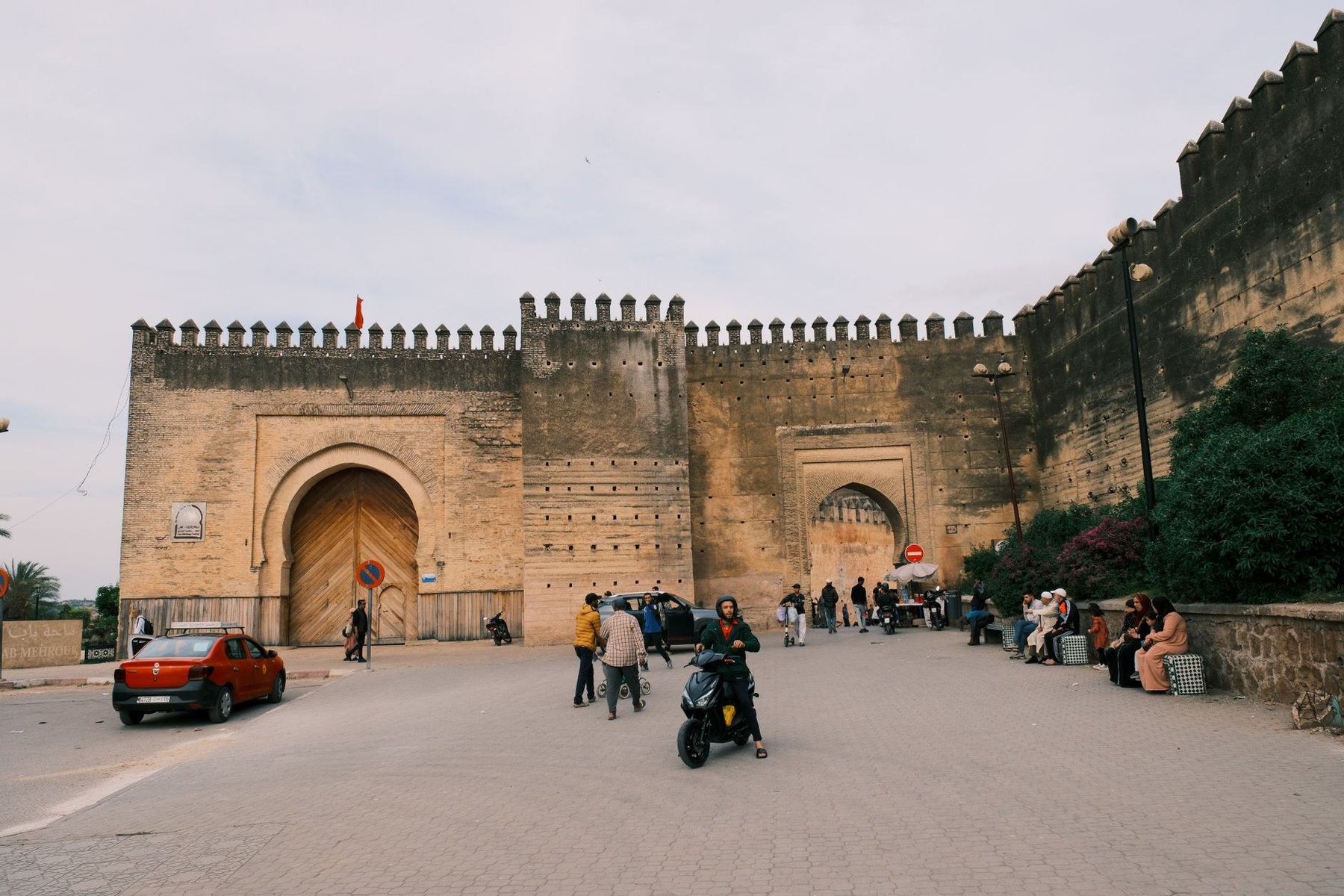
Enter through the monumental Bab Bou Jeloud (the Blue Gate), its glazed cobalt-blue and green ceramic tiles gleaming in the morning sun. Inside, discover the 14th-century Bou Inania Madrasa, showcasing breathtaking carved cedar eaves and stucco calligraphy. A short walk brings you to the Chouara Tannery, where tanners still stand waist-deep in stone vats filled with natural dyes and pigeon droppings, curing cow and goat hides exactly as their ancestors did in the 11th century.
Hidden Treasures: Al-Qarawiyyin and Ancient Madrasas
Tucked behind unassuming wooden doors in Fes lie monumental historical treasures, including the University of al-Qarawiyyin, founded in 859 AD by Fatima al-Fihri and recognized by UNESCO and Guinness World Records as the oldest continually operating university on Earth.
While the sacred prayer hall is reserved for Muslims, you can admire the magnificent marble fountains and carved horseshoe arches through open cedar portals. Nearby, visit the Fondouk el-Nejjarine, an 18th-century travelers’ caravanserai transformed into the Museum of Wooden Arts and Crafts, complete with a rooftop cafe overlooking the medina.
The High Atlas Mountains: Terraced Valleys and Berber Culture
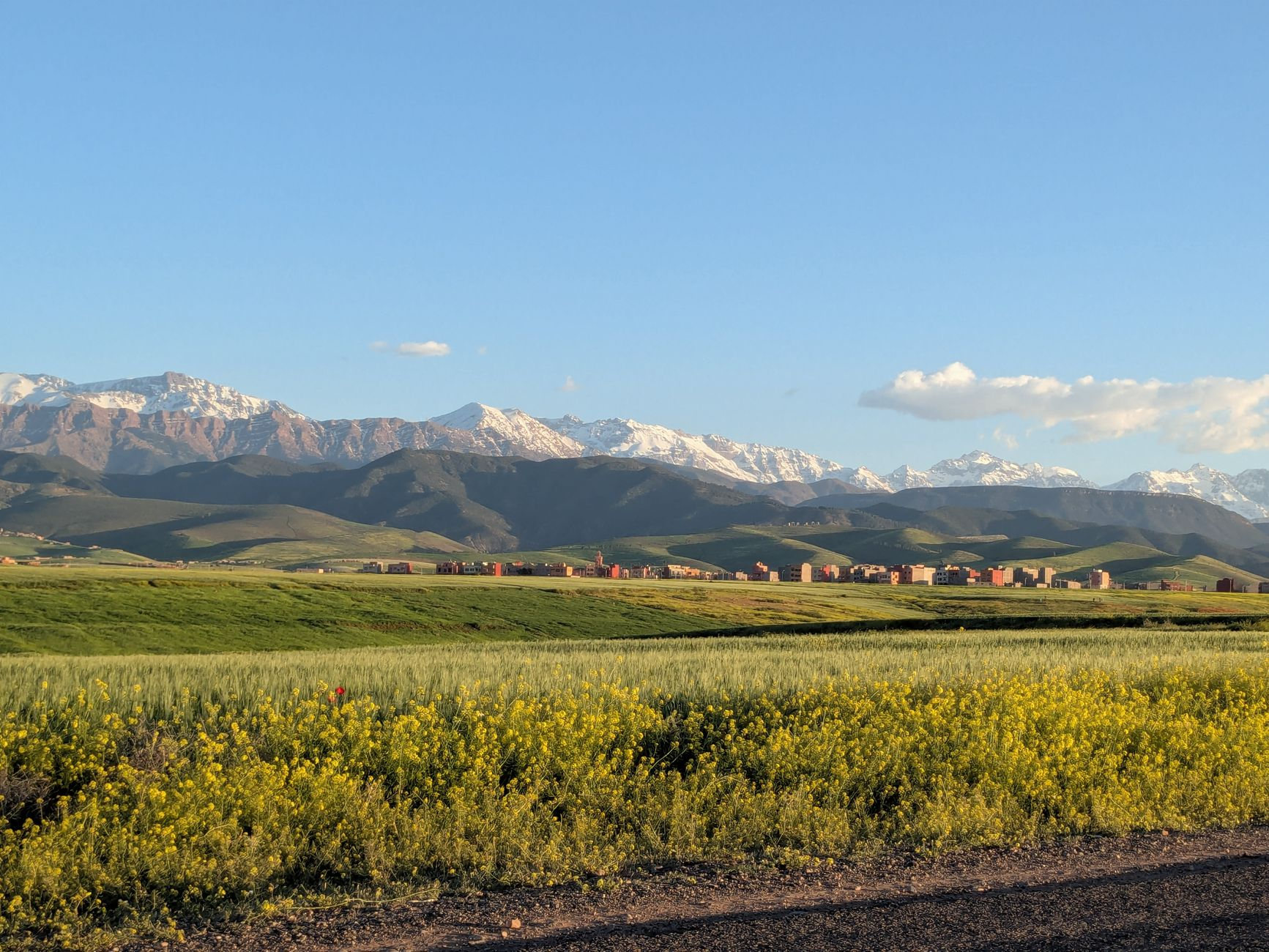
For a refreshing natural escape, the High Atlas Mountains rise just ninety minutes south of Marrakech. Snow-dusted peaks tower over lush walnut groves, with ancient mud-brick Berber villages clinging dramatically to sheer valley slopes.
Take a day hike through the Ourika Valley or around the mountain hamlet of Imlil, the traditional trailhead for climbing Mount Toubkal. Along the trail, stop at a traditional village home for a steaming tagine slow-cooked over wood embers and warm khobz flatbread dipped in rich argan oil and wildflower honey.
Essaouira: Atlantic Ramparts, Art and Fresh Seafood
For a complete change of rhythm, board a comfortable coach west to Essaouira, a fortified Atlantic coastal port where ocean trade winds keep temperatures cool year-round. Painted in brilliant whites and cobalt blues, Essaouira’s medina is compact, relaxed, and delightfully easy to navigate, with wide pedestrian streets and an absence of high-pressure sales tactics.
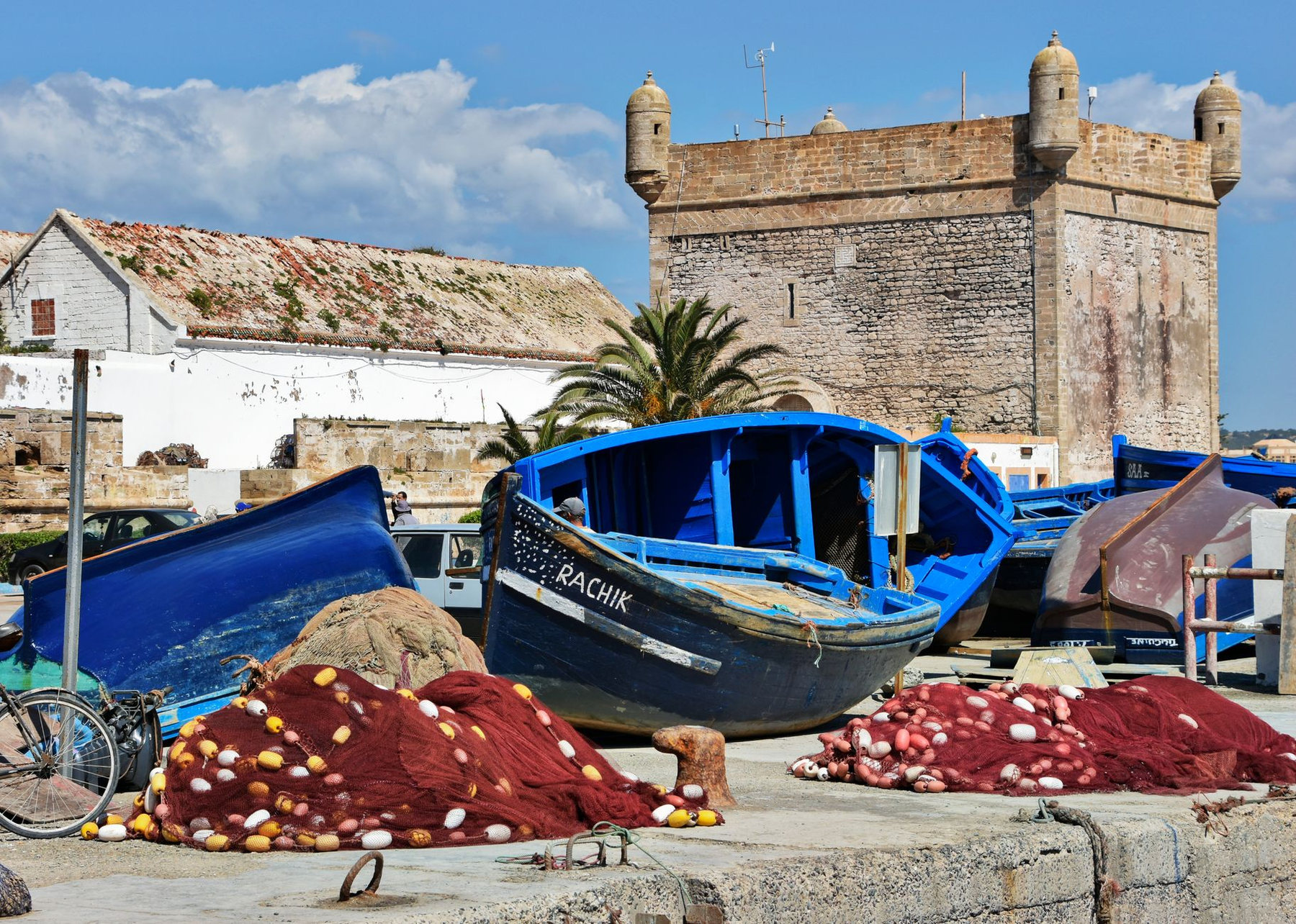
Wander down to the vibrant fishing port, where blue wooden trawlers bob against stone quays. Watch local fishermen untangle nets and auction off their daily catch of sea bass, sardines, octopus, and red mullet. Choose your seafood fresh from the port stalls and have it grilled immediately on open charcoal grates with lemon and cumin, savored at rustic wooden tables overlooking the crashing waves.
The Skala de la Ville and Essaouira's Coastal Spirit
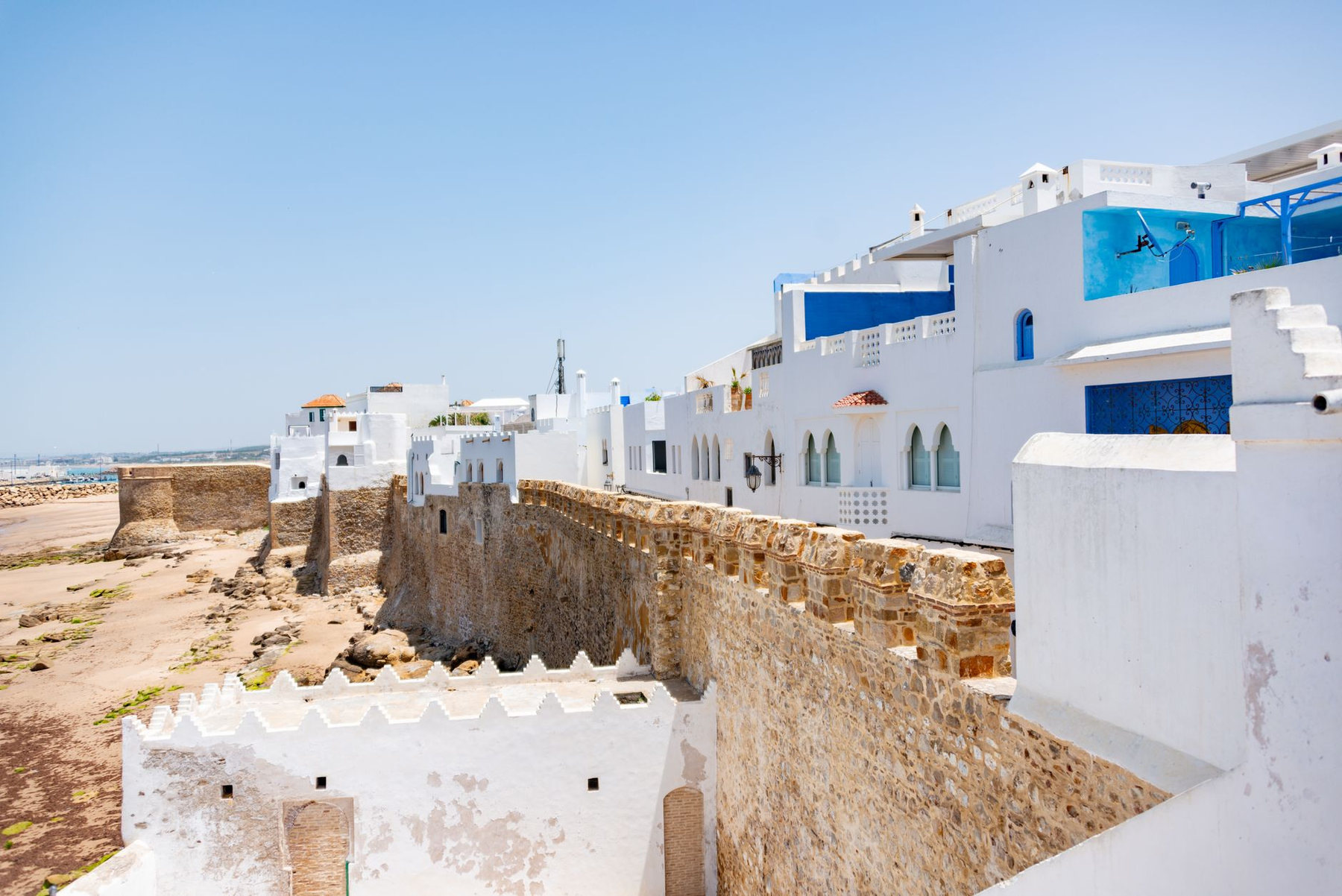
Essaouira’s oceanfront fortifications, the Skala de la Ville, were built in the 18th century by French architect Théodore Cornut. Walk along the broad stone battlements lined with historic Portuguese brass cannons, watching massive Atlantic rollers crash violently against the sea wall below.
The town is celebrated as Morocco’s artistic capital, boasting dozens of independent galleries, bohemian silver workshops, and fragrant thuya woodwork ateliers where master craftsmen carve intricate boxes from local briarwood roots. Cap off your day with a sunset camel stroll along Essaouira’s sweeping sandy beach as kitesurfers dance across the waves.
Staying Connected in the Medinas: The NXTL Global eSIM Advantage
In Morocco, mobile data is an essential safety and navigation tool. Navigating the ancient medinas of Marrakech and Fes is notoriously tricky: high clay walls and covered stone tunnels can cause GPS signals to drift, and paper maps are practically useless across thousands of unlabelled alleyways. Having active cellular data lets you drop pins for your riad, consult offline maps, communicate with drivers, and hail verified rides without getting lost.
Forget about standing in airport arrival lines to buy single-country physical SIM cards that involve passport photocopies and complicated Arabic activation menus. With the NXTL Global eSIM, you install one single eSIM on your phone and stay connected across 180+ countries and 460+ local partner networks.
When you land in Casablanca or Marrakech, your phone connects immediately to Morocco’s top telecommunications networks—Maroc Telecom and Orange Morocco—providing fast, reliable 4G+ LTE coverage across medinas, coastal towns, and mountain corridors.
The best part: your prepaid balance never expires, and there are no expiring 7-day or 30-day packages. You start for just $11.99 with $10 usable balance included, paying only for the megabytes you consume. Any unused balance rolls over automatically to your next adventure, whether that is Portugal, Egypt, or anywhere else worldwide. Your primary home SIM remains active in your phone for free bank 2FA SMS and WhatsApp calls without paying carrier roaming fees.
Daily Data Usage Expectations for Morocco:
• Medina GPS Navigation & Offline Map Sync: ~80–120 MB per day.
• Ride-Hailing & Driver Logistics (Careem / InDrive): ~40–60 MB per day.
• Messaging with Riad Hosts & Tour Guides (WhatsApp): ~50–80 MB per day.
• Photo Uploads & Travel Research: ~200–350 MB per day.
A data plan of 5 GB to 8 GB will comfortably cover a 7 to 10-day trip, with top-ups handled effortlessly in the NXTL app.
Riad Culture, Bargaining & Currency Tips
Keep these practical tips in mind for a smooth Moroccan adventure:
• Stay in a Riad: Skip generic modern chain hotels outside the walls and book a traditional riad inside the medina. These multi-story historic homes centered around lush open-air courtyards are tranquil acoustic sanctuaries where you can escape the sensory rush of the streets.
• The Gentle Art of Souk Bargaining: Bargaining is an honored social tradition, not a fight! Approach it with good humor, warmth, and a smile. As a general starting point, counter-offer at roughly 40–50% of the vendor’s opening quote and negotiate towards a friendly middle ground. If the price does not suit you, say ‘Shukran’ and walk away peacefully.
• Cash is King: While high-end riads and modern restaurants accept credit cards, medina souks, street stalls, and petit taxis operate strictly on cash Moroccan Dirham (MAD). Withdraw cash from official bank branch ATMs (Attijariwafa Bank or BMCE) and always keep small 10, 20, and 50 dirham notes handy.